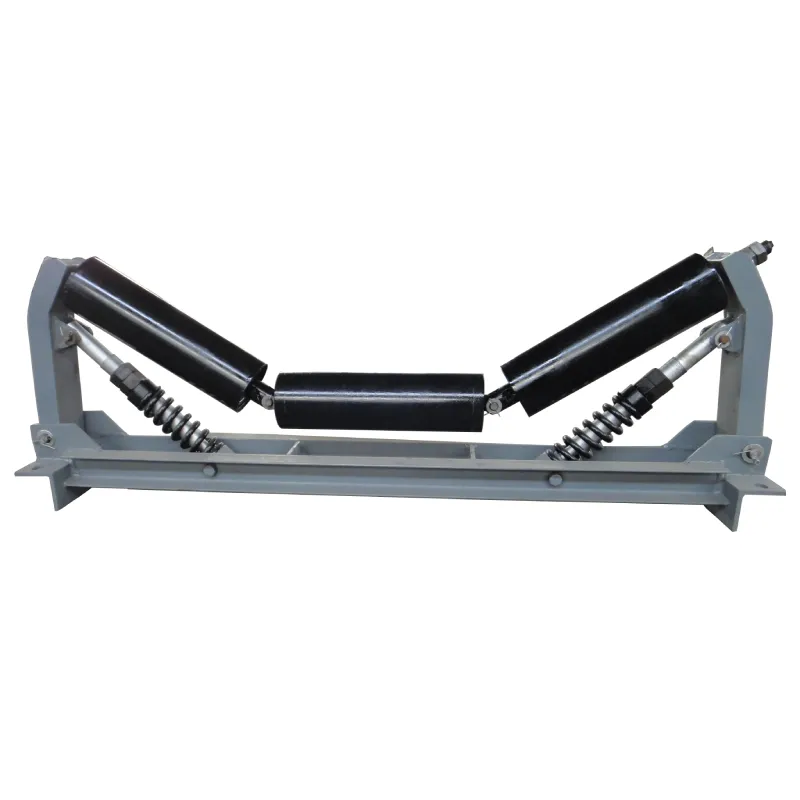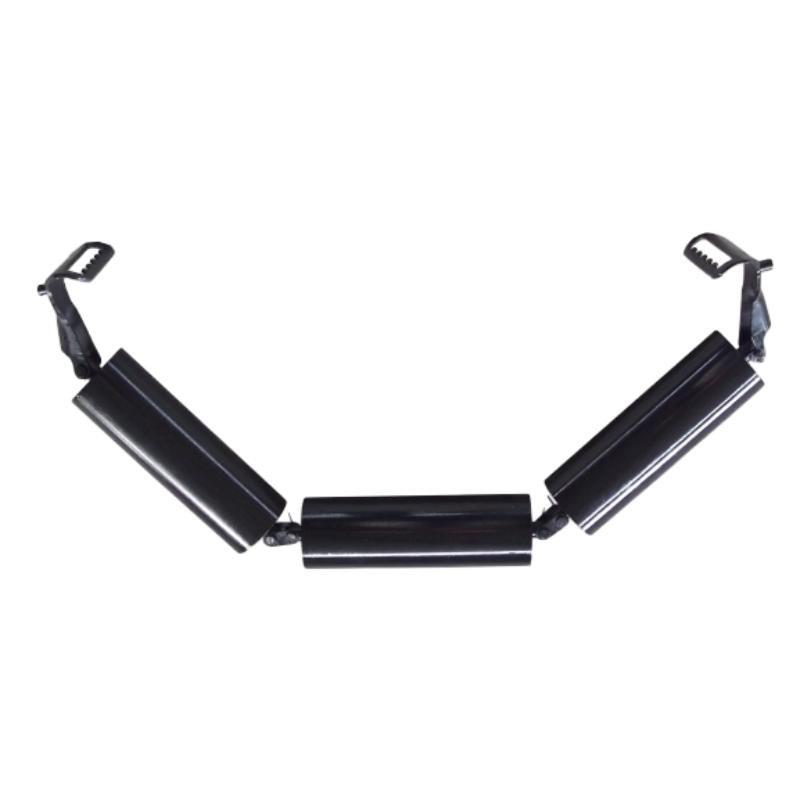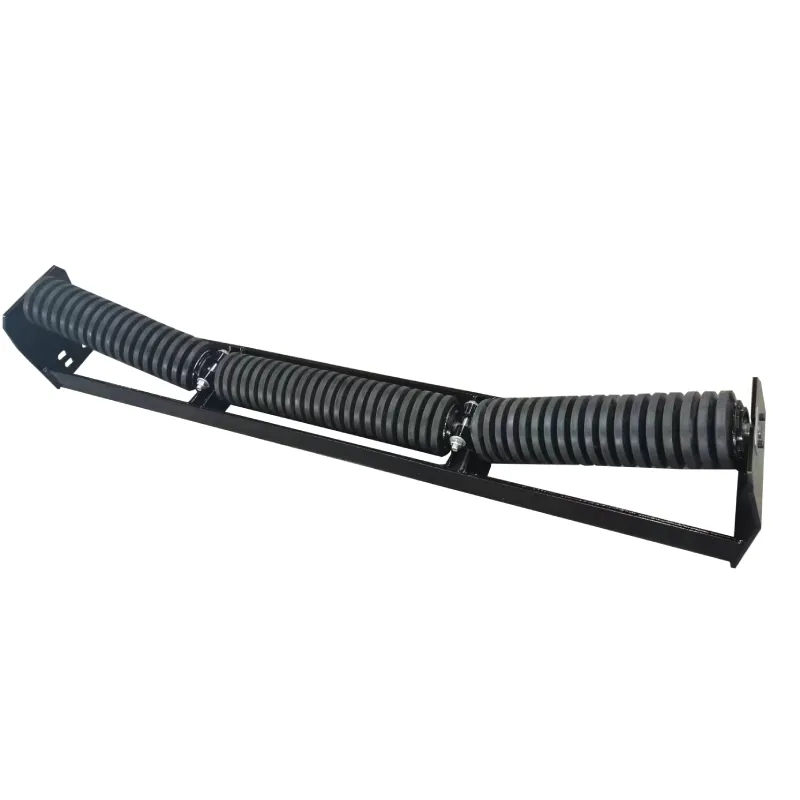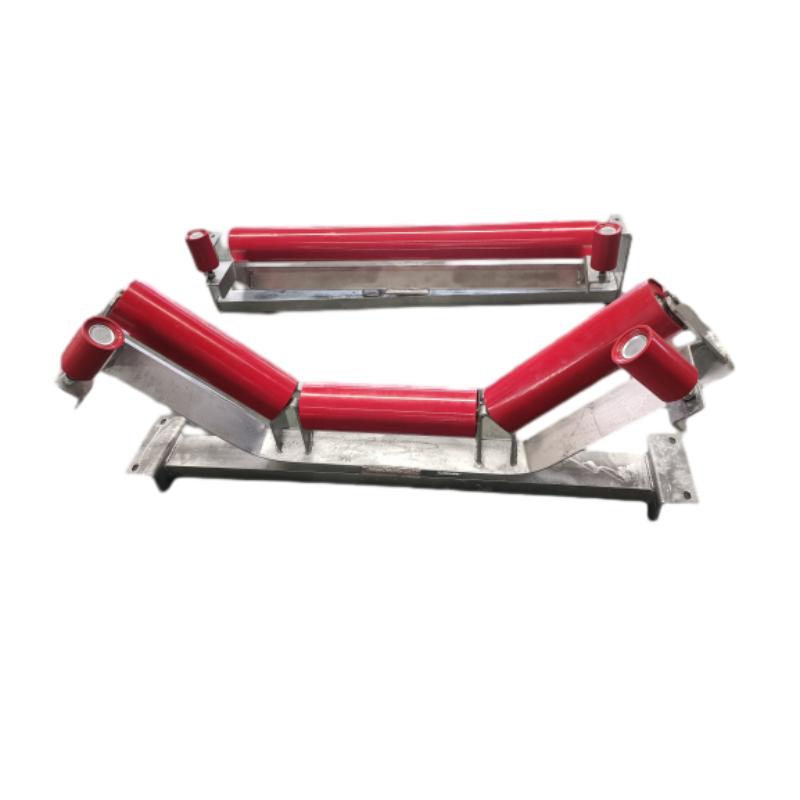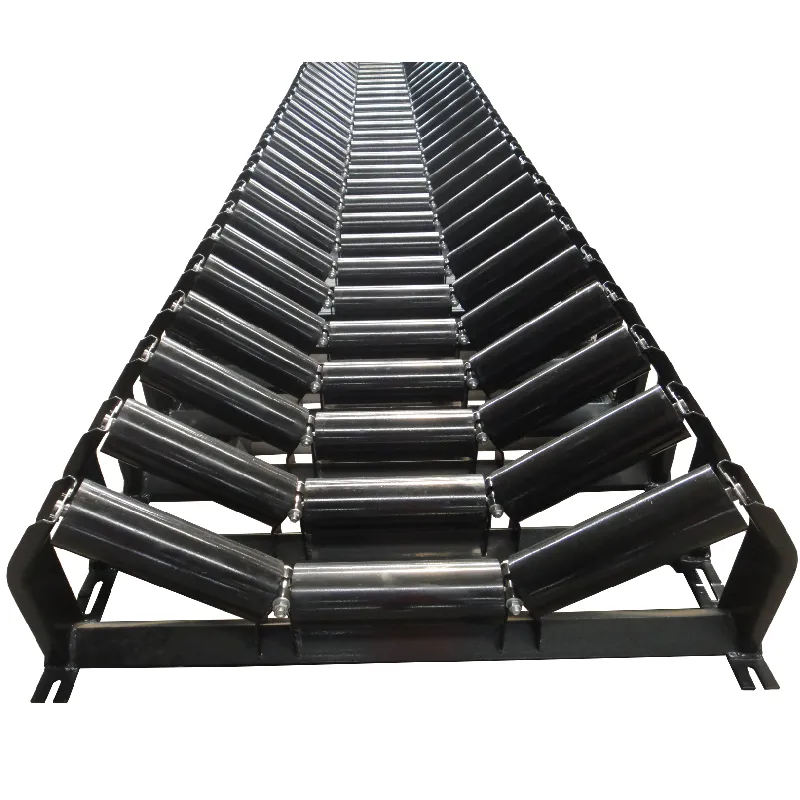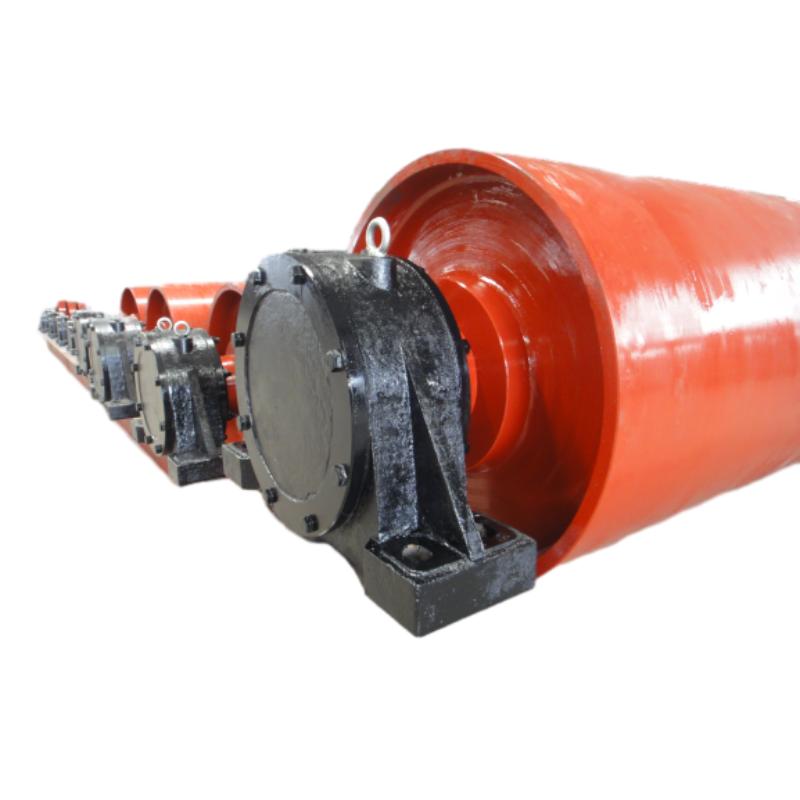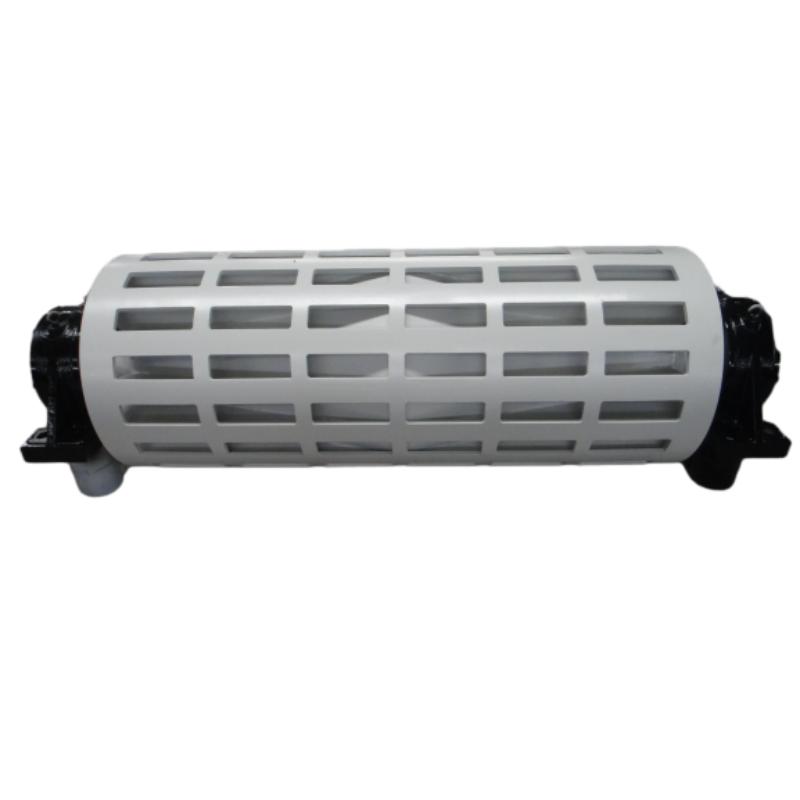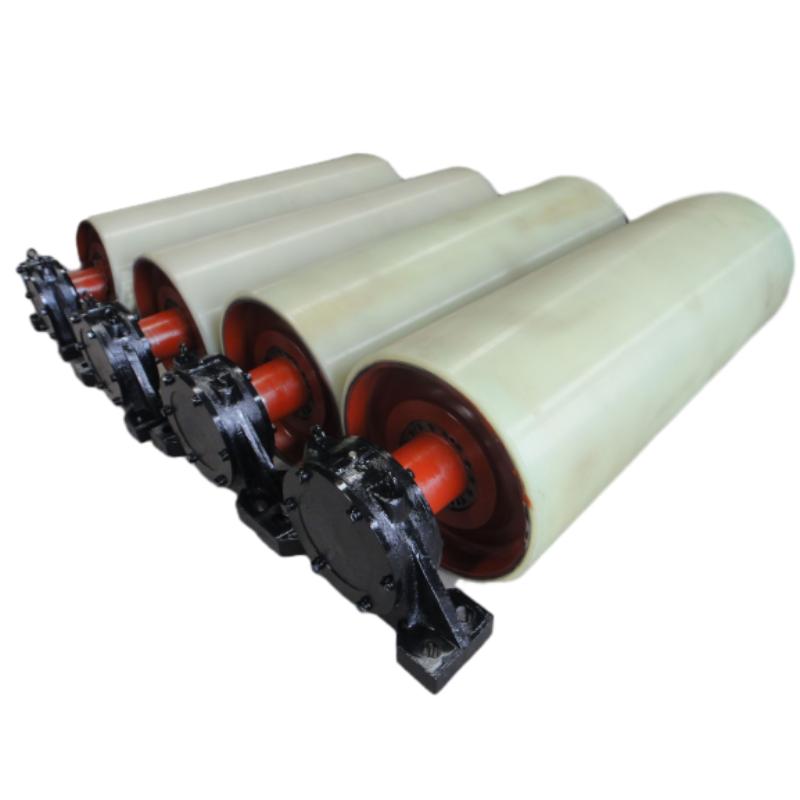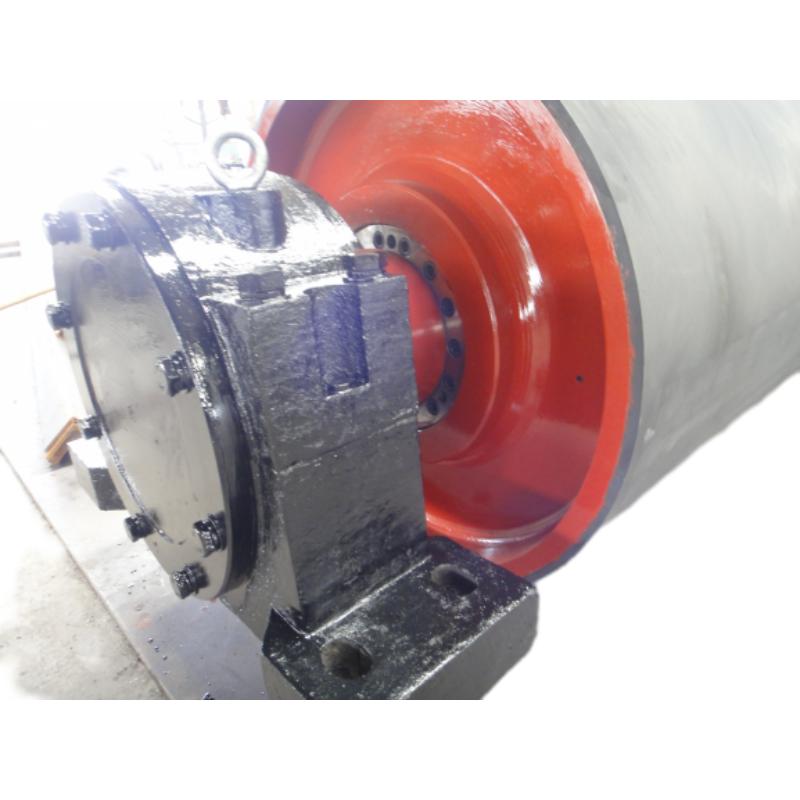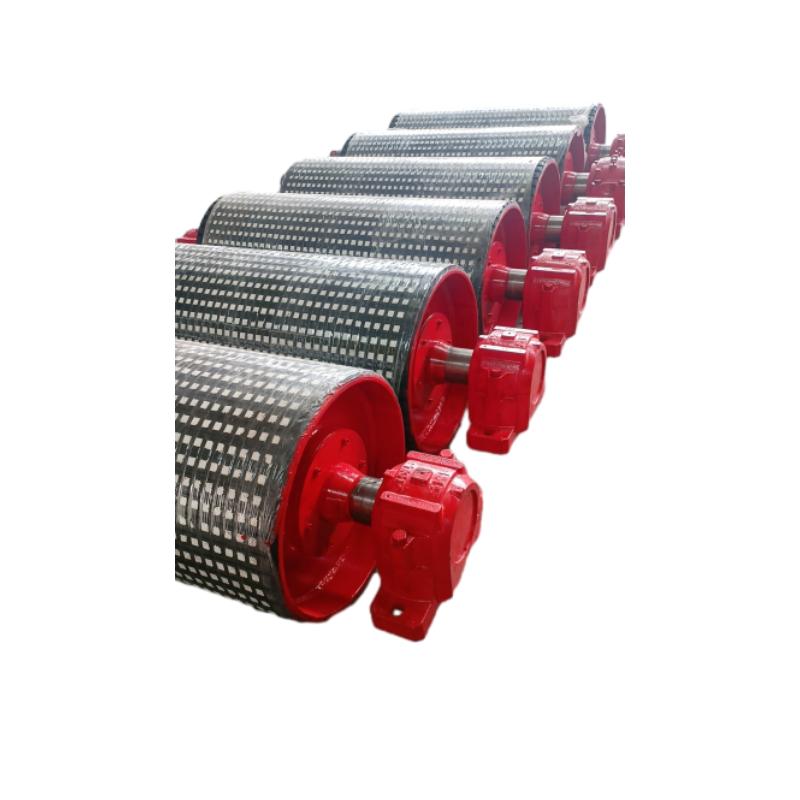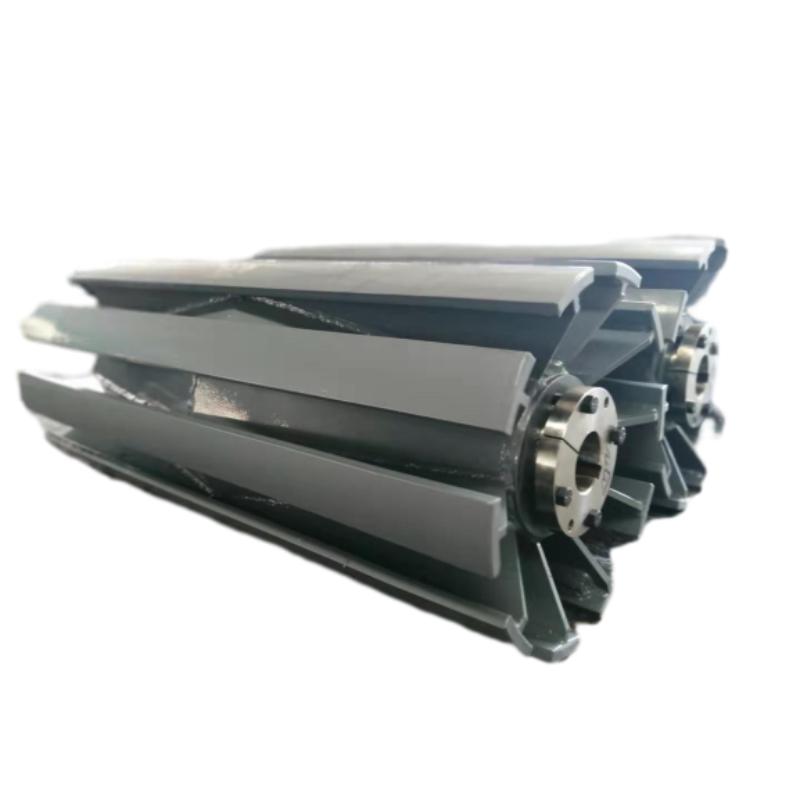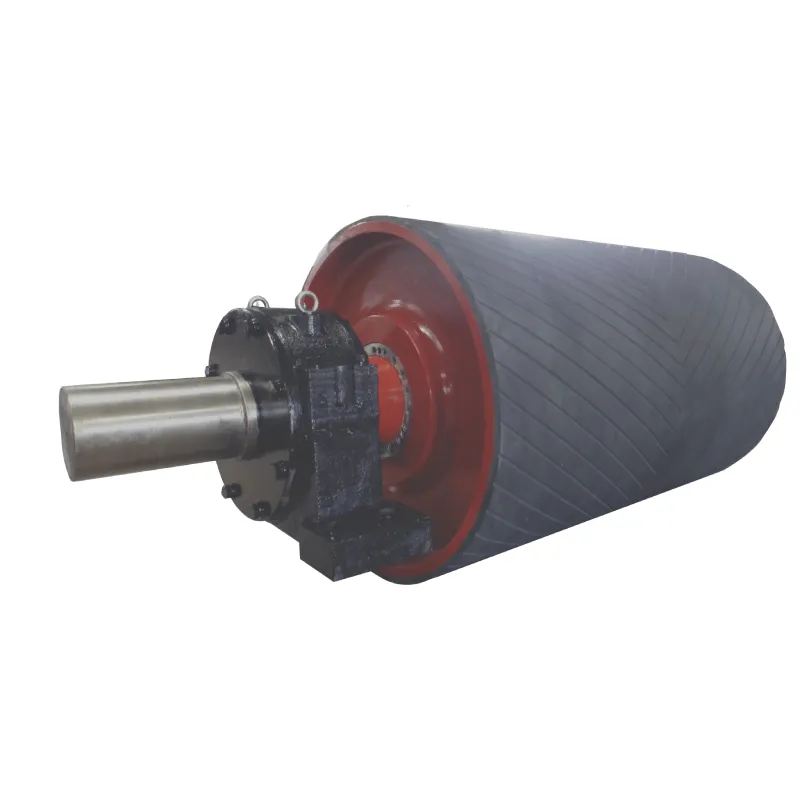


Conveyor Roller Stands: Durable, Adjustable Support for Efficient Conveying
Conveyor Roller Stands: The Unsung Heroes of Efficient Material Handling
Having spent a fair share of my career knee-deep in factories and warehouses, I must say, conveyor roller stands don’t always get the spotlight they deserve. Conveyor roller stands are that quietly sturdy support system that keep materials flowing without a hitch. You rarely hear them praised, but frankly, they make a huge difference in industrial efficiency.
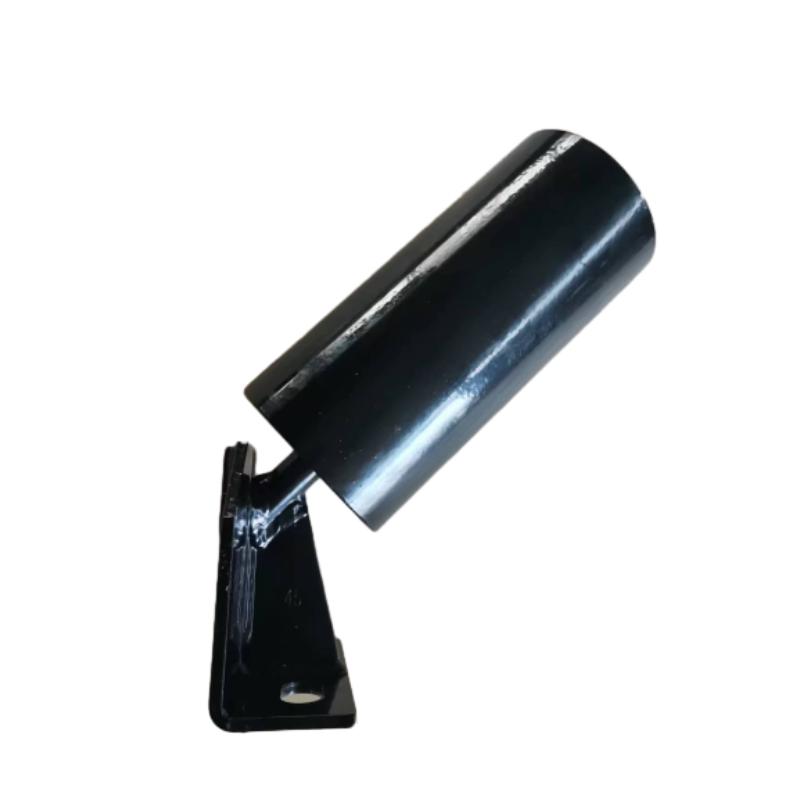
Now, when I first started, I underappreciated these stands myself. But after witnessing how one misaligned roller led to a chain reaction of jams and downtime, I got schooled—proper stands are essential. They’re not just simple columns holding up rollers; they’re precision-engineered pieces designed for longevity, easy maintenance, and adaptability. Industrial engineers tend to agree: picking the right roller stand can be the difference between smooth handling and constant headaches.
Let’s dive a bit deeper into what makes these stands tick and why they remain so popular across multiple industries — from packaging lines to heavy manufacturing.
Materials and Design: Built to Last
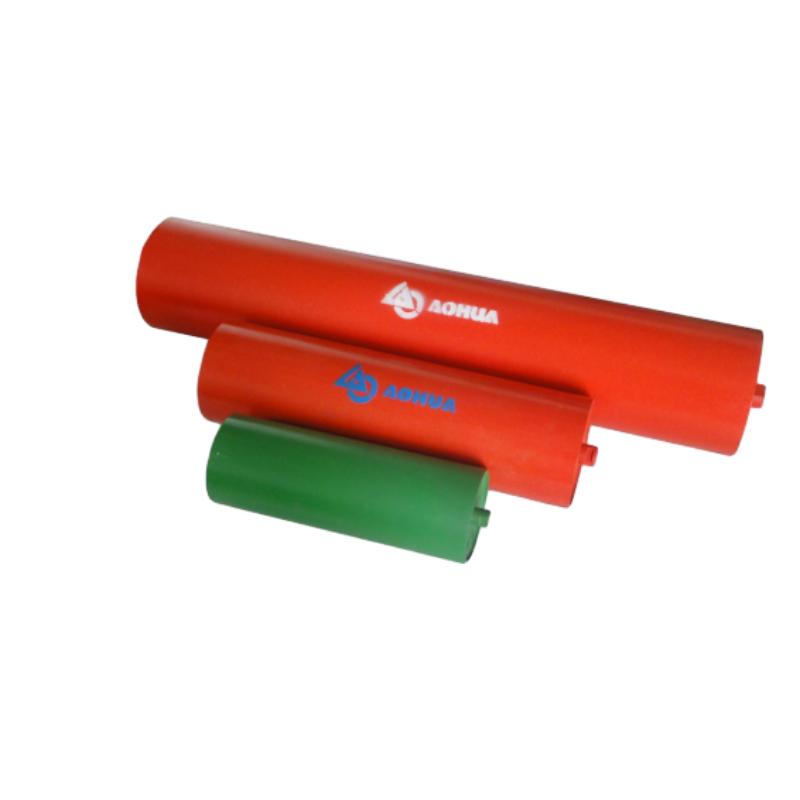
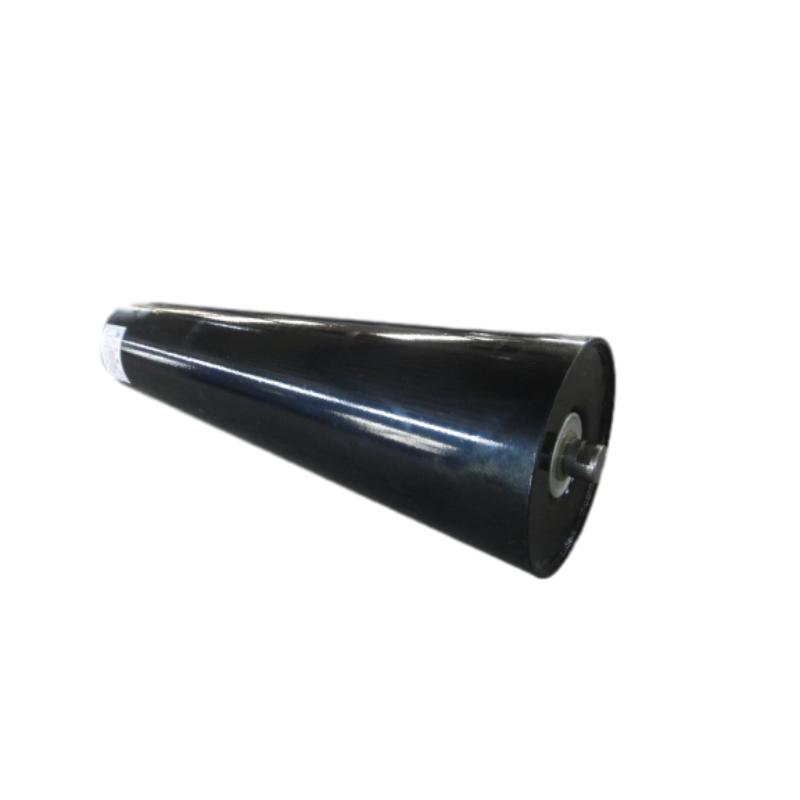
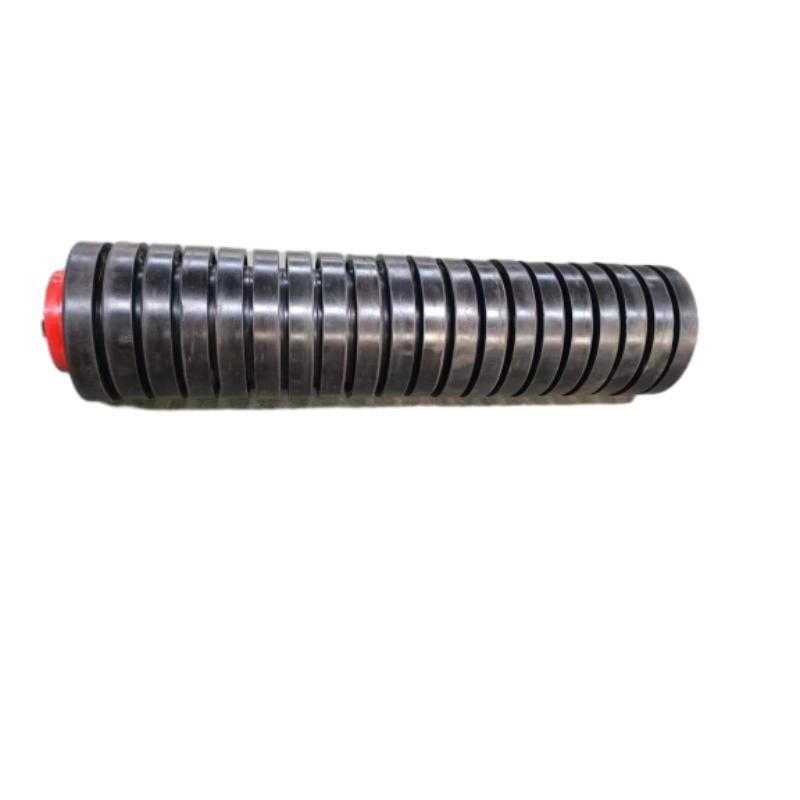
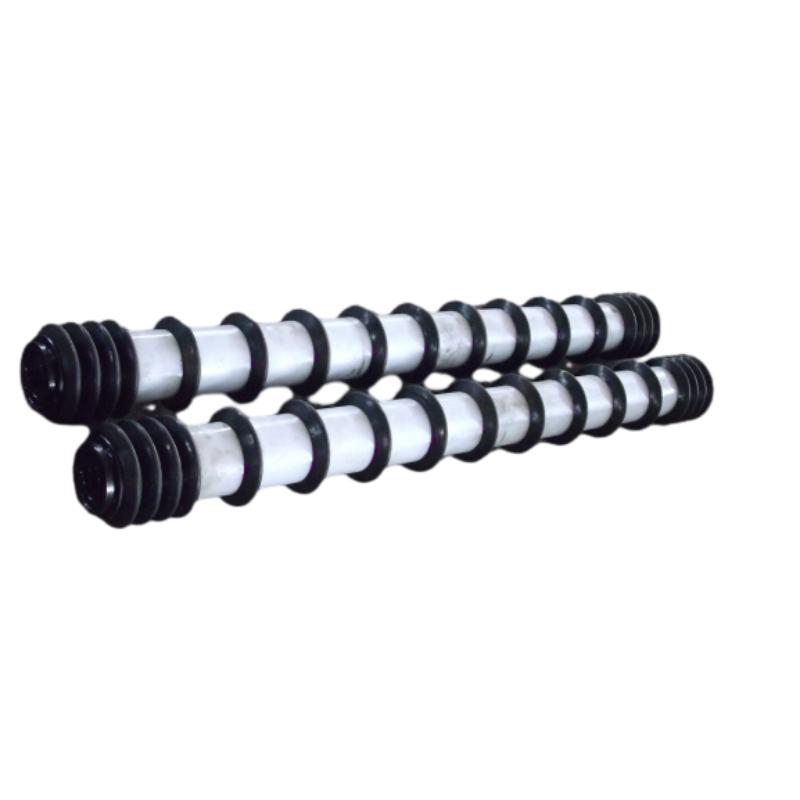
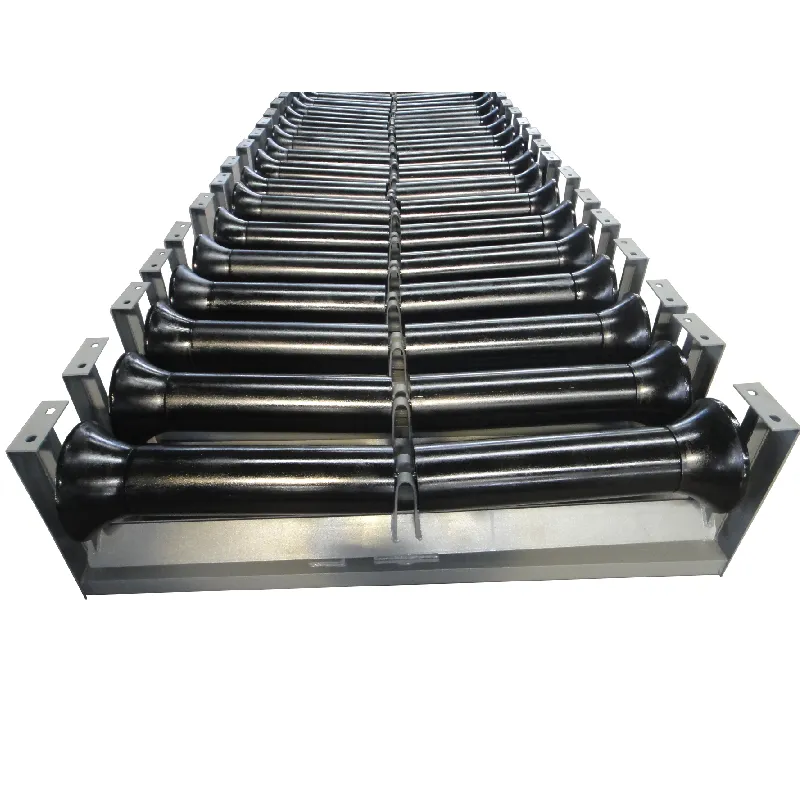
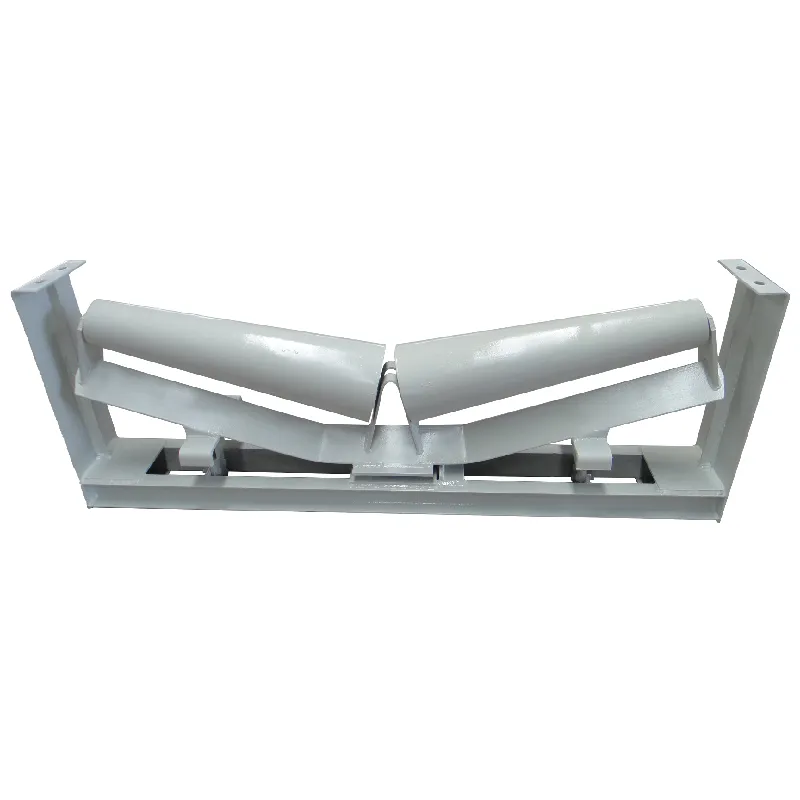
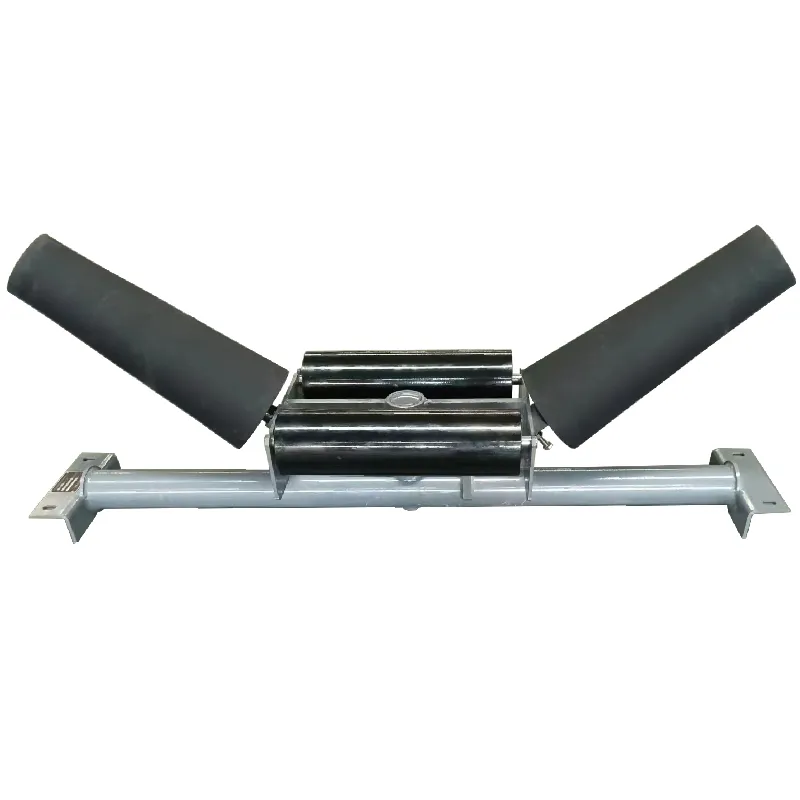
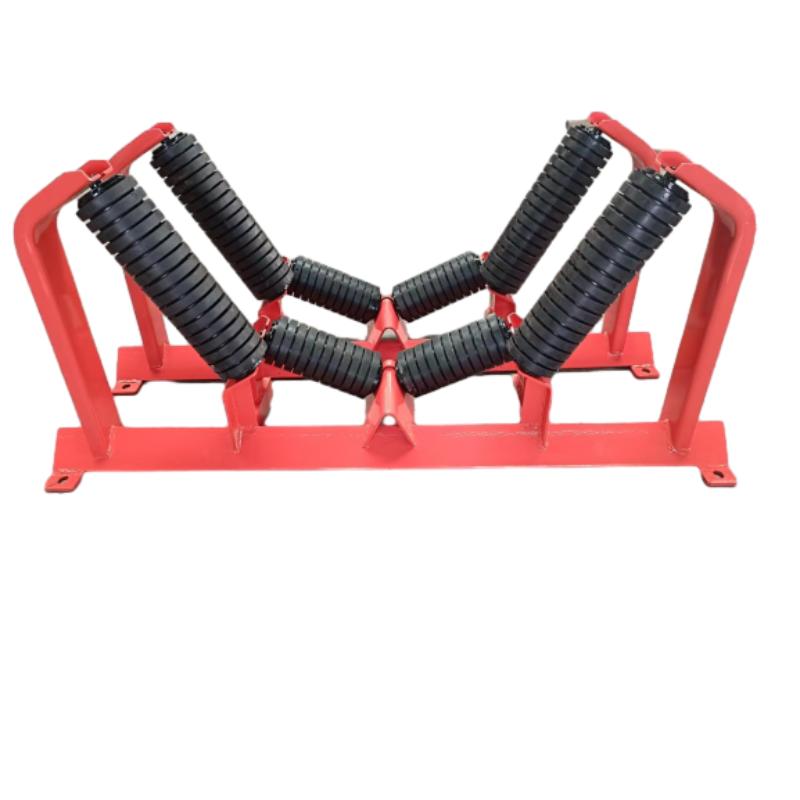
In real terms, conveyor roller stands are typically made from steel tubular sections or square profiles, often powder-coated for corrosion resistance. The rollers themselves, mounted on these stands, may be PVC, rubber, or steel depending on the conveyed goods. I’ve noticed that good manufacturers invest in fatigue-tested steel to withstand endless cycles of loading. It’s not just about brute strength; the stands need to handle vibration, minor impacts, and fluctuating loads without deforming.
Many engineers say adjustability is key. For instance, stands with height-adjustable feet or roller mounts allow operators to tune the conveyor setup on-site, accommodating different product sizes without replacing whole sections. This flexibility isn’t just a nice-to-have; it simplifies troubleshooting and saves serious downtime during changeovers.
Product Specification Highlights
| Specification | Typical Range | Notes |
|---|---|---|
| Material | Steel (Powder-coated), Stainless Steel Optional | Custom coatings for corrosive environments |
| Load Capacity | Up to 1500 kg per stand | Depends on roller diameter and quality |
| Adjustability | 50–1500 mm height range | Crucial for line leveling |
| Roller Diameter | 38–89 mm typical | PVC, rubber, or steel options |
| Mounting | Floor-mounted or frame-mounted | Some models have adjustable feet |
Choosing the Right Supplier: A Quick Comparison
| Supplier | Product Range | Customization | Lead Time | Price Level |
|---|---|---|---|---|
| Idler A | Standard stands, heavy duty | Limited | 4–6 weeks | Mid-range |
| Idler B | Full customization, stainless options | Extensive | 8–12 weeks | Higher |
| Idler C | Basic stands, fast delivery | Minimal | 2–3 weeks | Budget |
Oddly enough, one story sticks with me. A packaging plant I visited recently had frequent jams on their conveyor line. After a thorough check, the culprit was a worn, poorly aligned roller stand causing subtle mis-tracking. Once replaced with a robust, adjustable stand, those jams disappeared — productivity bumped up, and operators actually had less stress (which was telling in itself). It’s little wins like this that make conveyor roller stands so much more than just “equipment.”
To sum up, picking the right conveyor roller stand is about balancing durability, flexibility, and cost — with a good nod to customization if your application demands it. In my experience, it pays to invest in quality, especially if your operation runs 24/7. The quieter the stands, the easier your day.
References:
1. Conveyor Equipment Manufacturers Association (CEMA) Standards
2. Smith, J., Industrial Conveyors for Material Handling, 2021
3. Field observations, multiple industrial sites, 2010–2023
-
Maximize Conveyor Life with a High Performance impact bedNewsApr.16,2026
-
Maximize Conveyor Efficiency Using a v plow belt scraperNewsApr.09,2026
-
Comprehensive Guide to Understanding Different Types of Belt CleanersNewsApr.07,2026
-
Enhancing Conveyor Efficiency with an Effective Scraper Belt CleanerNewsApr.04,2026
-
Optimizing Conveyor Systems with Advanced Cleaning Equipment SolutionsNewsMar.31,2026
-
Effective Conveyor Belt Scraper Adjustment for Optimal System PerformanceNewsMar.28,2026