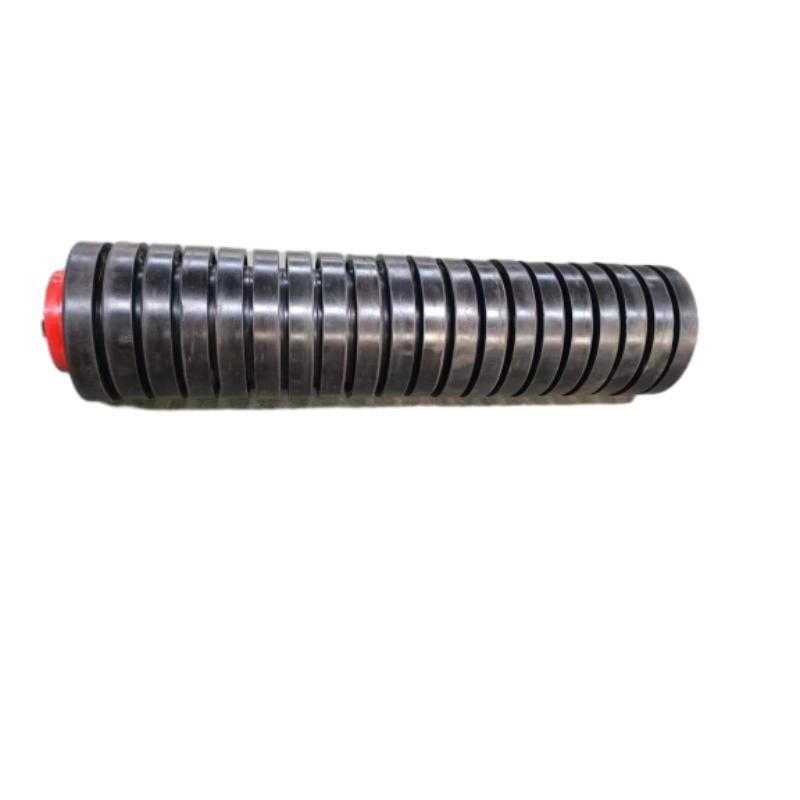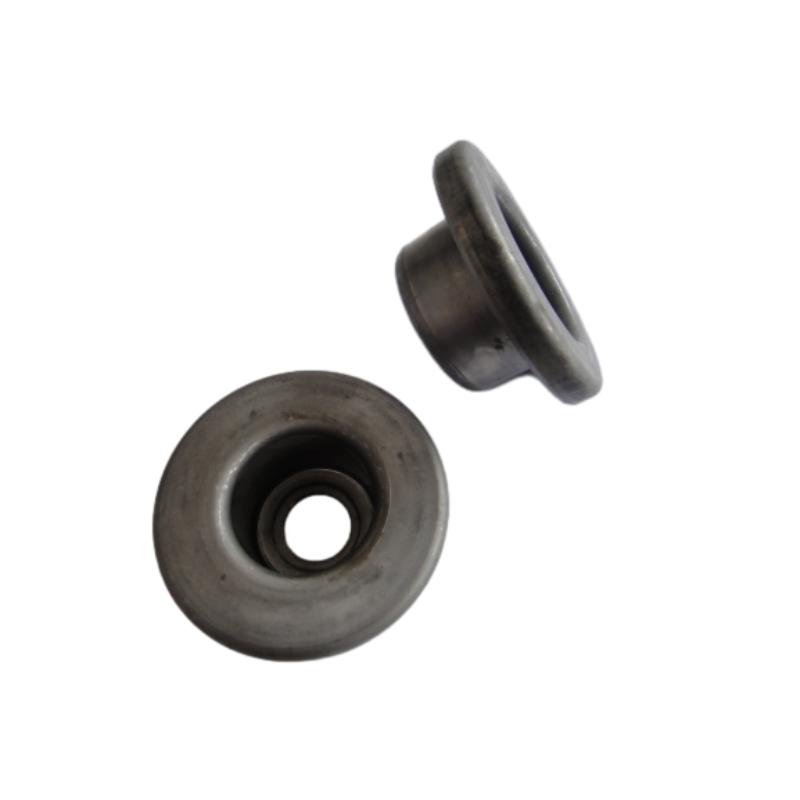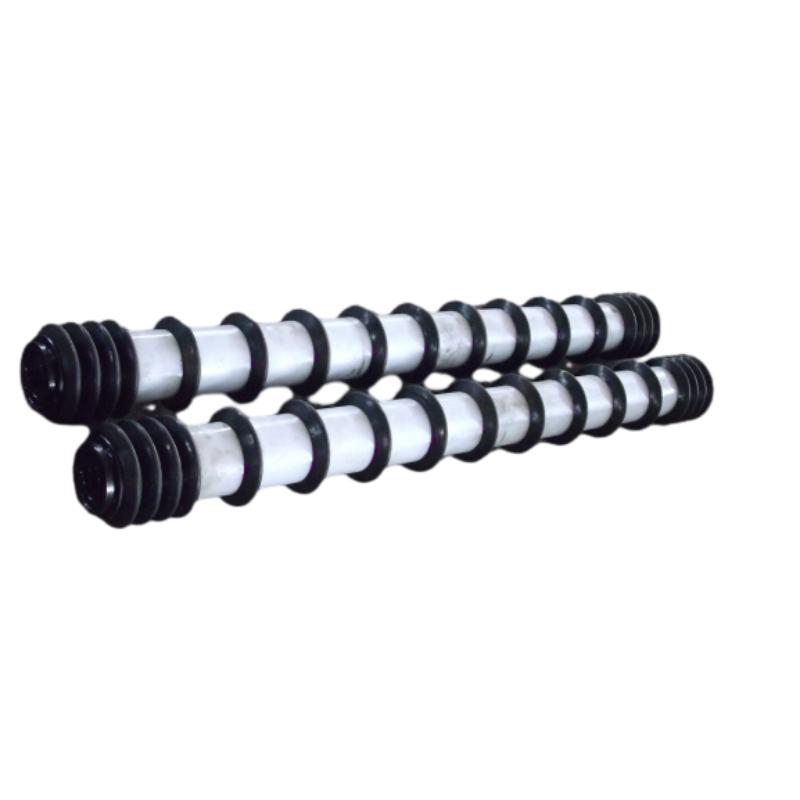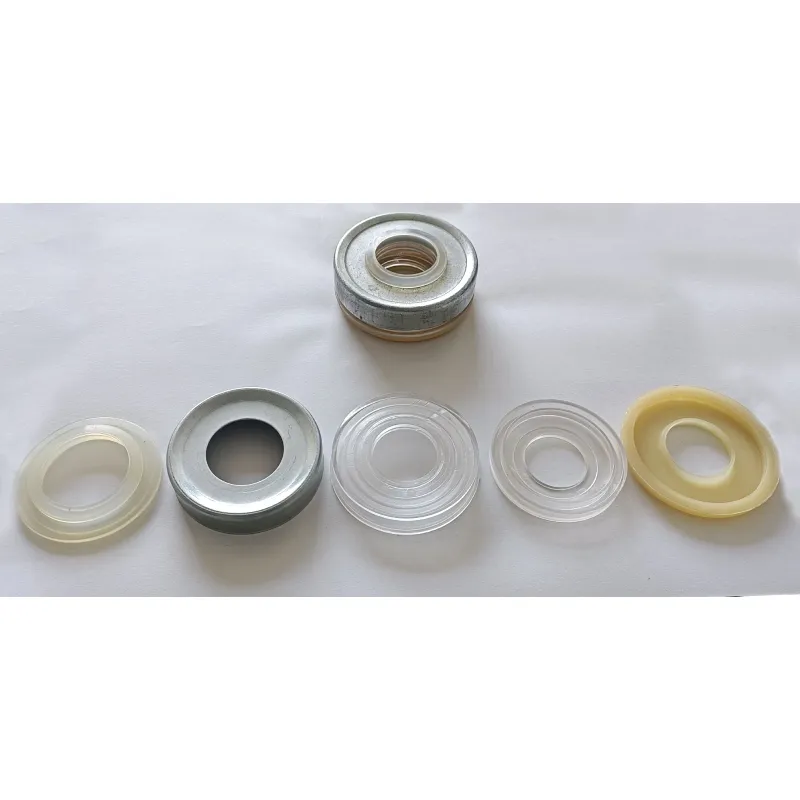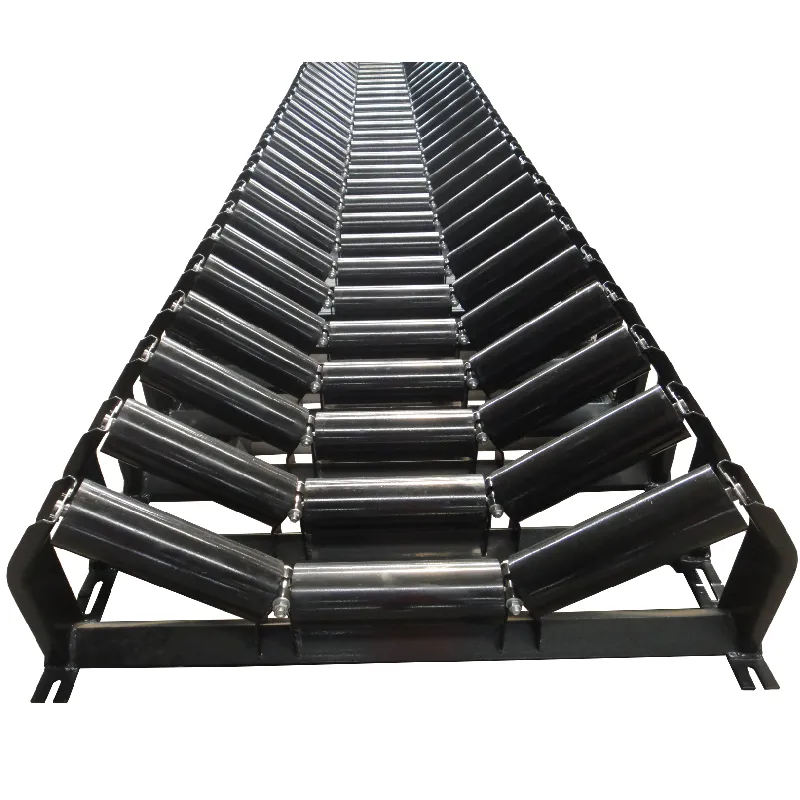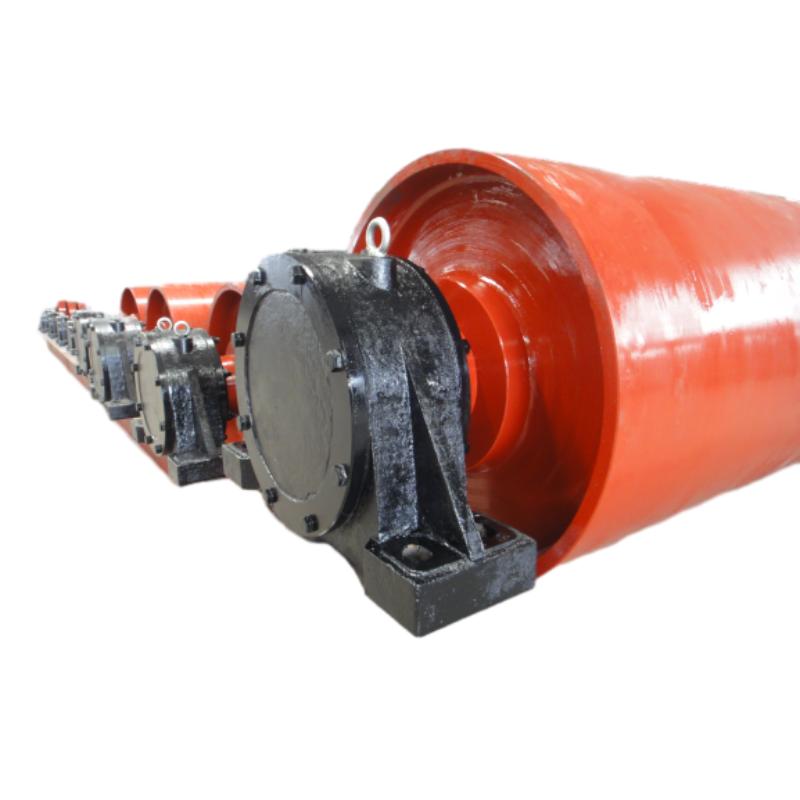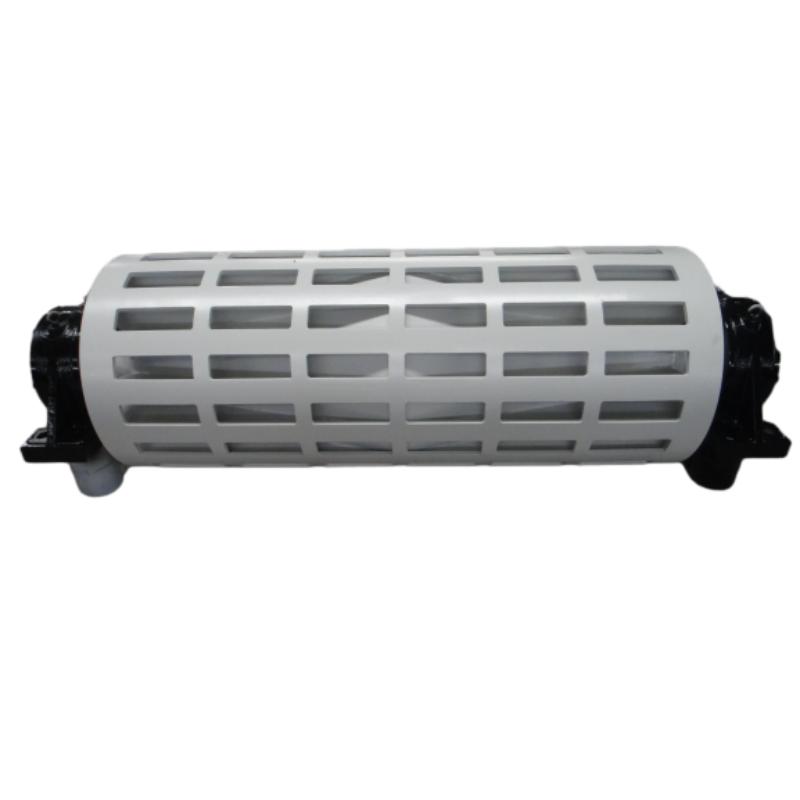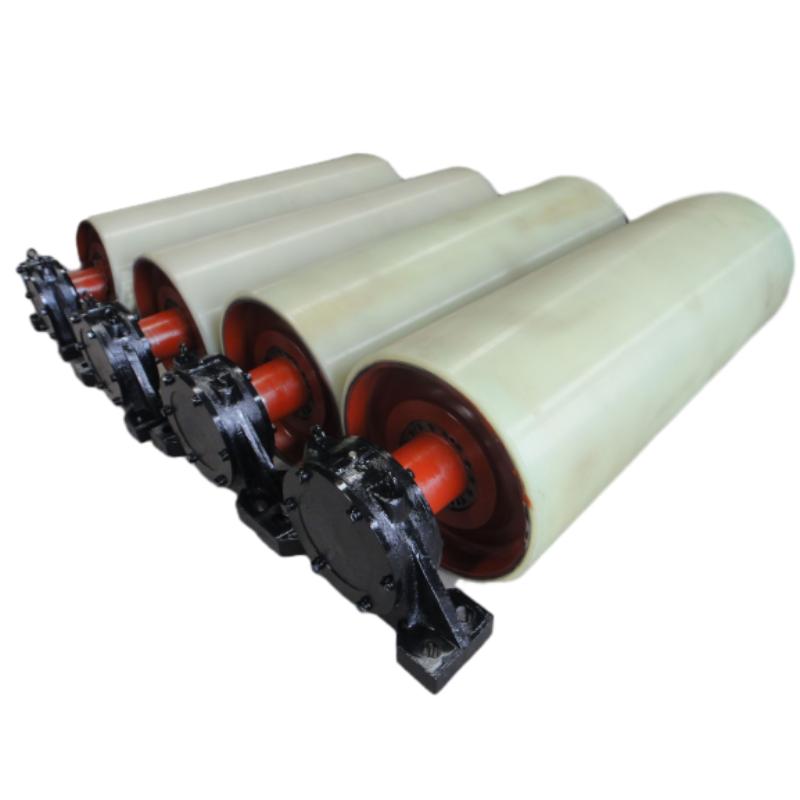


Optimizing Conveyor Systems with Advanced Cleaning Equipment Solutions
Choosing the Right Conveyor Cleaning Equipment
Maintaining clean conveyor systems is crucial for operational efficiency, product quality, and workplace safety. Effective conveyor cleaning equipment prevents material buildup, reduces downtime, and extends the lifespan of your conveyor components. This article will explore the various types of conveyor cleaning equipment, their applications, and factors to consider when selecting the best solution for your needs. Proper cleaning systems significantly impact productivity and reduce maintenance costs. Let's delve into the world of conveyor cleaning and find the perfect fit for your operation.
Types of Conveyor Cleaning Equipment
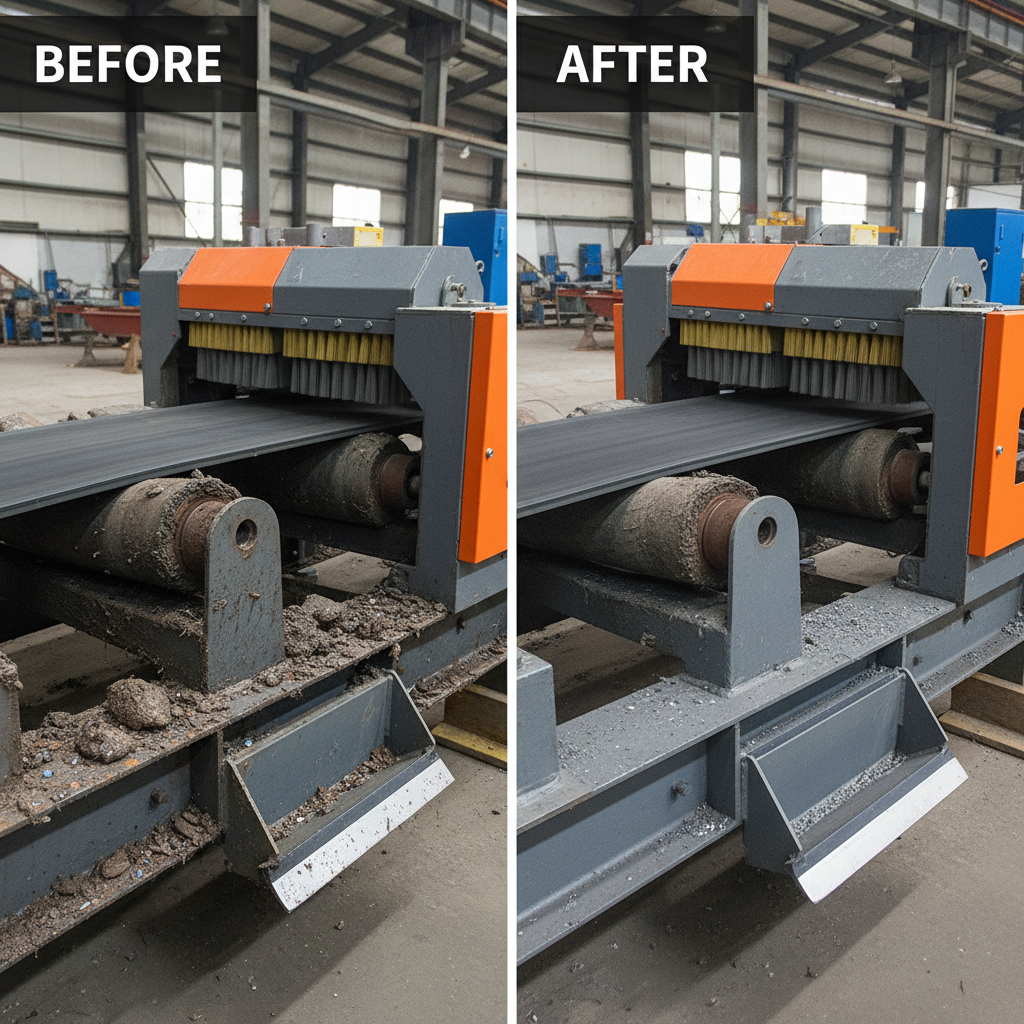
A diverse range of conveyor cleaning equipment is available, each designed for specific applications and materials. These include blade scrapers, urethane scrapers, V-plows, brush systems, and air knives. Blade scrapers are effective for removing sticky materials, while urethane scrapers offer durability and resistance to wear. V-plows are ideal for heavy buildup, and brush systems excel at gently removing debris. Air knives utilize compressed air to blow off loose materials, making them suitable for dry applications. Selecting the right type depends on the material being conveyed, the conveyor speed, and the desired level of cleanliness.
Key Highlights: Different types of cleaning equipment cater to various materials and conveyor applications, ensuring optimal cleaning performance and minimal downtime.
Applications of Conveyor Cleaning Systems
Conveyor cleaning systems find applications across numerous industries. In food processing, they maintain hygienic conditions and prevent contamination. In mining and aggregate handling, they prevent material buildup that can cause blockages and reduce efficiency. Recycling facilities rely on these systems to keep conveyors operating smoothly amidst diverse materials. Manufacturing plants use them to remove scrap and debris, improving product quality. The specific cleaning requirements vary depending on the industry and the materials being handled. Idler Aohua's cleaning solutions are adaptable to a wide array of industrial settings.
Industry Applications:
• Food Processing
• Mining & Aggregate
• Recycling
• Manufacturing
Conveyor Cleaning Equipment: A Comparative Overview
Choosing the most appropriate conveyor cleaning equipment requires careful consideration of various factors. Here's a comparison of common types:
Factors to Consider When Selecting Conveyor Cleaning Equipment
Several key factors influence the selection process. The type of material being conveyed (abrasive, sticky, dry, wet) is paramount. Conveyor speed and belt type (rubber, PVC, etc.) also play a role. Environmental conditions, such as temperature and humidity, should be considered. The ease of installation, maintenance, and adjustability are practical concerns. Finally, budget constraints will influence the choice between different equipment options. Idler Aohua offers expert consultation to help you navigate these factors and choose the optimal solution.
The Benefits of Investing in Effective Conveyor Cleaning Equipment
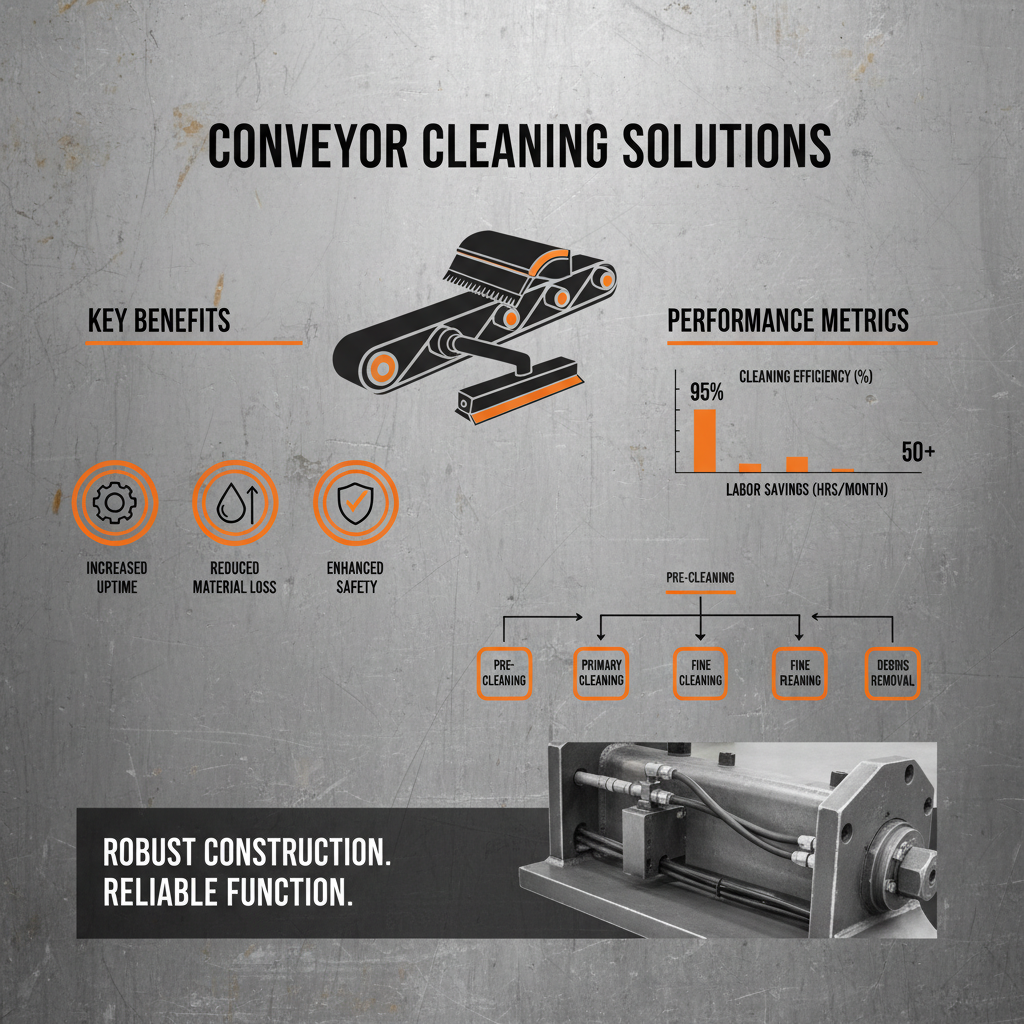
Investing in high-quality conveyor cleaning equipment yields substantial benefits. Reduced downtime translates into increased productivity. Improved product quality minimizes waste and enhances customer satisfaction. Extended conveyor component lifespan lowers maintenance costs. A safer working environment protects employees from hazards associated with material buildup. Ultimately, effective cleaning systems contribute to a more efficient and profitable operation. Don't overlook the long-term ROI of investing in the right cleaning solution.
Conclusion: Optimizing Your Operations with Reliable Conveyor Cleaning
Selecting the right conveyor cleaning equipment is a vital investment for any industry reliant on conveyor systems. By carefully considering your specific needs and choosing a reliable partner like Idler Aohua, you can optimize your operations, reduce costs, and enhance safety. A clean conveyor system is a productive conveyor system.
Frequently Asked Questions (FAQs)
What is the typical payback period for installing a conveyor cleaning system?
The payback period varies depending on the scale of your operation and the severity of material buildup, but many companies see a return on investment within 6-18 months. This is achieved through reduced downtime, lower maintenance costs, decreased product waste, and improved conveyor component lifespan. The savings from preventing even a single significant conveyor blockage can often justify the initial investment. We can provide a customized ROI analysis based on your specific circumstances.
How often should I inspect my conveyor cleaning equipment?
Regular inspections are critical to ensure optimal performance. Daily visual checks for wear and tear, proper adjustment, and blockage are recommended. More thorough inspections, including checking blade tension, scraper alignment, and air pressure (for air knives), should be conducted weekly or monthly, depending on the operating environment. Proactive maintenance prevents unexpected downtime and extends the lifespan of the equipment.
Can Idler Aohua provide installation and training services?
Yes, Idler Aohua offers comprehensive installation and training services. Our experienced technicians can ensure proper installation and setup of your conveyor cleaning equipment. We also provide training for your personnel on proper operation, maintenance, and troubleshooting, maximizing the effectiveness and longevity of your investment.
What types of materials are your cleaning systems designed to handle?
Our conveyor cleaning systems are designed to handle a wide variety of materials, including abrasive aggregates, sticky resins, dusty powders, and wet slurries. We offer solutions tailored to specific material characteristics, ensuring effective cleaning without damaging the conveyor belt or components. We analyze your material properties to recommend the optimal cleaning solution.
-
Maximize Conveyor Life with a High Performance impact bedNewsApr.16,2026
-
Maximize Conveyor Efficiency Using a v plow belt scraperNewsApr.09,2026
-
Comprehensive Guide to Understanding Different Types of Belt CleanersNewsApr.07,2026
-
Enhancing Conveyor Efficiency with an Effective Scraper Belt CleanerNewsApr.04,2026
-
Optimizing Conveyor Systems with Advanced Cleaning Equipment SolutionsNewsMar.31,2026
-
Effective Conveyor Belt Scraper Adjustment for Optimal System PerformanceNewsMar.28,2026