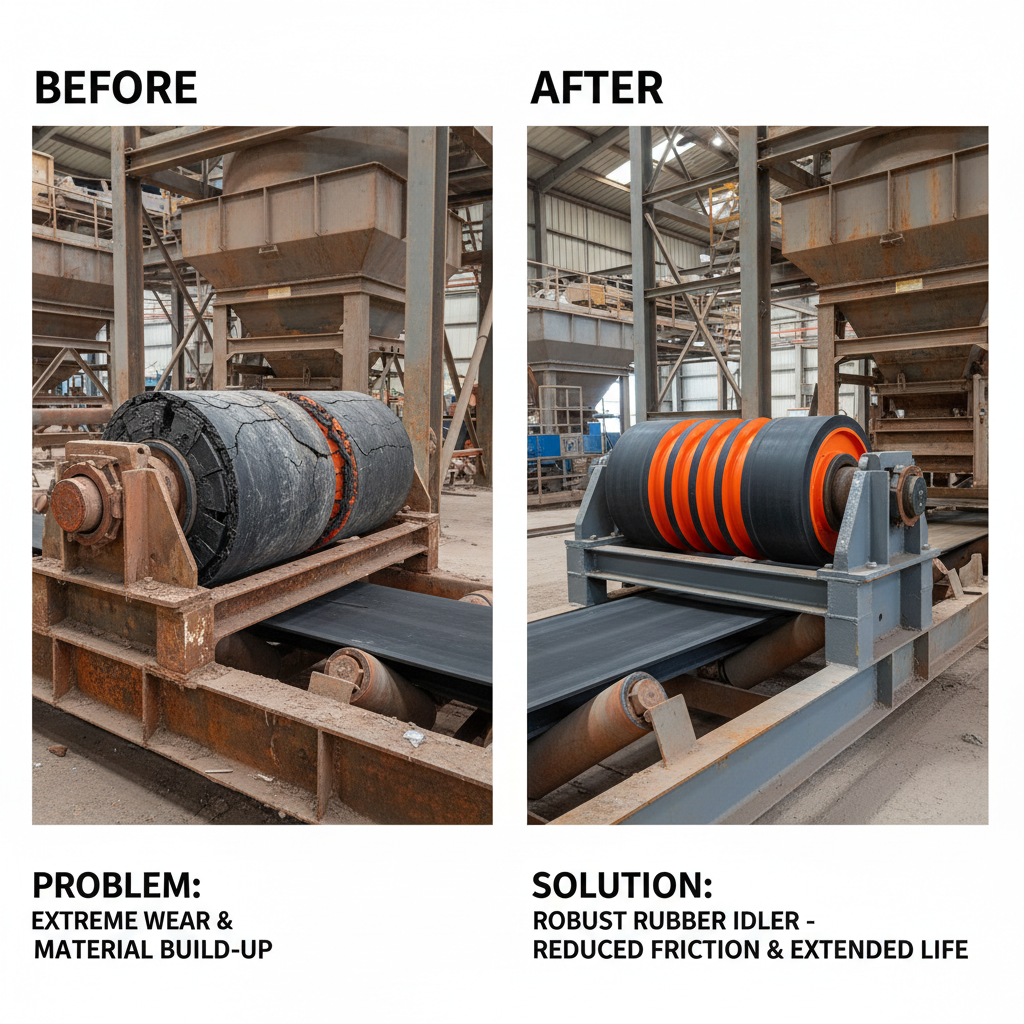
Look, I’ve spent the last fifteen years breathing concrete dust and dodging forklifts on construction sites. I’ve seen conveyor systems – good ones, bad ones, and downright dangerous ones. What always sticks out is the importance of those seemingly simple return rollers for conveyor belt. They're not glamorous, but they're the backbone of keeping material flowing smoothly, efficiently, and safely. And a breakdown there? That stops a job, costs money, and creates a headache nobody needs. Understanding these rollers isn’t just about specs; it’s about understanding the whole operation, from the quarry to the foundation.
The demand for reliable material handling is only growing. Global construction is booming, particularly in developing nations. According to the UN, urbanization is increasing at an unprecedented rate, demanding more infrastructure. This means more conveyor systems, longer runs, and heavier loads. And that pressure all comes down to the components, including those return rollers. What used to be a ‘good enough’ solution just isn’t cutting it anymore. We need rollers built to last, handle the stress, and minimize downtime. I've seen projects delayed for weeks because of cheap rollers failing under the strain.
It all comes down to keeping things moving. A well-maintained conveyor system is the lifeblood of any construction project. From aggregate to asphalt, efficient material transport directly impacts project timelines and budgets. And frankly, it impacts worker safety. If material jams or the system stops unexpectedly, it creates a hazardous situation. Return rollers for conveyor belt are a crucial piece of that puzzle. I've learned that investing in quality here isn’t just good practice, it’s smart business. You'll find those words echoed by any foreman who’s ever had to shut down a site because of a simple roller failure.
The Importance of Return Roller for Conveyor Belt
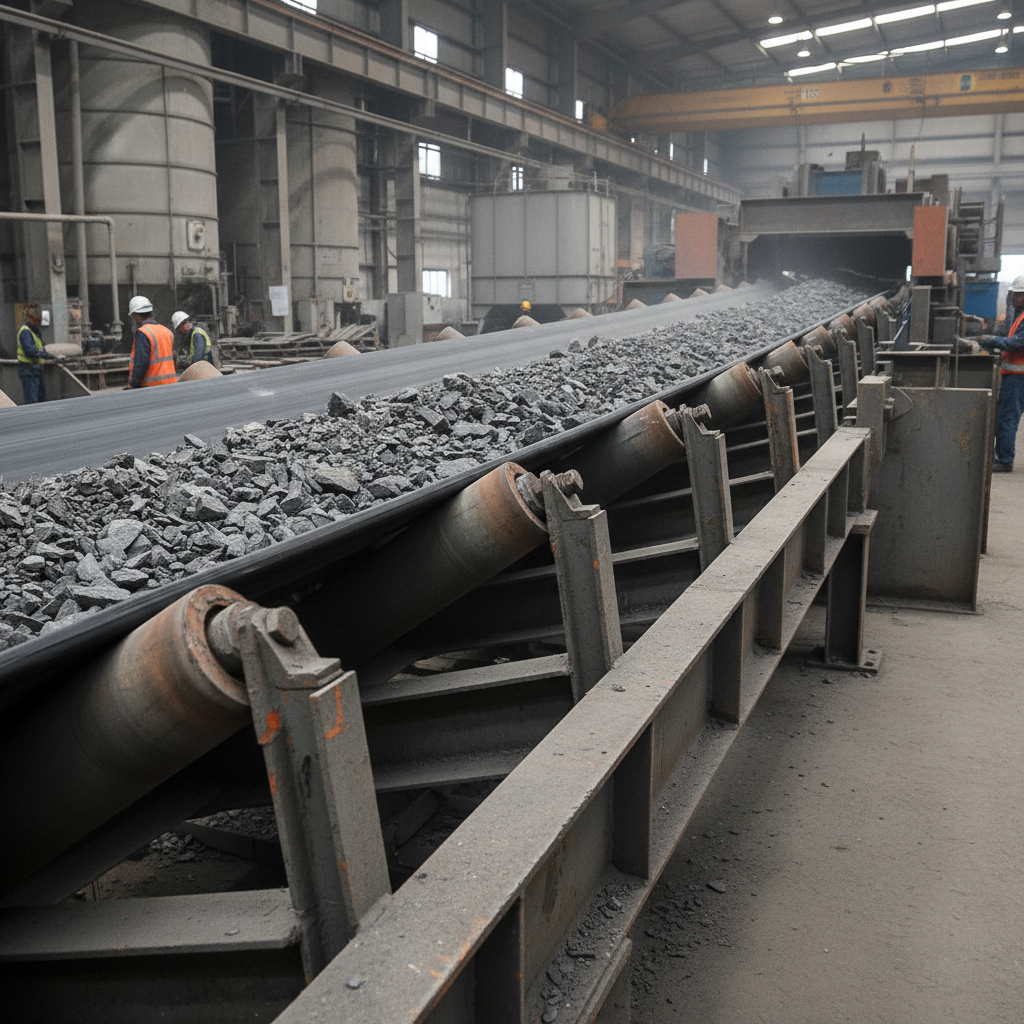
I tell every new engineer I work with: don't underestimate the return rollers. They’re the unsung heroes of any conveyor system. These rollers, positioned on the return strand of the belt, guide the belt back to the loading point after it’s discharged its material. They support the belt weight, minimize friction, and crucially, maintain belt tracking. Without properly functioning return rollers, you get belt misalignment, increased wear and tear, and eventually, a shutdown.
And it's not just about preventing breakdowns. High-quality return rollers contribute to energy efficiency. Reduced friction means less power needed to drive the system. Plus, a well-aligned belt means a more consistent flow of material, eliminating bottlenecks and maximizing throughput. Over the lifespan of a large project, those savings add up significantly. I’ve seen entire projects re-evaluated based solely on optimizing conveyor system efficiency and the return roller component played a huge role in that optimization.
Defining Return Rollers: What They Are and Why They Matter
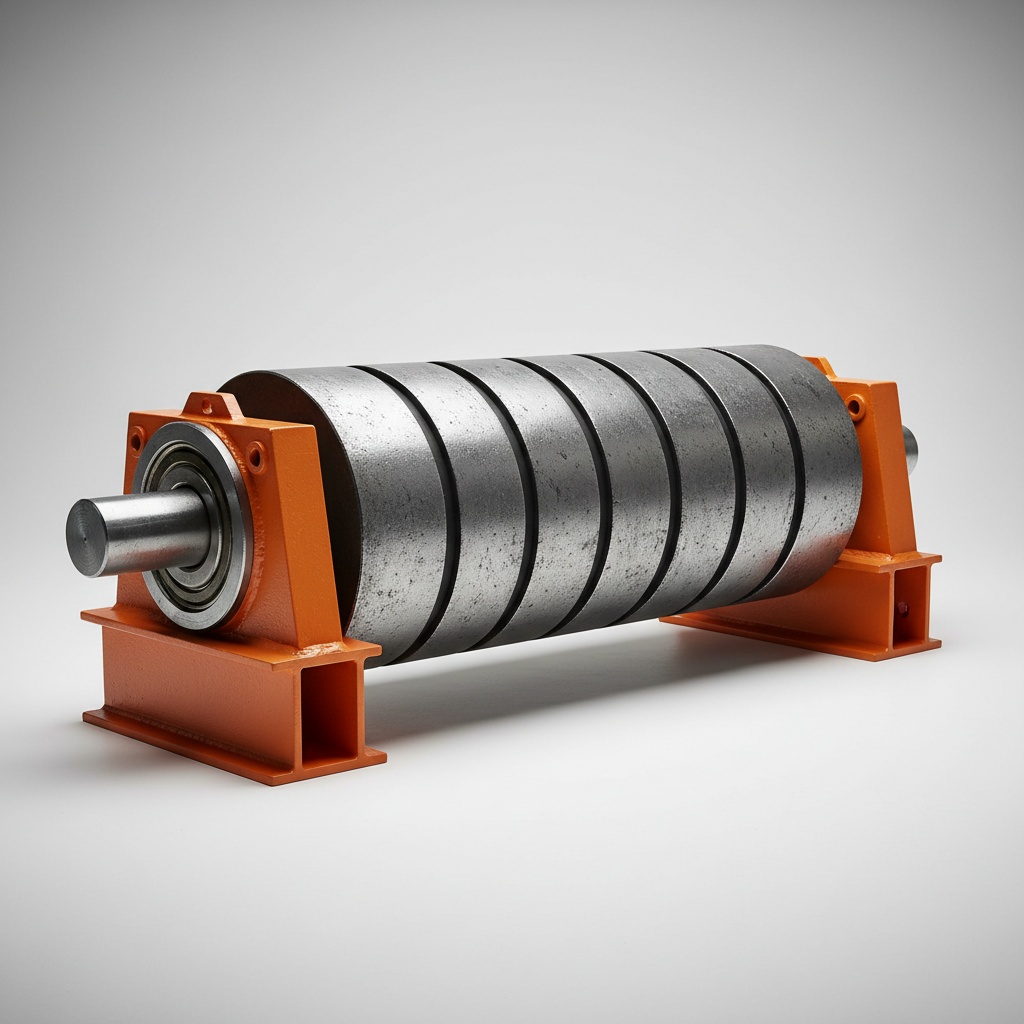
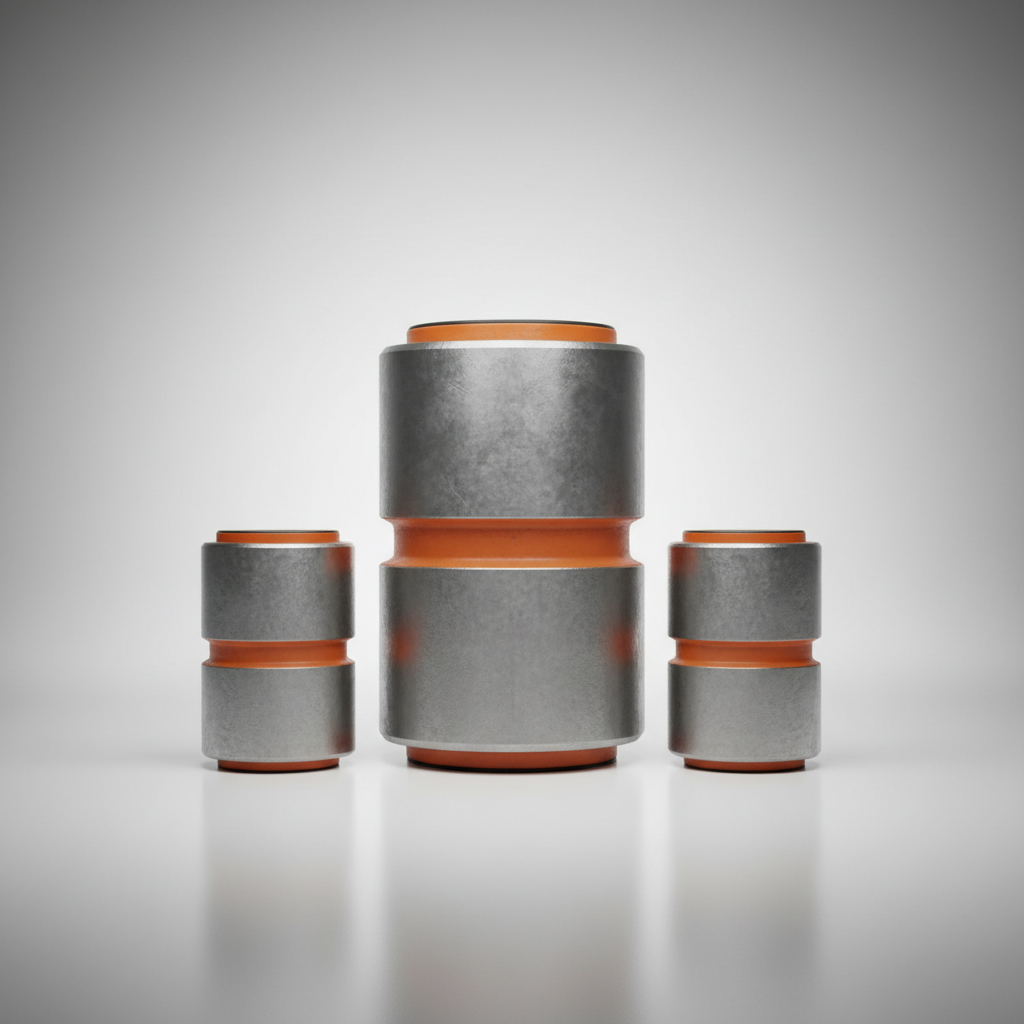
Simply put, return rollers for conveyor belt are cylindrical components that support and guide the underside of a conveyor belt as it returns from the discharge point to the loading point. They're typically constructed from steel, often with a protective coating to resist corrosion and wear. They're categorized by diameter, length, and load capacity, depending on the system's specific requirements. What differentiates a good roller from a great one isn’t just the materials, but the precision of its manufacture and the quality of its bearings.
Their importance ties directly into modern industrial efficiency. Whether it’s moving raw materials in a quarry, handling bulk solids in a power plant, or sorting packages in a distribution center, conveyors are essential. And return rollers are integral to that process. They allow for the continuous, reliable transport of materials, reducing manual labor and increasing productivity. In humanitarian aid, conveyors with reliable return rollers can quickly unload supplies from ships or trucks, getting crucial resources to those in need.
I've worked with engineers on projects where we’ve completely overhauled aging conveyor systems, replacing worn-out components with modern, high-performance rollers. The difference is night and day. Not only did it significantly reduce downtime, but it also improved overall system safety and efficiency. It’s about more than just moving material; it’s about building a robust and dependable system.
Key Factors in Return Roller Performance
First and foremost is Durability. These rollers take a beating. They’re constantly exposed to impact, abrasion, and environmental factors. A roller made with cheap materials or poor construction will fail quickly, leading to costly downtime and repairs. I’ve seen rollers buckle under heavy loads, bearings seize up, and shafts corrode. That’s money wasted.
Next, Load Capacity is critical. You need rollers that can handle the maximum weight of the belt and the material it carries. Underestimating this can lead to premature failure and even catastrophic system damage. Friction Reduction is another key aspect. Low-friction bearings minimize energy consumption and extend the lifespan of the belt. And finally, Alignment and Tracking are essential for smooth operation. Rollers must be properly aligned to prevent belt wander and maintain consistent material flow.
These factors aren’t independent. A durable roller will hold its alignment better. Low-friction bearings reduce stress on the entire system, improving longevity. And proper load capacity ensures that the roller isn’t overworked, preventing premature wear. It's a holistic approach to engineering that’s often overlooked in the rush to cut costs. I've repeatedly found that investing in quality upfront, even if it's more expensive, saves significantly in the long run, avoiding costly repairs and unexpected downtime.
When assessing rollers, I always look beyond the initial price tag. I consider the total cost of ownership, including maintenance, replacement, and downtime. A slightly more expensive, high-quality roller often proves to be the most cost-effective solution in the long run. I've seen that play out on countless construction sites. It’s a lesson I’ve learned the hard way.
Practical Applications Across Industries
You’ll find return rollers for conveyor belt everywhere materials need to move. In mining operations, they handle massive volumes of ore and overburden. In coal-fired power plants, they transport coal from the stockpile to the boilers. In cement manufacturing, they move raw materials and finished product. The list goes on.
I’ve worked on projects in remote locations, from the Australian outback to the deserts of Chile. These sites present unique challenges – harsh climates, limited access to spare parts, and a need for extreme reliability. In these environments, choosing the right return rollers is even more critical. I also see a lot of these in agricultural processing facilities – grain elevators, fertilizer handling, things like that. These operations demand continuous performance, especially during harvest season.
Even in more modern applications, like parcel sorting centers, return rollers play a vital role. These systems operate 24/7, processing thousands of packages per hour. Any downtime is extremely costly. They need durable, reliable rollers that can withstand the constant stress and maintain a smooth, consistent flow of packages. I've been involved in upgrades in these facilities, and the right rollers make a huge difference.
Return Roller for Conveyor Belt Performance Metrics
Advantages and Long-Term Value Proposition
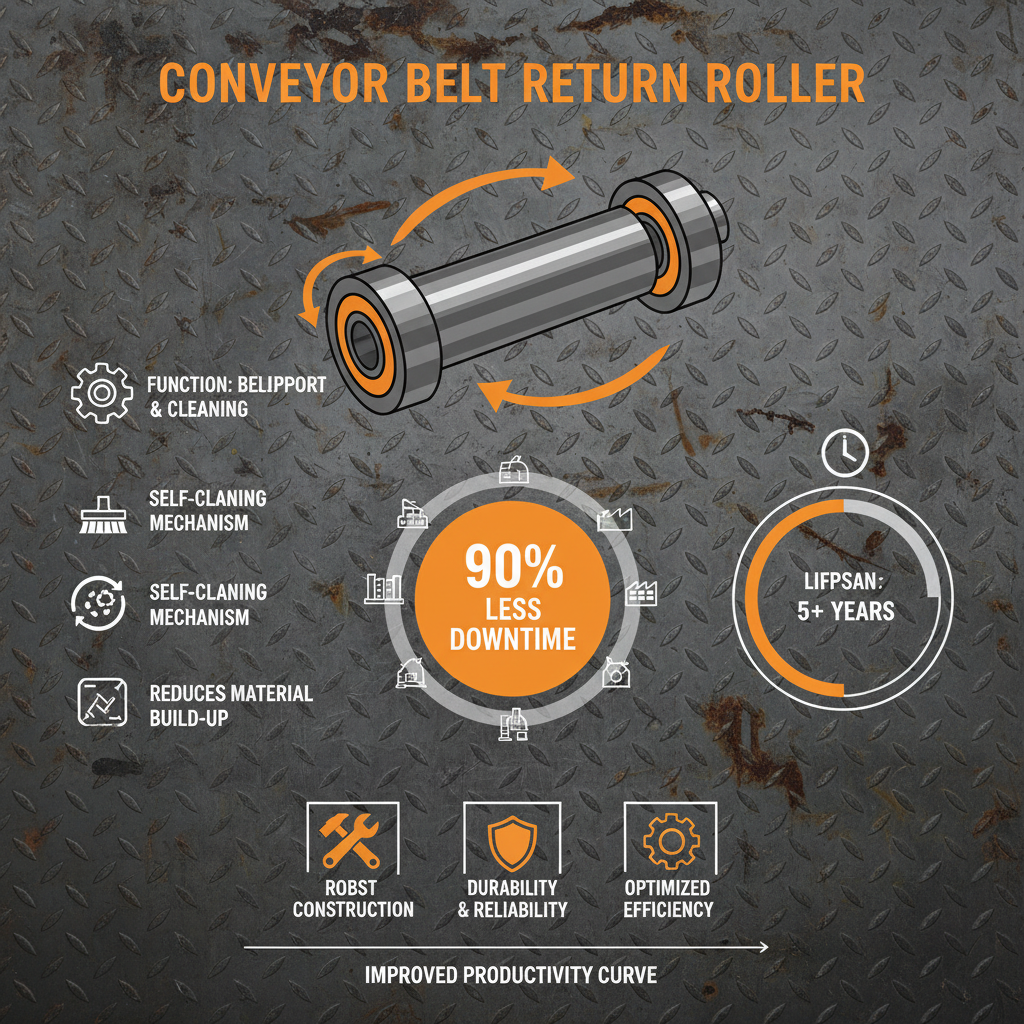
The tangible benefits of investing in quality return rollers for conveyor belt are clear. Reduced downtime translates to increased productivity and lower operating costs. Improved energy efficiency lowers energy bills and reduces your carbon footprint. And extended component lifespan minimizes the need for frequent replacements.
But the value goes beyond the numbers. Reliable material handling improves worker safety by minimizing the risk of accidents. It enhances project timelines by ensuring a smooth and consistent flow of materials. And it builds trust with clients by demonstrating a commitment to quality and efficiency. It’s not just about keeping the conveyor moving; it's about building a reputation for delivering on your promises.
Future Trends and Innovations
We’re starting to see a move towards ‘smart’ rollers equipped with sensors that monitor bearing temperature, vibration, and load. This data can be used for predictive maintenance, allowing you to identify and address potential problems before they lead to a breakdown.
There's also a growing focus on sustainable materials and manufacturing processes. Companies are exploring the use of recycled materials and developing more energy-efficient production methods. And, of course, automation is playing a bigger role. Automated lubrication systems and remote monitoring capabilities are becoming increasingly common. I've seen the development of self-aligning rollers which reduce the need for manual adjustments. These improvements are crucial to keep pace with the demand for more efficient and sustainable industrial operations.
Common Challenges and Solutions
One of the biggest challenges is dealing with abrasive materials. In industries like mining and aggregate processing, rollers are constantly exposed to harsh conditions that accelerate wear and tear. The solution? Look for rollers with hardened steel or ceramic coatings that provide superior abrasion resistance.
Another common problem is misalignment. Improper installation or uneven loads can cause rollers to drift out of alignment, leading to belt wander and increased friction. Regular inspection and adjustment are key. Also, investing in self-aligning rollers can help mitigate this issue.
Finally, corrosion is a constant threat, especially in coastal environments or areas with high humidity. Choosing rollers with corrosion-resistant coatings and implementing a regular maintenance schedule can help prevent this problem. I always recommend a thorough inspection of the rollers, bearings, and seals at least twice a year, more frequently in harsh environments.
Core Analysis of Return Roller for Conveyor Belt Challenges and Solutions
| Challenge |
Severity (1-10) |
Potential Impact |
Recommended Solution |
| Abrasive Material Wear |
8 |
Reduced Roller Lifespan, Increased Downtime |
Hardened Steel or Ceramic Coating |
| Roller Misalignment |
7 |
Belt Wander, Increased Friction, Energy Loss |
Regular Inspection & Adjustment, Self-Aligning Rollers |
| Bearing Failure |
9 |
Complete Roller Breakdown, System Stoppage |
High-Quality Sealed Bearings, Lubrication Schedule |
| Corrosion |
6 |
Weakened Roller Structure, Reduced Performance |
Corrosion-Resistant Coatings, Regular Maintenance |
| Load Capacity Exceeded |
10 |
Catastrophic Roller Failure, System Damage |
Correct Roller Selection, Load Monitoring |
| Inadequate Lubrication |
5 |
Increased Friction, Bearing Wear |
Automated Lubrication System, Regular Inspections |
FAQS
In a harsh mining environment, return rollers can have a significantly reduced lifespan compared to less demanding applications. Typically, you can expect anywhere from 6 months to 2 years, depending on the material being conveyed, the load, and the quality of the roller itself. Regularly scheduled inspections and maintenance, including lubrication and bearing checks, are crucial to maximizing lifespan. Investing in rollers with hardened steel or ceramic coatings can also significantly extend their service life in abrasive conditions.
Determining the correct load capacity is vital. Start by calculating the total weight of the belt, including the material it’s carrying. Add a safety factor of at least 20-30% to account for dynamic loads and potential surges. Then, consult the roller manufacturer’s specifications to find a roller with a rated capacity that exceeds your calculated load. Don't skimp on this – undersized rollers will fail prematurely, leading to costly downtime.
Sealed bearings are pre-lubricated and sealed to prevent contamination from dust, dirt, and moisture. This makes them ideal for harsh environments. Open bearings require regular lubrication but can handle higher loads and speeds. For most applications, sealed bearings are preferred due to their lower maintenance requirements and extended lifespan. However, open bearings may be suitable for specialized applications where regular lubrication is feasible.
Regular inspection is critical. A visual inspection should be conducted at least monthly, checking for signs of wear, corrosion, or misalignment. More frequent inspections (weekly) are recommended in harsh environments or with heavy loads. Pay close attention to the bearings, seals, and shaft. If you notice any issues, address them immediately to prevent further damage and downtime.
Yes, increasingly manufacturers are offering return rollers made with recycled materials or with more sustainable manufacturing processes. Look for rollers with durable coatings that extend their lifespan, reducing the need for frequent replacements. Some companies are also exploring the use of bio-based lubricants. While these options may be slightly more expensive upfront, they can contribute to a more sustainable operation.
Proper alignment is essential for preventing belt drift. Use a laser alignment tool to ensure that all rollers are perfectly parallel. Check the rollers for levelness and adjust as needed. Also, ensure that the roller brackets are securely mounted and that the conveyor frame is straight. Regularly inspect the alignment and make adjustments as necessary. Self-aligning rollers can provide an added layer of correction for minor misalignments.
Conclusion
Return rollers for conveyor belt are far more than just supporting components. They're critical to the efficiency, safety, and long-term reliability of any material handling system. Understanding their importance, key performance factors, and future trends is essential for anyone involved in industrial operations, from engineers and maintenance personnel to project managers and procurement specialists. Investing in quality rollers and implementing a proactive maintenance program will pay dividends in reduced downtime, lower operating costs, and improved overall productivity.
Looking ahead, we can expect to see continued innovation in this area, with the development of ‘smart’ rollers, more sustainable materials, and automated maintenance systems. By embracing these advancements, we can build even more efficient, reliable, and environmentally responsible material handling solutions. I've seen firsthand how these small details can make a massive difference on a construction site, and I encourage everyone to prioritize quality and long-term value when it comes to return rollers. Visit our website at return roller for conveyor belt to learn more about our products and services.