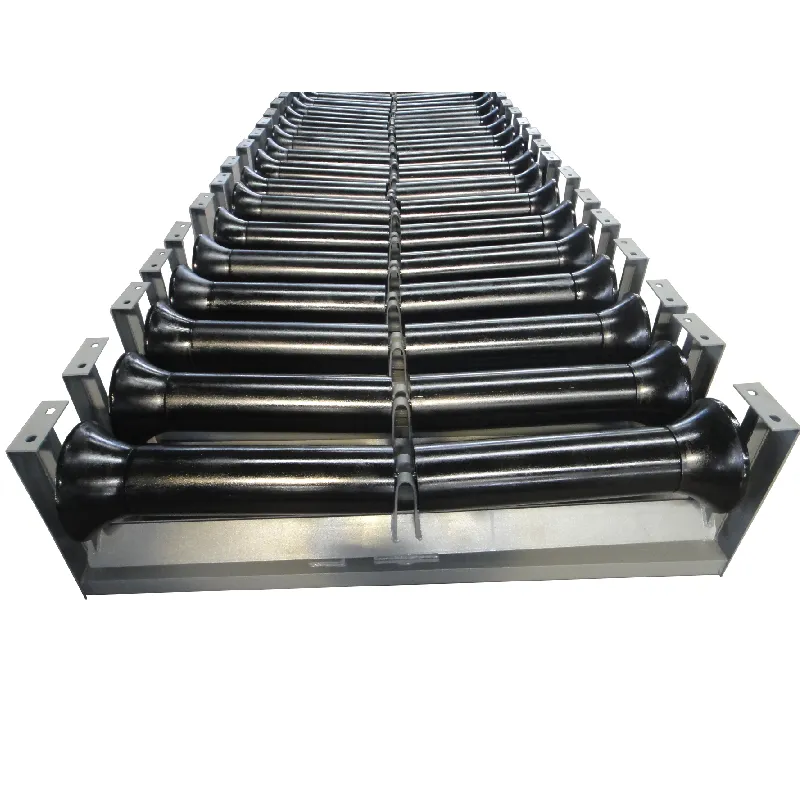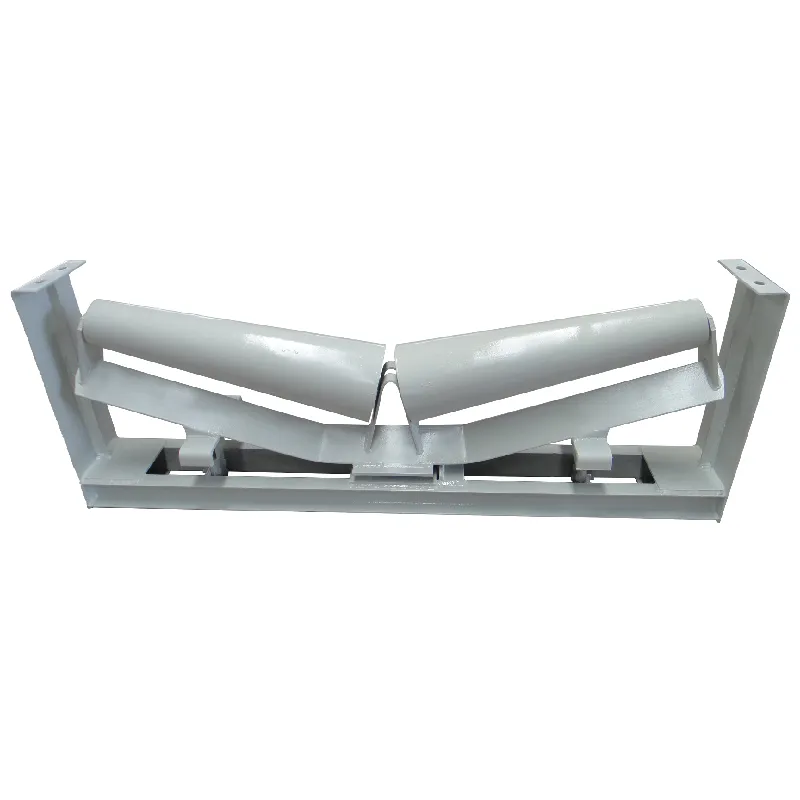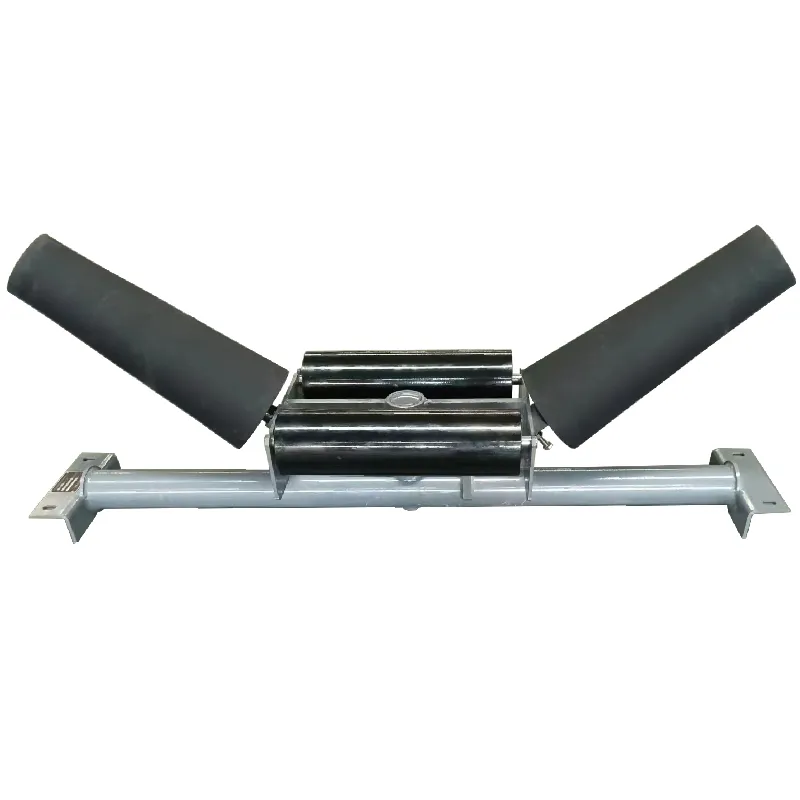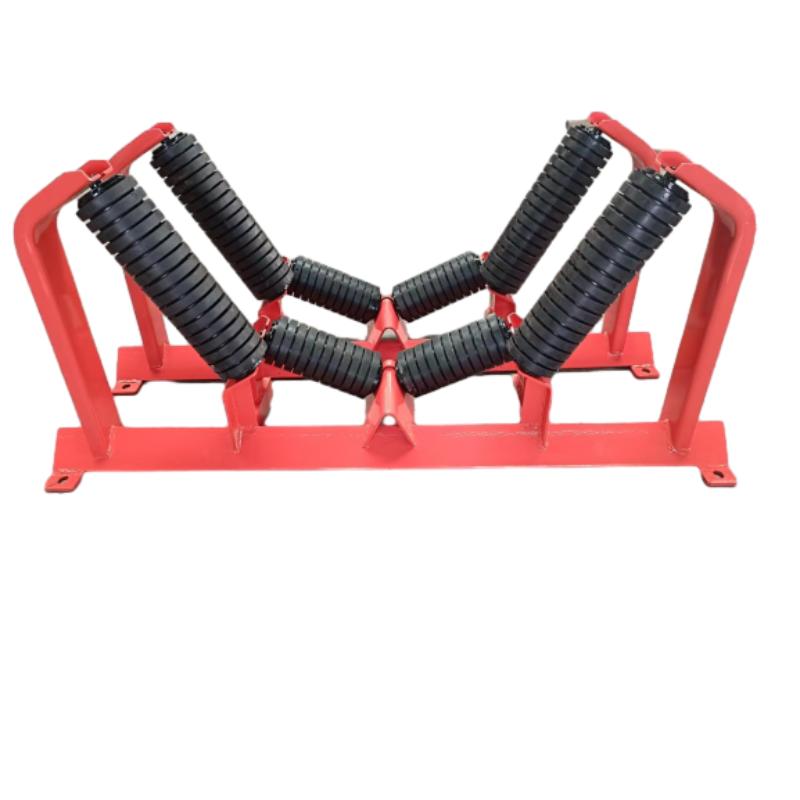


Urethane Rollers Suppliers: Global Industry Insights and Trends for Durable Conveyance Solutions
Why Urethane Rollers Suppliers Matter in a Globalized Industry
Urethane rollers—those quietly relentless industrial workhorses—are everywhere. From packaging lines in Asia to heavy-duty printing presses in Europe, their role is vital, yet often overlooked. The real kicker? Finding the right urethane rollers suppliers can literally make or break a production run. As manufacturing scales globally, having reliable, customizable rollers that fit niche applications isn’t just “nice to have”—it’s integral for operational efficiency and cost control.
Why should you care? Because urethane rollers fuse durability with precision. They resist abrasion, provide excellent grip, and handle a range of environments without compromising performance. The UN’s industrial development reports emphasize how such materials push sustainable manufacturing forward by reducing waste and energy consumption. Still, countless companies grapple with sourcing these components in bulk, balancing cost and quality... which is where expert suppliers gain their reputation.
Mini takeaway: Understanding how and where to source urethane rollers isn’t just about parts—it underpins global supply chain robustness, especially in sectors like food processing, automotive, and logistics.
Defining Urethane Rollers Suppliers: More Than Just Product Providers
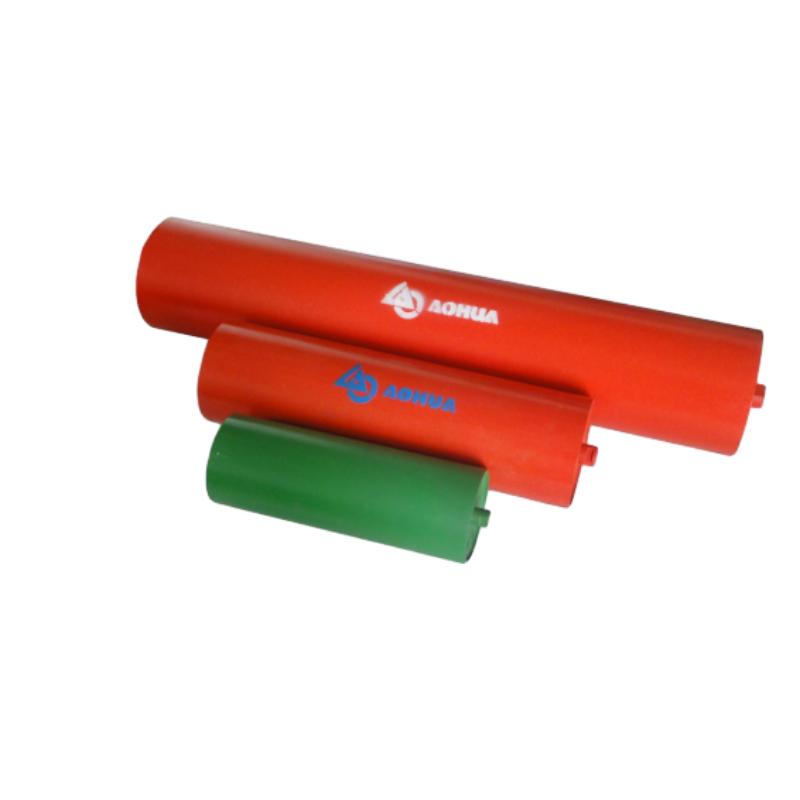
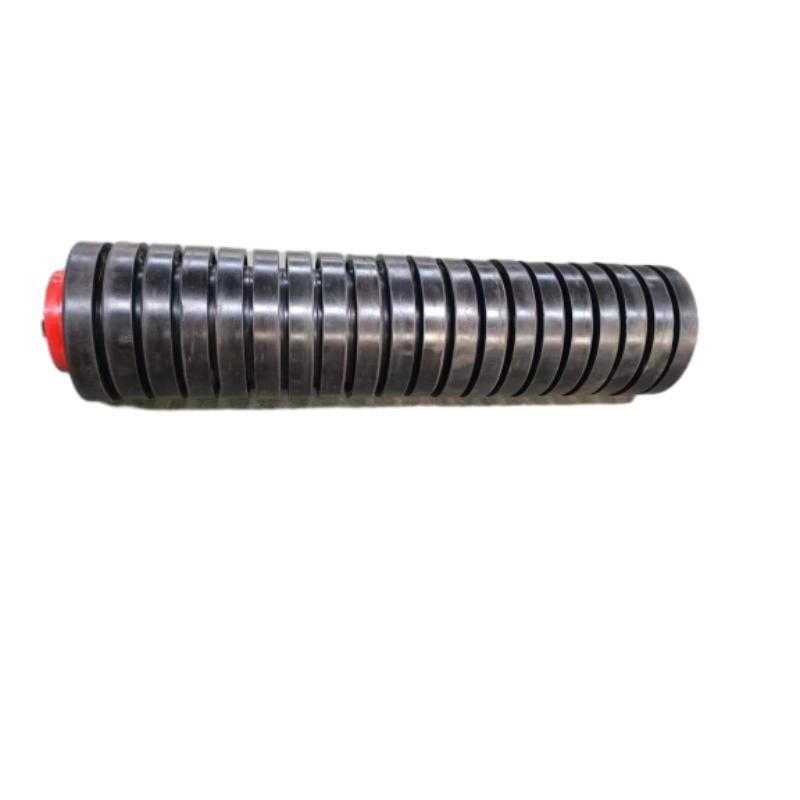
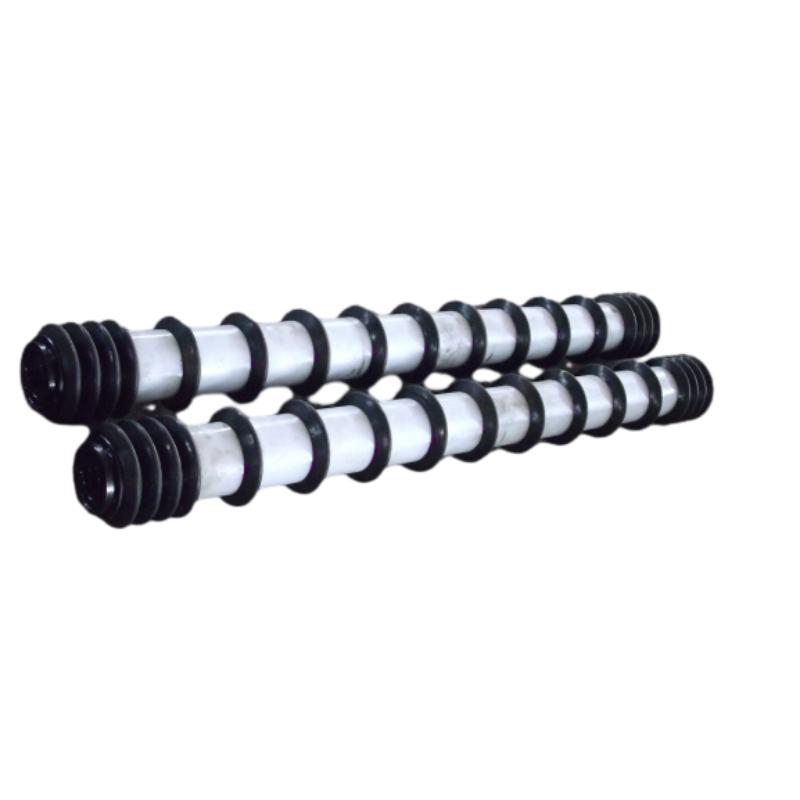
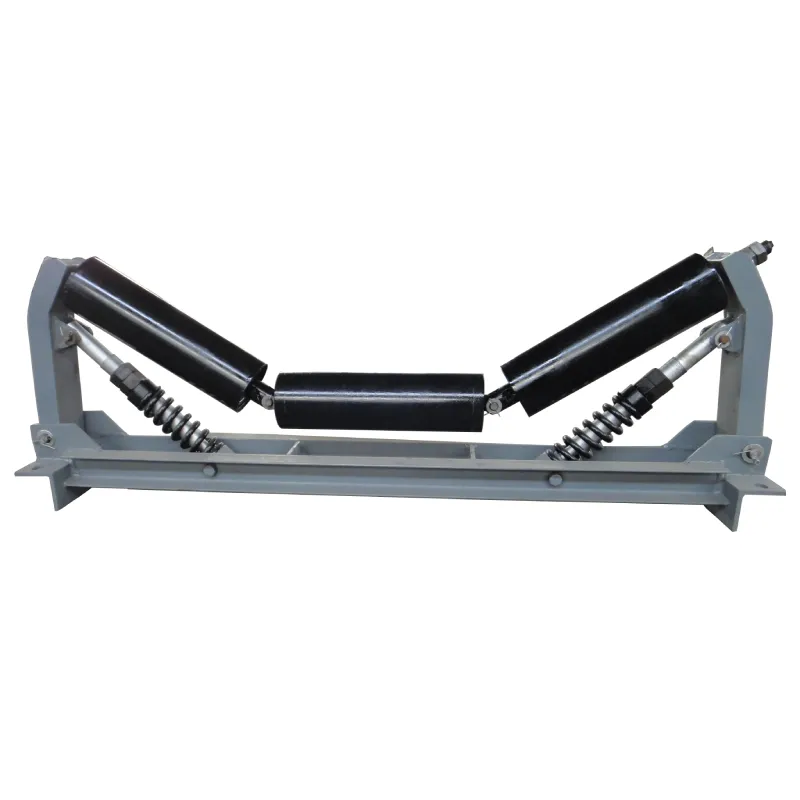
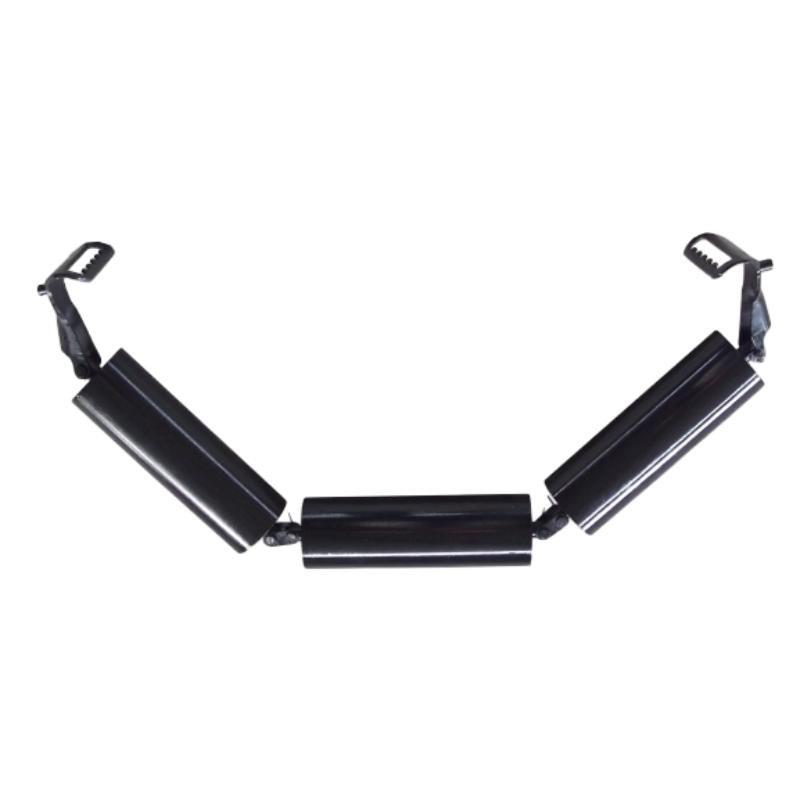
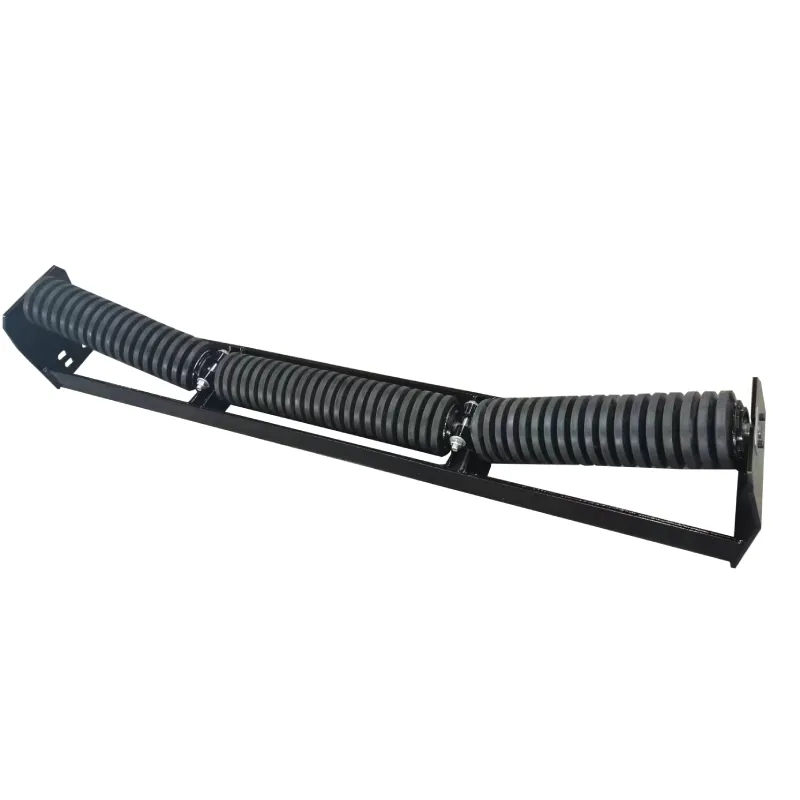
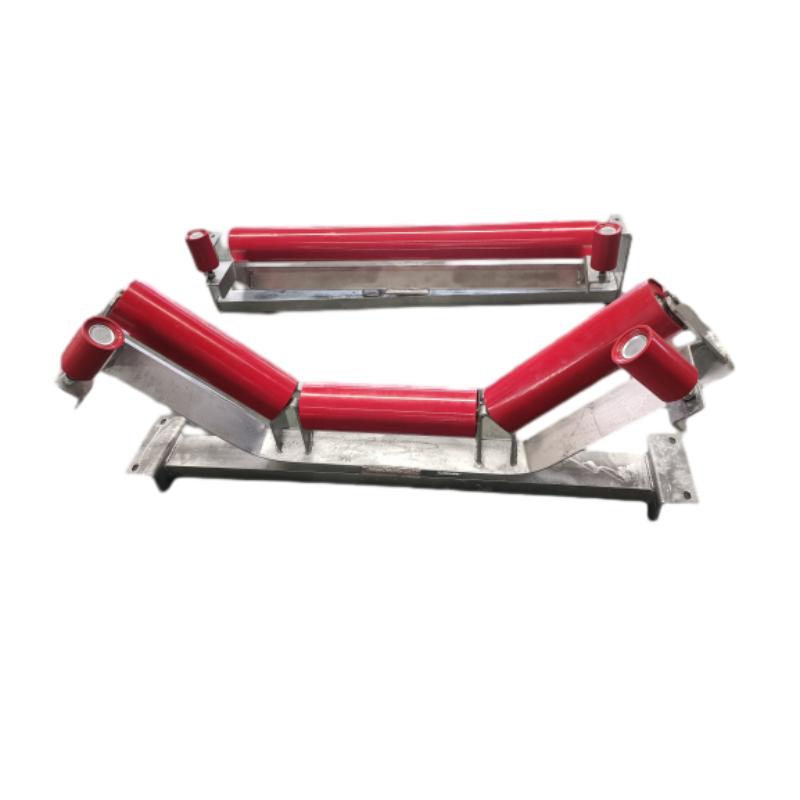
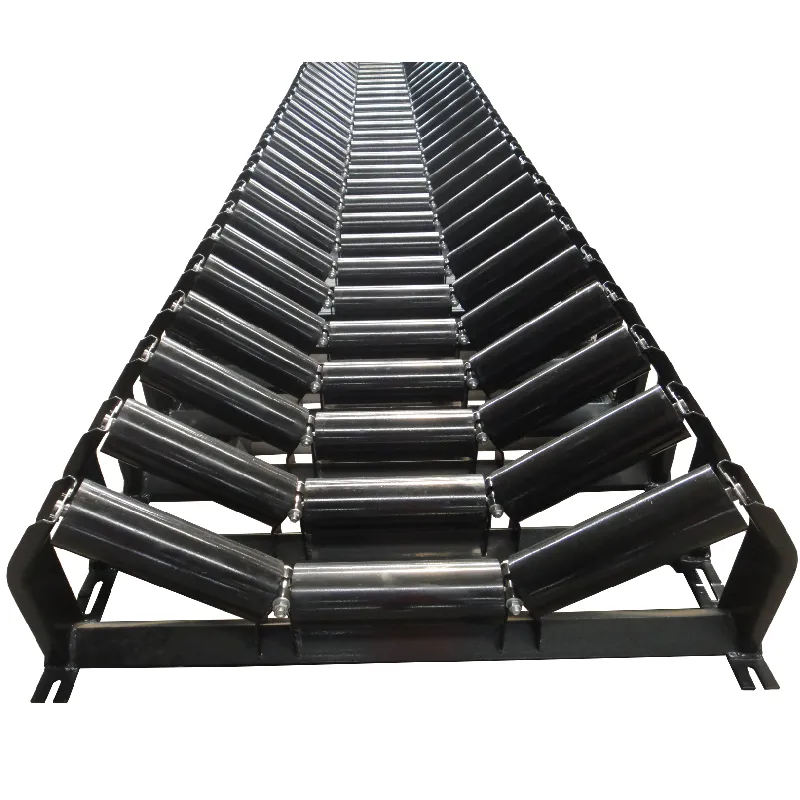
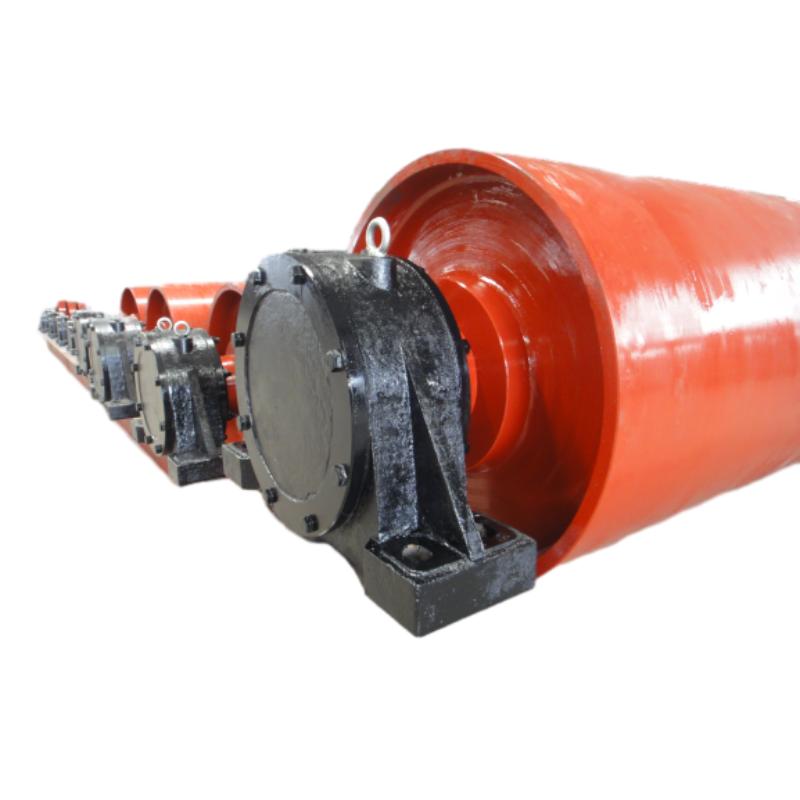
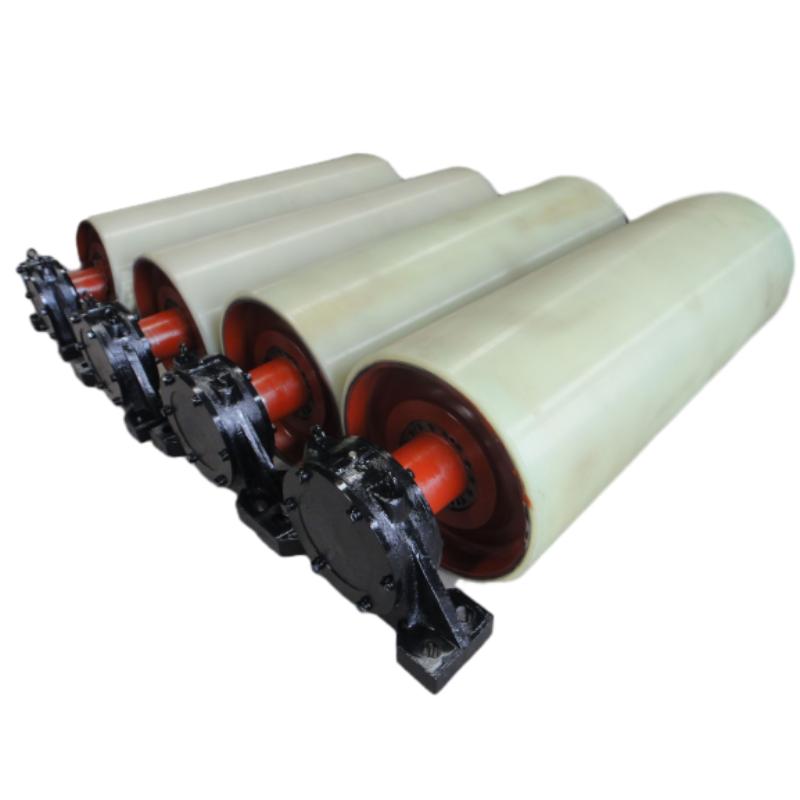
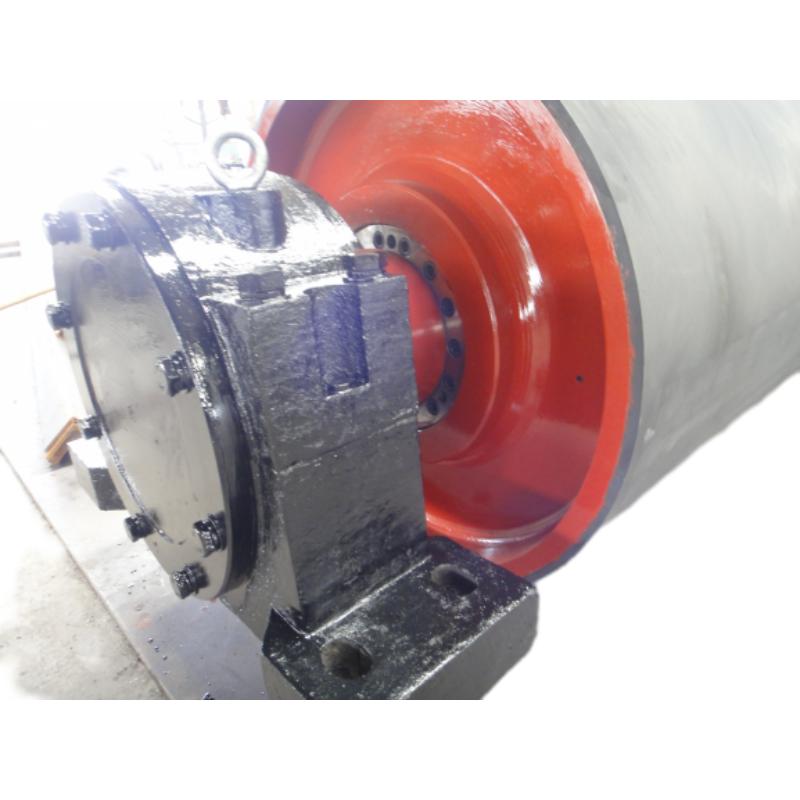
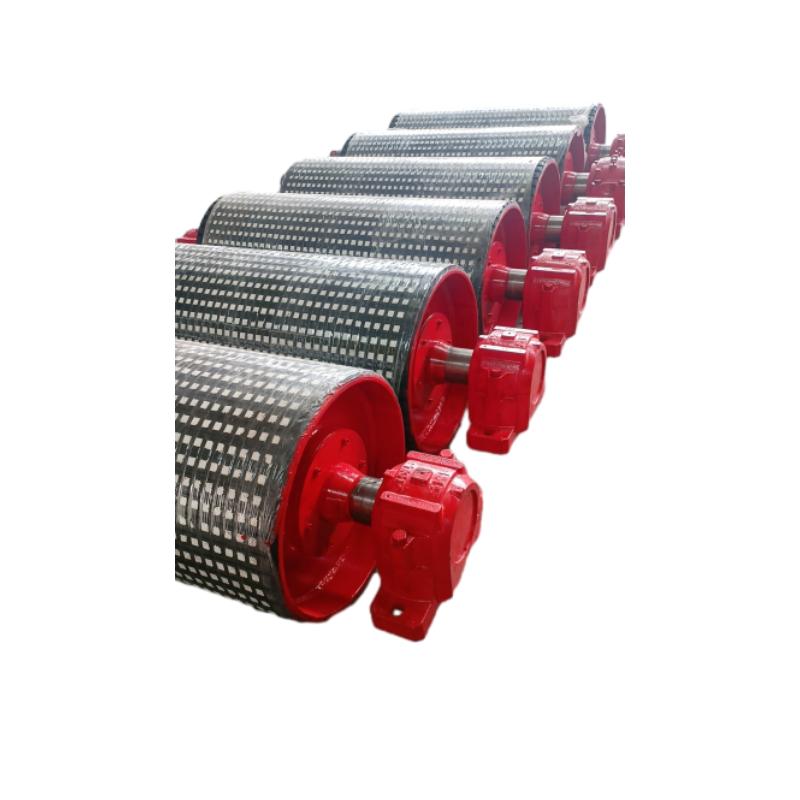
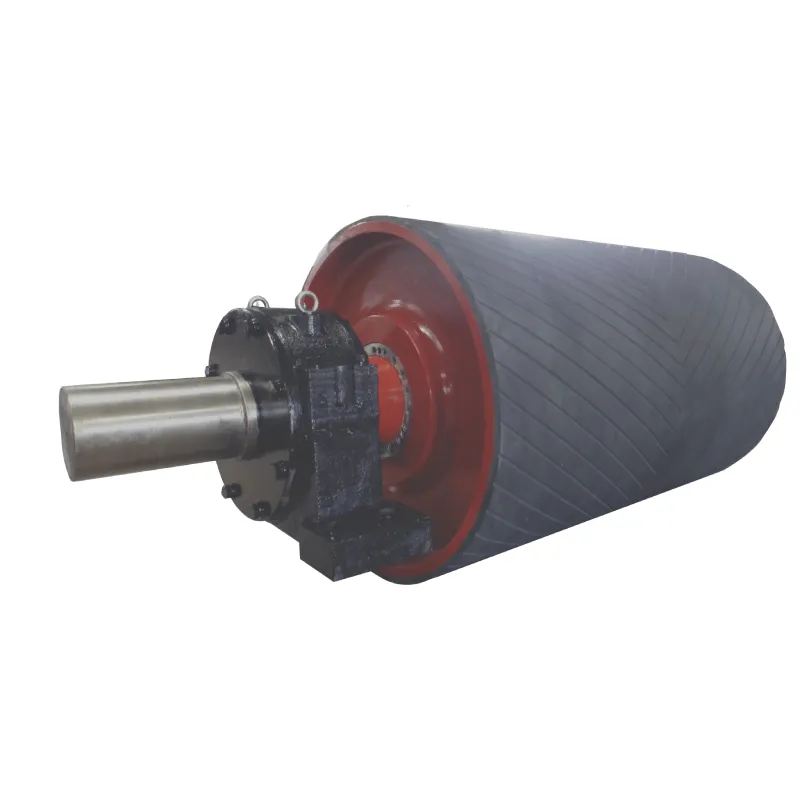
Simply put, urethane rollers suppliers are companies that manufacture and distribute rollers made with polyurethane elastomers. These rollers serve critical functions like conveying, pressing, or guiding materials through automated systems. The suppliers don’t just sell off-the-shelf products—they often tailor specifications to industries demanding custom hardness, resilience, or size.
Modern industries demand these suppliers to align with both technical needs and sustainability goals, which connects firmly to broader humanitarian aims. For instance, in disaster-response manufacturing or shipping, reliable conveyor and feed rollers ensure swift, uninterrupted workflows—meaning aid reaches people faster.
Urethane rollers suppliers might sound like just a niche vendor group, but they’re actually stewards of efficiency in a hyper-connected world.
Key Features That Define Quality Urethane Rollers
1. Durability and Abrasion Resistance
Urethane, by its chemical nature, takes a lot of beating—more so than rubber or plastic alternatives. Suppliers select specific formulations that withstand wear from harsh chemicals, temperature swings, or mechanical friction. It’s the difference between a roller lasting 6 months versus several years—and that adds up fast in downtime savings.
2. Customization and Scalability
Size, hardness (durometer), and surface texture vary drastically depending on application. Many firms supplying urethane rollers have evolved to offer flexible batch sizes—ideal for everything from small artisanal shops to large-scale plants. This scalability ensures clients aren’t forced to compromise on material specs due to volume constraints.
3. Cost Efficiency
While ‘urethane rollers’ might sound premium, the life cycle cost often beats cheaper components. Lower replacement frequency and improved process uptime appeal to procurement managers worldwide. Plus, good suppliers streamline delivery and stock management, easing logistical headaches.
4. Environmental Impact
Leading brands now incorporate eco-friendly materials or recycling programs. This aligns with ISO 14001 standards on environmental management, which many major manufacturers are increasingly required to meet. It isn’t just marketing fluff—there’s real innovation here.
Mini takeaway: The ideal urethane roller is a fine balance: lasting, tailored, affordable, and greener. Knowing these facets helps in vetting suitable suppliers who excel beyond mere product specs.
How Urethane Rollers Shape Industries Across the Globe
In East Asia’s highly mechanized packaging sectors, urethane rollers help maintain the speed and accuracy of food sorting lines, crucial for exports. Over in North America, automotive manufacturing plants rely on these rollers within assembly robotics, where precision and toughness prevent costly line halts.
Even humanitarian logistics, such as UN-led relief operations, use conveyors equipped with urethane rollers to manage vast inventories efficiently—speed counts when supply chains are under stress from natural disasters.
- Asia: mass production-focused industries, high-volume conveyor systems
- Europe: printing presses, paper mills, and manufacturing requiring high precision
- North America: automotive, aerospace, and food processing plants
- International humanitarian organizations: logistics hubs for rapid deployment of aid
Advantages and Long-Term Value of Partnering With Trusted Suppliers
When you score a dependable urethane rollers supplier, you’re getting more than a component—you’re securing peace of mind. Consistent quality means fewer surprises, safer working conditions, and less environmental waste. Many engineers I spoke with appreciate the trust built when suppliers back their products with quick replacements or on-demand custom designs.
Emotionally, manufacturers feel reassured knowing their lines won’t buckle mid-shift. Rationally, the return on investment often appears in lowered maintenance budgets and higher throughput. A smart partnership here can be a multiplier beyond mere part replacement.
Looking Ahead: Trends Shaping the Future of Urethane Rollers Supplies
Automation is creeping into even small factories, and with that comes demand for “smart” rollers equipped with embedded sensors to monitor wear in real time. Oddly enough, as digital transformation accelerates, physical components like rollers actually become more sophisticated.
Also gaining traction is the push towards bio-based polyurethanes, aimed at shrinking carbon footprints. Regulations poised by international bodies like ISO and IEC signal tightening environmental standards, nudging suppliers toward greener chemistry and fuller cradle-to-cradle product lifecycle management.
Challenges Faced by the Urethane Roller Market—and How They’re Tackled
One major kink is the lead time for highly customized rollers. Some suppliers struggle to meet urgent orders without sacrificing quality. Innovations like modular manufacturing cells and 3D-printed urethane molds help ease bottlenecks here.
Other concerns include counterfeit or subpar imports that plague inexperienced buyers. Trusted suppliers emphasize certifications, batch testing, and transparent supply chain documentation to build trust.
FAQ: Common Questions About Urethane Rollers Suppliers
- What should I consider when choosing a urethane roller supplier?
- Look for suppliers offering customization, consistent quality, ISO certifications, and good customer support. A track record with your industry application is also key.
- How long do urethane rollers typically last under heavy industrial use?
- Depending on material grade and environment, rollers can last anywhere from 1 to 5 years. Higher quality polyurethane compounds extend service life considerably.
- Are eco-friendly urethane rollers available?
- Yes, many suppliers now produce rollers with bio-based or recyclable polyurethane options that meet ISO 14001 environmental standards.
- Can urethane rollers be repaired or must they be replaced entirely?
- Generally, rollers are replaced when worn, though some surface damage can be repaired depending on application and supplier services.
- How do I ensure timely delivery for urgent production demands?
- Partner with suppliers offering local warehouses or just-in-time manufacturing, and discuss your lead time needs upfront.
Product Specification Comparison
| Specification | Standard Urethane Roller | Custom Hardened Roller | Eco-Friendly Roller |
|---|---|---|---|
| Durometer (Shore A) | 75 ± 5 | 85 ± 3 | 70 ± 5 |
| Max Operating Temp | 80°C | 110°C | 75°C |
| Abrasion Resistance (mm³) | 24 | 15 | 27 |
| Eco Certification | No | No | ISO 14001 |
| Typical Lead Time | 2–3 weeks | 4–6 weeks | 3–4 weeks |
Vendor Comparison of Leading Urethane Rollers Suppliers
| Supplier | Customization Options | Sustainability Initiatives | Global Reach | Typical Lead Time |
|---|---|---|---|---|
| PolyRollers Inc. | High | Carbon footprint reduction program | Global (30+ countries) | 2 weeks |
| EcoRoll Systems | Medium | 100% recyclable polyurethanes | Europe and North America | 3–4 weeks |
| DynoRoll Tech | Very High | Lean manufacturing & waste reduction | Asia-Pacific focus | 4 weeks |
Wrapping It Up
Ultimately, aligning with reputable urethane rollers suppliers is more than a transaction. It’s about weaving resilience and innovation into the very fabric of your operations. As industries evolve and sustainability norms shift, these suppliers will likely remain central to competitive advantage and global industrial health.
Curious to dive deeper or get tailored advice on supplier selection? I highly recommend visiting our partners at urethane rollers suppliers for more insights and solutions fine-tuned to your needs.
Mini takeaway: A smart choice today on urethane rollers can pay dividends tomorrow—in performance, cost savings, and sustainability credentials alike.
References
-
Maximize Conveyor Life with a High Performance impact bedNewsApr.16,2026
-
Maximize Conveyor Efficiency Using a v plow belt scraperNewsApr.09,2026
-
Comprehensive Guide to Understanding Different Types of Belt CleanersNewsApr.07,2026
-
Enhancing Conveyor Efficiency with an Effective Scraper Belt CleanerNewsApr.04,2026
-
Optimizing Conveyor Systems with Advanced Cleaning Equipment SolutionsNewsMar.31,2026
-
Effective Conveyor Belt Scraper Adjustment for Optimal System PerformanceNewsMar.28,2026