

Dec . 16, 2025 10:16
Back to list
Urethane Coated Rollers: Durable, Efficient Conveyor Solutions for Global Industries
Understanding Urethane Coated Rollers: Why They Matter Globally
If you've ever wondered what makes modern conveyor systems tick smoothly — beyond just wheels and motors — the answer often lies with urethane coated rollers. These components might sound niche, but they’re quietly pivotal in industries across the globe, from manufacturing plants in Germany to logistics hubs in Singapore, and even disaster relief supply chains in Africa. Why does this matter? Well, the global roller market is predicted to reach over $3 billion by 2027 (source: MarketsandMarkets). The demand ties directly into industries striving for efficiency, product safety, and sustainable solutions. Urethane coated rollers specifically offer a smart balance of durability and gentleness — protecting delicate goods while enduring harsh conditions. So understanding what makes them tick is more than just an engineering curiosity — it’s about grasping the backbone of modern industrial productivity and even humanitarian aid logistics. ---The Global Scene: Why Urethane Coated Rollers Are Indispensable
Let’s zoom out for a moment. Conveyor rollers worldwide power everything from automotive assembly lines to airports handling millions of bags annually. According to the International Organization for Standardization (ISO), roller specifications need to meet stringent durability and safety standards — and urethane coatings help achieve that by enhancing wear-resistance and reducing noise. Yet, engineers often grapple with a challenge: how to optimize roller lifespan while ensuring they handle a wide range of materials safely. Picture this — a fragile glass bottle on one line and rough ceramic tiles on another. The roller’s surface has to be resilient yet soft enough to avoid damage. Interestingly, around 40% of global manufacturing firms identified maintenance downtime as a key pain point in a recent survey by the World Bank’s Logistics Performance Index. Urethane coated rollers, by resisting abrasions and chemicals, help reduce those downtimes, which in turn keep supply chains humming smoothly. Mini takeaway: These rollers play a subtle but essential role in global logistics and industrial efficiency, affecting costs and sustainability. ---So, What Exactly Are Urethane Coated Rollers?
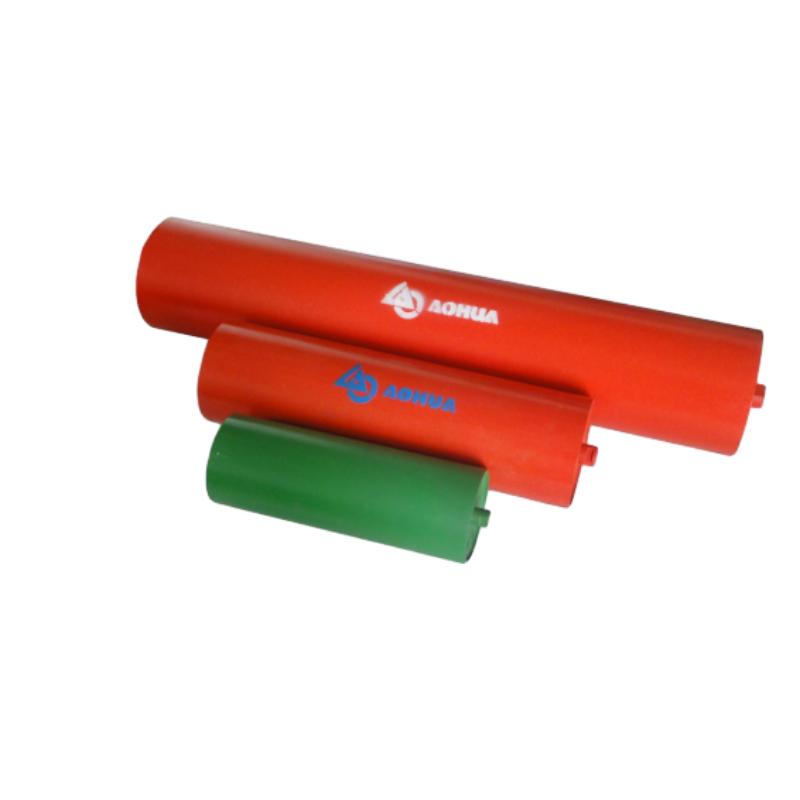
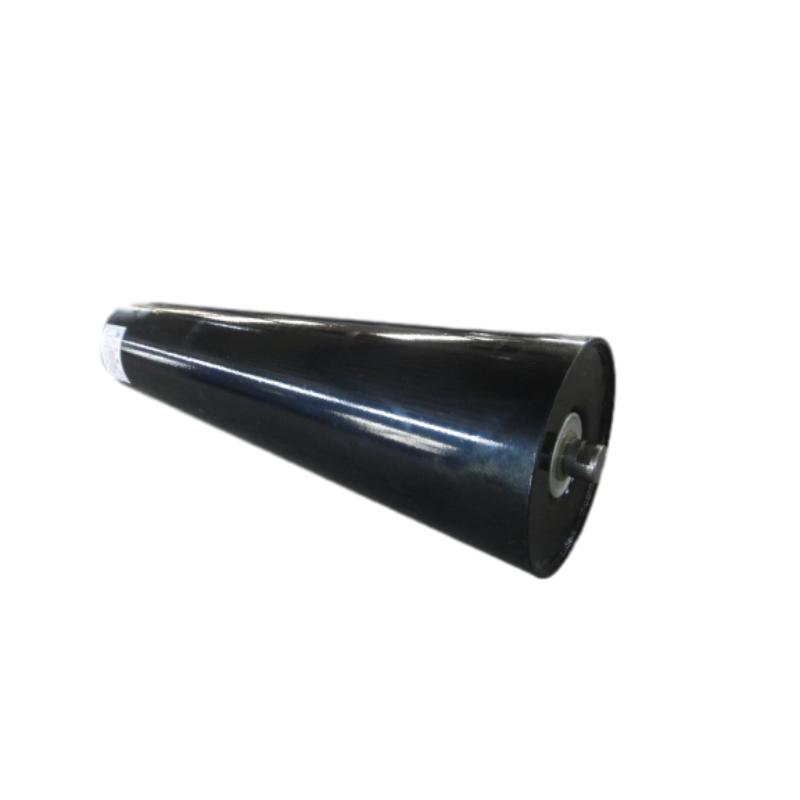
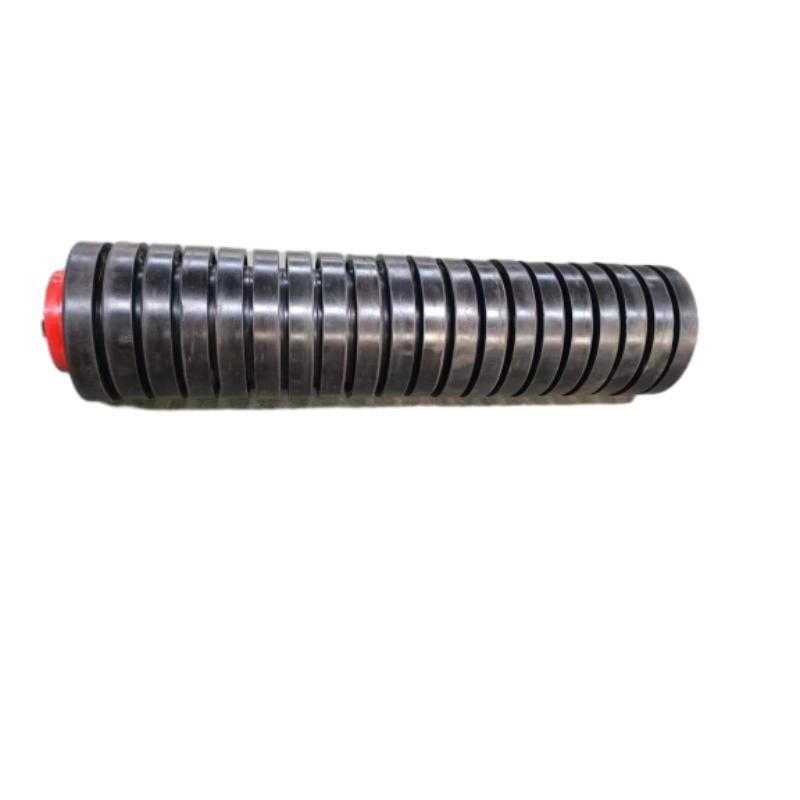
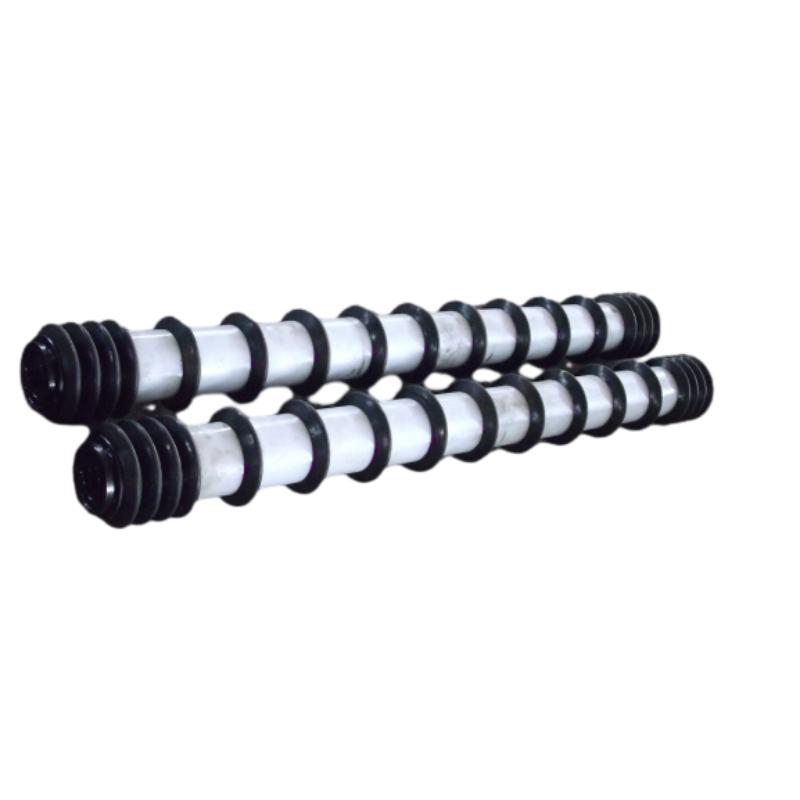
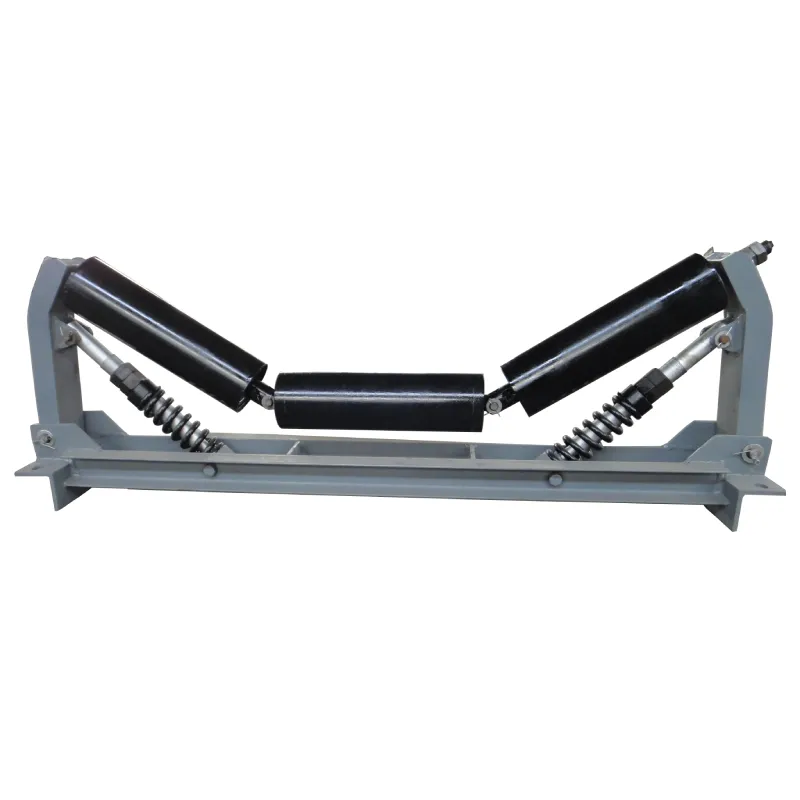
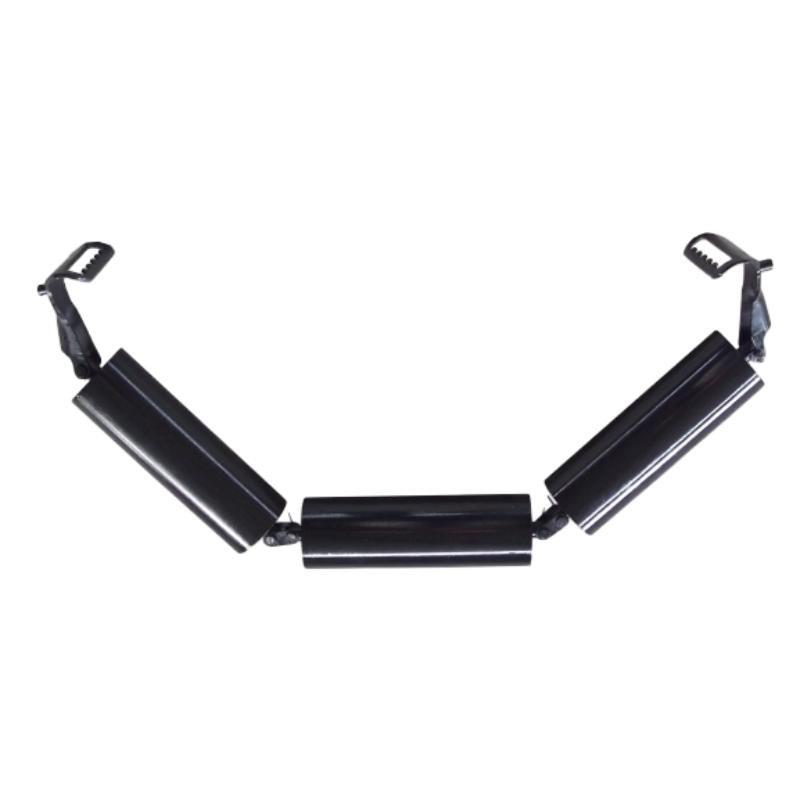
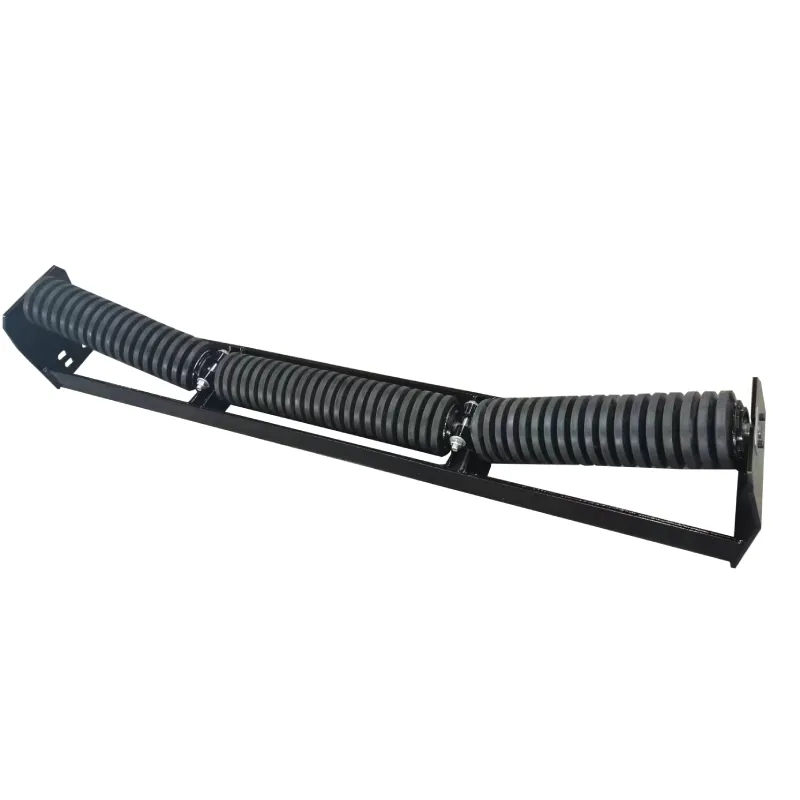
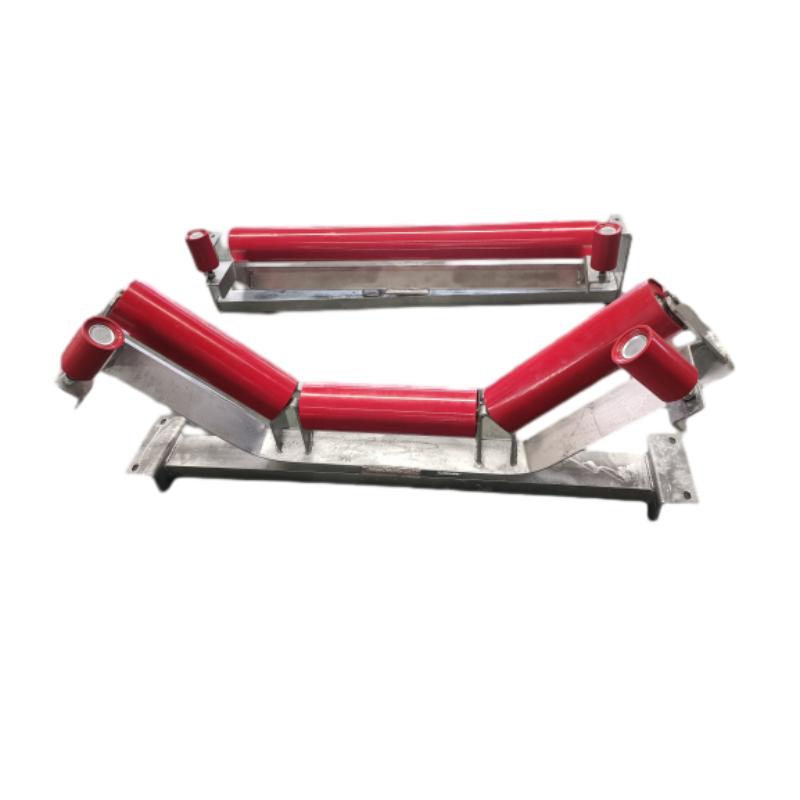
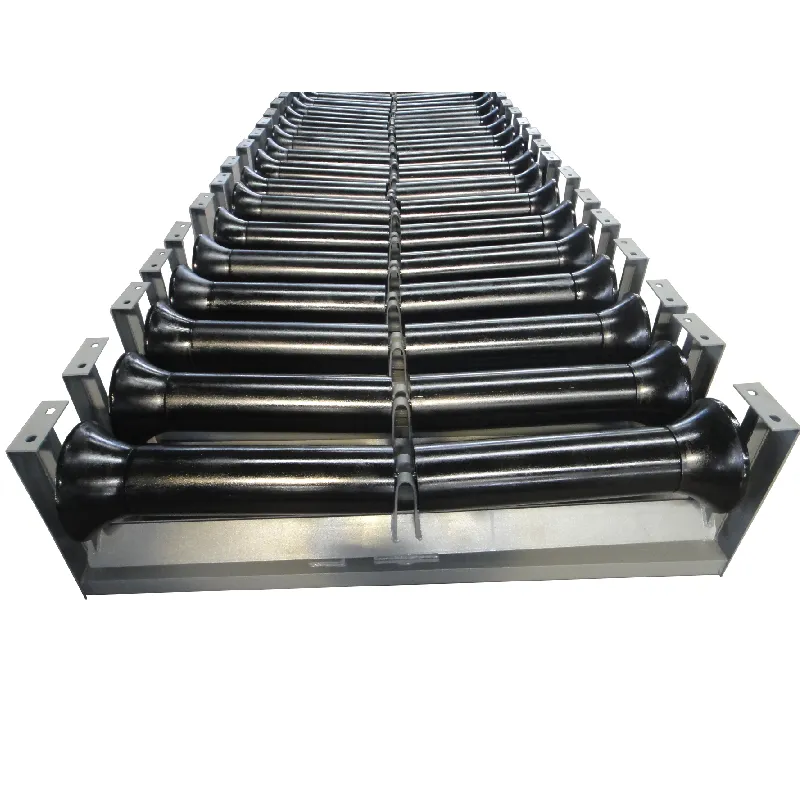
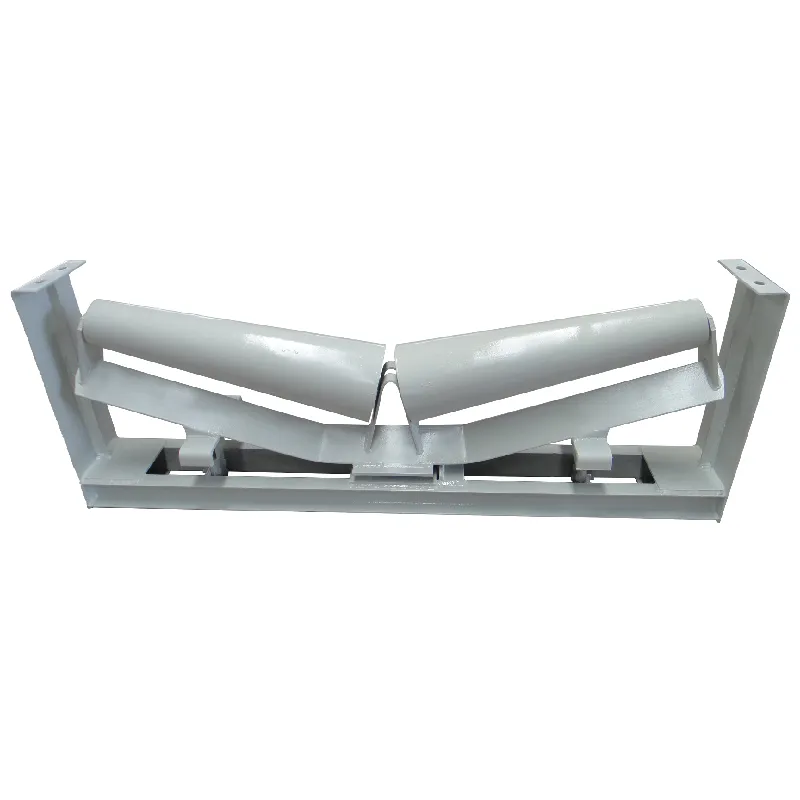
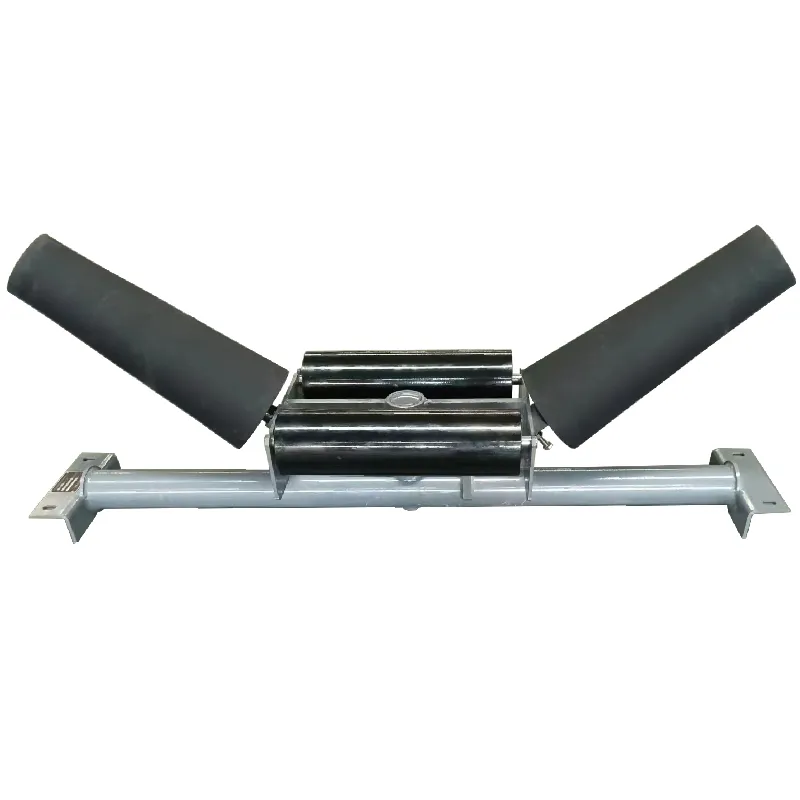
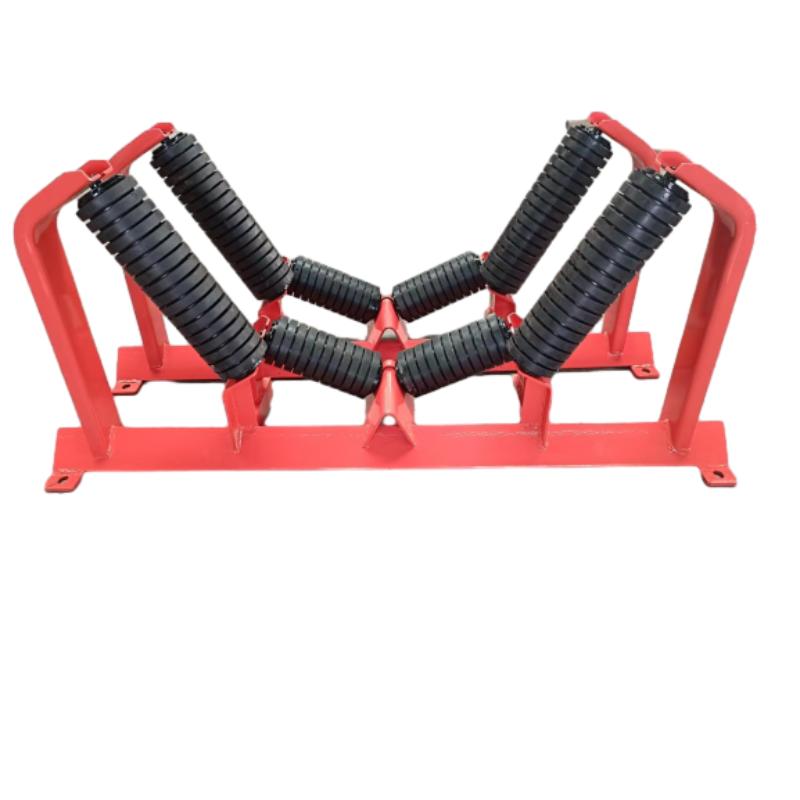
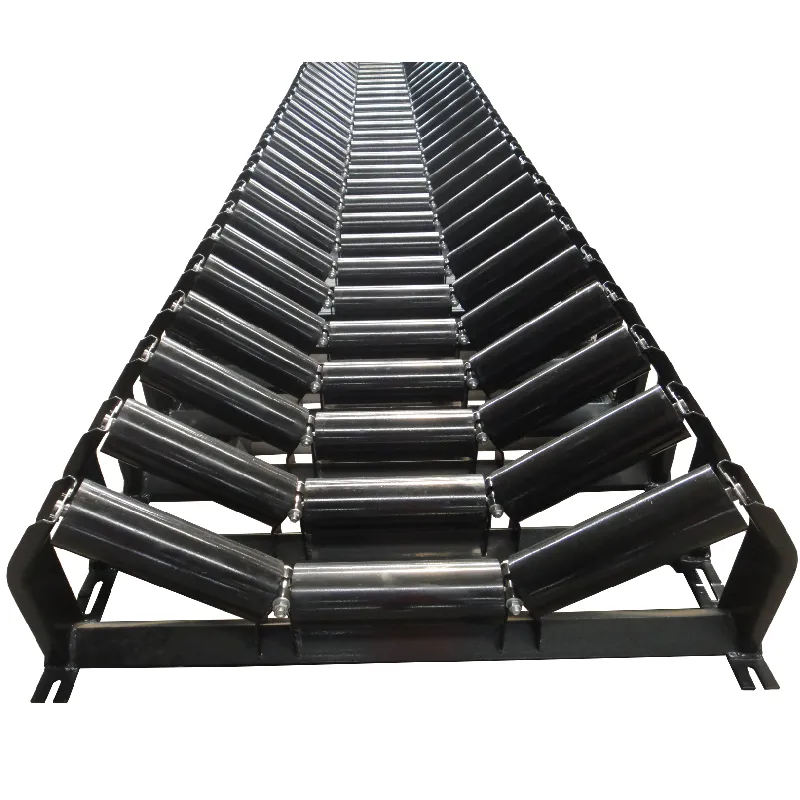
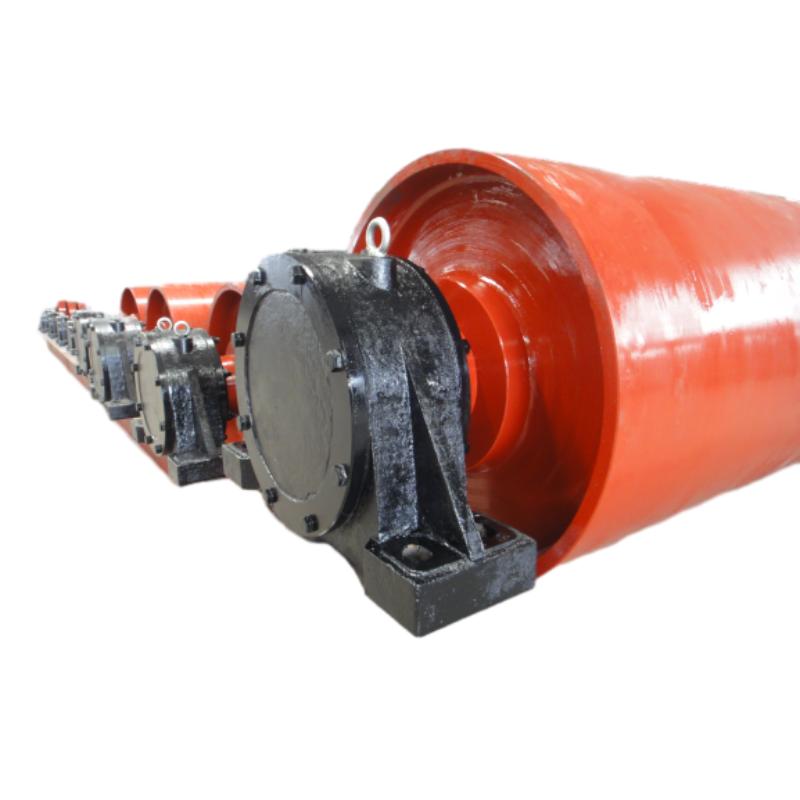
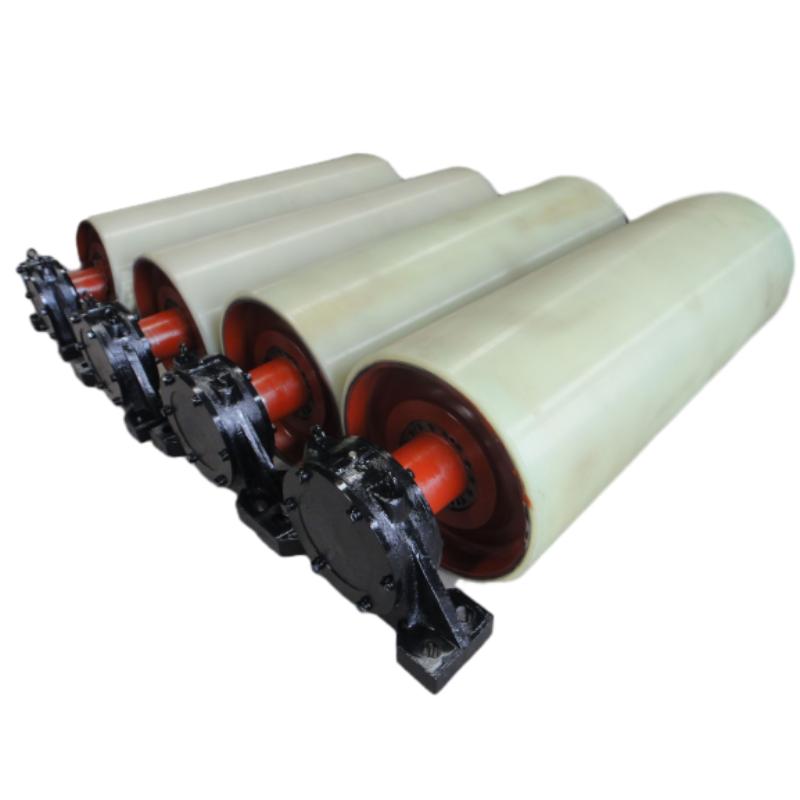
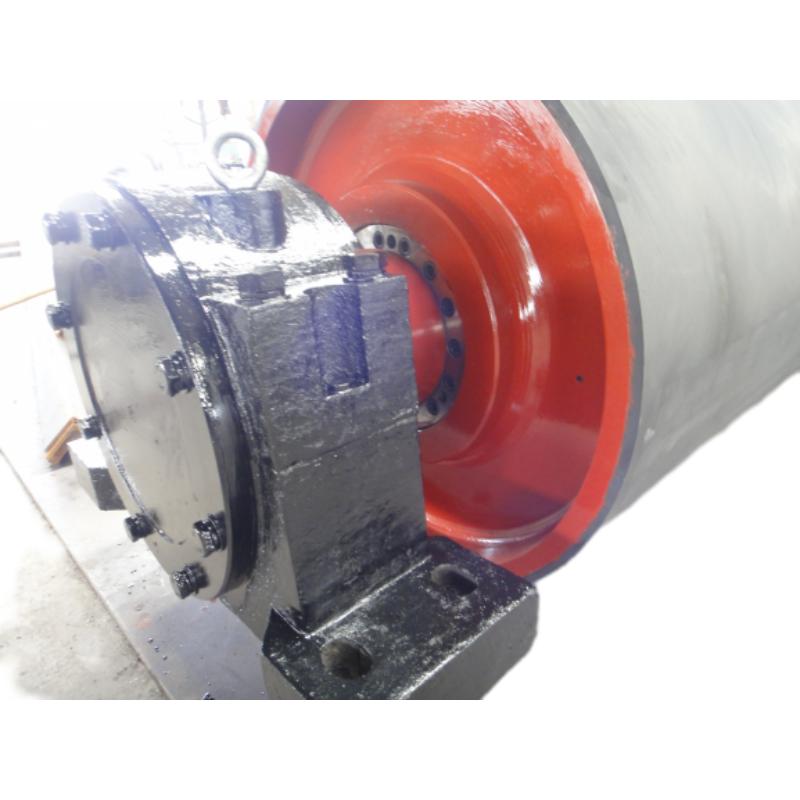
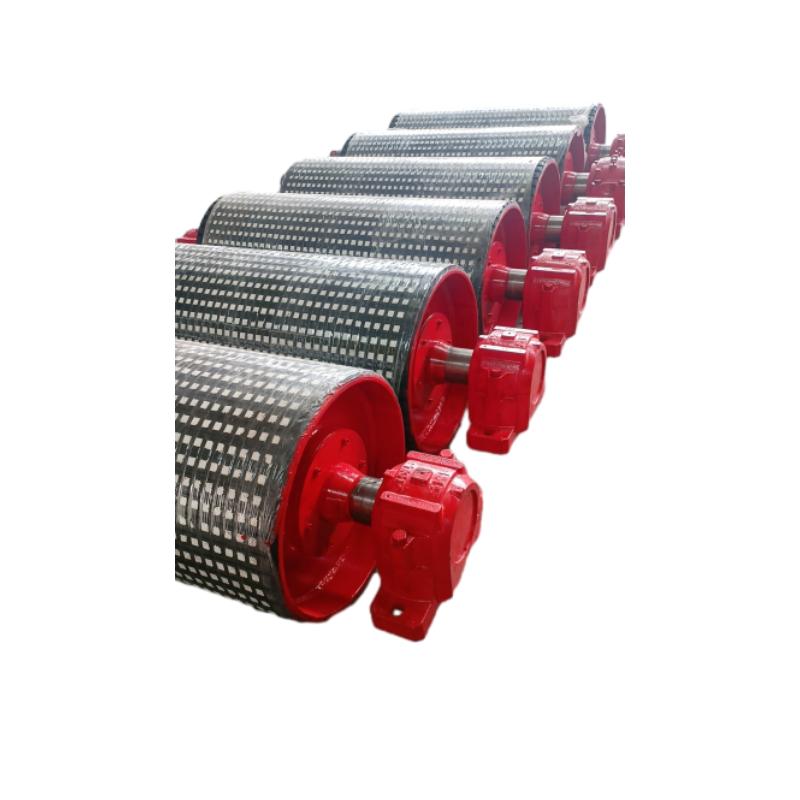
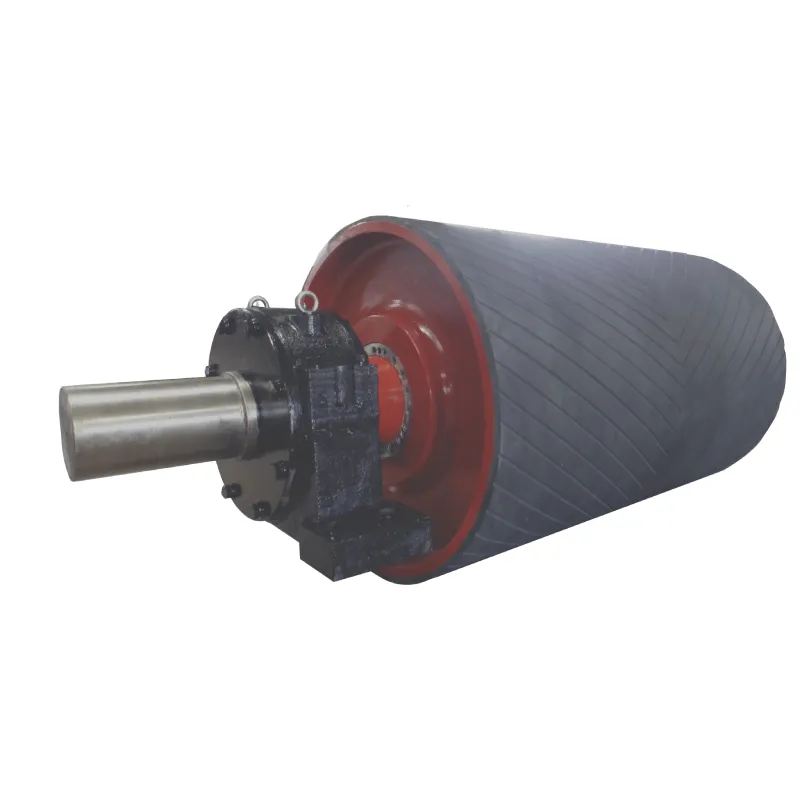
Put simply, urethane coated rollers are metal or plastic cylindrical rollers wrapped in a layer of polyurethane — a versatile polymer known for its elasticity and toughness. The coated layer acts as a protective shield, giving the roller a cushioned surface that resists abrasion, wear, chemicals, and even temperature variations. This is more than industrial jargon. To put it plainly, think of them as rollers with a tough but soft “skin” that lets products glide gently yet steadily. They’re crucial where fragile materials need to be transported—think delicate electronics, textiles, or freshly painted components. Urethane coating helps industries not just in efficiency but also fulfilling humanitarian aims. Take relief organizations shipping sensitive medical supplies; reducing damage during transit translates to saving lives. ---Core Factors That Define Urethane Coated Rollers
1. Durability without Sacrificing Softness
Unlike plain steel or rubber rolls, urethane offers excellent wear resistance. Oddly enough, it’s this blend of toughness with a slight “give” that reduces product damage and prolongs roller life.2. Chemical and Temperature Resistance
Many industries deal with harsh chemicals or fluctuating environments — food packaging, pharmaceutical lines, even outdoor applications. Urethane coatings combat corrosion, maintaining performance.3. Load Capacity and Scalability
These rollers come in all sizes and load ratings. From small wheels moving lightweight objects to heavy-duty rollers supporting tons — scalability is key. Manufacturers tweak wall thickness and coating hardness accordingly.4. Cost Efficiency and Maintenance
Urethane coated rollers generally require less frequent replacement versus rubber or bare metal rollers. That cuts costs over time, especially for operations running 24/7.5. Noise Reduction
In busy factories, noise levels matter. These rollers help muffle mechanical sounds, improving working conditions — a nice plus that sometimes gets overlooked. ---Key Product Specifications of Popular Urethane Coated Rollers
| Specification | Typical Range | Notes |
|---|---|---|
| Coating Hardness (Shore A) | 65 – 90 | Adjustable based on application needs |
| Roller Diameter | 20 mm – 200 mm+ | Custom sizes common |
| Load Capacity | Up to 1000+ kg per roller | Depends on core material and design |
| Operating Temperature | -30 °C to 80 °C | Varies by polyurethane formulation |
| Chemical Resistance | Resistant to oils, solvents, acids | Enhances longevity in harsh environments |
Global Applications and Real-Life Use Cases
Industries utilizing urethane coated rollers span: - Automotive Manufacture: Conveying painted car parts without marring. - Food Processing: FDA-approved versions for hygiene and minimal contamination. - Electronics Assembly: Preventing scratches on sensitive components. - Pharmaceuticals: Hygienic transport of vials and packaging. - Disaster Relief Logistics: Durable rollers help move supplies safely through makeshift or rough-handling conditions. Interestingly, many African NGOs working in remote zones rely on conveyor systems fitted with urethane coated rollers to ease the strain on workers handling fragile medical gear. It’s a clear example where such technical choices intersect with real human impact. Regions like Asia-Pacific have seen increased demand due to booming manufacturing, while Europe prioritizes rollers meeting strict environmental and safety regulations. ---Advantages and Long-Term Value of Urethane Coated Rollers
Aside from immediate operational gains, these rollers offer: - Reduced downtime thanks to longer wear life — translates directly to savings. - Product protection and fewer damaged goods = less waste. - Lower noise pollution, improving factory worker wellbeing. - Enhanced environmental profile, especially when paired with sustainable coatings. - Trust and reliability, fostering customer satisfaction. Emotionally, there’s a satisfaction in knowing your production line respects both efficiency and the dignity of workers — less noise and frustration — and customers — fewer defective goods. All feels like a nod toward smarter, kinder industrial design. ---Tomorrow's Trends: Innovations in Urethane Coated Rollers
What does the future hold? - Green Polyurethane Formulations: Chemists are working on bio-based polyurethanes that reduce reliance on fossil fuels. - Smart Rollers: Sensors embedded in rollers to monitor wear in real-time — a boon for predictive maintenance. - Advanced Custom Coatings: Tailored hardness gradients for multi-functional rollers. - Digital Integration: Rollers designed for automation lines interfacing with AI-enabled conveyor controls. The digital transformation of industry (Industry 4.0) means urethane coated rollers won’t just be passive parts but active players in smarter factories and logistics centers. ---Common Challenges—and How Experts Overcome Them
Despite their strengths, urethane coated rollers aren’t a magic bullet. Challenges include: - Initial Cost: Higher than rubber rollers in some cases. - Material Compatibility: Not all urethane formulas suit every environment. - Environmental Concerns: End-of-life recycling can be tricky. Solutions? Many manufacturers offer cost amortization plans, customizable coatings, and recycling programs. R&D labs constantly improve formulations for wider resistance. Plus, urethane coated rollers now come with certifications assuring eco-conscious buyers that sustainability matters. ---FAQ: Your Burning Questions Answered
- Q1: How long do urethane coated rollers typically last in heavy industrial use?
- A1: Lifespan varies with workload but generally ranges from 3-5 years, sometimes longer with proper maintenance and correct specifications.
- Q2: Can urethane coatings be repaired if damaged?
- A2: Minor abrasions can often be repaired using specialized urethane patch kits, but significant damage usually requires replacement for safety.
- Q3: Are urethane coated rollers suitable for outdoor applications?
- A3: Yes, especially when formulated for UV and temperature resistance. They perform well in many outdoor industrial or logistical setups.
- Q4: How do these rollers compare with rubber rollers in terms of cost and performance?
- A4: Though urethane rollers can be pricier initially, they offer superior abrasion resistance and longer service life, reducing overall cost.
Vendor Comparison: Choosing the Right Supplier for Your Needs
| Vendor | Product Range | Customization | Certifications | Price Range |
|---|---|---|---|---|
| AlphaRollers Inc. | Standard & heavy-duty rollers | Yes, including hardness & size | ISO 9001, RoHS | $$$ |
| Beta Polyurethanes | Eco-friendly urethane rollers | Highly customizable coatings | ISO 14001, FDA-approved | $$$$ |
| Gamma Conveyance Corp. | Wide industrial spectrum | Moderate customization | CE certified, ISO 9001 | $$ |
In Conclusion: The Quiet Workhorses of Industry
All told, urethane coated rollers, though often overlooked, are integral to keeping our global supply chains and manufacturing lines running smooth and safe. There’s something satisfying about a piece of technology that manages to both protect delicate goods and withstand tough industrial conditions. So if you’re evaluating conveyor solutions or looking to upgrade durability and efficiency, you might want to dive deeper into the world of urethane coated rollers. Your equipment — and the people who rely on it — will thank you. ---References & Further Reading
---Latest news
-
Maximize Conveyor Life with a High Performance impact bedNewsApr.16,2026
-
Maximize Conveyor Efficiency Using a v plow belt scraperNewsApr.09,2026
-
Comprehensive Guide to Understanding Different Types of Belt CleanersNewsApr.07,2026
-
Enhancing Conveyor Efficiency with an Effective Scraper Belt CleanerNewsApr.04,2026
-
Optimizing Conveyor Systems with Advanced Cleaning Equipment SolutionsNewsMar.31,2026
-
Effective Conveyor Belt Scraper Adjustment for Optimal System PerformanceNewsMar.28,2026
OUR PRODUCTS