

Enhancing Conveyor Efficiency with an Effective Scraper Belt Cleaner
Choosing the Right Scraper Belt Cleaner for Optimal Conveyor Performance
Maintaining the efficiency and longevity of conveyor belts is paramount in various industries, from mining and aggregate to food processing and power generation. A critical component in achieving this is an effective scraper belt cleaner. These systems remove sticky materials build-up, preventing slippage, reducing wear and tear, and ultimately saving significant costs. This article will delve into the benefits, types, selection criteria, and maintenance of scraper belt cleaners, guiding you towards the optimal solution for your specific needs. Investing in the right scraper system minimizes downtime and maximizes your conveyor's lifespan.
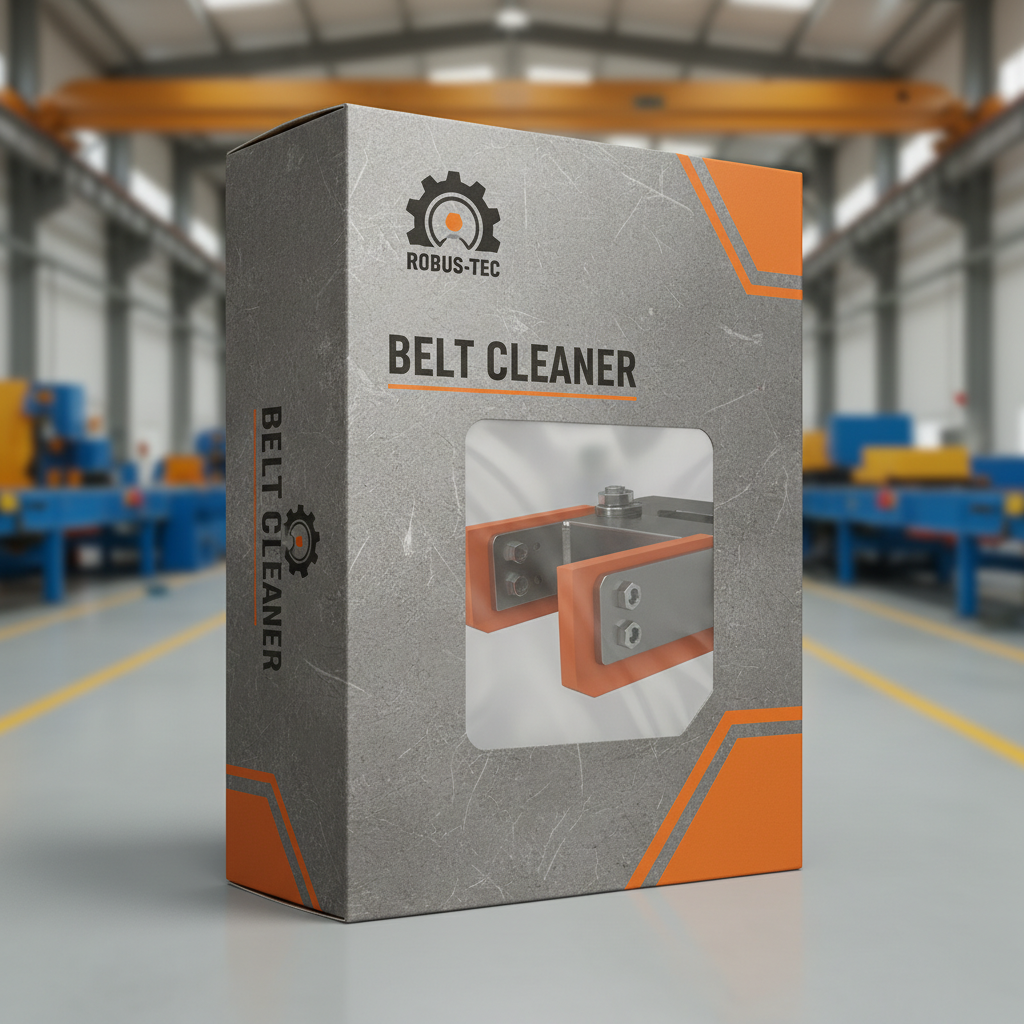
The Benefits of Implementing a Scraper Belt Cleaner
Implementing a well-chosen scraper belt cleaner offers a multitude of advantages. Primarily, it prevents material build-up on the return side of the belt, which can lead to increased belt wear, reduced traction, and potential slippage. This, in turn, minimizes the need for costly belt replacements and reduces downtime for repairs. Furthermore, a clean belt improves the accuracy of conveying, ensuring consistent material flow and minimizing spillage. The reduction in carry-back also contributes to a cleaner and safer working environment, reducing dust and potential hazards. Ultimately, effective cleaning translates into significant operational savings and enhanced productivity.
Key Highlights: Prevents material build-up, reduces belt wear, minimizes slippage, improves accuracy, cleaner workplace, and significant cost savings.
Types of Scraper Belt Cleaners
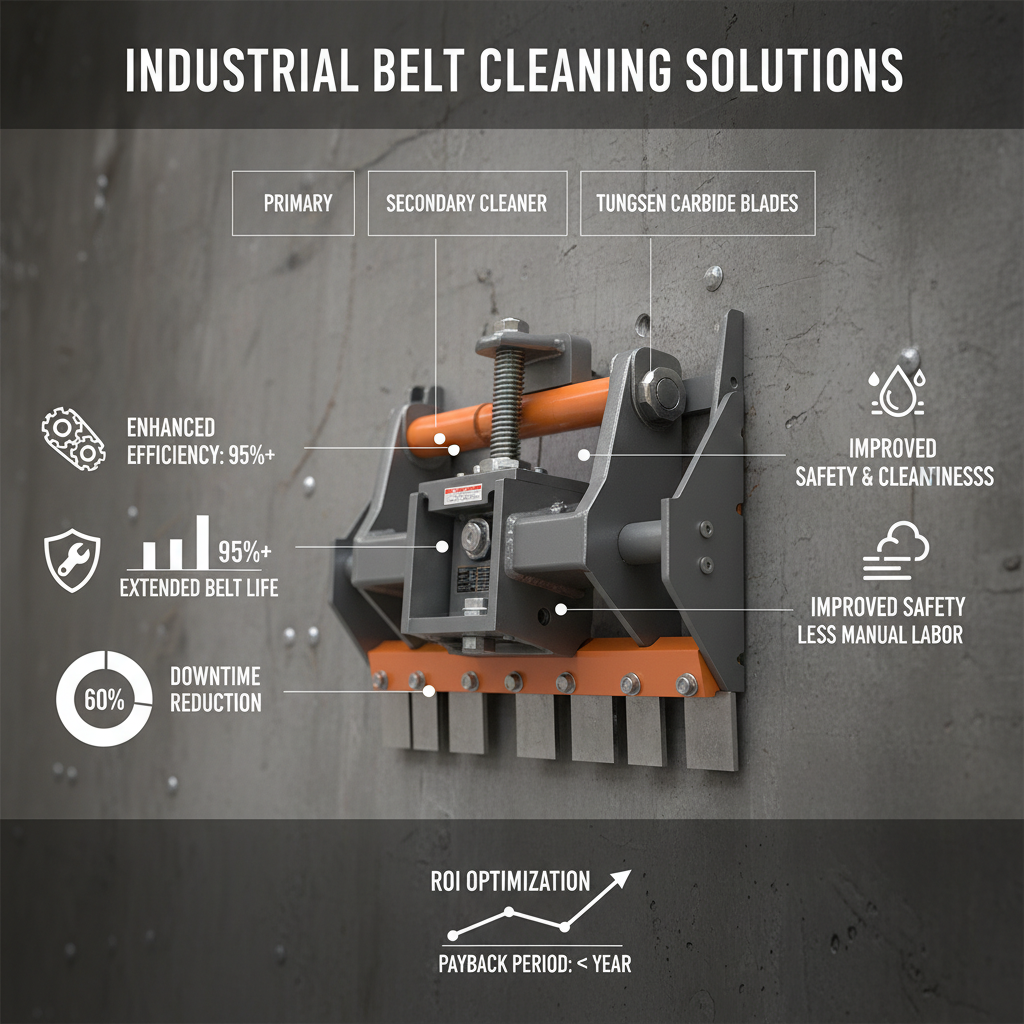
Several types of scraper belt cleaners are available, each suited to specific applications and material types. Primary cleaners are typically installed directly after the head pulley and remove the bulk of the material. Secondary cleaners, positioned further down the return strand, remove any remaining residue. Tertiary cleaners, sometimes called stackers, are used in demanding applications with highly adhesive materials. Finally, there are plow-style cleaners which are cost-effective for lighter build-up and v-plow cleaners which are more aggressive. The selection depends on the type of material conveyed, belt speed, and the degree of build-up encountered.
Cleaner Type Overview:
• Primary Cleaners: Bulk material removal.
• Secondary Cleaners: Remaining residue removal.
• Tertiary Cleaners: Highly adhesive materials.
• Plow-Style Cleaners: Lighter build-up.
• V-Plow Cleaners: Aggressive cleaning.
Selecting the Best Scraper Belt Cleaner for Your Application
Choosing the right scraper belt cleaner requires careful consideration of several factors. The type of material being conveyed is crucial – sticky, abrasive, or fine materials will demand different cleaning solutions. Belt speed also influences the choice; faster belts may require more aggressive cleaners. The belt type (e.g., rubber, PVC) and its construction should be considered to ensure compatibility. Additionally, the environment (temperature, humidity, exposure to chemicals) can impact cleaner performance. Finally, budget considerations play a role, with a balance needed between initial cost and long-term operational savings. Idler Aohua offers expert guidance to help you navigate these factors and select the optimal system for your specific needs.
Maintenance and Longevity of Your Scraper System
Regular maintenance is vital for ensuring the longevity and effectiveness of your scraper belt cleaner. This includes periodic inspection of the blade for wear and tear, and timely replacement when necessary. Checking the tensioning mechanism ensures optimal cleaning pressure. Regularly cleaning the surrounding area prevents material build-up that could interfere with the cleaner's operation. Proper lubrication of moving parts reduces friction and extends component life. Following the manufacturer’s recommendations for maintenance schedules is highly recommended.
Conclusion: Invest in Reliable Conveyor Maintenance
Choosing the right scraper belt cleaner is a vital investment in the efficiency and longevity of your conveyor system. By carefully considering your application requirements and prioritizing regular maintenance, you can minimize downtime, reduce costs, and maximize productivity. Idler Aohua is committed to providing high-quality scraper solutions and expert support to help you achieve optimal conveyor performance.
Frequently Asked Questions (FAQs)
How often should I replace the scraper blade?
The replacement frequency of the scraper blade depends on the abrasiveness of the material being conveyed, the belt speed, and the operating environment. Regularly inspect the blade for wear and tear – look for cracks, tears, or significant loss of material. As a general guideline, blades should be replaced when they show signs of significant wear or when cleaning performance diminishes. Idler Aohua recommends a routine inspection schedule, perhaps monthly, to assess blade condition and proactively schedule replacements. Ignoring blade wear can lead to reduced cleaning efficiency and potential damage to the conveyor belt.
What are the benefits of using multiple scraper cleaners?
Using a combination of primary, secondary, and even tertiary scrapers provides a more thorough cleaning process. A primary cleaner removes the bulk of the material, while secondary cleaners capture any remaining residue. Tertiary cleaners are useful for particularly sticky or adhesive materials. This multi-stage approach ensures minimal material build-up, reduces the risk of slippage, and extends the life of the conveyor belt. It's especially effective in demanding applications where even a small amount of carry-back can cause significant problems.
Can scraper belt cleaners be used on all types of conveyor belts?
Most scraper belt cleaners are designed to be compatible with a wide range of conveyor belt materials, including rubber, PVC, and fabric belts. However, it's crucial to choose a cleaner that is specifically designed for the type of belt you are using. Aggressive cleaners may damage softer belt materials. Idler Aohua offers cleaners tailored to various belt types and can provide guidance on selecting the appropriate system for your specific needs.
How important is proper tensioning of the scraper blade?
Proper tensioning is critical for optimal scraper performance. Insufficient tension results in poor cleaning efficiency, as the blade won't effectively remove material from the belt. Excessive tension can cause premature blade wear and potentially damage the belt. The ideal tension provides consistent contact between the blade and the belt without excessive pressure. Regularly check and adjust the tensioning mechanism according to the manufacturer’s recommendations to ensure optimal cleaning performance and maximize blade life.
-
Maximize Conveyor Life with a High Performance impact bedNewsApr.16,2026
-
Maximize Conveyor Efficiency Using a v plow belt scraperNewsApr.09,2026
-
Comprehensive Guide to Understanding Different Types of Belt CleanersNewsApr.07,2026
-
Enhancing Conveyor Efficiency with an Effective Scraper Belt CleanerNewsApr.04,2026
-
Optimizing Conveyor Systems with Advanced Cleaning Equipment SolutionsNewsMar.31,2026
-
Effective Conveyor Belt Scraper Adjustment for Optimal System PerformanceNewsMar.28,2026