Look, I’ve spent the last fifteen years breathing dust on construction sites, from massive infrastructure projects to smaller industrial builds. And if there’s one thing that consistently impacts efficiency and keeps foremen up at night, it's the reliability of material handling. Specifically, the humble but crucial belt conveyor return roller. It’s not glamorous, but it’s the backbone of keeping things moving. We’re talking about minimizing downtime, maximizing throughput, and ultimately, keeping projects on schedule and within budget. A well-chosen belt conveyor return roller isn’t just a component; it's a direct line to profitability.
I’ve seen operations crippled by cheap rollers that seize up, crack, or simply wear out far too quickly. The knock-on effect is significant – conveyor belt misalignment, increased friction, premature belt wear, and the inevitable shutdown for repairs. These aren’t just theoretical headaches; these are real-world delays that cost contractors serious money and reputation. The quality of the belt conveyor return roller significantly impacts the entire system, not just its immediate function.
What’s often overlooked is the long-term impact. Investing in higher-quality rollers upfront translates to reduced maintenance, fewer replacements, and a much more predictable operational lifecycle. It’s the difference between constantly patching things up and having a system you can rely on to perform consistently. That’s a game changer on any site.
The Importance of Belt Conveyor Return Rollers
Let's be clear: the return roller isn’t sexy. But it’s the workhorse. It supports the returning side of the conveyor belt, guiding it back to the loading point. Without a properly functioning belt conveyor return roller, you’re fighting friction, increasing energy consumption, and risking belt damage. A smooth return run is vital for the entire system’s efficiency.
I’ve seen sites where they’ve skimped on return rollers, thinking it’s a minor cost savings. It always comes back to bite them. Increased maintenance, belt replacement, and the constant frustration of breakdowns negate any initial savings. It’s a false economy, plain and simple.
Global Relevance and Industry Context
Conveyor systems are absolutely vital to global material handling. From mining and aggregate processing to package delivery and food processing, they’re everywhere. The United Nations Industrial Development Organization (UNIDO) estimates that efficient logistics and material handling are key to sustainable industrial growth, particularly in developing nations. And within those systems, the belt conveyor return roller is a core component.
The demand is only increasing. Global construction is projected to reach $18.5 trillion by 2030 (Source: Deloitte). That translates to a massive need for efficient material handling solutions, and reliable return rollers are at the heart of it. Increased infrastructure spending in regions like Asia-Pacific and Africa is further driving this demand.
The challenge, as I see it, is balancing cost with performance. There's a lot of pressure to keep project budgets tight, but cutting corners on essential components like belt conveyor return rollers will ultimately lead to higher lifecycle costs and potential delays.
Defining Belt Conveyor Return Rollers
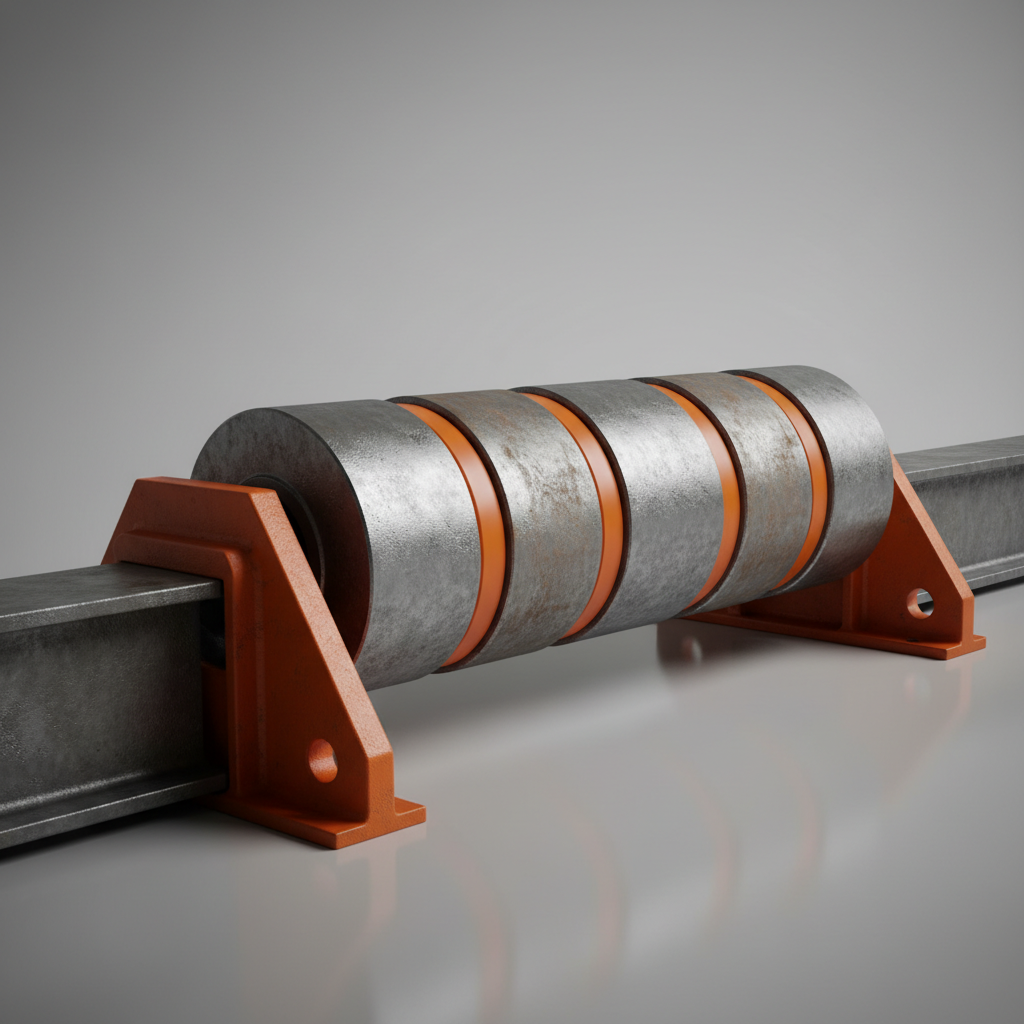
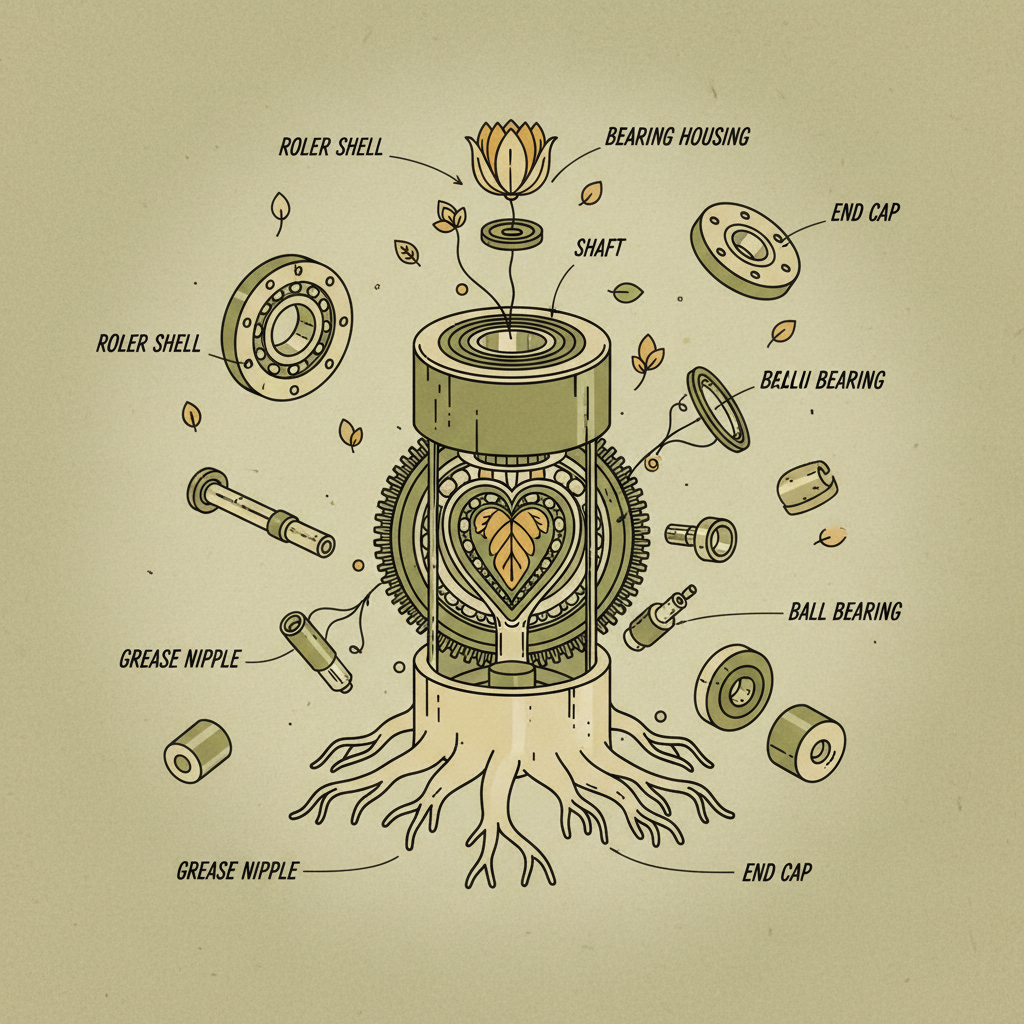
Simply put, a belt conveyor return roller is a cylindrical component that supports the underside of a conveyor belt as it returns from the discharge point to the loading point. They are typically mounted in a trough or flat configuration, depending on the belt type and application. The roller’s primary function is to reduce friction and maintain the belt's alignment.
The connection to modern industry and even humanitarian needs is undeniable. Efficient material handling is critical for everything from delivering essential supplies to disaster zones to supplying raw materials to manufacturing plants. A reliable conveyor system, built on quality rollers, contributes to smoother supply chains and faster response times in critical situations.
You don't think about these things when you’re just trying to get a job done, but when a supply chain breaks down, or a disaster relief operation is hampered by logistical issues, it all comes back to the fundamental efficiency of material handling, and that starts with components like the belt conveyor return roller.
Key Factors: What Makes a Good Roller?
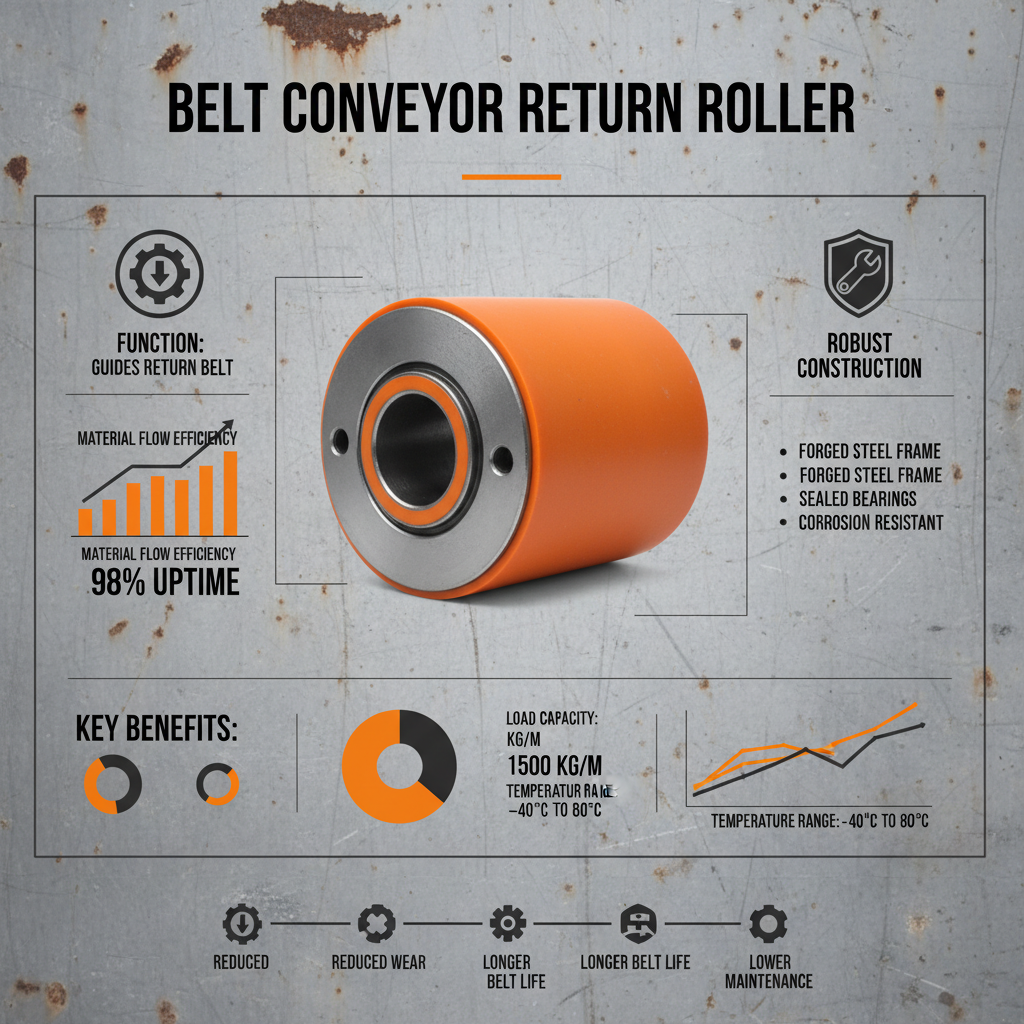
After years in the field, I've narrowed it down to a few crucial factors. First, Durability is paramount. You need rollers built to withstand the harsh conditions of a construction site – impact, dust, moisture, and heavy loads. Second, Load Capacity is critical. Selecting the right roller for the specific weight it will carry is non-negotiable.
Thirdly, Sealing Quality matters. Effective seals protect the internal bearings from contamination, extending their lifespan. Fourth, Low Rolling Resistance reduces energy consumption and minimizes belt wear. Finally, Ease of Maintenance is often overlooked, but readily accessible bearings and simple lubrication points save a lot of time and hassle.
Return Roller Performance Metrics
Global Applications and Use Cases
You’ll find these rollers in mining operations across Australia and South America, handling massive volumes of ore. They're essential in aggregate processing plants throughout Europe and North America, feeding materials to crushing and screening equipment. And they’re critical in logistics hubs around the world, powering automated sorting and distribution systems.
I’ve personally worked on projects in remote industrial zones in Africa where the reliability of the conveyor system – and the belt conveyor return rollers – was the difference between keeping operations running and facing costly shutdowns. In those situations, having readily available spare parts and robust rollers is paramount.
Advantages and Long-Term Value
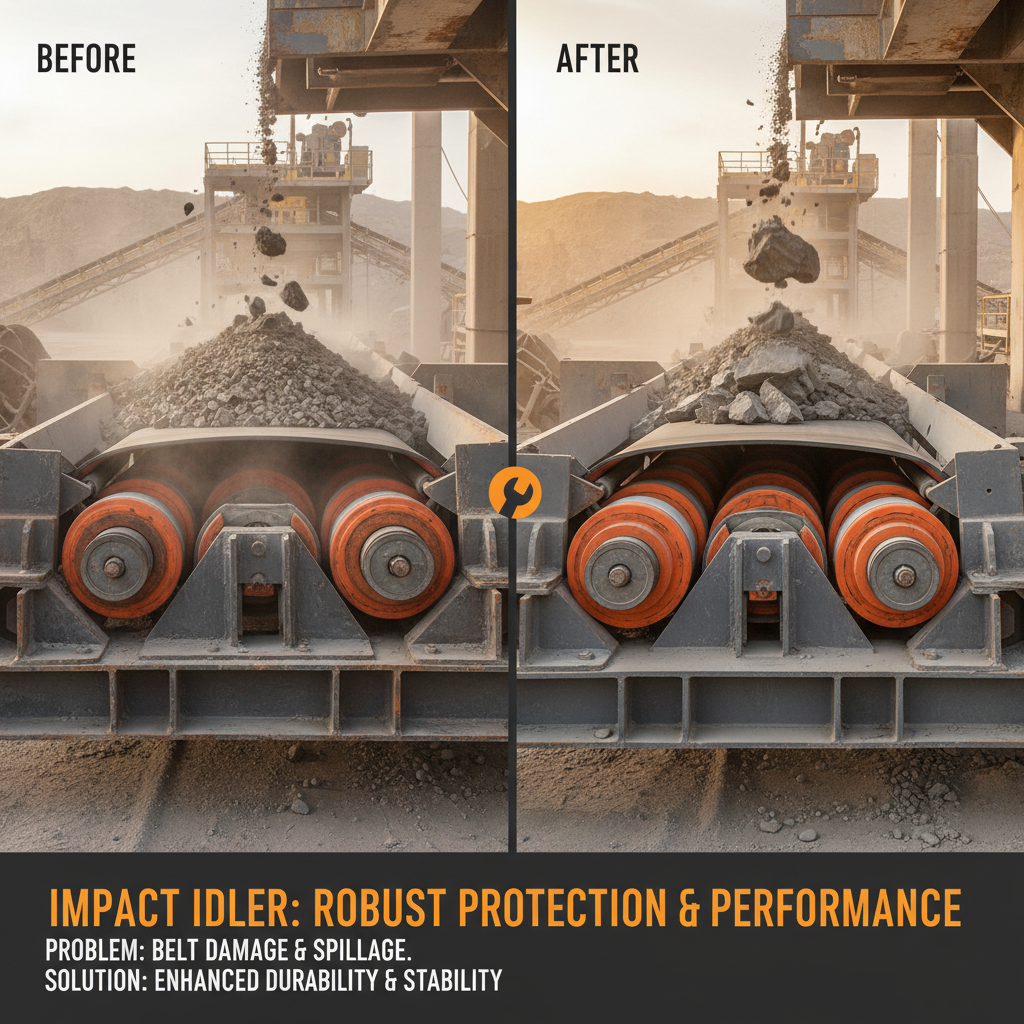
The tangible benefits are clear: reduced downtime, lower maintenance costs, and extended belt life. But the intangible benefits are just as important. A reliable conveyor system improves worker safety by minimizing the risk of material spills and equipment failures. It enhances operational efficiency, allowing companies to meet deadlines and fulfill orders on time. And it builds trust with clients, demonstrating a commitment to quality and reliability.
Investing in high-quality belt conveyor return rollers isn’t just about saving money in the short term; it’s about building a sustainable and resilient operation that can withstand the challenges of a demanding industry. It's peace of mind, knowing your system is built to last.
Future Trends and Innovations
We’re seeing a shift towards smart rollers, equipped with sensors that monitor bearing temperature, vibration, and load. This data can be used to predict potential failures and schedule proactive maintenance, minimizing downtime. Another trend is the development of rollers made from lighter, more durable materials, reducing overall system weight and energy consumption.
There’s also a growing focus on sustainability. Manufacturers are exploring the use of recycled materials and developing rollers with longer lifecycles to reduce waste. And, as automation becomes more prevalent, we’ll likely see increased integration between belt conveyor return rollers and automated control systems.
Digital twin technology will also play a larger role, allowing operators to simulate different operating conditions and optimize roller performance before implementation. These aren’t just futuristic ideas; they’re actively being developed and implemented in forward-thinking operations.
FAQS
The most common mistake is focusing solely on upfront cost. Cheaper rollers often mean lower quality materials, poor sealing, and a significantly shorter lifespan. This leads to more frequent replacements, increased maintenance, and ultimately, higher overall costs. It's crucial to consider the total cost of ownership, not just the initial price.
Regular inspection is vital. At a minimum, you should visually inspect your rollers monthly for signs of wear, damage, or misalignment. More frequent inspections – weekly or even daily – are recommended in harsh environments or for high-demand applications. Listen for unusual noises during operation, which could indicate a bearing failure.
Look for excessive vibration, unusual noises (grinding, squealing), visible damage to the roller shell, or difficulty rotating. Misalignment can also indicate a problem. If you notice any of these signs, it's best to replace the roller to prevent further damage to the conveyor system.
Yes, but it's important to use the correct type of lubricant and follow the manufacturer’s recommendations. Over-lubrication can be as harmful as under-lubrication. Many rollers are sealed for life, so check your specific roller’s documentation before attempting lubrication. Improper lubrication can void warranties.
Common materials include steel, polymer, and ceramic. Steel rollers are durable and cost-effective but can be prone to corrosion. Polymer rollers are lightweight and corrosion-resistant but may have lower load capacity. Ceramic rollers offer excellent wear resistance but are more expensive.
The correct size depends on the belt width, load capacity, and conveyor speed. Consult with a qualified engineer or conveyor system specialist to determine the appropriate roller size for your specific application. Undersized rollers can lead to belt sag and premature wear, while oversized rollers can increase energy consumption.
Conclusion
Ultimately, the belt conveyor return roller is a deceptively simple component with a significant impact on overall system efficiency and reliability. Don’t underestimate its importance. Investing in quality rollers, performing regular inspections, and implementing proactive maintenance will pay dividends in the long run.
The future of material handling is leaning towards smarter, more sustainable solutions. As technology advances, we’ll continue to see innovation in roller design and integration. But the fundamental principles remain the same: durability, reliability, and a commitment to keeping things moving. For more information and to discuss your specific needs, visit our website: www.idleraohua.com