

What is a Return Roller? Global Uses, Benefits, and Future Trends
Understanding the Return Roller: What It Is and Why the World Cares
If you've ever peeked beneath a conveyor belt in a factory or mining site, you've most likely spotted the humble yet crucial return roller. These small, often overlooked components run underneath the conveyor belt, guiding it back on its path and ensuring the entire system works smoothly. Now, you might wonder why such a simple part gets so much attention worldwide? Well, conveyors transport billions of tons of materials daily—from grains and coal to parcels and manufactured goods. The efficiency, safety, and sustainability of many industries hinge on the performance of return rollers.
Understanding how a return roller works — and what innovations are shaping its future — can help industries reduce downtime, minimize environmental impact, and boost profitability. After all, a tiny glitch can ripple across global supply chains in ways that surprise us all.
The Global Context: Why Return Rollers Matter More Than Ever
Conveyor systems underpin a massive chunk of global logistics, manufacturing, and raw material processing. According to the International Organization for Standardization (ISO), industrial conveyor systems worldwide handle over 3 billion tons of goods annually. Return rollers, integral to these systems, have a direct impact on operational uptime and energy efficiency.
But here’s the wrinkle: as industries push for greener production with stricter environmental regulations, equipment like return rollers comes under scrutiny. Poorly designed rollers contribute to friction and energy loss, driving up costs and carbon footprints. A World Bank report also highlights that in developing economies, outdated conveyor tech creates bottlenecks in mining and agriculture sectors, limiting growth and job creation.
To put it plainly, improving return roller technology is a small but vital piece in the puzzle of sustainable industrial progress.
What Exactly Is a Return Roller?
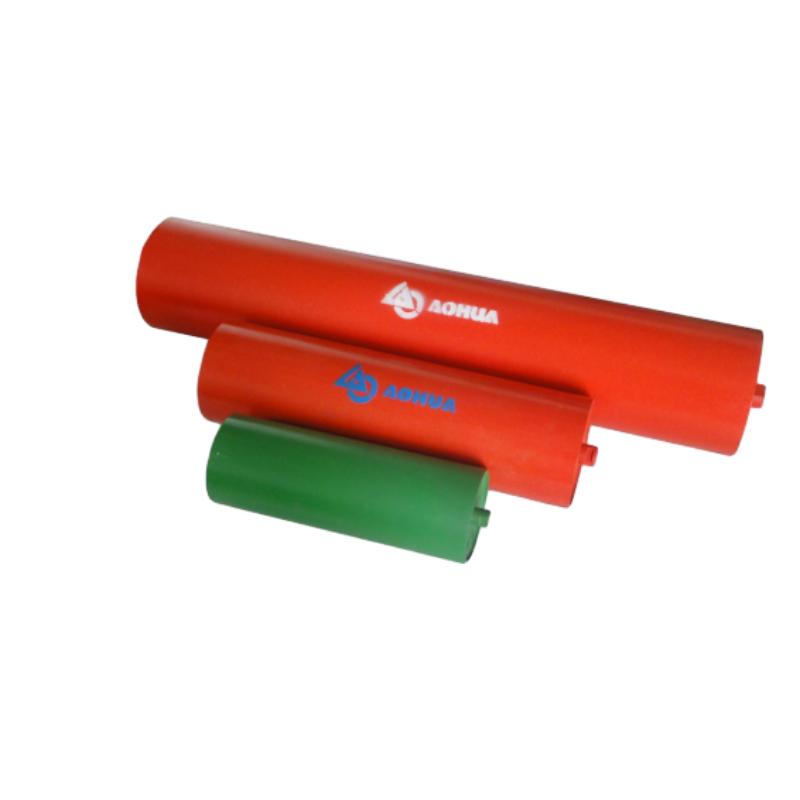
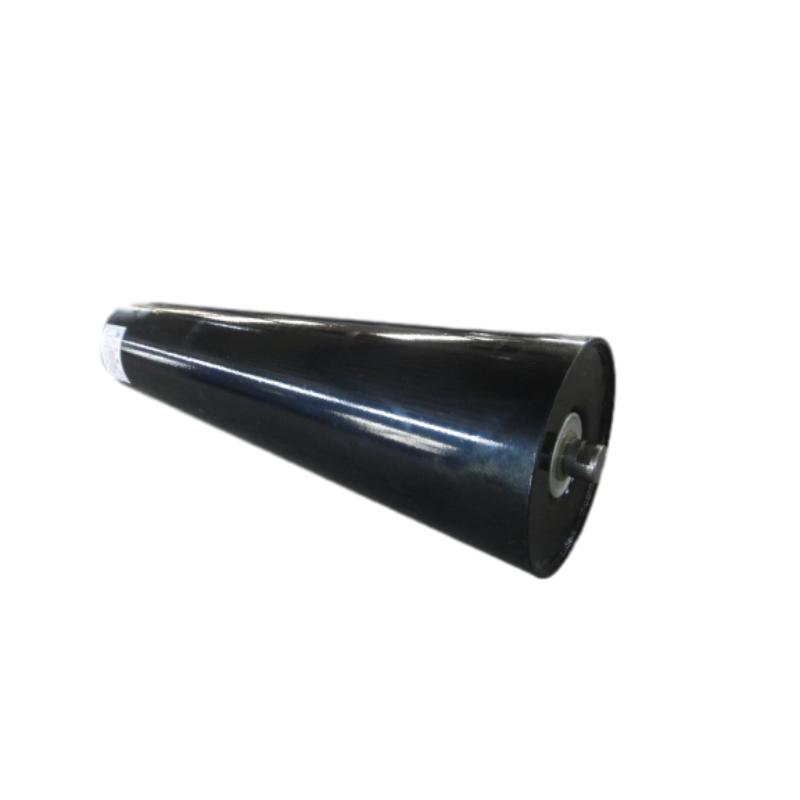
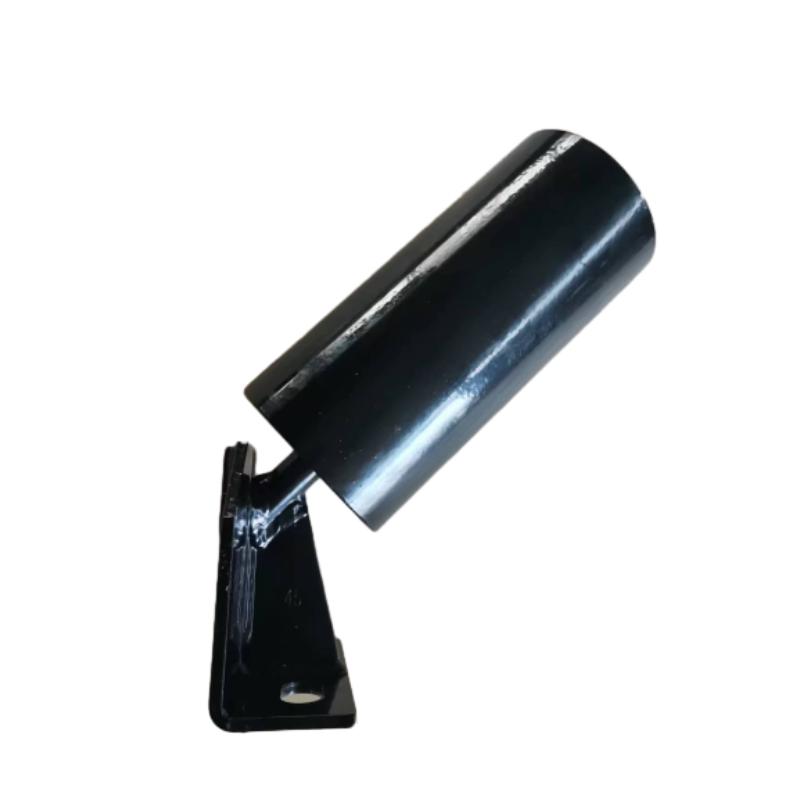
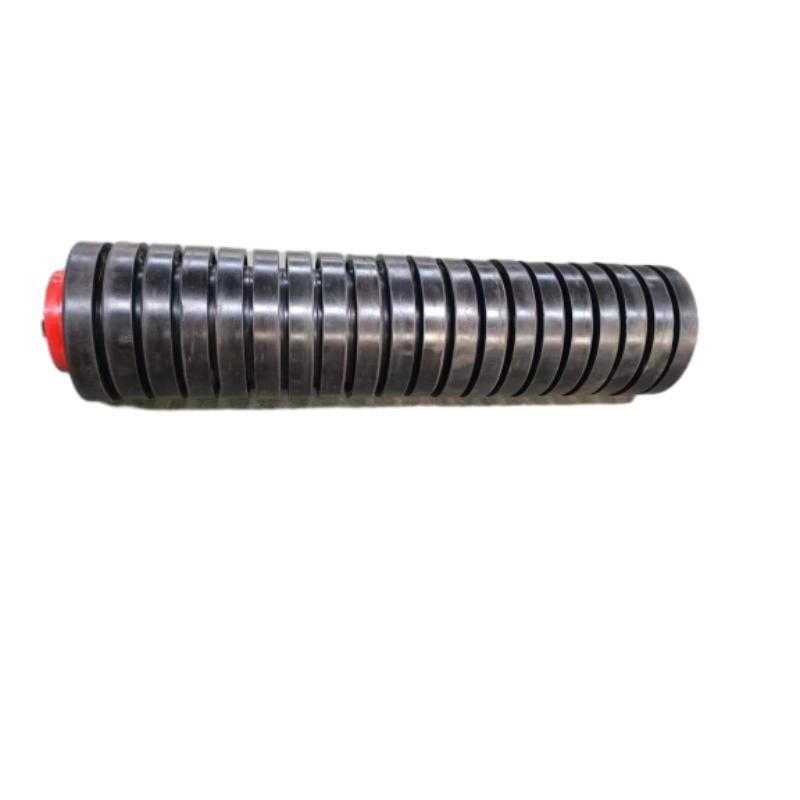
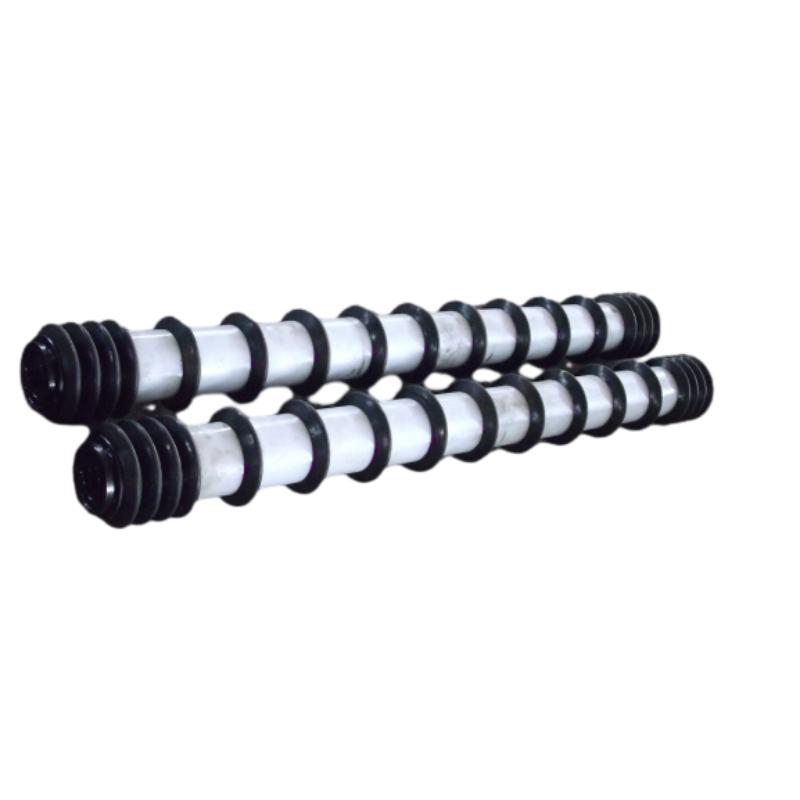
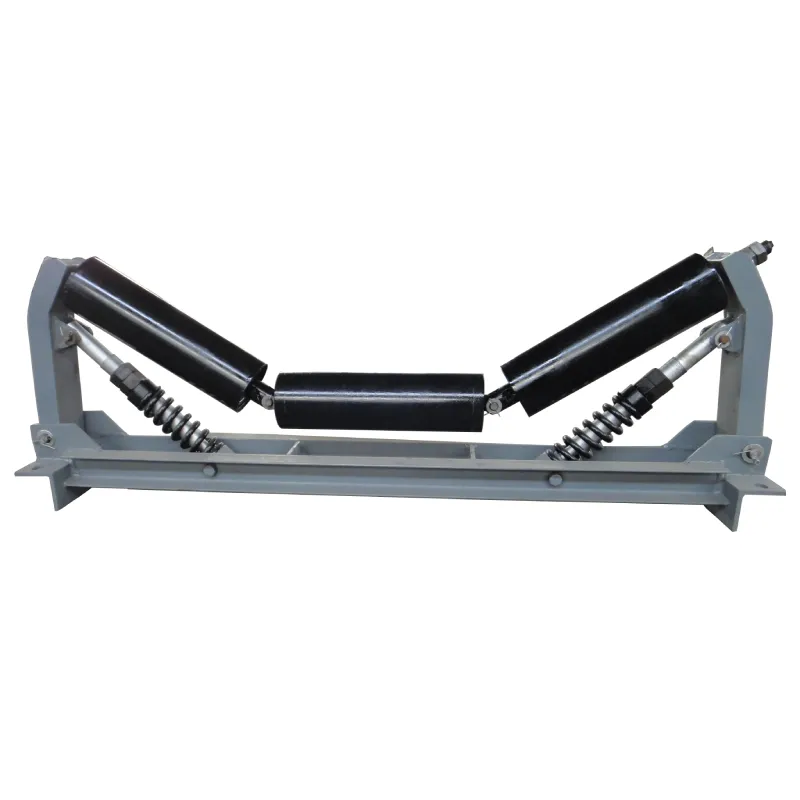
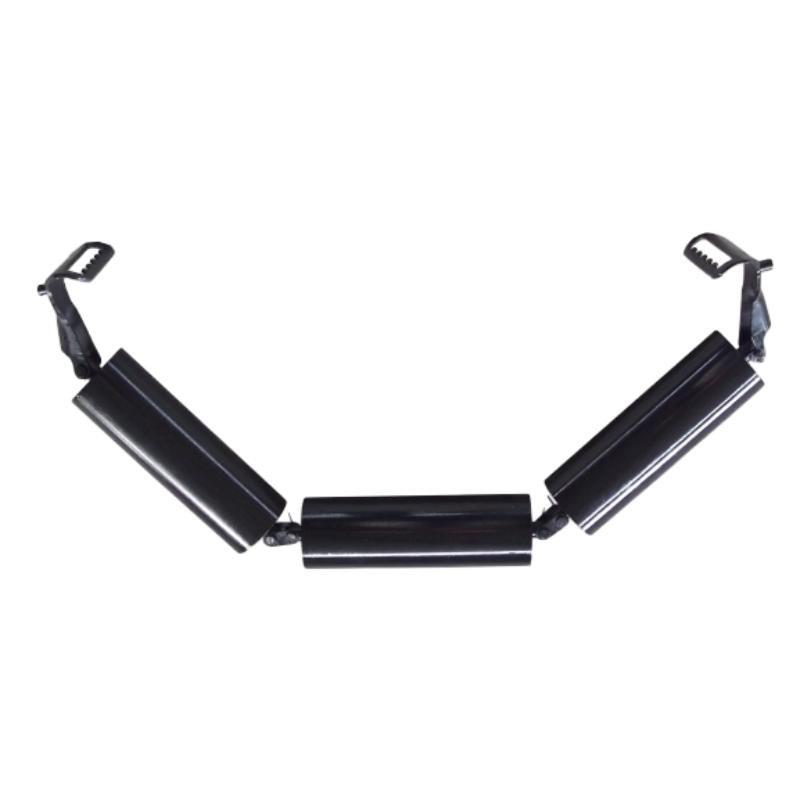
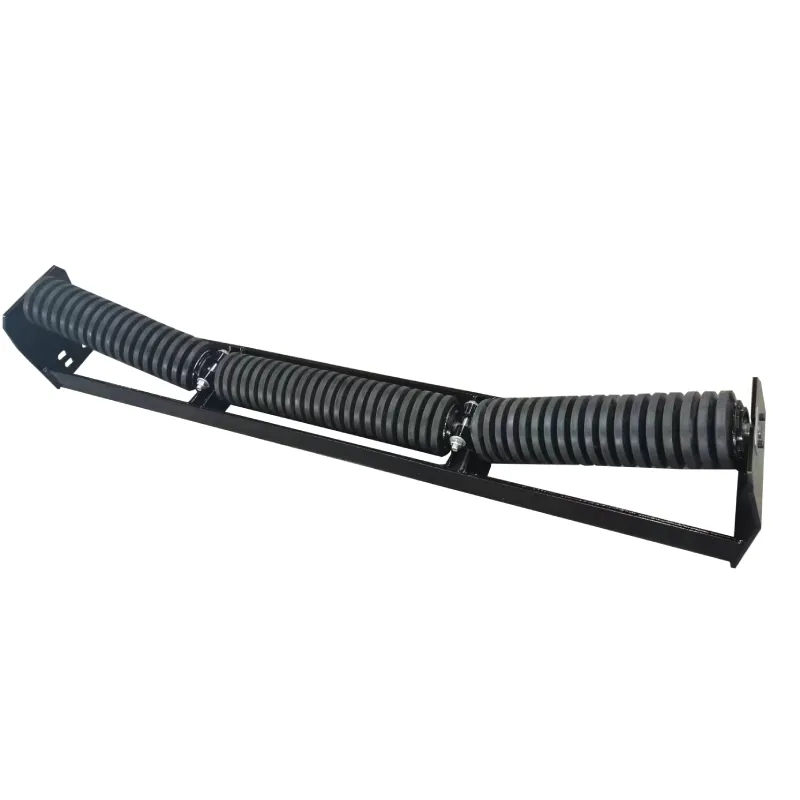
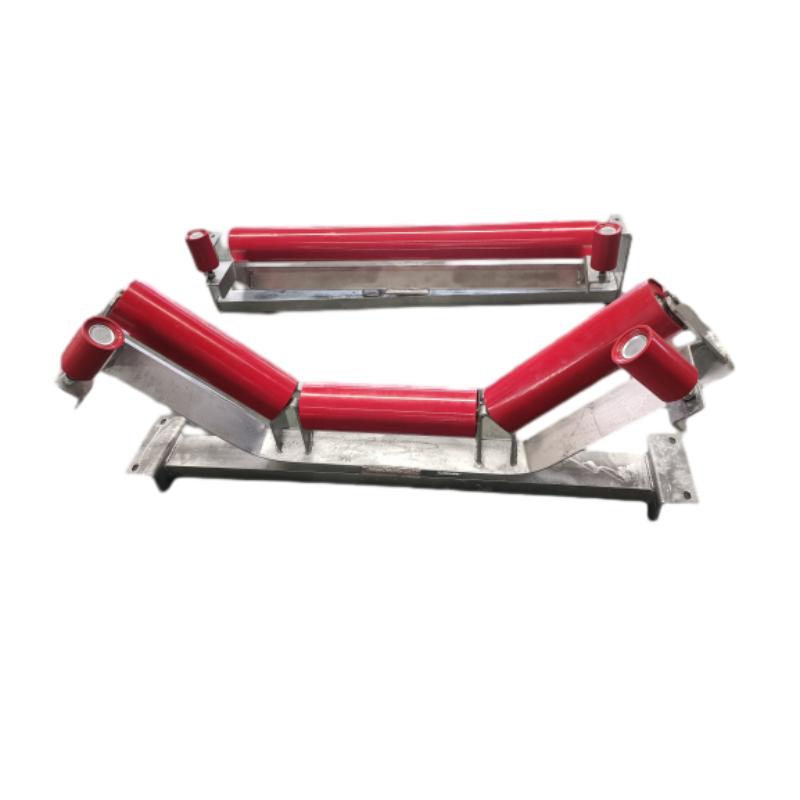
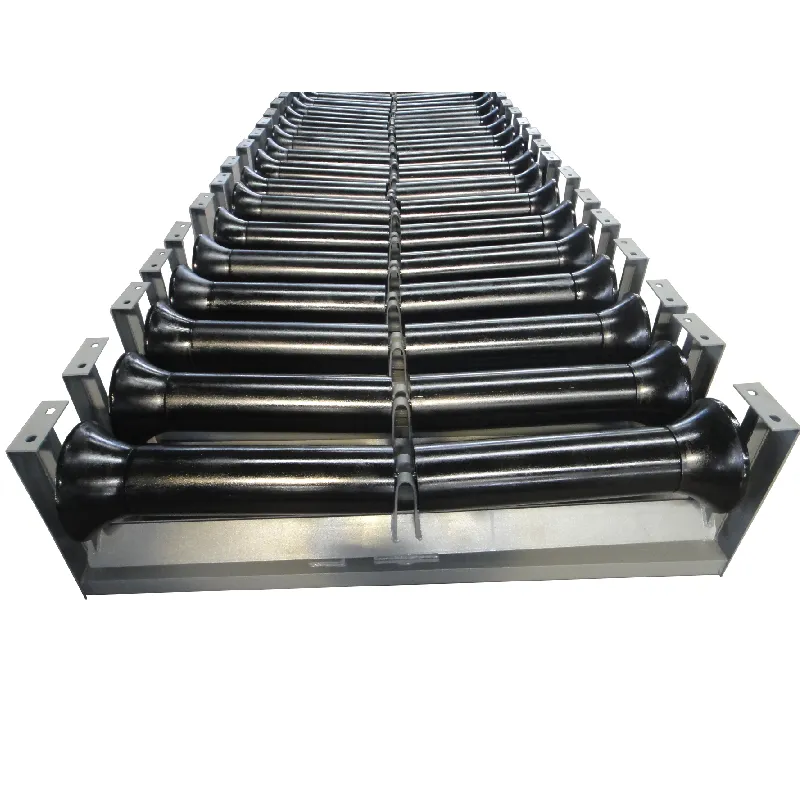
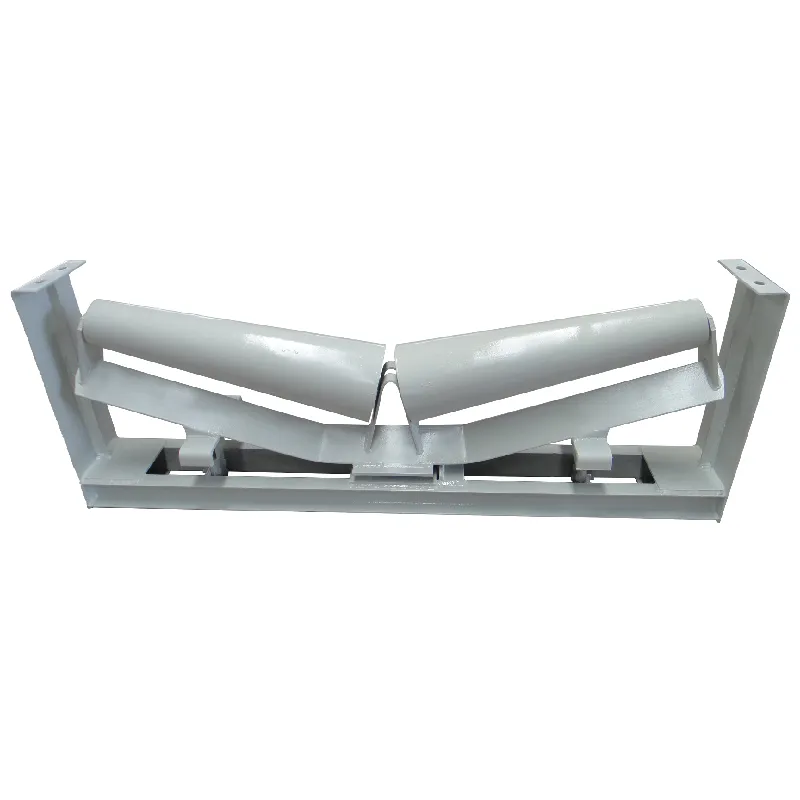
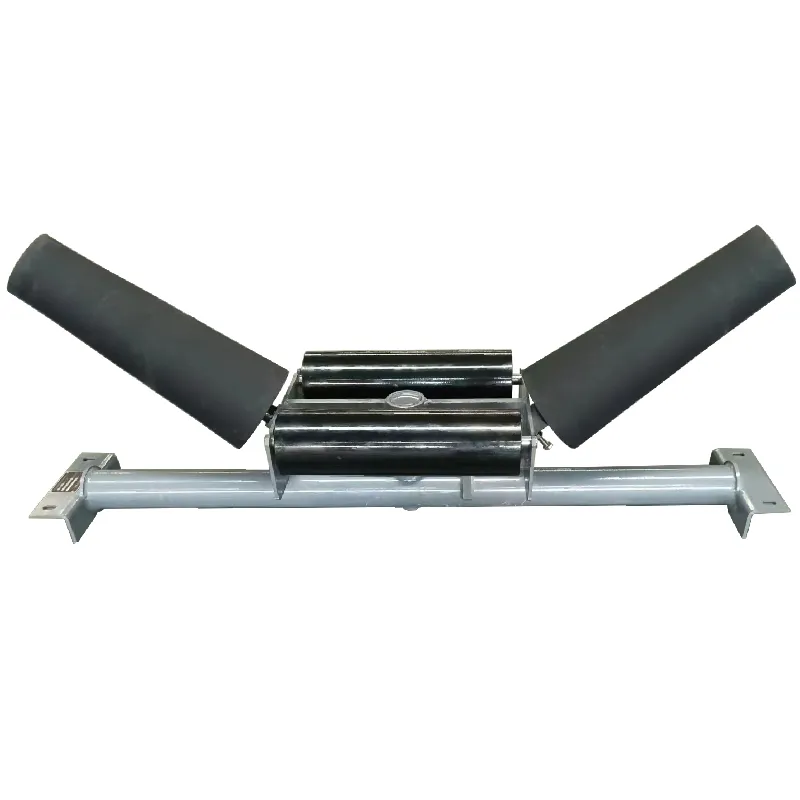
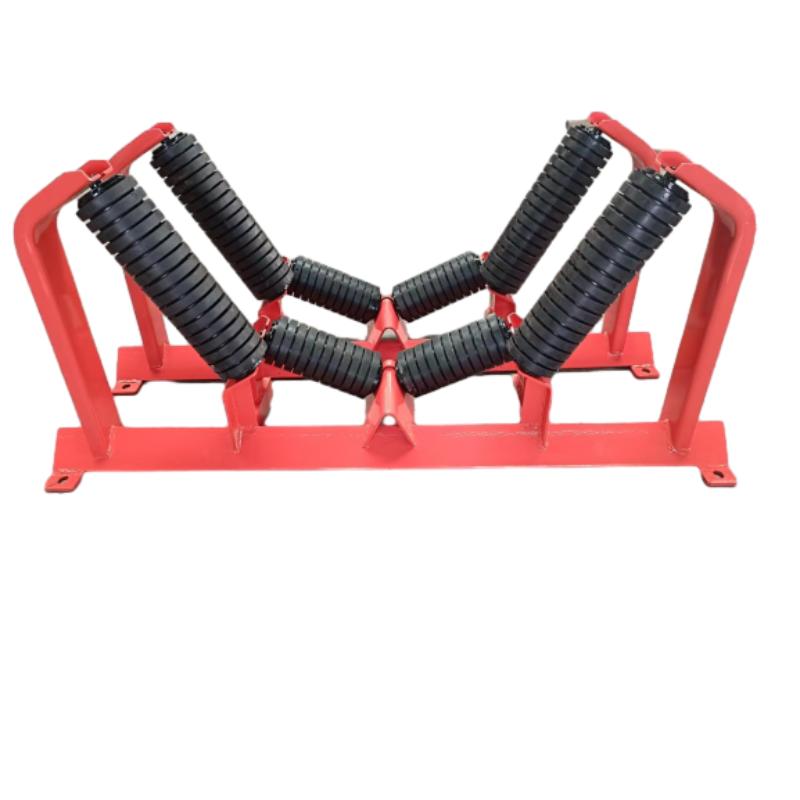
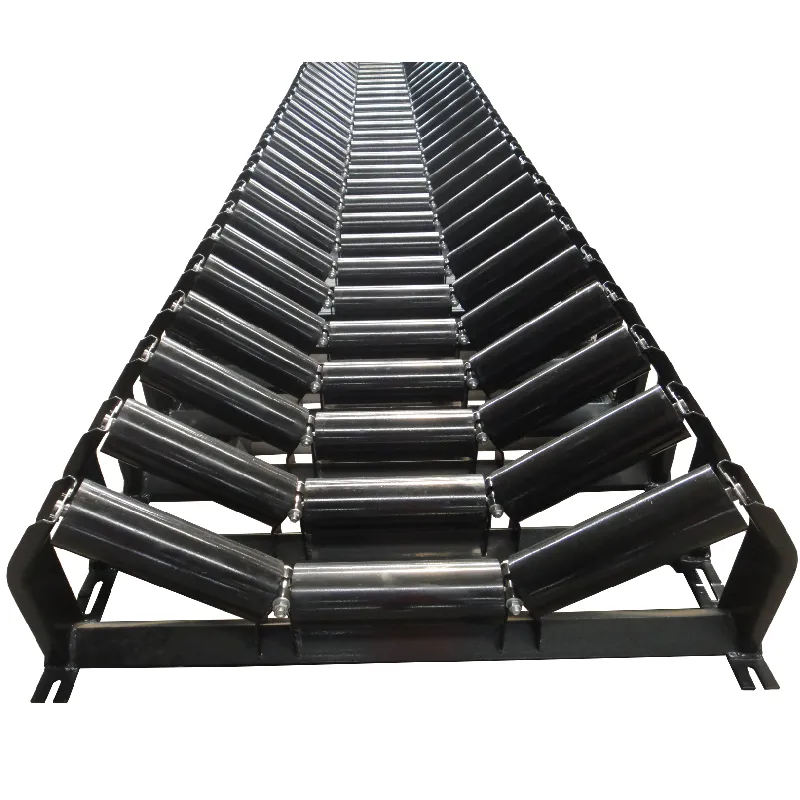
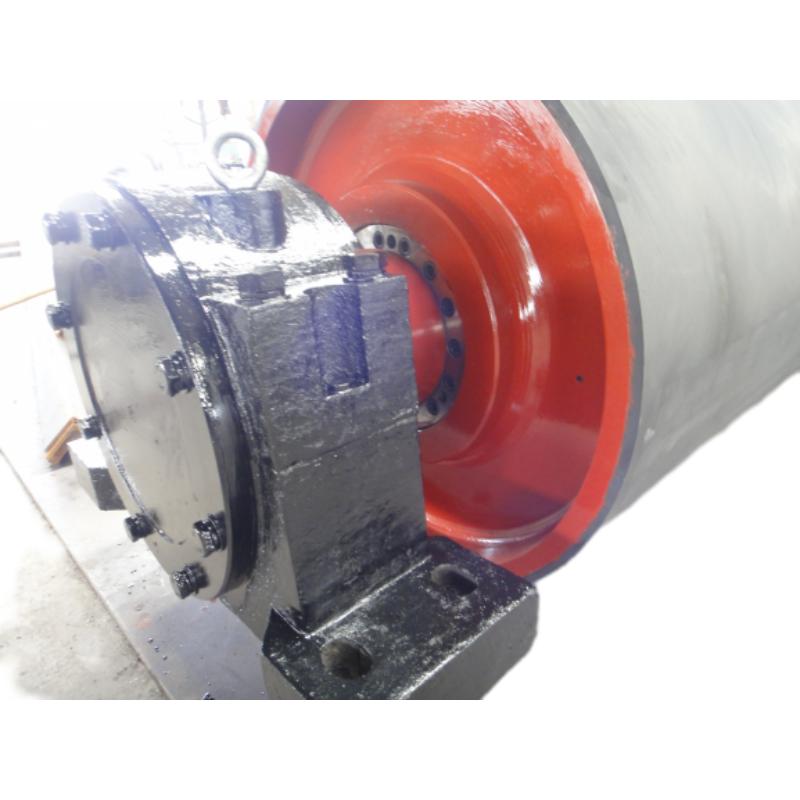
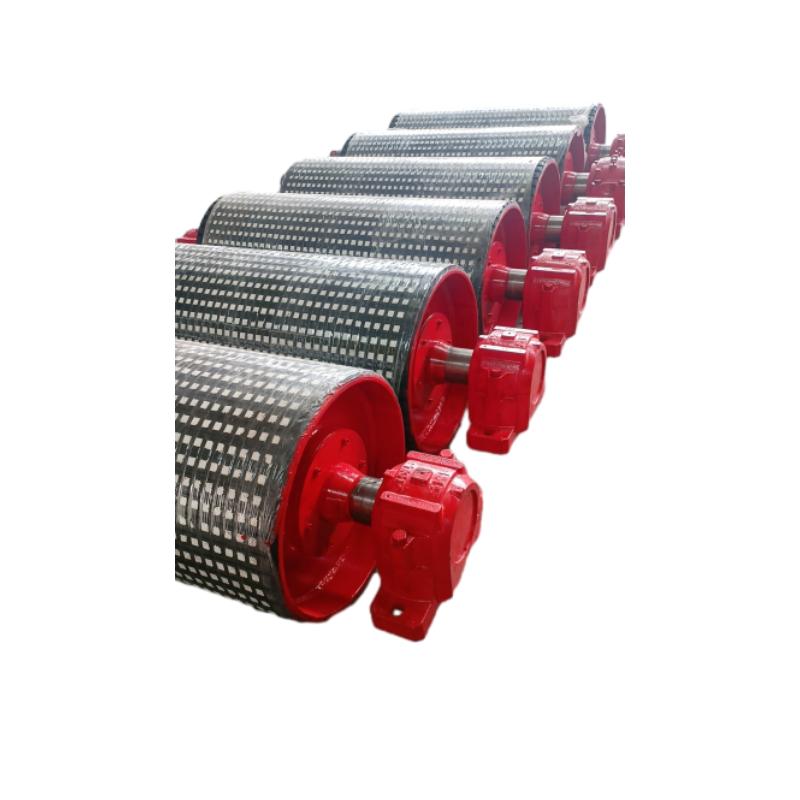
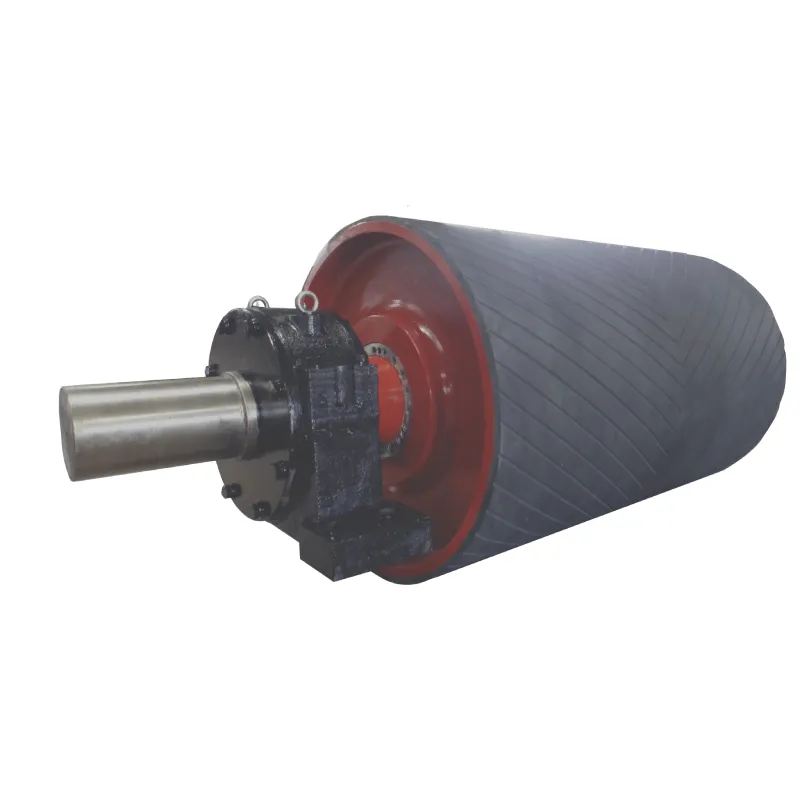
At its core, a return roller is a cylindrical component mounted beneath the conveyor belt, designed to support and guide the belt as it comes back underneath after delivering its load. Its job is to reduce friction, prevent belt sagging, and maintain alignment—so the system runs smoothly without damage or stops.
From a humanitarian perspective, conveyors fitted with reliable return rollers appear in disaster relief logistics, where rapid deployment of material handling systems can aid in getting essentials where they’re most needed. So, whether in industry or crisis zones, these rollers play a surprisingly outsized role.
Key Components That Define a Return Roller’s Performance
Durability and Material Composition
Many engineers insist that the materials used in a return roller dictate its long-term reliability. Steel rollers coated with corrosion-resistant alloys or rubber-lined versions are common. The choice depends on the application environment — dusty mining sites versus wet food processing plants, for example.
Design and Size
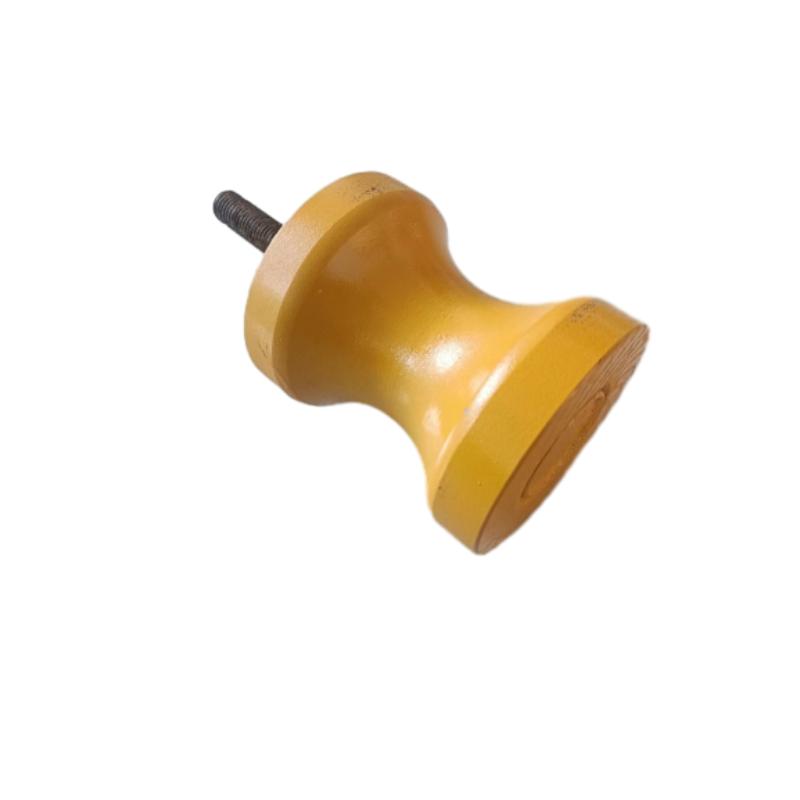
Return rollers vary in diameter and length. Larger rollers often mean less belt sag and reduced friction but add weight and cost. Smaller rollers are lighter but might wear out faster. Design tweaks, like crowned rollers, help align belts better, reducing wear and energy use.
Bearing Quality
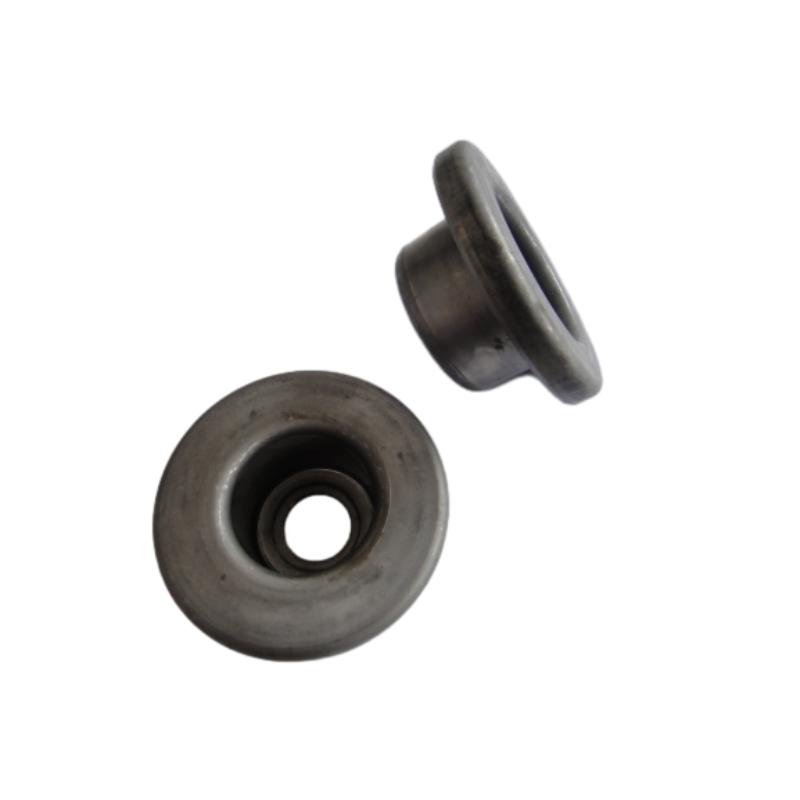
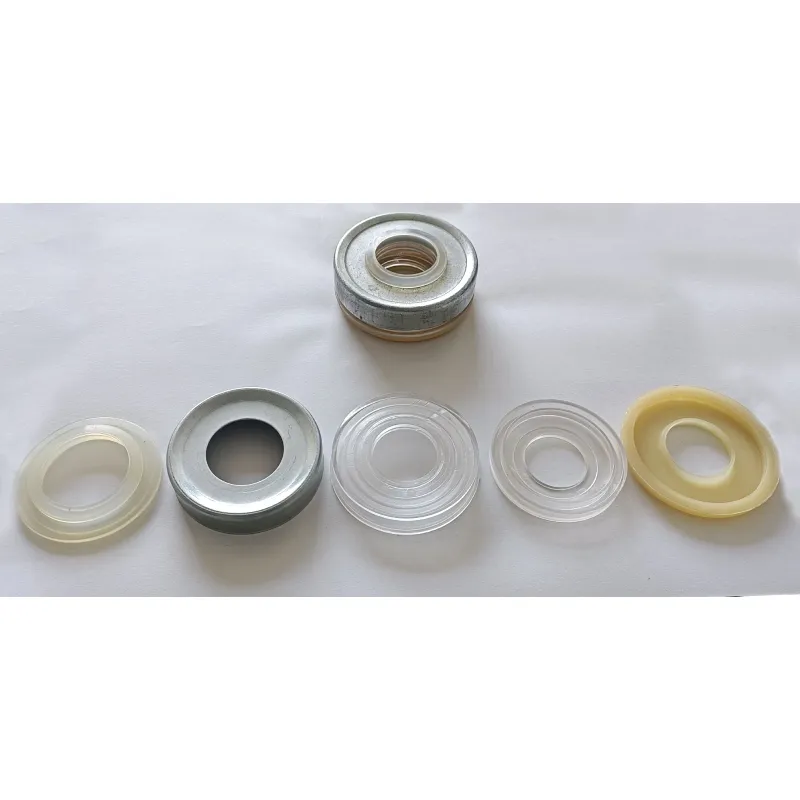
Bearings allow the roller to spin freely. Sealed, maintenance-free bearings have become the industry standard, offering longer life and less downtime. But in very harsh conditions, replaceable or heavy-duty bearings are still preferred.
Energy Efficiency
Oddly enough, the difference in roller design can slice energy consumption noticeably. Low-friction rollers mean less power required to move the belt—something manufacturers strive for to meet sustainability targets.
Customization and Adaptability
Today's rollers come in myriad configurations—some even adjustable or with integrated sensors to monitor wear in real-time. This shift toward "smart" components is gaining traction in advanced material handling systems.
Product Specification Table: Typical Return Roller Features
| Specification | Standard Model | Heavy Duty Model | Corrosion Resistant Model |
|---|---|---|---|
| Roller Diameter | 60 mm | 89 mm | 60 mm |
| Material | Galvanized Steel | High-Tensile Steel | Stainless Steel + Rubber Cover |
| Bearing Type | Sealed Ball Bearings | Heavy-Duty Roller Bearings | Sealed, Corrosion Proof |
| Max Working Load | 1200 N | 3000 N | 1200 N |
| Operating Temperature | -20°C to 60°C | -40°C to 80°C | -10°C to 70°C |
Global Applications: Where Return Rollers Really Shine
Return rollers operate in surprisingly varied environments—from arid Australian mines to humid Southeast Asian packing plants. In essence, any facility moving materials over distances relies on these rollers.
For example, in post-disaster relief scenarios across East Africa, mobile conveyors with efficient return rollers enable quick distribution of food and supplies, where roads and infrastructure are damaged. In the automotive industry hubs of Europe, advanced rollers integrated with smart sensors optimize production lines for zero downtime and predictive maintenance.
The agricultural sector in South America also benefits: farmers using belt conveyors with robust return rollers have dramatically increased harvest throughput, reducing crop loss during busy seasons.
And don’t forget parcel logistics centers worldwide, where countless returns of parcels depend on well-maintained conveyor systems, including those trusty return rollers.
Mini Takeaway
Whether it’s mining, agriculture, disaster aid, or logistics, the return roller quietly supports massive operations that keep goods moving—often under challenging conditions.
Advantages & Long-Term Value of Modern Return Rollers
- Cost Efficiency: Enhanced durability means fewer replacements and lower maintenance costs over time.
- Energy Savings: Low-friction designs reduce motor power consumption, which over years adds up to significant savings.
- Environmental Impact: Corrosion-resistant, recyclable materials meet growing sustainability standards.
- Reliability & Safety: Proper belt alignment minimizes spillage and dangerous belt tracking issues that can injure workers.
- Emotional Value: Knowing your facility runs smoothly without surprise downtime builds trust within teams and partners.
Vendor Comparison: Choosing the Right Return Roller Supplier
| Feature | IdlerCo | RollerTech | EcoRoll |
|---|---|---|---|
| Product Range | Standard to Heavy Duty | Focus on Custom Solutions | Eco-friendly & Recycled Materials |
| Lead Time | 2-3 Weeks | 4-5 Weeks | 3 Weeks |
| Warranty | 24 Months | 12 Months | 18 Months |
| Global Shipping | Yes | Limited | Yes, Eco Focused |
| Pricing | Mid-range | Premium | Competitive |
The Future of Return Rollers: Innovations on the Horizon
The conveyor industry isn’t immune to the digital revolution. Many manufacturers now experiment with smart return rollers featuring embedded sensors that monitor temperature, rotation speed, and wear in real time. This data feeds into predictive maintenance software, minimizing unexpected breakdowns.
Material science advances also promise rollers made from bio-composites and recycled plastics, drastically cutting the carbon footprint. Some companies explore self-lubricating bearings eliminating routine greasing. And automation integration means rollers will adjust position slightly to optimize belt tracking without manual input—if only everything could fix itself so easily, right?
Common Challenges and How Experts Are Tackling Them
Despite progress, several issues persist. Roller wear in abrasive environments shortens life expectancy. Harsh weather causes corrosion even in treated models. Supply chain hitches delay replacement parts, causing costly downtime.
One promising solution is modular roller systems—where rollers slide in and out quickly without dismantling large belt sections. Another approach uses nanocoatings to dramatically increase surface hardness and resistance to corrosion. Industry insiders recommend regular inspections supported by IoT tools to catch issues early.
FAQ: Your Practical Questions Answered about Return Rollers
-
Q: How often should return rollers be replaced in heavy mining operations?
A: Typically, return rollers in demanding mining environments should be inspected quarterly and replaced every 2–3 years, depending on abrasion levels and climate. Smart sensors can extend intervals by detecting wear before failure. -
Q: Are rubber-coated return rollers better for food processing plants?
A: Yes, rubber coatings provide better grip and reduce noise, making them ideal in hygienic environments. They also resist certain chemicals and avoid contamination risks associated with bare metal surfaces. -
Q: Can return rollers be customized for extremely cold climates?
A: Absolutely. Manufacturers offer rollers with special low-temperature bearings and steel grades that maintain strength at subzero conditions—important in Arctic mining or logistics hubs. -
Q: What is the easiest way to maintain return rollers to avoid belt misalignment?
A: Regular visual inspections, cleaning to remove debris, and lubrication (if applicable) keep rollers rotating smoothly. Using crowned rollers can also aid alignment naturally. -
Q: How can companies source return rollers internationally with minimal hassle?
A: Many vendors provide global shipping and customer support. Working with suppliers who offer clear certifications and detailed specs speeds customs clearance and installation.
Wrapping It Up: Why Return Rollers Keep the World Turning
In the grand ecosystem of conveyor technology, the return roller quietly plays the role of unsung hero. Its proper design, material, and maintenance mean fewer breakdowns, major energy savings, and ultimately smoother global supply chains.
If your operation still ignores the health of its return rollers, honestly, you're inviting trouble. For those seeking reliable, efficient solutions, check out the latest at return roller specialists and see how a small change can make big gains.
And really, isn’t it reassuring to think that sometimes, progress isn’t about giant leaps but better bearings and smarter rollers?
References
-
Maximize Conveyor Life with a High Performance impact bedNewsApr.16,2026
-
Maximize Conveyor Efficiency Using a v plow belt scraperNewsApr.09,2026
-
Comprehensive Guide to Understanding Different Types of Belt CleanersNewsApr.07,2026
-
Enhancing Conveyor Efficiency with an Effective Scraper Belt CleanerNewsApr.04,2026
-
Optimizing Conveyor Systems with Advanced Cleaning Equipment SolutionsNewsMar.31,2026
-
Effective Conveyor Belt Scraper Adjustment for Optimal System PerformanceNewsMar.28,2026