

Varnish Roller Sleeve Guide: Expert Tips & Supplier Comparison
Understanding the Varnish Roller Sleeve: A Veteran’s Perspective
Having spent quite a few years around industrial equipment—particularly in the printing and coating sectors—I’ve come to appreciate the often overlooked but crucial component known as the varnish roller sleeve. Now, I know it sounds just like some niche technical jargon, but frankly, those sleeves play a huge role in ensuring the quality and finish of coated surfaces. If you’ve ever wondered what makes a varnish job look flawless or why sometimes it just doesn’t quite hit the mark, the roller sleeves are often where the story begins.
Oddly enough, the design and material choice of these sleeves impact everything—from the smoothness of the finish to the longevity of the roller itself. I remember once working on a project where switching out old rubber sleeves for newer polyurethane versions dramatically reduced downtime and improved consistency. It’s little details like that that industrial folks live for.
Materials and Construction: Why It Matters
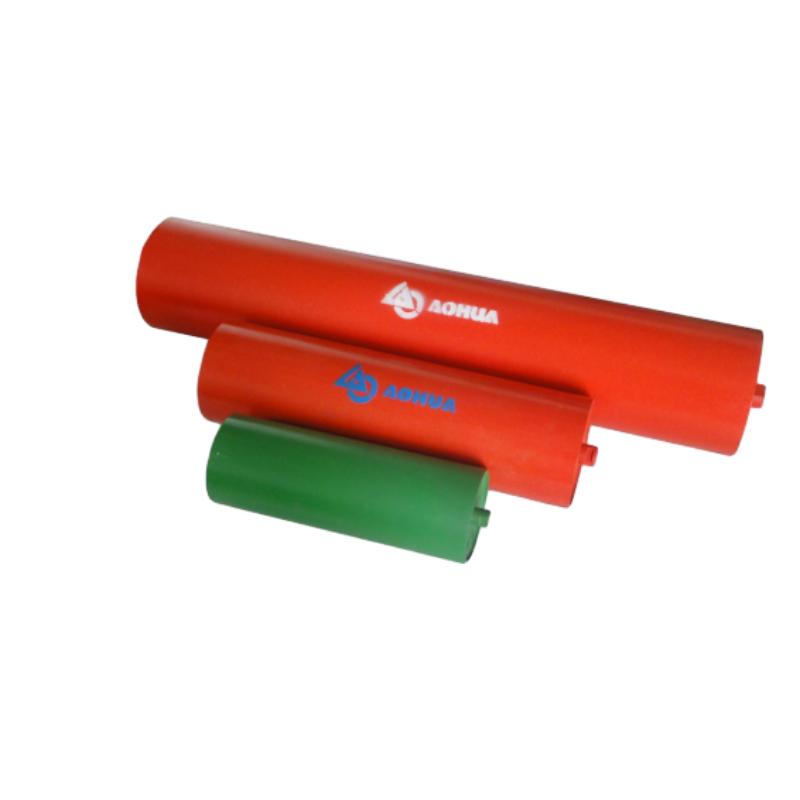
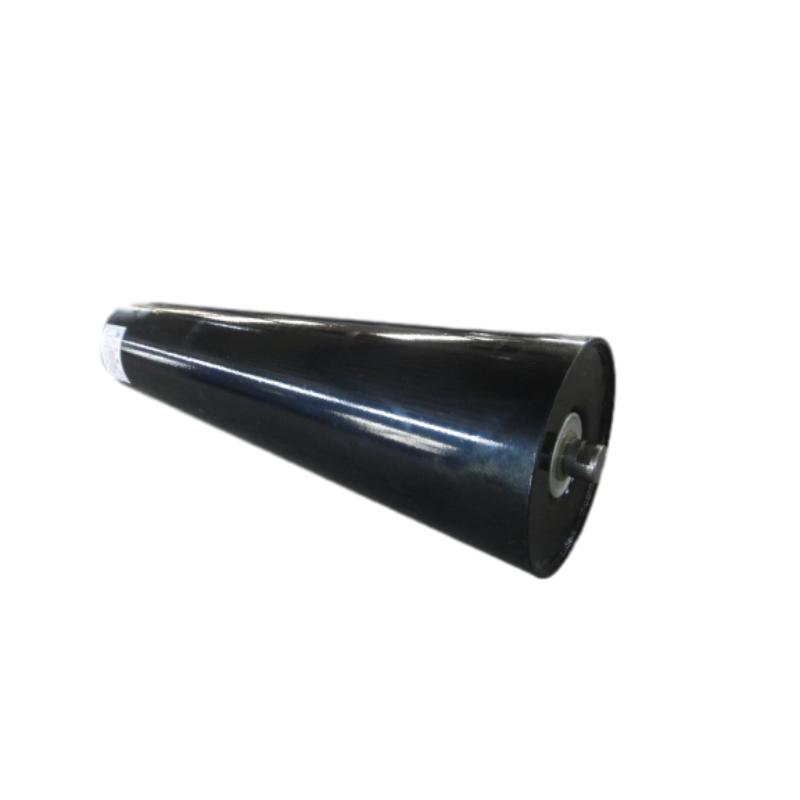
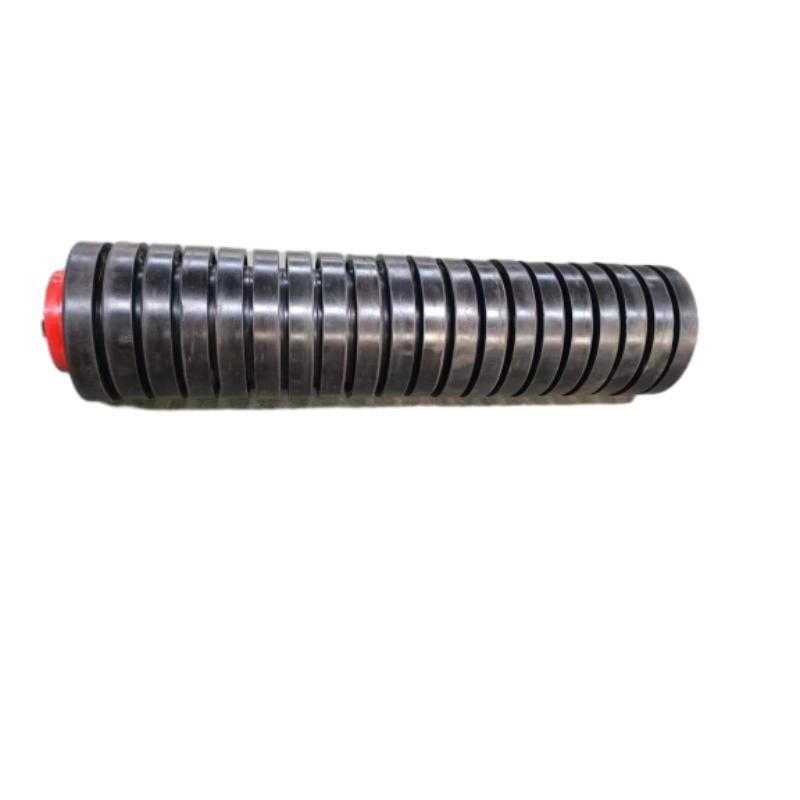
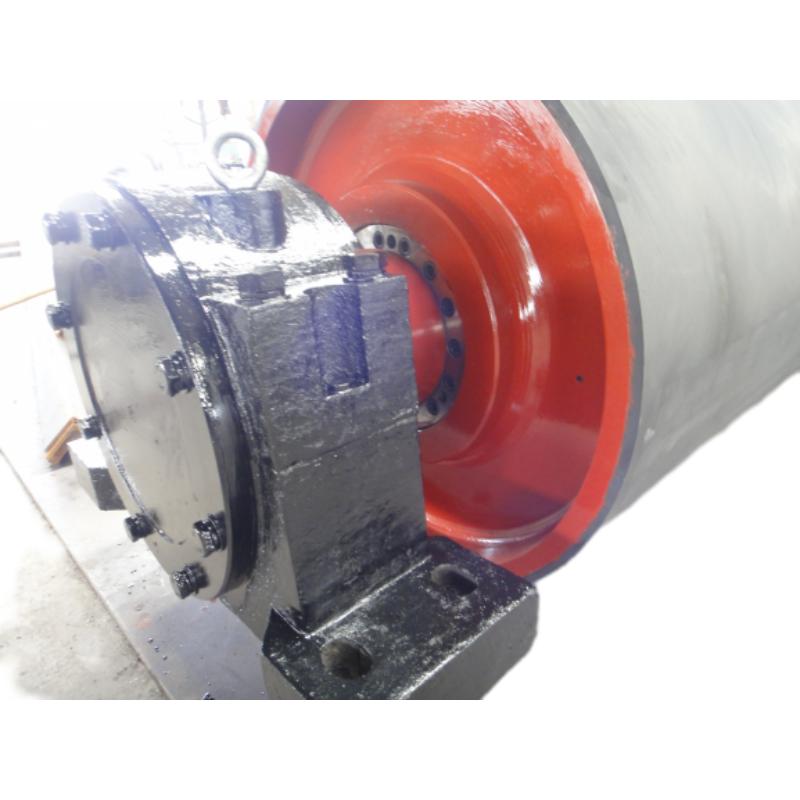
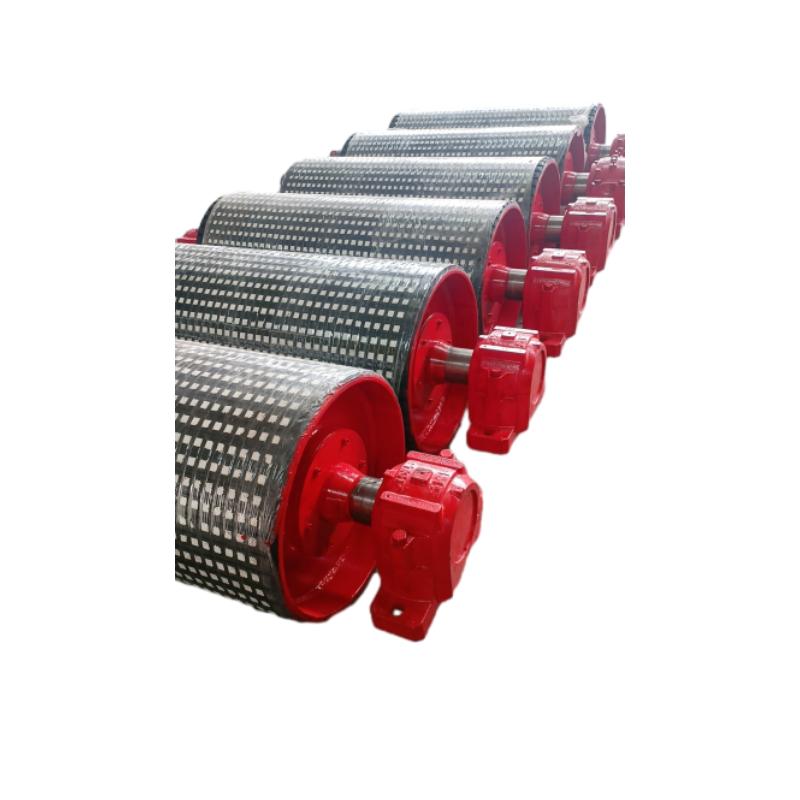
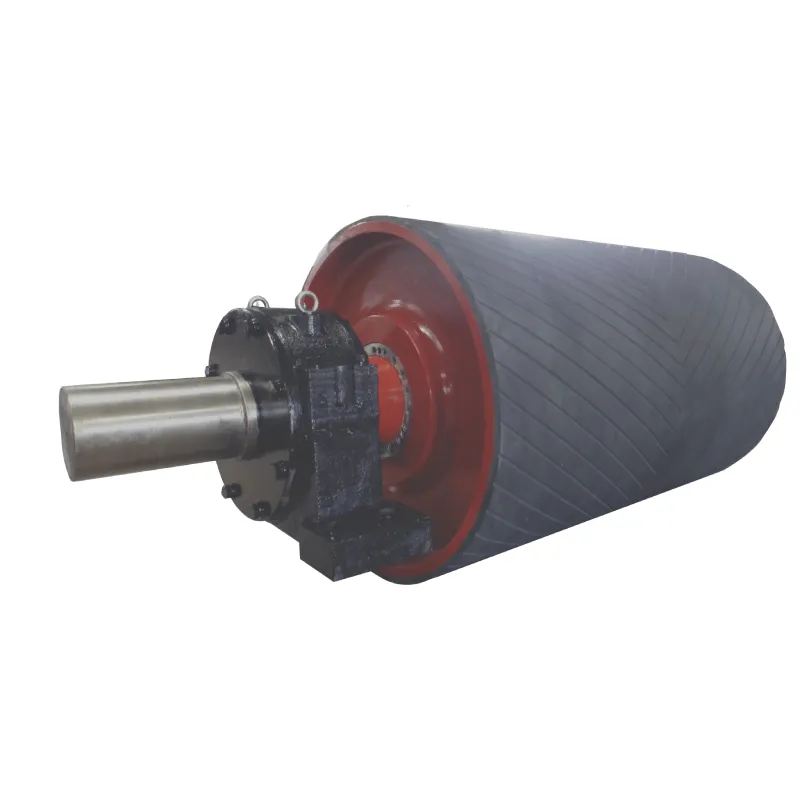
Most varnish roller sleeves you'll encounter come constructed from a metal core (usually aluminum or steel) covered by a resilient outer layer. This outer layer might be made of rubber, polyurethane, or even silicone blends. Each has its quirks — rubber offers excellent grip and resilience, but wears faster under harsh solvents. Polyurethane tends to last longer and resists swelling or cracking over time, especially with solvent-based varnishes.
I've personally seen polyurethane sleeves perform better in high-speed varnishing lines. They hold up under the chemical stress and heat, keeping the roll diameter more consistent—which, you know, directly translates to better coating thickness control.
| Feature | Specification |
|---|---|
| Core Material | Aluminum or Steel |
| Outer Layer | Polyurethane, Rubber, or Silicone |
| Hardness (Shore A) | 70-90 (varies by application) |
| Standard Length | 200-1000 mm |
| Wall Thickness | 5-10 mm |
| Surface Finish | Smooth or Textured (depends on coating type) |
Choosing Your Vendor: What to Look Out For
In the industrial equipment world, you kind of learn to read between the lines with vendors. Price and availability matter, sure, but a vendor’s technical support and customization options tend to set the real winners apart — especially for something like varnish roller sleeves where surface properties and exact sizing affect your whole process.
Many engineers I’ve talked to (and I tend to agree) say that a vendor who provides clear specifications, fast turnaround on custom orders, and thorough testing protocols, is worth hanging onto. You don’t want any surprises when your line is running full tilt.
| Supplier | Custom Sizes | Material Options | Lead Time | Technical Support |
|---|---|---|---|---|
| Idler Aohua | Yes | Polyurethane, Rubber | 2-3 weeks | Excellent |
| GenericCo | Limited | Rubber only | 4-6 weeks | Fair |
| CoatMaster | Yes | Polyurethane, Silicone | 3-4 weeks | Good |
Real-World Use and a Quick Story
Back when I was consulting for a mid-sized printing company, I noticed their varnish quality was inconsistent across runs. After a bit of digging (and a few late nights), we traced the problem to uneven wear in their old roller sleeves. Swapping these out for high-grade polyurethane sleeves from a reputable supplier—one who emphasized close tolerances and quick customization—made a huge difference. The customer's feedback was telling: “It’s like night and day — the finish is smoother, and we don’t have to replace sleeves as often.”
It feels a bit like sports equipment, you know? The better the “grip” and durability, the better the results. And with something as subtle as a varnish roller sleeve, small improvements compound over thousands of sheets.
Final Thoughts
In real terms, if you’re working in any sector involving coating or finishing, don’t underestimate what’s happening at the roller sleeve level. It’s not glamorous, but it’s fundamental. By choosing the right varnish roller sleeve—one matched to your application’s demands—and a trusted vendor, you save time, reduce defects, and frankly, preserve your sanity.
For those curious to explore options, I’d recommend taking a look at varnish roller sleeves that offer solid material choices and customization. You might just find it changes your workflow for the better.
References:
1. Industry Coating & Printing Standards Handbook, 2021 Edition.
2. Manufacturer's Technical Data Sheets, Idler Aohua.
3. Personal field notes and client feedback, 2017-2023.
-
Maximize Conveyor Life with a High Performance impact bedNewsApr.16,2026
-
Maximize Conveyor Efficiency Using a v plow belt scraperNewsApr.09,2026
-
Comprehensive Guide to Understanding Different Types of Belt CleanersNewsApr.07,2026
-
Enhancing Conveyor Efficiency with an Effective Scraper Belt CleanerNewsApr.04,2026
-
Optimizing Conveyor Systems with Advanced Cleaning Equipment SolutionsNewsMar.31,2026
-
Effective Conveyor Belt Scraper Adjustment for Optimal System PerformanceNewsMar.28,2026