

Durable Return Idler Brackets for Reliable Conveyor Support
Understanding the return idler bracket in Conveyor Systems
Having clocked a fair amount of years in the industrial equipment world, I’ve come to realize that the smallest components sometimes hold the most significance. Take the return idler bracket, for example. It’s not the flashiest part of a conveyor system, but without it, things just don’t run as smoothly.
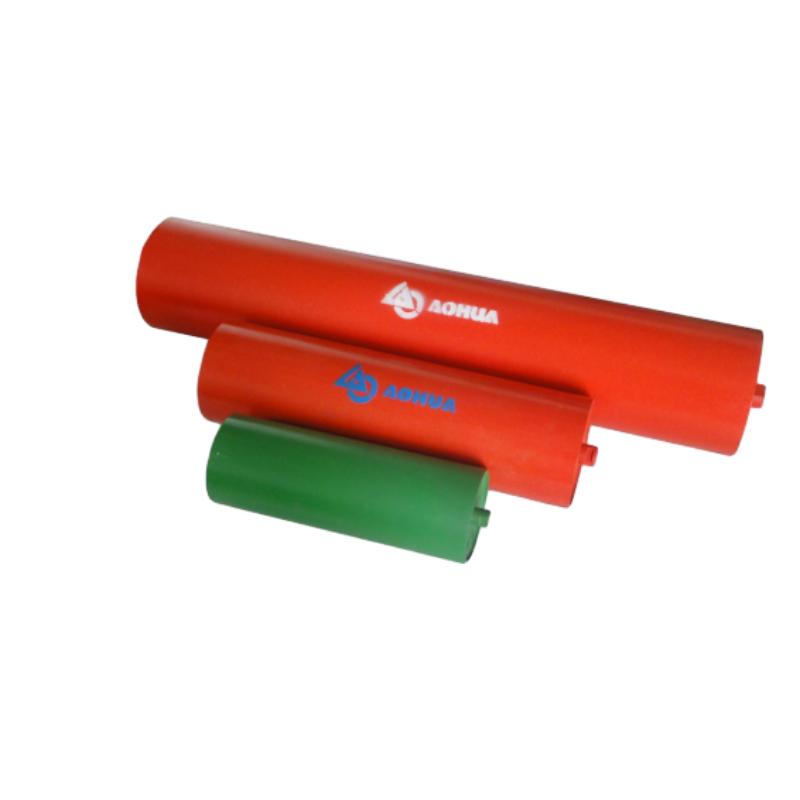
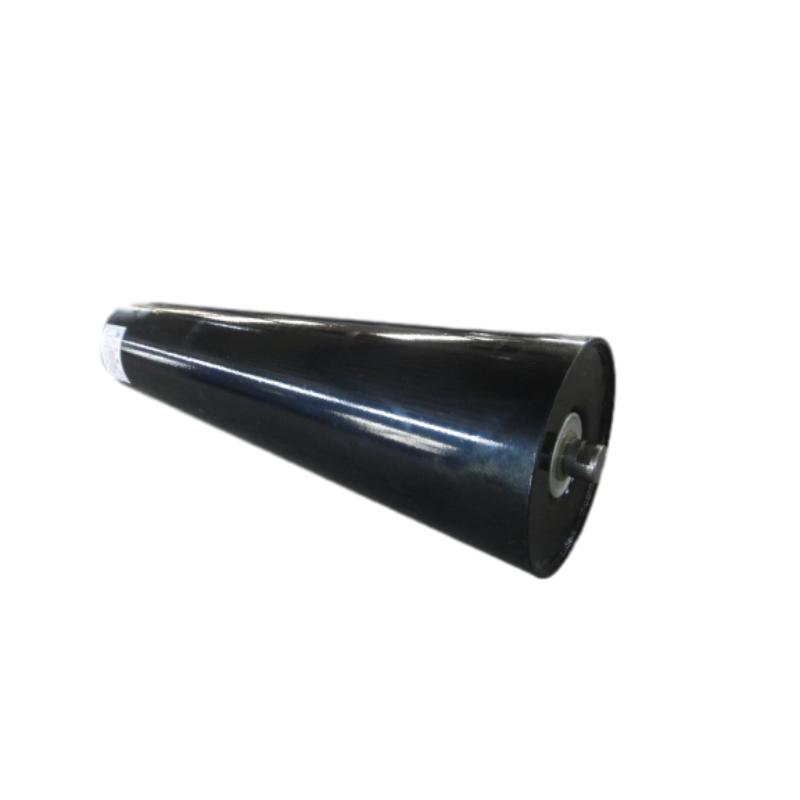
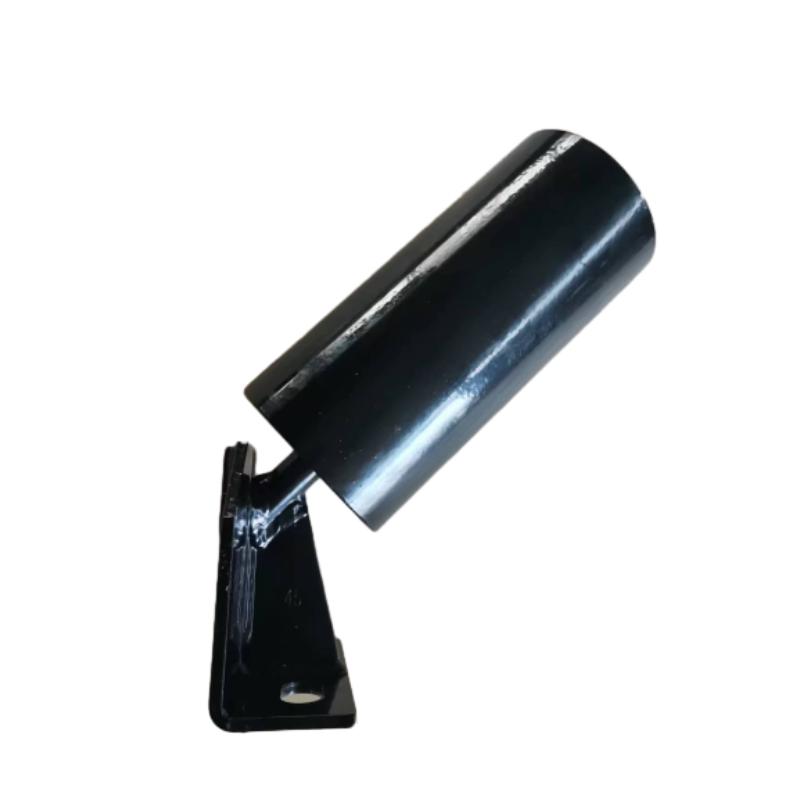
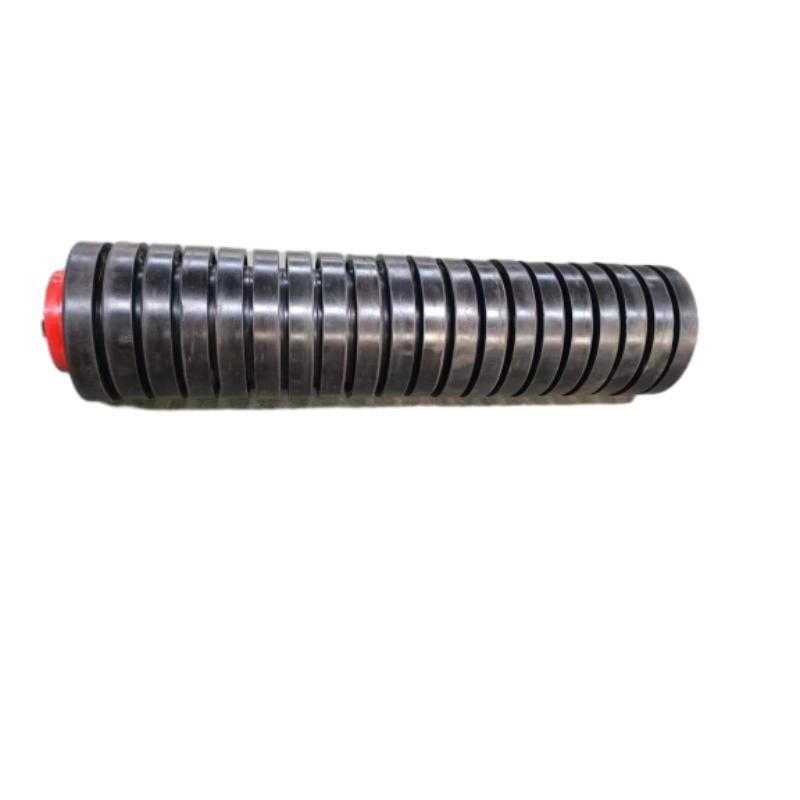
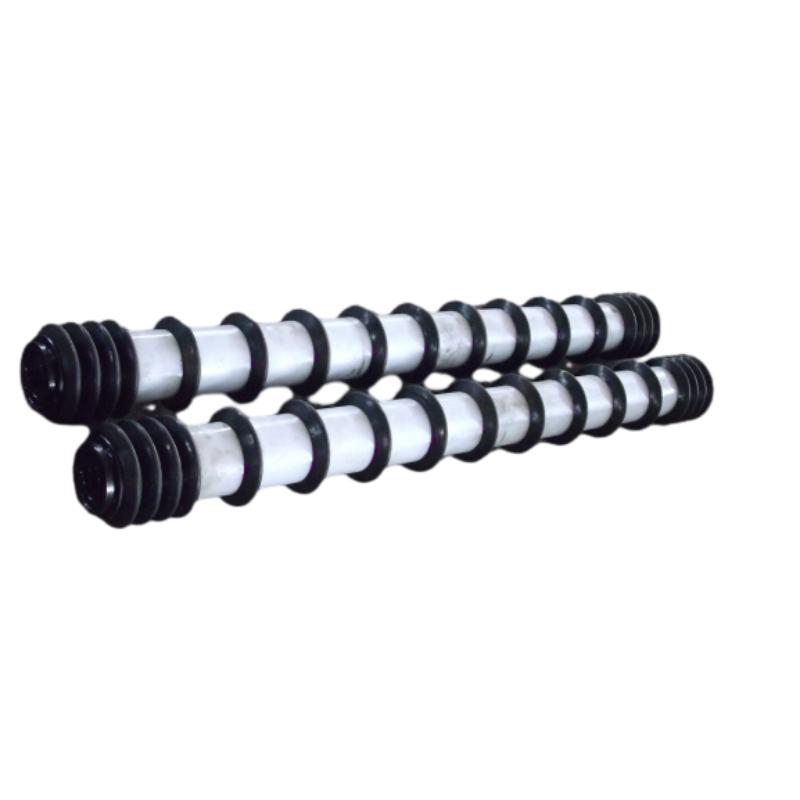
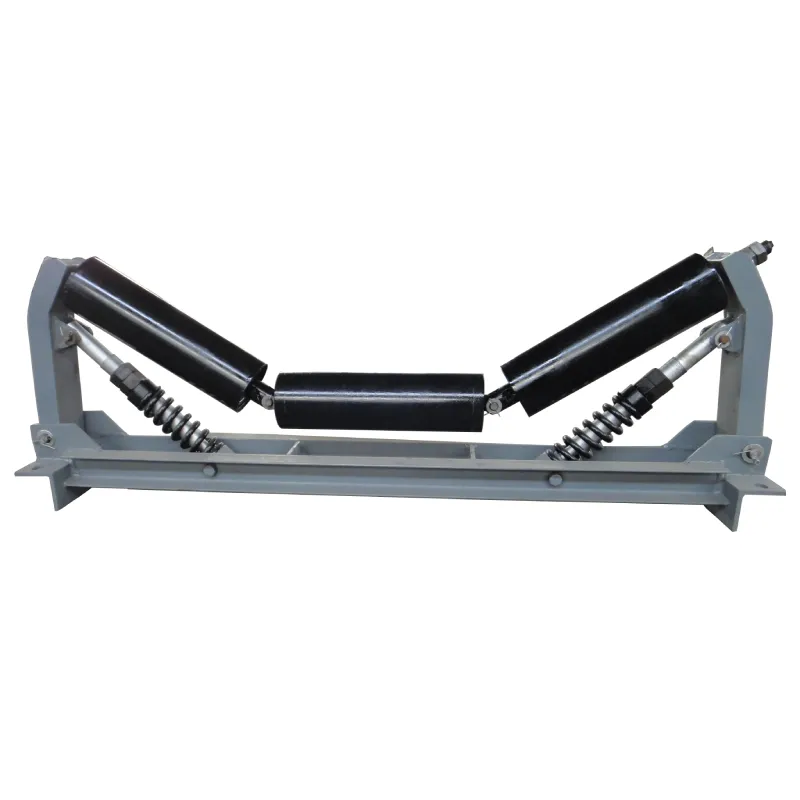
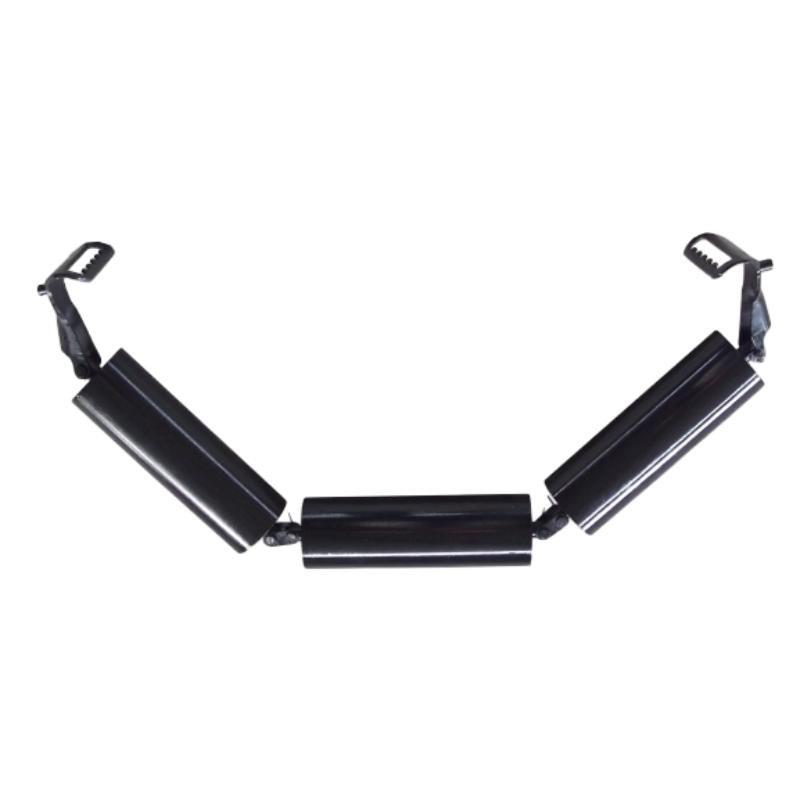
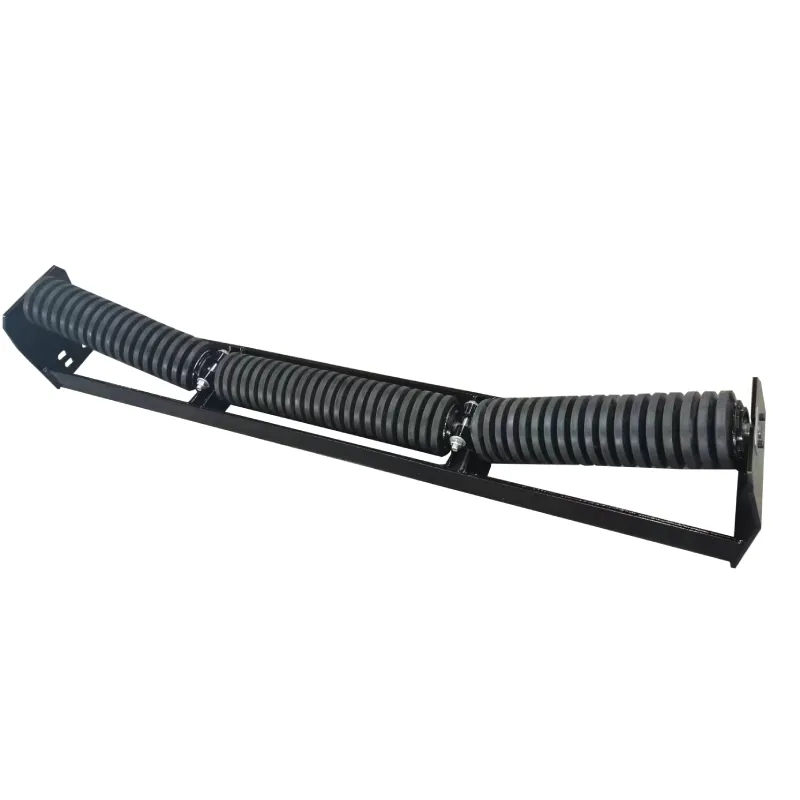
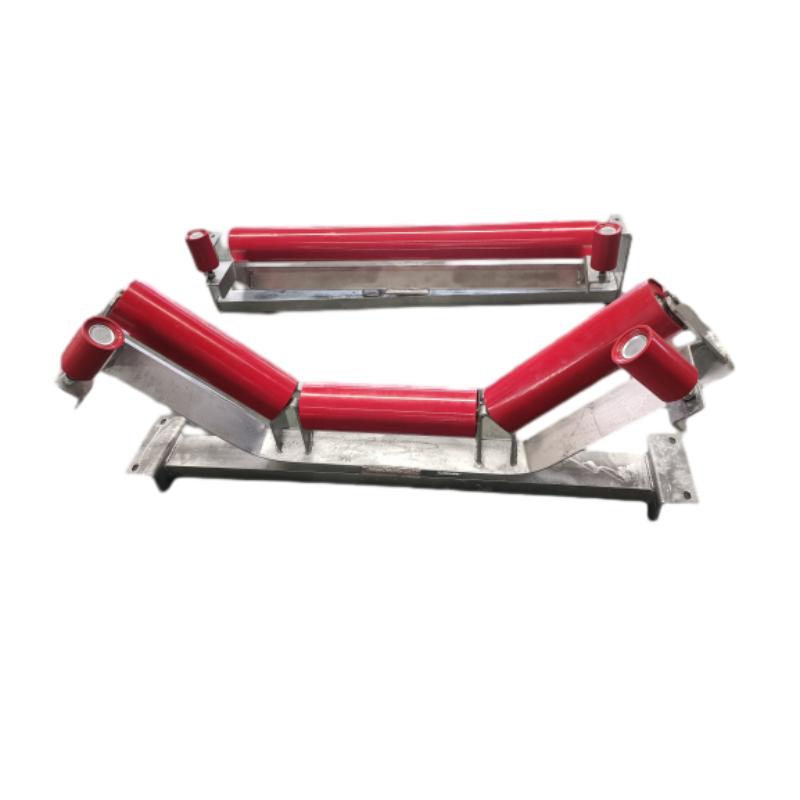
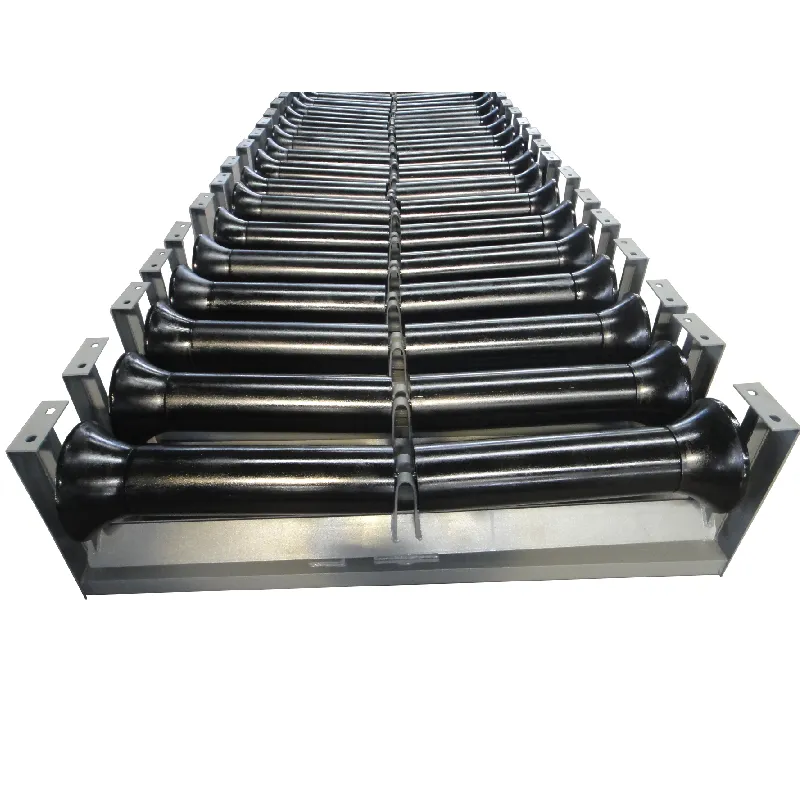
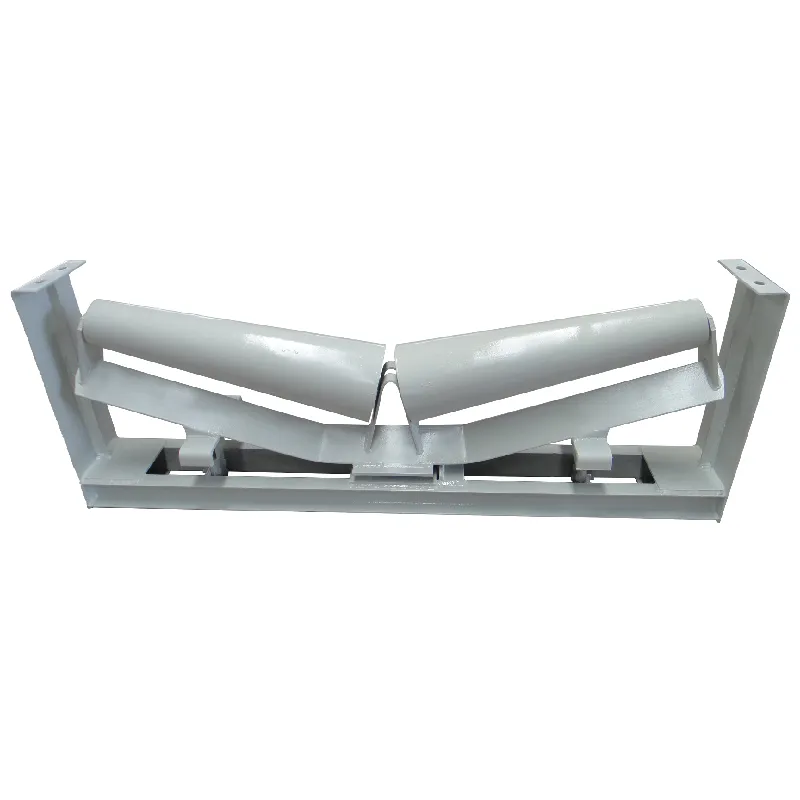
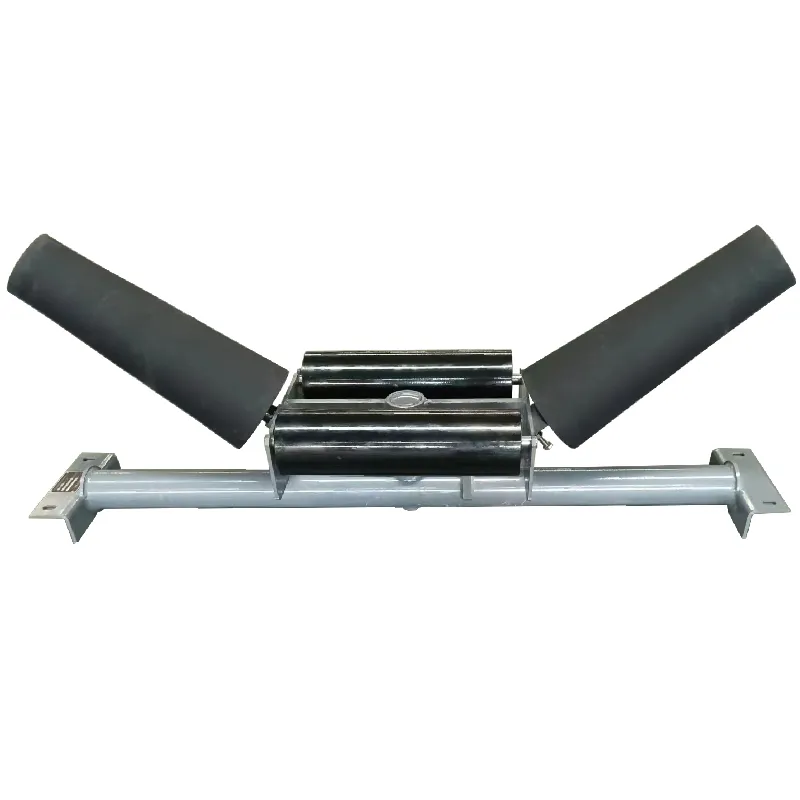
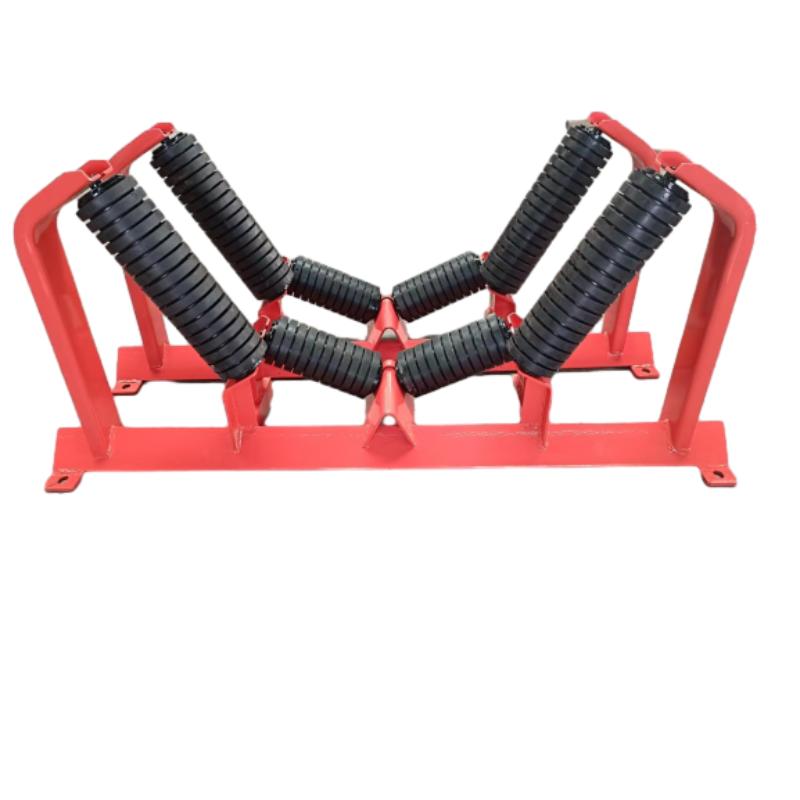
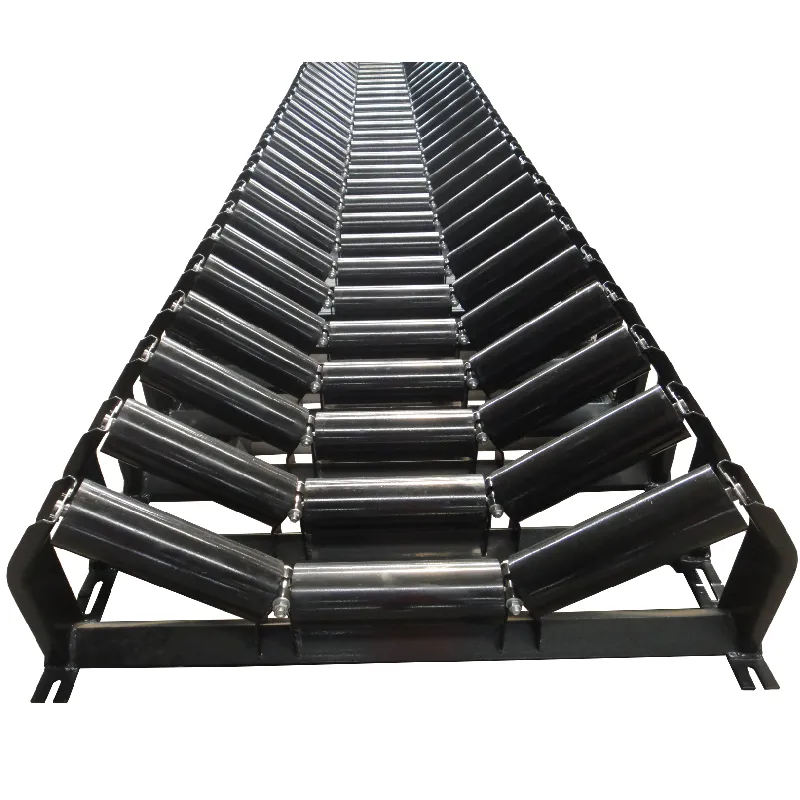
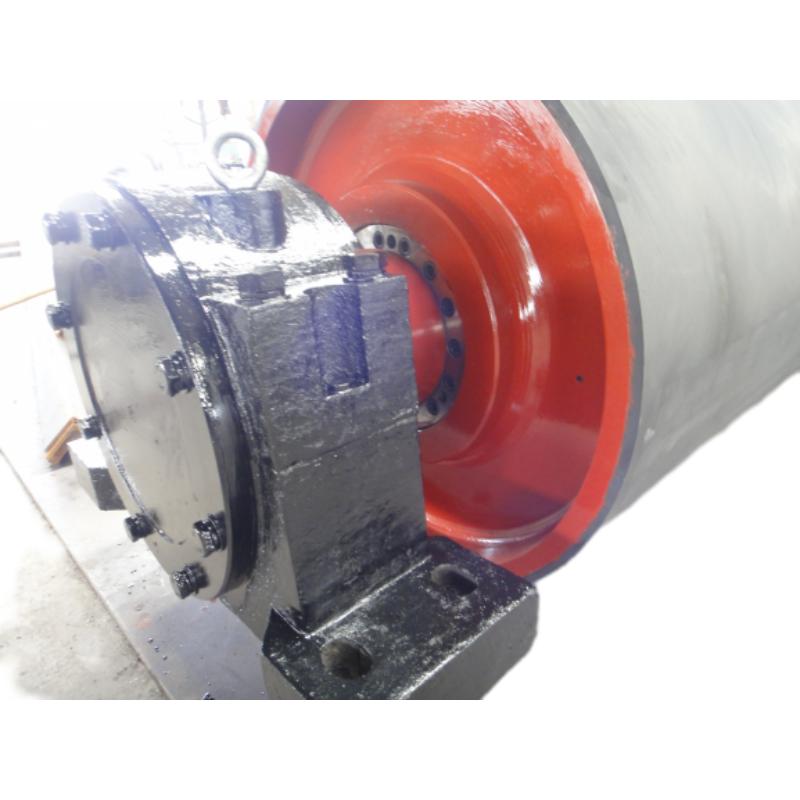
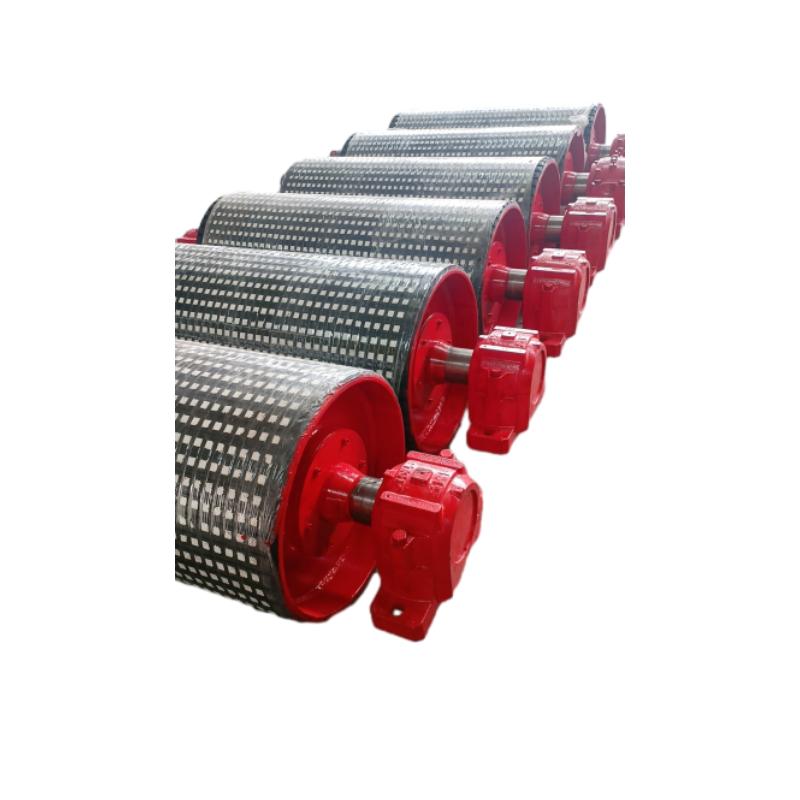
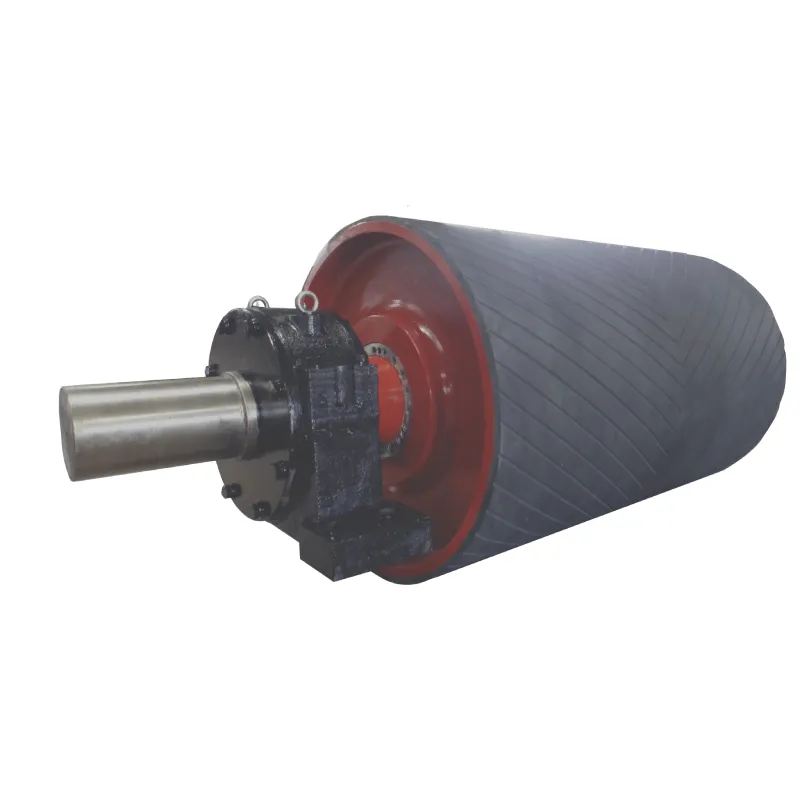
Return idler brackets serve as the backbone supporting the return idlers—those rollers that guide the belt back underneath the conveyor after it drops its load. Oddly enough, these brackets often get overlooked during system design or maintenance, but they’re crucial for longevity and efficiency.
From my experience, the best brackets combine robust materials with precision engineering. Most reliable ones are fabricated from high-grade steel with protective coatings, typically powder-coated or hot-dipped galvanized. This helps withstand everything from gritty dust to harsh weather conditions—because frankly, in most industrial settings, the environment is anything but forgiving.
I remember a client in the mining sector who switched to bespoke heavy-duty return idler brackets after their previous supplier’s parts started warping under heavy loads and temperature swings. The upgrade eliminated constant maintenance headaches and downtime. It felt like a small investment with enormous impact—one of those times where practical engineering literally saved the day.
Here’s a quick overview of specs you might expect in a typical return idler bracket:
| Specification | Details |
|---|---|
| Material | High-strength carbon steel (Q235 or equivalent) |
| Finish | Powder coating / Hot-dip galvanizing |
| Load Capacity | Up to 1500 kg per bracket (varies by model) |
| Dimensions (LxWxH) | Typically 300mm × 120mm × 90mm (custom sizes available) |
| Mounting | Bolt-on design for easy installation and replacement |
Now, choosing the right vendor can be a bit of a maze. You’ve got legacy manufacturers with decades of experience, and newer players offering modern customization and material innovation. I’ve laid out a simple comparison below based on factors I find myself checking regularly—quality, lead time, price, and customer support.
| Vendor | Quality | Lead Time | Pricing | Customer Support |
|---|---|---|---|---|
| Legacy Steel Works | High (ISO certified) | 4-6 weeks | Premium | Strong, but limited online tools |
| Rapid Brackets Co. | Moderate | 2-3 weeks | Competitive | Responsive & tech-friendly |
| IdlerAohua | High (strict QC process) | 3-4 weeks | Reasonable | Excellent customer engagement, custom options |
One note though: customizability can be a game-changer if your conveyor is a bit off the standard specs. Luckily, vendors like IdlerAohua are quite flexible when it comes to tailored sizes and finishes. It’s worth asking about if you want brackets that match your exact demands—or even just to future-proof your system.
Finally, don’t overlook testing protocols. Quality brackets often undergo fatigue and corrosion resistance testing. That’s something I firmly recommend you inquire about—especially when picking new suppliers. It pays off in reduced downtime and fewer replacement cycles.
In the end, a return idler bracket is much more than a simple metal fixture. It’s part of a whole engineering ecosystem, quietly enduring harsh conditions and heavy loads so the conveyor belt can do its job flawlessly. I suppose it’s a bit like the unsung hero of material handling; sturdy, dependable, and essential.
If you’re looking to upgrade or specify new brackets, I encourage checking out IdlerAohua’s range—they’ve impressed me with their balance of quality, customization, and support over the years.
So, next time you inspect your conveyor system, spare a thought for the return idler brackets. They’ve got your back… literally.
References:
1. Conveyor Equipment Manufacturers Association (CEMA) Handbook
2. Industry feedback from on-site equipment maintenance
3. IdlerAohua official product and quality assurance documentation
-
Maximize Conveyor Life with a High Performance impact bedNewsApr.16,2026
-
Maximize Conveyor Efficiency Using a v plow belt scraperNewsApr.09,2026
-
Comprehensive Guide to Understanding Different Types of Belt CleanersNewsApr.07,2026
-
Enhancing Conveyor Efficiency with an Effective Scraper Belt CleanerNewsApr.04,2026
-
Optimizing Conveyor Systems with Advanced Cleaning Equipment SolutionsNewsMar.31,2026
-
Effective Conveyor Belt Scraper Adjustment for Optimal System PerformanceNewsMar.28,2026