

Urethane Conveyor Rollers: Durable, Efficient Material Handling Solutions
Understanding Urethane Conveyor Rollers: A Key to Efficient Material Handling
Urethane conveyor rollers are quietly at the heart of countless material handling systems worldwide. These components speed up production lines, protect delicate products, and help keep industries running smoothly. Why does this matter globally? Well, with supply chains becoming more intricate and industries pushing for greater efficiency, knowing about urethane conveyor rollers offers insights into smarter, safer manufacturing and logistics. Plus, as global markets grow, smarter conveyor solutions directly impact everything from factory outputs in Asia to distribution hubs in Europe.
Introduction: The Global Relevance of Urethane Conveyor Rollers
In an increasingly interconnected industrial world, conveyor system efficiency can make or break productivity. According to the International Organization for Standardization (ISO), material handling processes consume a significant portion of energy in manufacturing sectors worldwide.[1] Urethane conveyor rollers address some common hurdles, such as wear resistance, noise reduction, and impact absorption that traditional steel rollers struggle with. Industries — from food processing to heavy machinery assembly — rely on these rollers to reduce downtime and maintain consistent throughput. As operations expand and automated systems become the norm, the demand for reliable, durable conveyor rollers increases exponentially.
One problem many companies face is roller damage from heavy, abrasive materials or environments involving temperature fluctuations. Urethane rollers bring unique solutions, thanks to their material properties, that help buffer these challenges.
What Are Urethane Conveyor Rollers?
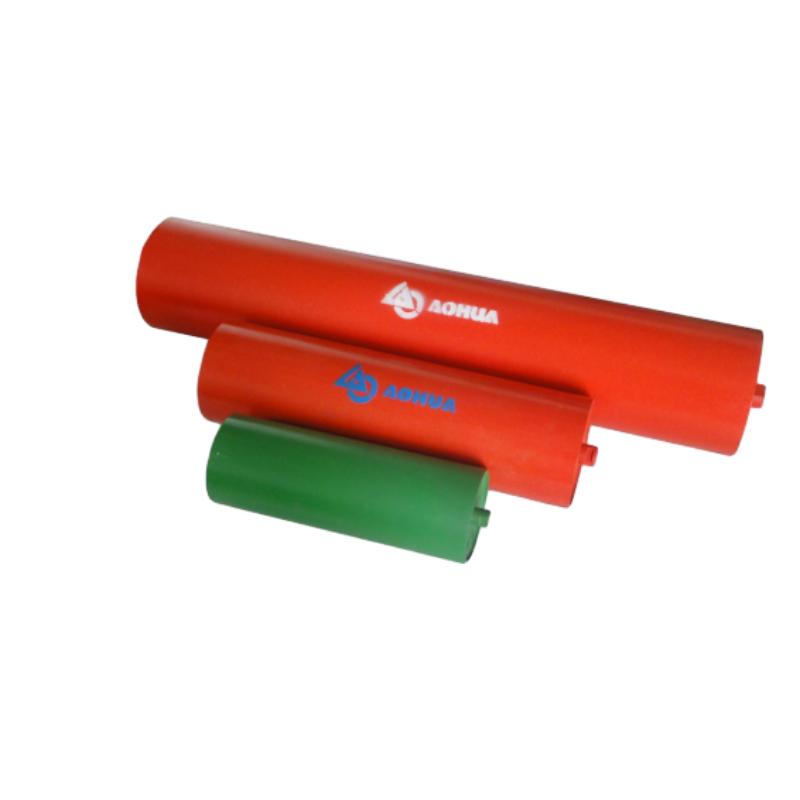
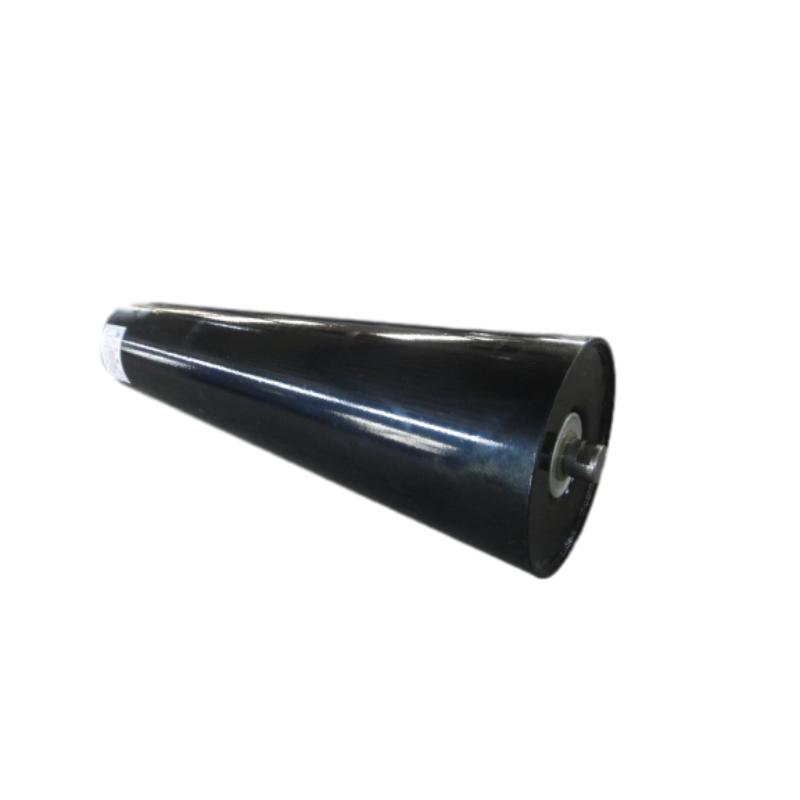
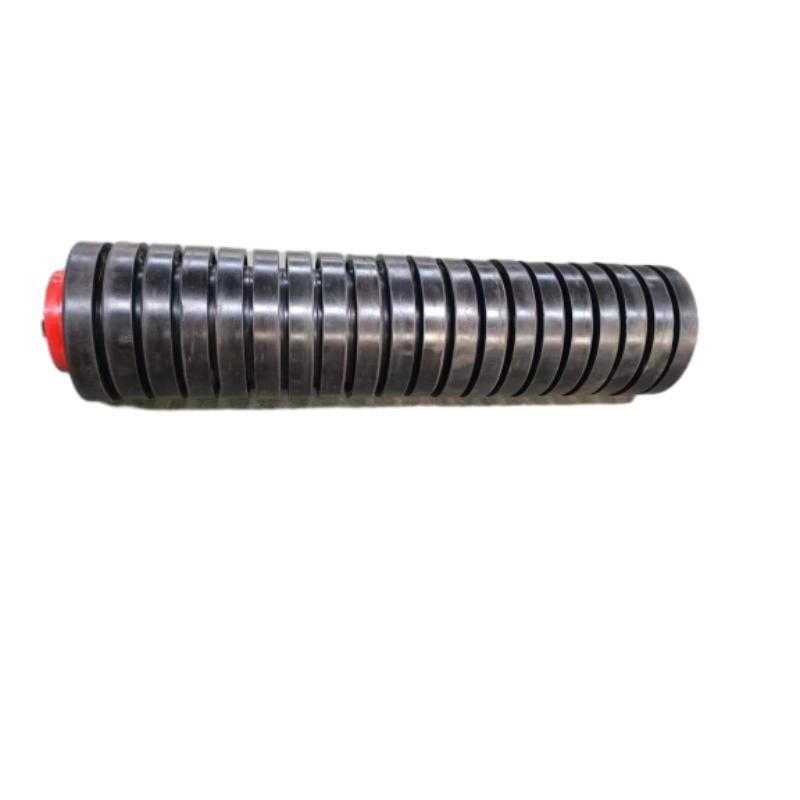
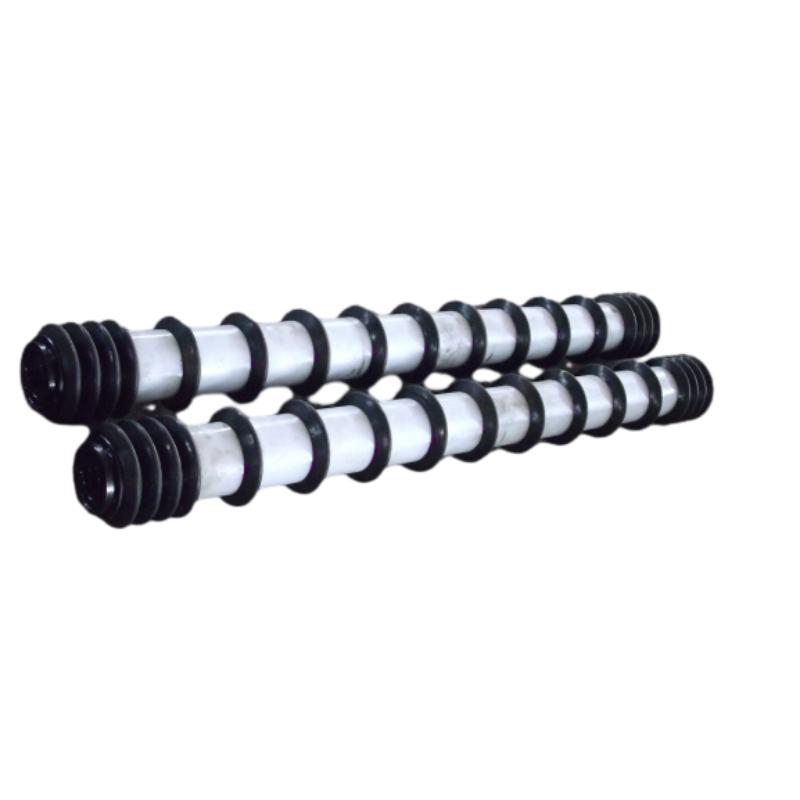
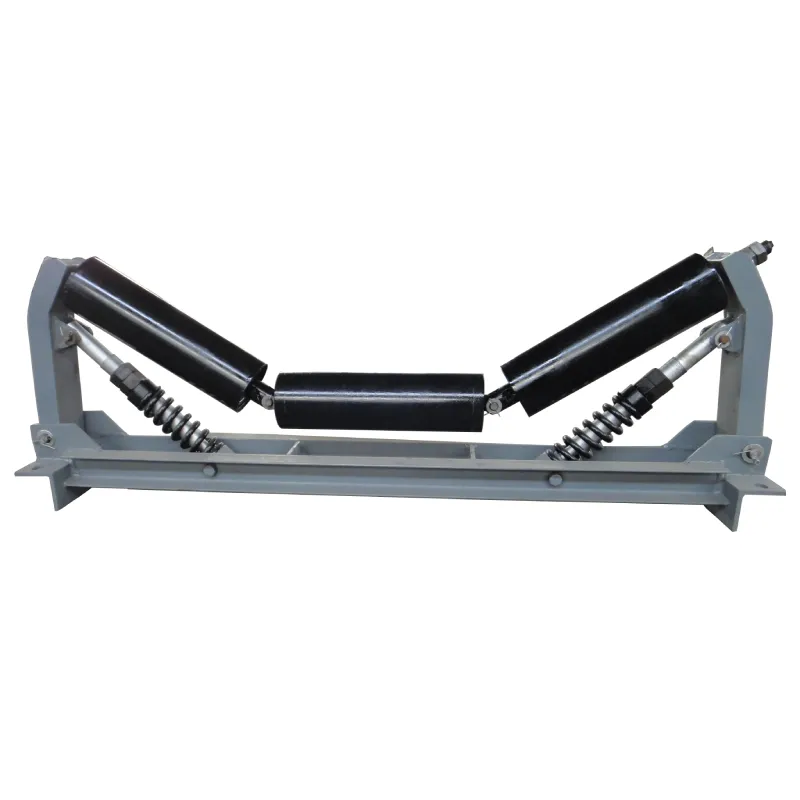
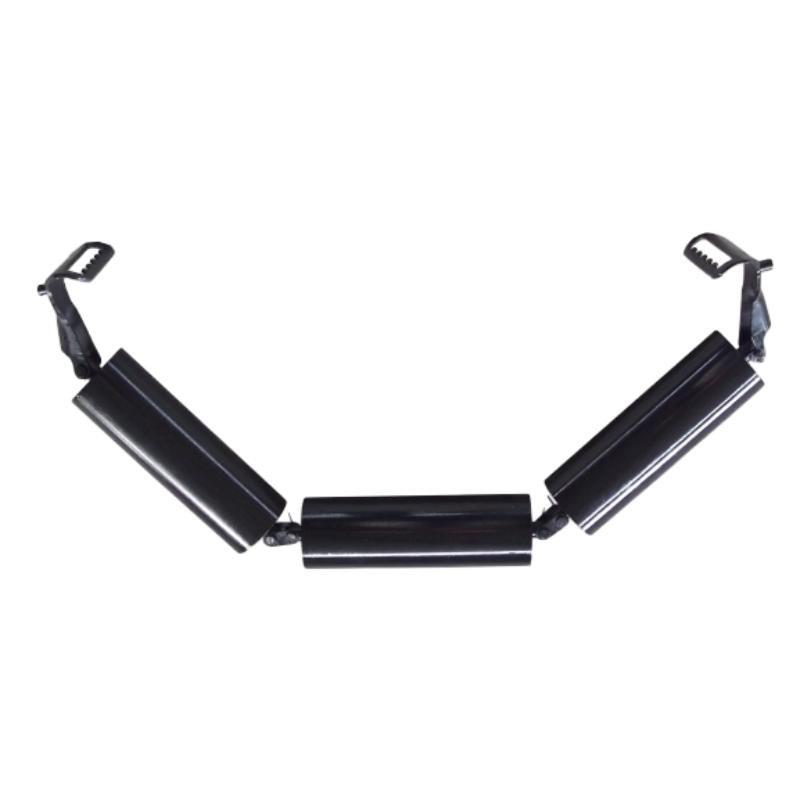
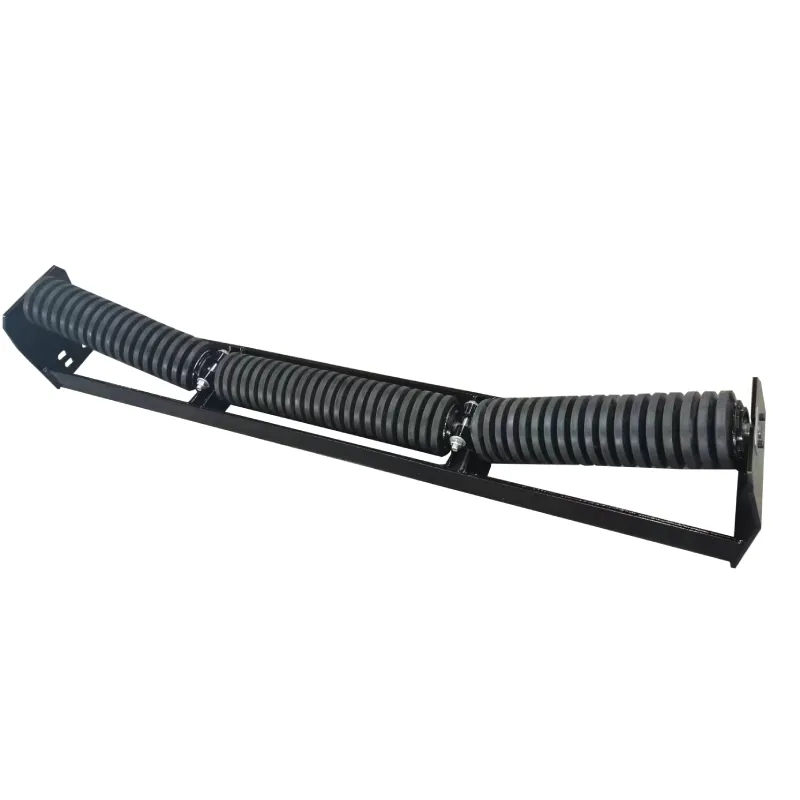
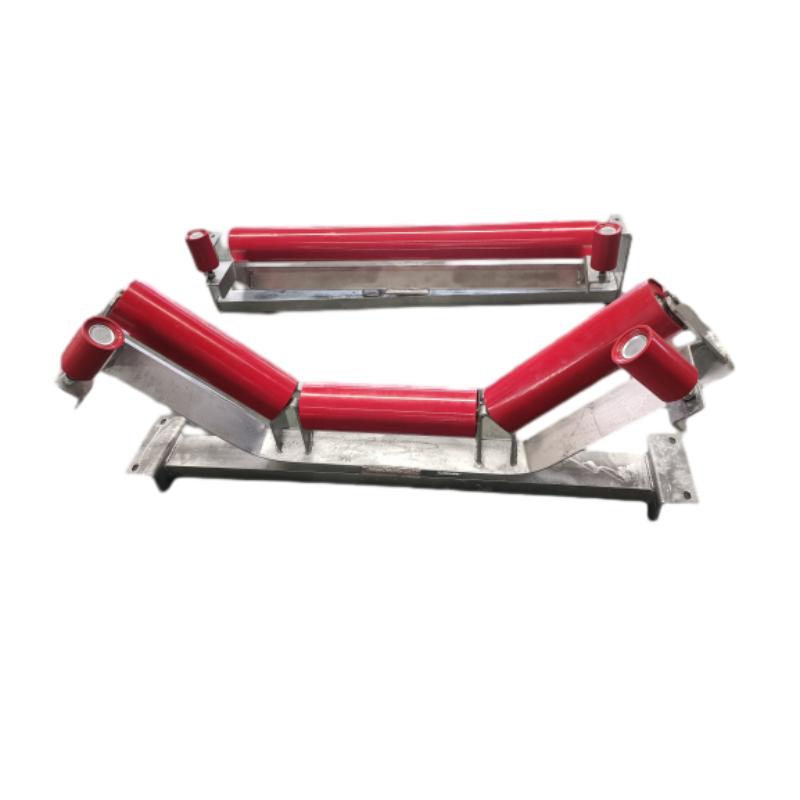
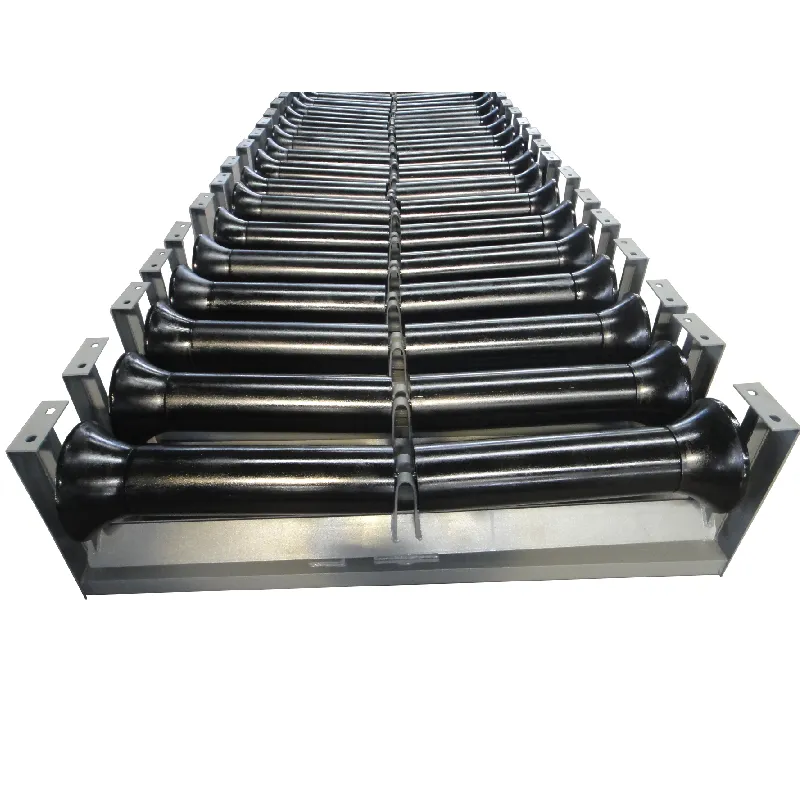
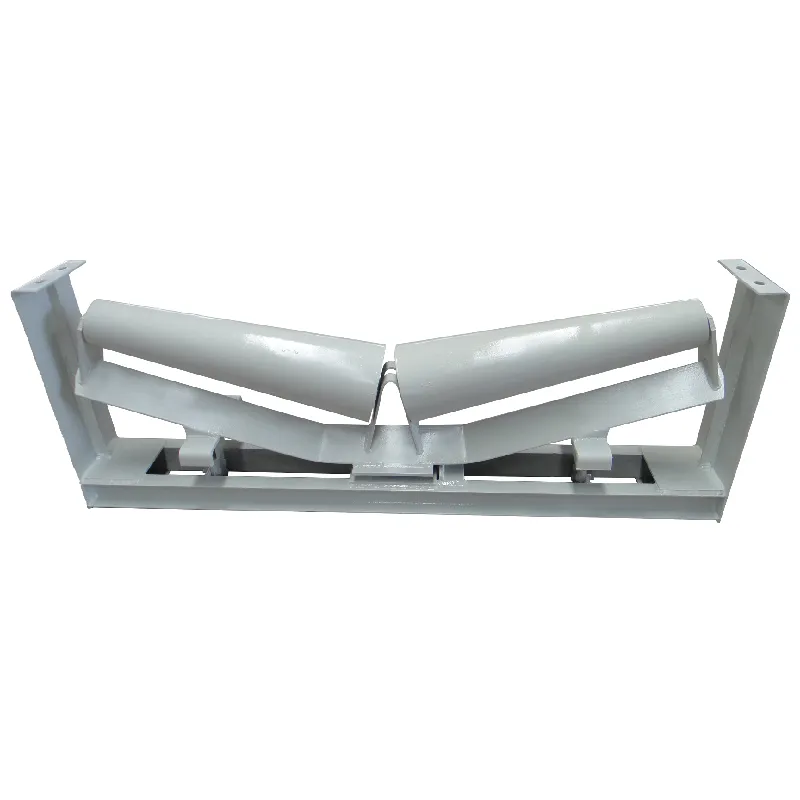
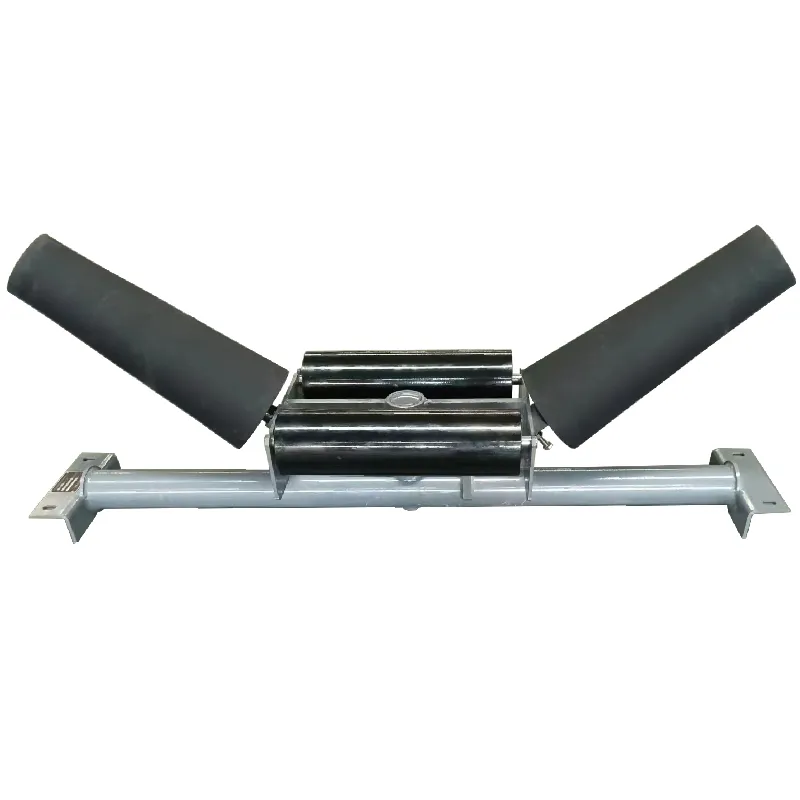
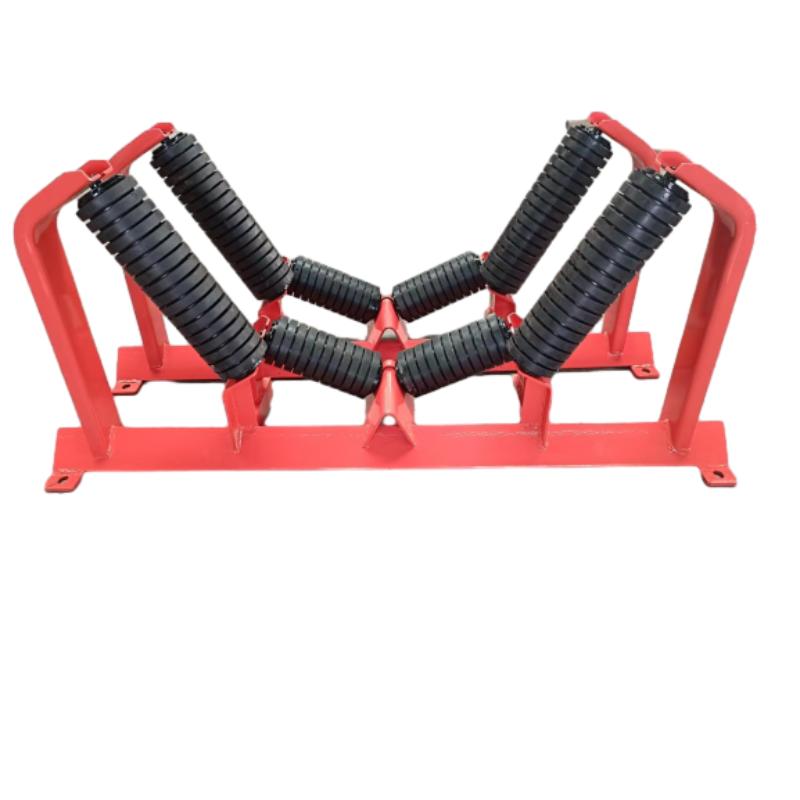
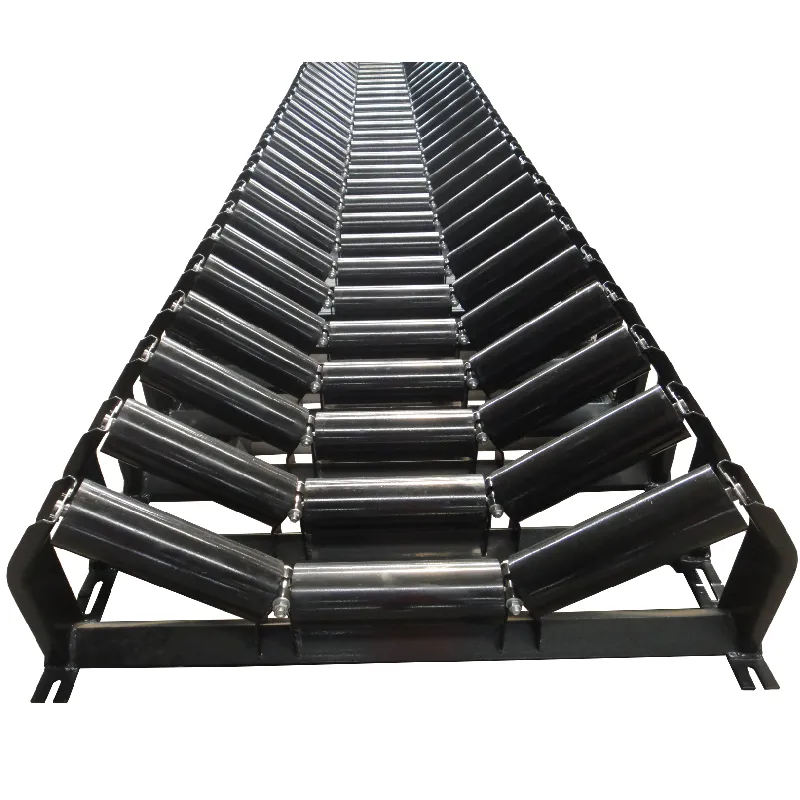
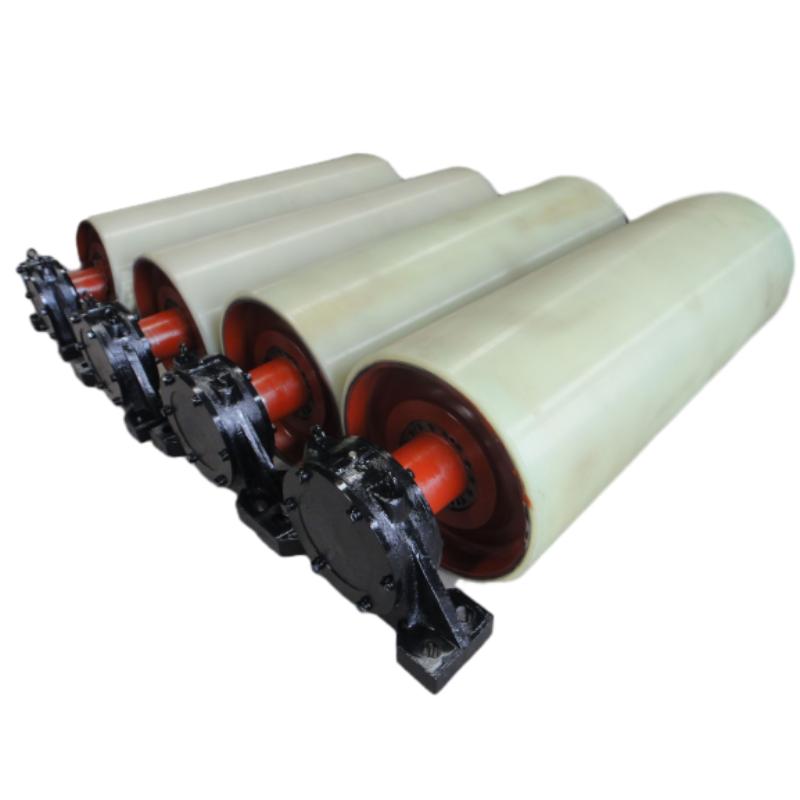
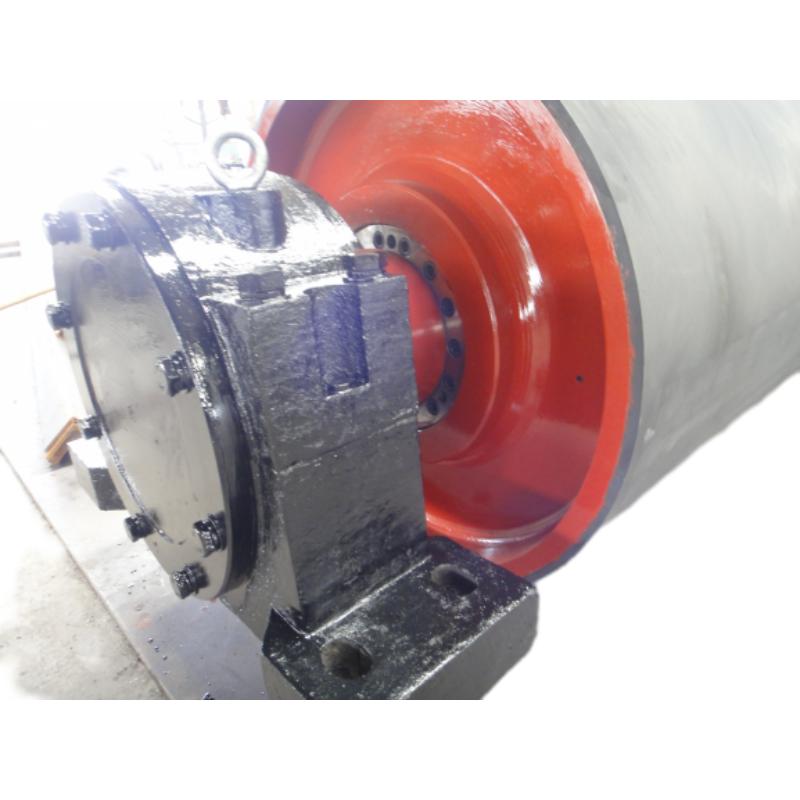
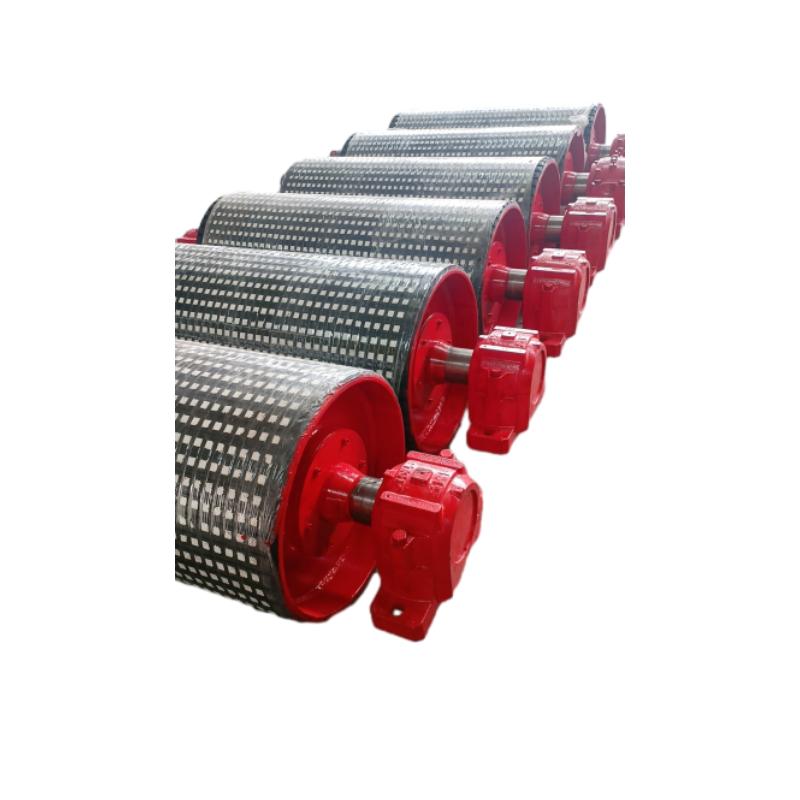
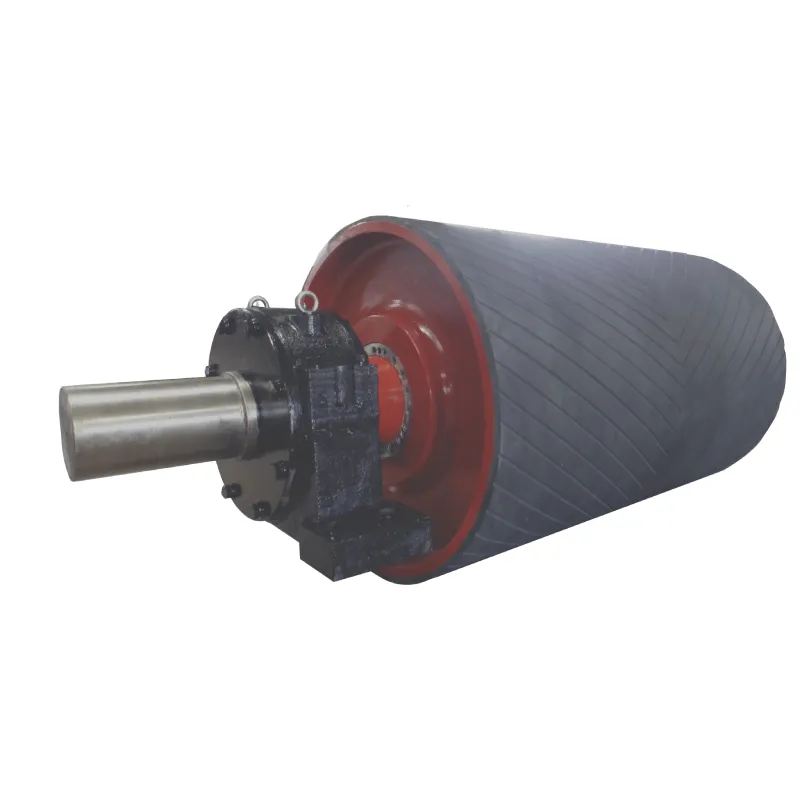
Put simply, urethane conveyor rollers are cylindrical components coated or entirely made from urethane—a flexible, resilient polymer—mounted on a central shaft. They support and move goods on conveyor belts, facilitating smooth transport. Unlike their metal-only counterparts, urethane rollers provide cushioning and grip without sacrificing strength, important for fragile or precision-handled items.
In humanitarian and industrial contexts, these rollers play vital roles. For instance, in packaging operations for food aid supplies or pharmaceuticals, their gentle handling minimizes product damage, preserving quality and safety for end-users.
Key Factors of Urethane Conveyor Rollers
1. Durability and Wear Resistance
Urethane’s high resistance to abrasion and chemicals means rollers last longer even under heavy use. This quality reduces frequent replacements and maintenance costs, especially in abrasive environments like mining or recycling plants.
2. Noise Reduction
Unlike metal rollers that can clang loudly when goods pass over them, urethane rollers significantly cut noise levels—an essential advantage in warehouse settings concerned with worker safety and comfort.
3. Load Capacity and Impact Absorption
These rollers balance strength with flexibility. They handle high weight loads while absorbing shocks, protecting both the conveyor system and the products from damage during transit.
4. Chemical and Temperature Resistance
Manufactured to withstand oils, solvents, and varied temperatures, urethane rollers adapt well to diverse industrial conditions. This flexibility makes them suitable for food-grade and pharmaceutical use, where hygiene and non-reactivity matter.
5. Customization Options
Manufacturers can tailor roller hardness (measured in Shore A durometer values), sizes, and lengths depending on specific application needs. This adaptability extends their functionality across diverse sectors.
Product Specification Table: Typical Urethane Conveyor Roller
| Specification | Typical Value |
|---|---|
| Material | Polyurethane (thermoplastic elastomer) |
| Shore Hardness | 75–90A (varies by application) |
| Diameter Range | 40mm–150mm |
| Load Capacity | Up to 200 kg per roller |
| Temperature Range | -30°C to +80°C |
| Chemical Resistance | Good resistance to oils & solvents |
Global Applications & Use Cases
Urethane conveyor rollers stretch across numerous global industries:
- Food and Beverage: EU regulations emphasize hygienic conveyor parts. Urethane rollers help transport food safely while resisting bacteria growth.
- Automotive: Assembly lines in North America use these rollers to handle metal parts gently but firmly without slippage.
- Pharmaceuticals: In sterile environments, urethane’s chemical resistance prevents contamination risks during drug packaging in Asia.
- Logistics & E-commerce: Sorting centers in Europe require rollers that reduce noise and vibration, improving worker comfort.
- Humanitarian Relief: In post-disaster areas, temporary conveyor setups speed up distributing aid, where durability and ease of maintenance matter highly.
Oddly enough, even remote industrial zones depend heavily on these rollers to maintain consistent product flow despite limited maintenance facilities.
Vendor Comparison: Leading Urethane Conveyor Roller Suppliers
| Feature | Supplier A | Supplier B | Supplier C |
|---|---|---|---|
| Material Grade | Industrial-grade polyurethane | Food-grade & industrial | High-durability elastomers |
| Customization | Full size/hardness options | Standard sizes mostly | Limited |
| Lead Time | 2-3 weeks | 4-5 weeks | 1-2 weeks |
| Geographic Reach | Global | Europe & Asia | North America |
| Environmental Standards | ISO 14001 certified | Partial compliance | No info provided |
Advantages & Long-Term Value
Choosing urethane conveyor rollers isn’t just about buying a spare part. It’s an investment in sustainability, safety, and innovation.
- Cost Efficiency: Longer product life means fewer replacements, decreasing downtime and maintenance budgets.
- Sustainability: Many rollers now use eco-friendlier urethane blends, adding to reduced environmental footprints.
- Reliability & Safety: Reduced noise levels protect workers’ hearing, and impact absorption protects products and machinery.
- Innovation: Using advanced materials and customization allows businesses to optimize their exact needs, building trust with clients and partners.
Frankly, it feels like a small component, but the ripple effect is vast.
Future Trends & Innovations
Looking ahead, the conveyor roller industry is embracing several transformative trends:
- Smart Rollers: Sensors embedded within rollers to monitor wear and performance in real-time.
- Advanced Materials: Bio-based urethane and recycled components to boost circular economy goals.
- Automation Integration: Rollers optimized for robotic and automated guided vehicle (AGV) systems common in warehouses.
- Energy Efficiency: Design enhancements that reduce friction and energy consumption across conveyor systems.
These shifts align with broader industrial trends documented by organizations like the World Bank and ISO on sustainable manufacturing and industry 4.0 adoption.[2][3]
Challenges & Solutions
No product is without its challenges. Urethane rollers sometimes face issues like:
- Degradation under UV exposure: Leading to brittleness if used outdoors.
- Limited temperature tolerance: Extreme heat can reduce lifespan.
- Initial cost: Slightly higher than basic steel rollers.
Many suppliers counter these through UV-stabilized formulations, coatings, or hybrid materials. Plus, lifecycle cost analyses usually justify the upfront premium. Regular material testing and quality assurance—as emphasized by industry standards—help maintain consistency.
FAQ: Frequently Asked Questions About Urethane Conveyor Rollers
- Q: How do urethane conveyor rollers compare to steel rollers in heavy-duty applications?
- A: Urethane rollers provide better impact absorption and noise reduction, but steel rollers may offer higher maximum load capacity. For many heavy-duty uses, urethane is favored where product protection and quieter operation are priorities.
- Q: Can urethane rollers be cleaned easily for food industry use?
- A: Yes, food-grade urethane rollers are designed to resist chemical cleaners and bacteria growth, making sanitation straightforward and compliant with hygiene standards.
- Q: What maintenance is required for urethane conveyor rollers?
- A: They generally require minimal upkeep—periodic inspection for wear, cleaning to prevent buildup, and occasional lubrication of bearings are common practices.
- Q: Are urethane conveyor rollers customizable for unique conveyor widths?
- A: Absolutely. Many manufacturers offer bespoke sizes, hardness levels, and lengths to fit specific conveyor designs and operational demands.
- Q: How can companies procure these rollers internationally?
- A: Most established suppliers offer global shipping and support. Import tariffs and certifications like ISO 9001 help ensure smooth cross-border transactions.
Conclusion & Call to Action
In sum, urethane conveyor rollers are integral to modern material handling, blending durability, flexibility, and innovation. Their ability to enhance operational efficiency while reducing noise and maintenance costs makes them a smart choice globally. Whether you’re in manufacturing, logistics, or humanitarian support, these rollers deliver long-term value with a surprisingly broad impact.
Curious to learn more or ready to upgrade your conveyor system? Visit our website: urethane conveyor rollers and explore expert solutions tailored to your industry needs.
Quick takeaway: Sometimes, it's the smallest parts—like a well-designed roller—that keep the biggest systems moving smoothly.
References
-
Maximize Conveyor Life with a High Performance impact bedNewsApr.16,2026
-
Maximize Conveyor Efficiency Using a v plow belt scraperNewsApr.09,2026
-
Comprehensive Guide to Understanding Different Types of Belt CleanersNewsApr.07,2026
-
Enhancing Conveyor Efficiency with an Effective Scraper Belt CleanerNewsApr.04,2026
-
Optimizing Conveyor Systems with Advanced Cleaning Equipment SolutionsNewsMar.31,2026
-
Effective Conveyor Belt Scraper Adjustment for Optimal System PerformanceNewsMar.28,2026