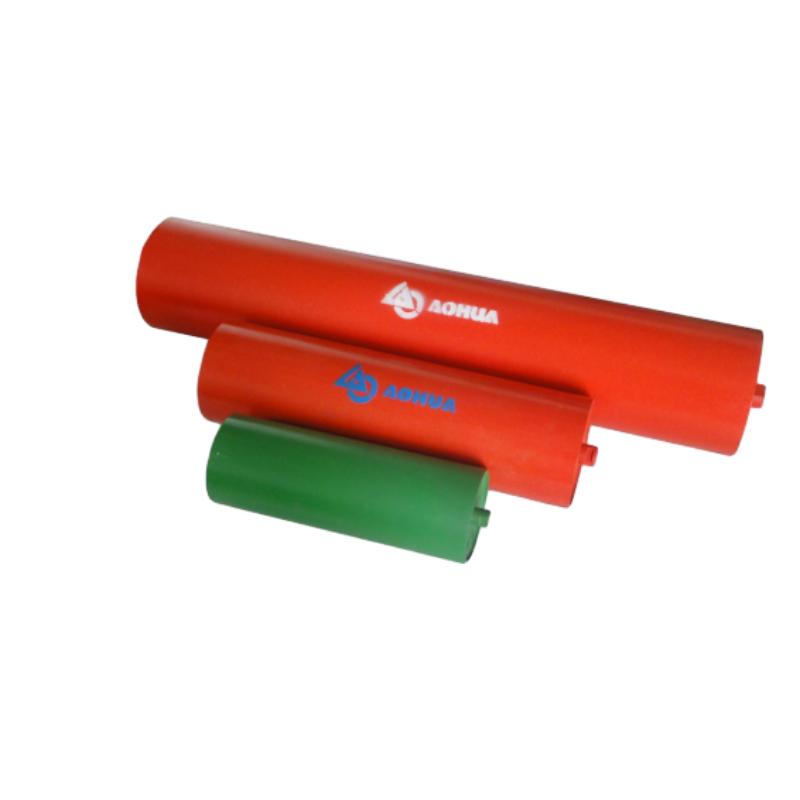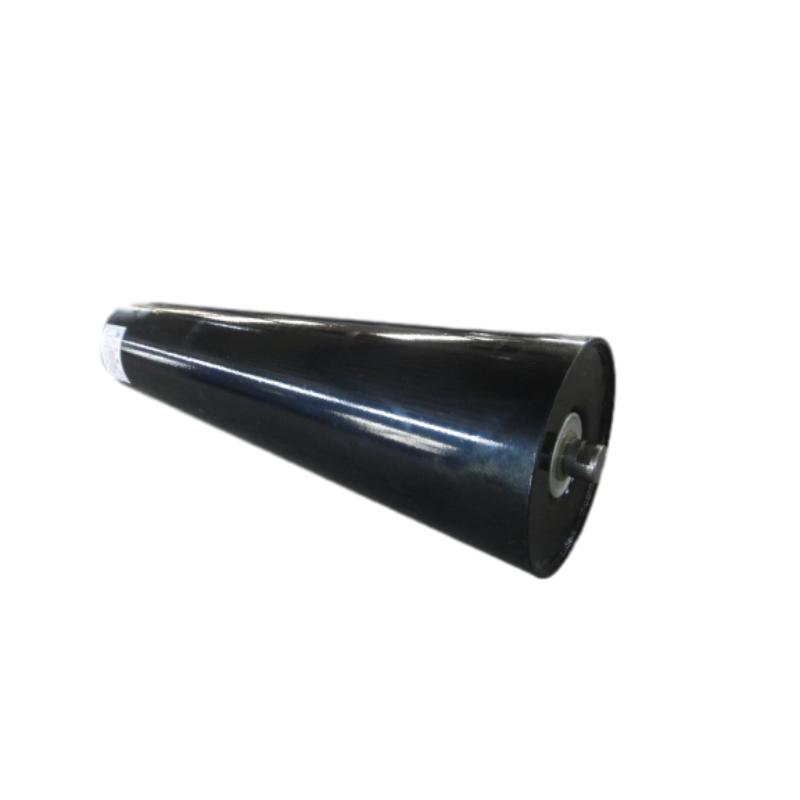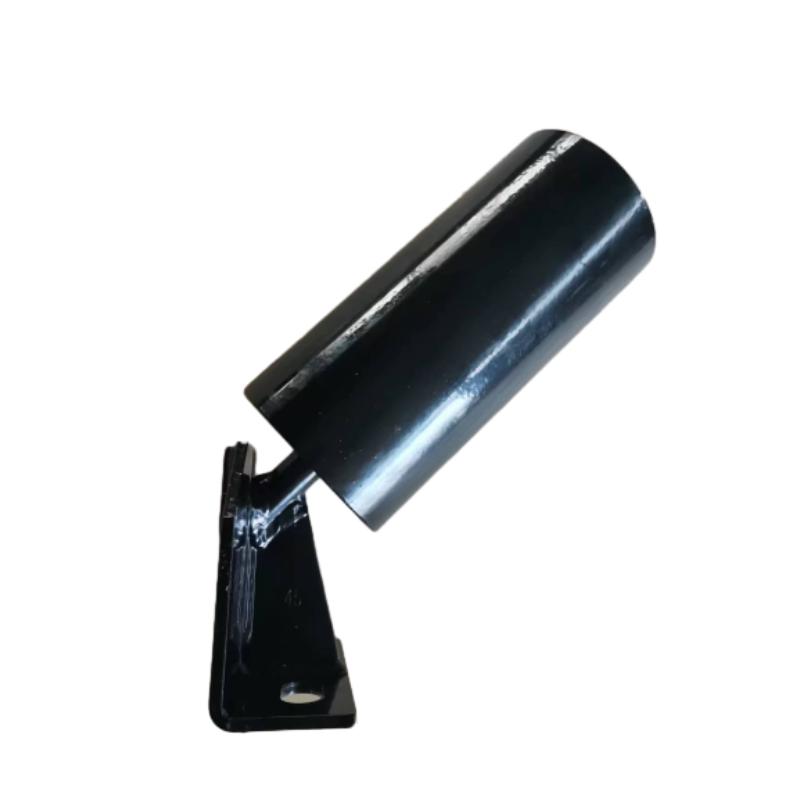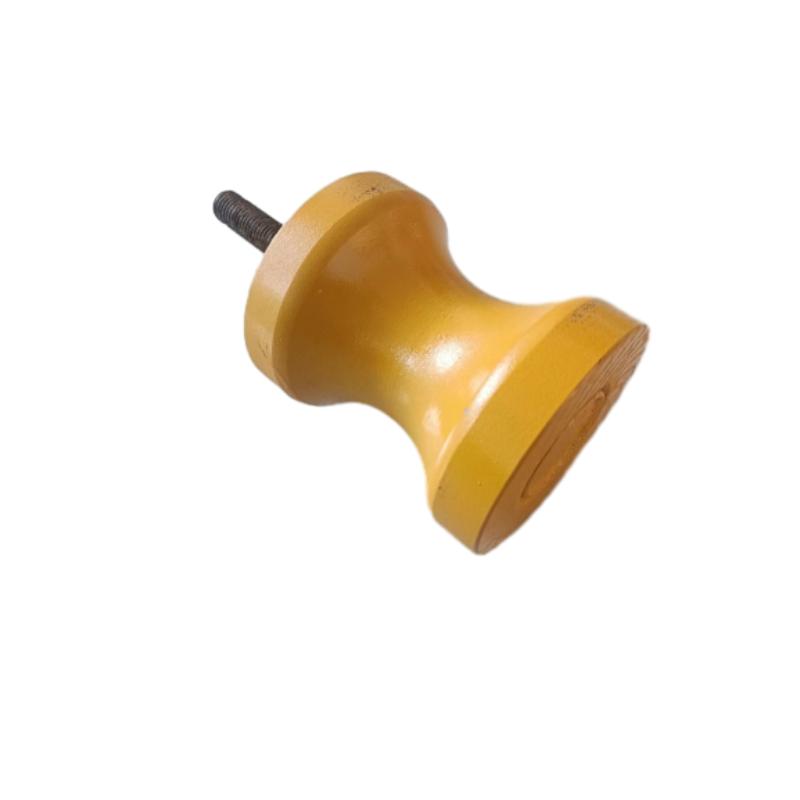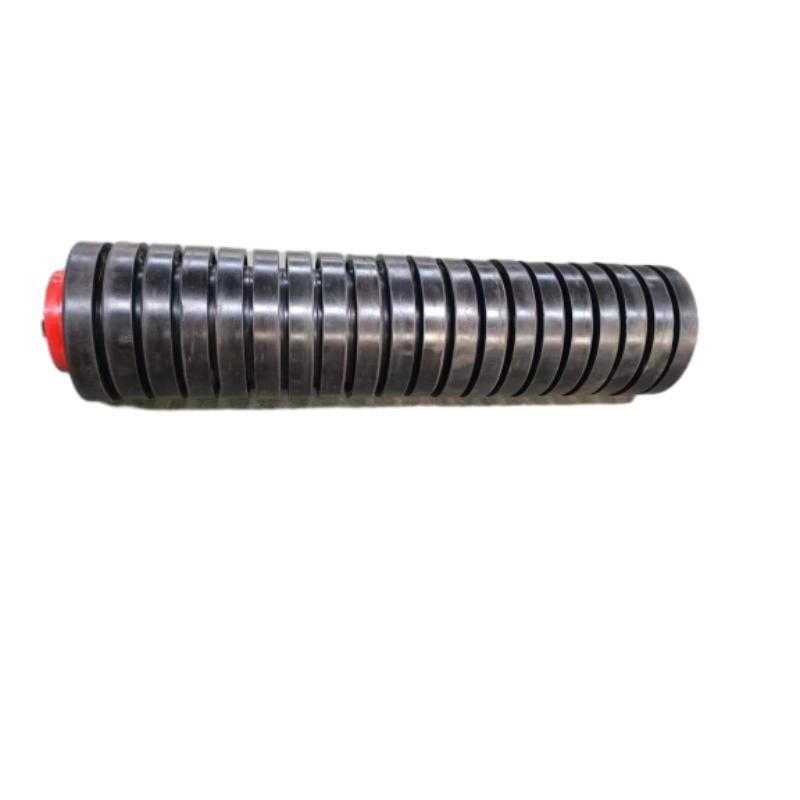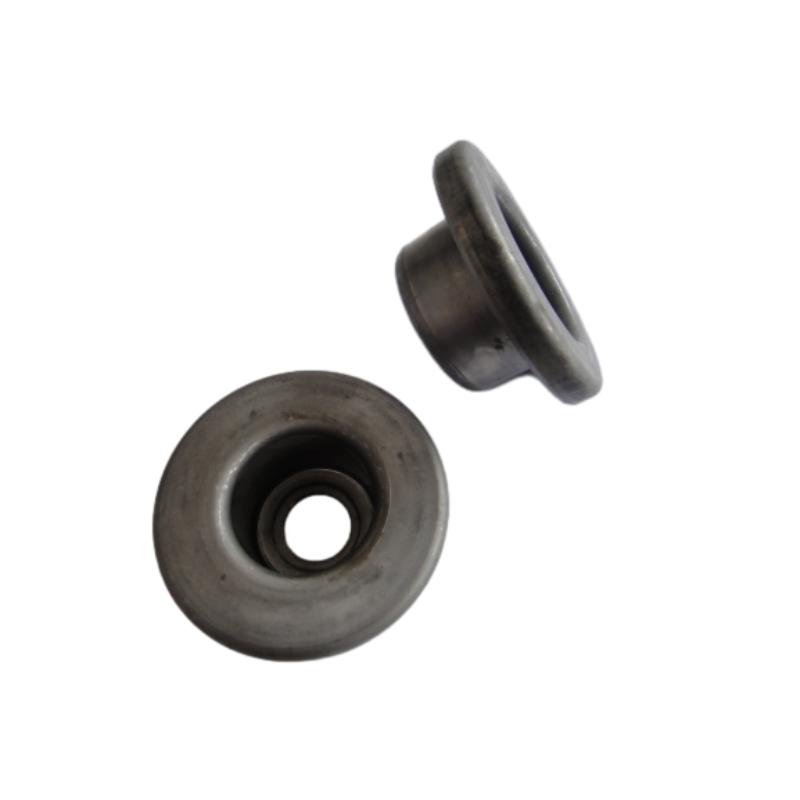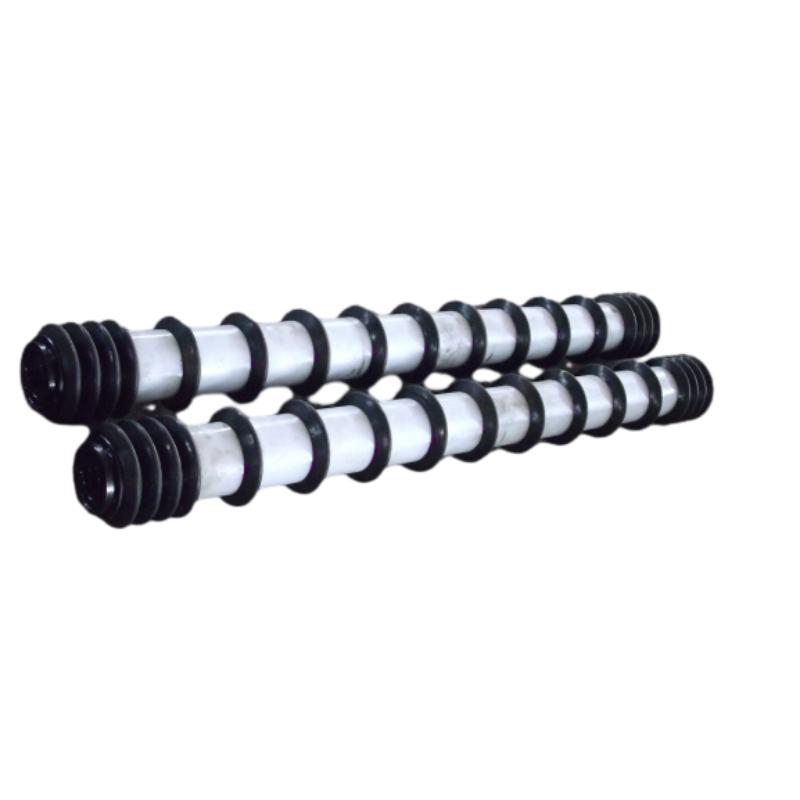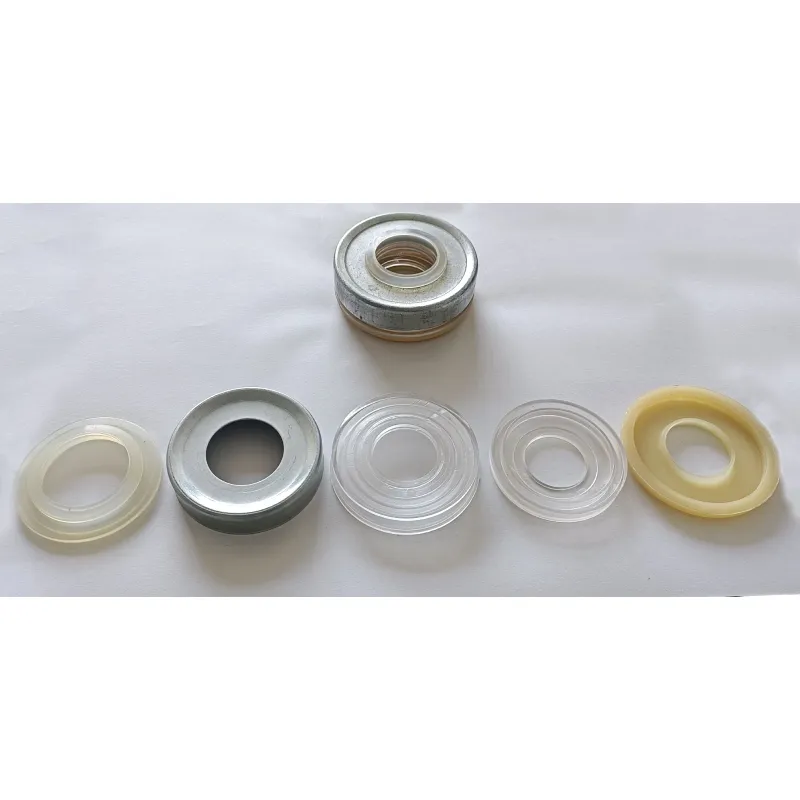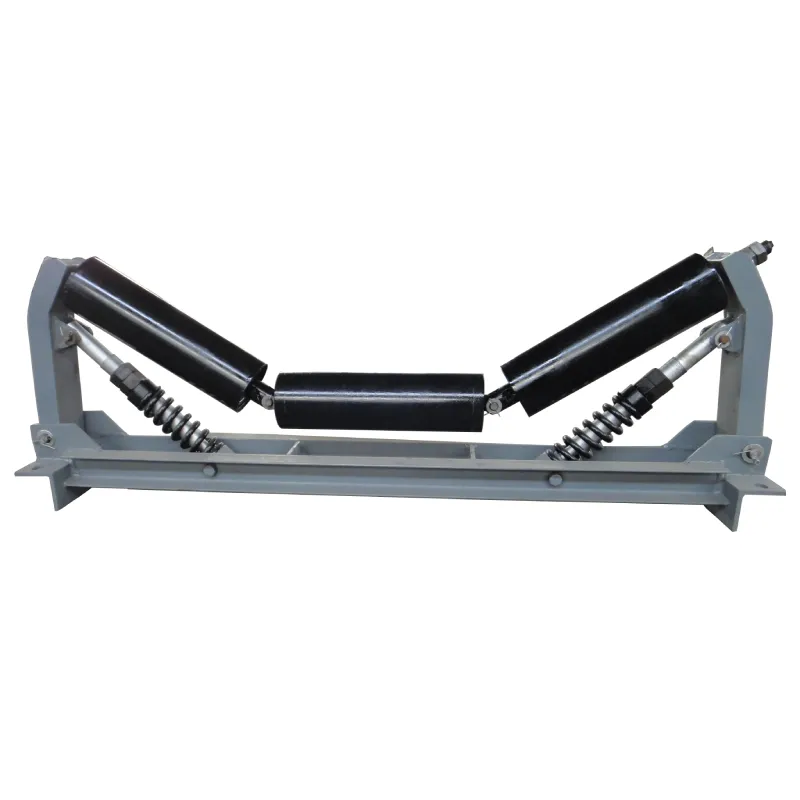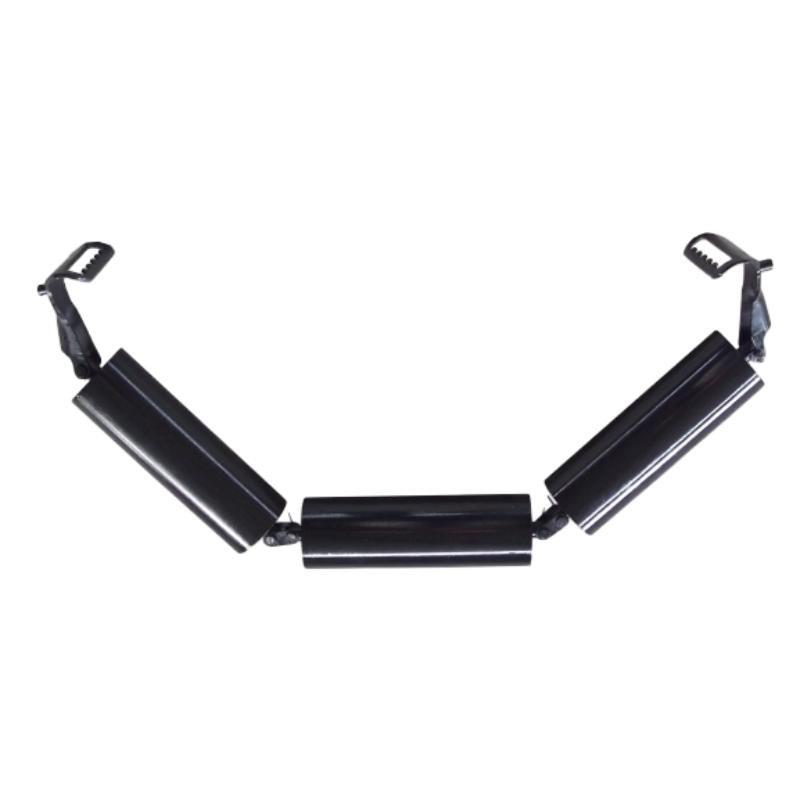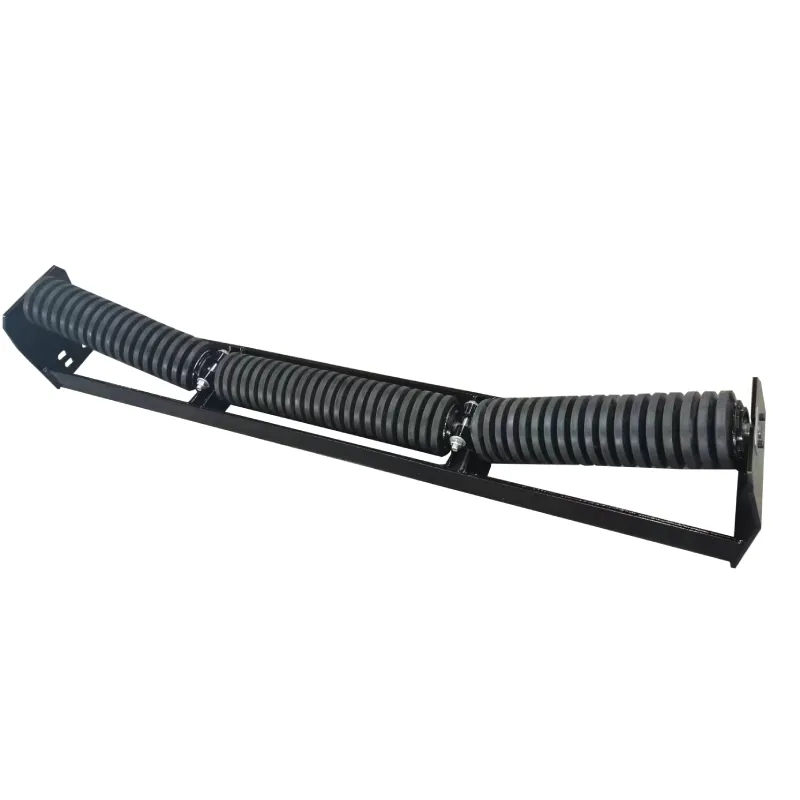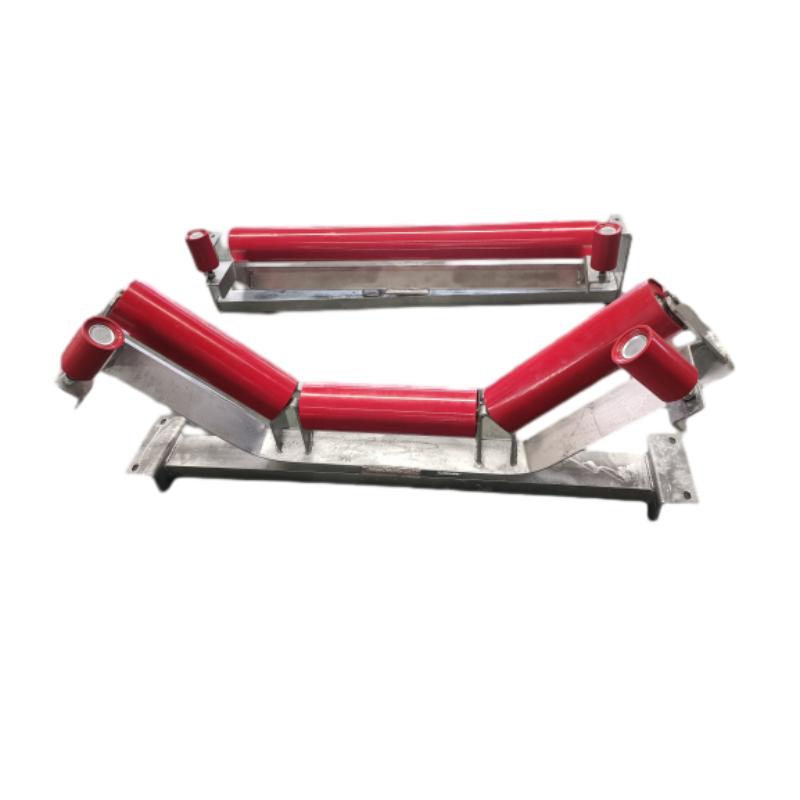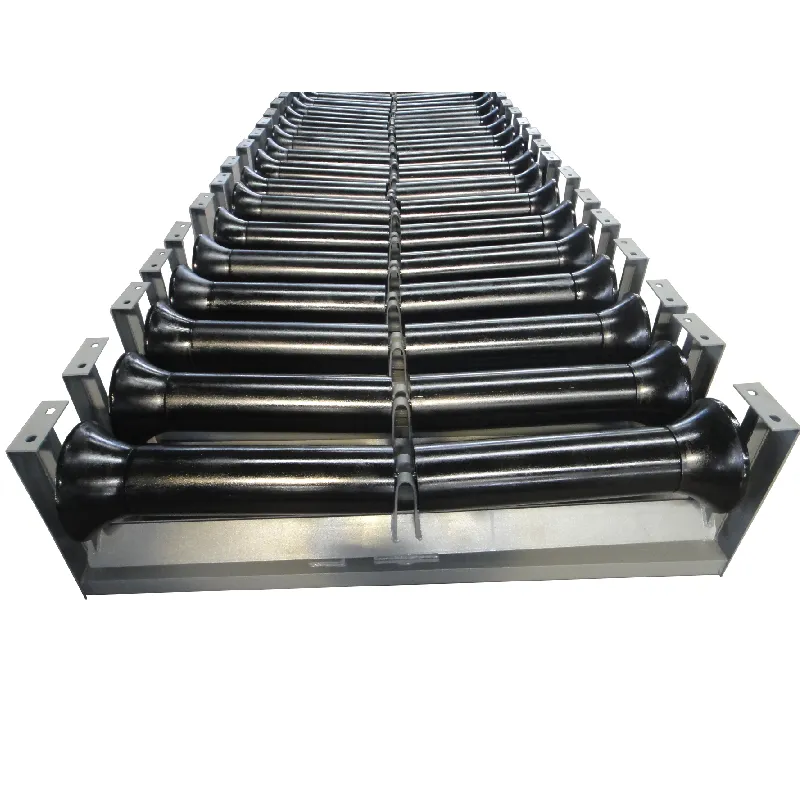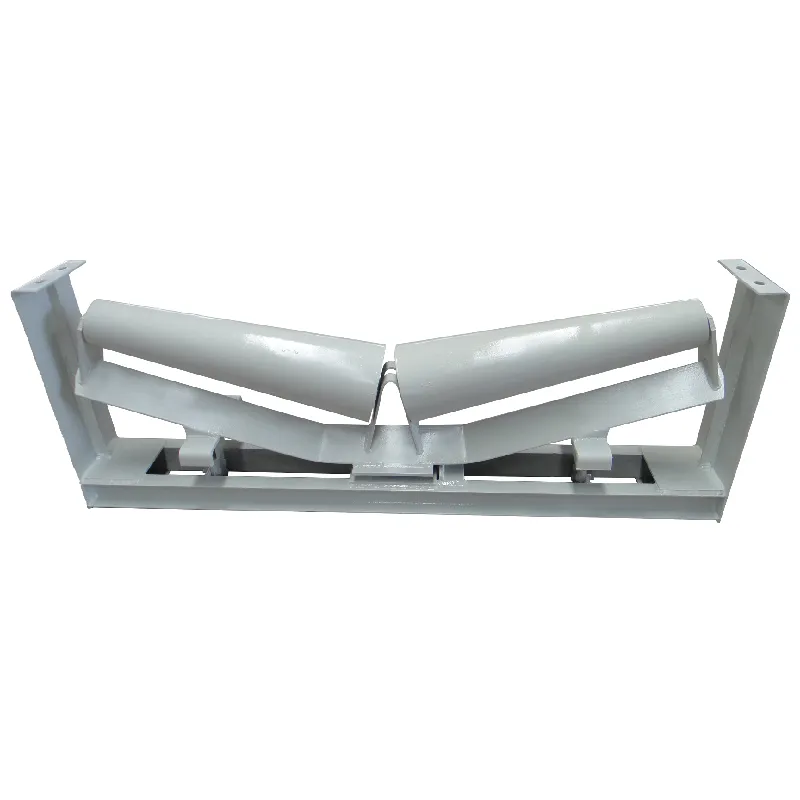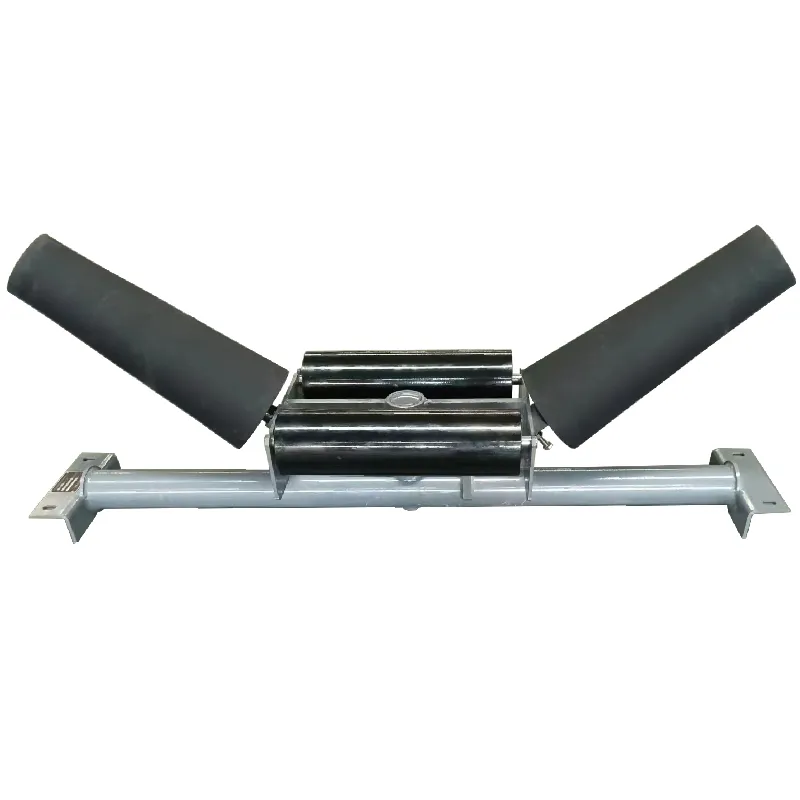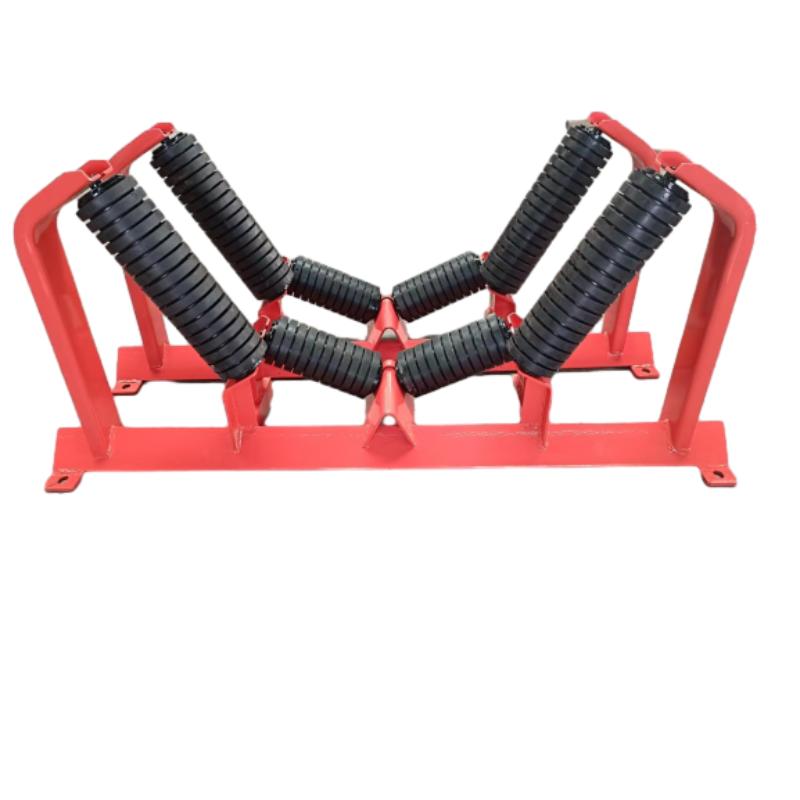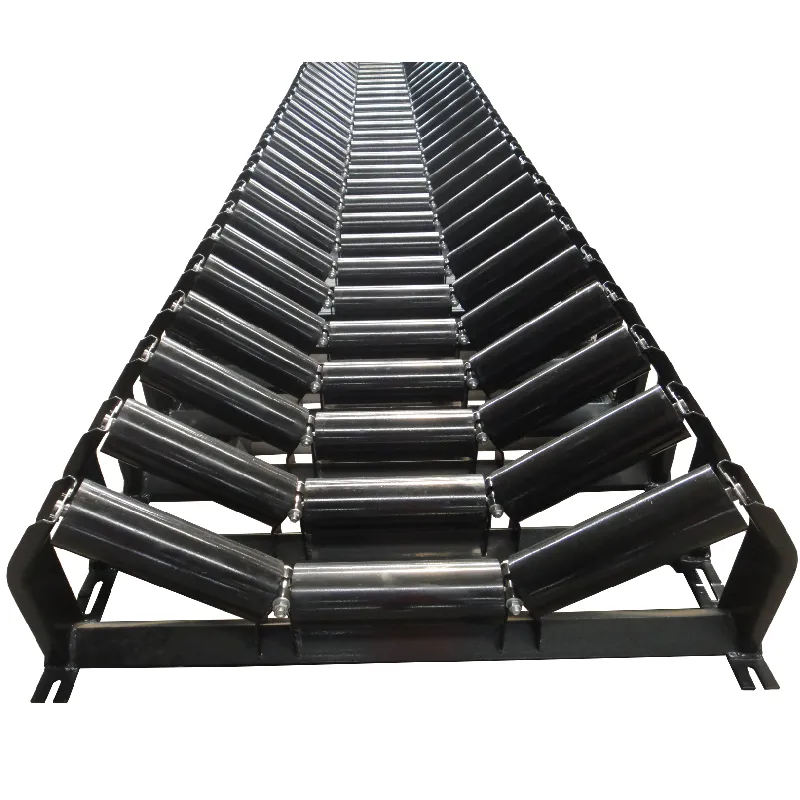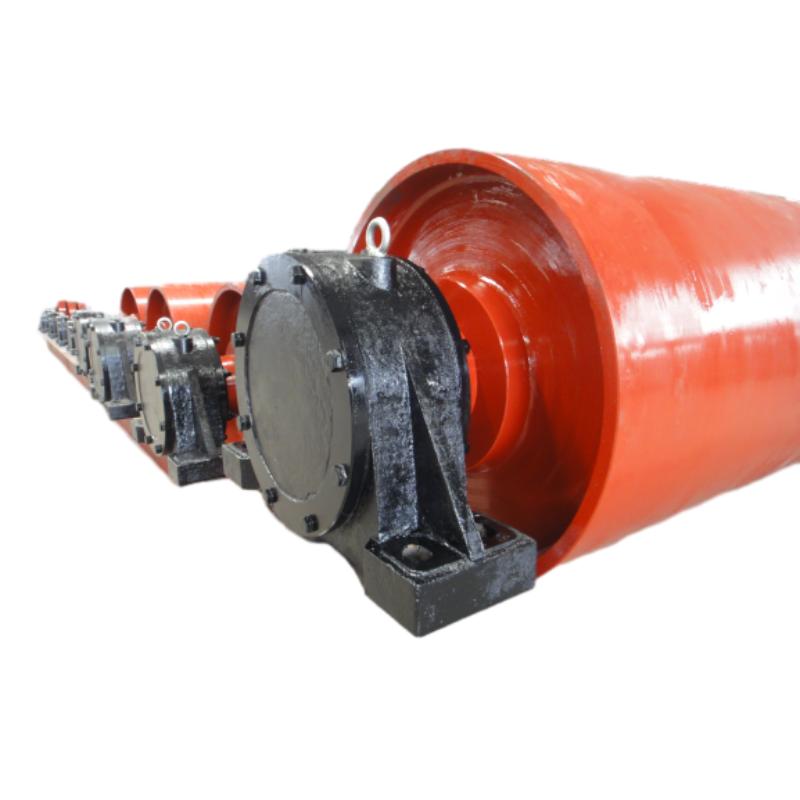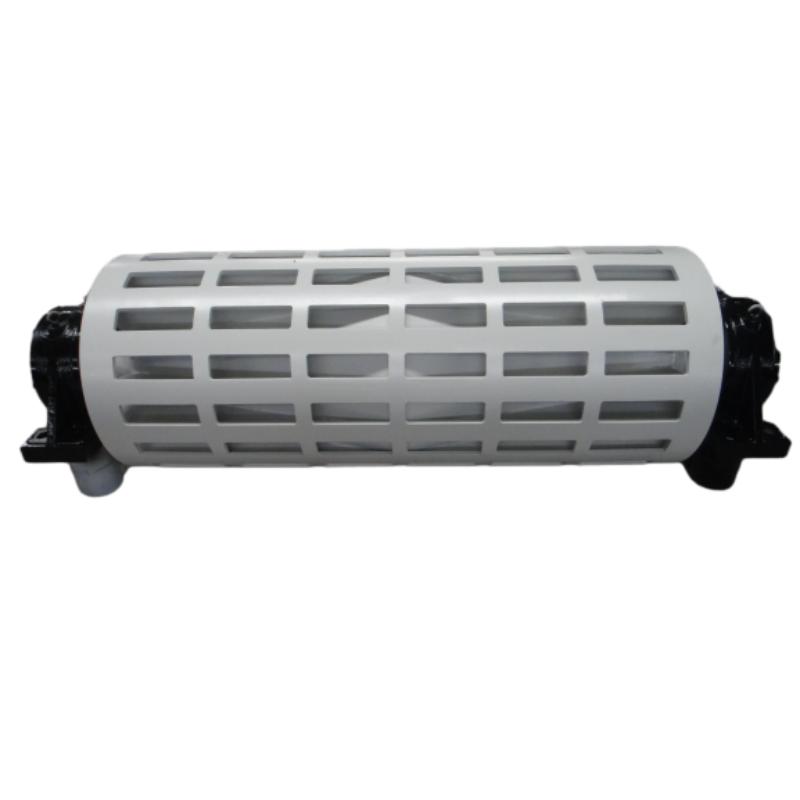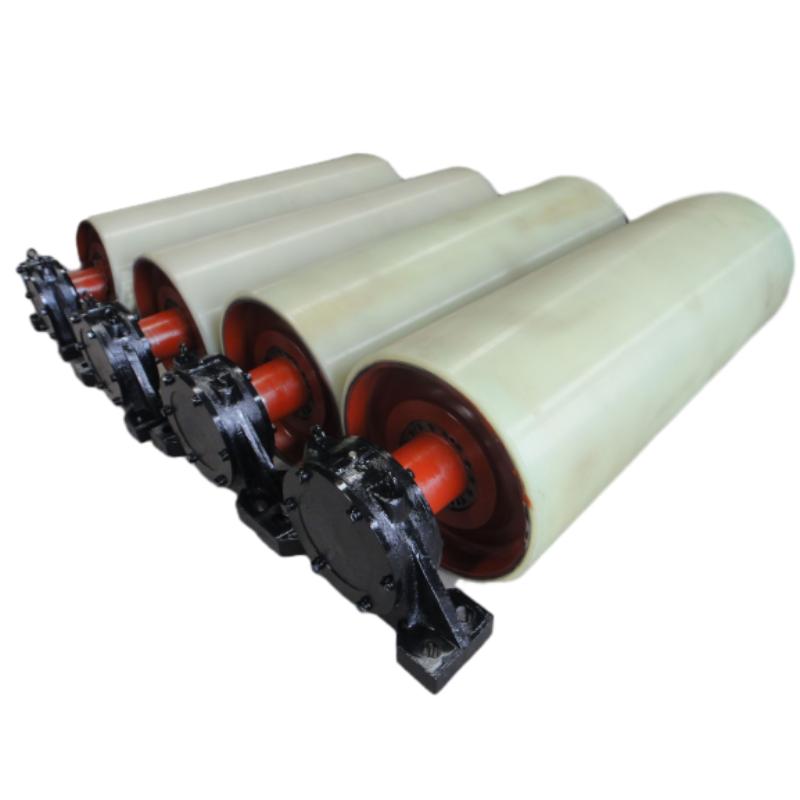


Durable Polyurethane Drive Rollers for Smooth Industrial Conveyance
Polyurethane Drive Rollers: The Unsung Heroes of Industrial Conveyance
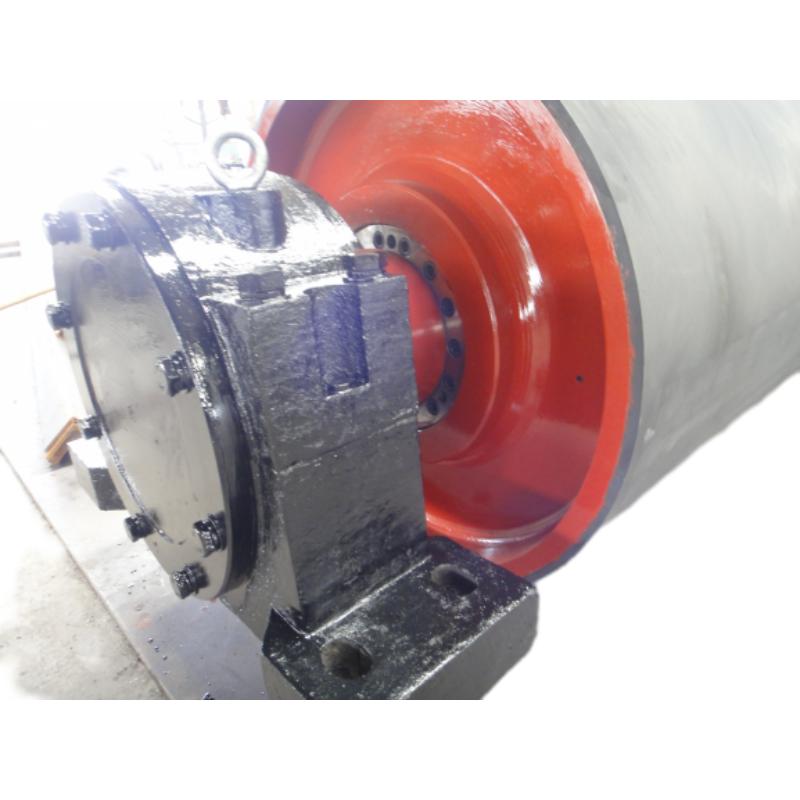
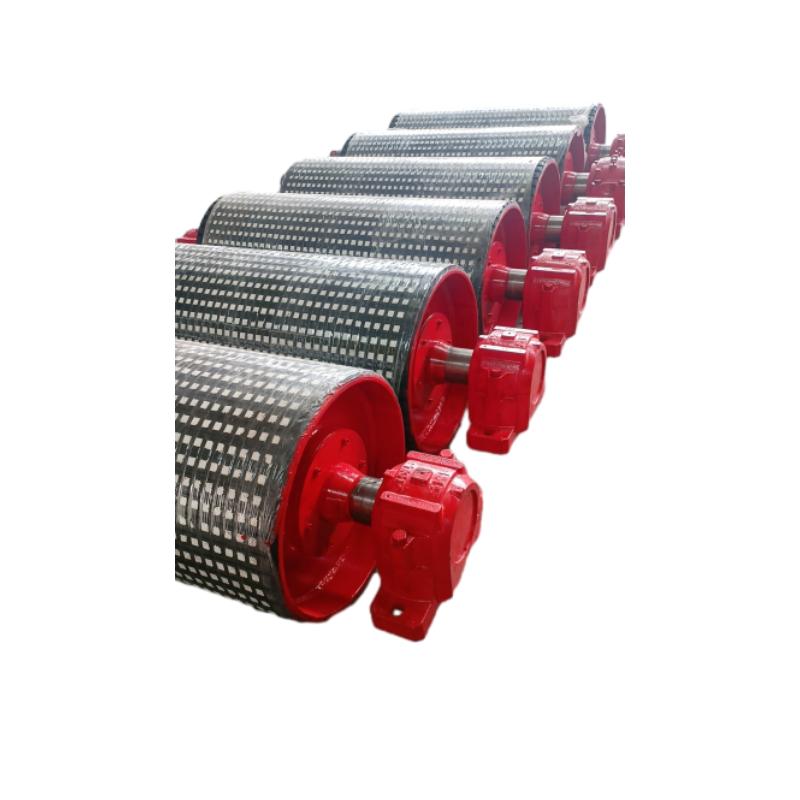
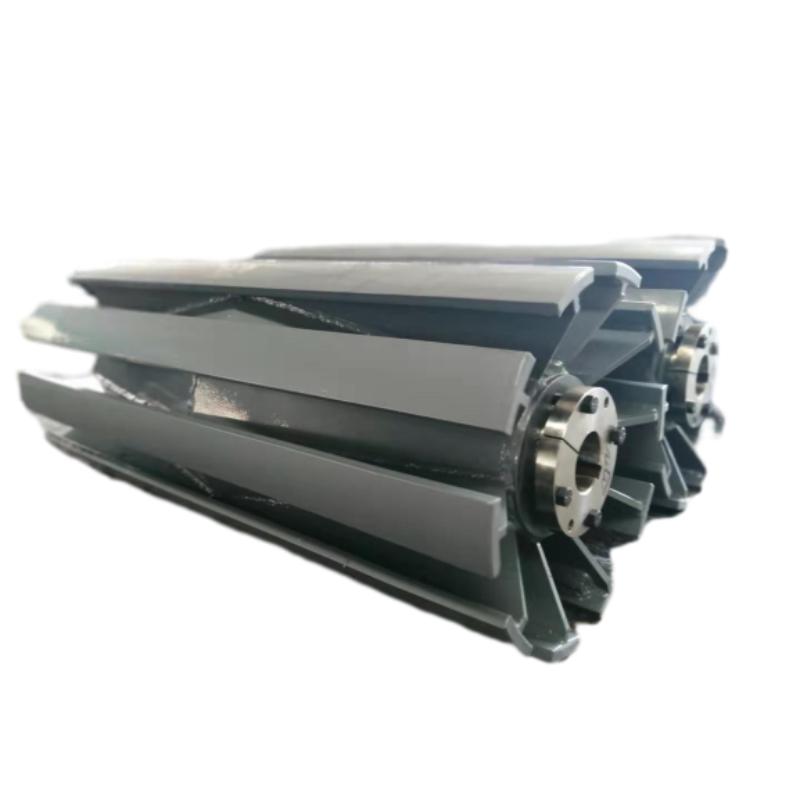
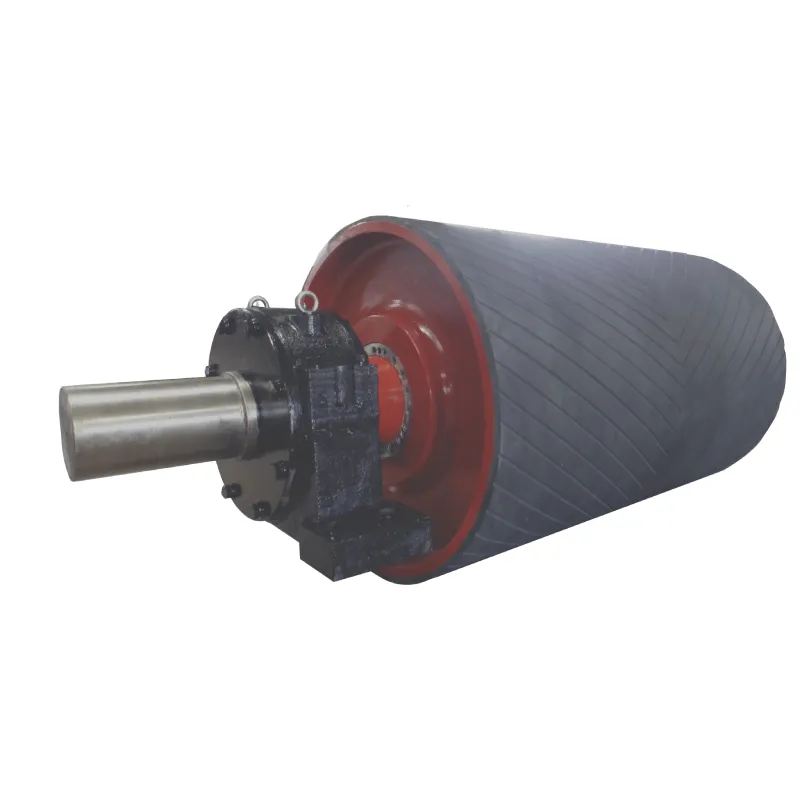
After spending a good chunk of my career around conveyor lines and material handling systems, I’ve come to appreciate the small components that do the heavy lifting—sometimes literally. One such part, often overlooked but fundamentally crucial, is the polyurethane drive roller. These rollers keep the whole operation moving smoothly, quietly, and efficiently; without them, chances are the whole assembly line would screech to a frustrating halt.
In industrial equipment circles, there’s a subtle art to choosing the right drive roller. Polyurethane, in particular, has carved out a reputation for blending toughness with a surprisingly gentle touch on conveyed materials—helpful when you’re dealing with delicate goods or precise manufacturing processes.
Oddly enough, the moment I first saw a polyurethane drive roller in action on a dusty packaging line, I realized how critical their material properties are. These rollers balance abrasion resistance, elasticity, and load capacity in a way that metal or pure rubber simply can't match. For example, polyurethane offers excellent resistance to oils, greases, and most solvents, which often foul conveyor environments. Throw in shock absorption, and you’ve got something genuinely versatile.
Key Product Specifications of Polyurethane Drive Rollers
| Specification | Details |
|---|---|
| Material | Polyurethane (various durometers available) |
| Core Diameter | 20mm to 90mm (custom sizes common) |
| Surface Hardness | 70A to 95A Shore (customizable) |
| Load Capacity | Up to 1000 kg per roller (depends on shaft size & length) |
| Operating Temperature | -20°C to 80°C (standard grades) |
| Typical Uses | Conveyor drive rollers, tension rollers, material handling |
From my experience, the real charm of polyurethane drive rollers isn’t just specs on paper but their ability to be tailored. Custom durometer grades and roller sizes mean you can optimize for wear resistance or grip — depending on the conveyed product’s weight or surface texture. I once worked on a project where switching to a softer 75A polyurethane roller noticeably reduced product slippage without increasing downtime, which, frankly, was a win all around.
Comparing Leading Polyurethane Drive Roller Vendors
| Vendor | Material Quality | Customization Options | Lead Time | Price Range |
|---|---|---|---|---|
| Idle Raohua | Premium grade polyurethane with consistent hardness | High – tailored sizes, durometer grades, and finishes | 2-3 weeks | Mid-range – good value for quality |
| RubberTech | Standard polyurethane blends | Moderate – mainly standard sizes | 1-2 weeks | Lower range |
| EquipRollers Co. | Varied quality; some premium lines | High – extensive customization but pricey | 3+ weeks | High range |
You know, one thing I’ve noticed when working with various suppliers is that lead time often correlates inversely with customization freedom. A vendor like Idle Raohua tends to hit a sweet spot: allowing fairly detailed specifications without dragging timelines into months. That’s important when you’re troubleshooting or scaling up operations.
From an engineering standpoint, testing these rollers—whether in lab conditions or real-world applications—sheds light on wear patterns that you just can’t foresee on paper. It’s also worth mentioning that routine maintenance, such as checking roller alignment and surface wear, can dramatically extend service life. Many engineers I've talked with swear by a simple inspection routine as a reliability booster.
Frankly, mastering the nuances of polyurethane drive rollers feels like learning a craft. When installed and matched right, these rollers can quietly double the lifespan of conveyor lines, reduce noise pollution (it's surprising how significant that is in a plant setting), and improve overall productivity.
There's a small story I often recall: a packaging facility struggling with frequent roller replacements switched to polyurethane rollers from a reputable supplier. The result? A 30% reduction in downtime due to roller failure over six months. It’s the kind of thing that doesn’t always make headlines but absolutely makes a difference on the floor.
So, whether you're designing a new conveyor line or retrofitting an existing one, don’t underestimate the humble polyurethane drive roller. It’s these small decisions—choosing the right durometer, the right vendor—that add up to smoother operations and longer equipment life.
In real terms, investing time up front in understanding the material and supplier options pays dividends down the road. And if you ask me, that’s a pretty reliable formula for industrial success.
— From someone who's saw more conveyor lines than he can count.
References
- Industry Handbook on Conveyor Components, 2022 Edition
- Polyurethane Materials: Properties and Applications, J. Smith, 2021
- Case Study: Conveyor Roller Maintenance, Industrial Insights Report, 2023
-
Maximize Conveyor Life with a High Performance impact bedNewsApr.16,2026
-
Maximize Conveyor Efficiency Using a v plow belt scraperNewsApr.09,2026
-
Comprehensive Guide to Understanding Different Types of Belt CleanersNewsApr.07,2026
-
Enhancing Conveyor Efficiency with an Effective Scraper Belt CleanerNewsApr.04,2026
-
Optimizing Conveyor Systems with Advanced Cleaning Equipment SolutionsNewsMar.31,2026
-
Effective Conveyor Belt Scraper Adjustment for Optimal System PerformanceNewsMar.28,2026