

Understanding Sealed Bearing Housing: Global Uses, Benefits & Innovations
What Is Sealed Bearing Housing and Why Does It Matter Globally?
If you’ve ever peeked inside a machine — say, an industrial conveyor or a wind turbine — you may have seen something called a sealed bearing housing. It’s not just a fancy name. This little component quietly supports shafts, protects bearings from dirt and moisture, and keeps machines running smoothly. Given how much global manufacturing and transportation rely on machinery, understanding sealed bearing housings can unlock a lot of insight into efficiency and maintenance. Globally, the demand for reliable, low-maintenance machinery has skyrocketed: according to the International Organization for Standardization (ISO), bearing failures cause roughly 40% of industrial downtime. That’s a staggering figure when you consider how much everything relies on moving parts. By knowing about sealed bearing housings — their design, purpose, and innovations — industries can reduce costly downtime, improve sustainability through longer-lasting equipment, and even support humanitarian logistics in tough environments. --- Mini takeaway: Sealed bearing housings are quiet workhorses preventing wear and downtime in machines worldwide.The Global Context: Why Sealed Bearing Housings Are a Big Deal
Machines powering factories, vehicles, and renewable energy infrastructure exist everywhere. Whether it’s a wind farm in Denmark or a factory assembly line in China, sealed bearing housings serve as essential guardians of machine components. The global manufacturing sector alone accounted for $14.78 trillion in 2022 (World Bank), meaning minor efficiency improvements can ripple into massive economic benefits. Moreover, with environmental concerns mounting, industries and governments push for more durable and sustainable machine components. Sealed bearing housings reduce waste by extending bearing life and avoid lubricant contamination that might otherwise result in hazardous leaks. Challenges remain, though — like maintaining these bearings in extreme heat zones or remote locations — and that sparks innovation. --- Mini takeaway: The sealed bearing housing is pivotal in global manufacturing and sustainability efforts.Defining Sealed Bearing Housing: The Nuts and Bolts
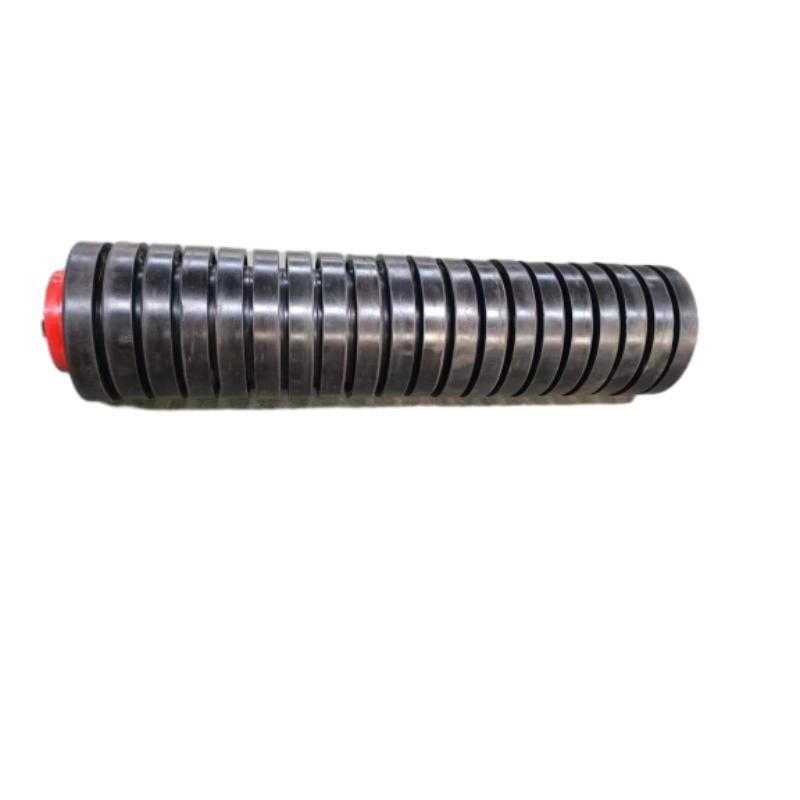
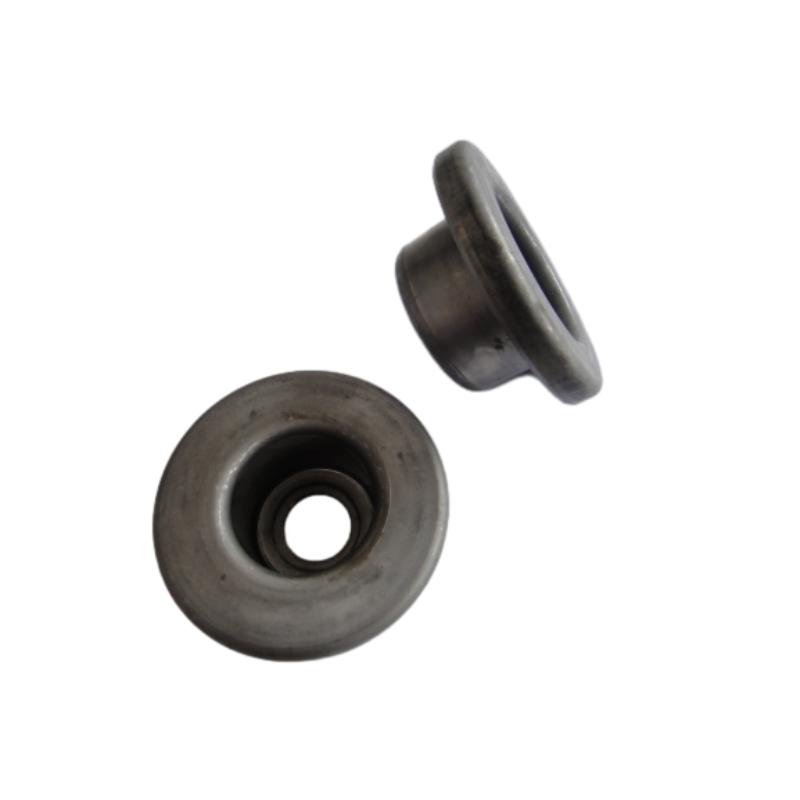
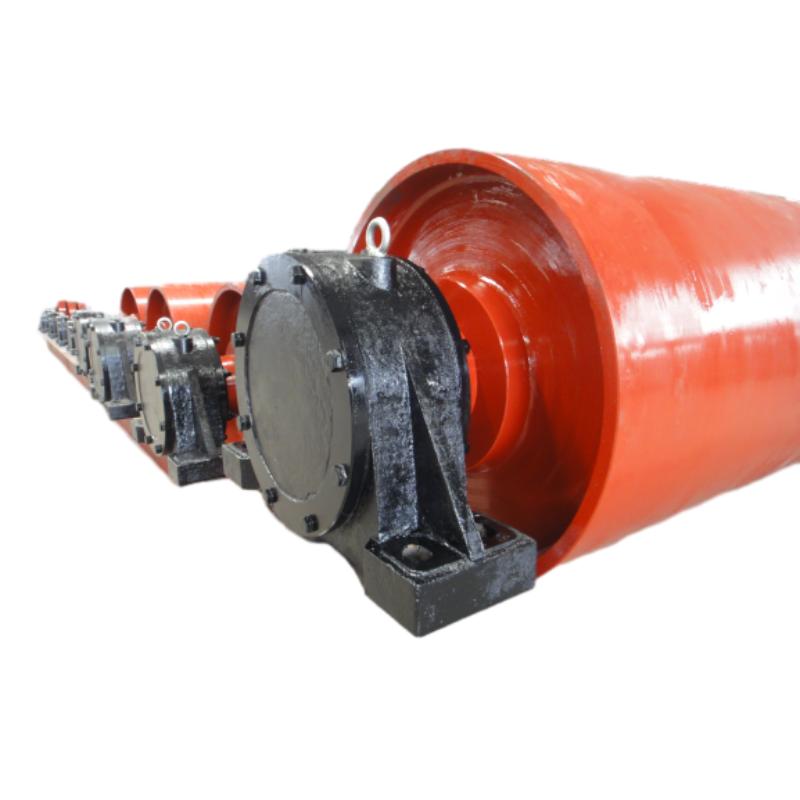
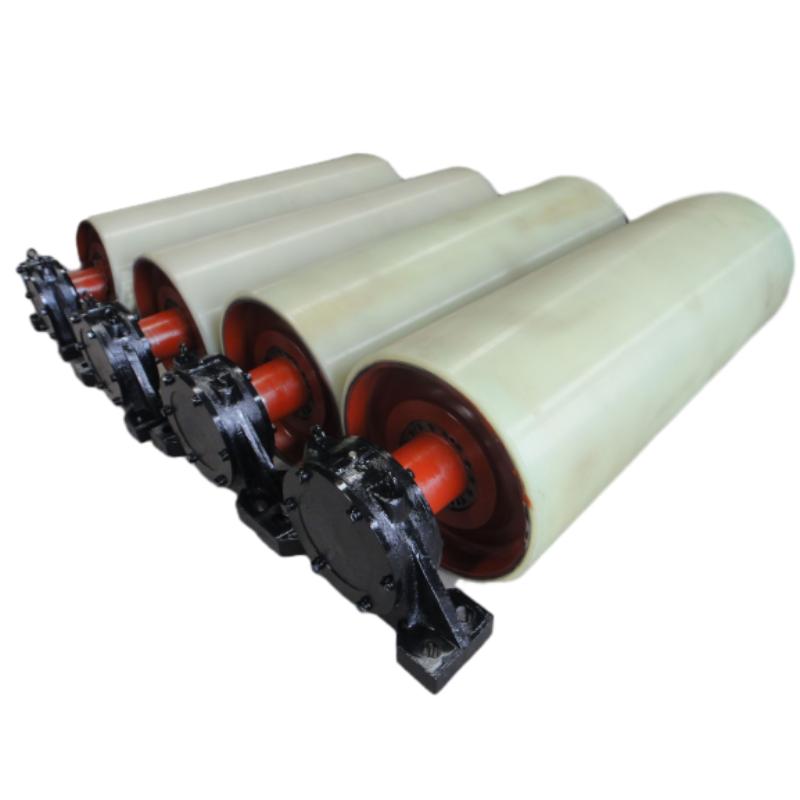
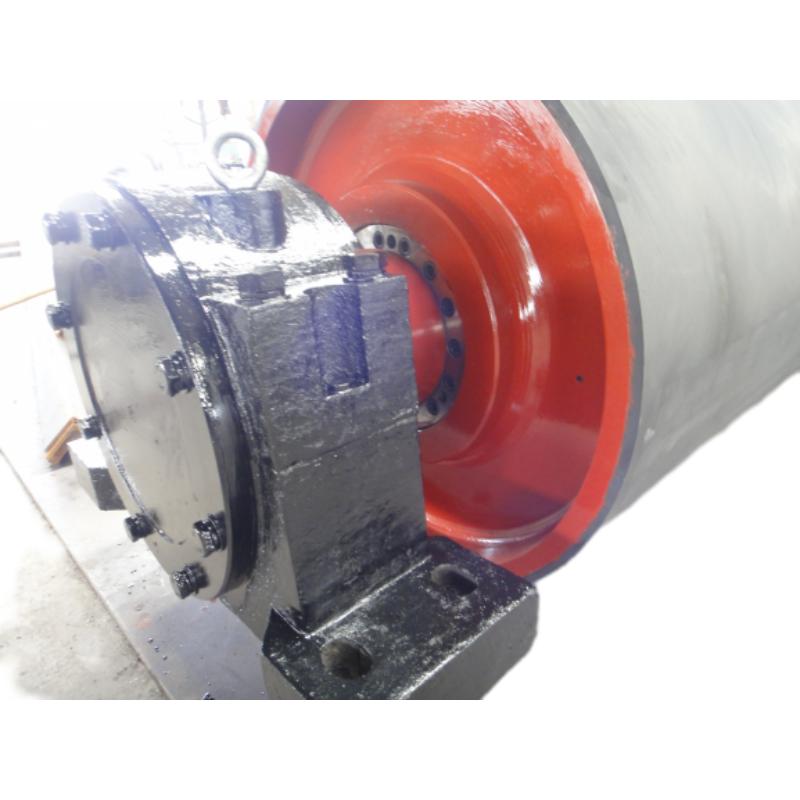
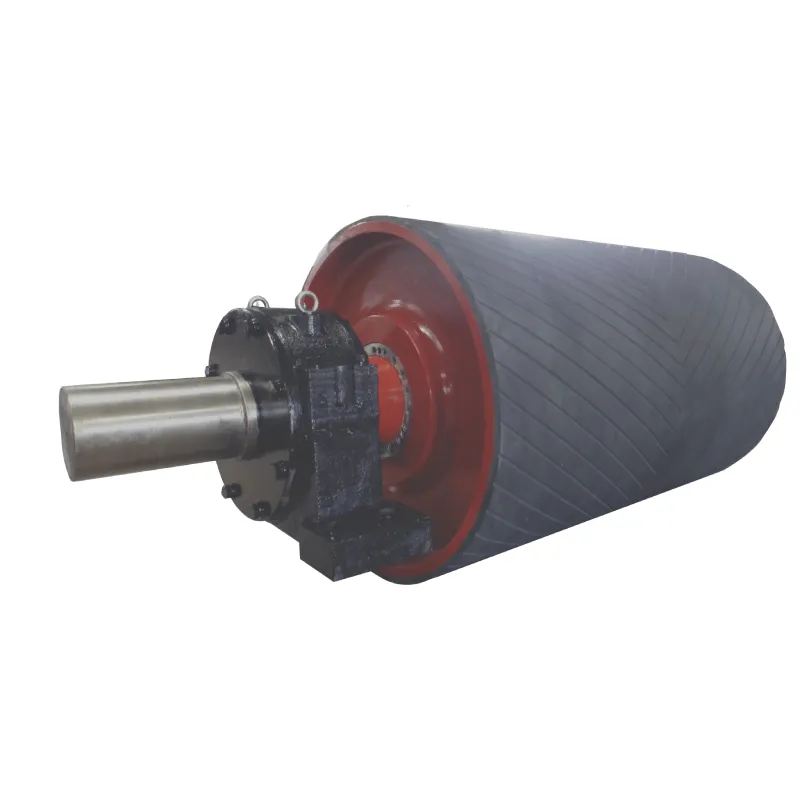
Put simply: a sealed bearing housing is a protective enclosure that holds and supports rolling element bearings, while sealing them against contaminants like dust, water, and grease loss. Think of it as a shield and holder rolled into one — it ensures the bearing spins freely without damage. The “sealed” part is crucial... Without a proper seal, bearings can quickly degrade from environmental exposure. In humanitarian and industrial contexts, a sealed bearing housing can mean the difference between equipment failure during a crisis (think: emergency water pumps) and smooth operation. --- Mini takeaway: Sealed bearing housings protect bearing integrity and extend machine life.Crucial Components of a Sealed Bearing Housing
1. Durability
Sealed bearing housings are made from materials like cast iron, aluminum alloys, or even advanced composites, designed to withstand mechanical stress and corrosion. In rough environments, the housing must shield bearings from shocks and chemicals — durability directly extends maintenance intervals.2. Effective Sealing Technology
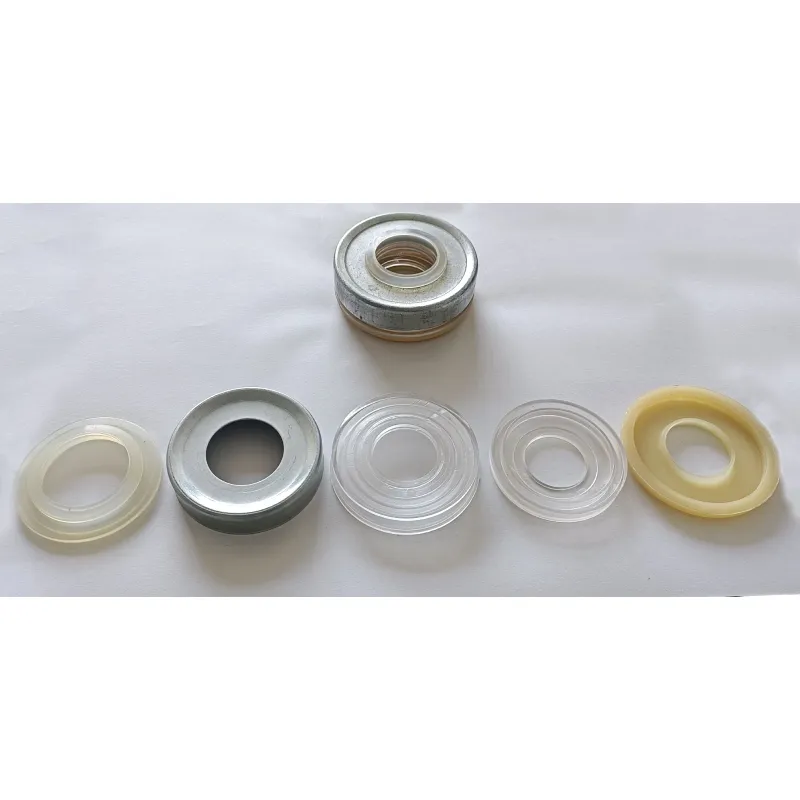
The seals inside influence performance dramatically. Common seals include lip seals, labyrinth seals, or magnetic seals, each with different contamination blocking abilities and friction levels. Engineers often balance sealing with minimal drag for efficiency.3. Ease of Maintenance
Some housings feature clever designs allowing easy inspection and bearing replacement without dismantling entire machines — key to minimizing downtime in large-scale operations.4. Compatibility & Scalability
Manufacturers design sealed bearing housings to fit a range of shaft diameters and load capacities, allowing their use in small robotics or massive mining equipment alike.5. Cost Efficiency
Good sealed bearing housings optimize material use and design for manufacturability — offering a reasonable upfront cost combined with low lifetime expenses by cutting failure rates. --- Mini takeaway: The right material, seal technique, and design make all the difference in performance.Global Applications & Use Cases of Sealed Bearing Housing
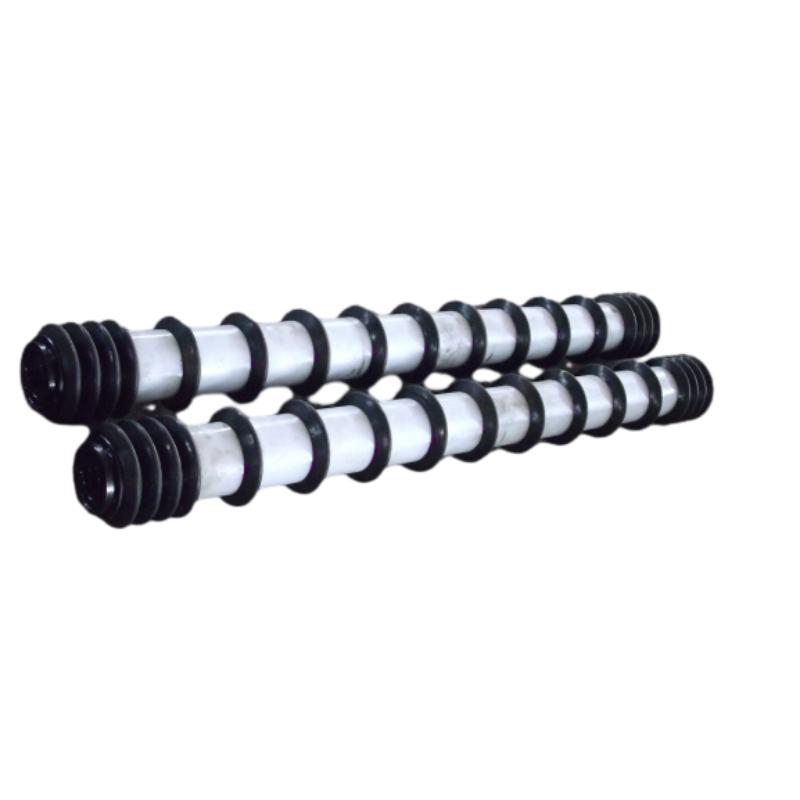
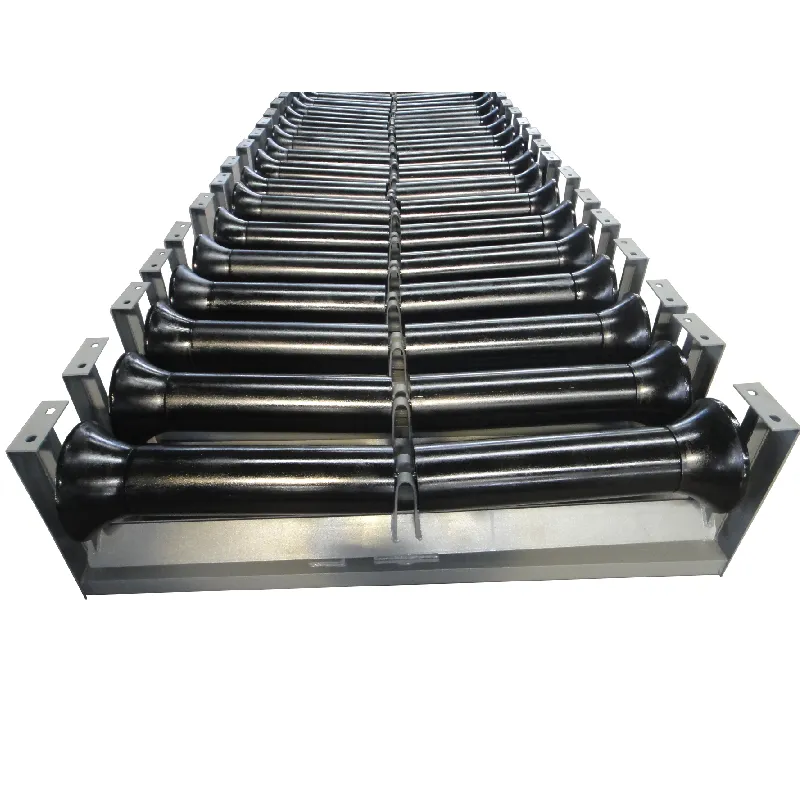
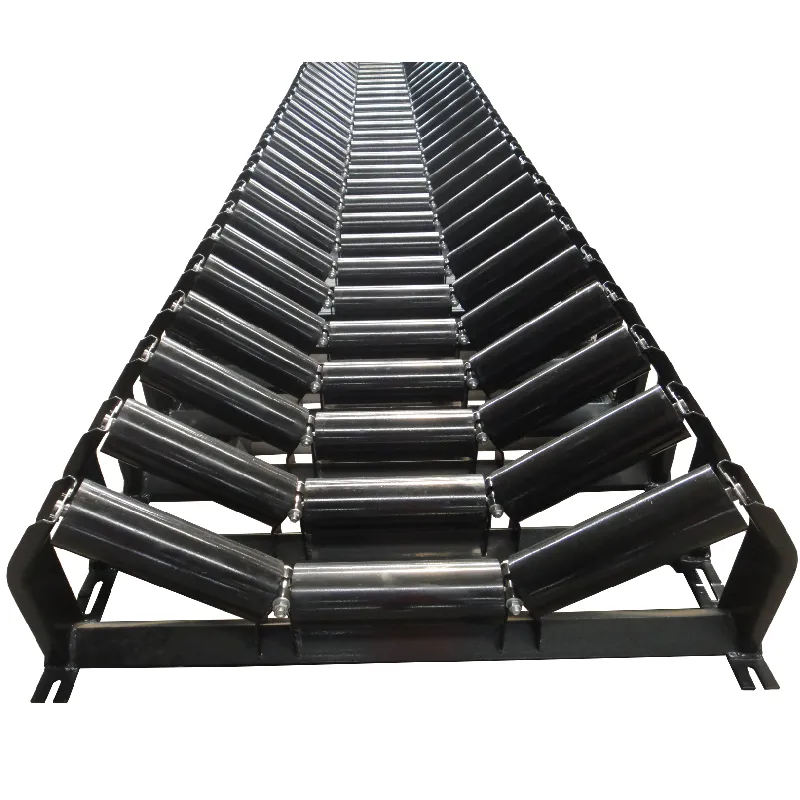
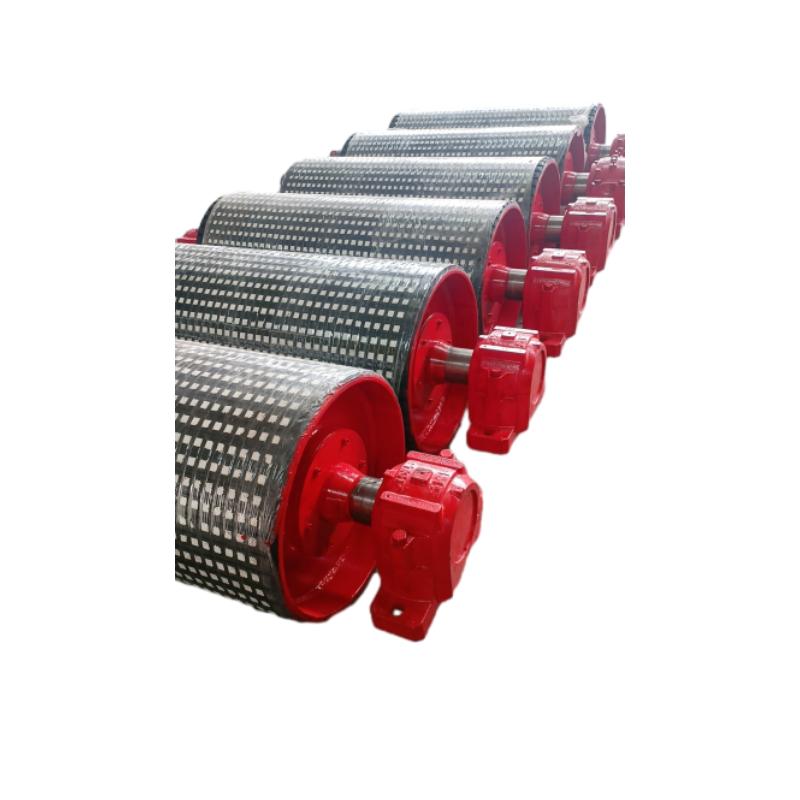
Industrial sectors around the world rely heavily on the sealed bearing housing concept:- Manufacturing Plants: Assemblies and conveyors benefit from sealed bearing housings reducing contamination and extending service life in dusty or oily environments.
- Renewable Energy: Wind turbines use large sealed bearing housings to protect bearings exposed to weather extremes, helping achieve ISO 14001 sustainability goals.
- Mining & Construction: Sealed housings shield machines working under harsh dust and vibration, minimizing unexpected breakdowns.
- Humanitarian Relief: In disaster zones, emergency pumps or generators use sealed bearing housings to operate reliably amid dirt and moisture.
Advantages & Long-Term Value of Sealed Bearing Housing
You might think a little bearing enclosure wouldn’t have much impact — but consider these benefits:- Cost Savings: By safeguarding bearings, equipment runs longer between repairs, slashing maintenance budgets.
- Sustainability Impact: Less waste from failed bearings and lubricants; a small but real carbon footprint reduction.
- Reliability & Safety: Prevents catastrophic failures, crucial in transport and medical equipment.
- Trust & Innovation: Industries see these components as keystones to modern machine design — a mark of quality.
Product Specification Table: Typical Sealed Bearing Housing Features
| Specification | Details |
|---|---|
| Material | Cast Iron, Aluminum Alloy, Composite |
| Seal Type | Labyrinth, Lip, Magnetic Seals |
| Shaft Diameter Range | 10 mm to 150 mm (custom sizes possible) |
| Operating Temperature | -40°C to +150°C (varies by seal and material) |
| Typical Lifespan | 5–15 years depending on use |
| Maintenance | Periodic inspection, lubricant replacement |
Comparing Top Vendors of Sealed Bearing Housing
| Vendor | Material Options | Customization | Global Reach | Typical Lead Time |
|---|---|---|---|---|
| Alpha Bearings Co. | Cast Iron, Aluminum | Standard + Custom Sizes | North America, Europe, Asia | 4–6 weeks |
| Beta Tech Seals | Composite Materials | Fully Custom Seal Designs | Europe, Middle East | 6–8 weeks |
| Gamma Industrial Ltd. | Cast Iron, Stainless Steel | Modular & Scalable Housings | Global | 3–5 weeks |
Future Trends & Innovations in Sealed Bearing Housing
Technology marches on. Engineers are now developing self-lubricating sealed bearing housings, using special polymer materials that reduce maintenance to nearly zero. The rise of Industry 4.0 also means sensor-integrated housings that monitor bearing health in real time, alerting operators before failure — a small piece of that digital transformation puzzle. On the environmental front, companies focus on eco-friendly materials and designs that allow full recyclability or use of bio-based composites. Oddly enough, while the housing seems so straightforward, these innovations can drastically affect machinery sustainability for decades. --- Mini takeaway: Expect smarter, greener sealed bearing housings to lead the next industrial leap.Challenges & Practical Solutions
No product is perfect. Some common issues with sealed bearing housings include:- Seal Wear: Over time, seals degrade and allow contaminants in.
- Customization Costs: Tailoring housing for unique applications can be expensive.
- Extreme Environments: High temperatures or corrosive chemicals test material limits.
FAQ: Your Top Questions About Sealed Bearing Housing
Q1: How does sealed bearing housing improve machine reliability?
A1: By protecting the bearing from dust, moisture, and lubricant leaks, the sealed housing drastically reduces wear and tear, which translates to fewer breakdowns and longer machine life.
Q2: Can sealed bearing housings be customized for unusual shaft sizes?
A2: Absolutely. Most vendors offer tailored solutions or modular designs that fit varying shaft diameters and load requirements, though customization may affect lead time and cost.
Q3: What maintenance is needed for sealed bearing housings?
A3: Routine inspection for seal integrity and lubricant replacement is standard. Modern self-lubricating housings reduce this need, but periodic checks remain best practice.
Q4: Are sealed bearing housings environmentally friendly?
A4: Yes, because they extend equipment lifespan and often reduce lubricant leakage, they help lower waste and environmental hazard from machine failures.
Q5: Where can I learn about sourcing sealed bearing housings internationally?
A5: Industry platforms and vendor websites like sealed bearing housing suppliers offer guidance on import regulations, certifications, and logistics support for global customers.
Wrapping It Up: Why Sealed Bearing Housing Deserves Your Attention
At first glance, sealed bearing housings might seem a mere footnote in industrial design. But that’s the beauty — by focusing on this often-overlooked piece, manufacturers and engineers unlock genuine performance gains, cost savings, and environmental benefits. It’s a small but mighty piece of tech with global stages, from remote disaster zones to modern factories. For those intrigued to delve deeper or source quality components, visit https://www.idleraohua.com and explore options tailored for robust industrial needs. --- ### References 1. ISO, "Rolling bearings — Terms, definitions and symbols", https://www.iso.org/standard/57969.html 2. World Bank Data, Manufacturing Value Added (Current US$), https://data.worldbank.org/indicator/NV.IND.MANF.CD 3. Wikipedia, Bearing (mechanical), https://en.wikipedia.org/wiki/Bearing_(mechanical)-
Maximize Conveyor Life with a High Performance impact bedNewsApr.16,2026
-
Maximize Conveyor Efficiency Using a v plow belt scraperNewsApr.09,2026
-
Comprehensive Guide to Understanding Different Types of Belt CleanersNewsApr.07,2026
-
Enhancing Conveyor Efficiency with an Effective Scraper Belt CleanerNewsApr.04,2026
-
Optimizing Conveyor Systems with Advanced Cleaning Equipment SolutionsNewsMar.31,2026
-
Effective Conveyor Belt Scraper Adjustment for Optimal System PerformanceNewsMar.28,2026