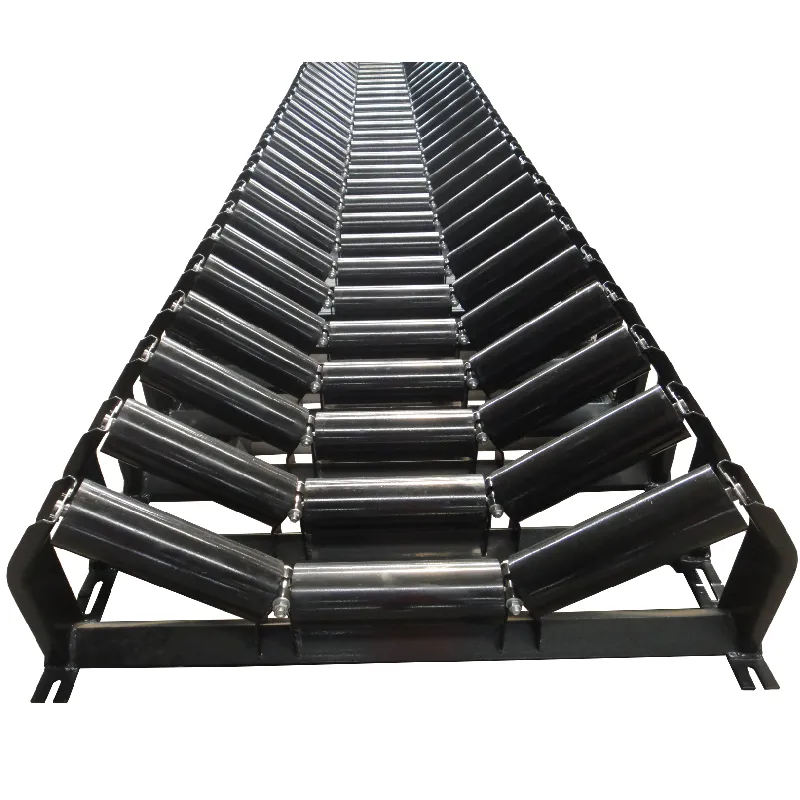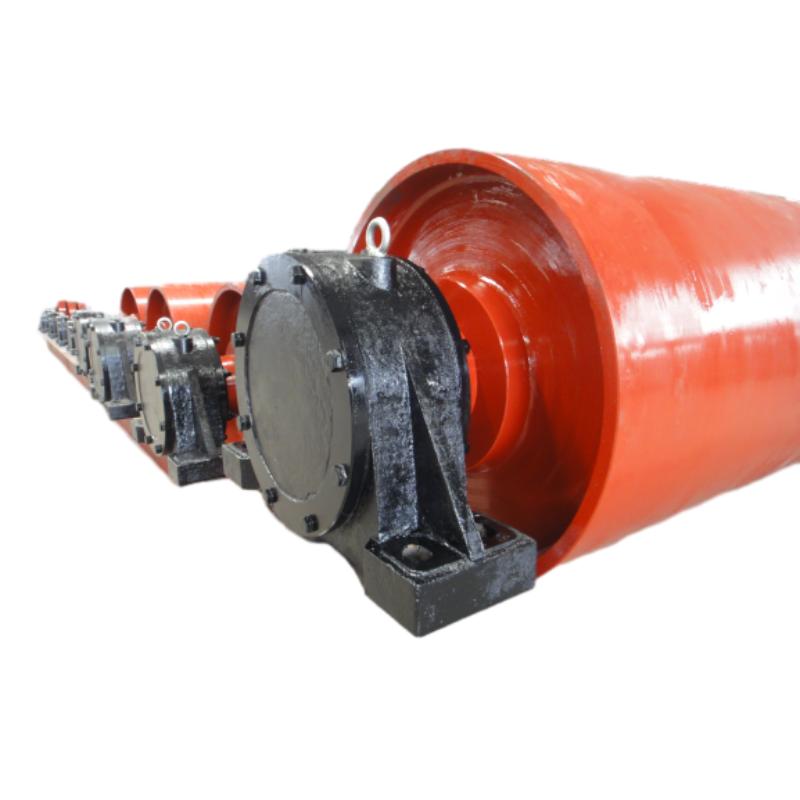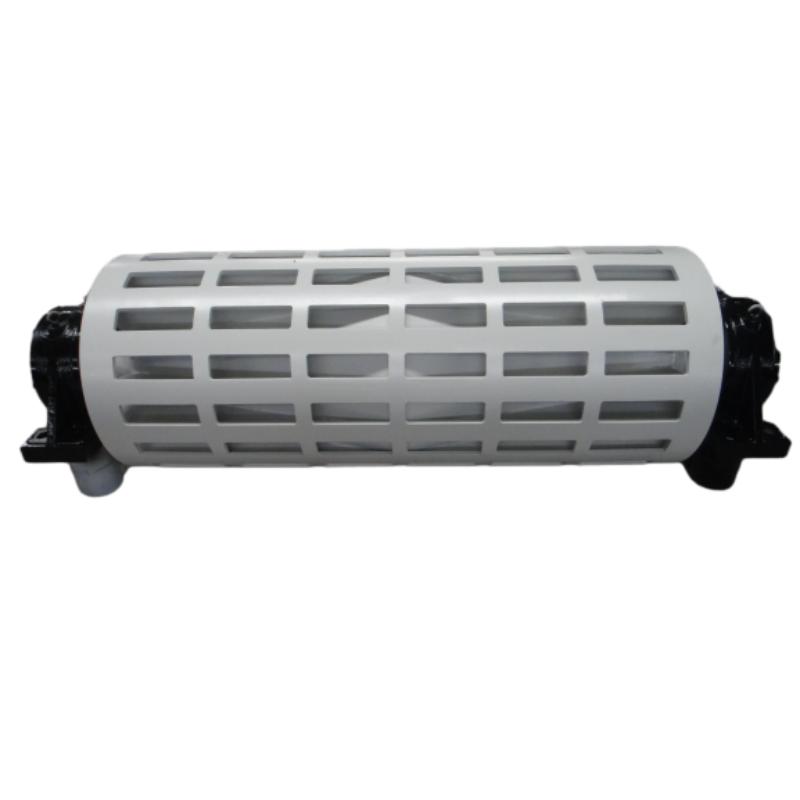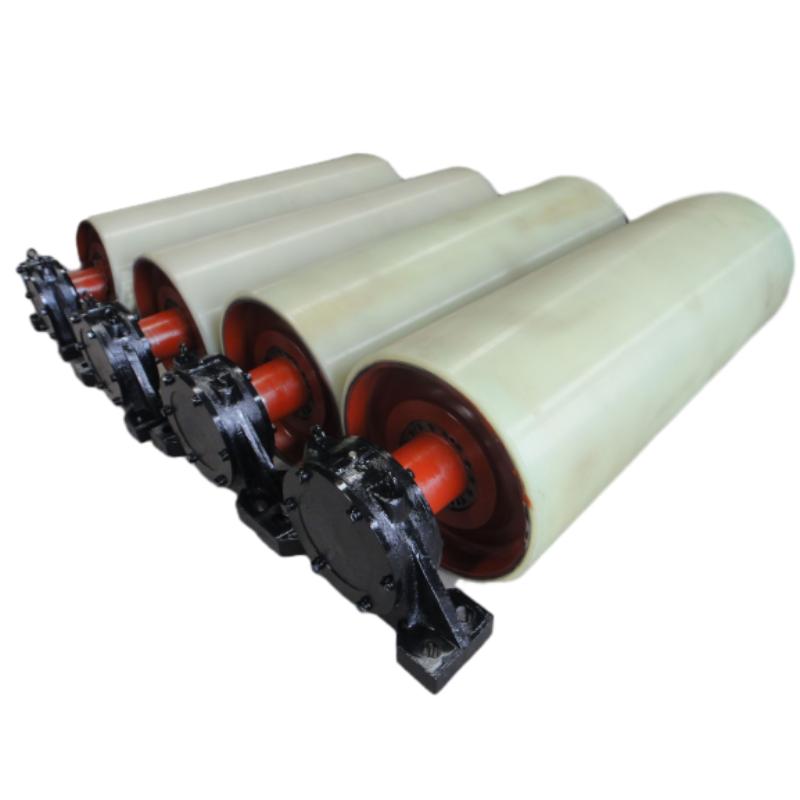


Understanding Plastic Roller Price: Global Insights & Industrial Applications
Understanding Plastic Roller Price: Why It Matters in Today's Industrial Landscape
When you first stumble upon the term plastic roller price, it might seem like just another line item on a procurement sheet. But don’t be fooled—plastic rollers are quietly pivotal components in industries ranging from packaging to manufacturing. Knowing their price dynamics isn’t just about budgeting; it’s about optimizing efficiency, sustainability, and innovation on a global scale.
Oddly enough, the world’s ongoing push toward automation and green manufacturing has thrust plastic rollers into the spotlight, making cost understanding a serious business. And there’s a lot more going on behind those numbers than meets the eye.
Global Industry Context: Why Plastic Roller Costs Are More Relevant Than Ever
Across the globe, the industrial sector is evolving rapidly. According to the International Organization for Standardization (ISO), the manufacturing output worldwide has steadily increased by roughly 3.8% annually over the past decade. At the same time, supply chain disruptions, environmental regulations, and material shortages have combined to create complex price fluctuations––particularly for components like plastic rollers.
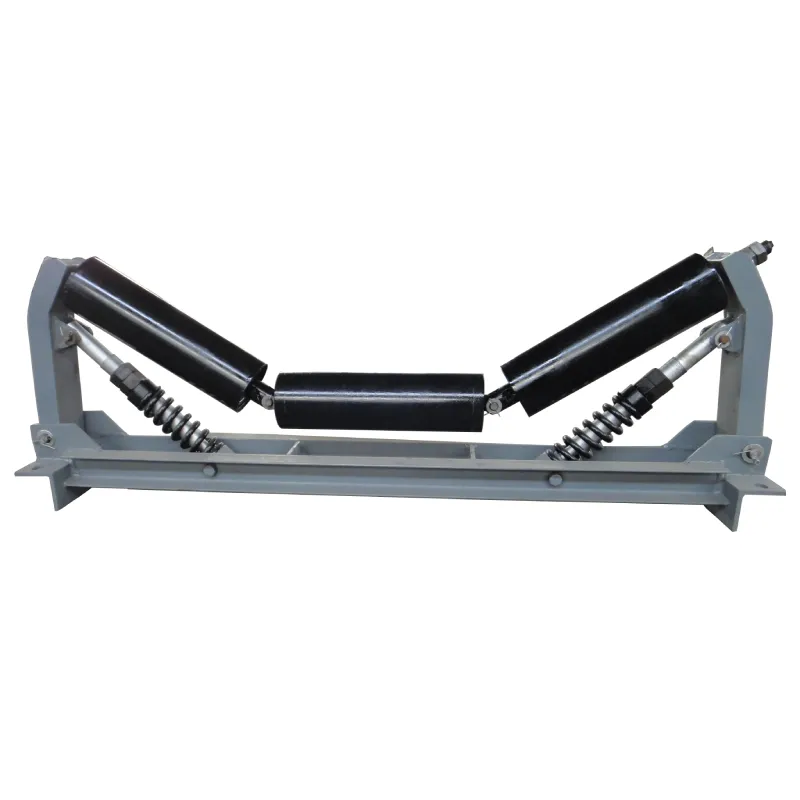
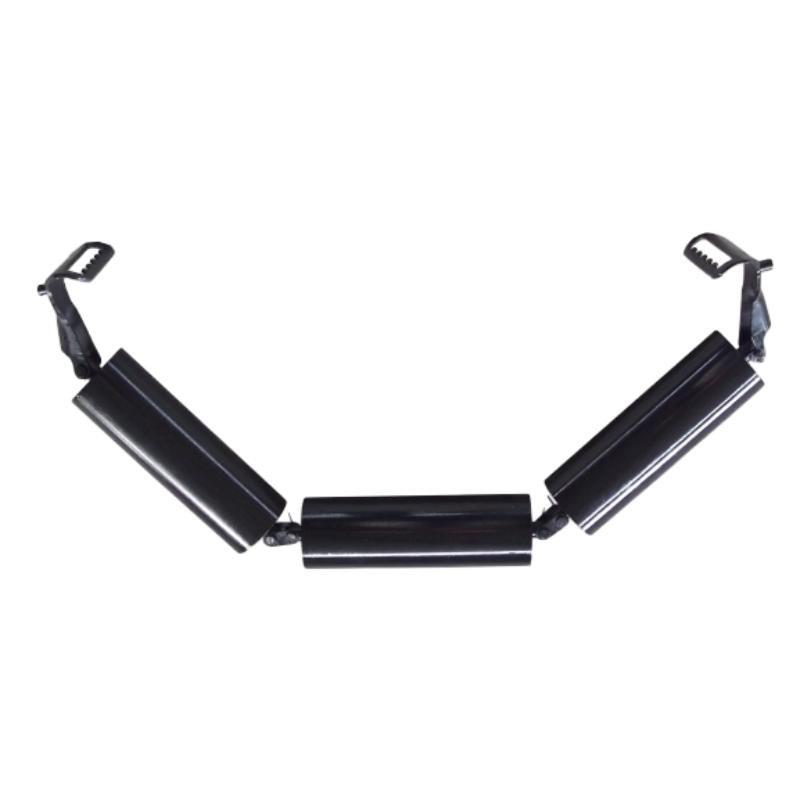
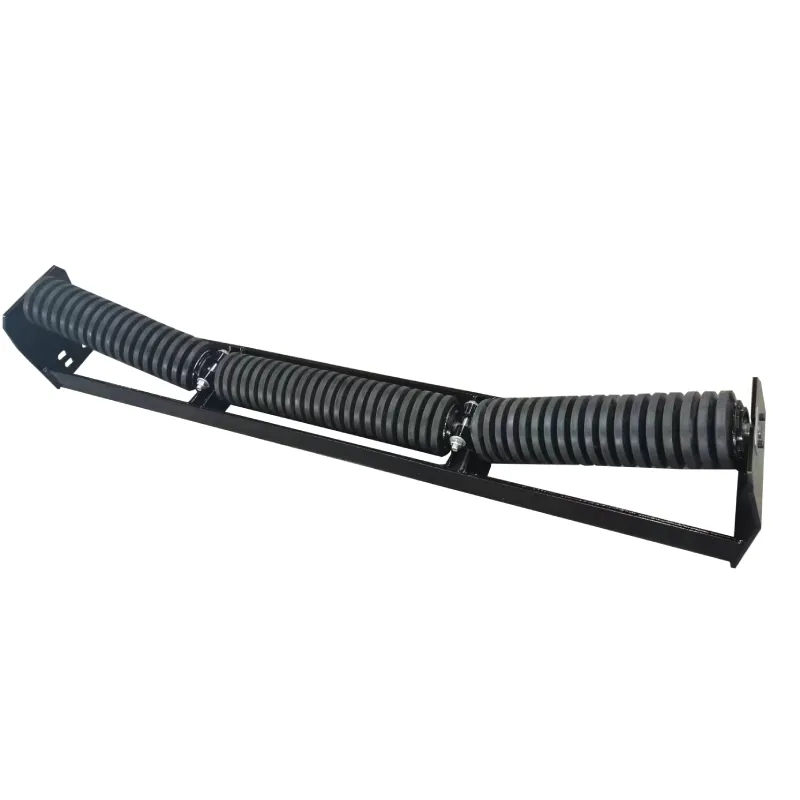
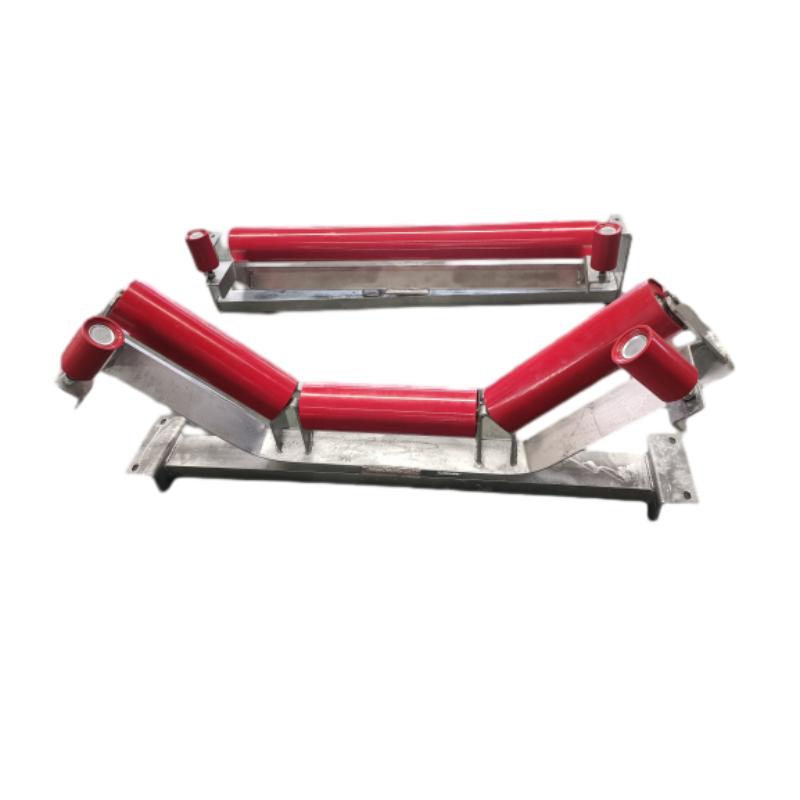
Plastic rollers serve crucial roles in conveyor systems, printing, textile processing, and even humanitarian logistics. But with rising resin costs, new sustainability policies, and the push for recyclable or bio-based alternatives, understanding plastic roller price is no mere curiosity—it's a necessary step for industrial planners and managers striving to keep operations both cost-effective and future-proof.
Key Challenges
- Raw material volatility (especially petroleum-based plastics)
- Environmental compliance impacting manufacturing methods
- Demand for longer-lasting, lightweight, low-maintenance rollers
- Global trade barriers affecting import/export pricing
Plastic Roller Price Explained: What Is It Really?
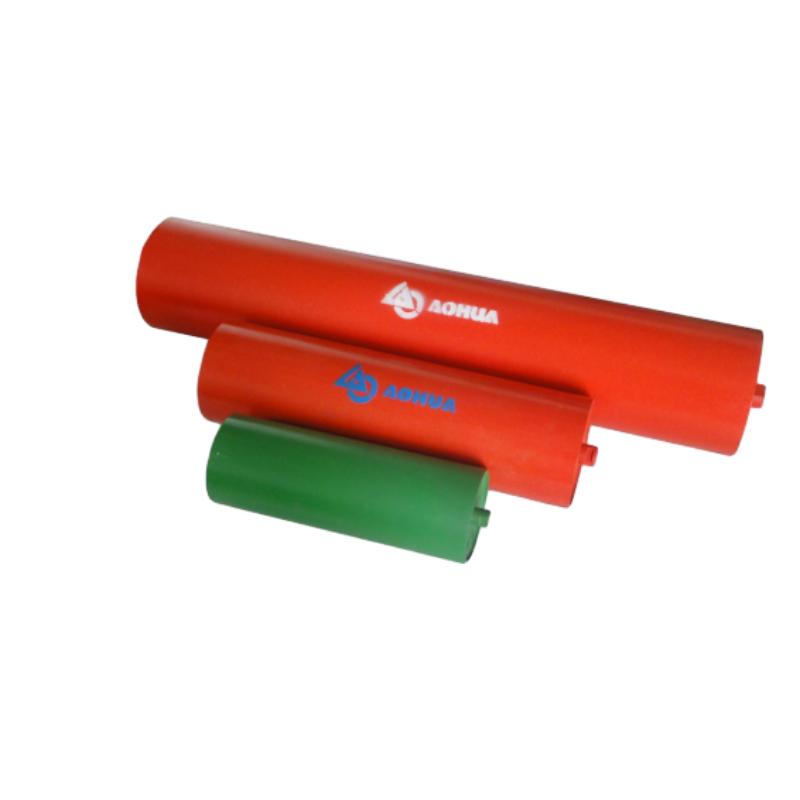
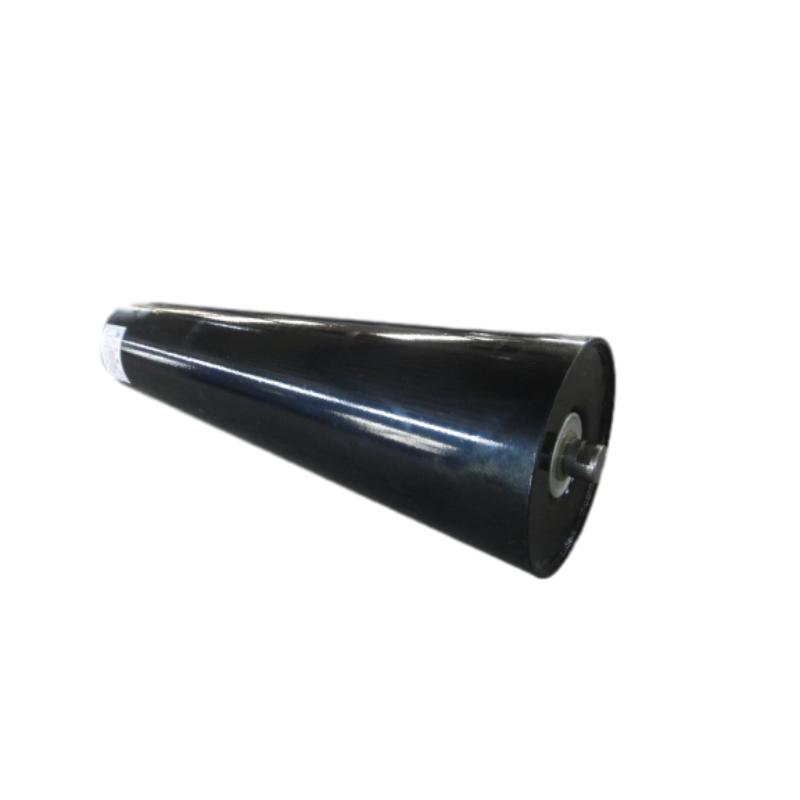
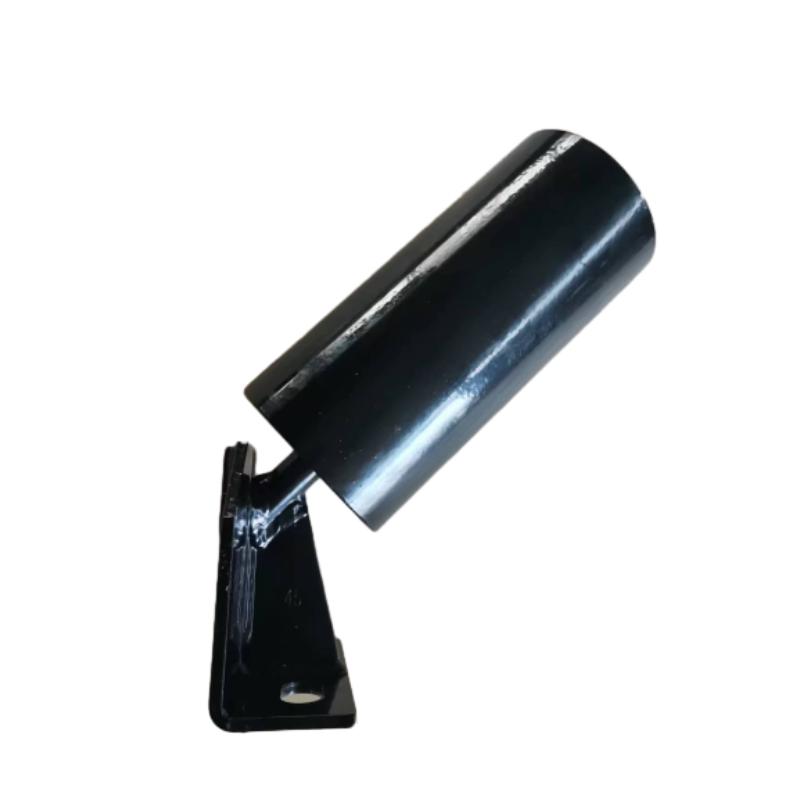
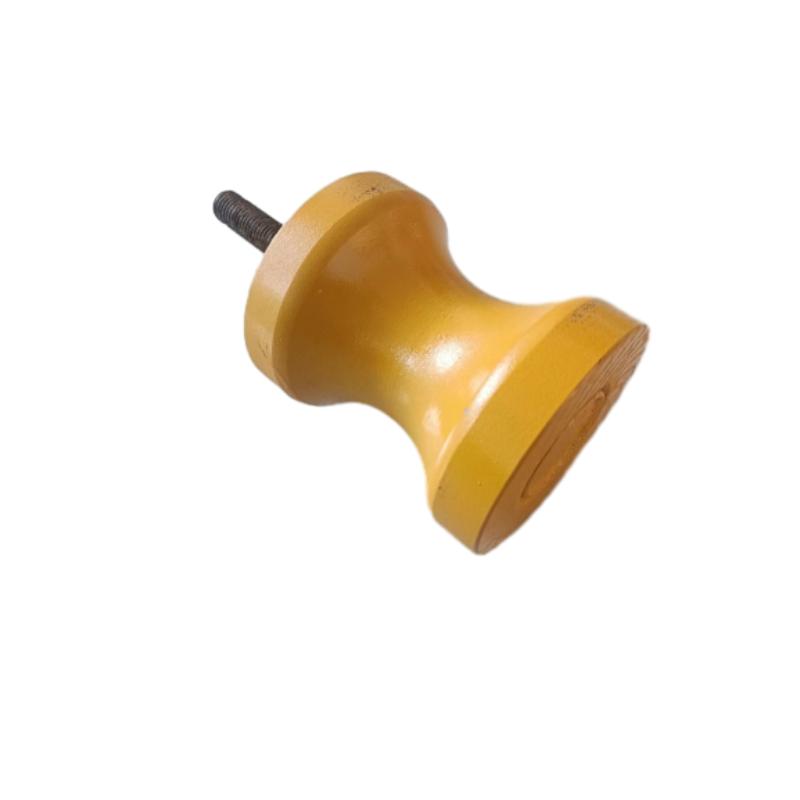
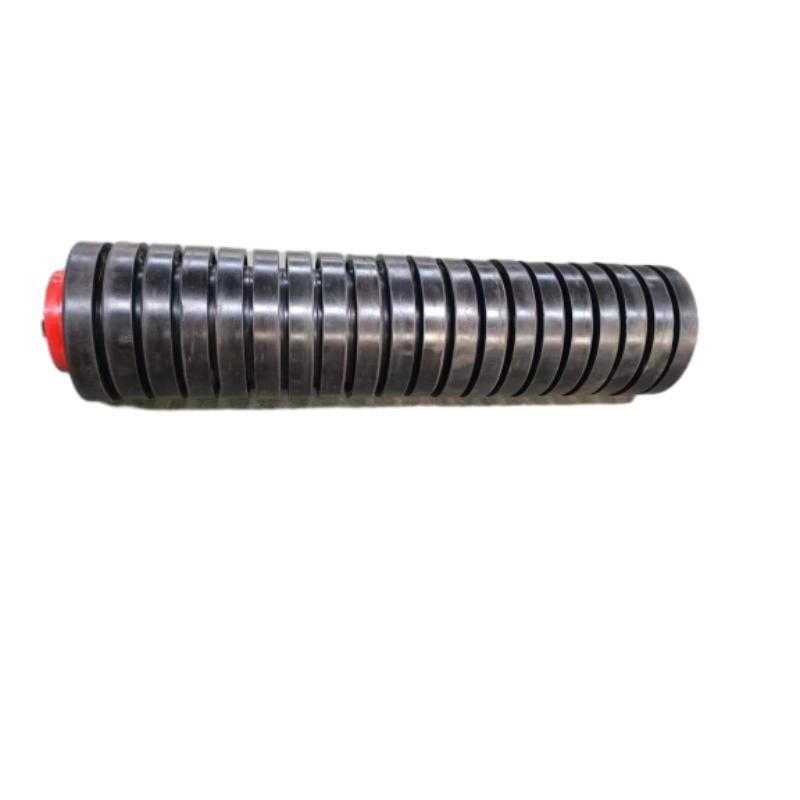
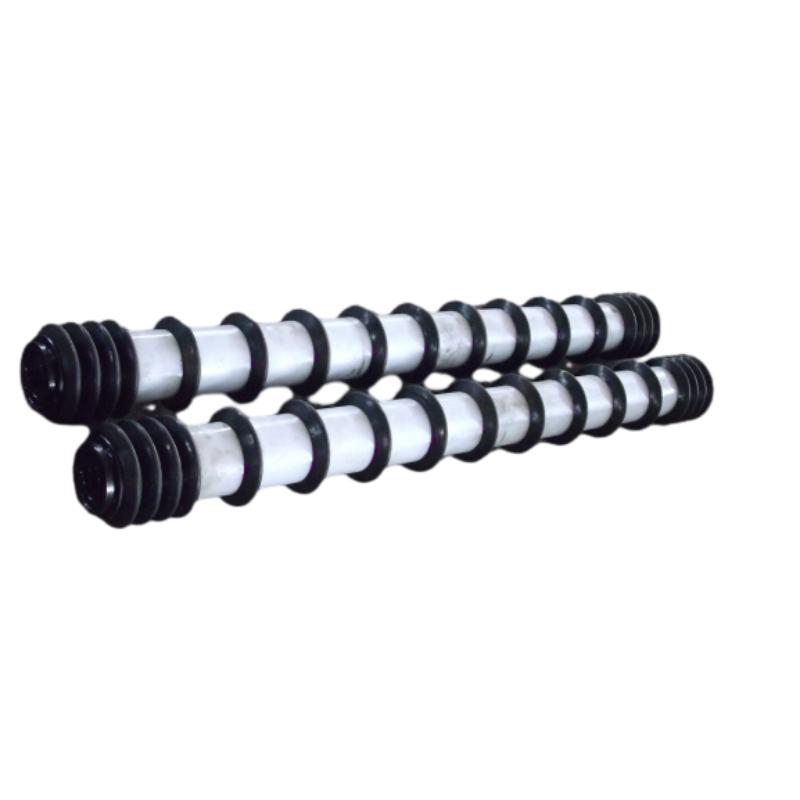
At its core, plastic roller price refers to the cost associated with manufacturing or purchasing a roller made predominantly from plastic materials. These rollers are essential mechanical components, found inside conveyor belts, printers, and machinery where they facilitate smooth movement of products or materials.
Unlike their metal counterparts, plastic rollers offer benefits like reduced weight, corrosion resistance, quieter operation, and sometimes even lower production costs. This price, however, can vary depending on factors such as material type, dimensions, manufacturing process, and additional coatings or treatments.
Moreover, beyond the simple dollar amount, the plastic roller price also ties into industrial needs—high endurance for continuous operations, compliance with hygiene standards in food or pharmaceutical industries, or adaptability for harsh environments. Understanding cost isn’t just a numbers game; it's about understanding what delivers value over time.
What Drives Plastic Roller Price? Key Components to Consider
1. Material Composition
The most common plastics used include Nylon (PA), Polyurethane (PU), Polyethylene (PE), and Polypropylene (PP). Each has distinct costs influenced by raw material availability and processing complexity. For example, PU rollers tend to be pricier due to their durability and cushioning properties.
2. Durability and Load Capacity
Plastic rollers designed for heavy load-bearing or high-speed operations require specialized engineering, usually affecting the price. Reinforced plastics or composite rollers come at a premium but pay off with longer service life.
3. Manufacturing Process
Injection molding, extrusion, or CNC machining all vary in cost and scalability. Small batch custom rollers often command higher prices than mass-produced standard sizes.
4. Environmental Compliance and Certifications
Food-grade or FDA-approved plastic rollers, or those certified for clean-room environments, may cost more due to additional quality controls and materials.
5. Customization & Additional Features
Coatings, bearings, shaft lengths, and color-coding can influence price, especially when tailored for specific industry requirements.
Real-World Applications of Plastic Rollers Across the Globe
Industries from Asia’s vast electronics assemblers to Europe’s food packaging giants rely heavily on plastic rollers to optimize throughput. Let’s look at a few practical scenarios:
- Post-Disaster Relief: NGOs deploying modular plastic roller conveyor systems in emergency warehouses for swift logistics, where cost and durability intersect critically.
- Remote Mining Operations: Lightweight plastic rollers used in conveyor belts that minimize maintenance downtime under harsh conditions.
- Pharmaceutical Manufacturing: Hygiene-certified rollers ensure contamination-free movement of delicate products.
- Automotive Assembly Lines: Custom polyurethane rollers that withstand high speeds and sustained pressure, prolonging equipment lifetime.
Oddly enough, the versatility of plastic rollers also makes them a favorite in emerging markets that value affordability and ease of replacement.
Plastic Roller Price: Advantages & Long-Term Value
Beyond the obvious upfront cost, several long-term benefits make plastic rollers a smart investment:
- Cost Efficiency: Generally lower initial cost than metal rollers, with less energy needed for operation thanks to lighter weight.
- Sustainability: Increasing availability of recyclable and bio-based plastics reduces environmental footprint.
- Reliability & Safety: Resistance to corrosion and chemical exposure helps maintain consistent performance in tough environments.
- Innovation & Trust: Advanced plastic formulations allow customization that keeps industries competitive and innovative.
There’s also an emotional element at play — workers notice quieter and smoother rolling components, improving workplace comfort. And for end clients, less downtime means higher trust in suppliers and manufacturers.
What’s Next? Future Trends Influencing Plastic Roller Prices
The material science behind plastic rollers is advancing quickly. Here’s what to watch:
- Green Materials: More companies are exploring biodegradable polymers and recycled plastics to reduce cost and environmental impact.
- Smart Rollers: Embedded sensors to monitor wear and tear, predicting replacements before failures occur.
- Automation & Digital Integration: Integration with IoT platforms for real-time operational data influencing procurement decisions.
- Policy Shift: Upcoming environmental regulations could shift production to more eco-friendly methods, impacting costs.
While these trends may cause some price surges initially, they promise greater value overall by aligning with real-world demands and regulatory frameworks.
Challenges and How Industry is Tackling Them
Not all is smooth sailing. Price fluctuations can disrupt supply chains or stall project plans. Plastic rollers may sometimes underperform under extreme loads compared to steel versions. Also, environmental stress cracking or UV degradation can shorten lifespan.
Experts suggest approaches like:
- Hybrid rollers combining plastics with metal reinforcements
- Third-party testing and certifications to guarantee quality at volume
- Flexible supply agreements ensuring price stability amid raw material volatility
- Localized production hubs to reduce shipping costs and delays
Industry players are innovating in materials chemistry and supply chain management to offer better pricing predictability without compromising reliability.
Product Specification at a Glance
| Specification | Standard Range | Notes |
|---|---|---|
| Material | Nylon (PA), PU, PE, PP | Varies by application and durability needs |
| Load Capacity | Up to 1500 kg | Custom designs available for heavier loads |
| Diameter | 50 mm – 200 mm | Standard sizes; custom orders accepted |
| Certification | FDA, ISO 9001 | Food and industrial standards compliant |
| Surface Finish | Smooth, grooved, coated | Depends on application needs |
Vendor Comparison: How Do Leading Plastic Roller Suppliers Stack Up?
| Supplier | Typical Price Range (USD) | Materials Offered | Lead Time | Certifications |
|---|---|---|---|---|
| RollTek Industries | $15 – $50 | Nylon, PU | 2–3 weeks | ISO 9001, FDA |
| PolyRoll Solutions | $20 – $65 | PU, PE, PP | 3–4 weeks | ISO 14001, FDA |
| EcoRollers Inc. | $18 – $55 | Recycled Plastics, PU | 4–6 weeks | ISO 9001, Green Seal |
| Global PlastRoll | $25 – $70 | Nylon, PU, Bioplastics | 1–2 weeks | ISO 9001, FDA, REACH |
Frequently Asked Questions About Plastic Roller Price
Q: What factors most influence the plastic roller price?
A: The biggest drivers include the type of plastic used, roller size, manufacturing techniques (injection molding vs. machining), certifications required (like FDA or ISO), and any custom features such as coatings or embedded bearings.
Q: How does plastic roller price compare to metal rollers?
A: Plastic rollers usually cost less upfront and offer benefits like lower weight and corrosion resistance. Yet, metal rollers may still outperform in extremely heavy-duty or high-temperature environments, potentially justifying their higher price for some industries.
Q: Can plastic rollers be ordered in custom sizes or materials?
A: Absolutely. Most vendors provide customizable options, though this typically raises the price and extends lead times. Custom orders are common for specialized industrial needs.
Q: How can companies ensure they’re getting a fair plastic roller price?
A: Comparing quotes from certified suppliers, understanding specifications clearly, and considering total cost of ownership (not just upfront price) usually result in more informed purchasing decisions.
Q: Do eco-friendly plastic rollers cost more?
A: Sometimes, yes. Bio-based or recycled materials can carry a premium due to production costs and certifications. However, increasing demand and improvements in technology are narrowing this gap.
Conclusion: Navigating Plastic Roller Price for Long-Term Advantage
In the grand scheme, getting a grip on plastic roller price is far from trivial. It’s about balancing cost, durability, innovation, and sustainability — crafting solutions that endure and perform. Whether you’re managing a high-speed packaging line or outfitting a disaster relief center, the right plastic roller choice can be a game-changer.
So, next time you glance at that line item on your bill or budget, remember there’s a lot packed in behind those dollars. Complexity, expertise, and a little bit of industrial magic…
Curious to learn more or source quality plastic rollers? Visit us at https://www.idleraohua.com — your partner in plastic roller solutions.
References:
-
Maximize Conveyor Life with a High Performance impact bedNewsApr.16,2026
-
Maximize Conveyor Efficiency Using a v plow belt scraperNewsApr.09,2026
-
Comprehensive Guide to Understanding Different Types of Belt CleanersNewsApr.07,2026
-
Enhancing Conveyor Efficiency with an Effective Scraper Belt CleanerNewsApr.04,2026
-
Optimizing Conveyor Systems with Advanced Cleaning Equipment SolutionsNewsMar.31,2026
-
Effective Conveyor Belt Scraper Adjustment for Optimal System PerformanceNewsMar.28,2026