

Discover How Plastic Pipe Rollers Enhance Pipeline Installation Efficiency and Sustainability
Unlocking the Power of Plastic Pipe Rollers: Why They Matter More Than You Think
At first glance, plastic pipe rollers might seem like a small cog in the massive machinery of infrastructure and industry. But here's the kicker: these little components play a huge role in the global movement and installation of piping — essential for everything from water supply systems to oil and gas pipelines. Understanding them isn't just about gears and rollers; it's about innovation, sustainability, and efficiency across continents.
Globally, vast pipelines snake beneath cities and over mountains, delivering life’s essentials and economic lifeblood. According to the International Energy Agency (IEA), the global pipeline network spans over 2 million kilometers, and the installation methods for these pipelines are increasingly innovating to meet demand. Enter plastic pipe rollers: a crucial, often overlooked technology that makes pipe deployment smoother, safer, and faster.
Mini takeaway: Plastic pipe rollers quietly impact global infrastructure through improved installation, helping to deliver resources reliably.
Plastic Pipe Rollers in Context: The Global Infrastructure Challenge
Pipe installations are foundational in modern society—from providing drinking water in remote villages to distributing natural gas across continents. The U.N. estimates that around 2.2 billion people still lack safely managed drinking water, which places high pressure on pipeline projects worldwide to accelerate development in challenging terrains.
Traditional pipe handling methods are often bulky, heavy, and susceptible to damage, especially on-site. This is where plastic pipe rollers come into play, guiding pipes efficiently through installation processes with reduced friction and fewer manual interventions.
What makes this relevant globally is the dual need for cost-efficiency and durability paired with environmental responsibility. Plastic rollers meet these demands by being lightweight and corrosion-resistant, cutting downtime and maintenance.
Mini takeaway: These rollers offer solutions for urgent global infrastructure needs by simplifying complex pipe deployments.
What Exactly Are Plastic Pipe Rollers?
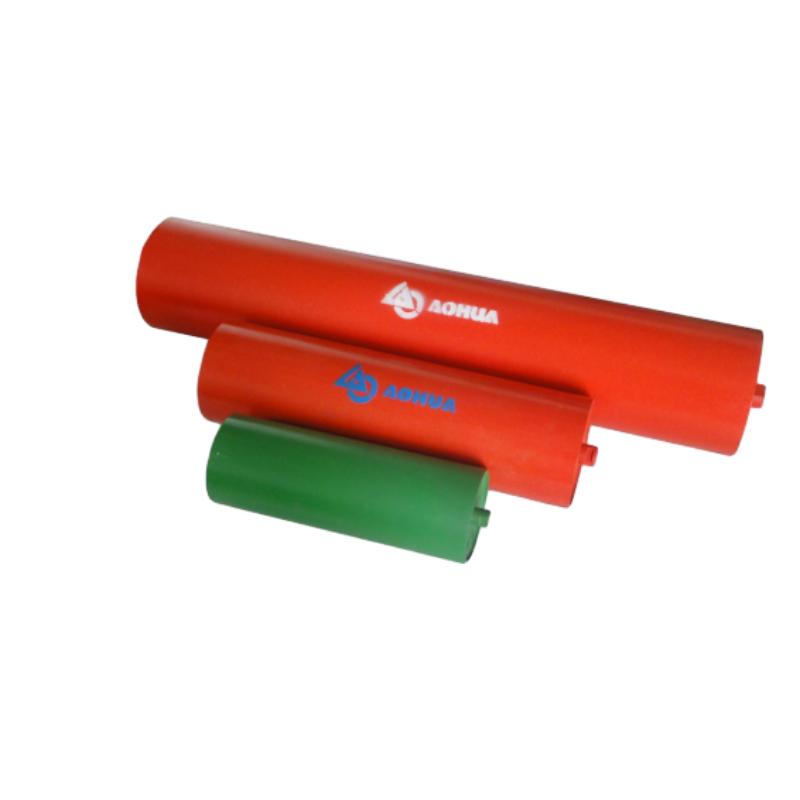
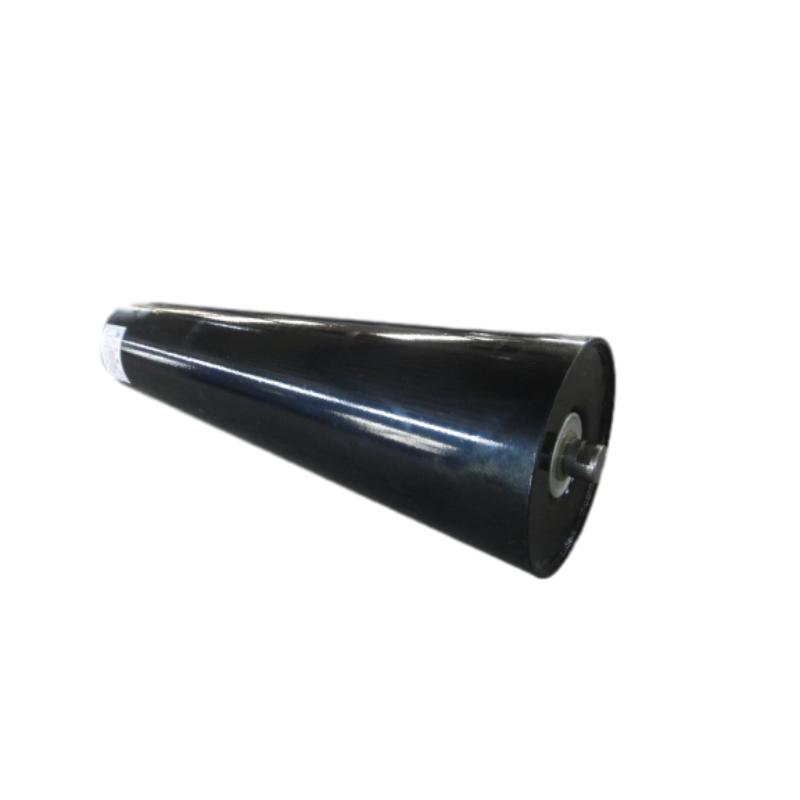
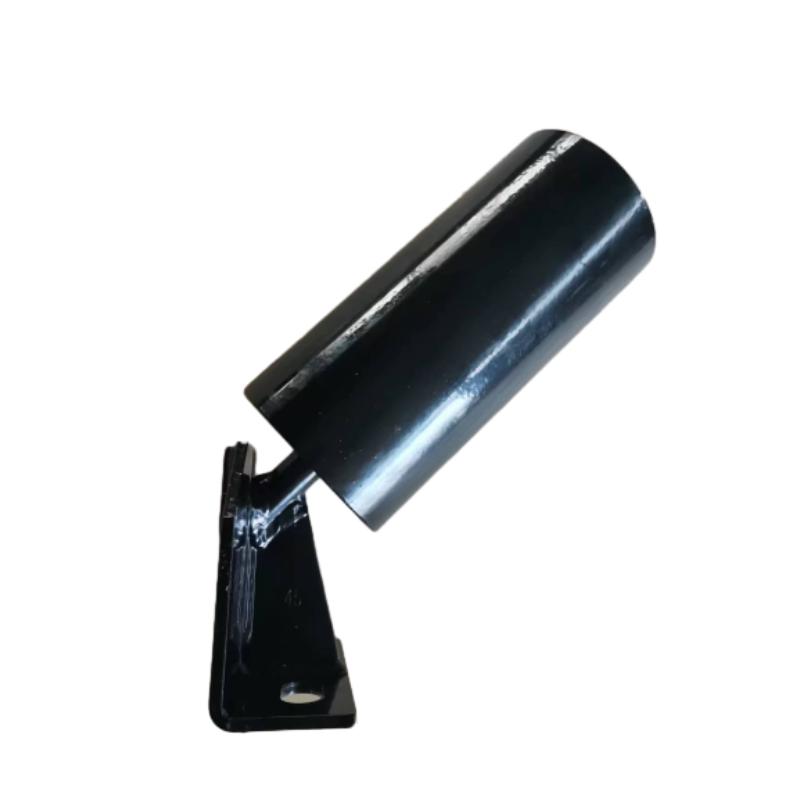
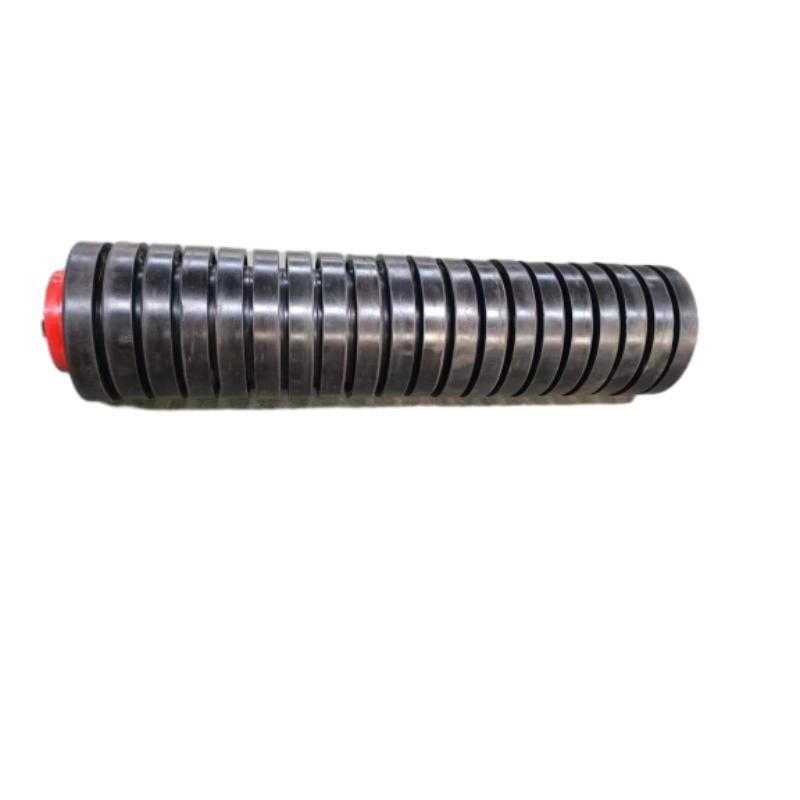
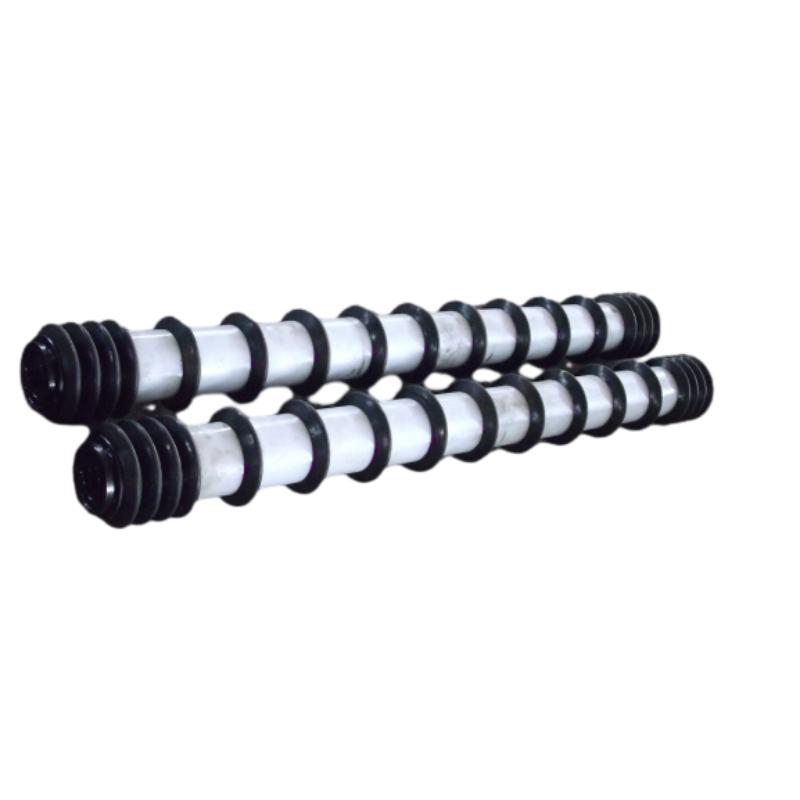
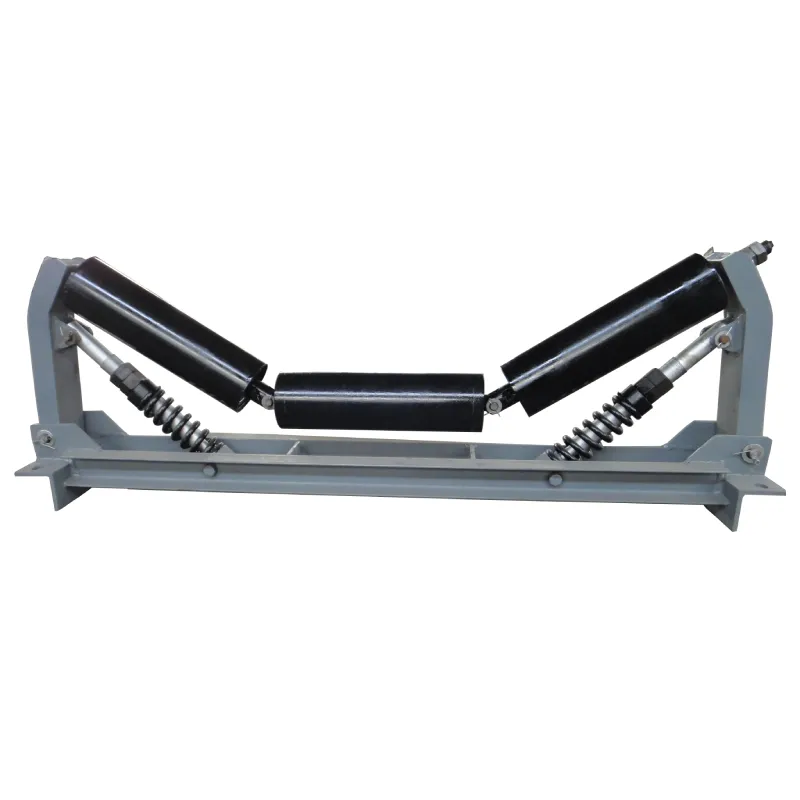
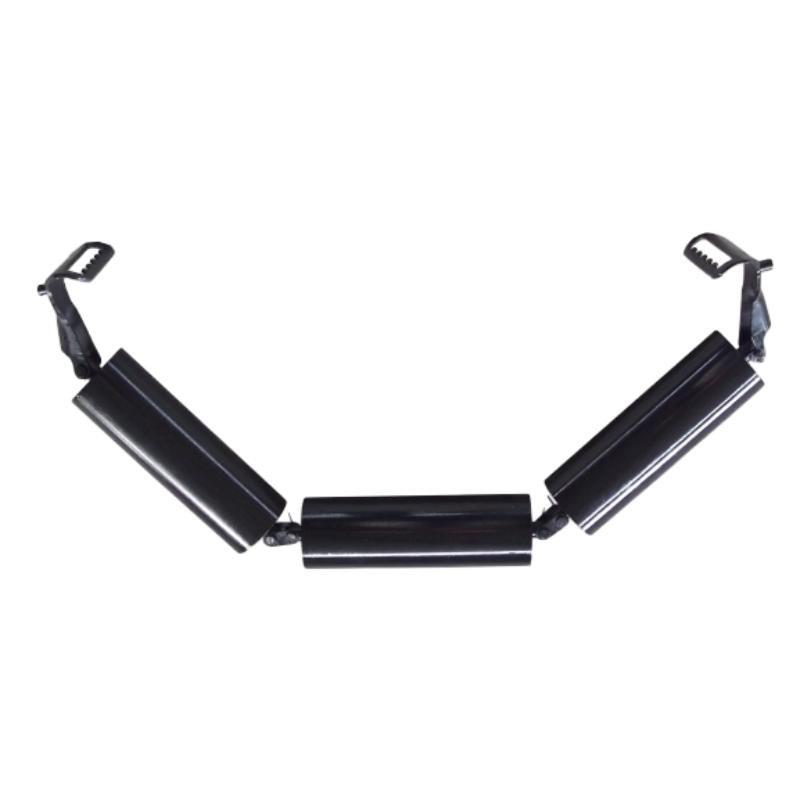
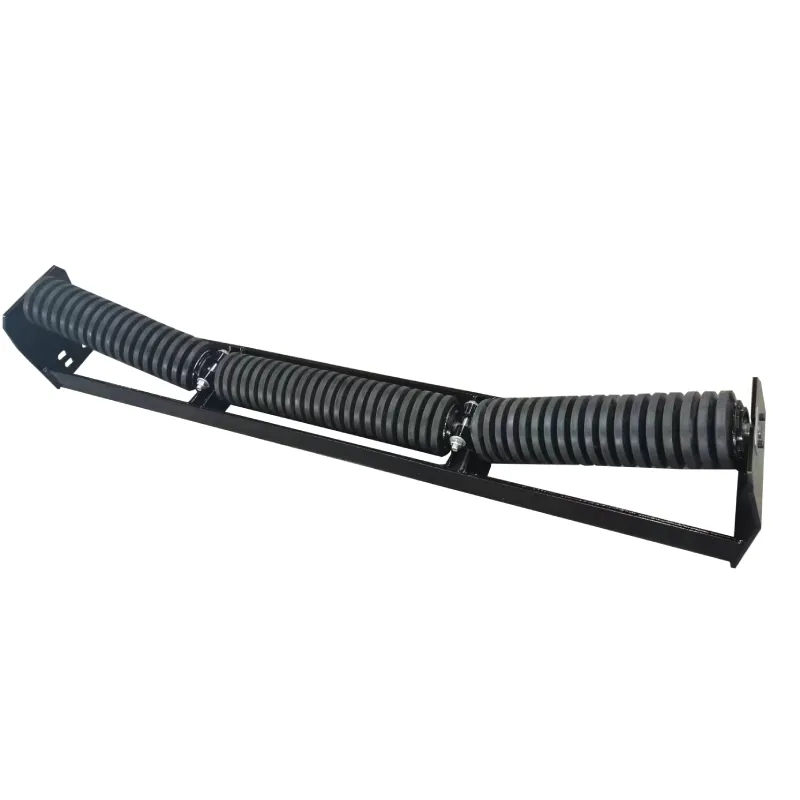
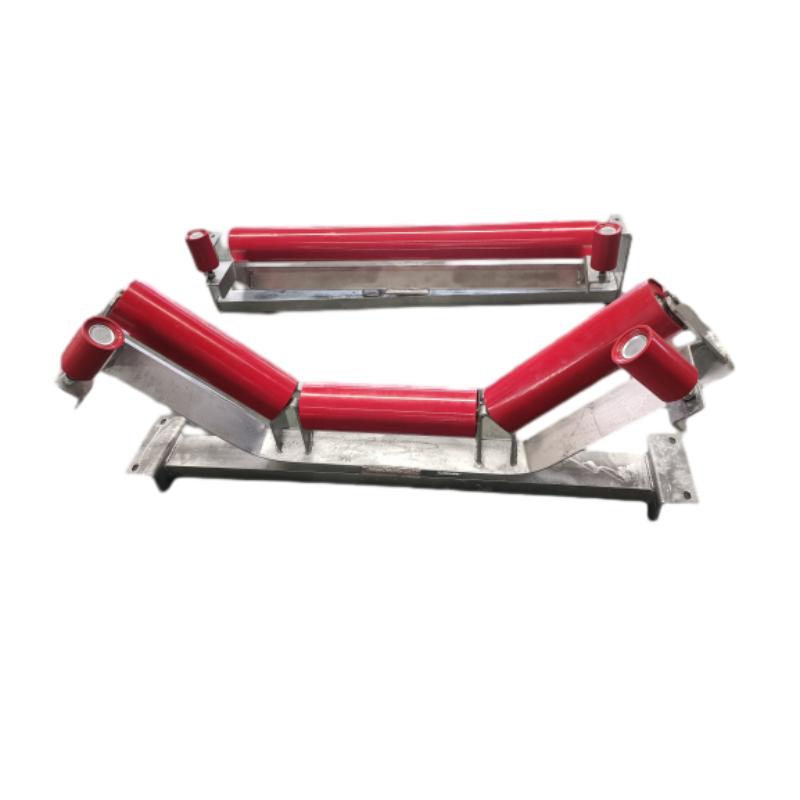
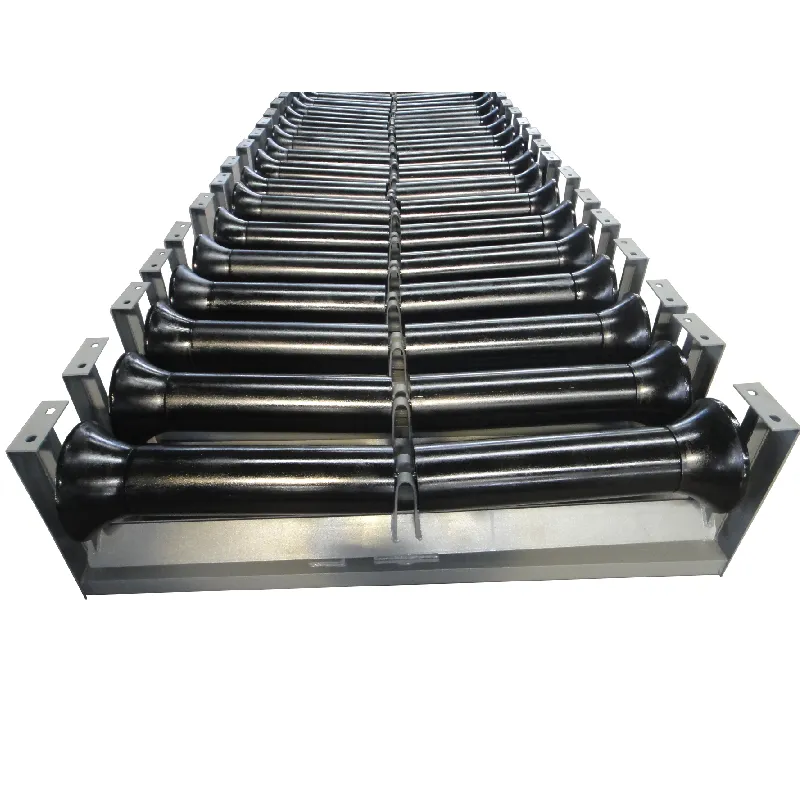
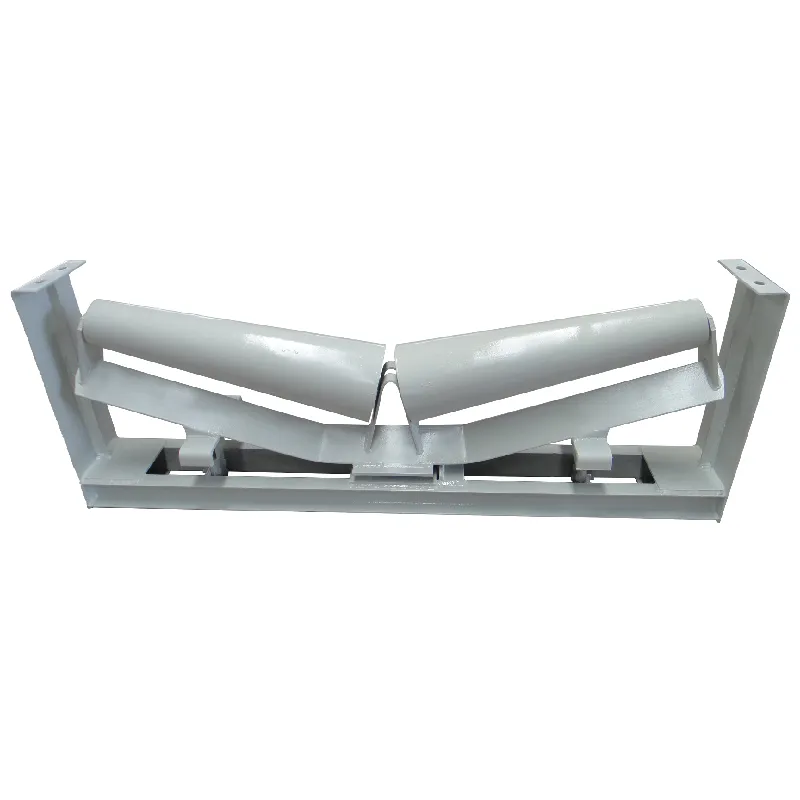
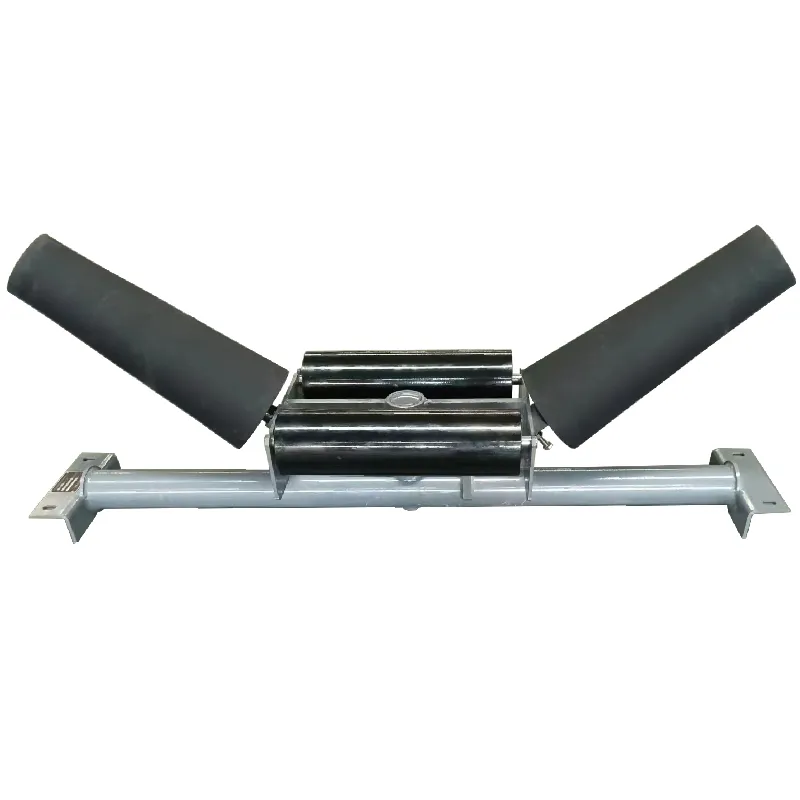
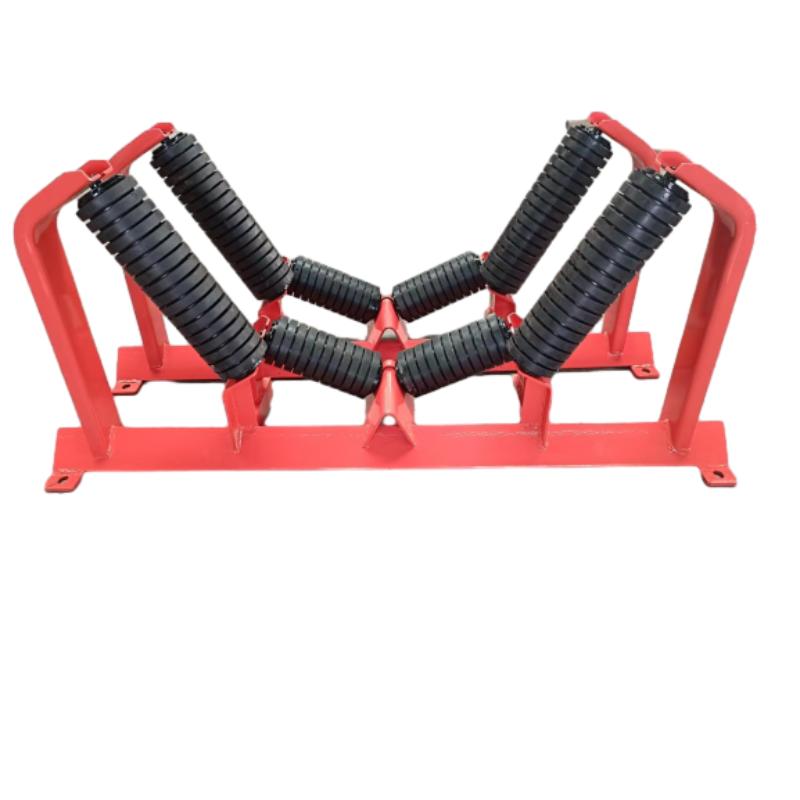
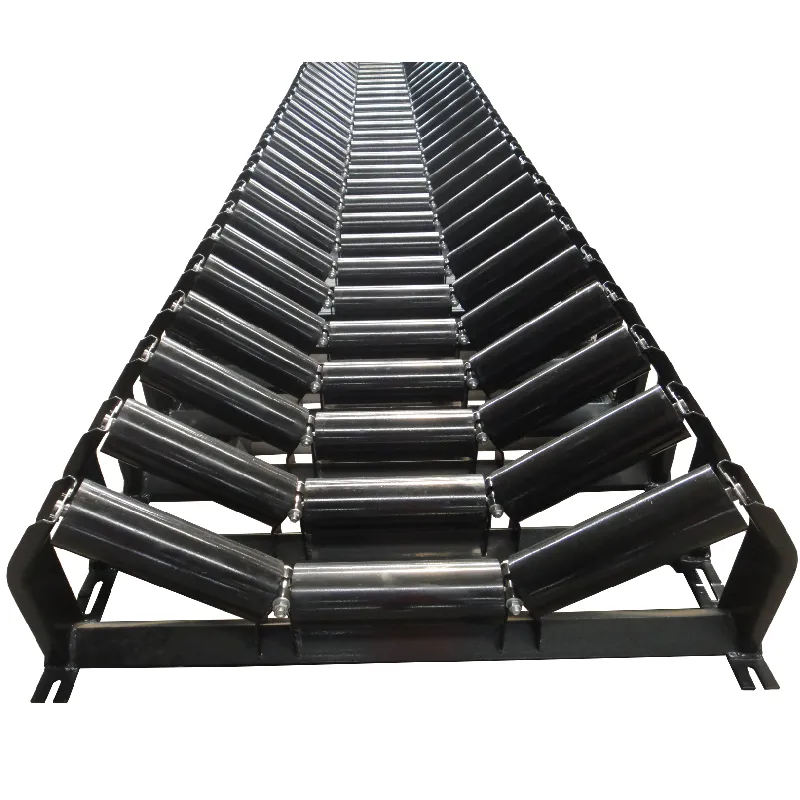
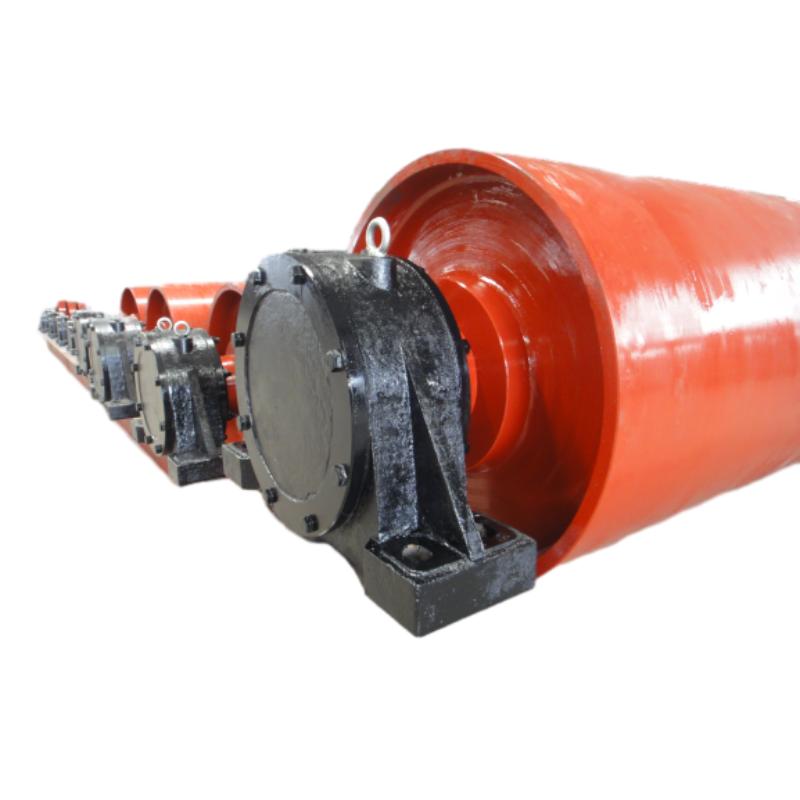
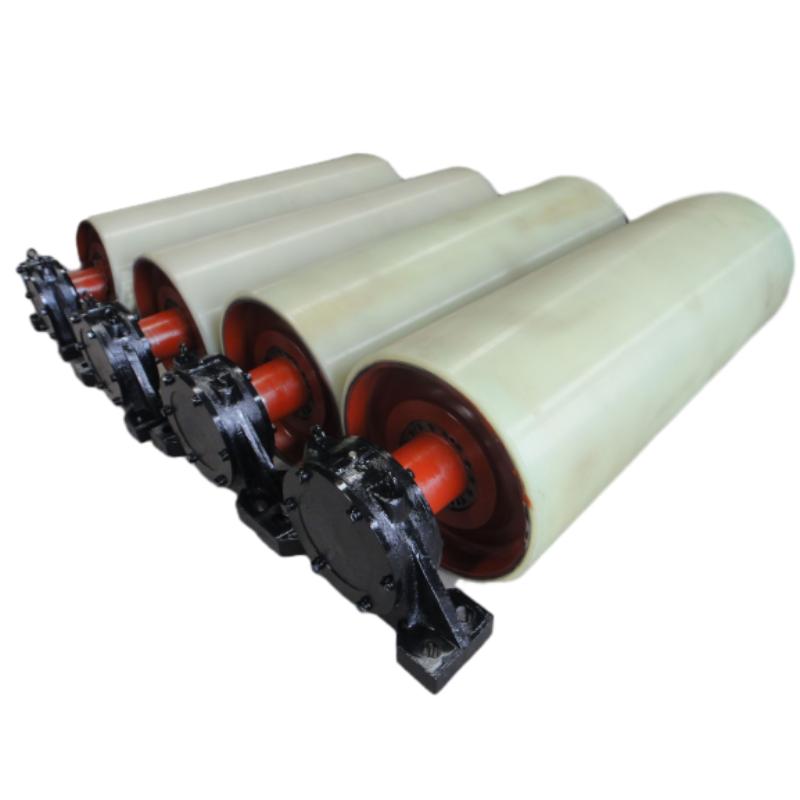
Simply put, plastic pipe rollers are mechanical devices designed to support and guide pipes during transportation or installation. Unlike traditional metal rollers, these are made from engineered plastics such as nylon, polyurethane, or UHMW-PE (Ultra-high-molecular-weight polyethylene), materials prized for strength and low friction.
In practical terms, their purpose is to reduce wear and tear on pipes and installers alike — imagine a massive pipe sliding smoothly over rollers instead of scraping along rough ground or laboriously handled by workers. Plastic rollers’ resilience to chemicals and moisture means they’re tailor-made for the demanding environments found in industries like water management, oil and gas, and construction.
Mini takeaway: Plastic pipe rollers serve as durable, low-friction guides essential to safeguarding pipe integrity throughout movement and installation.
Key Factors that Make These Rollers Tick
Durability
Plastic rollers resist corrosion, UV degradation, and chemical attack better than steel counterparts. This means fewer replacements and longer-lasting performance, especially critical in coastal or industrial sites with harsh exposure.
Weight & Portability
Being lighter than metal variants means plastic pipe rollers are easier to transport and handle. For field engineers and installation crews working in remote or inaccessible locations, this can make all the difference.
Cost Efficiency
Lower initial costs combined with reduced maintenance needs translate to real savings. While steel rollers can incur rust and damage costs, plastics stay reliable, often for years.
Safety & Ergonomics
Smoother movement reduces physical strain on workers, lowering accident risks. The design simplicity and lightweight nature improve ergonomics, making jobs less taxing.
Customization Options
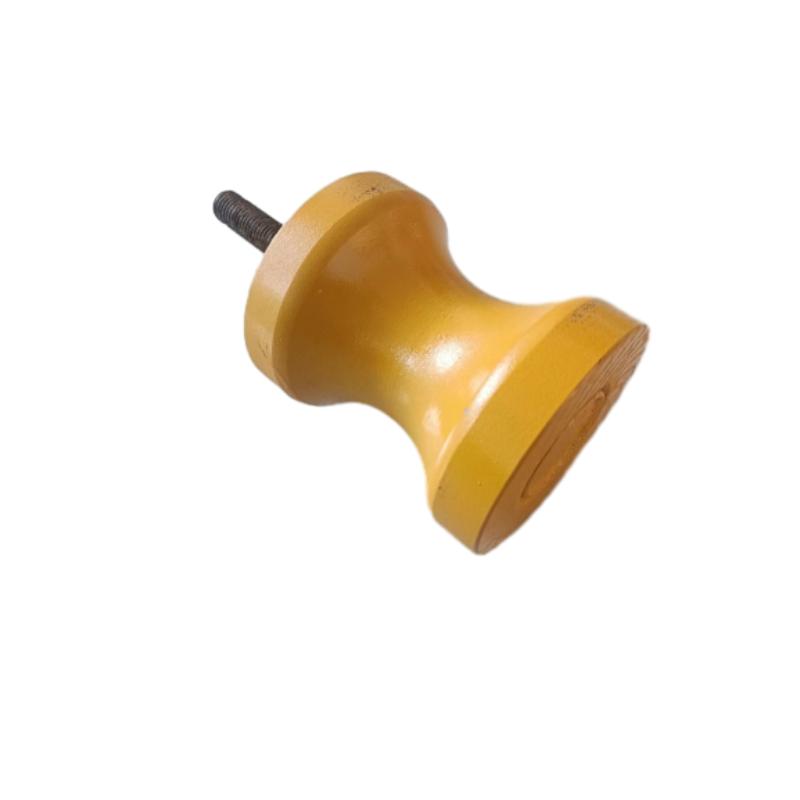
Plastic rollers can be molded into diverse shapes and sizes, accounting for different pipe diameters and installation needs — a flexibility not as easily achieved with metal rollers.
Mini takeaway: The blend of durability, portability, cost, and safety makes plastic pipe rollers a standout for many industrial applications.
Real-World Applications: Where Plastic Pipe Rollers Shine
- Disaster Relief & Humanitarian Projects: After floods or earthquakes, rapid pipeline installations for water supply rely heavily on portable and robust rollers.
- Oil & Gas Pipelines: Harsh terrains like Siberia or the Middle East deploy plastic rollers to prevent pipe abrasion when installing massive underground networks.
- Municipal Water Infrastructure: Cities expanding their sanitation and drinking water grids frequently utilize these rollers for easy pipe laying.
- Renewable Energy: Wind farms and solar parks often require extensive wiring or piping; plastic rollers aid in quick deployment with minimal environmental impact.
For example, one African water project I came across recently sped up pipe installation by 30% using high-grade plastic rollers compared to conventional equipment. Operators noted a dramatic reduction in pipe damage, too—meaning fewer costly repairs later on.
Mini takeaway: Plastic pipe rollers are invaluable across disaster relief, energy, and municipal infrastructure, delivering safe and efficient pipeline handling globally.
Advantages and Long-Term Value of Plastic Pipe Rollers
Beyond the immediate practical advantages, these rollers bring sustainability into focus. Because they're made from recyclable plastics and tend to last longer, they reduce waste. The operational efficiencies translate into lower fuel use during pipe transport and installation — a small carbon footprint reduction but meaningful when scaled.
Emotionally, workers report higher trust and improved morale using equipment that’s lighter and reduces manual labor risks. Innovation here doesn’t just boost bottom lines; it enhances workplace dignity — an often overlooked but vital aspect in industrial cultures.
| Specification | Details |
|---|---|
| Material | UHMW-PE / Nylon / Polyurethane |
| Load Capacity | Up to 500 kg per roller |
| Diameter Range | 50 mm to 1200 mm pipes |
| Temperature Range | -40°C to +80°C |
| UV Resistance | Excellent (suitable for outdoor use) |
| Maintenance | Minimal; wipe clean & inspect regularly |
Mini takeaway: Plastic pipe rollers combine strong technical specs with environmental and human-friendly benefits — a rare win-win.
How Do Vendors Stack Up? A Quick Comparison
| Feature | IdlerAohua | RollerTech Inc. | PipeRoller Experts |
|---|---|---|---|
| Material Range | UHMW-PE, Nylon, PU | Mostly metal + plastic combos | Polyurethane focus |
| Customization | Full bespoke solutions | Limited sizes | Standard models only |
| Global Shipping | Yes | Mostly US/EU | Regional only |
| Warranty | 3 years | 2 years | 1 year |
| Eco Certification | ISO 14001 compliant | None | None |
Looking Ahead: Future Trends in Plastic Pipe Rollers
We're on the cusp of seeing some neat advances in this space. For starters, bio-based polymers are gaining traction, meaning plastic rollers might soon be fully biodegradable without compromising strength — good news for zero-waste infrastructure projects.
Digitization is also entering the picture: smart rollers equipped with sensors can monitor pipe movement and alert operators to any misalignment or excessive force, enhancing safety and precision.
Moreover, the urge for sustainable energy solutions inspires lighter, tougher, and greener rollers molded with less energy by leveraging advanced injection molding and 3D printing techniques. Sounds futuristic, but it’s closer than you think.
Challenges on the Road & How to Tackle Them
Despite advantages, plastic pipe rollers aren’t perfect. Under extremely heavy loads or in prolonged UV exposure, some plastics may deform or degrade. However, manufacturers address this by blending additives like UV stabilizers or reinforcing fibers.
Also, in cold climates, some polymers become brittle, so choosing the right material based on local conditions is critical. Engineering teams often test rollers through rigorous site-specific evaluations to mitigate risks.
Finally, there’s the adoption curve — traditional industries sometimes hesitate to swap out trusty metal rollers for plastics, but success stories (such as improved worker safety at pipeline sites in Canada) are gradually winning trust.
Frequently Asked Questions About Plastic Pipe Rollers
1. What types of plastic are best for pipe rollers?
The most commonly used plastics include UHMW-PE, nylon, and polyurethane due to their low friction, high abrasion resistance, and mechanical strength. Selection depends on environmental condition and load demands.
2. Can plastic pipe rollers handle heavy industrial pipes?
Yes, many plastic rollers support loads up to 500 kg per unit and above. For extremely heavy pipes, multiple rollers and reinforced materials are used for safe handling.
3. How do plastic pipe rollers reduce overall pipeline installation costs?
By lowering maintenance costs, reducing pipe damage, and facilitating quicker installation, these rollers cut downtime and manual labor expenses, making projects more cost-effective.
4. Are plastic pipe rollers environmentally friendly?
Generally yes, especially when made from recyclable or bio-based materials. Their longevity reduces waste, and the light weight contributes to lower transportation emissions.
5. How do I choose the right plastic pipe roller for my project?
Consider pipe size, load, environmental conditions (temperature, UV exposure), and installation terrain. Consulting with manufacturers like plastic pipe rollers suppliers can ensure a perfect fit.
Conclusion: Rolling Forward with Plastic Pipe Rollers
Plastic pipe rollers, in all their humble engineering brilliance, are quietly revolutionizing pipeline deployment worldwide. From improved durability and cost savings to sustainability and worker safety, they embody an elegant solution to complex challenges. For companies or communities investing in infrastructure now and into the future, embracing these rollers could be a game-changer.
I encourage you to explore more on this topic by visiting IdlerAohua’s website — they’re leaders in this field and provide a range of tailored solutions that might just fit your next project perfectly.
Mini takeaway: The long-term benefits of plastic pipe rollers extend beyond function—they promise innovation, safety, and sustainability.
References
-
Maximize Conveyor Life with a High Performance impact bedNewsApr.16,2026
-
Maximize Conveyor Efficiency Using a v plow belt scraperNewsApr.09,2026
-
Comprehensive Guide to Understanding Different Types of Belt CleanersNewsApr.07,2026
-
Enhancing Conveyor Efficiency with an Effective Scraper Belt CleanerNewsApr.04,2026
-
Optimizing Conveyor Systems with Advanced Cleaning Equipment SolutionsNewsMar.31,2026
-
Effective Conveyor Belt Scraper Adjustment for Optimal System PerformanceNewsMar.28,2026