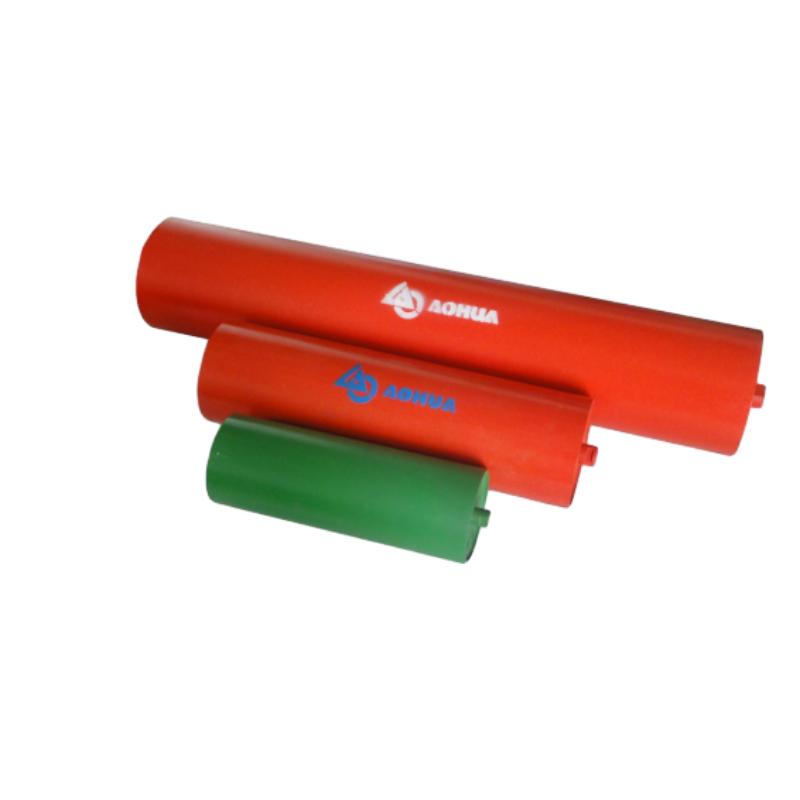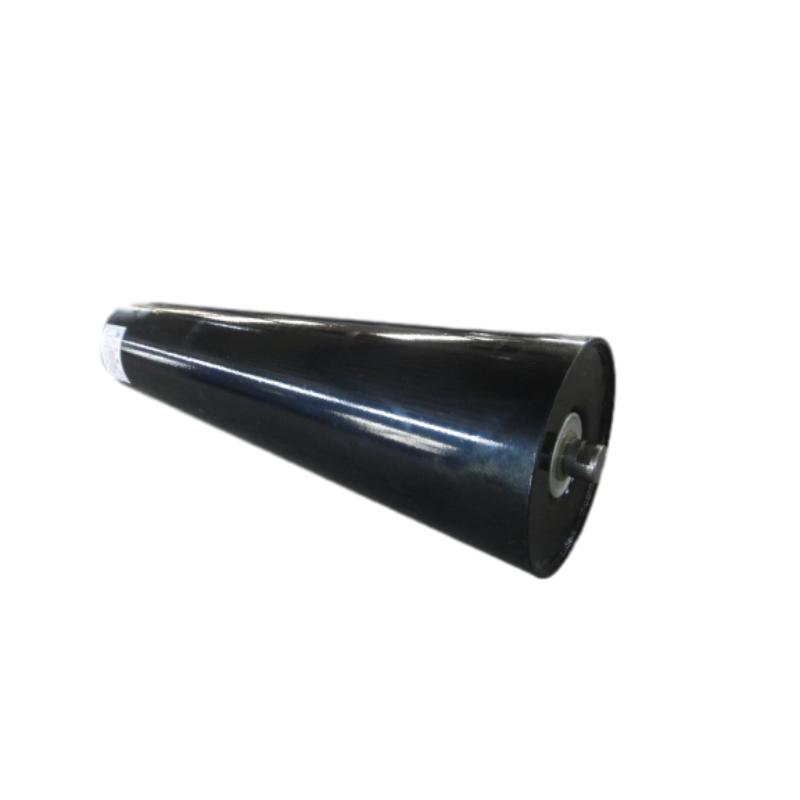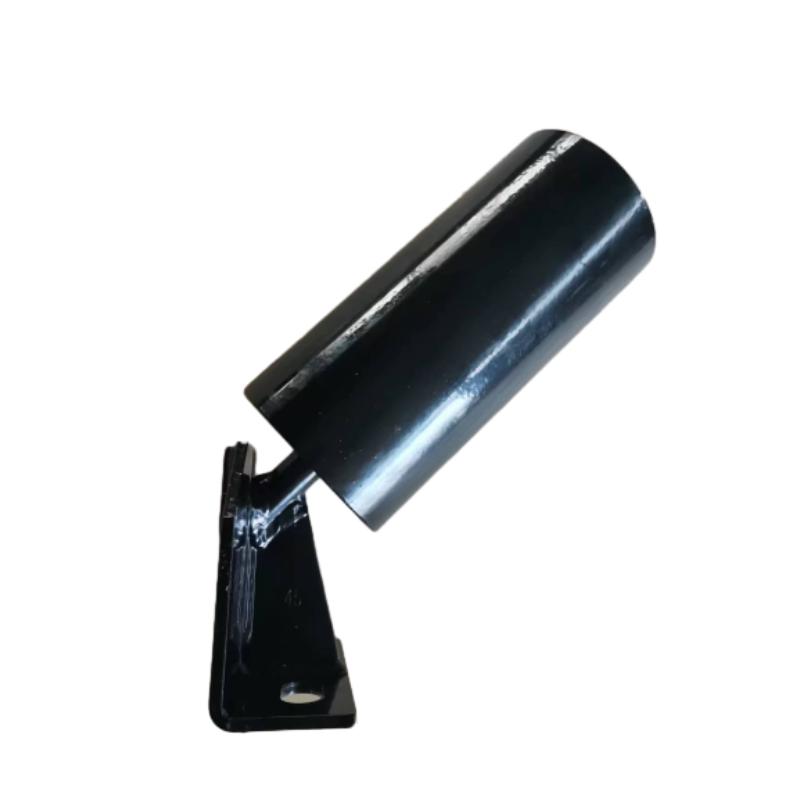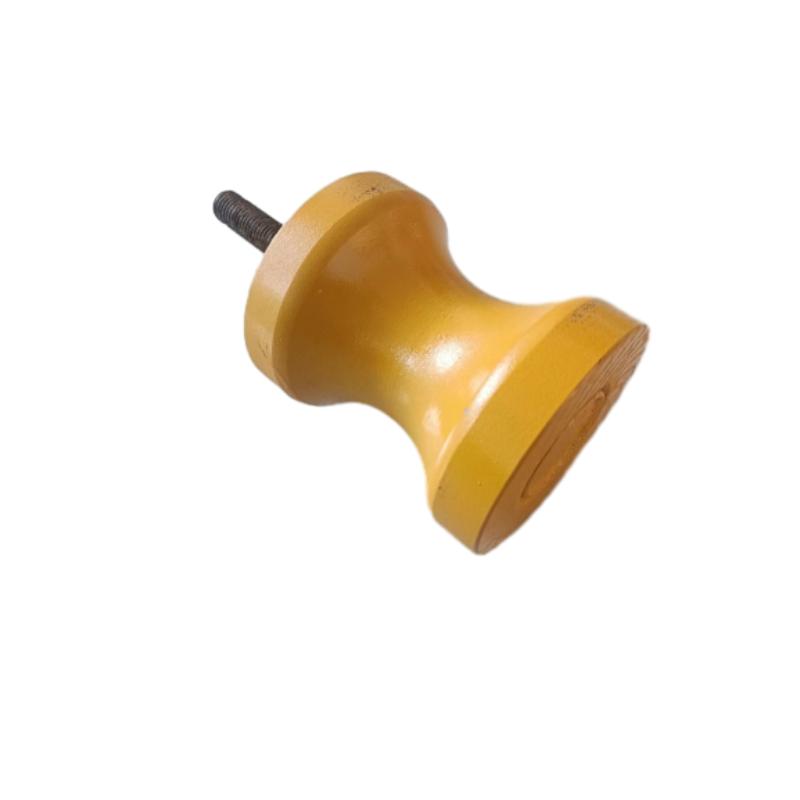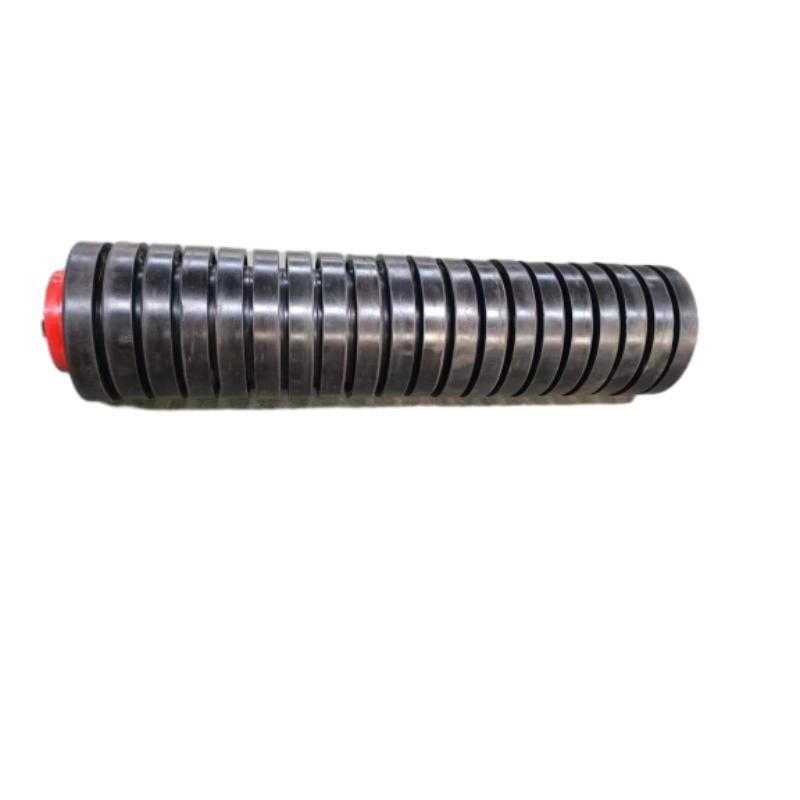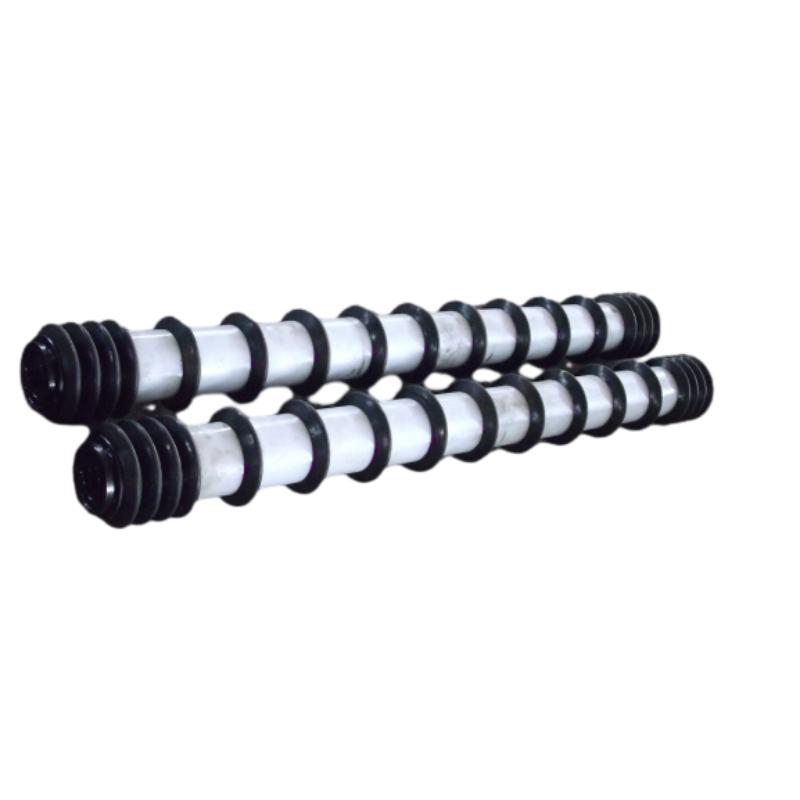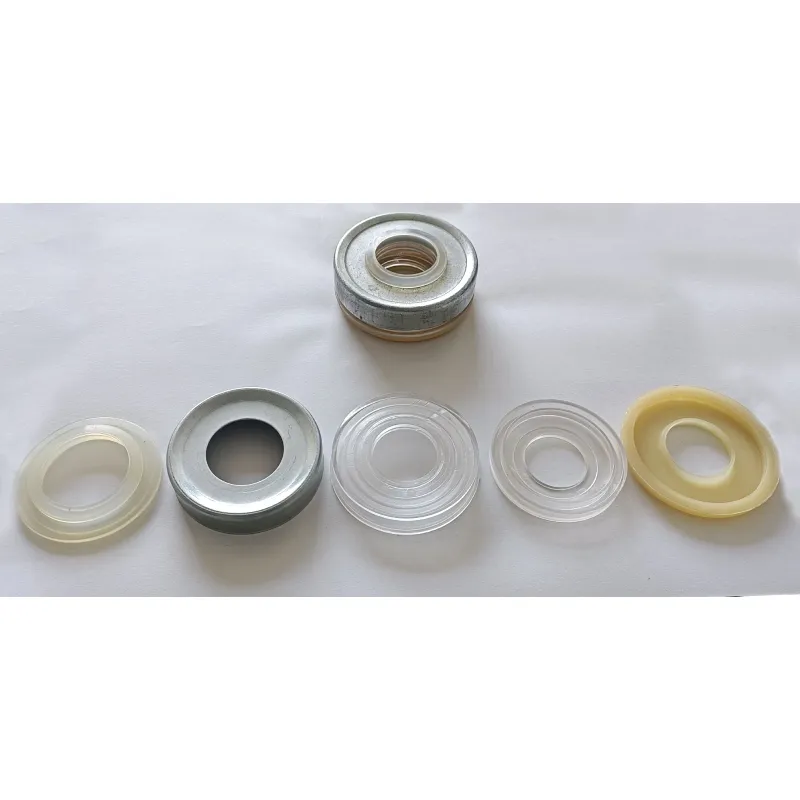


The Complete Guide to Plastic Bearing Housing: Benefits, Applications & Innovation
Understanding Plastic Bearing Housing: Why It Matters in Today’s Industry
If you’ve ever wondered about the unseen components that keep machines running smoothly — say, the quiet heroes inside conveyor belts, electric motors, or even industrial fans — then you’ve brushed shoulders with plastic bearing housing. It might sound mundane, but these housings play a huge role globally: they protect the bearings that enable precise motion under varying loads and environments. The rise of plastic bearing housings is nothing short of revolutionary, impacting not just efficiency but also sustainability in manufacturing, transport, and construction worldwide.
Why does it matter? Well, traditional metal housings are often heavy, prone to corrosion, and expensive to produce. Plastic bearing housings offer a lighter, corrosion-resistant alternative that keeps things running reliably and reduces maintenance costs. With shifting global supply chains and eco-conscious manufacturing trends, there’s a growing appetite for solutions that mix durability with environmental awareness.
Mini takeaway: Plastic bearing housing quietly underpins efficiency and sustainability in industries that power our modern lives.
Plastic Bearing Housing in a Global Context
Globally, industries are in a constant dance between innovation and cost control. According to ISO standards on bearing performance and materials, plastic bearing housings are becoming mainstream in automated production lines across Asia, Europe, and North America. The World Bank’s manufacturing data also shows a steady drop in downtime in factories after many switched metal housings—which are prone to rust—to plastic variants.
Consider the challenge of climate: coastal factories dealing with corrosive salty air, or food processing plants needing sanitary, easy-to-clean components. Here, plastic shines and metal struggles. The ability to reduce weight without sacrificing structural integrity also makes transportation and assembly easier—a subtle but significant competitive edge in global supply chains.
On the flip side, a few skeptics worry about plastic's strength or environmental profile. But advancements in engineering polymers and recycling processes are steadily shifting that narrative.
Mini takeaway: Plastic bearing housings respond to real-world industrial challenges, especially corrosion resistance and lightweight requirements, reshaping asset management world-wide.
What Exactly Is Plastic Bearing Housing?
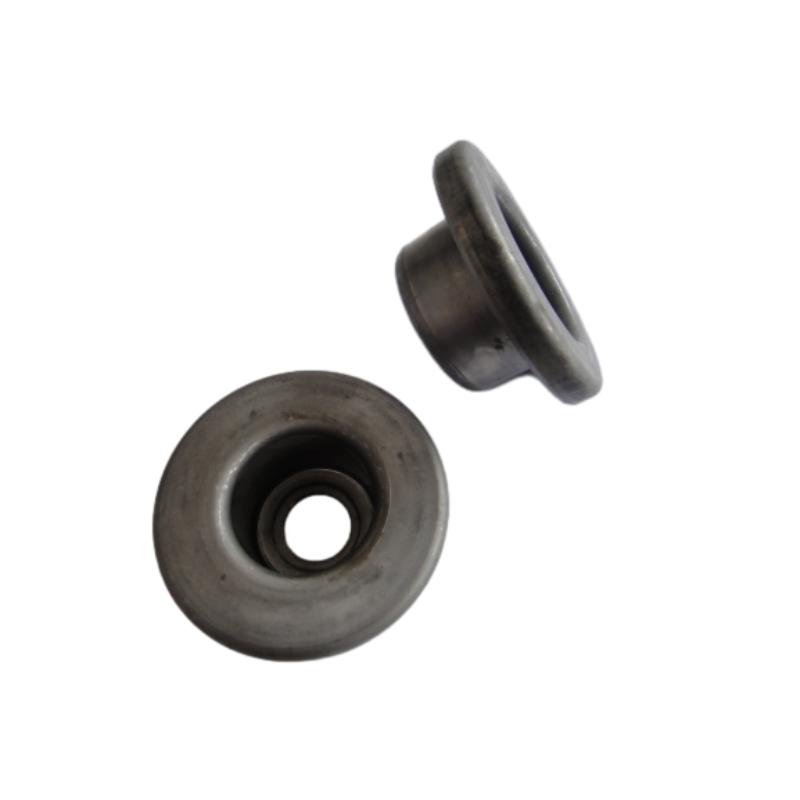
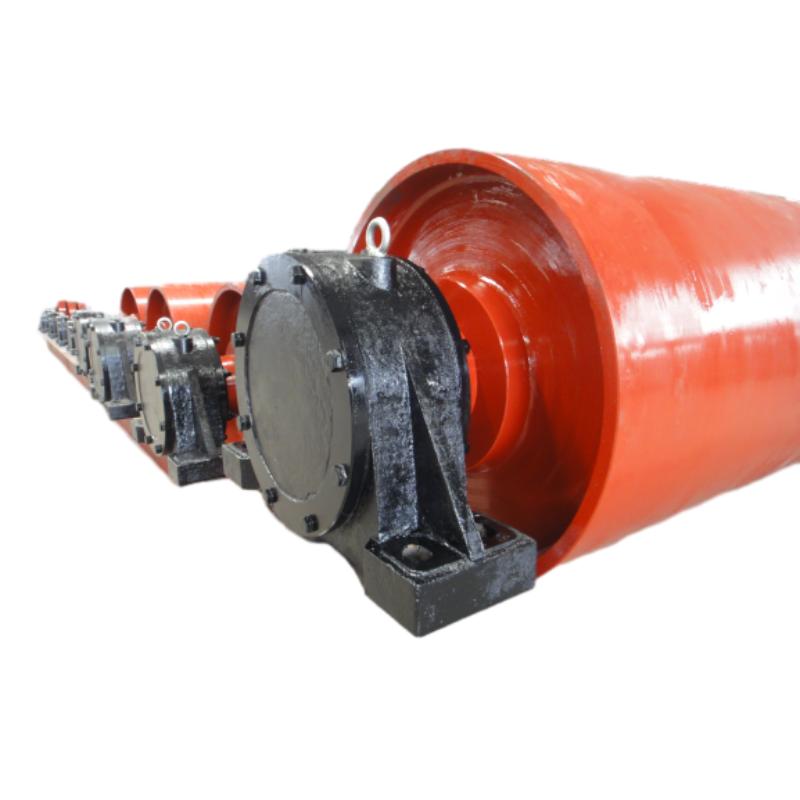
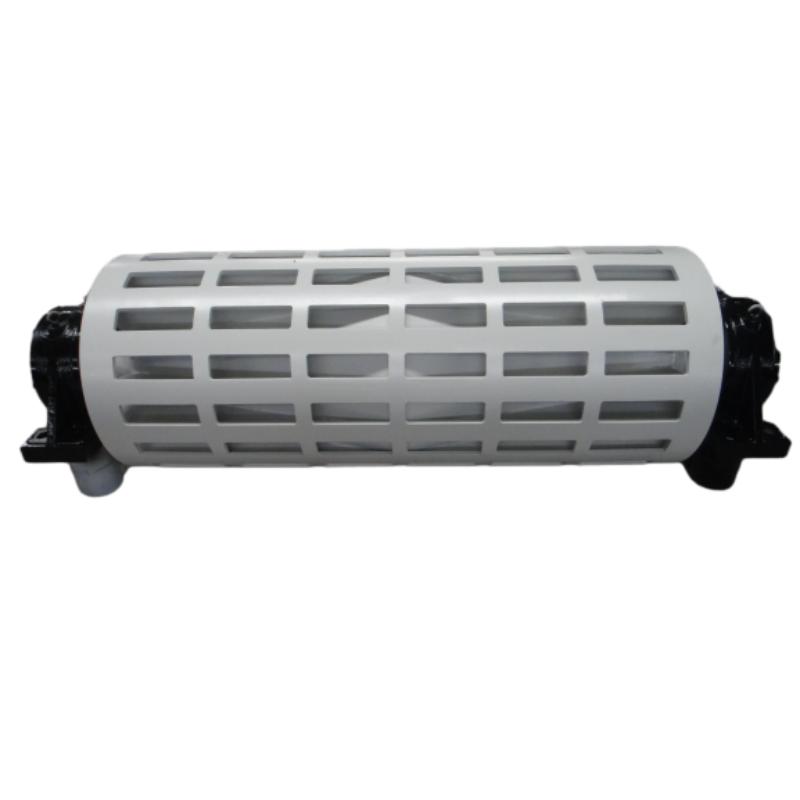
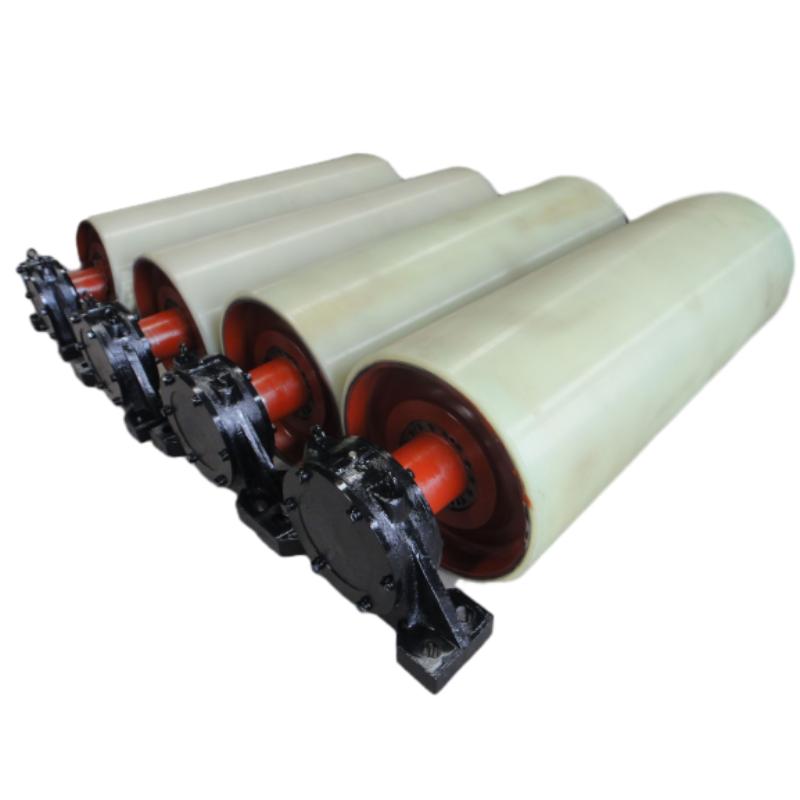
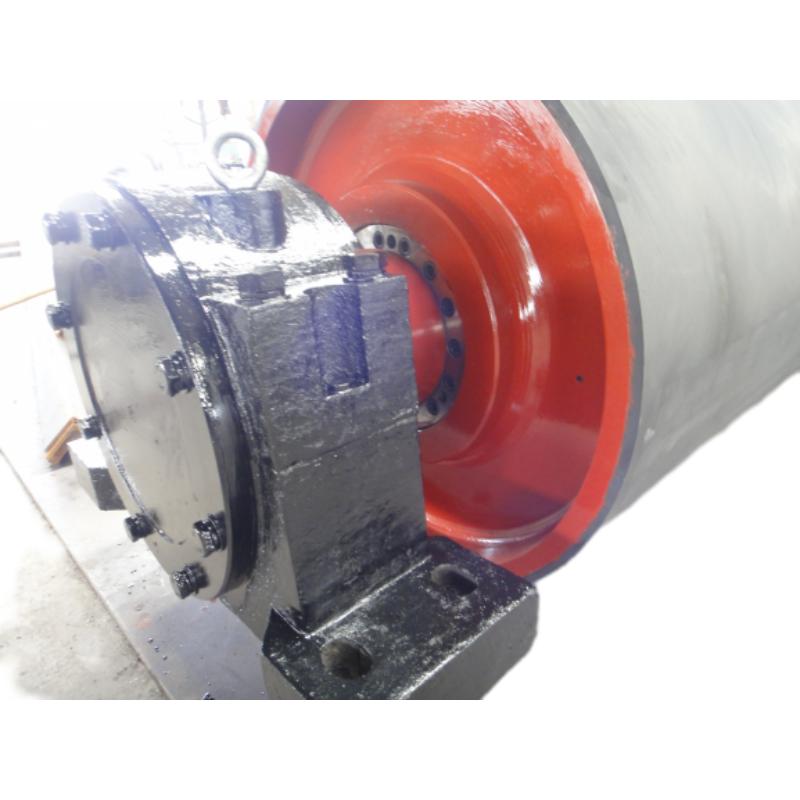
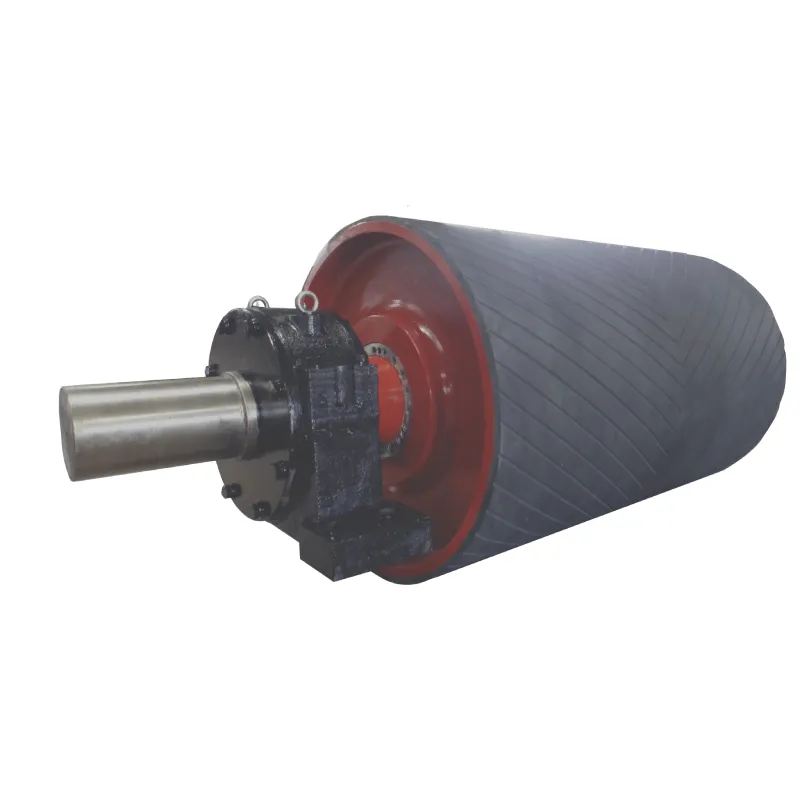
In simpler terms, a plastic bearing housing is a protective casing made from engineered plastic designed to hold a bearing in place while it supports load and facilitates low-friction rotation. Think of it as the “socket” that firmly seats the “ball” or “roller” bearing, isolating it from dust, moisture, and mechanical shocks.
Its connection to modern industry springs from the need for affordable, lightweight, and corrosion-resistant materials. Unlike traditional metal housings, these plastic designs can also be molded into complex shapes easily, accommodating specific engineering demands with less waste.
It’s not just about keeping things spinning smoothly. By making machinery lighter and more resilient to environmental factors, plastic bearing housings contribute to energy savings and longer equipment lifespans—key metrics for sustainability and cost management.
Mini takeaway: Plastic bearing housings are specialized casings engineered to protect and optimize bearing performance using innovative, versatile materials.
Key Factors Driving Plastic Bearing Housing Development
1. Durability & Corrosion Resistance
Engineered plastics like polyamide and PEEK resist corrosion far better than metals—critical in salty, wet, or chemical environments. This means less frequent replacements and lower downtime.
2. Lightweight Design
Plastic housings drastically cut down on weight, easing transport and reducing wear on associated components. For conveyor industries or drones, shaving grams matters a lot.
3. Cost Efficiency
Production via injection molding allows for mass manufacturing with fewer machining steps compared to metal housings. The upfront tooling can be pricey, but unit costs drop significantly in volume.
4. Flexibility & Customization
Plastics mold quickly into complex geometries, enabling customization tailored exactly to machine requirements—helps engineers optimize fit and function.
5. Thermal and Chemical Stability
While plastics can’t always rival metals in extreme heat, many high-performance polymers thrive in temperatures up to 250°C and resist many industrial solvents—a sweet spot for many applications.
Mini takeaway: The blend of material properties—durability, weight, cost, and custom shaping—makes plastic bearing housing a practical choice for many applications.
Global Applications & Real-World Use Cases
- Automotive assembly lines: Plastic housings reduce weight while resisting oil and grime, extending equipment life.
- Food & beverage processing: Non-corrosive, easy to clean plastic is essential for hygiene compliance.
- Renewable energy turbines: Resistant to weathering and salt spray near coastal wind farms.
- Post-disaster relief and remote installations: Plastic’s lightweight, modular housings simplify transport and deployment of vital machinery like water pumps or power generators.
Interestingly, companies across Europe and Asia have started to swap their traditional cast iron bearing housings with plastic because even modest weight cuts save fuel costs and carbon emissions over time.
Mini takeaway: Plastic bearing housings find value in diverse industries and geographies, especially where corrosion, cleanliness, or weight are major concerns.
Advantages & Long-Term Benefits
It’s not just about cost savings (though that’s a pretty compelling aspect). There’s a layered value here:
- Sustainability: Lightweight plastics reduce energy used in transport and manufacturing, fueling greener supply chains.
- Reliability & Safety: Corrosion resistance means less unexpected breakdowns, which matters hugely in mission-critical operations.
- Innovation & Trust: Forward-looking companies that adopt advanced plastic bearing housings often enjoy reputational boosts in technology leadership.
- Social impact: Extended equipment life and reduced maintenance lower operating costs, enabling more affordable products and services.
It’s oddly satisfying to watch something as humble as a bearing housing gradually overhaul entire industries’ energy footprints and efficiency paradigms.
Mini takeaway: Plastic bearing housings combine cost, environmental, and operational benefits to create lasting value for businesses and communities.
Product Specifications Snapshot
| Specification | Typical Value | Remarks |
|---|---|---|
| Material | Glass-Filled Polyamide (PA6 GF30) | High strength and thermal resistance |
| Operating Temperature | -40°C to +120°C | Suitable for most industrial environments |
| Corrosion Resistance | Excellent | Ideal for food & coastal applications |
| Weight Reduction | Up to 60% vs steel | Improves transport and handling |
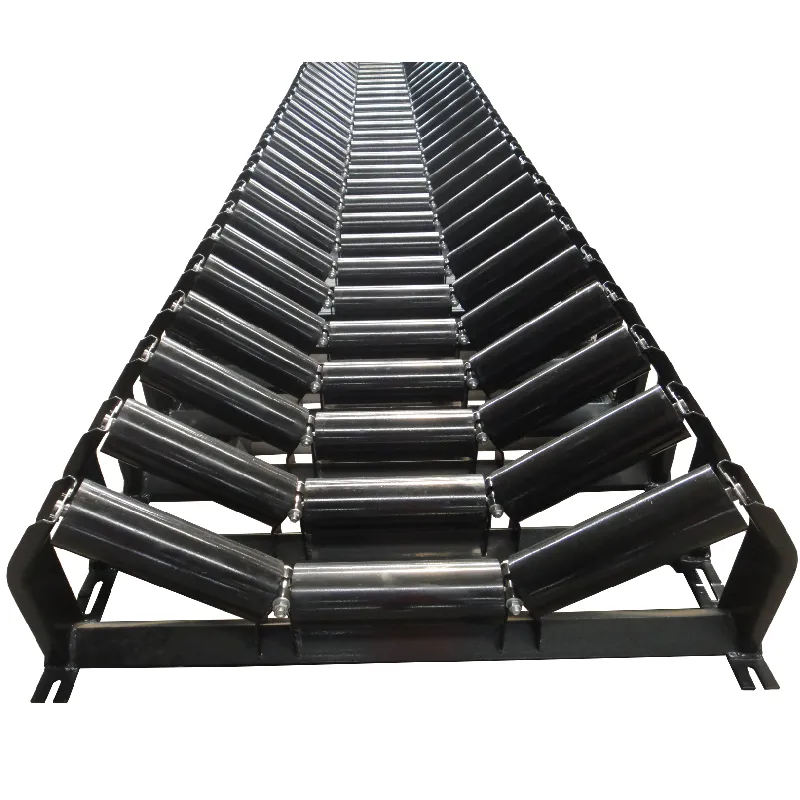
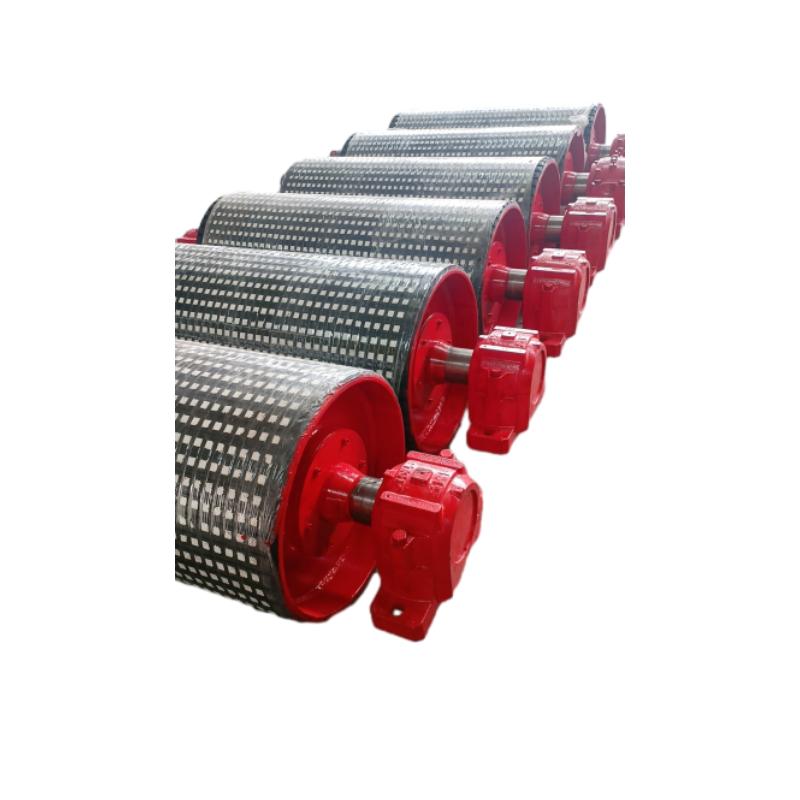
| Typical Application | Conveyor systems, pumps, fans | Versatile industrial use |
Comparing Leading Vendors of Plastic Bearing Housing
| Vendor | Material Expertise | Customization Options | Global Reach | Price Range |
|---|---|---|---|---|
| IdlerAohua Co. | High-performance polymers & composites | Full OEM/custom design support | Global (Asia, EU, Americas) | Mid to premium |
| PolyBear Engineering | Standard engineering plastics | Limited customization | Mostly domestic (Europe) | Value budget |
| Global Tech Plastics | Composite blends, recyclable plastics | Custom & modular parts | Global wide | Premium |
Looking Ahead: Trends and Innovations in Plastic Bearing Housing
Innovation never really pauses in this niche. Most exciting developments revolve around bio-based polymers and enhanced recycling techniques, addressing the ecological footprint of plastics in industry. There's also a push toward embedding sensors into plastic housings—smart monitoring of temperature, vibration, and wear could predict maintenance needs before failure.
Automation and Industry 4.0 principles mean plastic bearing housings have to be ready for more than just static roles; they need integrated diagnostics. Companies are exploring additive manufacturing (3D printing) to produce highly optimized housings with internal reinforcements not achievable through molded parts. It’s frankly an exciting time for what used to be “just a casing.”
Mini takeaway: Smart materials and manufacturing innovations hint at a future where plastic bearing housings transition from passive supports to active participants in machine health.
Challenges & Solutions in Using Plastic Bearing Housings
Of course, no tech is perfect. Plastic housings sometimes lag metals in extreme mechanical strength or heat resistance. Depending on application, they might wear faster under abrasive conditions or suffer creep — slow deformation under load over time.
To tackle these, manufacturers increasingly combine plastics with fiber reinforcements or hybrid composite structures. Proper design also helps: strategic ribbing can add stiffness without weight. And ongoing material research focusing on flame retardant and UV-resistant polymers is closing the gap.
When sourcing plastic housings, always consider the specific environment and load factors. Many engineers suggest running accelerated product life tests — simulating years in months — to ensure reliability under your unique operating conditions.
Mini takeaway: While challenges exist, smart engineering and material blends effectively mitigate traditional plastic limitations.
Frequently Asked Questions About Plastic Bearing Housing
- Q: Are plastic bearing housings strong enough for heavy industrial machinery?
- A: Yes, especially when using reinforced polymers like glass-filled nylon or composites. They can handle significant loads and impacts, but it’s crucial to match the housing material and design specifications to your exact application.
- Q: How do plastic bearing housings compare environmentally to metal ones?
- A: Plastic housings usually have a smaller carbon footprint during manufacturing and transport due to lighter weight and efficient molding processes. Advances in recyclable and bio-based plastics further improve sustainability.
- Q: Can plastic bearing housings withstand high temperatures?
- A: High-performance plastics often operate reliably up to 120-250°C, suitable for many industrial uses. However, for very high heat, metals or ceramics might still be better options.
- Q: How customizable are plastic bearing housings?
- A: Very customizable. Manufacturers can mold complex shapes and add features like integrated mounts or channels. Custom tooling is common for OEMs needing precise fits.
- Q: Where can I find suppliers with global shipping and support?
- A: Companies like IdlerAohua Co. offer global reach with flexible design services, ensuring components fit your needs wherever you operate.
Wrapping Up: Why Plastic Bearing Housing Is a Smart Investment
Plastic bearing housing isn’t just a “nice-to-have” part. It’s a strategic shift towards lighter, sustainable, and reliable industrial components that respond to modern challenges. Whether you’re rebuilding equipment for coastal corrosive environments, optimizing factory workflow, or seeking greener manufacturing, embracing plastic housings opens doors.
Want to explore a range of plastic bearing housings tailored to your industry? Visit IdlerAohua to see solutions that combine innovation with practical needs.
It’s a small component with a big future.
References
-
Maximize Conveyor Life with a High Performance impact bedNewsApr.16,2026
-
Maximize Conveyor Efficiency Using a v plow belt scraperNewsApr.09,2026
-
Comprehensive Guide to Understanding Different Types of Belt CleanersNewsApr.07,2026
-
Enhancing Conveyor Efficiency with an Effective Scraper Belt CleanerNewsApr.04,2026
-
Optimizing Conveyor Systems with Advanced Cleaning Equipment SolutionsNewsMar.31,2026
-
Effective Conveyor Belt Scraper Adjustment for Optimal System PerformanceNewsMar.28,2026