

Seal TR: Industry Solutions for Reliable Sealing and Sustainable Performance
Understanding Seal TR: A Small Component Making a Big Global Impact
If you’ve ever paused to wonder about the tiny parts that keep massive systems running smoothly, the seal tr might just be the unsung hero you haven't heard much about. But in reality, whether it’s in industrial machinery, humanitarian supply chains, or even high-tech equipment, seal tr plays a critical role in ensuring safety, reliability, and efficiency worldwide.
Why does this matter globally? Well, consider that according to standards set by ISO and organizations like the UN, maintaining equipment integrity and secure containment of fluids or gases is fundamental to everything from clean water delivery to industrial productivity — and that’s where seals like seal tr step in.
Understanding seal tr’s properties and applications offers not just insight into better design and maintenance but also opens doors to innovation in fields as diverse as disaster relief and energy management.
Mini takeaway: Though often overlooked, seal tr is essential to maintaining system integrity, supporting industries and humanitarian efforts alike.
The Global Context: Why Seal TR Matters in Today’s Industry
In real terms, the global industrial sealing market was valued at over $14 billion in 2022, with projections indicating steady growth fueled by expanding manufacturing and energy sectors. The UN’s focus on sustainable development indirectly pushes for better seals, to reduce leaks, contamination, and inefficiencies.
Poor sealing—a challenge many industries face—can lead to costly downtimes and environmental hazards. For instance, water loss due to faulty seals in urban infrastructure can reach 30% in some developing countries (World Bank data). That’s a striking statistic showing why even the smallest component matters.
Seal tr directly addresses these challenges by providing a reliable interface between moving parts or fluid compartments, preventing leaks and contamination. It’s odd how something so small can protect so much.
What Exactly Is Seal TR?
Seal tr, simply put, is a type of sealing technology used to interface between two components, usually in rotating machinery, to prevent leakage of fluids or gases. The “TR” often denotes “Tri-Ring” or a specialized design variant optimized for certain conditions.
Today’s industries—from automotive to energy, even humanitarian logistics—rely on seal tr variants designed for different pressures, temperatures, and chemical exposures.
In humanitarian terms, seal tr might be part of pumping systems in water purification units or engines powering relief vehicles, where failure isn’t just inconvenient but potentially life-threatening.
Core Components of Seal TR Explained
Durability
Seal tr units are usually crafted from resilient materials like nitrile rubber, Viton, or PTFE, designed to resist wear, chemical attack, and thermal cycling. Durability directly translates to lower maintenance and longer service life.
Scalability
From compact household pumps to sprawling industrial plants, seal tr designs scale to fit diverse machines — making them versatile players in systems of all sizes.
Cost Efficiency
While premium materials increase upfront costs, the savings from reduced downtime and leak prevention often vastly outweigh the investment.
Design Innovation
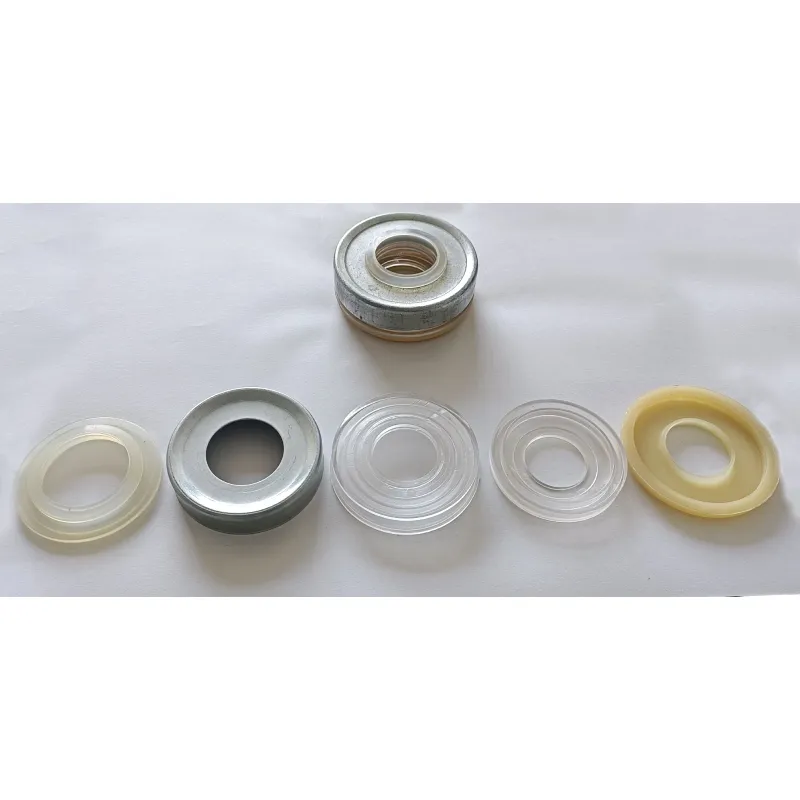
Modern seal tr variations incorporate triple sealing lips, advanced spring-loaded designs, or magnetic fluid seals, blending mechanical ingenuity with material science for peak performance.
Environmental Compatibility
Eco-conscious materials and low-friction designs help reduce energy consumption and waste, aligning seal tr with sustainability goals set by international bodies.
Mini takeaway: The true strength of seal tr lies in combining durability with smart design, optimizing performance across industries.
Seal TR in Action: Real-World Applications
- Industrial Manufacturing: In automotive assembly lines, seal tr prevents lubricant leaks in high-speed motors, ensuring smooth operation and worker safety.
- Water Management in Developing Regions: Some NGOs use pumps fitted with seal tr to maintain continuous clean water flow in remote villages.
- Oil & Gas Industry: Here, seal tr prevents hazardous leaks under high pressure and varying temperatures, critical for environmental and personnel safety.
- Renewable Energy: In wind turbines and hydroelectric generators, seal tr components manage condensation and protect drivetrain components.
For example, a project in Southeast Asia implemented improved seal tr in irrigation systems, increasing crop yields by reducing pump failures — a small fix with outsized impact.
Advantages & Long-Term Value of Seal TR
Besides saving operators from costly repairs, durable seal tr offers peace of mind. In critical sectors, the reliability conveys a sense of safety and trust that’s hard to quantify but easy to appreciate.
- Cost Reductions: Fewer breakdowns mean less capital tied up in spare parts or emergency fixings.
- Sustainability: By preventing leaks, seal tr helps reduce pollution and resource wastage, which matters increasingly to consumers and regulators alike.
- Social Impact: In humanitarian settings, dependable seals can mean uninterrupted water supply or power, preserving dignity and health.
- Innovation Catalyst: Technological advances in seal tr push the envelope for heavier-duty machinery, enabling new applications.
Product Specification Table: Typical Seal TR Model
| Specification | Typical Value | Notes |
|---|---|---|
| Material | Viton (FKM Rubber) | High chemical resistance |
| Temperature Range | -30°C to +200°C | Suitable for harsh environments |
| Pressure Limit | Up to 10 bar | Varies by model |
| Shaft Diameter Range | 10mm to 200mm+ | Custom sizes available |
| Lifespan | 5,000 - 15,000 hours | Depending on conditions |
Leading Seal TR Vendors Compared
| Vendor | Material Range | Customization | Price Range | Intl Shipping |
|---|---|---|---|---|
| Sealo Solutions | Nitrile, Viton, PTFE | Full custom to application | $$$ | Yes |
| TR Seal Corp | Elastomers & metals | Standard sizes, some custom | $$ | No |
| GlobalSeal Tech | Advanced polymers | Customization possible | $$$ | Yes |
Looking Ahead: Future Trends in Seal TR Technology
Innovation is buzzing in the seal tr field, with researchers exploring bio-based elastomers and nanocomposites to boost both durability and sustainability. Digital monitoring embedded in seals themselves — yes, smart seals — is edging closer to reality, letting maintenance teams predict failure before it happens.
Plus, as industries decarbonize, seal tr designs will likely emphasize lower friction and compatibility with new lubricants aligned with green energy goals.
Challenges & Smart Solutions in Seal TR Usage
Of course, seal tr components have their hurdles. Harsh environments, variable pressures, and material mismatches can shorten lifespan unpredictably. But many engineers swear by proactive maintenance routines and improved material science that mitigate these risks.
Vendor collaboration, testing under real field conditions, and modular designs that allow easy swapping are some ways to sidestep traditional issues.
Frequently Asked Questions About Seal TR
Q: How does seal tr differ from other seals?
A: Seal tr typically features a triple-ring or multi-lip design that provides enhanced sealing under dynamic conditions compared to single-lip or flat seals. This design offers better protection against leaks, especially in rotating machinery.
Q: Can seal tr be used in extreme temperature environments?
A: Yes, depending on the material (such as Viton or PTFE), seal tr can operate within a wide temperature range, often from -30°C to over 200°C, making them suitable for diverse industrial applications.
Q: Are seal tr components customizable for specific industries?
A: Absolutely. Most vendors offer customization regarding size, material, and design to fit unique operational needs like chemical resistance, pressure, and temperature tolerances.
Q: How often should seal tr components be replaced?
A: Lifespan varies by application but typically ranges from 5,000 to 15,000 hours of use. Routine inspection and predictive maintenance can extend operating life.
Q: Is it complicated to source seal tr internationally for humanitarian projects?
A: It can be, but working with vendors that offer international shipping and clear import documentation helps mitigate challenges. NGOs often partner with specialized suppliers to streamline procurement.
Final Thoughts: Embracing Seal TR for a More Reliable Tomorrow
In essence, seal tr is one of those essential technical details that quietly keep our world turning — in factories, in disaster zones, and beyond. As technology evolves and sustainability takes center stage, the humble seal tr adapts, promising not only better performance but also a greener footprint.
To dive deeper, or explore top-quality seal tr for your needs, don’t hesitate to visit seal tr — your gateway to trusted sealing solutions.
Mini takeaway: Investing in quality seal tr components isn’t just a technical choice — it’s a strategic move for durability, sustainability, and peace of mind across industries.
References:
1. Wikipedia: Mechanical Seal
2. World Bank, Water Loss Statistics: water supply data
3. ISO Standards on Sealing Technology: ISO 27.120
-
Maximize Conveyor Life with a High Performance impact bedNewsApr.16,2026
-
Maximize Conveyor Efficiency Using a v plow belt scraperNewsApr.09,2026
-
Comprehensive Guide to Understanding Different Types of Belt CleanersNewsApr.07,2026
-
Enhancing Conveyor Efficiency with an Effective Scraper Belt CleanerNewsApr.04,2026
-
Optimizing Conveyor Systems with Advanced Cleaning Equipment SolutionsNewsMar.31,2026
-
Effective Conveyor Belt Scraper Adjustment for Optimal System PerformanceNewsMar.28,2026