

Superior Troughing Rollers - Durable, Efficient Conveyor Components
Why Superior Troughing Rollers Make All the Difference
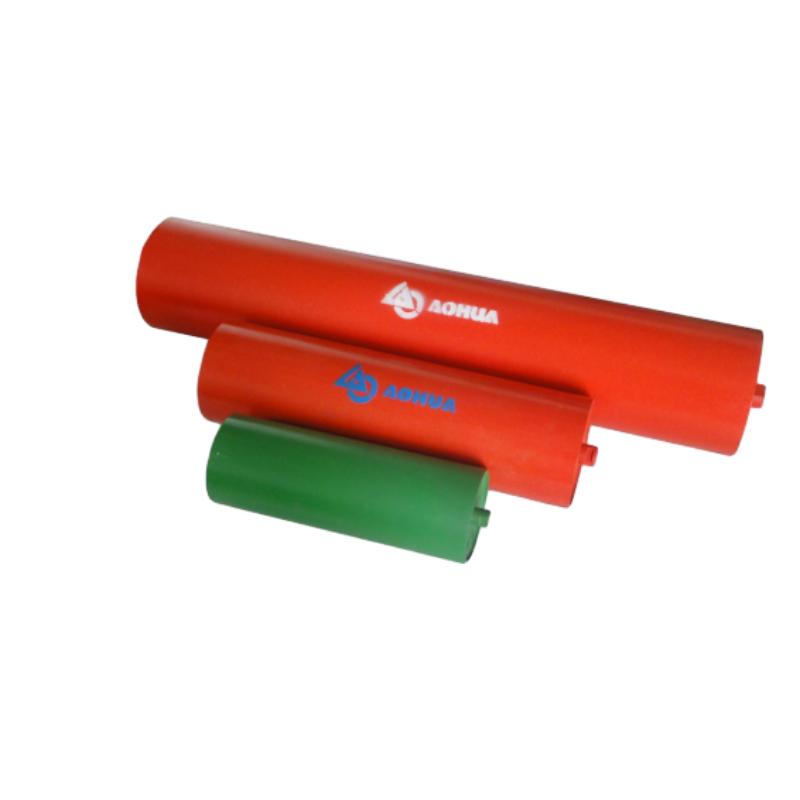
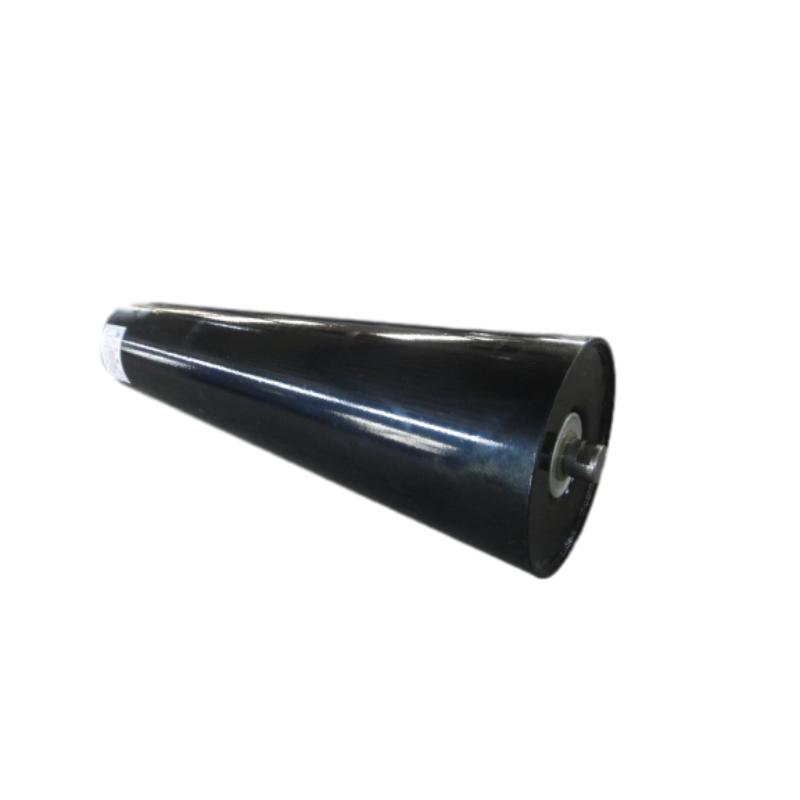
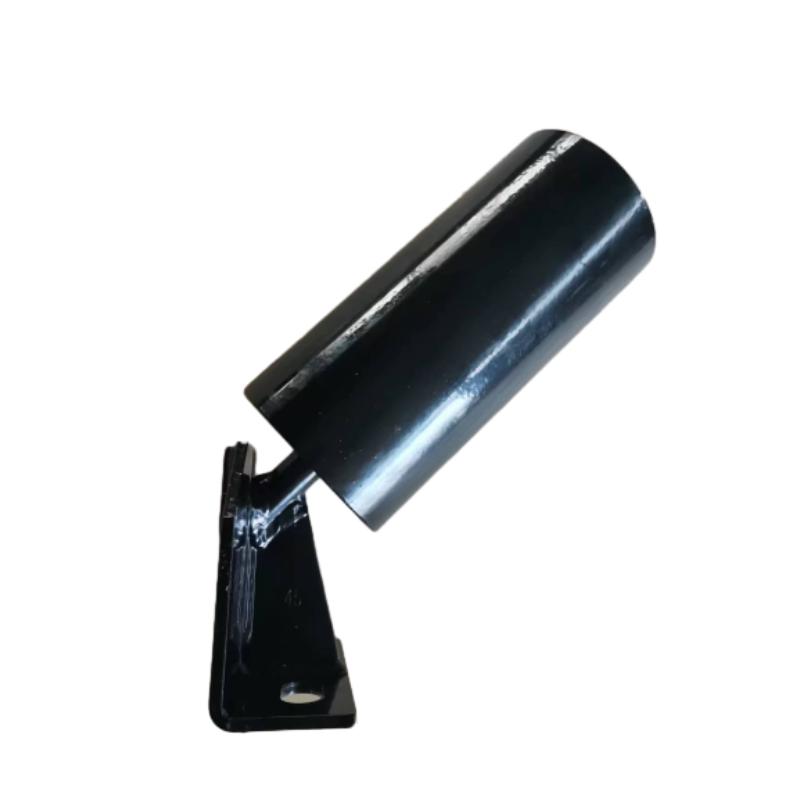
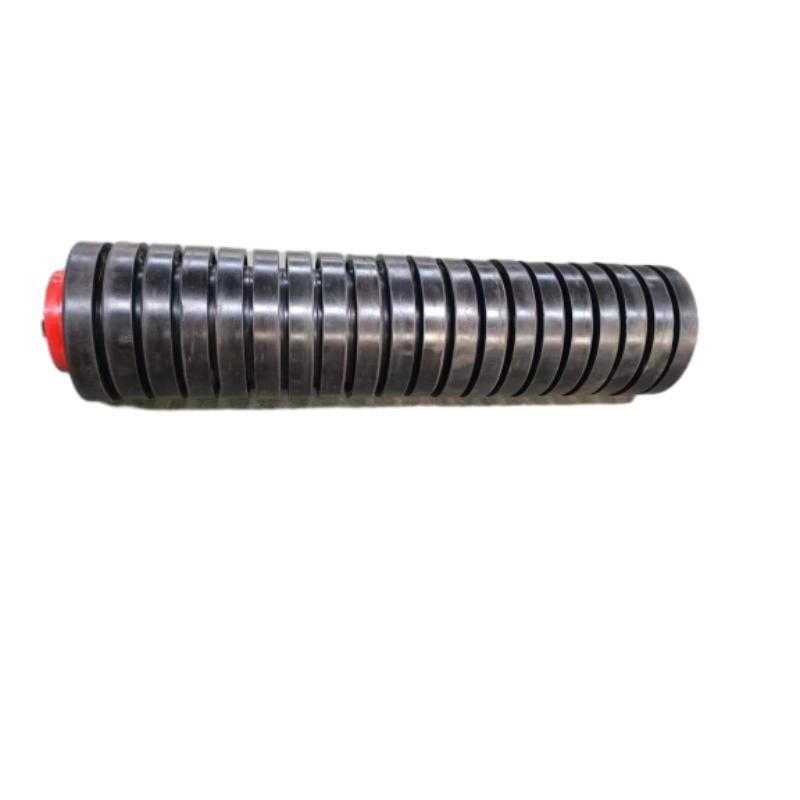
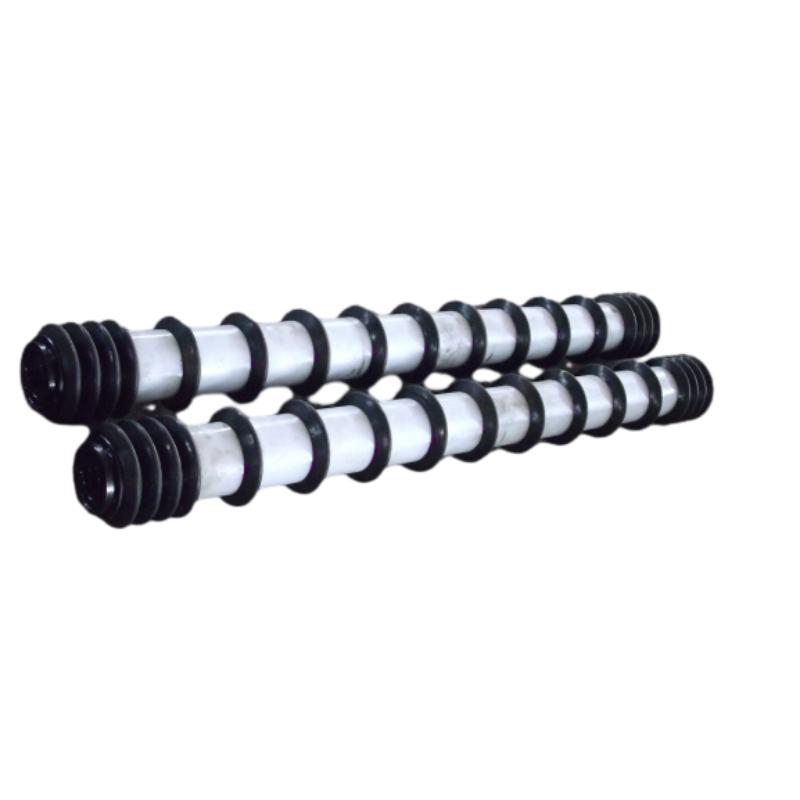
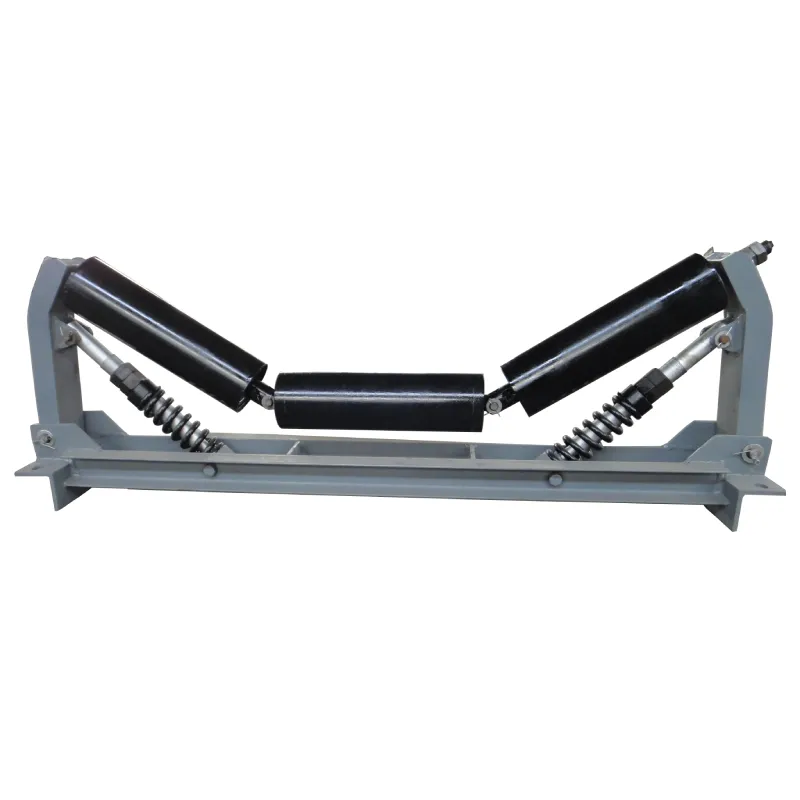
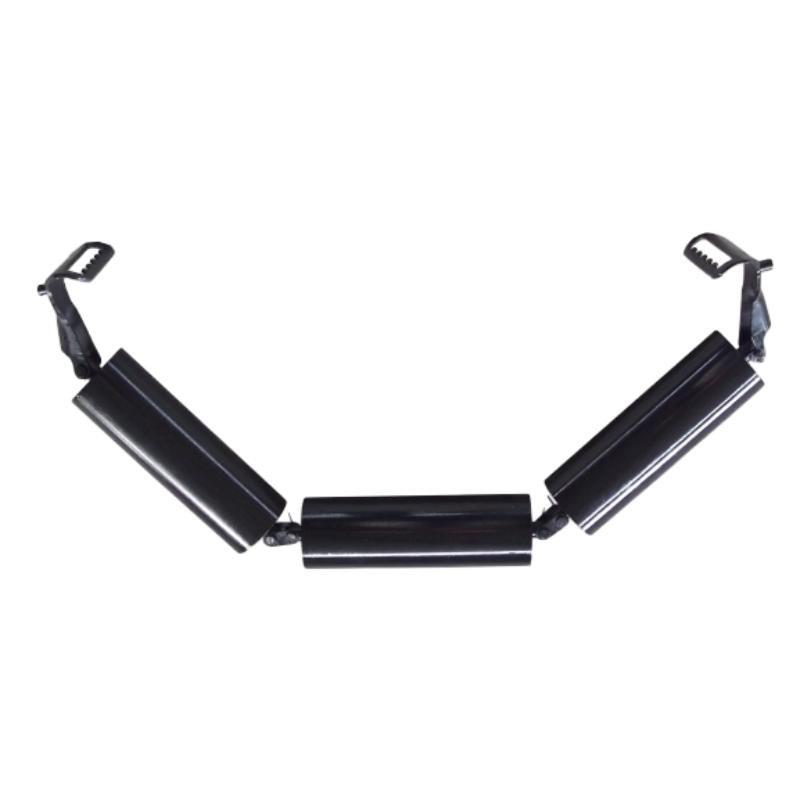
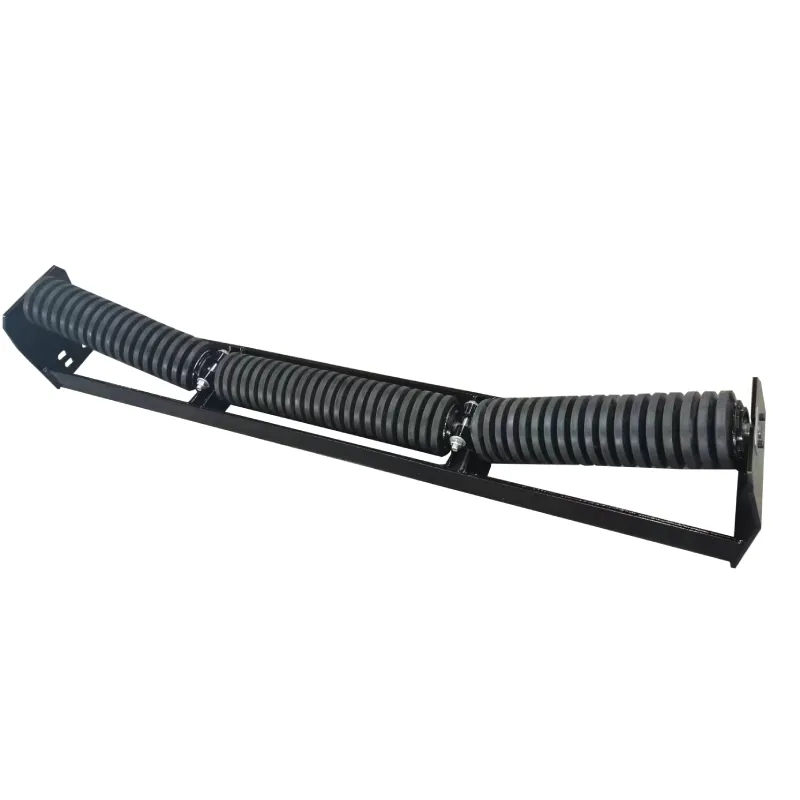
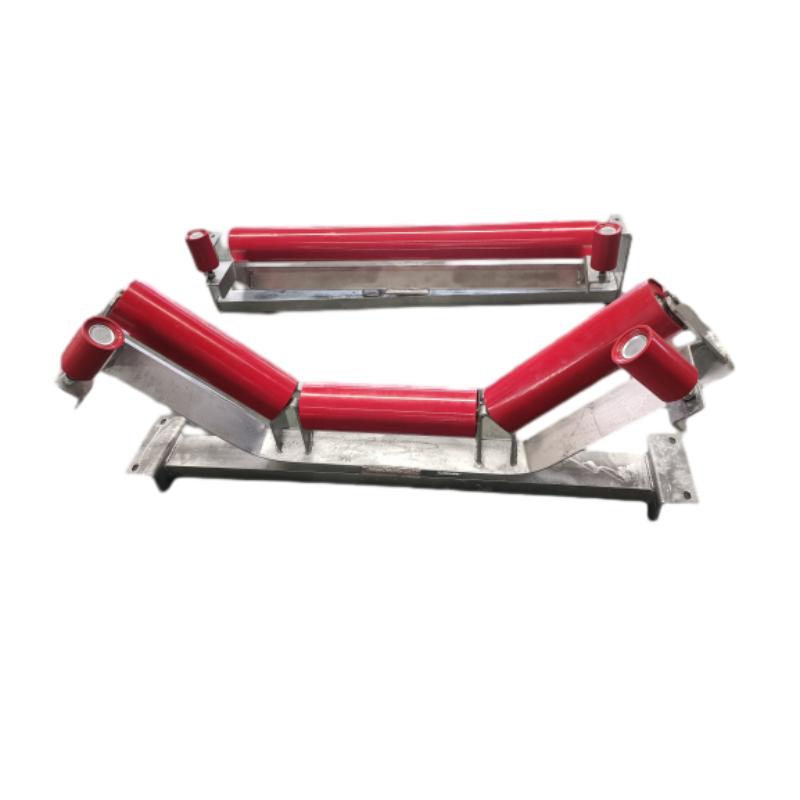
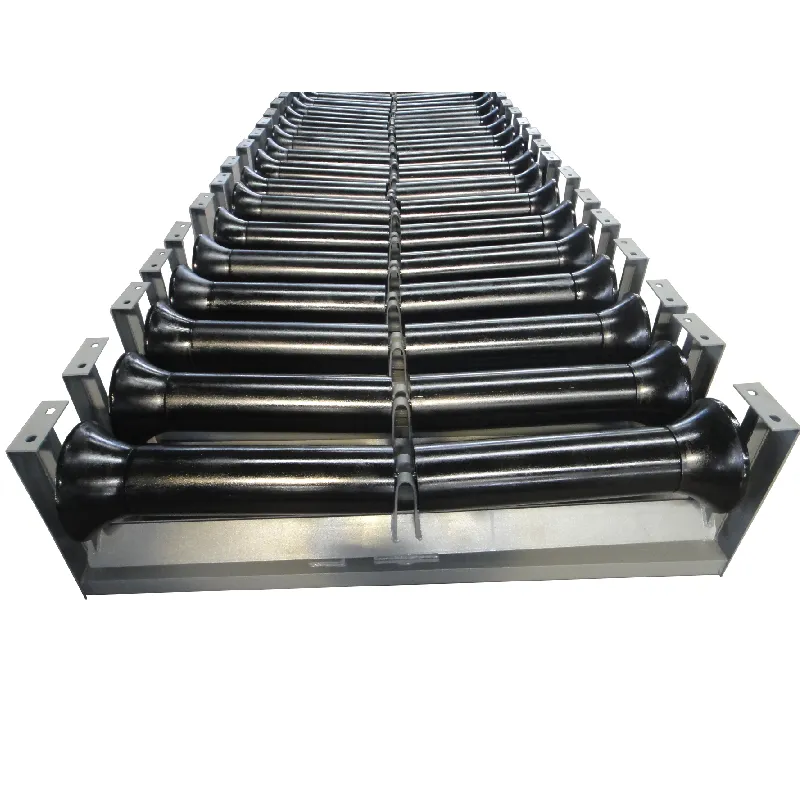
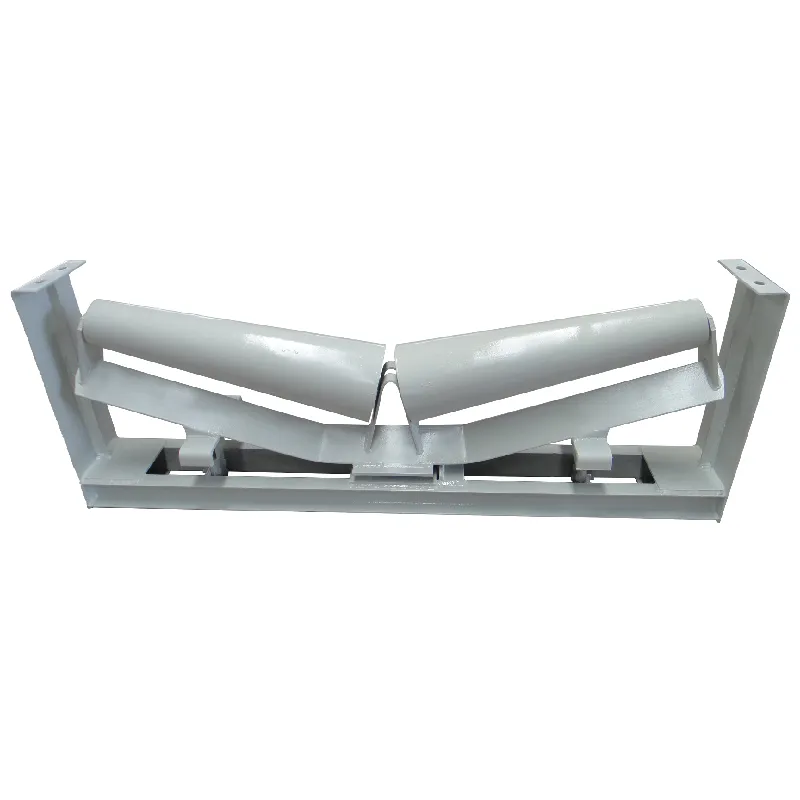
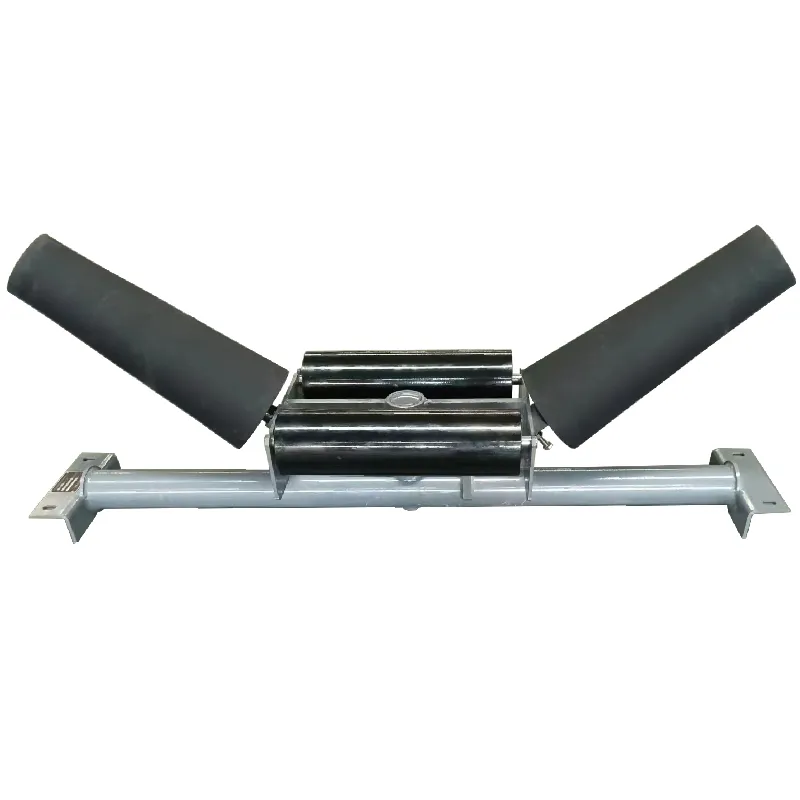
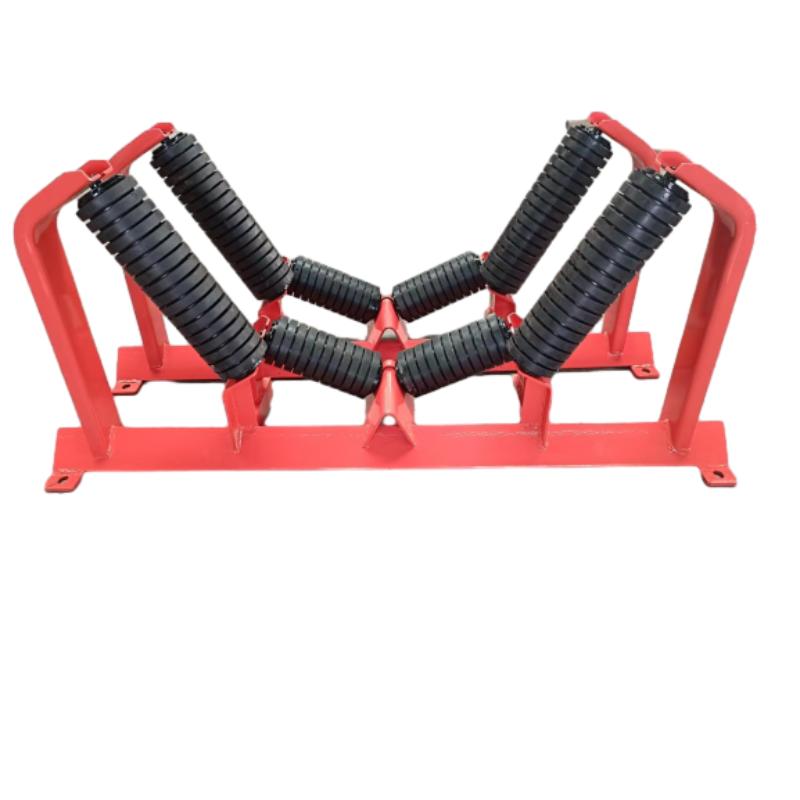
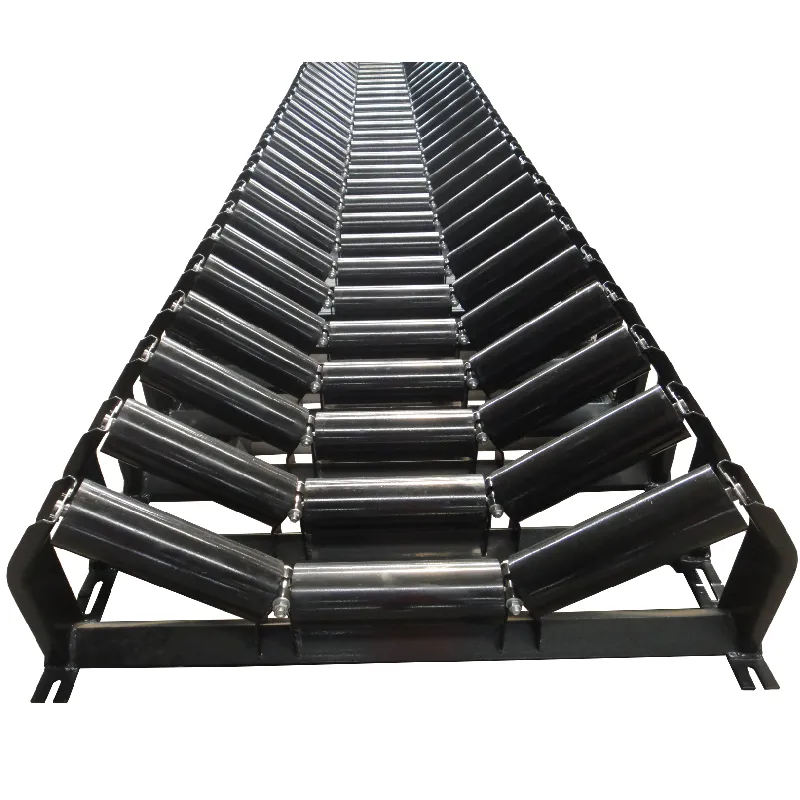
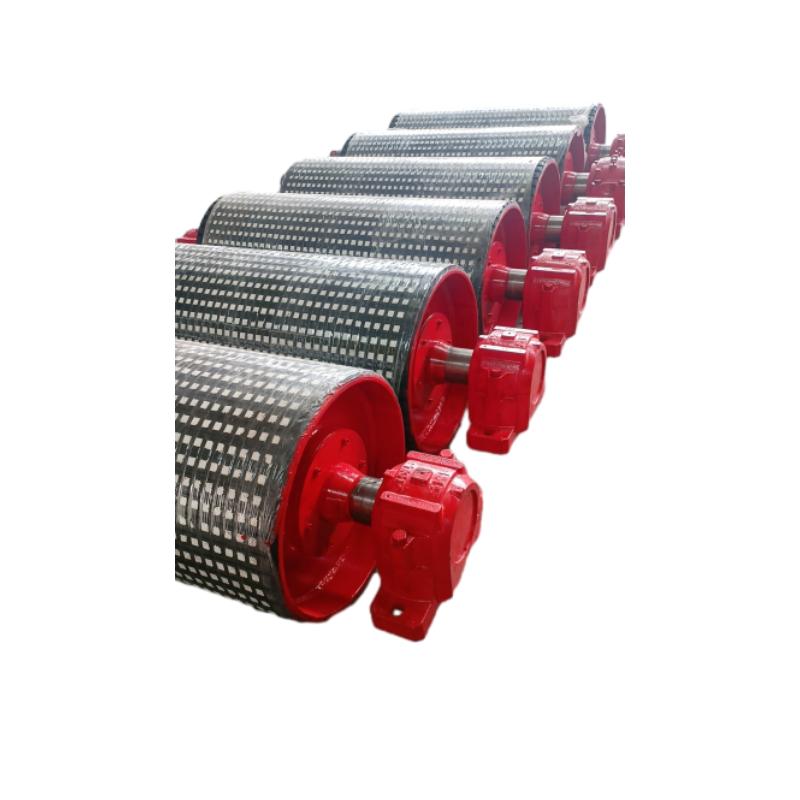
Having spent more than a decade around conveyor systems and bulk material handling, I’ve come to realize superior troughing rollers are often the unsung heroes of industrial setups. They might not be flashy like automation robots or shiny as new belts, but frankly, without good troughing rollers, belts sag, materials spill, and productivity tanks. In real terms, these rollers keep the conveyor belt shaped perfectly in a “trough” to carry materials with minimal spillage and wear.
Oddly enough, the varieties and quality levels across suppliers can be dramatically different. I’ve seen everything from cheap steel tubes with flimsy bearings to CNC-machined rollers designed to last years under tough conditions. By “superior,” I mean rollers that not only endure heavy loads and harsh environments but also run smoothly with minimal noise and maintenance.
Design and Materials Matter More Than You’d Think
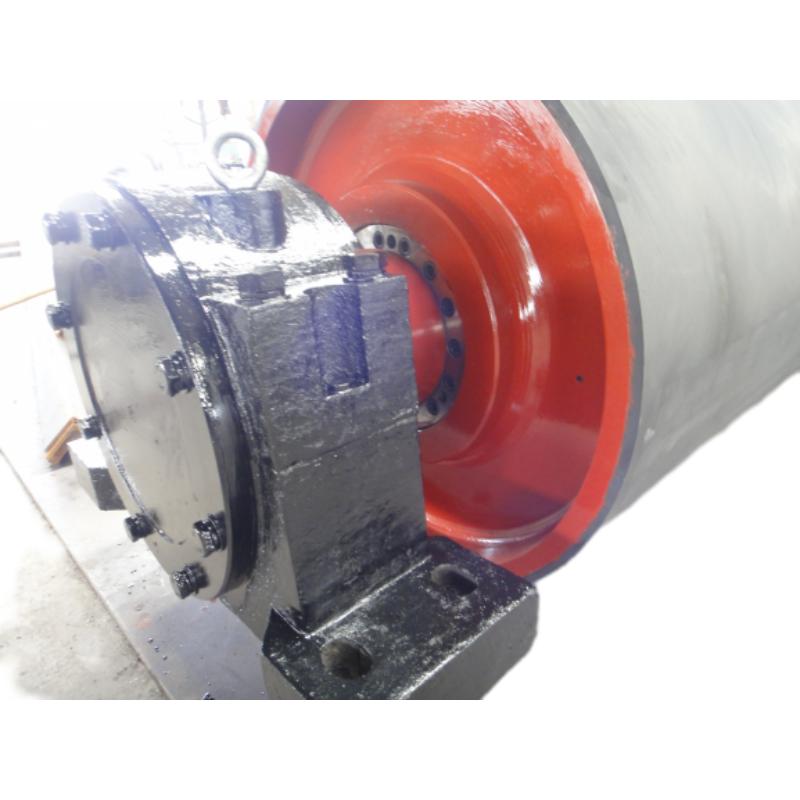
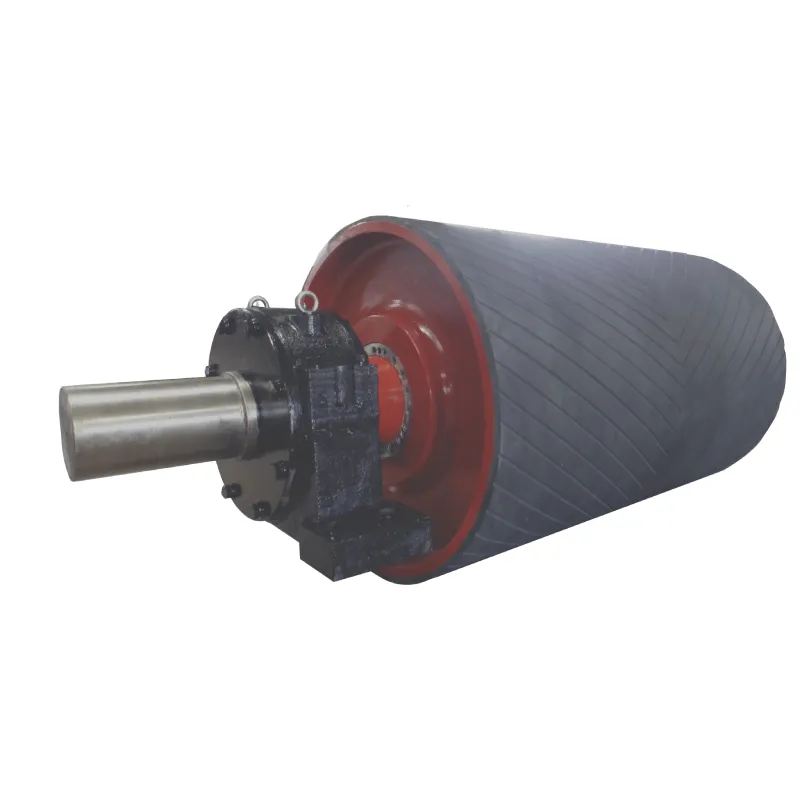
One of the first things that stood out to me working in the field is how the core materials and roller design influence roller life. For troughing rollers, the common materials include high-quality carbon steel or stainless steel tubes. The shell strength keeps rollers from deforming under heavy bulk, while the bearings inside must resist dirt, water, and abrasive dust.
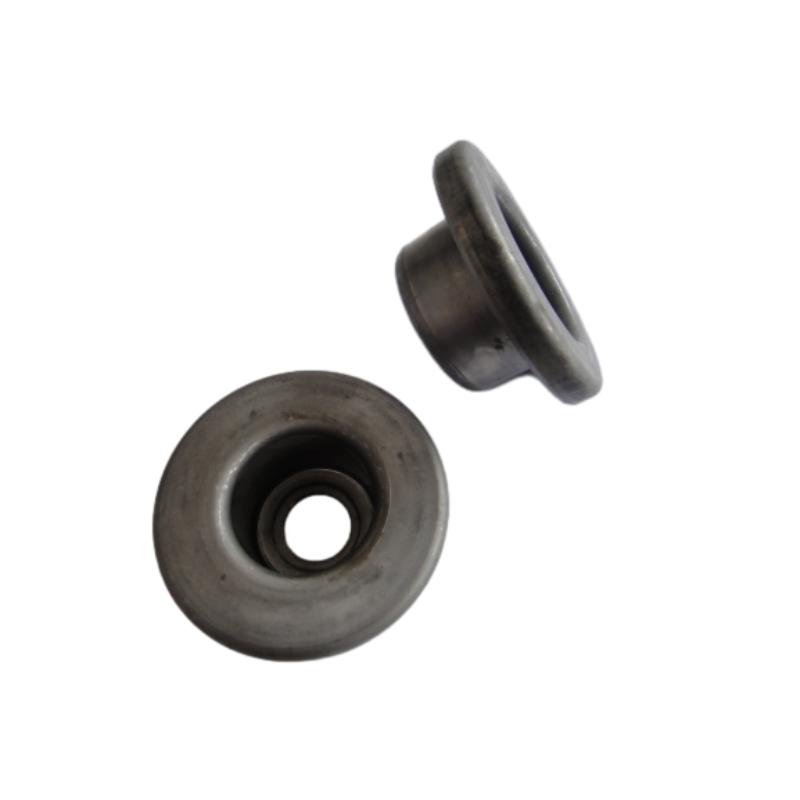
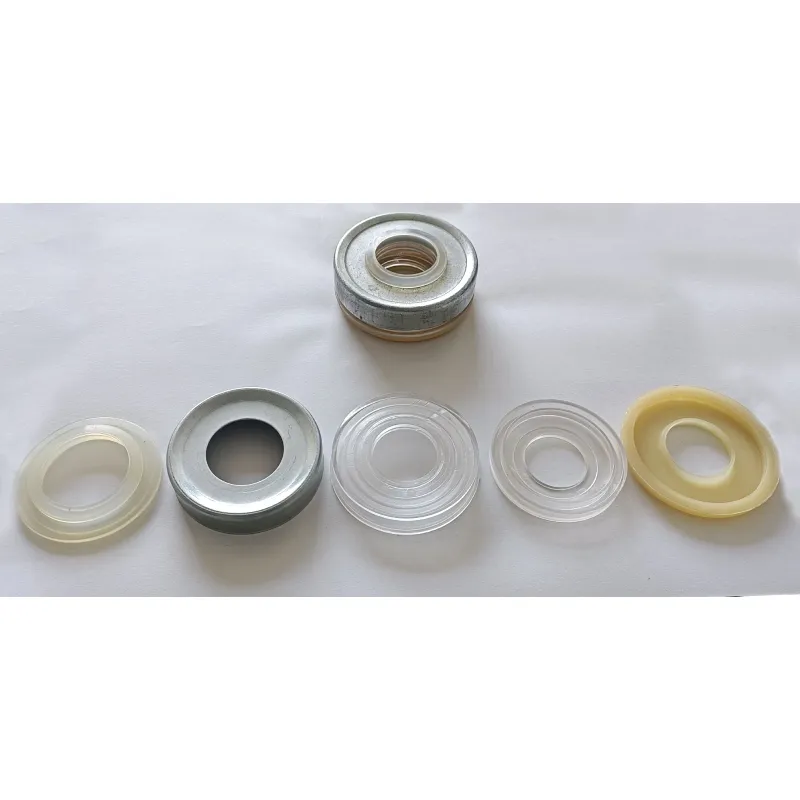
Many engineers say sealed ball bearings with corrosion-resistant grease are the way to go — and I agree. There’s nothing worse than a frozen roller stopping an entire conveyor line during peak hours. Some premium rollers even feature removable seals or self-aligning bearings, which really help during maintenance.
Performance Specs I Look For
| Feature | Typical Spec | Why It Matters |
|---|---|---|
| Tube Diameter | 89 mm / 108 mm / 159 mm | Supports various belt widths |
| Bearing Type | Sealed deep groove ball bearings | Long life, corrosion resistance |
| Shell Material | High carbon steel with anti-corrosive paint | Durable, rust-resisting in harsh conditions |
| Load Capacity | Up to 1500 kg per roller | Handles heavy bulk material without sagging |
| Speed Rating | Up to 3.5 m/s | Compatible with most belt conveyor speeds |
In one plant I worked at, upgrading just the troughing rollers to premium models cut conveyor downtime in half. The rollers ran quieter, cleaned easier, and frankly looked sturdier. It’s a clear payback on investment — if you go for quality brands, not the cheapest online specials.
Vendor Comparison: What to Keep in Mind
Choosing the right vendor can be tricky. Some companies offer budget-priced rollers but compromise on materials or bearings. Others focus on customization, which is handy when your conveyor system has odd dimensions or unusual environmental demands.
| Vendor | Material Quality | Customization Options | Warranty | Typical Lead Time |
|---|---|---|---|---|
| IdlerAohua | High carbon steel, premium bearings | Full range, custom diameters & coatings | 24 months | 2-4 weeks |
| Generic Steel Co. | Standard steel tube, generic bearings | Limited to standard sizes | 12 months | 3-6 weeks |
| ConveyRoll Solutions | Stainless steel option available | Moderate customization | 18 months | 4-5 weeks |
It’s interesting — no two conveyor systems are exactly alike. And sometimes the “best” roller is the one tuned to your site’s specifics: ambient conditions, material type, and load cycles. I noticed at one cement plant that rollers with anti-corrosive coating held out nearly twice as long as uncoated counterparts. So again, customization pays.
Ultimately, if you need reliability and consistent throughput, don’t skimp on your superior troughing rollers. They’re small components but big contributors to efficient bulk handling.
A quick anecdote — a maintenance engineer I once worked with told me that “good rollers are like good tires on a truck: you don’t notice them until they fail, and then you really notice.” Couldn’t agree more.
So, if you’re evaluating or upgrading your conveyor line, give troughing rollers a proper look — quality specs, trusted vendor, full customization. You’ll save time, avoid downtime, and frankly sleep better at night knowing your conveyor won’t quit unexpectedly.
In summary: Invest smartly in superior troughing rollers to get lasting, efficient conveyor system operation you can count on.
References:
1. Bulk Material Handling Handbook, Douglas M. Considine
2. Conveyor Equipment Manufacturers Association (CEMA) standards
3. Industrial Conveyor Systems: Maintenance & Specification Guide, 2022
-
Maximize Conveyor Life with a High Performance impact bedNewsApr.16,2026
-
Maximize Conveyor Efficiency Using a v plow belt scraperNewsApr.09,2026
-
Comprehensive Guide to Understanding Different Types of Belt CleanersNewsApr.07,2026
-
Enhancing Conveyor Efficiency with an Effective Scraper Belt CleanerNewsApr.04,2026
-
Optimizing Conveyor Systems with Advanced Cleaning Equipment SolutionsNewsMar.31,2026
-
Effective Conveyor Belt Scraper Adjustment for Optimal System PerformanceNewsMar.28,2026