

What is a Standup Roller? Global Uses, Benefits & Industry Insights
Understanding the Standup Roller: A Key to Efficient Industrial Roll Handling
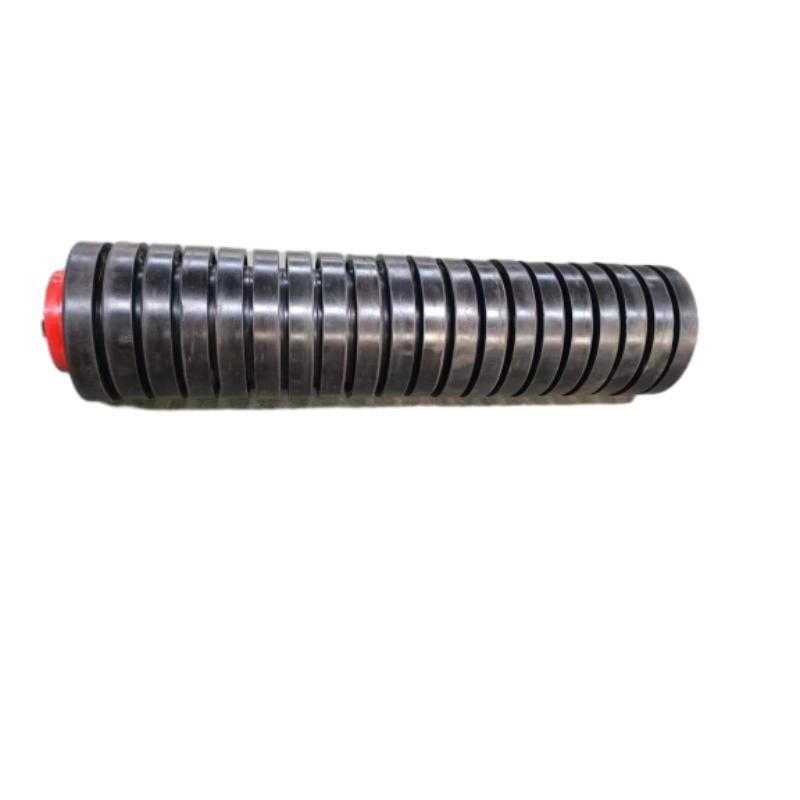
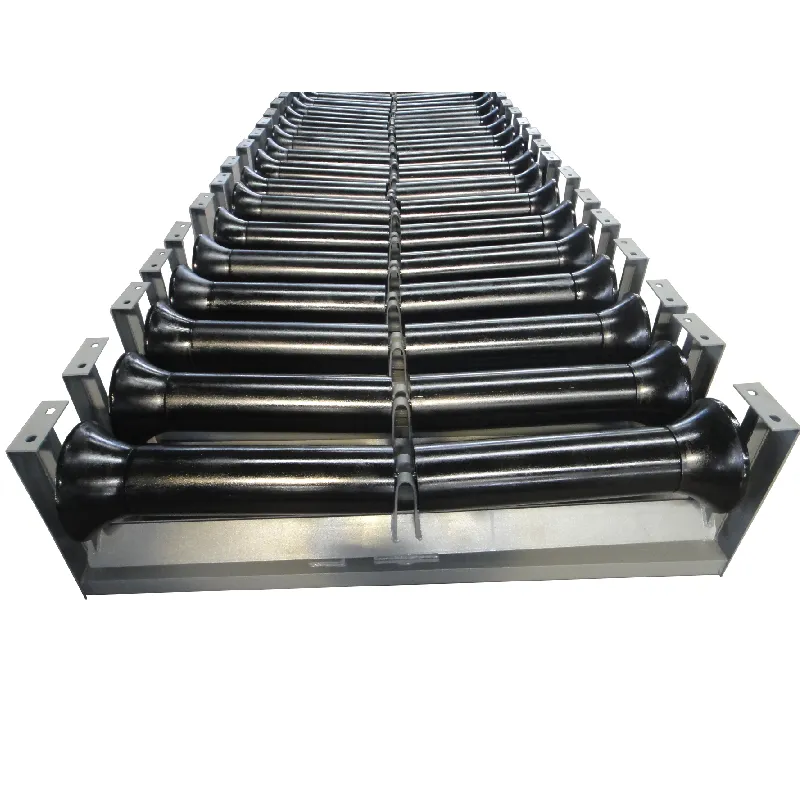
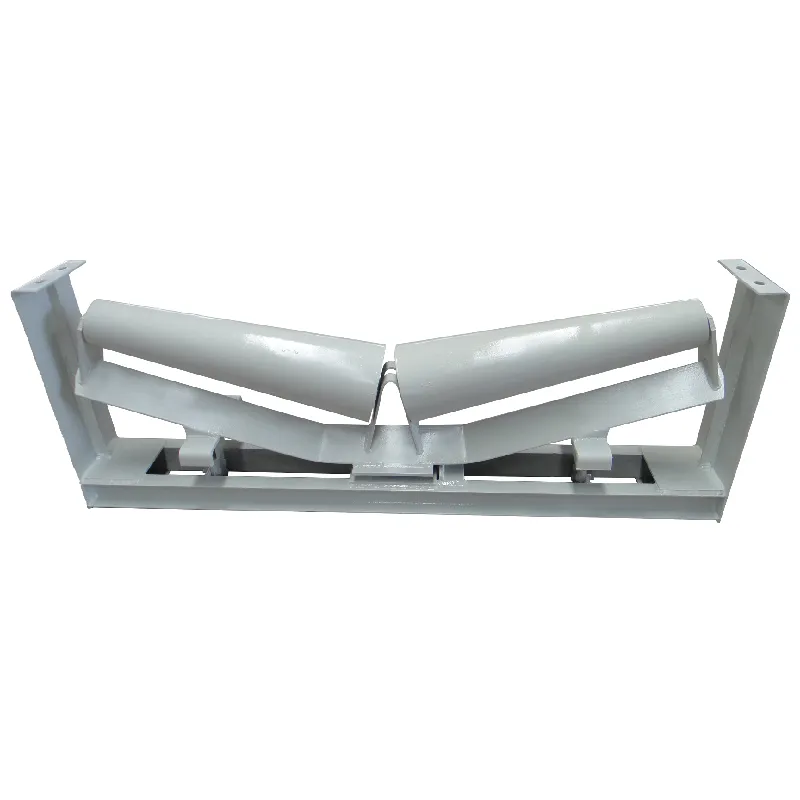
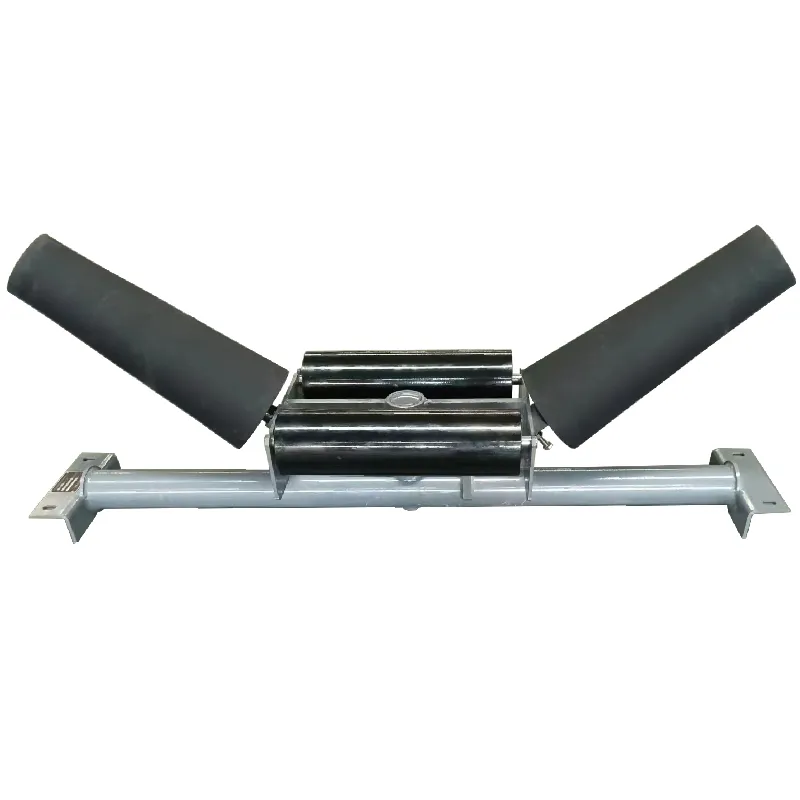
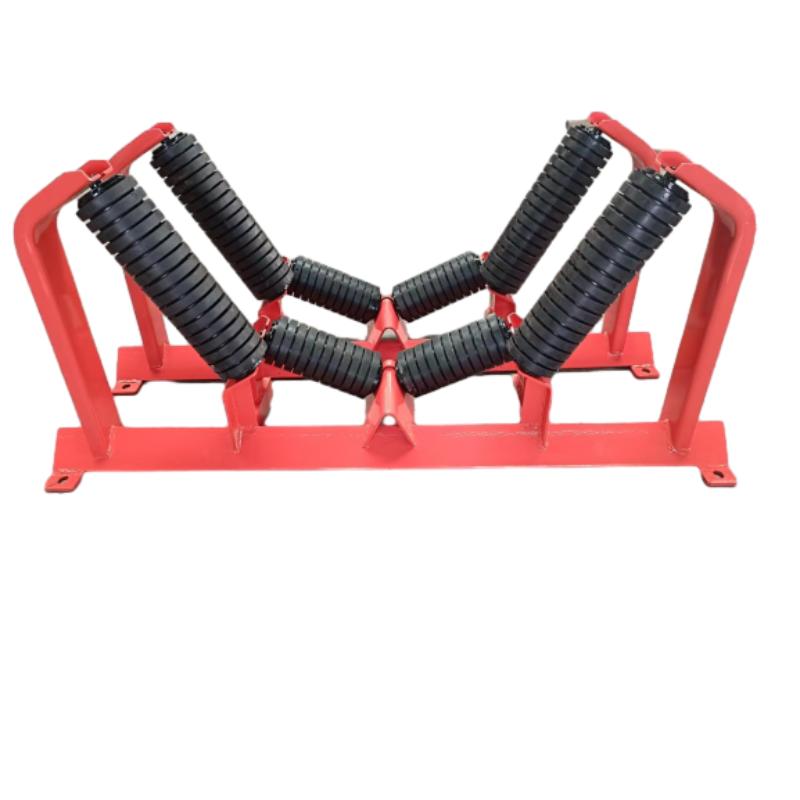
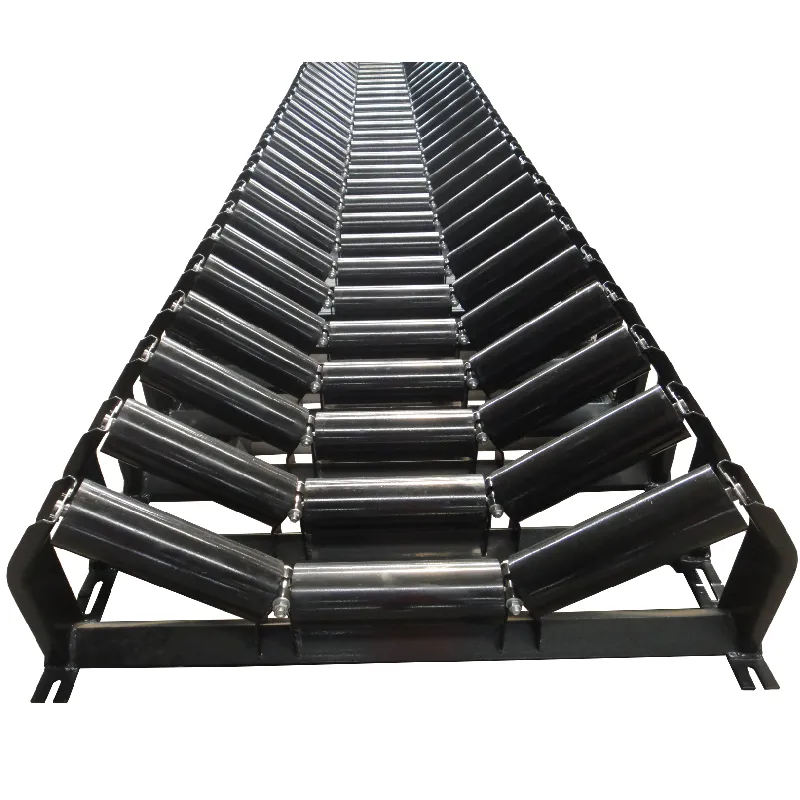
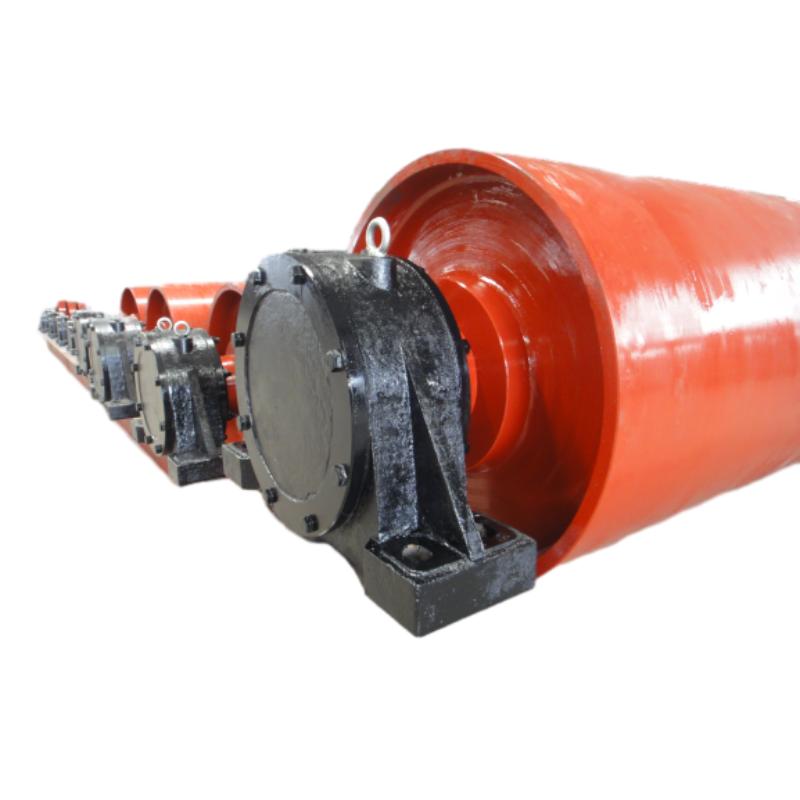
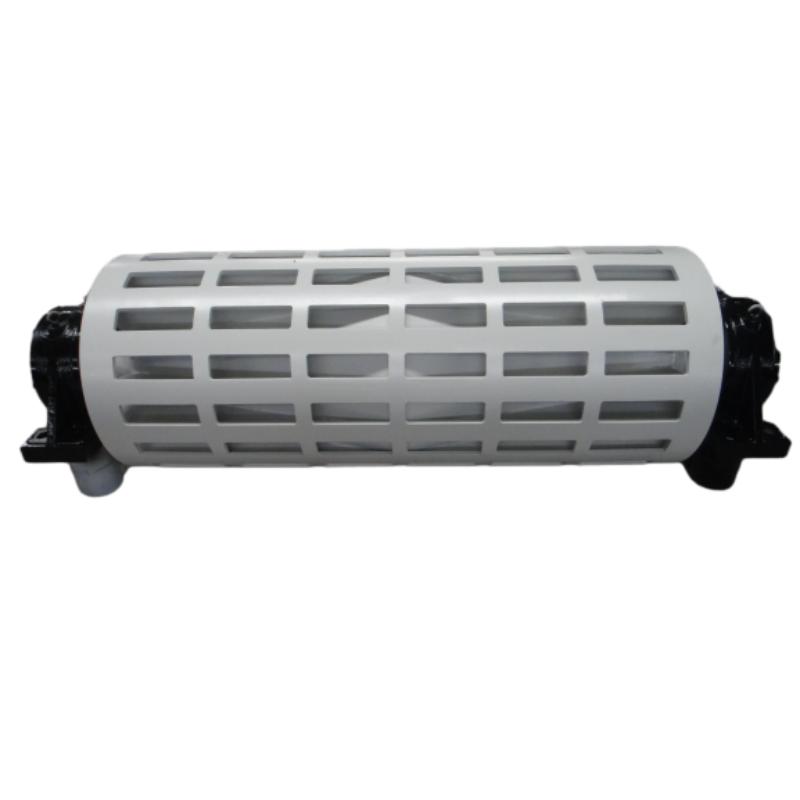
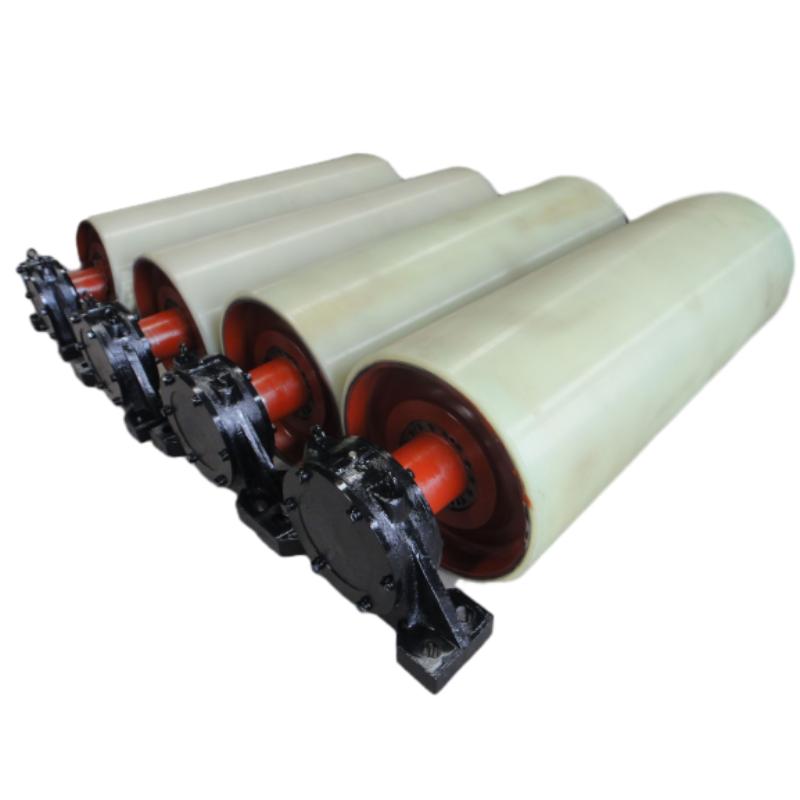
The term standup roller might sound niche, and in some ways it is — but these rollers play an outsized role in many industries worldwide. Simply put, a standup roller is a type of conveyor or handling roller typically used in manufacturing, packaging, and logistics to support and move heavy materials or products efficiently. Why does this matter on a global scale? Because as global production ramps up, ensuring smooth material flow with minimal downtime and cost is a universal challenge.
Getting familiar with standup rollers means understanding a crucial piece of the industrial puzzle — from automating assembly lines in Asia’s mega-factories to distributing goods in European warehouses. In this article, we’ll explore what standup rollers are, why industries rely on them, and how innovations are shaping their future.
Introduction: Why Standup Rollers Matter Globally
To grasp the significance of standup rollers, consider this: the World Bank estimates that global manufacturing output hit around $15 trillion in 2022, powering countless supply chains. Handling materials efficiently is paramount to keeping these supply chains running. A key bottleneck? Product or material movement across processing or packing zones, often slowed by outdated or unsuitable equipment.
Enter the standup roller, a solution designed to improve conveyance dynamics and reduce friction or stoppages in the flow of goods. Given the tightening focus on sustainable, cost-effective manufacturing (think ISO 14000 standards for environmental management), tools like these rollers help companies not only speed up operations but also reduce wasteful energy usage and wear on equipment.
Defining the Standup Roller
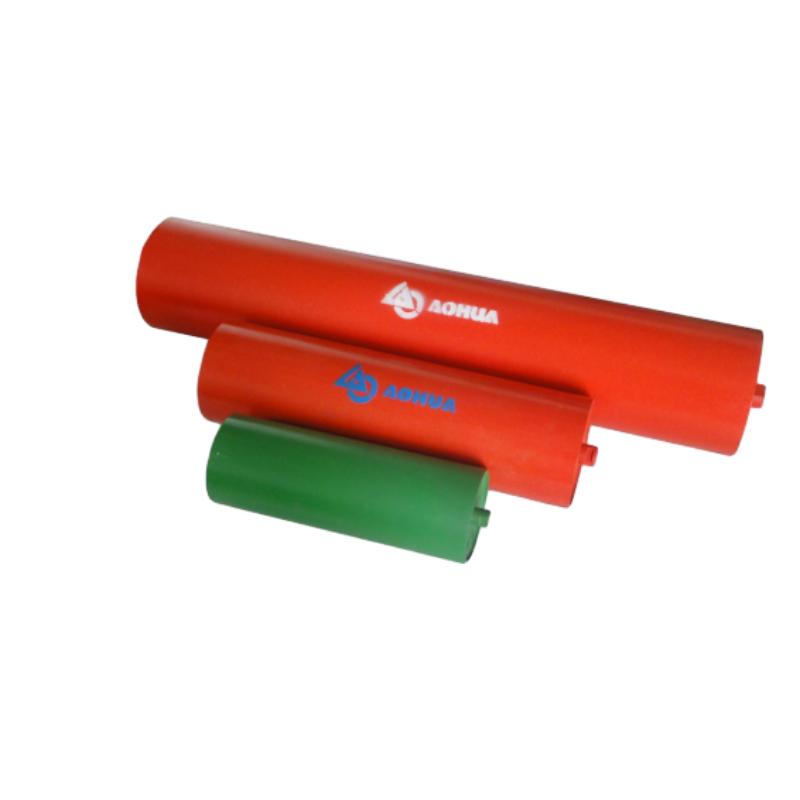
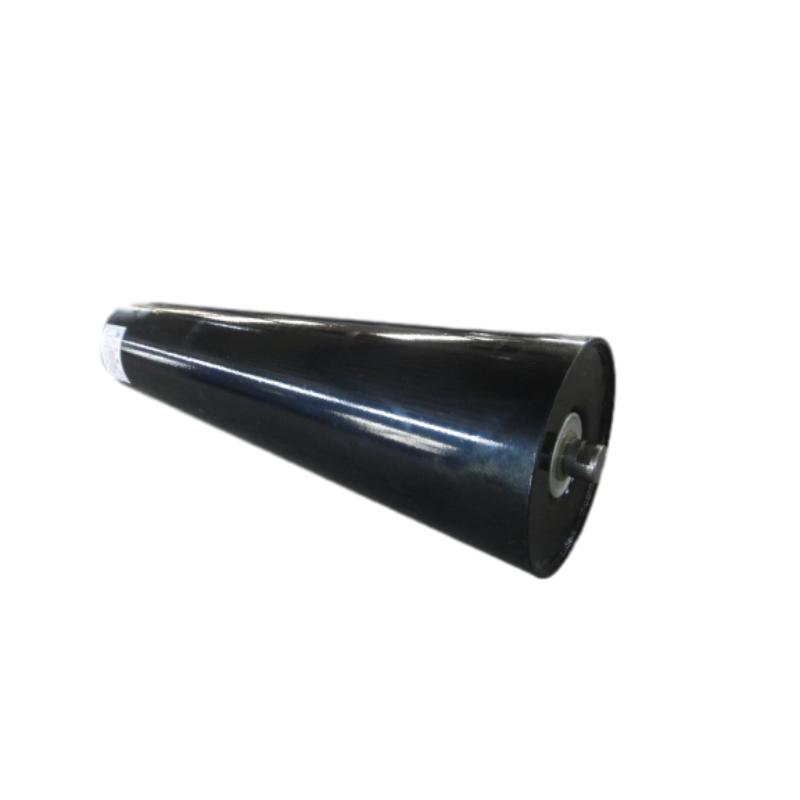
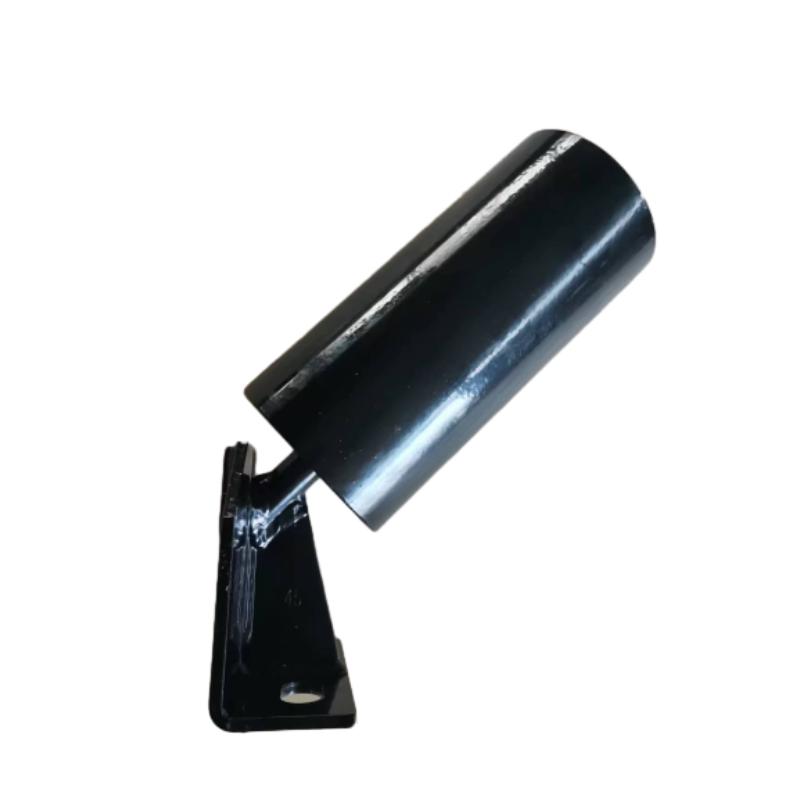
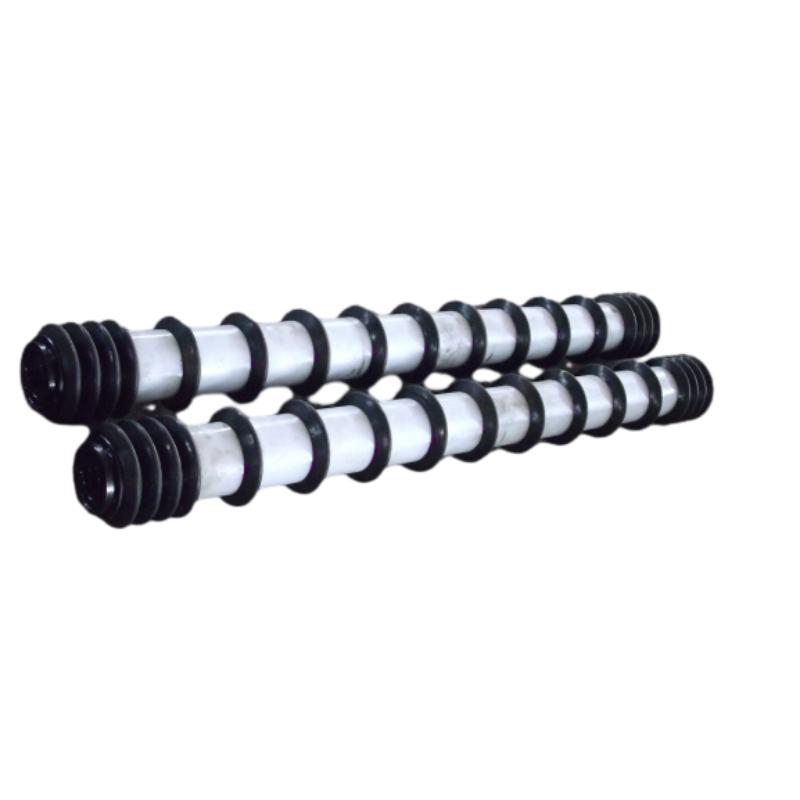
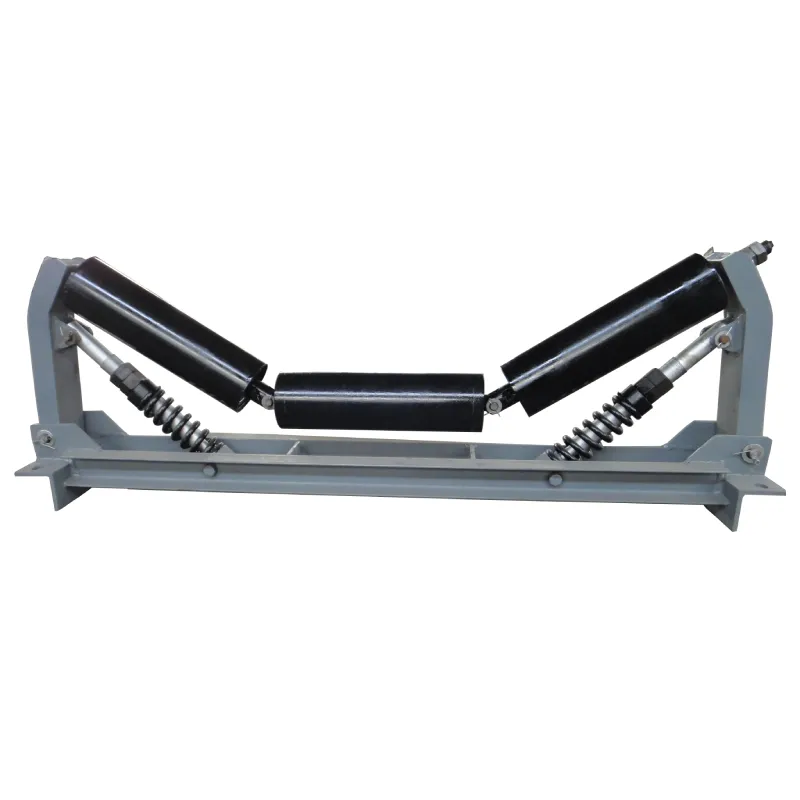
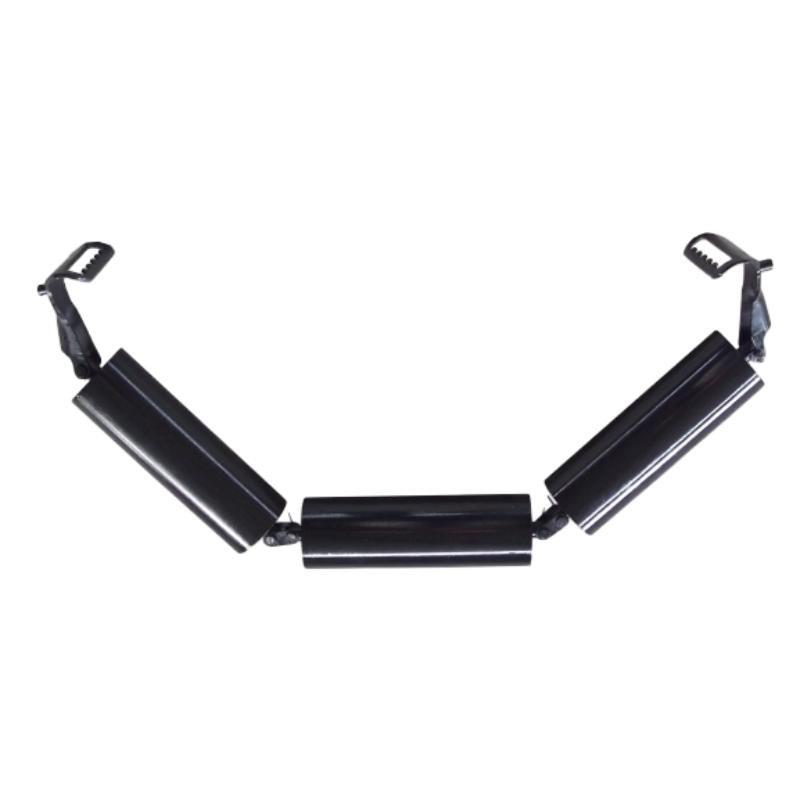
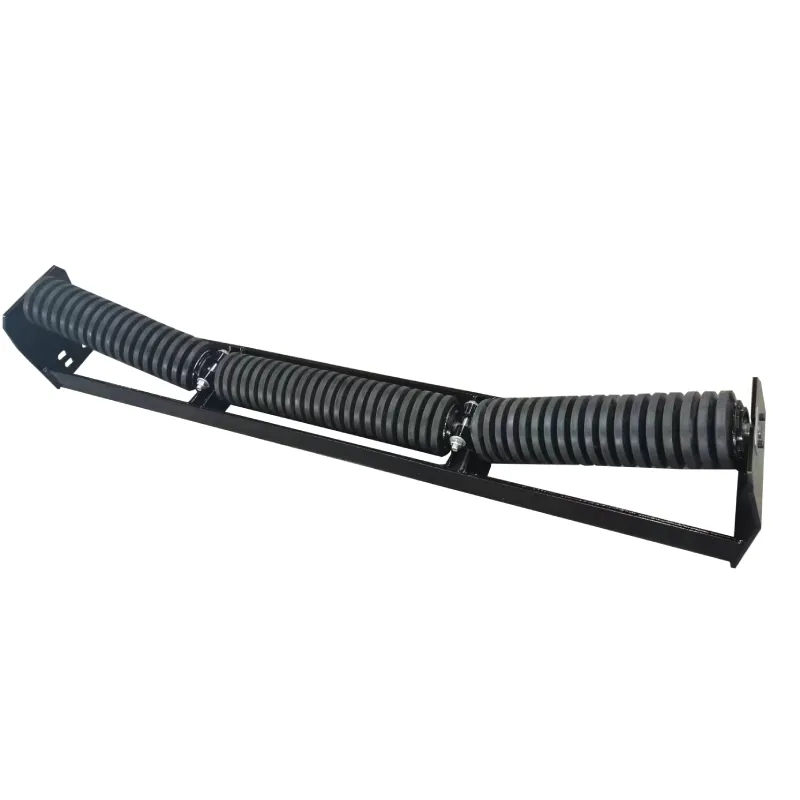
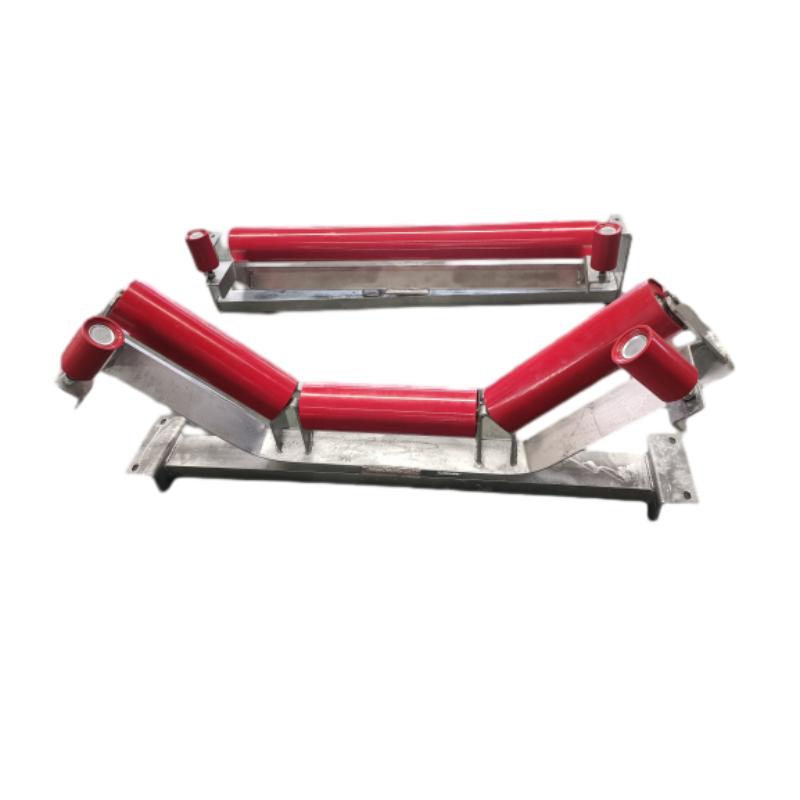
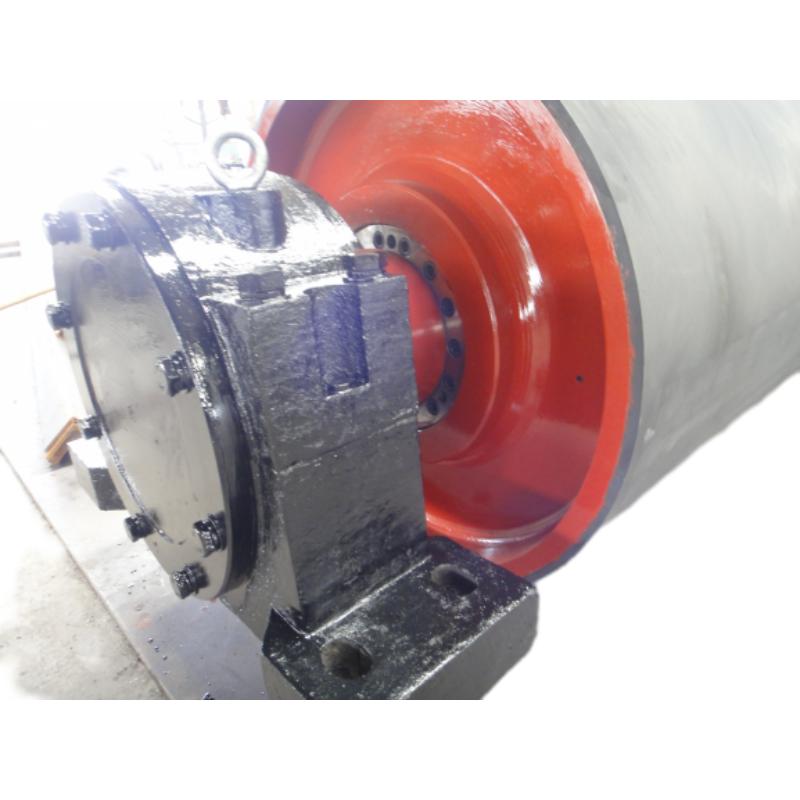
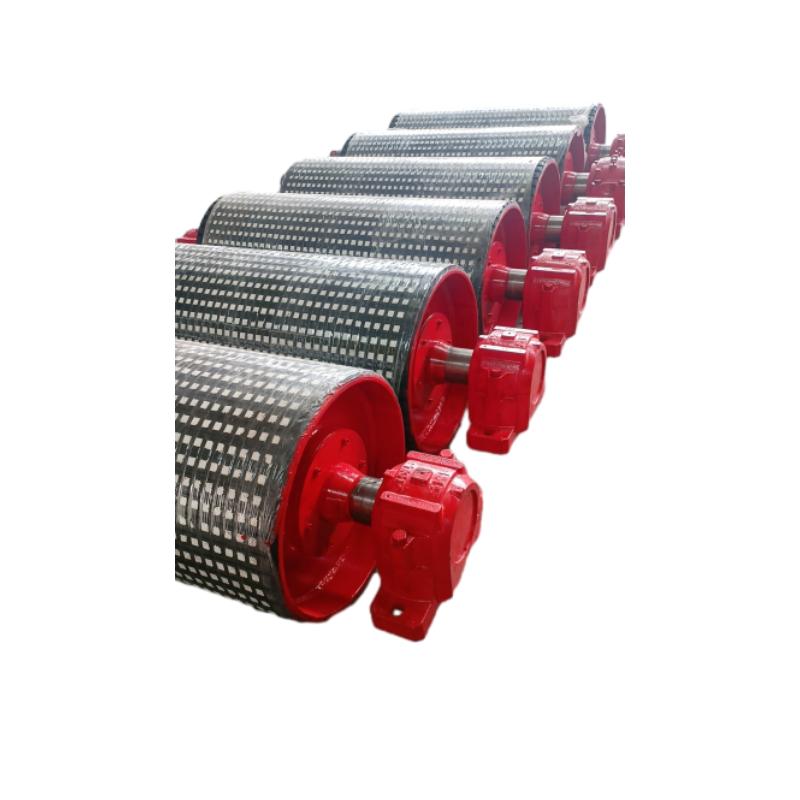
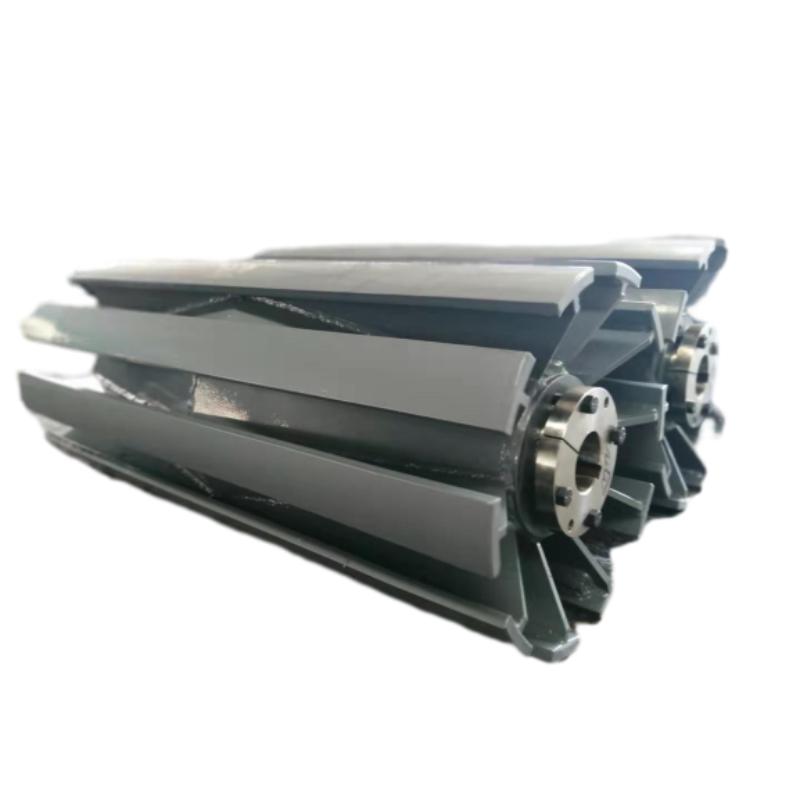
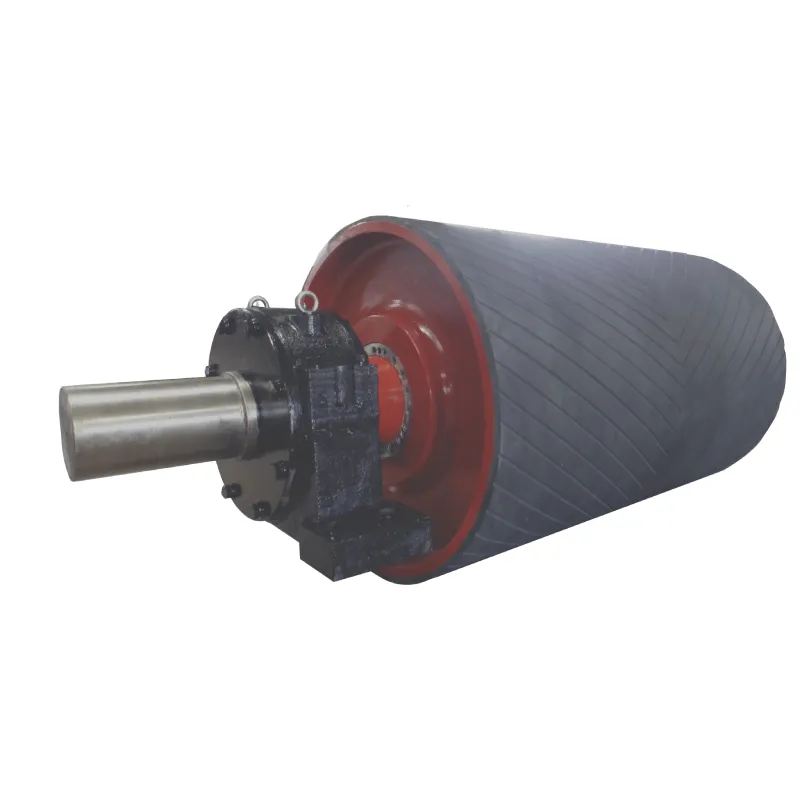
So, what exactly is a standup roller? At its core, it is a cylindrical component mounted vertically (hence “standup”) that assists in guiding or supporting moving materials on conveyors or roller beds. Unlike horizontal rollers that bear loads lying flat, the standup roller presents an edge or surface perpendicular to the flow direction, preventing scraps, skids, or products that might otherwise fall off or jam systems.
Industries ranging from food processing and packaging to heavy manufacturing have adopted standup rollers for their ability to handle oddly shaped or unstable products—think bottles, crates, or pallets that need precise guidance. Oddly enough, despite their modest appearance, these rollers can significantly reduce product damage and downtime, two critical expenses in industrial settings.
Key Components and Factors of Standup Rollers
1. Durability
Made often from stainless steel or reinforced polymers, standup rollers must endure abrasive environments, chemical exposure, or heavy loads. For manufacturers, longevity equals lower maintenance cost.
2. Load Capacity
Depending on application, rollers vary widely in their rated load bearing — from lightweight packaging lines to industrial heavy goods movement. Getting this right prevents premature failure.
3. Material Compatibility
Roller surface material must match the product being transported to minimize slippage or damage. For example, rubber-coated rollers are common where grip is needed.
4. Corrosion Resistance
Especially critical for industries like food or pharmaceuticals where hygiene is a priority and cleaning is frequent.
5. Ease of Installation & Maintenance
Standup rollers are often modular for quick replacement or repositioning along conveyor systems, helping reduce downtime.
6. Cost Efficiency
Balancing upfront purchase price with operational benefits like energy savings and reduced wear on products is a crucial factor for procurement teams.
Standup Roller Product Specification Table
| Model | Material | Diameter (mm) | Max Load (kg) | Surface Finish | Corrosion Resistance |
|---|---|---|---|---|---|
| SR-100 | Stainless steel | 50 | 120 | Polished | High |
| SR-200 | Carbon steel | 60 | 150 | Rubber coated | Medium |
| SR-300 | Polymer composite | 45 | 100 | Matte finish | High |
Global Applications & Real-World Use Cases
Standup rollers are not just factory floor basics; their use spans continents and industries:
- Post-disaster relief logistics: In challenging terrain where fast and reliable sorting of aid packages is vital, standup rollers ensure smooth conveyor handling.
- Automotive manufacturing: Here, rollers guide heavy parts moving along assembly lines, preventing costly jamming or misalignment.
- Food and beverage sectors: Delicate bottles or cartons depend on rollers with hygienic surfaces to maintain integrity without contamination.
- Warehousing & distribution: Packages of varying sizes are sorted and transported efficiently with the help of modular roller setups.
Oddly enough, in some remote industrial zones, the reliability of these rollers dramatically cuts down the need for constant maintenance visits, saving large amounts on logistics and operational costs.
Vendor Comparison: Standup Roller Suppliers
| Vendor | Product Range | Price Range | Customization | Lead Time |
|---|---|---|---|---|
| RollFast Inc. | Standard & custom rollers | $50-$120/unit | High | 2-4 weeks |
| ConveyTech Solutions | Heavy-duty & corrosion-resistant | $65-$140/unit | Medium | 3-5 weeks |
| BuildRollers Ltd. | Polymer & metal composites | $45-$110/unit | Custom projects only | 4-6 weeks |
Advantages & Long-Term Value
Choosing quality standup rollers means more than just buying components. Here’s the kicker: they bring cost savings over time via fewer product damages, reduced downtime, and lower energy consumption because of smoother flows. Reliability in harsh environments also means workers can count on safer, more predictable production.
On a social level, industries embracing these innovations can sustain production jobs longer, support safer workplaces, and move closer to sustainable manufacturing goals. It's about trust as much as technology — your conveyor system’s invisible backbone.
Future Trends & Innovations
Looking ahead, manufacturers are exploring smart rollers embedded with IoT sensors to monitor wear in real-time or predict failures, advancing digital transformation trends in industry 4.0. Additionally, eco-friendly materials derived from recycled polymers or bio-based composites are gaining momentum, echoing global climate goals.
Automation in the installation and adjustment of standup rollers is another fascinating frontier — companies are developing tool-free modular systems to speed conveyor changeovers. Frankly, the future looks like rollers that not only support products but also support the entire smart factory ecosystem.
Challenges & Solutions
Of course, standup rollers aren’t perfect. Common challenges include mismatch of roller size to load leading to excessive wear, contamination in food-grade environments, or limited availability of customization in smaller markets. But solutions exist: modular designs, stringent quality controls aligned with ISO 9001, and partnerships with specialized vendors solve many headaches.
Expert advice? Regularly assess your conveyor needs, engage with suppliers early for tailored solutions, and incorporate digital monitoring to avoid surprises. The right roller can be a game-changer.
FAQ: Frequently Asked Questions About Standup Rollers
- What makes standup rollers different from traditional horizontal rollers?
- Standup rollers are mounted vertically and primarily guide products to prevent shifting or tipping, especially useful for tall or unstable items, unlike horizontal rollers which mainly support the weight horizontally.
- How durable are standup rollers in corrosive environments?
- Many standup rollers use stainless steel or polymer coatings that offer high corrosion resistance, making them suitable for food processing or coastal industrial zones when maintained properly.
- Can standup rollers be customized for unusual product sizes?
- Yes, most manufacturers offer customization in diameter, material, and surface finish to ensure optimal product handling and longevity.
- How do standup rollers influence overall conveyor system efficiency?
- By reducing product jams and damage, they minimize downtime and maintenance, ultimately improving throughput and lowering operating costs.
- Are standup rollers eco-friendly?
- When made from recyclable materials and designed for long life, they contribute to sustainability goals. Upcoming bio-based materials promise even greener options.
Conclusion: Why You Should Care About Standup Rollers
In real terms, investing in the right standup roller isn’t just about hardware — it’s about optimizing your whole operation’s rhythm, safety, and sustainability. Whether you run a factory, a warehouse, or logistics center, understanding and deploying these rollers brings measurable long-term benefits in cost, reliability, and social impact.
To explore tailored standup roller solutions that fit your needs, feel free to visit our website. We’re here to help you keep things rolling smoothly and smartly.
Mini takeaway: Standup rollers are modest, yet mighty components whose impact stretches from the factory floor to global supply chains, embodying innovation and efficiency.
References:
-
Maximize Conveyor Life with a High Performance impact bedNewsApr.16,2026
-
Maximize Conveyor Efficiency Using a v plow belt scraperNewsApr.09,2026
-
Comprehensive Guide to Understanding Different Types of Belt CleanersNewsApr.07,2026
-
Enhancing Conveyor Efficiency with an Effective Scraper Belt CleanerNewsApr.04,2026
-
Optimizing Conveyor Systems with Advanced Cleaning Equipment SolutionsNewsMar.31,2026
-
Effective Conveyor Belt Scraper Adjustment for Optimal System PerformanceNewsMar.28,2026