

Superior Return Rollers: Enhancing Conveyor Efficiency & Durability
Why Superior Return Rollers Matter in Today’s Global Industry
In the whirlwind world of conveyor systems, superior return rollers quietly but critically keep things moving. If you’ve ever watched a package zip effortlessly along sorting belts in huge logistics hubs or admired the smooth operation of a mining conveyor, you’ve witnessed their impact. Globally, industries depend on return rollers that withstand tough environments, reduce downtime, and enhance efficiency. Understanding what makes these components “superior” essentially means grasping how supply chains stay resilient, machinery lives longer, and costs get controlled worldwide.
The Global Context: More Than Just Parts
Conveyor systems power vast sectors: manufacturing, mining, logistics, agriculture, and even humanitarian operations transporting vital resources. According to the International Organization for Standardization (ISO), conveyor reliability directly influences productivity and safety, with rollers playing a huge role in this equation. As production scales up globally, with the World Bank estimating a 4.1% rise in goods transported via belts annually, the challenge is clear: how to maintain the reliability and durability of these return rollers?
One common pain point? Frequent roller failure leads to costly stoppages — an issue that cascades into supply chain disruption at an international level. This is where superior return rollers shine, offering a technical answer to an economic challenge.
What Exactly Are Superior Return Rollers?
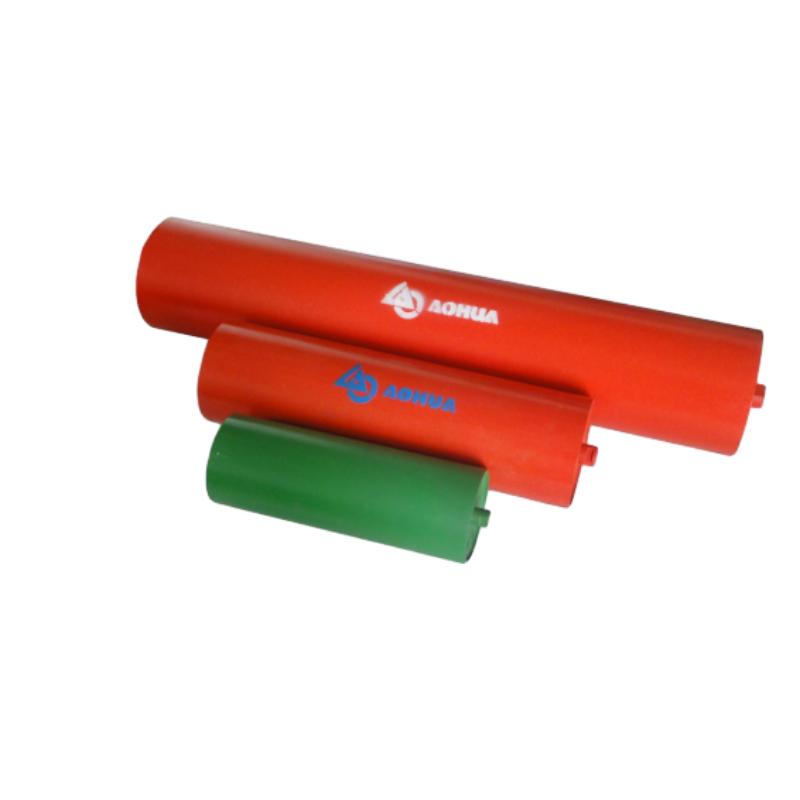
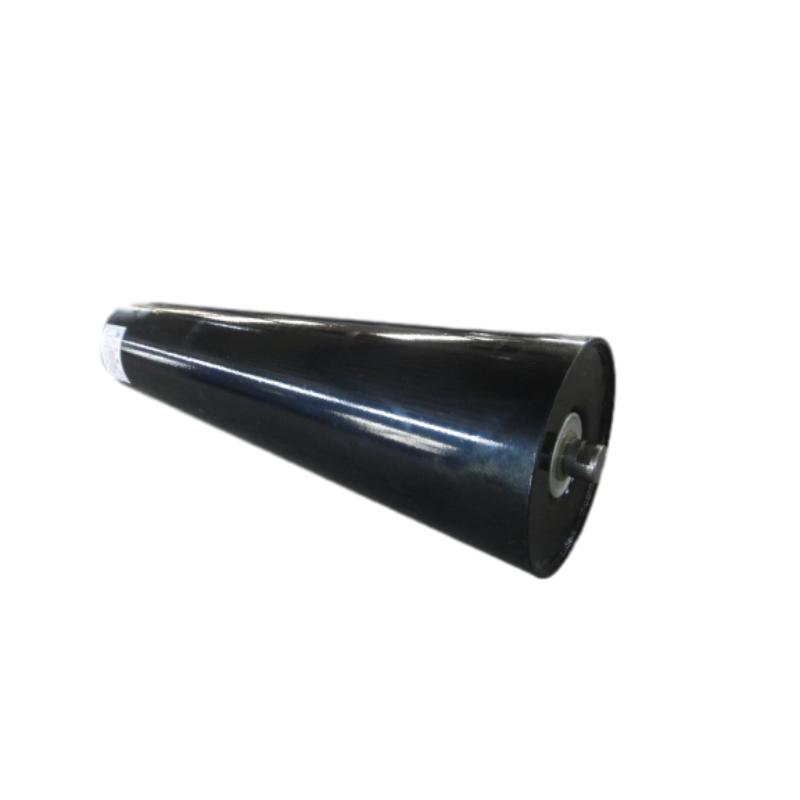
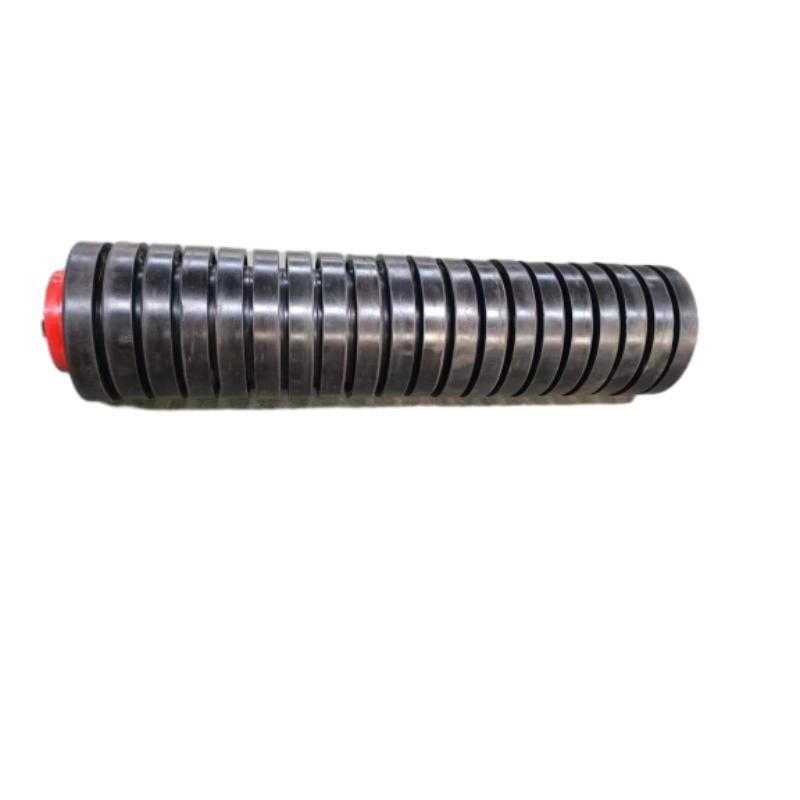
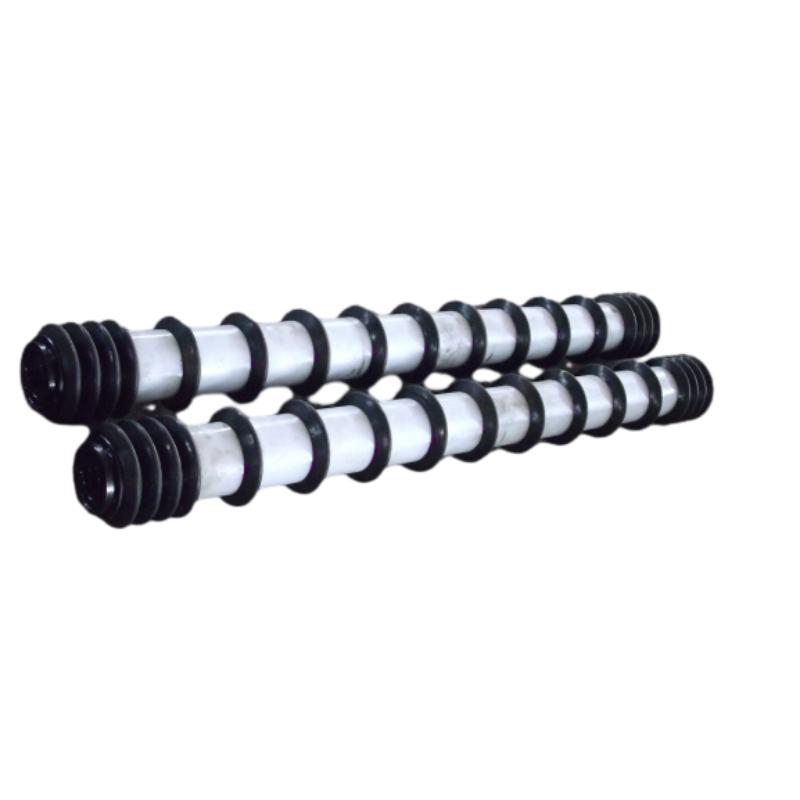
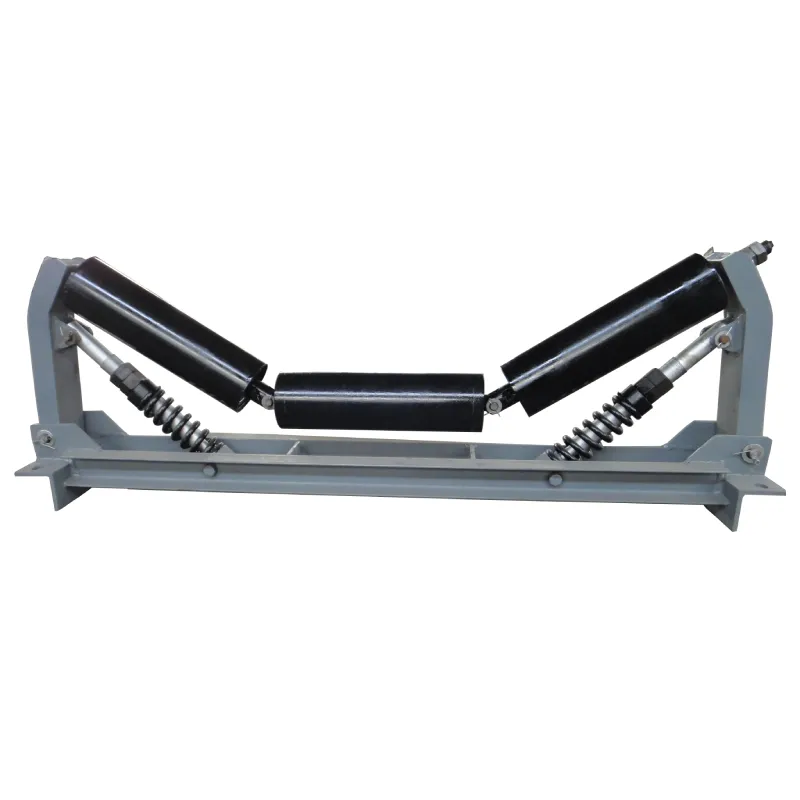
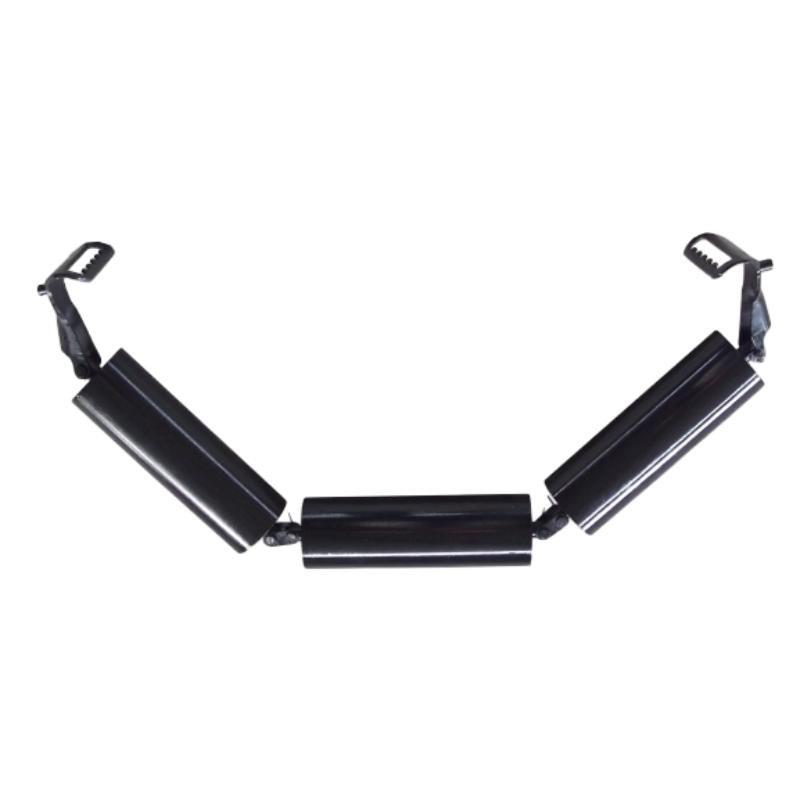
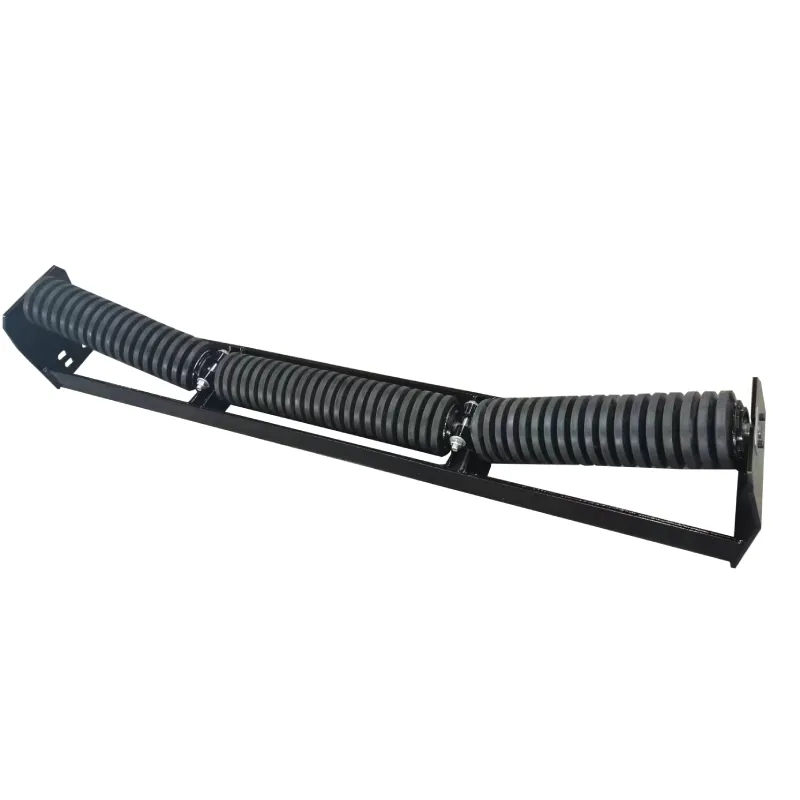
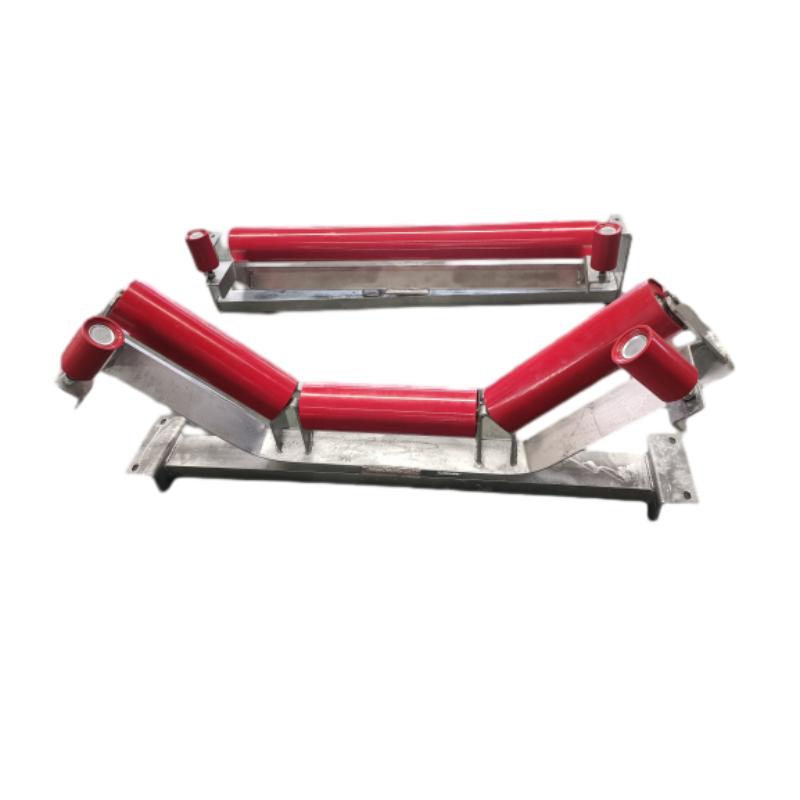
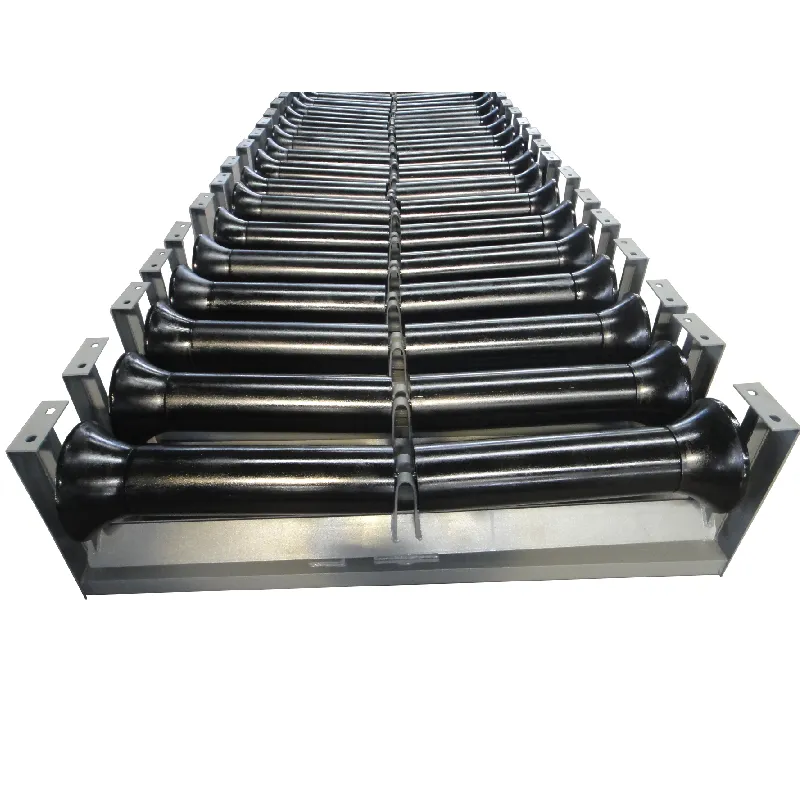
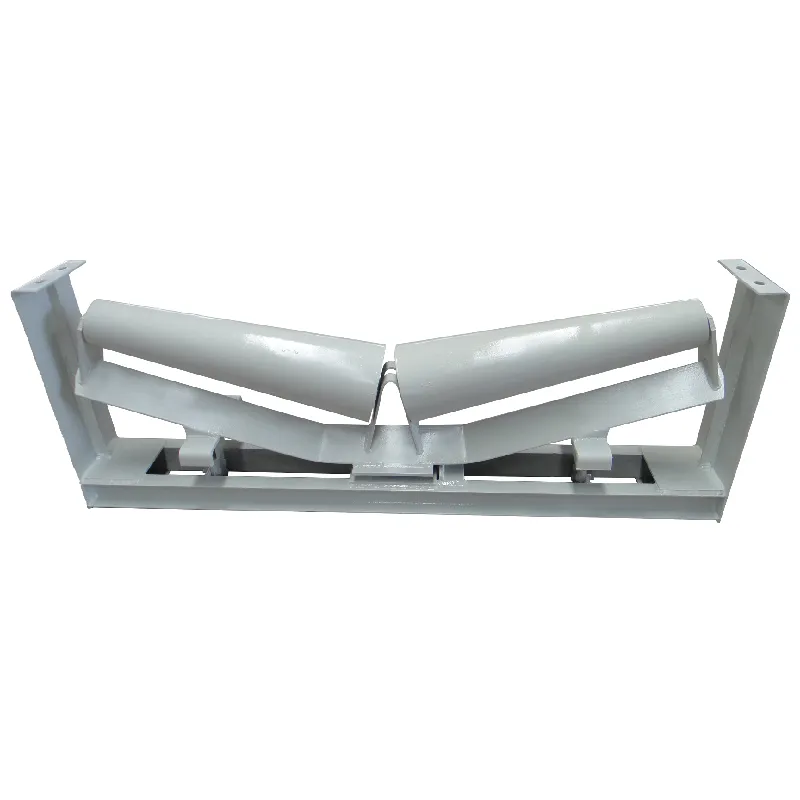
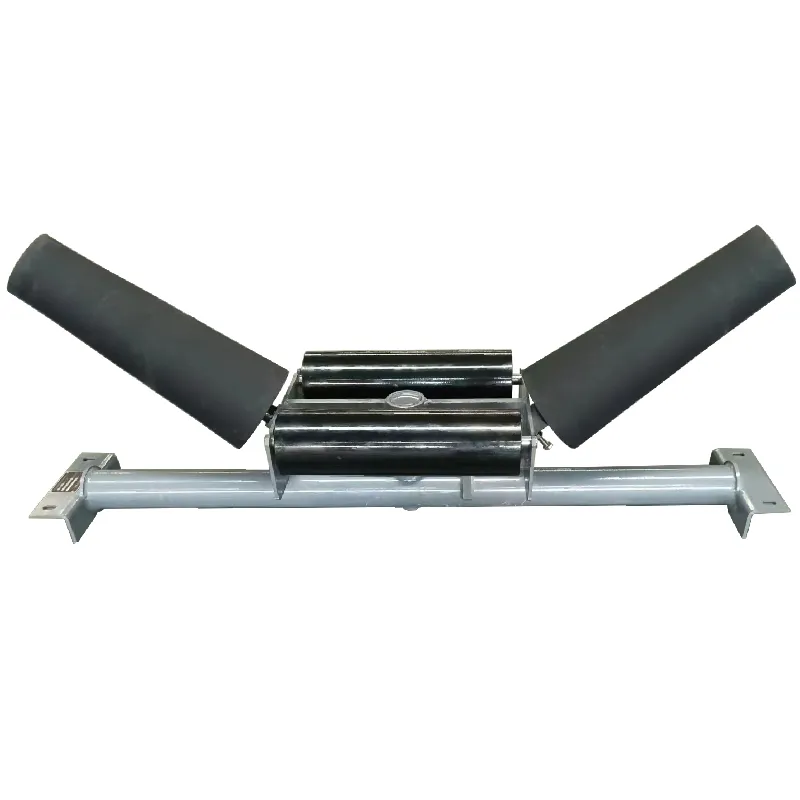
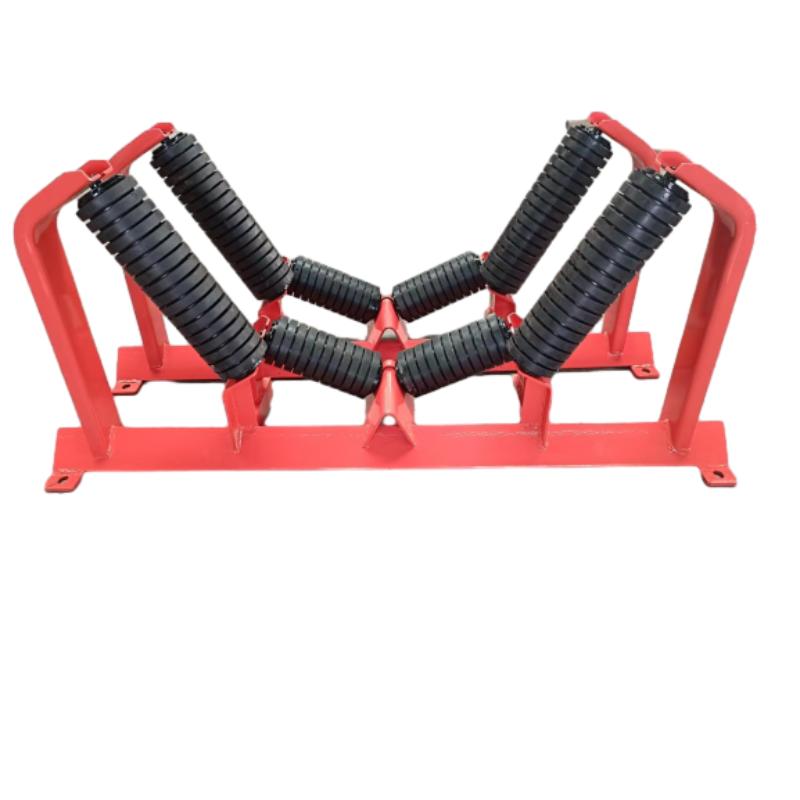
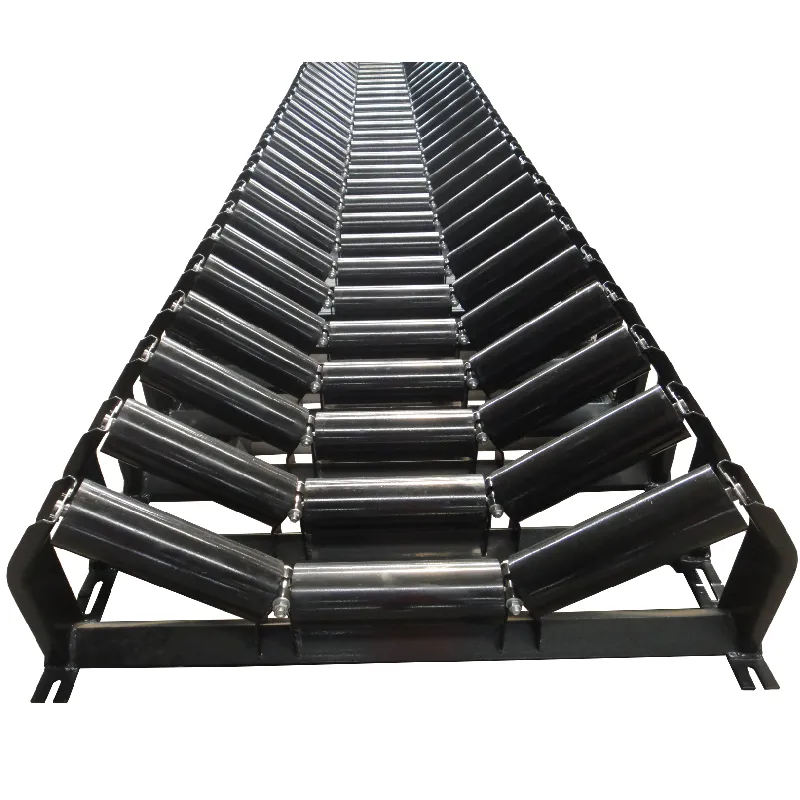
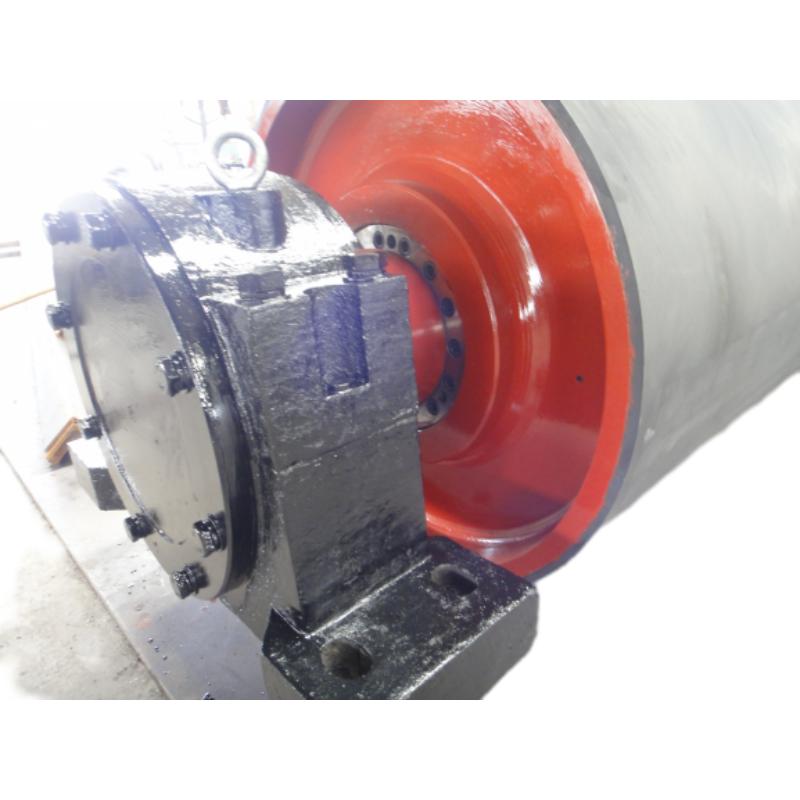
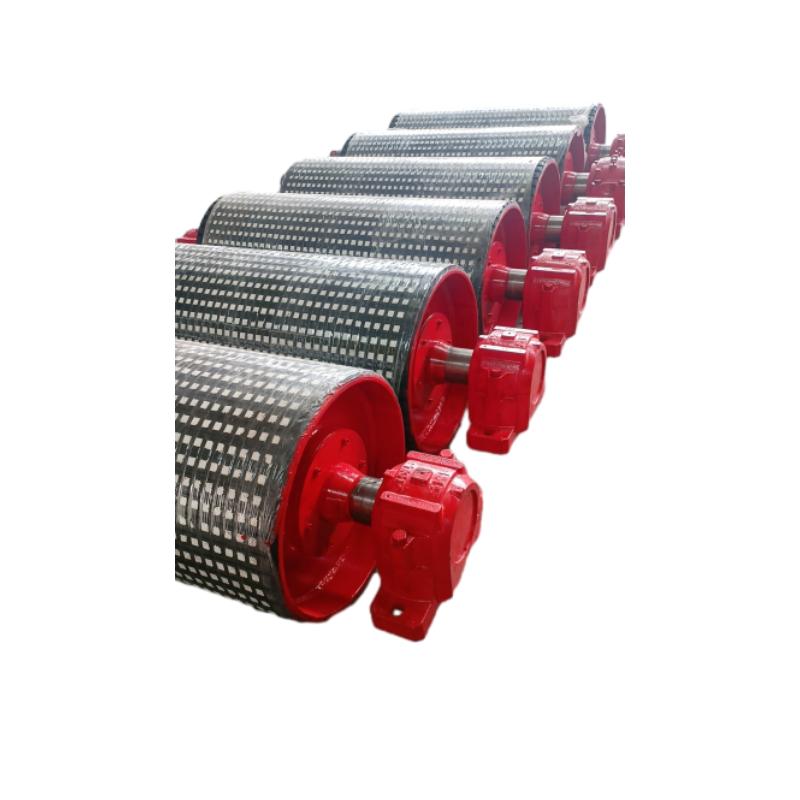
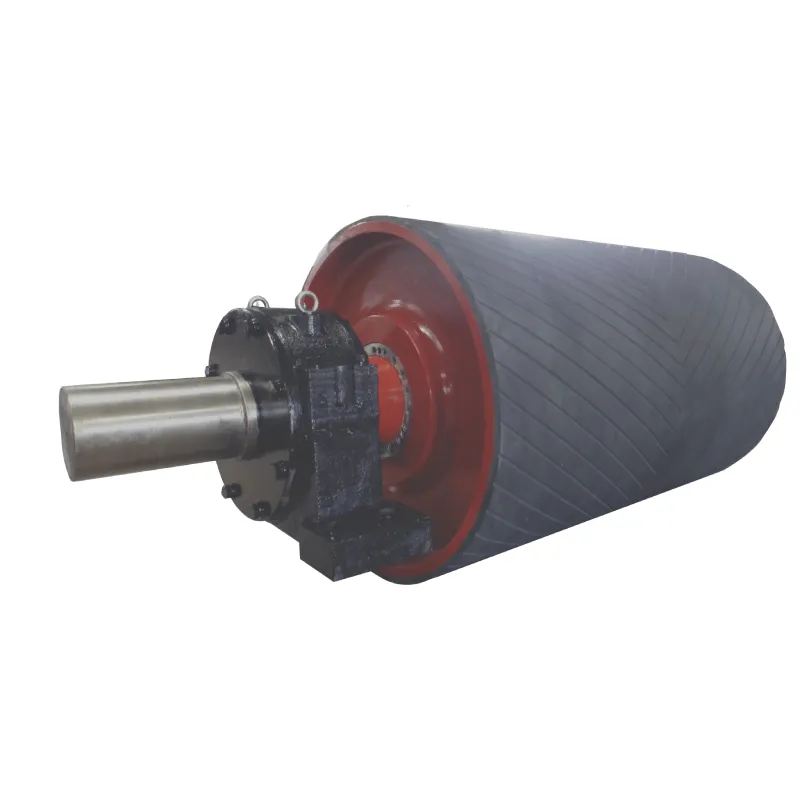
In simplest terms, return rollers are the components that support the conveyor belt on its return trip, opposite the loaded run of the belt. “Superior” return rollers mean they are engineered with higher quality materials, precision bearings, and smart designs that minimize wear, resist corrosion, and reduce noise.
In many industries, they’re the unsung heroes — designed not just to meet basic specs but to handle abrasive materials, extreme temperatures, and heavy loads reliably. Their robustness directly protects valuable conveyor belts from damage and ensures smooth operation.
Core Components That Define Superior Return Rollers
1. Durability
Choosing rollers made with high-grade steel or corrosion-resistant coatings extends their lifespan significantly, especially in wet or dusty conditions. Many engineers say a tough shell with sealed bearings works wonders against contaminants.
2. Bearing Quality
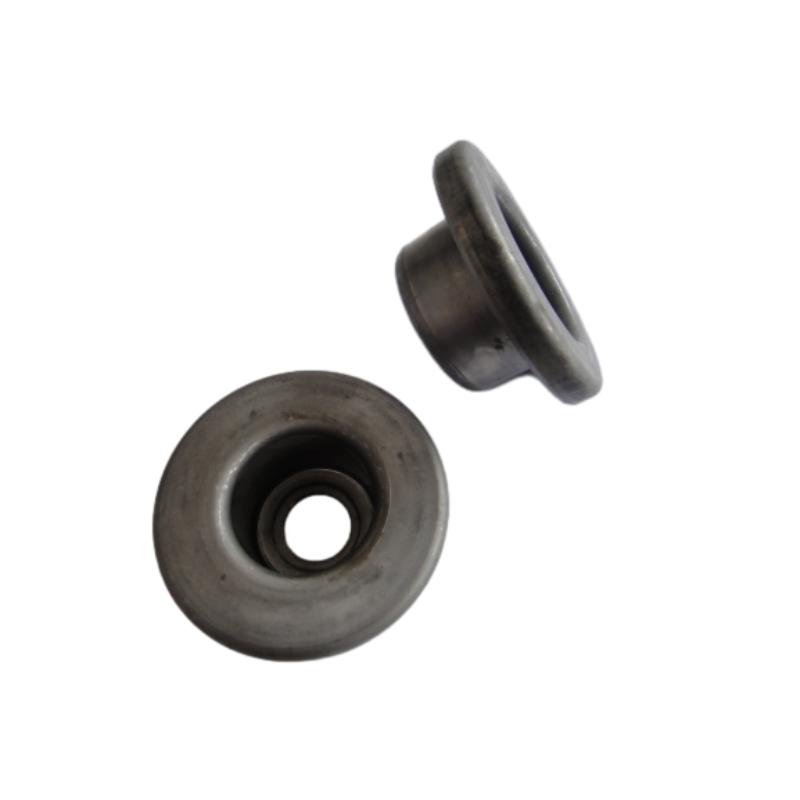
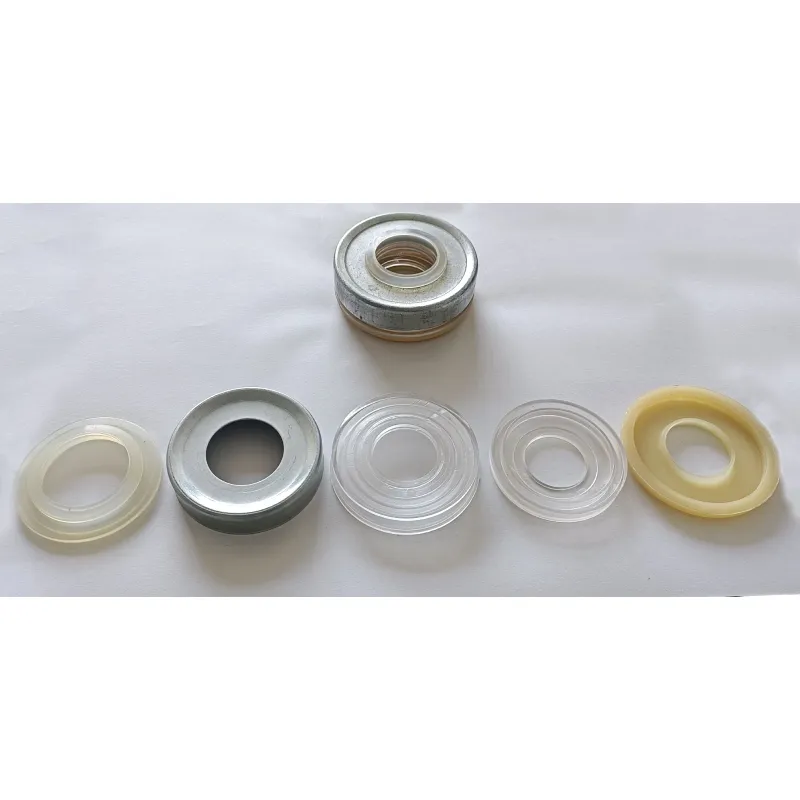
Superb rollers usually feature deep groove or angular contact ball bearings, with excellent sealing to keep lubricants in and dirt out. Quality bearings reduce friction and noise while increasing energy efficiency.
3. Surface Finish
The shell’s smoothness isn't just to look nice—it prevents material build-up and friction against the belt, reducing wear on both the roller and conveyor belt.
4. Noise Reduction
Industrial environments thrive on low noise levels for safety and worker comfort. Superior return rollers often integrate rubber or polymer coating on the shell surface, lessening vibration and sound.
5. Cost Efficiency
Though premium rollers may cost more upfront, the extended operational life and lowered maintenance translate to better overall ROI.
Real-World Applications Across the Globe
From the coal mines of Australia to the sprawling ports of Rotterdam, superior return rollers are everywhere. Their impact is visible in:
- Mining Industries: Handling abrasive rocky materials while resisting constant dust and moisture.
- Food Processing Plants: Stainless steel rollers to maintain hygiene standards and resist corrosion.
- Logistics Centers: Fast-moving conveyor belts sorting parcels, demanding low noise and reliability.
- Disaster Relief Operations: Portable conveyor setups for distributing aid, where roller robustness and easy replacement matter.
In remote industrial zones, where maintenance teams might be sparse, having trustworthy return rollers is like having a safety net — they reduce unexpected failures that can cost days or weeks.
Advantages and Long-Term Value of Superior Return Rollers
The advantages extend beyond the obvious savings on maintenance:
- Reduced Energy Consumption: Low-friction bearings require less power to run.
- Environmental Benefits: Longer-lasting rollers mean fewer replacements and less waste.
- Worker Safety and Comfort: Durable, low-noise rollers reduce workplace hazards and fatigue.
- Operational Consistency: Trustworthy rollers ensure continuous material flow and prevent costly interruptions.
It’s really about combining the logical side of economics with the human side of dignity — ensuring operators and technicians can rely on their equipment without second-guessing every shift.
What the Future Holds: Innovations on the Horizon
Manufacturers are experimenting with smart sensors inside rollers to provide real-time data on wear and performance, adding a layer of predictive maintenance that could revolutionize uptime. Materials science is pushing the limits, too, using composites and coatings aligned with sustainable manufacturing — something ISO sustainability standards are increasingly demanding.
Plus, digital transformation introduces automation in roller replacement and belt alignment, reducing human error. Honestly, it feels like we’re on the cusp of a mini industrial renaissance for these humble components.
Common Challenges and Practical Solutions
Despite their benefits, superior return rollers aren’t magic. Common challenges include:
- Initial Cost Barrier: Not all operations can afford premium rollers — though leasing and phased upgrades help.
- Compatibility Issues: Rollers must fit existing systems, requiring customization or modifications.
- Environmental Limits: Extreme acid or alkaline materials might still degrade traditional coatings.
Industry experts suggest regular inspections combined with gradual upgrades and training onsite to overcome these limitations effectively.
Product Specifications Snapshot
| Feature | Specification | Benefit |
|---|---|---|
| Roller Diameter | 89 mm – 127 mm | Supports standard belt sizes |
| Shell Material | Galvanized or Stainless Steel | Corrosion resistance |
| Bearing Type | Sealed Ball Bearings (6305 or equivalent) | Low friction, long life |
| Maximum Load | Up to 1200 kg per roller | Suitable for heavy-duty conveyors |
| Noise Level | Ideal for indoor usage |
Vendor Comparison: Selecting the Right Superior Return Rollers
| Vendor | Material Quality | Customization Options | Warranty | Price Range |
|---|---|---|---|---|
| Alpha Rollers Inc. | Stainless Steel 304 | High - Diameter, coating, bearing seal | 5 Years | $$$ |
| Beta Conveyor Solutions | Galvanized Steel | Medium - Standard sizes, coatings | 3 Years | $$ |
| Gamma Industrial Parts | Composite with Polymer Coating | Low - Basic specs only | 2 Years | $ |
Frequently Asked Questions About Superior Return Rollers
Q1: How do superior return rollers improve conveyor belt lifespan?
Superior rollers use high-quality materials and sealed bearings to reduce friction and wear, ensuring the conveyor belt runs smoothly with less abrasion. This minimizes tearing and extends belt life by months or even years compared to standard rollers.
Q2: Are superior return rollers suitable for outdoor harsh environments?
Absolutely. Many superior rollers feature galvanized or stainless steel shells with sealed bearings, preventing rust and damage from moisture, dust, or chemicals. This makes them ideal for mining, agriculture, and other outdoor industries.
Q3: Can these rollers be customized for non-standard conveyor systems?
Yes. Most vendors offer customization in diameter, length, coatings, and bearing types to fit unique conveyor setups. It’s wise to discuss specific requirements early to ensure proper fit and performance.
Q4: How often should superior return rollers be inspected or replaced?
Inspections typically occur every 3-6 months depending on use, with replacement intervals ranging from 1 to 3 years based on workload and environment. Smart rollers with sensors can alert operators to needed maintenance, enhancing uptime.
Q5: Are these rollers energy efficient?
Yes, because their high-quality bearings lower friction, reducing the power required to operate conveyors. Over time, this saves energy costs and supports greener operations.
If you want to explore the best options, check out our website for detailed product lines and expert advice: https://www.idleraohua.com.
References
-
Maximize Conveyor Life with a High Performance impact bedNewsApr.16,2026
-
Maximize Conveyor Efficiency Using a v plow belt scraperNewsApr.09,2026
-
Comprehensive Guide to Understanding Different Types of Belt CleanersNewsApr.07,2026
-
Enhancing Conveyor Efficiency with an Effective Scraper Belt CleanerNewsApr.04,2026
-
Optimizing Conveyor Systems with Advanced Cleaning Equipment SolutionsNewsMar.31,2026
-
Effective Conveyor Belt Scraper Adjustment for Optimal System PerformanceNewsMar.28,2026