

Superior Conveyor Parts: Durable, Efficient Components for Global Industry
Understanding Superior Conveyor Parts: What Makes Them Indispensable Globally
Conveyor systems are the quiet heroes of modern industry—moving goods, raw materials, and components efficiently across manufacturing floors, ports, and even disaster relief chains. But it’s not just any conveyor parts that make this happen—it’s superior conveyor parts that ensure reliability, safety, and performance. Globally, with supply chains pushing limits and industries scaling fast, having dependable conveyor components isn’t just helpful, it’s critical. Whether it’s speeding up production lines or helping humanitarian aid reach remote areas, understanding these superior parts can unlock countless benefits.
Why Superior Conveyor Parts Matter Globally
According to the World Bank, global manufacturing output accounts for nearly 15% of the world’s GDP, and conveyors form the backbone of material handling in many of these sectors.[1] With rising industrial automation and global crises demanding faster logistics, the stakes have never been higher. Conveyor parts that fail can cause costly downtimes, safety hazards, or delays in emergency response. Superior conveyor parts address these issues with advanced design, materials, and engineering, offering long-term value in everything from car manufacturing plants to large-scale humanitarian supply chains.
What Are Superior Conveyor Parts?
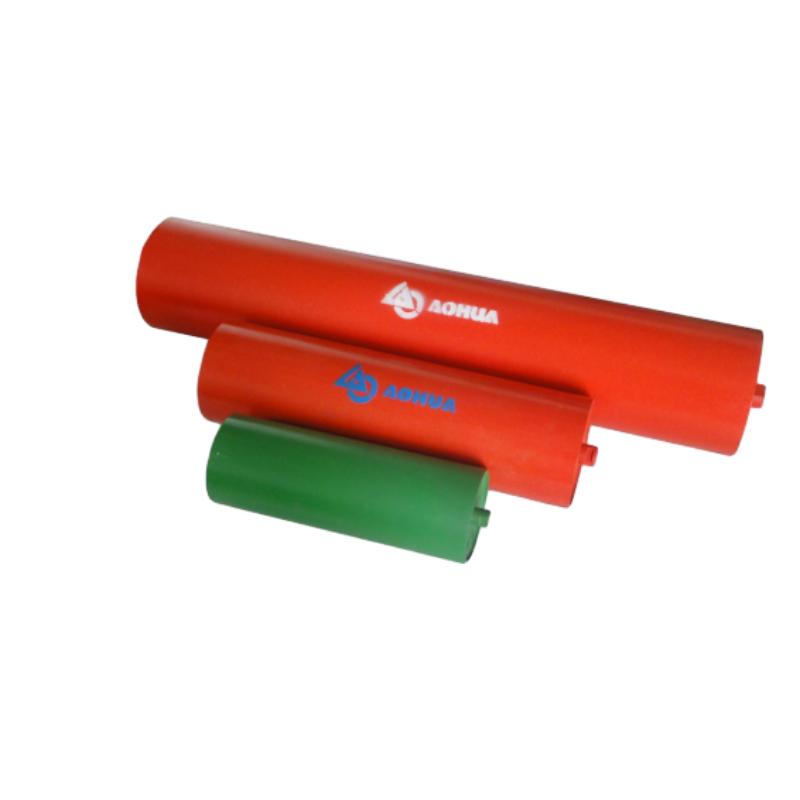
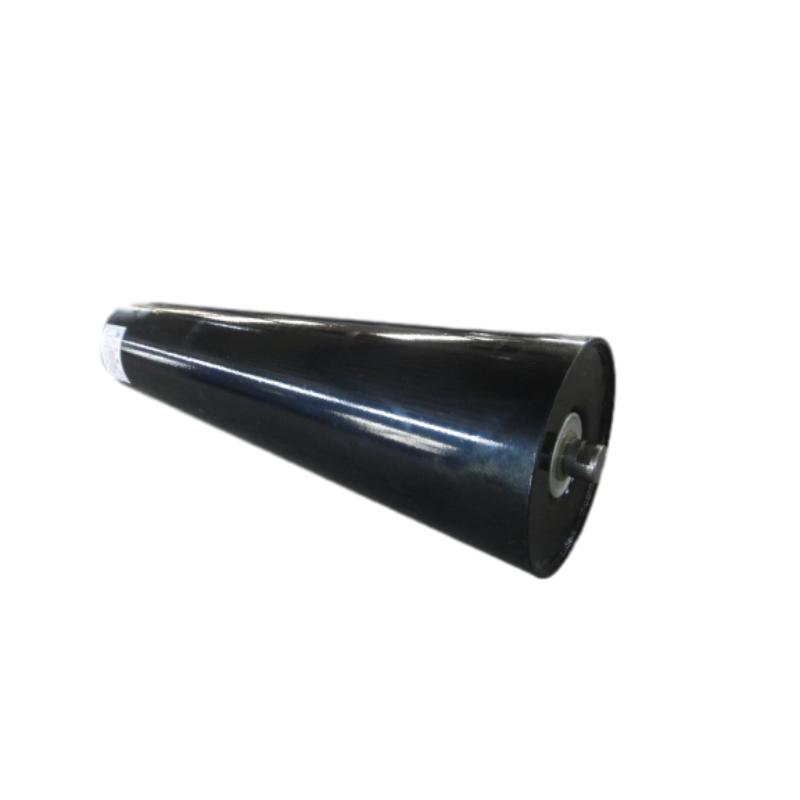
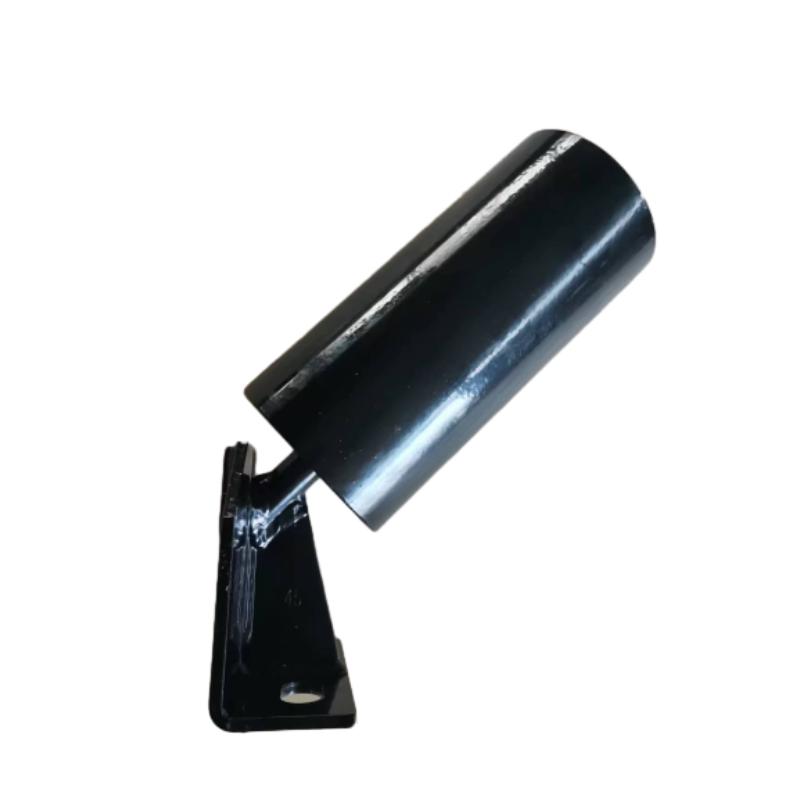
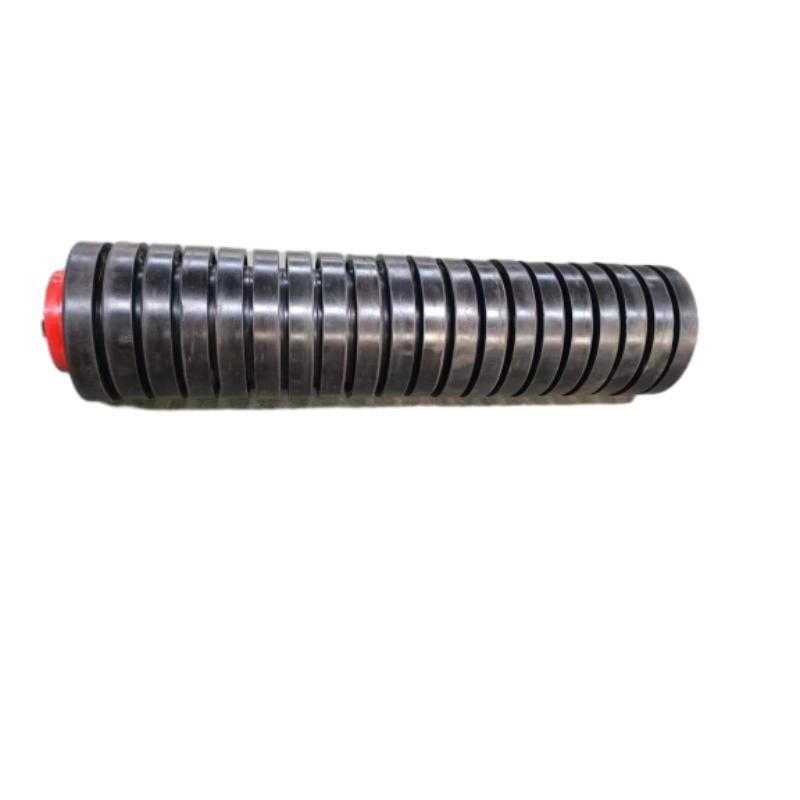
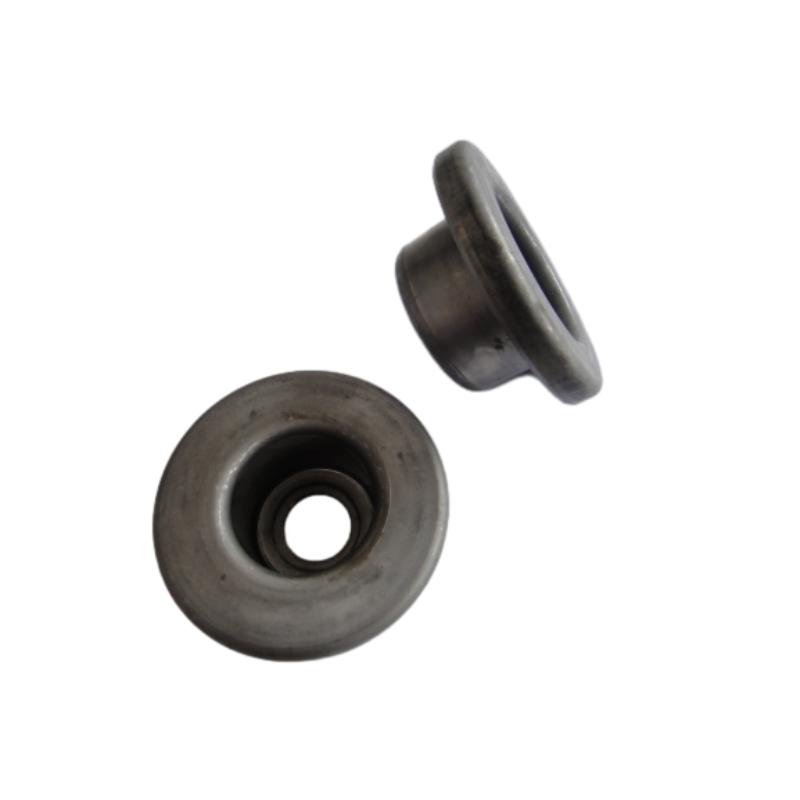
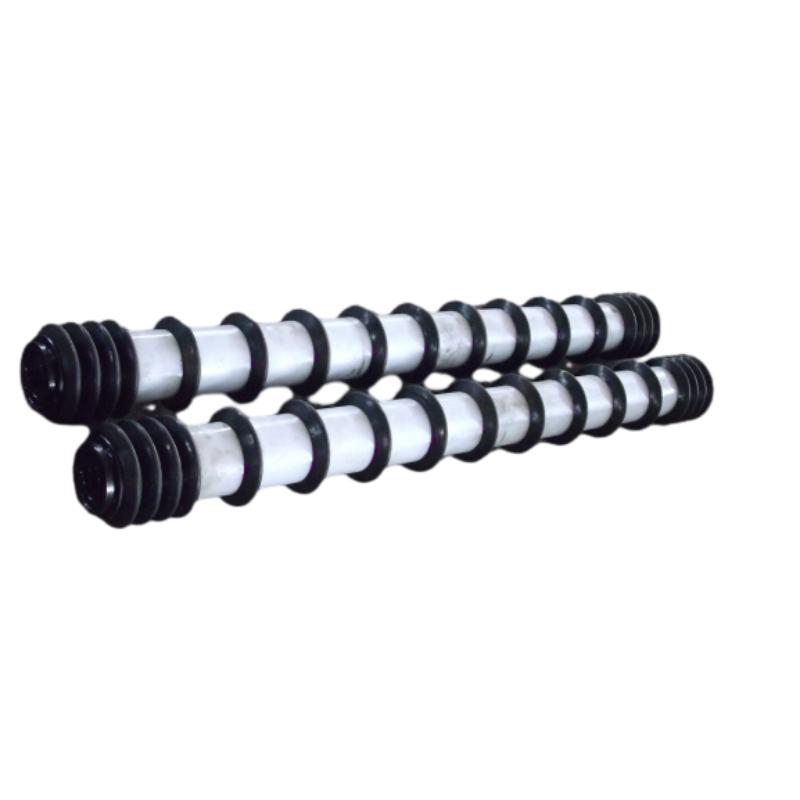
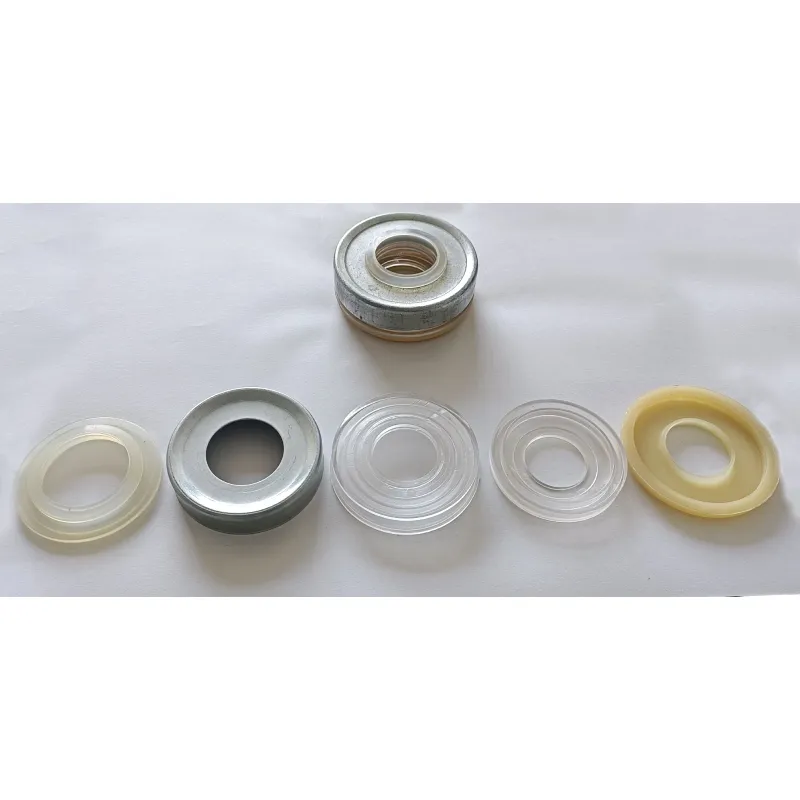
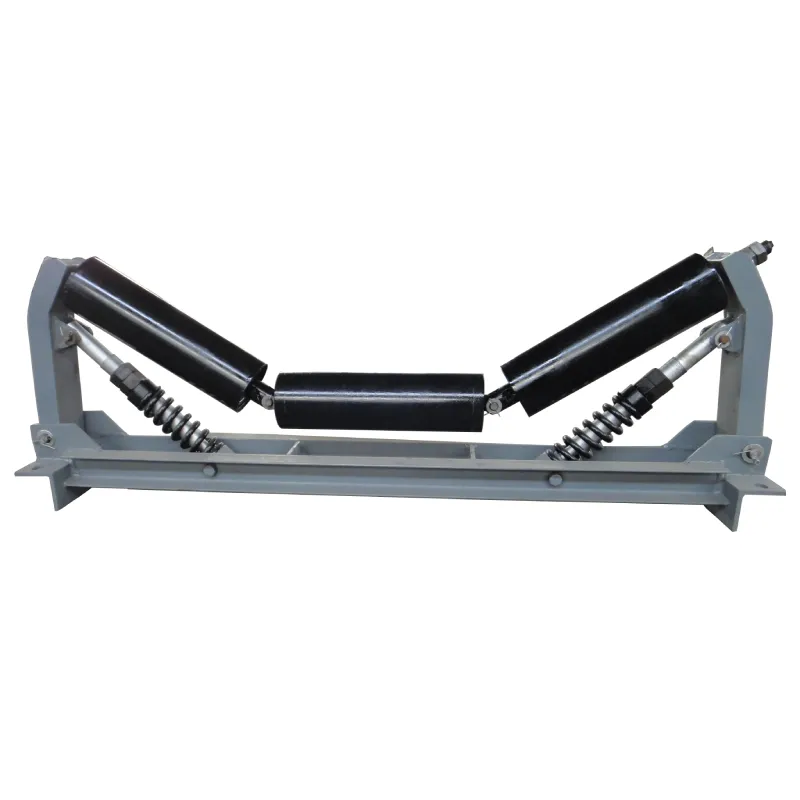
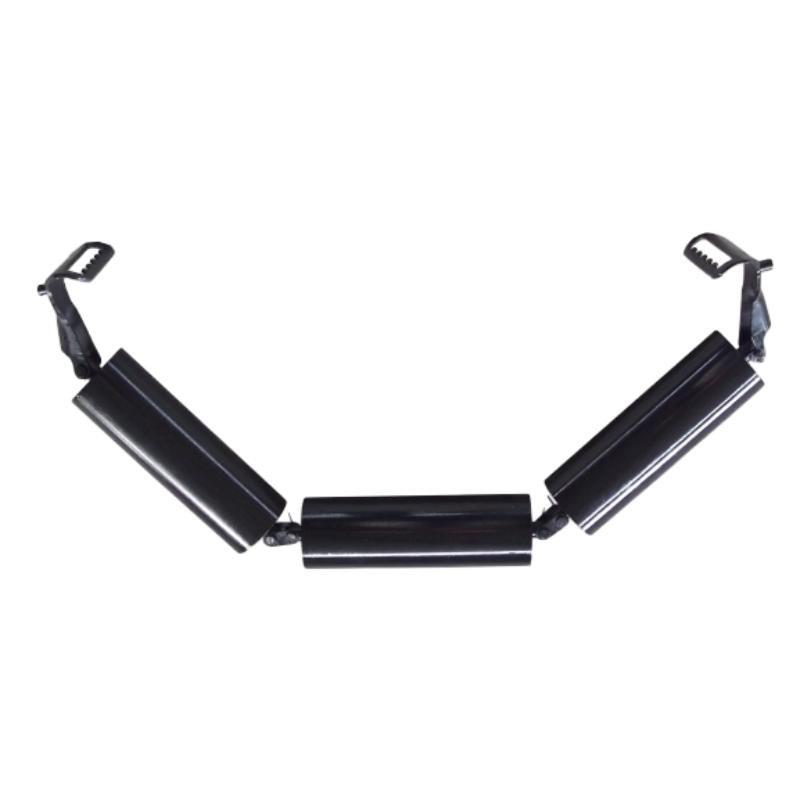
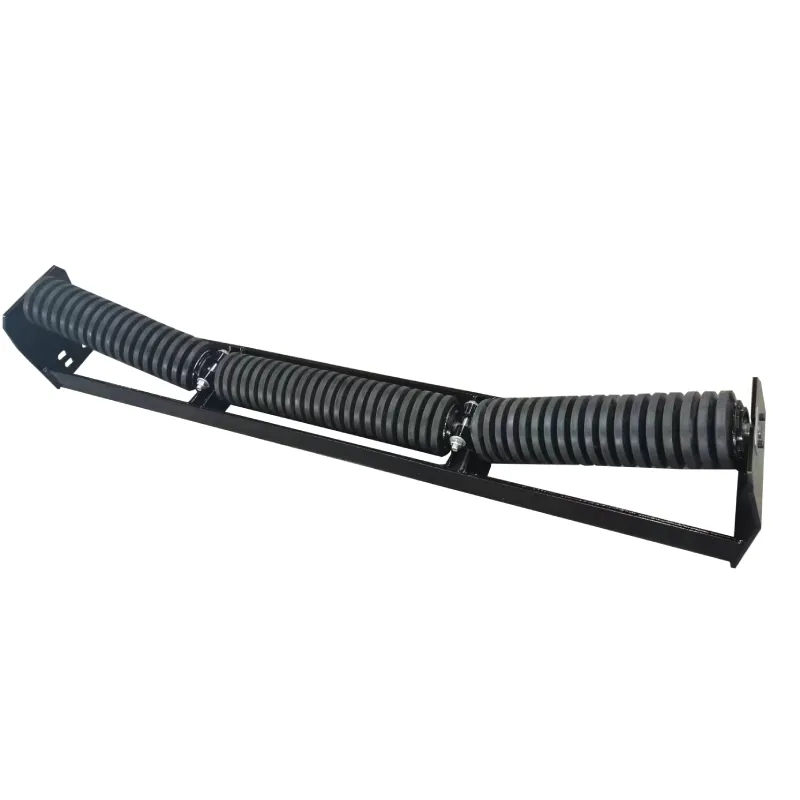
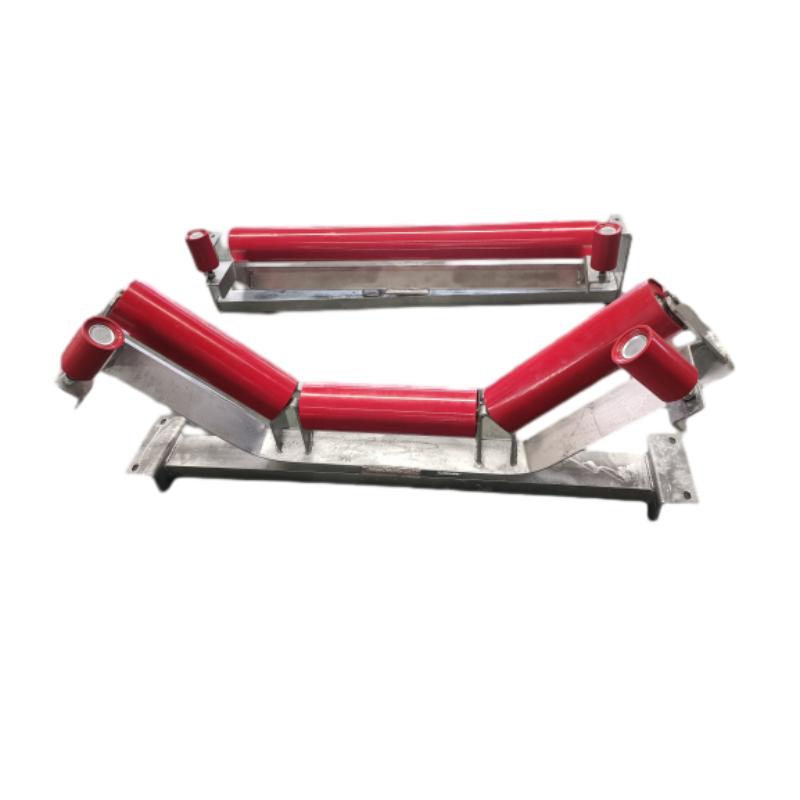
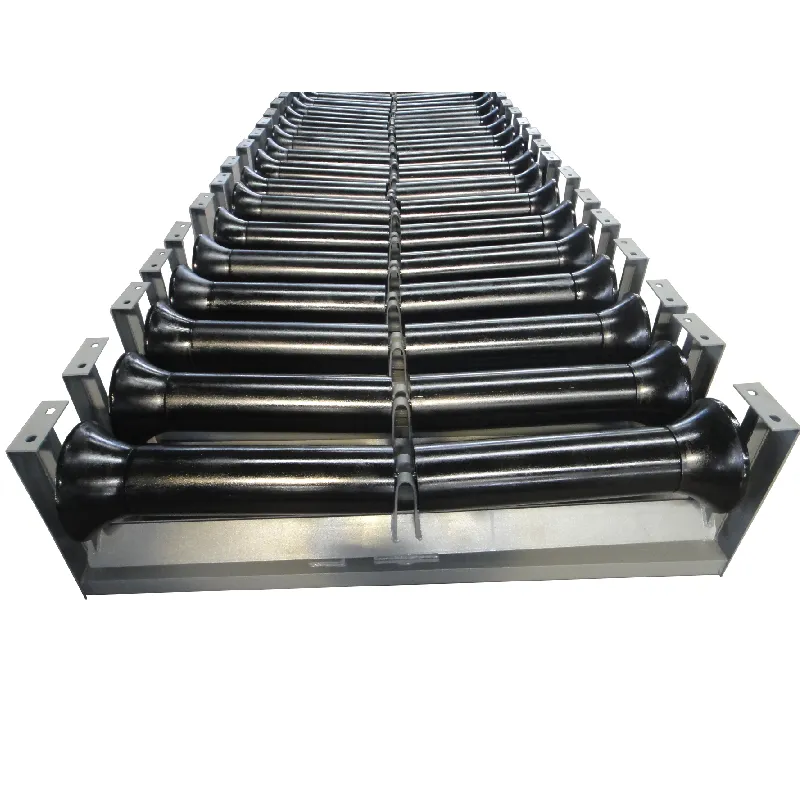
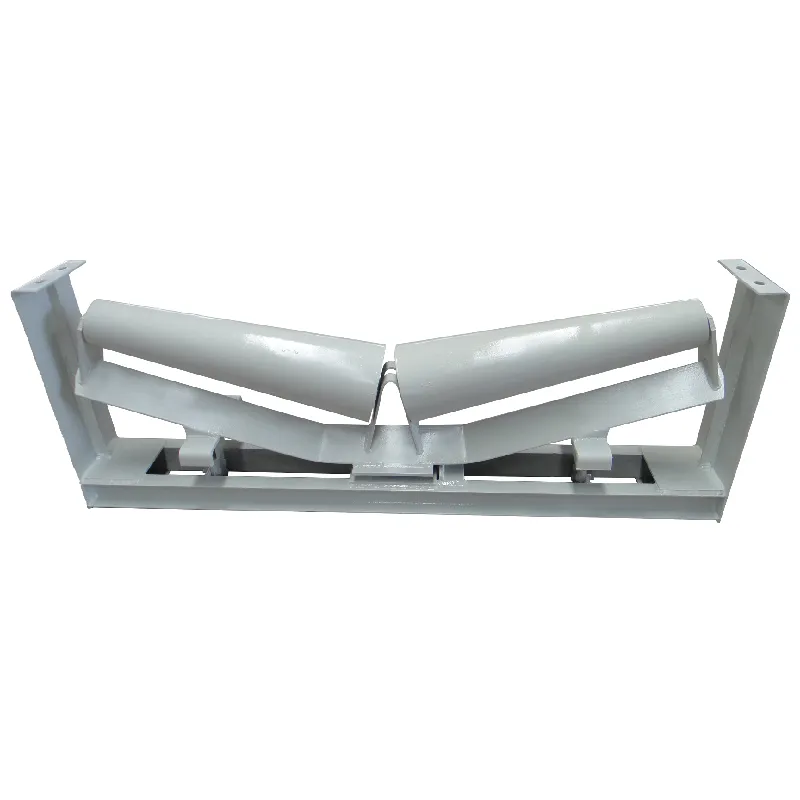
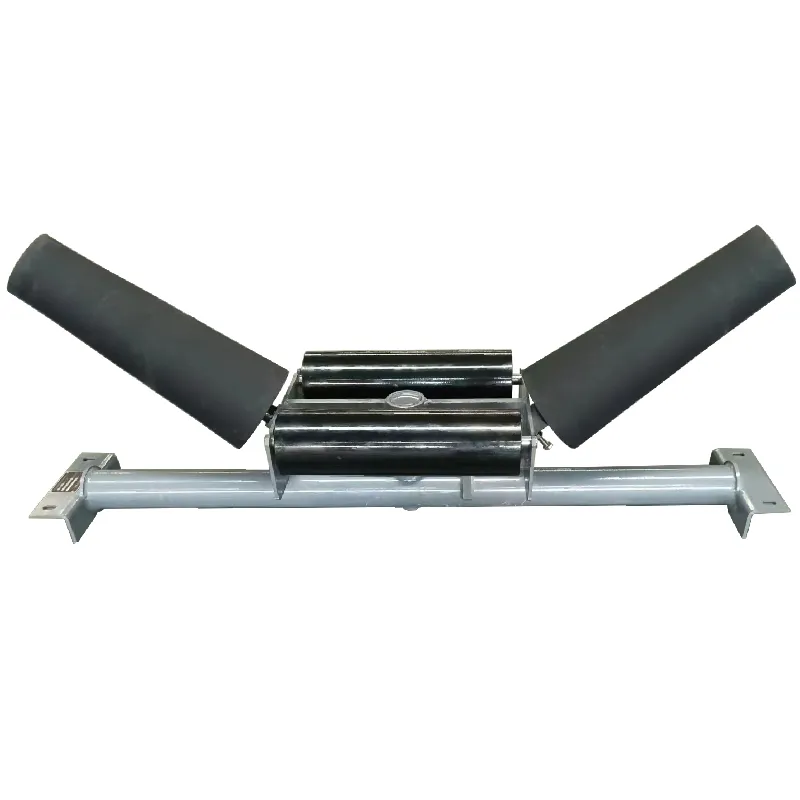
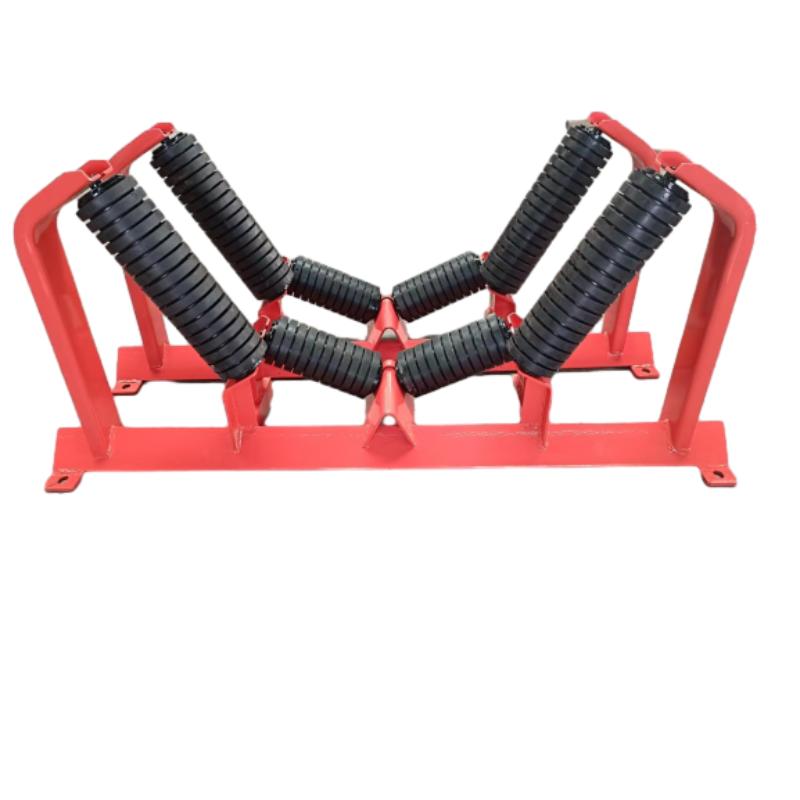
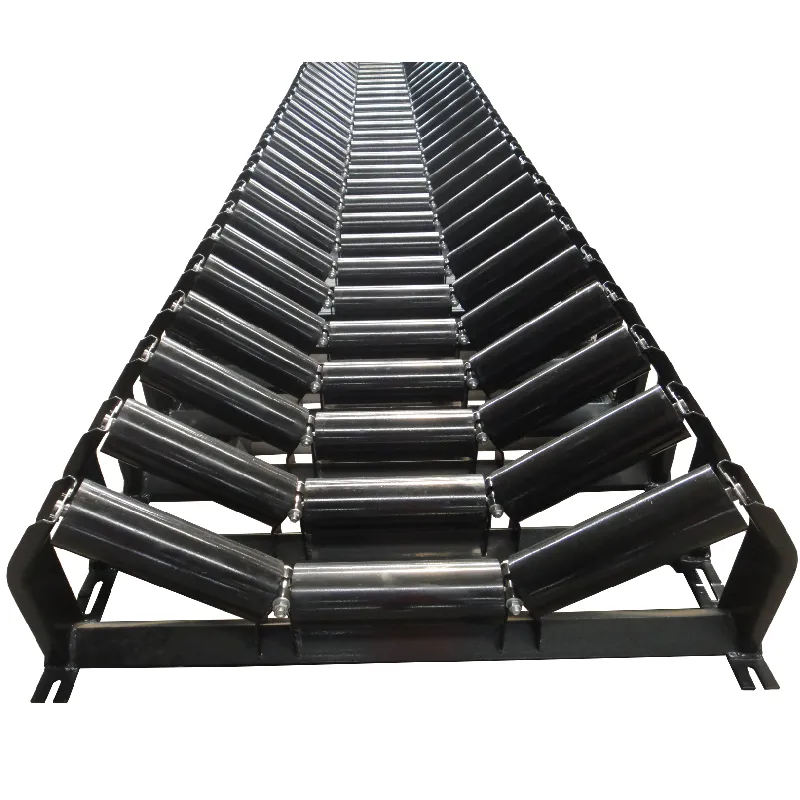
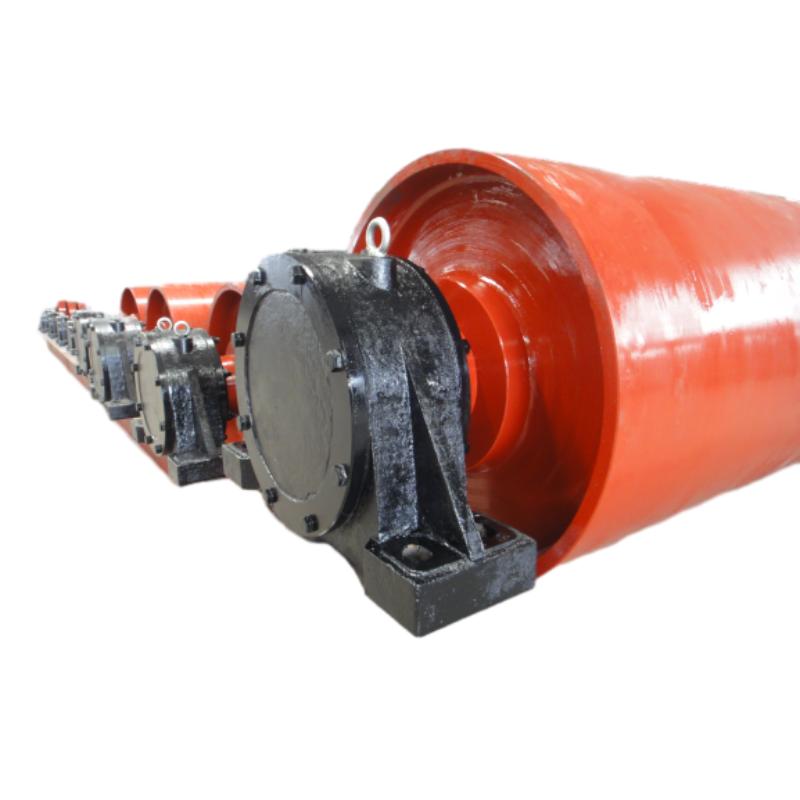
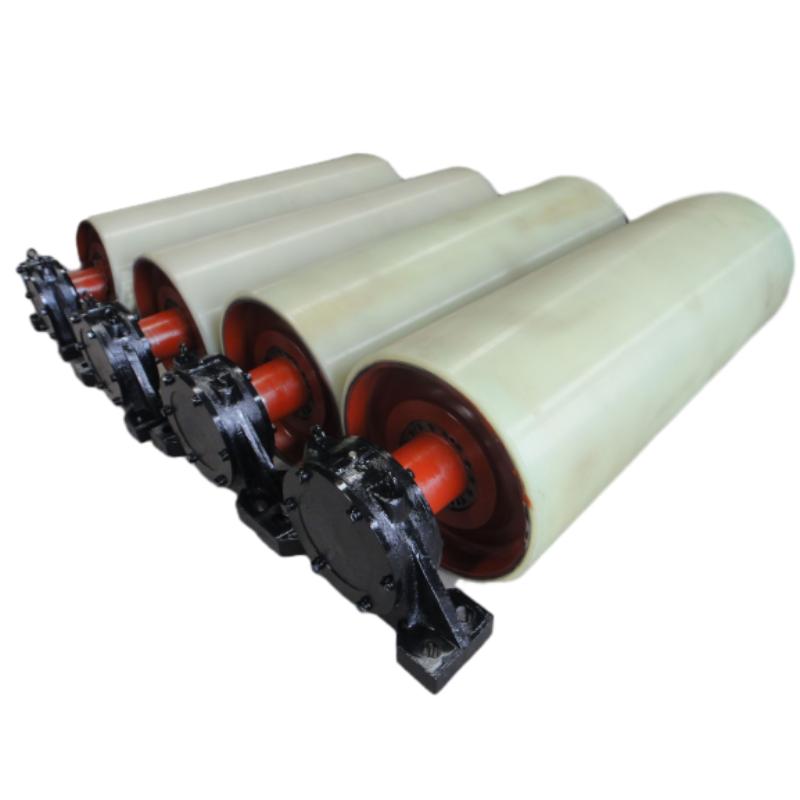
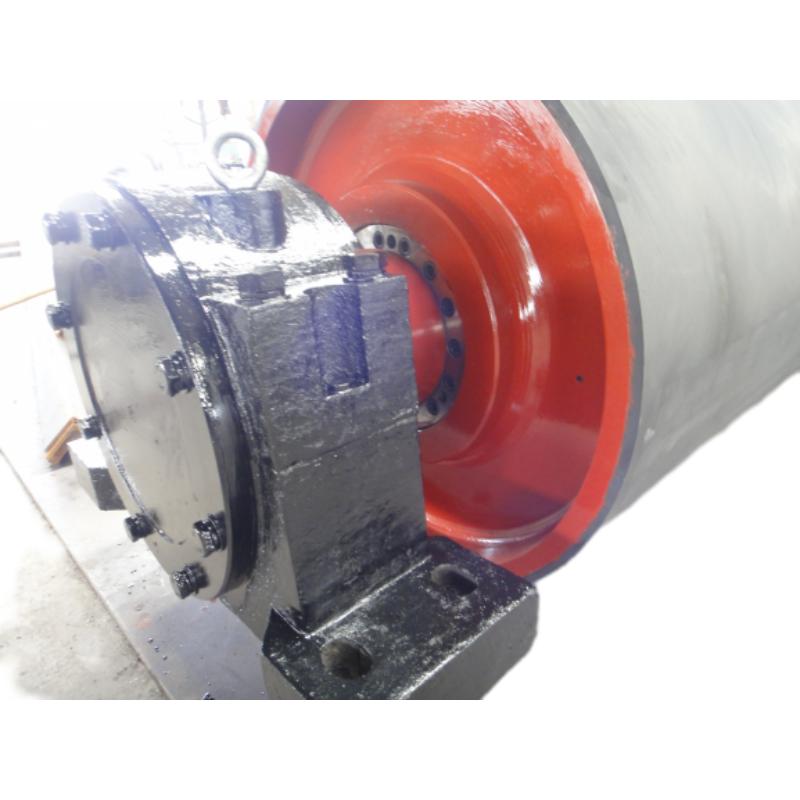
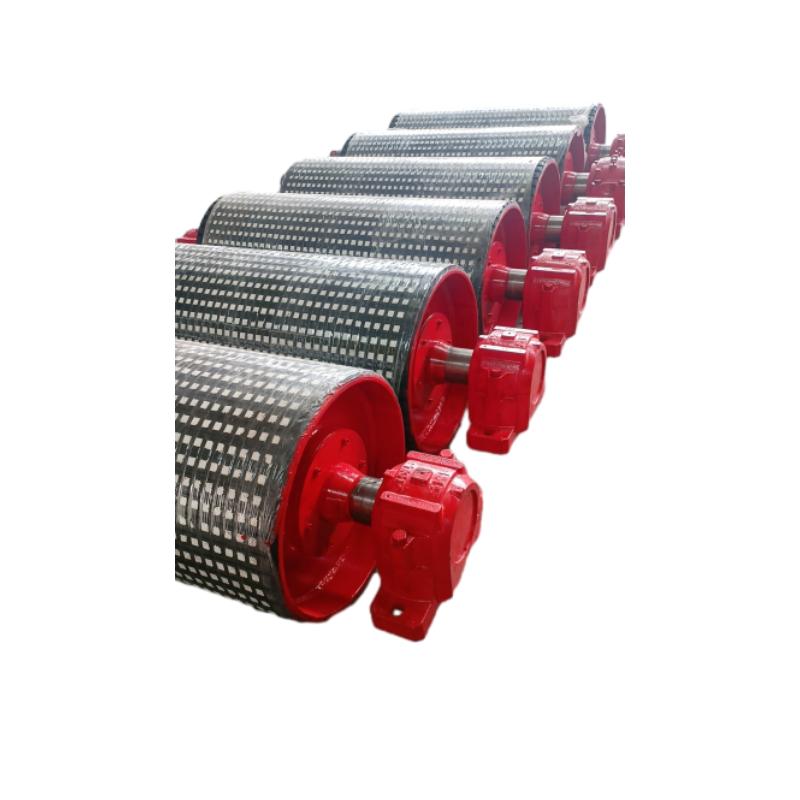
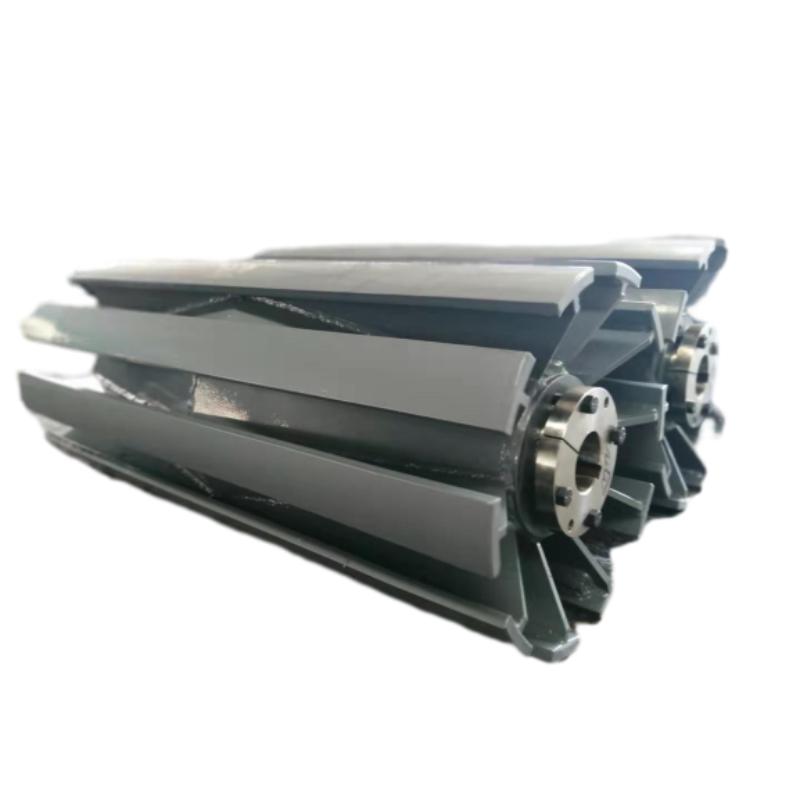
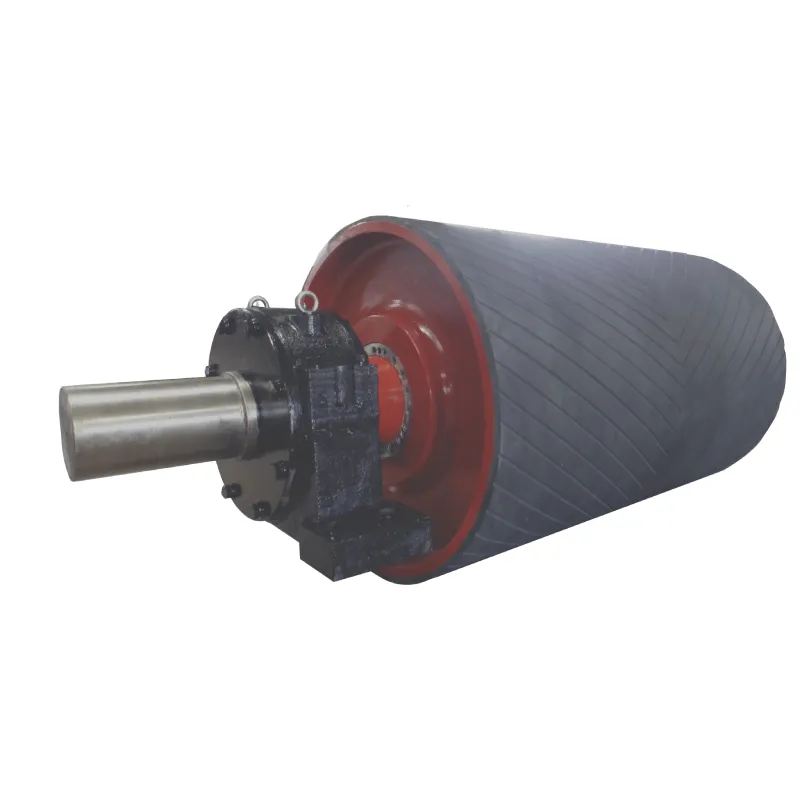
At their core, superior conveyor parts are components like belts, rollers, pulleys, bearings, and motors that exceed standard performance by delivering enhanced durability, precision, and adaptability. These parts are engineered with materials and specifications that handle harsh conditions, high loads, and continuous use without premature failure. They’re essential in industries where downtime means lost money or human lives—think mining operations or emergency relief flows.
Key Factors Defining Superior Conveyor Parts
1. Durability
Durability is often the first thing engineers zero in on. Superior parts use high-grade steel, abrasion-resistant polymers, or corrosion-resistant alloys to withstand abrasive materials or outdoor environments. This means fewer replacements and a longer conveyor lifespan.
2. Scalability & Modularity
Modern operations grow and shift rapidly. Parts designed with modular interfaces and flexible sizing let engineers scale conveyor systems in phases or swap components quickly without major downtime.
3. Cost Efficiency
Upfront costs may be higher for quality parts but their lower maintenance and downtime expenses pay off in the long run. In fact, ISO standards emphasize life-cycle costing, highlighting that durability and performance reduce total expenses.[2]
4. Safety
Many industrial accidents occur from part malfunctions. Superior parts often integrate advanced sensor compatibility for real-time monitoring plus fail-safes to prevent jams or overloads.
5. Energy Efficiency
With industries pushing to reduce carbon footprints, parts engineered to cut friction or optimize motor operation significantly reduce energy consumption—and sometimes qualify for regulatory incentives.
Specifications of Selected Superior Conveyor Parts
| Part | Material | Max Load Capacity | Temperature Range | Typical Use Case |
|---|---|---|---|---|
| Roller Bearing Unit | Sealed Steel Alloy | 2000 kg | -40°C to 150°C | Heavy-Duty Mining |
| Conveyor Belt | Rubber Composite | 5000 kg | -20°C to 90°C | Food Processing |
| Drive Pulley | Carbon Steel | 3500 kg | -30°C to 120°C | Packaging Facilities |
Global Applications & Use Cases of Superior Conveyor Parts
Conveyor parts with superior quality find homes across various sectors and continents.
- Automotive Manufacturing in Europe: Fast, reliable conveyor parts support high-throughput assembly lines crucial for meeting just-in-time delivery demands.
- Mining Operations in Australia and South America: Heavy-duty components withstand harsh environmental conditions and abrasive materials.
- Humanitarian Logistics in Africa and Southeast Asia: Mobile conveyor units equipped with high-quality parts speed up unloading and distribution of emergency supplies—sometimes literally life-saving.
- Food and Beverage Plants Worldwide: Food-grade, wear-resistant conveyor parts ensure cleanliness and operational continuity.
In post-disaster relief operations, for instance, conveyor sections with modular parts enable rapid setup and teardown—supporting NGOs and governments efficiently. It’s odd but true: the quality of a conveyor bearing can affect how quickly vital medical supplies reach vulnerable populations.
Vendor Comparison: Leading Suppliers of Superior Conveyor Parts
| Vendor | Specialty | Lead Time | Warranty | Notable Clients |
|---|---|---|---|---|
| ConveyPro Inc. | Heavy-load conveyors | 4-6 weeks | 3 years | Major mining firms |
| EcoMove Solutions | Energy-efficient parts | 3-5 weeks | 5 years | Food & beverage industries |
| RapidConveyor Ltd. | Modular & scalable parts | 2-4 weeks | 2 years | Logistics & humanitarian NGOs |
Advantages & Long-Term Value of Superior Conveyor Parts
From a practical standpoint, these parts reduce maintenance frequency and unexpected downtime—straightforward savings that translate to millions in operational budgets. But there’s also an emotional side: operators trust systems that “just work," which creates safer workplaces and greater worker confidence.
Moreover, superior parts often support sustainability goals—think less waste, energy savings, and longer product lifespans—that align with evolving environmental regulations and corporate social responsibility.
Future Trends & Innovations
Looking ahead, IoT-enabled conveyor parts with embedded sensors are rising stars; they enable predictive maintenance by flagging wear before failures occur. Material scientists are exploring composites that reduce weight while sustaining strength, and there’s growing use of recycled or bio-sourced polymers to reduce environmental impact.
Digital transformation is also shifting how parts are ordered and tracked, with supply chains leveraging blockchain for traceability. Sustainability certifications and ISO standards tighten as well, pushing vendors to innovate continually.
Challenges & Solutions
No system is perfect. Challenges like part compatibility issues, high initial costs, or sourcing genuine quality components often crop up, especially in less developed regions. One practical solution is relying on vendors offering turnkey modular systems and comprehensive support—plus on-site training to mitigate installation errors. The good news? Superior conveyor parts vendors increasingly collaborate with industrial partners to customize solutions tailored to fast-changing on-the-ground needs.
FAQ: Frequently Asked Questions About Superior Conveyor Parts
- Q: How do superior conveyor parts improve safety in industrial environments?
A: By incorporating fail-safes like overload sensors, using materials with high wear resistance, and providing real-time monitoring capabilities, these parts minimize malfunctions and reduce accident risks. - Q: Are superior conveyor parts more expensive upfront?
A: Typically yes, but they offer much lower maintenance and downtime costs over their lifespan, resulting in overall cost efficiency. - Q: Can I retrofit my existing conveyor system with these advanced parts?
A: Often yes. Many parts are designed for modular integration, though consulting with vendors can ensure compatibility and best results. - Q: What industries benefit most from superior conveyor parts?
A: Heavy industries like mining, manufacturing, food processing, and humanitarian logistics reap significant benefits. - Q: How can I source these parts internationally for my project?
A: Most leading suppliers offer international shipping and can navigate customs processes. Partnering with established vendors like those listed above ensures smoother procurement.
Conclusion
Ultimately, investing in superior conveyor parts isn’t just about parts—it’s about enabling resilient, efficient, and safer operations globally. As industries and humanitarian operations continue evolving, the demands on conveyor systems will only grow. Superior components are the difference between stalled lines and seamless flow, between lost opportunities and trusted partnerships. For anyone managing material handling at scale, these parts are well worth a serious look.
Visit our website: https://www.idleraohua.com to explore top-tier products and tailored solutions for your conveyor needs.
Mini takeaways:
- Durability and energy efficiency make superior conveyor parts stand out.
- Global applications extend from heavy industry to humanitarian efforts.
- Future trends emphasize IoT integration and eco-friendly materials.
References:
-
Maximize Conveyor Life with a High Performance impact bedNewsApr.16,2026
-
Maximize Conveyor Efficiency Using a v plow belt scraperNewsApr.09,2026
-
Comprehensive Guide to Understanding Different Types of Belt CleanersNewsApr.07,2026
-
Enhancing Conveyor Efficiency with an Effective Scraper Belt CleanerNewsApr.04,2026
-
Optimizing Conveyor Systems with Advanced Cleaning Equipment SolutionsNewsMar.31,2026
-
Effective Conveyor Belt Scraper Adjustment for Optimal System PerformanceNewsMar.28,2026