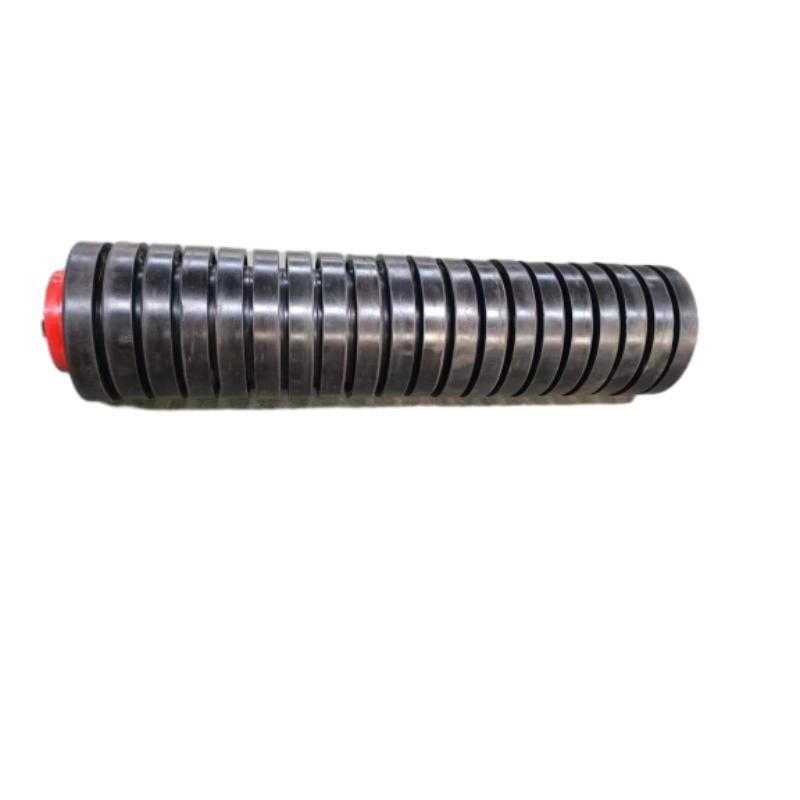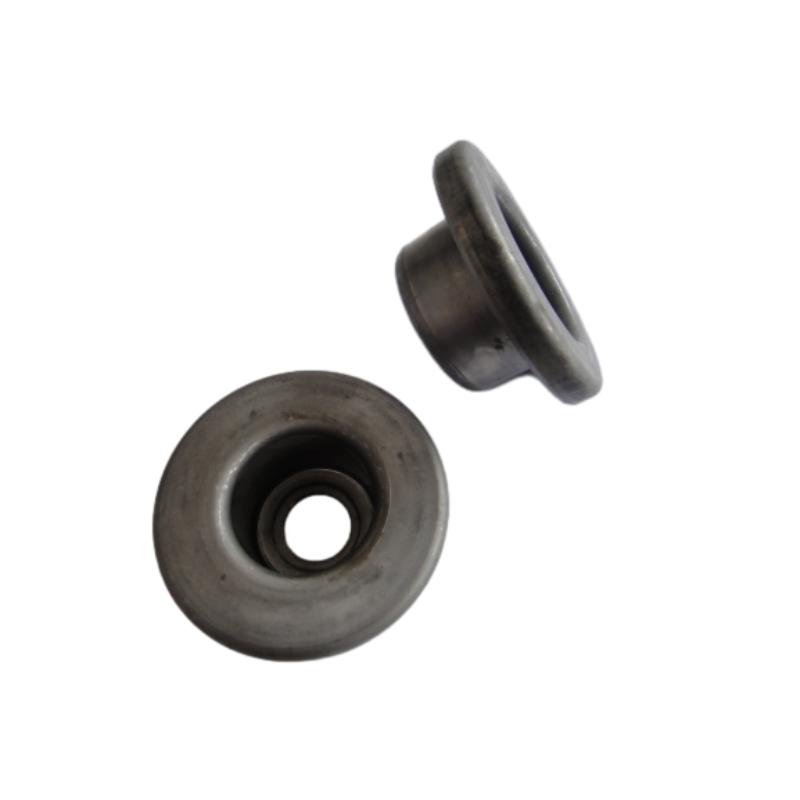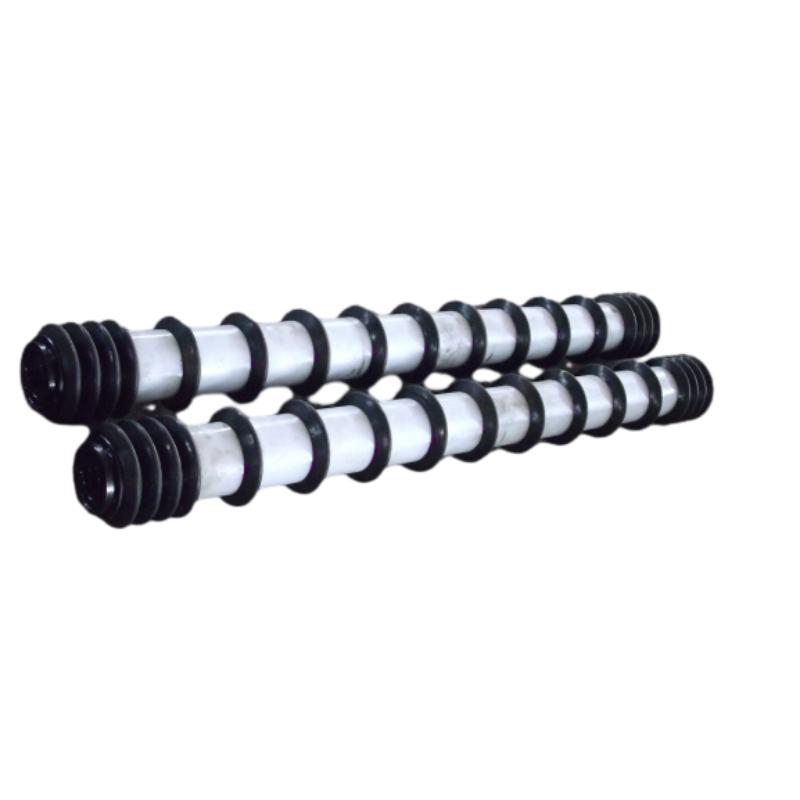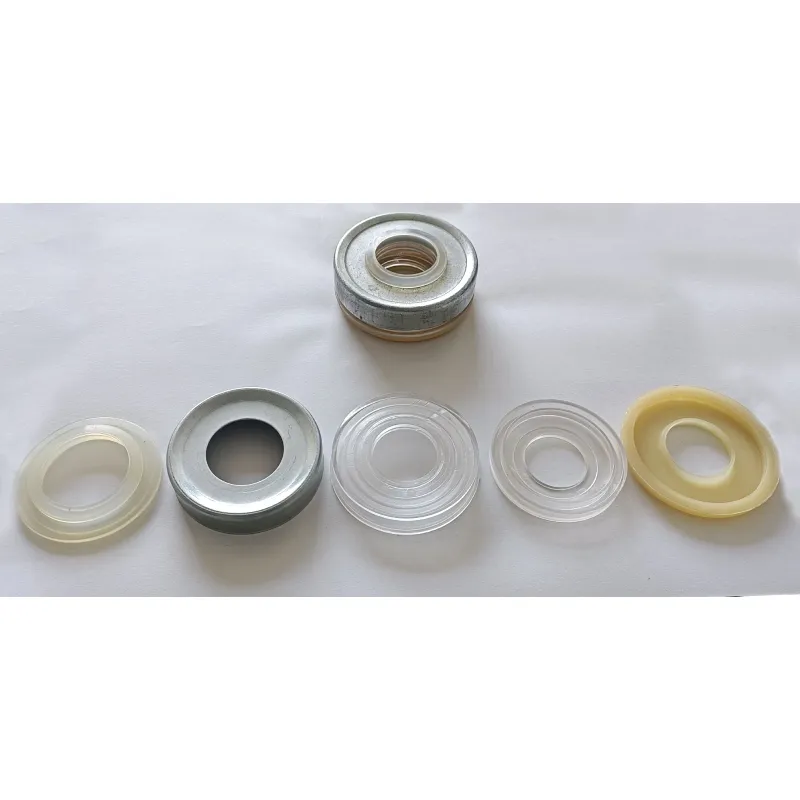


Drive Pulley in Belt Conveyor: Key Component for Efficient Material Handling
Understanding the Drive Pulley in Belt Conveyor Systems
When you hear “drive pulley in belt conveyor,” it might sound like just another mechanical term lost in engineering jargon. But oddly enough, this component plays a quietly crucial role worldwide — from industrial plants and mining operations to humanitarian logistics. Understanding its design and function can unlock many benefits: improved efficiency, durability, and sustainability in material handling. Let’s unpack what this all means without getting too technical.
Why Does the Drive Pulley Matter Globally?
Conveyor belt systems form the backbone of modern material movement, handling everything from raw minerals in Africa to food products in Asia. According to the ISO standards on conveyor belts, optimizing components such as the drive pulley improves lifespan and energy consumption. Globally, the conveyor market is expected to hit roughly $8 billion by 2027, driven by sectors like manufacturing and logistics.
Yet, challenges such as unexpected downtime and energy inefficiencies remain common. The drive pulley — essentially the motorized "heart" of the belt system — often addresses these issues by controlling belt speed and traction.
Defining the Drive Pulley in Belt Conveyor
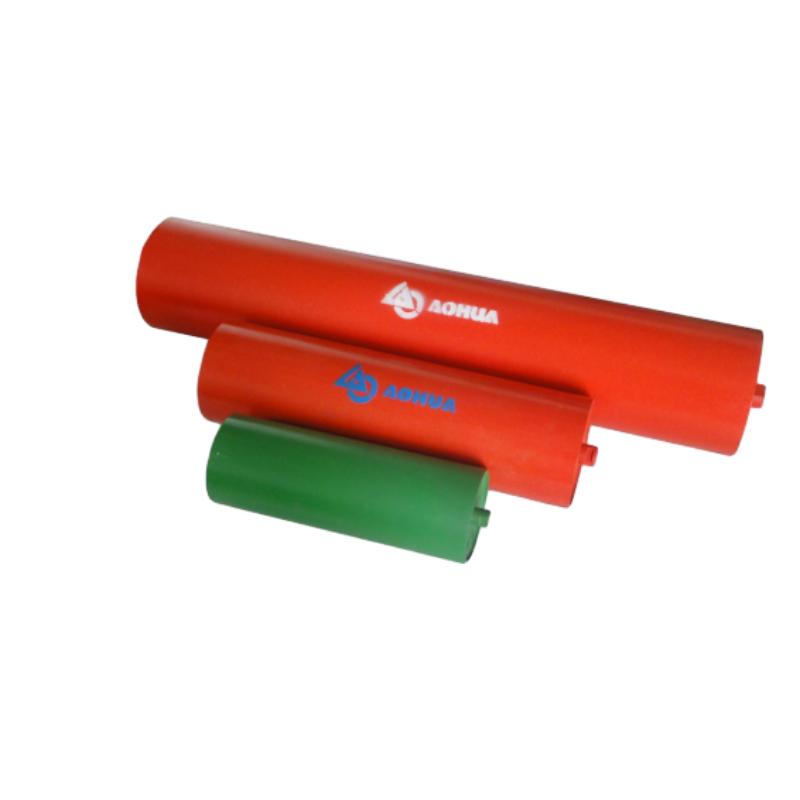
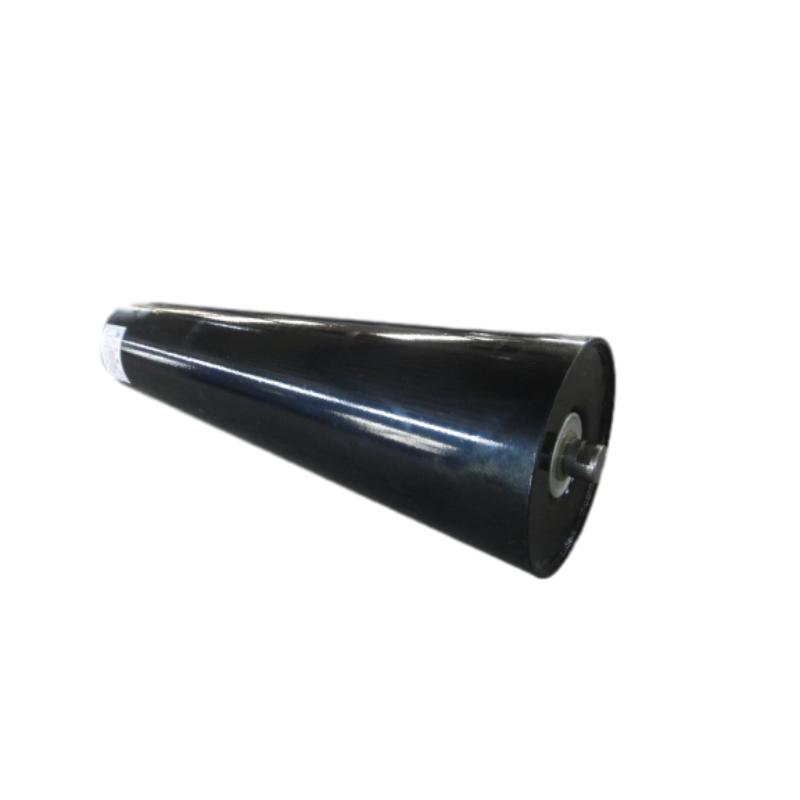
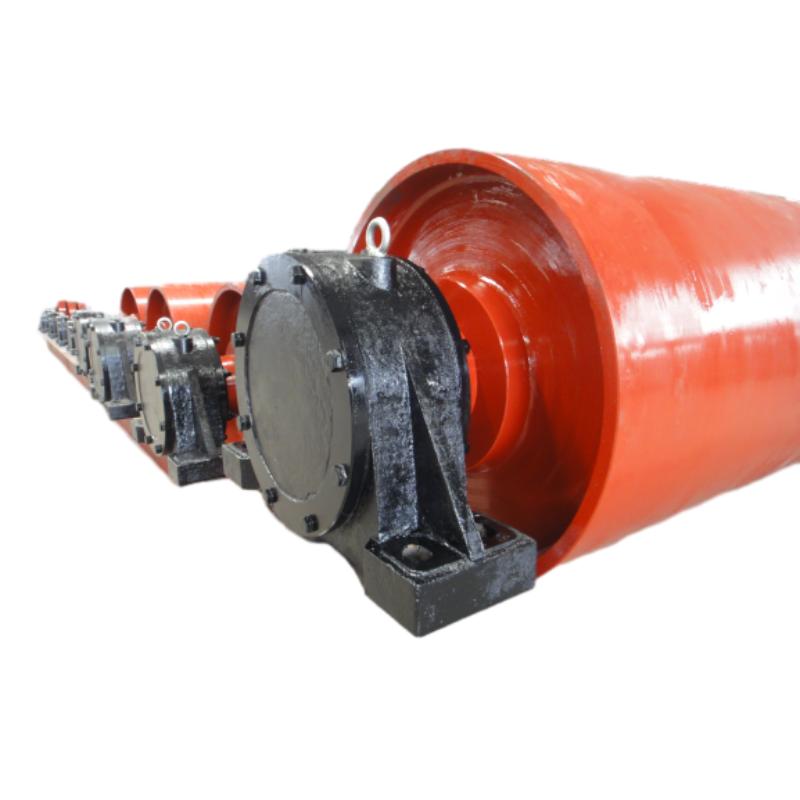
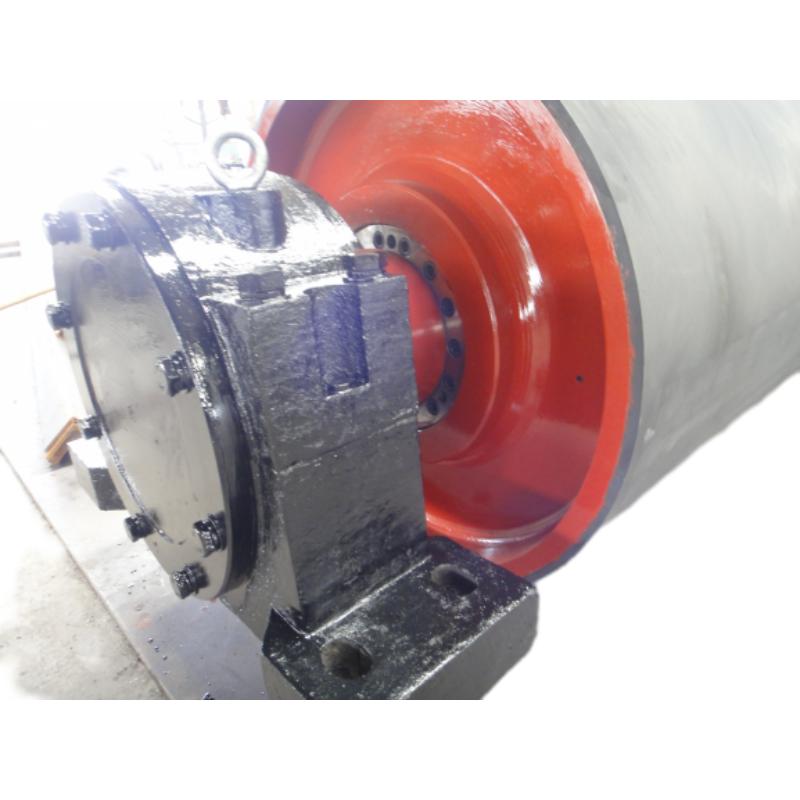
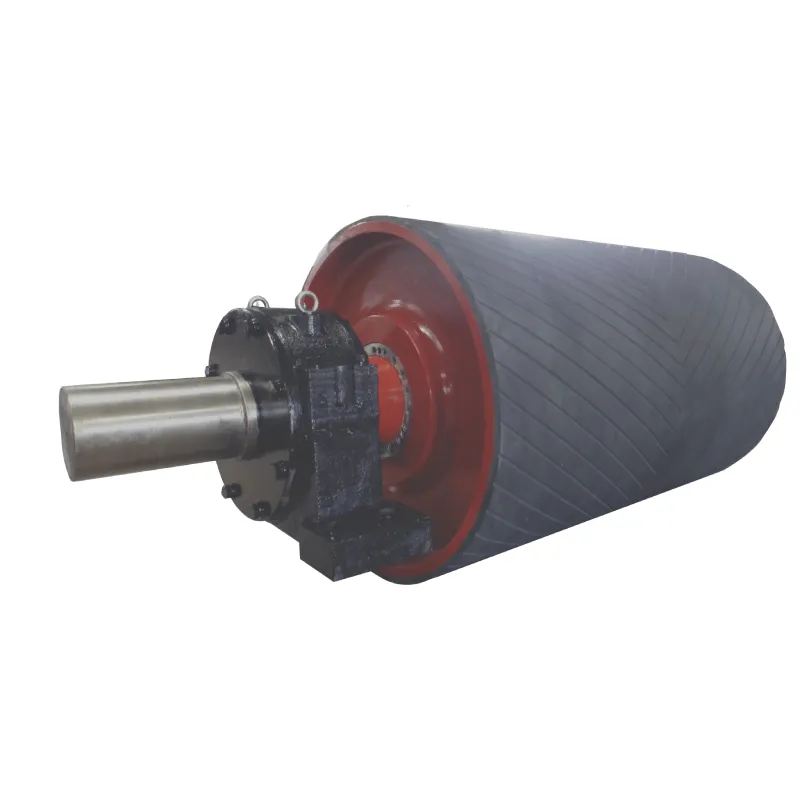
Simply put, the drive pulley is the rotating component that powers the conveyor belt. It’s attached to the motor and transmits torque — the twisting force — to move the belt forward. Without it, the entire system would stall. It’s not just a wheel; it’s a precision-engineered element designed to maximize grip, reduce slippage, and withstand harsh working environments.
In modern industry, particularly sectors like mining or logistics, the reliability of this part ensures materials flow smoothly, minimizing costly delays. Humanitarian supply chains in disaster relief also depend on conveyors to quickly move aid — and the drive pulley ensures they don’t get bogged down.
Key Features of a Quality Drive Pulley
Durability
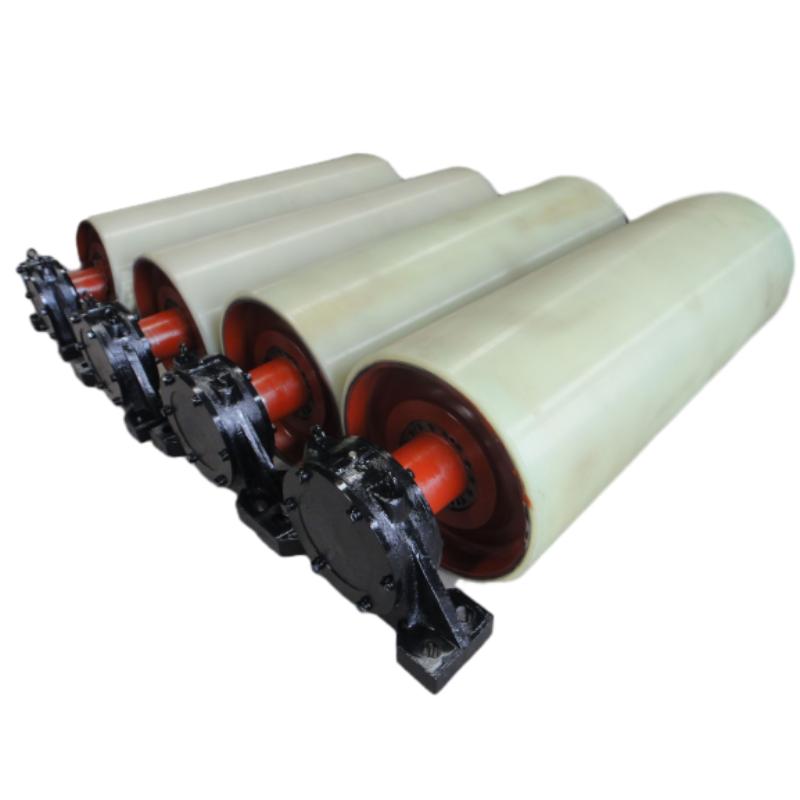
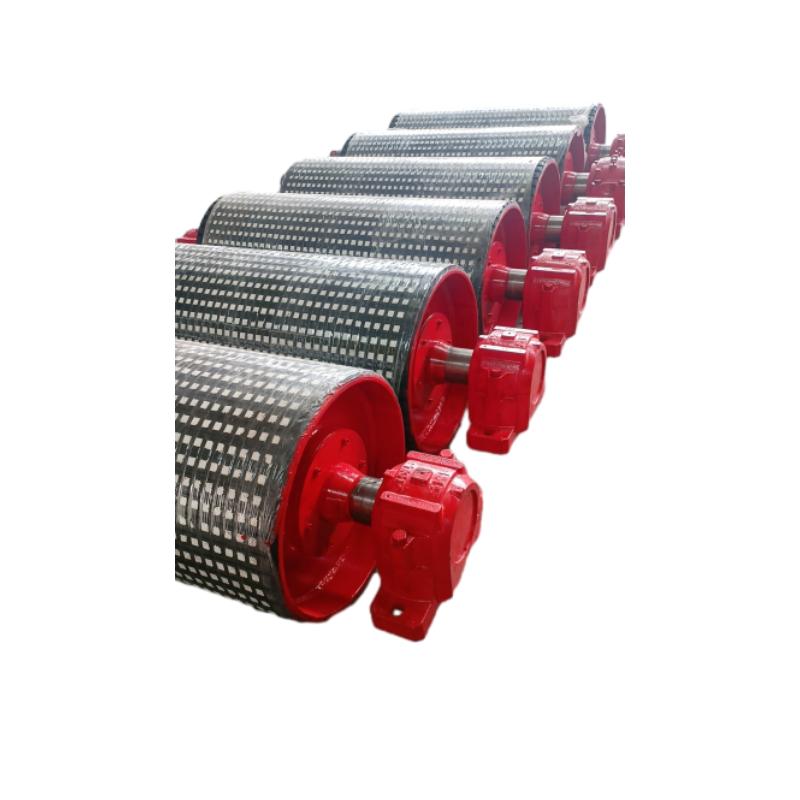
A drive pulley’s materials matter—steel, rubber coverings, or polyurethane layers come into play to resist corrosion and wear. Durability directly affects maintenance intervals and costs.
Traction and Grip
To avoid slippage, pulleys often feature lagging — textured surfaces that enhance friction with the belt. This is vital in high-load or wet environments.
Load Capacity
The pulley must handle the torque requirements of the system, scaled to belt width and conveyed material weight. An undersized pulley leads to breakdowns.
Energy Efficiency
Smooth rotation and quality bearings reduce energy losses — important for plants focusing on sustainability and operational costs.
Maintenance Ease
Designs allowing easier access or replacement can save hours of downtime, something all engineers appreciate.
Drive Pulley in Belt Conveyor: Product Specs Example
| Specification | Typical Value | Notes |
|---|---|---|
| Diameter | 200–600 mm | Varies by conveyor size |
| Lagging Thickness | 6–12 mm | Enhances friction |
| Bearing Type | Sealed ball bearings | Reduced maintenance |
| Material | Carbon steel with rubber lagging | Corrosion resistance |
Global Applications & Use Cases
- Mining Industry: In the rugged conditions of Australia or South America, drive pulleys ensure the continuous movement of ore from extraction points to processing units, often slowing down dramatically without robust designs.
- Food Processing Plants: Hygiene standards in Europe and North America require pulleys with non-contaminant materials and easy-clean surfaces.
- Post-Disaster Relief Operations: NGOs leverage conveyor systems to rapidly sort and transport aid supplies; reliable drive pulleys reduce delays critical for delivering essentials.
- Remote Industrial Zones: In the harsh climates of Siberia or the Sahara, durable pulleys maintain operations with minimal manual intervention.
For a detailed insight into belt conveyor components, drive pulley in belt conveyor pages provide great engineering references.
Vendor Comparison Table: Popular Drive Pulley Providers
| Vendor | Materials Used | Warranty | Price Range | Notable Feature |
|---|---|---|---|---|
| PulleyPro | High-grade steel & polyurethane | 5 years | $$$ | Custom lagging options |
| ConveyX | Carbon steel & rubber | 3 years | $$ | Quick replacement tech |
| EcoPulley | Recycled materials & steel | 4 years | $$ | Sustainability focus |
Advantages & Long-Term Value of Drive Pulleys
The benefits here are twofold: practical and emotional. Practically, a robust drive pulley reduces breakdown frequency, cuts energy waste, and extends conveyor lifespan. This leads to cost savings and fewer operational headaches.
Emotionally, there’s a subtle peace of mind. Knowing the system won’t fail when demand spikes or when materials are moving critical supplies instills trust among workers and managers alike. It’s about safety and reliability — human aspects sometimes overlooked in mechanical talks.
Future Trends & Innovations in Drive Pulleys
Green energy initiatives now push manufacturers to create more energy-efficient pulleys. The integration of smart sensors that monitor wear and real-time performance is also gaining traction. Imagine a pulley that alerts maintenance teams before problems arise — reducing downtime drastically.
Besides, new composite materials combining lightness and strength are emerging, potentially revolutionizing pulley lifespans and environmental footprints. Digital twin technology, pairing physical pulleys with precise virtual models, helps simulate stress and improve design even before manufacturing.
Challenges & Smart Solutions
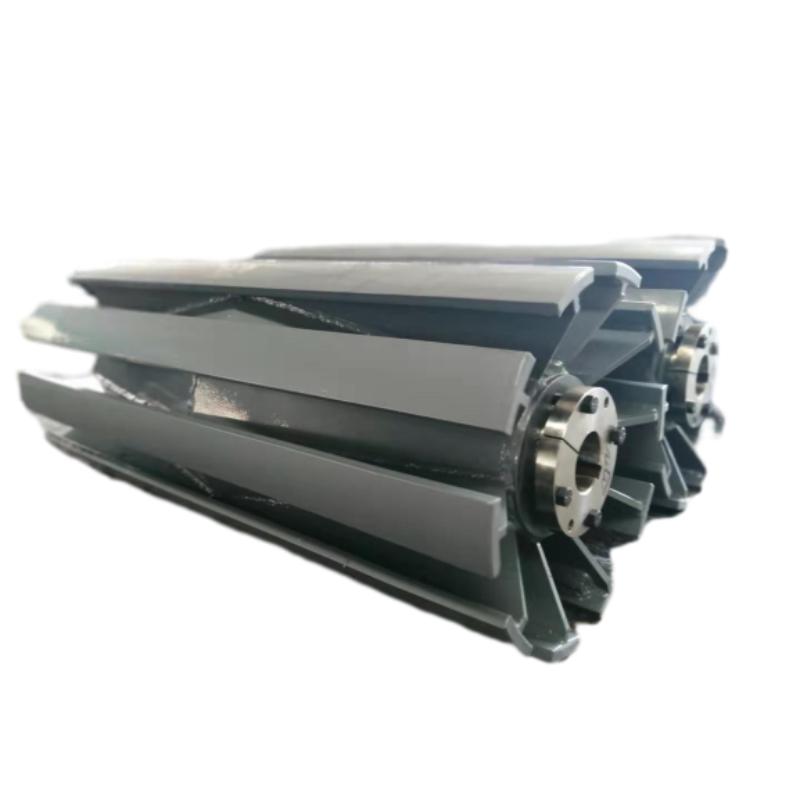
Of course, no technology is flawless. Common challenges include lagging wear, bearing failures due to improper lubrication, and misalignment causing uneven belt tension. However, many engineers recommend predictive maintenance routines and modular pulley designs that simplify onsite repairs and reduce costs.
Furthermore, choosing the right pulley based on load, environment, and belt speed is crucial — no one-size-fits-all here. Engaging suppliers like those we compared earlier, who provide customization support, mitigates many risks.
FAQ: Common Questions About Drive Pulley in Belt Conveyor
- Q1: How often should I replace the lagging on my drive pulley?
- A1: Lagging replacement depends on operating conditions but generally every 2–3 years under normal loads. Regular inspections for wear and slippage signs help spot the right time early.
- Q2: What are the signs of a failing drive pulley?
- A2: Listen for unusual noise, check for vibrations or belt slippage, and watch out for frequent breakdowns. These often indicate bearing problems or lagging deterioration.
- Q3: Can drive pulleys be customized for extreme environments?
- A3: Absolutely. Vendors offer sealing enhancements and specialized materials for corrosive or high-temperature environments to extend pulley life.
- Q4: How does pulley diameter affect conveyor performance?
- A4: Larger diameters typically reduce belt bending stress and extend belt life but require more space and may consume more power. It's a balance depending on system design.
- Q5: Are there eco-friendly pulley options available?
- A5: Yes, some manufacturers produce pulleys using recycled materials and low-impact coatings, contributing to greener operations — a growing priority for many plants.
Conclusion & Call to Action
To sum it up: the drive pulley in belt conveyor systems isn’t just a simple wheel turning a belt. It’s a performance-critical component that shapes operational efficiency, cost-effectiveness, and reliability across industries worldwide. Whether you’re designing a new system or upgrading an old one, investing in quality pulleys makes a real difference over time.
For expert advice, detailed specs, and solutions tailored to your needs, I encourage you to visit our resource hub at https://www.idleraohua.com. Your conveyor’s heart deserves the best care.
Mini takeaway: Never underestimate the humble drive pulley — it keeps the world’s goods moving smoothly, quietly, and efficiently.
References
-
Maximize Conveyor Life with a High Performance impact bedNewsApr.16,2026
-
Maximize Conveyor Efficiency Using a v plow belt scraperNewsApr.09,2026
-
Comprehensive Guide to Understanding Different Types of Belt CleanersNewsApr.07,2026
-
Enhancing Conveyor Efficiency with an Effective Scraper Belt CleanerNewsApr.04,2026
-
Optimizing Conveyor Systems with Advanced Cleaning Equipment SolutionsNewsMar.31,2026
-
Effective Conveyor Belt Scraper Adjustment for Optimal System PerformanceNewsMar.28,2026