

Rubber Impact Roller: Enhancing Conveyor Performance and Durability
The Silent Workhorse: Why Rubber Impact Rollers Matter Globally
Rubber impact rollers might not be the most glamorous piece of industrial equipment, but they play a crucial role in various industries worldwide. From protecting delicate conveyor belts in mining to reducing noise in manufacturing plants, their impact is felt everywhere. Understanding these rollers isn't just for engineers or plant managers — it's about recognizing how innovation in something so simple can ripple across global logistics, safety, and sustainability.
Introduction: The Global Relevance of Rubber Impact Rollers
In 2023 alone, the global conveyor market size was estimated to surpass USD 5 billion, with rubber impact rollers making up a significant portion of the conveyor accessories segment (World Bank). These rollers are central to the safe and efficient transport of materials across industries, from mining operations in Australia to warehouses across Europe and manufacturing hubs in Asia.
The great challenge? Conveyor belts often face harsh impacts and abrasive material falling directly on their surface, causing premature wear or failure. Rubber impact rollers mitigate these risks — effectively prolonging equipment life and reducing costly delays.
Interestingly, ISO standards (such as ISO 15552) are evolving to include more specialized testing for these components, emphasizing their growing importance.
What Exactly Is a Rubber Impact Roller?
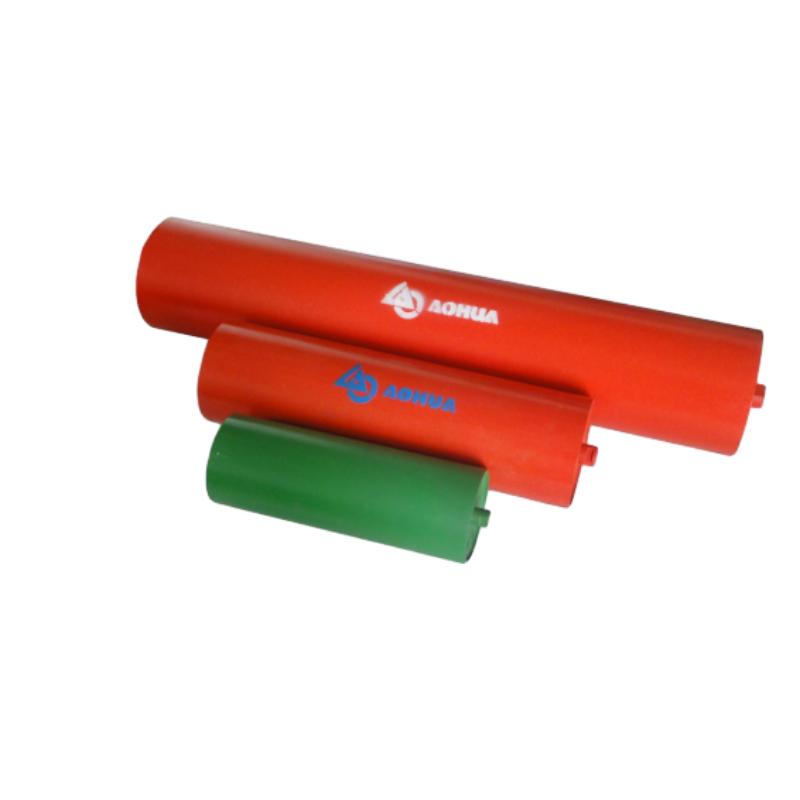
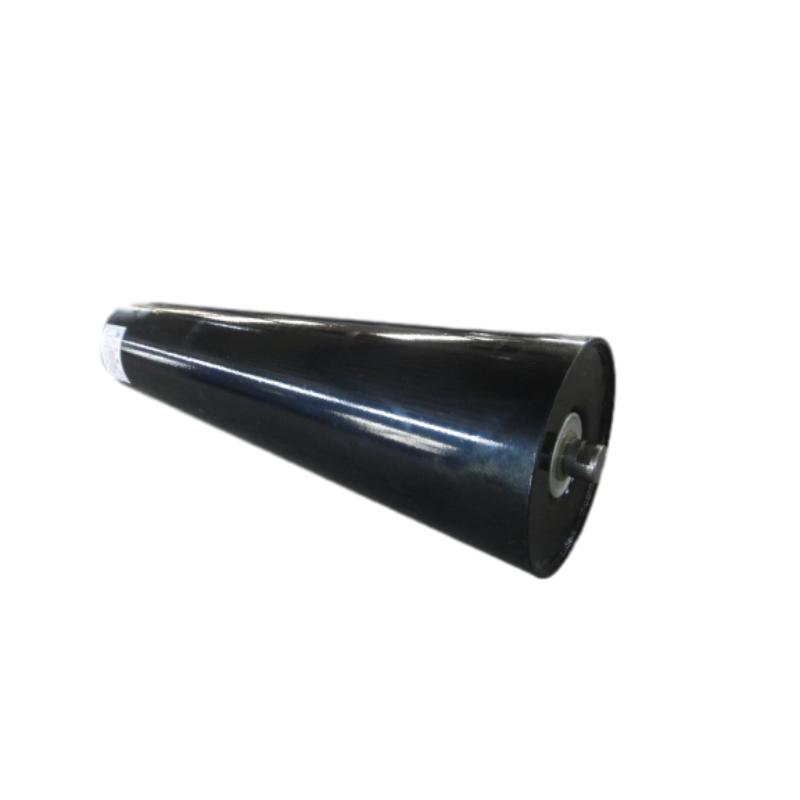
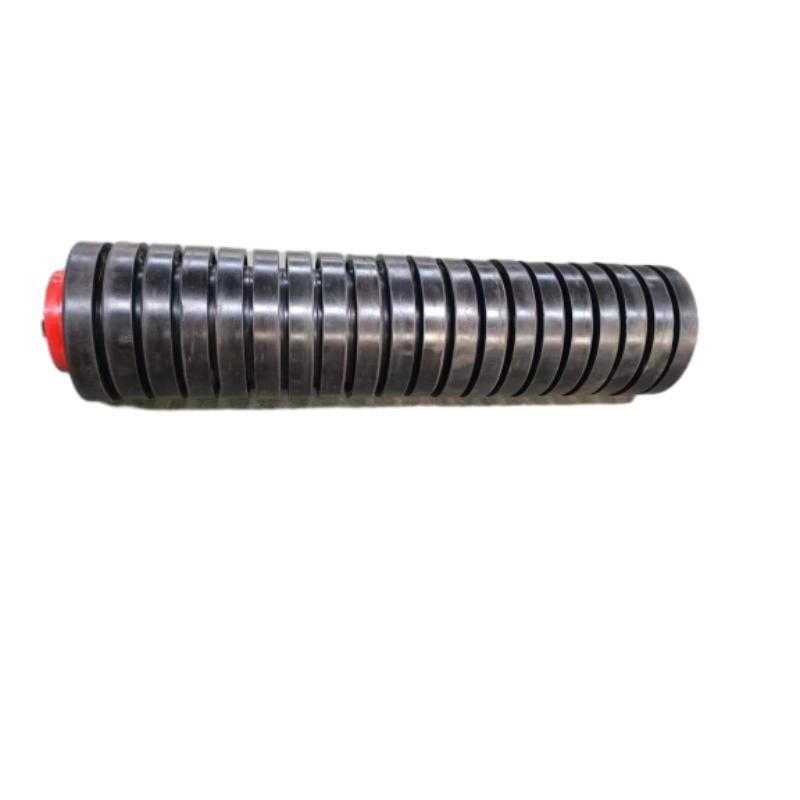
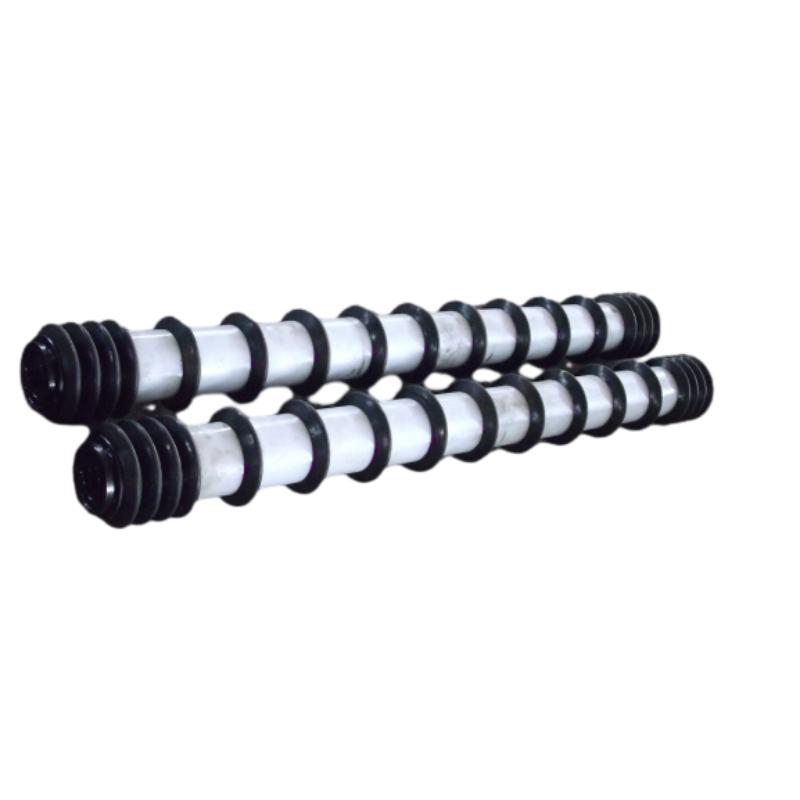
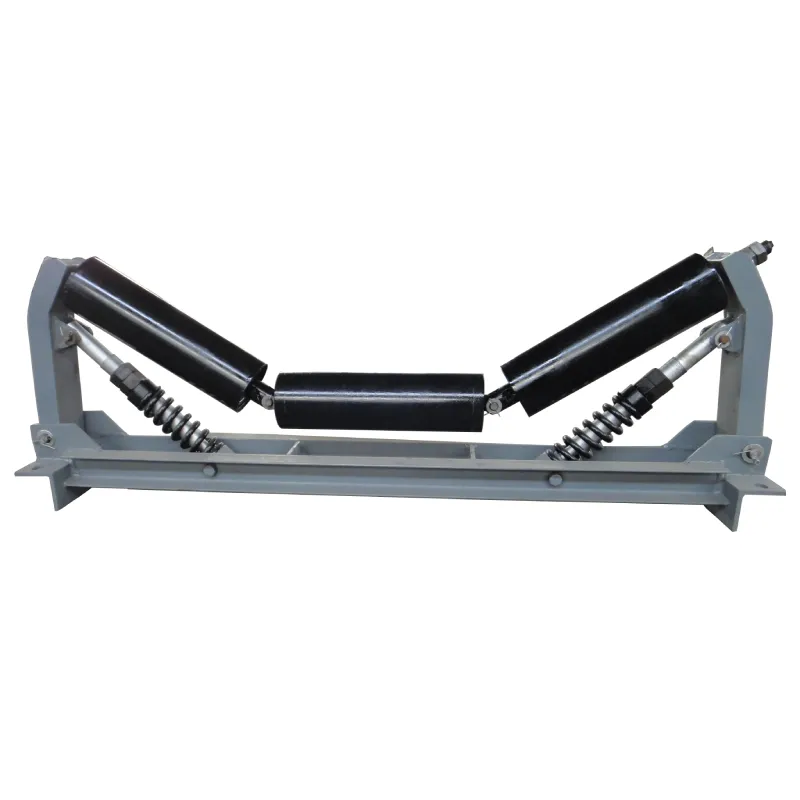
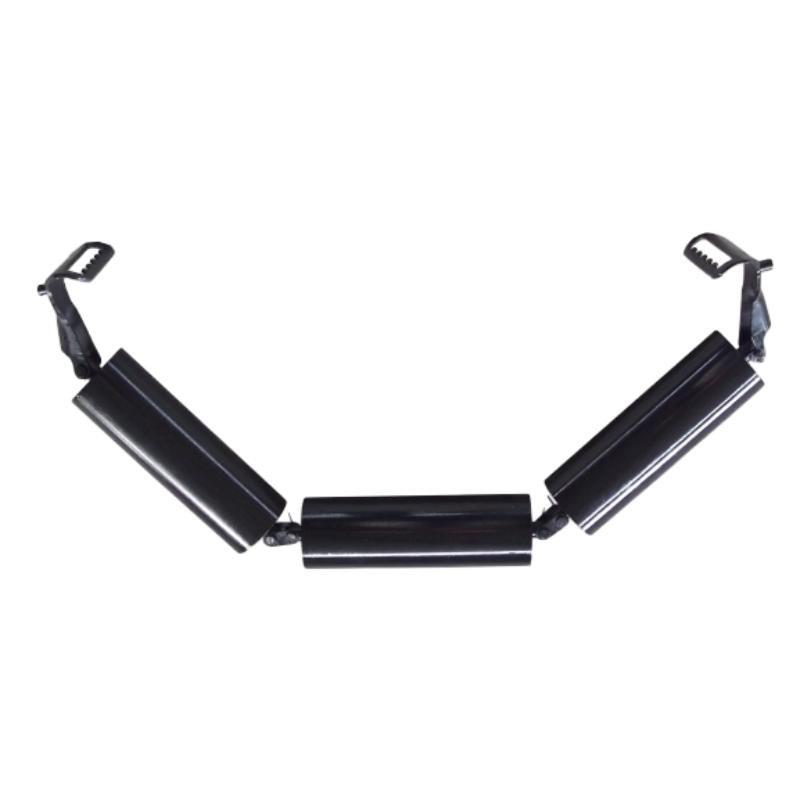
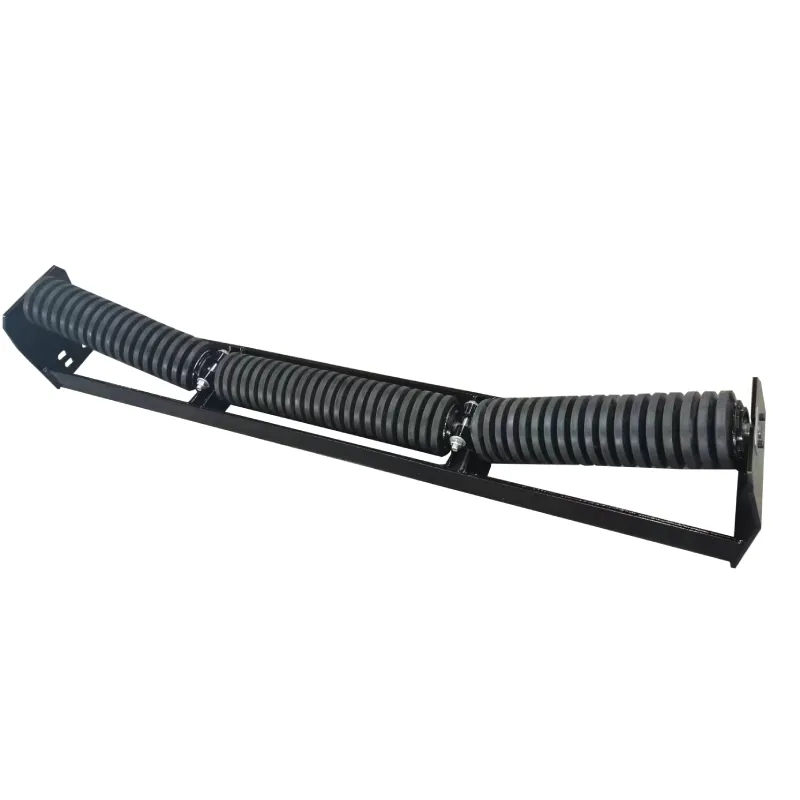
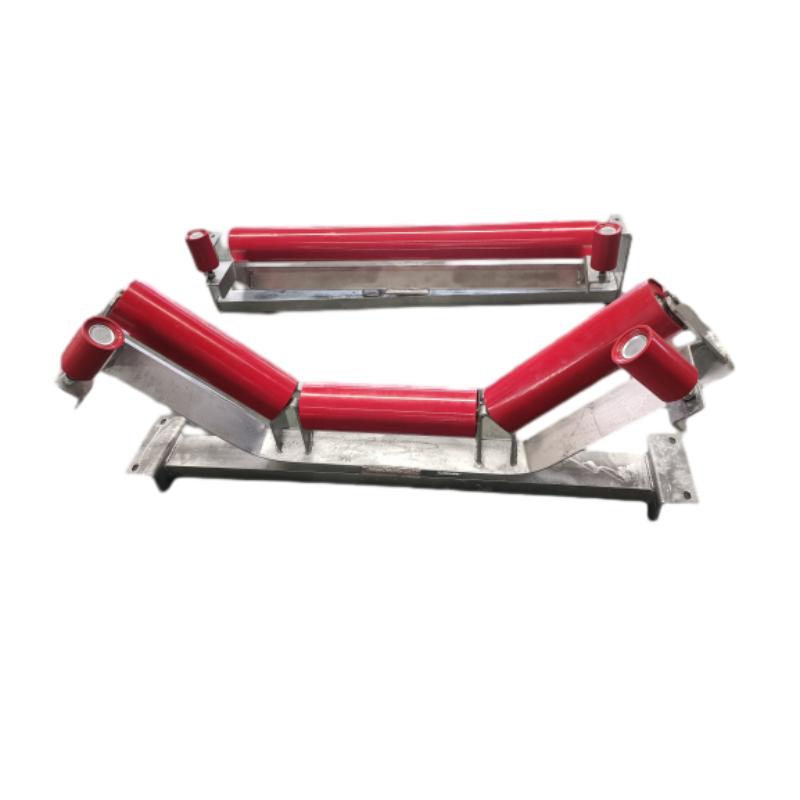
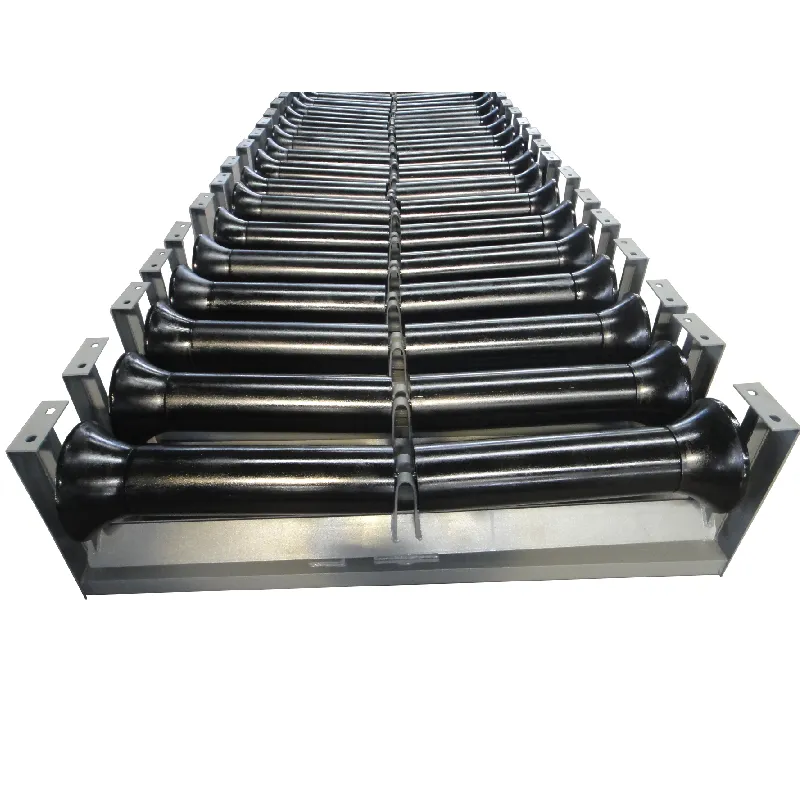
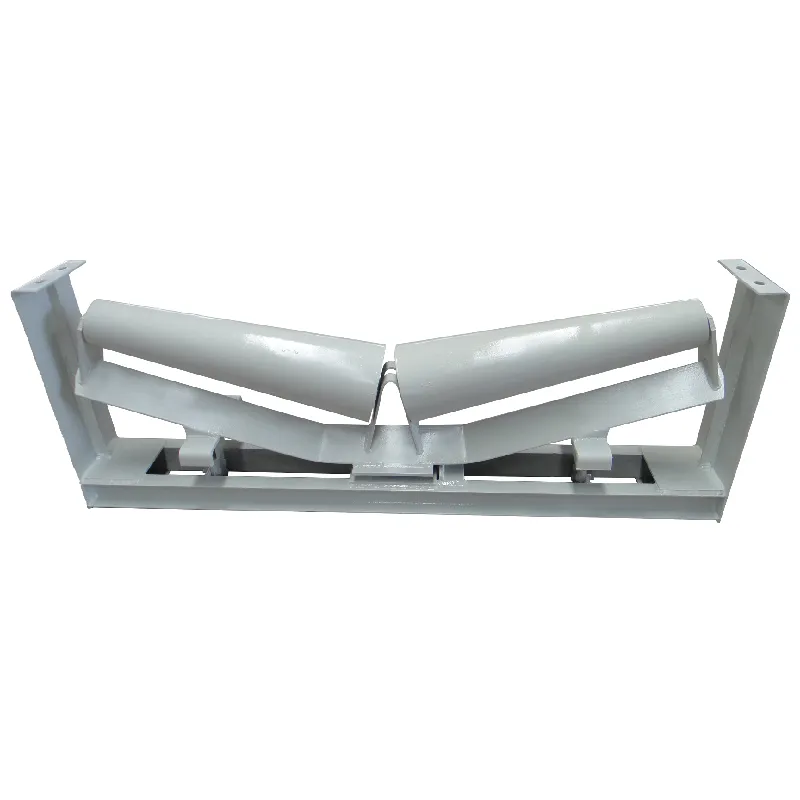
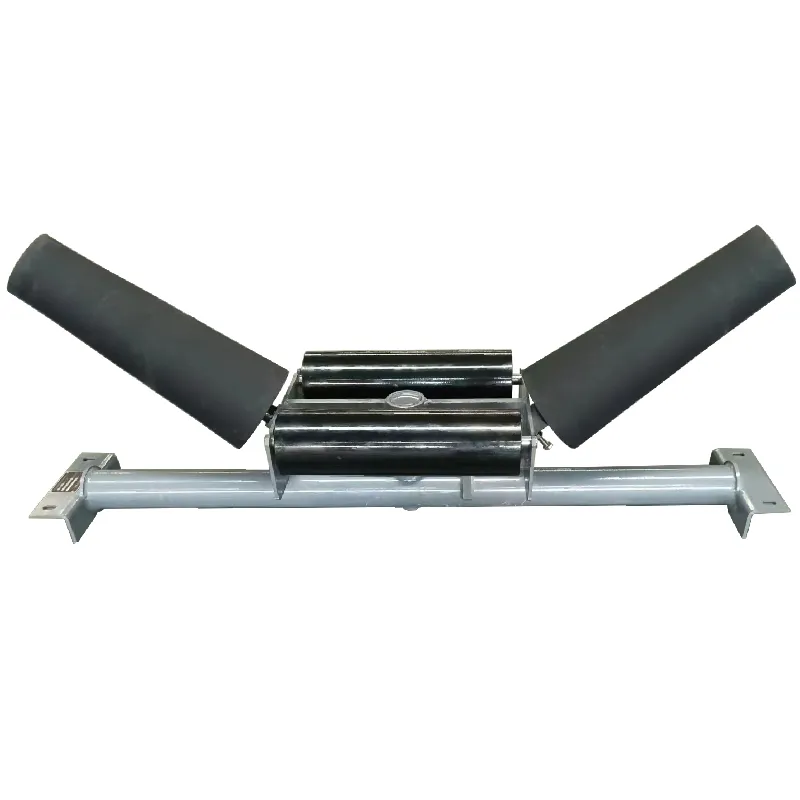
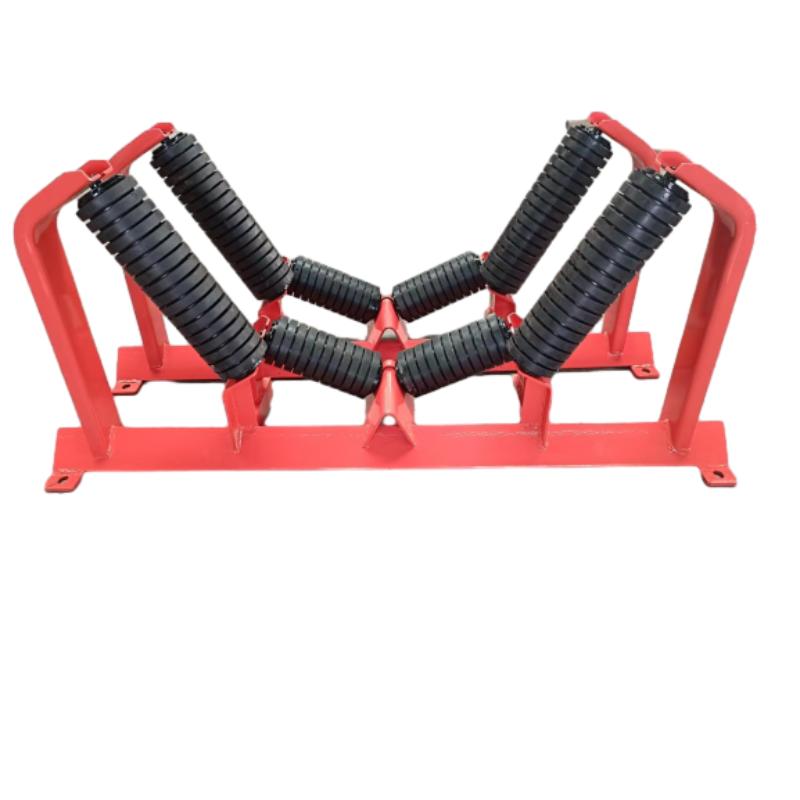
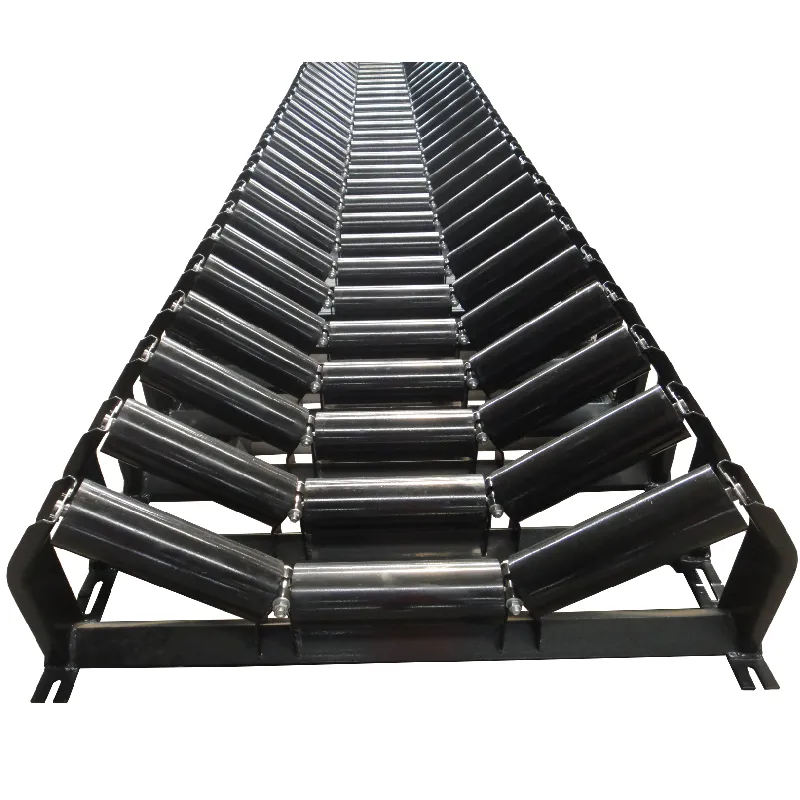
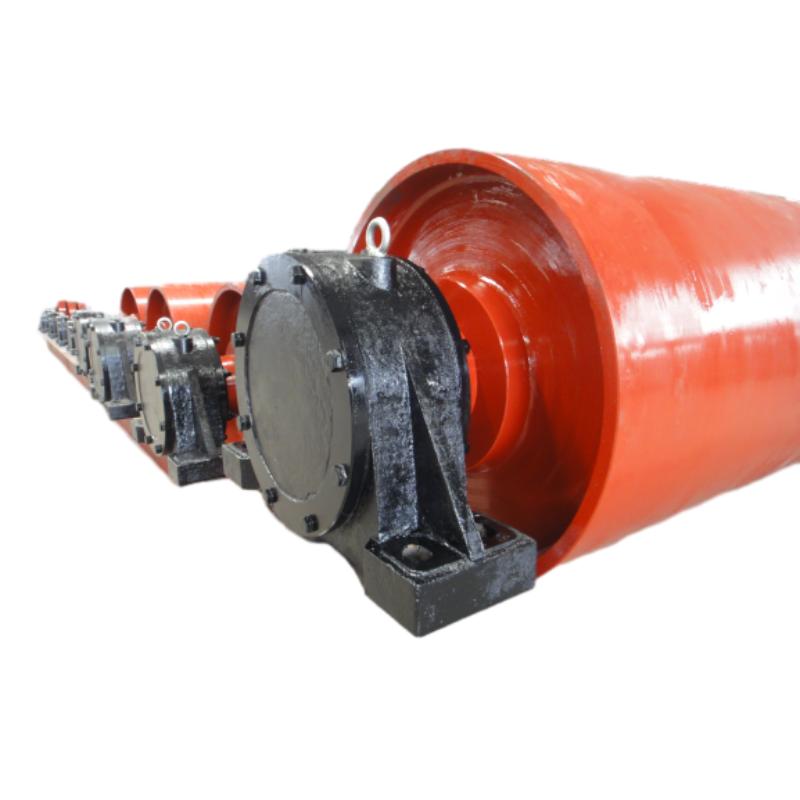
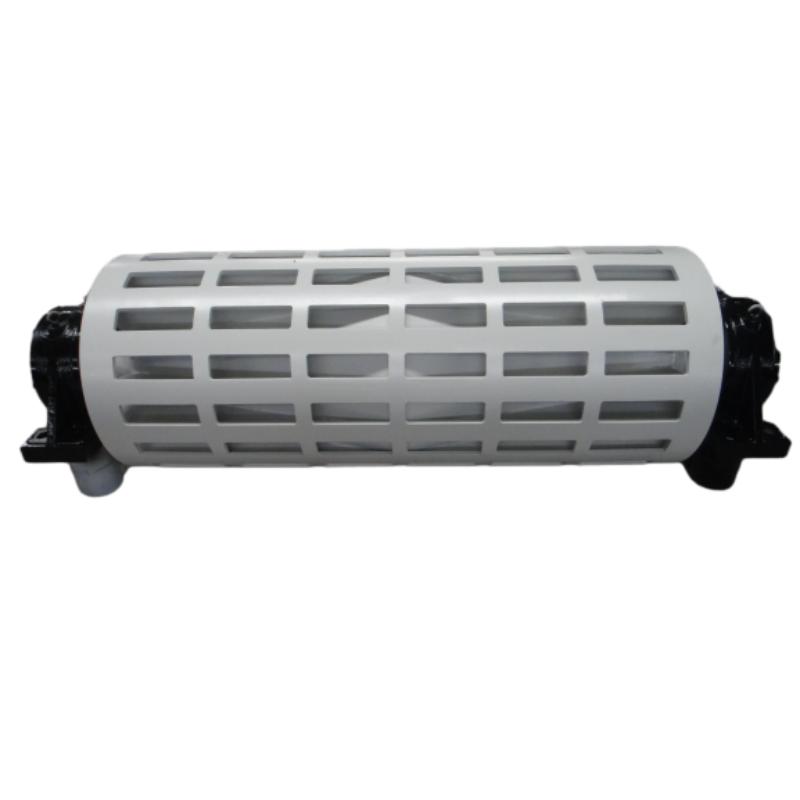
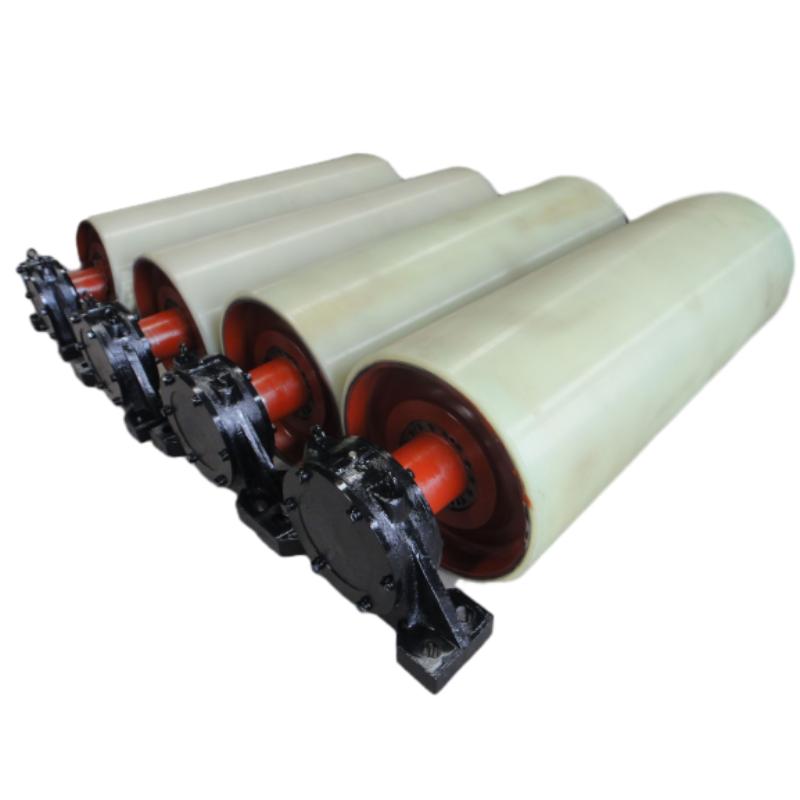
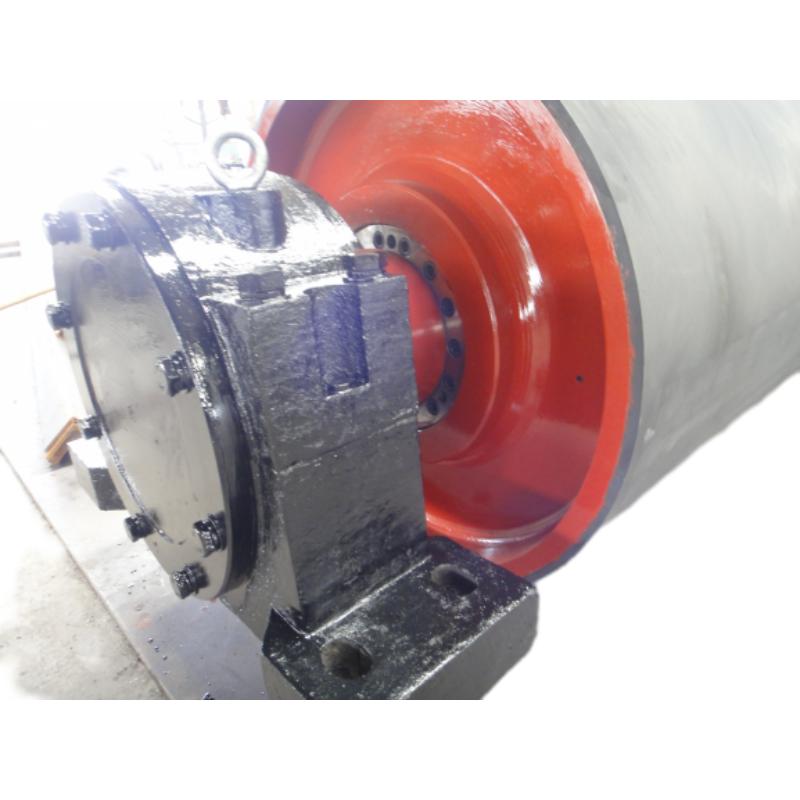
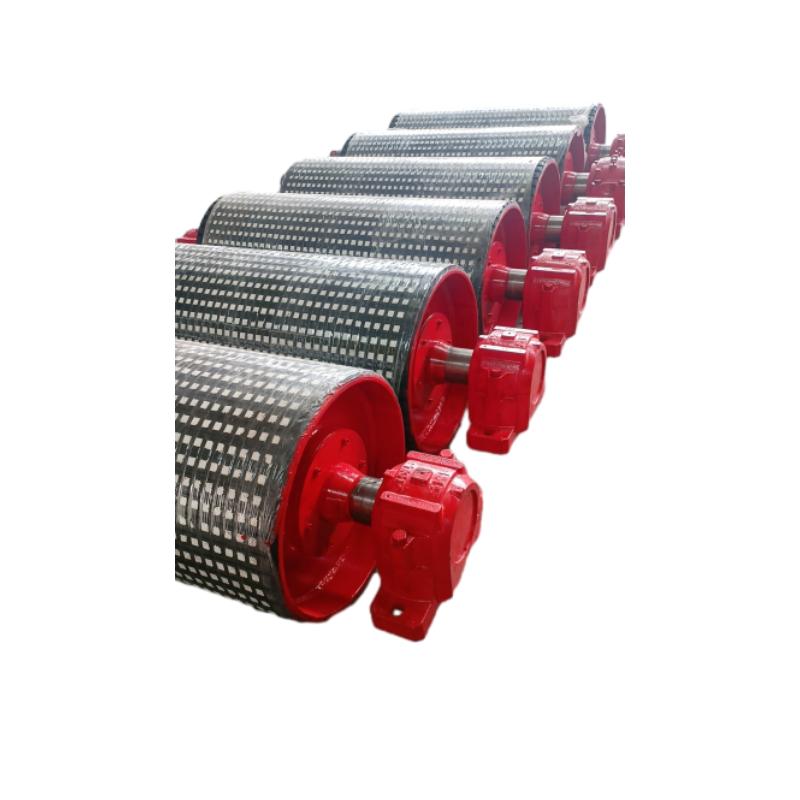
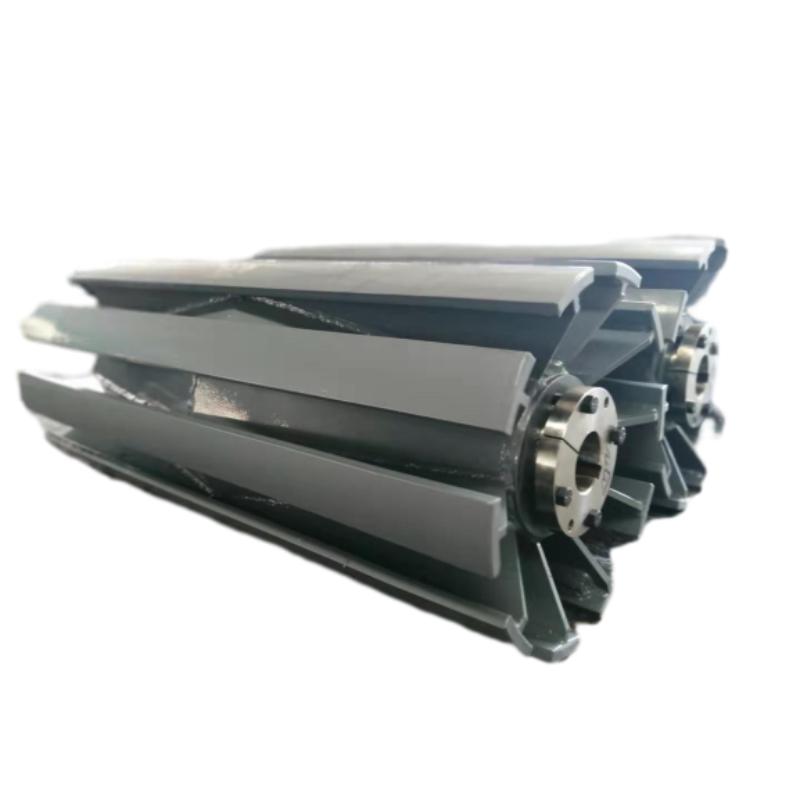
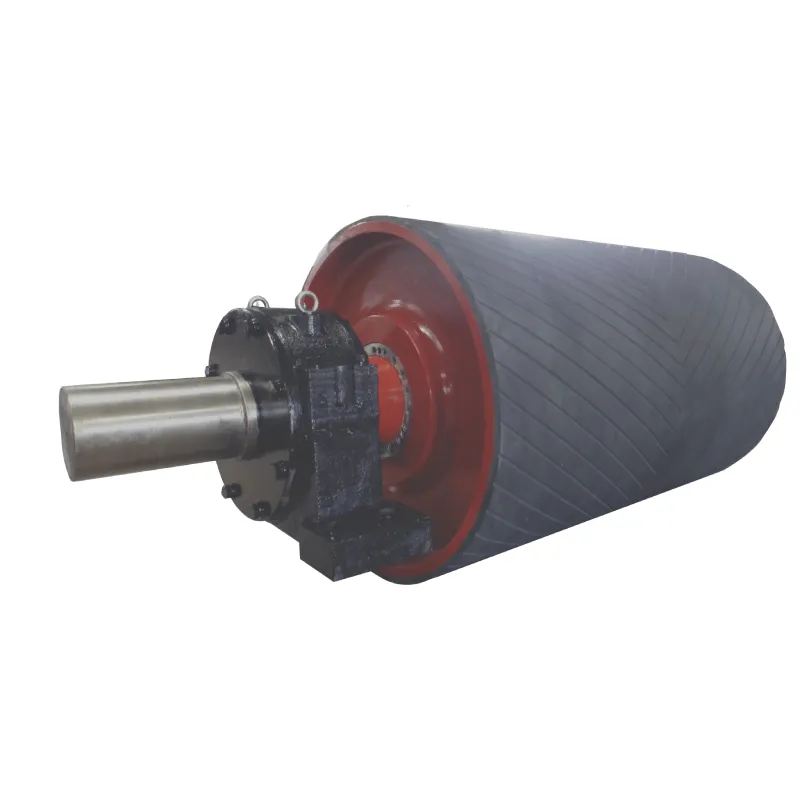
Simply put, a rubber impact roller is a conveyor roller fitted with a rubber covering or coating designed to absorb impact and reduce wear. These rollers cushion the blow when bulky or rough materials are loaded onto conveyor belts, preventing direct damage to the belt itself. Various rubber grades and durometers are used depending on the specific application, balancing softness for absorption and firmness for durability.
They're also linked to the broader trend of industrial automation and safer material handling — improving uptime, worker safety, and environmental footprint by reducing waste.
Key Factors Behind Rubber Impact Rollers’ Effectiveness
Durability: Built to Last Under Pressure
Rubber impact rollers are subjected to constant, punishing forces. The quality of rubber compound—often synthetic like nitrile or neoprene—determines how well the roller withstands abrasive materials, varying temperatures, and even chemical exposure.
Impact Absorption
Unlike plain steel rollers, the rubber cover acts like a shock absorber, minimizing the force transferred to the conveyor belt. This limits belt damage, thus reducing downtime and maintenance costs.
Noise Reduction
In many plants, excessive noise adds to worker fatigue. The rubber coatings dampen sound generated by material impacts, contributing to a quieter, more ergonomic workplace.
Cost Efficiency
While rubber impact rollers may cost more upfront than simple steel rollers, their lifespan and the savings from less downtime usually justify the investment. Moreover, their maintenance cycles stretch longer.
Customization and Adaptability
From different diameters and widths to rubber hardness and surface textures, these rollers can be tailored to fit unique operational needs — whether it’s construction debris handling or delicate food products.
Global Applications & Use Cases
Rubber impact rollers find their way into a spectrum of industries:
- Mining and Quarrying: Protecting belts from large rocks and abrasive ores while handling heavy loads in places like South Africa and Canada.
- Recycling Facilities: Cushioning mixed materials, often hard and sharp, to prevent conveyor damage.
- Food and Beverage: Specialized food-grade rollers help carry delicate items with minimal bruising.
- Post-Disaster Relief Logistics: Rapidly deployed conveyor systems with impact rollers assist in sorting and transporting relief materials in remote zones.
For example, in remote industrial zones in Australia, rubber impact rollers have been critical in enabling continuous extraction without expensive conveyor replacements. It’s a quiet backbone supporting some noisy operations.
Mini Takeaway:
Understanding rubber impact rollers deepens our appreciation for the little heroes quietly extending machinery life and shaping global industry resilience.
Advantages & Long-Term Value of Rubber Impact Rollers
Practical benefits explain why these rollers are preferred by many plant operators:
- Sustainability: Less belt wear plus longer roller service halves waste and resource consumption over time.
- Cost Savings: Lower maintenance costs, fewer shutdowns, and reduced replacement frequency.
- Worker Safety: Quieter environments and fewer belt failures reduce accident risk.
- Operational Reliability: Smooth material flow enhances productivity and process predictability.
On a more personal note, plant managers often describe the relief of reliable rubber impact rollers as more than just technical — it’s about trust in their equipment’s performance when stakes are high.
Product Specification Table: Typical Rubber Impact Roller Specs
| Specification | Typical Values | Notes |
|---|---|---|
| Roller Diameter | 89 mm to 219 mm | Varies per conveyor design |
| Rubber Hardness (Shore A) | 40-70 | Balance of impact absorption & durability |
| Surface Texture | Smooth or Rigid | Dependent on material type |
| Maximum Load | Up to 2000 kg per roller | Application specific |
| Operating Temperature | -20°C to +80°C | High-temp or cold-resistant variants available |
Vendor Comparison: Key Rubber Impact Roller Suppliers
| Vendor | Material Quality | Customization Options | Global Availability | Typical Lead Time |
|---|---|---|---|---|
| Idleraohua Industries | Premium synthetic rubber | Wide range of custom sizes & hardness | Worldwide including remote zones | 4-6 weeks |
| GlobalRoller Corp | Standard industrial rubber | Limited customization | Europe, North America | 3-5 weeks |
| Econoroller Ltd. | Eco-friendly recycled rubber | Moderate options | Asia-Pacific focus | 6-8 weeks |
The Road Ahead: Trends & Innovations in Rubber Impact Rollers
Looking forward, there’s a buzz about integrating rubber impact roller technologies with smart sensors that monitor wear in real time. Combining this with advances in green rubber compounds derived from sustainable sources hints at a future where machine maintenance is predictive and eco-friendly.
Automation also means rollers might adjust hardness dynamically to match changing load conditions, boosting efficiency further. And then there’s the ongoing digital transformation of supply chains, which is nudging suppliers to offer faster design iterations via 3D printing of rubber molds — quite revolutionary for on-demand customization.
Challenges & Ingenious Workarounds
Though they’re sturdy, rubber impact rollers aren’t invincible. Harsh chemical exposure or extreme temps can degrade rubber faster than expected, forcing unexpected downtime in some operations. Also, improper installation or mismatched hardness often leads to quicker wear.
Experts recommend meticulous material selection upfront and routine inspections supported by sensor technology. Some companies now coat rollers with additional protective layers to extend life in harsh environments, which feels like a neat workaround to an old problem.
FAQ: Frequently Asked Questions About Rubber Impact Rollers
- What makes rubber impact rollers better than standard steel rollers?
- Rubber impact rollers absorb shock and reduce conveyor belt wear by cushioning the impact of falling or sliding materials, unlike steel rollers which transfer force directly. This results in less operational downtime and longer belt lifespan.
- How often should rubber impact rollers be replaced?
- Replacement depends on operating conditions, but generally every 2-5 years. Regular visual and sensor-based inspections help identify wear early, preventing costly failures.
- Are rubber impact rollers eco-friendly?
- Many manufacturers now use recyclable or bio-based rubbers, reducing environmental impact. Additionally, longer-lasting rollers mean less frequent waste, contributing to sustainability.
- Can rubber impact rollers be customized for specific industries?
- Absolutely—diameter, rubber hardness, surface type, and mounting options can all be tailored to meet industry needs, whether fragile food items or rugged mining ores.
- Where can I learn more or buy quality rubber impact rollers?
- Check specialized industrial suppliers like our trusted partner, which offers custom solutions with global shipping and technical support.
Conclusion: Why Rubber Impact Rollers Are an Industry Staple
In the end, rubber impact rollers are a humble but vital piece of equipment. Their long-term value—extending machinery life, enhancing safety, reducing noise, and lowering costs—is undeniable. Whether for a massive mining operation or a small food processing line, their benefits echo far beyond their size.
For more detailed specs and expert advice, I encourage you to visit https://www.idleraohua.com — it’s a good starting point for anyone serious about conveyor longevity and efficiency.
References
-
Maximize Conveyor Life with a High Performance impact bedNewsApr.16,2026
-
Maximize Conveyor Efficiency Using a v plow belt scraperNewsApr.09,2026
-
Comprehensive Guide to Understanding Different Types of Belt CleanersNewsApr.07,2026
-
Enhancing Conveyor Efficiency with an Effective Scraper Belt CleanerNewsApr.04,2026
-
Optimizing Conveyor Systems with Advanced Cleaning Equipment SolutionsNewsMar.31,2026
-
Effective Conveyor Belt Scraper Adjustment for Optimal System PerformanceNewsMar.28,2026