

Roller Lagging: Essential Conveyor Solutions for B2B Industries | IdlerAohua
Roller Lagging is a key solution in the industry, specifically within heavy industries and material handling sectors. This article explores how https://www.idleraohua.com supports professionals with durable, high-performance products, and explains why this product is an ideal choice for businesses in these sectors.
Table of Contents
- Roller Lagging Overview
- Benefits & Use Cases of Roller Lagging
- Cost, Maintenance & User Experience
- Sustainability & Market Trends
Roller Lagging Overview
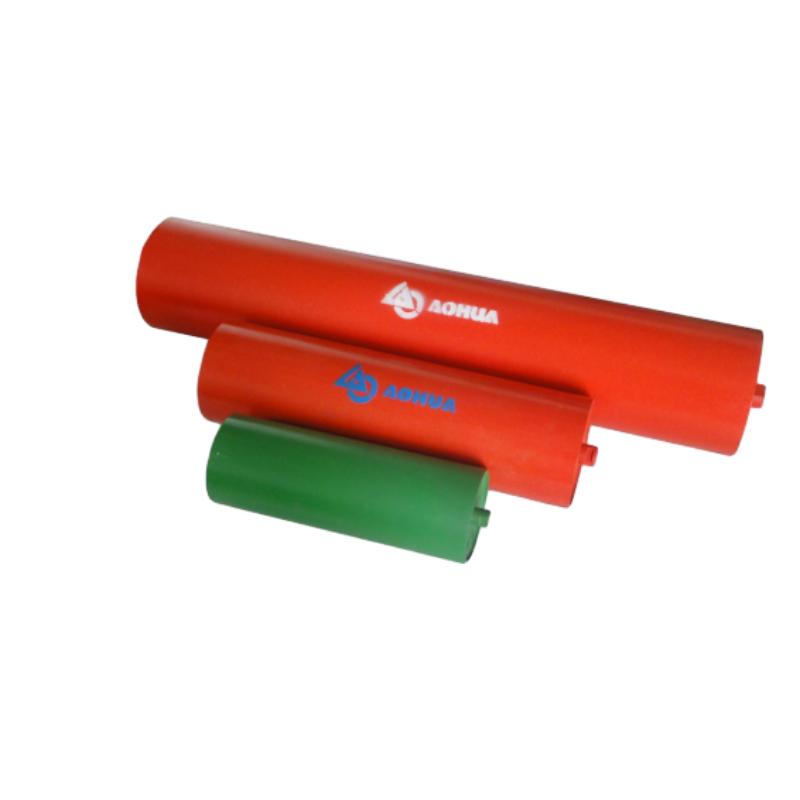
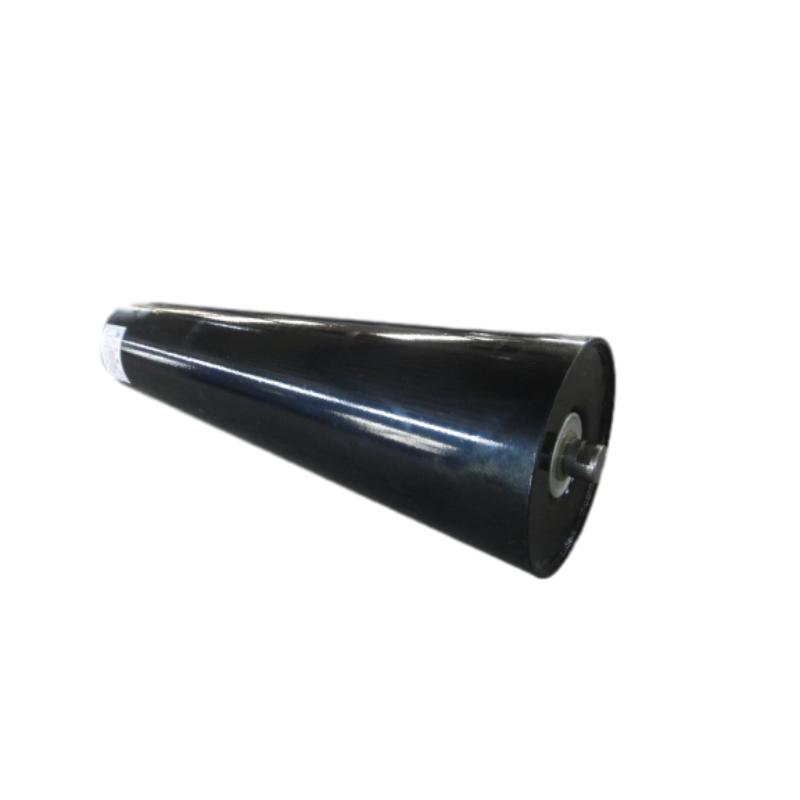
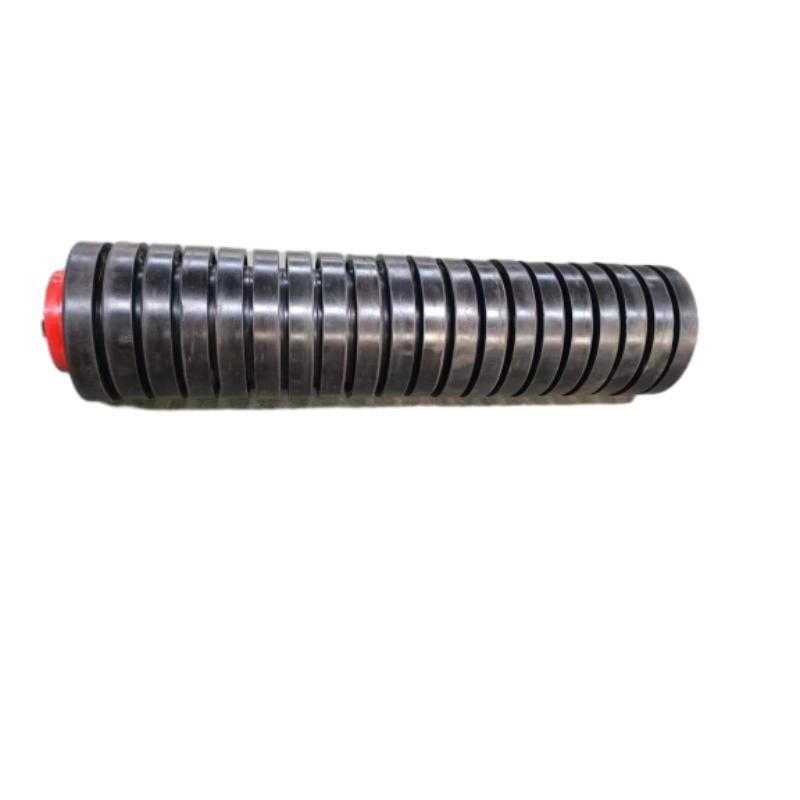
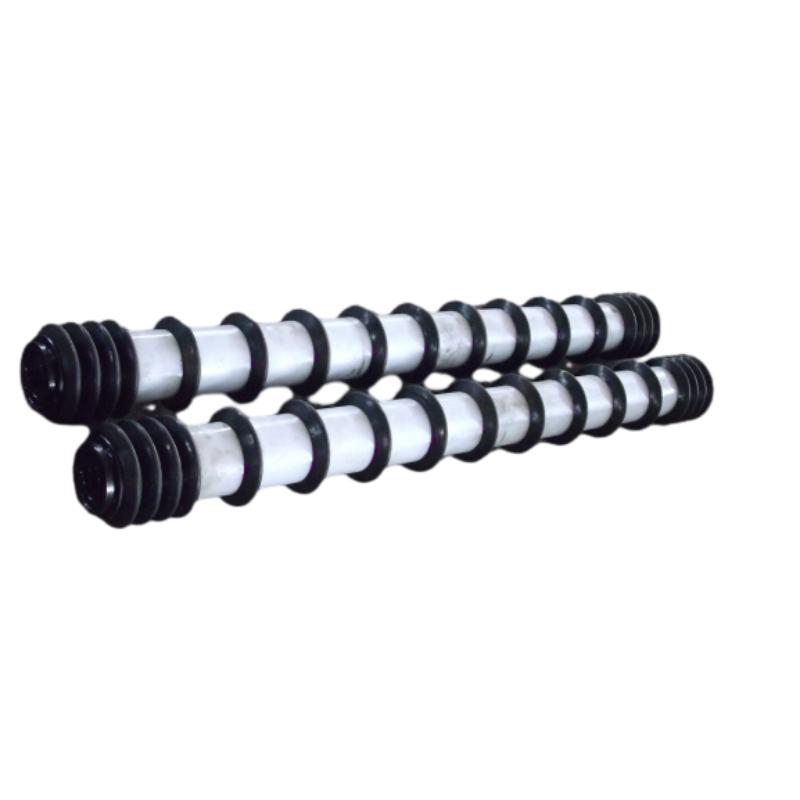
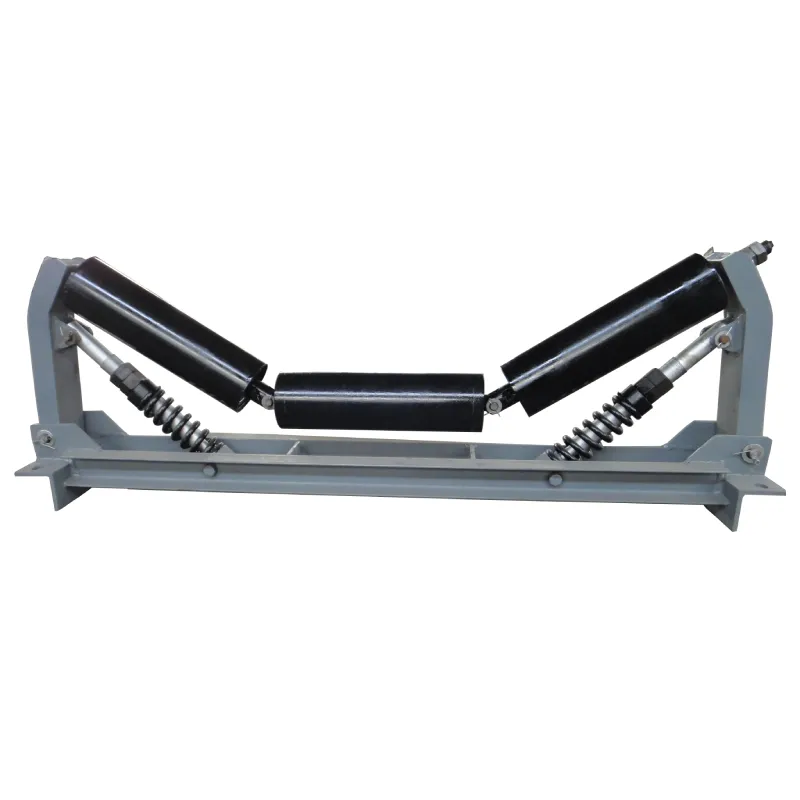
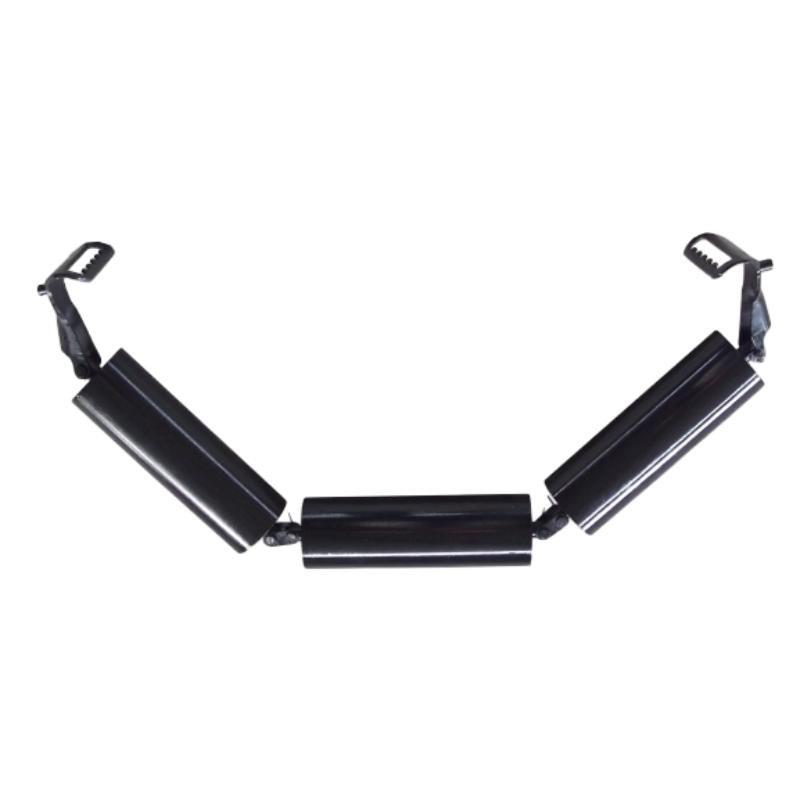
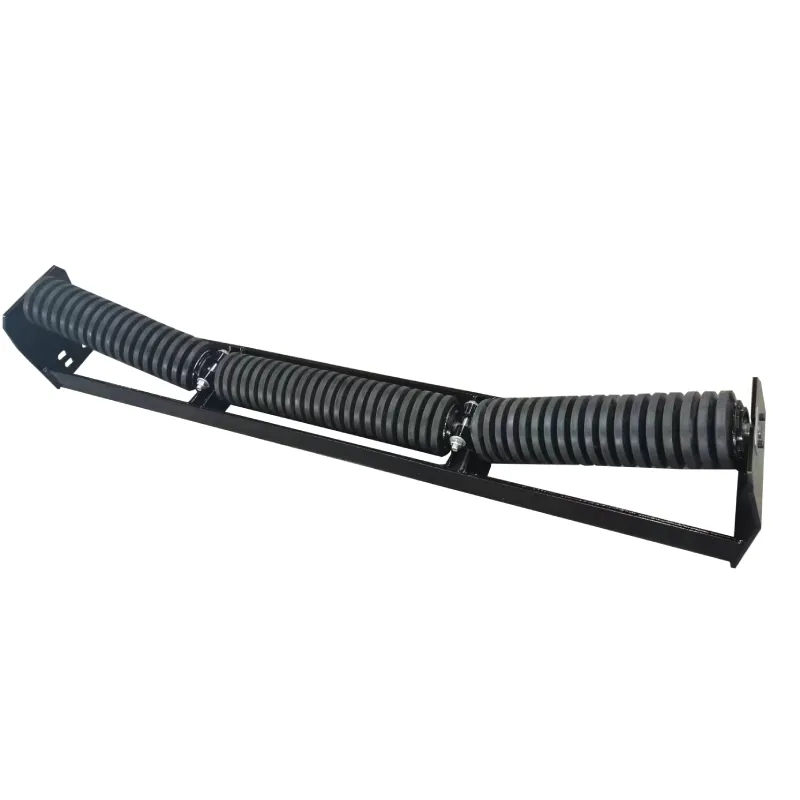
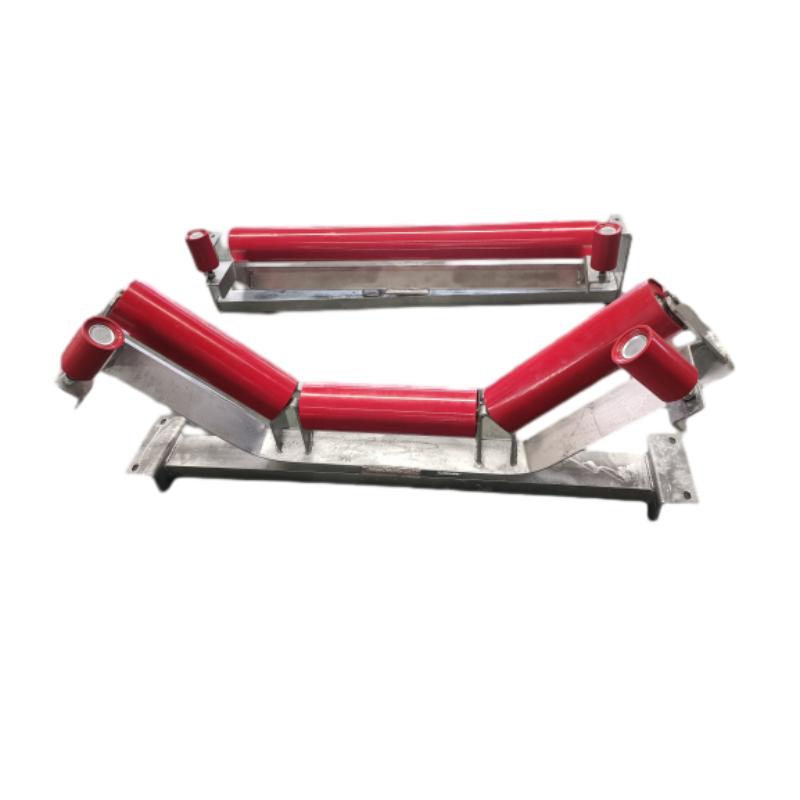
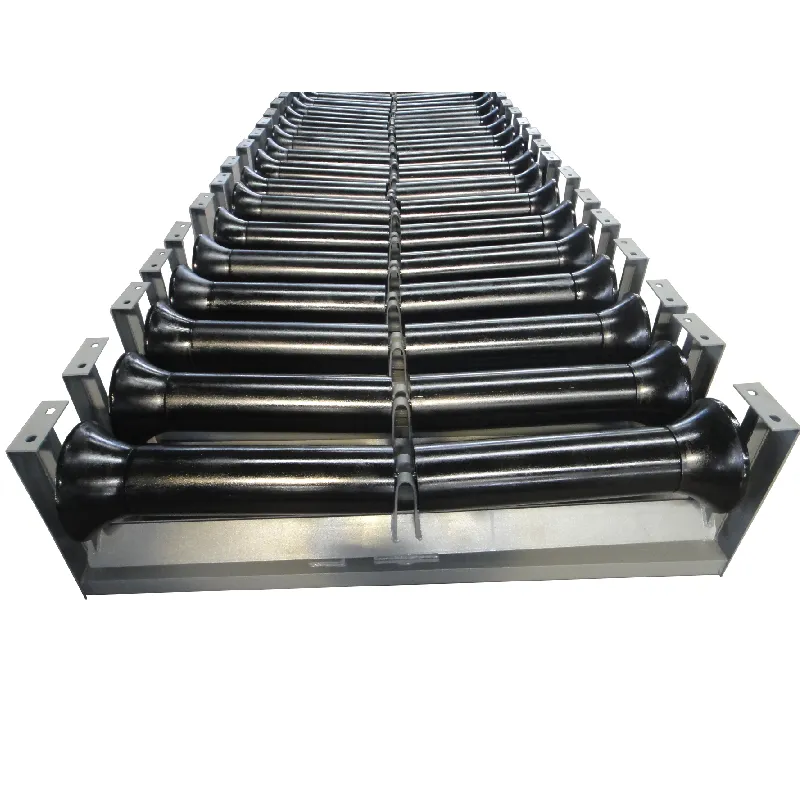
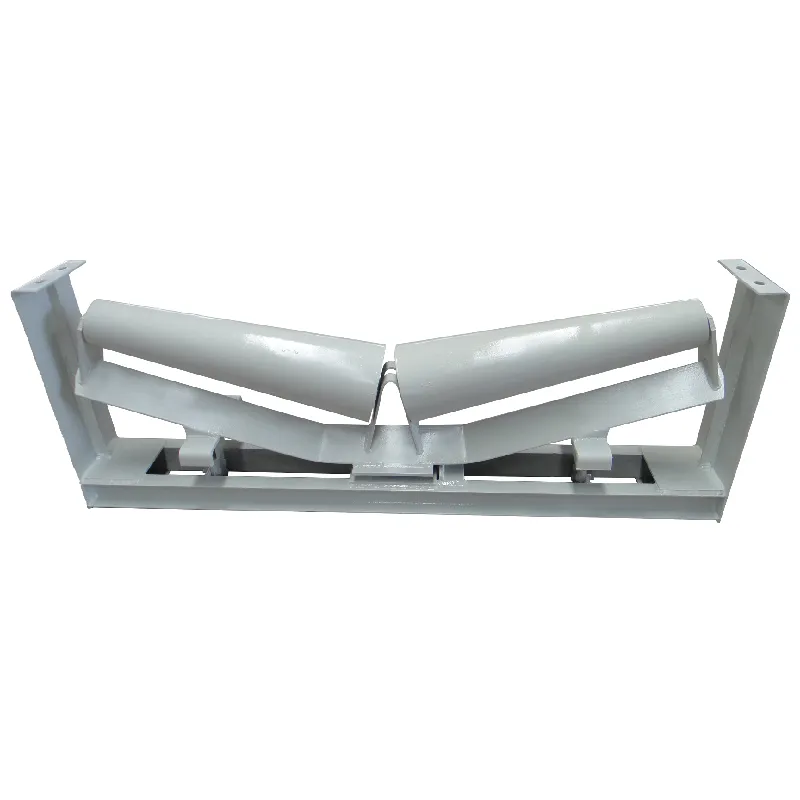
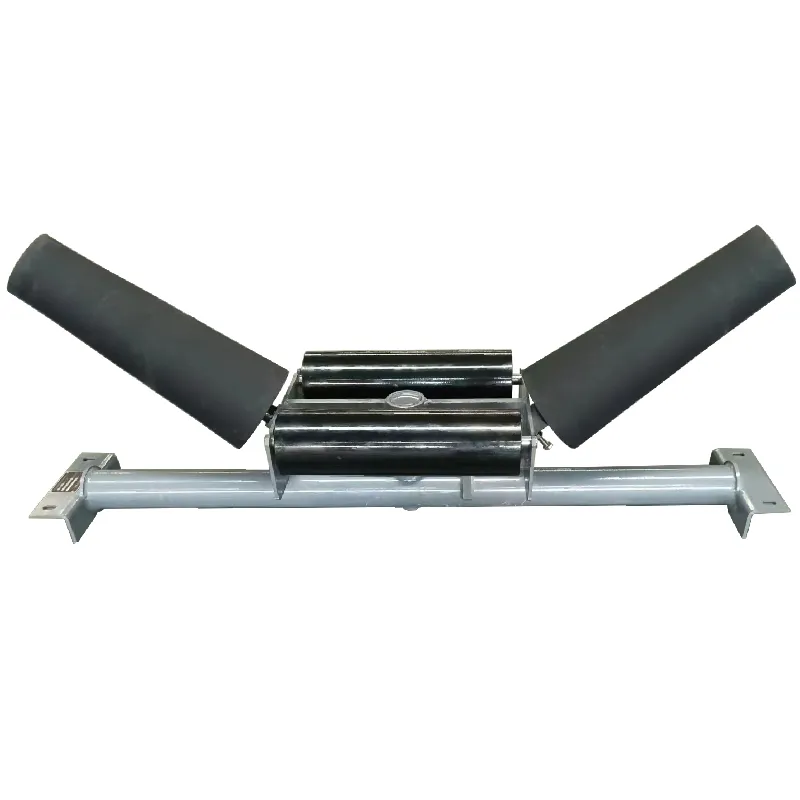
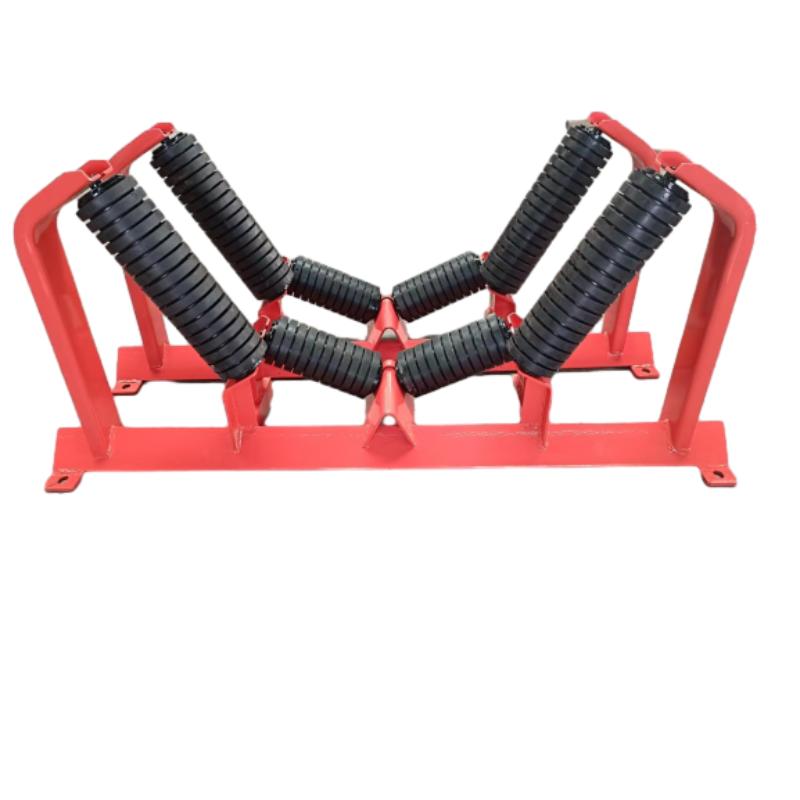
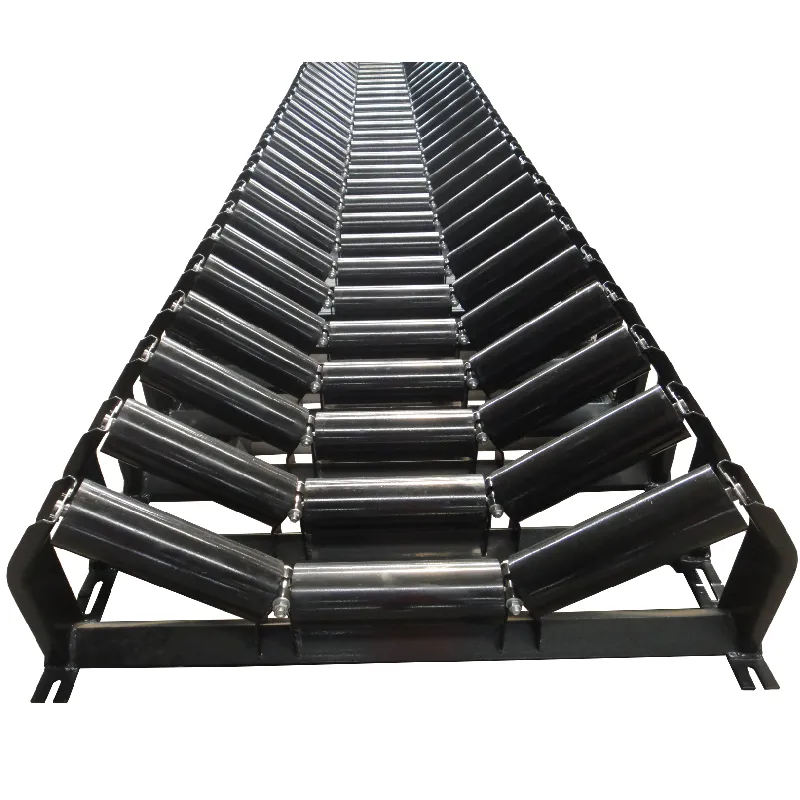
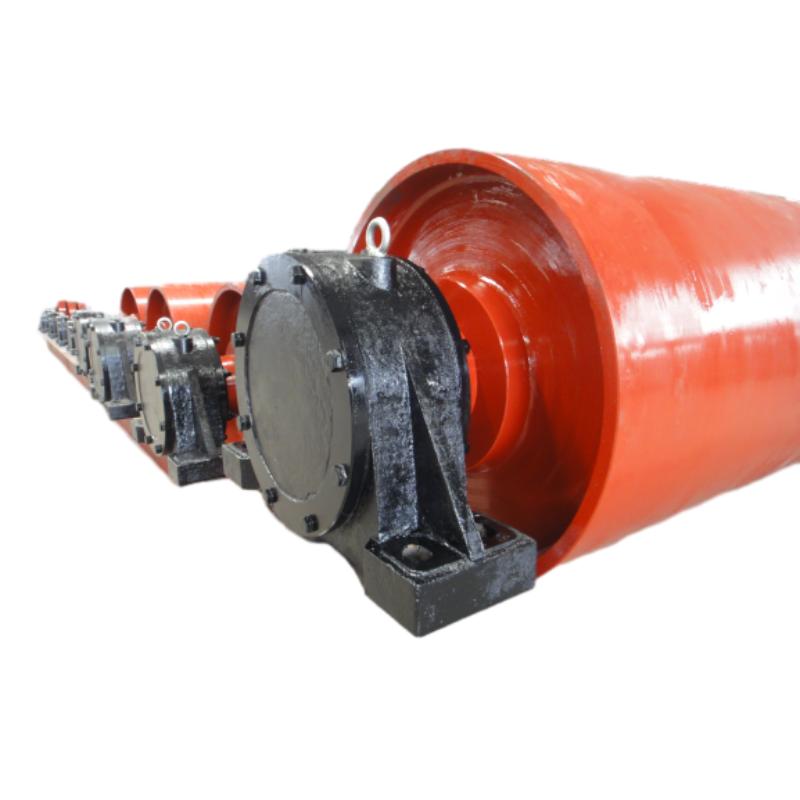
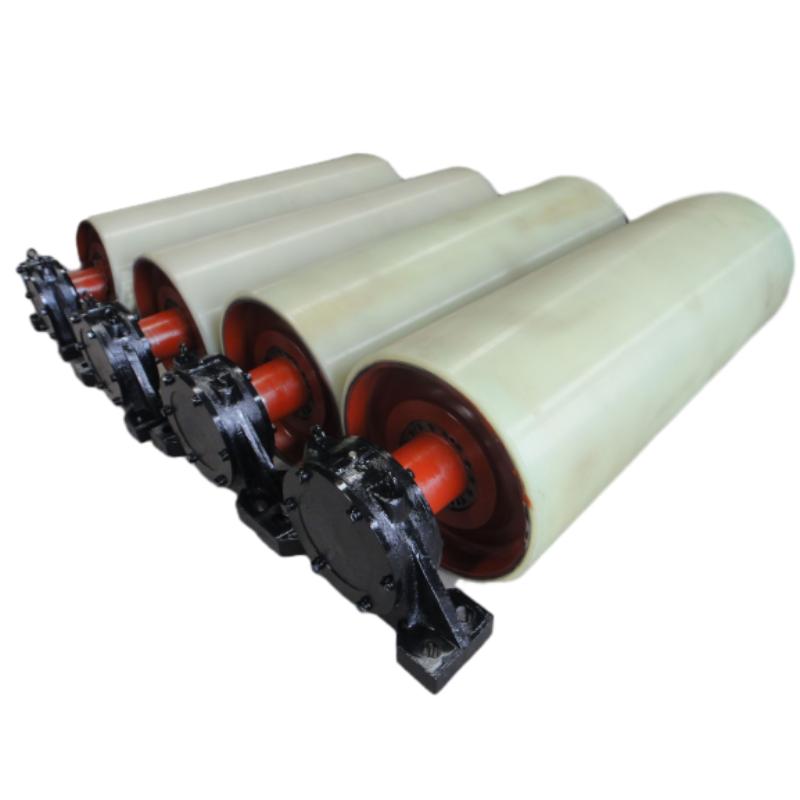
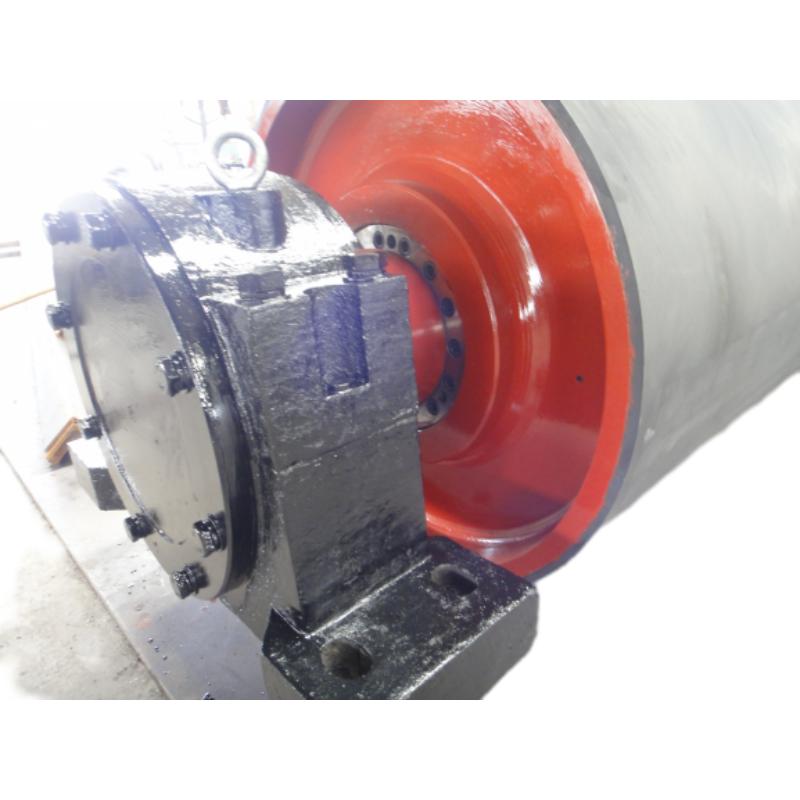
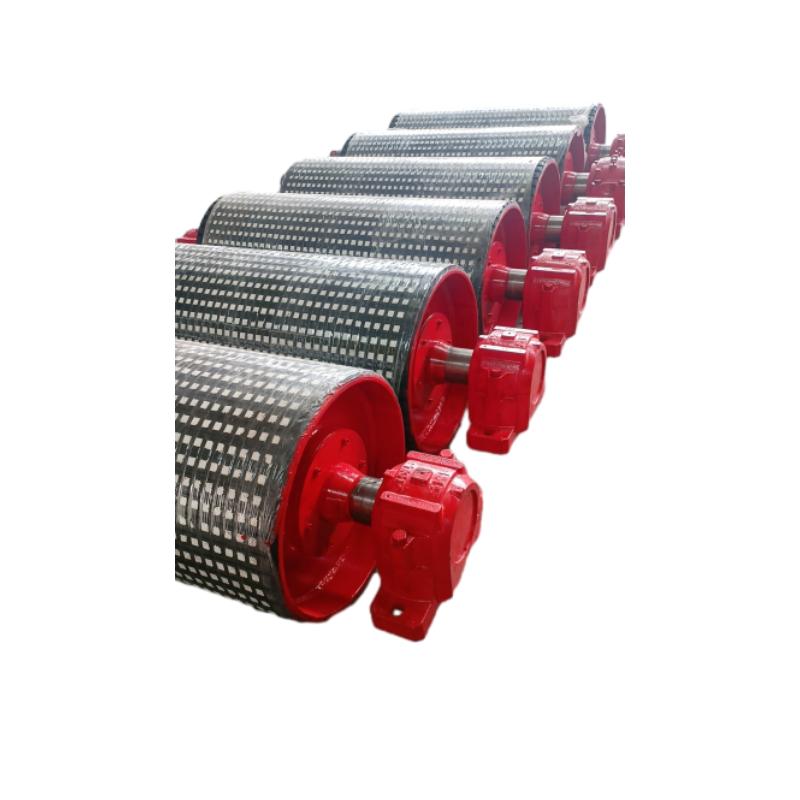
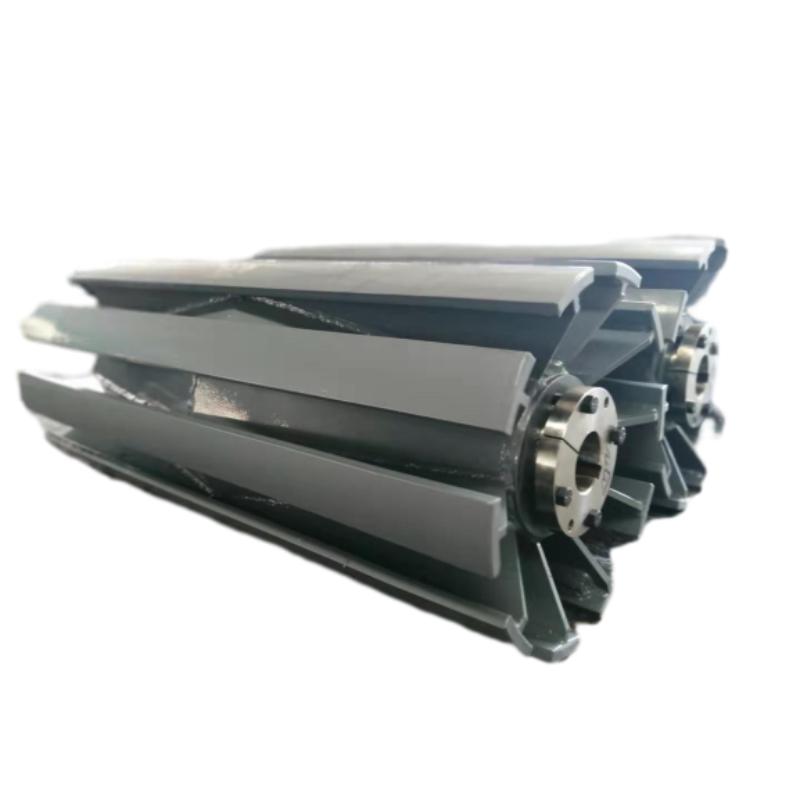
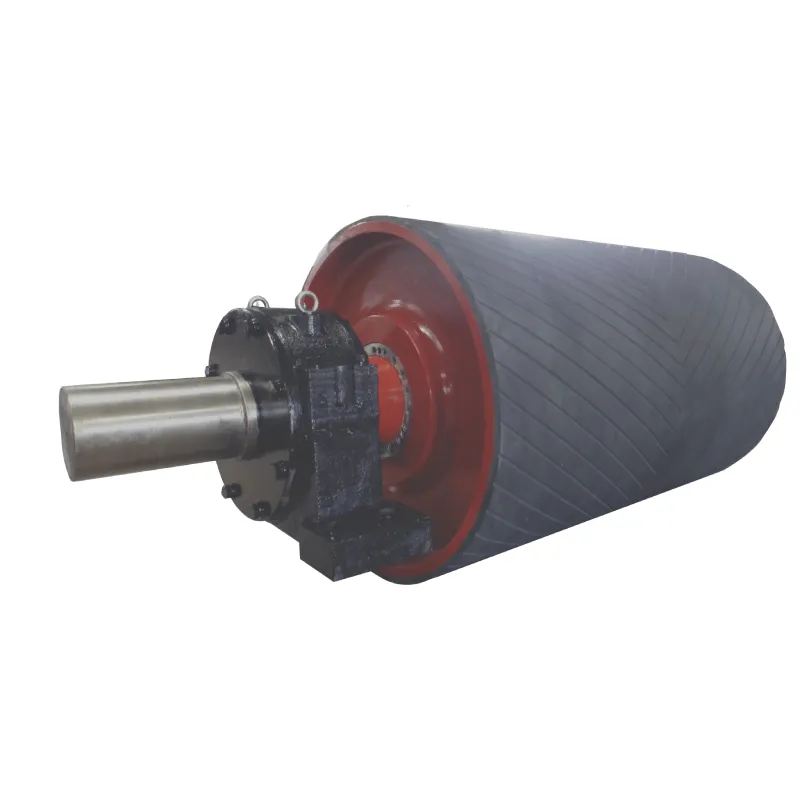
Roller Lagging, simply put, is the protective rubber or composite covering applied to conveyor idlers in material handling systems. It’s not just a protective layer — it serves several technical roles, like increasing friction to prevent belt slippage, reducing noise, and protecting rollers from wear and corrosion. For industries handling bulk materials — think mining, cement production, or steel plants — Roller Lagging is pretty much indispensable.
- Typically made from abrasion and heat-resistant rubber compounds, designed for durability under heavy load and extreme conditions.
- Advanced types include ceramic or multi-layered composite materials for longer life.
- For example, a recent case study with a mining firm showed that switching to premium Roller Lagging from https://www.idleraohua.com increased conveyor uptime by over 15%.
Benefits & Use Cases of Roller Lagging
When thinking about where Roller Lagging shines, it’s really about optimizing conveyor performance where bulk materials are involved. Industries such as mining, aggregates, ports, and cement manufacturing all rely heavily on these components.
- They reduce conveyor belt slippage thanks to a textured surface, contributing to smooth material transfer and less downtime.
- Their noise dampening effects are quite valued in urban or enclosed environments where operational noise limits apply.
- Compared to traditional bare roller surfaces, lagging extends idler life significantly, lowering replacements and maintenance frequency.
| Specification | Details |
|---|---|
| Material Type | Abrasion-resistant natural rubber, with optional ceramic infill |
| Lagging Thickness | 10mm - 30mm (customizable) |
| Hardness Range | 60-70 Shore A |
| Operating Temperature | -20°C to 70°C |
| Lifespan | Up to 3 years under typical industrial use |
Cost, Maintenance & User Experience
Frankly, the total cost of ownership for Roller Lagging is often a pleasant surprise. Though the initial cost might be slightly higher than bare rollers, the ROI is evident through extended equipment life and reduced downtime. And let’s be honest — downtime costs can be brutal.
- The durability of https://www.idleraohua.com’s Roller Lagging products ensures maintenance intervals are pushed well beyond industry averages.
- Many customers report smoother operations and fewer unexpected belt slippages after upgrading.
- Installation is streamlined; the company's support team guides clients on fitting, avoiding the classic pitfalls that cause premature wear.
| Vendor | Product Durability | Customization | Support & Service | Price Range |
|---|---|---|---|---|
| IdlerAohua | High (3+ years avg lifespan) | Extensive (custom thickness and materials) | Comprehensive technical & installation support | Mid-range |
| Competitor X | Moderate (2 years avg lifespan) | Limited | Basic support | Lower range |
Sustainability & Market Trends
Oddly enough, sustainability is gaining traction even in sectors like mining and cement manufacturing — which were traditionally less focused on environmental factors. Roller Lagging manufacturers, including https://www.idleraohua.com, are now incorporating eco-friendlier rubber compounds and improving recyclability.
- Some countries are tightening industrial noise and emissions regulations, making high-performance lagging a compliance issue, not just operational.
- Additionally, the market for conveyor accessories is expanding with increased automation in mining and logistics, driving demand for reliable Roller Lagging products.
Frequently Asked Questions about Roller Lagging
- What is Roller Lagging and how does it work?
- Roller Lagging is a rubber or composite cover bonded to conveyor idlers. It increases friction between the roller and the conveyor belt, reduces wear, and lowers noise. Simply put, it helps conveyors run smoother and last longer by protecting critical components.
- What are the main benefits of using Roller Lagging in industrial applications?
- The biggest benefits are increased durability, enhanced belt grip, reduced noise, and longer roller life. This translates directly to less downtime and maintenance costs — which every operation appreciates.
- How does Roller Lagging compare to traditional alternatives?
- Compared with bare metal rollers, lagged rollers perform better because they improve belt tracking and reduce belt slip. Technologies in modern rubber compounds and ceramic infills push performance beyond older rubber types — so it’s more than cosmetic.
- What industries can benefit most from Roller Lagging implementation?
- Industries like mining, cement production, steel manufacturing, ports, and bulk material transport rely heavily on conveyor systems. These sectors see tangible improvements in uptime and safety with Roller Lagging solutions.
Conclusion on Roller Lagging from china
To sum it all up, Roller Lagging is a small part with a huge impact on conveyor reliability and efficiency. Choosing a trusted supplier like https://www.idleraohua.com means you’re investing in quality materials, expert guidance, and products built to last. When uptime and cost control matter, Roller Lagging proves its worth day after day.
- Recap the value of Roller Lagging.
- - Visit our website: https://www.idleraohua.com
I suppose the deeper you look, the clearer it becomes that Roller Lagging isn’t just a rubber cover — it’s a quiet workhorse behind industry’s toughest conveyor jobs.
-
Maximize Conveyor Life with a High Performance impact bedNewsApr.16,2026
-
Maximize Conveyor Efficiency Using a v plow belt scraperNewsApr.09,2026
-
Comprehensive Guide to Understanding Different Types of Belt CleanersNewsApr.07,2026
-
Enhancing Conveyor Efficiency with an Effective Scraper Belt CleanerNewsApr.04,2026
-
Optimizing Conveyor Systems with Advanced Cleaning Equipment SolutionsNewsMar.31,2026
-
Effective Conveyor Belt Scraper Adjustment for Optimal System PerformanceNewsMar.28,2026