

Nov . 29, 2025 22:30
Back to list
Roller Guides: The Essential Components Driving Global Industry Efficiency
Roller Guides: Why These Small Components Matter on a Global Scale
If you’re reading this, chances are you’ve come across the term roller guides somewhere — maybe in a product manual, or perhaps while reviewing industrial parts. But beyond the technical jargon, what are roller guides, and why do they matter to industries around the world? Simply put, roller guides are essential mechanical components that help objects move smoothly and reliably along a defined path, especially in heavy machinery, conveyor systems, and automated production lines. They might be easy to overlook, but their function directly impacts the efficiency, safety, and sustainability of countless industries across the globe — from manufacturing car parts in Germany to assembling electronics in Japan, or even supporting infrastructure projects in remote regions. Why does understanding roller guides matter? Because in a world that increasingly depends on automation and precision, knowing how these components work—and how they evolve—is crucial for anyone invested in global trade, supply chains, or sustainable manufacturing. ---Global Context: The Serious Role of Roller Guides in Modern Industry
Industries worldwide rely on reliable material handling and precision equipment. According to the International Organization for Standardization (ISO), conveyor systems—and by extension, components like roller guides—play a major role in industrial automation, contributing up to 35% improvements in throughput efficiency on average.1 Globally, the demand for more efficient manufacturing and packaging lines continues to rise as companies face growing pressure to reduce waste, increase uptime, and be environmentally responsible. But here’s the kicker: without a good roller guide, conveyor coatings wear unevenly, machinery breaks down earlier, and safety hazards pop up unexpectedly. In fact, workplace accidents related to conveyor failure or maintenance mishaps can cause costly downtime or worse. So, ensuring these small but mighty parts work well isn’t just a nitpicky detail — it’s central to global industrial competitiveness and workplace safety. ---What Exactly Are Roller Guides?
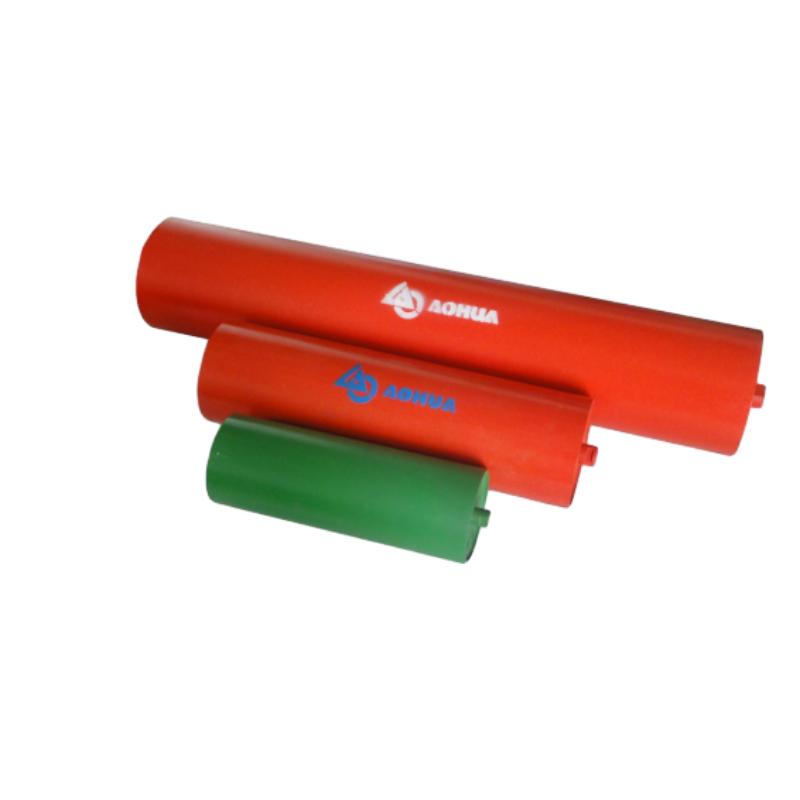
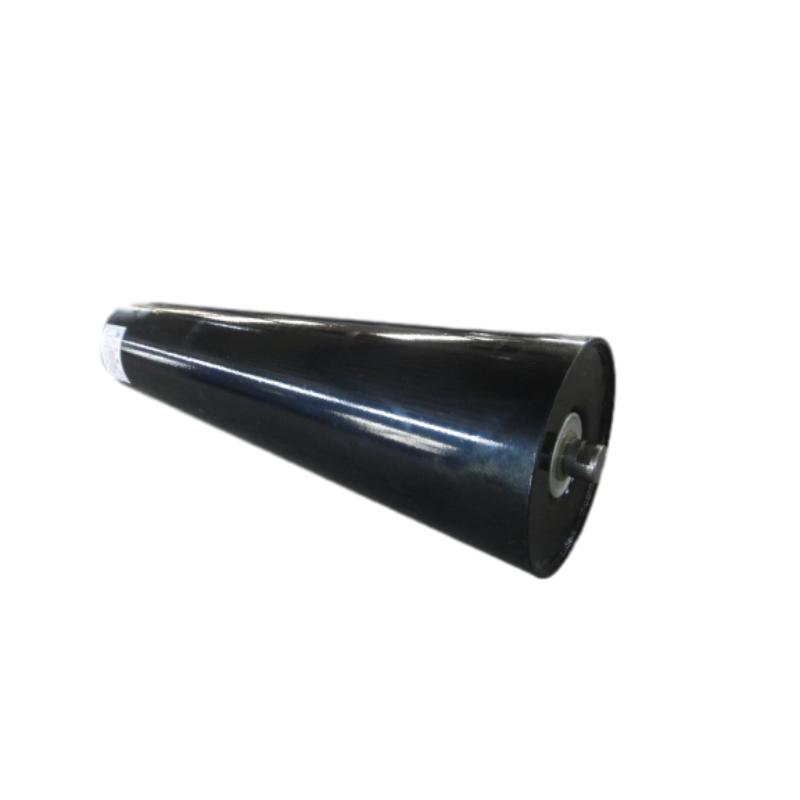
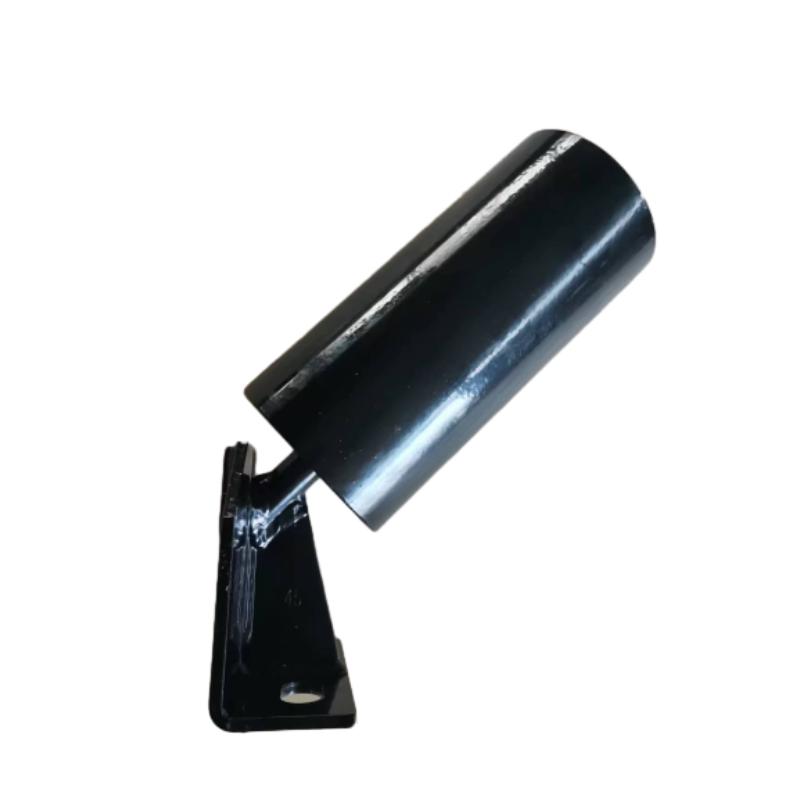
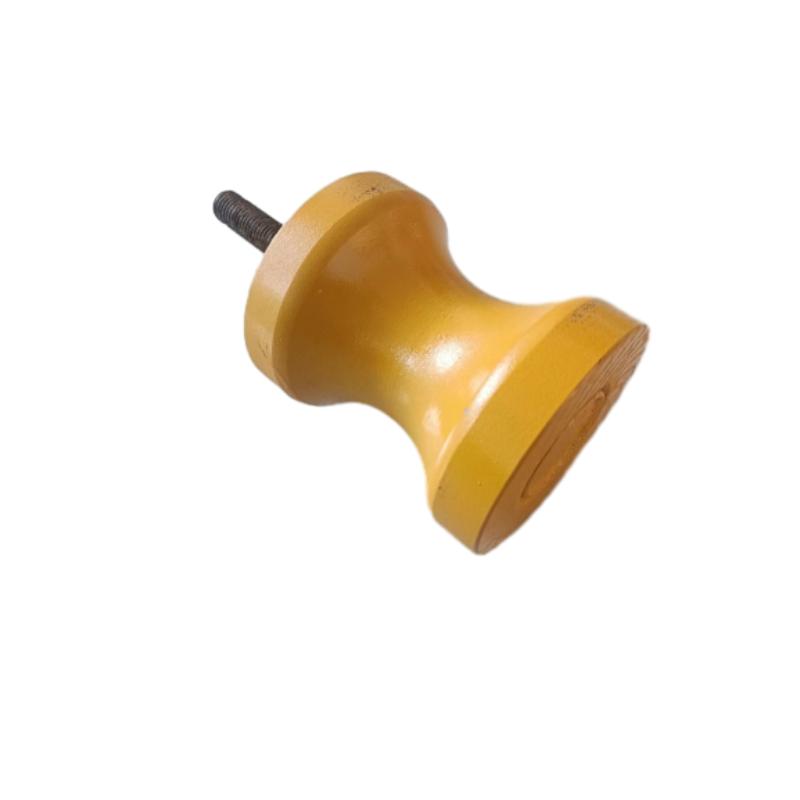
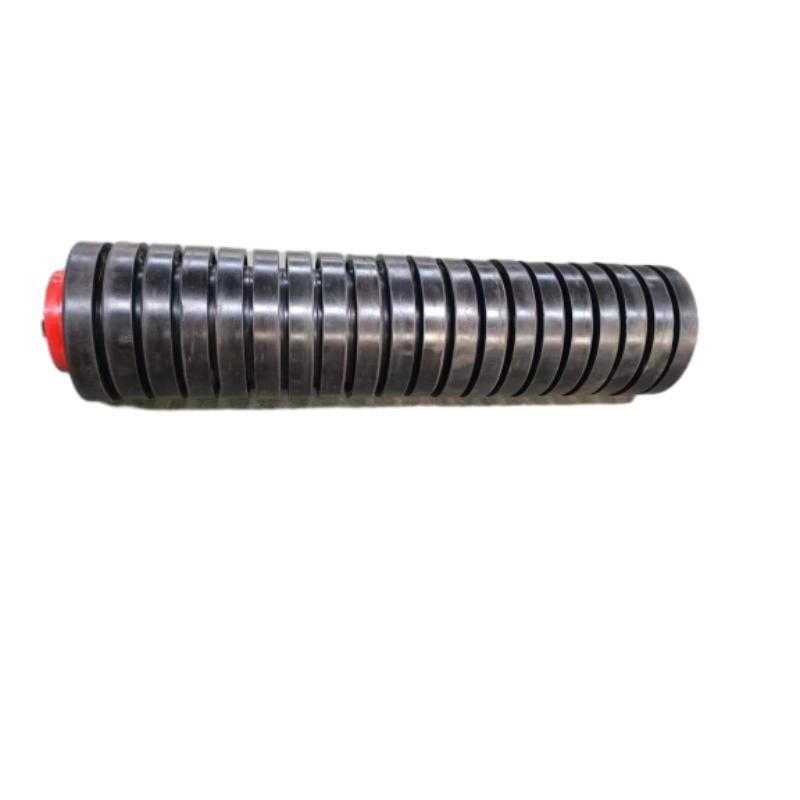
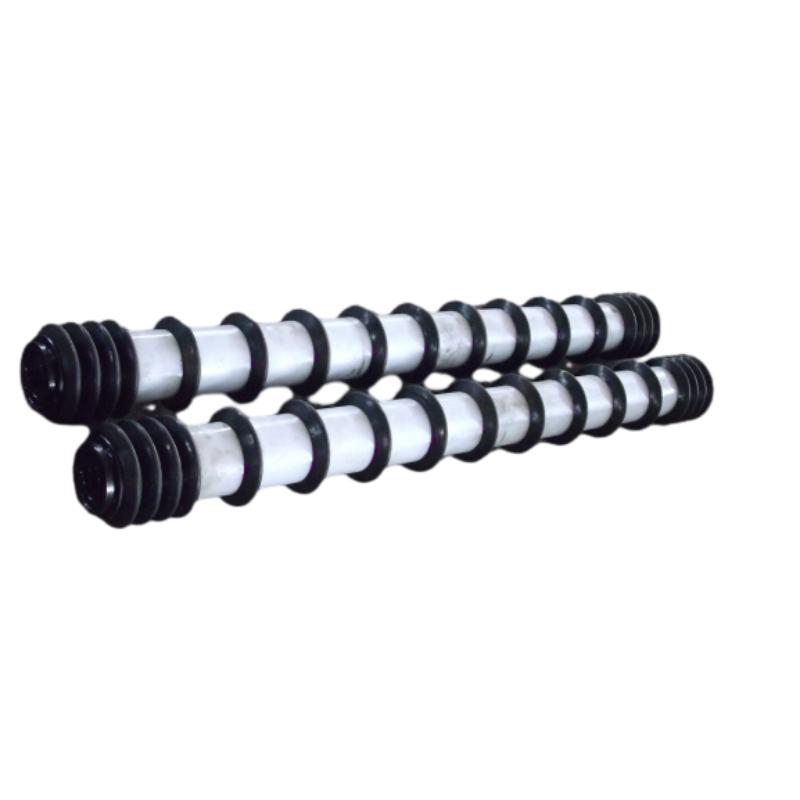
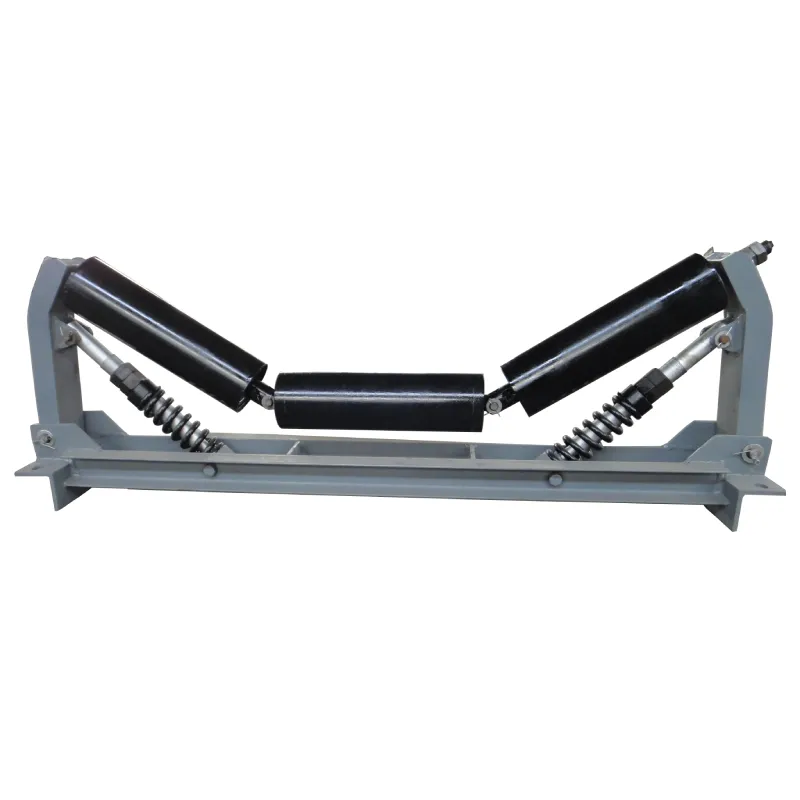
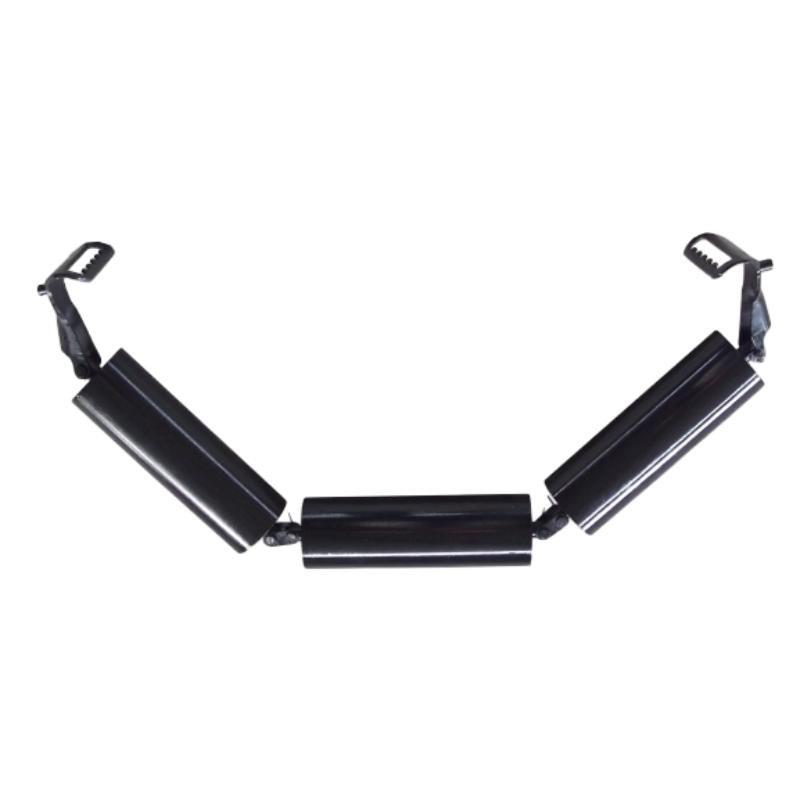
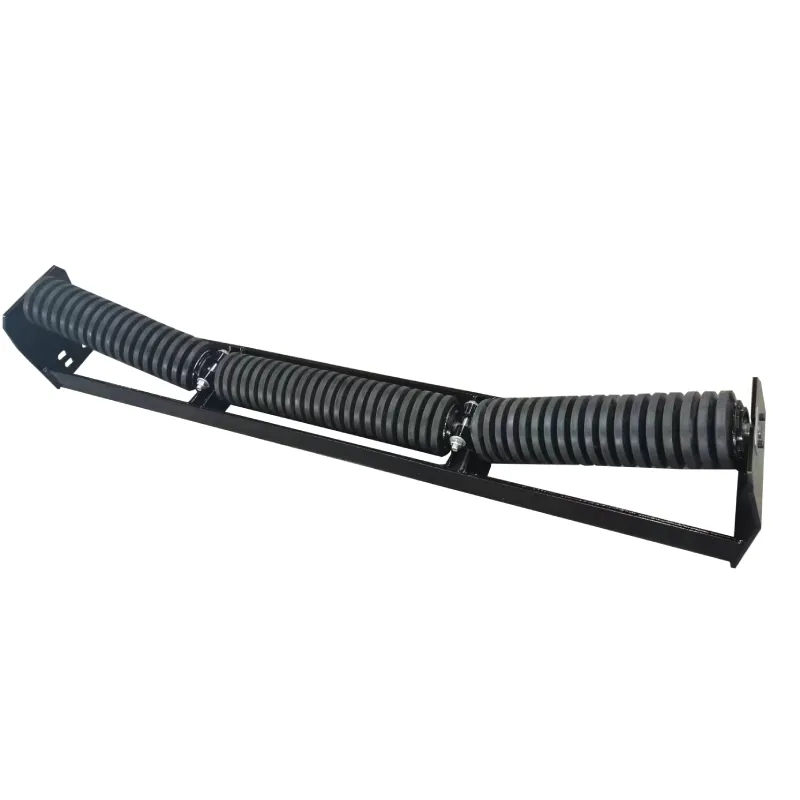
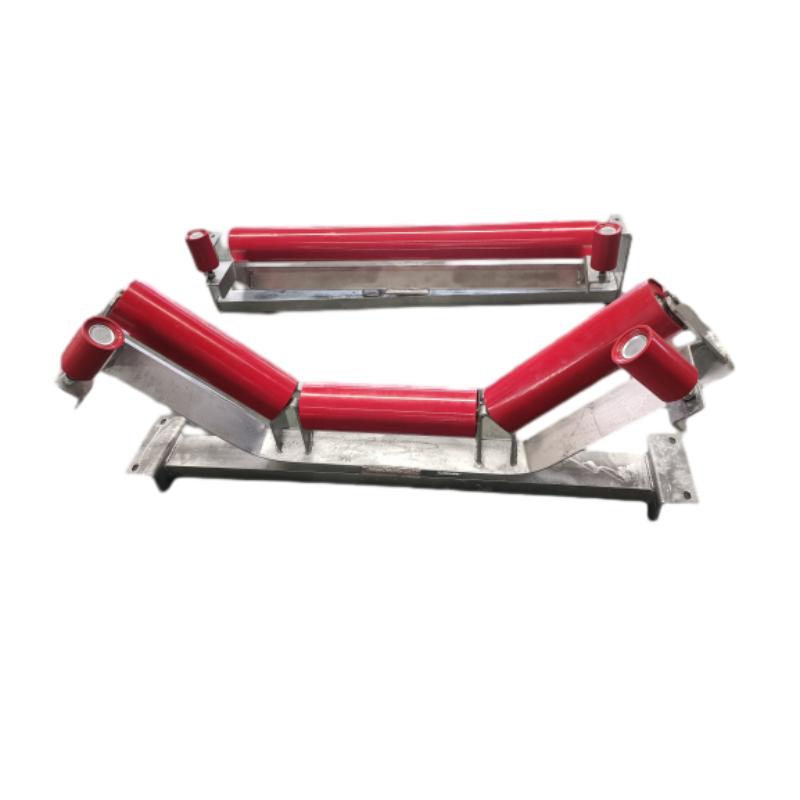
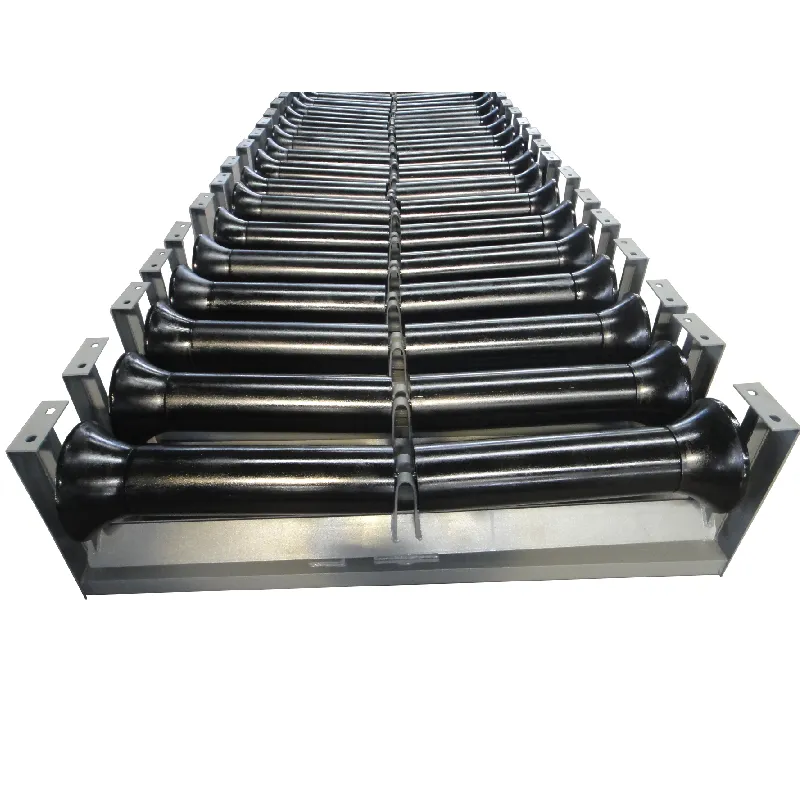
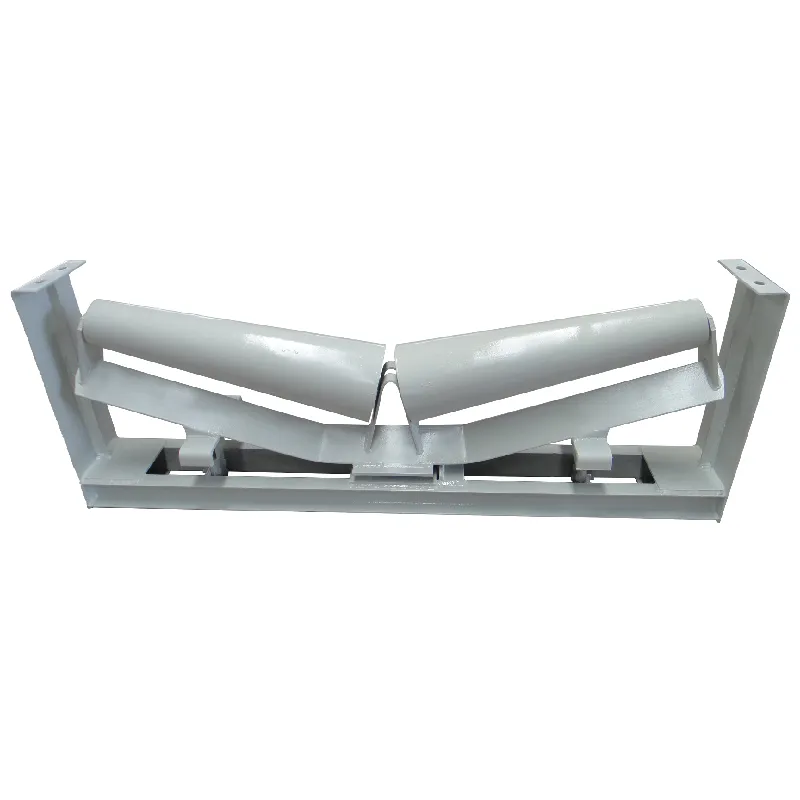
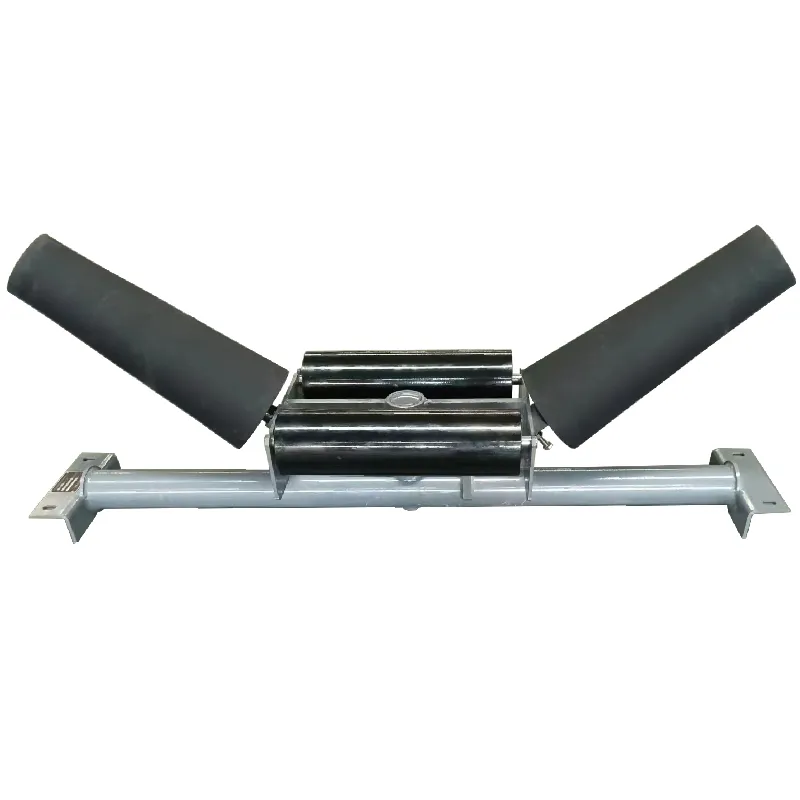
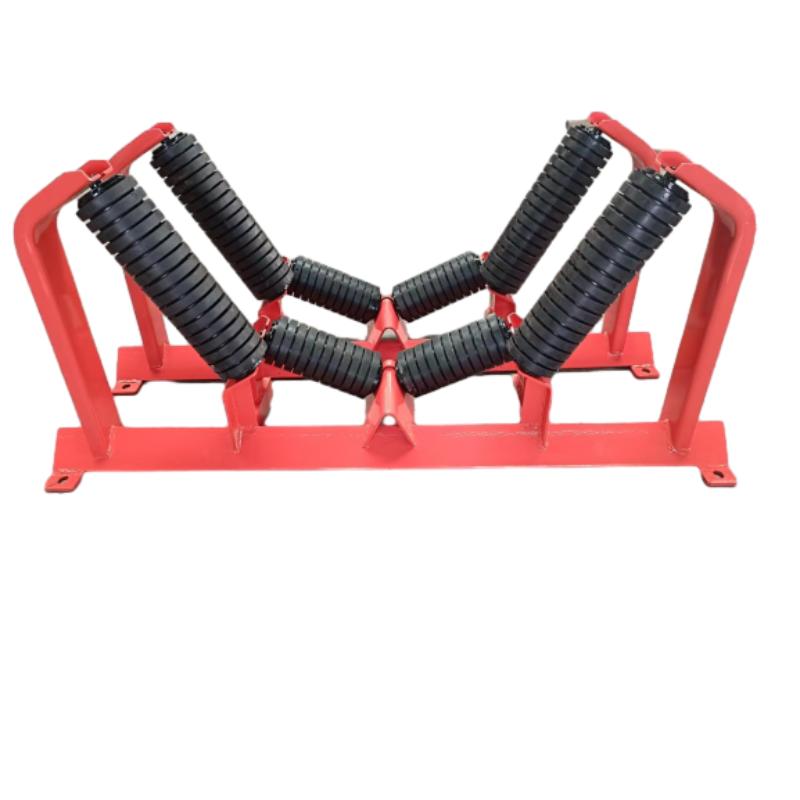
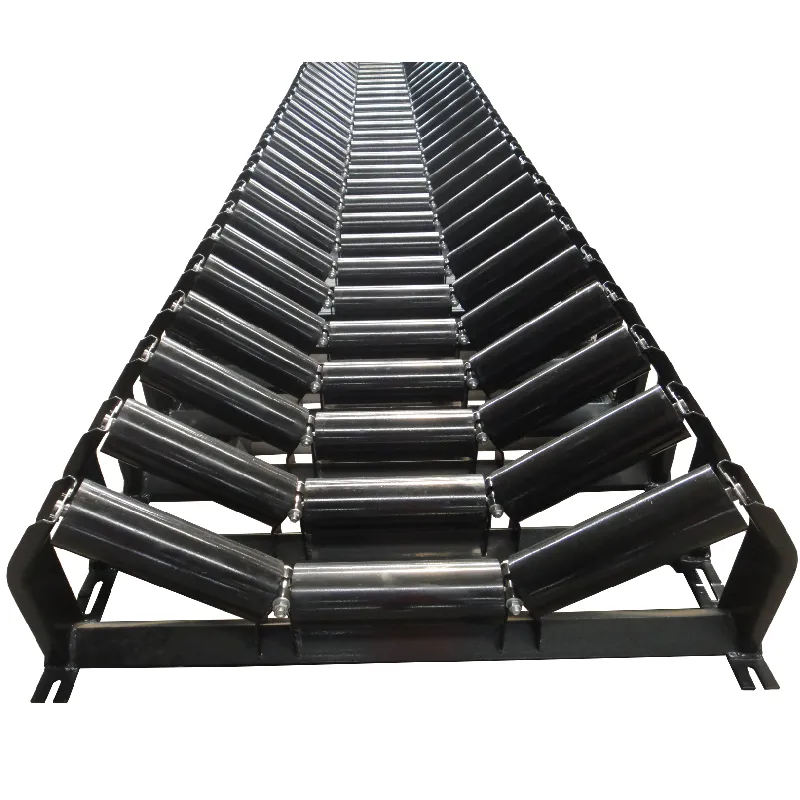
In simple terms, roller guides are mechanical components designed to channel and support rollers or wheels in various machinery. Imagine keeping a roll of tape perfectly aligned as you pull it — roller guides do the same but for industrial wheels or rollers, preventing unwanted lateral movement and helping the load move in a smooth, controlled manner. These guides link closely to modern industrial needs, like automated logistics and humanitarian supply chains. For example, in post-disaster relief scenarios, modular conveyor systems equipped with reliable roller guides help distribute aid materials swiftly and safely — minimizing delays and damage. ---Key Attributes of Roller Guides That Matter
1. Durability
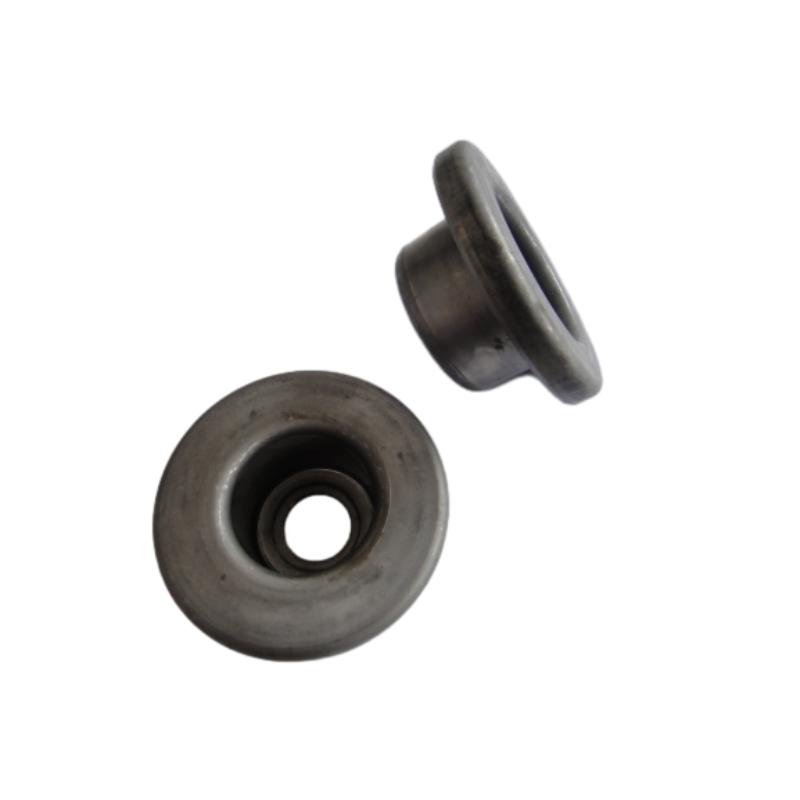
Roller guides are often made from hardened steel, nylon, or composite materials designed to withstand constant friction and heavy loads. This durability keeps equipment running longer with less maintenance. I’ve noticed a lot of engineers swear by guides with corrosion-resistant coatings especially in humid or outdoor environments.2. Precision
Good roller guides maintain exact alignment, minimizing lateral play. This precision avoids mis-tracking of rollers or belts—issues that not only slow production but also cause premature wear. In operations like semiconductors manufacturing, precision literally means the difference between success and scrap.3. Cost Efficiency
While investing in higher-quality roller guides might seem like a bigger upfront cost, it often translates to significant savings by reducing downtime and maintenance. Frankly, the cost of unscheduled stoppages just for replacing a cheap guide can outpace the price difference quickly.4. Scalability
In factories that grow or change production lines frequently, modular roller guides allow equipment to be adjusted or expanded without complete replacements—something that’s absolutely gold for modern, agile manufacturing setups.5. Environmentally Friendly Materials
The newer generation of roller guides increasingly uses bio-based plastics or recycled metallic alloys to reduce their carbon footprint. It’s odd to think about something so small playing a part in sustainability, but it absolutely does. ---Real-World Roller Guides: Applications Around the Globe
From automotive plants in South Korea to packaging units in Canada, roller guides quietly support huge volumes of goods every day. In fact, Asia-Pacific dominates the conveyor equipment market (around 45% share, per recent trade data), where roller guides are ubiquitous. One example that struck me involved aid organizations using temporary conveyor setups with custom roller guides to speed up food distribution after a typhoon in the Philippines. Without dependable roller guides, the system would have jammed repeatedly, wasting precious time and resources. In industrial zones of Scandinavia, high-speed production lines use advanced ceramic-material roller guides that last longer under extreme cold, keeping their products moving no matter the weather. ---Advantages & Long-Term Value of Roller Guides
- Reliability: Reduce unexpected breakdowns and increase safety.- Cost Savings: Lower maintenance and replacement expenses over time.
- Sustainability: Use eco-friendly materials & extend equipment lifespan.
- Innovation: Compatible with automated and smart factory systems that rely on precise movement.
It’s also about confidence. Knowing your conveyor system won’t unexpectedly falter gives operators peace of mind — and that’s not trivial when millions of dollars or human lives depend on smooth operations. ---
Technical Snapshot: Roller Guide Specification Table
| Specification | Typical Range | Notes |
|---|---|---|
| Material | Hardened Steel, Nylon, Composite | Depends on application environment |
| Load Bearing Capacity | 50 kg – 2000 kg per roller | Varies with guide design |
| Operating Temperature | -40°C to +120°C | High-temp variants available |
| Installation Type | Fixed, Adjustable, Modular | Facilitates scalability and maintenance |
| Corrosion Resistance | Standard or Stainless Steel coatings | Important for outdoor/chemical sites |
Choosing the Right Vendor: A Quick Comparison
| Vendor | Material Options | Custom Design | Sustainability Practices | Global Shipping |
|---|---|---|---|---|
| RollerTech Inc. | Steel, Nylon, Ceramic | Yes | ISO 14001 certified | Worldwide |
| Guidex Solutions | Composite, Recycled Plastics | Limited | Focus on biodegradable components | North America, Europe |
| EnviroRollers | Steel with eco-friendly coatings, Wood-plastic composite | Yes, specialized | Strong commitment to sustainability | Asia-Pacific |
Future Trends Shaping Roller Guides
The field of roller guides is quietly embracing some pretty exciting shifts. For starters, digital twin modeling allows engineers to simulate roller guide performance under extreme conditions before things are actually built. Coupled with IoT sensors embedded on the guides themselves, maintenance teams get real-time alerts about wear or misalignment—no more surprise machine halts. Materials-wise, the push toward bio-resins and recycled alloys will reduce environmental impact without sacrificing performance. There's also ongoing research into self-lubricating guides, which could nearly eliminate the need for regular greasing. ---Overcoming Challenges in Roller Guide Usage
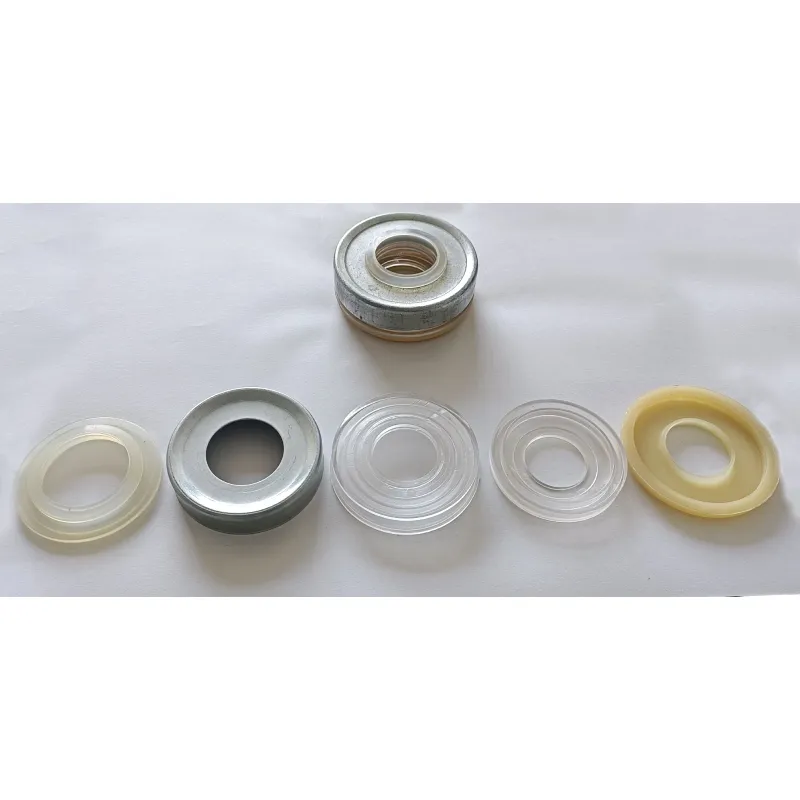
Despite their importance, roller guides can face challenges like material fatigue, misalignment, or damage due to dirt and moisture infiltration. In high-load environments, premature wear is common. So, how do manufacturers handle this? One promising solution is the use of sealed roller guides with dust shields, reducing contamination. Another is modular replacement designs, where worn sections can be swapped without disassembling entire lines. These innovations save both money and frustration in the long haul. ---FAQ: Your Roller Guides Questions Answered
- Q: How do roller guides differ from roller bearings?
- A: Roller guides mainly keep rollers aligned along a path, preventing lateral movement, while roller bearings reduce friction between moving parts. Both often work together in conveyor systems.
- Q: What materials are best for roller guides in outdoor environments?
- A: Corrosion-resistant materials like stainless steel, coated metals, or durable composites with UV protection are typically preferred to withstand weather and moisture.
- Q: Can roller guides be customized for specific industrial needs?
- A: Absolutely. Many manufacturers offer tailored designs with specific load capacities, sizes, and materials to fit unique applications.
- Q: How often should roller guides be inspected or replaced?
- A: This varies by usage conditions, but regular inspections every 3-6 months are common. Replacement is recommended at first signs of excessive wear or misalignment.
- Q: Are roller guides compatible with automated manufacturing systems?
- A: Yes, advanced roller guides integrate easily with automated lines and smart factories, especially those featuring IoT monitoring for predictive maintenance.
Wrapping It Up: Why Roller Guides Are More Than Just Small Parts
In real terms, roller guides punch well above their weight. Without them, modern manufacturing, logistics, and even humanitarian efforts might grind to a halt. They represent a vital link in a chain that keeps global industry running — reliably, efficiently, and increasingly sustainably. If you’re looking to optimize your system or learn more about quality roller guides, feel free to explore our offerings or reach out via roller guides. ---References
Latest news
-
Maximize Conveyor Life with a High Performance impact bedNewsApr.16,2026
-
Maximize Conveyor Efficiency Using a v plow belt scraperNewsApr.09,2026
-
Comprehensive Guide to Understanding Different Types of Belt CleanersNewsApr.07,2026
-
Enhancing Conveyor Efficiency with an Effective Scraper Belt CleanerNewsApr.04,2026
-
Optimizing Conveyor Systems with Advanced Cleaning Equipment SolutionsNewsMar.31,2026
-
Effective Conveyor Belt Scraper Adjustment for Optimal System PerformanceNewsMar.28,2026
OUR PRODUCTS