

Cushion Roller: Enhancing Conveyance Efficiency & Protecting Fragile Loads
Understanding Cushion Roller: The Unsung Workhorse of Modern Conveyance
If you’ve ever handled bulky packages, fragile goods, or heavy conveyors, you might have run into the humble yet critical cushion roller. Though it rarely gets the spotlight, this component plays a pivotal role across industries — from manufacturing lines to humanitarian aid logistics. But exactly why does it matter? Well, cushion rollers soften impacts and guide loads smoothly, protecting both goods and the infrastructure that moves them.
Globally, as supply chains spiral into ever more complex networks, products demand gentler, more reliable transport systems. Surprisingly, a small innovation like a refined cushion roller helps reduce damage, cut downtime, and saves costs in multi-billion dollar industries. So, gaining a solid grasp of what cushion rollers do – and why we shouldn’t overlook them – actually unlocks significant value for manufacturing, warehousing, and relief operations alike.
Mini takeaway: Cushion rollers quietly ensure smooth logistics, protecting goods and boosting efficiency worldwide.
The Global Context Behind Cushion Roller Demand
It might seem trivial, but according to recent ISO and World Bank reports, global material handling losses add up to billions yearly — a lot caused by mishandling or equipment deterioration during transport phases. In fast-growing industrial hubs like Southeast Asia, Latin America, or Eastern Europe, even marginal enhancements to conveyor components ripple into massive productivity gains.
Also, the rise of e-commerce and just-in-time manufacturing has led to sharper expectations regarding delicate item handling. Simply put, companies want fewer smashed goods and faster throughput. The challenge? Standard rollers often cause bruising or misalignment in fragile supply chains.
That’s where cushion rollers come in, addressing critical pain points by absorbing shock and protecting the precious cargo. They bridge traditional mechanical design with modern demands for speed and care.
Mini takeaway: Cushion rollers matter globally due to increasing logistics complexity and the need to protect goods.
What is a Cushion Roller, Really?
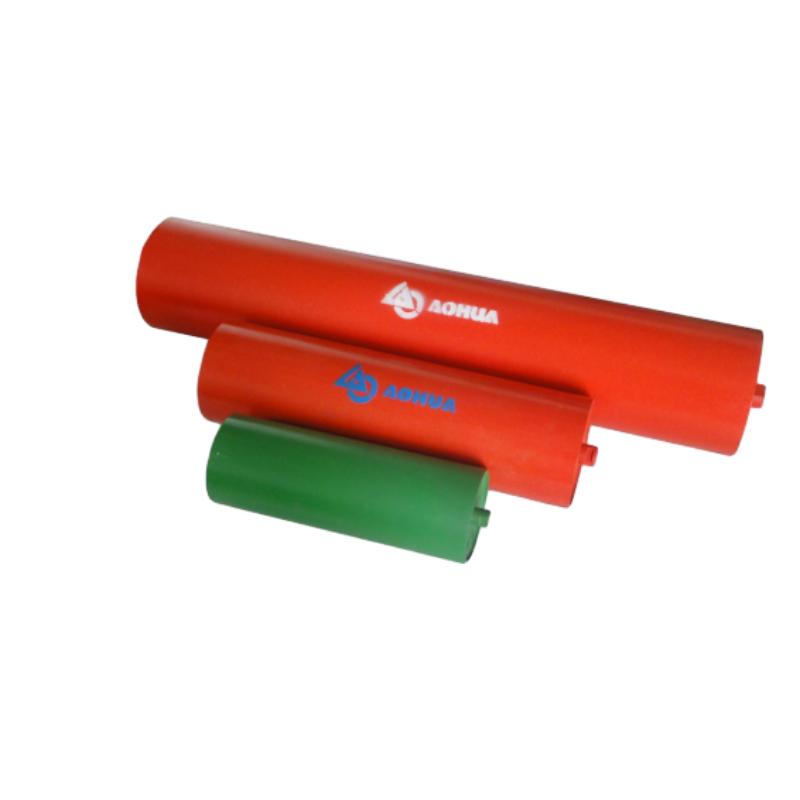
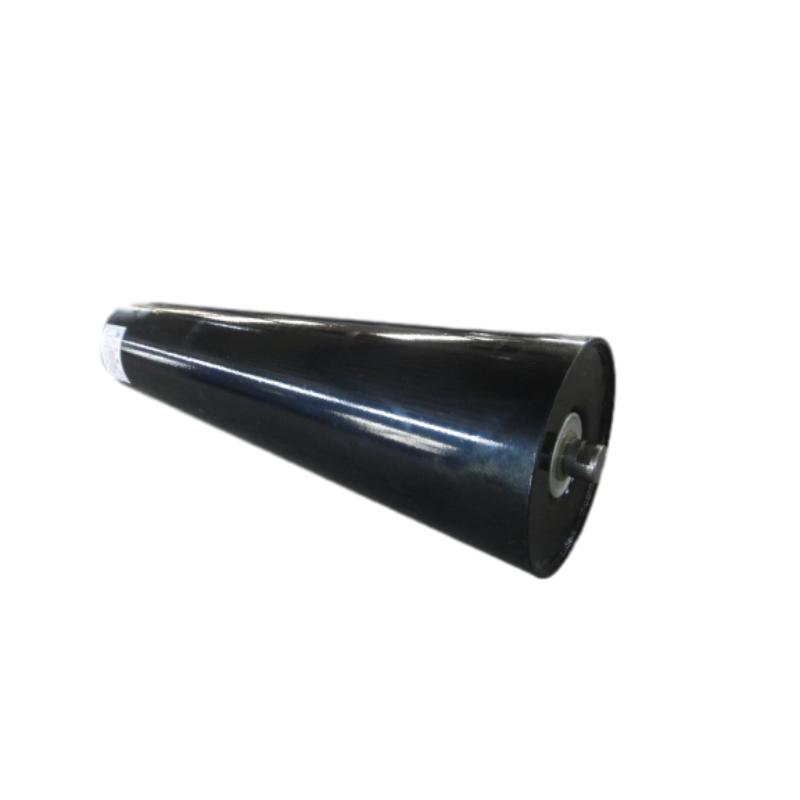
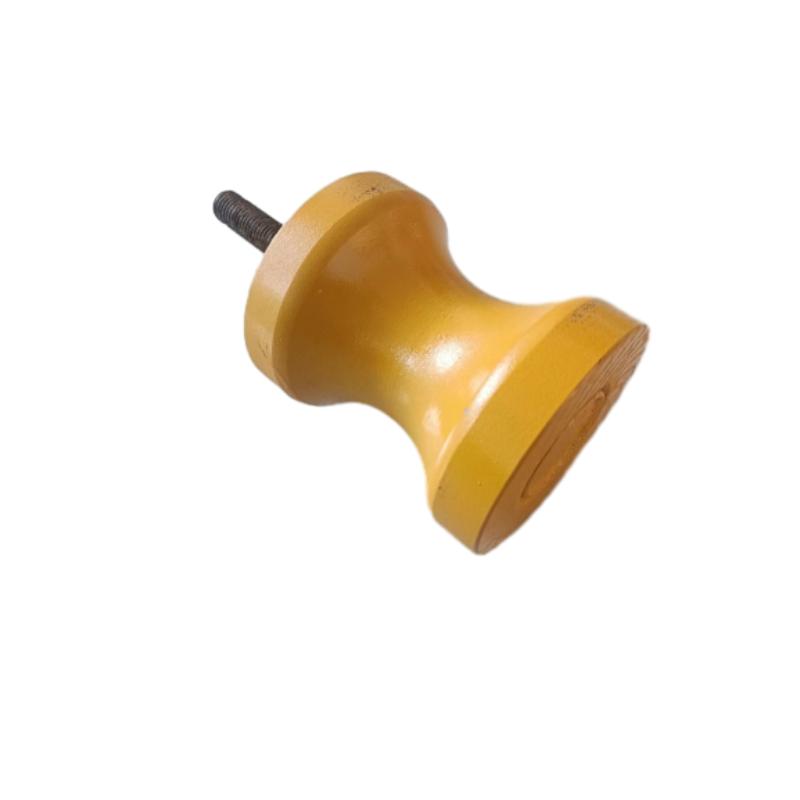
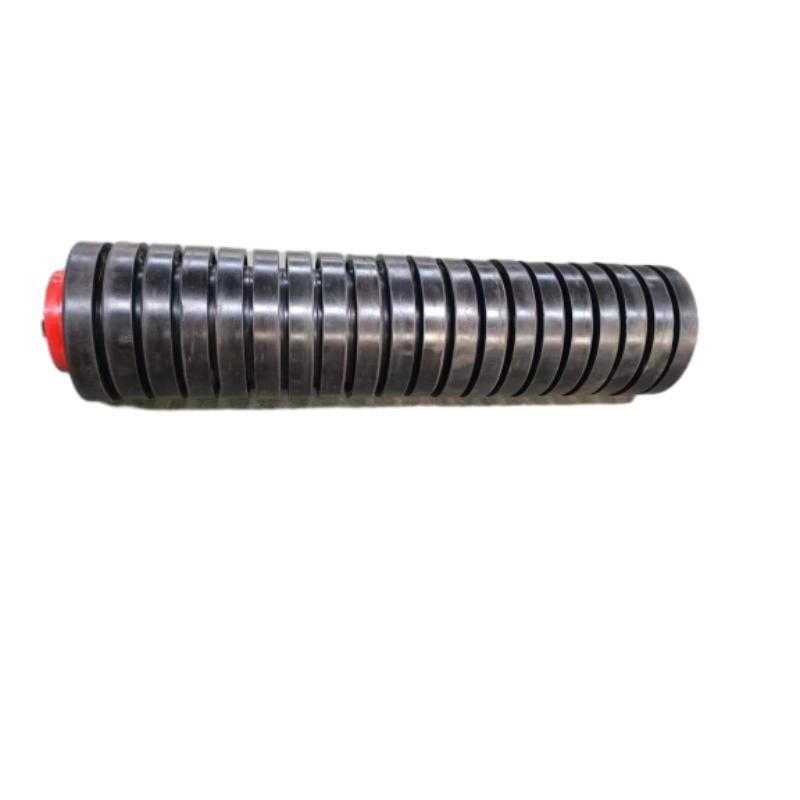
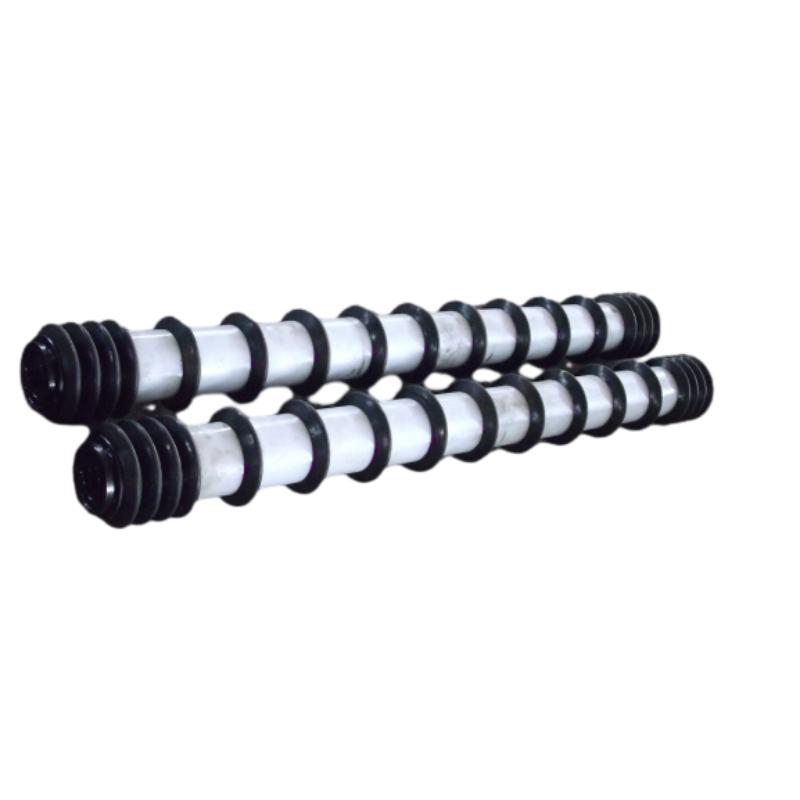
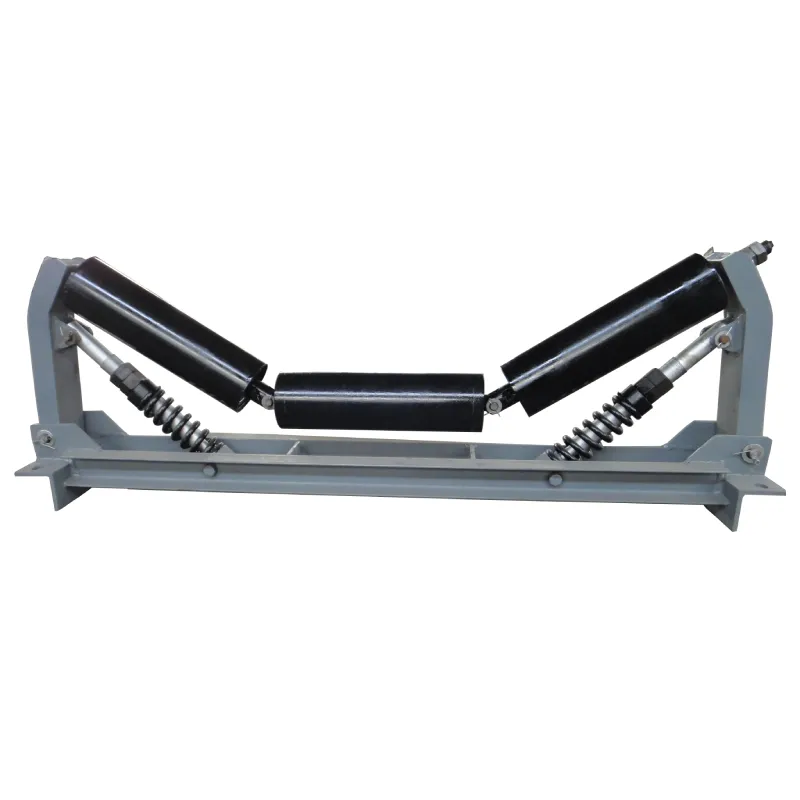
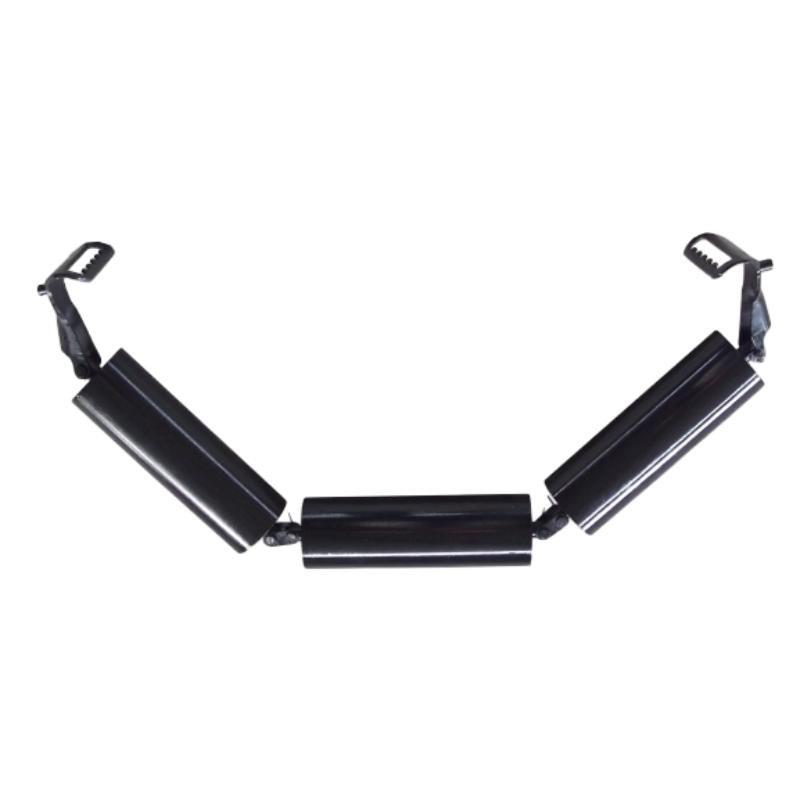
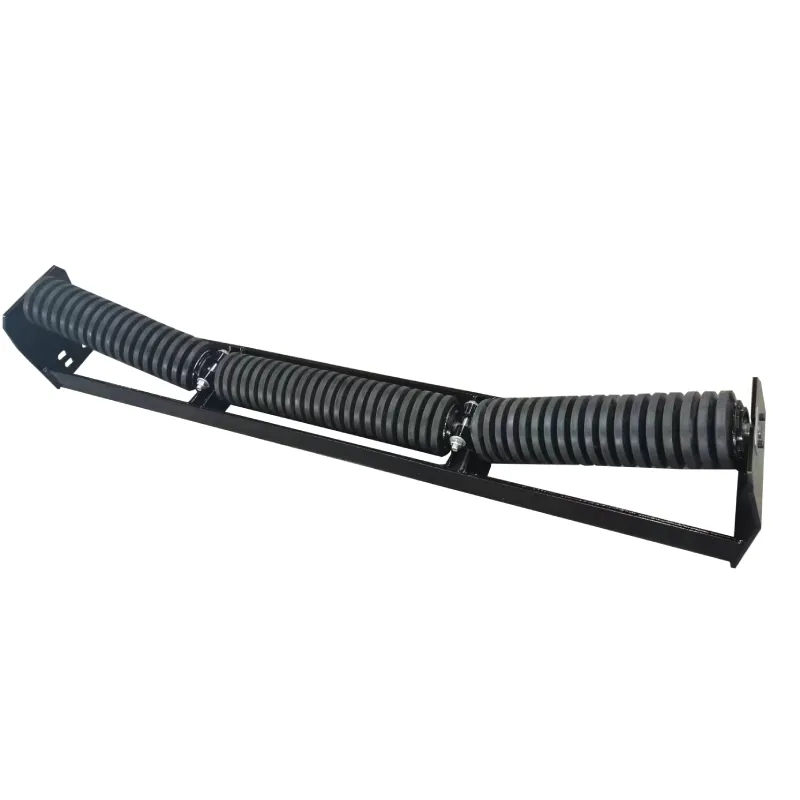
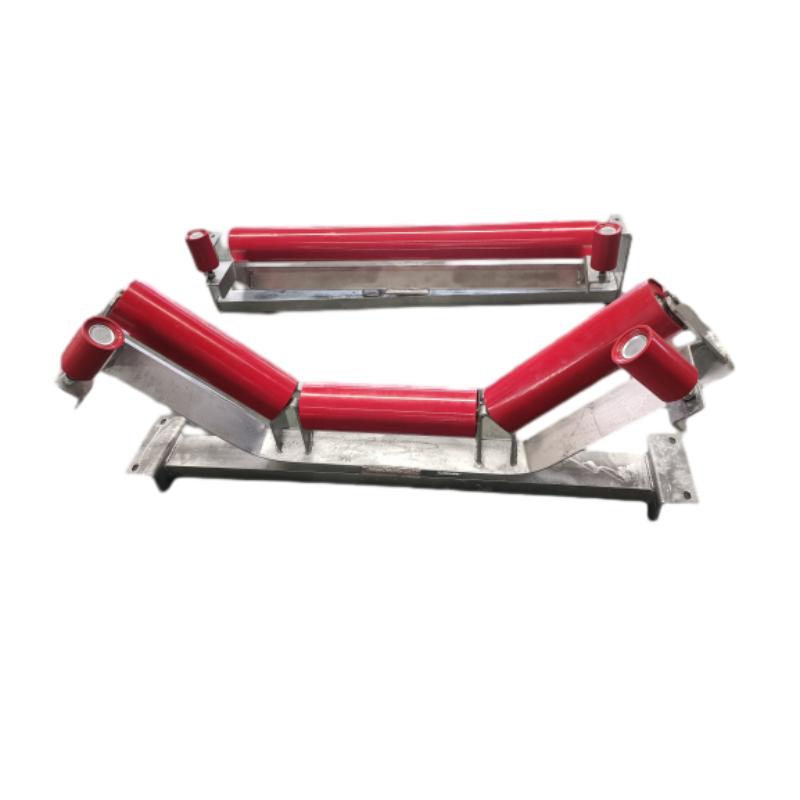
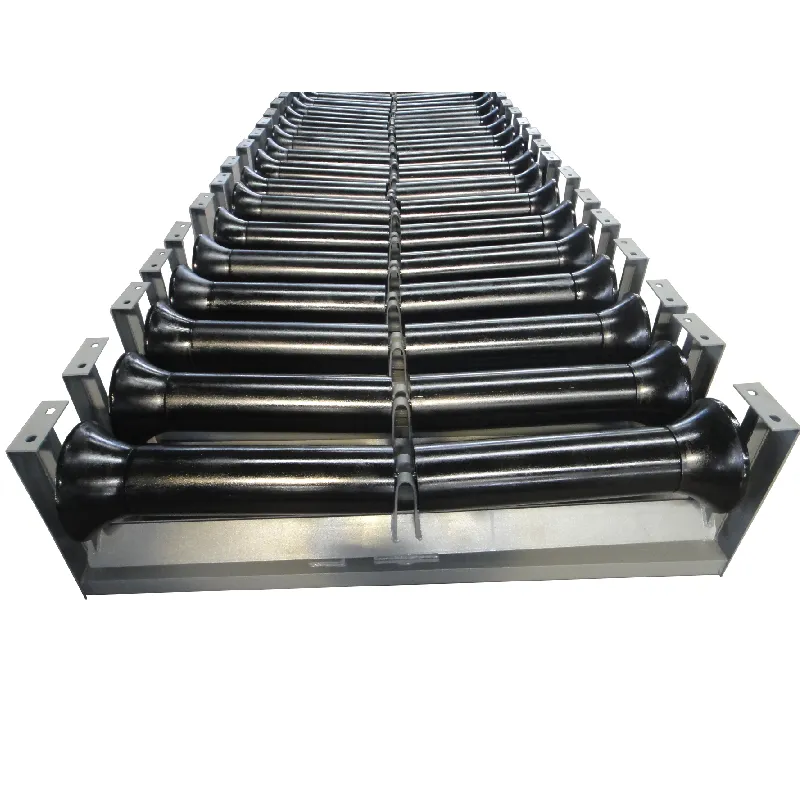
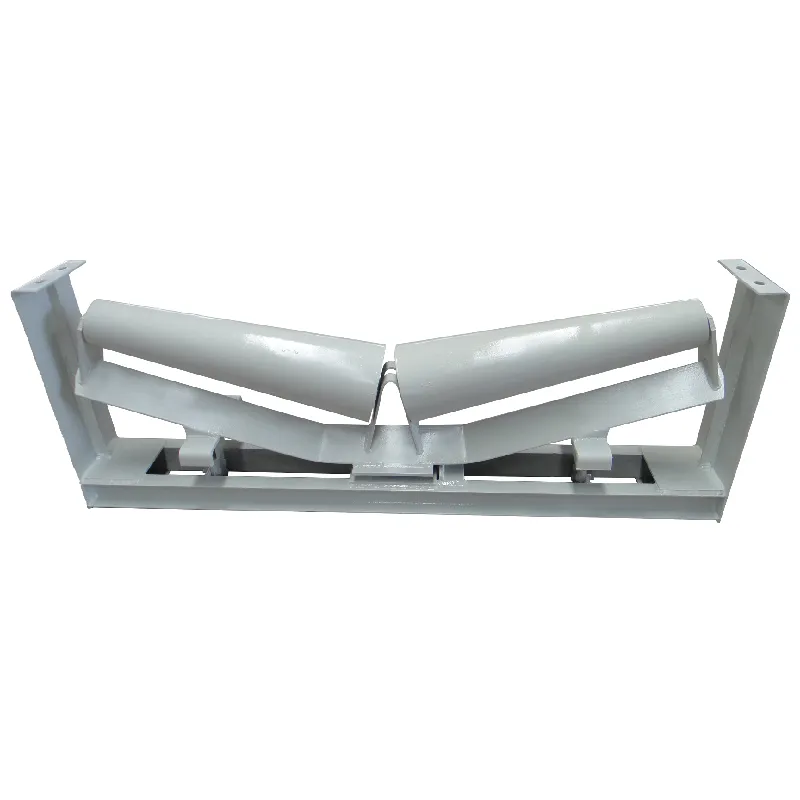
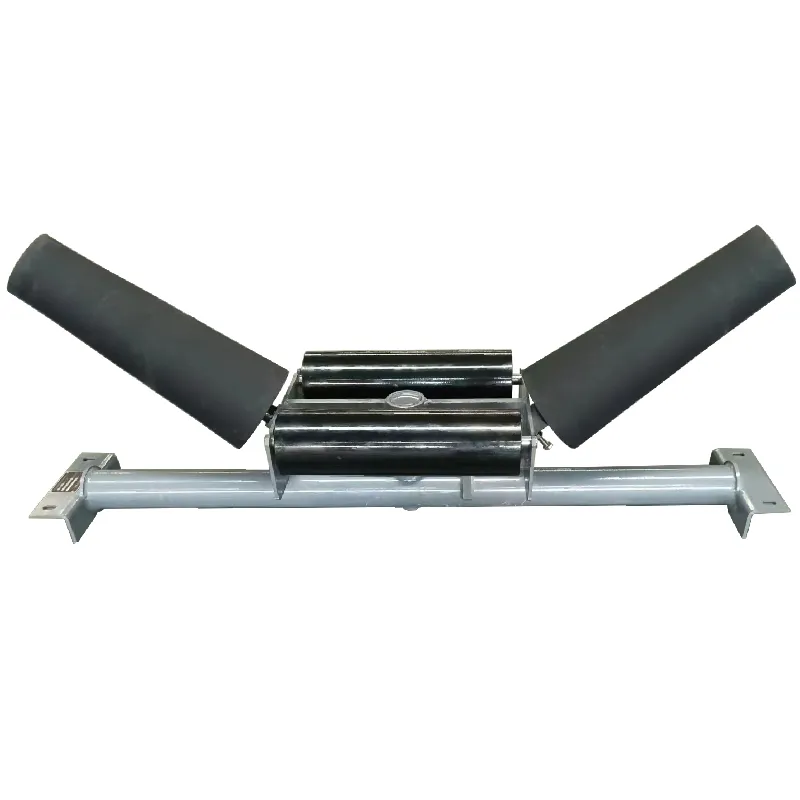
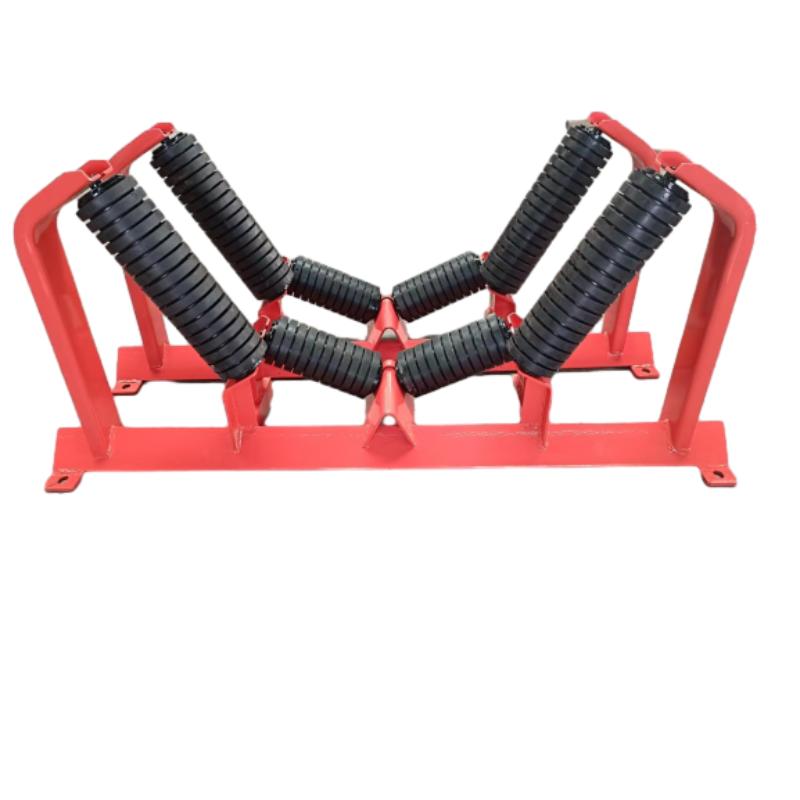
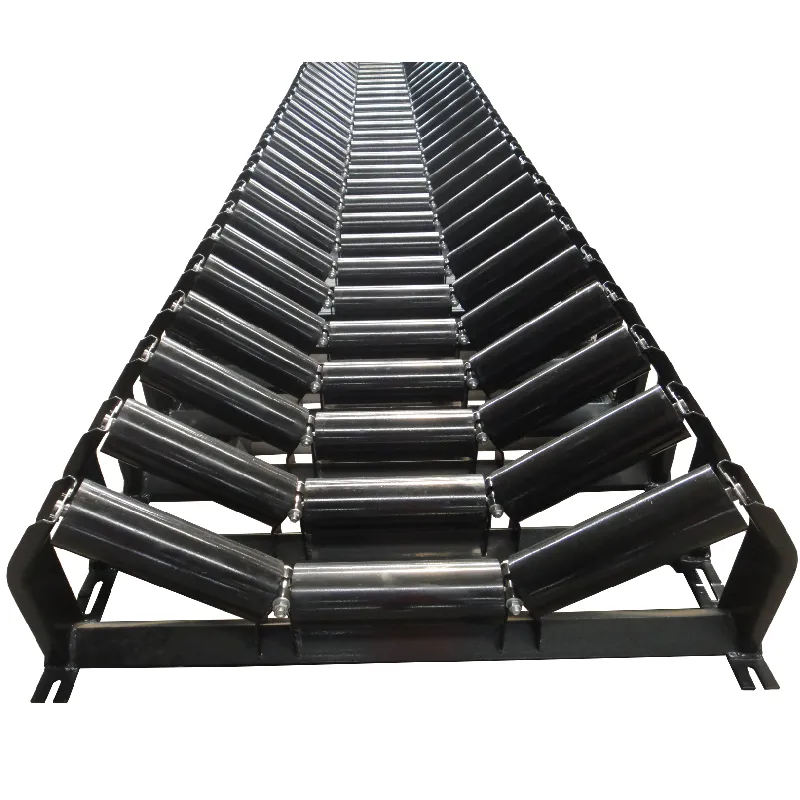
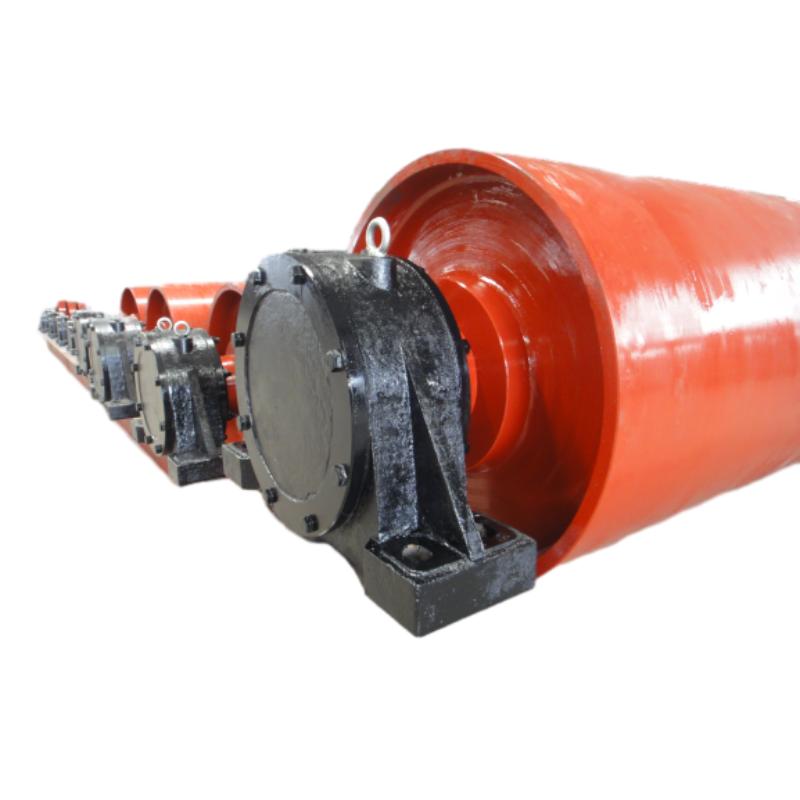
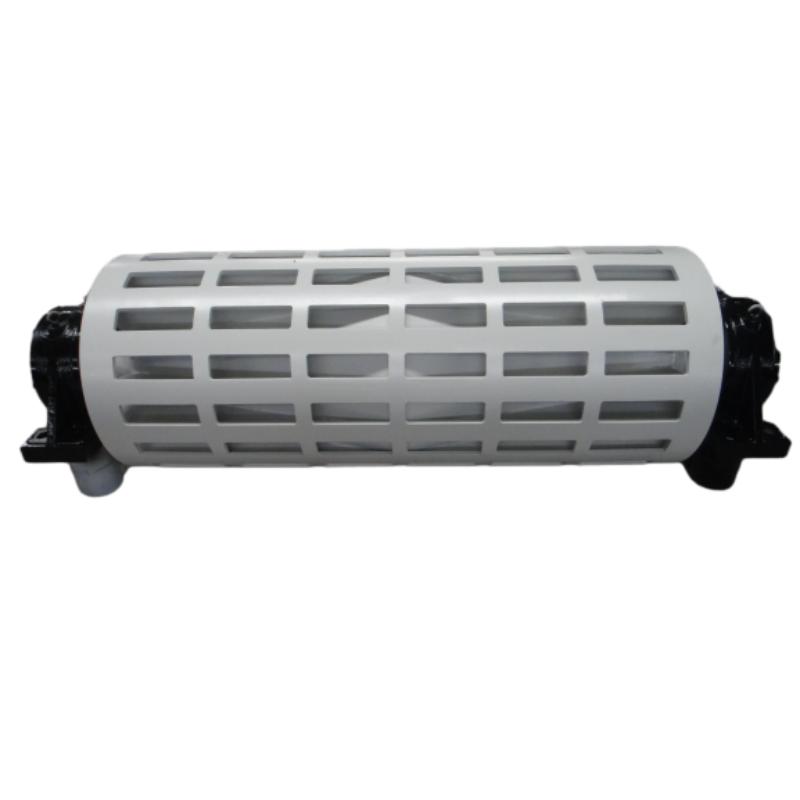
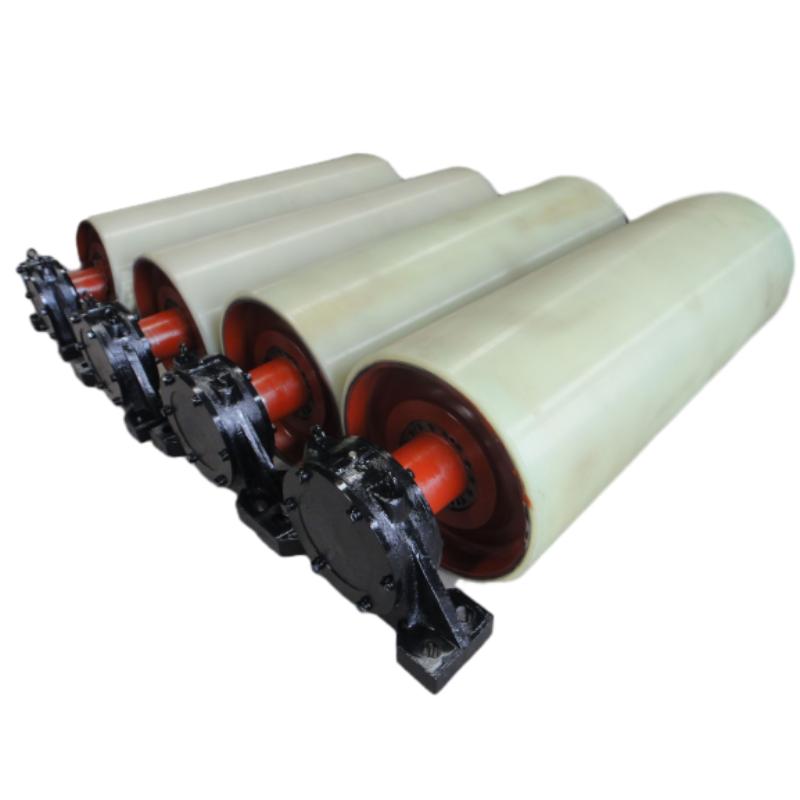
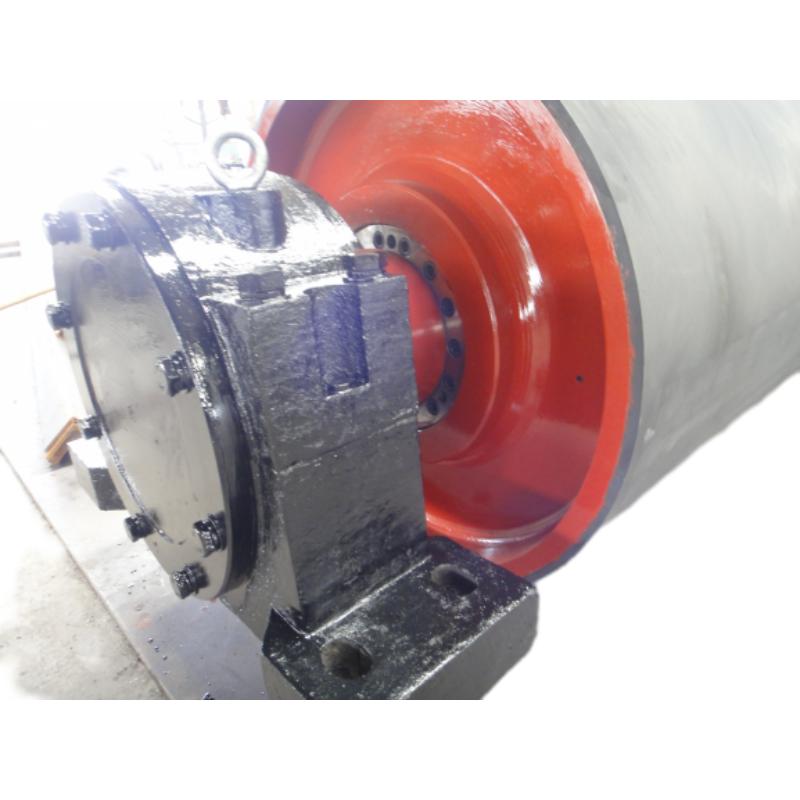
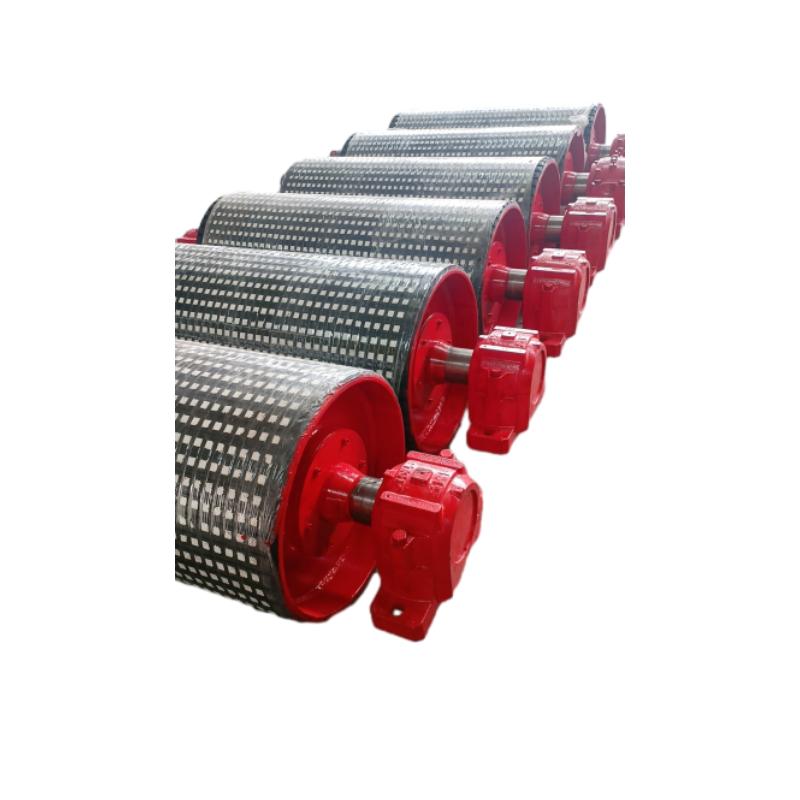
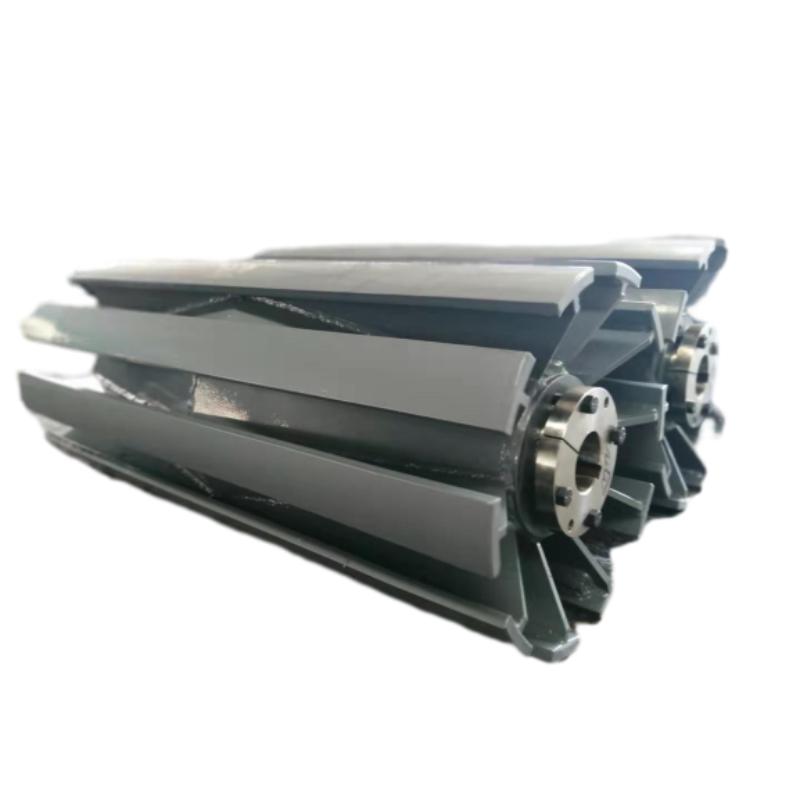
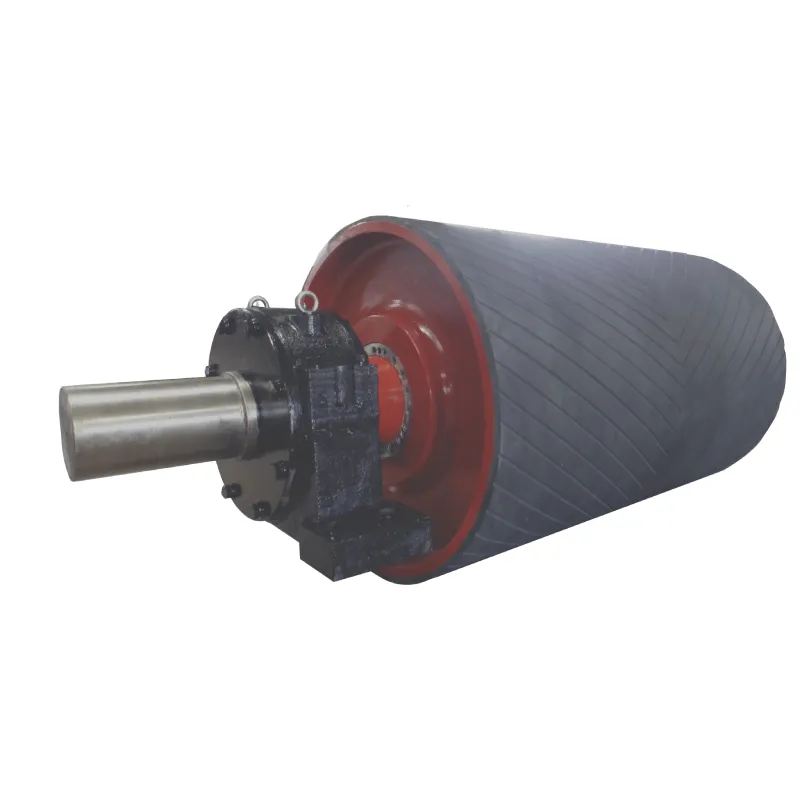
Put simply, a cushion roller is a type of conveyor roller designed with a specially engineered surface or internal shock absorption that cushions loads during movement. Unlike traditional hard steel rollers, they often use rubber or polyurethane coatings, inserts, or flexible cores to ease the contact between the load and the conveyor.
This design dramatically lowers impact force and wear-and-tear on both the conveyor and the goods. Industries ranging from automotive assembly lines to humanitarian aid kits deploy variants of cushion rollers to keep things moving smoothly — quite literally.
Moreover, in humanitarian logistics — think relief warehouses in disaster zones — the cushion roller’s capacity to handle unpredictable loads while protecting fragile supplies can save lives by ensuring faster delivery without damage.
Mini takeaway: Cushion rollers are conveyor rollers designed to absorb shock and protect goods during transport.
Key Components and Features of Cushion Rollers
1. Durability and Material Composition
Cushion rollers typically have cores made from steel or aluminum but are coated with polyurethane or rubber sleeves. These materials resist abrasion and impacts better than bare metal. For example, in wet or corrosive settings, rust-resistant aluminum cores extend lifespan.
2. Shock Absorption
The real magic of a cushion roller is its shock-absorbing surface or internal damping. This reduces load bounce, preventing product damage and wear on mechanical parts. It’s especially critical when loading uneven weights or fragile goods.
3. Load Capacity and Size
Cushion rollers come in different diameters and lengths, suited for light to heavy loads. Sizes typically range from 40mm diameter for small packages, up to 150mm or more for pallet conveyors.
4. Scalability and Modularity
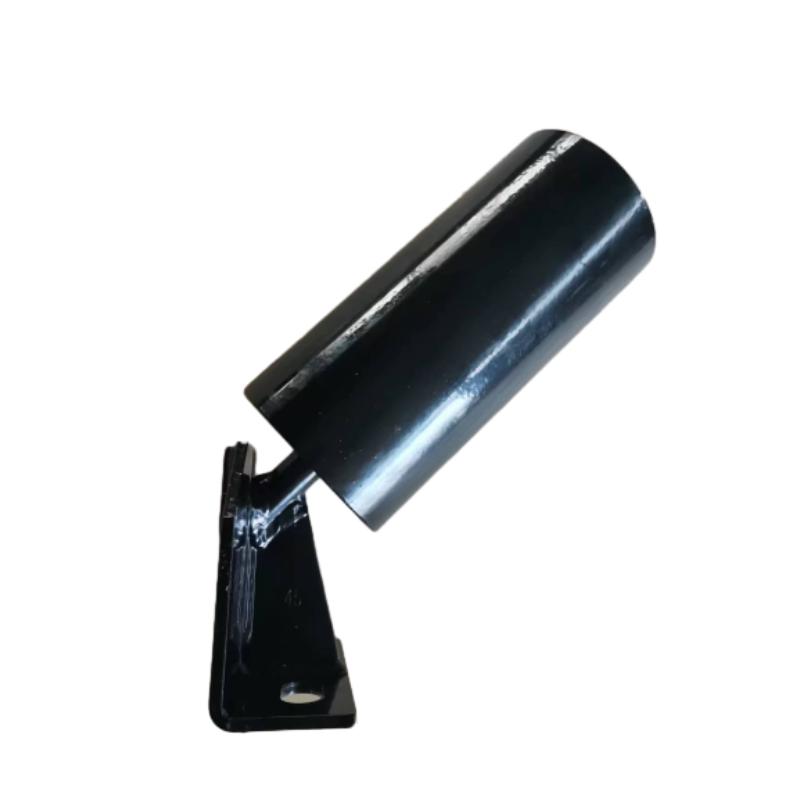
Modular design enables quick replacement or adjustment in conveyor setups. This flexibility benefits businesses with evolving production lines.
5. Cost Efficiency Over Time
While reliability sometimes means a higher upfront cost, cushion rollers reduce overall maintenance, downtime, and product loss — balancing the books in the long term.
Mini takeaway: Cushion rollers combine durable, shock-absorbing materials, sizes, and modular designs for reliable, efficient operations.
Cushion Roller Specifications: An Example
| Specification | Typical Value | Notes |
|---|---|---|
| Roller Diameter | 75 mm | Common medium load size |
| Core Material | Steel with polyurethane coating | Balances strength & cushioning |
| Load Capacity | Up to 200 kg | Depends on length & mounting |
| Surface Hardness (Shore A) | 85 | Good balance of grip & softness |
| Operating Temperature | -20°C to 60°C | Suitable for most warehouses |
Comparing Leading Cushion Roller Vendors
| Vendor | Material Options | Special Features | Typical Use Cases | Price Range (USD) |
|---|---|---|---|---|
| RollerTech Industries | Steel core + PU, Rubber | Custom hardness, corrosion resistance | Manufacturing & logistics hubs | $25–50 per roller |
| FlexiRoll | Aluminum core + TPU coating | Lightweight and modular design | Food & pharma conveyors | $30–60 per roller |
| SafeMove Solutions | Composite core + EPDM rubber | High abrasion resistance, shock absorbing | Heavy-duty mining conveyors | $40–70 per roller |
Real-World Cushion Roller Applications
Oddly enough, cushion rollers turn up in some unexpected places. In automotive assembly plants in Germany and Japan, these rollers reduce dents and surface damage on painted car bodies during transfer stages. In remote industrial zones across Canada, sturdy cushion rollers protect sensitive machinery parts during rough handling.
Humanitarian organizations rely on cushioned conveyor lines when packing emergency kits with fragile medical supplies. Even across sprawling warehouses in the U.S. and China, these rollers drastically cut product return rates.
Industries such as food processing value hygienic polyurethane coatings on cushion rollers, preventing contamination and easing cleaning procedures.
Mini takeaway: Cushion rollers are versatile players, supporting industries from automotive to disaster relief with consistent protection.
Why Cushion Rollers Are Worth the Investment
- Lower Maintenance Costs: Cushion rollers reduce wear on conveyor belts and equipment, prolonging machinery life.
- Product Safety: Shock absorption minimizes damage to fragile goods, maintaining brand reputation.
- Sustainability: Longer-lasting rollers and less product waste contribute to greener operations.
- Operational Reliability: Less downtime thanks to reduced mechanical failures.
- Emotional Confidence: Warehouse staff and managers trust systems that treat items carefully.
In many cases, the intangible trust cushion rollers inspire in clients and operators can’t be overlooked—people tend to treat “smooth-running” lines like well-tuned instruments.
Mini takeaway: Cushion rollers pay off by saving money, reducing waste, and fostering trustworthy logistics.
Emerging Innovations and Trends in Cushion Roller Technology
The conveyor world isn’t standing still. Now, we’re seeing cushion rollers with integrated sensors that track wear in real time, sending alerts before failure happens. Also, bio-based polyurethane coatings are emerging for eco-conscious companies.
Automation and AI-driven conveyor adjustments increasingly tailor cushioning force dynamically, matching the weight and fragility of each item. Some NPD teams even experiment with “smart” rollers that communicate with overall warehouse management systems.
Mini takeaway: Future cushion rollers promise smarter, greener, and more adaptive solutions — an exciting prospect.
Challenges and How the Industry Is Overcoming Them
Despite all benefits, cushion rollers face trade-offs like higher initial cost and sometimes reduced mechanical strength. Drop-in replacements aren’t always straightforward, requiring careful engineering.
But experts note that innovations in composite materials and modular designs are closing these gaps fast. Plus, standardization efforts by ISO and industry consortia improve compatibility and user confidence.
Mini takeaway: While challenges exist, new materials and standards are making cushion rollers easier and smarter to deploy.
FAQ: Practical Questions About Cushion Roller
- Q1: Can cushion rollers be used with any conveyor system?
- A: Most cushion rollers are designed to be compatible with standard conveyor mounts, but it’s crucial to verify diameter, length, and load capacity. Custom options are available for specialized lines.
- Q2: How do cushion rollers affect conveyor maintenance?
- A: They typically reduce maintenance frequency by minimizing wear and shock on belts and parts, though their own surface may need replacement over time.
- Q3: Are cushion rollers eco-friendly?
- A: Modern cushion rollers increasingly use recyclable materials and bio-based coatings. Longer lifespan and less product damage contribute positively to environmental impact.
- Q4: How quickly can suppliers deliver cushion rollers for urgent installations?
- A: Many suppliers offer quick turnaround service, generally within 1-3 weeks, and some stock common sizes for immediate dispatch.
- Q5: Is it expensive to switch from traditional to cushion rollers?
- A: Initial investment may be higher, but lower product damage and maintenance often balance out costs within months.
In Conclusion: Why Cushion Rollers Deserve More Attention
So, in real terms, the cushion roller might just be the unsung hero in conveyor technology that keeps our factories buzzing and relief efforts moving swiftly. By combining durability, shock absorption, and adaptability, these components make a tangible difference across industries globally.
I encourage anyone managing logistics or conveyor systems to take a deeper look. Seriously, there’s a reason many engineers won’t switch back after trying a high-quality cushion roller.
Want to explore reliable options or custom designs? Visit our cushion roller selection — your conveyor systems might just thank you.
— Written with a coffee in hand, hoping to smooth your path one roller at a time.
References
-
Maximize Conveyor Life with a High Performance impact bedNewsApr.16,2026
-
Maximize Conveyor Efficiency Using a v plow belt scraperNewsApr.09,2026
-
Comprehensive Guide to Understanding Different Types of Belt CleanersNewsApr.07,2026
-
Enhancing Conveyor Efficiency with an Effective Scraper Belt CleanerNewsApr.04,2026
-
Optimizing Conveyor Systems with Advanced Cleaning Equipment SolutionsNewsMar.31,2026
-
Effective Conveyor Belt Scraper Adjustment for Optimal System PerformanceNewsMar.28,2026