

Reliable Vertical Guide Rollers for Industrial Equipment | Idler Raohua
The Practical Value of vertical guide rollers in Industrial Equipment
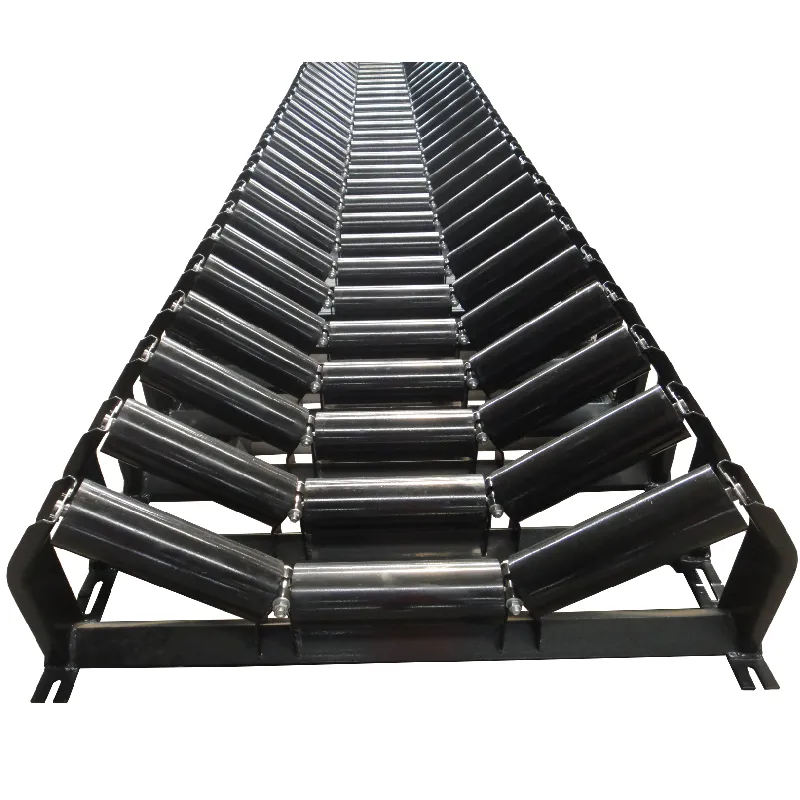
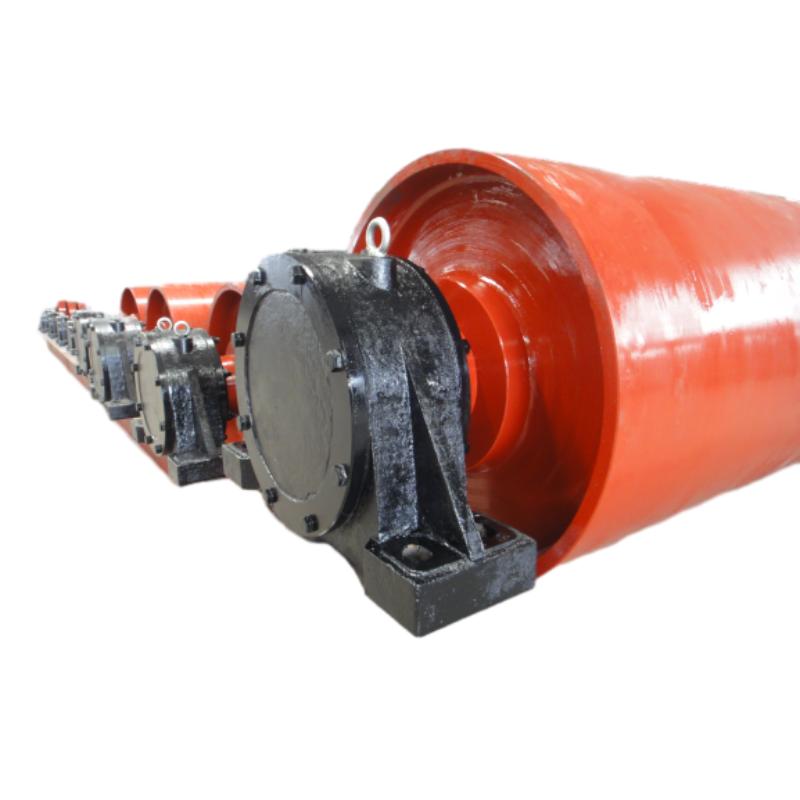
Having spent a fair chunk of time wandering factory floors and inspecting assembly lines, I can tell you: vertical guide rollers don’t get nearly the spotlight they deserve. Oddly enough, these humble components quietly bear a lot of weight — quite literally — in guiding materials and conveyors smoothly through vertical paths. Frankly, they’re sometimes the unsung heroes in many equipment setups.
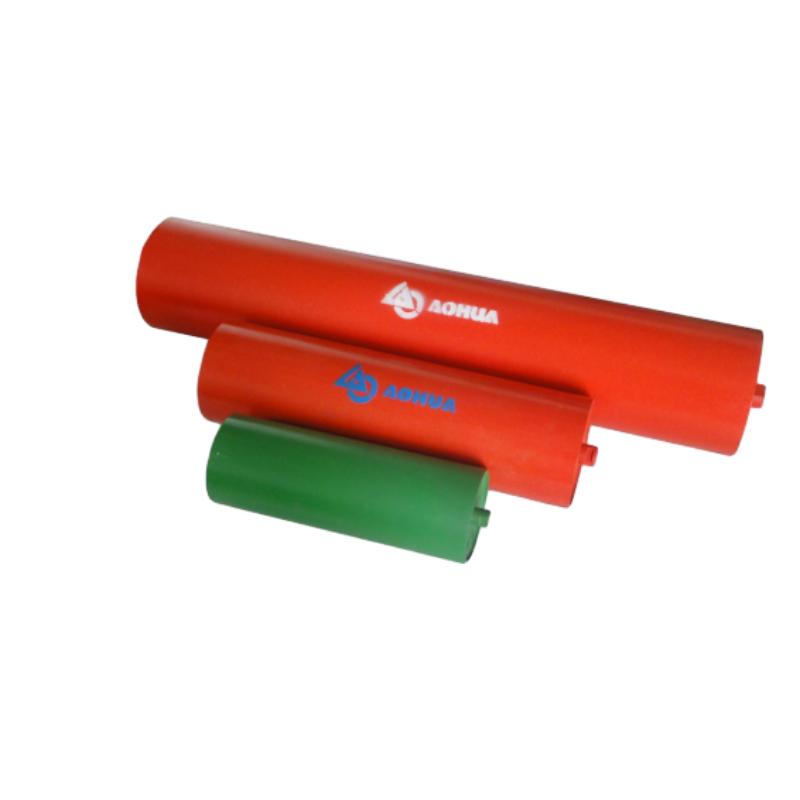
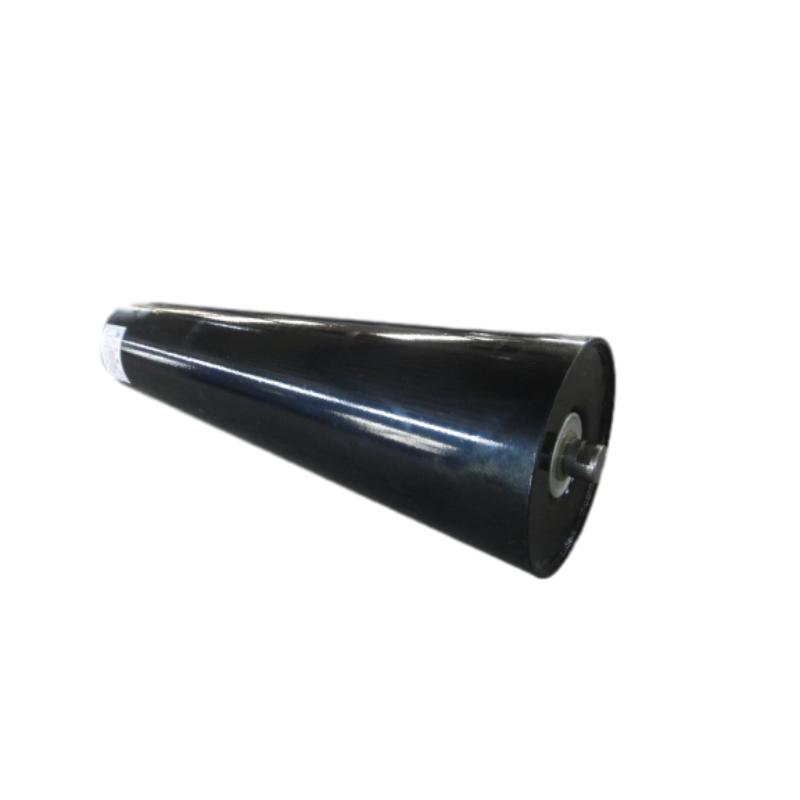
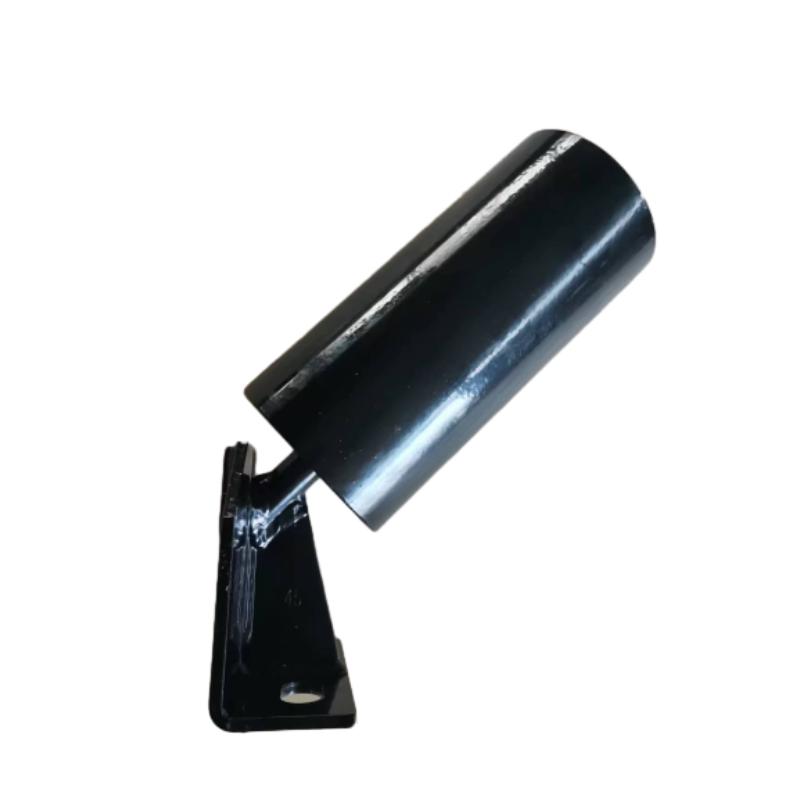
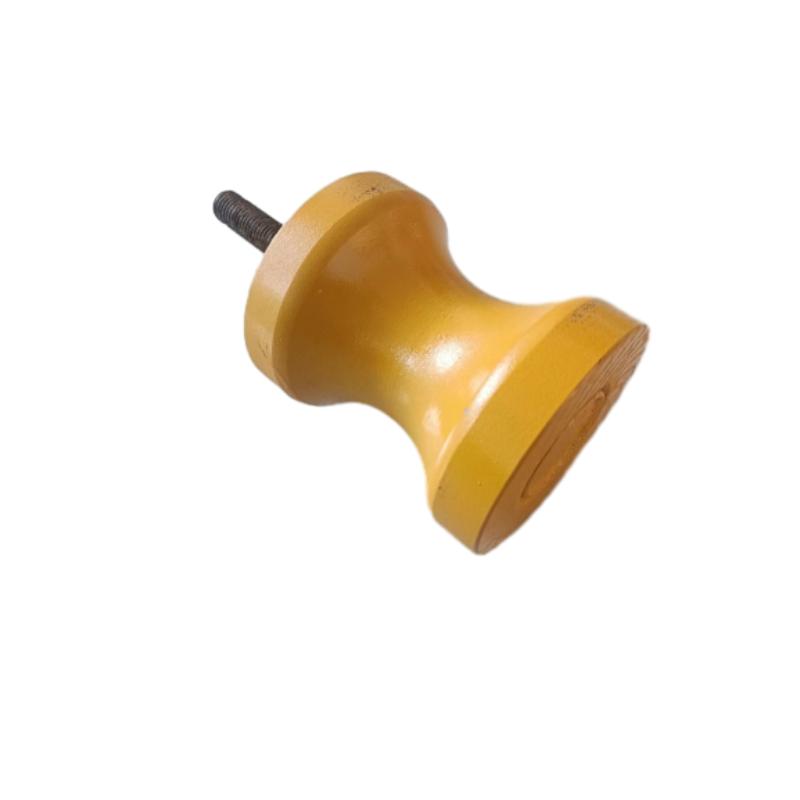
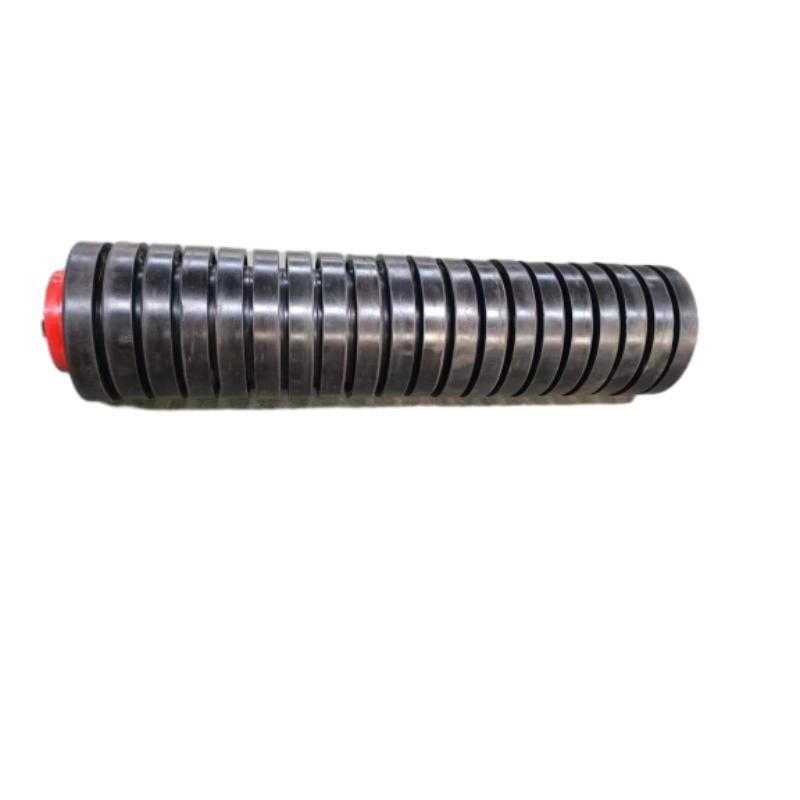
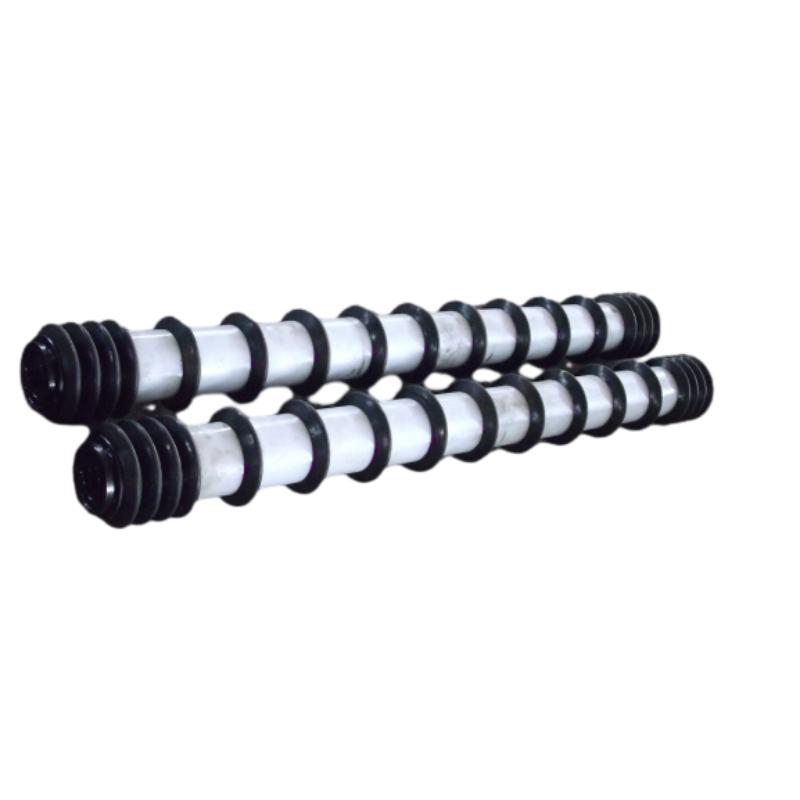
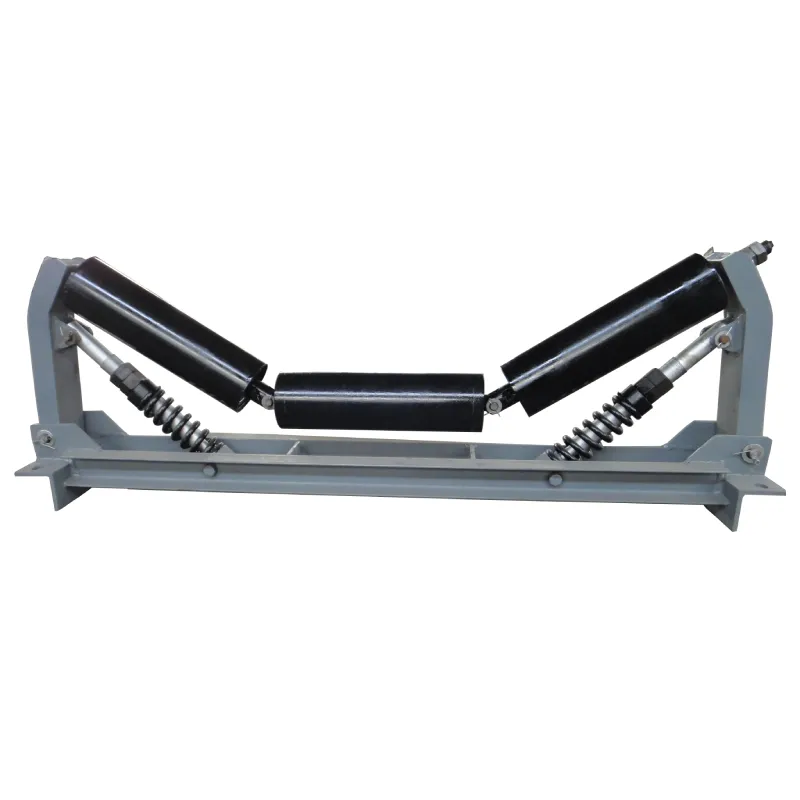
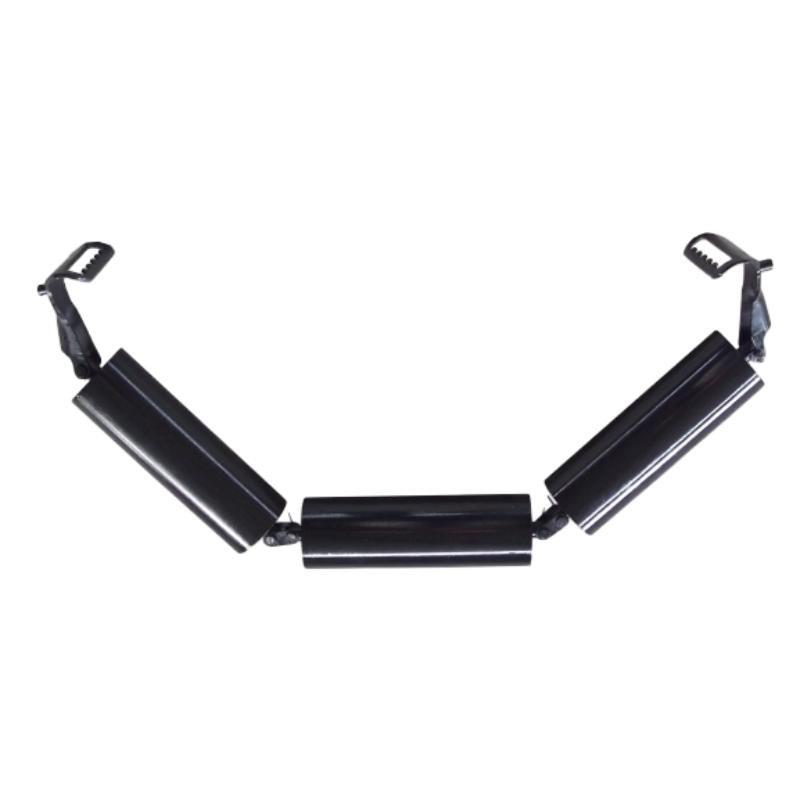
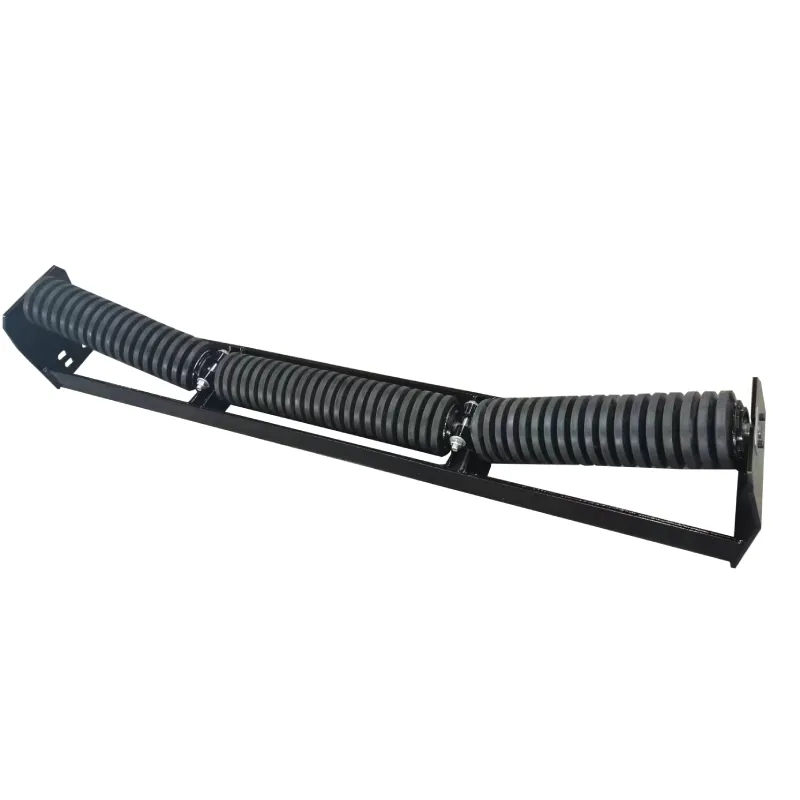
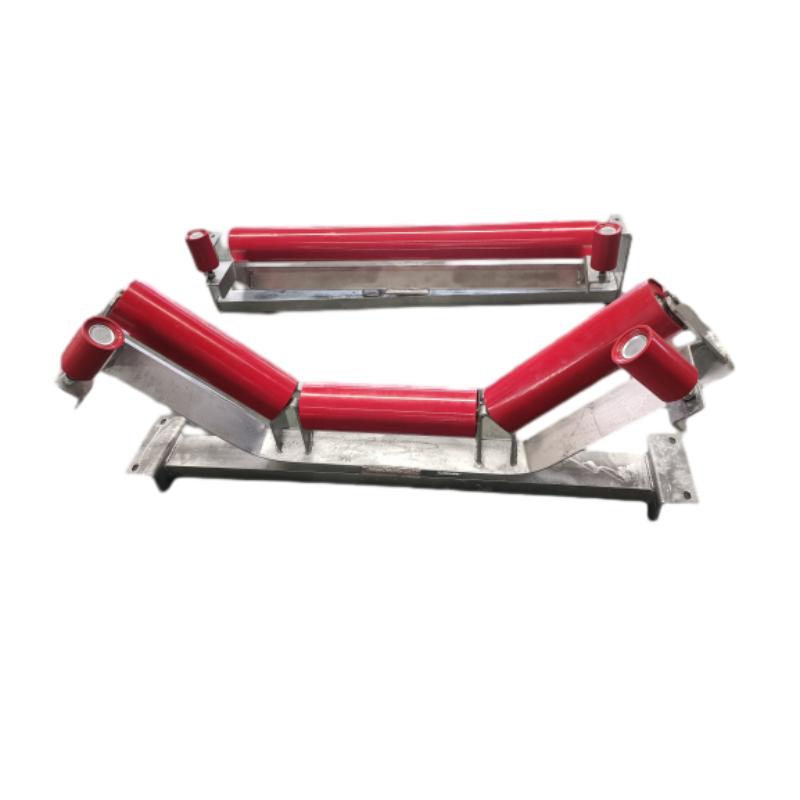
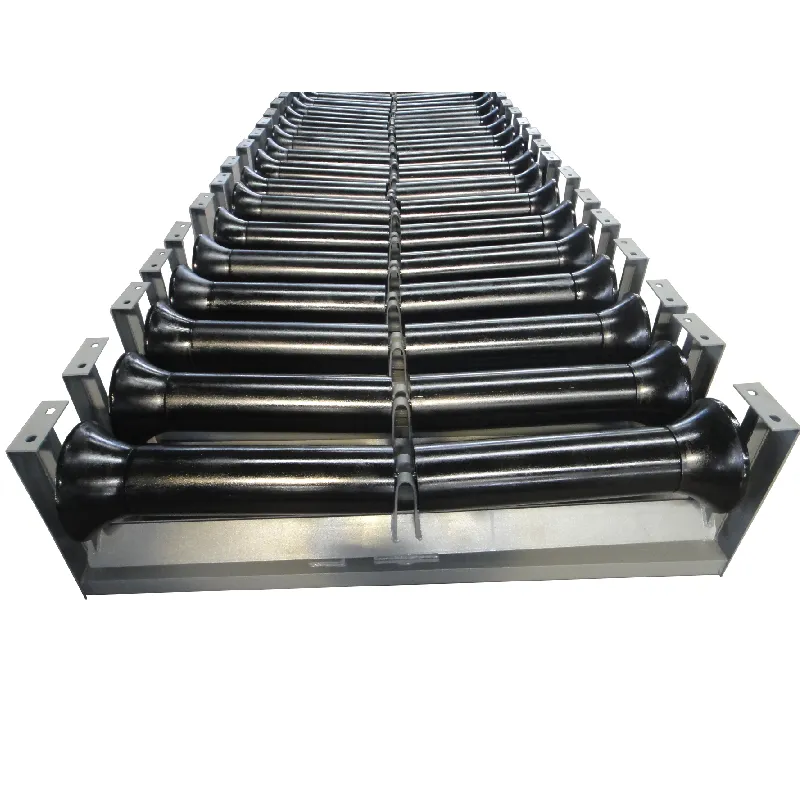
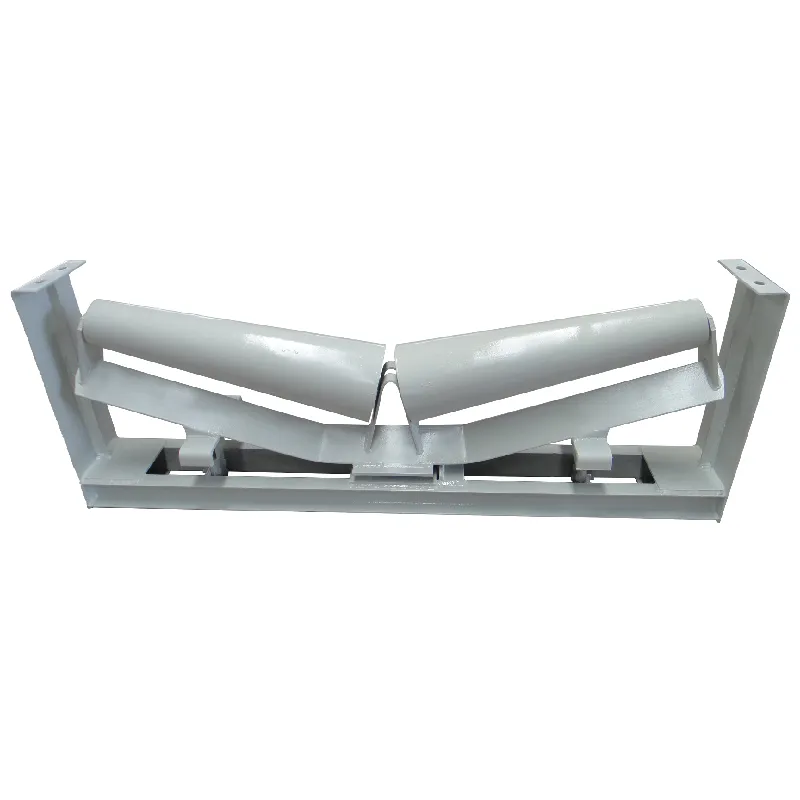
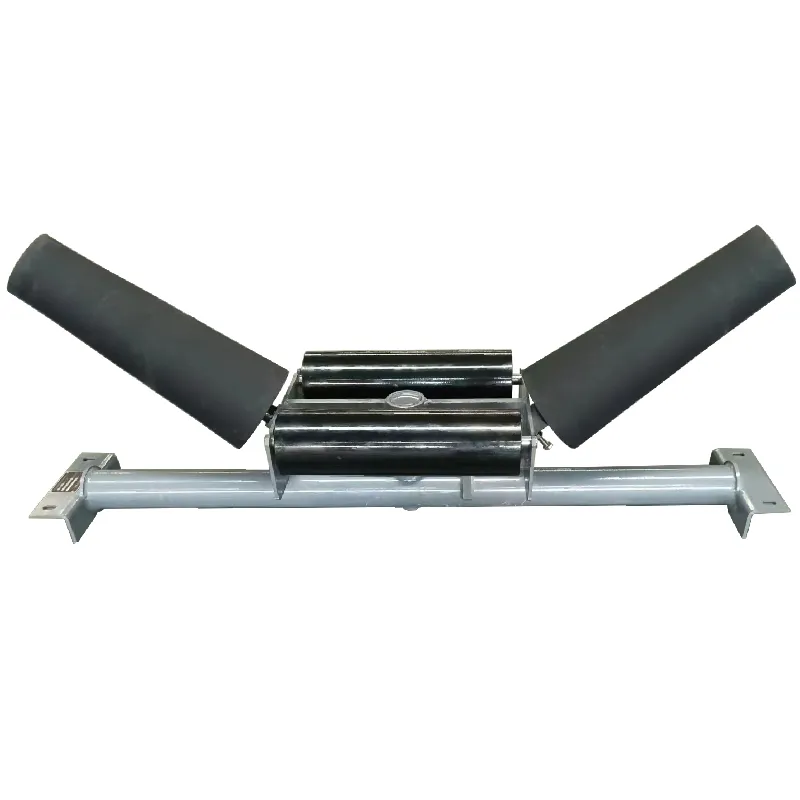
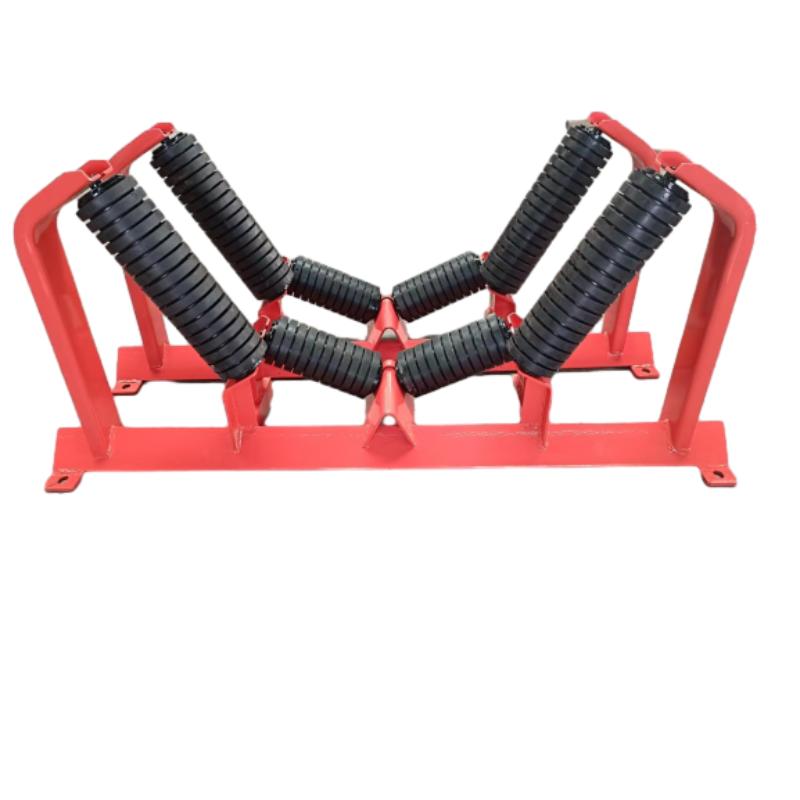
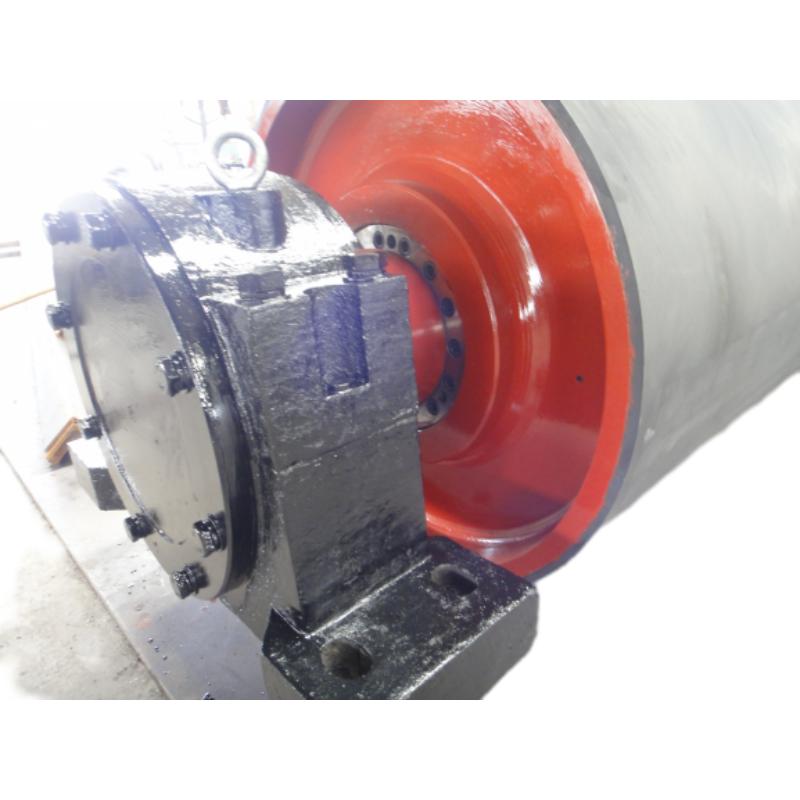
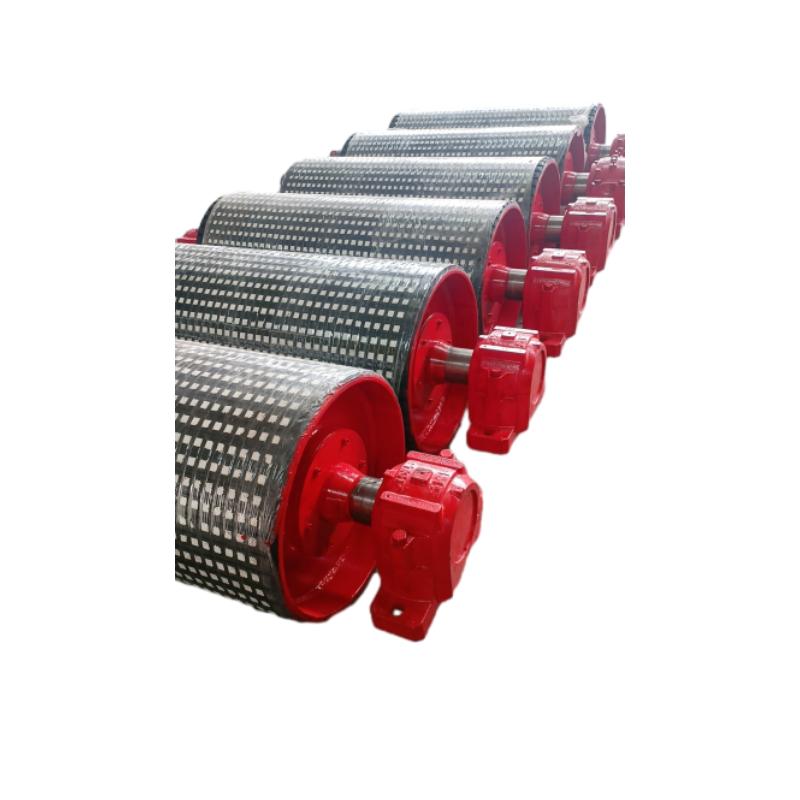
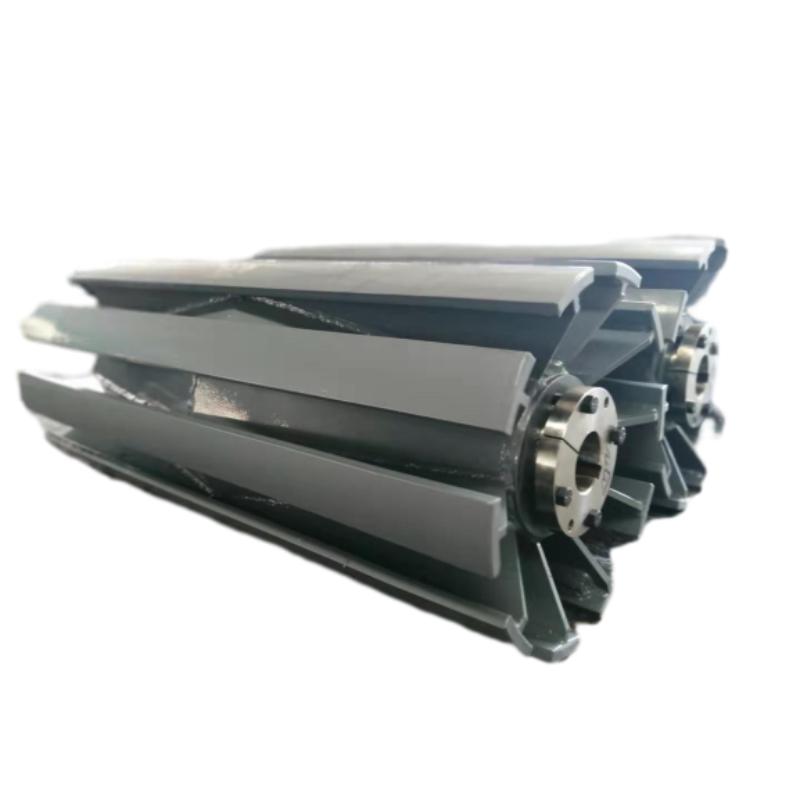
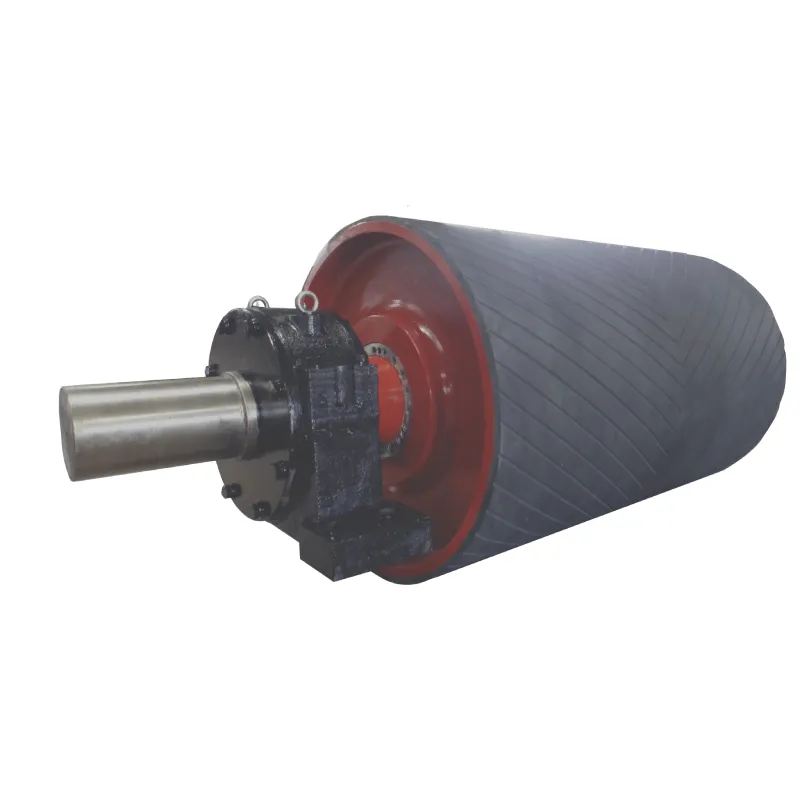
If you’re new to this, vertical guide rollers are specialized rollers designed to guide belts or chains moving in a vertical or near-vertical direction. Unlike standard horizontal rollers, these have to manage gravity's pull and maintain constant tension and alignment under different load conditions. It’s a bit like fitting tires to a bike that’s going uphill all the time — the engineering challenges subtly stack up.
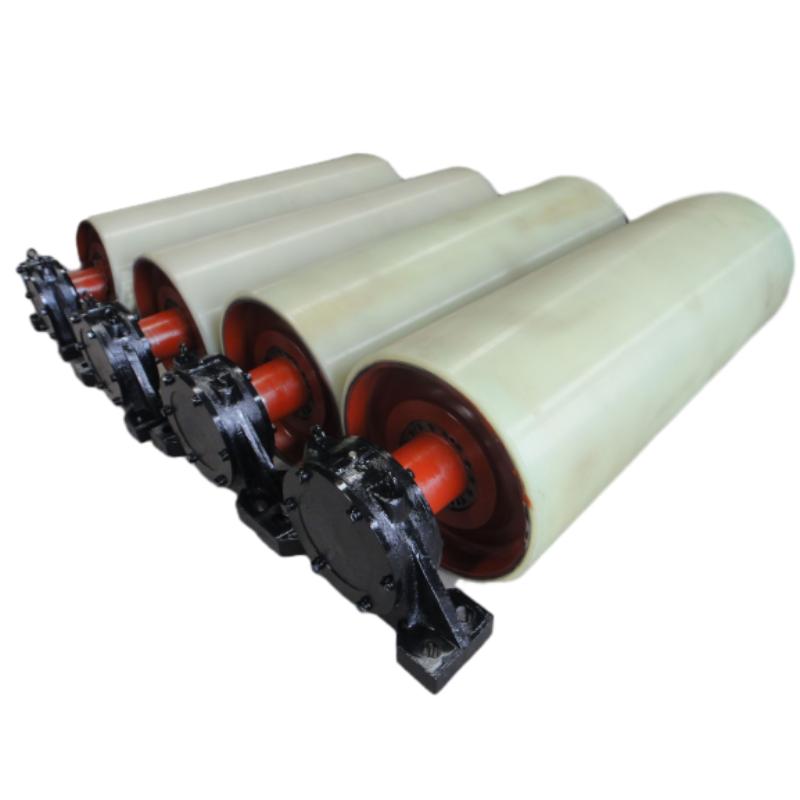
In my early days, I remember troubleshooting a packaging line where the vertical guide rollers were wearing down too quickly. Turns out, many engineers overlook the role of materials and surface finish here — stainless steel or specially coated polyurethane can make a world of difference. It’s sort of an art, choosing the right specs based on the workload and environment.
| Parameter | Typical Values | Notes |
|---|---|---|
| Roller Diameter | 50 - 150 mm | Depends on load and belt width |
| Material | Stainless steel / POM / Polyurethane | Corrosion resistance preferred |
| Load Capacity | Up to 2000 N per roller | Higher capacity requires custom design |
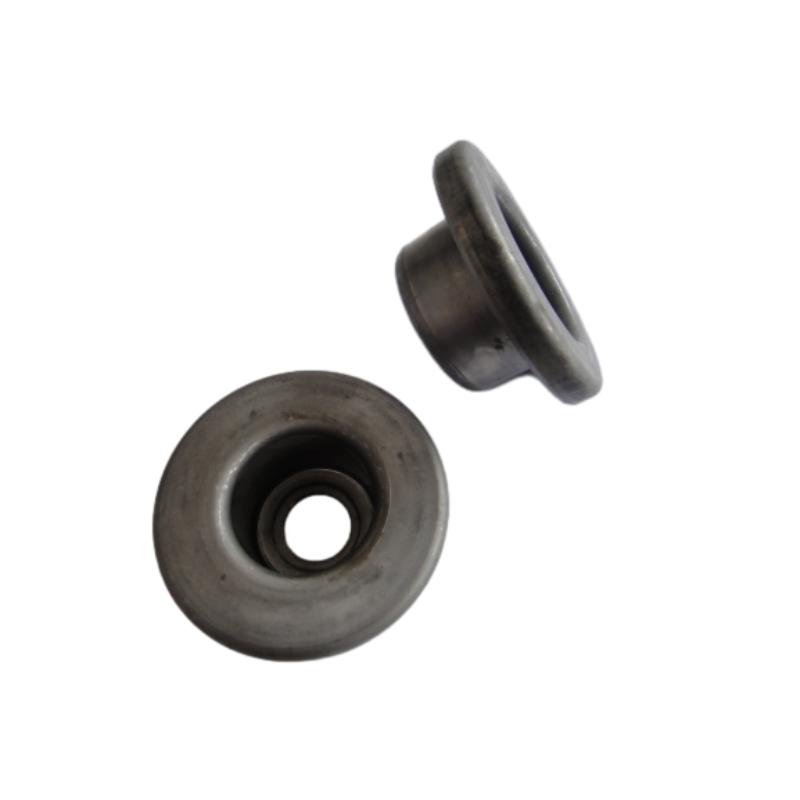
| Mounting | Flanged or bracket-mounted | Specific to machine frame |
| Surface Hardness | 60-70 Shore A (polyurethane) | Balances grip and wear resistance |
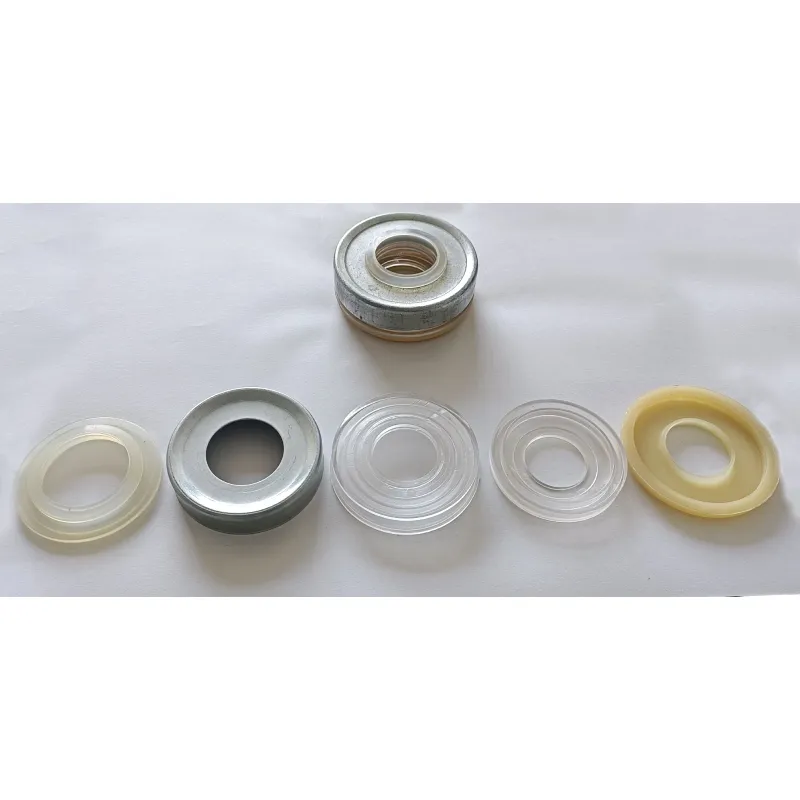
Your choice of vertical guide rollers often boils down to a few key things: the environment (is it dusty, oily, or wet?), the expected load and speed, and how much maintenance downtime you can tolerate. It’s easy to underestimate the longevity impact of proper sealing and shielded bearings — but you’ll notice the difference after a few months in rougher conditions.
Over time, I’ve seen manufacturers like Idler Raohua push the envelope on roller designs, focusing on tighter tolerances, quieter bearings, and more durable coatings. Honestly, these incremental improvements make all the difference when you’re dealing with shifts running 24/7. I’ve personally worked on installations where their vertical guide rollers outperformed others by a noticeable margin — less downtime, less adjustment, fewer surprises.
| Feature | Idler Raohua | Competitor A | Competitor B |
|---|---|---|---|
| Material Options | Stainless steel, polyurethane, POM | Steel, rubber coated | Aluminum, nylon |
| Bearing Type | Sealed ball bearings | Standard ball bearings | Plain bearings |
| Customization | Highly flexible, client-specific design | Limited sizes | Standard catalog only |
| Price Range | Mid to high | Low to mid | Budget |
| Lead Time | 2-4 weeks (custom) | Usually 1-3 weeks | Stock only, immediate |
To illustrate, I once worked with a paper mill where constant vertical lifting of large rolls quickly ate through their initial rollers. After switching to a custom vertical guide roller solution with polyurethane coating and sealed bearings from Idler Raohua, the maintenance team reported a 40% drop in replacement frequency — which, in real terms, saved them thousands of dollars annually in downtime.
It's easy to take these parts for granted until they're not working right. Having robust vertical guide rollers can be the unsung factor in smooth-running operations.
In a market where small productivity gains add up quickly, investing time into roller specs, materials, and trusted vendors is, frankly, a no-brainer. Of course, not every plant has the same needs — but from my experience, taking the “roller” part seriously pays off more often than not.
Anyway, if you’re involved in designing or maintaining conveying equipment that operates vertically, it’s worth looking into the nuances of these rollers. They might just quietly boost your uptime and ease your maintenance headaches. I know, it sounds sort of mundane — but sometimes the smallest parts matter the most.
Takeaway: Properly specified vertical guide rollers save money and headaches — it’s not glamorous, but it sure is practical.
- Industry case studies on conveyor reliability improvements, TechCon 2022.
- Idler Raohua product brochure, 2023 edition.
- “Materials and Coatings for Industrial Rollers,” Journal of Mechanical Engineering, 2021.
-
Maximize Conveyor Life with a High Performance impact bedNewsApr.16,2026
-
Maximize Conveyor Efficiency Using a v plow belt scraperNewsApr.09,2026
-
Comprehensive Guide to Understanding Different Types of Belt CleanersNewsApr.07,2026
-
Enhancing Conveyor Efficiency with an Effective Scraper Belt CleanerNewsApr.04,2026
-
Optimizing Conveyor Systems with Advanced Cleaning Equipment SolutionsNewsMar.31,2026
-
Effective Conveyor Belt Scraper Adjustment for Optimal System PerformanceNewsMar.28,2026