

Conveyor Troughing Rollers: Essential Guide to Benefits, Applications & Future Trends
Understanding Conveyor Troughing Rollers: The Backbone of Efficient Material Handling
Conveyor troughing rollers might sound like a niche industrial component, but if you pause for a moment and consider the vast networks of conveyor belts moving millions of tons of materials daily—from mining sites in Australia to ports in Rotterdam—you’ll realize their critical role. Globally, industries depend on these small yet mighty parts to keep operations smooth, affordable, and safe.
Why does this matter? As global supply chains expand and economies shift towards more sustainable resource handling, conveyor troughing rollers become not just optional hardware, but essential for optimizing cargo movement, reducing downtime, and lowering operational costs. So understanding their function and advantages can benefit anyone in industrial engineering, logistics, or environmental management.
Global Context: Why Conveyor Troughing Rollers Are More Relevant Than Ever
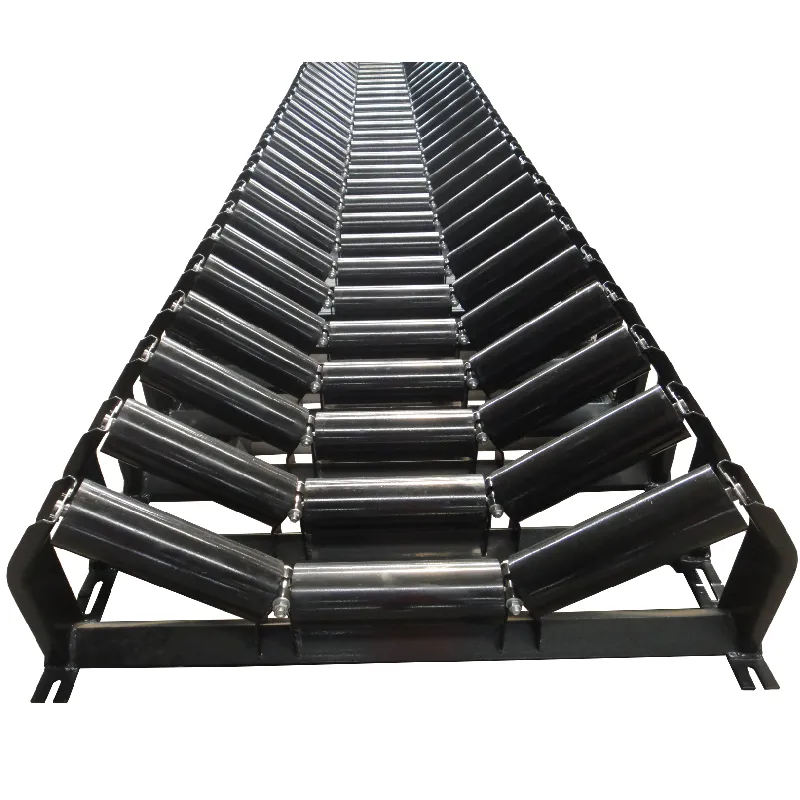
According to the International Organization for Standardization (ISO), conveyor belts transport over 10 billion tonnes of goods worldwide annually—a staggering figure. Conveyor troughing rollers, those angled rollers forming the “trough” shape supporting the belt, are vital in this operation.
But despite their ubiquity, many operators face challenges with roller durability, misalignment, and energy inefficiency. For example, the World Bank notes that industrial downtime from conveyor failures can cost miners millions per year. So improvements in conveyor troughing roller technology can directly boost productivity and environmental sustainability on a massive scale.
Defining Conveyor Troughing Rollers
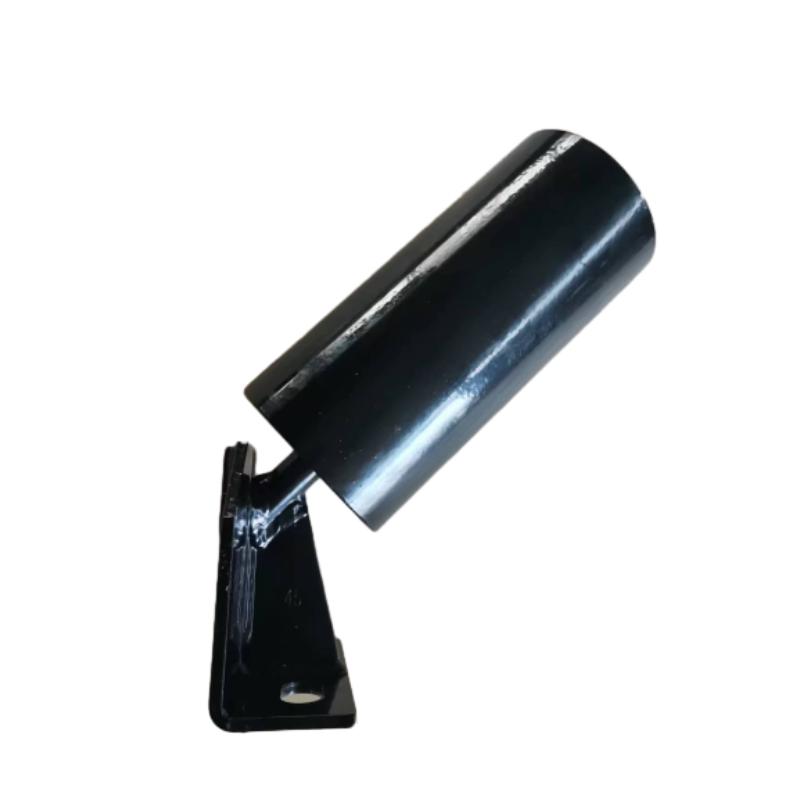
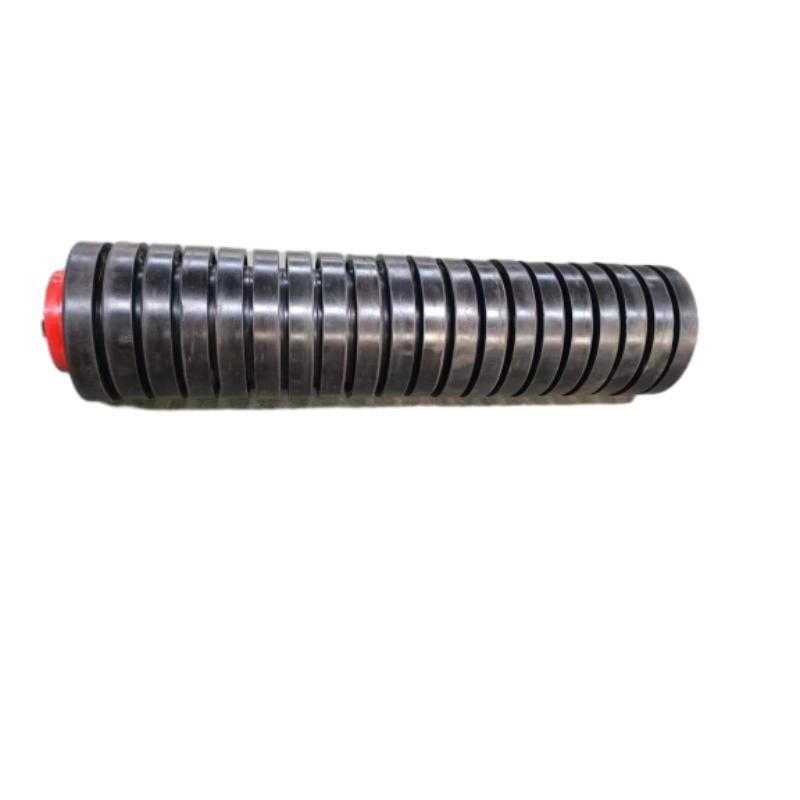
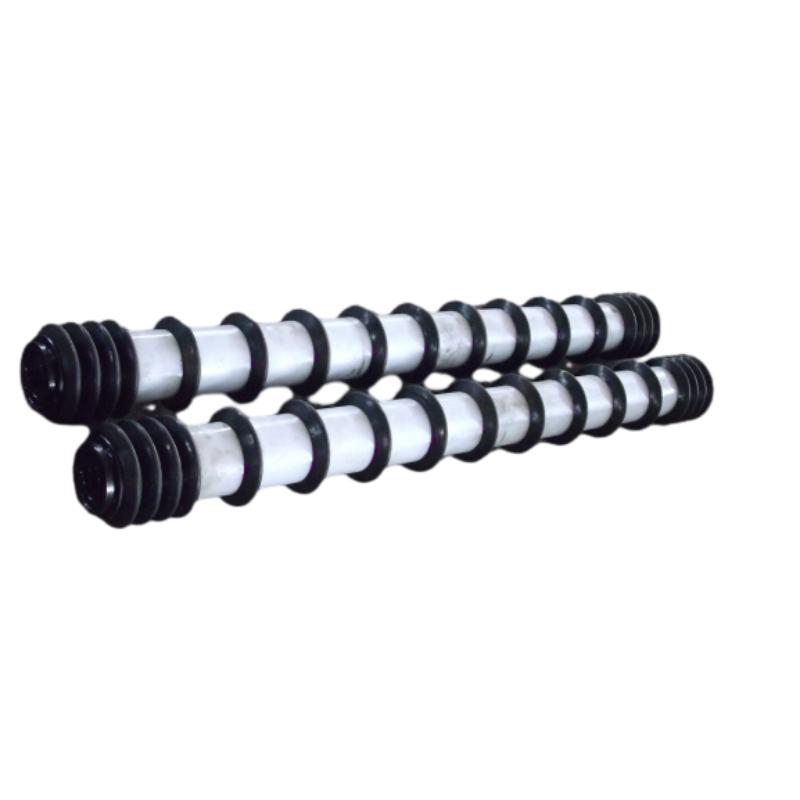
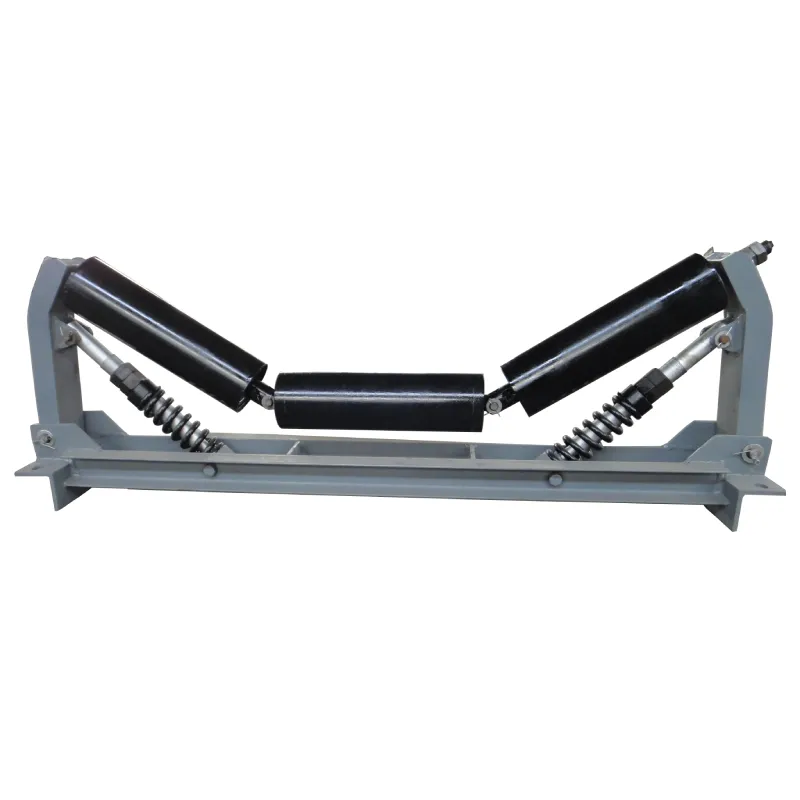
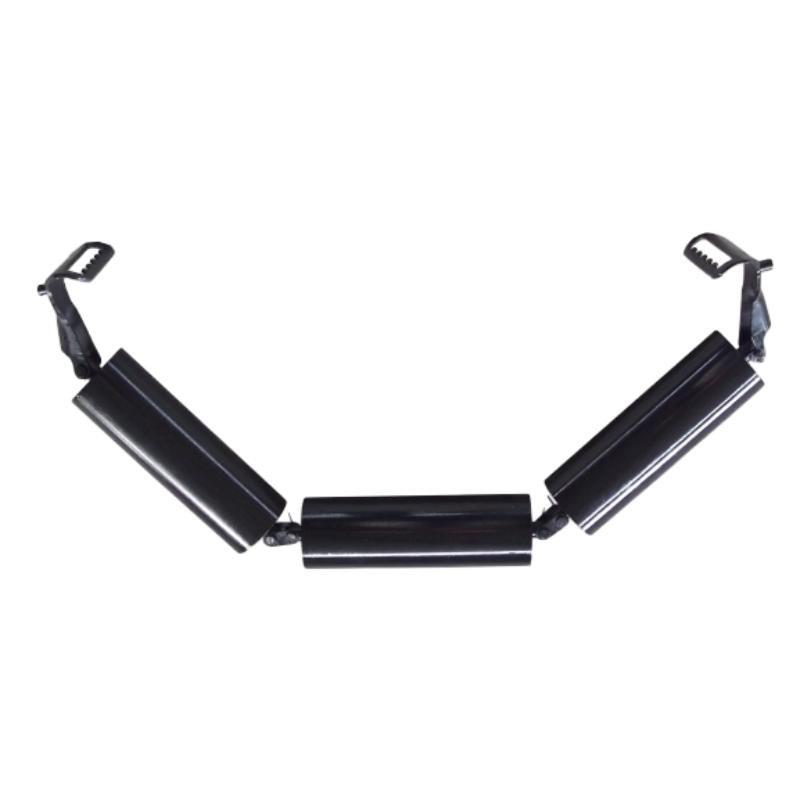
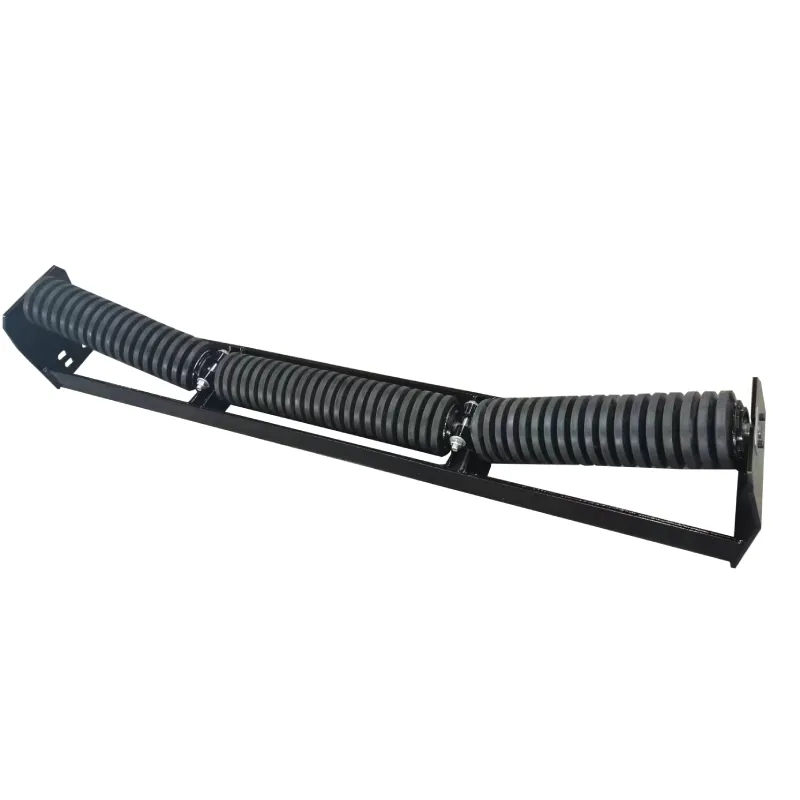
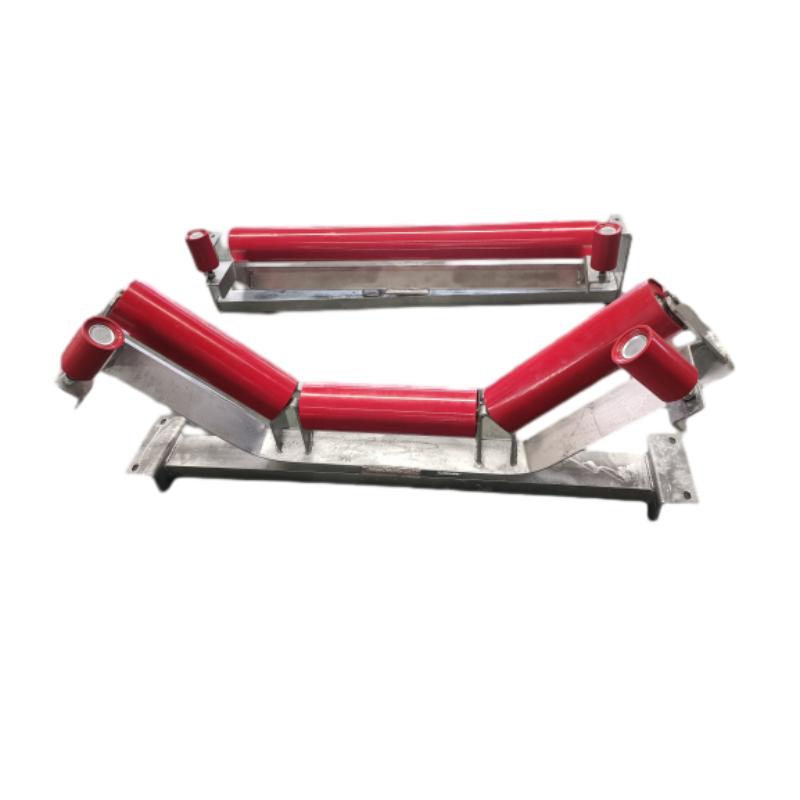
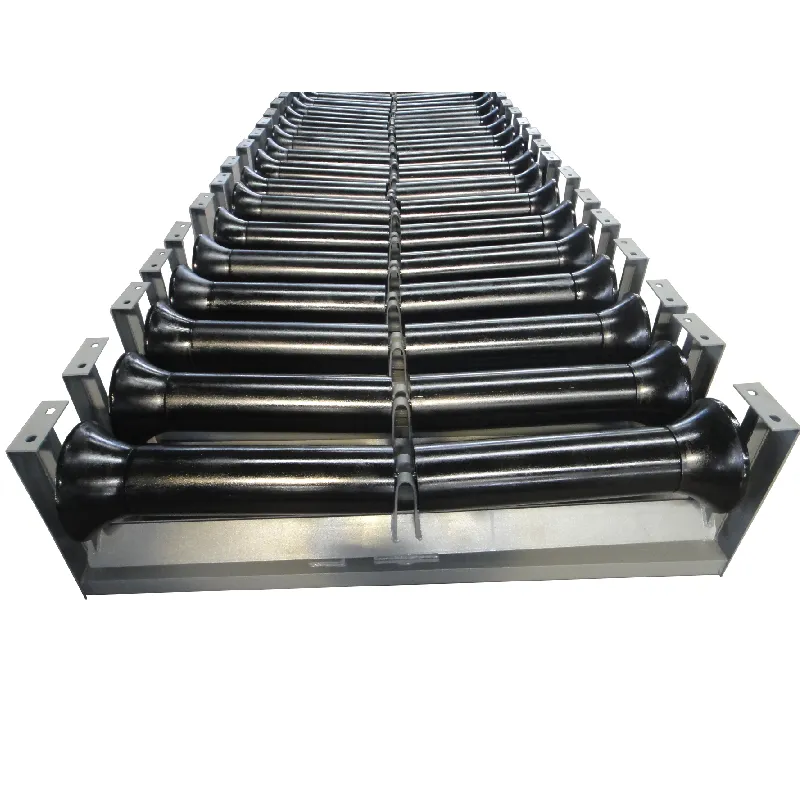
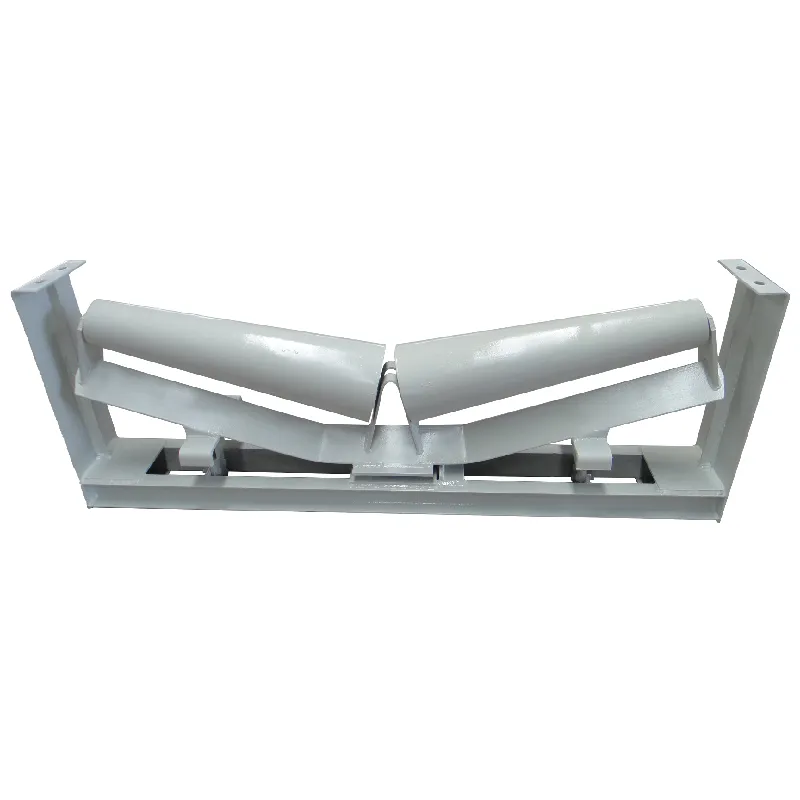
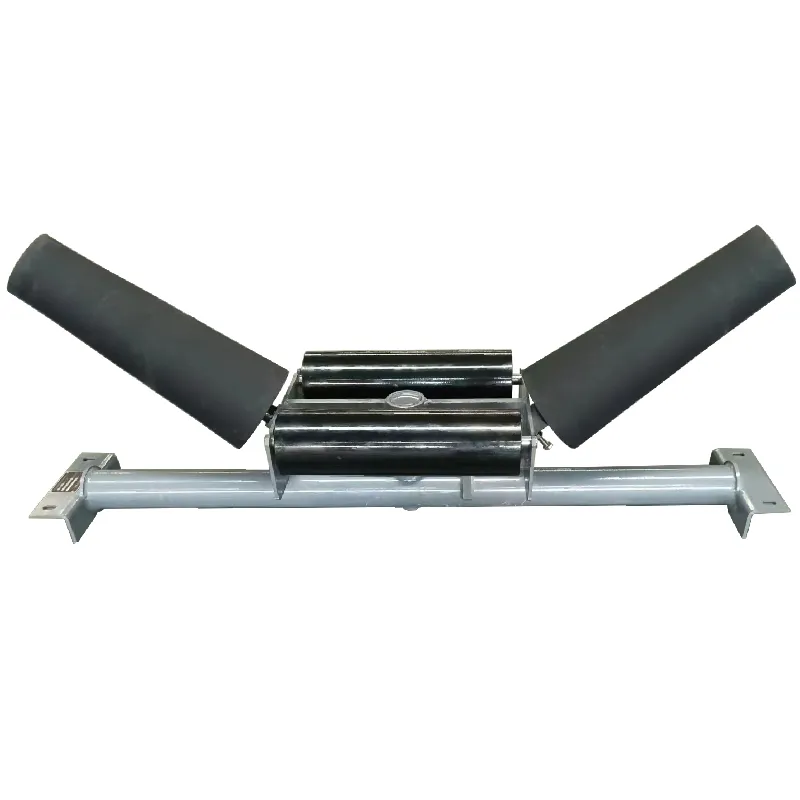
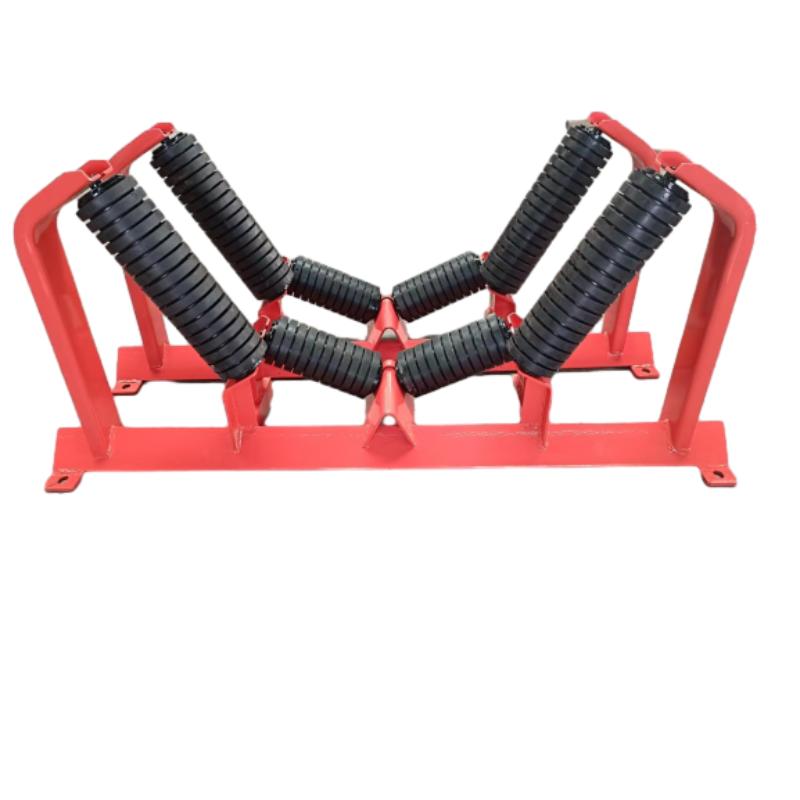
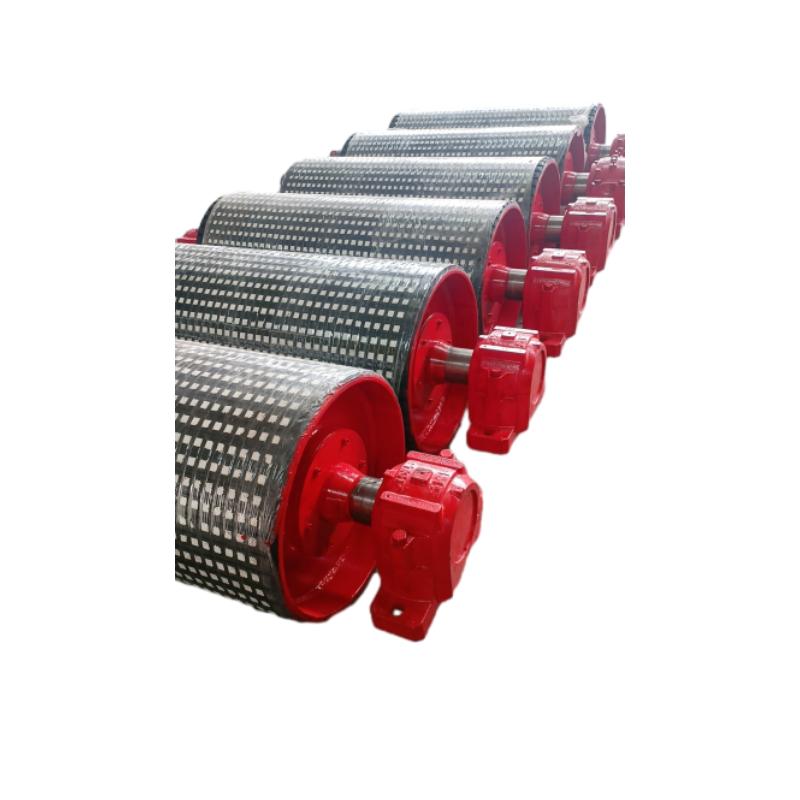
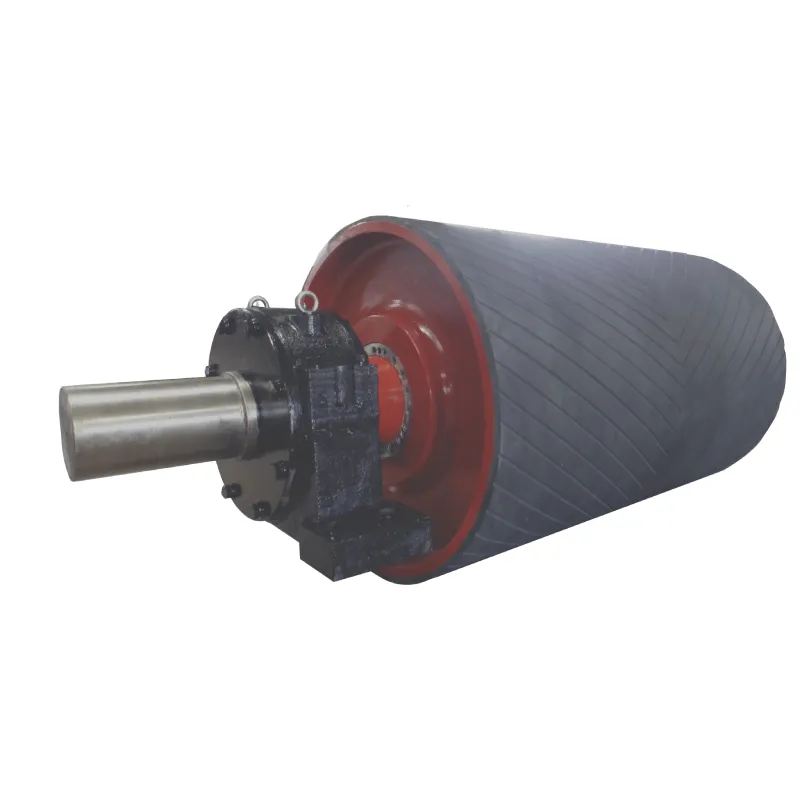
Put simply, conveyor troughing rollers are specially angled rollers found beneath a conveyor belt that give it a ‘U’-shaped profile. This trough shape is critical—it helps center material on the belt, preventing spillage during transport.
They are linked intricately to modern industry: from mining and aggregate transport to agriculture and manufacturing, they help move everything from coal and grain to salt and gravel. Even humanitarian organizations use mobile conveyors with troughing rollers to quickly shift debris or supplies in disaster zones.
Core Components & Key Factors of Conveyor Troughing Rollers
1. Durability
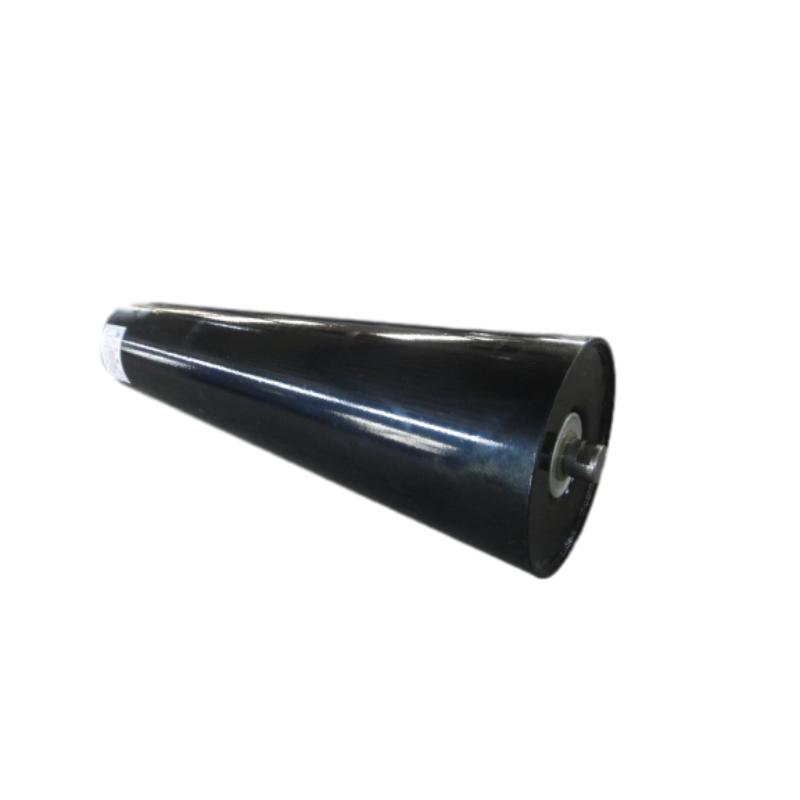
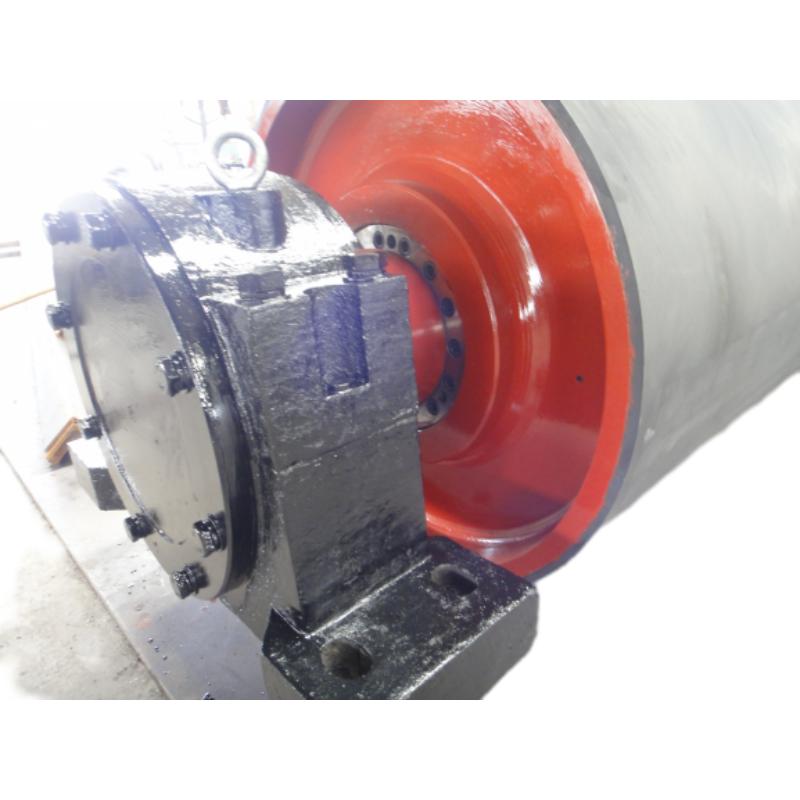
Rollers must withstand harsh environments—abrasive materials, extreme temperatures, and constant vibration. High-quality steel and resistance coatings often enhance lifespan.
2. Alignment and Stability
Proper angle and robust bearings minimize belt misalignment, reducing wear and costly repairs.
3. Load Capacity
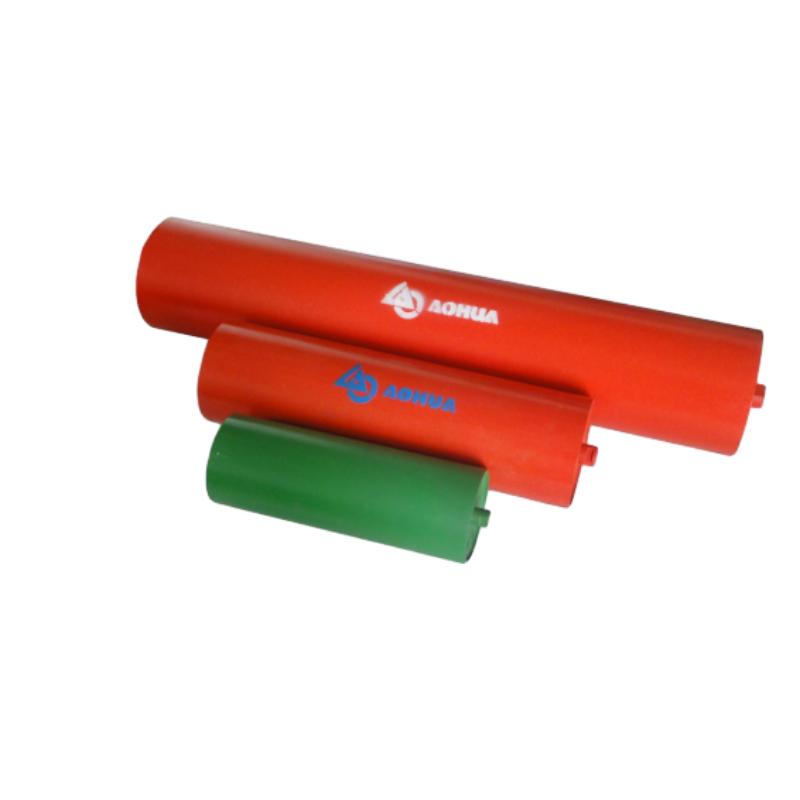
Depending on belt width and material weight, troughing rollers come in various sizes and strengths suitable for light to heavy duties.
4. Energy Efficiency
Smoother, low-friction rollers reduce power consumption by conveyor motors.
5. Ease of Maintenance
Modular designs allow quick replacement or cleaning, reducing downtime.
6. Cost Efficiency
Initial investment balanced against lifecycle costs and productivity improvements is crucial for choosing the right rollers.
Product Specifications at a Glance
| Specification | Typical Values | Remarks |
|---|---|---|
| Roller Diameter | 76 mm – 108 mm | Varies by load requirements |
| Roller Length | 500 mm – 2000 mm | Fits belt widths from 400 mm to 1800 mm |
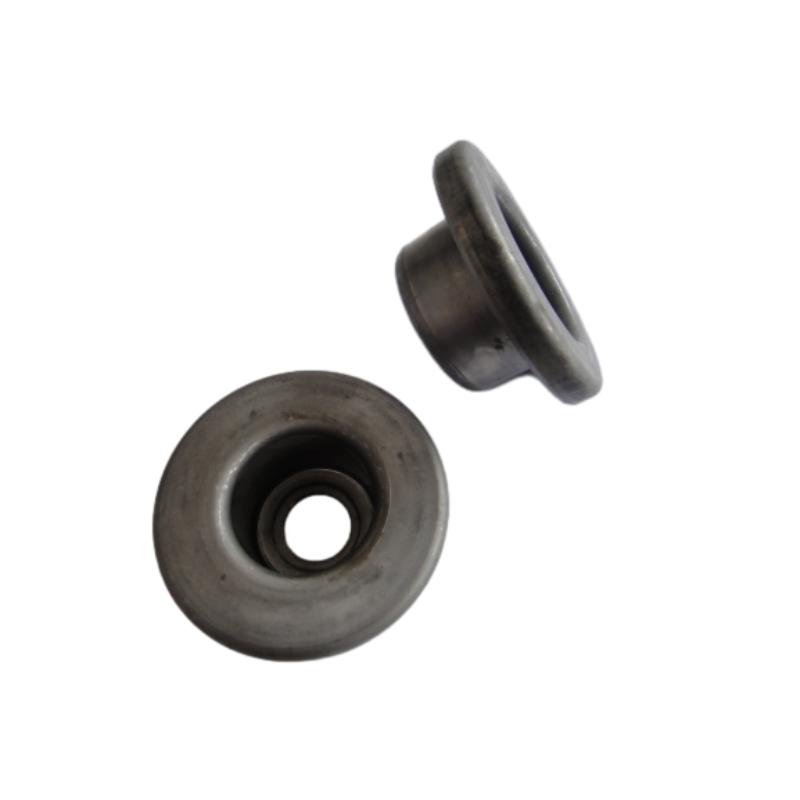
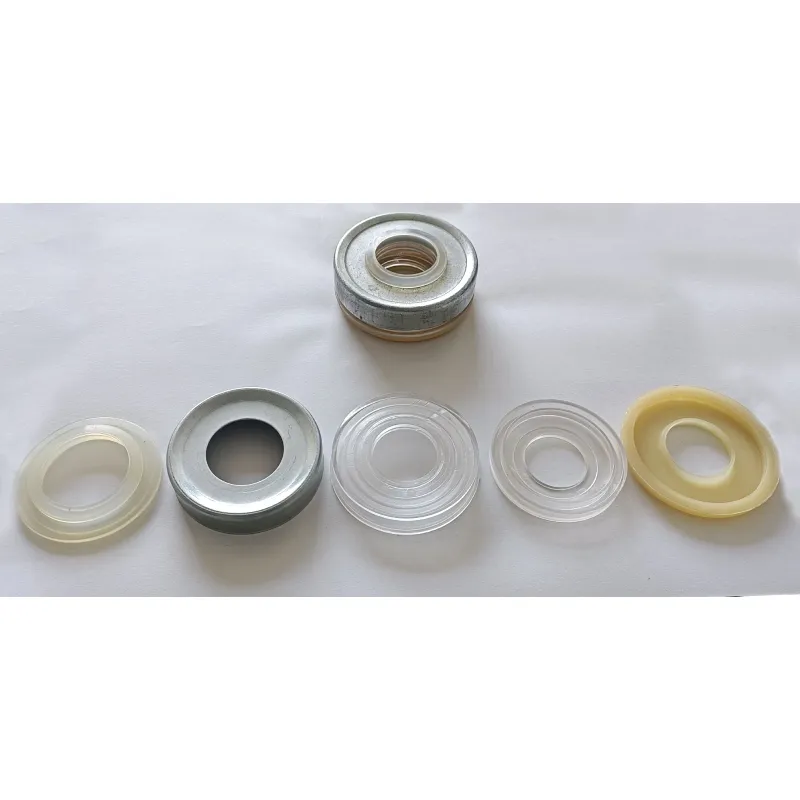
| Bearing Type | Sealed ball bearings | Prevents contamination & extends service life |
| Roller Angle | 20° – 35° | Defines trough shape for material containment |
| Materials | Galvanized Steel, Stainless Steel | Corrosion resistance options |
Global Applications & Use Cases
Globally, conveyor troughing rollers are found in the heart of diverse industries. In Australia and Canada, mining operations rely heavily on these rollers to transport massive volumes of minerals smoothly. In agricultural regions of the Midwest US and Europe, they help move grains and fertilizers without spillage.
Post-disaster relief efforts increasingly deploy mobile conveyors equipped with robust troughing rollers to clear debris or move supplies—think rapid runway clearing after a hurricane or restoring access roads amid rubble. Oddly enough, even recycling facilities worldwide leverage them to speed sorting and reduce contamination.
In remote industrial zones, where maintenance opportunities are sparse, high-quality rollers reduce downtime—and that's a gamechanger.
conveyor troughing rollers are making their mark everywhere you’d expect and some places you might not.Advantages & Long-Term Value: More Than Just Hardware
- Cost Reduction: Durable rollers mean fewer replacements and less downtime—translating into millions saved.
- Sustainability: Efficient rollers reduce energy use, aligning with increasingly strict environmental standards.
- Safety: Proper containment prevents material spillage, protecting workers and the environment.
- Reliability: Trusted performance builds operational confidence across complex logistics chains.
- Innovation: New materials and designs keep pushing the envelope on performance.
Beyond the technical specs, the trust that conveyor managers place in reliable troughing rollers is palpable — it’s a kind of quiet faith in technology enabling human progress.
Vendor Comparison: Mapping the Market Leaders
| Vendor | Materials Offered | Price Range | Warranty | Notable Features |
|---|---|---|---|---|
| Idleraohua Industrial | Galvanized & Stainless Steel | $$ | 3 Years | Custom angles, sealed bearings |
| GlobalRoller Co. | Steel, Plastic-coated | $ | 2 Years | Lightweight options |
| RollTech Solutions | Stainless Steel, Rubber Coated | $$$ | 5 Years | High corrosion resistance |
Future Trends & Innovations
As we look ahead, conveyor troughing rollers aren’t standing still. Innovations include the integration of smart sensors monitoring roller condition in real-time, alerting operators before failures occur—truly a digital transformation in conveyance. Sustainable production methods focus on recycling materials and reducing carbon footprints.
Also, lighter yet stronger composites could reduce motor power needs further. As automation and Industry 4.0 mature, these rollers will be components in interconnected, self-optimizing systems, ensuring efficiency and environmental responsibility.
Challenges & Solutions
Frankly, challenges with conveyor troughing rollers often revolve around wear under extreme conditions and difficult maintenance access. Traditional steel rollers are vulnerable to corrosion, while sealed bearings can fail if contaminants get through.
Experts suggest solutions like better bearing seals, corrosion-resistant materials, and modular modular designs that allow quick swapping. Collaborative maintenance strategies and pre-emptive condition monitoring are crucial to minimizing costly downtime.
FAQs about Conveyor Troughing Rollers
- Q: How do conveyor troughing rollers improve belt life?
- A: By supporting the belt in a trough shape, these rollers reduce belt sag and misalignment, which decreases wear and tear. Proper roller angle and quality bearings also extend belt and roller lifespan.
- Q: What materials are best for troughing rollers in corrosive environments?
- Stainless steel or galvanized steel with corrosion-resistant coatings is ideal. Rubber-coated rollers or composite materials can offer additional protection where needed.
- Q: Can conveyor troughing rollers be customized for unusual applications?
- Yes. Many manufacturers, including Idleraohua Industrial, offer custom angles, lengths, and bearing types tailored to specific operational needs.
- Q: How often should rollers be inspected or replaced?
- Routine inspection every 3-6 months is recommended, with replacement cycles depending on operating conditions—usually between 2-5 years in heavy use environments.
Conclusion: Why Conveyor Troughing Rollers Matter Long-Term
In the grander scheme, conveyor troughing rollers might just be mechanical cogs, but they're vital for efficient, sustainable material transport worldwide. Their durability, precision, and evolving technology will continue lowering costs, improving safety, and enabling innovation across industries.
For anyone in material handling or industrial maintenance, a keen understanding and investment in quality conveyor troughing rollers pay dividends in reliability and long-term value.
Discover more about our advanced conveyor troughing rollers and how they can empower your operation.
-
Maximize Conveyor Life with a High Performance impact bedNewsApr.16,2026
-
Maximize Conveyor Efficiency Using a v plow belt scraperNewsApr.09,2026
-
Comprehensive Guide to Understanding Different Types of Belt CleanersNewsApr.07,2026
-
Enhancing Conveyor Efficiency with an Effective Scraper Belt CleanerNewsApr.04,2026
-
Optimizing Conveyor Systems with Advanced Cleaning Equipment SolutionsNewsMar.31,2026
-
Effective Conveyor Belt Scraper Adjustment for Optimal System PerformanceNewsMar.28,2026