

PU Conveyor Roller – Durable, Efficient Solutions for Global Industry and Logistics
What Is a PU Conveyor Roller and Why It Matters Globally
In the industrial world, conveyor systems quietly keep things moving — packages, raw materials, finished goods — day and night. At the heart of many of these systems is the PU conveyor roller, an unsung hero whose benefits ripple across manufacturing, logistics, and even humanitarian relief efforts. But why should we care about this piece of technology that might seem so niche? Frankly, it’s about efficiency, sustainability, and adaptability on a global scale.
Understanding PU conveyor rollers unlocks insights into how industries can reduce maintenance costs, increase lifespan of equipment, and enhance safety — benefits that ultimately affect supply chains worldwide. As economies become ever more reliant on automation and rapid delivery, the PU conveyor roller plays a surprisingly big role.
Introduction: The Global Context of PU Conveyor Rollers
According to the International Labour Organization (ILO), global manufacturing output accounts for nearly 16% of the world’s GDP in 2023, and much of this involves conveyor systems for moving bulk and packaged goods. Oddly enough, a key bottleneck preventing optimal conveyor efficiency is the roller component, prone to wear or failure in harsh conditions.
The PU (polyurethane) conveyor roller has emerged as a solution to overcome challenges like abrasion, noise, and contamination. In remote industrial zones across Asia and Africa, where replacements are hard to come by, PU rollers reduce downtime, helping maintain steady productivity. This echoes the UN’s sustainable development goals for industry innovation and infrastructure.
What Exactly Is a PU Conveyor Roller?
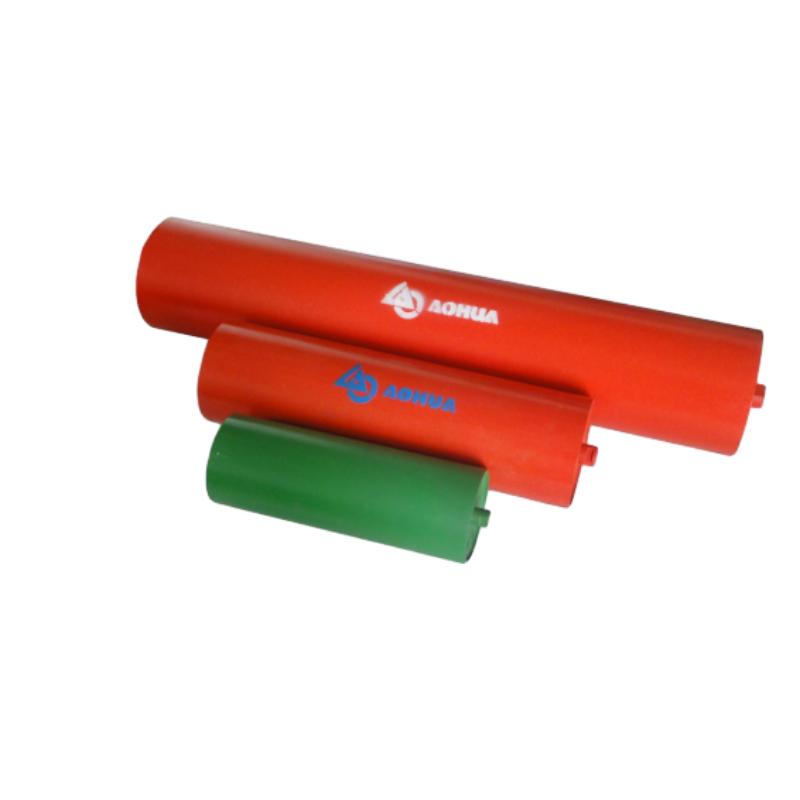
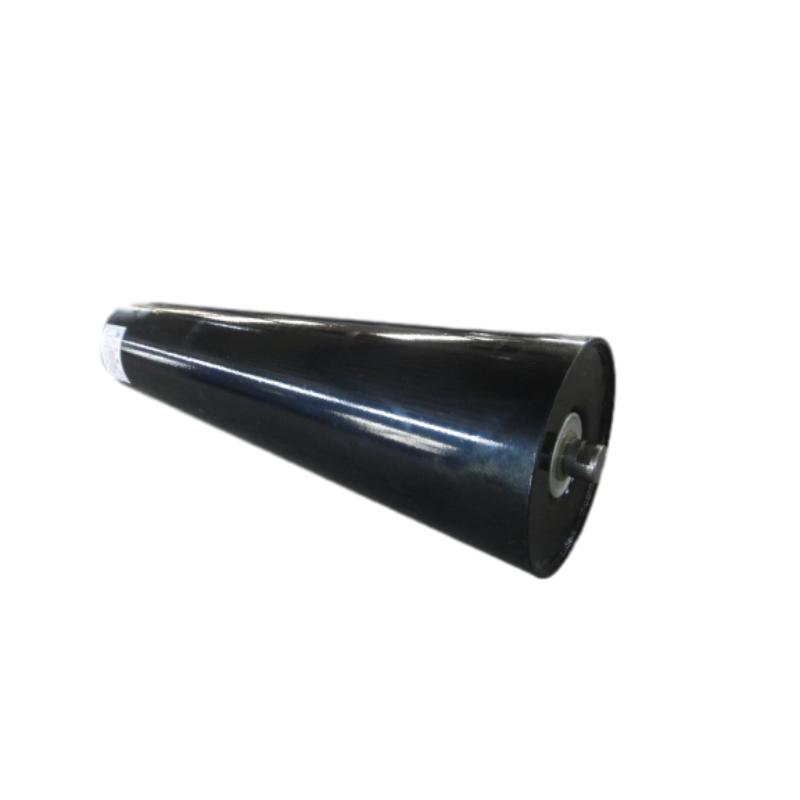
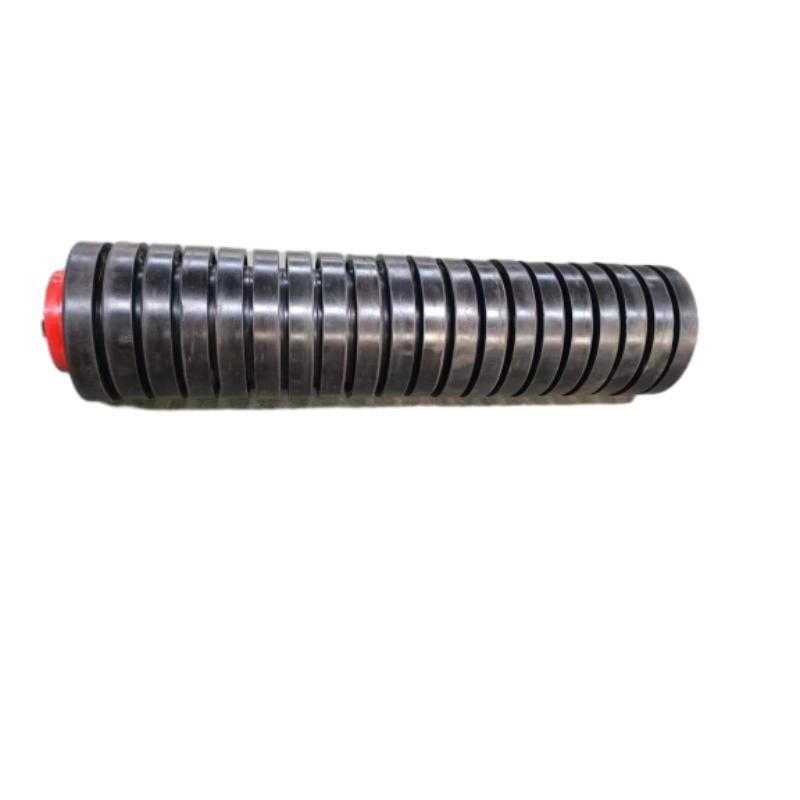
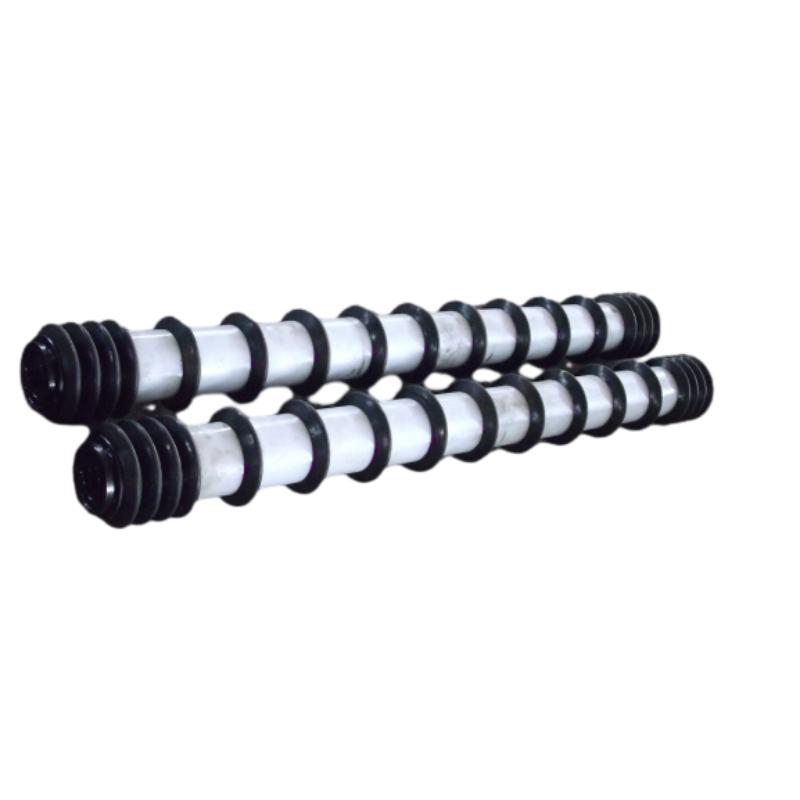
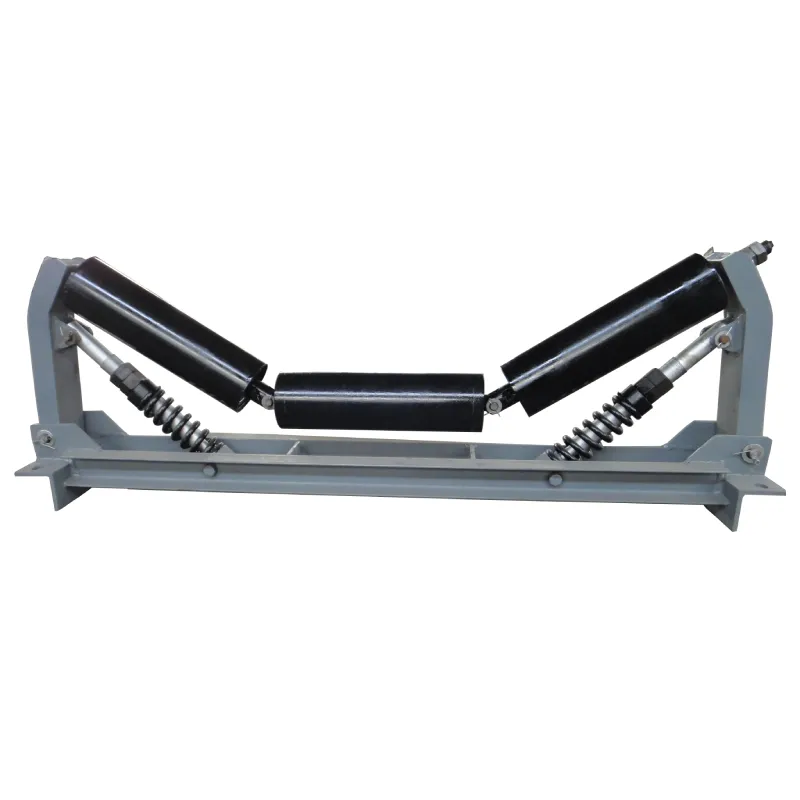
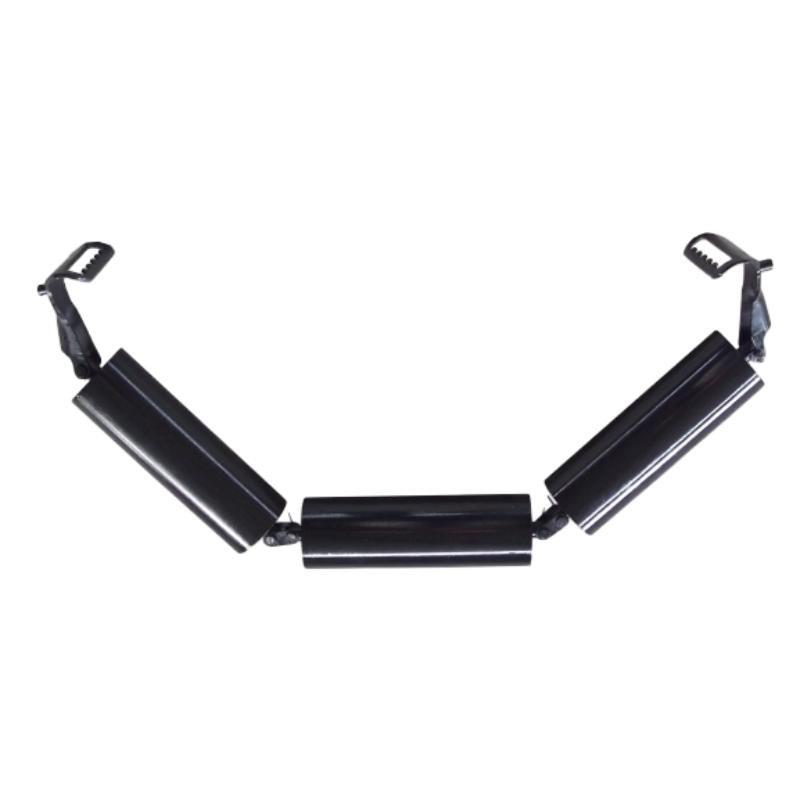
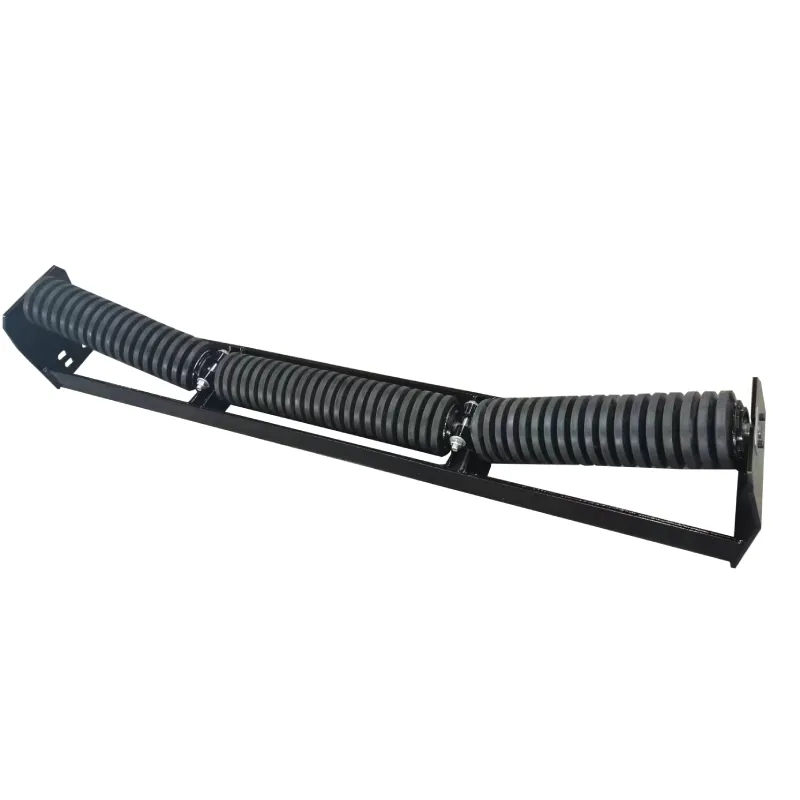
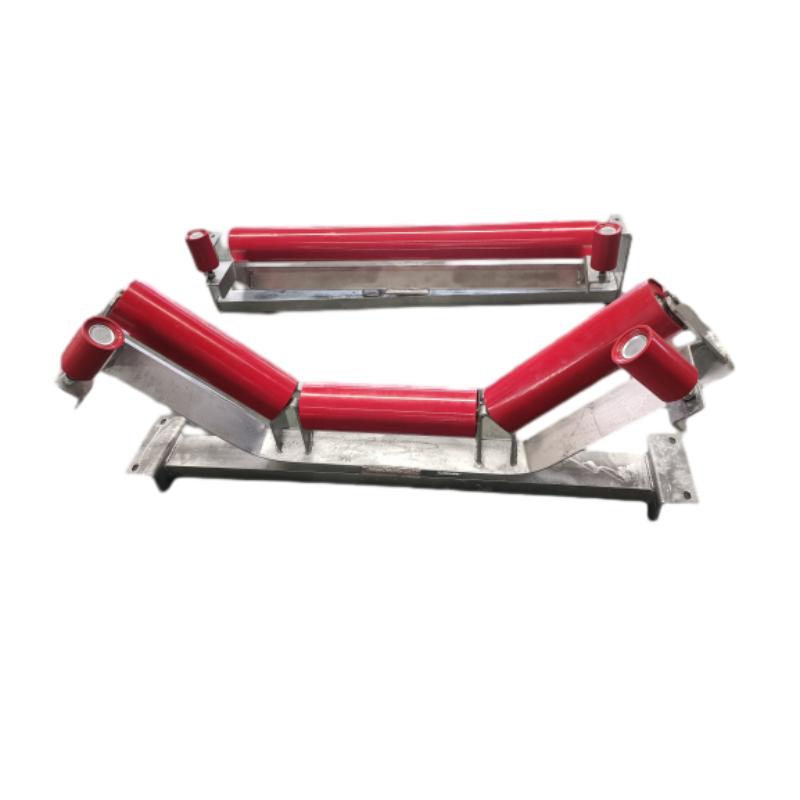
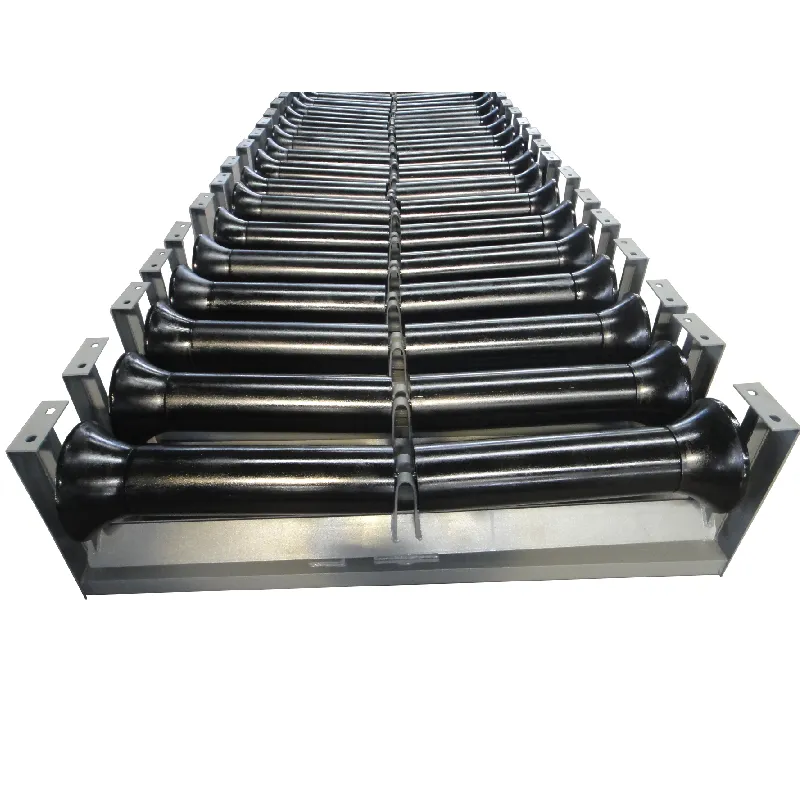
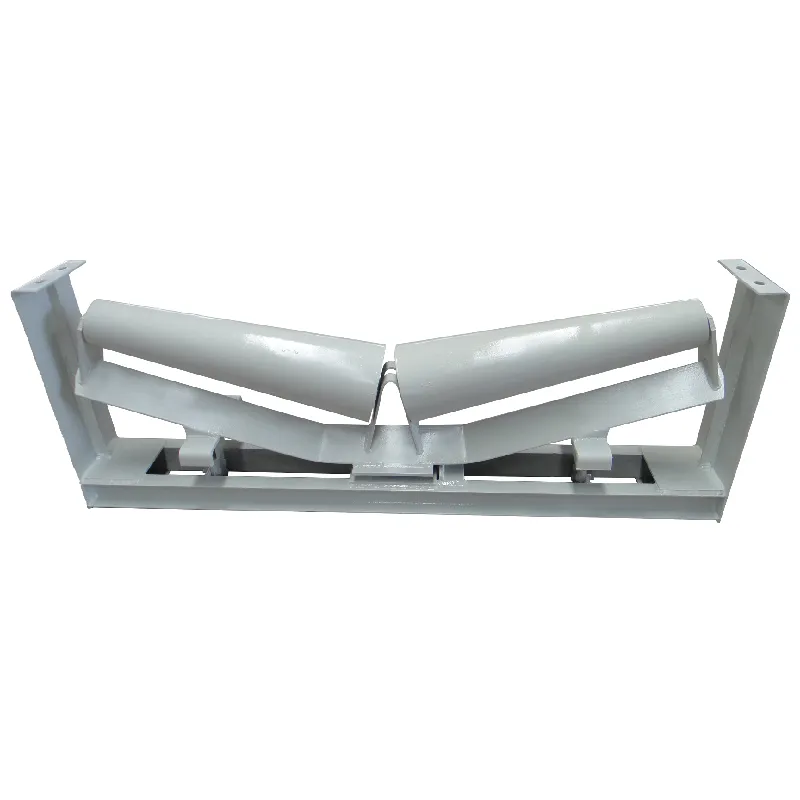
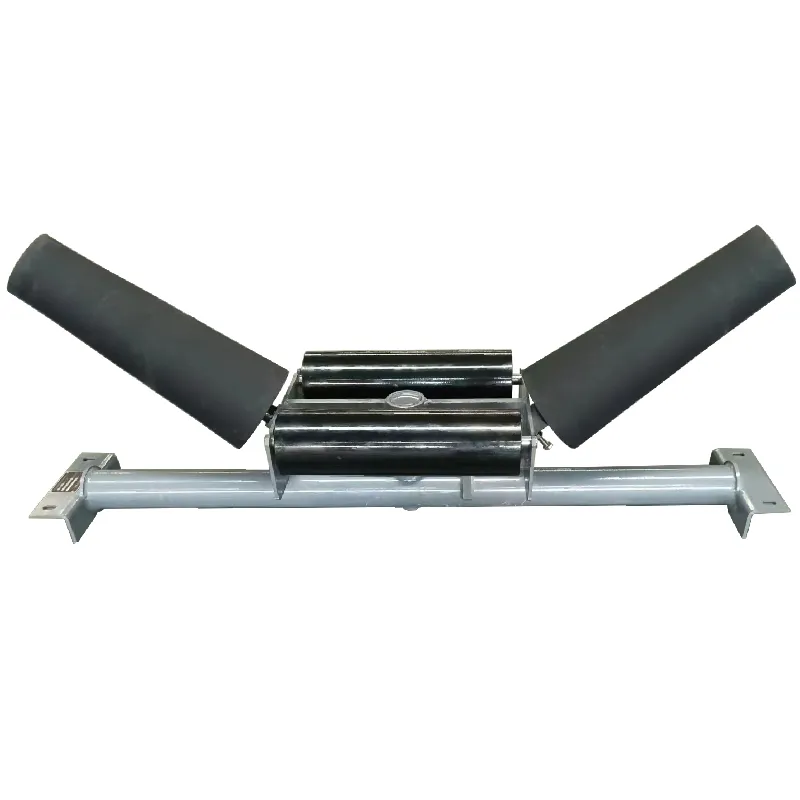
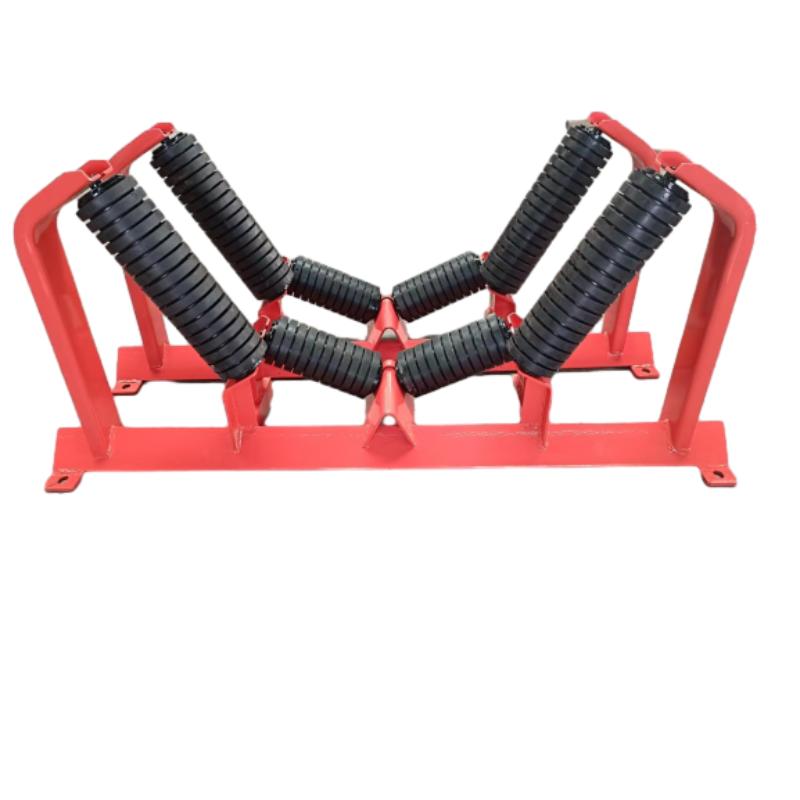
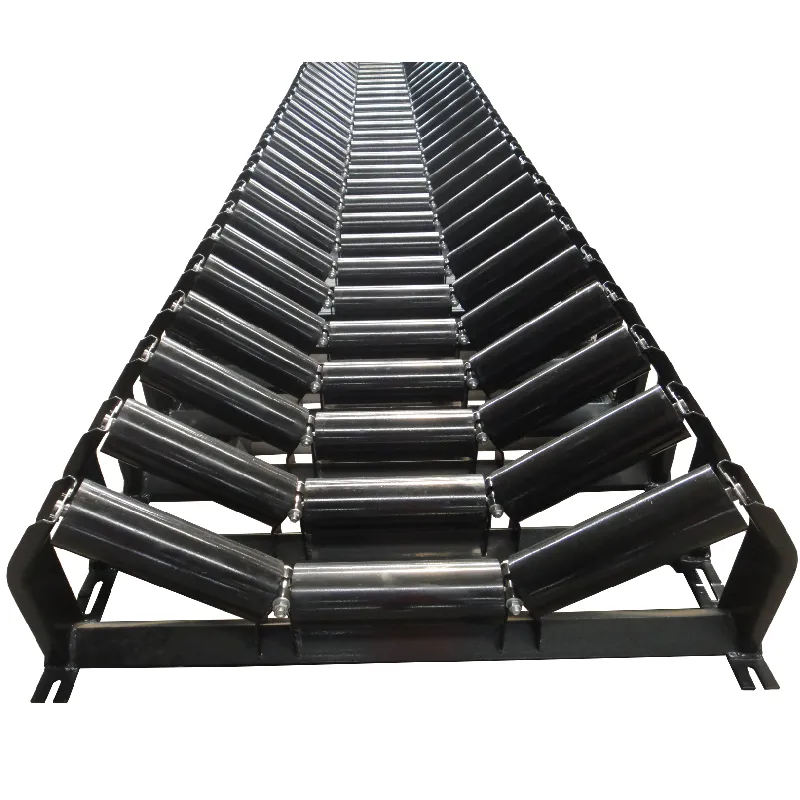
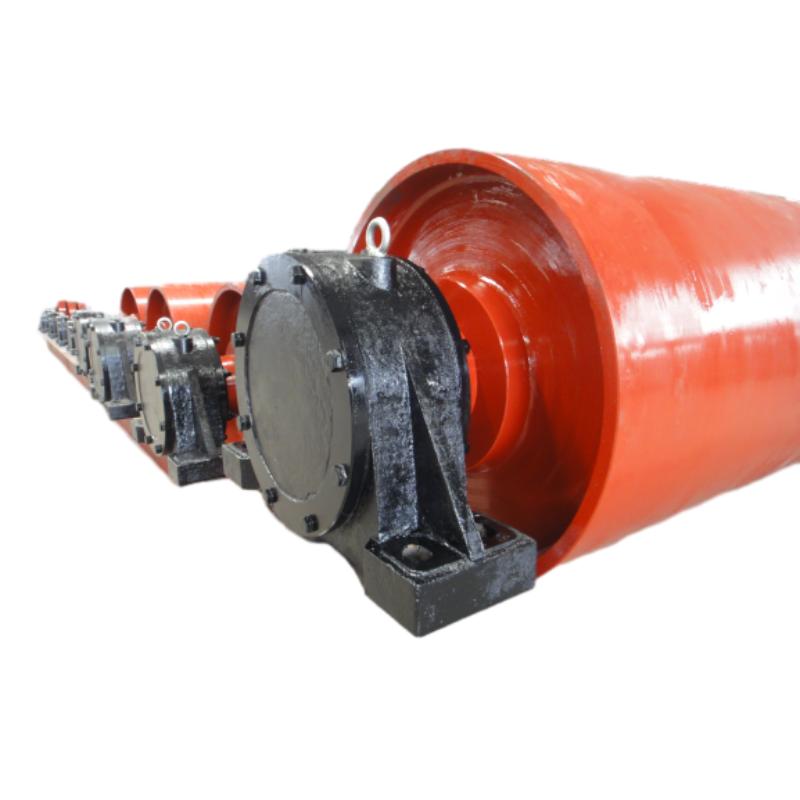
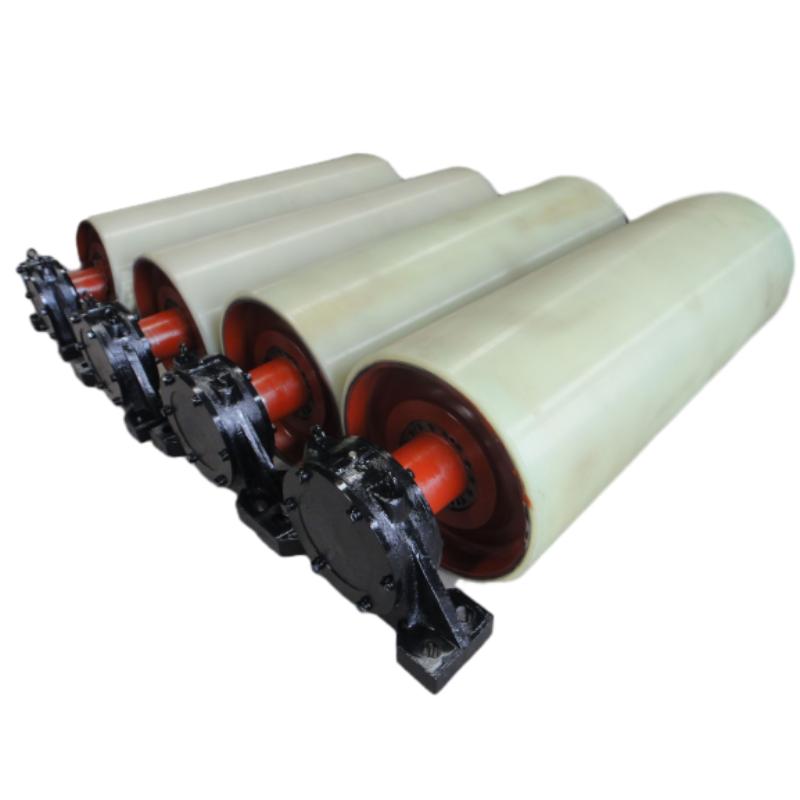
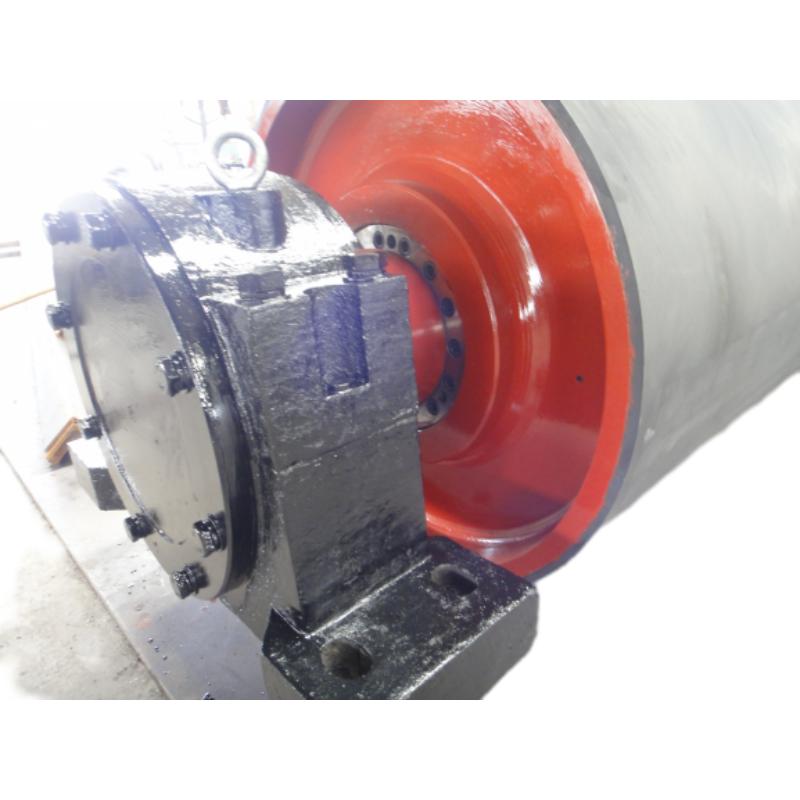
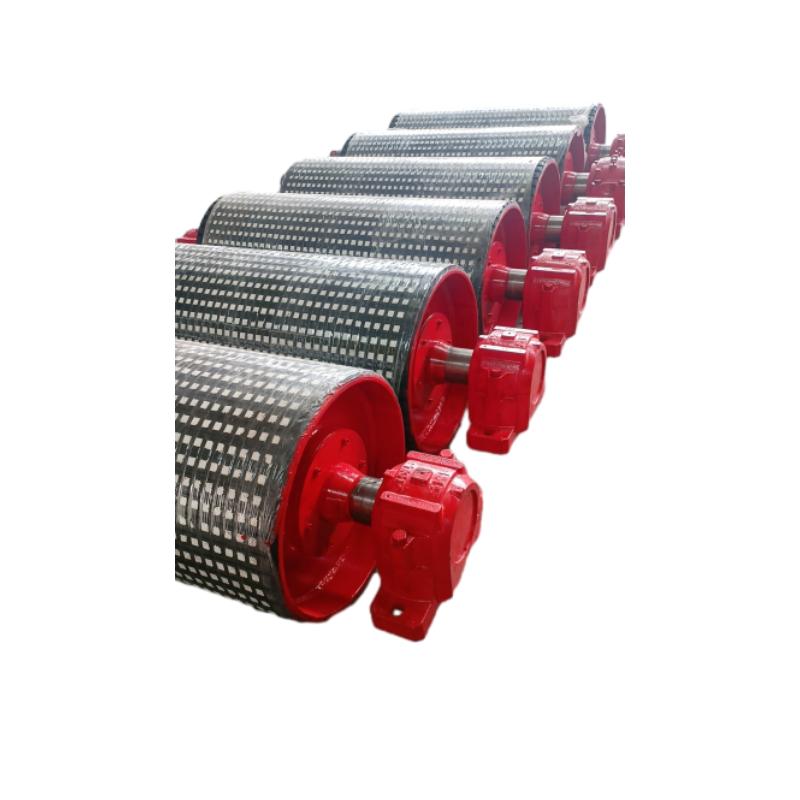
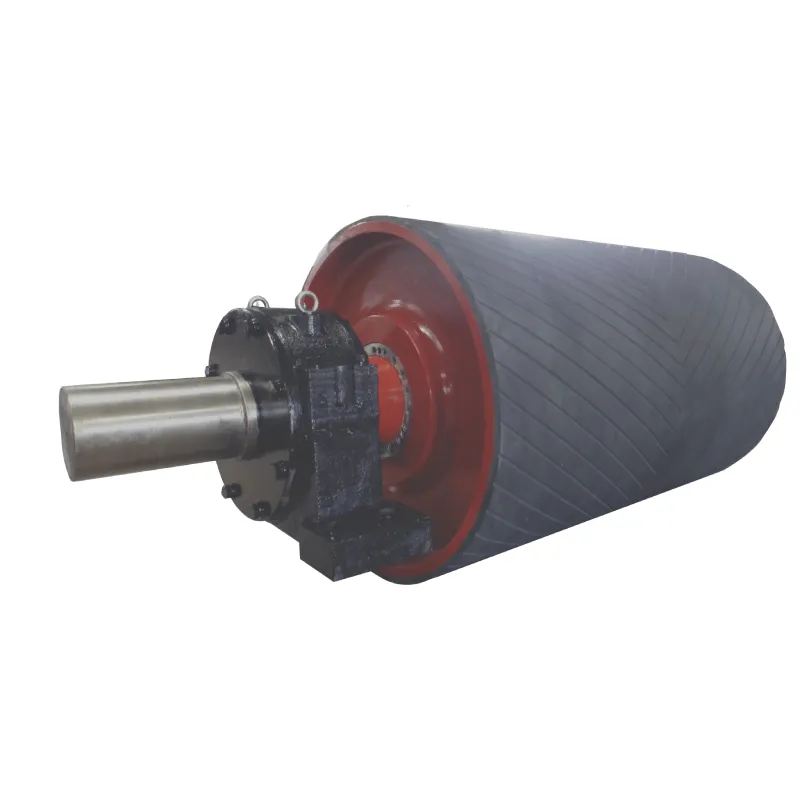
Simply put, a PU conveyor roller is a cylindrical component wrapped in polyurethane that supports and guides conveyor belts. The polyurethane outer layer offers flexibility, durability, and resistance to impact — which outperforms traditional steel or rubber rollers in many environments.
This makes it invaluable not just in factories, but in humanitarian logistics where materials must be moved across rugged conditions with minimal failure risk. So it’s not just about factories but about ensuring basic supplies keep flowing efficiently worldwide.
Core Components and Key Factors
Durability
PU conveyor rollers withstand abrasion and impacts better than ordinary rollers. Polyurethane’s elasticity absorbs shock, extending roller life notably.
Cost Efficiency
Though initial costs may be higher, reduced maintenance and less downtime quickly recoup expenses.
Noise Reduction
Many manufacturers report up to 50% noise reduction using PU rollers versus metal alternatives — a safety and work-environment boon.
Chemical Resistance
PU resists oils, greases, and many chemicals found in industrial settings, making it versatile.
Customization & Scalability
You can tailor PU conveyor rollers in diameter, length, and hardness to specific applications, aiding scalability across industries.
Mini Takeaway
PU conveyor rollers fuse durability and adaptability, cutting costs and downtime — that’s why they matter in global supply chains.
Global Applications and Use Cases
- Mining Industry: Heavy-duty PU rollers carry abrasive ore; regions like Australia and South Africa benefit especially.
- Food Processing: Hygienic and easy-to-clean PU surfaces help food manufacturers in Europe maintain sanitation standards.
- Humanitarian Logistics: NGOs use PU rollers in makeshift conveyor systems during disaster relief, say in Southeast Asia after floods.
- Automotive Assembly Plants: Enhanced noise reduction improves worker comfort in major plants, notably in North America and Germany.
Advantages and Long-Term Value
Investing in PU conveyor rollers pays dividends. Companies save on replacement costs, maintenance, and worker-related expenses such as hearing protection. Plus, there’s an environmental angle: longer-lasting rollers translate to less frequent disposal and manufacturing demands, aligning with tightening ISO sustainability standards.
On a human level, better equipment reliability means safer plants, less stress on workers, and consistent product quality. These things build trust and morale, which, frankly, impacts the bottom line in ways a spreadsheet might not capture.
Product Specifications Table
| Specification | Typical Range | Description |
|---|---|---|
| Diameter | 40mm - 200mm | Size depends on conveyor design and role |
| Length | 100mm - 1000mm+ | Customizable for belt width compatibility |
| Polyurethane Shore Hardness | 75A - 95A | Hardness controls flexibility and wear resistance |
| Load Capacity | Up to 5000 N | Depends on roller diameter and bearing type |
| Operating Temperature | -30°C to +80°C | Suitable for most industrial climates |
Vendor Comparison Table
| Vendor | PU Quality (Shore hardness) | Customization Options | Typical Lead Time | Price Range |
|---|---|---|---|---|
| IdlerA Rohua Co. | 75A - 95A | Diameter, length, hardness | 2-3 weeks | Mid-range |
| RollTech Industries | 80A - 90A | Hardness, color | 1-2 weeks | Higher-end |
| Global Conveyors Ltd. | 70A - 85A | Limited customization | 3-4 weeks | Budget |
Future Trends & Innovations
The future, I suppose, looks interesting for the PU conveyor roller. Innovations in polyurethane chemistry aim for even greater environmental sustainability — lower VOC emissions, bio-based polyurethanes, and improved recyclability are on the horizon.
Meanwhile, digital transformation plays a role: smart rollers embedded with IoT sensors to track wear and bearings, allowing predictive maintenance instead of reactive fixes. This will reduce downtime and costs further.
Challenges & Solutions
One challenge is the initial investment, which may deter smaller operators. But, educating clients on the long-term savings is key. Another issue is environmental disposal at end-of-life; recycling programs or design-for-disassembly can mitigate this.
Technological improvements in materials and aftermarket services, like re-coating worn rollers instead of full replacement, also help overcome limitations.
Frequently Asked Questions About PU Conveyor Rollers
- Q: How do PU conveyor rollers improve conveyor life compared to rubber rollers?
- A: PU rollers resist cuts, abrasion, and chemical exposure better than rubber, resulting in a longer lifecycle, which means fewer replacements and less downtime.
- Q: Are PU conveyor rollers suitable for food industry applications?
- A: Yes. Their resistance to oils and ease of cleaning make PU rollers hygienic and compliant with food safety regulations.
- Q: Can PU conveyor rollers operate in extreme temperatures?
- A: Standard PU rollers handle from about -30°C to +80°C. For more extreme environments, special formulations or alternative materials may be needed.
- Q: How customizable are PU conveyor rollers?
- A: Very customizable. You can specify diameter, length, hardness, and even color to fit specific conveyor setups.
- Q: Where can I find reliable PU conveyor roller suppliers?
- A: Experienced vendors like pu conveyor roller manufacturers often provide customization, reasonable lead times, and technical support.
Conclusion
In sum, the PU conveyor roller represents more than just a component—it embodies industrial efficiency, durability, and a sustainable future. As global supply chains demand more reliability and flexibility, these rollers quietly ensure smoother operations, cost savings, and safer environments.
If your operation depends on conveyor systems, discovering the right PU conveyor roller solution might just be the upgrade you need. Visit our website for more insights and product details. Sometimes, small components bring the biggest change.
A little reflection: It's remarkable how something as simple as polyurethane rollers impacts industries worldwide — from food factories in Europe to mining operations in Africa. Keep an eye on innovations here, as they often tell a wider story about industrial evolution and sustainability.
-
Maximize Conveyor Life with a High Performance impact bedNewsApr.16,2026
-
Maximize Conveyor Efficiency Using a v plow belt scraperNewsApr.09,2026
-
Comprehensive Guide to Understanding Different Types of Belt CleanersNewsApr.07,2026
-
Enhancing Conveyor Efficiency with an Effective Scraper Belt CleanerNewsApr.04,2026
-
Optimizing Conveyor Systems with Advanced Cleaning Equipment SolutionsNewsMar.31,2026
-
Effective Conveyor Belt Scraper Adjustment for Optimal System PerformanceNewsMar.28,2026