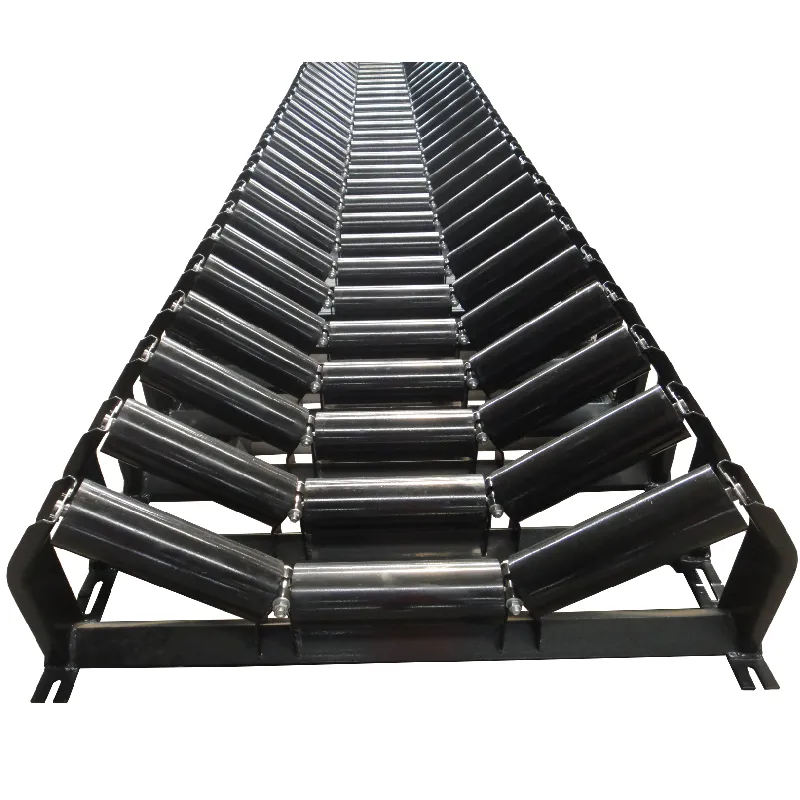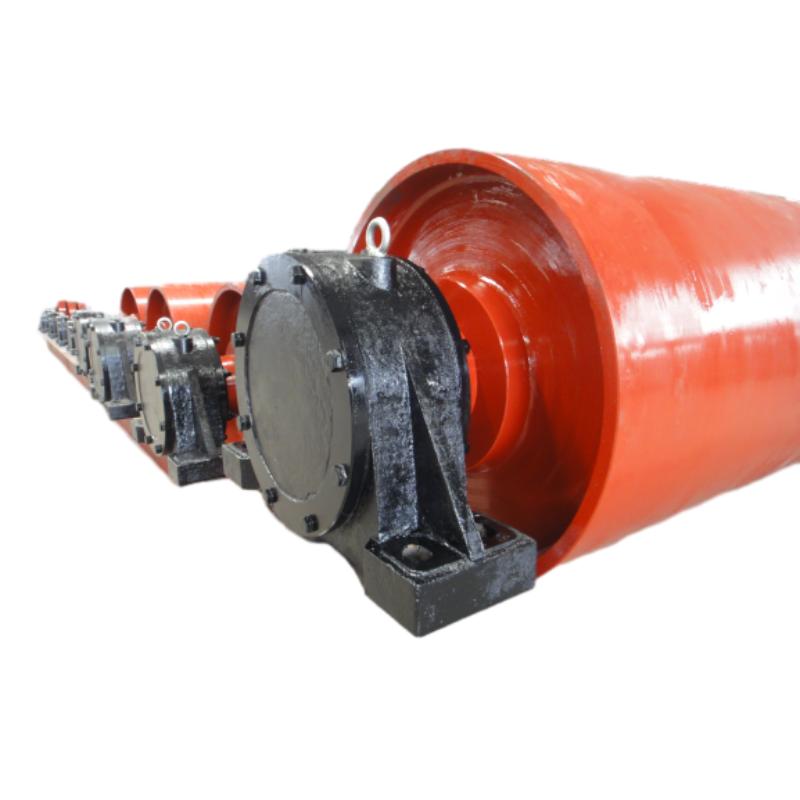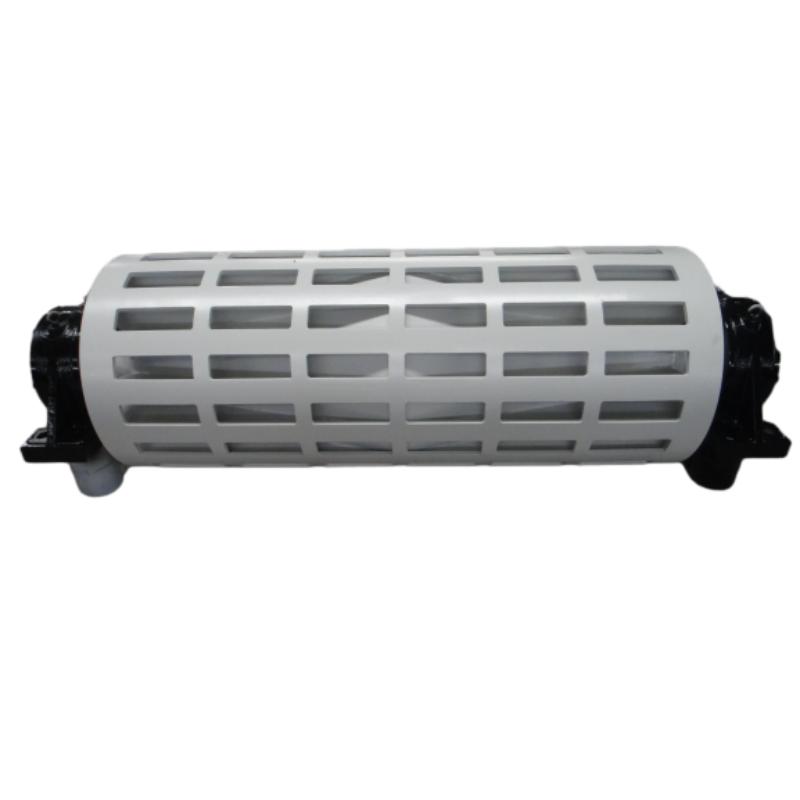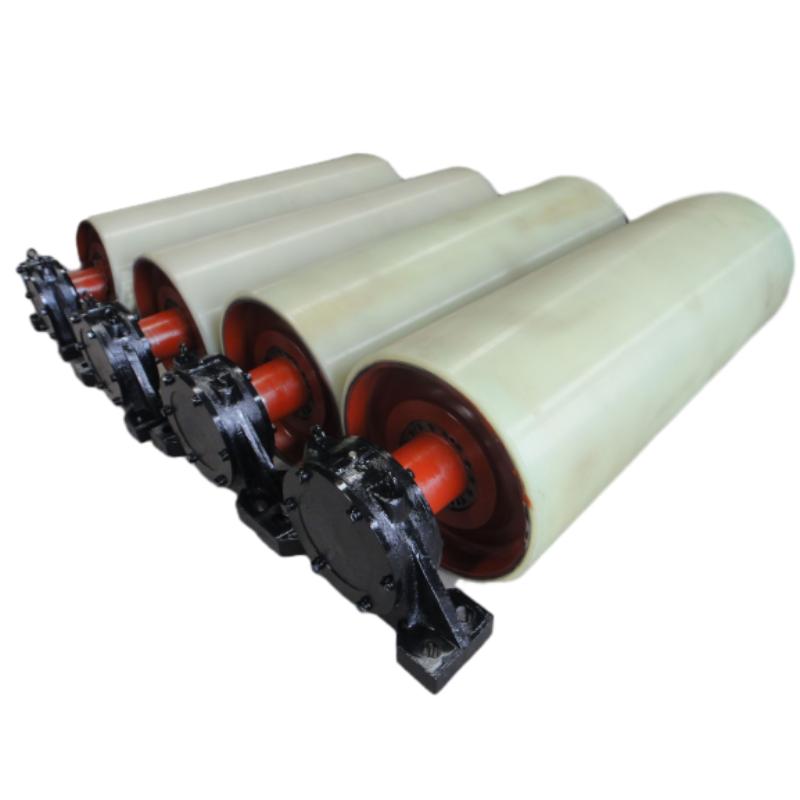


PU Coated Roller Insights: Durable, Customizable Industrial Rollers
Understanding the PU Coated Roller: A Veteran's Insight
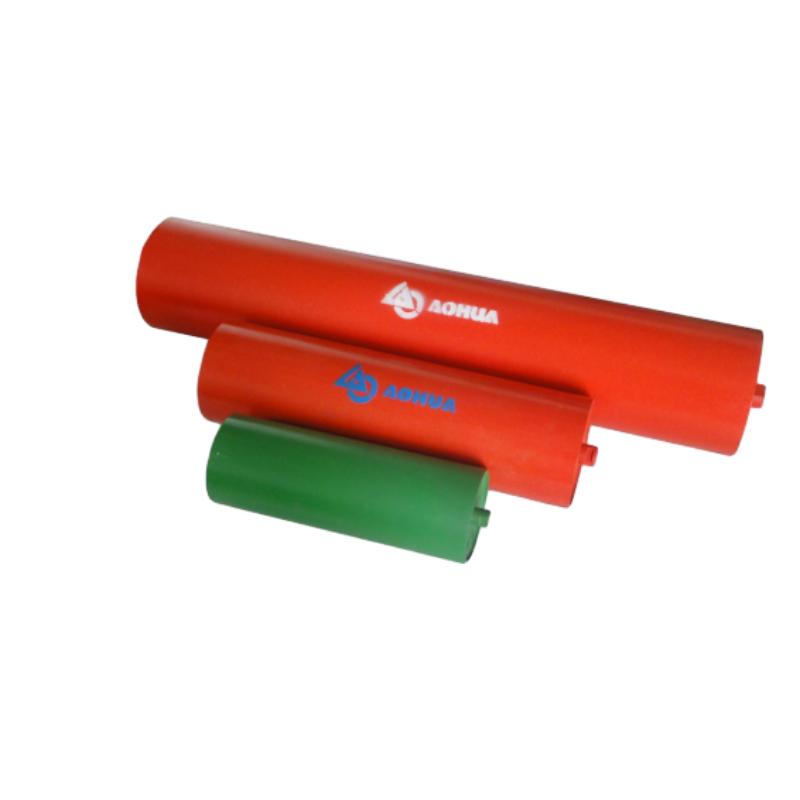
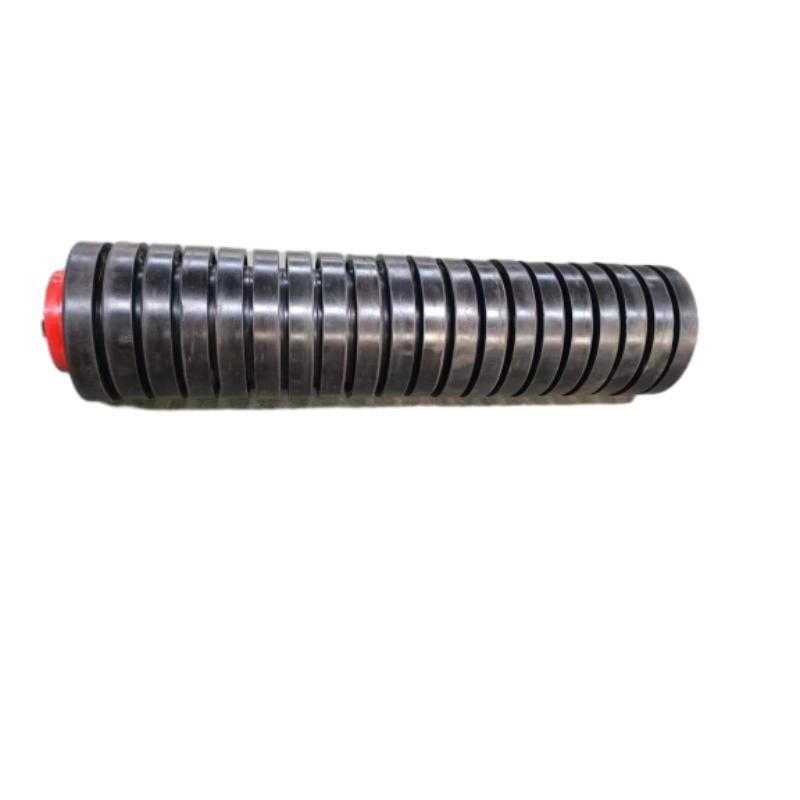
Having spent more years than I care to count around industrial equipment and manufacturing lines, I can tell you one thing: the humble PU coated roller quietly drives a lot of the magic behind smooth production flows. Oddly enough, many in the field overlook just how much a quality polyurethane (PU) coating can enhance roller performance—both in durability and precision. I suppose that makes sense; rollers are ubiquitous and often underappreciated components in conveyors, printers, laminators, and more.
Let's face it, in real terms, a PU coated roller isn’t just about slapping on a layer of polymer. It’s an engineered solution carefully crafted to solve friction, wear, and grip challenges that steel or rubber rollers might struggle with over time. Polyurethane itself is a flexible, abrasion-resistant material that adapts well to varying industrial stresses.
Material and Construction: What Makes PU Coated Rollers Tick?
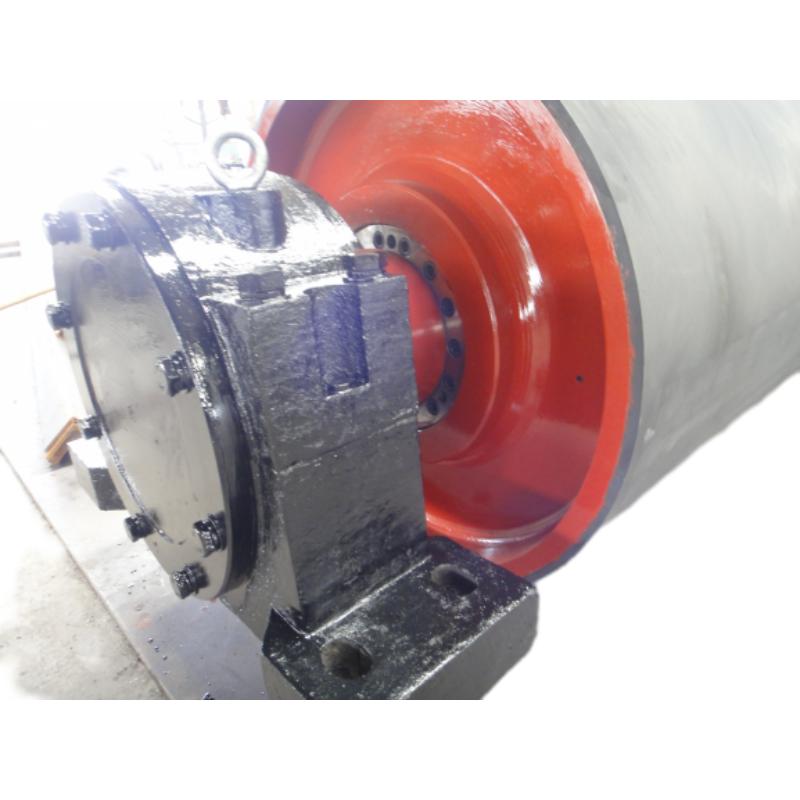
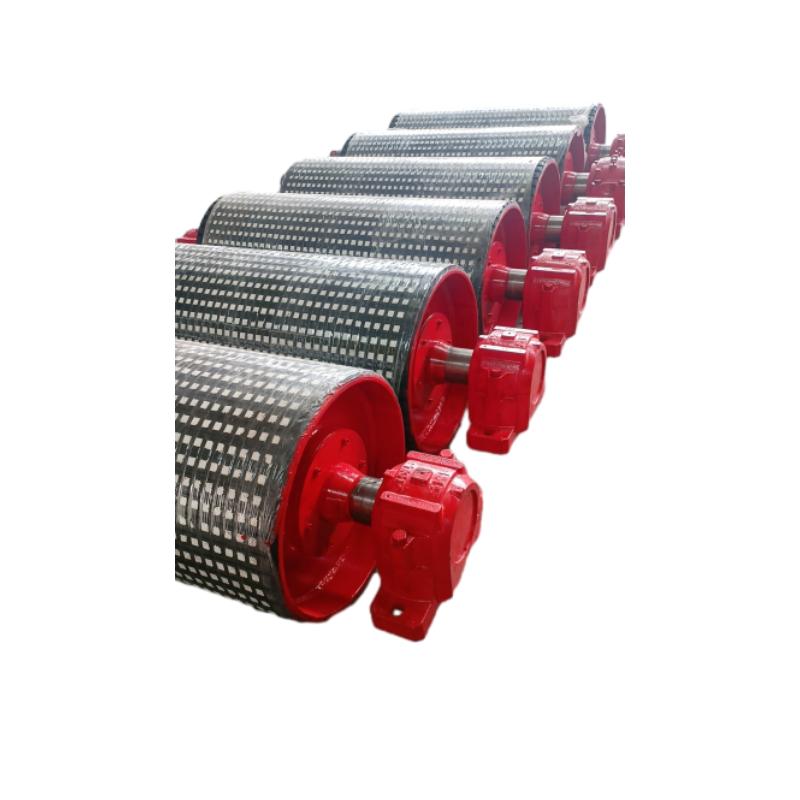
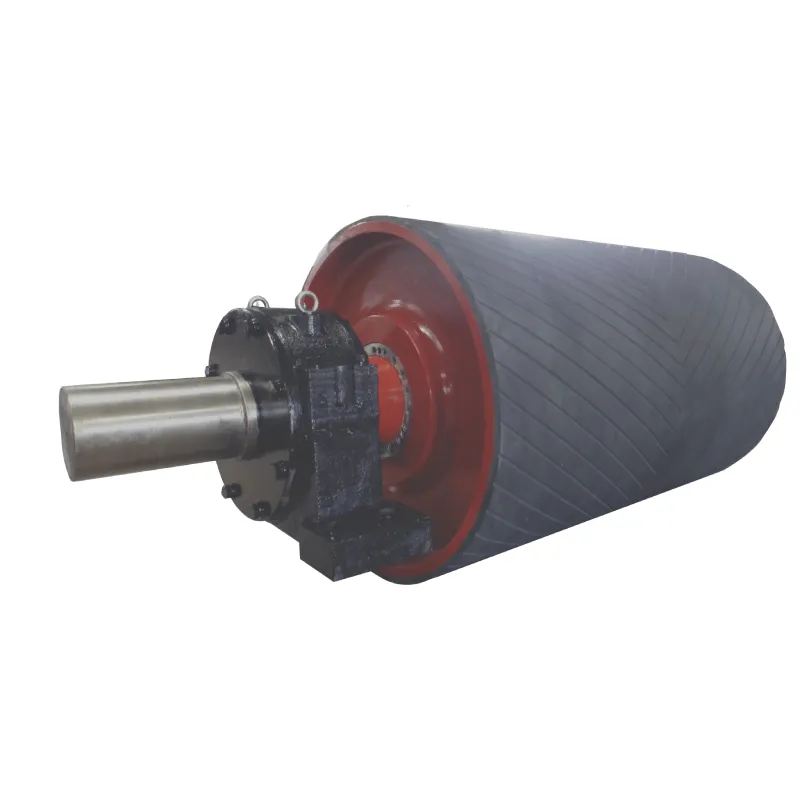
First off, the roller core usually consists of steel or aluminum, chosen for structural stability and weight considerations. The PU coating, typically vulcanized or applied through a specialized adhesive process, ensures the roller surface has excellent elasticity and resistance to cuts, chemicals, and high temperatures. Frankly, working with suppliers who can guarantee consistent hardness — often measured in Shore A scale — makes all the difference for product life expectancy.
For instance, I recall a project where we swapped out conventional rubber rollers for PU coated rollers with 92 Shore A hardness. The difference in run-time without maintenance was night and day. The client was ecstatic that their expensive film laminating process saw fewer defects and downtime.
| Specification | Details |
|---|---|
| Core Material | Steel or Aluminum alloy |
| PU Coating Hardness | 70 to 95 Shore A (customizable) |
| Coating Thickness | 1mm to 15mm |
| Temperature Range | -30°C to 80°C (continuous use) |
| Surface Finish | Smooth, grooved, or textured (per application) |
Choosing the Right Vendor: What Sets Them Apart?
In this line of work, customer service and quality assurance mean a lot. Over the years, I’ve found that vendors who offer bespoke customization, rigorous testing protocols, and responsive support tend to get it right. It’s not just about selling a roller but understanding your process challenges and helping tweak specs accordingly.
| Vendor | Customization | Lead Time | Quality Testing | Customer Support |
|---|---|---|---|---|
| IDLER Aohua | High (hardness, thickness, surface) | 2-4 weeks | 100% dimensional & hardness tests | Excellent, technical consultation offered |
| Vendor B | Medium (limited hardness options) | 3-6 weeks | Spot testing only | Basic |
| Vendor C | Low (standard specs only) | 4-8 weeks | Minimal | Limited support |
What I’ve noticed is that, for many applications — be it paper processing, textile machines, or automated assembly lines — partnering with a vendor like IDLER Aohua offers peace of mind. They’re able to tailor PU properties to specific use cases, whether that’s enhancing grip without marking delicate materials or extending roller life in abrasive conditions.
It’s also worth mentioning that in some specialty projects, customers have asked for very particular surface textures or chemical-resistant coatings. A flexible supplier who can deliver on these specs after thorough R&D usually wins their trust. I've been there — waiting for off-the-shelf rollers that simply won’t meet the endurance or precision demands can cost serious downtime and money.
In summary, the PU coated roller is far from a “one-size-fits-all” component. Its true value lies in material science expertise and manufacturing finesse. So, next time you're specifying rollers, keep in mind the subtle but impactful differences a high-quality PU coating can bring. That kind of knowledge can spell the difference between a maintenance headache and smooth sailing in production.
To wrap it up — and I say this with the wear and tear of many production lines behind me — don't underestimate the quiet strength of a PU coated roller paired with the right supplier partnership. It's often the smallest piece that holds the biggest weight.
References:
1. Industry material data sheets for polyurethane coatings.
2. Case studies from manufacturing sites using PU rollers.
3. Vendor technical brochures and quality assurance guidelines.
-
Maximize Conveyor Life with a High Performance impact bedNewsApr.16,2026
-
Maximize Conveyor Efficiency Using a v plow belt scraperNewsApr.09,2026
-
Comprehensive Guide to Understanding Different Types of Belt CleanersNewsApr.07,2026
-
Enhancing Conveyor Efficiency with an Effective Scraper Belt CleanerNewsApr.04,2026
-
Optimizing Conveyor Systems with Advanced Cleaning Equipment SolutionsNewsMar.31,2026
-
Effective Conveyor Belt Scraper Adjustment for Optimal System PerformanceNewsMar.28,2026