

Polyurethane Conveyor Rollers: Durable, Quiet, and Efficient Solutions for Modern Industry
Understanding Polyurethane Conveyor Rollers: Why They Matter in Today’s Global Industry
Conveyor rollers might not sound glamorous, but if you’ve ever marveled at how warehouses, airports, or massive industrial plants move tons of goods seamlessly, you’re witnessing magic aided by innovation like polyurethane conveyor rollers. These components are quietly indispensable, playing a key role in logistics efficiency, safety, and sustainability around the globe.
Why focus on polyurethane rollers in particular? Because, frankly, the material makes all the difference when it comes to durability, noise reduction, and adaptation to tough environments. Understanding them isn't just for engineers or procurement teams — the global supply chain’s performance hinges on this little yet mighty piece of tech.
The Global Context: Why Polyurethane Conveyor Rollers Are More Relevant Than Ever
Consider this: by 2025, global warehousing and distribution sectors are expected to grow by nearly 6.5% annually, according to the International Warehouse Logistics Association. That means more conveyor systems, more components, and inevitably, a greater need for reliable rollers. Add to that the rising pressure for eco-friendly manufacturing standards and noise pollution reduction—two fields where polyurethane truly shines.
From sprawling factories in Germany to mass fulfillment centers in Asia, the challenge is the same: how do you keep goods moving smoothly while cutting downtime, operational noise, and maintenance costs? Enter the polyurethane conveyor roller as a practical, innovative solution that helps tackle these universal supply chain headaches.
What Exactly Are Polyurethane Conveyor Rollers?
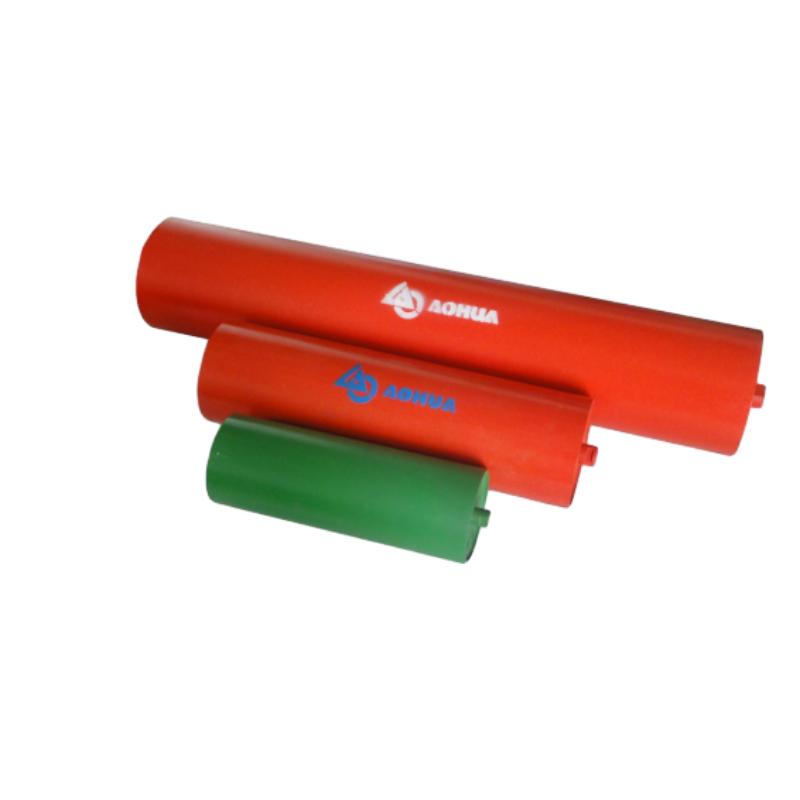
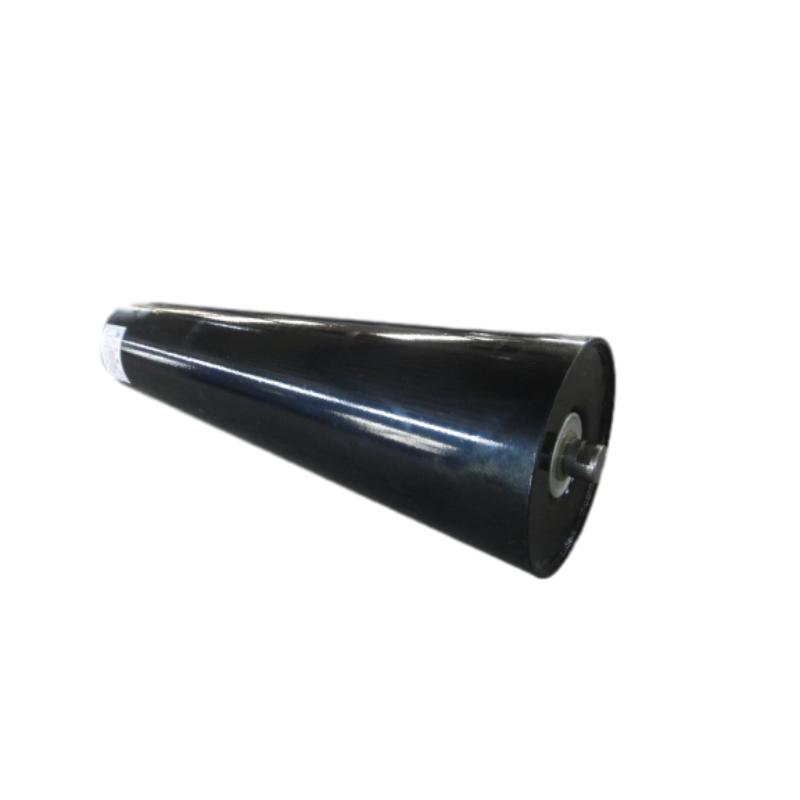
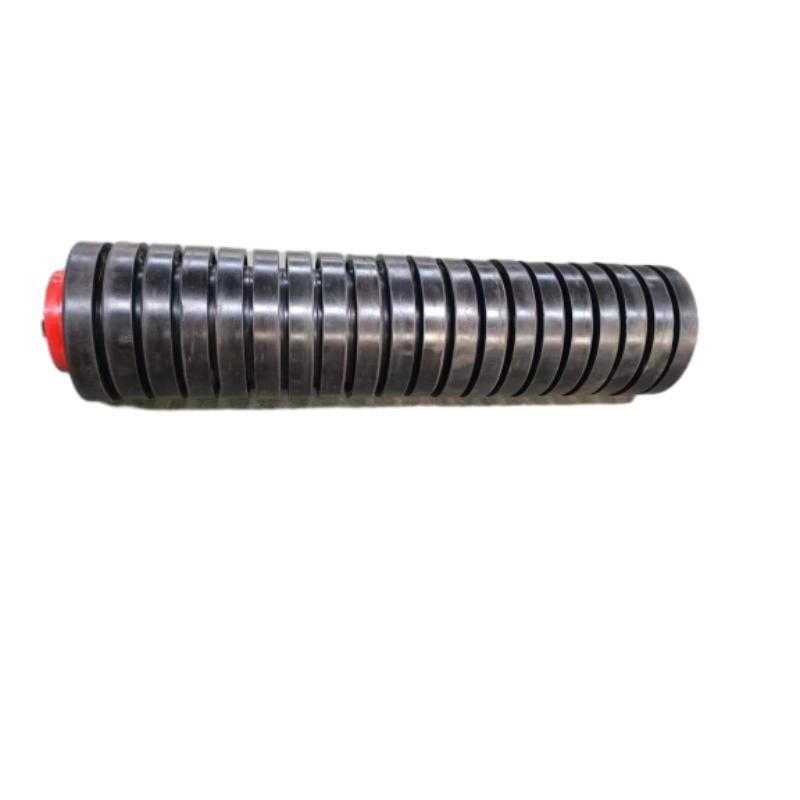
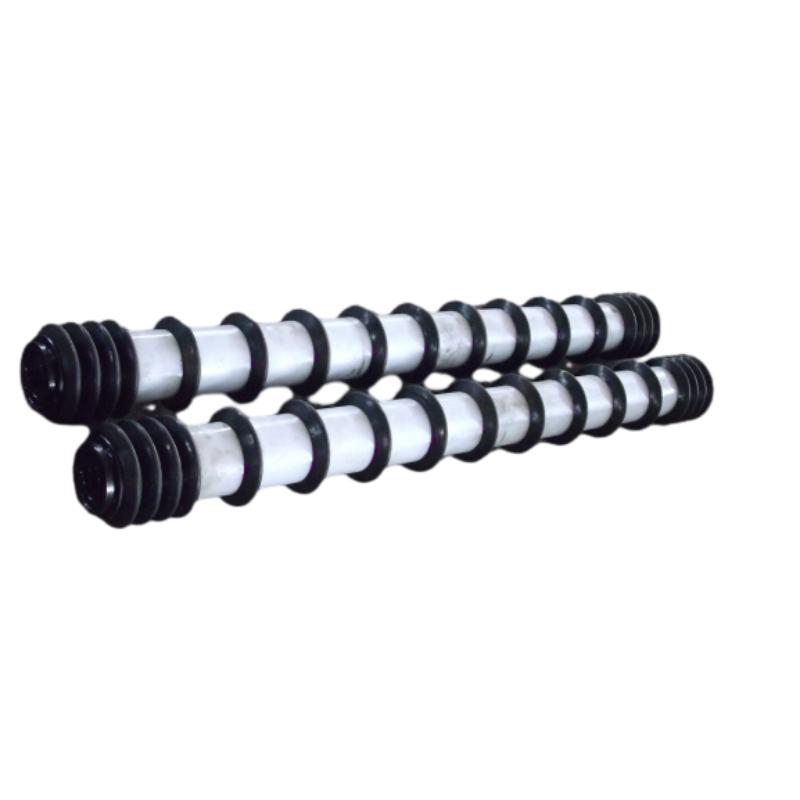
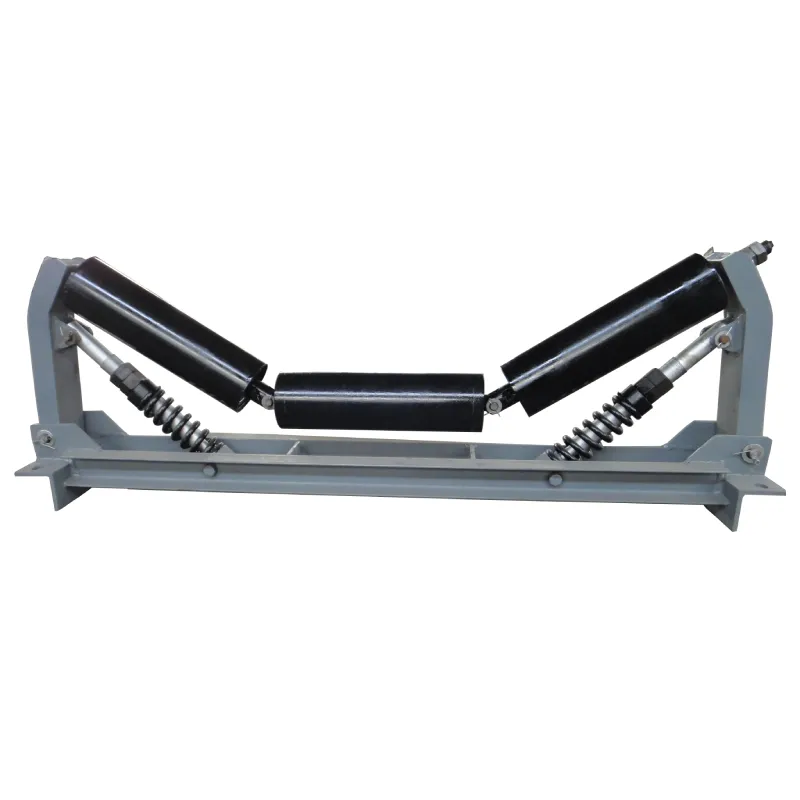
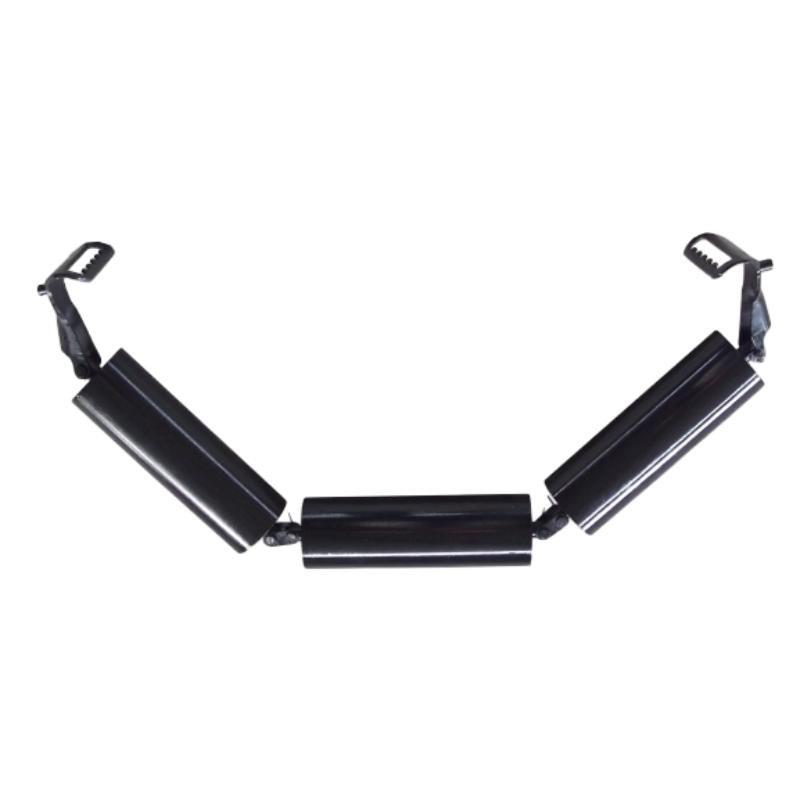
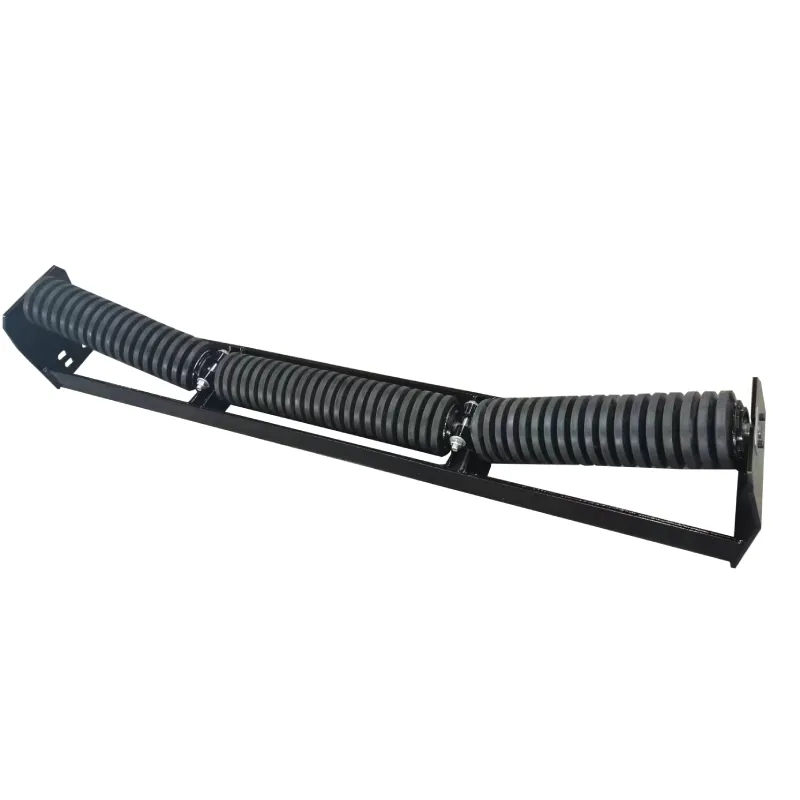
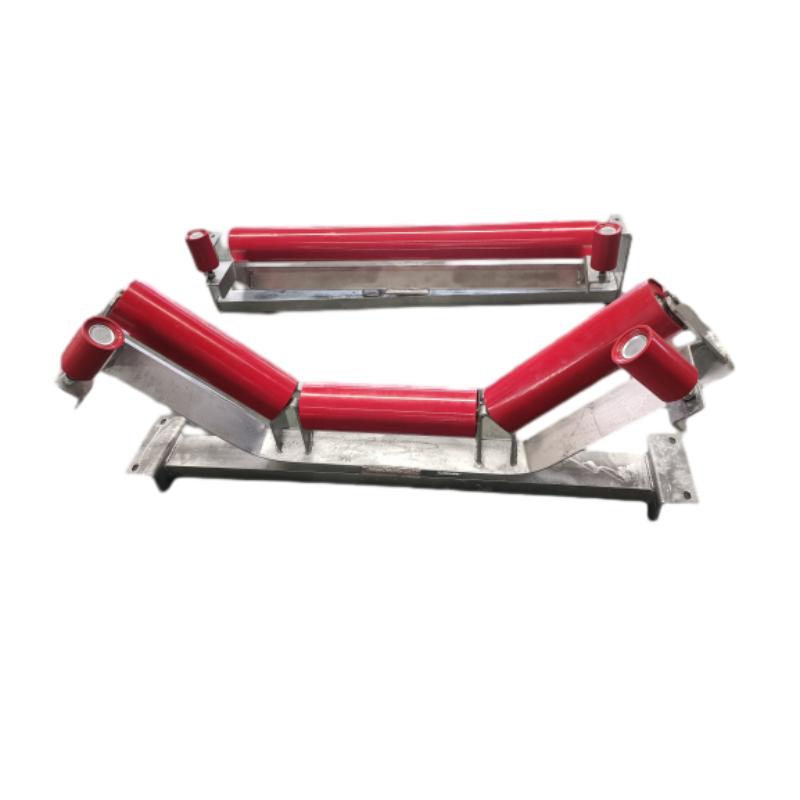
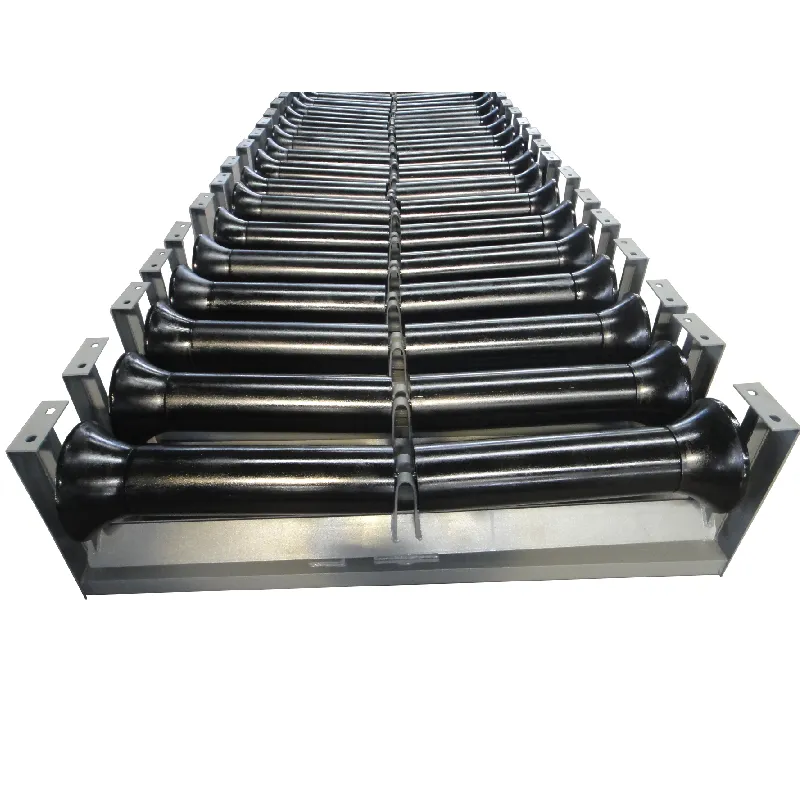
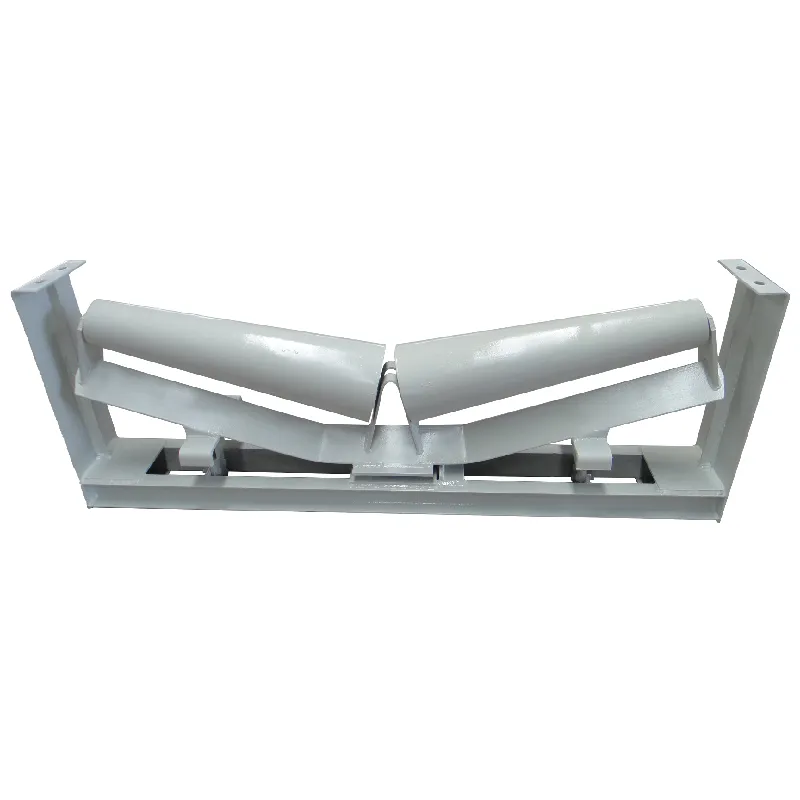
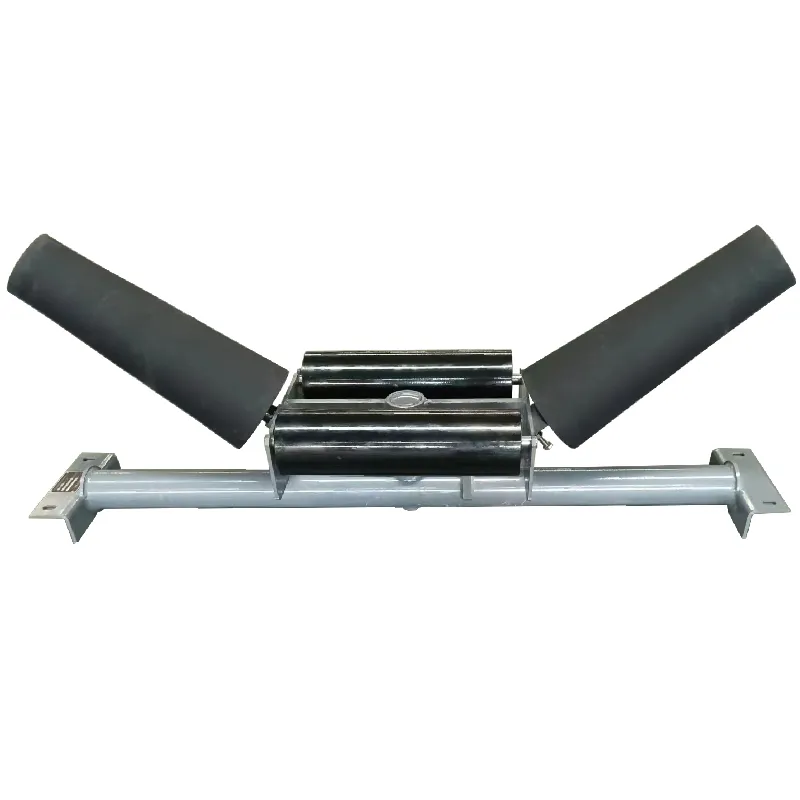
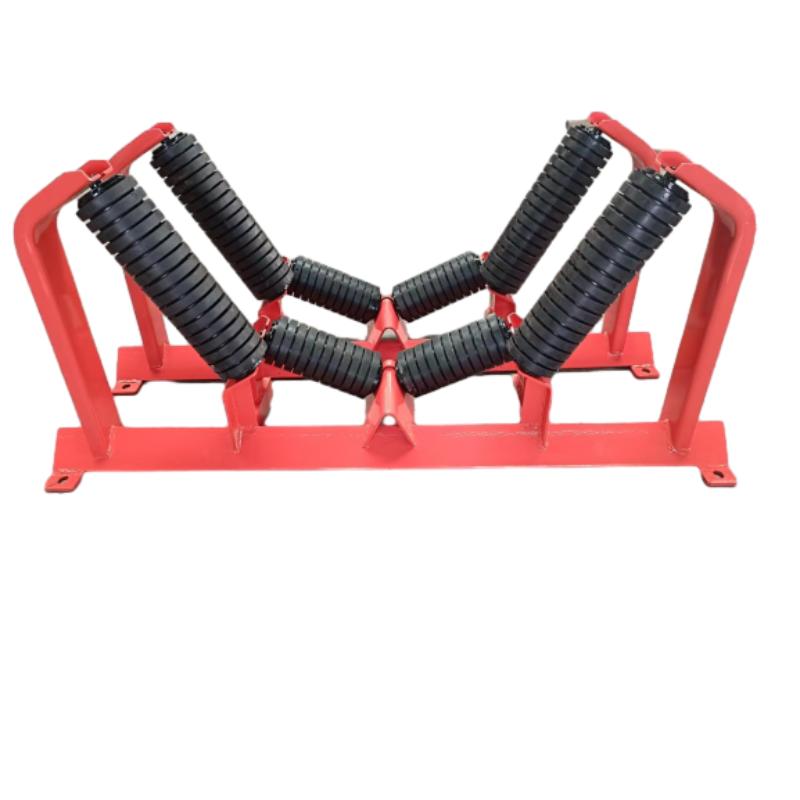
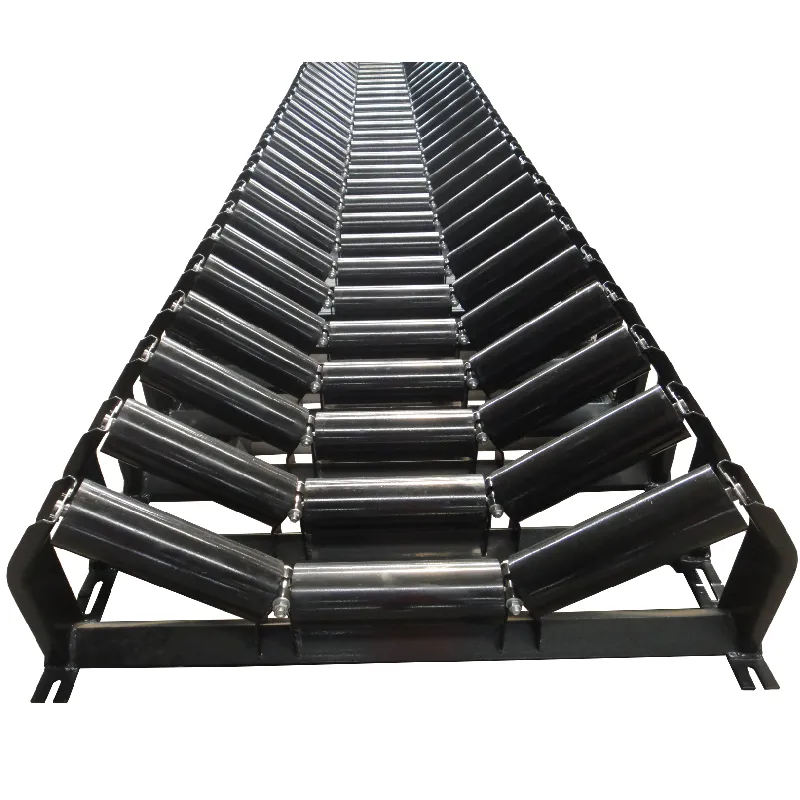
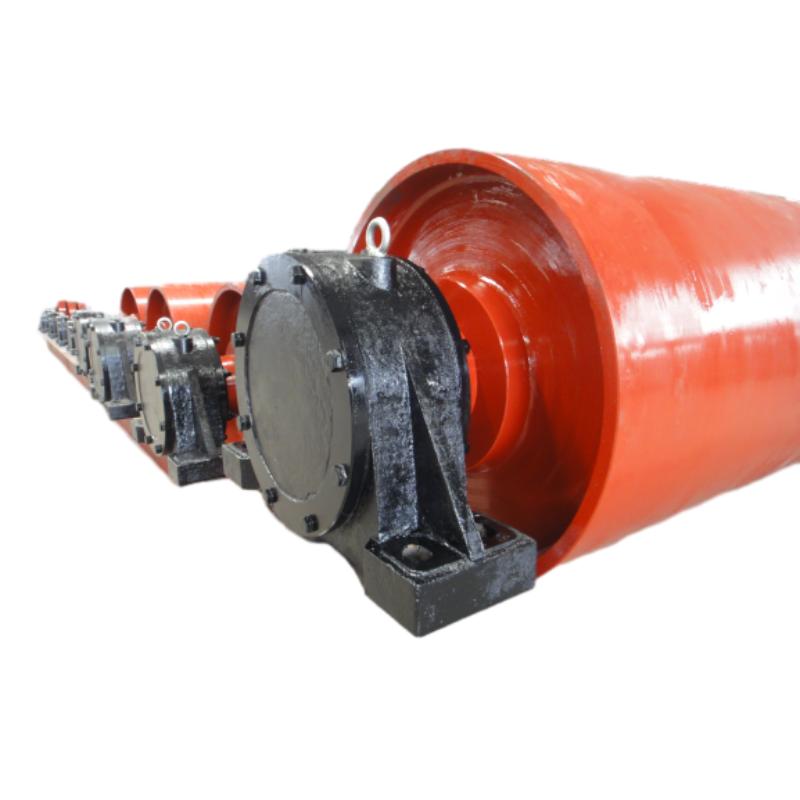
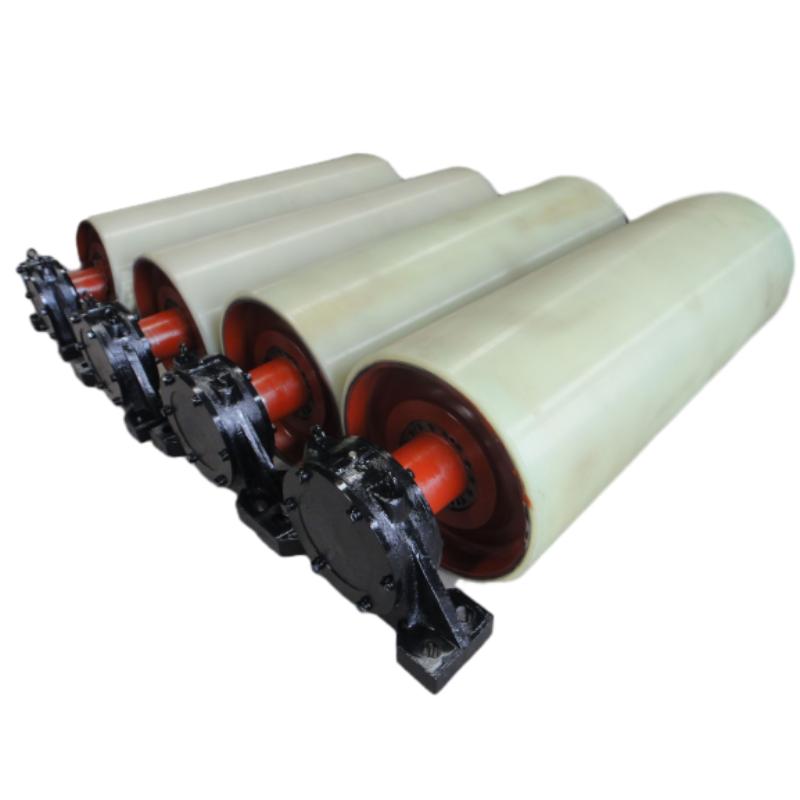
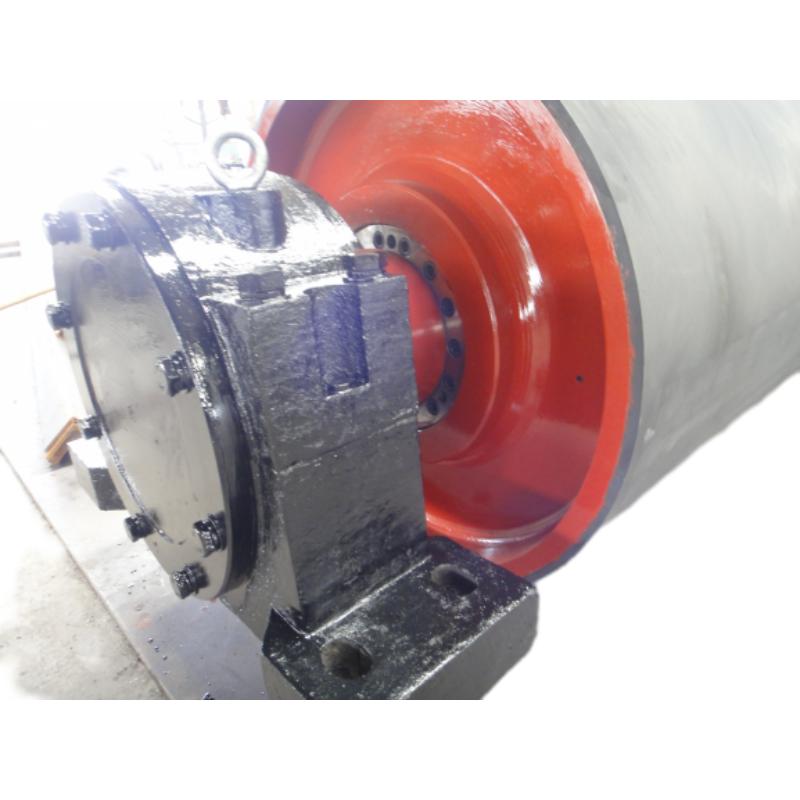
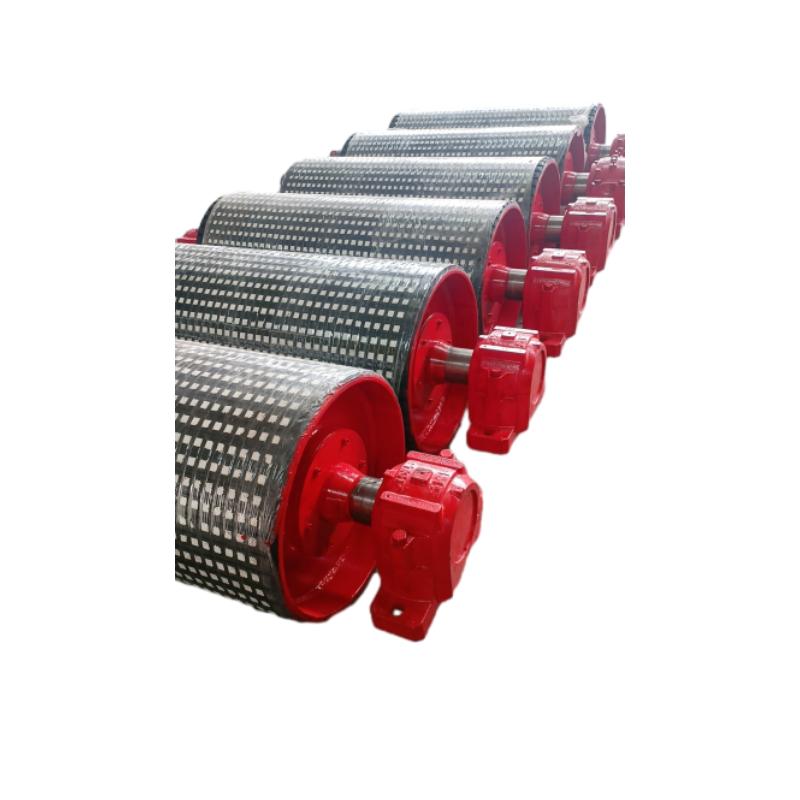
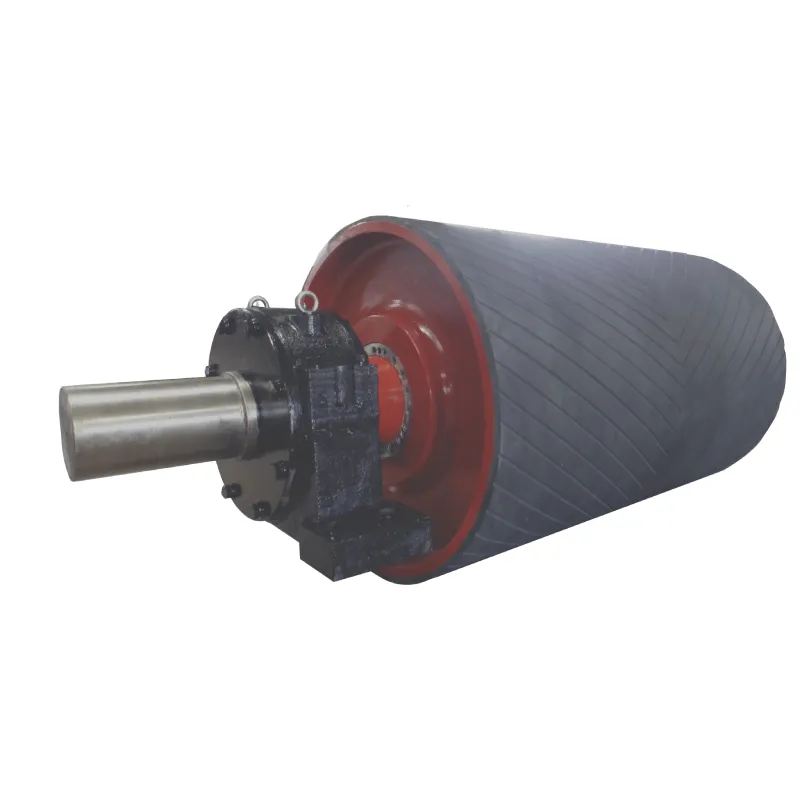
At its core, a polyurethane conveyor roller is a cylindrical component wrapped or coated with polyurethane — a flexible but tough polymer — designed to rotate and carry items along conveyor belts or roller systems. It’s a modern iteration of the humble conveyor roller but with enhanced attributes, including abrasion resistance, chemical stability, and shock absorption.
Industries that rely on rapid, heavy-duty goods handling—from automotive assembly lines to humanitarian supply chains delivering aid—use these rollers to keep things moving with minimal disruption. The polyurethane covers help protect both the roller and the items conveyed, an important factor in reducing product damage during transport.
Key Components and Vital Features of Polyurethane Conveyor Rollers
Durability and Wear Resistance
Polyurethane’s exceptional abrasion resistance means rollers last longer even under constant friction and pressure. This leads to fewer replacements and reduced downtime. For engineers, this is a massive win.
Noise Reduction
If you’ve been inside a conventional warehouse, you might recall the unnerving clatter of metal rollers. Polyurethane naturally dampens noise, contributing to safer, more comfortable workplaces. It’s an often overlooked benefit but one with real health implications for workers.
Chemical and Weather Resistance
Factories dealing with solvents, oils, or harsh weather conditions appreciate polyurethane rollers because they don’t degrade as quickly as rubber or metal in these environments. This reliability is crucial when operations can't afford delays.
Customization and Scalability
These rollers come in various sizes and hardness levels (durometers), letting industries tailor setups to specific product weights, shapes, and handling speeds, making polyurethane conveyor rollers a versatile choice.
Eco-friendly Aspects
Recent formulation advances have made polyurethane more recyclable and less pollutive, aligning with rising sustainability goals in manufacturing.
Concrete Global Applications of Polyurethane Conveyor Rollers
A little-known fact: emergency relief missions in disaster zones often use conveyor systems to move supplies quickly. The tough yet quiet nature of polyurethane rollers means operations run smoothly even in remote or makeshift setups.
In manufacturing hubs like Southeast Asia and Central Europe, these rollers are standard in automotive and electronics assembly lines due to their reliability. Meanwhile, food and pharmaceutical sectors appreciate the material’s resistance to contamination and its easy-to-clean surface.
Examples:
- Logistics Centers in Germany: Polyurethane rollers reduce noise and increase equipment lifespan, saving thousands in annual maintenance.
- Humanitarian Warehouses in Africa: Portable conveyor systems equipped with polyurethane rollers help shuttle relief goods swiftly and reliably.
- Automotive Plants in the U.S.: Custom rollers with tailored hardness improve handling of heavy engine components.
Advantages and Long-Term Value of Using Polyurethane Conveyor Rollers
Let’s be honest: it isn’t just about saving a penny here or there. Polyurethane rollers extend conveyor life, which means less waste and fewer resources consumed. Their noise dampening creates safer, less stressful work environments, which translates into higher employee retention and fewer workplace accidents.
On a more human level, businesses investing in this technology signal a commitment to innovation and sustainability—an emotional plus in today’s eco-conscious market. The reliability engenders trust between supply partners; it’s reassuring when you know the chain won’t break due to a cheap roller failure.
Product Specification Table: Sample Polyurethane Conveyor Roller
| Specification | Details |
|---|---|
| Roller Diameter | 50 mm |
| Coating Material | Polyurethane (PU), hardness 90A |
| Load Capacity | up to 1500 N |
| Operating Temperature Range | -30°C to +90°C |
| Noise Reduction | Up to 50% less compared to steel rollers |
| Chemical Resistance | Resistant to oils, solvents, and mild acids |
Vendor Comparison: Leading Suppliers of Polyurethane Conveyor Rollers
| Feature | AlphaRollers Inc. | PolyRoll Solutions | EcoConvey Supplies |
|---|---|---|---|
| Customization Options | Extensive (sizes, hardness, colors) | Moderate, standard specs only | Growing portfolio, eco-friendly focus |
| Average Lead Time | 2 weeks | 1 week | 3 weeks |
| Sustainability Practices | Standard recycling programs | Limited focus | Uses bio-based polyurethane |
| Price Range (per roller) | $$$ (premium) | $ (budget) | $$ (mid-tier) |
| Warranty Coverage | 5 years | 2 years | 3 years |
Looking Ahead: Trends and Innovations Shaping Polyurethane Conveyor Rollers
Technology marches on. I’ve noticed an uptick in digital integration—smart sensors embedded in rollers to monitor wear, temperature, and vibration in real-time. This predictive maintenance approach is saving companies heaps on emergency repairs.
On the materials side, greener polyurethanes derived from bio-based feedstocks are becoming common, addressing sustainability mandates. Plus, automation-friendly designs that reduce friction and power consumption are hot topics in conveyor innovation conferences these days.
Common Challenges and How Experts Are Overcoming Them
No product is perfect. For instance, polyurethane rollers can sometimes be pricey upfront, which holds smaller businesses back. But clever modular design and bulk procurement help offset initial costs.
Another complaint is that in very high-temperature settings, polyurethane may soften. Manufacturers are responding by tweaking polymer blends or adding heat-resistant layers, balancing flexibility with performance.
FAQ: Your Practical Guide on Polyurethane Conveyor Rollers
- Q: How long do polyurethane conveyor rollers typically last?
- A: Depending on usage and environment, these rollers can last 3–5 years, often outliving rubber rollers by a significant margin, thanks to their superior abrasion resistance.
- Q: Are polyurethane rollers suitable for food handling?
- A: Yes. Food-grade polyurethane rollers are hygienic, resistant to oils and chemicals, and easy to clean, making them ideal for food and pharmaceutical industries.
- Q: Can polyurethane rollers be customized for heavy loads?
- A: Absolutely. By adjusting the roller’s diameter, core material, and polyurethane hardness, manufacturers tailor rollers to handle specific weights and stresses.
- Q: How do I reduce noise in my conveyor system?
- Switching from steel or rubber rollers to polyurethane-coated rollers can reduce noise levels by up to 50%, contributing to a safer and more pleasant workspace.
- Q: What environmental benefits do polyurethane rollers have?
- Modern polyurethane formulations have improved recyclability and can be sourced from bio-based materials, reducing the carbon footprint associated with conveyor maintenance.
Wrapping It Up: Why Polyurethane Conveyor Rollers Are Worth the Investment
Roughly speaking, investing in polyurethane conveyor rollers is an investment in reliability, safety, and sustainability. They keep supply chains moving efficiently, protect products, and contribute to quieter, greener workplaces. The payoff is not just in cost savings, but in fostering trust and innovation across industries worldwide.
If you’re thinking about upgrading your conveyor components or designing a new system, check out polyurethane conveyor rollers and explore the variety these smart rollers bring.
Let’s keep those goods rolling—efficiently, quietly, sustainably.
References & Further Reading
-
Maximize Conveyor Life with a High Performance impact bedNewsApr.16,2026
-
Maximize Conveyor Efficiency Using a v plow belt scraperNewsApr.09,2026
-
Comprehensive Guide to Understanding Different Types of Belt CleanersNewsApr.07,2026
-
Enhancing Conveyor Efficiency with an Effective Scraper Belt CleanerNewsApr.04,2026
-
Optimizing Conveyor Systems with Advanced Cleaning Equipment SolutionsNewsMar.31,2026
-
Effective Conveyor Belt Scraper Adjustment for Optimal System PerformanceNewsMar.28,2026