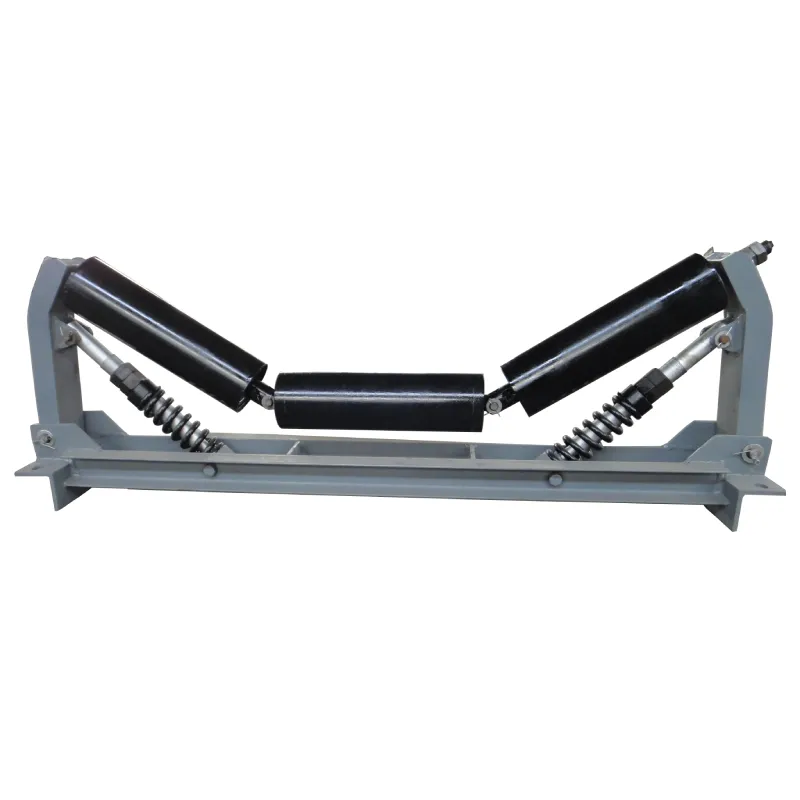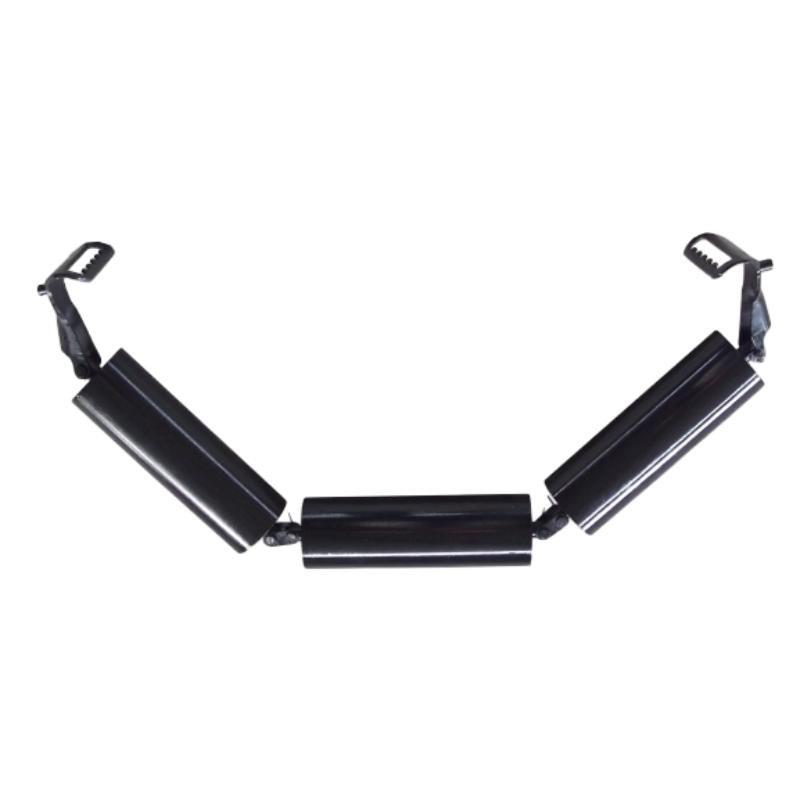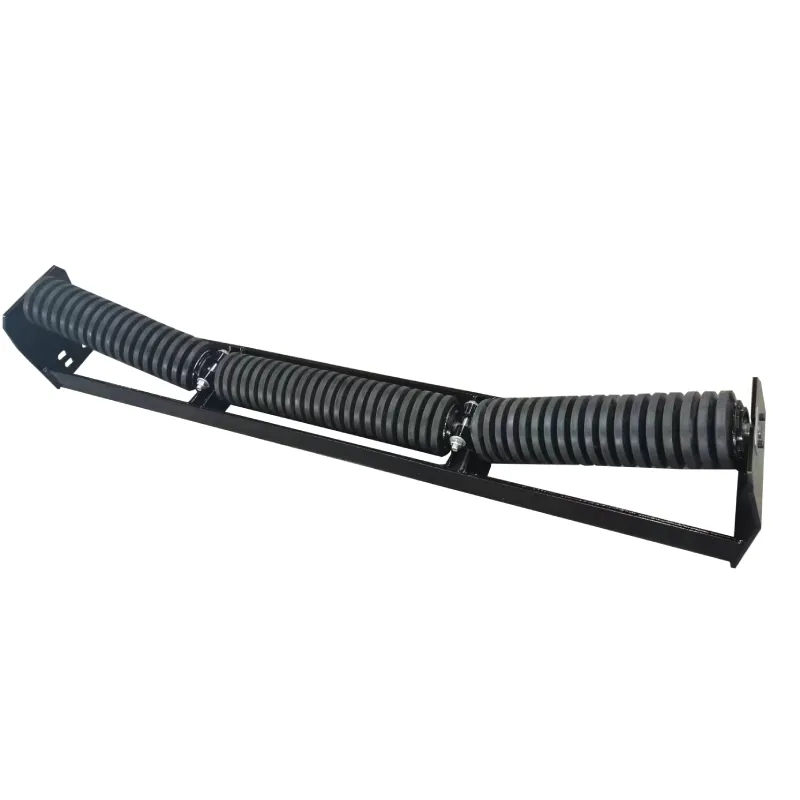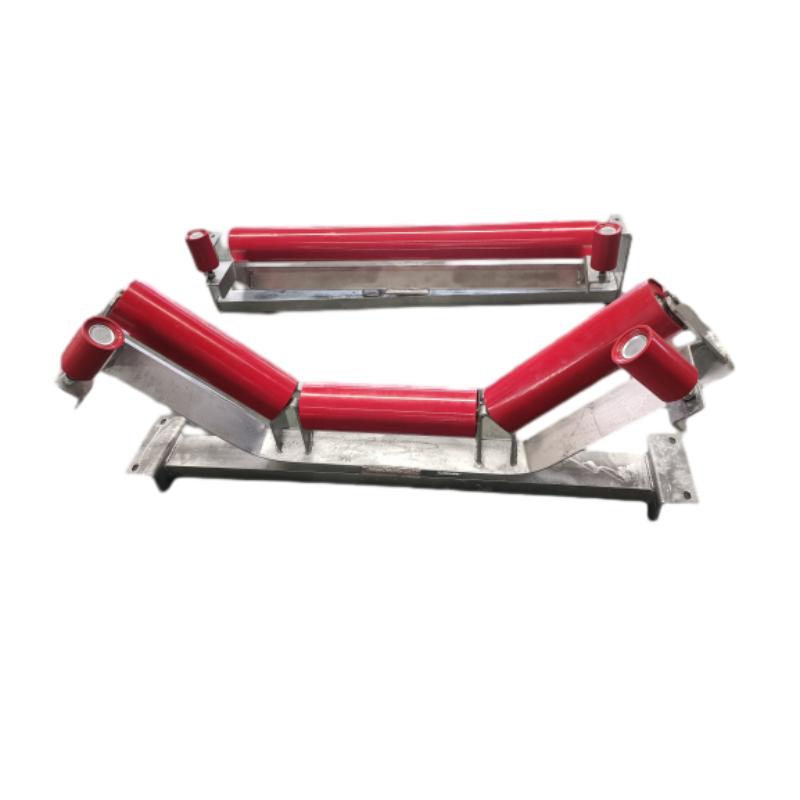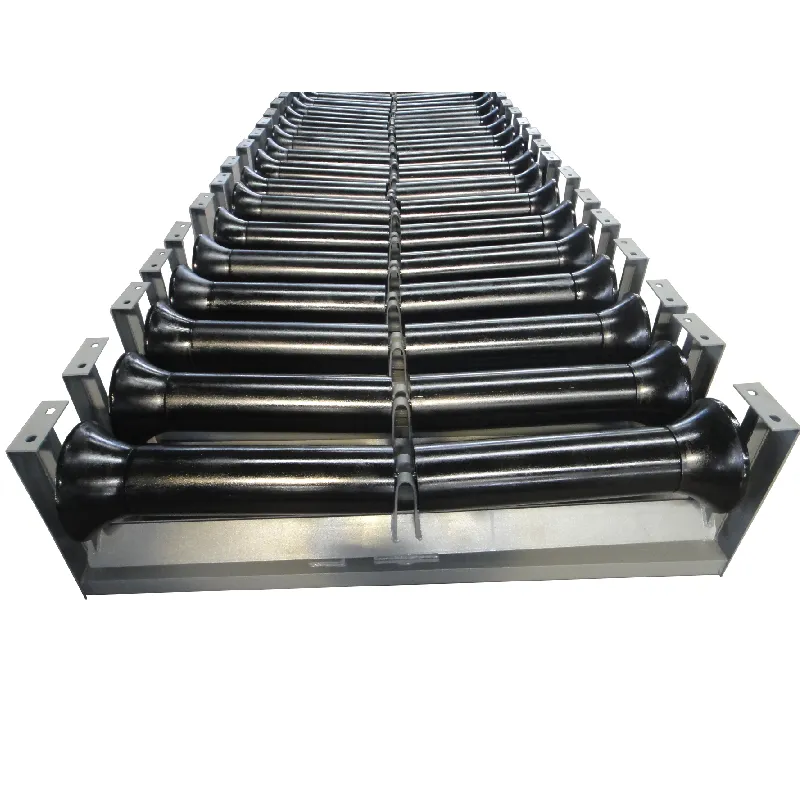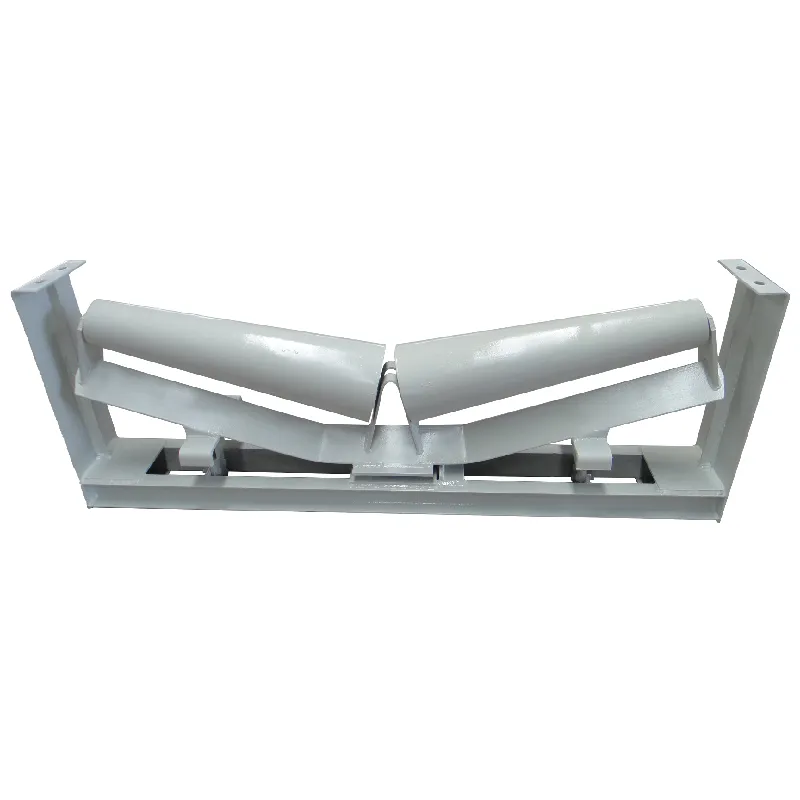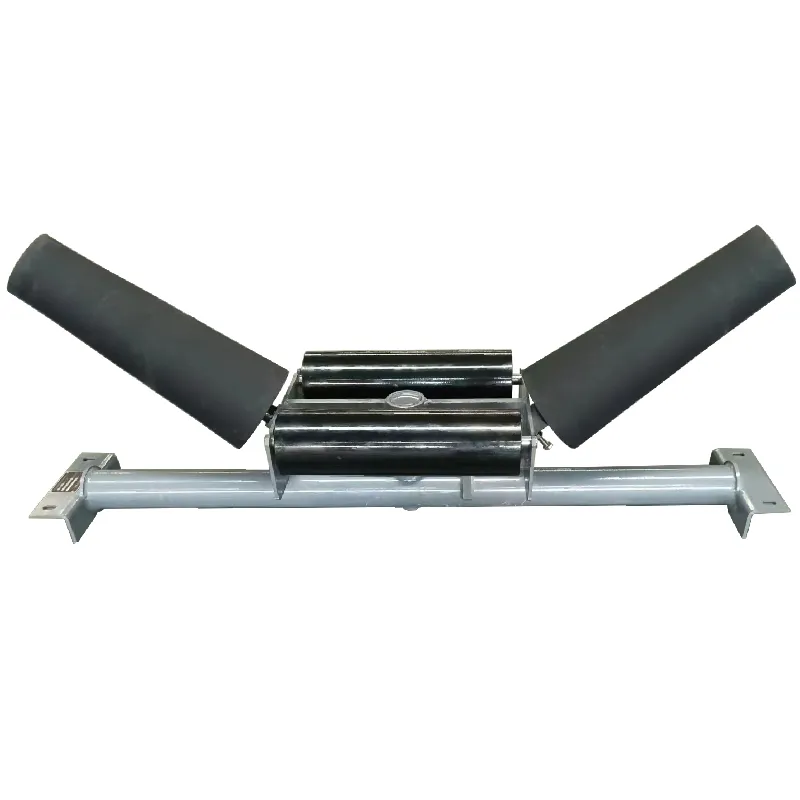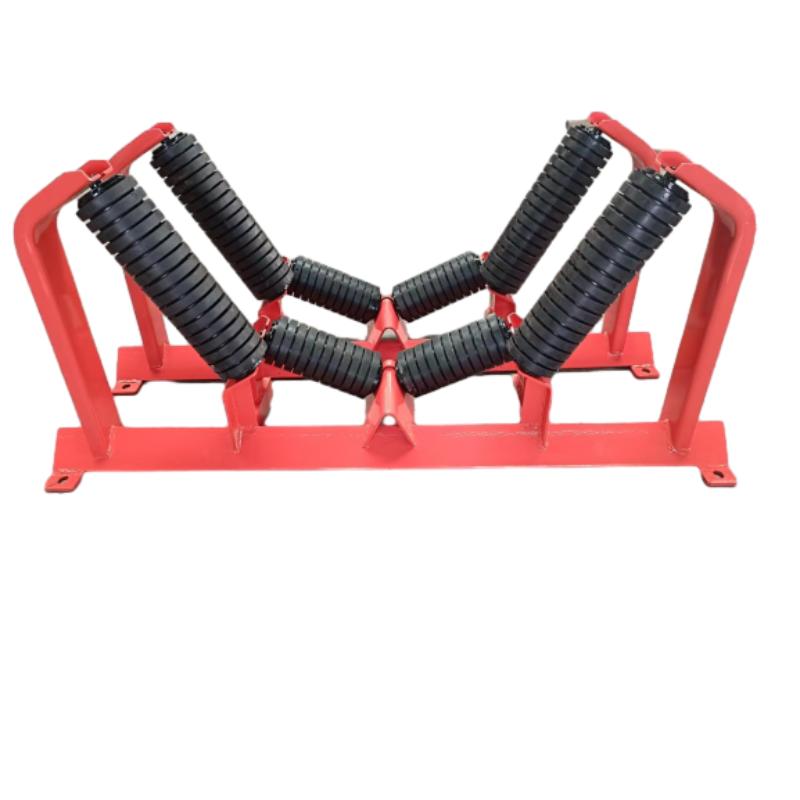


PU Roller: Durable, Efficient Industrial Rollers for Modern Manufacturing
Understanding PU Roller: A Key Component in Industrial Innovation
To the untrained eye, a PU roller might just look like a simple cylinder made of some plastic or rubber. But surprisingly, this little part holds heavyweight importance in various industries worldwide—from manufacturing plants humming with conveyor belts to precision printing machines. Knowing what a pu roller is, why it’s in such demand, and how it shapes modern production can unlock better efficiency and sustainability in countless processes. Let’s take a closer, down-to-earth look.
Global Context: Why PU Rollers Matter More Than Ever
In a world where industrial automation is accelerating—boosted by digital transformation and continuing urban expansion—the humble pu roller plays a vital role in keeping things moving smoothly. According to the International Organization for Standardization (ISO), industries that focus on conveyor components are ramping up production to meet supply chain demands.
Conveyors, printers, packaging machines, and material handling equipment rely heavily on rollers coated with polyurethane (PU) for their wear resistance and noise reduction. With global manufacturing expected to grow (World Bank data shows industrial output increasing about 3-4% annually in developing countries), pu rollers face rising demand as a durable, cost-efficient solution to reduce downtime and extend machine life.
But not all rollers are created equal. The key challenge lies in finding rollers that balance robustness with adaptability, especially when operating through extreme temperatures, corrosive environments, or heavy loads. This is where pu rollers jump in, as many engineers attest.
What Exactly Is A PU Roller?
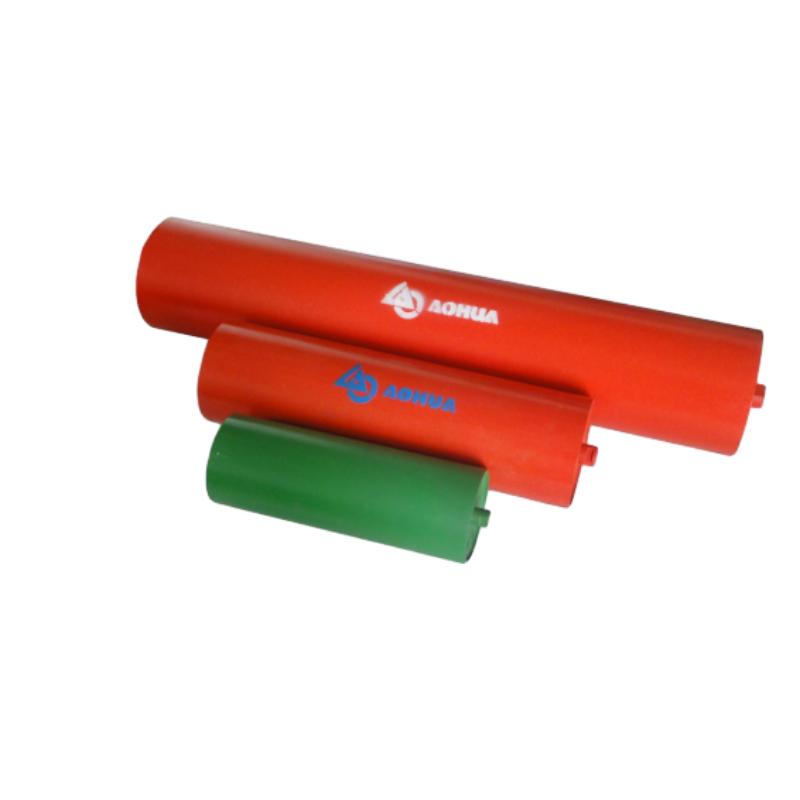
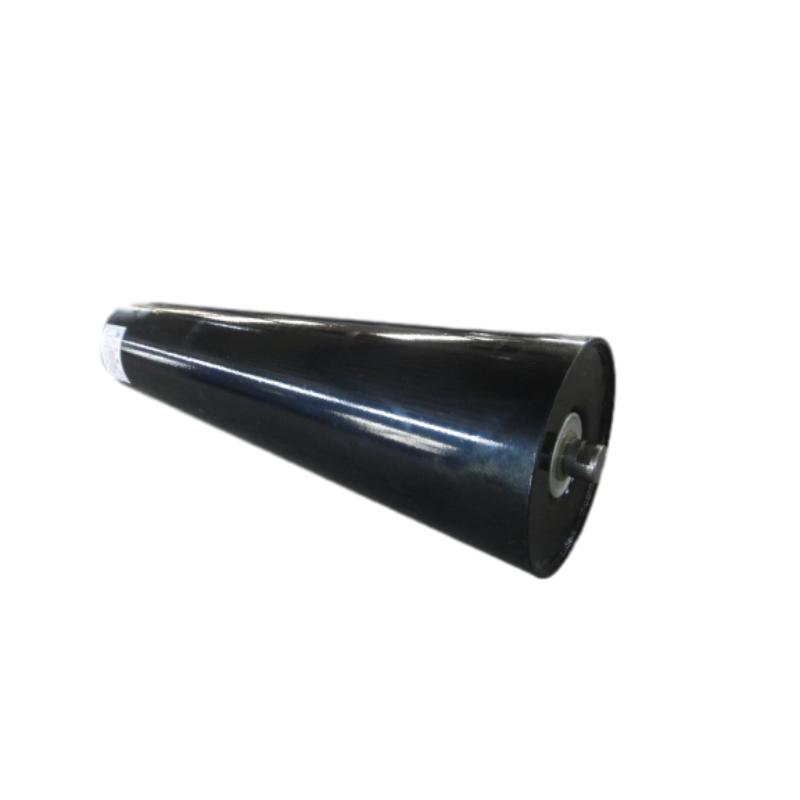
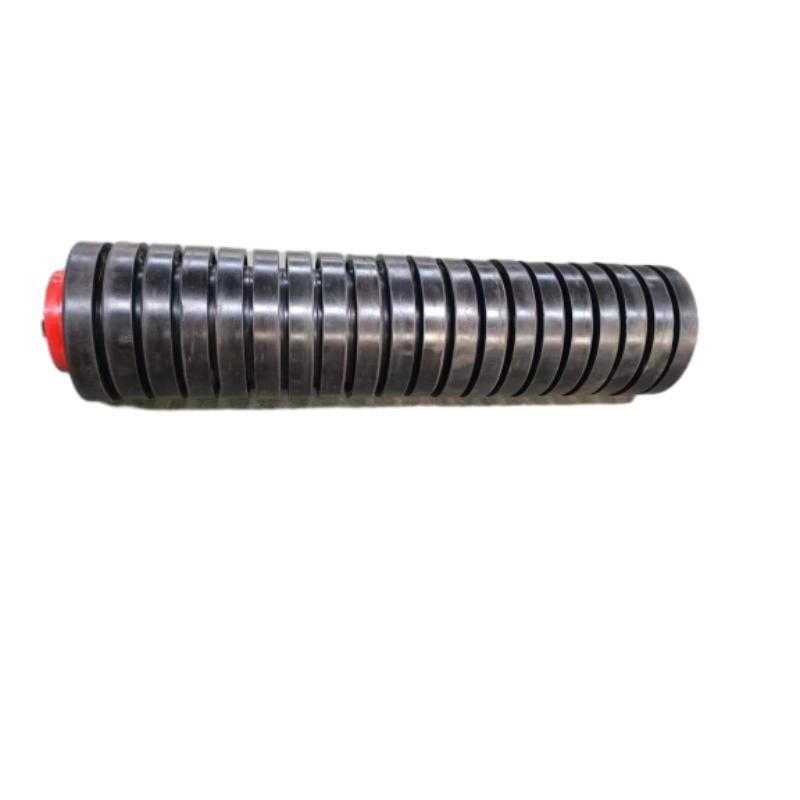
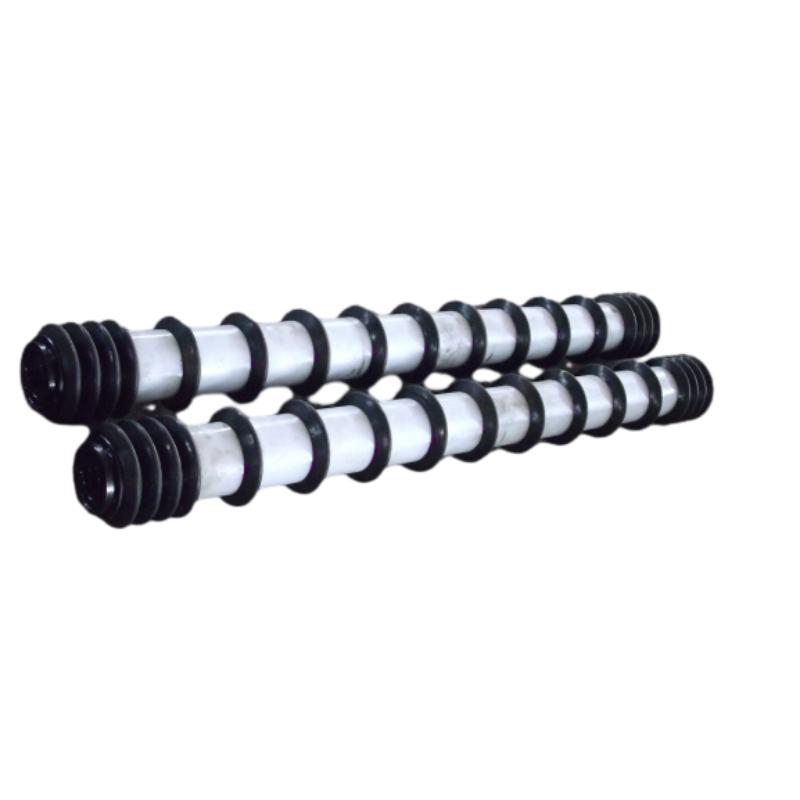
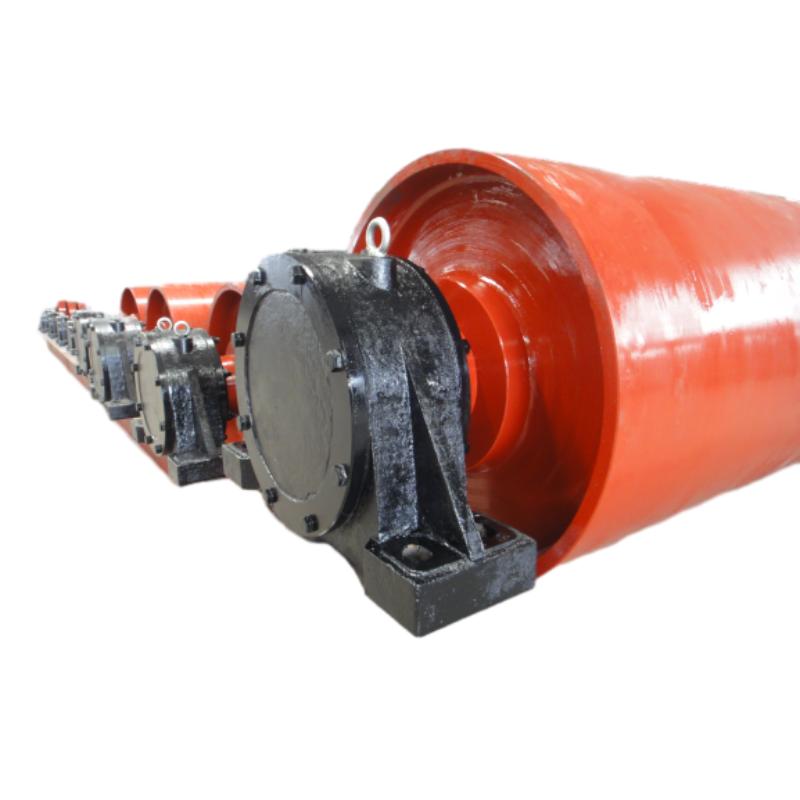
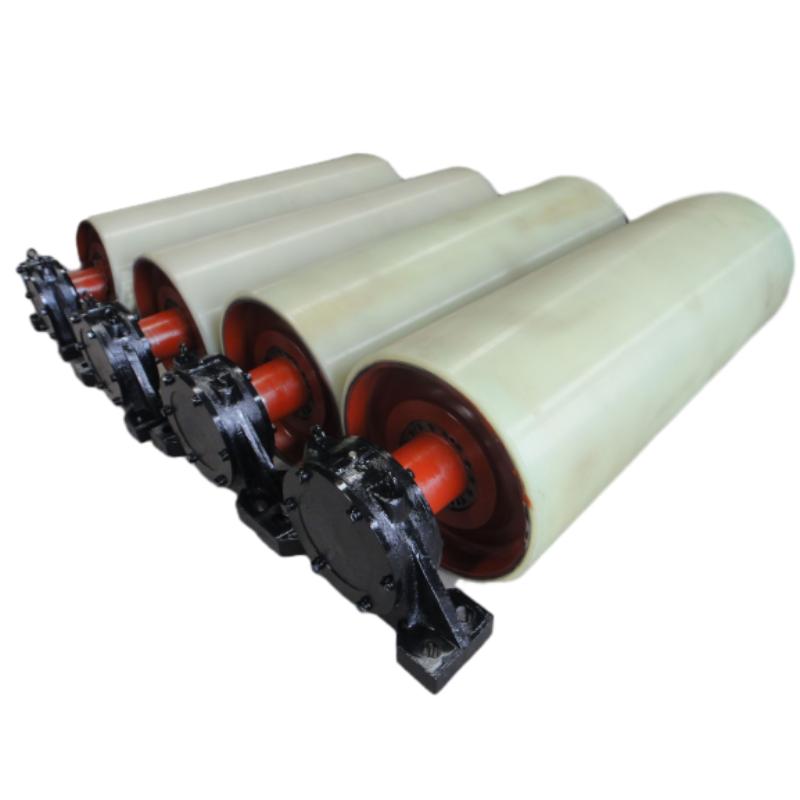
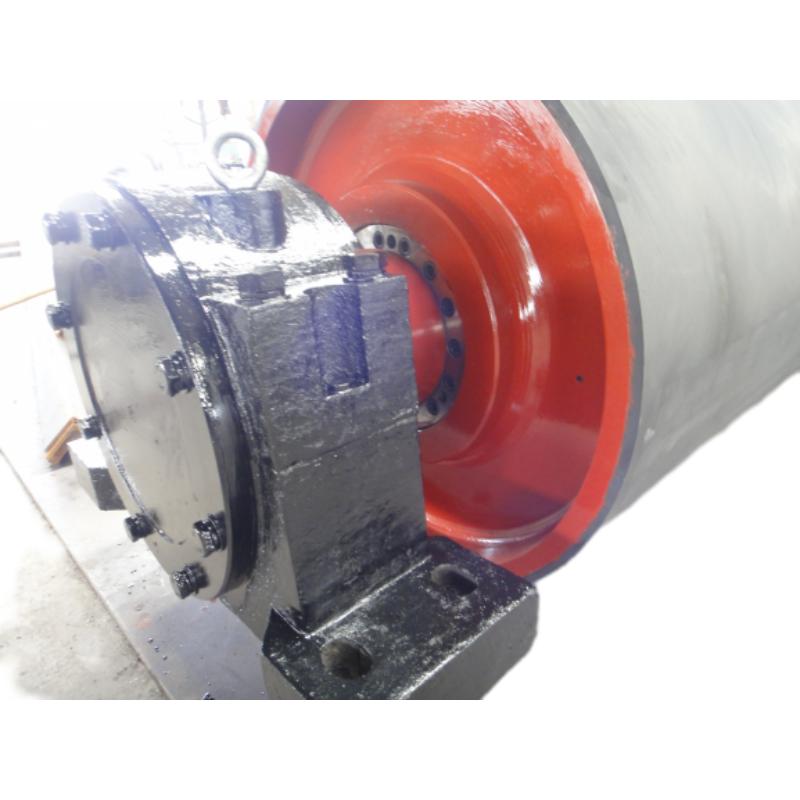
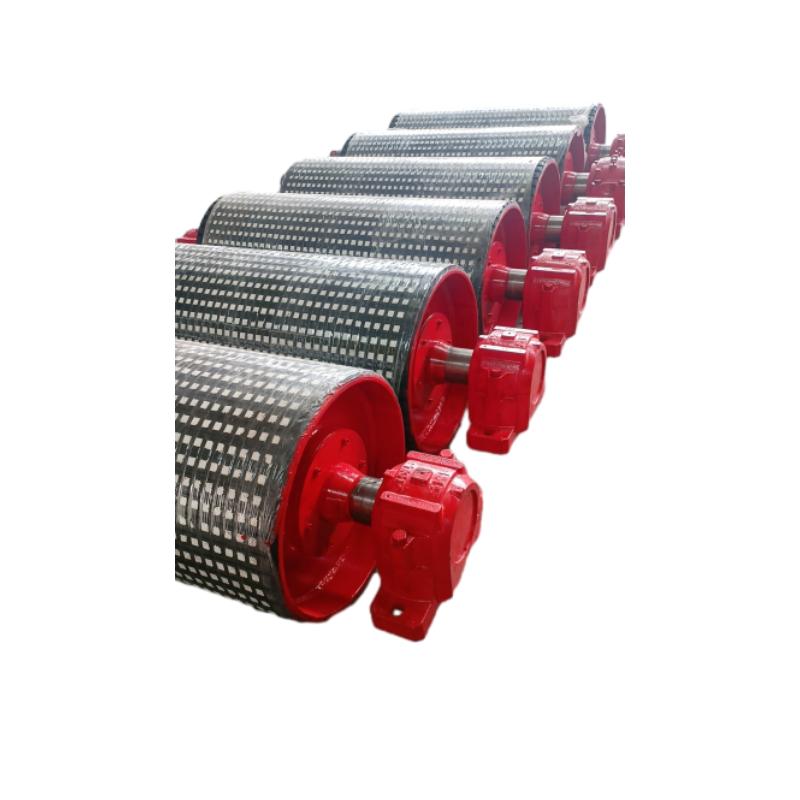
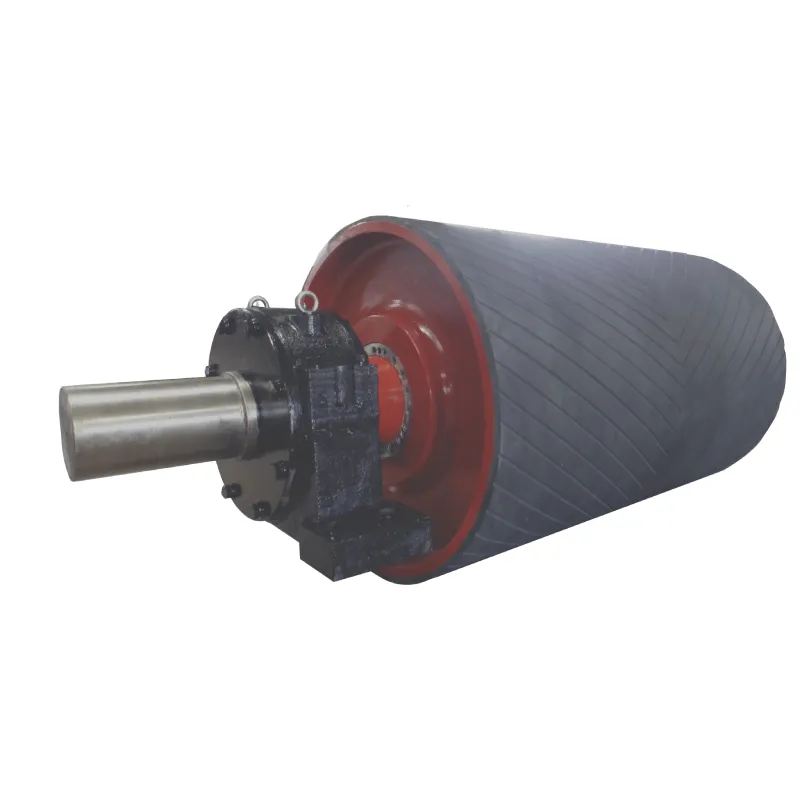
In plain terms, a pu roller is a cylindrical rolling component coated with polyurethane, a plastic that’s both flexible and tough. Polyurethane is a polymer widely known for its versatility, combining the elasticity of rubber with the durability of hard plastic. This makes pu rollers ideal for environments where wear and tear are high but precision is key.
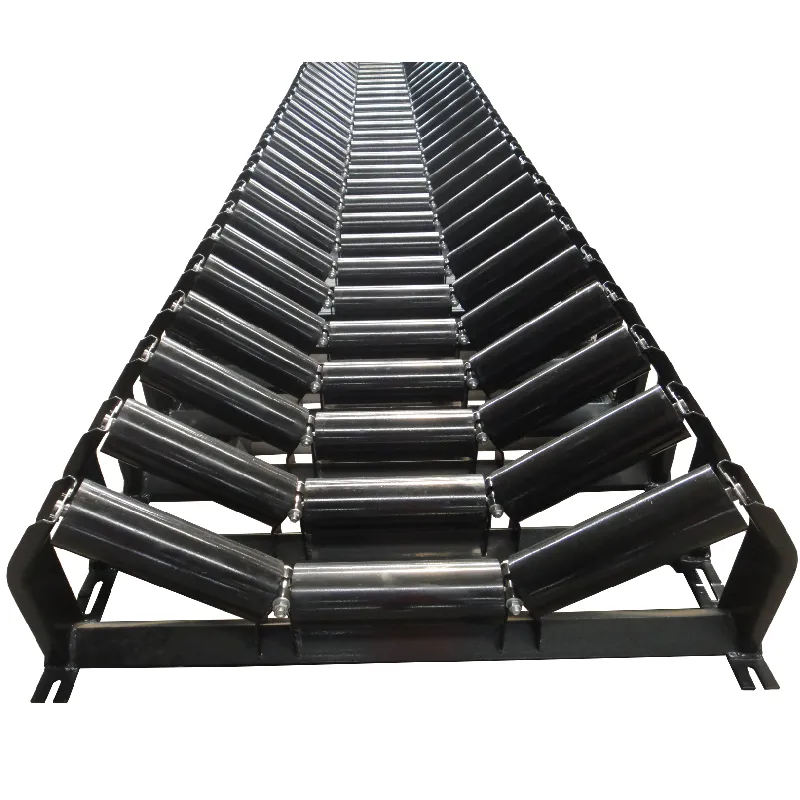
They’re core to machines where rotation or smooth motion is necessary—say, in conveyor lines, printing presses, textile machinery, or even automated warehouses. The coating keeps friction low, reduces noise, and prevents damage to the transported goods or the equipment itself. Nowadays, their role stretches beyond simple industrial use, into humanitarian needs—for example, efficient loading and unloading in disaster relief supplies logistics.
Four Core Aspects of PU Rollers
Durability
PU rollers can take a beating. Polyurethane's resistance to abrasion and chemicals means they outlast standard rubber rollers by significant margins. This helps reduce frequent replacement costs and downtime, making them preferred in heavy-duty settings.
Flexibility and Precision
Unlike hard metal rollers, pu rollers offer a bit of give, which absorbs shocks and vibrations. This enhances precision and protects delicate products, such as in high-quality printing or electronics conveyor lines.
Cost Efficiency
At first glance, pu rollers might seem pricier than basic rubber options. But factoring in their longer life span and reduced maintenance, the total cost of ownership often tilts in their favor. Plus, energy savings from lower friction add up.
Environmental Resistance
They handle moisture, oils, and some harsh chemicals much better than natural materials. So they’re often chosen in food processing, pharmaceuticals, and outdoor-use machinery where exposure to elements is unavoidable.
Customization
PU rollers can be tailored in hardness (measured in Shore A or D scale), size, and surface texture depending on application needs, offering great versatility.
PU Roller Applications Around the World
From bustling Asian manufacturing hubs to remote European warehouses, pu rollers underpin various industries:
- Conveyor Systems: The backbone of material handling in factories from China to Germany.
- Printing Industry: Rollers in high-speed printers require the low friction and precision only polyurethane offers.
- Packaging: Automated packaging lines benefit from the rollers' chemical resistance and noise reduction.
- Food Processing: Hygiene and moisture resistance make pu rollers suitable in environments demanding cleanliness.
- Disaster Relief Logistics: Efficient handling of supplies depends on reliable rollers in loading equipment.
For example, a major European packaging firm recently retrofitted their conveyor rollers with pu variants, cutting monthly downtime by nearly 30%. Meanwhile, in emerging markets where cost efficiency and reliability are critical, pu rollers help small enterprises grow production without huge capital investment.
Advantages & Long-Term Value of PU Rollers
The value proposition for pu rollers stretches well beyond the immediate cost savings:
- Enhanced Safety & Reliability: Smoother operation means fewer machine glitches, reducing workplace accidents.
- Sustainability: Longer lifecycle translates to less waste, fulfilling environmental commitments.
- Emotional & Operational Trust: Operators prefer equipment that feels dependable; downtime impacts morale.
- Innovation Support: Modern lightweight and customized roller designs propel new manufacturing techniques.
From a customer's perspective, knowing your production line's roller components are robust and quietly efficient allows focus on innovation, not maintenance—kind of a background hero.
Typical PU Roller Specification Table
| Specification | Typical Value |
|---|---|
| Diameter | 50–200 mm |
| Length | 200–600 mm |
| Hardness (Shore A) | 70–95 |
| Operating Temp | -40°C to +80°C |
| Chemical Resistance | Moderate-to-high (oils, solvents) |
Comparing Leading PU Roller Vendors
| Vendor | Material Quality | Customization | Price Range | Delivery Time |
|---|---|---|---|---|
| Idler AoHua | High-grade Polyurethane | Full range, including custom profiles | $$ | 2–3 weeks |
| RollerTech Ltd. | Standard PU blends | Limited | $ | 1–2 weeks |
| PolyRollers Inc. | Premium industrial grade | Extensive, incl. color & hardness | $$$ | 3–4 weeks |
Innovations and the Future of PU Rollers
Innovation rarely rests. The latest buzz is about smart rollers embedded with sensors monitoring wear in real time, helping preempt failures. Alongside, green chemistry is pushing for bio-based polyurethanes to reduce carbon footprints without compromising strength.
Digitization in factories means rollers will soon be part of IoT networks, feeding data into dashboards for predictive maintenance. Automation upgrades require rollers to handle higher speeds and loads, demanding constant R&D improvements.
Challenges and Solutions in PU Roller Usage
Despite their advantages, PU rollers face challenges like:
- Loss of elasticity under extreme heat or prolonged UV exposure
- Chemical degradation from specialized solvents they weren’t designed for
- Complex supply chains that sometimes result in inconsistent quality
Expert solutions include enhanced polymer formulations, protective coatings, and on-site quality testing. Collaborations between end-users and manufacturers are growing to tailor rollers precisely for difficult applications. That co-design approach is, in my view, the smartest path forward.
FAQ: Most Asked Questions About PU Rollers
Q1: How do PU rollers compare to rubber rollers in durability?
PU rollers generally outlast rubber rollers by 2 to 3 times in abrasive and chemical-exposed environments thanks to polyurethane’s superior wear resistance and elasticity.
Q2: Can PU rollers be used in food processing machines?
Yes, food-grade polyurethane is available and widely used due to its resistance to moisture and cleaning agents, plus it meets hygiene standards.
Q3: How customizable are PU rollers?
PU rollers can be tailored in diameter, length, hardness, color, and surface texture depending on application needs, offering great versatility.
Q4: What is the typical lifespan of a PU roller in high-load conveyors?
With proper maintenance, pu rollers can last anywhere from 2 to 5 years, depending on load intensity and operating environment.
Q5: Where can I purchase quality pu rollers equipped for industrial use?
Reliable suppliers like Idler AoHua offer a wide range of customized pu rollers, with proven quality and delivery support worldwide.
Wrapping Up: Why PU Rollers Deserve a Close Look
At the crossroads of durability, innovation, and cost efficiency, pu rollers quietly enable the world's manufacturing and logistics to keep pace with increasing demands. Whether you’re scaling a small packaging line or running heavy industrial conveyors, investing in quality pu rollers pays off in reduced downtime, enhanced safety, and environmental benefits. Curious to explore options? Check out Idler AoHua for specialty pu roller solutions tailored just for your needs.
It’s odd how something so “simple” could be so crucial—keeps you thinking about all those moving parts we often overlook…
References
-
Maximize Conveyor Life with a High Performance impact bedNewsApr.16,2026
-
Maximize Conveyor Efficiency Using a v plow belt scraperNewsApr.09,2026
-
Comprehensive Guide to Understanding Different Types of Belt CleanersNewsApr.07,2026
-
Enhancing Conveyor Efficiency with an Effective Scraper Belt CleanerNewsApr.04,2026
-
Optimizing Conveyor Systems with Advanced Cleaning Equipment SolutionsNewsMar.31,2026
-
Effective Conveyor Belt Scraper Adjustment for Optimal System PerformanceNewsMar.28,2026