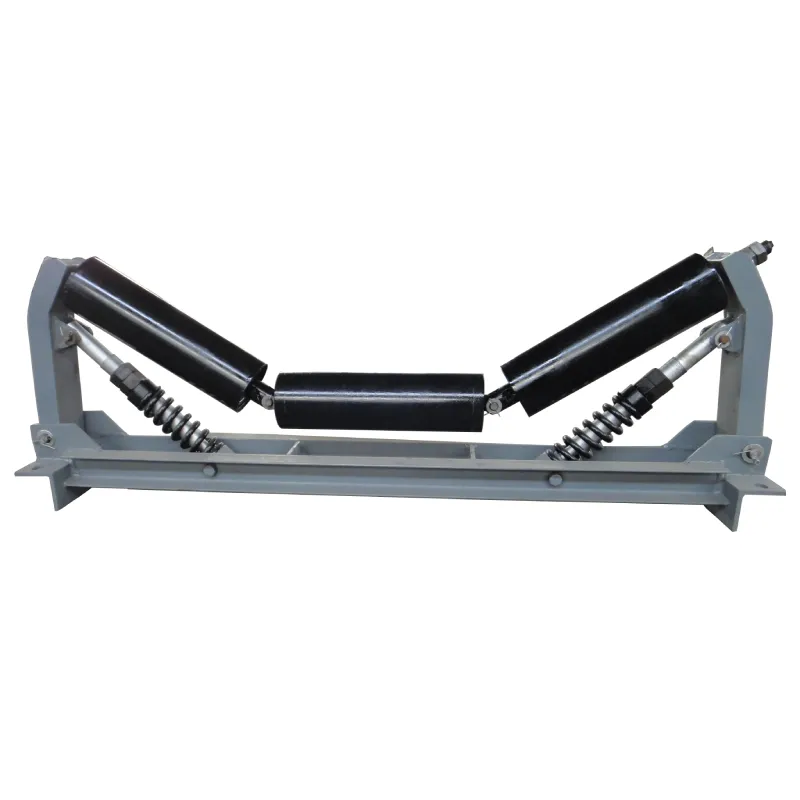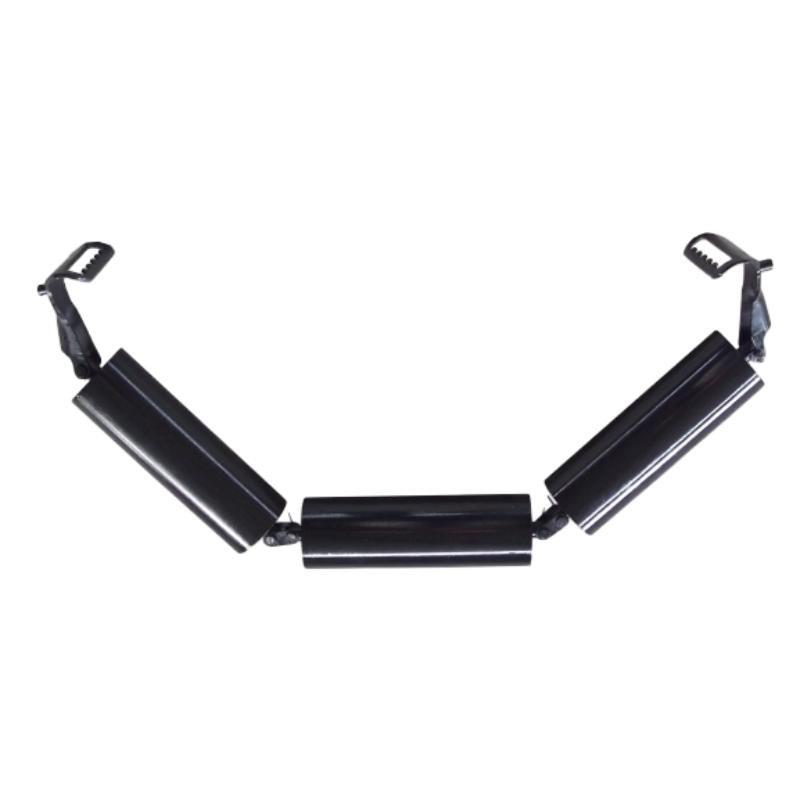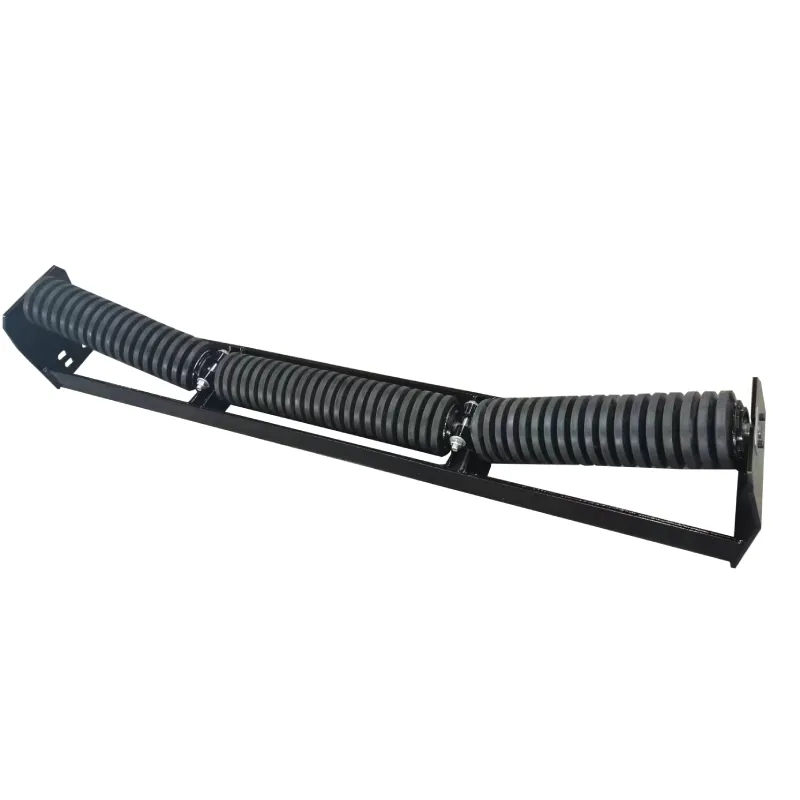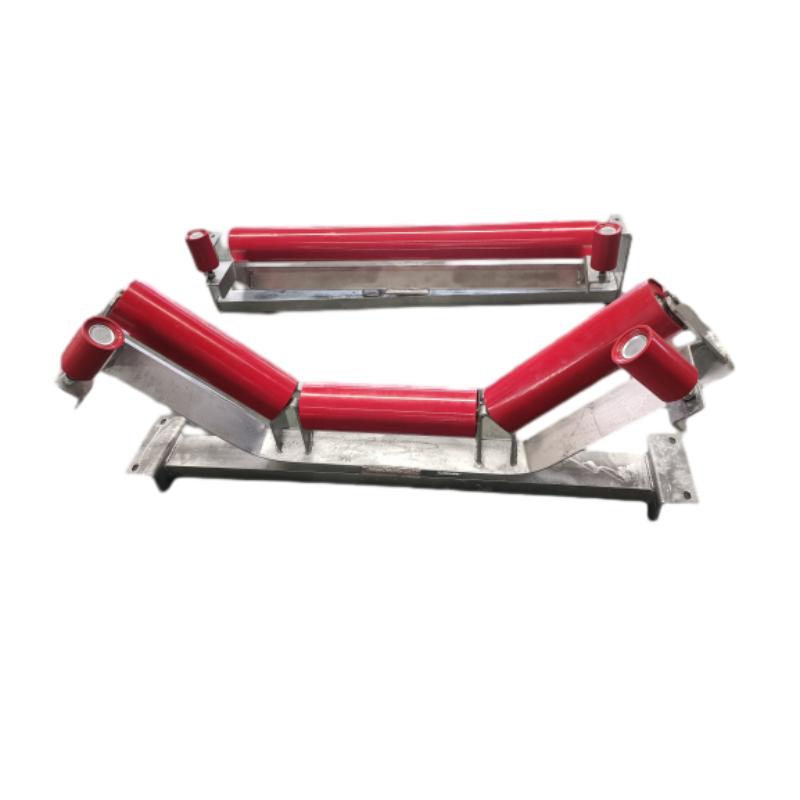


Polyurethane Coated Roller – Durable, Customizable Industrial Components
Polyurethane Coated Roller: An Essential Component in Modern Industry
At first glance, a polyurethane coated roller might sound like just another machine part. But in reality, it plays a key role worldwide in industries ranging from packaging to printing, manufacturing, and beyond. Understanding why this small-sounding component matters globally can reveal insights into efficiency, cost savings, and sustainability.
Simply put, these rollers combine strength, flexibility, and wear resistance, making them ideal where delicate materials and high-speed production meet. Given the rapid growth of automation and smart factories (industry data shows automation investments growing by 12% annually globally[1]), these rollers are more relevant than ever.
Why Polyurethane Coated Rollers Matter Globally
According to ISO, polyurethane ranks among the most versatile polymers, with over 2 million tons produced yearly worldwide[2]. These coatings improve roller performance by extending life and reducing downtime. Oddly enough, many manufacturers don’t realize how much time and money are lost with suboptimal rollers until they switch to polyurethane coated versions.
In sectors like packaging — which contributed roughly $900 billion to the global economy in 2023 — these rollers ensure smooth, damage-free handling of sensitive products. Similar needs exist in the textile and paper industries, where fragile materials require gentle yet consistent pressure. With supply chains becoming more complex and output expectations soaring, robust roller solutions make all the difference.
What Exactly is a Polyurethane Coated Roller?
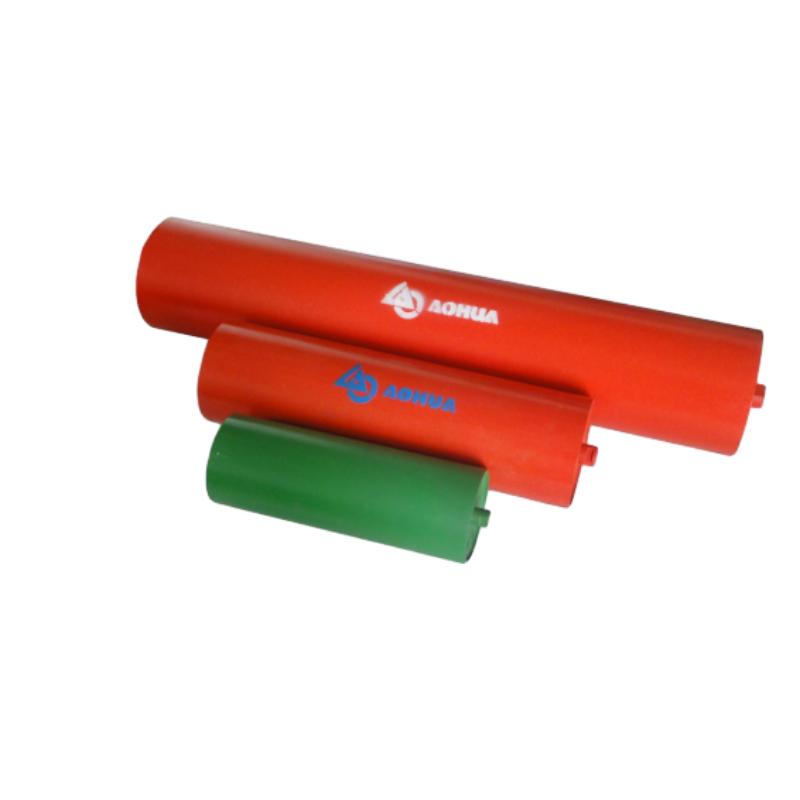
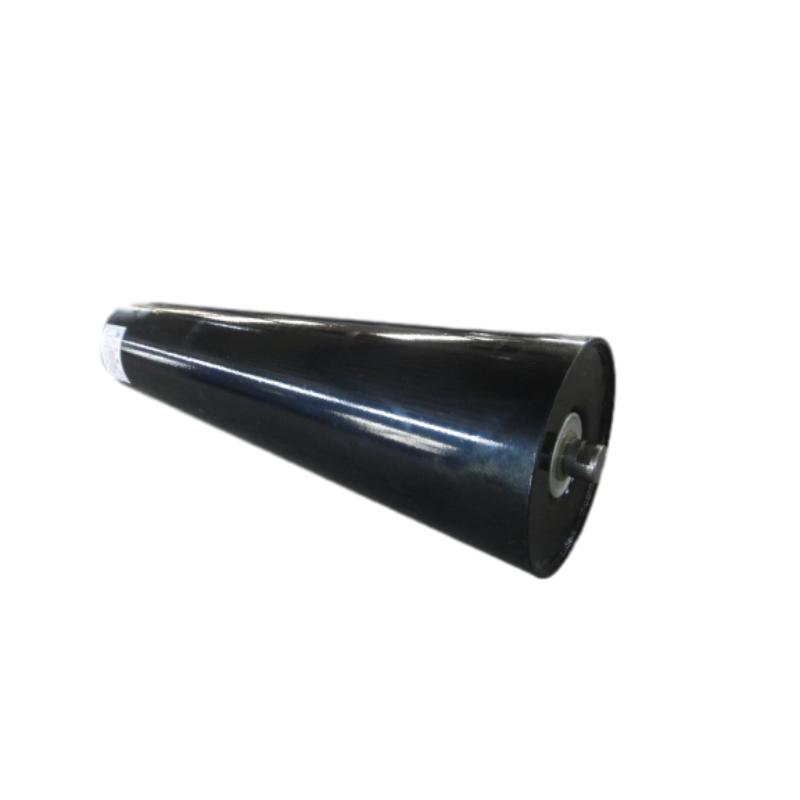
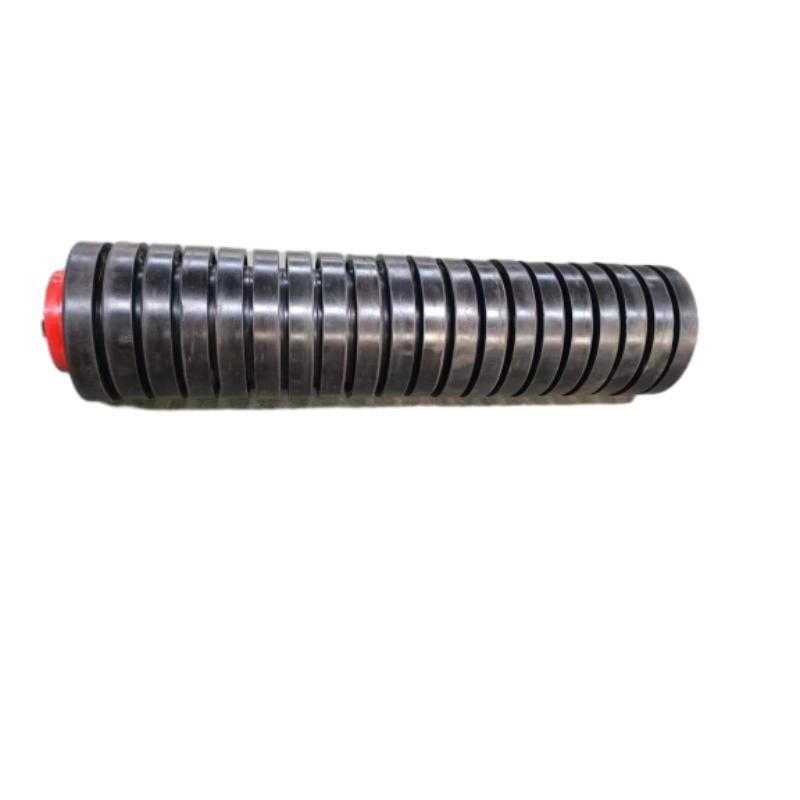
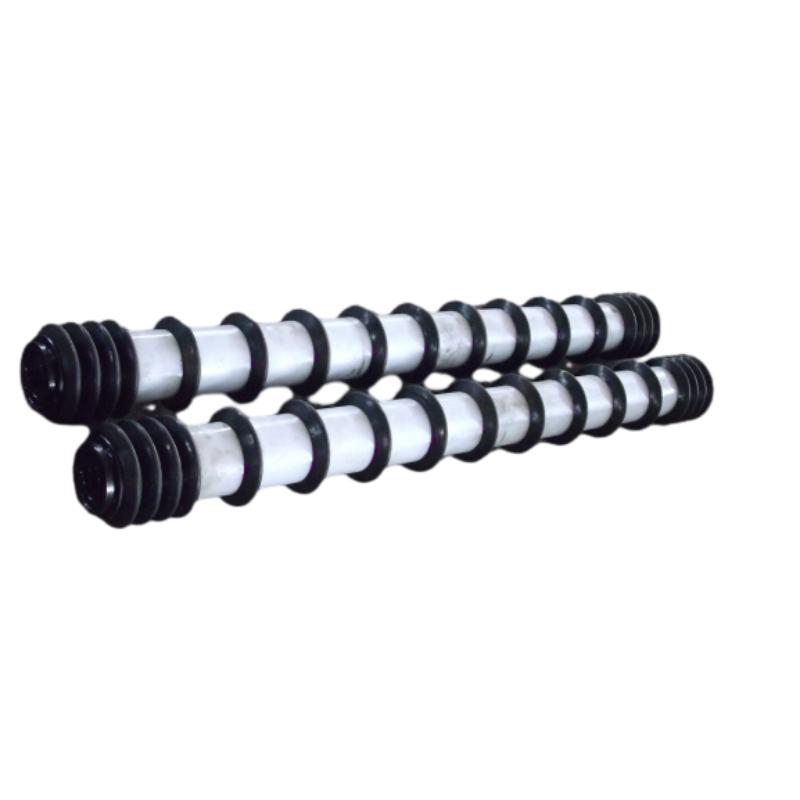
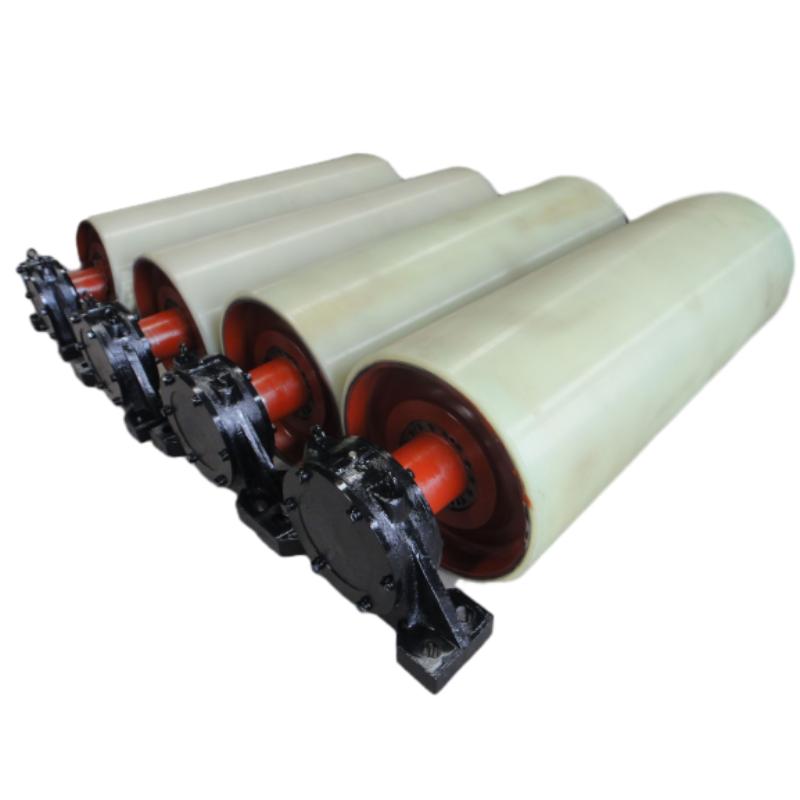
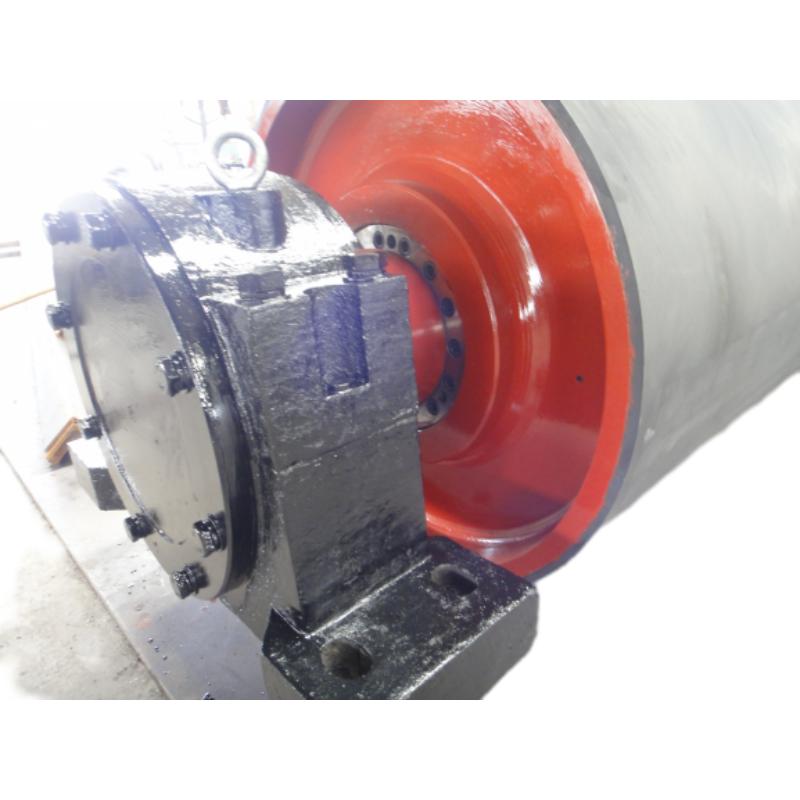
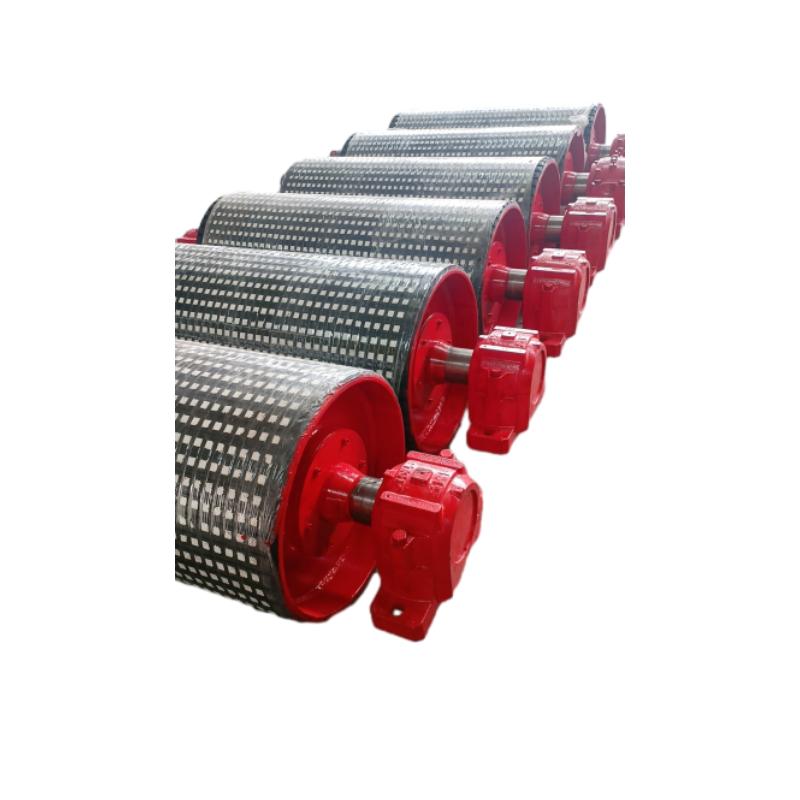
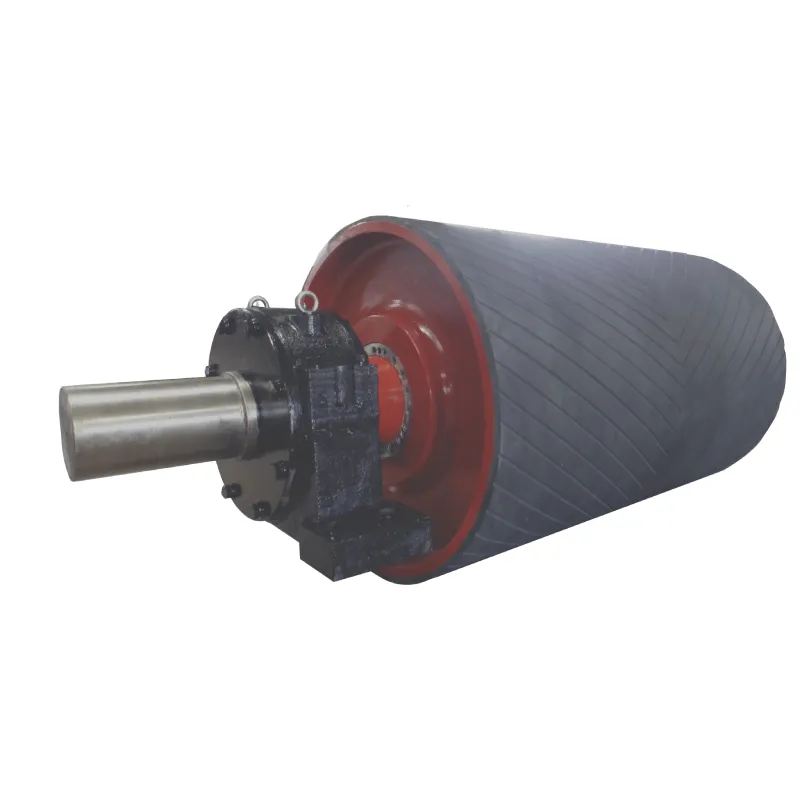
Simply put, a polyurethane coated roller is a cylindrical component wrapped or covered with a layer of polyurethane elastomer. This coating provides enhanced grip, abrasion resistance, and cushioning compared to traditional rubber or metal rollers.
The “roller” part physically moves or supports materials in machines, like conveyors or printers, while the polyurethane layer protects both the roller and the material it contacts. It’s a bit of engineering pragmatism meeting material science — marriage made in manufacturing heaven. The coating thickness, hardness (often between 60-90 Shore A), and bonding method can vary to suit needs.
Key Factors That Define a Good Polyurethane Coated Roller
1. Durability and Abrasion Resistance
Polyurethane coatings vastly improve lifespan. Many engineers say these rollers last up to 5x longer than rubber-coated equivalents in harsh conditions. That reduces maintenance frequency and replacement costs, which is critical in 24/7 operations.
2. Precision and Surface Quality
A smooth and controlled surface finish affects print quality or product handling precision. Polyurethane can be cast or molded with minimal surface defects, which is a boon for industries like printing and electronics.
3. Chemical and Temperature Resistance
Unlike natural rubber, polyurethane withstands oils, solvents, and temperature fluctuations (generally -40°C to +80°C) without degrading quickly — vital for food processing or automotive parts manufacturing.
4. Customizability and Hardness Range
From soft, cushiony rollers for fragile goods to harder variants for heavy loads, polyurethane coatings come in a variety of formulations. This flexibility means the same basic roller design can suit very different applications.
| Specification | Typical Range | Notes |
|---|---|---|
| Coating Thickness | 3 - 10 mm | Depends on application |
| Hardness (Shore A) | 60 - 90 | Custom formulations available |
| Temperature Range | -40°C to +80°C | Higher temp options exist |
| Abrasion Resistance | High | 5x rubber life typical |
| Chemical Resistance | Good | Oils, solvents |
Mini takeaway: Polyurethane coated rollers are a robust, highly customizable solution offering longevity and superior performance under varying industrial demands.
Where in the World Are These Rollers Making the Biggest Impact?
These rollers find broad applications worldwide, but there are some hotspots and industries where their impact is most visible.
- Printing Industry: Japan and Germany, known for high-precision printing presses, rely heavily on polyurethane rollers to maintain surface quality and reduce downtime.
- Packaging: In the United States and China, where packaging manufacturing booms, these rollers help with handling delicate films and foils.
- Textiles: India and Bangladesh’s garment production benefits from rollers that gently handle thin fabrics without damage.
- Food Processing: Europe’s food production facilities require coatings resistant to oils and cleaning agents — polyurethane fits the bill.
Beyond industry, NGOs and organizations involved in rebuilding post-disaster supply chains sometimes rely on machinery with polyurethane coated rollers for robust, long-lasting performance, especially where downtime can cost lives or livelihoods.
Advantages and Long-Term Value of Polyurethane Coated Rollers
Let’s talk about the real-world benefits — beyond material specs.
- Cost Savings: Though polyurethane coated rollers tend to cost more upfront than rubber, the longevity and reduced downtime translate to lower total cost of ownership. It pays off, often within a year.
- Sustainability: Longer-lasting components reduce waste. Plus, many manufacturers now offer recyclable polyurethane formulations, which is encouraging, given the global push for greener industry practices.
- Safety & Reliability: Operators feel more confident when critical equipment runs smoothly and consistently, reducing accidents and material damage.
- Innovation Edge: Custom roller designs with polyurethane coatings make possible increasingly advanced automated lines, unlocking productivity that legacy solutions can’t match.
Frankly, hearing firsthand from plant managers, the switch to polyurethane rollers is often “one of the best decisions” they make in upgrading their lines.
Looking Ahead: Trends & Innovations to Watch
The polyurethane roller sector isn’t standing still, either. Research is ongoing into bio-based polyurethanes that can reduce reliance on fossil fuels without sacrificing durability. Digital manufacturing techniques like 3D printing of coatings are also emerging — though that’s still niche.
Plus, automation combined with sensors embedded in rollers for real-time wear monitoring is a budding idea. Imagine maintenance teams alerted before issues arise, reducing surprise downtime.
Common Challenges & How Industry Addresses Them
Of course, things aren’t perfect. Polyurethane coatings must be applied carefully to avoid delamination. Also, the upfront cost can be a sticking point for smaller firms, even though the ROI is positive long-term.
Industry experts recommend proper surface preparation during manufacture and investing in quality control. And, lean manufacturing lines increasingly bundle predictive maintenance to get the most out of roller lifecycles.
How to Choose the Right Polyurethane Coated Roller Supplier?
| Vendor | Material Options | Customization | Global Reach | Typical Clients |
|---|---|---|---|---|
| IdlerAohua | Various grades, bio-based options | Full customization & on-demand | Strong global distribution | Packaging, printing, textiles |
| RollTech Solutions | Standard polyurethane | Limited customization | Regional focus (Europe) | Printing & food processing |
| PolymerRoll Co. | Specialty elastomers | Customization upon request | Asia-Pacific focus | Textile, automotive |
Frequently Asked Questions About Polyurethane Coated Rollers
- Q: How long do polyurethane coated rollers typically last compared to rubber rollers?
- A: In real-world conditions, polyurethane coated rollers can last roughly five times longer than their rubber counterparts due to superior abrasion resistance and chemical durability. Actual lifespan depends on the application and maintenance.
- Q: Are polyurethane coated rollers suitable for food processing industries?
- A: Yes. Polyurethane coatings are resistant to oils and many cleaning agents, and food-safe formulations exist. Their non-porous nature helps maintain hygiene standards better than some other materials.
- Q: Can polyurethane coated rollers be customized for specific industrial needs?
- A: Absolutely. Manufacturers can adjust hardness, coating thickness, and bonding methods to tailor rollers for precision tasks, load requirements, or chemical exposures.
- Q: How can I ensure quality and avoid premature failure of these rollers?
- A: Proper supplier selection, surface preparation, and regular maintenance are key. Investing in premium coatings with proven track records reduces risks substantially.
- Q: Is switching to polyurethane coated rollers cost-effective for small operations?
- A: Even for smaller businesses, the improved durability can justify the initial cost by lowering downtime and replacement frequency, improving productivity in the long term.
Conclusion
In a nutshell, investing in high-quality polyurethane coated rollers is a smart move for industries eager to enhance reliability, save costs, and embrace sustainability. From high-end printing in Germany to food packaging in China, their impact is quietly transformative and increasingly indispensable.
If you’re looking to upgrade your machinery components or want to explore customized polyurethane roller solutions, don’t hesitate to visit our website: https://www.idleraohua.com. Because sometimes a small component can make a huge difference in your operations.
Keep an eye on this space... the future of rollers may be smarter (and greener) than we think!
References
- International Federation of Robotics, World Robotics Report 2023
- ISO Standards on Polyurethane Materials (ISO 1873-2:2013)
- Packaging Industry Global Market Report, 2023 (Statista)
-
Maximize Conveyor Life with a High Performance impact bedNewsApr.16,2026
-
Maximize Conveyor Efficiency Using a v plow belt scraperNewsApr.09,2026
-
Comprehensive Guide to Understanding Different Types of Belt CleanersNewsApr.07,2026
-
Enhancing Conveyor Efficiency with an Effective Scraper Belt CleanerNewsApr.04,2026
-
Optimizing Conveyor Systems with Advanced Cleaning Equipment SolutionsNewsMar.31,2026
-
Effective Conveyor Belt Scraper Adjustment for Optimal System PerformanceNewsMar.28,2026