

Durable Urethane Rollers with Shaft for Industrial Efficiency | Custom Specs & Suppliers
Understanding Urethane Rollers with Shaft: A Practical Overview
If you’ve ever found yourself marveling at the smooth movement of conveyor belts or whisper-quiet machinery, odds are some part of that magic came from urethane rollers with shaft. These components aren’t just minor cogs in the machine—they’re vital for industrial efficiency worldwide. Why? Well, beyond the obvious mechanical role, they hold the key to durability, precision, and ultimately sustainability in operations spanning from packaging plants in Germany to mining operations in Australia.
Globally, industries rely heavily on these rollers to transport goods and materials seamlessly, reducing downtime and maintenance costs. The more you understand about these components, the better you appreciate how they keep the wheels of industry turning—literally. Let's explore their world.
The Global Pulse: Why Urethane Rollers with Shaft Matter Today
According to the International Organization for Standardization (ISO), the global conveyor market alone is expected to grow steadily by over 5% annually through 2028. This isn’t surprising considering increased automation and the continual push for efficiency in manufacturing and logistics. Urethane rollers with shaft, as a crucial element, have come under the spotlight because of their role in providing reliable motion control.
Yet challenges persist—like handling heavier loads without wearing down prematurely or dealing with abrasive environments. That’s where these rollers’ engineered properties come to the rescue, smoothing over industry pains from bulk material handling to delicate parcel sorting.
What Exactly Are Urethane Rollers with Shaft?
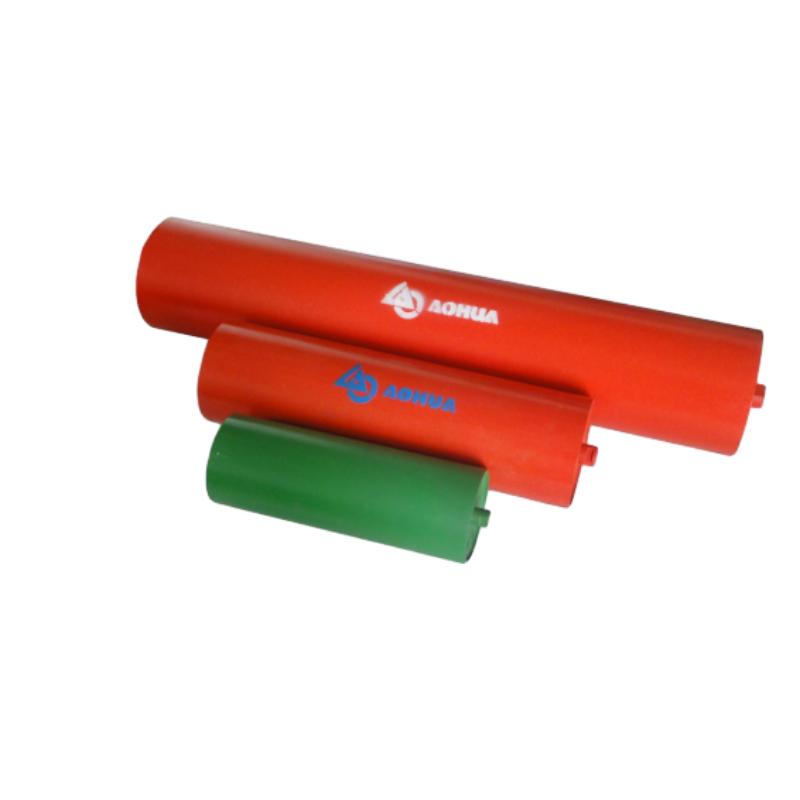
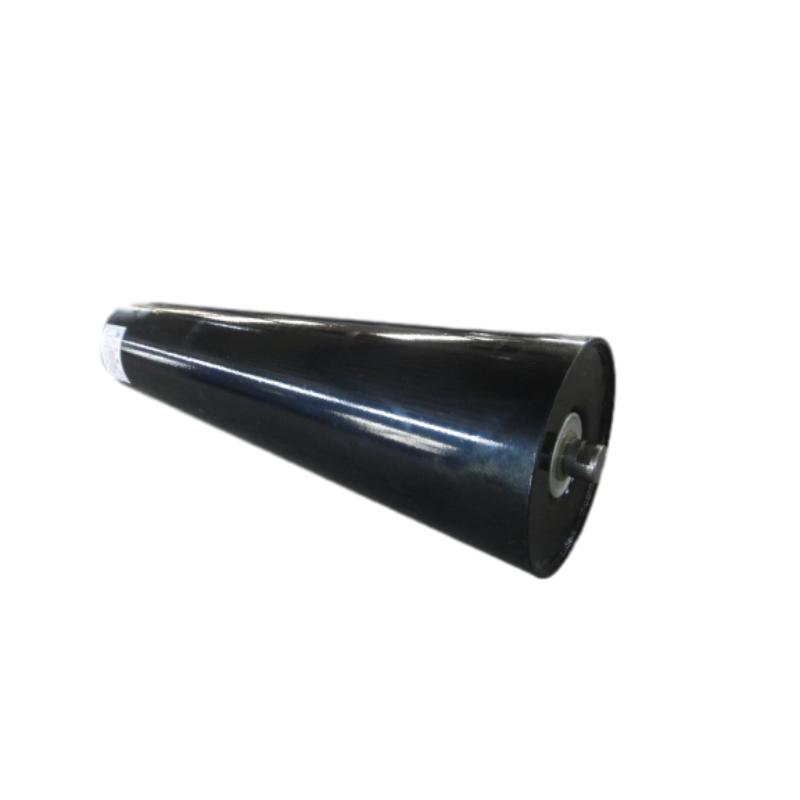
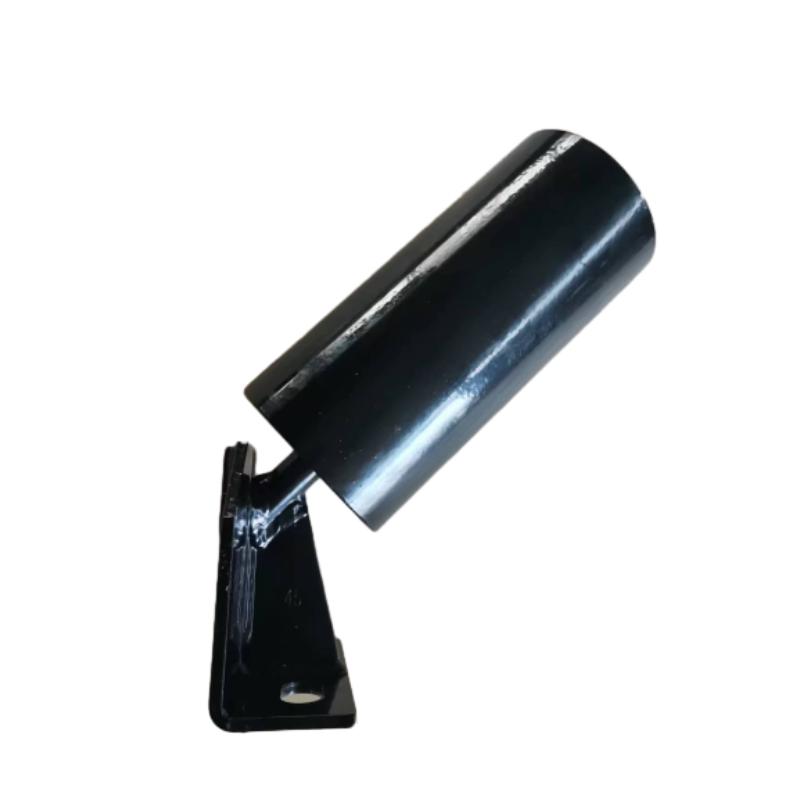
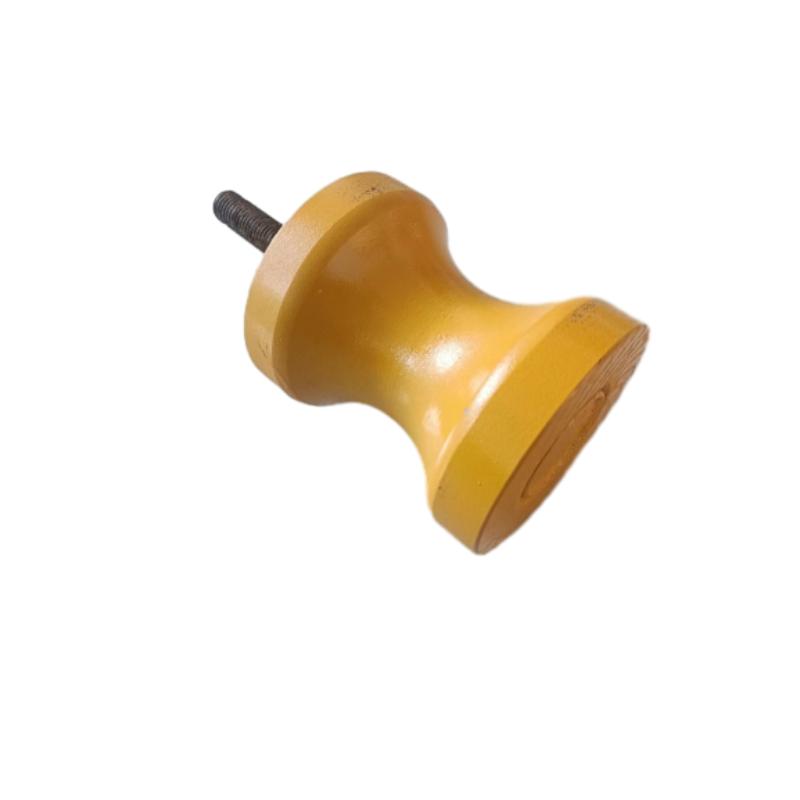
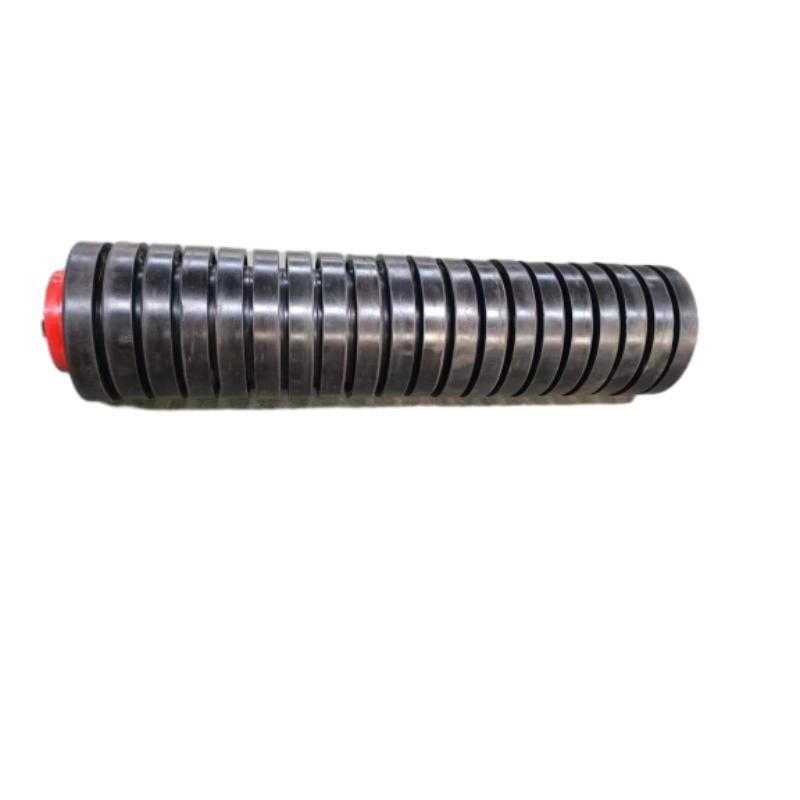
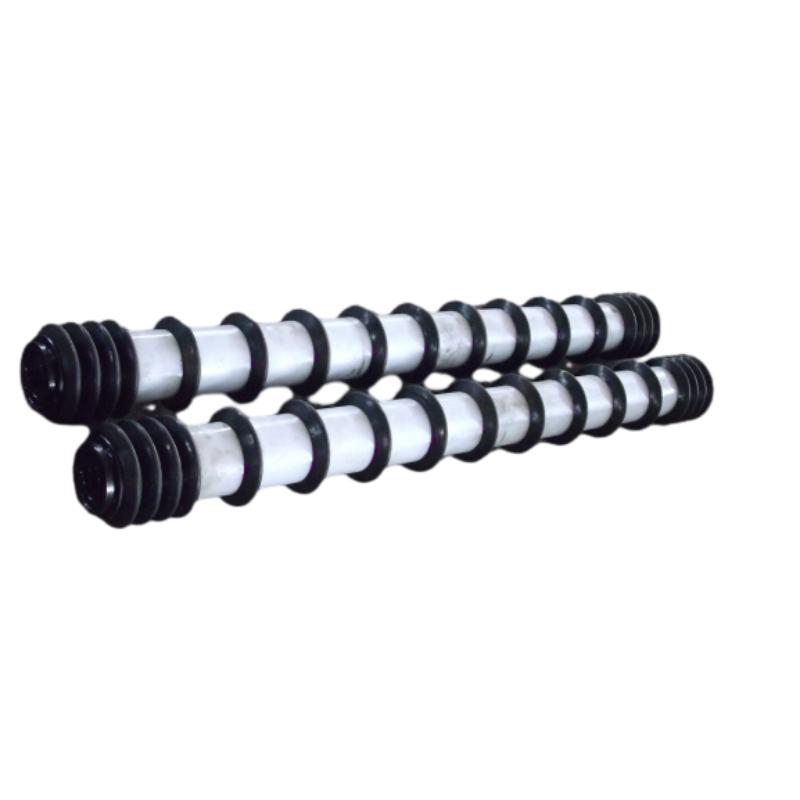
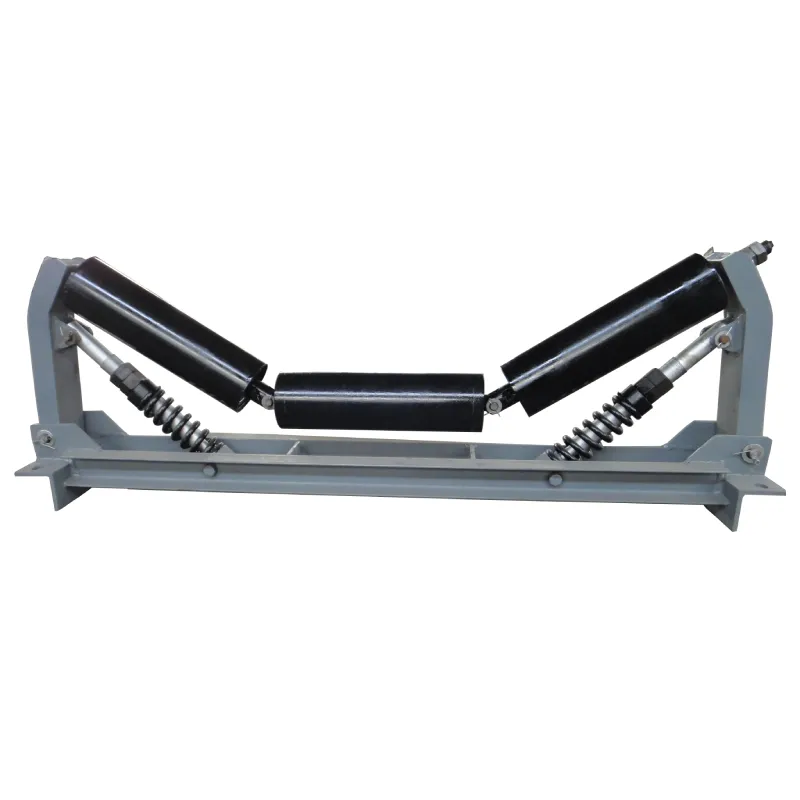
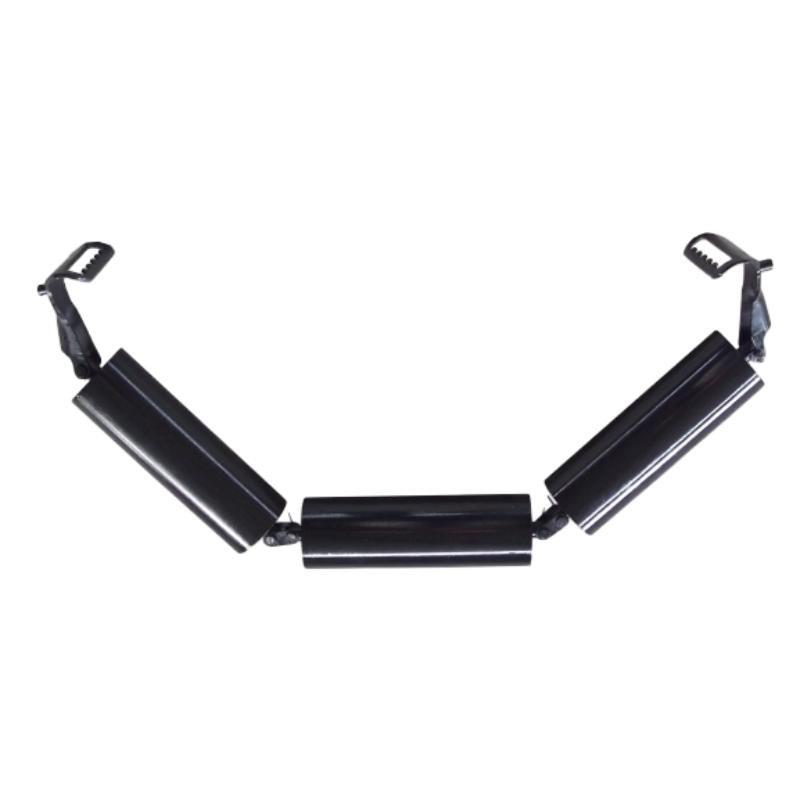
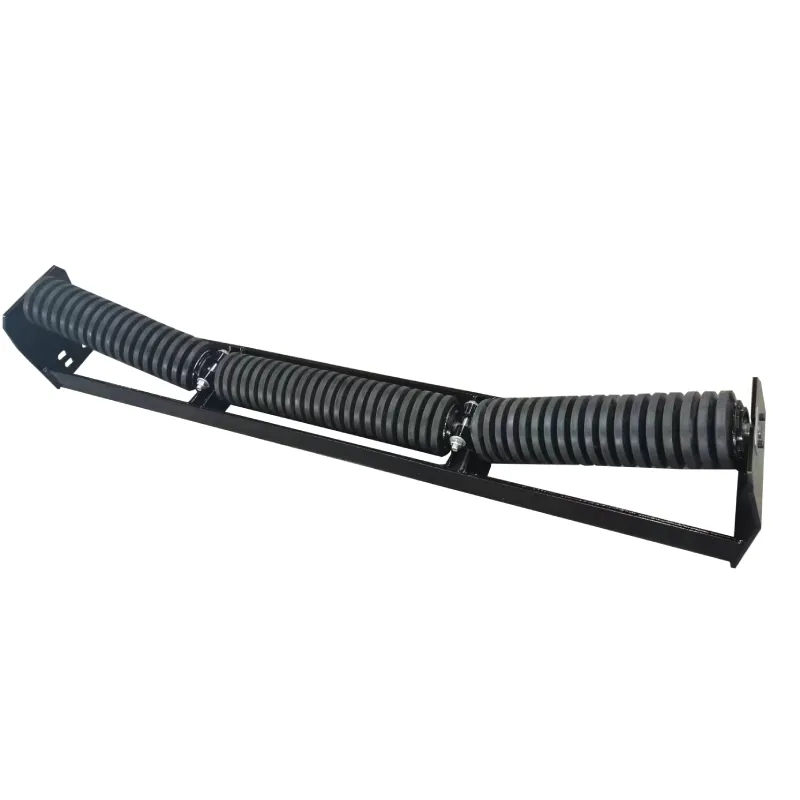
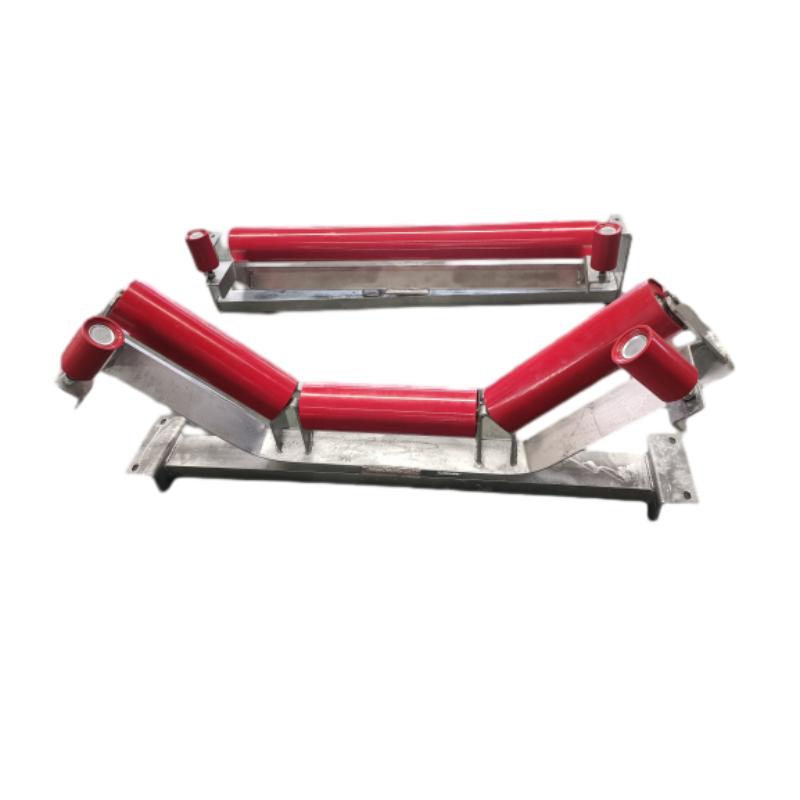
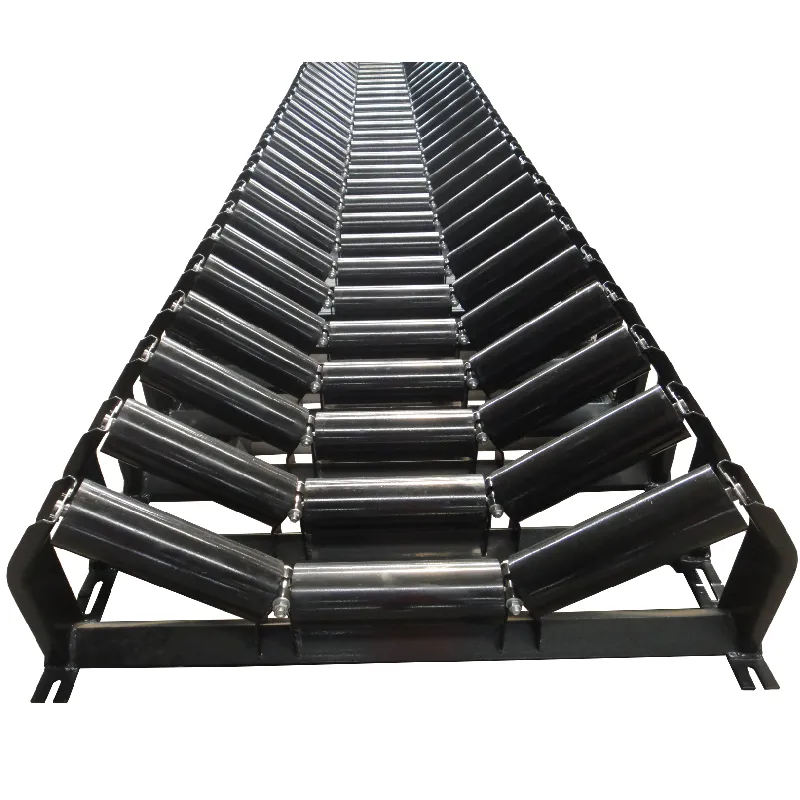
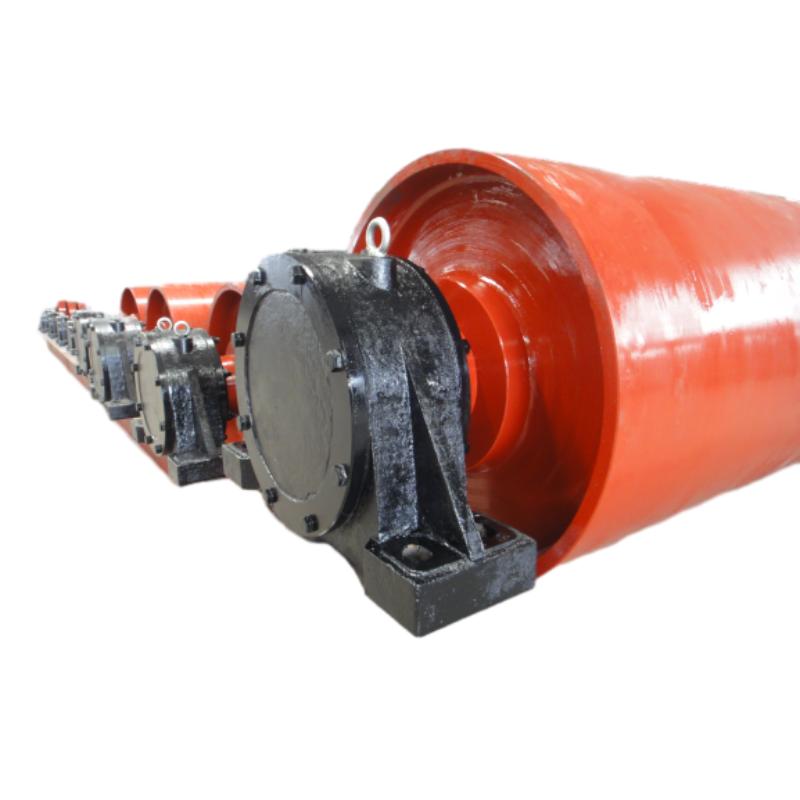
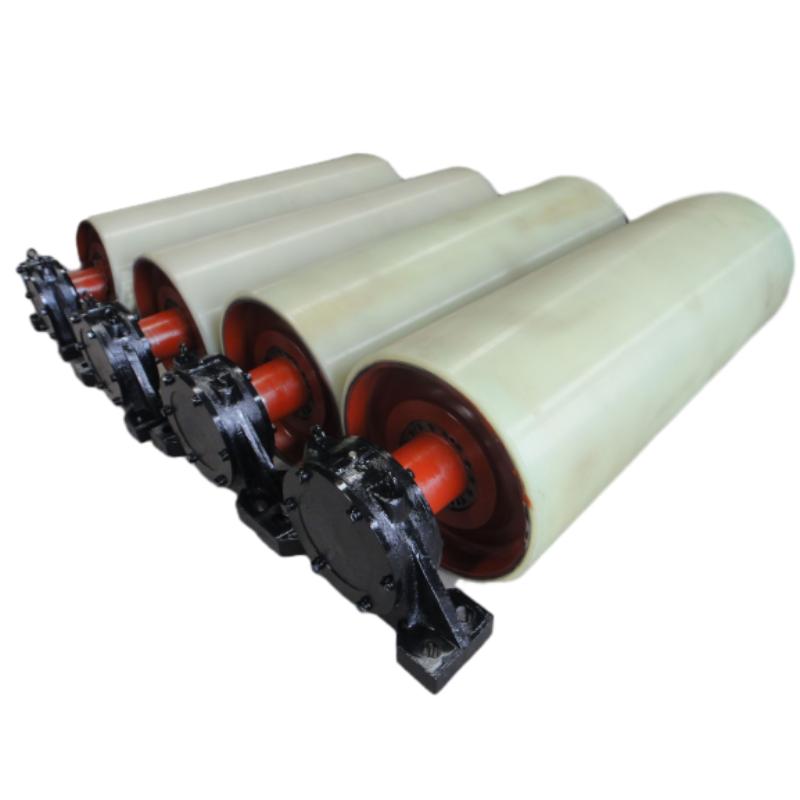
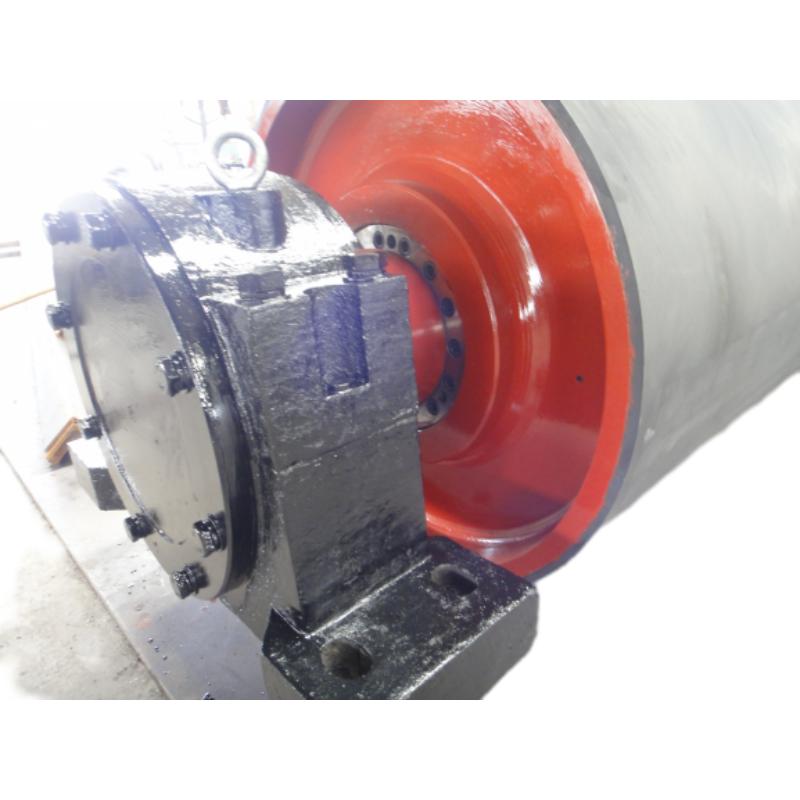
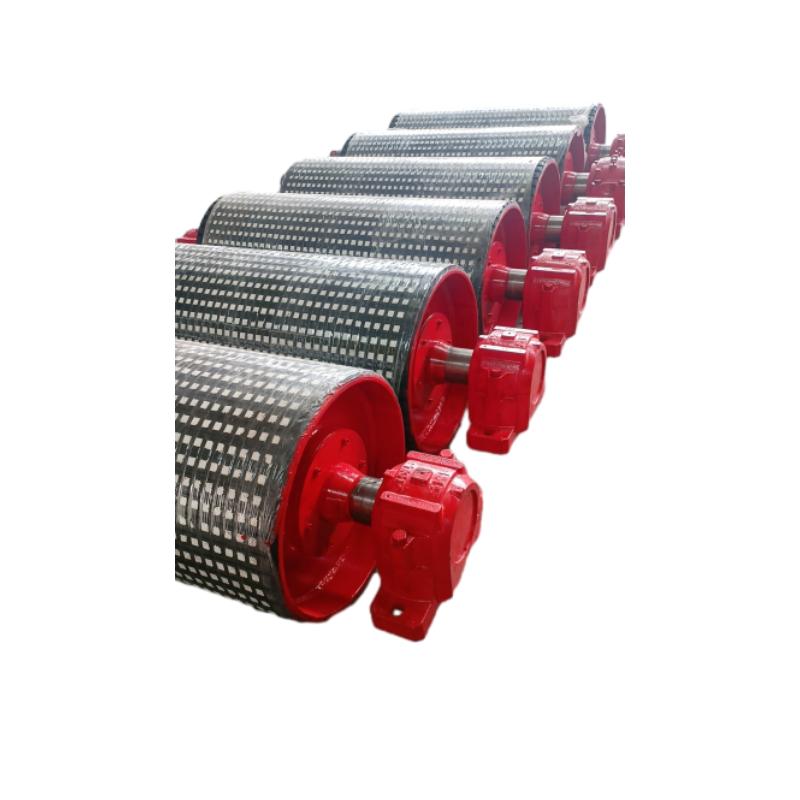
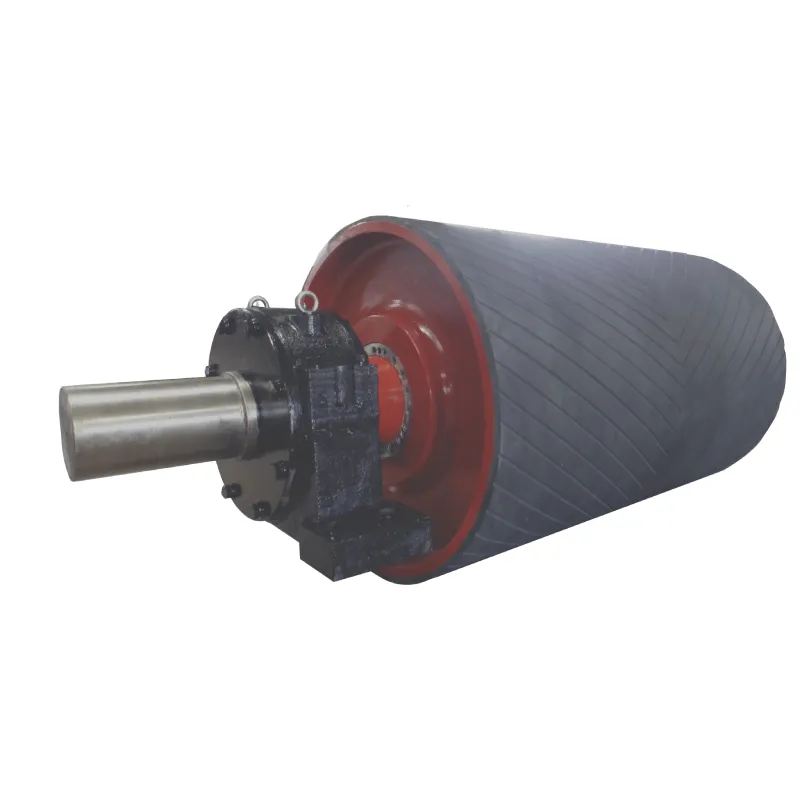
Simplistically, think of a urethane roller with a shaft as a cylindrical wheel made from durable polyurethane, mounted on a solid metal shaft. This roller, affixed securely on the shaft, can rotate freely or under controlled circumstances as part of a conveyor or other machinery. The magic here lies in the polyurethane — a plastic polymer known for its elasticity, resilience, and resistance to abrasion and impacts.
While the shaft provides structural support and rotational stability, the urethane surface manages friction and load-bearing. Together, they create a system that balances strength and flexibility, critical for modern machinery moving everything from electronics to raw ores.
Interestingly, their applications reach beyond just factories. Some humanitarian supply chains even use urethane rollers in portable machinery for rapid deployment scenarios, where durability under unpredictable conditions is paramount.
Key Factors That Define Urethane Rollers with Shaft
1. Durability and Wear Resistance
Polyurethane’s inherent resistance to abrasion beats out many alternatives like rubber or metal alone. This means the rollers last longer even when exposed to chemicals, oils, or rough materials.
2. Load Capacity and Flexibility
The shaft’s strength complements the urethane’s elasticity, allowing rollers to support heavy weights without cracking, while offering a slight give to accommodate uneven surfaces or shocks.
3. Noise Reduction
Oddly enough, many engineers swear by urethane rollers for their quiet operations, making factory environments more tolerable and safer through less noise pollution.
4. Customizability
Colors, hardness levels of polyurethane, shaft materials, and roller dimensions can be tailored to exact operational needs. This modularity ensures every industry—from food processing to mining—gets a solution tuned just right.
5. Maintenance Ease
Because of their wear-resistant surface and corrosion-resistant shafts (often stainless steel or treated steel), these rollers generally require minimal upkeep, reducing downtime and labor costs.
Mini Takeaway:
The clever combination of urethane with metal shafts means these rollers deliver lasting, quiet, adaptable performance that’s becoming indispensable in various sectors.
Global Applications & Use Cases
- Manufacturing Hubs: In parts of Europe and North America, urethane rollers with shaft streamline assembly lines, ensuring smooth transport of car parts and electronics.
- Mining and Bulk Material Handling: Australia and South Africa rely on these rollers in harsh environments to move ore and minerals with minimal wear down.
- Food & Beverage: Hygienically designed rollers are used in Asia’s booming food packaging operations where sanitation and durability are both critical.
- Humanitarian & Relief Operations: In disaster zones, portable machinery equipped with urethane rollers ensures supplies reach where they’re needed quickly, despite rough handling or terrain.
For a real-world snippet: a Canadian packaging company recently reported a 20% increase in conveyor uptime after switching to a custom urethane roller with shaft designed to resist their specific chemical exposures—an impressive operational win.
Advantages & Long-Term Value of Using Urethane Rollers with Shaft
Think long-term cost savings. Because these rollers resist damage, replacements are needed less often, which trims operating budgets. Their quiet operation reduces worker fatigue and raises safety. Emotionally, there’s a comforting reliability in knowing that your machinery won’t leave you stuck mid-shift.
Environmentally friendly? To some extent—urethane rollers often last longer, producing less waste, and many manufacturers now use recyclable materials. Their role in efficient operations indirectly supports sustainability goals by optimizing energy use.
Product Specification Table
| Specification | Typical Value | Notes |
|---|---|---|
| Material (Roller) | Polyurethane (Shore A 85) | Abrasion resistant |
| Shaft Material | Stainless Steel 304 | Corrosion resistant |
| Diameter | 50 mm | Standard size; customizable |
| Length | 150 mm | Adjustable per order |
| Max Load Capacity | 200 kg/roller | Dependent on shaft and mounting |
Vendor Comparison: Choosing the Right Supplier
| Vendor | Product Range | Customization | Lead Time | Price Range | Warranty |
|---|---|---|---|---|---|
| RollerTech Inc. | 100+ models | High (color, size, hardness) | 2-3 weeks | $$$ | 2 years |
| PolyRoll Solutions | 50+ | Medium (standard colors) | 3-4 weeks | $$ | 1.5 years |
| GlobalRollers Ltd. | 75+ | High | 1-2 weeks | $$$$ | 3 years |
Looking Ahead: Trends & Innovations in Urethane Rollers
Future developments feel particularly exciting here. Some companies invest in bio-based polyurethane alternatives aiming to cut the carbon footprint. Others embed sensors inside shafts to predict wear and trigger maintenance before failure — all part of the broader digital transformation sweeping through manufacturing.
Automation favors rollers that adapt to faster speeds and heavier loads without sacrificing longevity. Advances in 3D printing also hint at ultra-customized roller shapes and integrated features, which may sound niche but could revolutionize small-batch or prototype conveyors.
Challenges and Smart Solutions
Despite many upsides, no product is perfect. One challenge is that urethane rollers with shaft can degrade when exposed long-term to certain harsh chemicals not accounted for in design. Also, installation errors can reduce lifespan significantly.
Fortunately, expert engineering consultancies and vendors often mitigate these risks by extensive material testing aligned with ISO standards and online configurators that help clients choose perfect specs before purchase.
FAQs About Urethane Rollers with Shaft
- Q: What makes urethane rollers better than regular rubber rollers?
A: Polyurethane rollers typically wear out slower, resist oils and chemicals better, and operate more quietly. They combine durability with flexibility, making them ideal for a variety of industrial tasks. - Q: How customizable are urethane rollers with shaft?
A: Very customizable. You can select hardness, color, diameter, length, and shaft material to suit your specific machinery, improving performance and longevity. - Q: Can these rollers withstand outdoor environments?
A: Yes, when paired with corrosion-resistant shafts like stainless steel, they resist weathering and UV degradation, although extreme chemical exposure still needs consideration. - Q: How often do urethane rollers typically need replacement?
A: That depends on usage, load, and environment, but generally, they last significantly longer than rubber alternatives—often 2-4 years in heavy industrial settings.
Final Thoughts & Next Steps
At the end of the day, urethane rollers with shaft offer a robust combination of resilience, adaptability, and quiet efficiency vital for smooth operations worldwide. They represent a small component with a big impact, showing how material science and smart design collaboratively push industries forward.
If you’re considering upgrading or specifying rollers for your machinery, it’s worth exploring tailored urethane rollers—they often punch above their weight in value and longevity.
For details, custom options, and purchasing, visit urethane rollers with shaft.
References
-
Maximize Conveyor Life with a High Performance impact bedNewsApr.16,2026
-
Maximize Conveyor Efficiency Using a v plow belt scraperNewsApr.09,2026
-
Comprehensive Guide to Understanding Different Types of Belt CleanersNewsApr.07,2026
-
Enhancing Conveyor Efficiency with an Effective Scraper Belt CleanerNewsApr.04,2026
-
Optimizing Conveyor Systems with Advanced Cleaning Equipment SolutionsNewsMar.31,2026
-
Effective Conveyor Belt Scraper Adjustment for Optimal System PerformanceNewsMar.28,2026