

Plastic Roller Benefits, Applications & Innovations | Industrial Components Guide
The Plastic Roller: A Small Component with Global Industrial Impact
When you think of complex machinery, it’s easy to overlook the humble plastic roller. Yet these unassuming components quietly support countless industries worldwide, ensuring smooth operations from manufacturing lines to humanitarian logistics. Understanding what they are and why they matter is more than just technical trivia—it underpins how we move forward sustainably, efficiently, and innovatively.
Introduction: Why the Plastic Roller Matters Globally
Across global supply chains and industrial installations, rollers made of plastic have become invaluable. According to ISO standards (ISO 81346-1), the move towards lighter, corrosion-resistant materials aligns directly with modern production demands. The World Bank notes that rising industrial automation and infrastructure development in emerging economies push the need for durable yet cost-effective components—like plastic rollers—to ensure faster, safer conveyor and transport systems.
But here’s the catch—traditional steel rollers, while strong, bring issues like corrosion, heavier machinery, and energy inefficiencies. Plastic rollers help tackle these challenges by reducing maintenance and energy consumption. It’s a subtle but vital part of modern industrial evolution.
What Exactly Is a Plastic Roller?
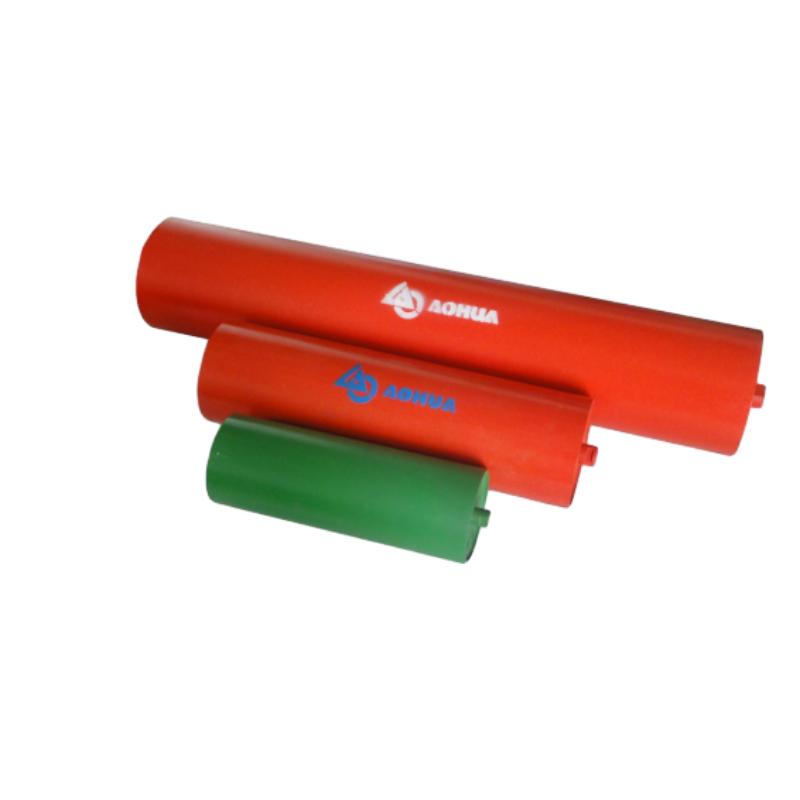
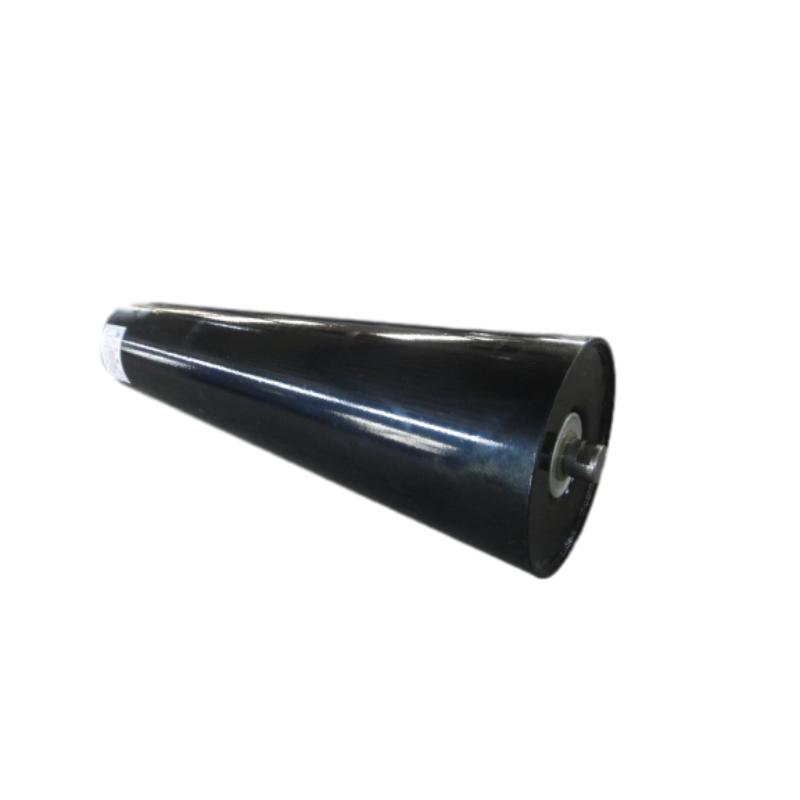
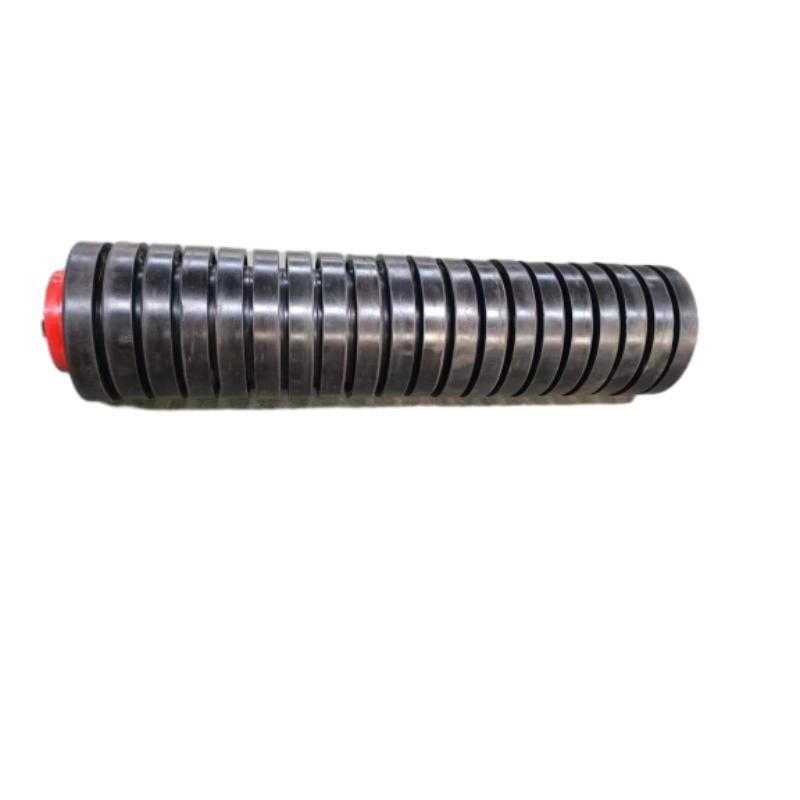
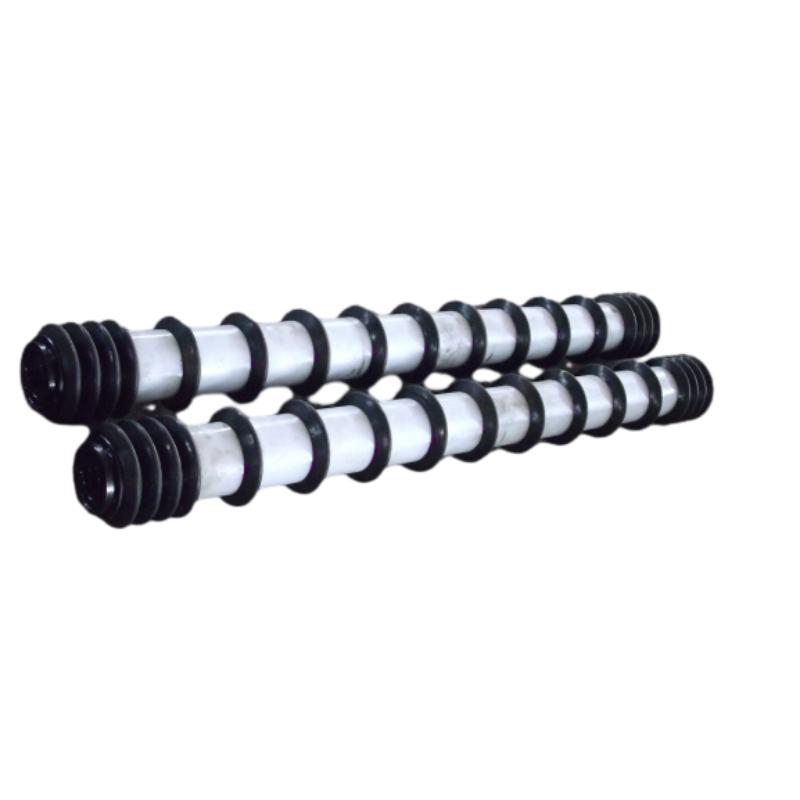
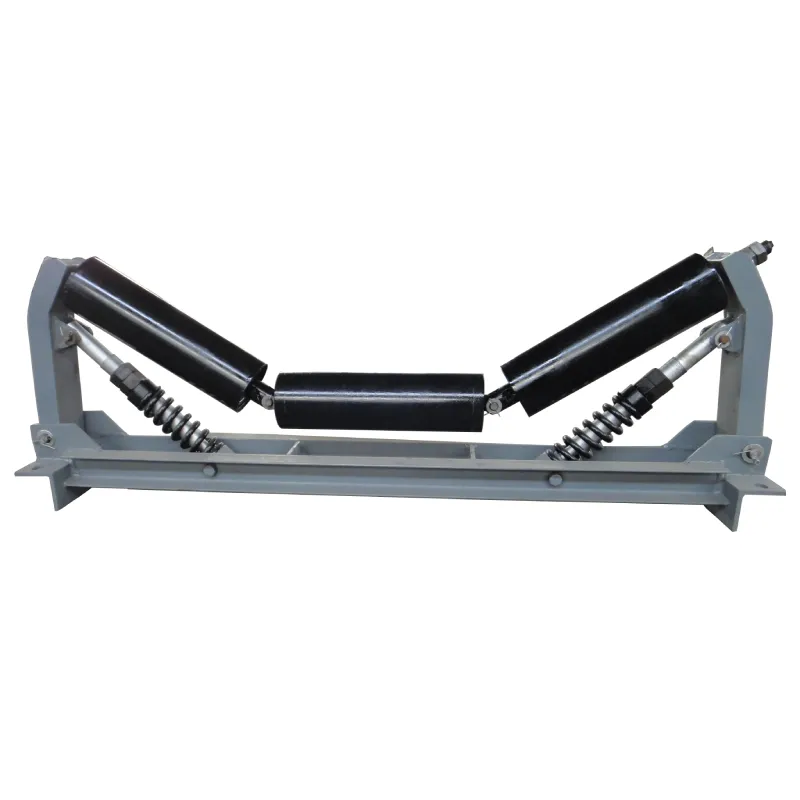
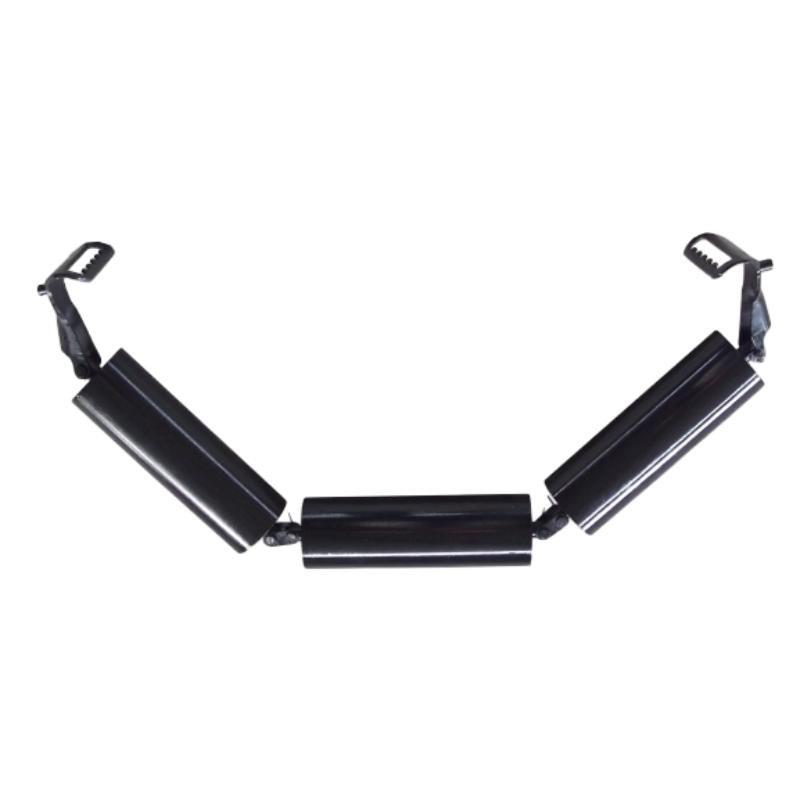
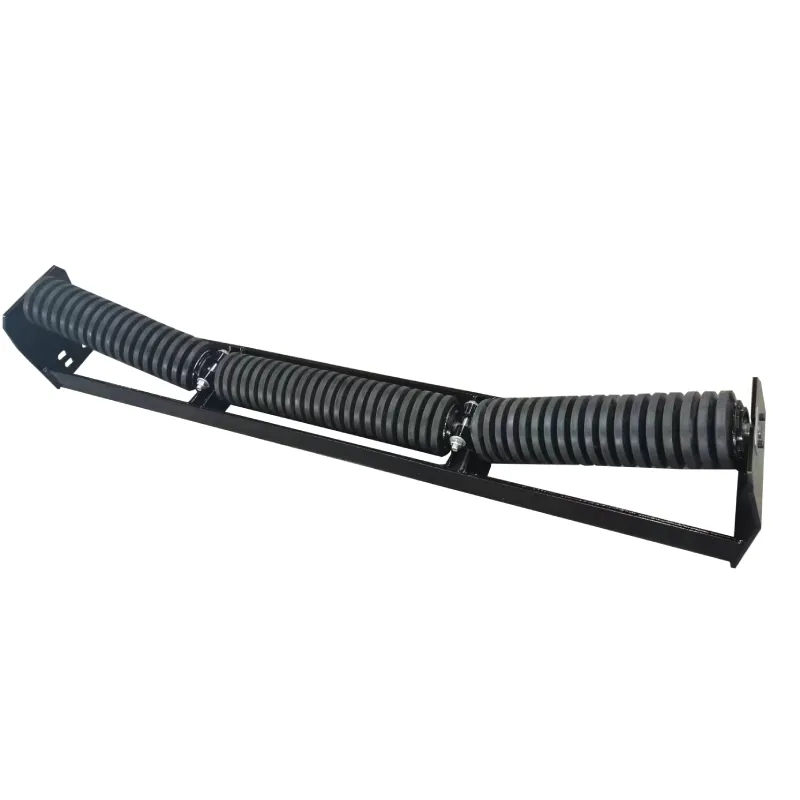
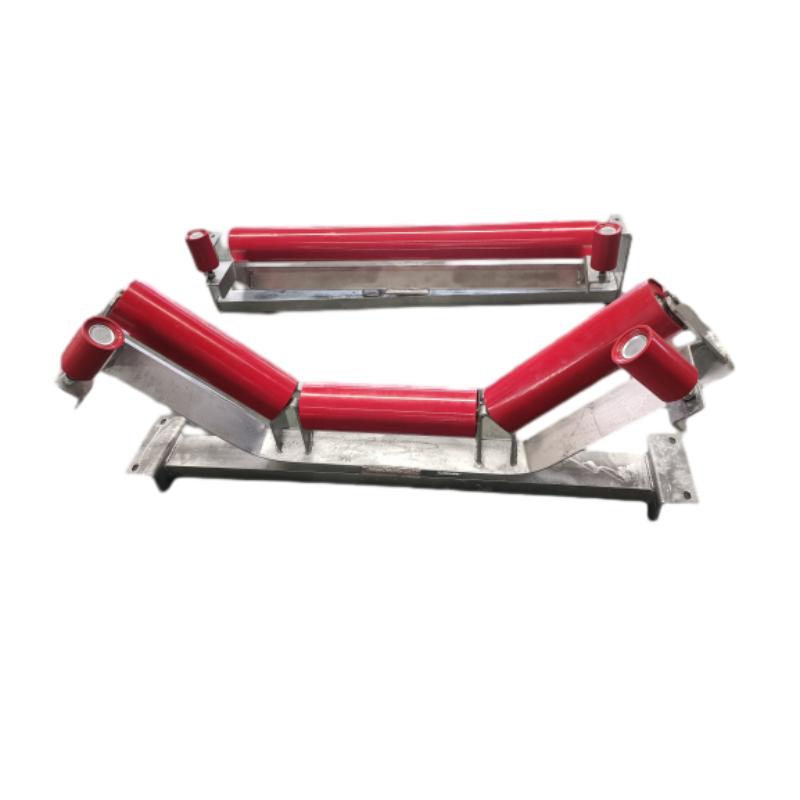
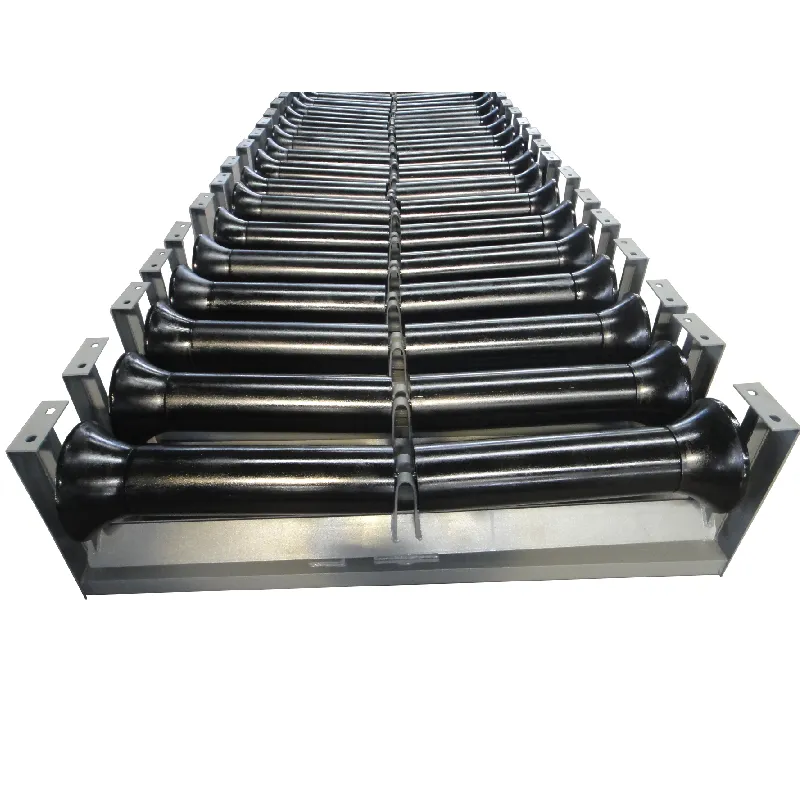
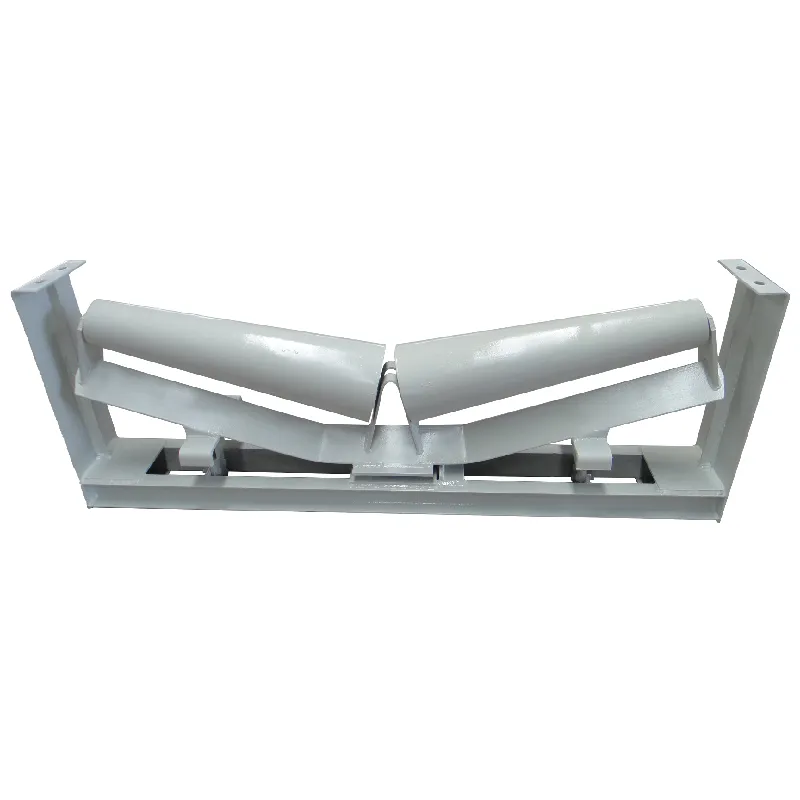
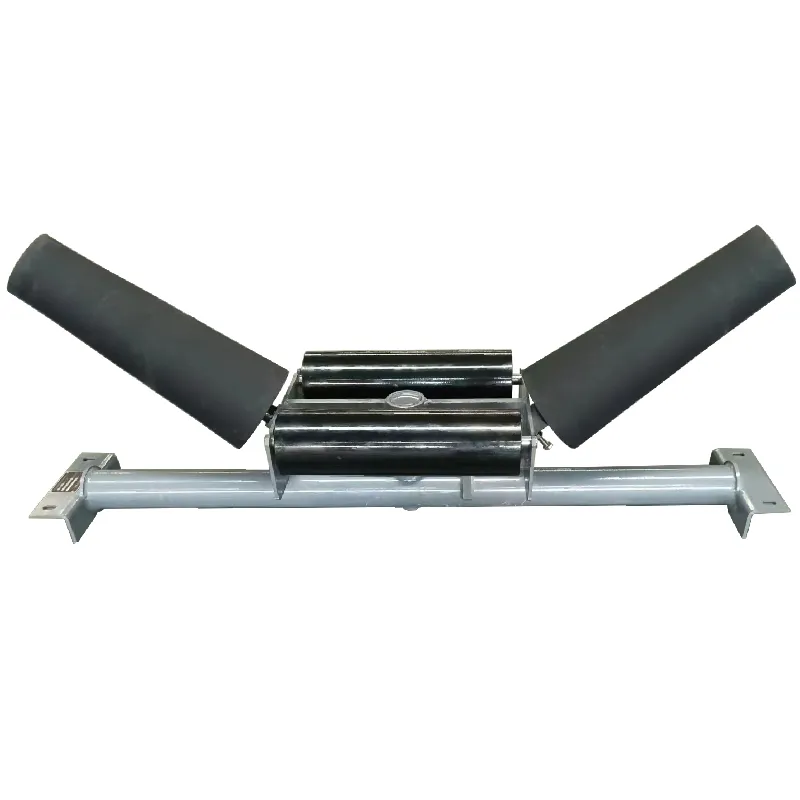
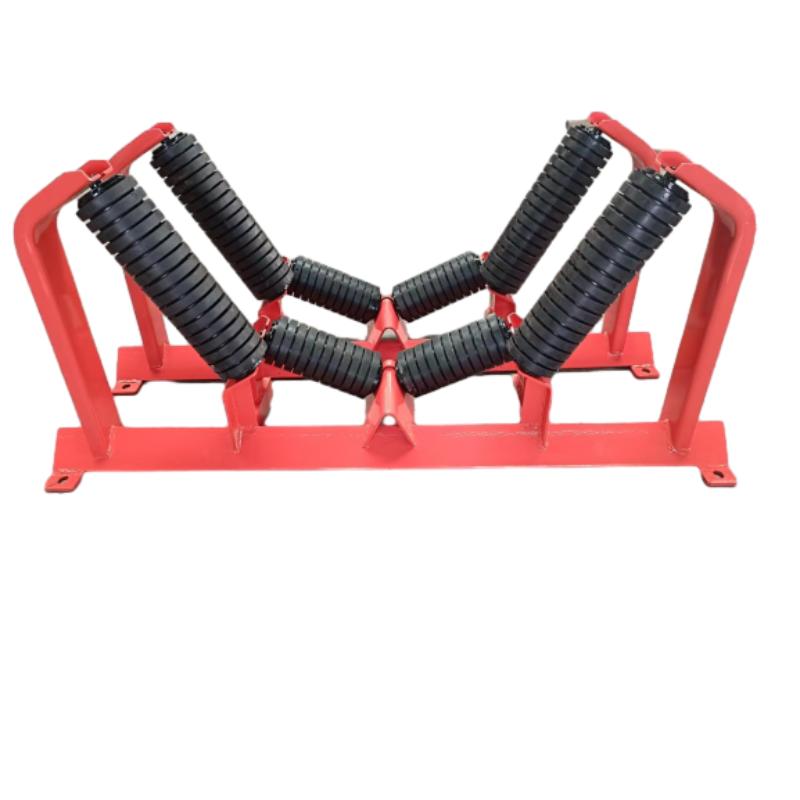
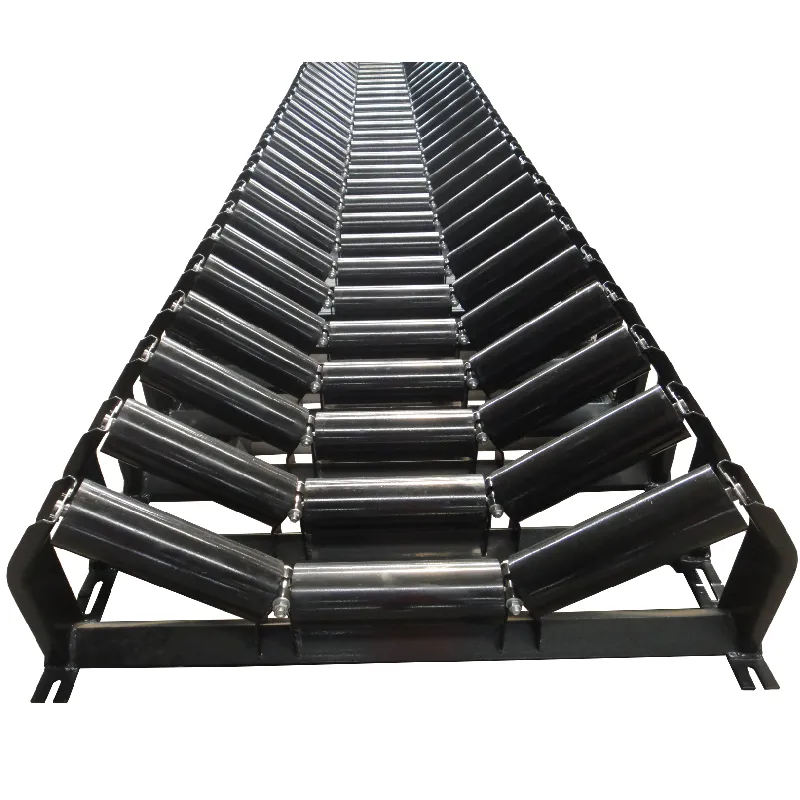
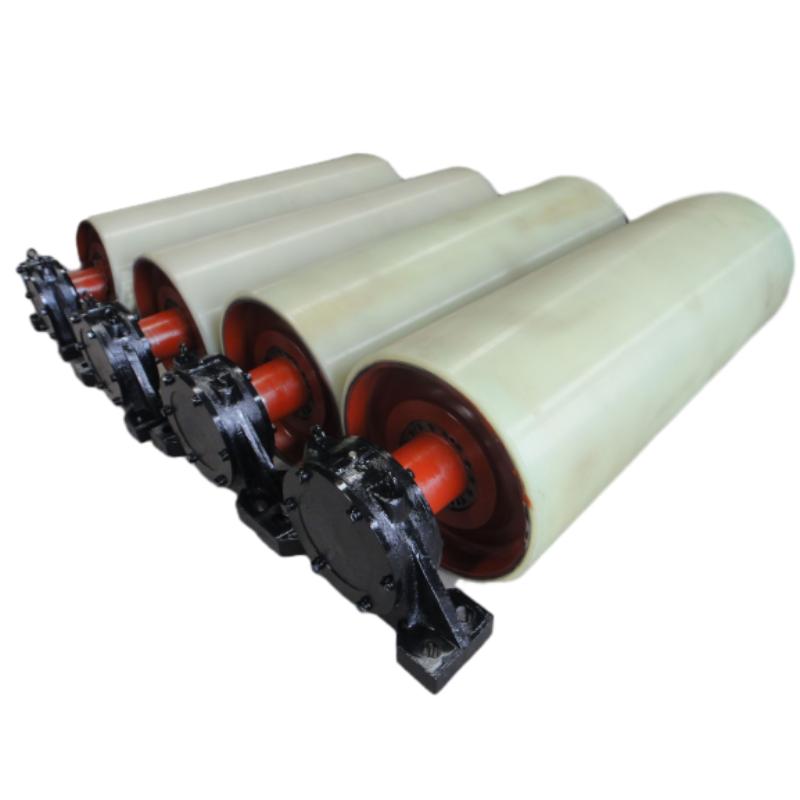
Simply put, a plastic roller is a cylindrical component made from engineered plastics—think nylon, polyurethane, or PVC—that rotates smoothly to carry or guide materials. Imagine the rollers beneath conveyor belts, guiding packaging or raw materials in factories, or those within mail sorters in logistics centers. They replace metal parts in many cases, adapting to the needs of lighter loads, corrosive environments, or quieter operations.
Its relevance extends beyond industry—as relief organizations, for example, use plastic rollers in temporary logistics setups where rapid deployment and corrosion resistance are crucial.
Core Components That Make Plastic Rollers Tick
Durability and Corrosion Resistance
Plastic rollers are prized for resisting rust and chemical corrosion. They often operate in humid or chemical-exposed environments where metal rollers would degrade quickly. This enhances lifetime and reliability, meaning less downtime and replacement expenses.
Lightweight Design
Compared to metal, plastic rollers often weigh less—sometimes by half. This contributes to energy savings and easier installation or replacement. In automated warehouses, this can translate to significant system longevity improvements since motors strain less.
Cost-Effectiveness
While the upfront cost of high-quality plastic rollers differs, the long-term savings on maintenance, downtime, and energy consumption can be substantial. Plus, customization possibilities in plastic molding encourage manufacturers to design components tailored for specific, niche needs.
Quiet Operation
Factories aren’t exactly peaceful places, but switching to plastic rollers reduces noise from machinery considerably. This can have real human benefits, like lowering worker fatigue and improving factory conditions.
Scalability and Ease of Replacement
Plastic rollers are easy to manufacture in a range of sizes and hardness levels, making them adaptable to different conveyor setups or mechanical systems. They’re also simple to swap out, streamlining maintenance.
Mini-Takeaway:
Plastic rollers balance several advantages — durability without rust, lightweight efficiency, and customizable cost-effectiveness — making them quietly unstoppable pieces of modern industrial puzzles.
Global Applications & Use Cases of Plastic Rollers
The beauty of plastic rollers is their versatility. In Southeast Asian manufacturing hubs, they quietly support fast-moving assembly lines churning out electronics. In the cold Nordic logistics centers, they withstand subzero moisture without corroding. Red Cross and other relief groups use them in modular conveyor setups during emergency responses, where rapid assembly and reduced wear make a difference.
In remote mining areas—say, in Australia or South America—plastic rollers endure abrasive dust and chemicals, reducing the costly equipment failures that can halt entire operations. Even the automotive industry leans on them as part of paint shops where metal rollers would rust quickly under humid, chemical exposure.
Real Example:
A packaging company in Germany reported that switching to plastic rollers on their conveyor lines cut downtime by 20% and reduced noise complaints within the plant. It might seem a simple upgrade, but it had a remarkable effect on workforce morale and operational savings.
Mini-Takeaway:
Plastic rollers prove their worth in diverse, often extreme conditions — from high humidity to chemical-contact — across continents and sectors.
Typical Specifications of a High-Quality Plastic Roller
| Specification | Typical Range / Details |
|---|---|
| Material | Nylon, Polyurethane, PVC, HDPE |
| Diameter | 20 – 150 mm (customizable) |
| Length | 50 – 500 mm (varies by application) |
| Load Capacity | Depends on diameter & material (up to 500 kg) |
| Temperature Range | -40 to +90 °C |
| Weight | Up to 50% lighter than metal alternatives |
Comparing Leading Plastic Roller Vendors
| Vendor | Materials Offered | Typical Lead Time | Customization Options | Typical Price Range |
|---|---|---|---|---|
| Rollex Plastics Ltd. | Nylon, Polyurethane | 2-3 weeks | Diameter, hardness, coating | $$ |
| PolyRoll Inc. | PVC, HDPE | 1-2 weeks | Length, load capacity | $ |
| ConveyMax Solutions | Nylon, Polyurethane, Hybrid | 3-4 weeks | Advanced coatings, hard-anodized sleeves | $$$ |
Advantages & Long-Term Value of Plastic Rollers
- Cost Savings: Less wear and tear, and longer replacement intervals shrink operating budgets.
- Sustainability: Often recyclable materials with longer life reduce environmental footprint.
- Operational Reliability: Improved corrosion resistance reduces system breakdown risk.
- Enhanced Worker Safety & Comfort: Less noise and vibration mean better workplace conditions.
- Innovation: Enables faster machinery upgrades due to ease of customization.
Emerging Trends & Innovations in Plastic Rollers
Innovation never sleeps, even for something like a plastic roller. Recent developments include:
- Bio-based plastics to improve sustainability without compromising strength.
- Embedded sensors for predictive maintenance and real-time load monitoring.
- New surface coatings that reduce friction and increase lifespan.
- Hybrid plastic-metal designs to combine strength and corrosion resistance.
- Advanced manufacturing methods like 3D printing for rapid prototyping.
Industry 4.0 and green manufacturing push these changes rapidly, and it feels like plastic rollers will remain quietly evolving under the radar.
Common Challenges & Practical Solutions
Plastic rollers aren’t a magic bullet. Their limitations include lower load-bearing capacity compared to steel, potential degradation under UV exposure, and temperature sensitivities.
Experts suggest:
- Combining plastic rollers with metal cores or reinforcement.
- Using UV-stabilized plastics for outdoor applications.
- Carefully matching plastic materials to the specific environmental conditions and loads.
Thanks to ongoing research, many of these challenges are becoming manageable with smart design choices.
FAQ: Your Practical Questions on Plastic Rollers Answered
Q1: How do I know if a plastic roller is right for my conveyor system?
A: Start by assessing load requirements, environmental exposure, and noise reduction needs. Plastic rollers are ideal when corrosion resistance and lighter weight are priorities, but heavy-load or high-temperature zones might still call for metal alternatives.
Q2: Can plastic rollers be customized for specialized industrial use?
A: Definitely. Manufacturers offer tailored sizes, materials, surface hardness levels, and coatings. Customization ensures your roller matches line speed, load, and environmental factors perfectly.
Q3: What maintenance do plastic rollers require compared to metal rollers?
A: Generally less maintenance is needed due to corrosion resistance and lower friction. However, regular inspection for wear and debris is essential to maximize lifespan.
Q4: Are plastic rollers environmentally friendly?
A: Many are recyclable, and innovations in bio-based plastics reduce environmental impact. Plus, their lighter weight contributes to energy savings during operation.
Q5: Where can I find reliable plastic roller suppliers with global shipping?
A: Companies like Rollex Plastics Ltd. and ConveyMax Solutions serve international clients with customization and rapid delivery. Checking supplier certifications and customer reviews helps ensure quality.
Wrapping Up: Why Plastic Rollers Are More Important Than You Think
At first glance, plastic rollers might seem insignificant. But their role reflects broader trends in industry: sustainable materials, cost efficiency, and quieter, safer workplaces. They’re a small but mighty part of shipments arriving intact, factories running smoothly, and relief aid reaching those in need without a hitch.
If you’re intrigued by what plastic rollers can do for your operation, don’t hesitate—visit our website to explore the options that might quietly revolutionize your line.
Final Mini-Takeaway:
Plastic rollers are an evolving industrial necessity, combining innovation and practicality in ways that make the world's complex machinery simpler and more reliable.
References
-
Maximize Conveyor Life with a High Performance impact bedNewsApr.16,2026
-
Maximize Conveyor Efficiency Using a v plow belt scraperNewsApr.09,2026
-
Comprehensive Guide to Understanding Different Types of Belt CleanersNewsApr.07,2026
-
Enhancing Conveyor Efficiency with an Effective Scraper Belt CleanerNewsApr.04,2026
-
Optimizing Conveyor Systems with Advanced Cleaning Equipment SolutionsNewsMar.31,2026
-
Effective Conveyor Belt Scraper Adjustment for Optimal System PerformanceNewsMar.28,2026