

Optimizing Conveyor Systems with High Performance Return Rollers
Understanding Return Rollers: A Comprehensive Guide
In the realm of conveyor systems, return rollers play a crucial, yet often overlooked, role in ensuring efficient and reliable material handling. These rollers, which support the returning strand of the conveyor belt, are essential for maintaining belt tracking, reducing wear, and extending the overall lifespan of the system. This article will delve into the intricacies of return rollers, exploring their types, applications, maintenance, and selection criteria. Whether you're involved in mining, logistics, or manufacturing, understanding return rollers is paramount for optimizing your conveyor operations. You can find a wide range of high-quality idler rollers at IDLER AOHUA.
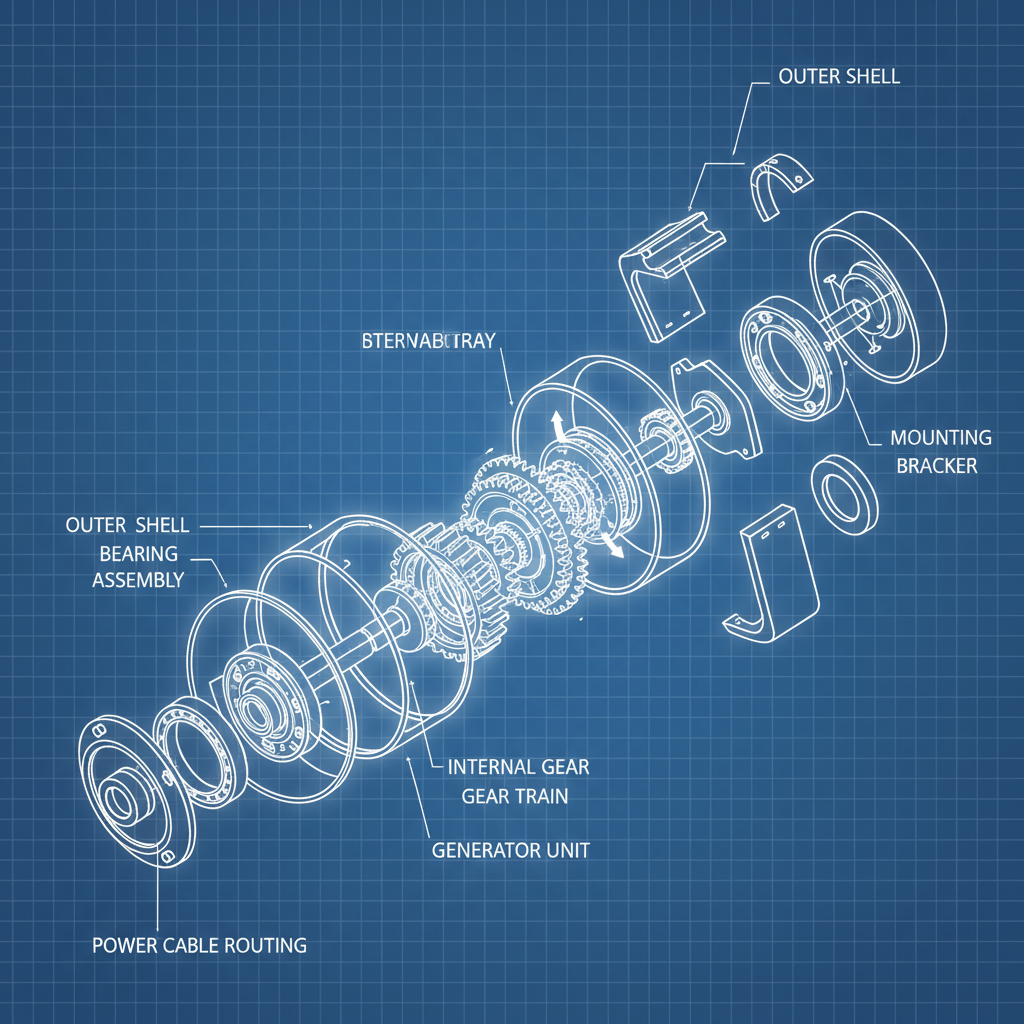
What are Return Rollers and Why are They Important?
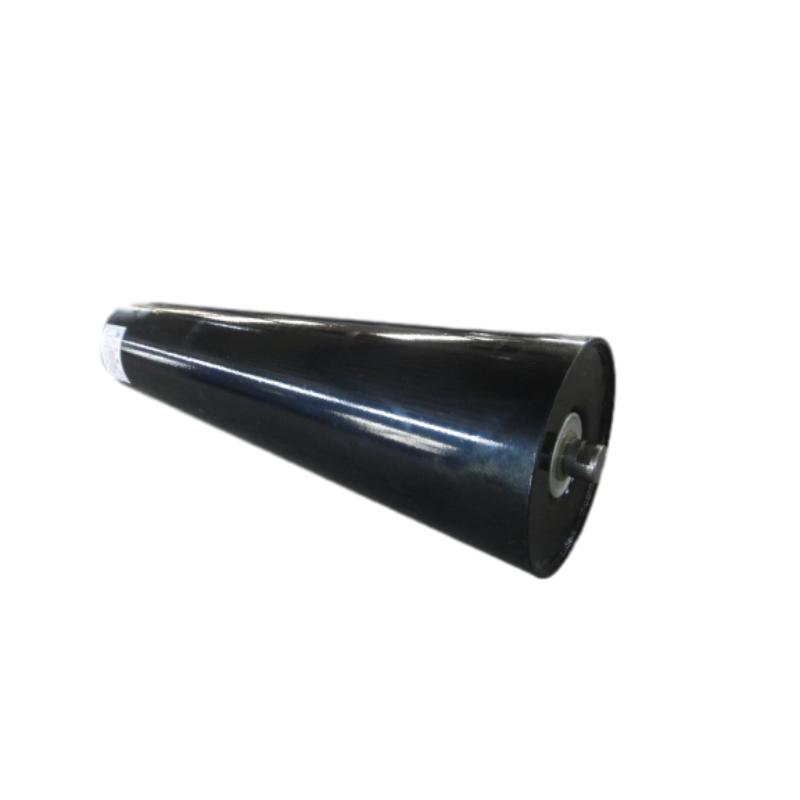
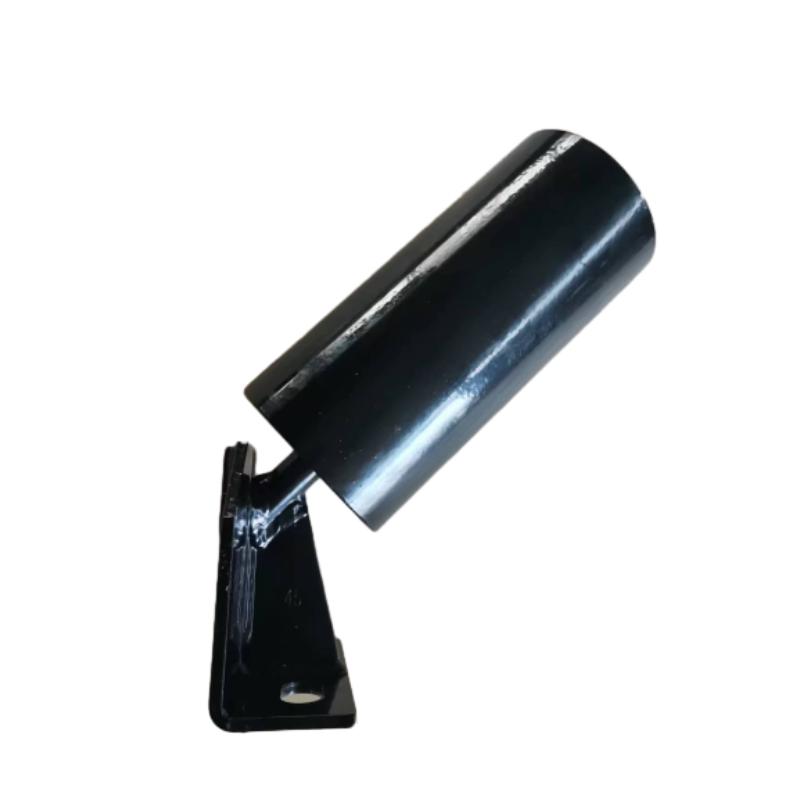
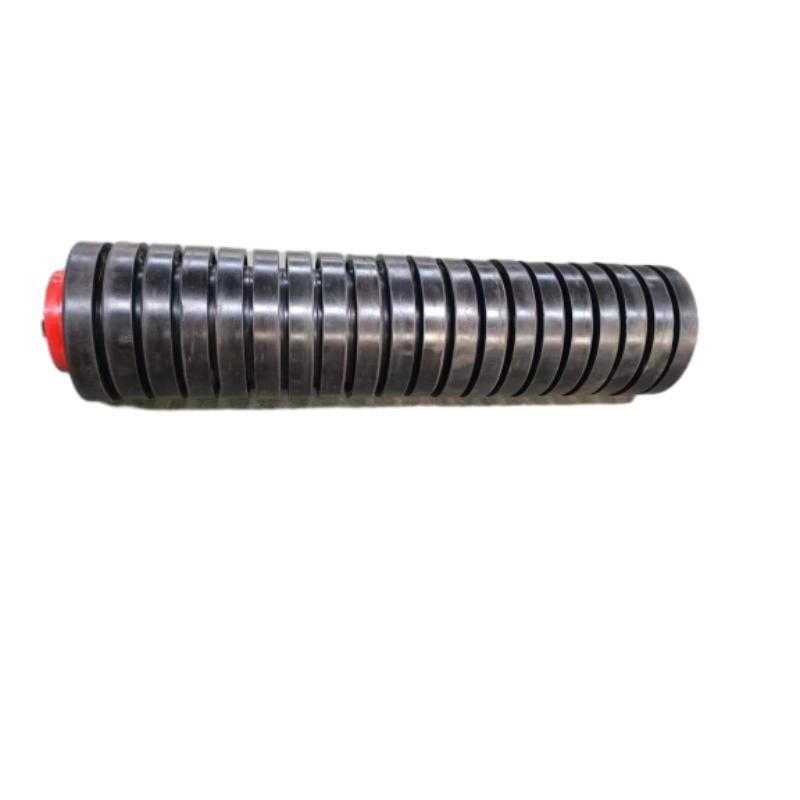
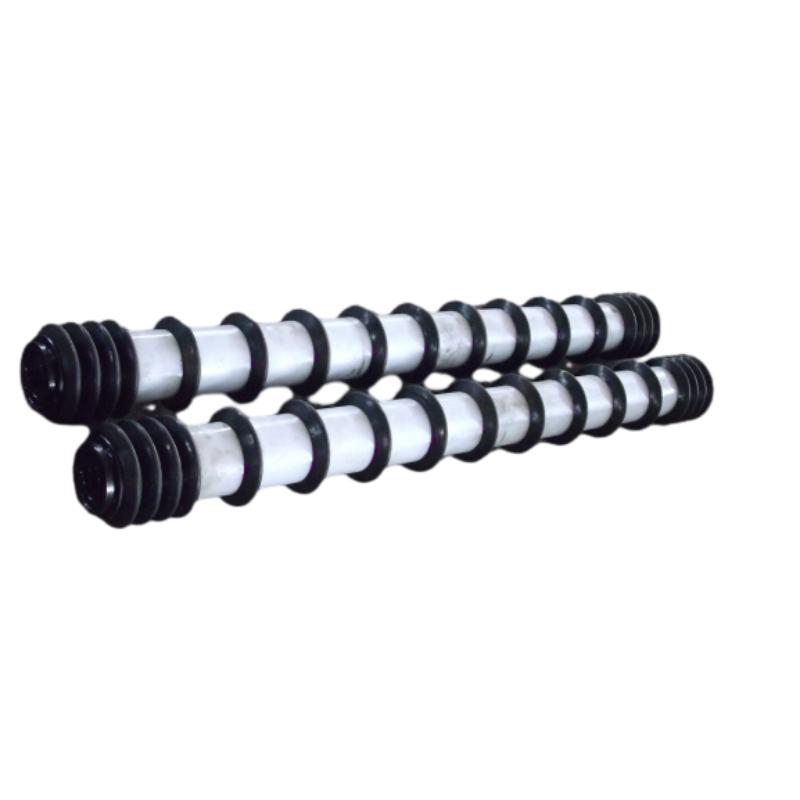
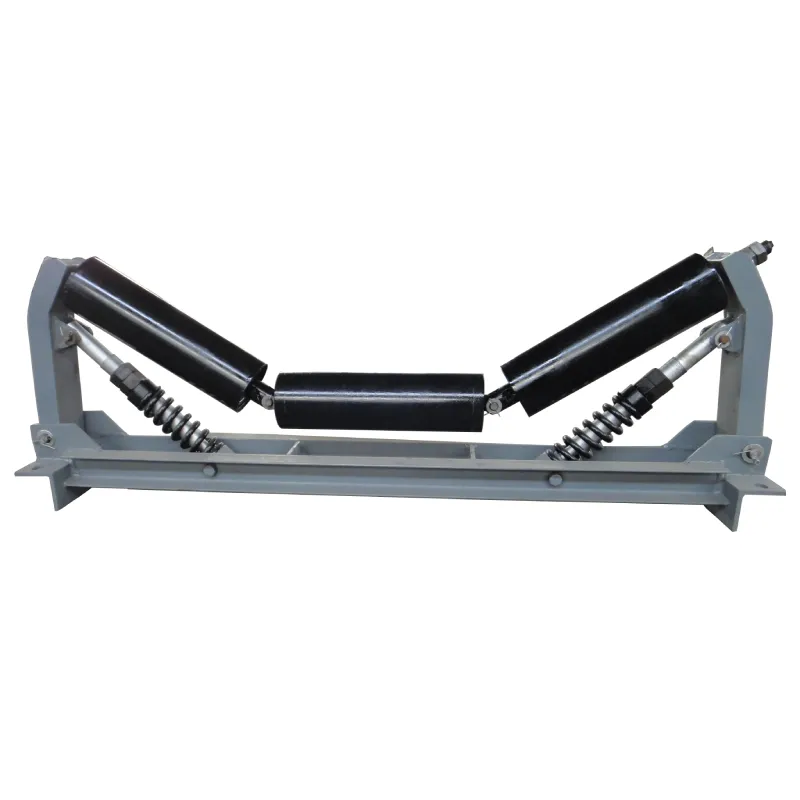
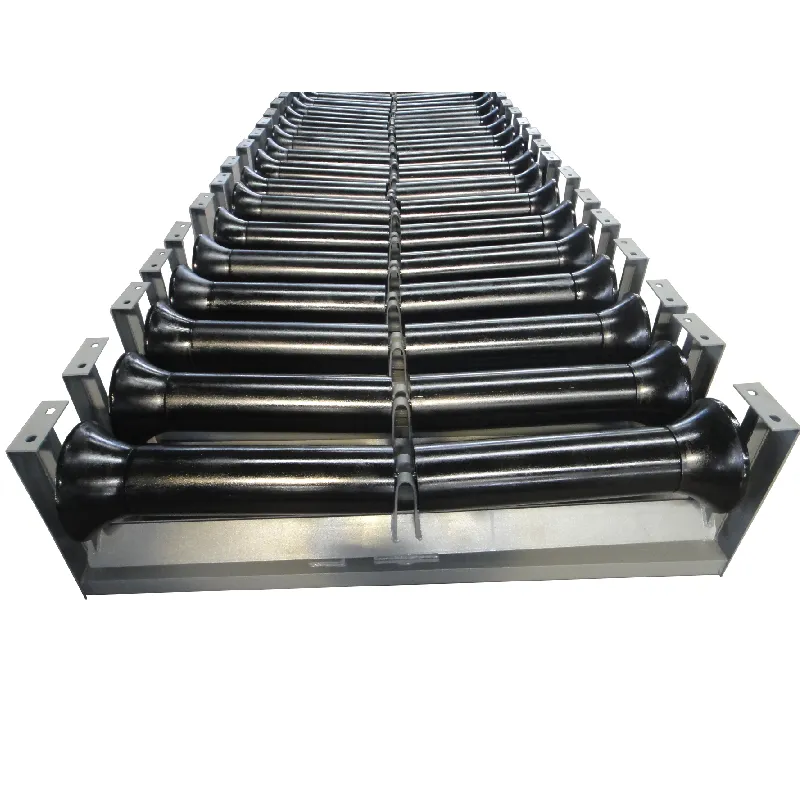
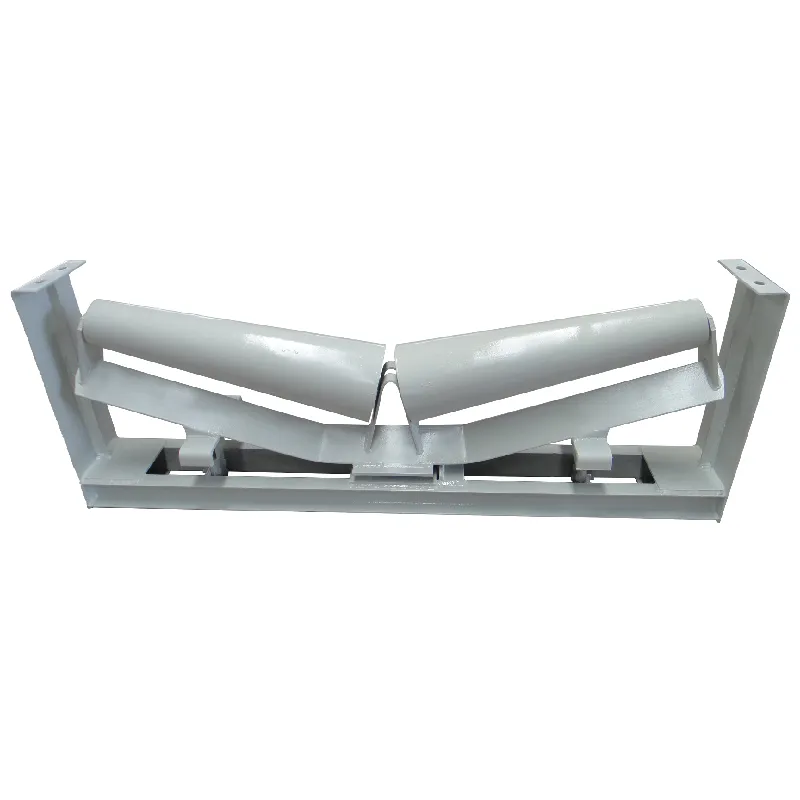
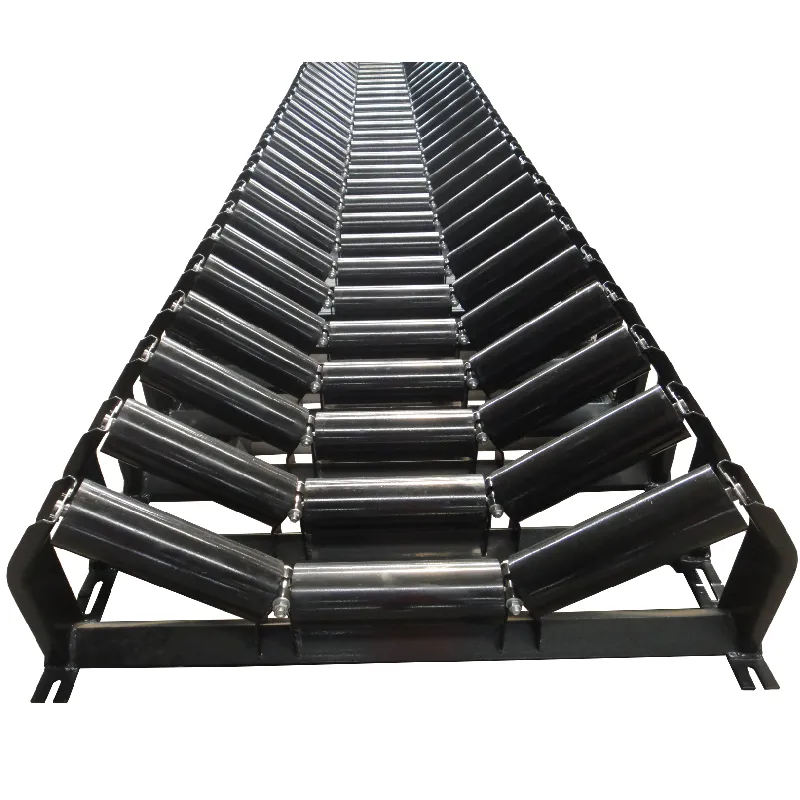
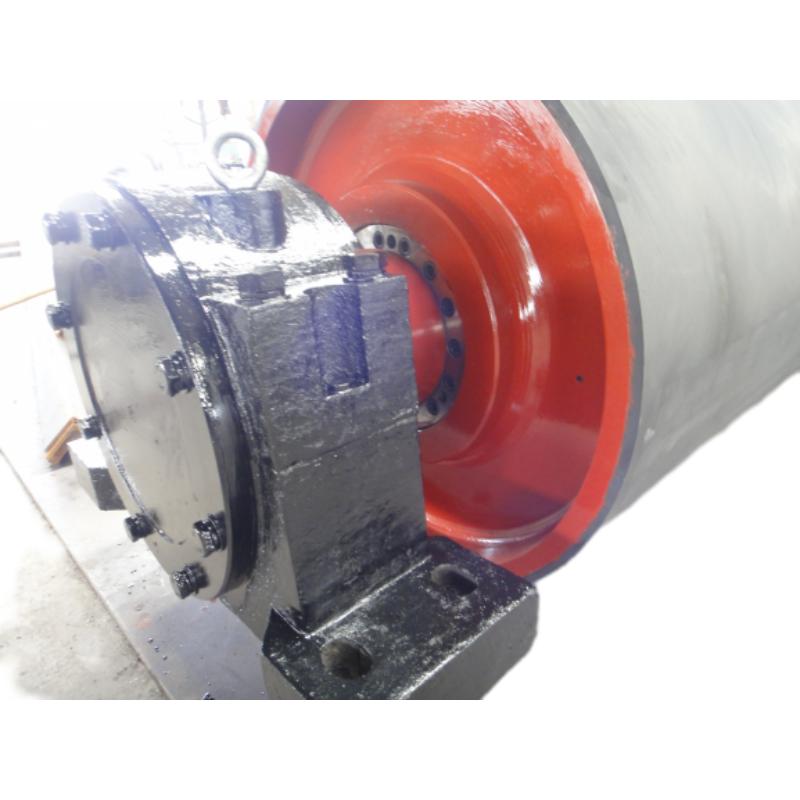
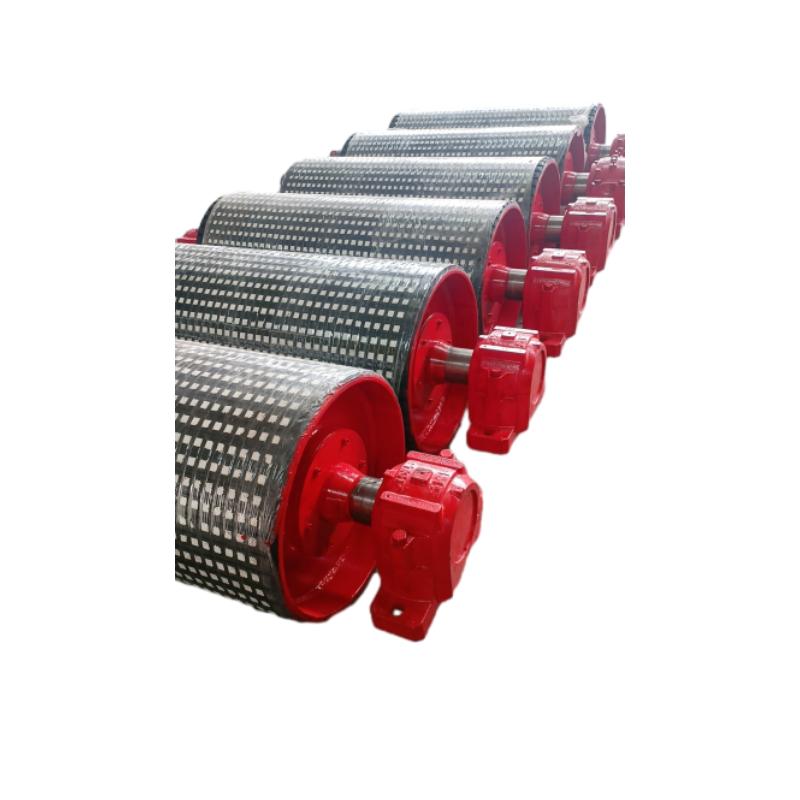
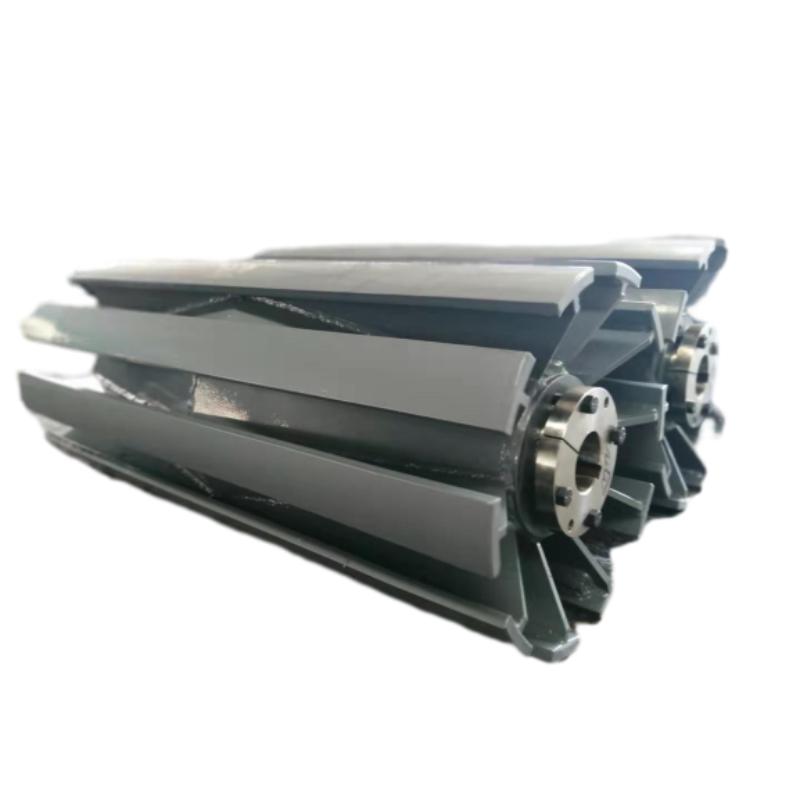
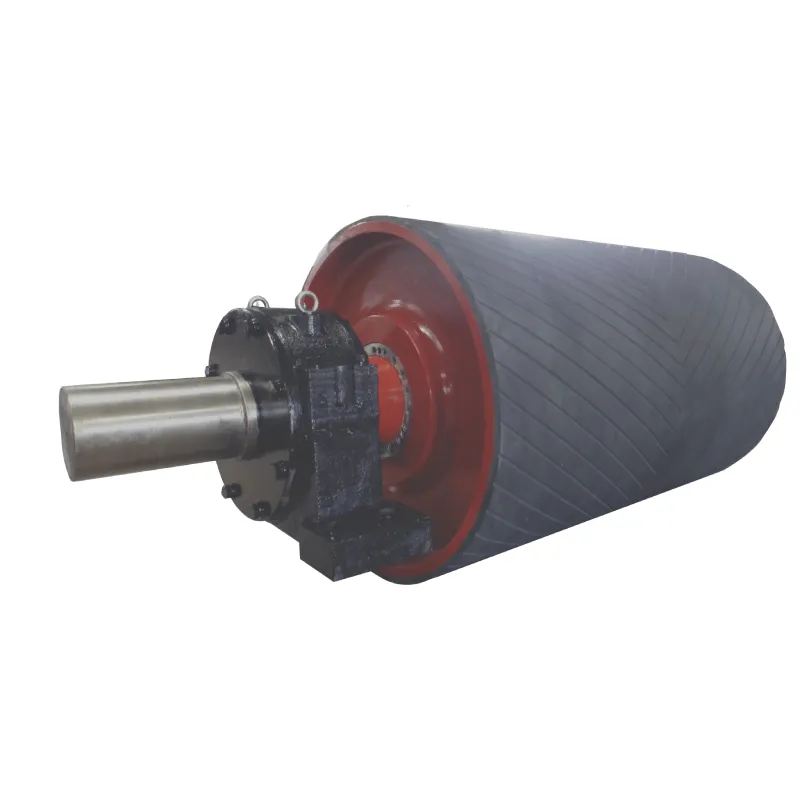
Return rollers are the rollers positioned beneath the returning strand of a conveyor belt. Unlike carry idlers which support the load, return rollers primarily support the empty, returning side of the belt. Their primary functions include: maintaining proper belt alignment (tracking), absorbing impact forces, reducing belt wear, and providing a stable surface for the belt to travel on. Properly functioning return rollers contribute significantly to the overall efficiency and longevity of the conveyor system. Ignoring their importance can lead to belt misalignment, increased energy consumption, and premature component failure. Effective return roller performance is vital for sustained productivity.
Key Benefits of Well-Maintained Return Rollers: Reduced belt wear, Improved belt tracking, Decreased energy consumption, Extended conveyor lifespan.
Types of Return Rollers
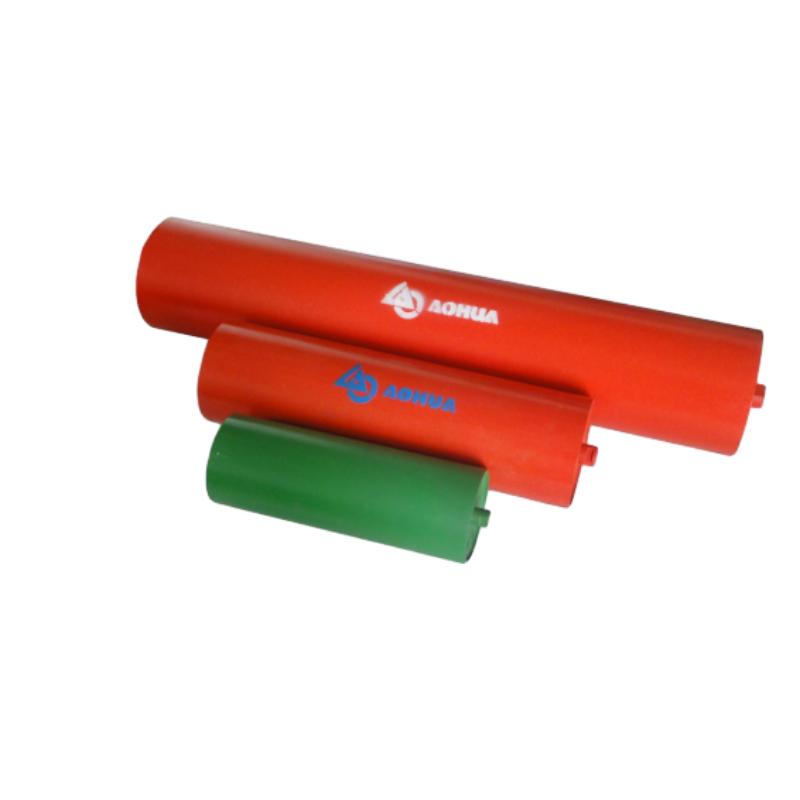
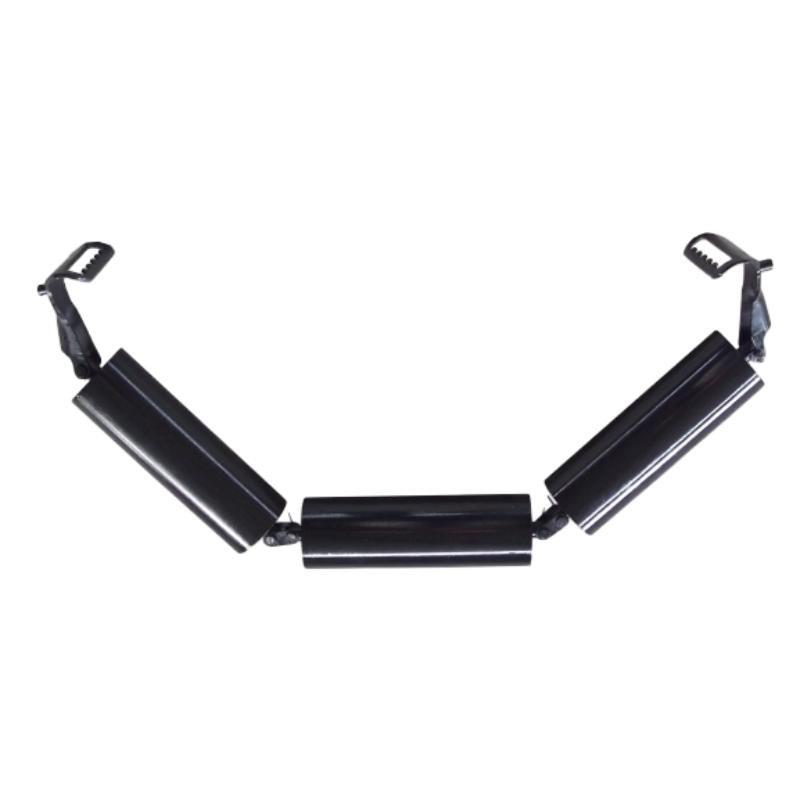
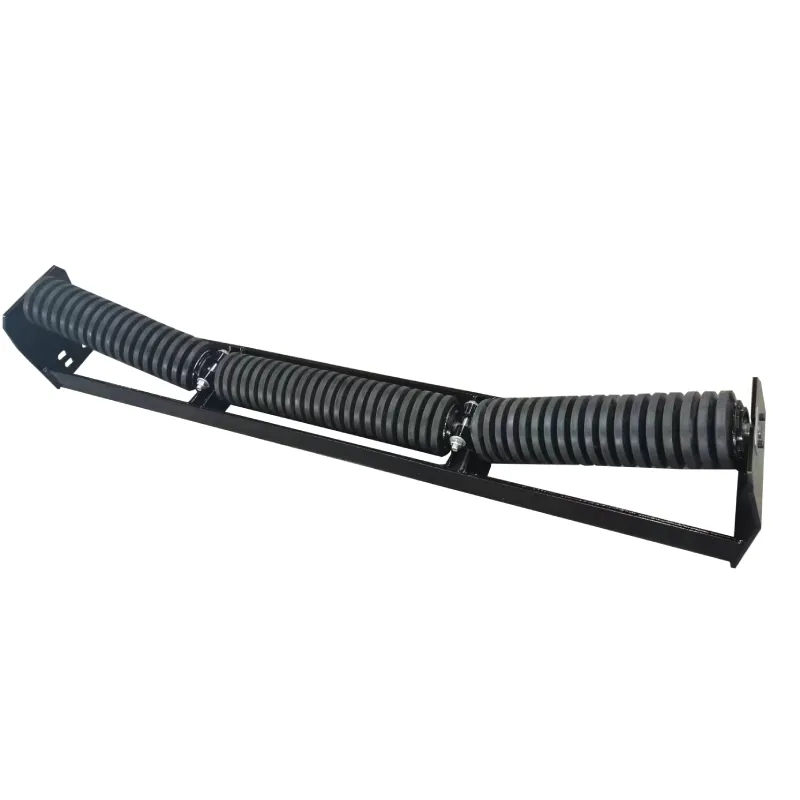
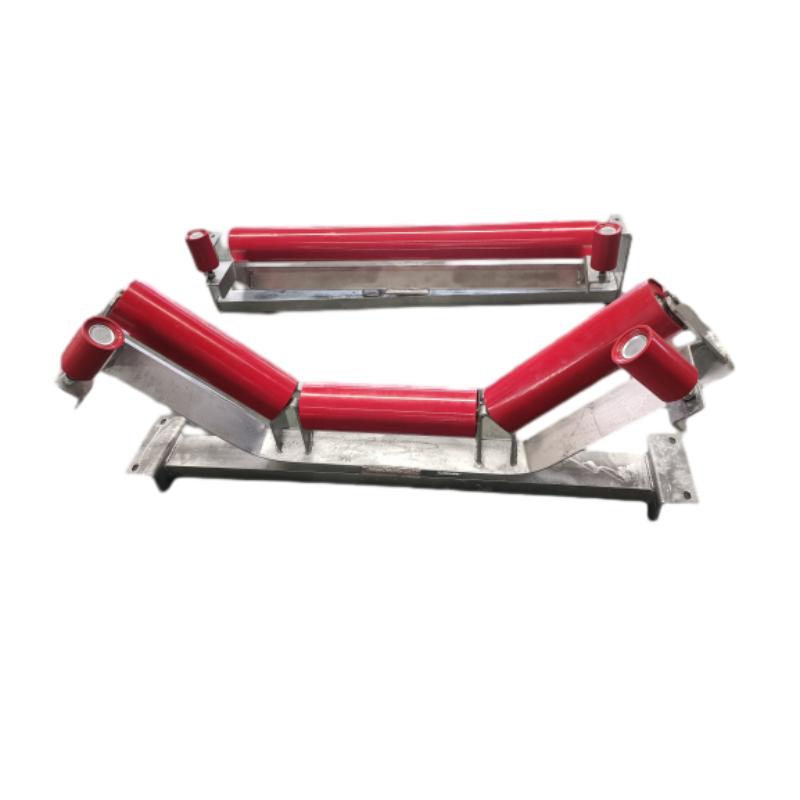
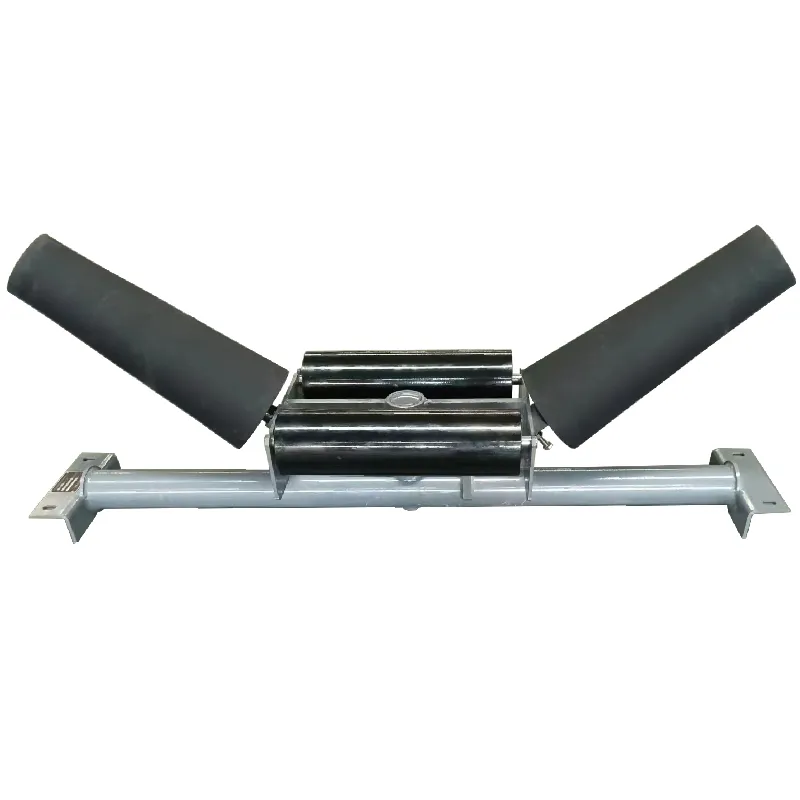
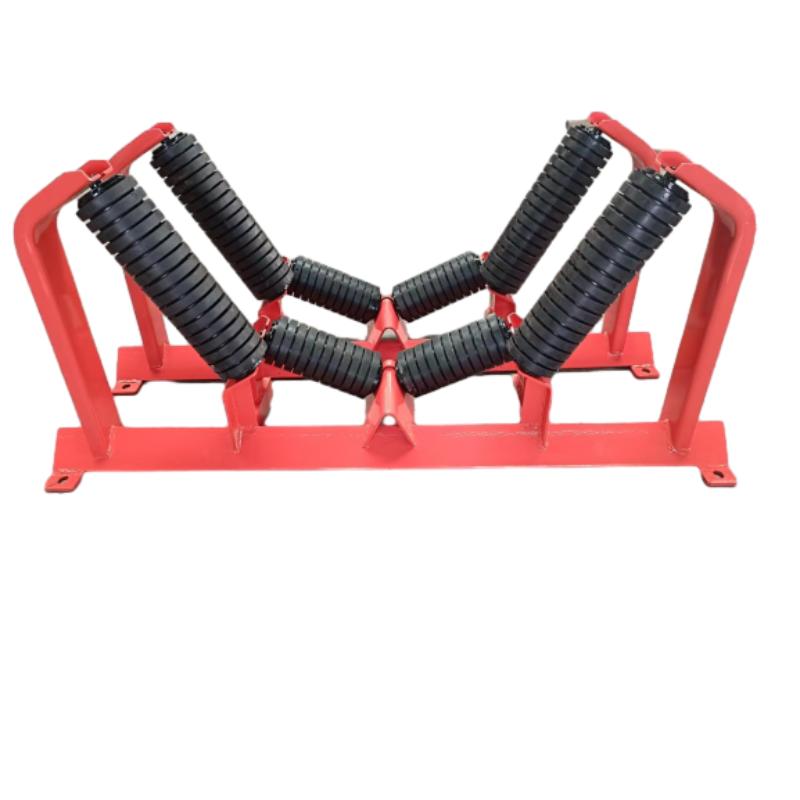
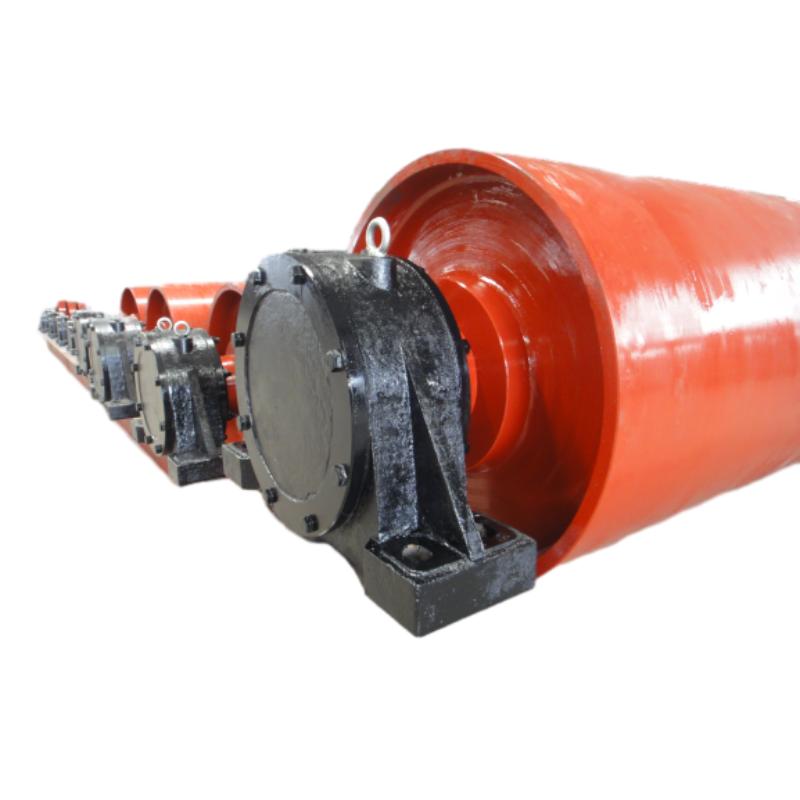
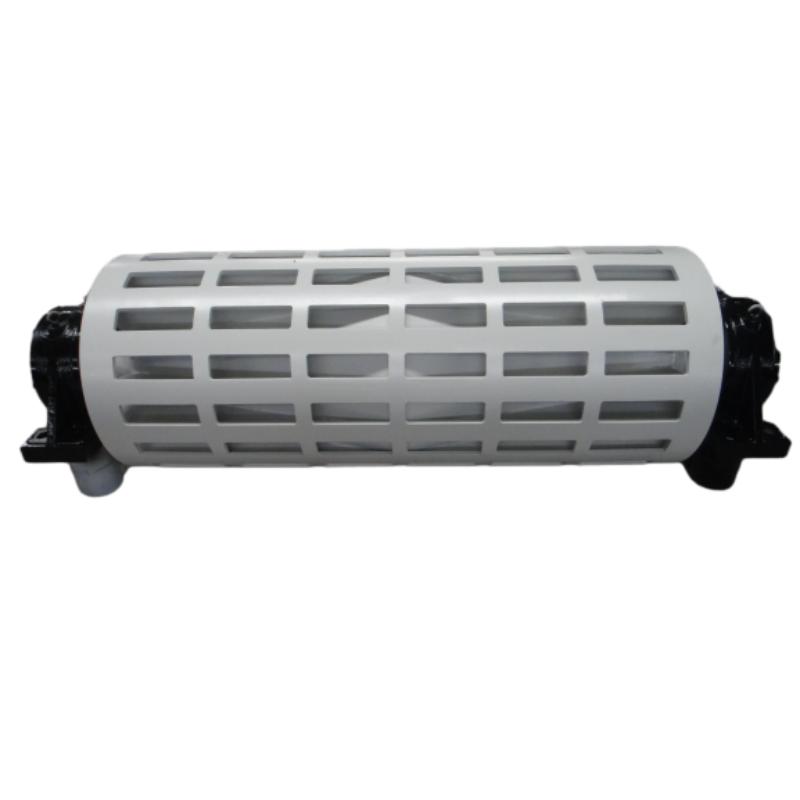
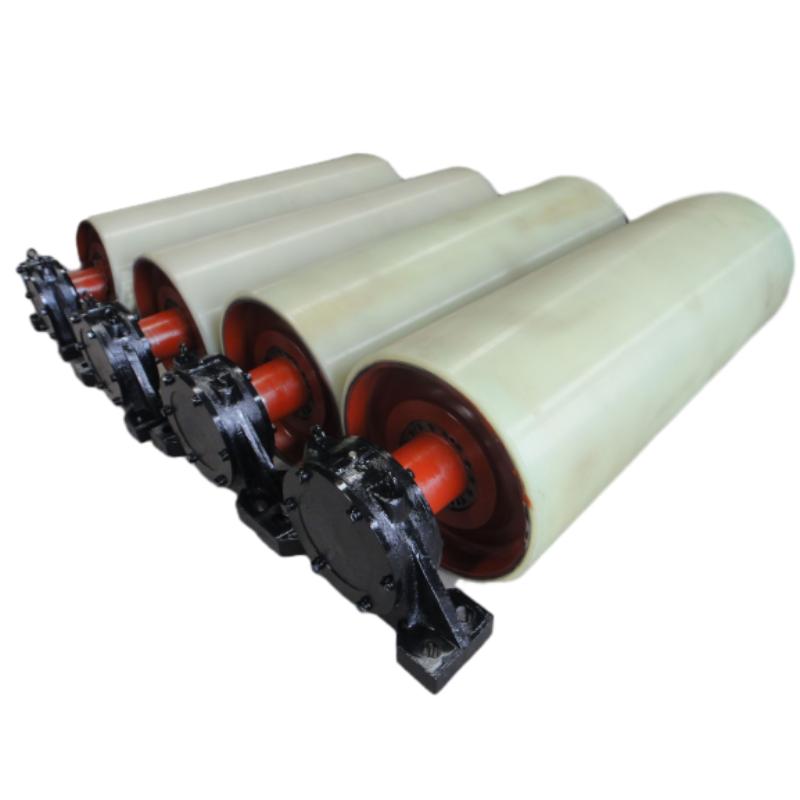
Return rollers come in several configurations, each suited to specific applications and conveyor system requirements. The most common types include: Steel Return Rollers – known for their durability and high load-carrying capacity, making them ideal for heavy-duty applications. Rubber Return Rollers – offering excellent grip and impact absorption, reducing belt slippage and noise. Polymer Return Rollers – lightweight and corrosion-resistant, suitable for environments where moisture or chemical exposure is a concern. Selecting the appropriate type depends on factors such as material being conveyed, conveyor speed, and environmental conditions.
Return Roller Type Comparison:
• Steel: High load capacity, durable, best for heavy applications.
• Rubber: Excellent grip, impact absorption, reduces noise.
• Polymer: Lightweight, corrosion-resistant, ideal for harsh environments.
Choosing the Right Return Roller for Your Application
Selecting the correct return roller requires careful consideration of several key factors. First, assess the material being conveyed – its weight, abrasiveness, and temperature. Heavier materials and abrasive substances demand more robust rollers, such as steel. The conveyor's speed and operating environment also play a role; high-speed systems may benefit from rubber or polymer rollers to minimize noise and vibration. Furthermore, consider the roller's diameter and length. Larger diameters generally offer better support and reduced deflection, while the length should be appropriate for the belt width. Investing in quality return rollers from a reputable supplier like IDLER AOHUA ensures long-term performance and reliability.
Return Roller Maintenance: Extending Service Life
Regular maintenance is crucial for maximizing the lifespan of your return rollers and preventing costly downtime. Key maintenance practices include: visual inspections for wear and damage, lubrication of bearings (if applicable), alignment checks to ensure proper belt tracking, and prompt replacement of worn or damaged rollers. Implementing a scheduled maintenance program will significantly reduce the risk of unexpected failures. Clean the rollers periodically to remove build-up of material, which can cause imbalance and premature wear.
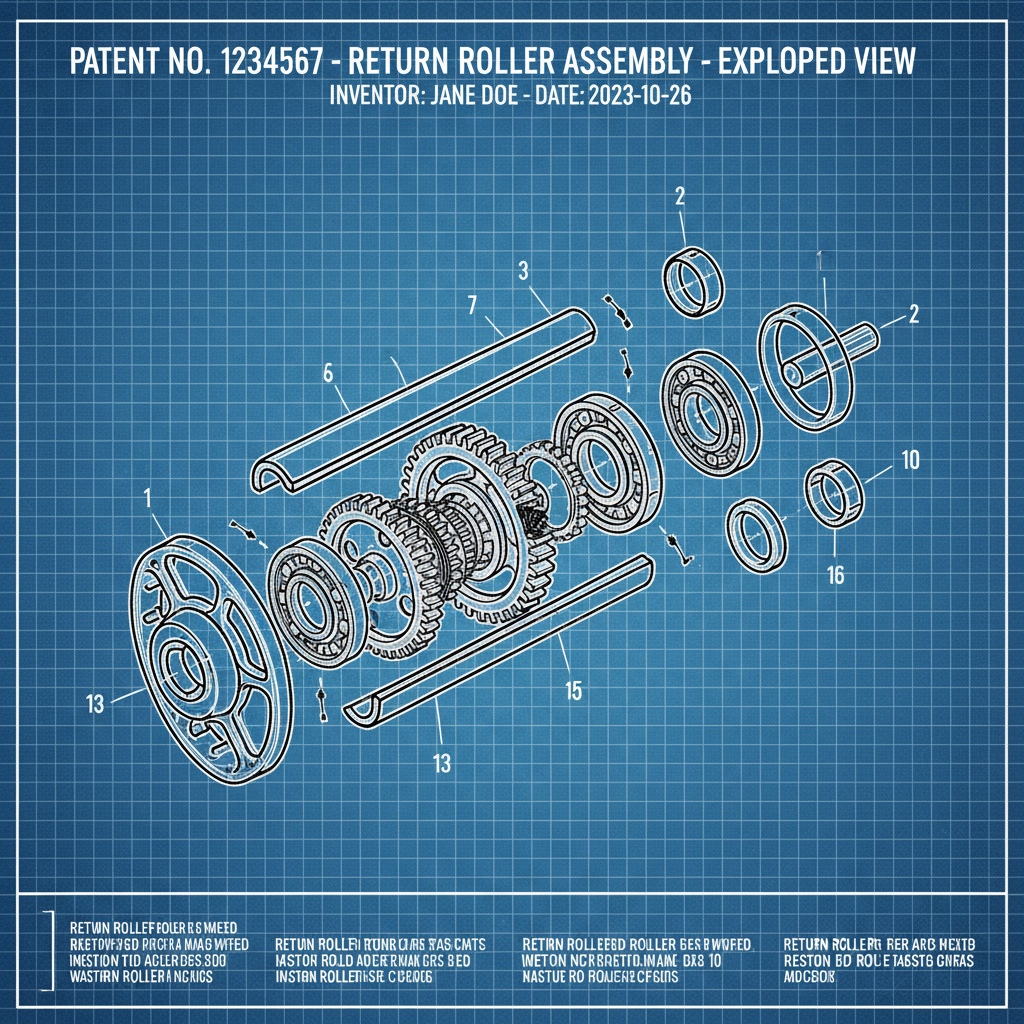
Technical Specifications & Supplier Considerations
When sourcing return rollers, pay attention to key technical specifications such as roller diameter, length, load capacity, and bearing type. Ensure the rollers meet relevant industry standards and certifications. Choosing a reliable supplier like IDLER AOHUA is vital, as they can provide expert guidance, quality products, and dependable after-sales support.
Conclusion: Optimizing Conveyor Performance with Return Rollers
Investing in high-quality return rollers and implementing a proactive maintenance program are essential for optimizing conveyor system performance, reducing downtime, and maximizing operational efficiency. IDLER AOHUA offers a comprehensive range of return rollers designed to meet the diverse needs of various industries. Don’t underestimate the power of these often-overlooked components – they are key to a smooth-running and profitable operation.
Frequently Asked Questions (FAQs)
How often should return rollers be inspected?
Return rollers should be visually inspected at least monthly, or more frequently in harsh operating environments. Focus on checking for signs of wear, damage to the shell or bearings, and proper alignment. Regular inspections allow for the early detection of potential issues, preventing more significant problems down the line. Look for cracks, flat spots, or unusual noises during operation, all indicators that maintenance or replacement may be required. Documenting inspection results can help track wear patterns and optimize maintenance schedules.
What causes premature failure of return rollers?
Several factors can contribute to premature return roller failure. These include overloading, improper lubrication, misalignment, exposure to corrosive materials, and impact damage. Contamination from debris and buildup of material can also accelerate wear. Selecting the appropriate roller type for the application and implementing a regular maintenance schedule are crucial for mitigating these risks. Ensuring proper belt tracking and minimizing impact forces can significantly extend roller lifespan.
Can I repair a damaged return roller, or should I replace it?
In most cases, it's more cost-effective and safer to replace a damaged return roller rather than attempt a repair. While bearing replacement might be possible in some instances, the structural integrity of the roller shell could be compromised, leading to potential failure. Replacing the roller ensures consistent performance and minimizes the risk of unexpected downtime. IDLER AOHUA offers a wide selection of replacement rollers to meet your specific needs.
What is the role of bearings in return rollers?
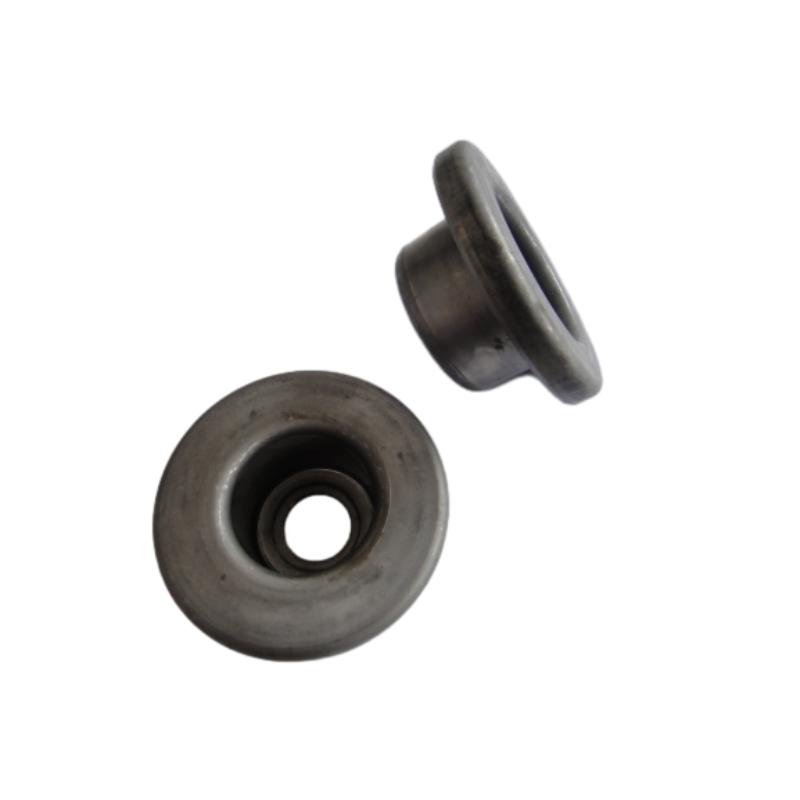
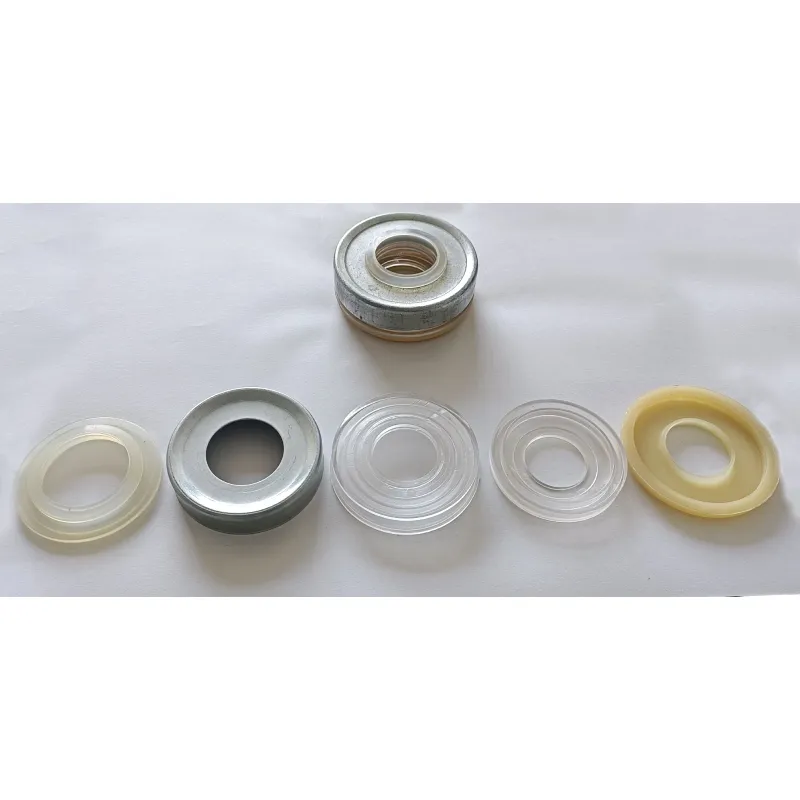
Bearings are a critical component of return rollers, enabling smooth and efficient rotation. They support the roller shaft and minimize friction, reducing energy consumption and wear. The type of bearing used (e.g., sealed, greased, labyrinth) impacts the roller's performance and maintenance requirements. Regularly inspecting and lubricating bearings (if applicable) is essential for maintaining optimal roller function. High-quality bearings contribute significantly to the overall reliability and longevity of the conveyor system.
-
Maximize Conveyor Life with a High Performance impact bedNewsApr.16,2026
-
Maximize Conveyor Efficiency Using a v plow belt scraperNewsApr.09,2026
-
Comprehensive Guide to Understanding Different Types of Belt CleanersNewsApr.07,2026
-
Enhancing Conveyor Efficiency with an Effective Scraper Belt CleanerNewsApr.04,2026
-
Optimizing Conveyor Systems with Advanced Cleaning Equipment SolutionsNewsMar.31,2026
-
Effective Conveyor Belt Scraper Adjustment for Optimal System PerformanceNewsMar.28,2026