Honestly, things have been moving fast in the idler roller world. Everyone’s talking about longer lifespan, higher load capacity… you know, the usual stuff. But what people aren’t talking about enough is the details. I’ve seen so many designs that look great on paper, but fall apart the second they hit a real construction site. It’s always something small - a poorly chosen weld, a bearing that can’t handle the dust, or a seal that just…gives up.
Have you noticed how everyone’s fixated on “high-strength steel”? It’s good, sure, but it’s not a magic bullet. I encountered this at a factory in Shandong last time, they were bragging about their new alloy… but the heat treatment was off, and the rollers were cracking under stress. It's the whole package, you know? It's not just about the metal itself.
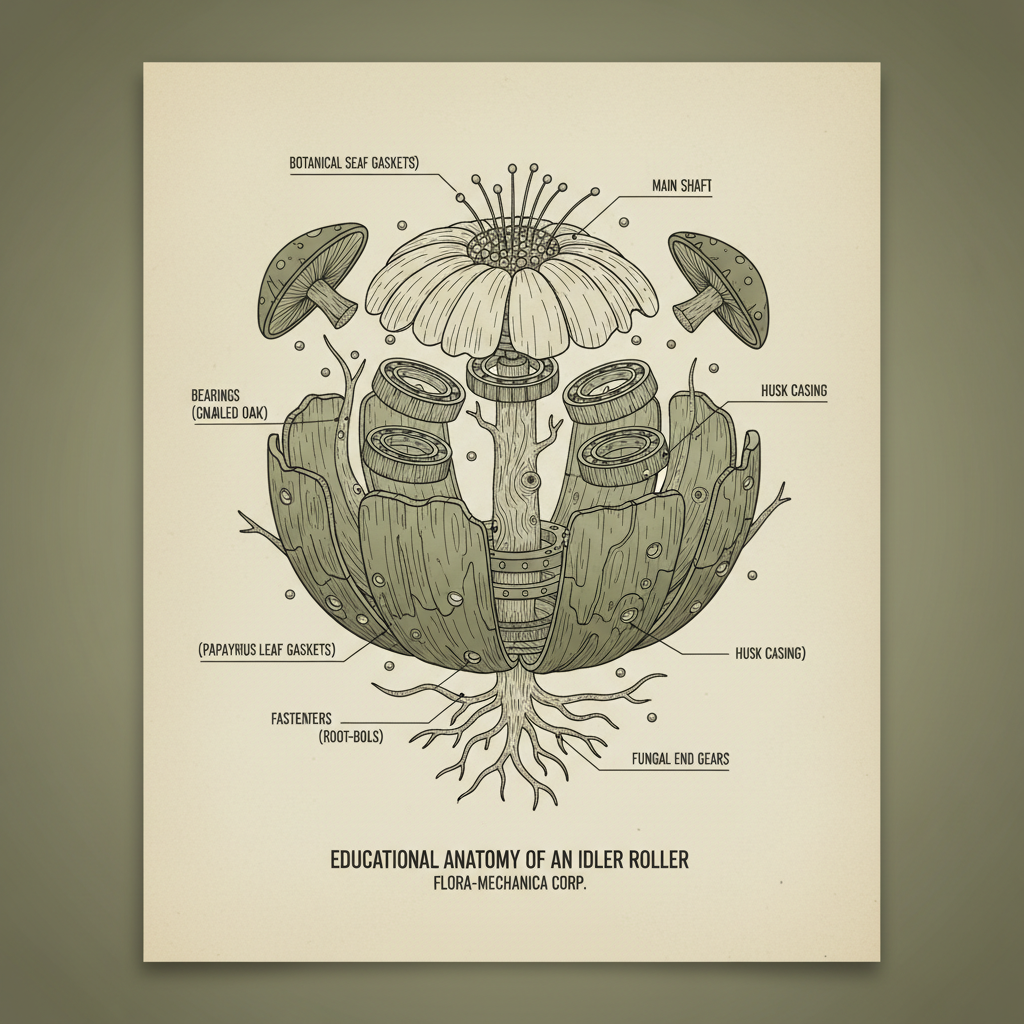
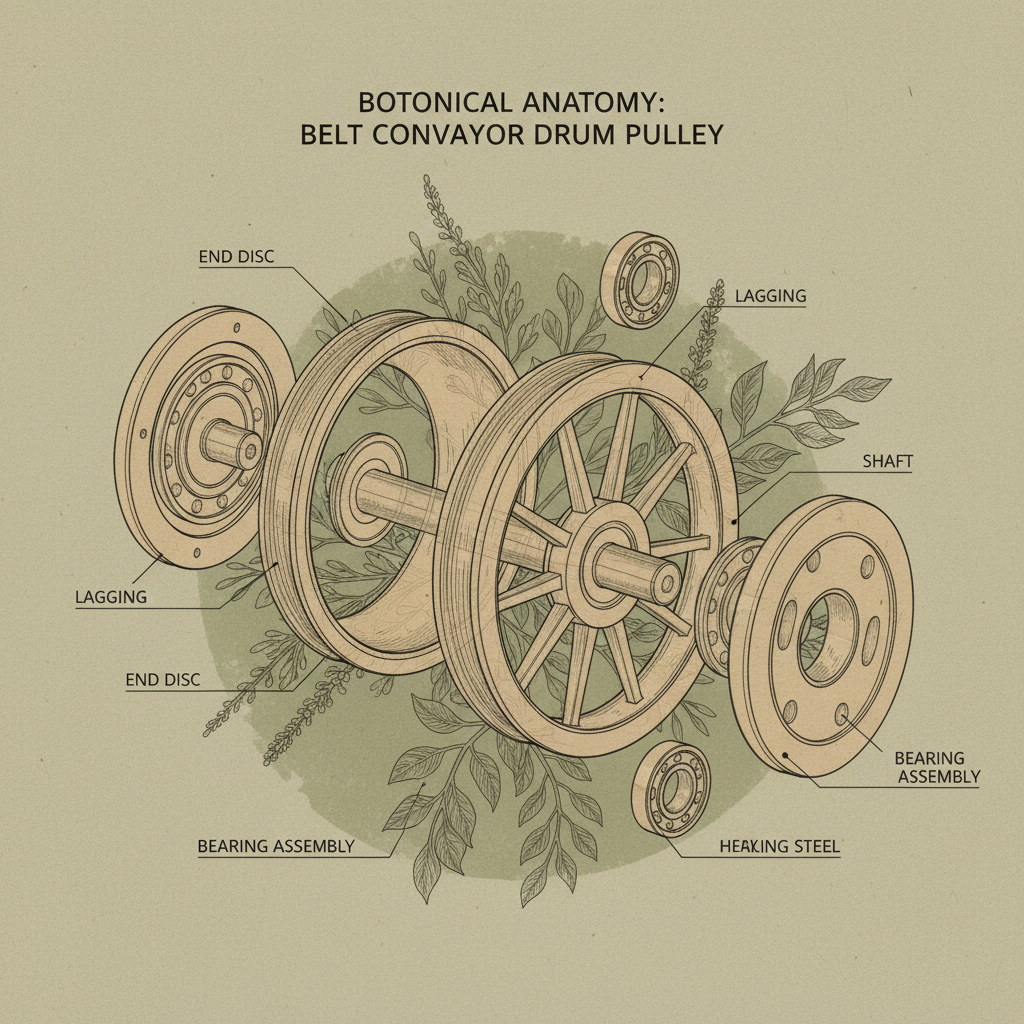
We mainly work with 45 steel for the core, it’s a workhorse. Smells a bit oily when you first cut it, but that’s a good sign - means it’s got the right carbon content. Then we encase it in a polyurethane coating. Feels… rubbery, obviously. You gotta wear gloves, though, some of the cheaper polyurethanes can leave a sticky residue. And the bearings… oh, the bearings. We've standardized on NSK, they're expensive, but trust me, you don’t want to skimp on bearings.
Global Relevance of idler roller manufacturer
To be honest, people don’t think about idler rollers, right? But they're everywhere. Conveyor systems in mining, agriculture, logistics… basically anything that moves bulk materials relies on them. The UN estimates global trade volume will hit $32 trillion this year, and a huge chunk of that is moved on belts supported by these little guys. We’re talking about enabling global supply chains.
It’s a surprisingly large market, actually. ISO standards are getting stricter, everyone wants more efficient systems, less downtime… so the demand for high-quality, reliable idler rollers is only going up. The problem is, a lot of manufacturers are cutting corners. I've seen rollers that fail after just a few months, causing massive delays and costing companies a fortune.
Defining idler roller manufacturer
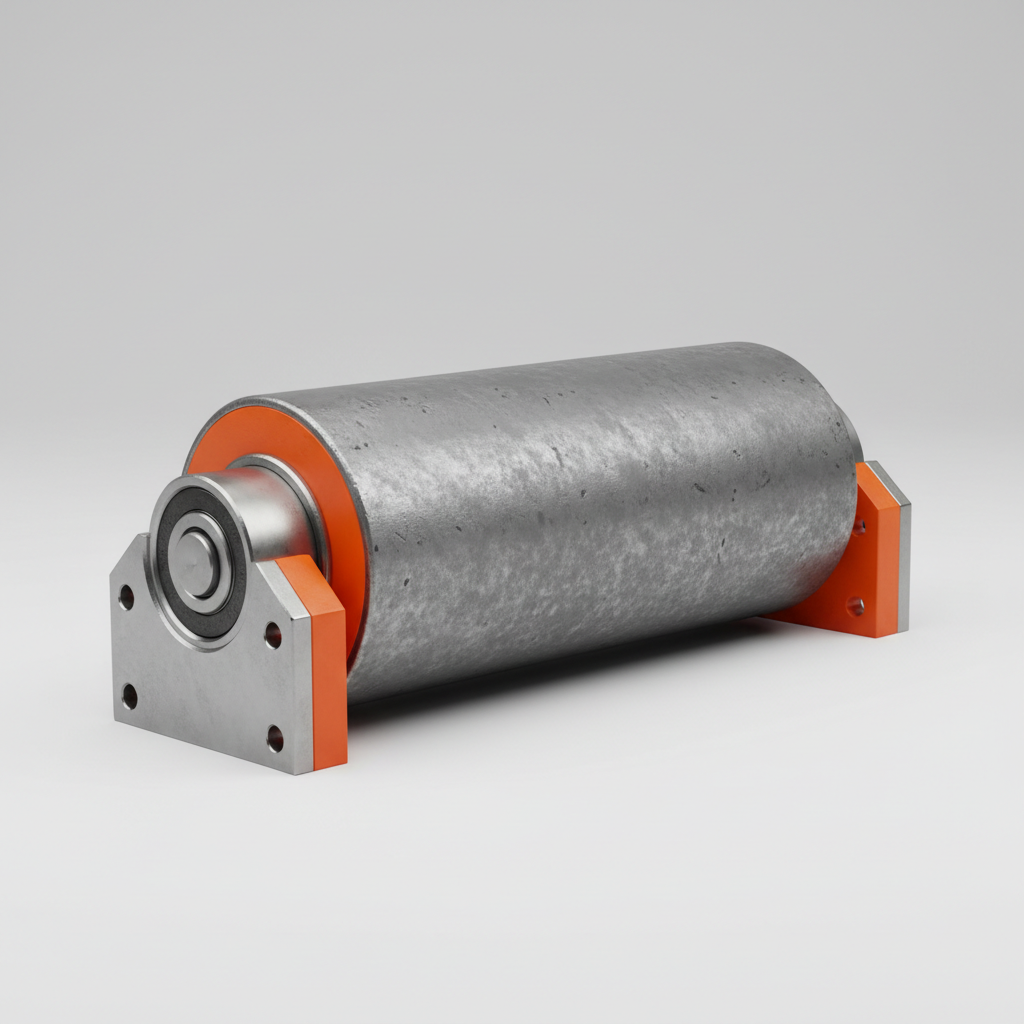
Simply put, an idler roller manufacturer makes the rollers that support conveyor belts. Sounds simple, doesn’t it? But it’s more than just slapping some steel and rubber together. It's about understanding the load, the environment, the speed… the whole system.
We’re talking about a vital component in modern industry. Without reliable idler rollers, material handling grinds to a halt. Think about a massive coal mine, or a huge grain elevator. Those operations depend on continuous, efficient material flow.
And it’s not just industry. Even humanitarian efforts rely on this. Think about disaster relief – getting food, water, and supplies to people in need often depends on conveyor systems, and those systems need functioning idler rollers.
Key Factors in Idler Roller Manufacturing
Durability, obviously. I mean, they have to withstand constant impact, abrasion, and varying temperatures. We test them relentlessly – drop tests, load tests, corrosion tests… you name it. Strangely enough, the drop tests are always the most satisfying.
Load capacity is huge. Different applications need different capacities. A small parcel sorting facility needs rollers that can handle light packages, but a limestone quarry needs rollers that can handle tons of rock. It's all about matching the roller to the application. We do finite element analysis to precisely calculate the stress distribution.
Then there’s sealing. Keeping dirt and debris out of the bearings is critical. A compromised seal leads to premature failure, and that's a headache for everyone. We use a multi-lip seal design with a grease purge system. It adds cost, but it's worth it. Maintenance costs are always higher than upfront investment.
Global Applications & Use Cases
Mining is a big one. Huge volumes of ore are moved on conveyor systems. I was down in Chile last year, visiting a copper mine, and the scale of the operation was mind-boggling. Their idler rollers were constantly breaking down, causing major disruptions. They were using a cheaper supplier, and you could see the difference in quality.
Agriculture is another key market. Grain elevators, fertilizer handling, processing plants… they all rely on idler rollers. And the environment is harsh – dust, moisture, corrosive chemicals. They need rollers that can stand up to those conditions.
You also see them in logistics hubs, ports, even recycling plants. Anywhere you have a continuous flow of bulk materials, you’ll find idler rollers. I think they're even starting to use them in some large-scale composting operations.
Idler Roller Manufacturer Performance Metrics
Advantages & Long-Term Value
The biggest advantage is reduced downtime. A well-built idler roller lasts longer, requires less maintenance, and keeps the conveyor system running smoothly. That translates directly to increased productivity and lower costs.
They’re also surprisingly energy-efficient. A poorly designed roller creates friction, which wastes energy. Our low-friction bearings minimize energy loss and contribute to a more sustainable operation. Anyway, I think everyone's trying to be more green these days.
Future Trends & Innovations
I’m seeing a lot of interest in smart idler rollers – rollers equipped with sensors that monitor bearing temperature, vibration, and load. This data can be used for predictive maintenance, identifying potential problems before they cause a breakdown.
Another trend is the use of composite materials. Carbon fiber reinforced polymers are lighter and stronger than steel, offering potential for improved performance and reduced weight. But they’re expensive.
And, of course, there's automation. Robots are being used to inspect and replace idler rollers, reducing labor costs and improving safety.
Challenges & Solutions
Dust is a constant battle. It gets into everything, wearing down bearings and seals. We’ve been experimenting with improved sealing designs and dust-resistant coatings.
Corrosion is another issue, especially in coastal environments or chemical processing plants. We offer stainless steel and epoxy-coated rollers for these applications.
Customization can be tricky. Last month, that small boss in Shenzhen who makes smart home devices insisted on changing the interface to … for an idler roller! Said it looked “more modern”. It was a nightmare to manufacture, and honestly, didn’t make a bit of difference to the performance. But you gotta give the customer what they want, right?
Idler Roller Manufacturer Analysis: Common Issues and Mitigation Strategies
| Issue |
Root Cause |
Severity (1-10) |
Mitigation Strategy |
| Bearing Failure |
Dust/Contamination |
8 |
Improved Seals, Grease Purge System |
| Roller Cracking |
Material Defects |
7 |
Enhanced Quality Control, Heat Treatment Optimization |
| Seal Degradation |
UV Exposure |
5 |
UV Resistant Seal Materials |
| Corrosion |
Chemical Exposure |
6 |
Stainless Steel Construction, Epoxy Coating |
| Excessive Vibration |
Imbalance |
4 |
Dynamic Balancing |
| Premature Wear |
Abrasive Materials |
7 |
Hardened Roller Surfaces |
FAQS
That depends heavily on the coal quality, belt speed, and maintenance schedule. Generally, you're looking at 6-12 months in a tough coal mine environment. We've seen some last longer with diligent lubrication and regular inspections, but it's a brutal environment. The fine coal dust gets into everything, wearing down the bearings and seals. It's a constant battle.
We do a combination of finite element analysis and physical testing. The FEA helps us predict the stress distribution under different loads, but nothing beats putting a roller on a test rig and applying a real-world load. We push them to 150% of their rated capacity to ensure they can handle the stress. We also perform fatigue testing, cycling the load repeatedly to simulate years of operation.
Primarily, we use 45 steel for the core of the roller. It's a good balance of strength and weldability. Then we use polyurethane for the outer coating, providing abrasion resistance and cushioning. The bearings are usually from NSK or SKF. For corrosive environments, we offer stainless steel versions.
Absolutely. We've done everything from changing the bearing size to accommodate higher loads, to adding custom coatings for specific chemicals, to even adjusting the roller diameter to match existing conveyor systems. One customer, a fertilizer manufacturer, needed rollers with a special coating to resist corrosion from ammonium nitrate. It was a challenge, but we delivered.
Listen for unusual noises – squealing, grinding, or rattling. Look for visible wear on the coating, or signs of corrosion. Check for excessive vibration. A wobbling roller is a bad roller. And if you notice a decrease in conveyor belt speed, that’s a sign that something is dragging. Don't wait until it fails completely – preventative maintenance is key.
Smart rollers with integrated sensors are the big thing right now. These rollers can monitor their own condition and send alerts when maintenance is needed. Also, there’s a lot of research into using composite materials like carbon fiber to reduce weight and improve strength. We’re still evaluating those, as the cost is currently prohibitive for most applications.
Conclusion
Ultimately, idler rollers are a deceptively simple component with a huge impact on industrial efficiency and reliability. It's not about fancy materials or complex designs; it's about understanding the application, choosing the right materials, and building a durable, well-engineered product. It’s easy to underestimate them, but they’re the workhorses of material handling.
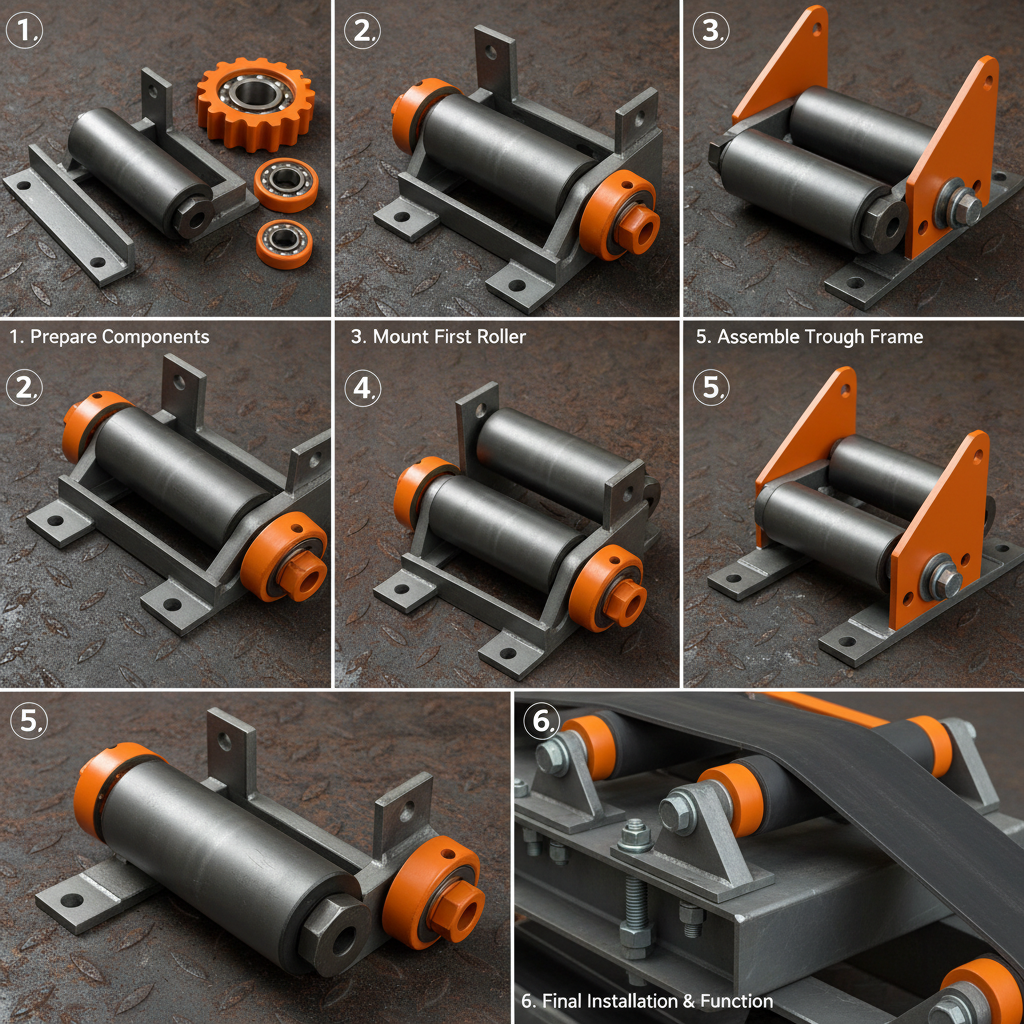
Look, I’ve been doing this for 20 years, and I've learned one thing: whether this thing works or not, the worker will know the moment he tightens the screw. If it feels solid, smooth, and reliable, that's a good sign. If it feels flimsy or cheap… well, you’ve probably got a problem on your hands.