

Impact Roller for Belt Conveyor: Key Insights, Applications & Innovations
Impact Roller for Belt Conveyor: Essential Insights & Global Relevance
When you think about the quiet workhorses behind the massive global movement of goods—coal, minerals, grain, or recycled materials—conveyor belts come to mind. But oddly enough, a small component like the impact roller for belt conveyor actually plays a huge role in keeping industries running smoothly worldwide. Understanding this element opens doors to improving efficiency, reducing downtime, and even supporting critical infrastructure in disaster zones or remote regions.
Introduction: Why Impact Rollers Matter Globally
Worldwide, conveyor systems form the backbone of bulk material handling—used in mining, agriculture, manufacturing, and ports. According to the International Organization for Standardization (ISO), bulk conveyor belts handle millions of tons of materials every day, making reliable components indispensable. Impact rollers, specifically, absorb the shock where material loads drop onto the belt—a point highly susceptible to wear and tear.
Without effective impact rollers, conveyor belts can suffer damage and premature failures, leading to expensive downtime. This poses a challenge particularly in industries striving for sustainability and efficiency, where minimizing waste and maximizing uptime is critical. Understanding how impact rollers function and their variations can empower engineers and decision-makers globally to optimize their systems.
What Is an Impact Roller for Belt Conveyor?
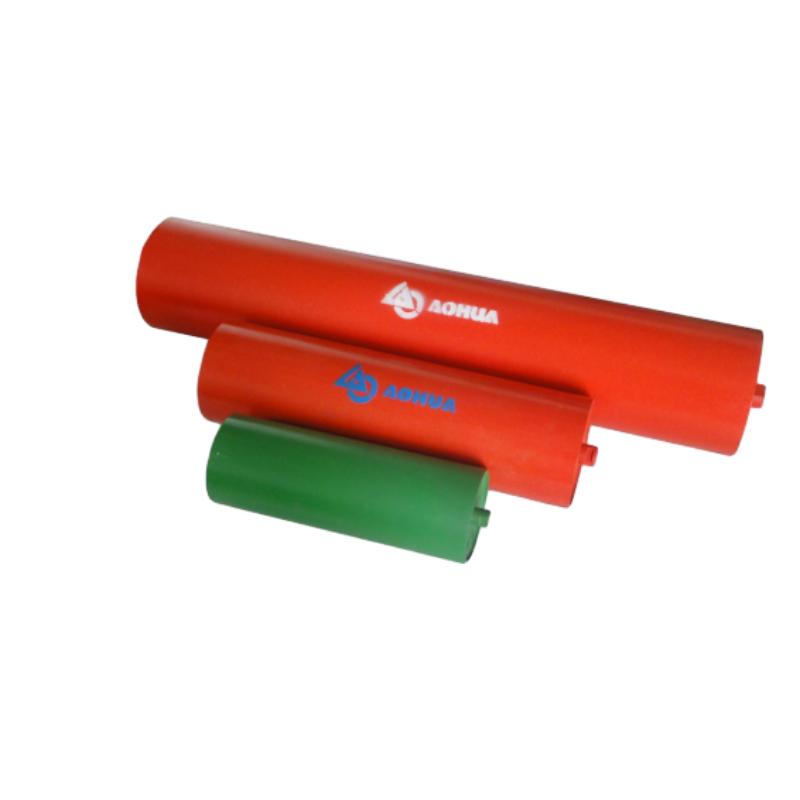
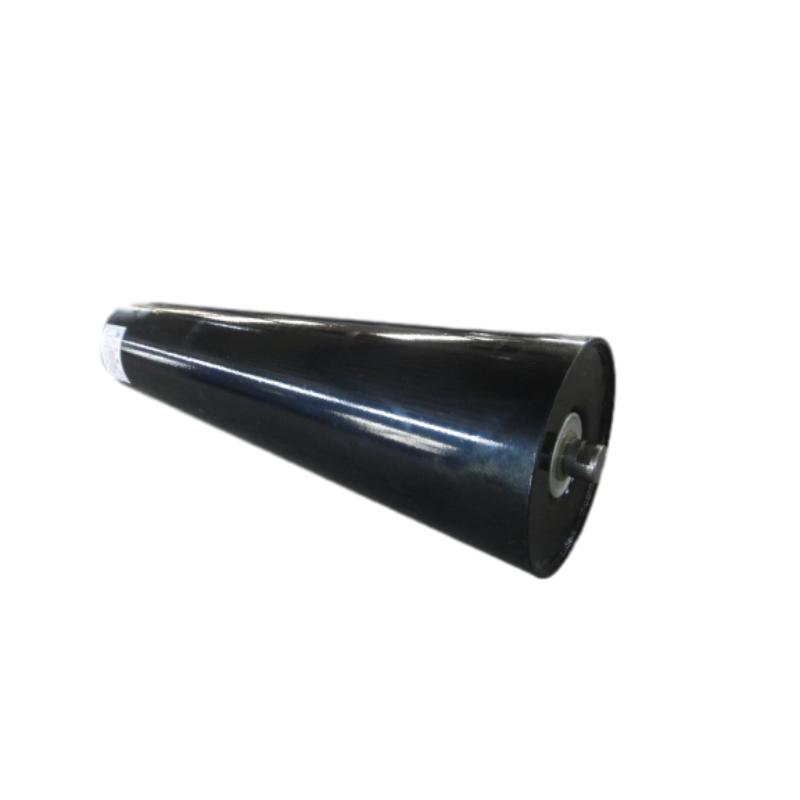
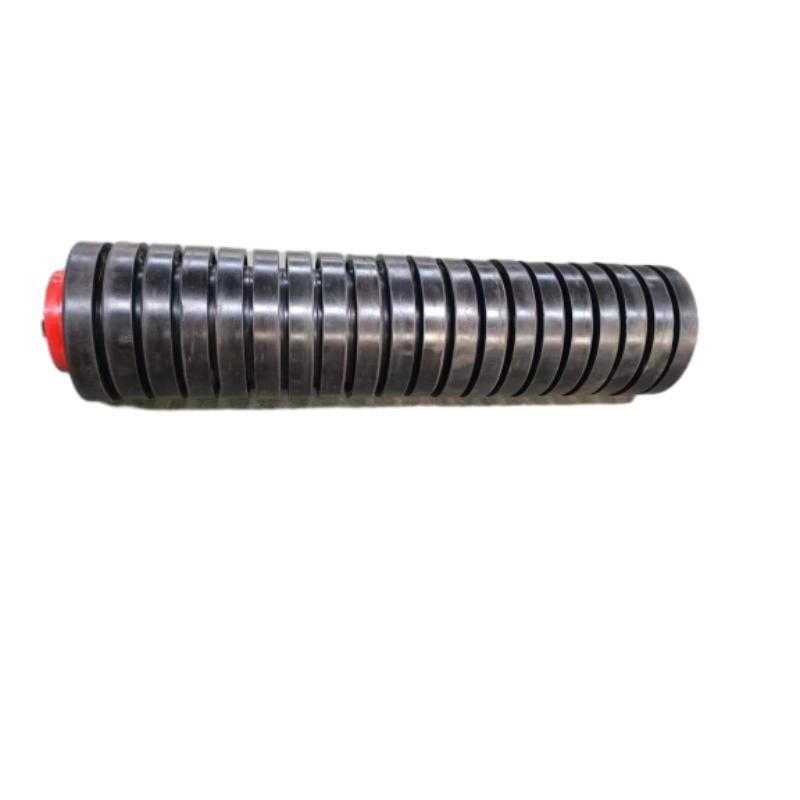
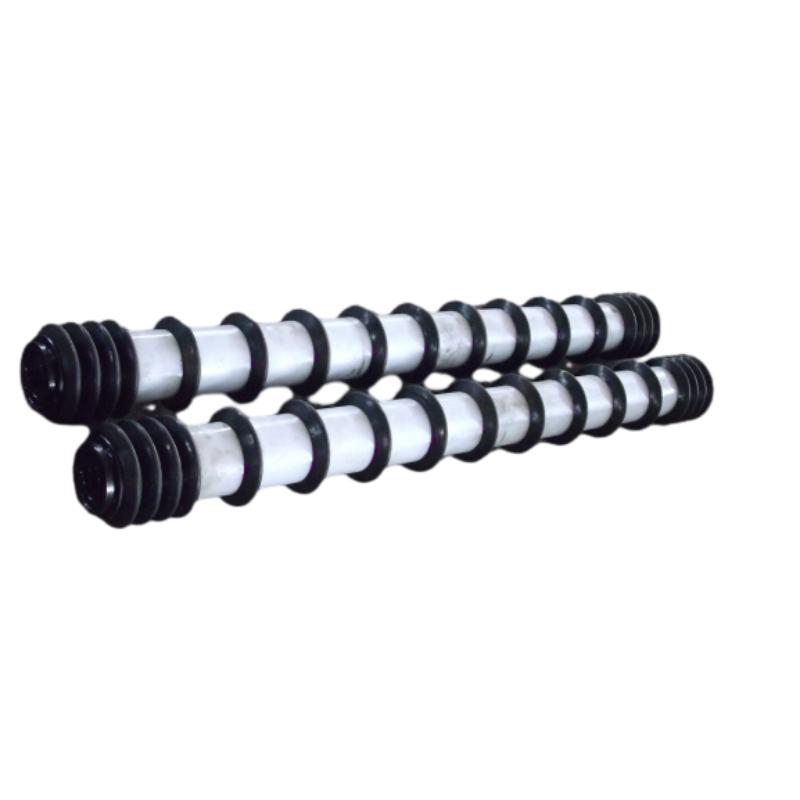
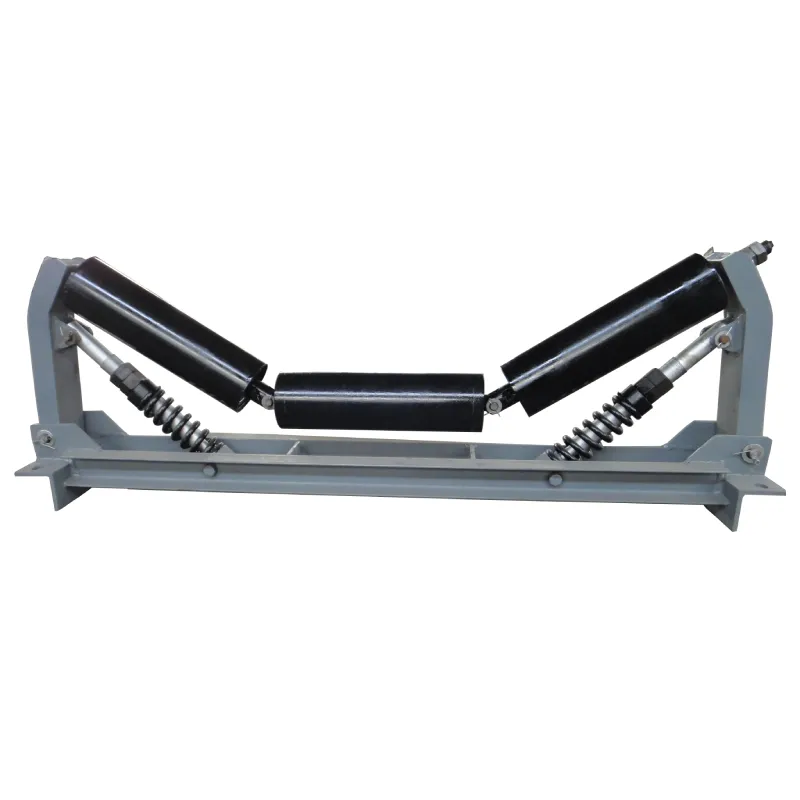
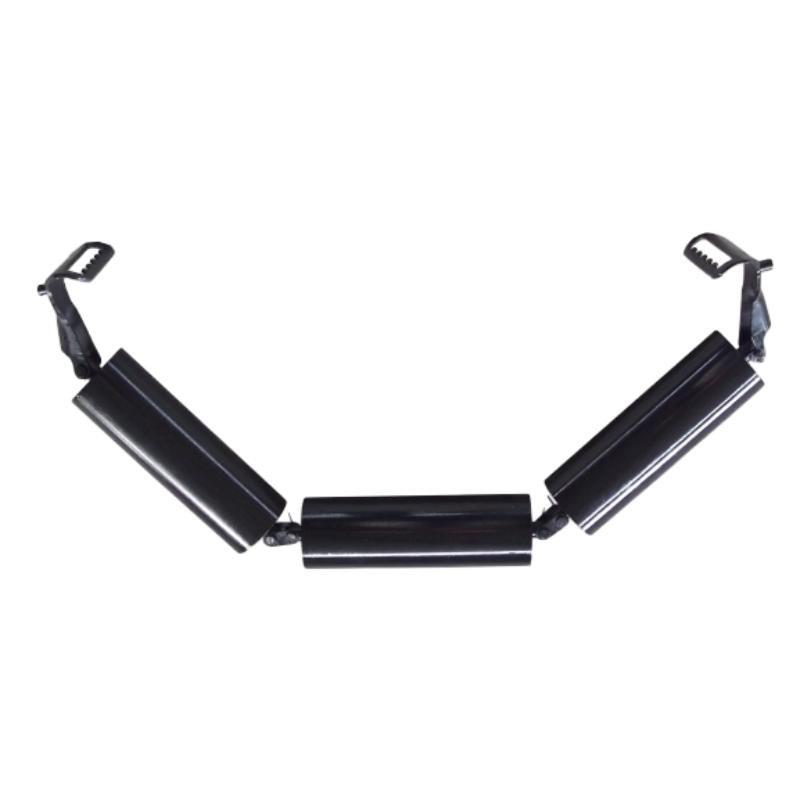
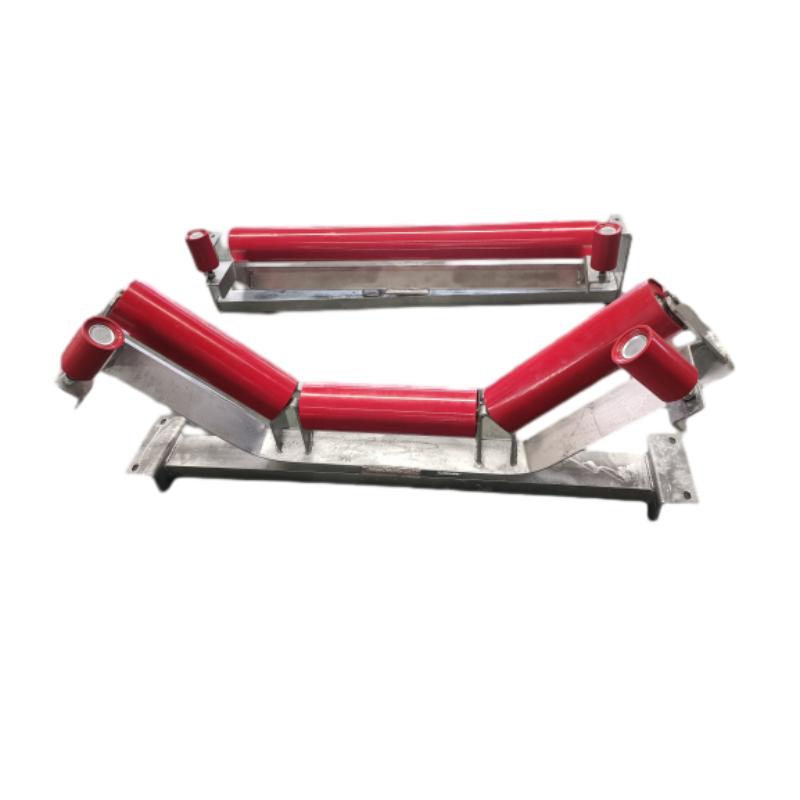
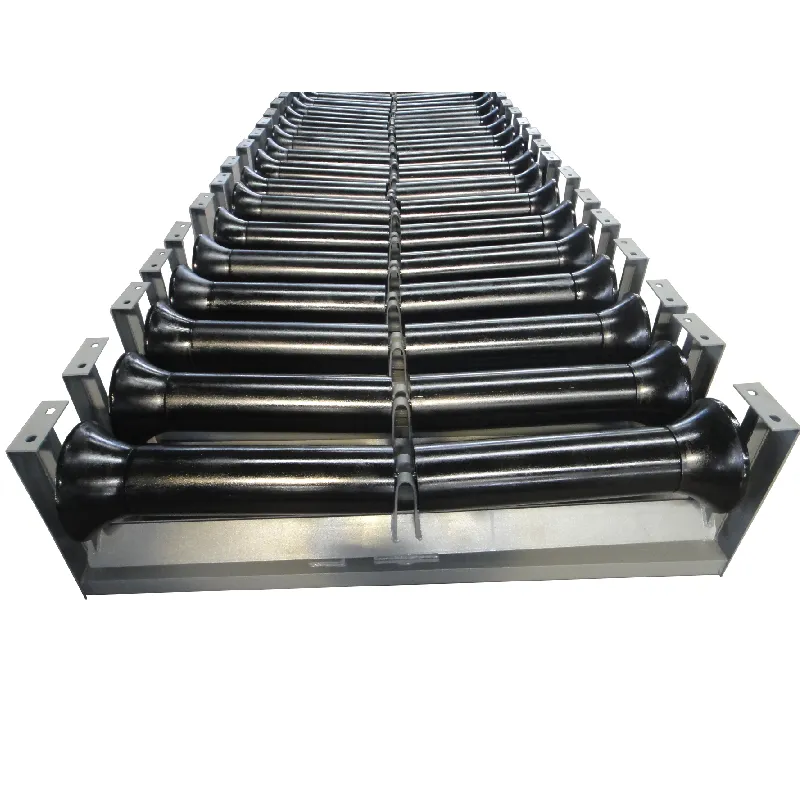
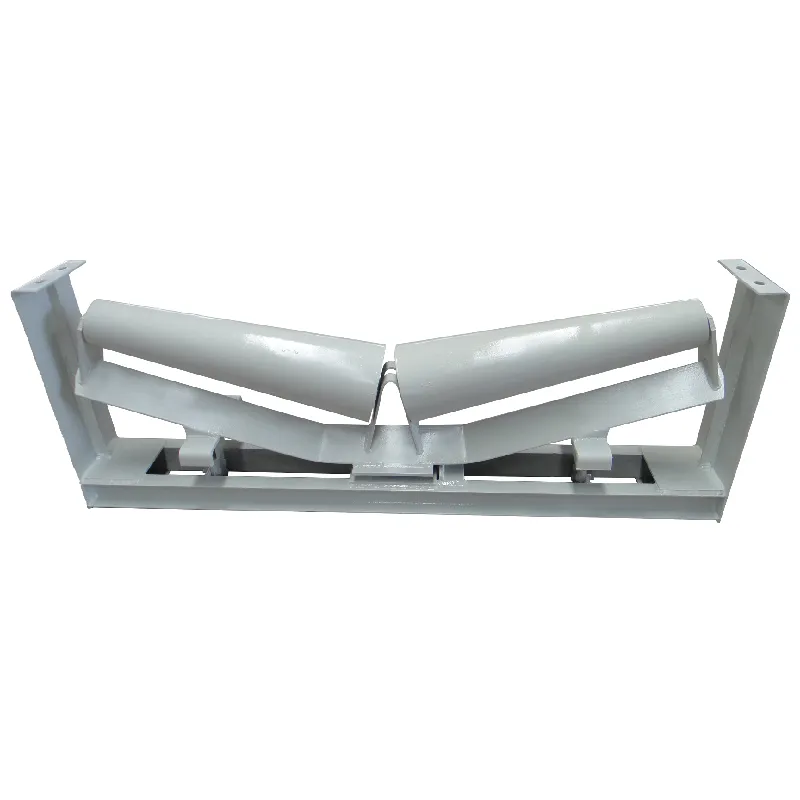
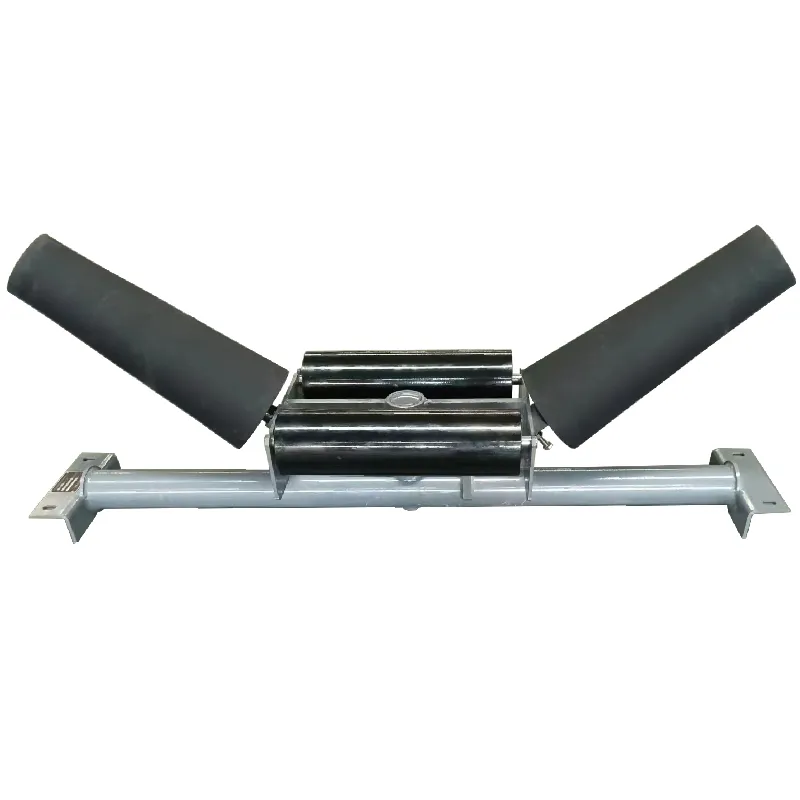
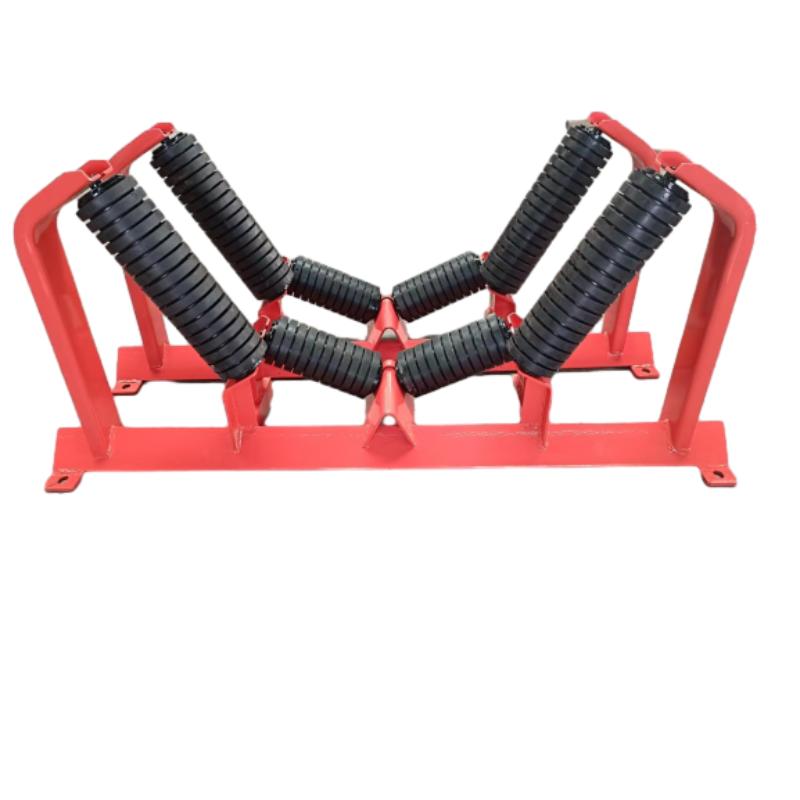
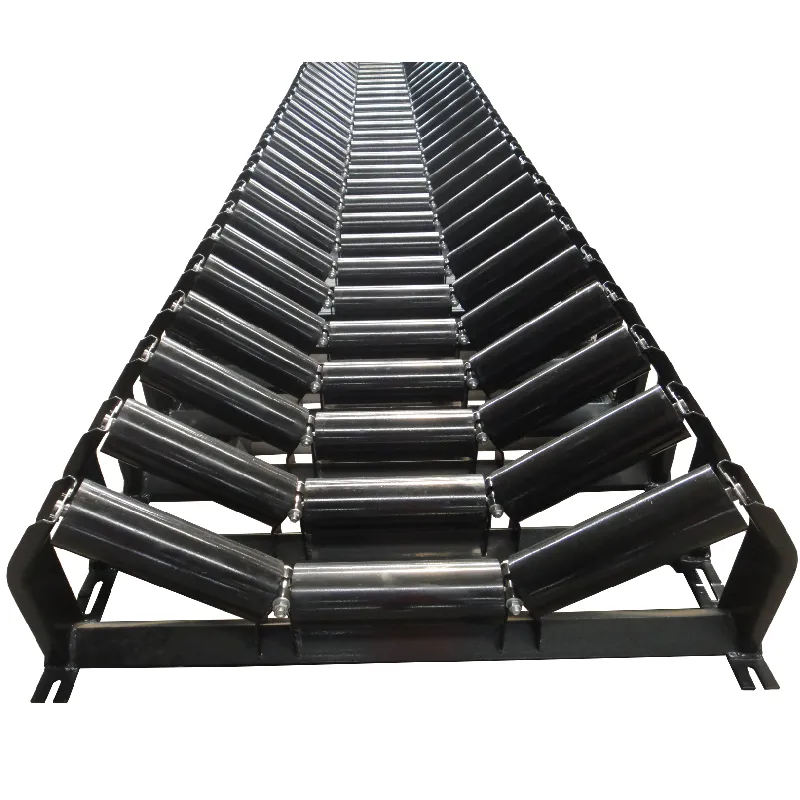
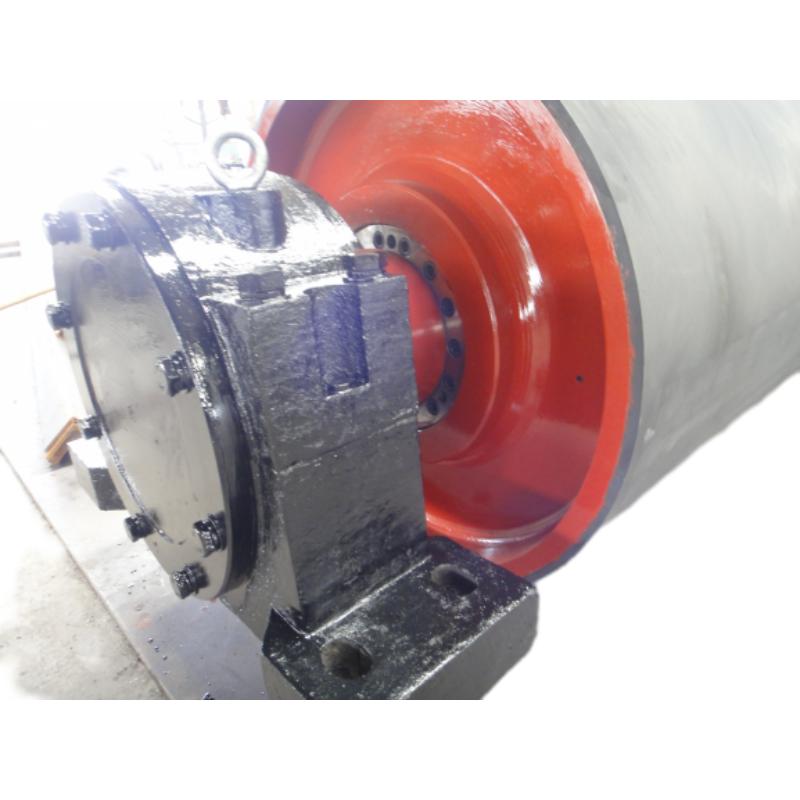
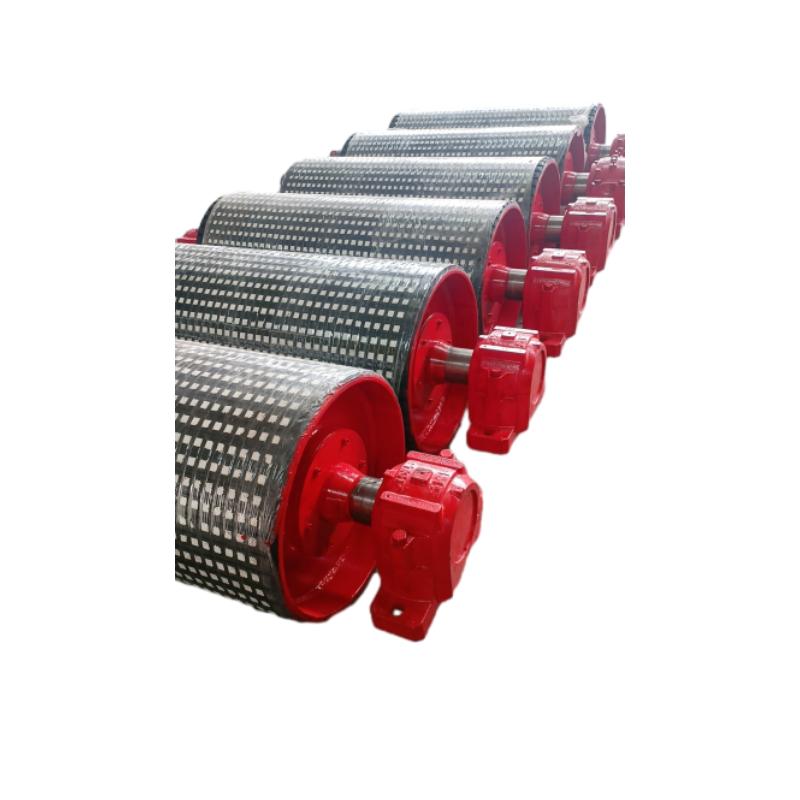
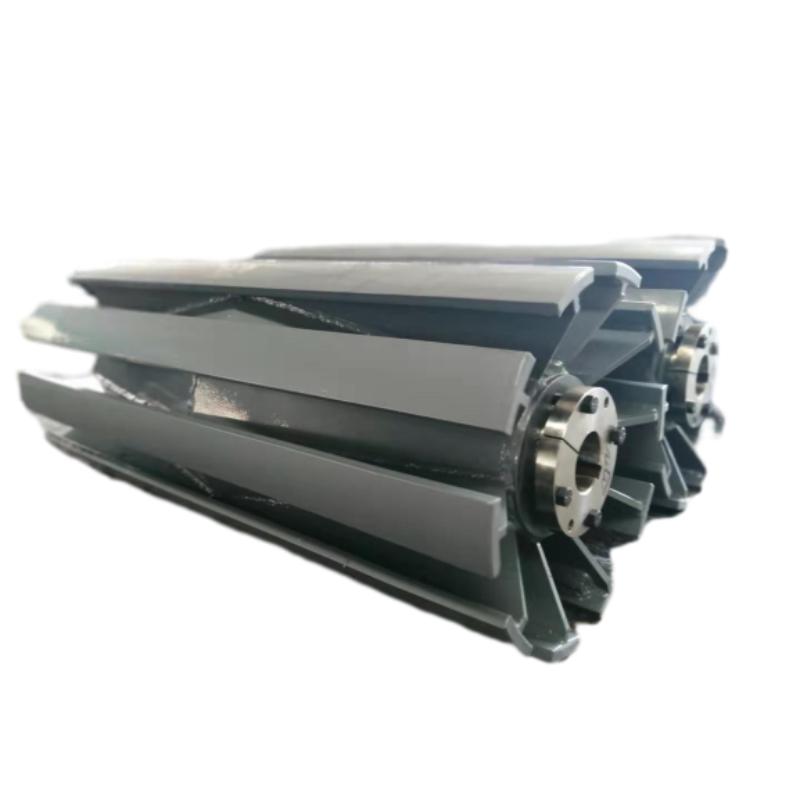
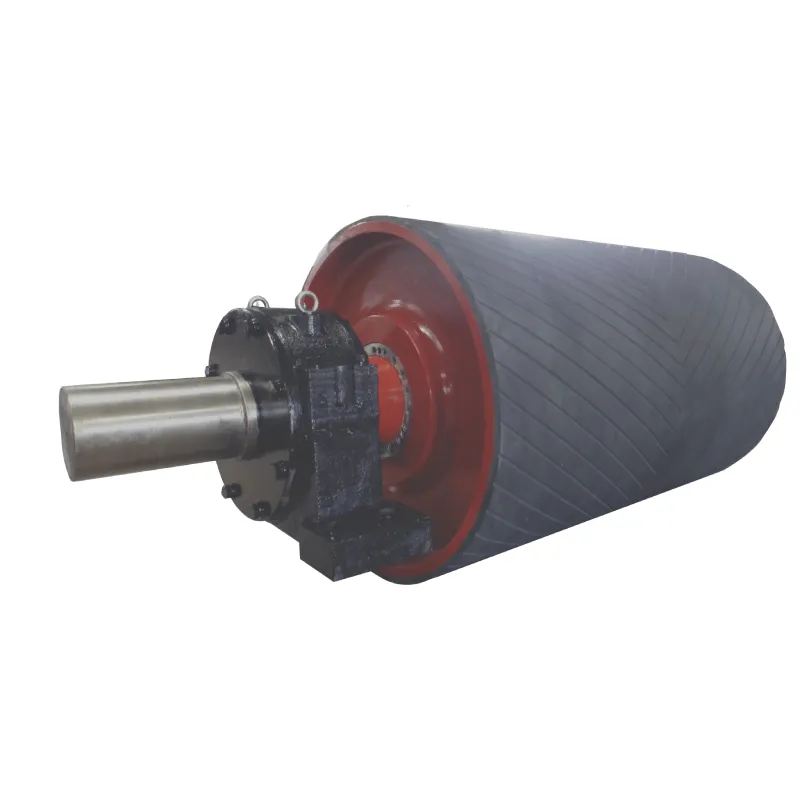
Simply put, an impact roller is a specially designed roller component placed under the conveyor belt where materials get loaded. Unlike regular rollers, these impact rollers are built to absorb and cushion the heavy impact from falling loads, thereby protecting the conveyor belt's structure. They help maintain the belt’s alignment and reduce the risk of tears or abnormal wear.
More than just a mechanical part, impact rollers are essential for precise and safe material handling that supports sectors from mining to humanitarian logistics, where moving bulk relief supplies efficiently can save lives.
Core Components and Key Factors of Impact Rollers
1. Durability
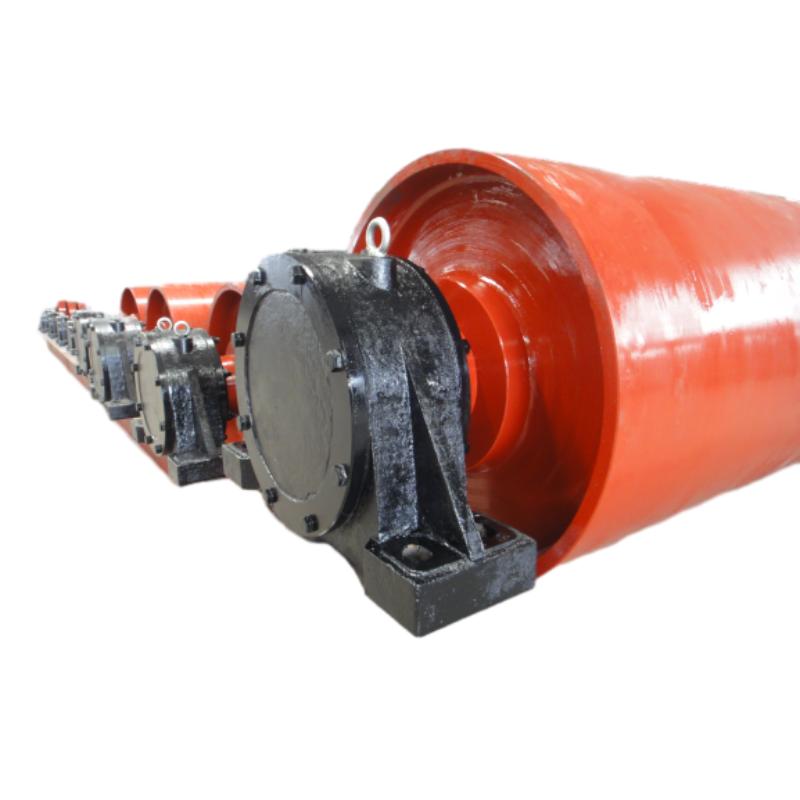
Impact rollers face harsh conditions including abrasive materials and heavy weights. Most are made from high-grade steel or engineered polymers that resist corrosion and withstand impact over time.
2. Shock Absorption
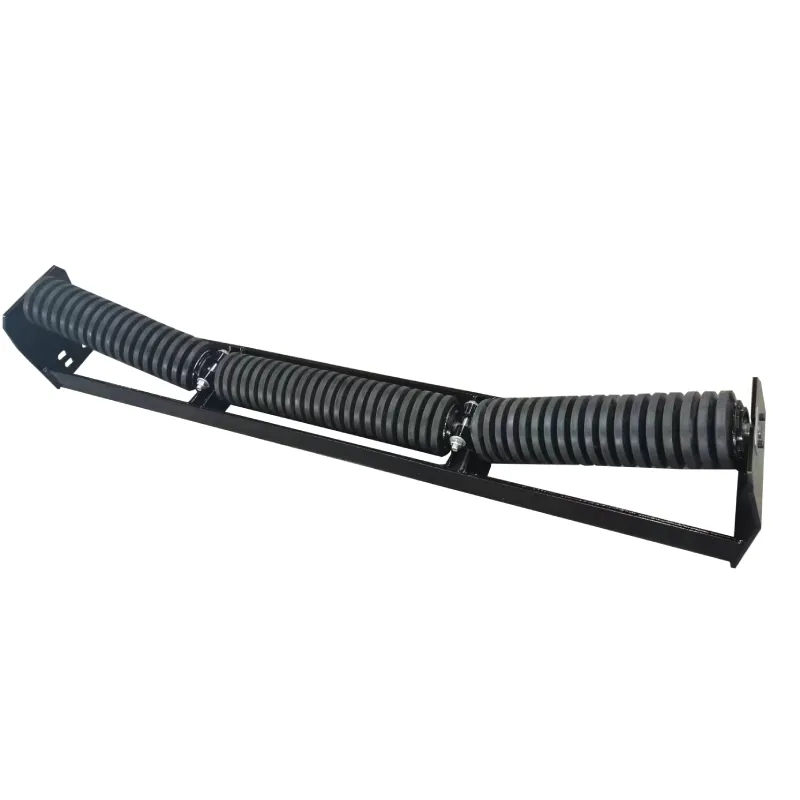
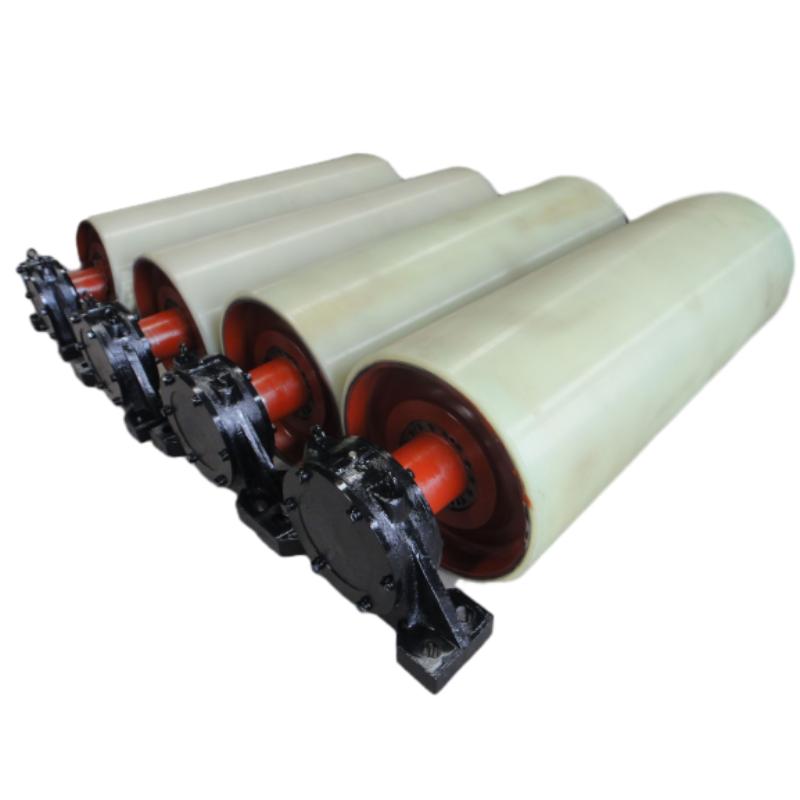
A vital feature is cushioning — impact rollers often include rubber or urethane sleeves that absorb energy and protect the belt from sudden stress.
3. Size & Compatibility
Selecting the right diameter and width is crucial to fit the conveyor’s belt size and belt speed—mismatched rollers can cause belt mistracking and damage.
4. Maintenance Ease
Since conveyor downtime is costly, impact rollers designed for easy replacement and minimal lubrication greatly improve operational efficiency.
5. Cost Efficiency
Balancing the upfront investment with expected life-cycle benefits is always a consideration; quality rollers may cost more initially but save money long-term.
Typical Specifications of Impact Rollers
| Specification | Typical Value/Range | Notes |
|---|---|---|
| Roller Diameter | 89 mm - 219 mm | Depends on conveyor belt width |
| Roller Length | 300 mm - 1500 mm | Customizable to installation |
| Material | Steel core with rubber sleeve | For impact absorption |
| Load Capacity | Up to 2000 kg per roller | Varies by design and materials |
| Operating Temperature | -20°C to 80°C | Suitable for most environments |
Global Applications & Use Cases
In mining hotspots like Australia and South Africa, impact rollers ensure continuous operations despite transporting abrasive minerals. In agriculture-heavy regions such as the American Midwest, these rollers help handle grains and seeds without contamination or structural failures.
Oddly enough, impact rollers for belt conveyors also find their way into humanitarian logistics. During post-disaster relief efforts, for instance, quick assembly conveyor systems move supplies efficiently — impact rollers protect the belts from damage caused by heavy, irregular loads.
Even remote industrial zones in Canada and Scandinavia depend heavily on robust impact roller setups to battle extreme weather and long operational hours.
Vendor Comparison: Leading Impact Roller Manufacturers
| Vendor | Materials | Customization | Warranty | Pricing |
|---|---|---|---|---|
| RollTech Inc. | Steel core, neoprene sleeve | High | 3 years | Mid-range |
| BeltGuard Solutions | Polyurethane sleeve over steel | Medium | 2 years | Affordable |
| ImpactRoller Pro | Carbon steel with rubber vulcanized | Very high | 5 years | Premium |
Advantages & Long-Term Value of Impact Rollers
From a cost perspective, investing in the right impact roller can lead to significant savings by reducing frequent belt replacements and unplanned outages. Socially, it enhances worker safety as damaged belts can pose hazards, and smooth conveyor functioning upholds operational dignity.
Environmentally, longer-lasting rollers contribute to sustainability by limiting waste and lowering resource consumption. Many companies now also seek rollers made from recyclable materials, marrying innovation with eco-conscious policies.
Future Trends & Innovations
It feels like the next wave includes smarter, sensor-integrated impact rollers that monitor wear in real time, enabling predictive maintenance rather than reactive fixes. There’s also a push towards bio-based rubbers and composite materials that minimize environmental footprints.
Automation in conveyor systems is growing, and impact rollers designed for automated inspection and quick replacement are gaining attention. Green energy initiatives mean many conveyor users want components compatible with solar or wind-powered plants, adding sustainability to reliability.
Challenges & Emerging Solutions
One persistent challenge is the harsh abrasion from materials like coal or ores which can wear down rollers prematurely. Plus, fluctuating operating temperatures might cause sleeve breakdown. Manufacturers are tackling these by developing tougher rubber compounds and modular designs that speed up repairs.
Expert advice often stresses proper installation and selecting rollers suited precisely to the conveyor specs rather than cheap “one size fits all” options — a classic false economy.
FAQ: Common Questions About Impact Rollers for Belt Conveyors
- Q: How often should impact rollers be inspected or replaced?
A: Industry best practice suggests regular inspections every 3-6 months, depending on usage. Replacement is advisable upon visible sleeve damage or abnormal noise to prevent belt damage. - Q: Can I use impact rollers on high-speed conveyors?
A: Yes, but the rollers must match the belt speed and impact forces. Some manufacturers offer high-speed rated rollers for this purpose. - Q: Are there eco-friendly options for impact roller materials?
A: Emerging options include rubber sleeves made from recycled or bio-based materials, which reduce environmental impact without sacrificing performance. - Q: How do I choose between rubber and polyurethane sleeves?
A: Rubber offers excellent shock absorption and flexibility, while polyurethane provides higher abrasion resistance and longer life in certain environments.
Conclusion: Invest in Smart Conveyor Solutions
Overall, the impact roller for belt conveyor may seem like a small cog in big industrial wheels, but its role is pivotal. Modern industries aiming for durability, efficiency, and sustainability cannot overlook the value of selecting and maintaining the right impact rollers.
Visit our website for expert guidance and high-quality impact rollers designed to keep your conveyor belts running longer and safer: https://www.idleraohua.com.
In real terms, the quiet reliability of impact rollers underpins millions of tons moved globally every day — that’s industrial resilience you can count on.
References
-
Maximize Conveyor Life with a High Performance impact bedNewsApr.16,2026
-
Maximize Conveyor Efficiency Using a v plow belt scraperNewsApr.09,2026
-
Comprehensive Guide to Understanding Different Types of Belt CleanersNewsApr.07,2026
-
Enhancing Conveyor Efficiency with an Effective Scraper Belt CleanerNewsApr.04,2026
-
Optimizing Conveyor Systems with Advanced Cleaning Equipment SolutionsNewsMar.31,2026
-
Effective Conveyor Belt Scraper Adjustment for Optimal System PerformanceNewsMar.28,2026