

Everything You Should Know About Tapered Conveyor Rollers | Global Industry Insights
Understanding Tapered Conveyor Rollers: Why They Matter Worldwide
In the sprawling world of logistics and material handling, tapered conveyor rollers might seem like a subtle piece of equipment, but don’t let their modesty fool you. These rollers play a silent yet critical role in ensuring smooth, efficient transportation of goods across industries globally. Whether in mining, food packaging, or disaster relief supply chains, knowing why tapered conveyor rollers matter is essential to optimizing almost any bulk handling process.
Globally, as supply chains grow in complexity, the demand for reliable conveyor technologies is rising sharply. According to the International Organization for Standardization (ISO), conveyor components with enhanced durability and precision are key to reducing downtime and environmental waste — so understanding tapered conveyor rollers isn’t just a nice-to-know, it’s a must-have for long-term operational success.
Mini takeaway: These rollers are small but mighty, impacting everything from cost savings to sustainability worldwide.
Introduction: The Global Relevance of Tapered Conveyor Rollers
Across continents, goods move billions of tons every year via conveyor systems — whether at ports, factories, or distribution centers. As reported by the World Bank, efficient logistics contributes roughly 12% to global GDP. Here’s where tapered conveyor rollers come in: they help maintain conveyor belt alignment, reducing product spillage and equipment wear.
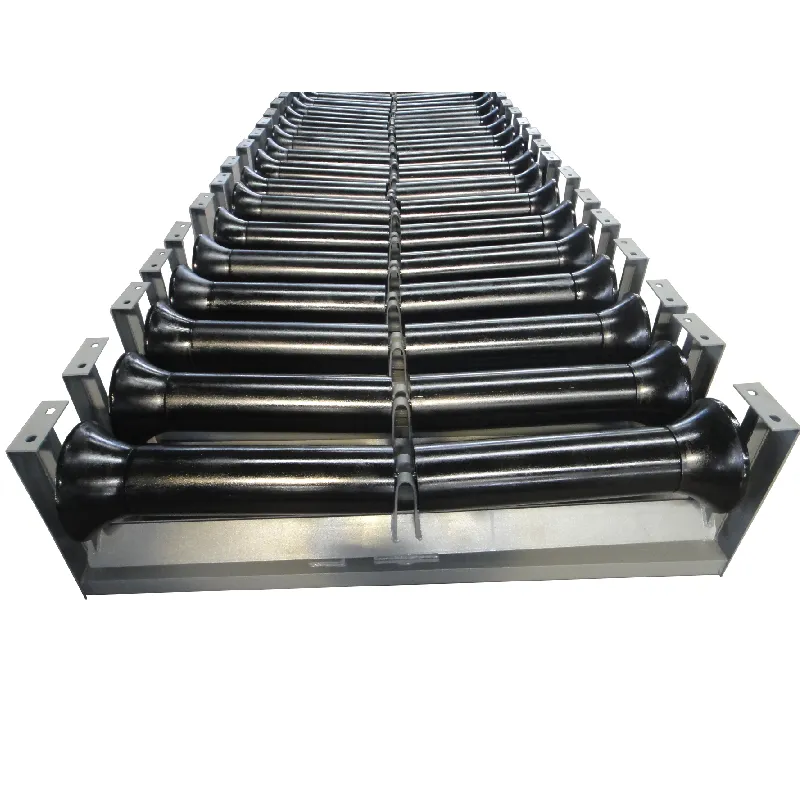
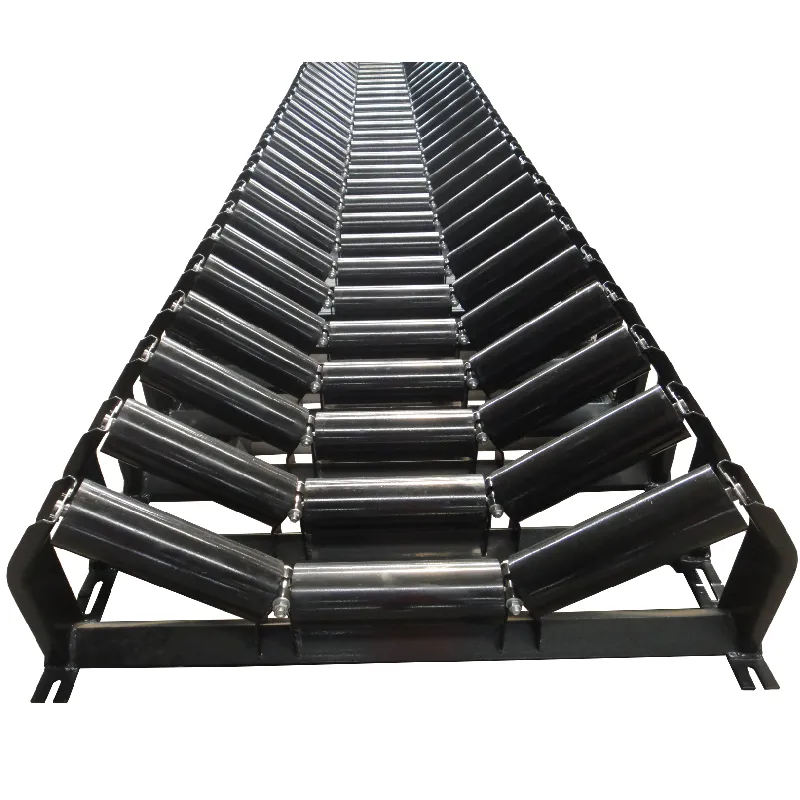
One of the persistent challenges industries face is conveyor belt mistracking, often caused by uneven loads or rough materials that can damage rollers and delay processes. Tapered rollers, with their slightly conical shape, naturally guide belts back into place without constant manual adjustment, answering a very tangible industrial headache.
Mini takeaway: Globally, tapered conveyor rollers solve practical challenges that keep vital supply chains moving smoothly.
What Are Tapered Conveyor Rollers?
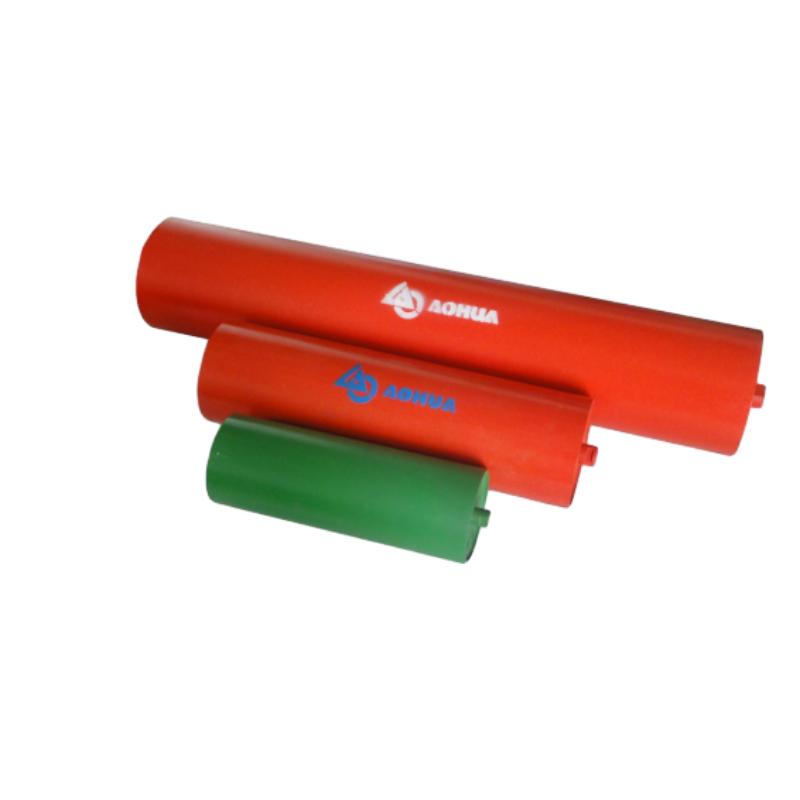
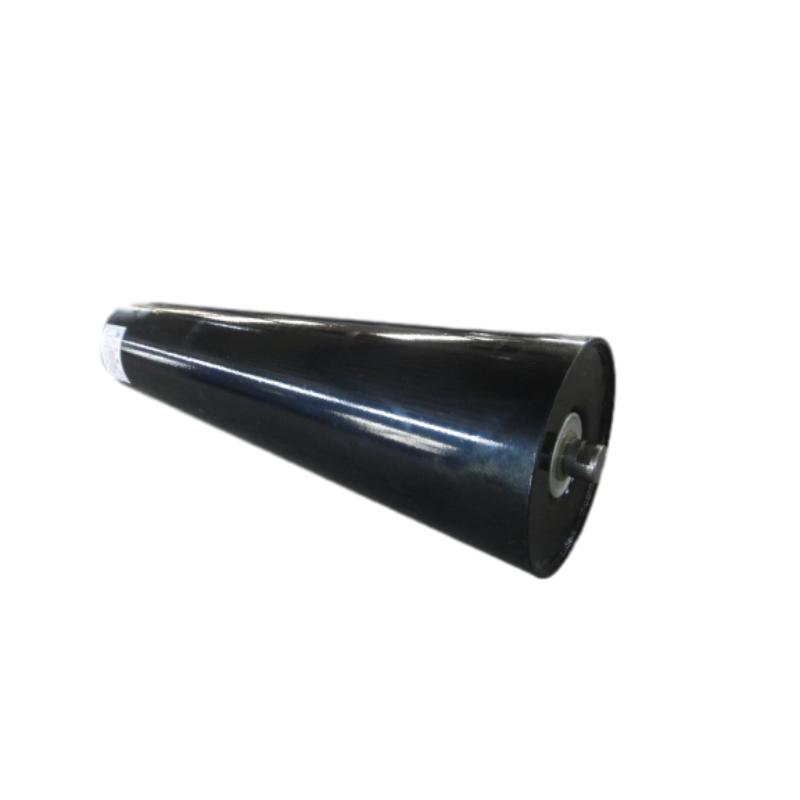
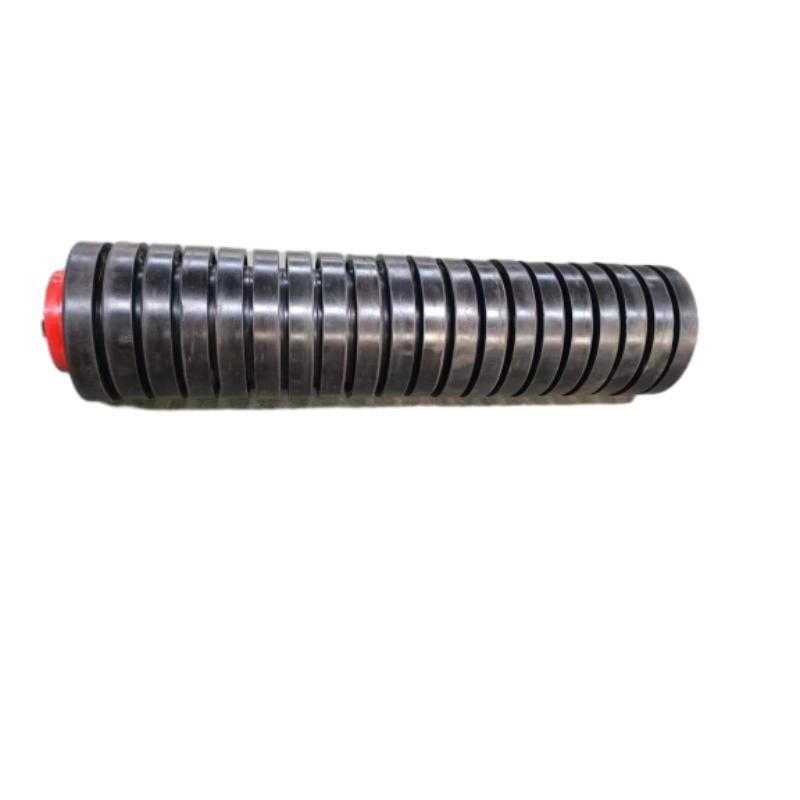
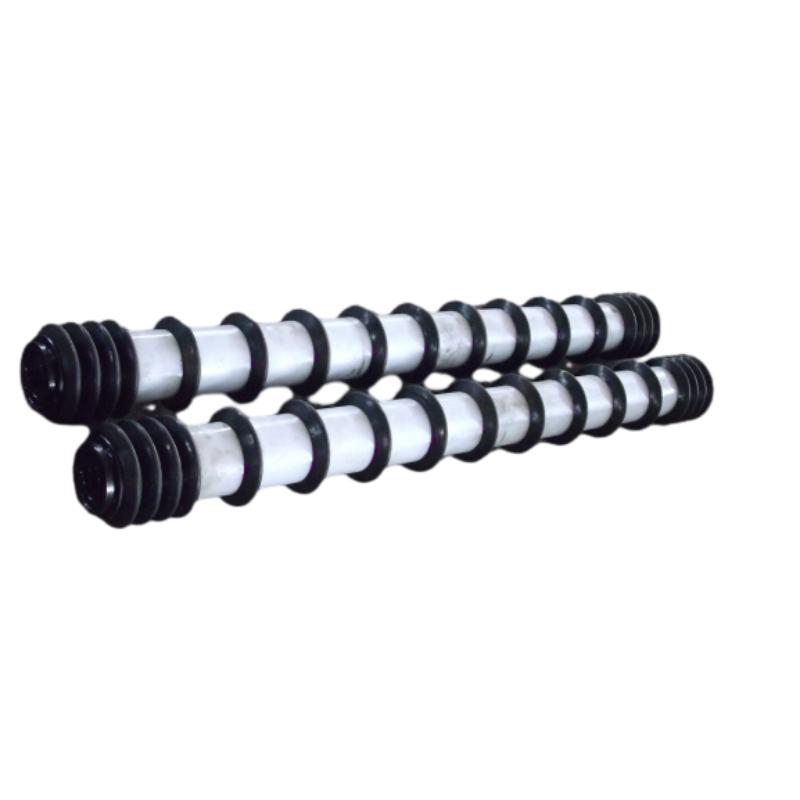
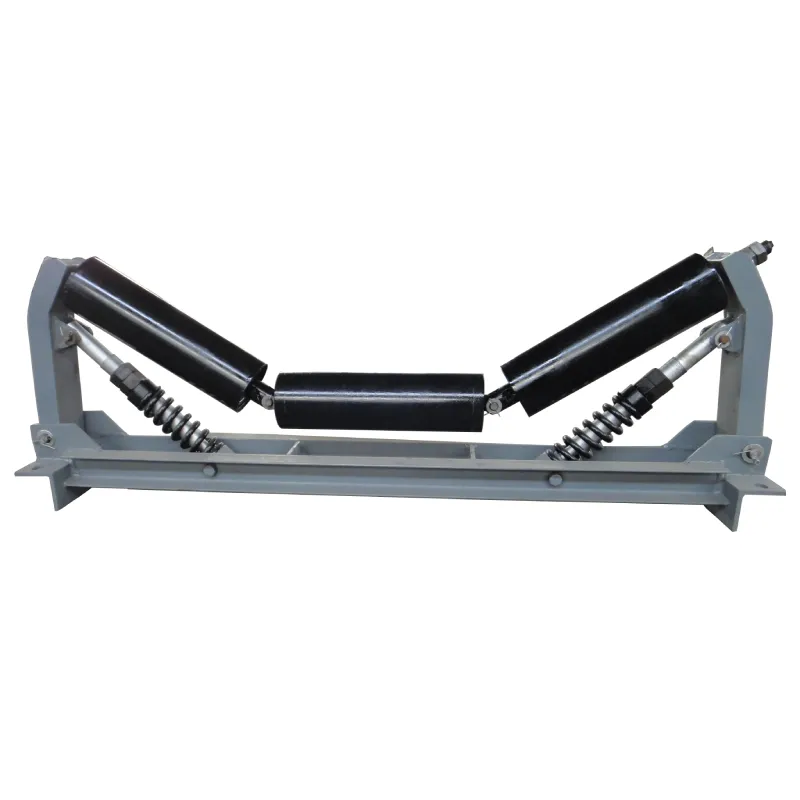
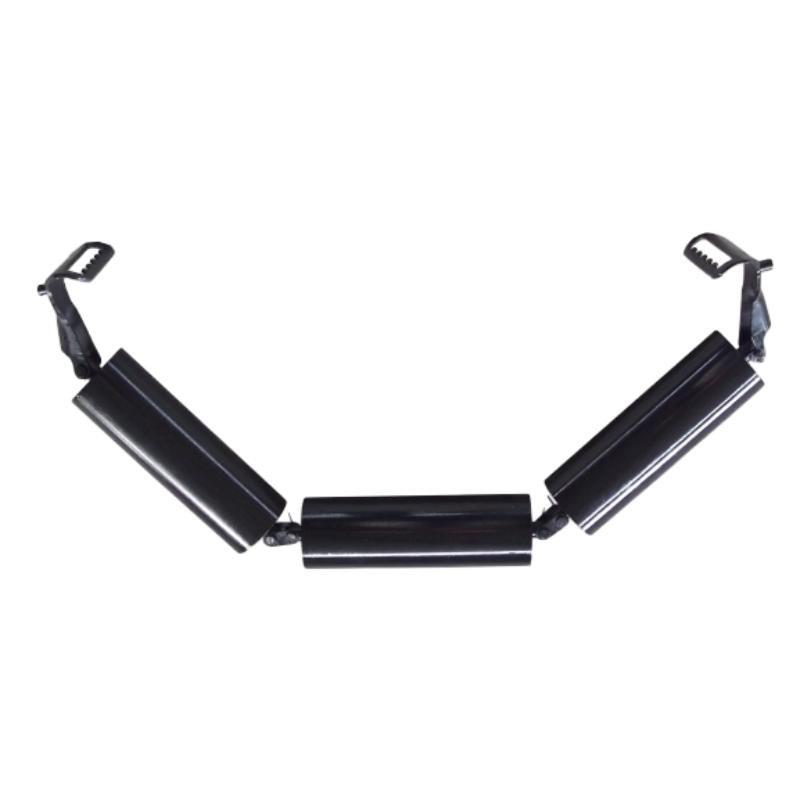
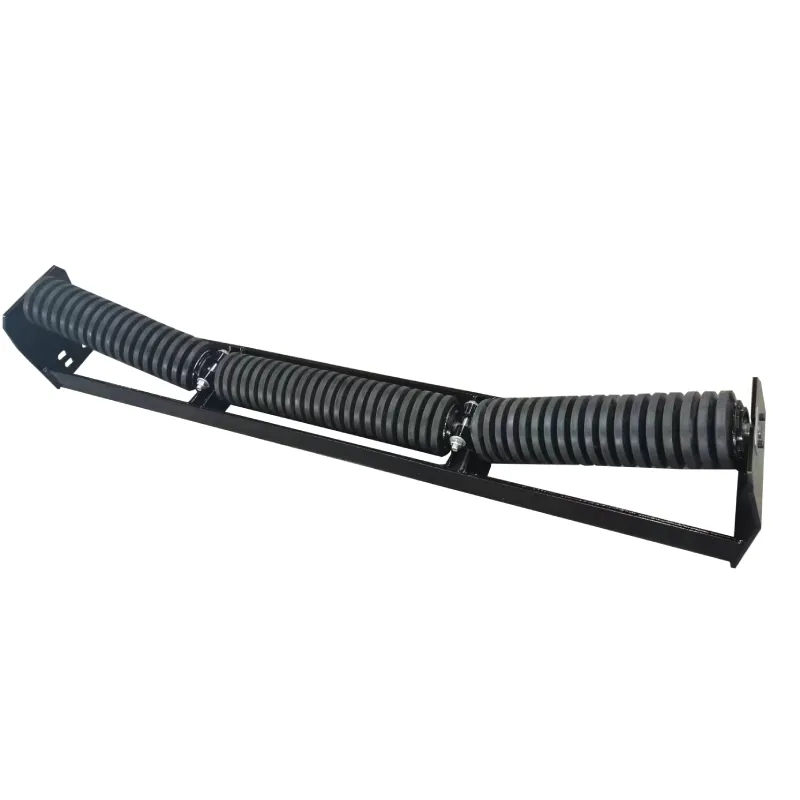
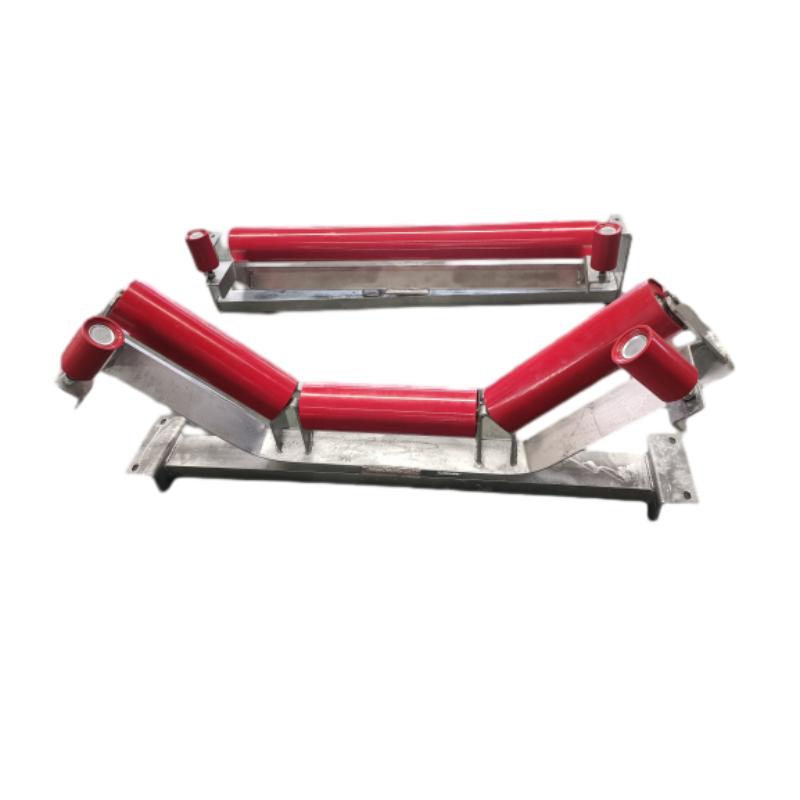
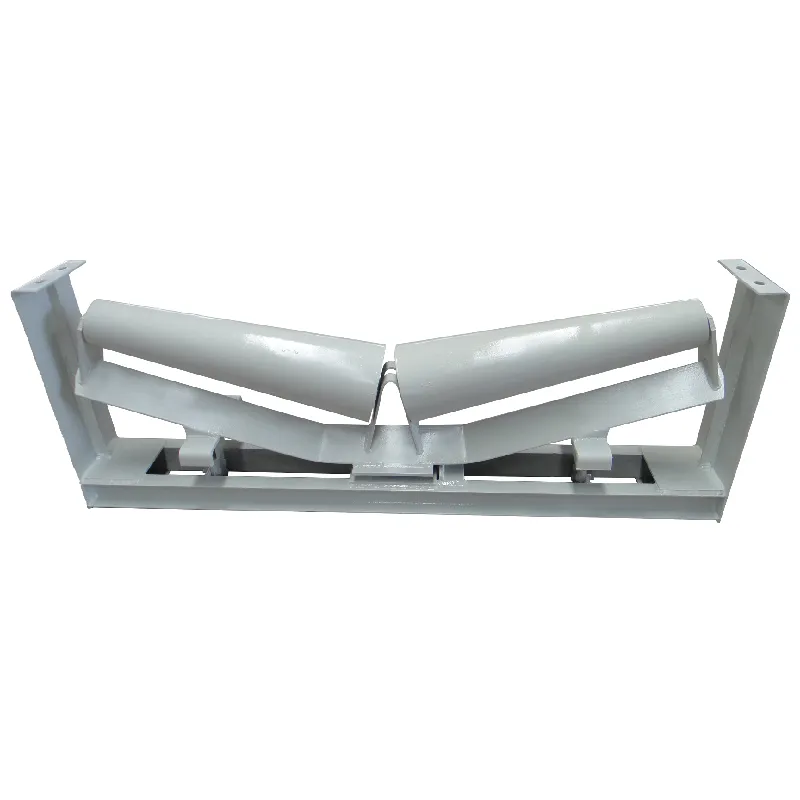
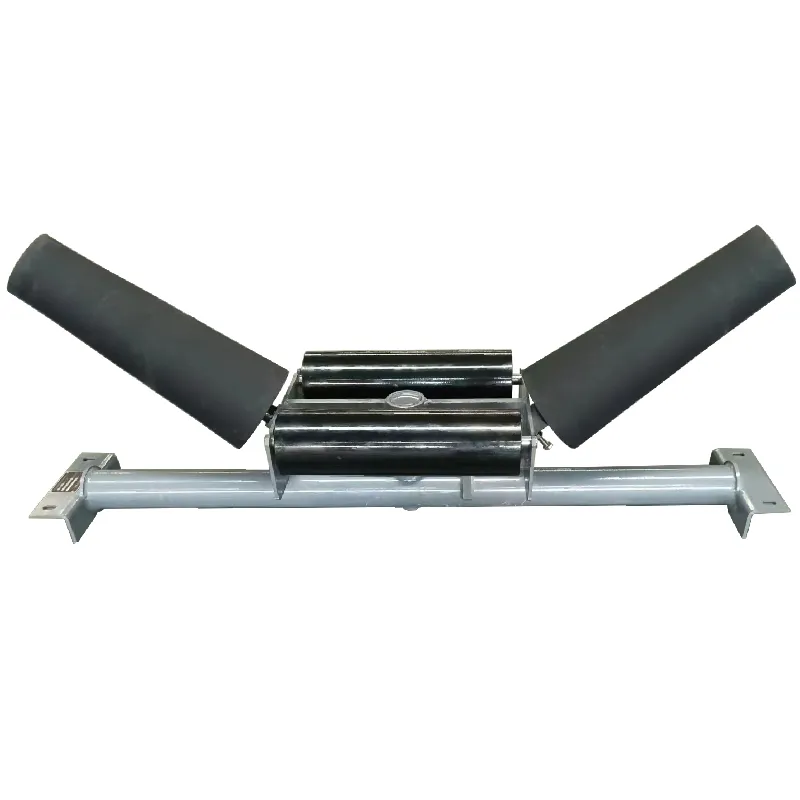
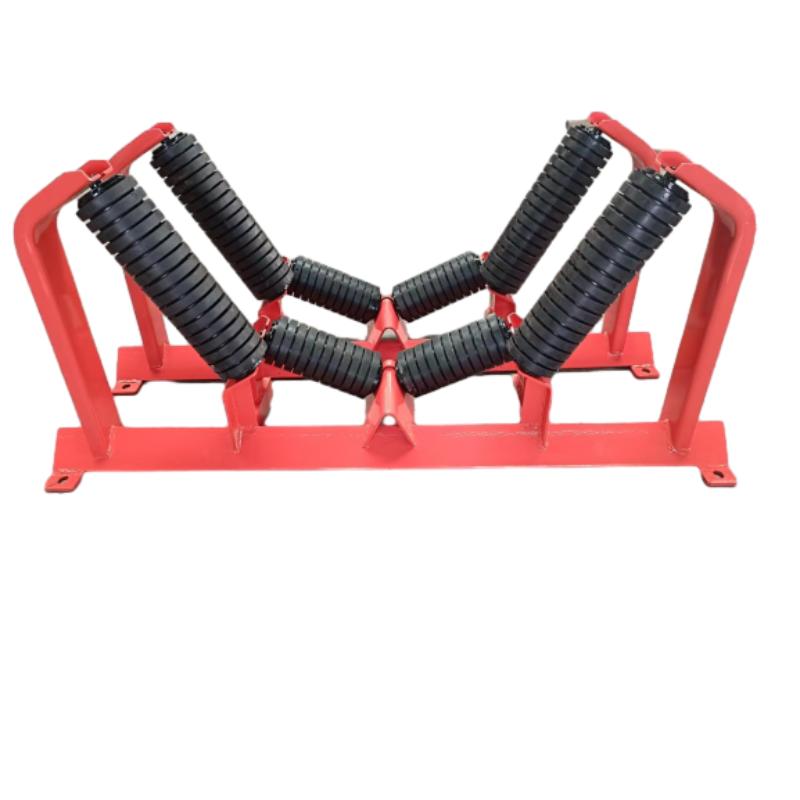
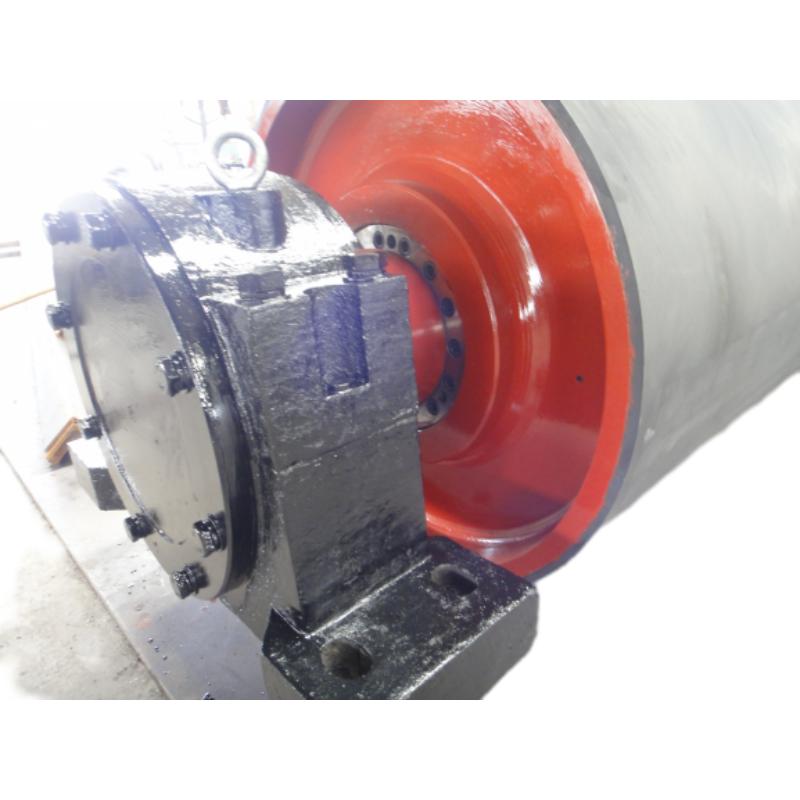
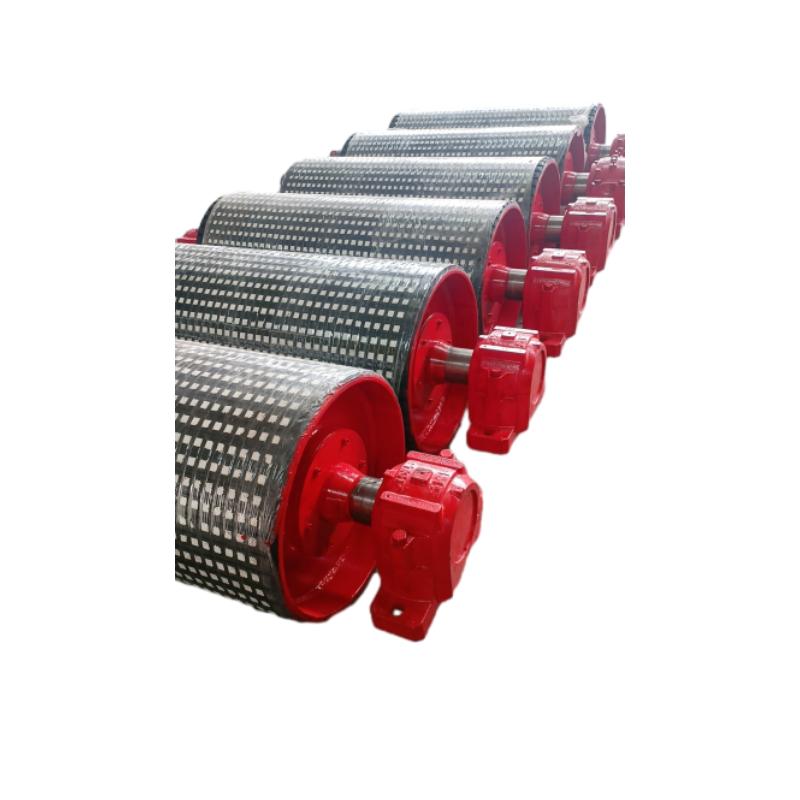
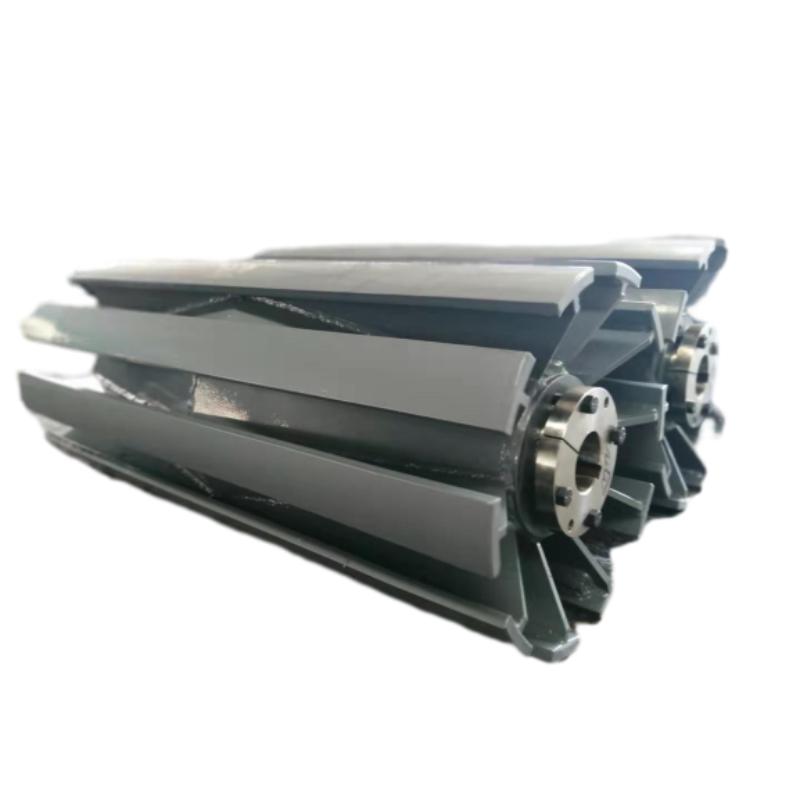
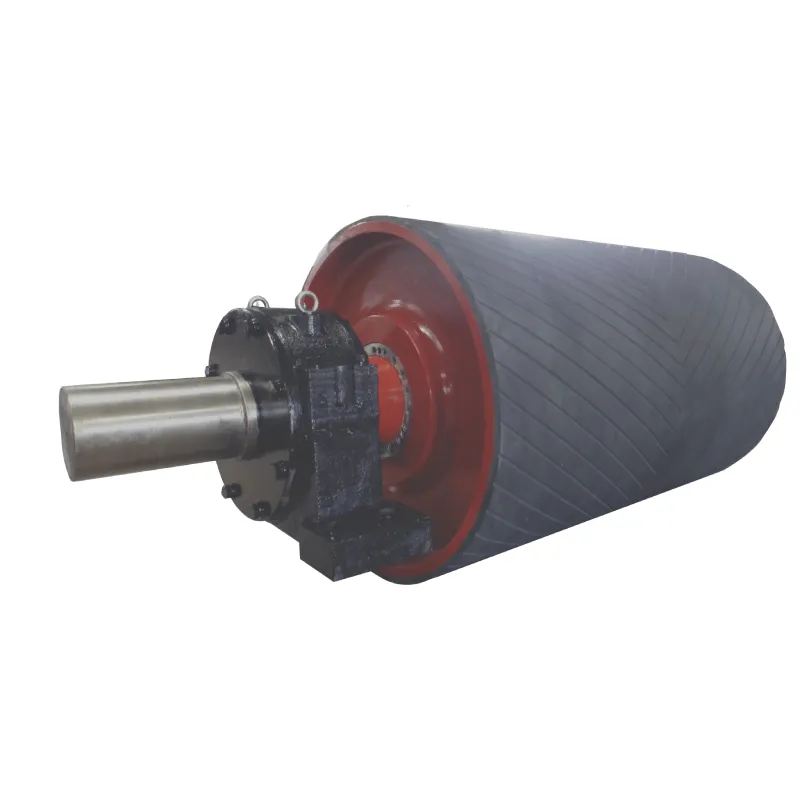
In simple terms, tapered conveyor rollers are cylindrical rollers with a slight taper on their outer surface that support the conveyor belt’s edges. Unlike standard straight rollers, their angled design nudges the belt gently toward the center, preventing as much belt drift and slippage.
This basic principle connects directly to modern industry’s push for automation and minimal downtime. From warehouses handling millions of parcels daily to humanitarian efforts delivering emergency supplies in challenging terrains, tapered rollers provide that little bit of extra reliability that often makes the difference.
Key Features of Tapered Conveyor Rollers
Durability
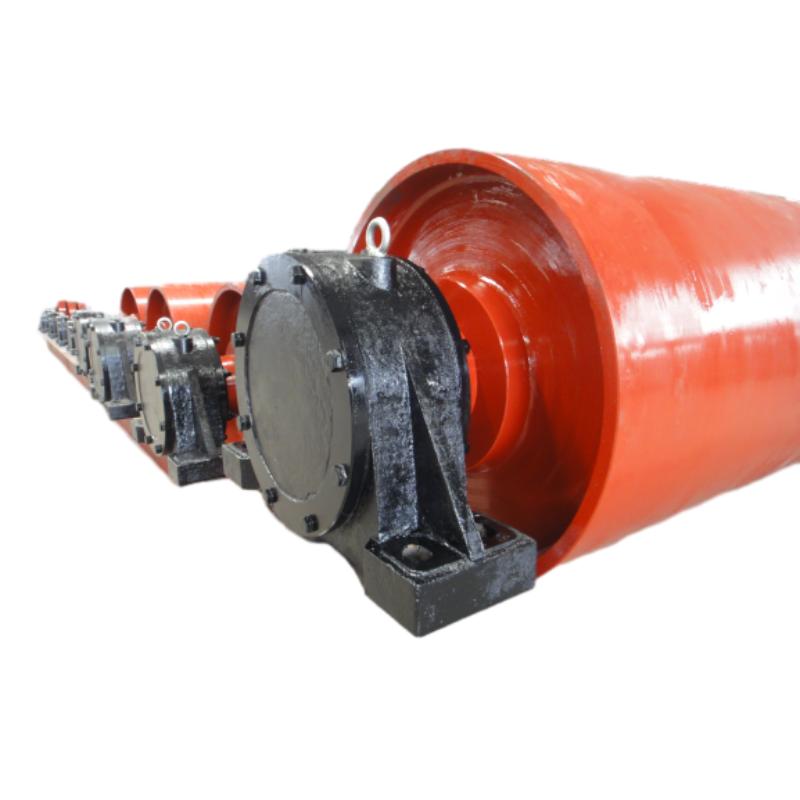
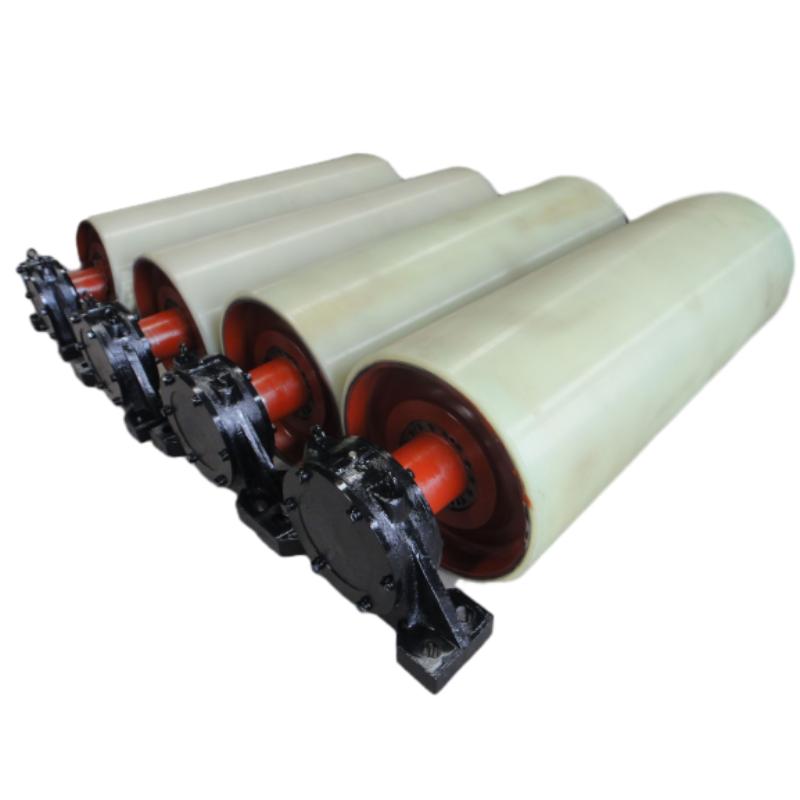
Most tapered rollers are made from heavy-duty steel or engineered polymers, designed to withstand harsh environments from freezing cold to sweltering heat. High resistance to corrosion and impact ensures a long operational lifecycle.
Precision Engineering
The degree of taper and roller diameter must be precisely calculated to match specific conveyor belt widths and load types. A mismatched roller can cause more harm than good.
Cost Efficiency
Though tapered rollers may cost slightly more upfront than standard rollers, their ability to reduce belt misalignment leads to lower maintenance and replacement costs down the line.
Scalability & Customization
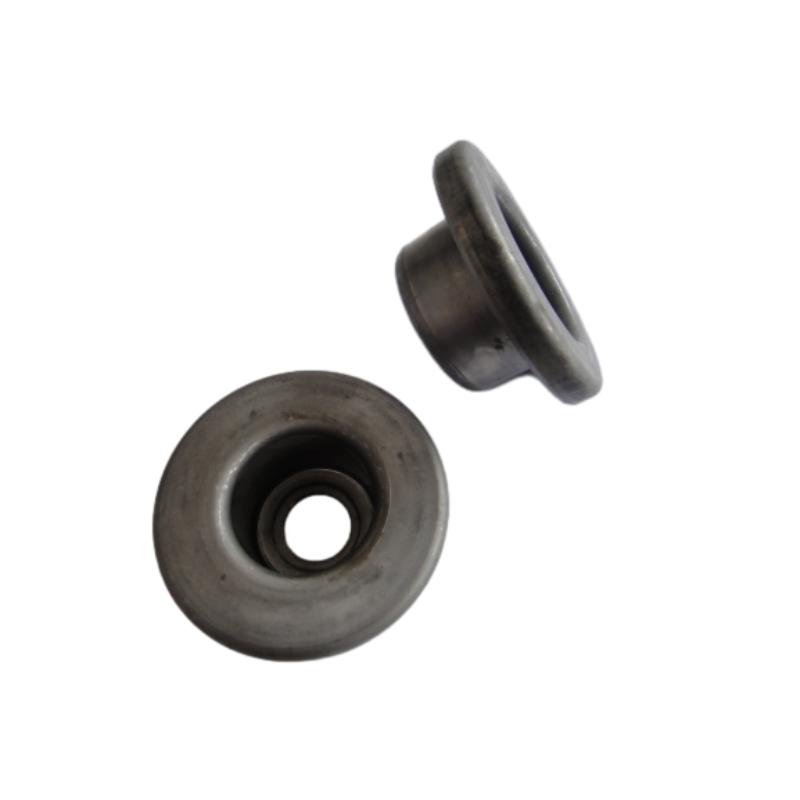
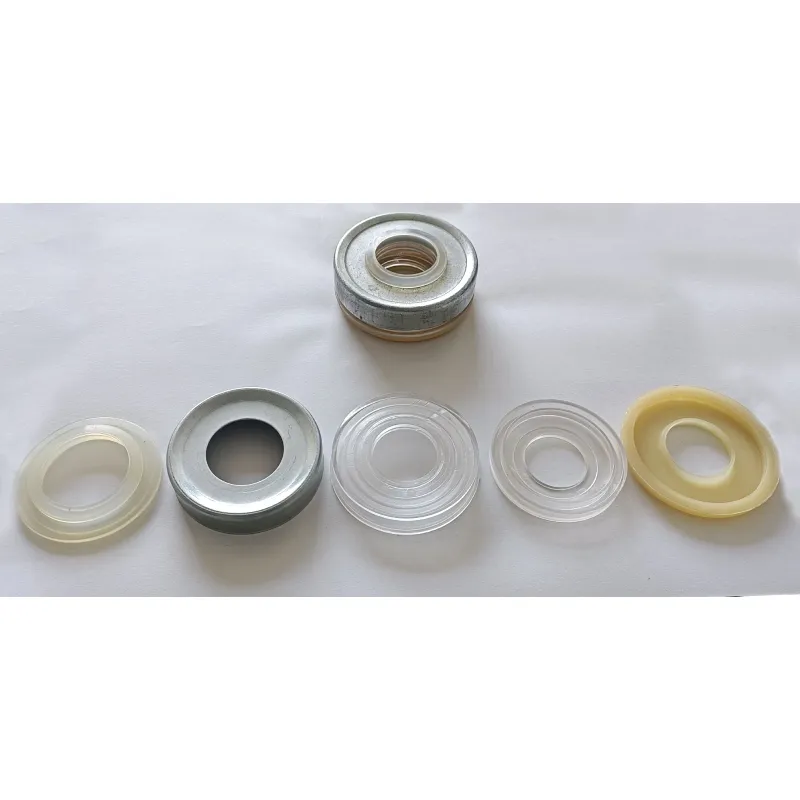
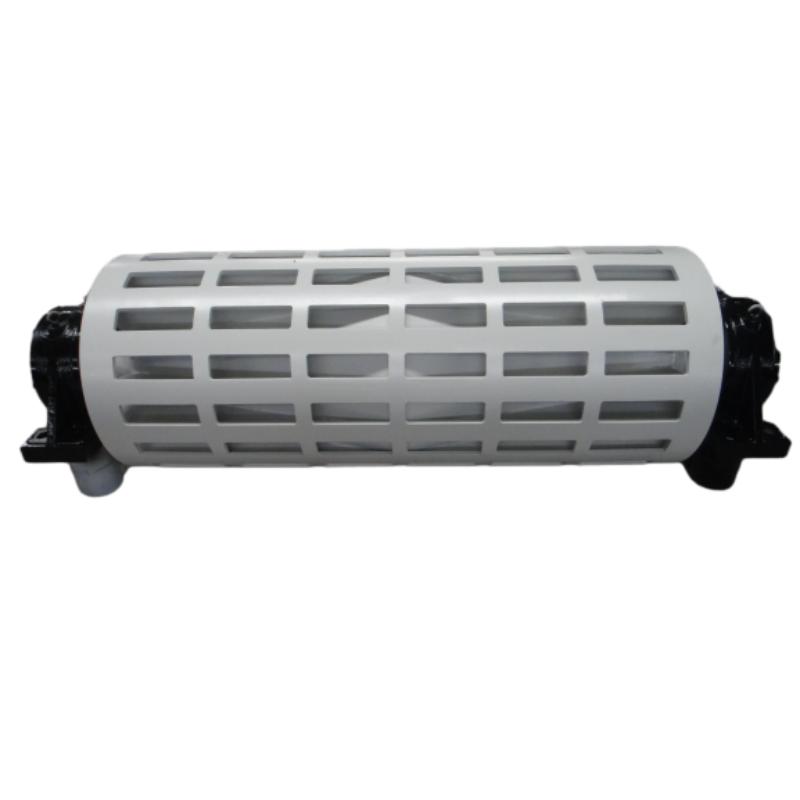
Manufacturers offer a variety of sizes and materials. Some models even include sealed bearings for applications requiring dust or moisture protection.
Compatibility
Tapered rollers can be used with different belt materials but are especially beneficial where belts are made of rubber or fabric composites prone to drift.
Energy Efficiency
A well-aligned conveyor requires less motor power, indirectly reducing energy consumption — important when scaling up operations.
Mini takeaway: These features knit together to make tapered conveyor rollers a small but mighty investment for serious material handling setups.
Global Applications & Use Cases
Industries across Asia, Europe, and the Americas rely heavily on tapered conveyor rollers. For example, Australian mining companies use them to manage enormous quantities of ore moving over rough terrain, reducing spill-related hazards and increasing operational safety.
In remote humanitarian missions, especially in Sub-Saharan Africa, tapered rollers enable smoother transport of food and medical supplies through minimally maintained conveyor belts — sometimes the only mechanized transport option available.
Meanwhile, large European package distribution centers leverage these rollers to keep their automated sorting lines running efficiently, preventing delays especially during peak demand periods.
Mini takeaway: The versatility of tapered conveyor rollers spans industries from heavy mining to health and humanitarian aid.
Advantages & Long-Term Value
- Reduced Downtime: Less need for manual belt realignment means fewer stoppages.
- Lower Operational Costs: Minimizes wear-and-tear on belts and reduces replacement frequency.
- Environmental Impact: Increased efficiency cuts fuel and electricity use.
- Safety Improvements: Decreased spillage limits workplace hazards.
- Trust & Reliability: Operators gain confidence in their equipment performance.
Beyond cost and efficiency, it's the emotional value of reliability and trust that often resonates most deeply with teams — knowing equipment won’t unexpectedly fail or cause harm fosters a safer, more dignified work environment.
Future Trends & Innovations
Looking ahead, the future of tapered conveyor rollers ties into broader automation and sustainability shifts. Smart sensors embedded in rollers that monitor wear and misalignment in real time are becoming increasingly common, feeding data into IoT platforms.
Material innovation is also notable: composites with self-lubricating properties and eco-friendly manufacturing practices mean these rollers will be lighter and greener.
Finally, integration with green energy systems—like conveyor motors powered by solar or wind—means tapered rollers will support not only operational but environmental goals.
Challenges & Solutions
Of course, no technology is perfect. One common challenge is selecting the right roller taper angle for specific belts and operating conditions — an error here can exacerbate misalignment.
Also, in very dusty or abrasive environments, rollers might require more frequent maintenance despite upgraded materials. However, advances like sealed bearings and modular roller replacement kits are making upkeep easier than ever.
Consulting with vendors who provide customization and testing support usually pays dividends in avoiding costly errors.
Product Specifications of Tapered Conveyor Rollers
| Specification | Standard Model | Heavy-Duty Model | Sealed Bearing Model |
|---|---|---|---|
| Roller Diameter | 50 mm | 75 mm | 50 mm |
| Taper Angle | 1.5° | 2° | 1.5° |
| Material | Galvanized Steel | Stainless Steel | Polymer Composite |
| Bearing Type | Open Ball Bearings | Sealed Roller Bearings | Sealed Ball Bearings |
| Max Load Capacity | 150 kg | 350 kg | 120 kg |
Vendor Comparison: Choosing the Right Supplier
| Vendor | Customization Options | Lead Time | Warranty | Technical Support |
|---|---|---|---|---|
| RollerTech Inc. | High (taper angle/material) | 2 weeks | 3 years | 24/7 hotline + on-site |
| ConveyMaster Solutions | Medium (standard sizes) | 1 week | 2 years | Email support (business hours) |
| Global Rollers Ltd. | Low (catalog only) | 5 days | 1 year | Basic phone support |
Frequently Asked Questions About Tapered Conveyor Rollers
1. How do tapered conveyor rollers prevent belt misalignment?
The slight conical shape of tapered rollers applies a correcting force that nudges the conveyor belt back toward the centerline whenever it begins to drift. This passive self-centering effect reduces the need for manual adjustments and prevents uneven wear.
2. What materials are best for tapered rollers in abrasive environments?
In dusty or abrasive environments, rollers made from stainless steel or polymer composites with sealed bearings perform best. These materials resist corrosion and prevent dust ingress, extending roller service life.
3. Can tapered conveyor rollers be retrofitted to existing systems?
Yes, many tapered rollers are designed to fit standard shaft sizes and can replace existing straight rollers. However, compatibility depends on the conveyor width and belt type, so consulting technical specs is essential.
4. How often should tapered rollers be maintained or replaced?
Maintenance frequency depends on usage and environment, but a rough guideline is inspecting rollers every 6 months for wear and lubrication, with replacements every 3–5 years under normal conditions.
5. Are tapered conveyor rollers more expensive than straight rollers?
Typically, tapered rollers cost slightly more upfront due to their specialized shape and materials, but their longer service life and reduced maintenance often result in cost savings over time.
Conclusion: The Small Component with Big Impact
In the grand scheme of supply chains and industrial automation, tapered conveyor rollers may feel like the unsung heroes — quietly correcting belt alignment, enhancing safety, and saving money all along the line. For industries from mining to humanitarian relief, investing a little time and knowledge in selecting and maintaining the right rollers pays off handsomely.
If you want to explore high-quality tapered roller options and expert support, don’t hesitate to visit our website: tapered conveyor rollers. Sometimes, it’s the smallest parts that deliver the biggest solutions.
References
-
Maximize Conveyor Life with a High Performance impact bedNewsApr.16,2026
-
Maximize Conveyor Efficiency Using a v plow belt scraperNewsApr.09,2026
-
Comprehensive Guide to Understanding Different Types of Belt CleanersNewsApr.07,2026
-
Enhancing Conveyor Efficiency with an Effective Scraper Belt CleanerNewsApr.04,2026
-
Optimizing Conveyor Systems with Advanced Cleaning Equipment SolutionsNewsMar.31,2026
-
Effective Conveyor Belt Scraper Adjustment for Optimal System PerformanceNewsMar.28,2026