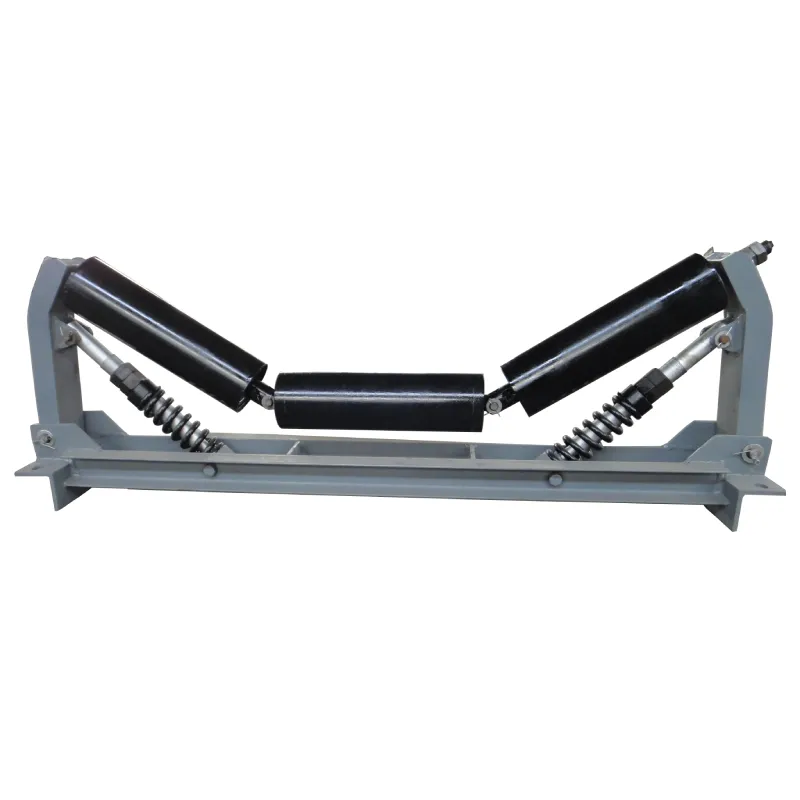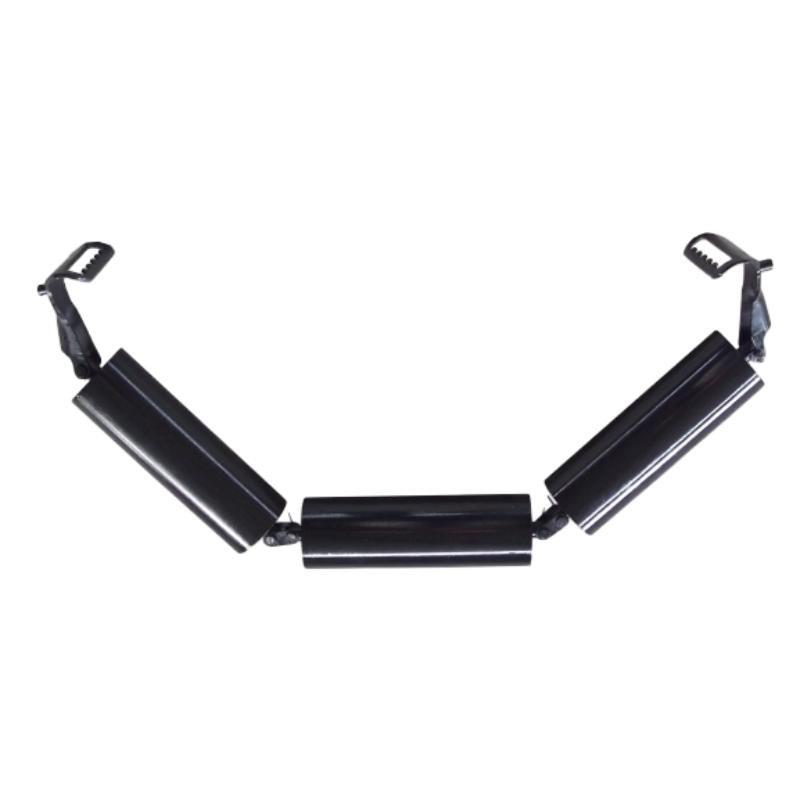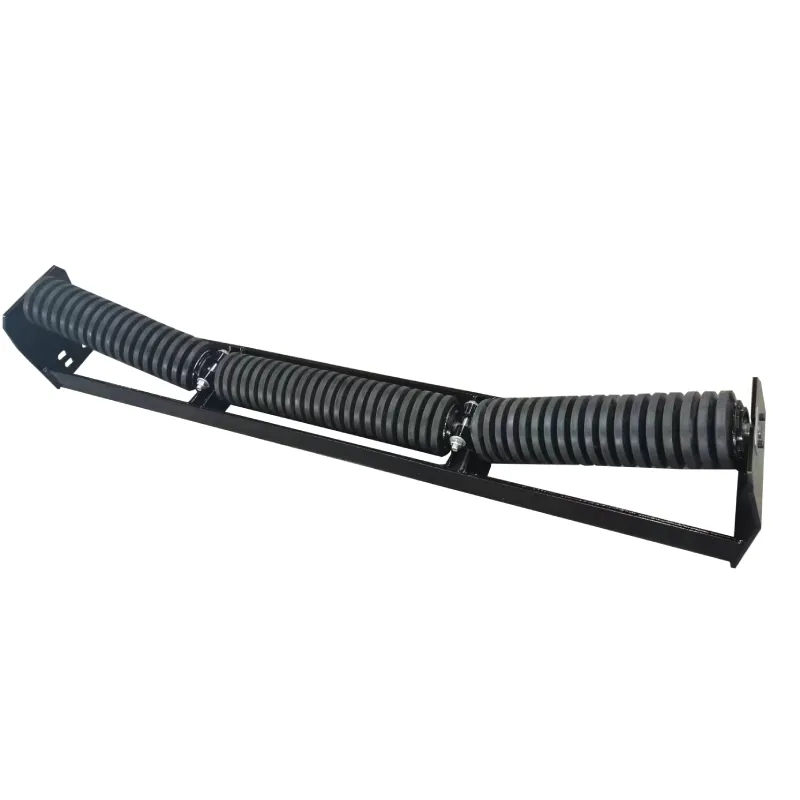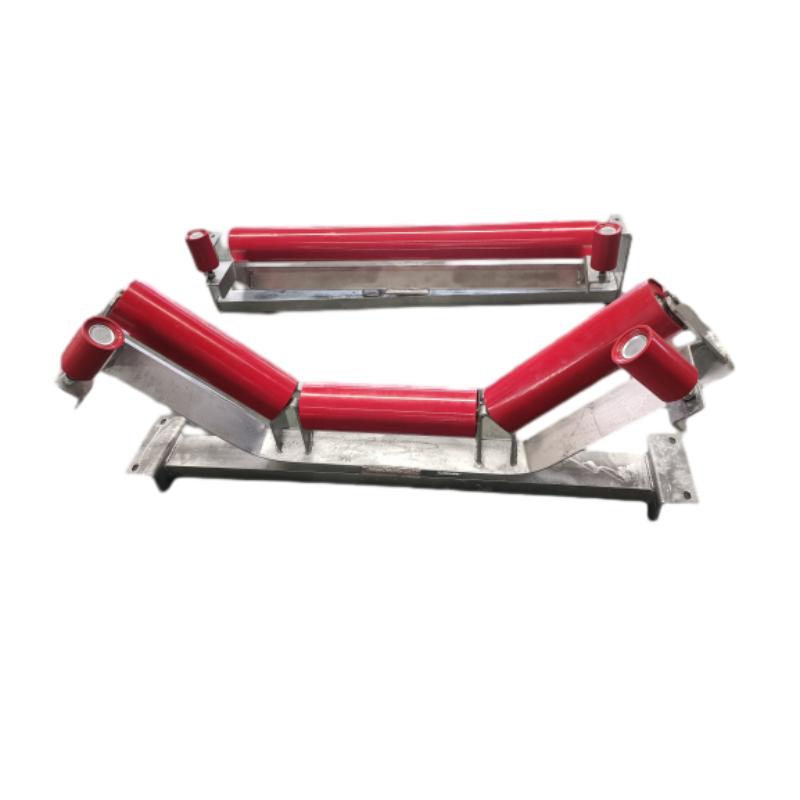


Understanding Conical Roller Bearings: Design, Uses & Global Impact
Understanding the Conical Roller: A Small Component with a Global Impact
At first glance, a conical roller might seem like just another mechanical part tucked away inside sophisticated machines. However, its importance stretches far beyond mere mechanics — it’s a fundamental enabler of efficiency, reliability, and innovation across multiple industries worldwide. From manufacturing plants humming in Germany to heavy-duty equipment operating in remote African mines, conical rollers play a central role. Grasping what a conical roller is, why it matters, and how it’s evolving can open the window to understanding broader industrial progress and even humanitarian logistics.
The Bigger Picture: Why the Conical Roller Matters Globally
Industries around the world rely on bearings and rollers to reduce friction, support loads, and improve motion. According to Wikipedia, bearings — among which conical rollers are a key type — help save energy, cut maintenance costs, and extend the lifespan of machines. The ISO estimates that efficient rolling elements can reduce machine energy consumption by up to 10%, which in real terms means less greenhouse gas emissions and longer-lasting products.
Oddly enough, while the average person might never spot a conical roller, its influence is everywhere. Yet, many industries still face challenges like premature roller wear, load mismanagement, or high cost in repairs, especially in harsh environments. This is where optimizing the design and selection of conical rollers proves indispensable.
What Exactly Is a Conical Roller?
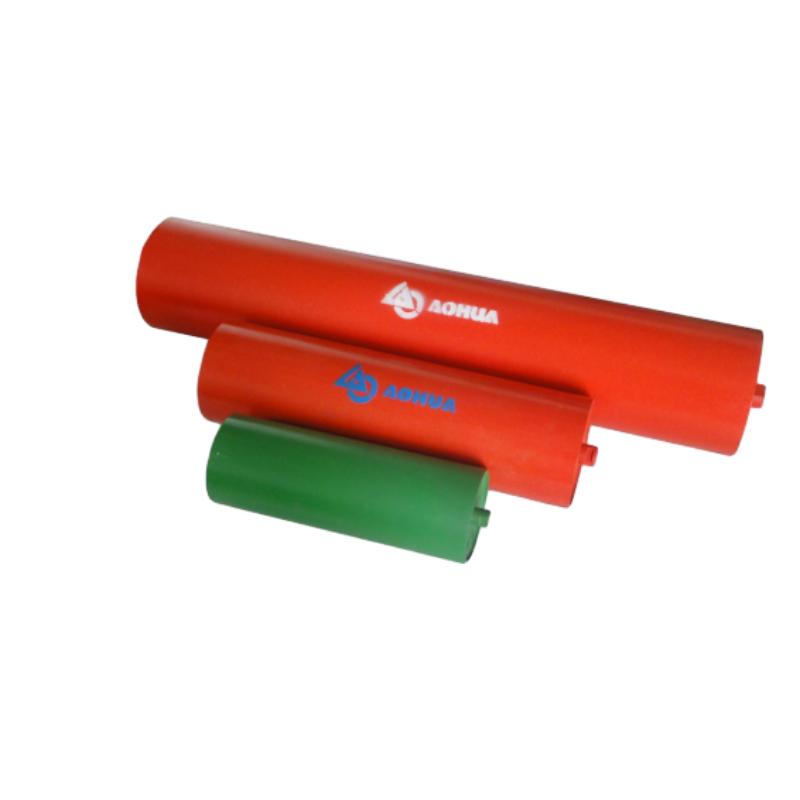
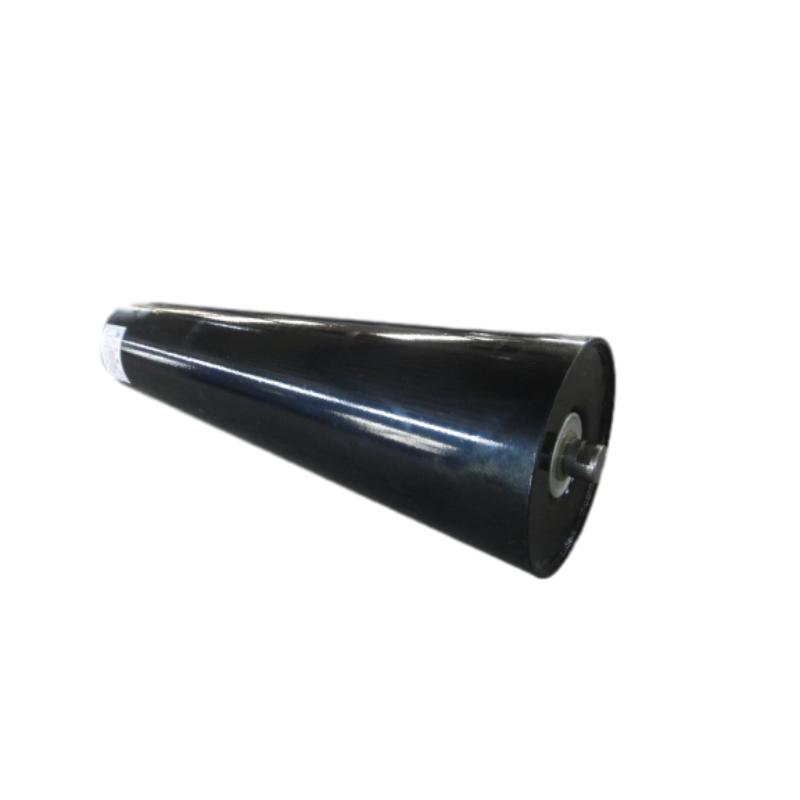
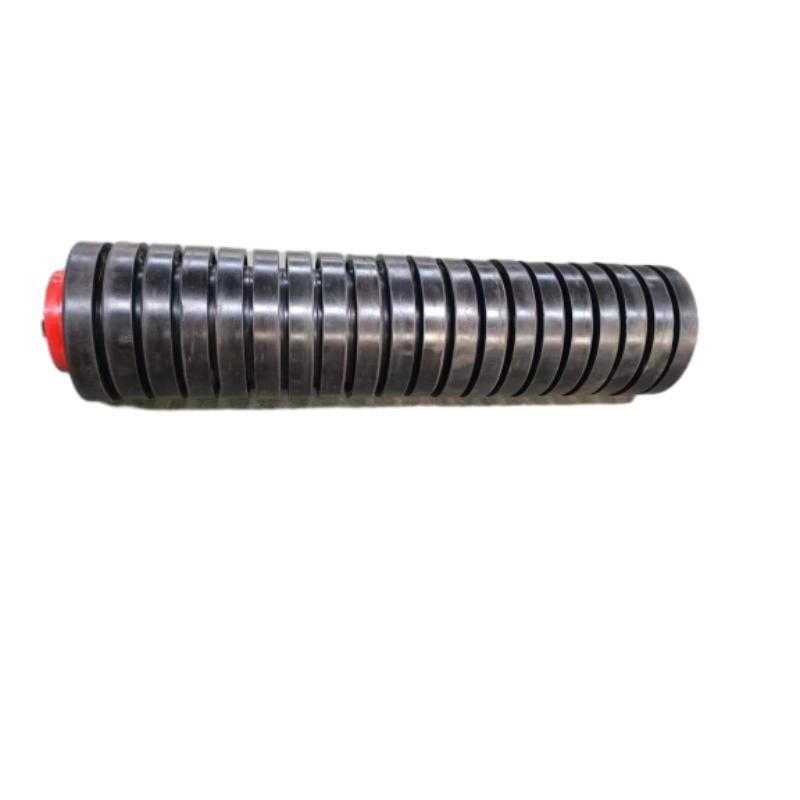
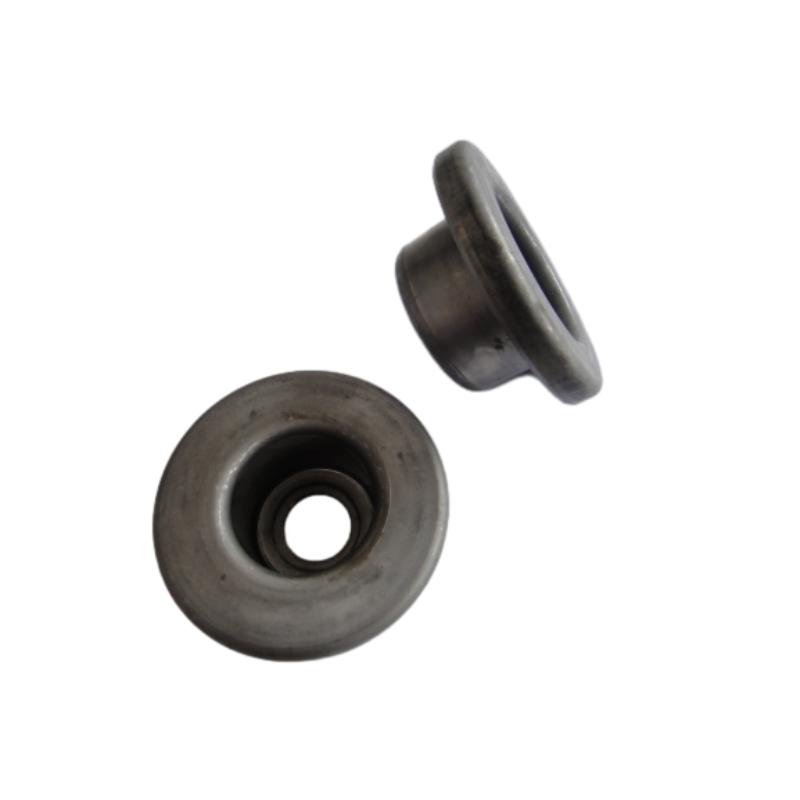
Simply put, a conical roller is a rolling-element shaped like a truncated cone. Imagine a rolling pin, but sliced at an angle, enabling it to accommodate both radial and axial loads simultaneously. This geometry helps conical rollers distribute weight more effectively across the bearing race and resist misalignment better than cylindrical rollers.
In the modern industry, these rollers are vital in applications where machines experience complex forces — think car wheel hubs, heavy-duty gearboxes, and even aerospace engines. More interestingly, humanitarian efforts, like mobile disaster relief units using machinery for logistics, also count on the dependability of these rollers for swift operations.
Mini Takeaway:
- Conical rollers marry shape and function to handle multidirectional forces efficiently.
- They are small parts but key to large-scale operations in critical, varied environments.
Key Aspects that Define the Performance of Conical Rollers
1. Durability
Probably the most talked-about feature — durability means how well the conical roller resists wear, fatigue, and corrosion. High-quality materials like chromium steel, combined with surface treatments, can extend lifespan considerably. Durability directly affects machine uptime, which is crucial for industries like mining where downtime costs thousands per hour.
2. Load Capacity
Conical rollers must bear heavy radial loads (perpendicular to the shaft) and axial loads (along the shaft axis). Engineers often select rollers based on load ratings, which dictate how much weight or force the roller can support without failure. It’s not just about maximum capacity but also about how the load is shared.
3. Precision & Alignment
The conical shape allows for slight angular misalignments without causing excessive wear. This is especially useful in applications with shaft deflection or flexibility, common in automotive and machinery fields.
4. Cost Efficiency
While quality rollers may cost more upfront, they save money long-term by reducing maintenance and energy losses. Advances in manufacturing and materials science are constantly making conical rollers more affordable without sacrificing performance.
5. Scalability & Customization
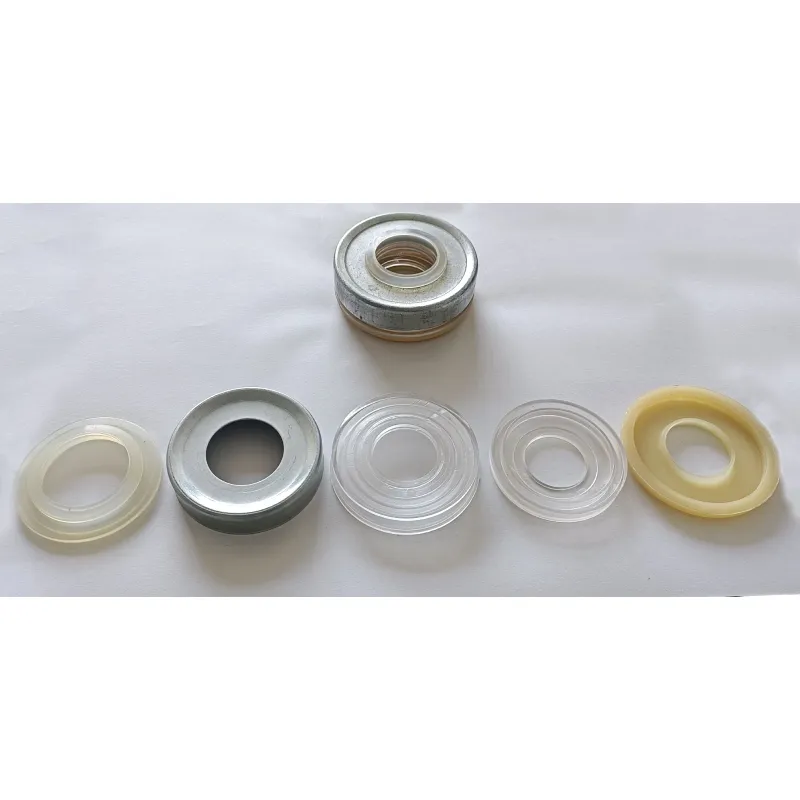
Conical rollers come in multiple sizes and designs, and many suppliers offer tailored solutions to fit specific machinery needs. For example, some versions include specialized lubricating grooves or protective seals for extremely dusty environments.
Mini Takeaway:
- Durability, load capacity, and flexibility are non-negotiable when selecting conical rollers.
- Investing a bit more upfront on quality will usually pay off in operational savings.
How Conical Rollers Make a Difference Worldwide
Conical rollers have found fertile ground across continents and industries. In Europe, automotive manufacturers integrate them into wheel hub assemblies to improve ride quality and safety. Across Asia’s expanding rail networks, conical roller bearings enable trains to run smoother and faster on curving tracks. Oddly enough, in African mining ventures, the rugged reliability of conical rollers keeps critical machinery operational even in dusty, humid conditions.
In humanitarian scenarios, such as post-disaster logistics, portable machines equipped with durable conical rollers can quickly deploy essential infrastructure like water pumps or heavy-lifting equipment without breakdowns.
| Specification | Value/Range | Notes |
|---|---|---|
| Diameter (mm) | 10 - 250 | Varies by application |
| Material | Chrome Steel / Stainless Steel | Steel alloys for strength |
| Load Capacity (kN) | 5 - 200 | Dependent on size/design |
| Operating Temperature (°C) | -30 to +150 | Typical range, special versions available |
| Lubrication Type | Grease / Oil | Depends on maintenance schedules |
Mini Takeaway:
- Whether in industrial hubs or emergency zones, conical rollers enable smooth mechanical performance.
- Understanding spec ranges helps users choose products fit-for-purpose, avoiding costly over- or under-engineering.
Advantages and the Lasting Value of Choosing the Right Conical Roller
- Cost savings: Reduced friction means less energy use, contributing to both operational and environmental cost reduction.
- Reliability: Fewer unexpected machine failures translate into greater customer trust and less downtime.
- Sustainability: Longer-lasting components mean fewer replacements, conserving resources and cutting waste.
- Safety and dignity: In humanitarian contexts, reliable equipment ensures timely delivery of aid, preserving lives and community morale.
Many engineers express that selecting quality conical rollers feels like betting on long-term success rather than short-term fixes. This sentiment aligns with the broader push for industrial sustainability and social responsibility — where reliability and ethical sourcing go hand in hand.
Looking Ahead: Innovations Shaping the Future of Conical Rollers
The future is quite exciting. Advances in materials science are yielding ceramic-coated rollers with even higher wear resistance and lighter weight. Digital transformation is fostering “smart” bearings embedded with sensors that provide real-time data on performance, alerting to maintenance needs before failures happen. Meanwhile, green energy initiatives encourage manufacturers to optimize every moving part — a conical roller included — for efficiency and recyclability.
Automation and robotics increase the demand for precision roller bearings capable of handling variable loads without grinding stops. And policy shifts around sustainability put pressure on suppliers to innovate environmentally friendly lubricants and manufacturing techniques.
Challenges and Smart Solutions Around Conical Roller Use
Of course, no product is without its hurdles. Some key challenges include:
- Wear in dusty or corrosive environments: Even the best roller can fail prematurely if operating conditions are brutal.
- Cost vs. quality balance: Not everyone can afford premium rollers; sometimes cheaper substandard parts flood the market.
- Specialized design needs: One size doesn’t fit all, and customization can be costly.
Solutions? Engineers recommend robust sealing designs, regular maintenance, and thorough testing before deployment. Smart procurement policies emphasizing lifecycle cost rather than upfront price also help. Some vendors now offer modular bearings or kits that users can adapt in field conditions. In a nutshell, forewarned is forearmed — meaningful consultation with product specialists goes a long way.
| Supplier | Price Range | Customization | Product Range | Lead Time |
|---|---|---|---|---|
| RollTech Industries | $$$ | High - bespoke options | Wide, automotive & industrial | 3-5 weeks |
| Bearing Solutions Ltd. | $$ | Moderate | Standard industrial sizes | 2-4 weeks |
| Global Bearings Co. | $ | Limited | Mass-market industrial | 1-3 weeks |
Frequently Asked Questions About Conical Rollers
Q1: How do I know if a conical roller is better than a cylindrical one for my application?
A: If your application involves combined radial and axial loads or requires tolerance for shaft misalignment, conical rollers usually outperform cylindrical types. They distribute forces better and reduce wear. However, cylindrical rollers may be simpler and cheaper for purely radial loads. Consulting your machinery’s load profiles can clarify this choice.
Q2: What maintenance schedule should I follow for conical rollers?
A: Maintenance depends on usage conditions. Typically, regular lubrication every 3-6 months for industrial settings works well, but heavy-duty or dusty environments require more frequent checks. Smart sensors embedded in modern rollers can assist by providing real-time status alerts, which is ideal for mission-critical equipment.
Q3: Are conical rollers environmentally sustainable?
A: Modern manufacturing uses improved materials and coatings that increase longevity, which reduces waste. Plus, advances in biodegradable lubricants and recycling programs for steel components contribute to greener footprints. It’s not perfect yet, but industry trends are on the right track.
Q4: Can I order custom conical rollers internationally?
A: Yes, many suppliers cater to global clients and offer international shipping. However, lead times may vary, and import regulations need checking. It’s also wise to confirm warranty and after-sales support when purchasing abroad.
Q5: What industries are the biggest consumers of conical rollers?
A: Automotive, aerospace, rail transport, mining, construction machinery, and humanitarian equipment sectors generally consume the most. Each demands specific roller designs adapted to their unique stress profiles and environments.
Wrapping It Up: Why Conical Rollers Still Roll Strong Into The Future
The humble conical roller, while subtle, is a shining example of engineering elegance meeting practical need. Their ability to handle complex loads in diverse, sometimes hostile settings makes them invaluable for industries and situations where failure is just not an option. Investing in high-quality conical rollers can mean the difference between costly downtime and smooth-running operations, between mechanical disappointment and longevity.
For anyone interested in exploring this further or sourcing quality rollers, I recommend checking out suppliers and detailed product specs — a good start is visiting https://www.idleraohua.com. After all, every cog in the machine counts, especially the conical ones.
Final Mini Takeaway:
- Conical rollers aren’t just machine parts — they’re enablers of progress and sustainability.
- Smart choices in design, materials, and maintenance unlock lasting value, cost savings, and even social impact.
References
-
Maximize Conveyor Life with a High Performance impact bedNewsApr.16,2026
-
Maximize Conveyor Efficiency Using a v plow belt scraperNewsApr.09,2026
-
Comprehensive Guide to Understanding Different Types of Belt CleanersNewsApr.07,2026
-
Enhancing Conveyor Efficiency with an Effective Scraper Belt CleanerNewsApr.04,2026
-
Optimizing Conveyor Systems with Advanced Cleaning Equipment SolutionsNewsMar.31,2026
-
Effective Conveyor Belt Scraper Adjustment for Optimal System PerformanceNewsMar.28,2026