

Everything You Need to Know About Rubber Disc Rollers: Specs, Benefits, and Trends
What Exactly Is a Rubber Disc Roller, and Why Should You Care?
If you've ever glanced at a construction site or a piece of agricultural machinery and noticed a set of intriguing round discs—chances are you might have spotted a rubber disc roller in action. But beyond their somewhat simple look lies a fascinating blend of engineering and practical magic. These rollers, used mainly for soil compaction and surface smoothing, form the backbone of many crucial industrial operations worldwide.
Understanding rubber disc rollers is not just a niche engineering affair. Globally, as infrastructure develops rapidly and farming demands rise, the efficiency, durability, and versatility of tools like the rubber disc roller become paramount. They impact soil preparation, road building, and even disaster recovery projects by helping create stable, workable surfaces swiftly and cost-effectively.
Introduction: Why the Rubber Disc Roller Matters Globally
Road construction and land cultivation projects alone account for billions in global infrastructure spending each year. According to the World Bank, investments in sustainable transport infrastructure are climbing steadily, especially in developing regions where dirt roads still dominate. That's where a reliable compacting tool is essential.
The rubber disc roller addresses multiple challenges — from uneven terrain that hinders construction progress to soil compaction needs in agriculture that improve yields. As cities expand and rural industries modernize, the demand for durable, efficient rollers has never been higher.
What Is a Rubber Disc Roller?
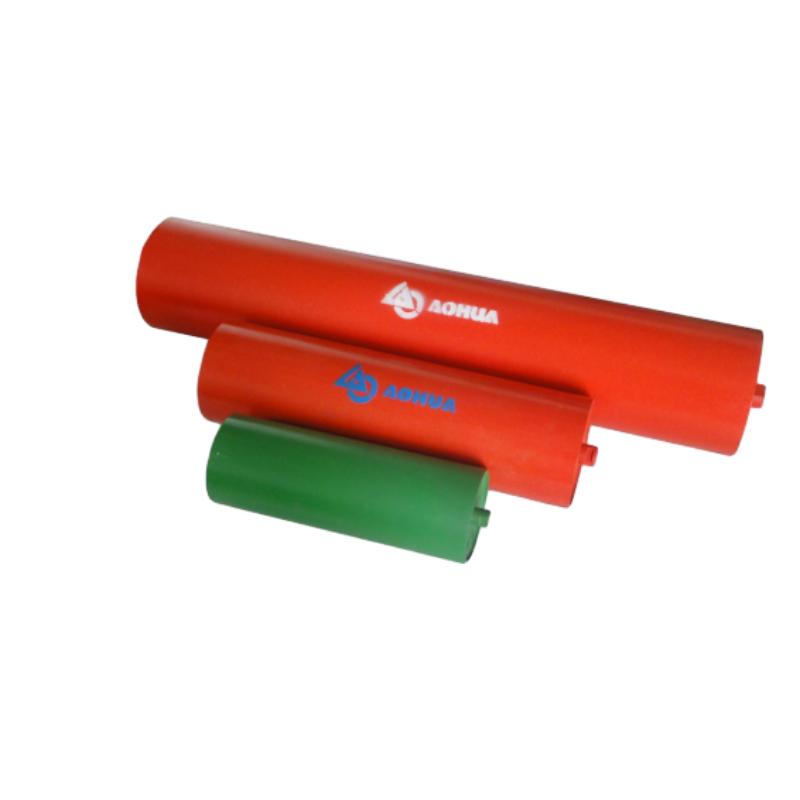
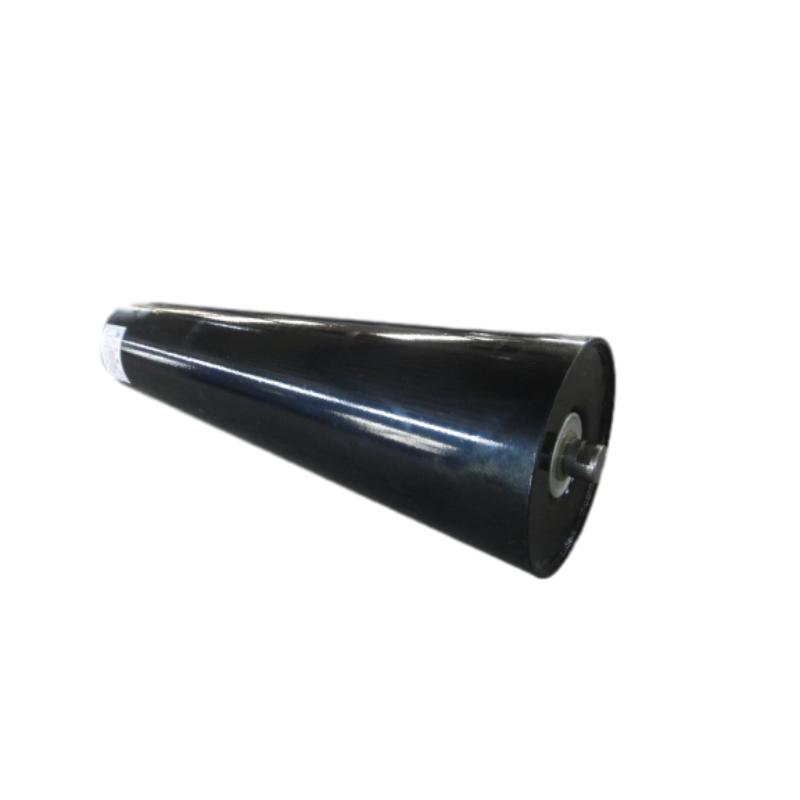
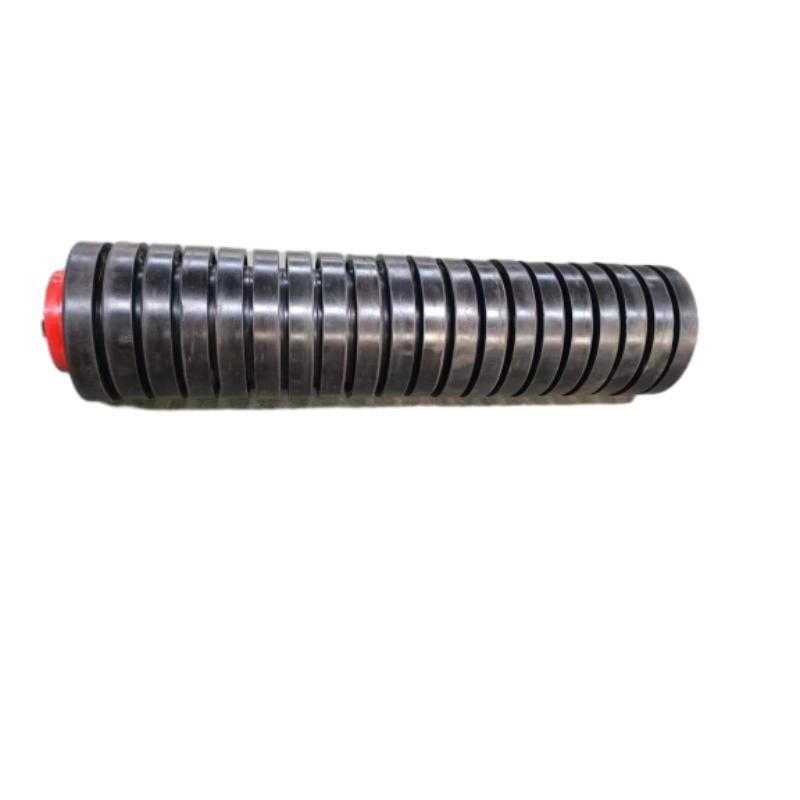
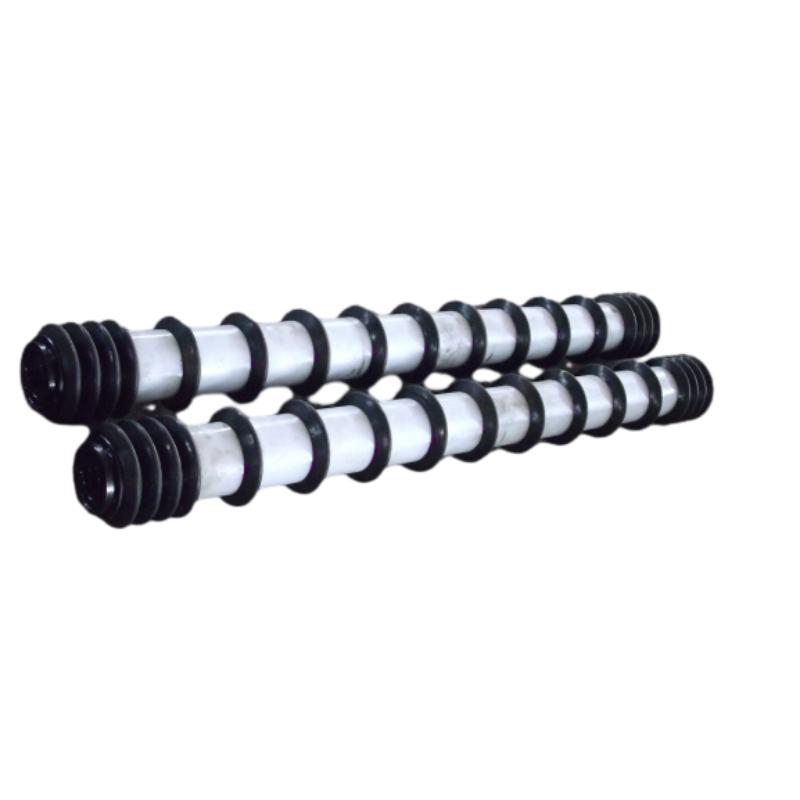
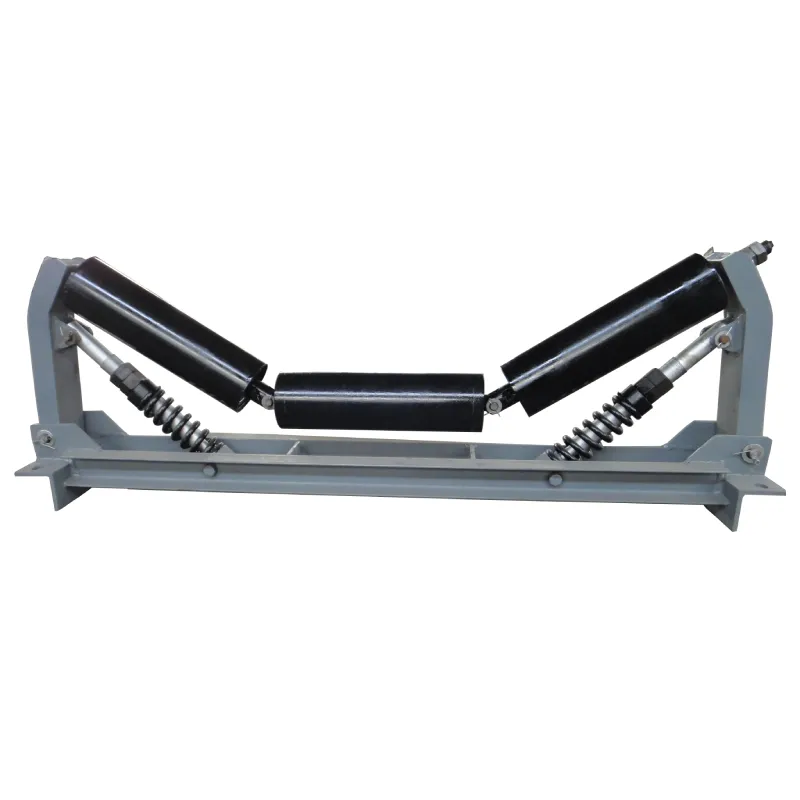
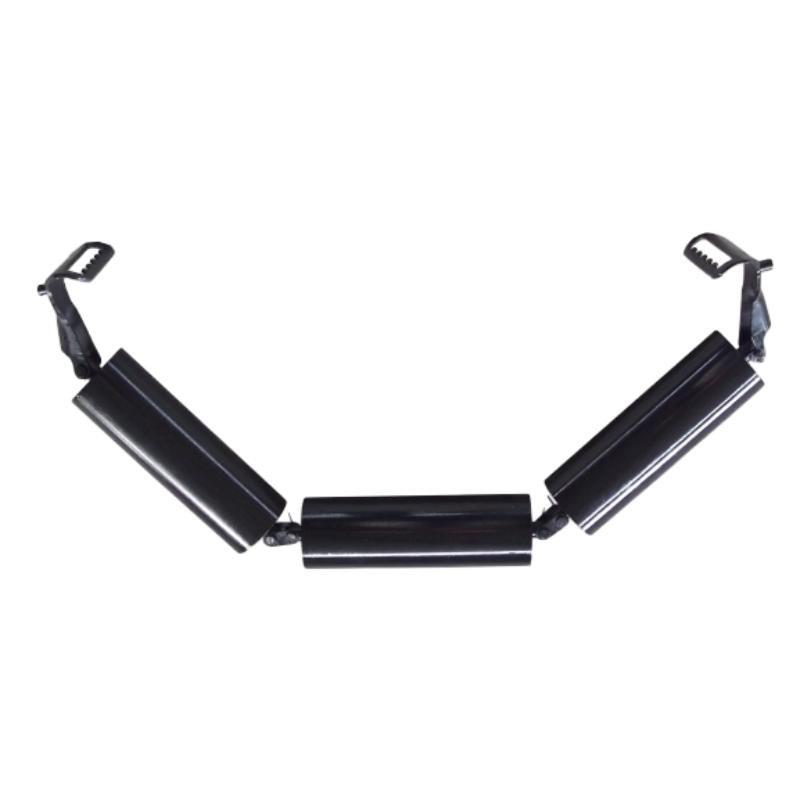
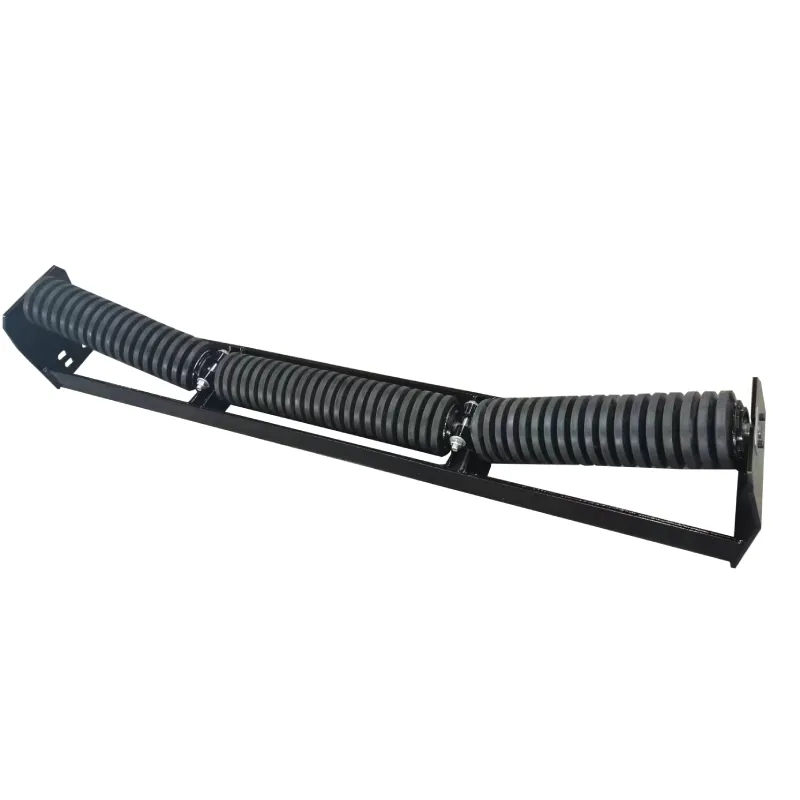
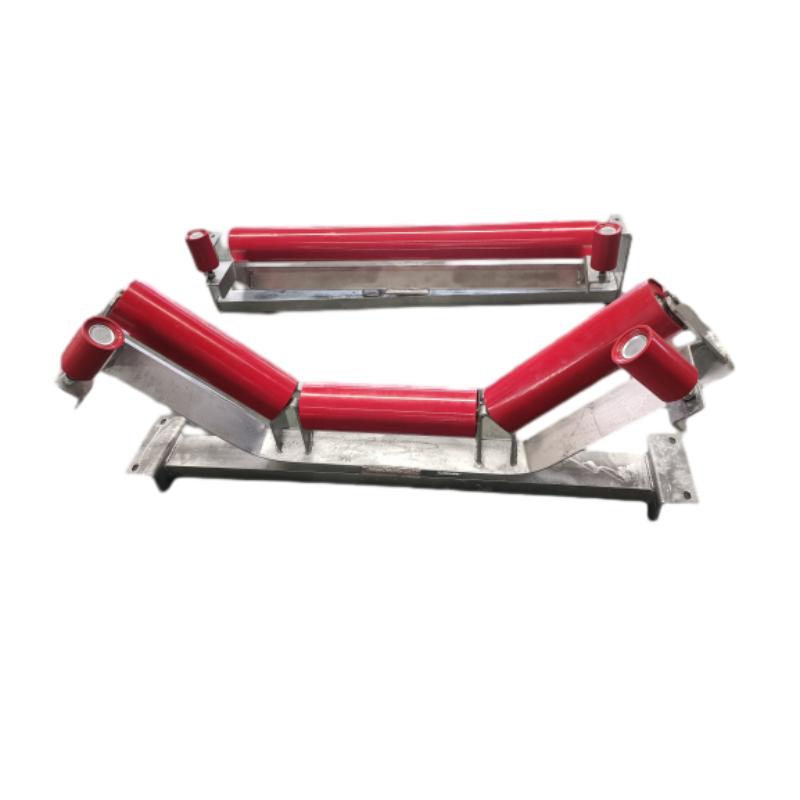
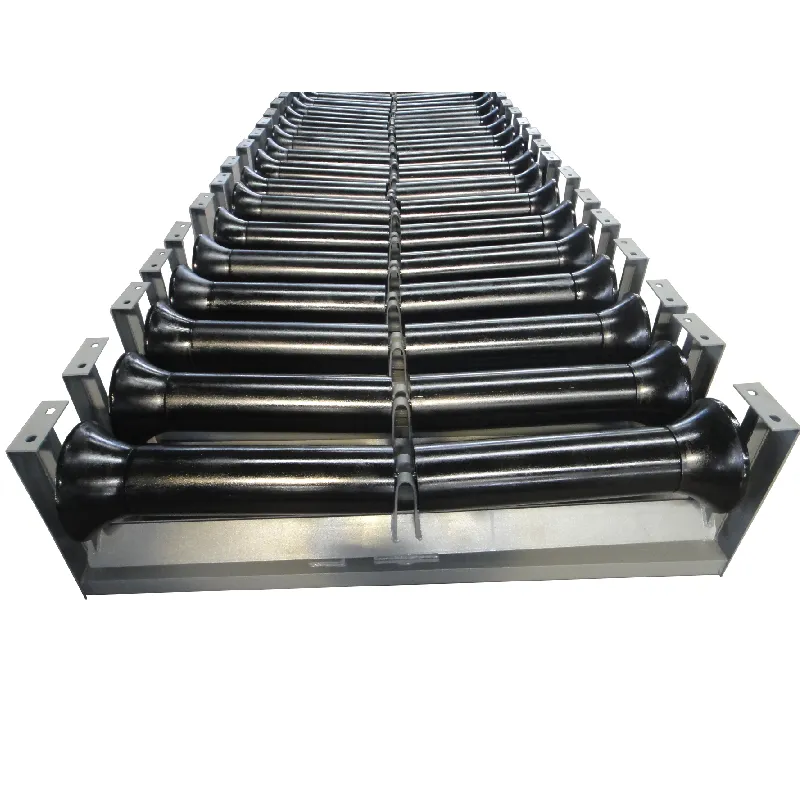
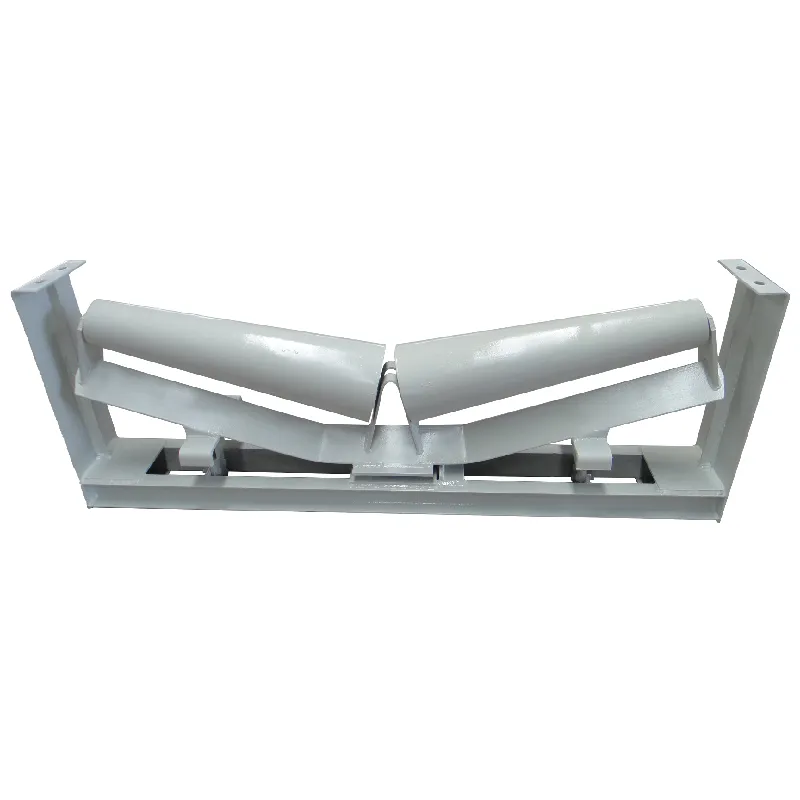
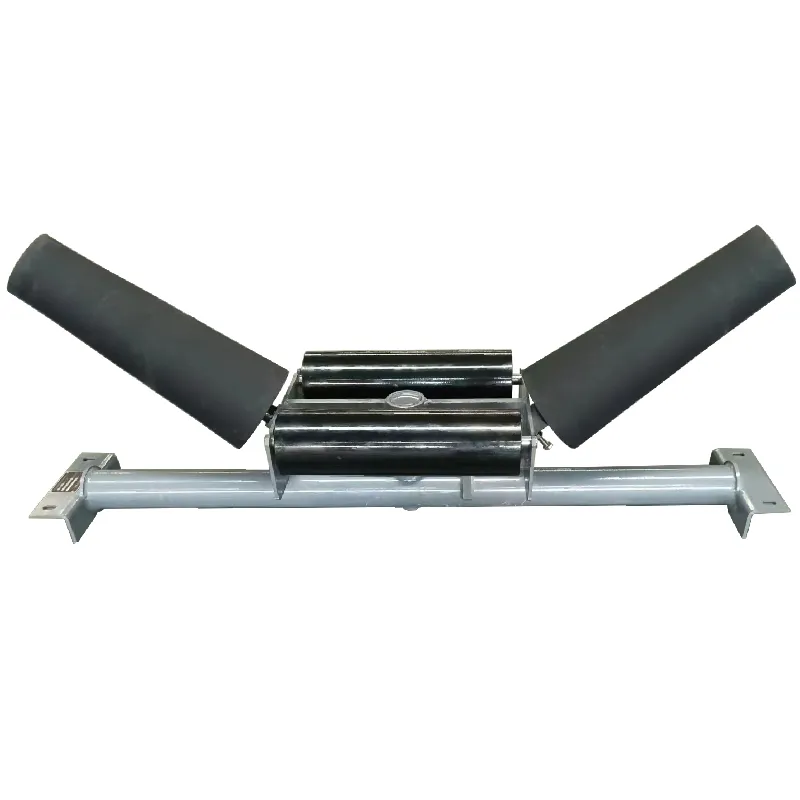
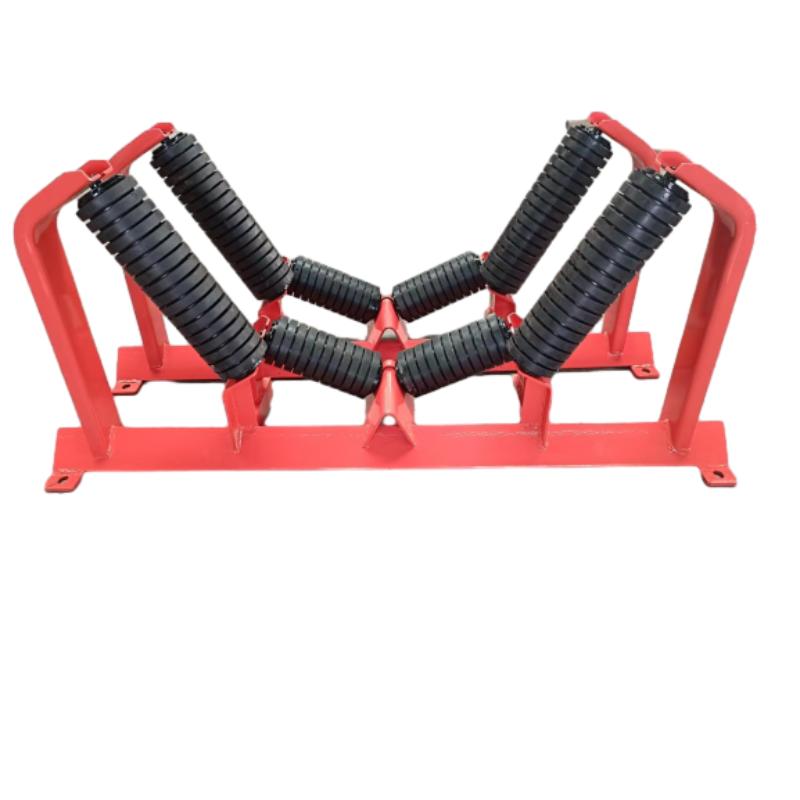
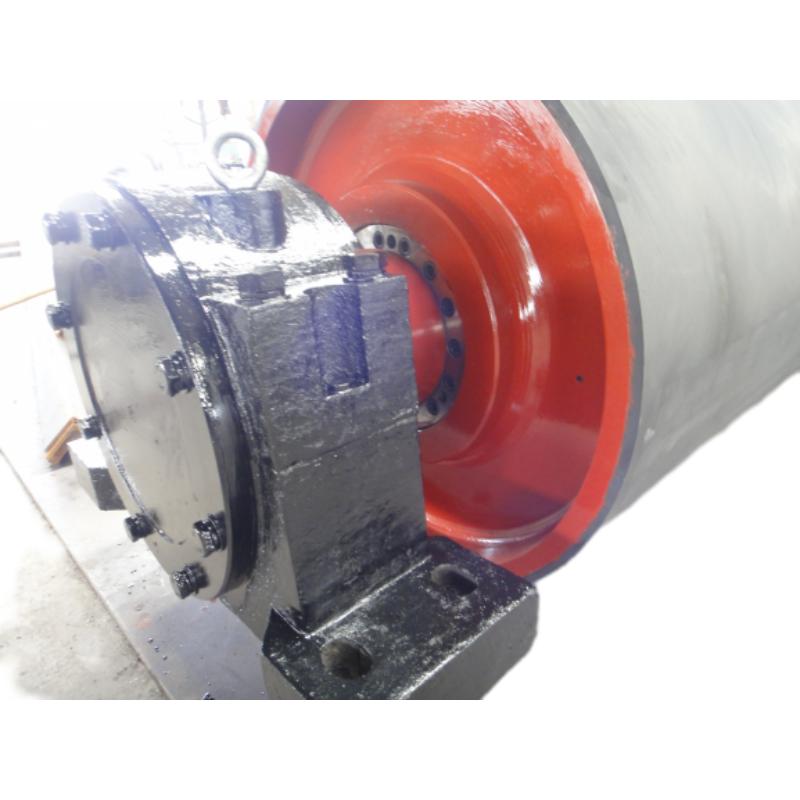
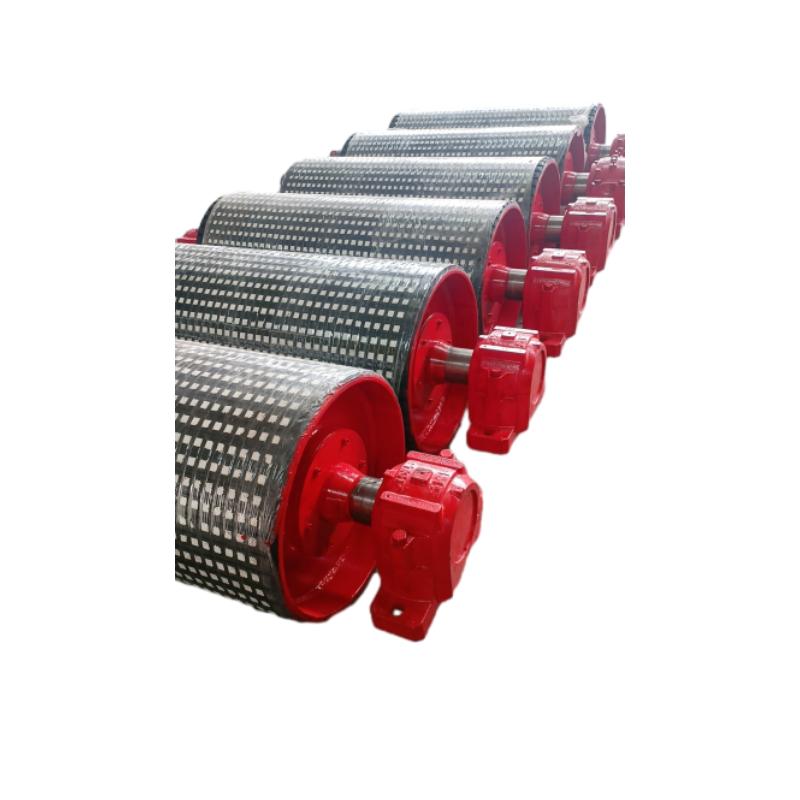
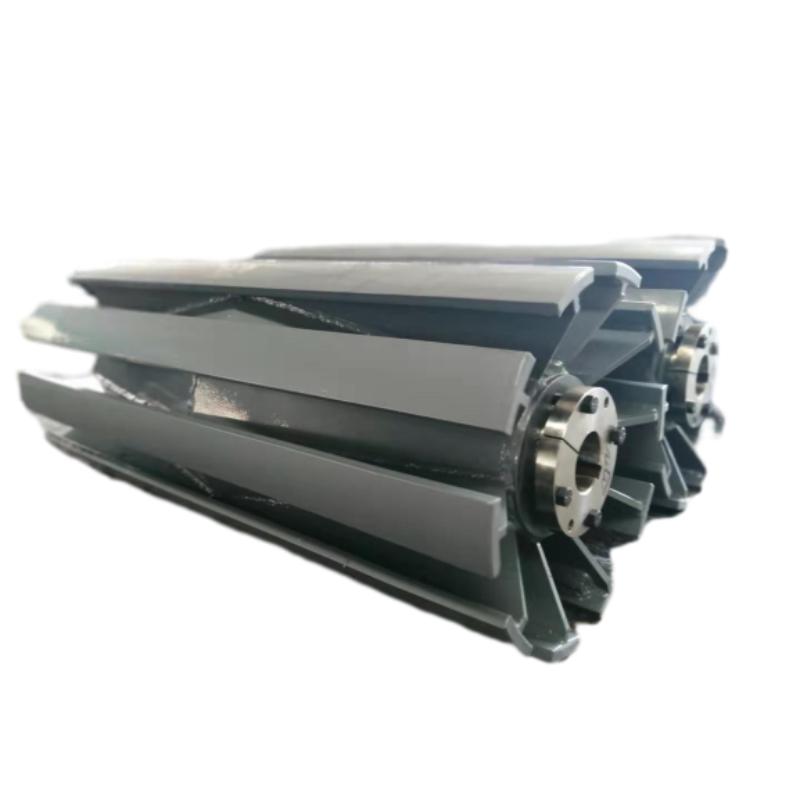
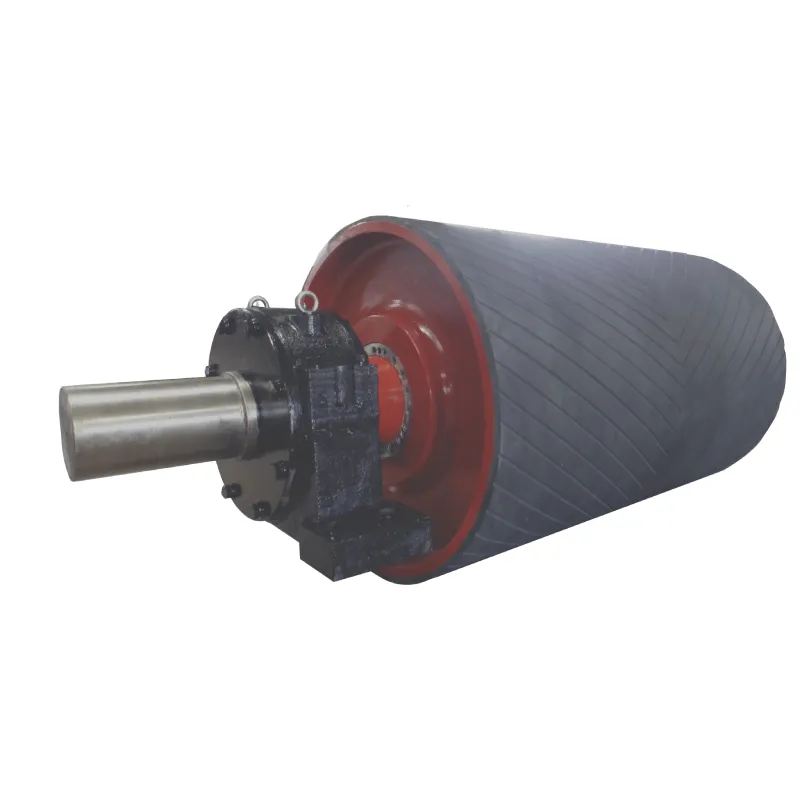
Put simply, a rubber disc roller is a mechanical device equipped with a series of rubber-coated circular discs mounted on a rotating shaft. These discs roll over soil or gravel, applying pressure that compacts the material beneath. The rubber coating adds elasticity, allowing for better traction and less surface damage compared to steel rollers.
In practical terms, the roller helps in creating smooth, firm surfaces necessary for laying foundations, roads, or preparing farmland. It fits neatly within the broader landscape of modern machinery engineered to meet both industrial and humanitarian needs — for example, ensuring that post-flood or post-earthquake terrains are stabilized quickly for rebuilding efforts.
Core Components of a Rubber Disc Roller
1. Durability of Materials
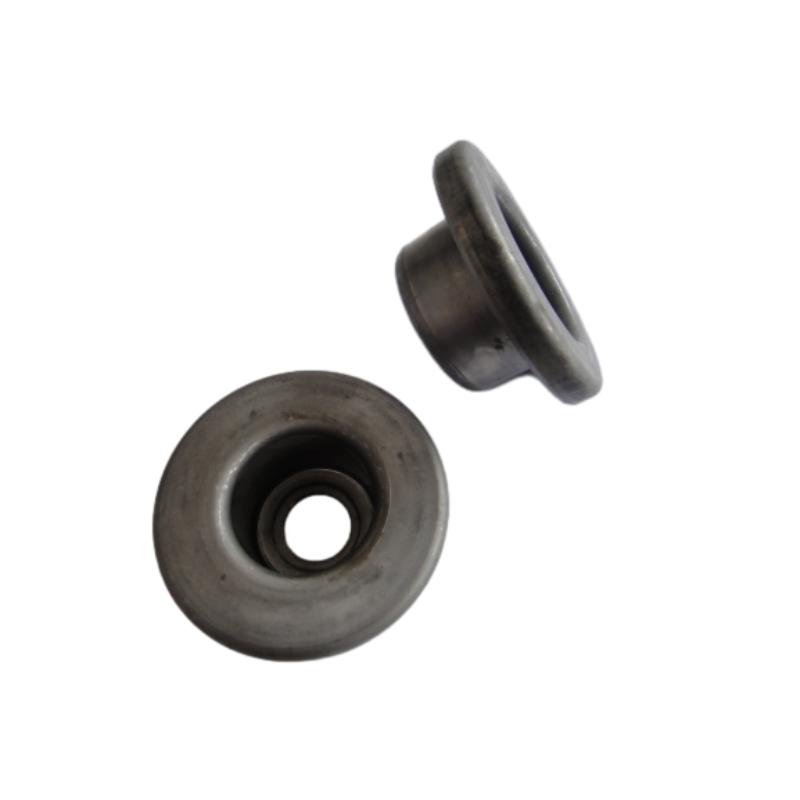
At the heart of every rubber disc roller is the marriage of tough rubber with a steel core. The discs must withstand abrasion, shocks, and continuous rolling over rough surfaces—qualities that manufacturers balance carefully to maximize lifespan while keeping weight manageable.
2. Traction and Surface Adaptability
The rubber coating isn’t just for show. It dramatically improves traction on loose soils and prevents the roller from just sliding over uneven ground. This adaptability means operators can trust the machine to perform even on tricky terrains.
3. Size and Weight Configuration
Depending on the application, weight distribution across the discs matters—a heavier setup compacts deeper but risks overcompacting and soil damage, while lighter models preserve soil integrity but may need multiple passes.
4. Compatibility with Equipment
Rubber disc rollers need to fit various tractors and towing machines. Compatibility and ease of attachment influence how widely and quickly these rollers can be deployed.
5. Cost Efficiency
With many construction projects running tight budgets, choosing a roller that balances quality and affordability is crucial. The rubber component, surprisingly, can extend the operational period before maintenance compared to metal-only rollers — potentially saving money long-term.
Mini takeaway: Rubber disc rollers quietly combine smart materials with purposeful engineering. Their flexible design leads to better soil compaction and versatility across many sectors.
How Rubber Disc Rollers Are Changing the Game Across the Globe
Look around, and you'll see rubber disc rollers in action from the expanding highways in India to the vast wheat fields of Canada. In Southeast Asia, farmers use them extensively for seedbed preparation, improving yield by ensuring consistent soil density.
Disaster relief organizations deploy these rollers in post-hurricane zones to prepare land for emergency shelters quickly. In mining and construction, they compact tailings and base layers, contributing to safer, longer-lasting structures.
| Specification | Details |
|---|---|
| Disc Diameter | 450 mm – 600 mm |
| Number of Discs | 6 – 12 |
| Weight (loaded) | 750 kg – 1500 kg |
| Rubber Thickness | 15 mm – 25 mm |
| Mounting Type | Tractor hitch (Category 1 or 2) |
Advantages and Long-Term Value of Rubber Disc Rollers
- Long-Life Rubber Coating: Protects discs from rust and wear, extending operational cycles.
- Enhanced Safety: Reduced bouncing and smoother compaction minimize operator fatigue and risk of accidents.
- Cost Savings: Less soil disruption means fewer passes, reducing fuel and labor costs.
- Eco-Friendly: Lower ground disturbance means better preservation of topsoil and better water runoff control.
- Versatility: Works well in agriculture, construction, and disaster management contexts.
And on an emotional note—there’s a quiet trust in these rollers. They’re the unsung heroes that make sure our roads don’t turn into mud pits, that farms thrive, and aid reaches where it should. I suspect that's why engineers often speak highly of their reliability, and even farmers give them a nod of approval.
Emerging Trends in Rubber Disc Roller Technology
As innovative materials emerge, the future looks promising. Eco-conscious manufacturers are exploring bio-based rubber alternatives to reduce the environmental footprint. Digitally integrated rollers with sensors now offer real-time soil density feedback, optimizing compaction efforts instantly.
Automation is also edging closer. Autonomous tractors towing rubber disc rollers are in pilot programs, cutting down the need for skilled operators in remote regions — quite a leap forward.
Facing Challenges Head-On
Of course, it’s not all smooth rolling—literally. Rubber discs have limitations under extreme temperatures or highly abrasive soils where wear accelerates. Additionally, fitting certain outdated tractors with modern rollers can be tricky.
Innovative solutions include modular disc replacements, tougher rubber composites, and adjustable mounting kits — keeping them versatile and maintenance-friendly.
FAQ: Common Questions About Rubber Disc Rollers
- How does a rubber disc roller differ from a steel roller?
- Rubber disc rollers provide better traction and gentler compaction thanks to their flexible coating. Steel rollers are heavier and better for extremely hard surfaces but risk damaging delicate soils.
- Can a rubber disc roller be used in wetlands or muddy conditions?
- Yes, but with caution. The rubber grips better than steel, yet excessive mud can cause slippage. Operators often wait for partial drying or use additional traction aids.
- What maintenance does a rubber disc roller require?
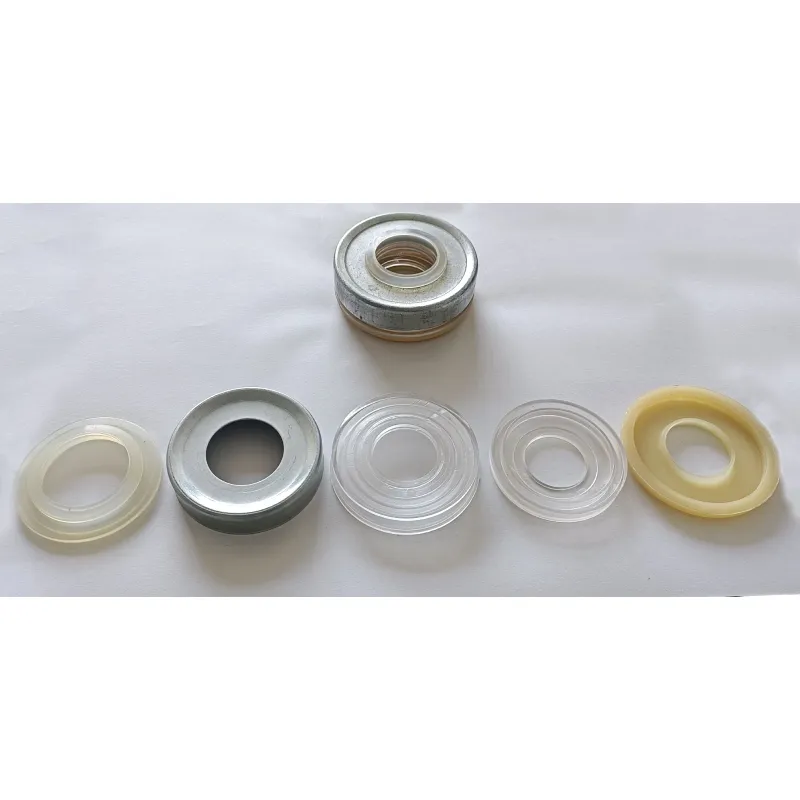
- Routine checks include inspecting rubber integrity, disc alignment, and bearings lubrication. Replacing worn discs promptly extends overall lifespan.
- Are rubber disc rollers cost-effective for small-scale farmers?
- Absolutely. While initial costs might seem higher, the efficiency in soil preparation reduces costs over multiple uses and improves crop outcome.
Wrapping Up: Why Rubber Disc Rollers Should Be on Your Radar
All things considered, the rubber disc roller strikes a remarkable balance between durability and adaptability. It’s a tool quietly shaping the backbone of infrastructure and agriculture—from muddy fields in Myanmar to construction yards in Eastern Europe. Whether you're an engineer, farmer, or aid worker, knowing these rollers exist — and how they work — might just make your next project more efficient.
To explore the latest rubber disc roller models and innovations, feel free to visit our website: rubber disc roller.
Vendor Comparison: Selected Rubber Disc Roller Manufacturers
| Vendor | Origin | Price Range | Key Features | Warranty |
|---|---|---|---|---|
| IdlerA Rohua | China | $1800 - $3200 | Bio-rubber coating, modular discs, easy hitch fitting | 3 years |
| SteelRoll Co. | USA | $2500 - $4000 | Heavy steel discs, high weight capacity | 2 years |
| GreenPath Implements | Germany | $2200 - $3500 | Sustainable rubber blend, sensor integration | 4 years |
For more details on specs, pricing, and availability, it always pays to compare closely and consider exactly what you need. After all, not every roller fits every task.
Final thought: The humble rubber disc roller teaches us that sometimes the simplest machines wield the most significant global impact. And in a world rushing towards high-tech solutions, it pays to appreciate the tried-and-true tools — with a modern twist.
References
-
Maximize Conveyor Life with a High Performance impact bedNewsApr.16,2026
-
Maximize Conveyor Efficiency Using a v plow belt scraperNewsApr.09,2026
-
Comprehensive Guide to Understanding Different Types of Belt CleanersNewsApr.07,2026
-
Enhancing Conveyor Efficiency with an Effective Scraper Belt CleanerNewsApr.04,2026
-
Optimizing Conveyor Systems with Advanced Cleaning Equipment SolutionsNewsMar.31,2026
-
Effective Conveyor Belt Scraper Adjustment for Optimal System PerformanceNewsMar.28,2026