

Nov . 29, 2025 04:55
Back to list
Wing of a Roller – Key Guide to Industrial Efficiency and Material Handling
What’s the Wing of a Roller and Why Should We Care?
If you’re not deep into the industry of conveyor systems or industrial rollers, the phrase wing of a roller might sound like some mechanical jargon meant to confuse. But, here’s the thing—understanding the wing of a roller is surprisingly important, globally speaking. Think about the countless goods moving through factories, ports, or even automated warehouses. The wing-shaped extensions attached to rollers are tiny components with huge effects: they guide materials, reduce spillage, and keep everything running smoothly. On a global scale, industries from manufacturing plants in China to logistics hubs in Europe owe a bit of their efficiency to this seemingly modest feature. The World Bank estimates that supply chain inefficiencies cost global trade billions every year. So, better rollers = better control = streamlined operations = less waste and downtime. In other words, grasping the nuances of the wing of a roller is a quiet but key part of advancing manufacturing and transport worldwide. ---Introduction: Why the Wing of a Roller Matters in Industry
If you pause for a moment and consider globalization’s impact, you’ll realize that the movement of goods relies heavily on conveyor technology. The International Organization for Standardization (ISO) has several standards on conveyor equipment, reflecting its critical global role. Yet, challenges remain: inconsistent handling causes spillage, damages, and slows throughput. Here the wing of a roller steps in to solve an 80-90% problem in many cases — aligning materials and preventing escapes. Imagine the chaos in an airport baggage system if those rollers lacked proper wings, or the downtime on automotive assembly lines due to misplaced parts. The wings act like subtle traffic cops, keeping items on course without adding bulky machinery. ---Defining the Wing of a Roller
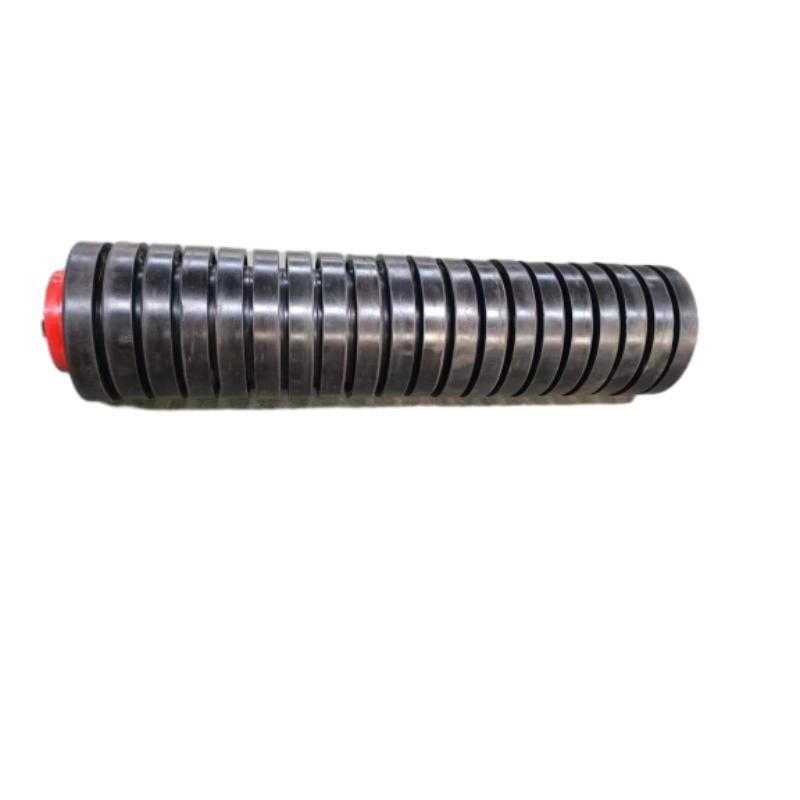
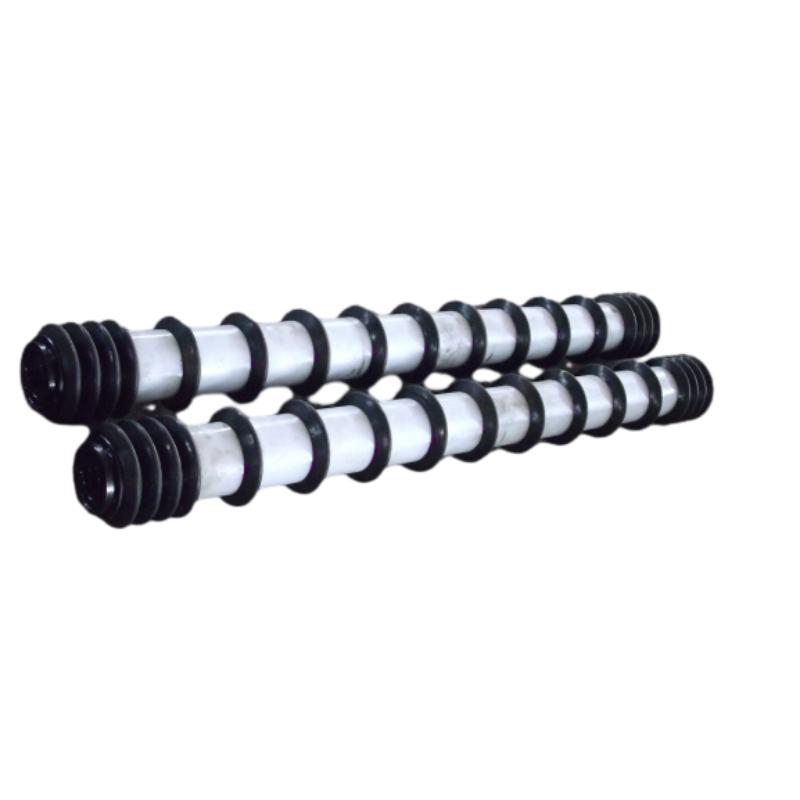
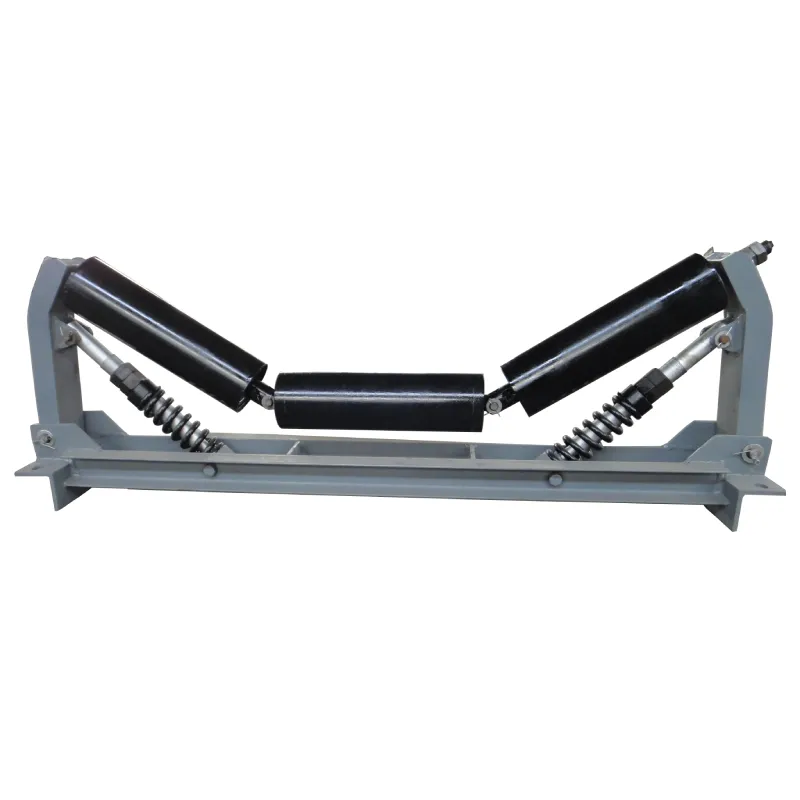
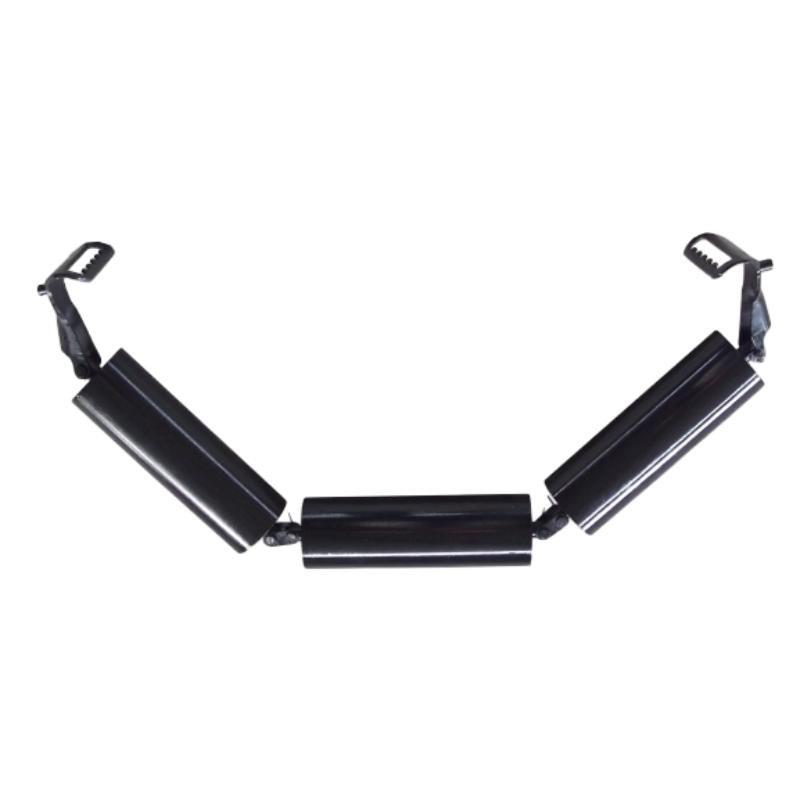
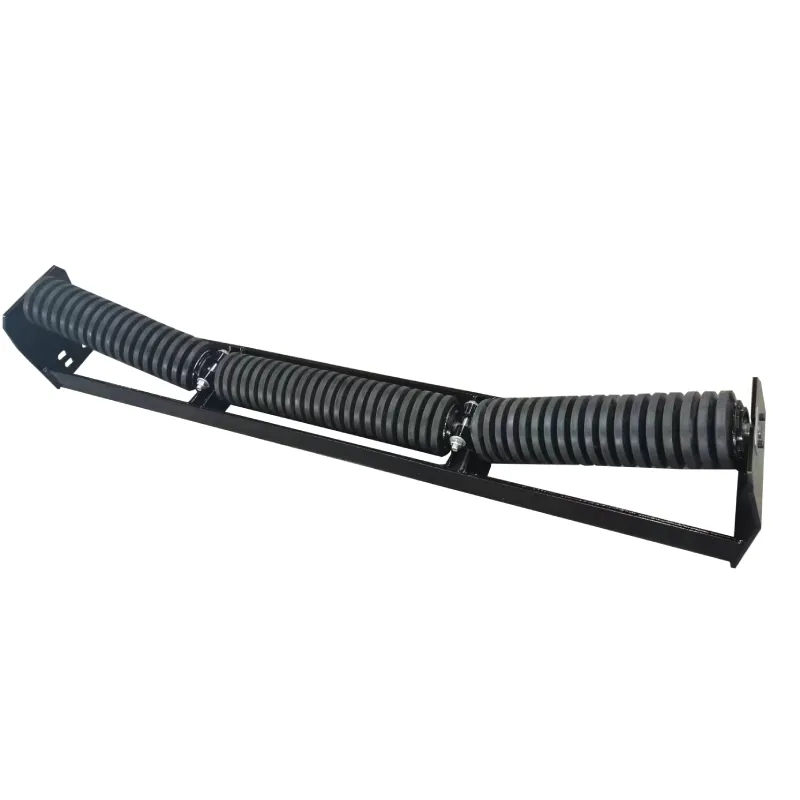
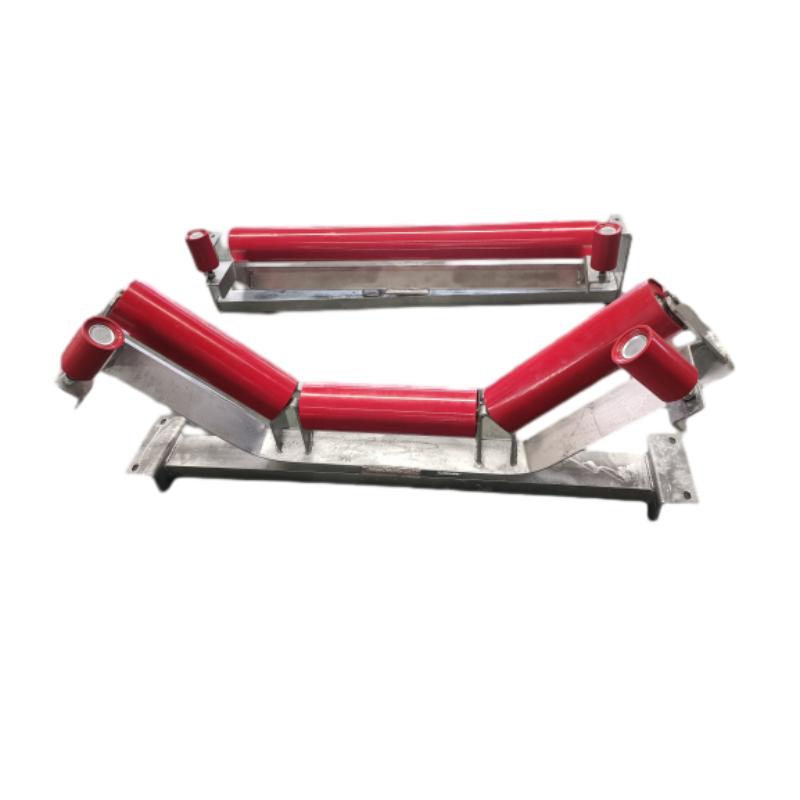
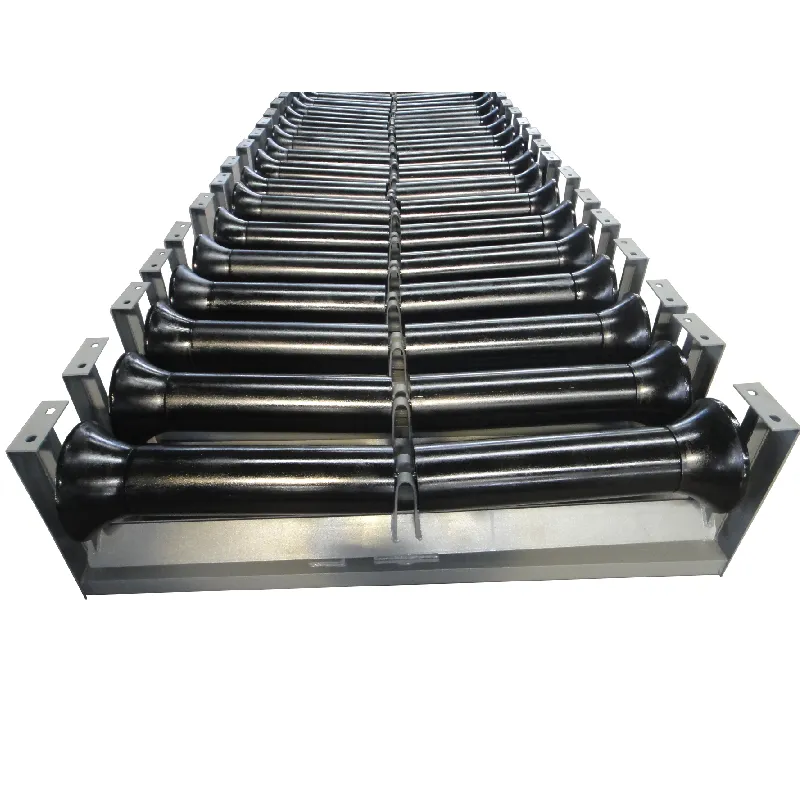
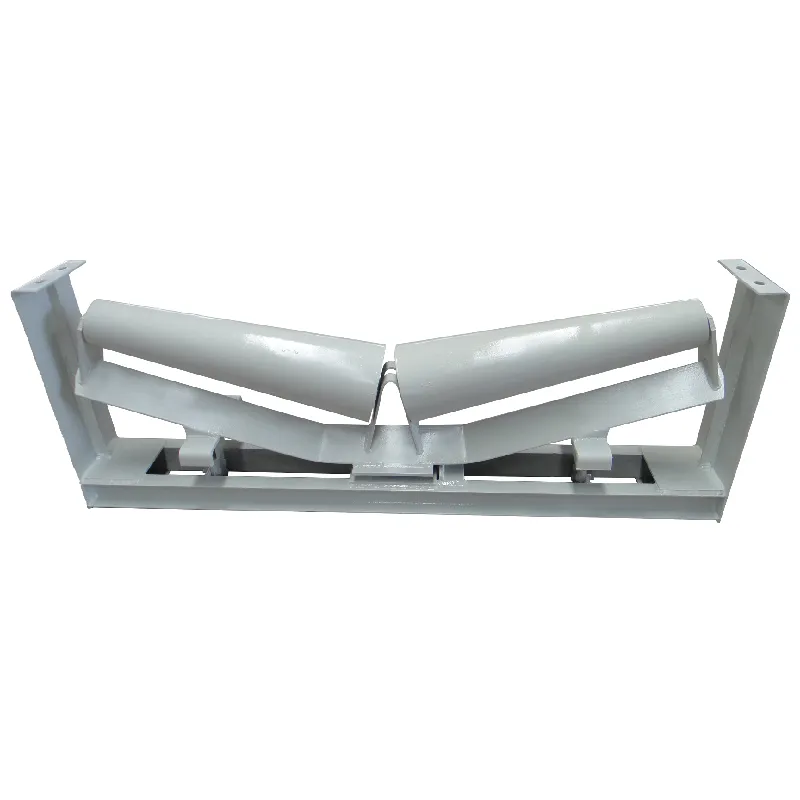
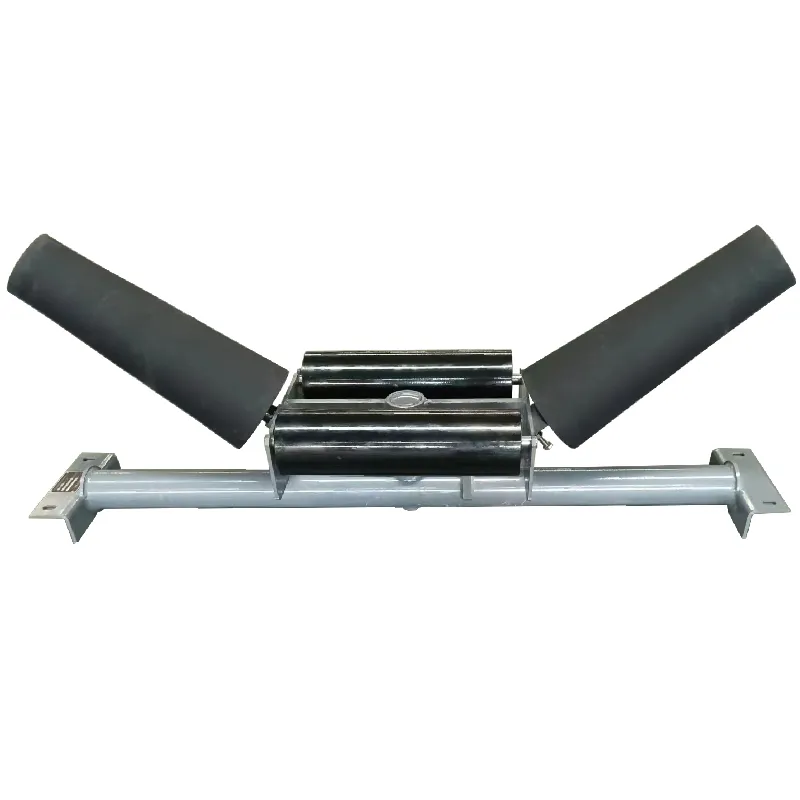
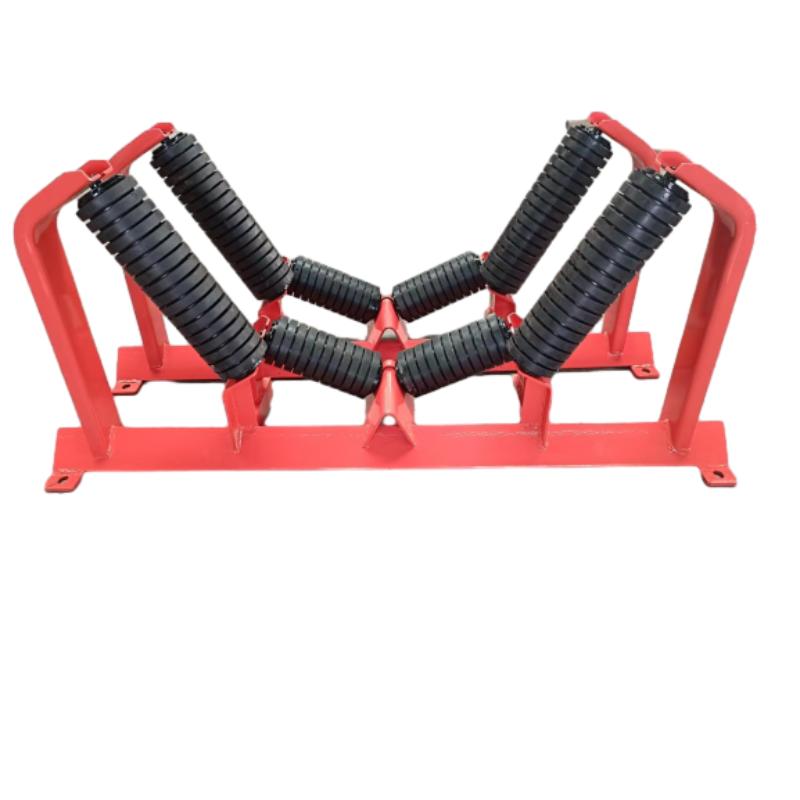
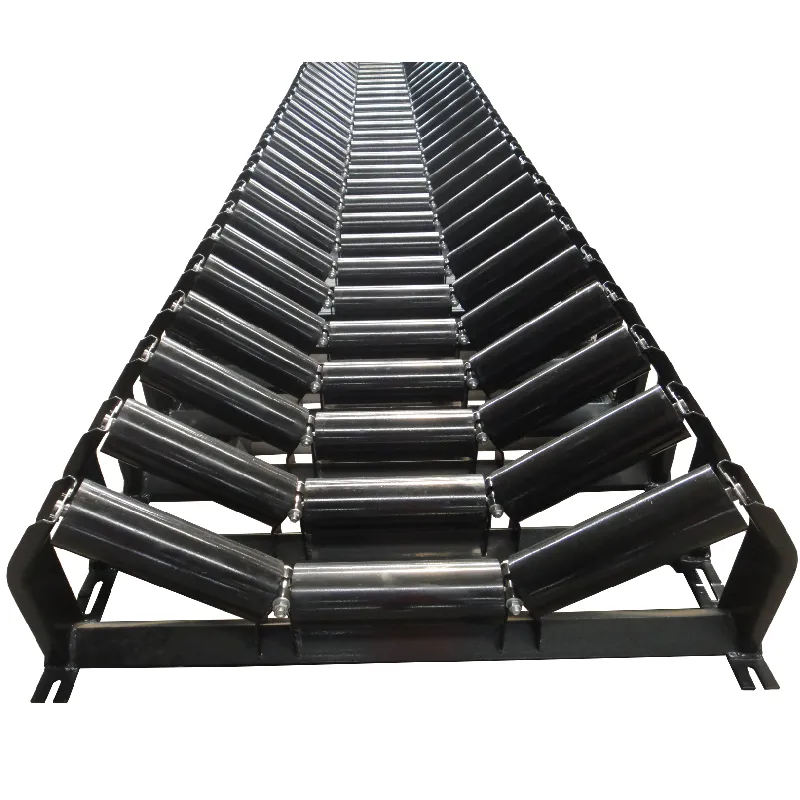
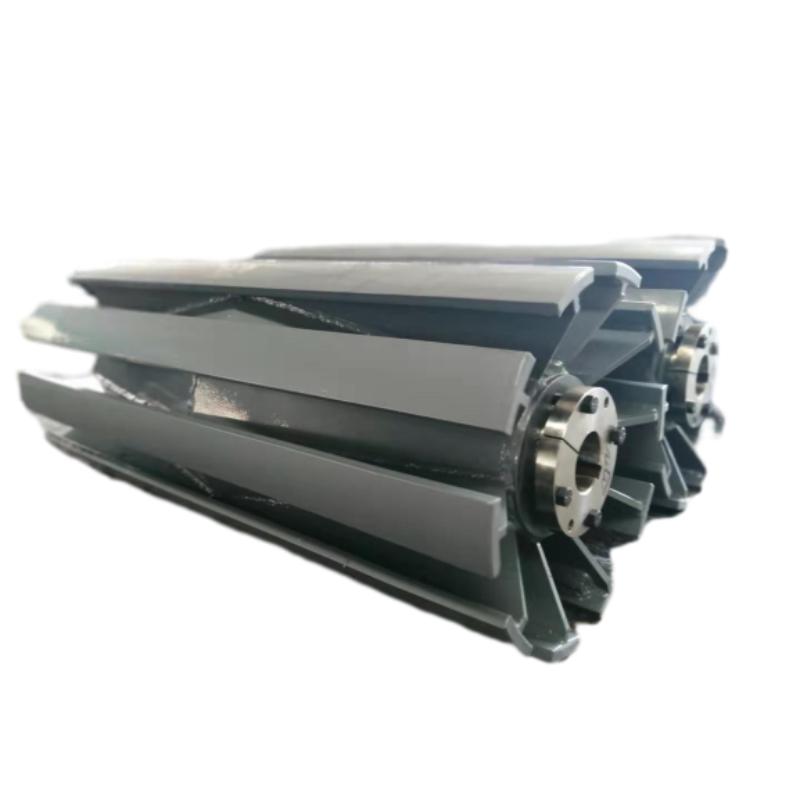
Simply put, a wing of a roller is a lateral extension or flange attached to conveyor rollers. Its main role? To guide materials along the belt and minimize spillage by offering physical edges to “catch” items that might otherwise slide off. Winged rollers come in various shapes and sizes, depending on the application: from gentle curves to more pronounced fins. Industrially, these wings connect closely to modern needs: faster production lines, safer operations, and reducing waste. And, oddly enough, they also play a role in humanitarian relief — logistics in disaster zones often depend on reliable conveyors that handle rugged shipments without failure, where winged rollers make sure shipments don’t get lost or damaged en route. ---What Makes a Wing of a Roller Tick? Key Components and Features
Durability
The wings must withstand constant friction and often harsh environments — think dust, moisture, or chemicals. High-grade materials (stainless steel, hardened rubber coatings) help. Without this, you risk rapid wear, and that leads to more downtime.Shape and Profile
The form determines how well it can direct products. Gentle wings are great for fragile items; sharper wings help with bulky materials. Many engineers say that choosing the right profile is a bit like fitting shoes – too tight or too loose, and the whole system suffers.Compatibility
Rollers rarely stand alone. Wing extensions must fit standard roller sizes and adapt to conveyor belt widths. This modularity aids scalability and maintenance.Cost Efficiency
It’s easy to underestimate this part. Cheaper wings might seem attractive upfront but often mean more frequent replacements. Investing in sturdier wings pays off in less downtime.Customizability
Modern industries often require customized wings — varying materials, hole placements, or wing heights — for very particular handling needs. Tailored wing rollers prevent bottlenecks in highly specialized lines. ---Taking Winged Rollers to Work: Global Applications and Use Cases
Industries the world over benefit from the wing of a roller. In American manufacturing hubs, aerospace parts traverse assembly lines cushioned by winged rollers avoiding damage. In Southeast Asia’s bustling ports, winged rollers guide heavy containers with minimal spillage. Post-disaster relief operations often rely on conveyor systems with winged rollers for quick deployment of aid materials, avoiding losses that could mean the difference between survival and hardship. Even food processing plants in Europe have embraced them — the wings help keep delicate fruits on track without bruising. Mini takeaway: Wherever material handling is critical, winged rollers quietly do their job to boost efficiency and safety. ---Advantages & Long-Term Value of Winged Rollers
The benefits of wing of a roller stretch beyond mere mechanical tweaks: - Reduced material loss: No more waste tumbling off conveyors. - Cost savings: Less product damage, fewer replacements, less downtime. - Improved worker safety: By minimizing jams and spills, they reduce accident risk. - Sustainability: Helping reduce waste aligns with global green initiatives. - Reliability: Built to last, they foster trust in automated processes. I’m always struck by the way small improvements like these remind us that innovation doesn’t always roar; sometimes it hums quietly underfoot. ---Product Specifications: Key Parameters of Typical Winged Rollers
| Specification | Description | Typical Range / Value |
|---|---|---|
| Material | Base roller and wing coating | Steel, Stainless Steel, Rubber coatings |
| Wing Height | Extension above roller surface | 5–30 mm |
| Roller Diameter | Standard roller sizes | 50–150 mm |
| Load Capacity | Maximum supported weight | 100–500 kg per roller |
| Operating Temperature | Suitable temperature range | -20°C to 80°C |
Comparing Popular Vendors of Winged Rollers
| Vendor | Key Features | Material Options | Price Range | Lead Time |
|---|---|---|---|---|
| RollerTech Inc. | Custom wing profiles, high durability | Steel, Rubber, Polyurethane | $$$ | 2–3 weeks |
| ConveyorPro | Standard sizes, economy options | Steel, PVC Coated | $–$$ | 1–2 weeks |
| Industrial Wings Ltd. | Heavy load capacity, corrosion resistant | Stainless Steel, Rubber | $$$ | 3–4 weeks |
Innovations and Future Trends Impacting Winged Rollers
The conveyor industry isn’t standing still. I’ve noticed increased use of eco-friendly materials in roller wings, like recycled polymers and bio-based coatings. Plus, automation has designers incorporating sensors into rollers to detect misalignment early and alert operators. Imagine winged rollers that communicate with your factory’s central system, flagging blockages before they shut down lines. Green energy influences renovations too: materials engineered to reduce friction and thus energy consumption. This matches the push across ISO and UN sustainability frameworks to reduce industrial carbon footprints. ---Facing the Challenges and Navigating Solutions
It’s not all roses, though. One common headache is the wear and tear of wing edges, especially under heavy loads. Some production lines find replacement costs add up faster than expected. Oddly enough, over-customization can cause delays and increased prices too — a lesson in balancing specs with practicality. Some experts recommend modular wings that can be swapped quickly, minimizing downtime. Others push for hybrid materials that blend durability with flexibility. The field keeps evolving, showing how incremental tweaks quickly add up. ---Frequently Asked Questions About Wing of a Roller
- What materials are best for wing of a roller in harsh environments?
- Metal wings coated with polyurethane or rubber are preferred in corrosive or abrasive settings. Stainless steel bases offer corrosion resistance, while rubber coatings protect delicate goods.
- Can winged rollers be customized for different conveyor widths?
- Yes, most manufacturers offer modular designs where wing size and position adapt to conveyor dimensions for optimal guidance and product control.
- How often should winged rollers be inspected or replaced?
- Routine inspections every 3-6 months are typical; replacement depends on wear but usually ranges from 1 to 3 years depending on load and material handled.
- Are winged rollers compatible with automated conveyor monitoring systems?
- Increasingly yes. Some models include sensors or are designed to integrate with IoT devices for proactive maintenance and real-time alignment monitoring.
Summing It Up: Why the Wing of a Roller Counts
The wing of a roller might seem like a small feature, almost humble, yet it powers big improvements in efficiency, safety, and sustainability across industries worldwide. As supply chains become faster and demands tougher, these little wings keep things steady and trustworthy. If you’re in manufacturing, logistics, or design, it’s worth diving deeper into how winged rollers can boost your operations long term. Fancy a chat about customizing your next conveyor system? Visit our website and see what’s possible. ---References
Latest news
-
Maximize Conveyor Life with a High Performance impact bedNewsApr.16,2026
-
Maximize Conveyor Efficiency Using a v plow belt scraperNewsApr.09,2026
-
Comprehensive Guide to Understanding Different Types of Belt CleanersNewsApr.07,2026
-
Enhancing Conveyor Efficiency with an Effective Scraper Belt CleanerNewsApr.04,2026
-
Optimizing Conveyor Systems with Advanced Cleaning Equipment SolutionsNewsMar.31,2026
-
Effective Conveyor Belt Scraper Adjustment for Optimal System PerformanceNewsMar.28,2026
OUR PRODUCTS