

Essential Conveyor Accessories for Optimized Material Handling Systems
Why Conveyor Accessories Matter in Today’s Global Industry
Conveyor accessories—those seemingly small add-ons to conveyor systems—are actually the unsung heroes behind smooth industrial operations worldwide. From massive mining setups in Australia to tightly run warehouses in Germany, the right accessories ensure efficiency, safety, and longevity of the conveyor belts that move goods, materials, or minerals. Given that the global conveyor system market was valued at over $20 billion recently and is growing steadily [1], understanding conveyor accessories isn’t just tech jargon. It’s about grasping how industries reduce downtime, improve safety, and optimize logistics at scale.
And frankly, given supply chain disruptions we've seen globally over the last few years, companies are paying way more attention to these components. Conveyor accessories can make or break operational flow—and your bottom line. So buckle up, because exploring this topic tells us a lot about where industrial material handling is headed.
An Industry Backbone: The Global Context of Conveyor Accessories
Industries worldwide rely heavily on conveyor systems, and accessories improve their performance dramatically. According to the International Organization for Standardization (ISO), efficient conveyor systems contribute significantly to sustainable industrial practices by reducing waste and energy use [2]. However, the biggest challenge often lies in maintenance and adaptation to diverse terrains, such as remote mining sites or cramped urban factories.
Consider, for example, how conveyor accessories like belt cleaners or impact plates prevent costly system failures. These seemingly minor yet indispensable parts address wear and tear, reducing labor costs and downtime. Yet, many companies still overlook their full benefits—a problem as old as the conveyor itself.
What Exactly Are Conveyor Accessories?
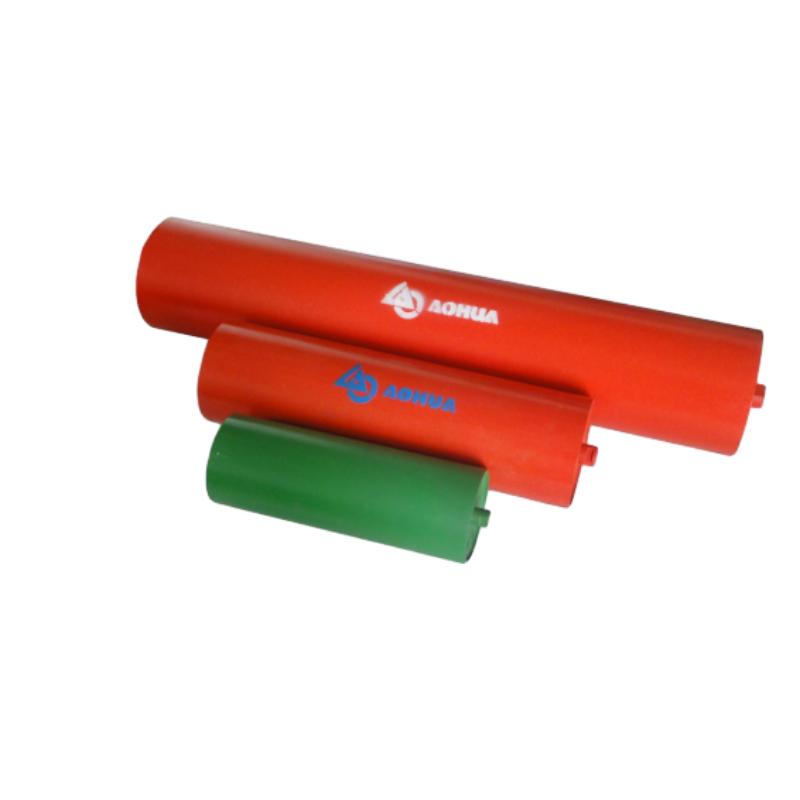
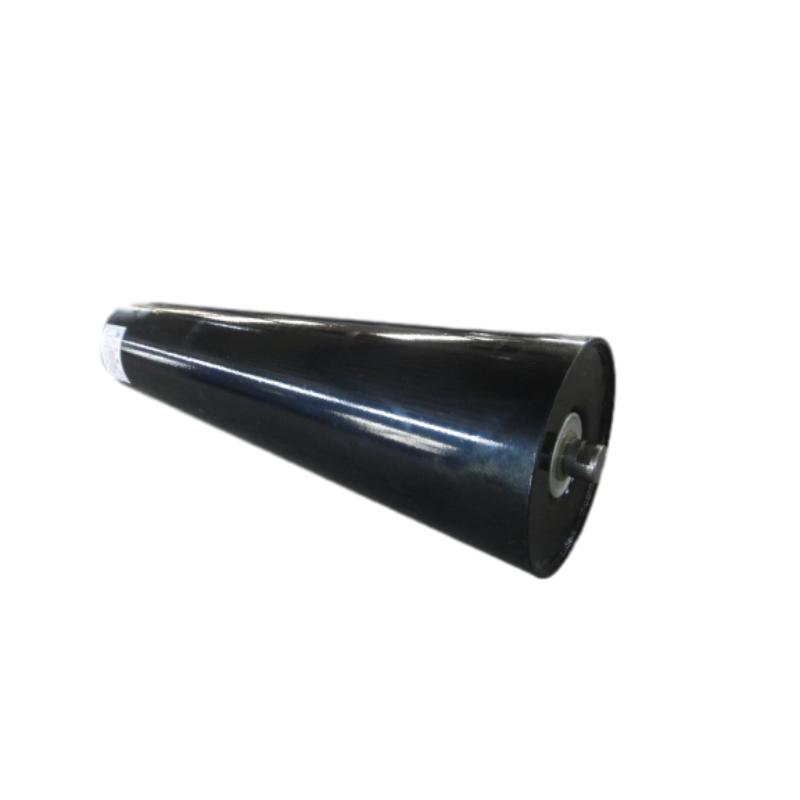
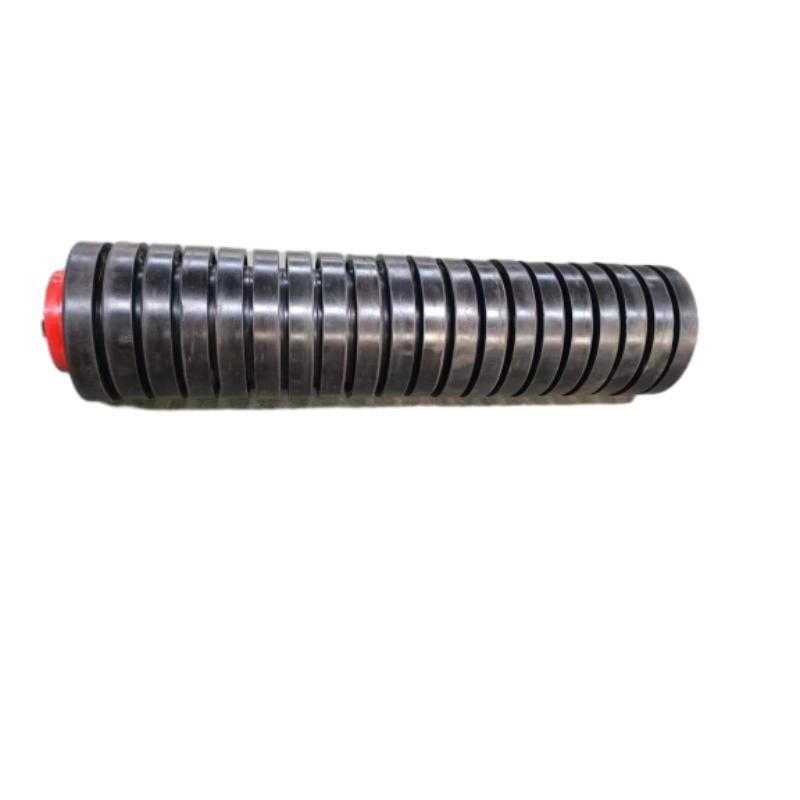
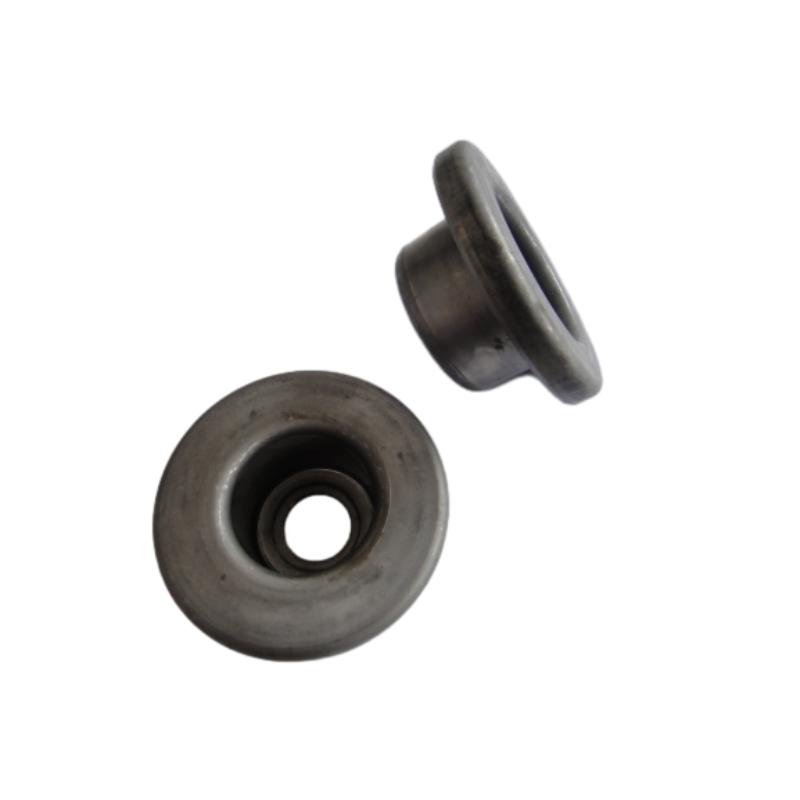
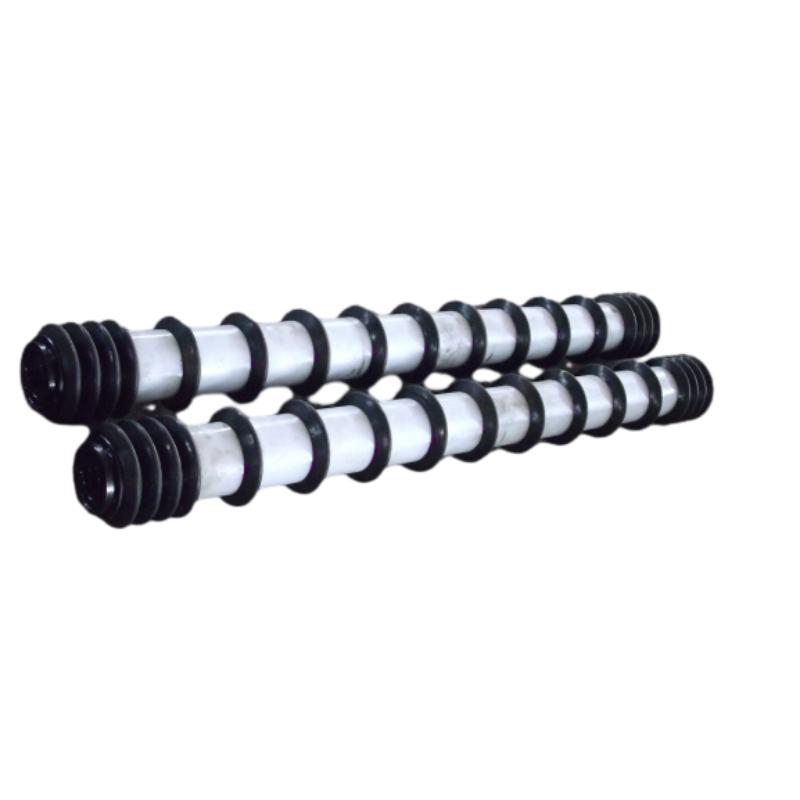
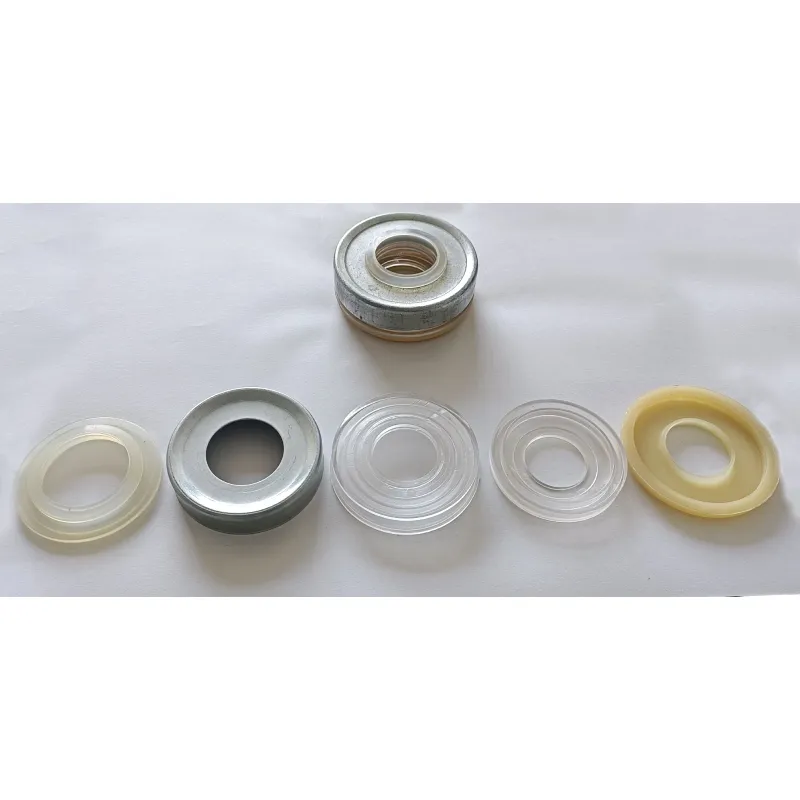
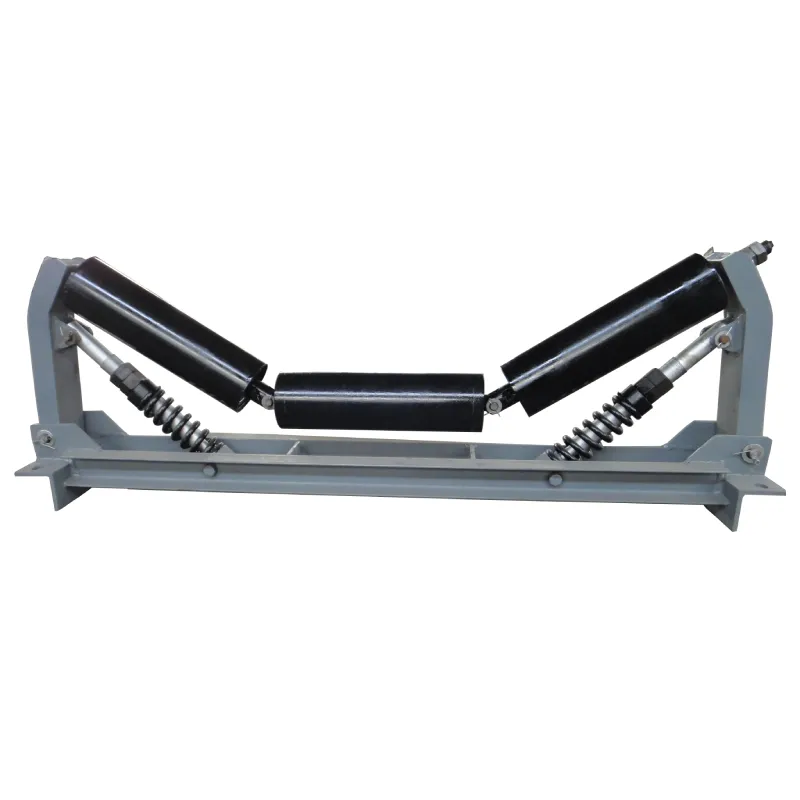
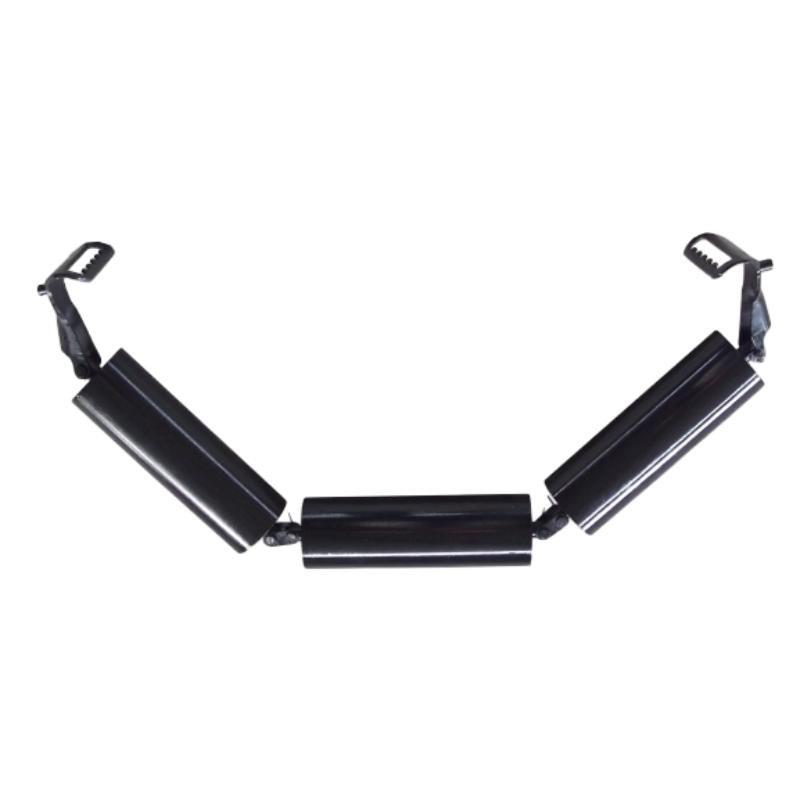
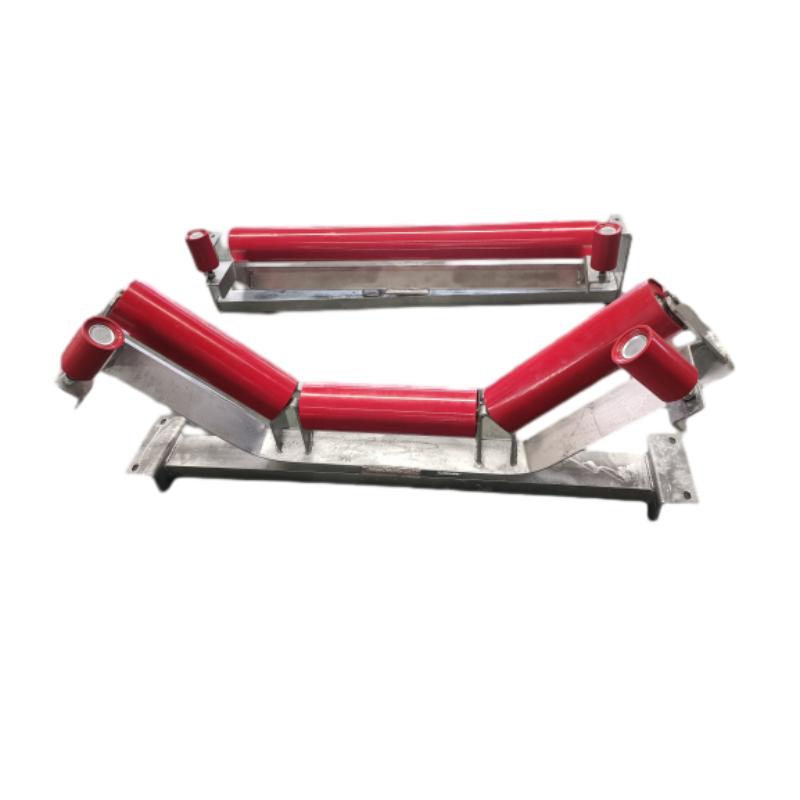
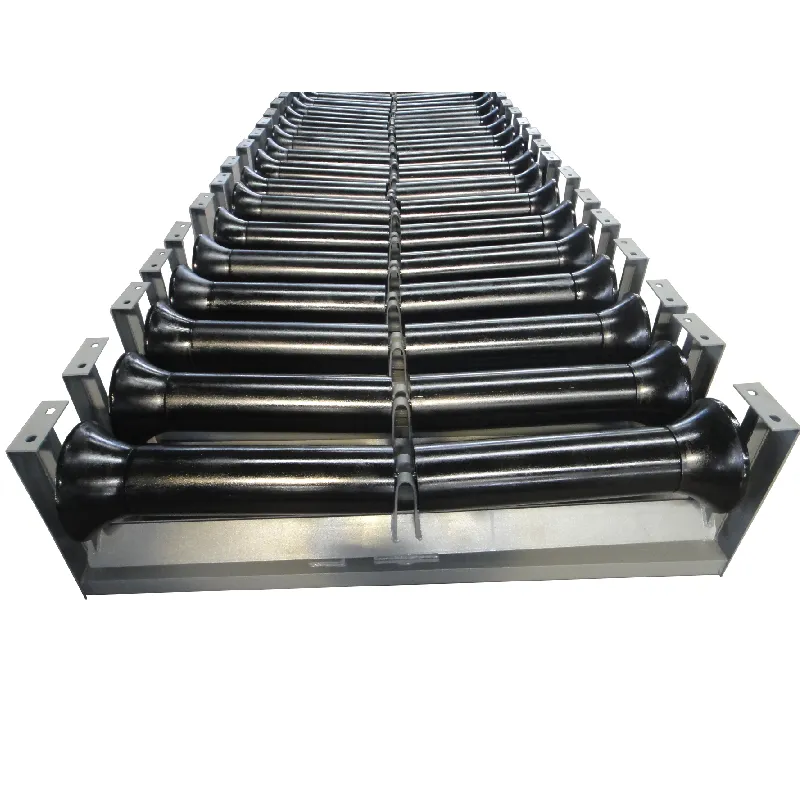
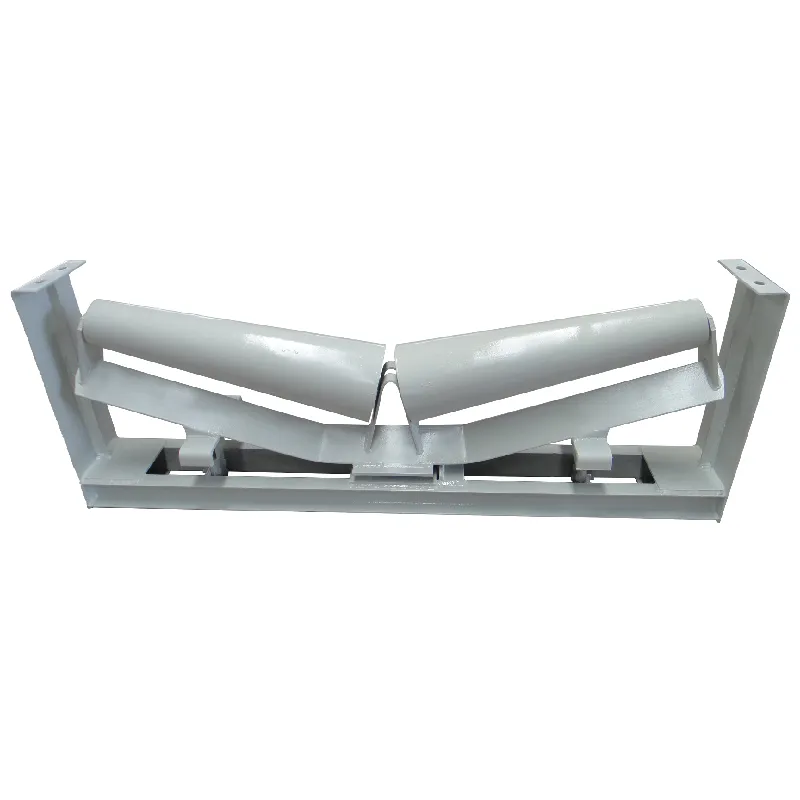
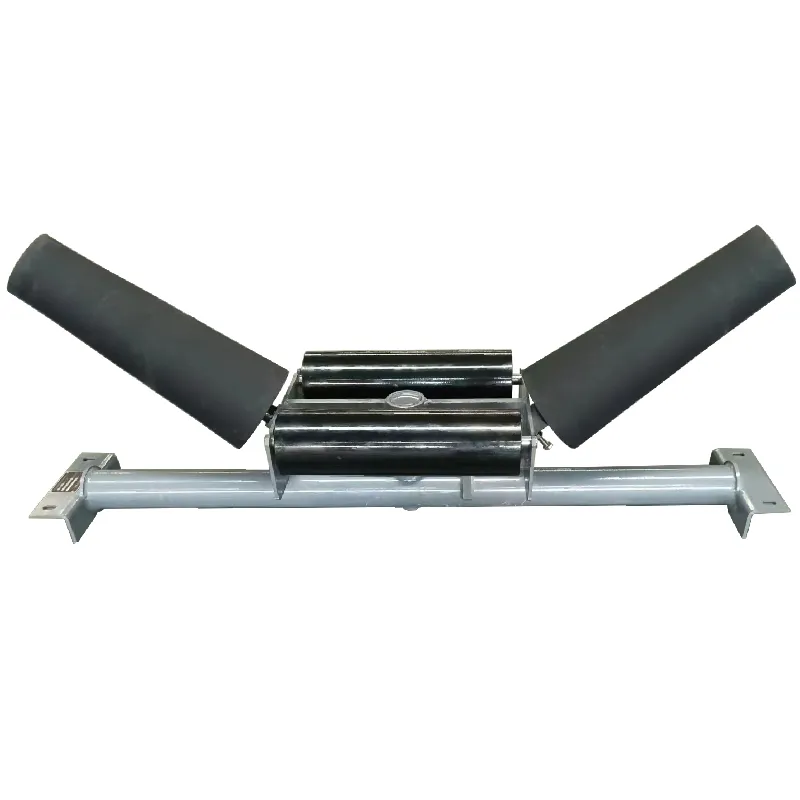
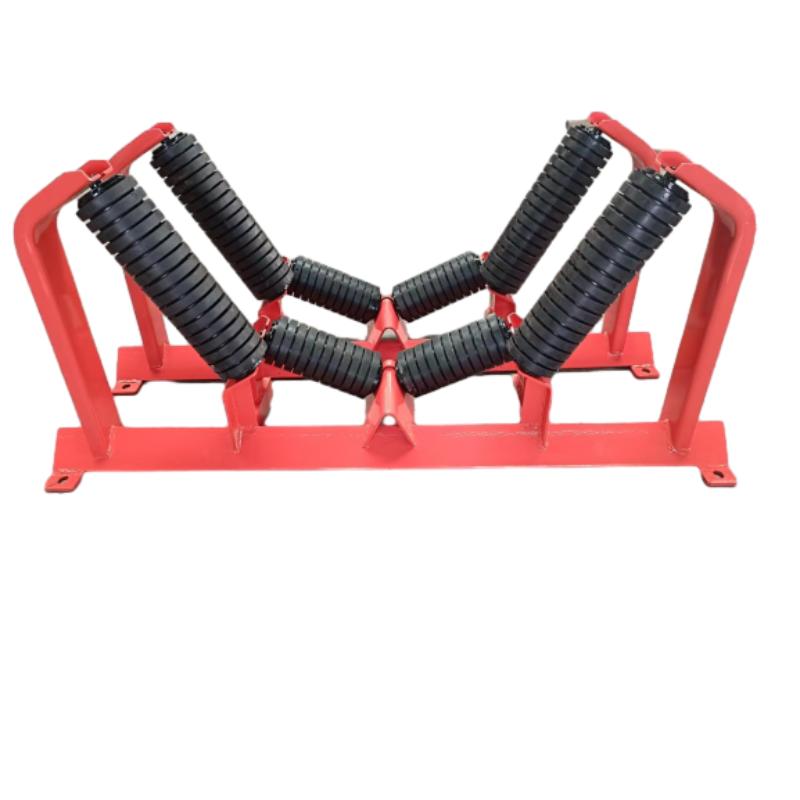
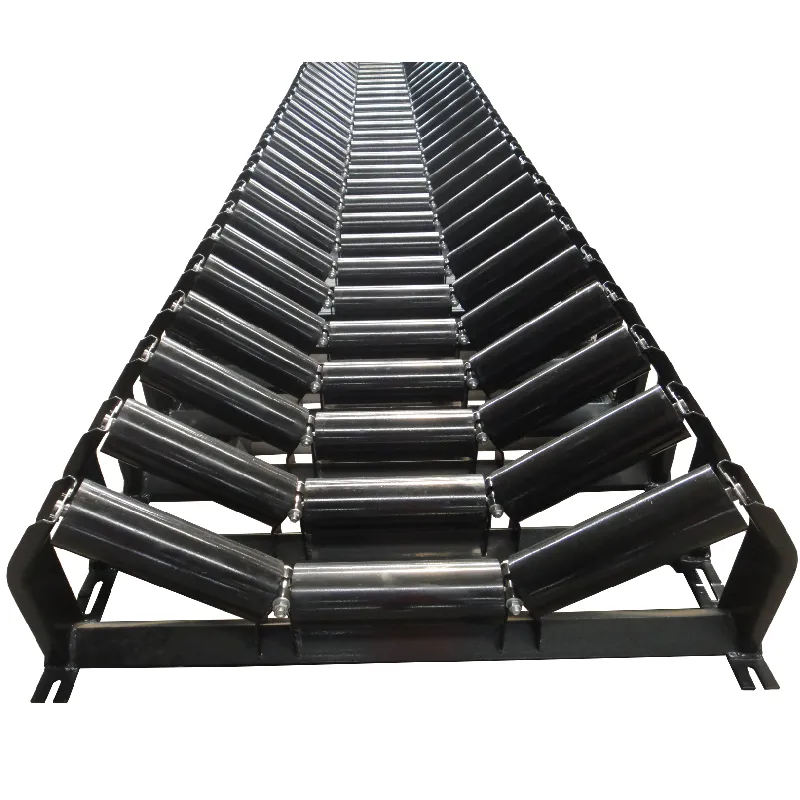
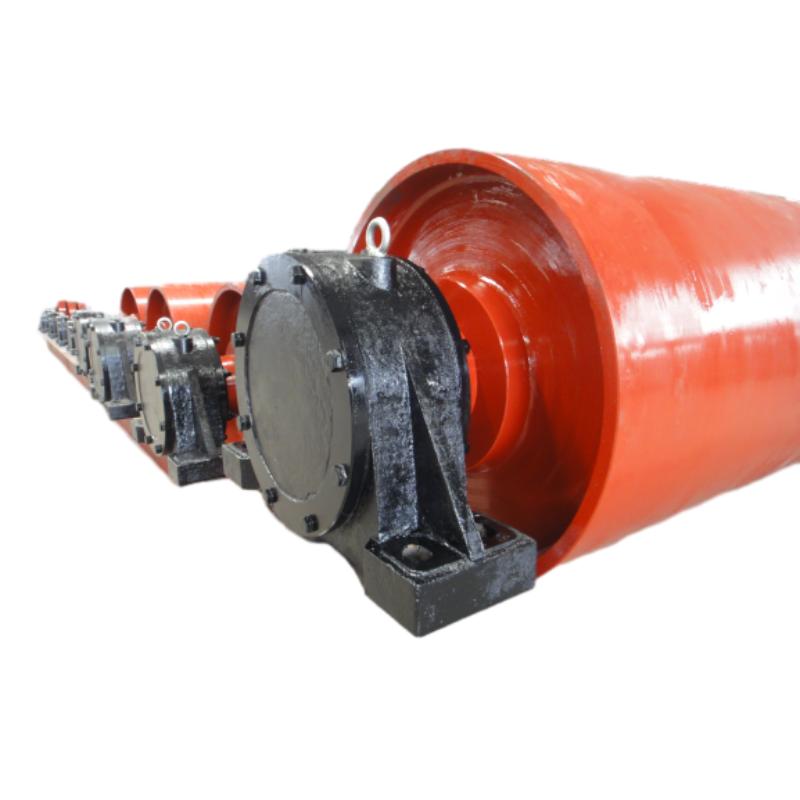
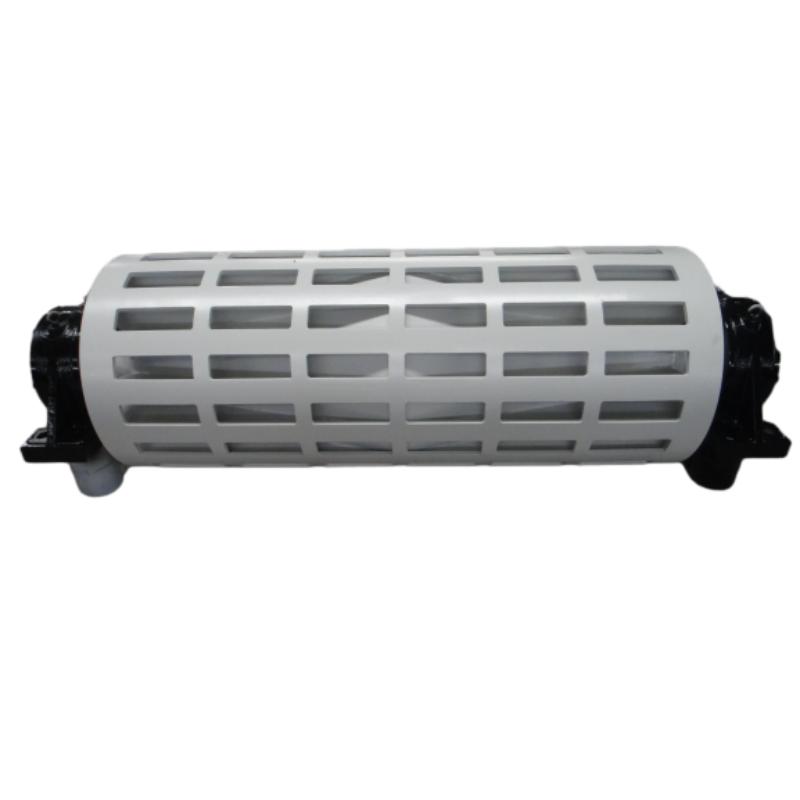
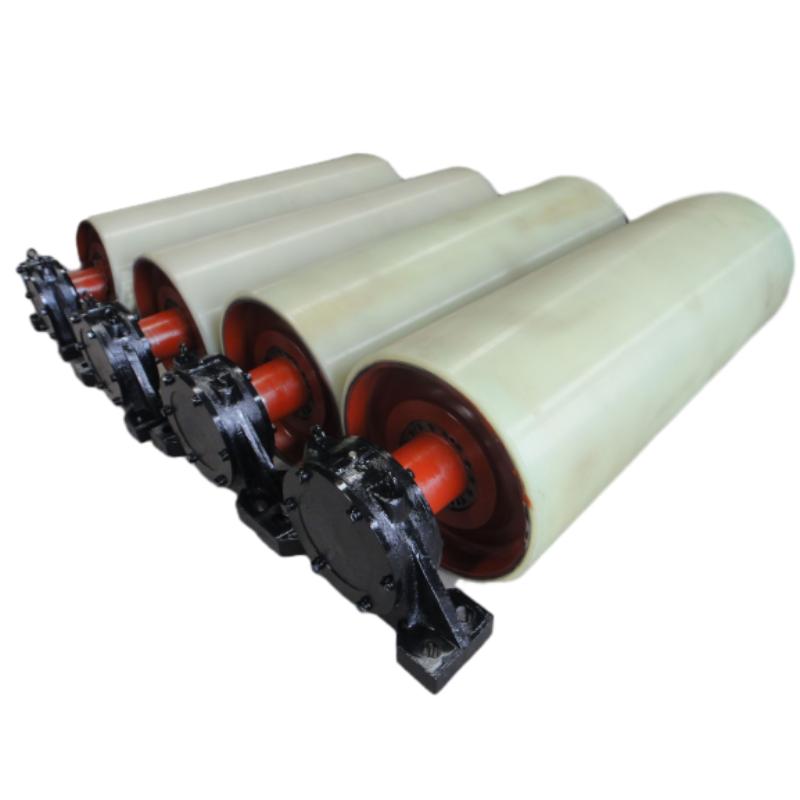
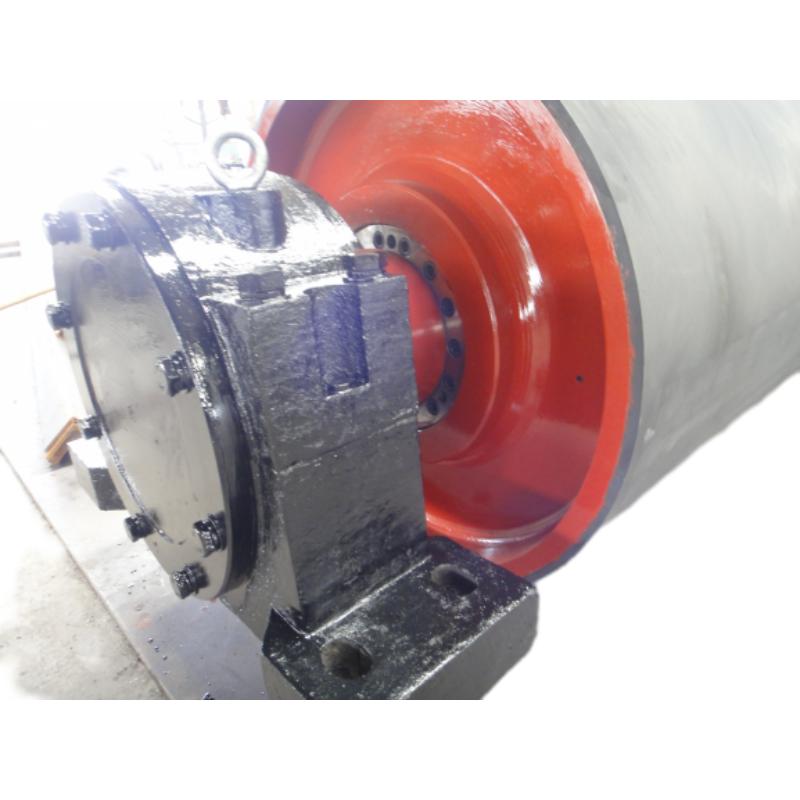
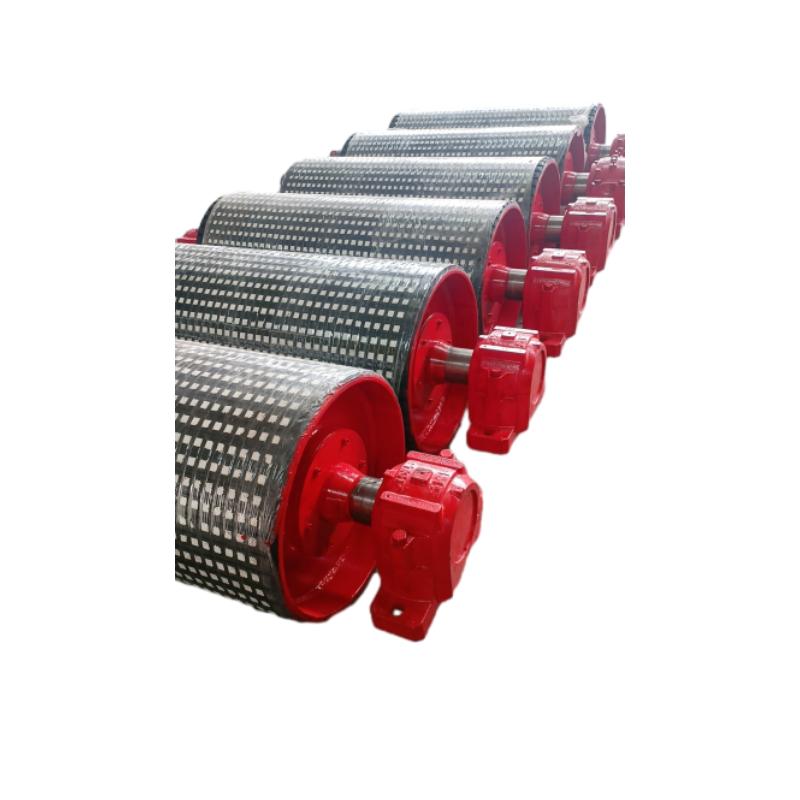
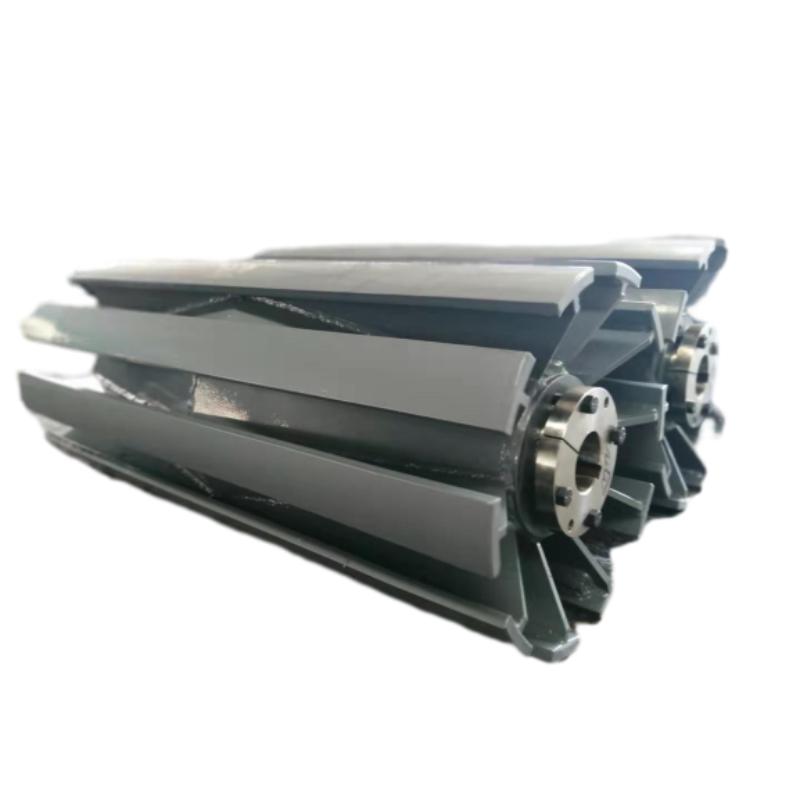
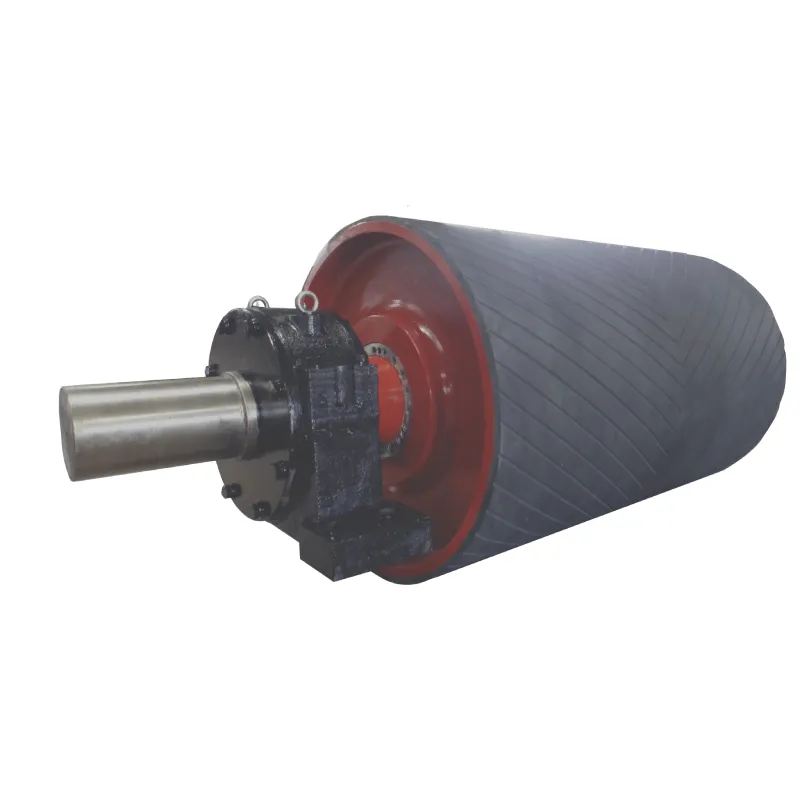
Put simply, conveyor accessories are additional components installed on or around conveyor systems to enhance their core functions. This can include idlers, belt cleaners, dust covers, pulleys, spray bars, and more. They’re not the conveyor belt itself, but they keep the belt moving smoothly, safely, and reliably.
Their importance transcends typical factory lines. In humanitarian logistics, for example, conveyor accessories can ease distribution of food supplies in disaster-hit zones, ensuring vital goods flow uninterrupted. So, they’re machines’ helpers, human safety enablers, and efficiency boosters all rolled into one.
Key Components Every Conveyor System Can’t Do Without
Durability
The harsh environments that many conveyors operate in—dust, moisture, heavy loads—demand accessories made from robust materials like stainless steel or high-impact plastics. Durability means less frequent replacements and longer system life, which is crucial for industries like mining or agriculture.
Modularity & Scalability
You don’t want to rebuild your conveyor system every time demand spikes or product lines shift. Modular accessories that can be added or removed quickly give companies flexibility to adapt without major downtime — a game-changer for e-commerce warehouses and seasonal industries alike.
Cost Efficiency
Good accessories reduce overall system costs, not only by preventing breakdowns but by consuming less energy. For example, precision-engineered pulleys or idlers reduce belt tension and thus power consumption.
Safety Features
Accessories like emergency stops, guarding devices, and anti-slip surfaces protect workers, which frankly is priceless. There’s the direct benefit of fewer accidents, but also an improved reputation and compliance with safety standards such as OSHA.
Environmental Control
Dust suppression and material containment accessories are increasingly vital—especially in jurisdictions with strict environmental regulations. They also help maintain product quality and reduce waste.
Ease of Maintenance
Quick-to-clean or replace accessories lessen downtime. Features like quick-release mechanisms or self-cleaning components make it easier for maintenance teams to keep systems running smoothly without specialized tools.
Mini Takeaway: Investing in quality conveyor accessories is less about the fancy parts and more about practical outcomes—longer belt life, safer workplaces, and cost savings.
Global Applications and Use Cases
The industries leveraging conveyor accessories span mining, logistics, food processing, pharmaceuticals, and even humanitarian aid. For instance:
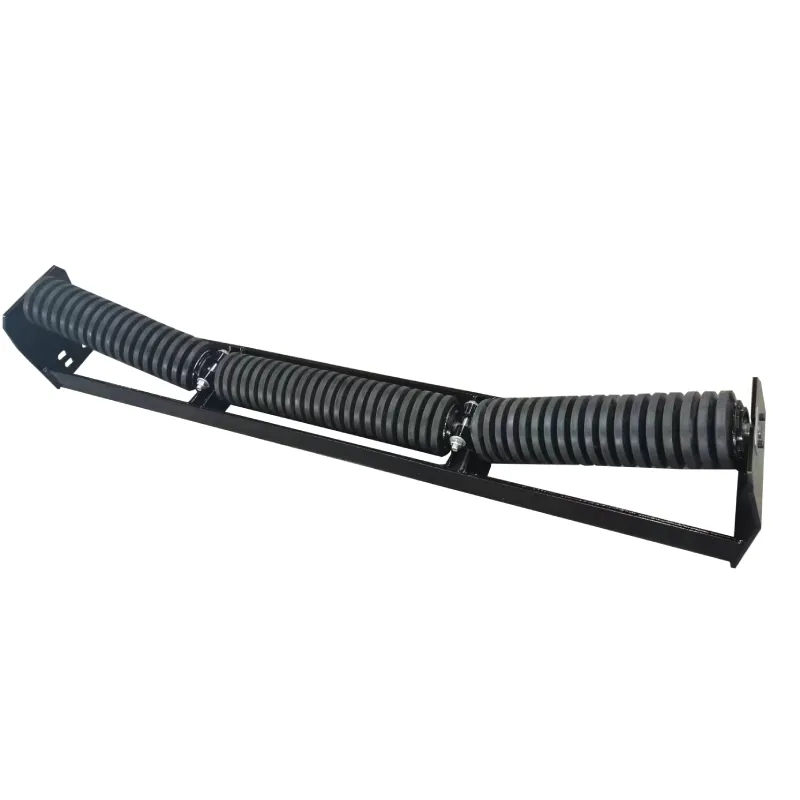
- Mining in Canada and Australia: Impact beds and belt trackers help manage abrasive materials and shifting belts in rough outdoor environments.
- Automotive factories in Europe: Modular accessories enable quick changeovers between product models.
- Food supply chains in Africa: Dust covers and sanitary belts maintain hygiene standards while moving grains and packaged goods.
- Disaster relief in Southeast Asia: Portable conveyor systems with durable accessories simplify distribution of relief materials in chaotic settings.
Oddly enough, small customization to conveyor accessories often opens up opportunities previously deemed too complex or costly.
Advantages and Long-Term Value of Conveyor Accessories
Sure, you might balk at adding an extra $1000 on accessories, but when you factor in reduced downtime, fewer safety incidents, and lower energy consumption, the value quickly multiplies. Beyond cold hard cash, there’s something inherently reassuring about a conveyor line that just works day after day — no surprises, no frustrations.
Accessibility, sustainability, operational trust—these are emotional values many operators mention. After all, a reliable conveyor system supports livelihoods, and that’s something to be proud of.
Looking Ahead: Future Trends and Innovations
- Smart Accessories: Sensors integrated into belt cleaners or idlers to alert maintenance teams before issues arise.
- Eco-Friendly Materials: New composites aiming to reduce environmental footprints.
- Automation Integration: Adaptive accessories that adjust tension or speed dynamically using AI.
- Energy Recovery: Accessories designed to capture and reuse energy created by conveyor movement.
Now, none of this is quite mainstream yet, but experiments and pilot projects are underway. The conveyor system of the future is certainly one with accessories that are as smart as they are sturdy.
Challenges and Practical Solutions
Common challenges include wear under extreme loads, misalignment, and difficulty in access for repair. Some experts suggest incorporating predictive maintenance tech and using modular designs to ease part replacement. There’s also an ongoing debate about standardization versus customization—both having pros and cons depending on your industry and budget.
Ultimately, the solution is never one-size-fits-all. Testing, monitoring, and close vendor collaboration remain essential.
FAQ: Your Top Questions About Conveyor Accessories
- How often should conveyor accessories be inspected or replaced?
- Inspections vary by industry and usage but generally range from monthly (high usage/harsh environments) to quarterly. Replacement depends on wear signs like cracks, misalignment, or decreased performance.
- Can conveyor accessories be customized for unique industrial settings?
- Absolutely. Most vendors offer tailored accessories to fit specific belt sizes, materials handled, or environmental factors. Customization often improves efficiency and lifespan.
- What role do conveyor accessories play in worker safety?
- Accessories like guards, emergency stops, and slip-resistant platforms minimize accidents. They are critical in meeting regulatory compliance and improving workplace morale.
- Are energy-efficient accessories really worth the investment?
- Yes, over time, lower friction components and precision pulleys reduce power consumption and operating costs, often paying for themselves within a year.
- Can conveyor accessories be retrofitted on existing conveyor systems?
- Generally, yes. Retrofits can enhance older systems’ efficiency and safety without full replacements, though compatibility checks are necessary.
Conveyor Accessories: The Small Parts That Make a Big Difference
In sum, conveyor accessories are a sort of hidden backbone to material handling industries worldwide. They deliver measurable cost savings, safety improvements, and environmental benefits—often without much fanfare. The industry is evolving quickly, and those who stay current with these small yet mighty components usually gain a distinct operational advantage.
Are you ready to give your conveyor system that upgrade it deserves? Visit our website for more on conveyor accessories and discover solutions tailored to your needs.
Product Specification Table
| Accessory | Material | Load Capacity | Special Features | Typical Applications |
|---|---|---|---|---|
| Belt Cleaner | Polyurethane Blade | N/A | Self-adjusting blade, abrasion resistant | Mining, Bulk Material Handling |
| Idler Roller | Steel tube with rubber coating | Up to 2000 kg | Low friction bearings | Conveying Bulk Goods |
| Impact Bed | High density polyethylene | Up to 3000 kg | Shock absorption, belt support | Mining, Quarrying |
| Dust Cover | Polycarbonate Plastic | N/A | Transparent, UV resistant | Food Processing, Pharmaceuticals |
Vendor Comparison Table
| Vendor | Product Range | Customization | Certifications | Global Reach |
|---|---|---|---|---|
| ConveyPro | Wide — standard and specialty accessories | High | ISO 9001, CE | North America, Europe, Asia |
| BeltMate | Focused on mining accessories | Moderate | ISO 14001 | Australia, South America |
| FlexMove | General industrial accessories | Low | CE | Europe, Asia |
Final thoughts: Conveyor accessories might not be the flashiest part of industry, but they’re quietly essential. With smarter innovations and robust designs on the rise, now is a good time to rethink what these small components can do for your business.
For detailed guidance and tailored solutions, don't hesitate to visit conveyor accessories experts who know the ropes.
References:
1. Statista: Conveyor Systems Market
2. ISO: Material Handling Standards
3. Wikipedia: Conveyor Belt
-
Maximize Conveyor Life with a High Performance impact bedNewsApr.16,2026
-
Maximize Conveyor Efficiency Using a v plow belt scraperNewsApr.09,2026
-
Comprehensive Guide to Understanding Different Types of Belt CleanersNewsApr.07,2026
-
Enhancing Conveyor Efficiency with an Effective Scraper Belt CleanerNewsApr.04,2026
-
Optimizing Conveyor Systems with Advanced Cleaning Equipment SolutionsNewsMar.31,2026
-
Effective Conveyor Belt Scraper Adjustment for Optimal System PerformanceNewsMar.28,2026