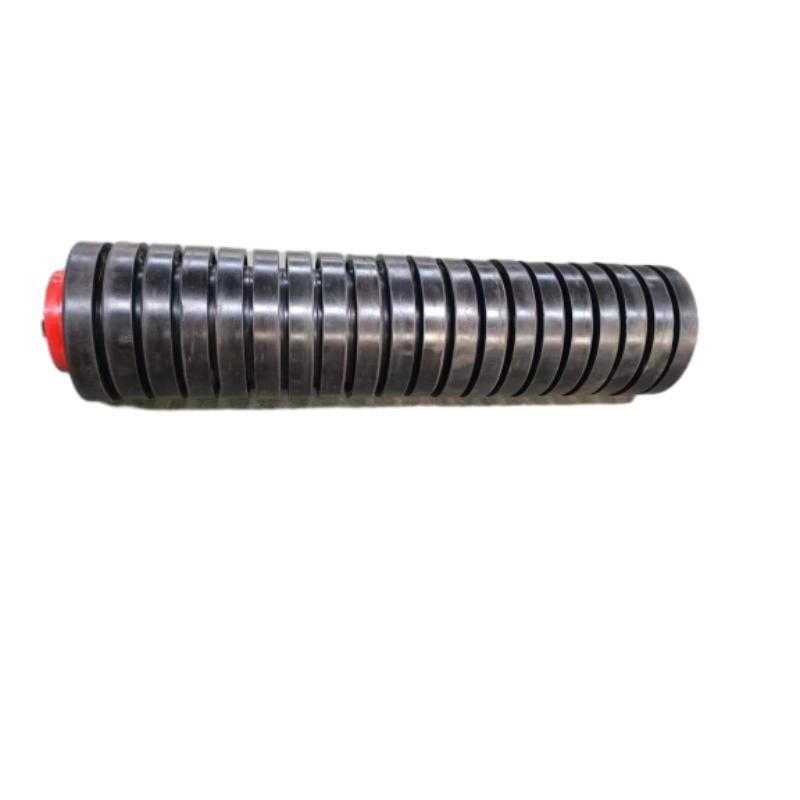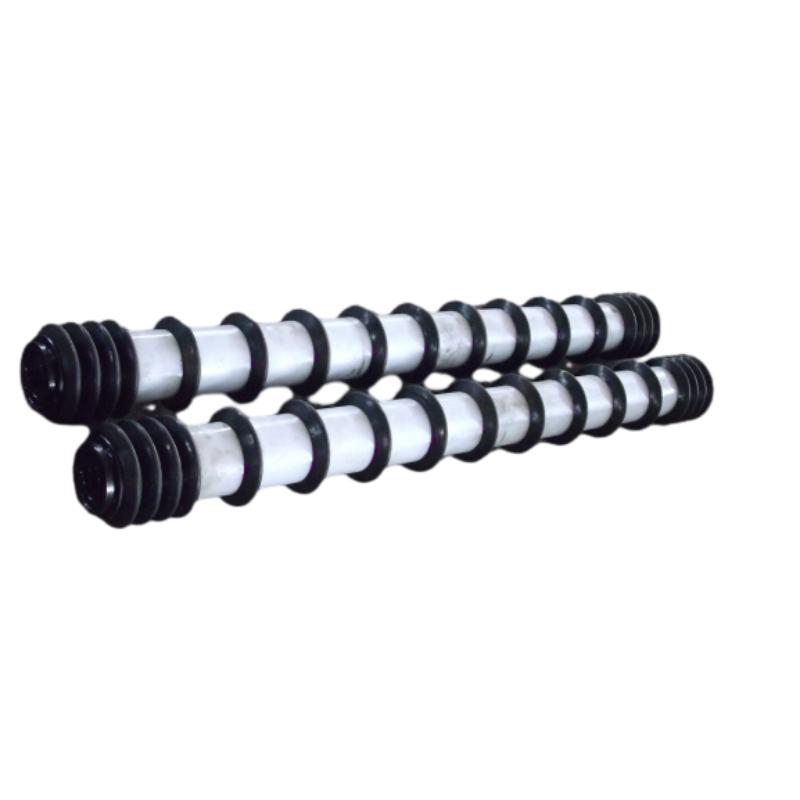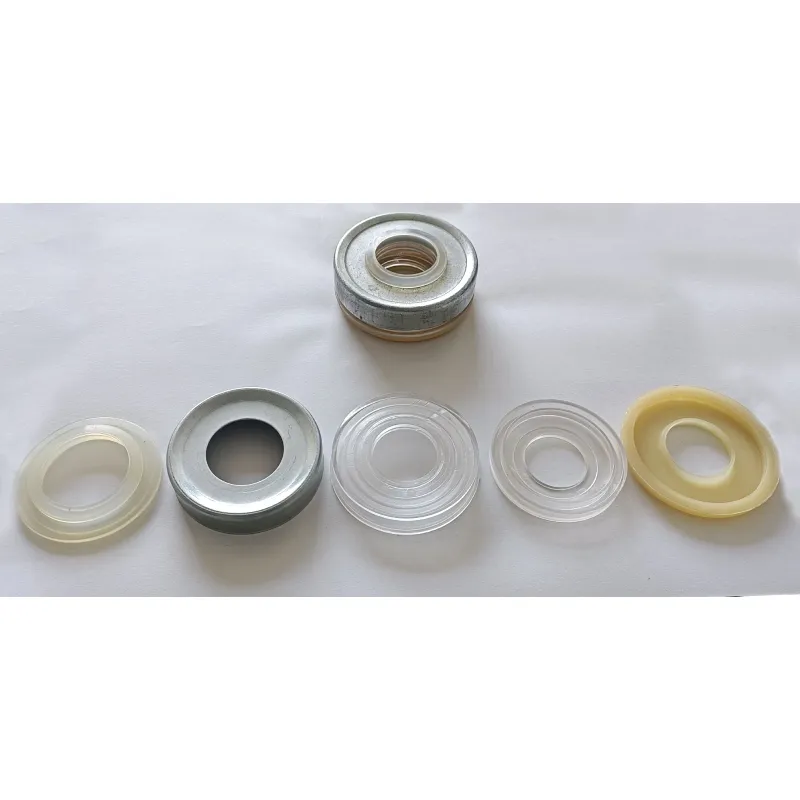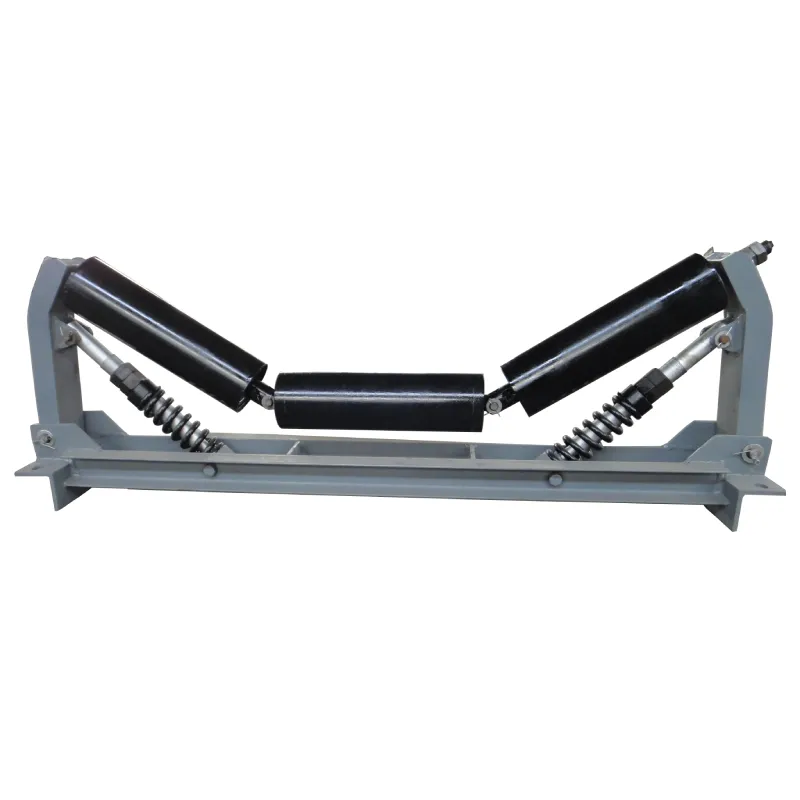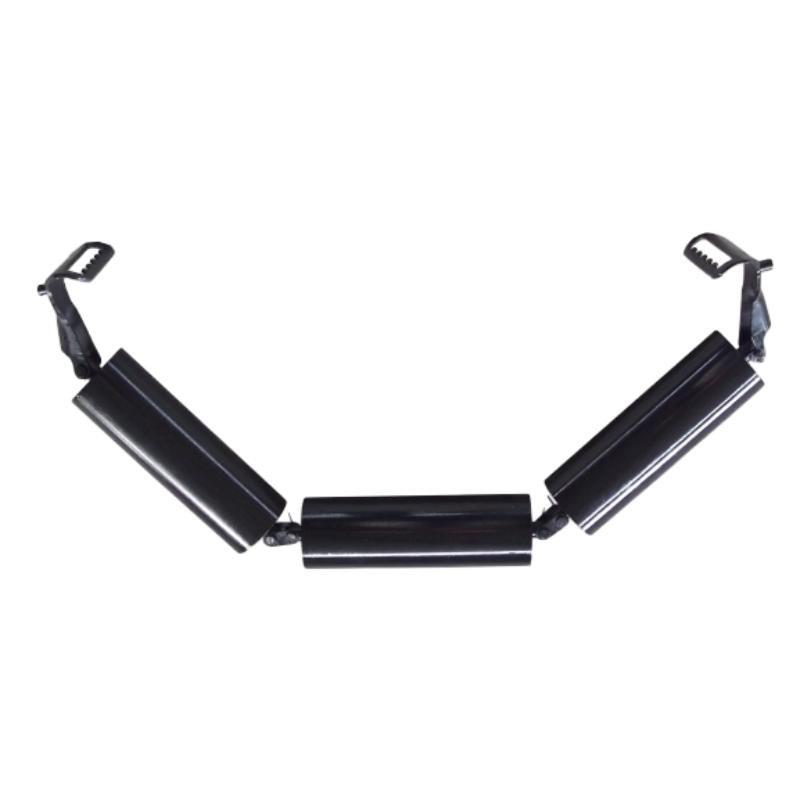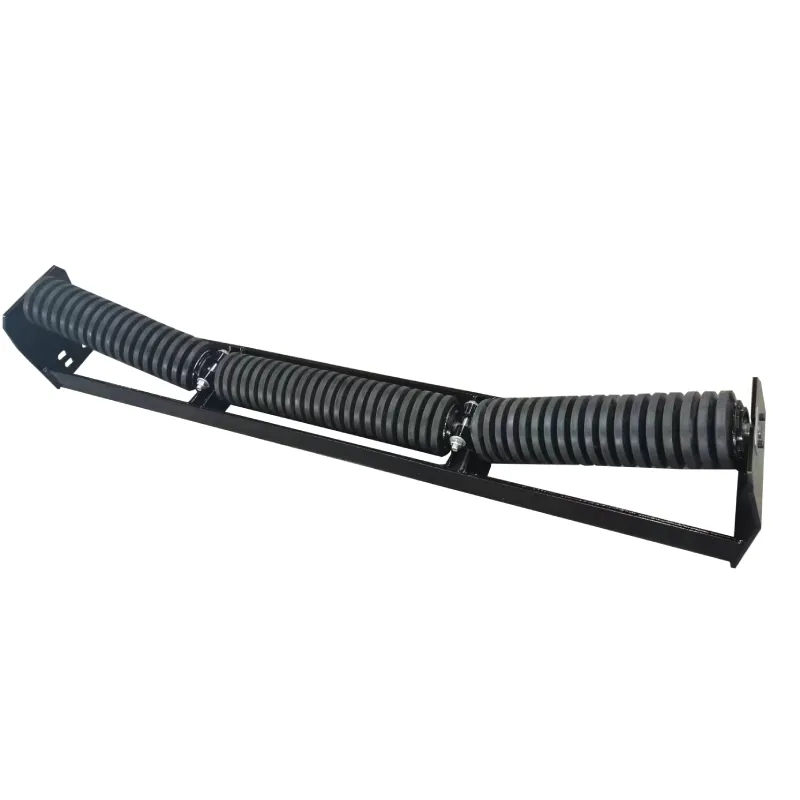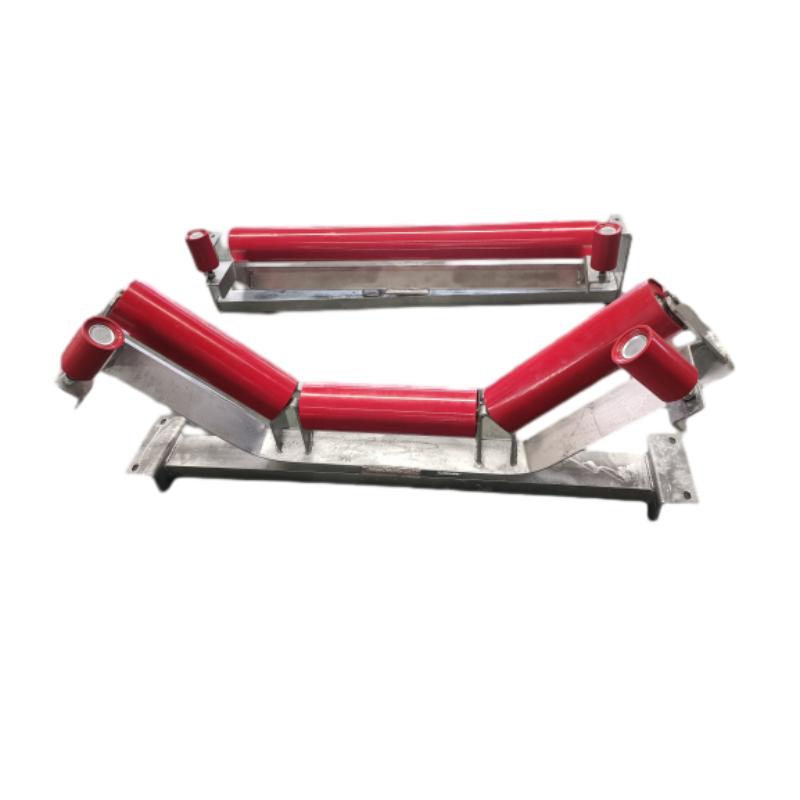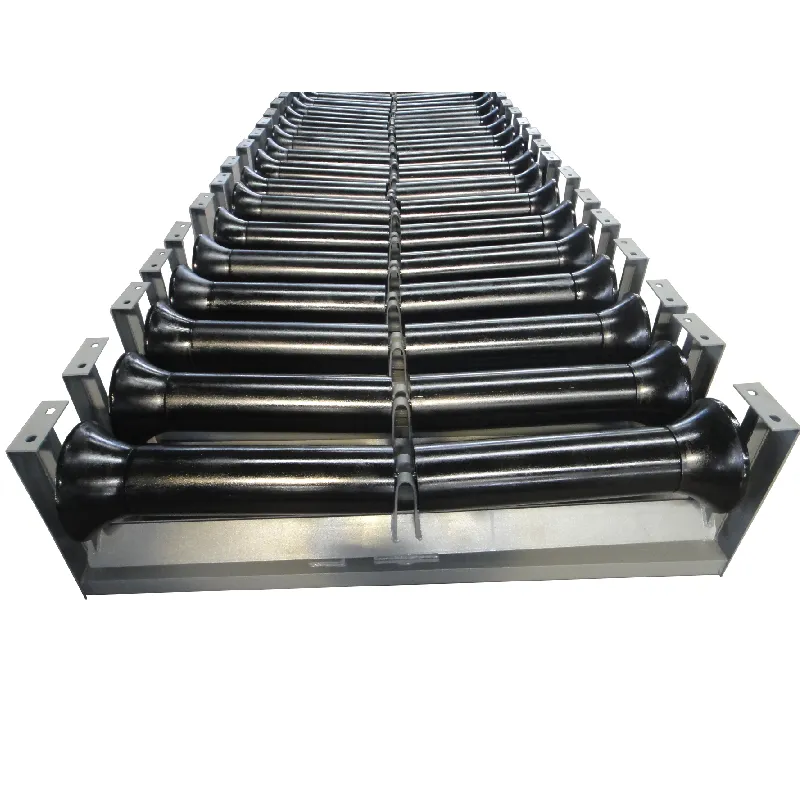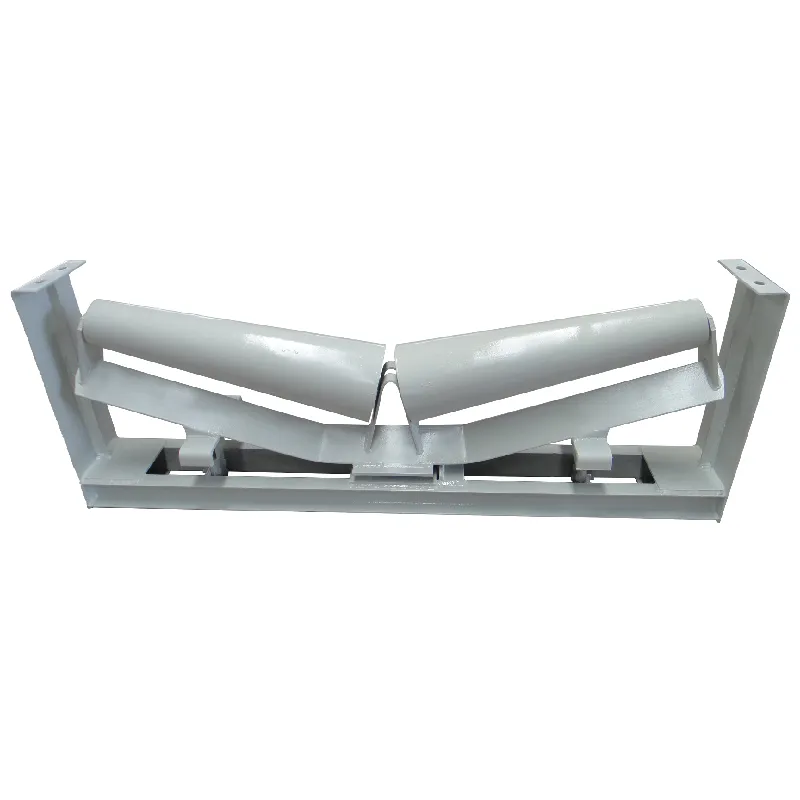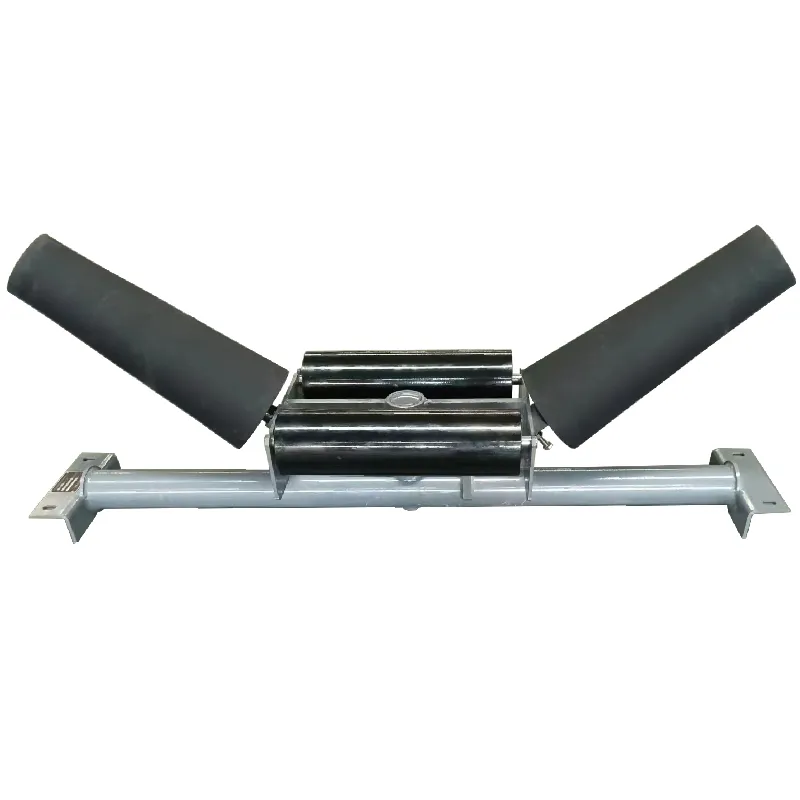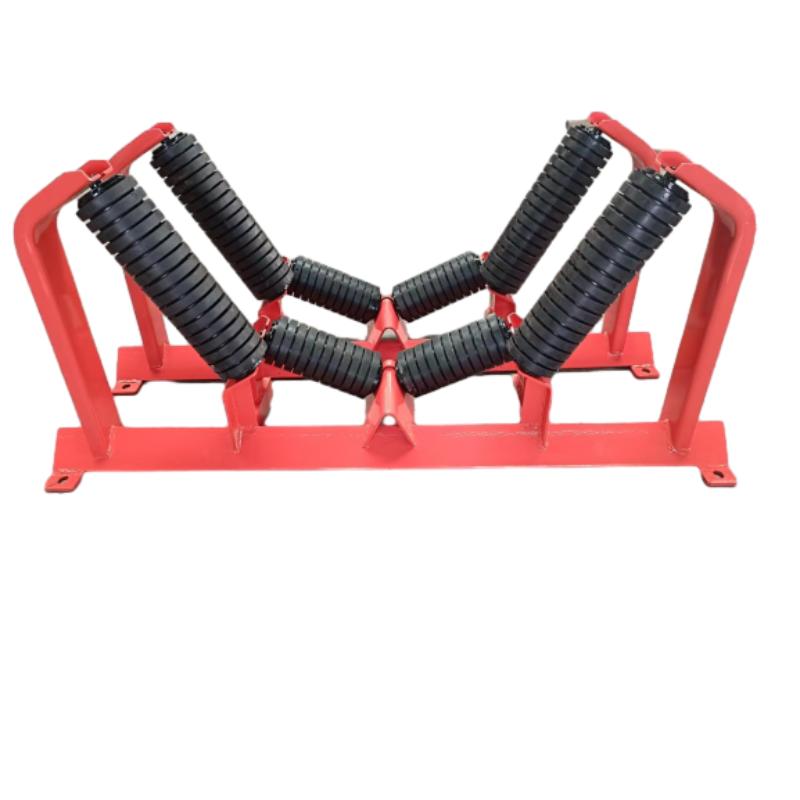


Pressed Steel Bearing Housing: Durable, Cost-Effective Industrial Solutions
Pressed Steel Bearing Housing: What It Is and Why It Matters Globally
At first glance, "pressed steel bearing housing" might sound like a mouthful of engineering jargon, but its role is surprisingly pivotal in industries worldwide. In essence, it's about how we protect and support bearings — those tiny unsung heroes keeping machines running smoothly. Understanding pressed steel bearing housing unlocks benefits stretching from cost-savings and durability to sustainability and scalability, impacting everything from manufacturing plants in Germany to remote factories in Southeast Asia.
In a world increasingly obsessed with efficiency and eco-friendly designs, this humble steel housing helps bridge the gap between heavy-duty reliability and modern, cost-effective manufacturing methods.
Why Does Pressed Steel Bearing Housing Hold Global Industry Importance?
The steel industry alone accounts for roughly 7–9% of global carbon emissions ([source: International Energy Agency 2022](https://www.iea.org/reports/iron-and-steel)). So, when pressed steel bearing housing is done efficiently, it significantly impacts resource consumption and manufacturing emissions. The World Bank reported that the demand for modular, durable components in infrastructure and machinery is set to grow by 5% annually through 2030.
But here’s the rub: many conventional bearing solutions rely on costly casting or machining, which adds weight and cost. Pressed steel offers a leaner, more scalable alternative without sacrificing strength - vital for developing countries upgrading infrastructure or companies trying to green their supply chain.
In short: pressed steel bearing housings tackle the dilemma of combining robustness with affordability and environmental responsibility.
What Exactly Is Pressed Steel Bearing Housing?
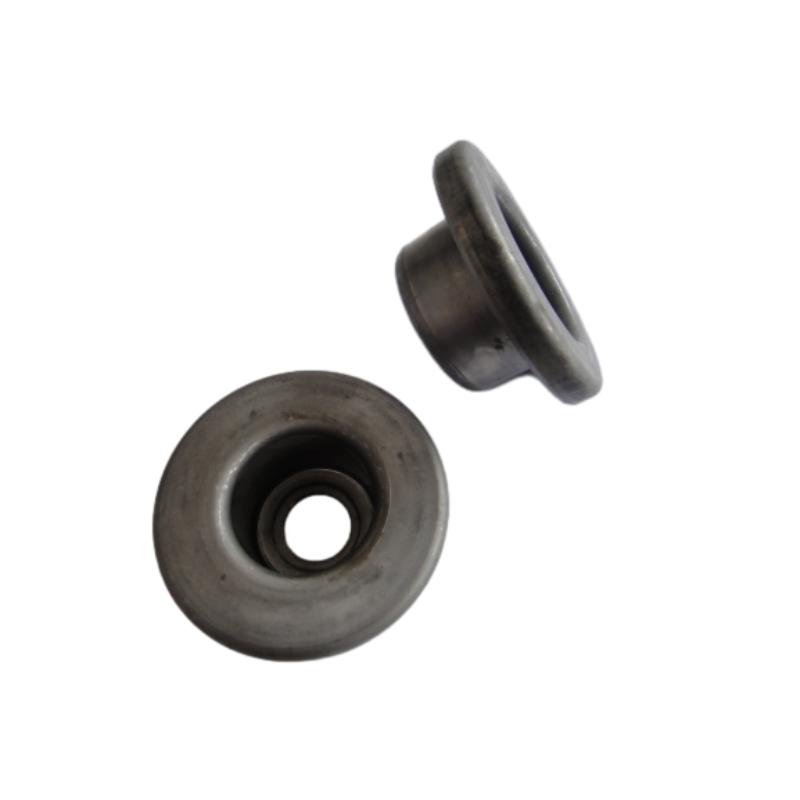
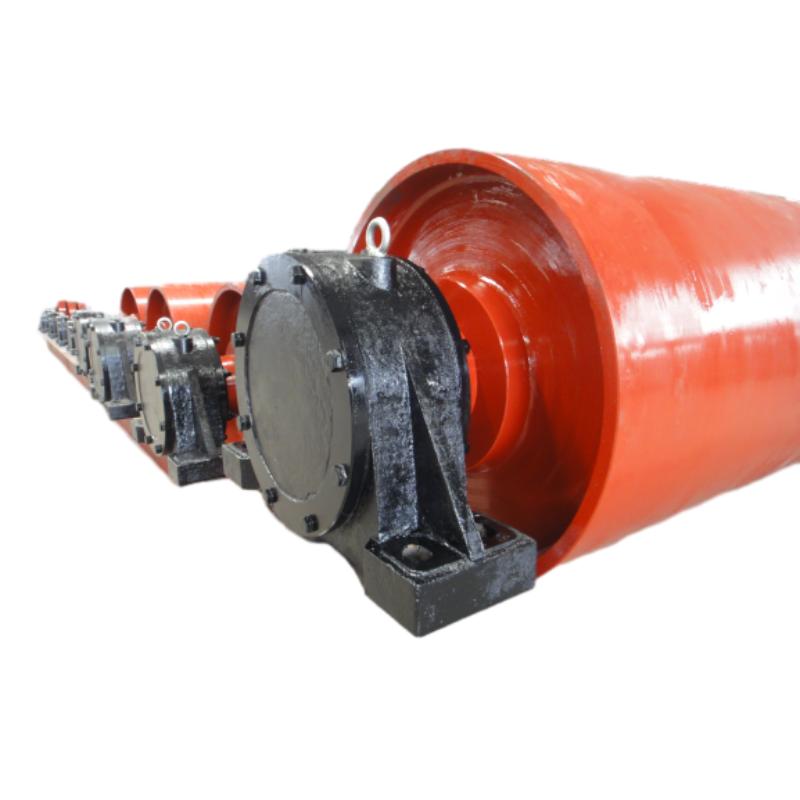
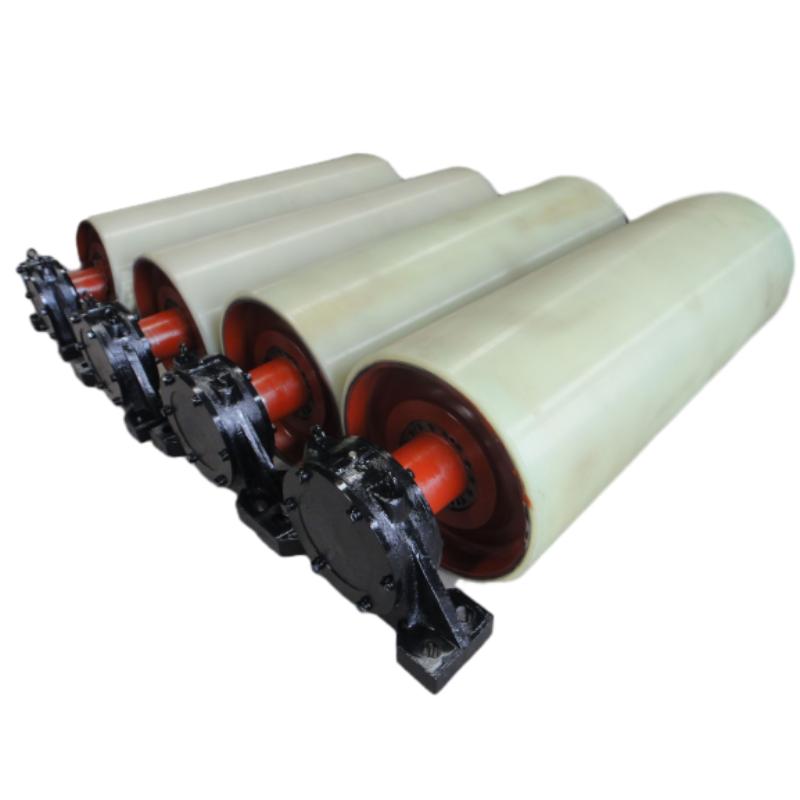
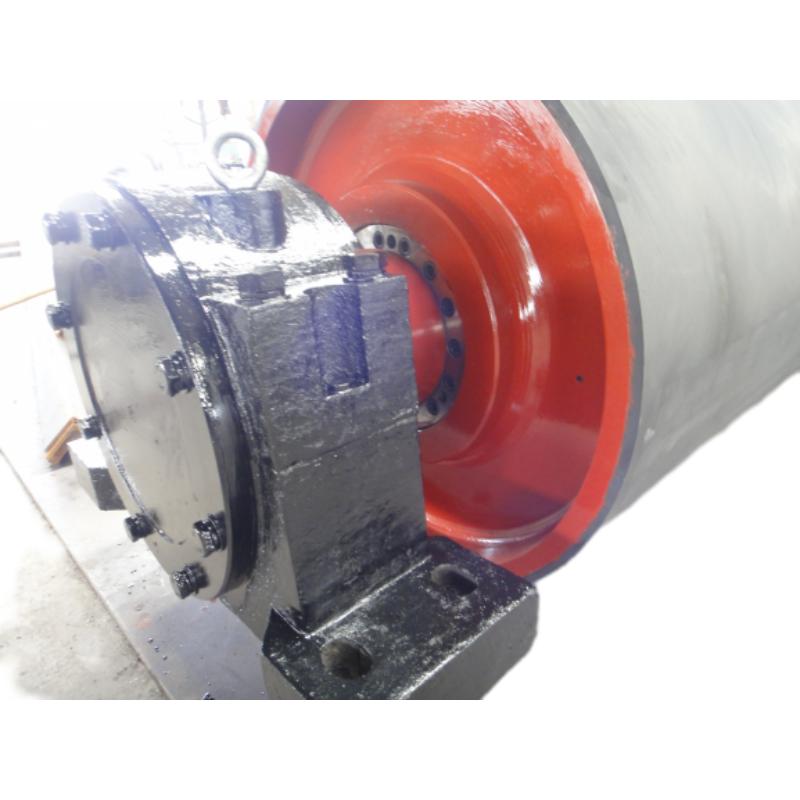
Simply put, pressed steel bearing housing is a protective casing for bearings, made by stamping and shaping steel sheets into precise forms, rather than casting or milling solid metal blocks. This method saves material and energy while maintaining the needed dimensional accuracy and durability.
Think of it as the steel version of those meticulously folded origami cranes — precise folds creating a strong, unified structure. These housings secure bearings in place, shield them from dust, moisture, and impact, and help distribute mechanical loads evenly during operation.
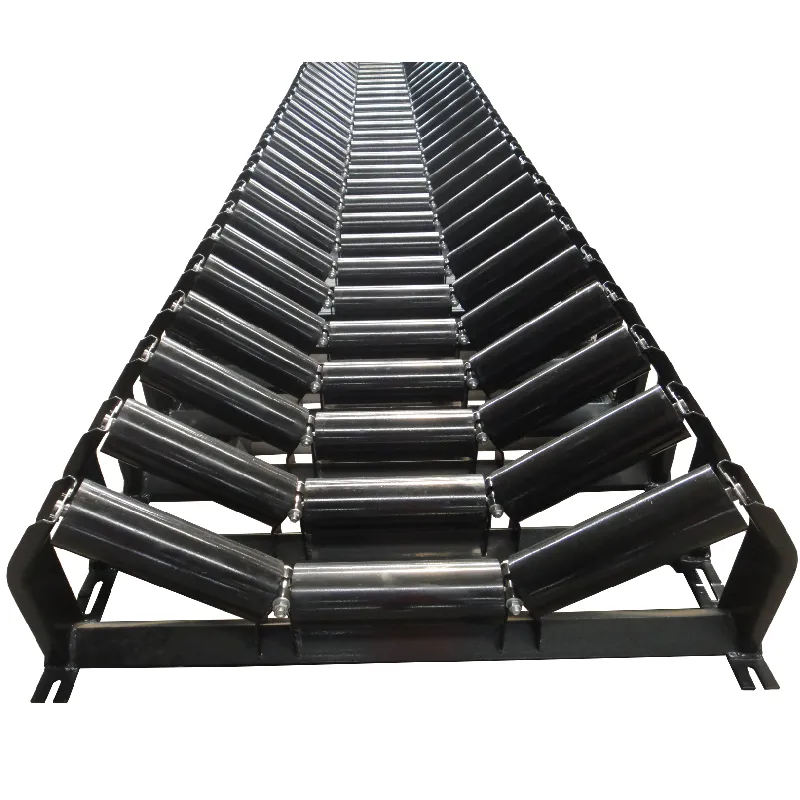
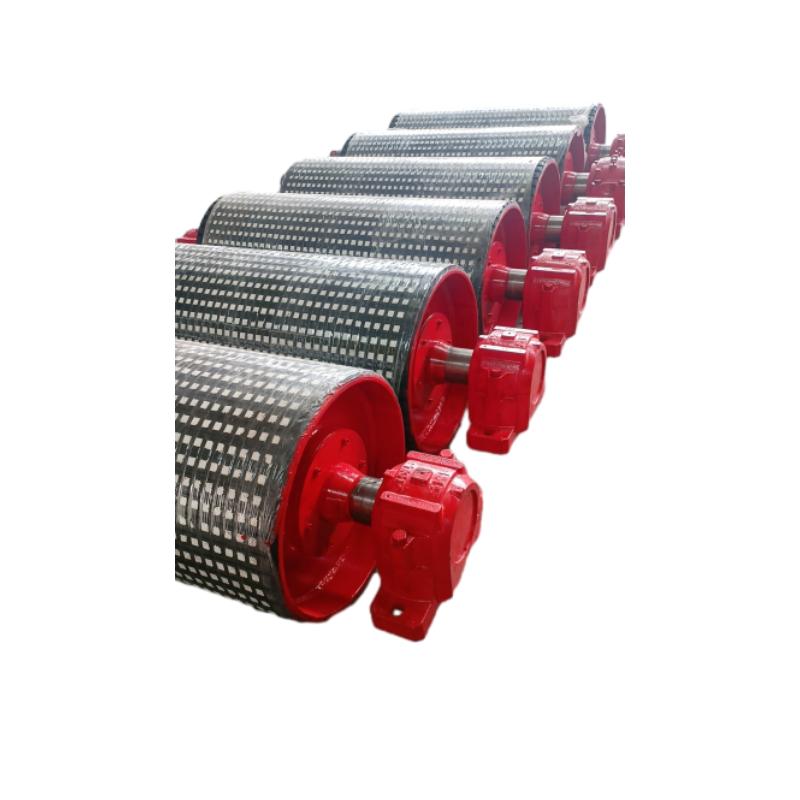
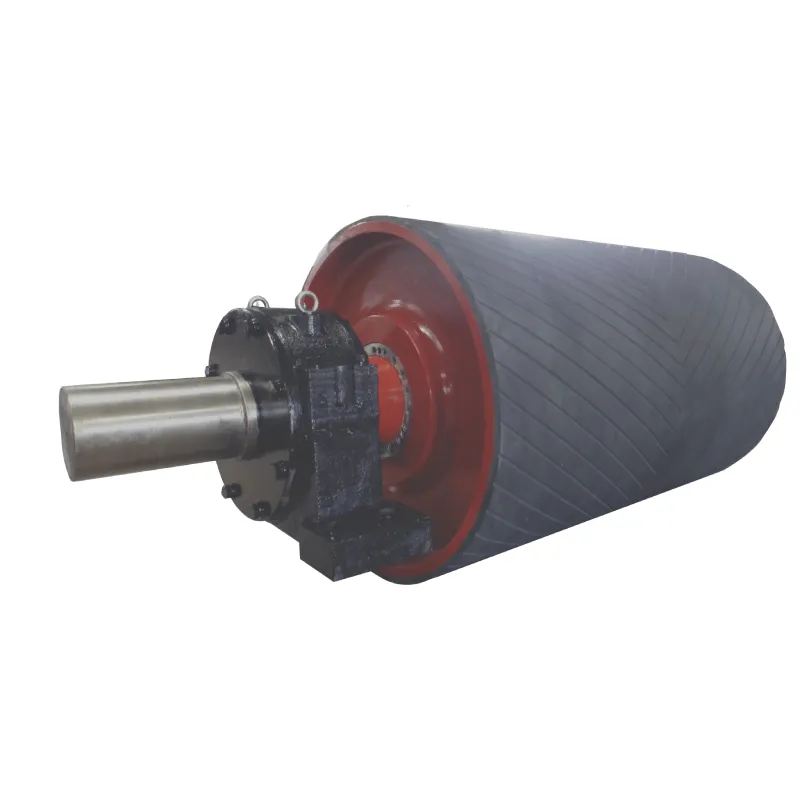
Industrially, they underpin everything from conveyor belts at shipping ports to electric motors powering fiber optic cable spooling in humanitarian aid deployments.
Core Components and Key Factors Influencing Their Performance
1. Durability and Material Strength
Pressed steel bearing housings rely on high-grade cold-rolled steel with thicknesses usually between 2.5mm and 5mm. The material must withstand repeated stresses, vibrations, and occasional shocks—particularly in harsh environments like mining or heavy logistics.
2. Manufacturing Efficiency and Scalability
Because they are stamped, pressed housings can be produced rapidly in mass quantities with minimal waste compared to cast components. This scalability is crucial where demand fluctuates or rapid assembly lines rule, like automotive manufacturing or large-scale agricultural machinery factories.
3. Cost Efficiency Over Lifecycle
Pressed steel methods reduce upfront tooling costs and lower raw material usage. Plus, lighter steel parts mean easier shipping and handling. For industries balancing budgets, these incremental savings add up to thousands annually.
4. Precision and Fit
A precise fit ensures bearings operate without excess play or misalignment - common causes of equipment failure. Pressed steel bearing housings are designed to tight tolerances using CAD and modern tooling powered by CNC presses.
5. Corrosion Resistance Considerations
Many housings get coated with zinc plating or powder coatings to fend off rust—especially vital for outdoor installations or moist climates.
Mini Takeaway:
Choosing pressed steel bearing housing blends strength, precision, and manufacture-honed scalability — all essential under the hood of modern machines.
Global Applications & Real-World Use Cases
Pressed steel bearing housings pop up all across the globe wherever reliable, affordable mechanical performance is required. For instance:
- Automotive manufacturing hubs in Germany and Japan — ensuring fast, precise motor assembly.
- Mining operations in Australia, where dust-proof, rugged parts keep conveyors running.
- Disaster relief logistics in Southeast Asia — for quickly deployable machinery transporting supplies.
- Renewable energy sites in Northern Europe — where lightweight yet sturdy housings support wind turbine gearboxes.
NGOs and humanitarian groups often rely on modular machinery with pressed steel housings for quick setups in challenging environments — a practical marriage of durability and portability.
Product Specification Table
| Specification | Typical Value |
|---|---|
| Material | Cold-rolled steel (Grade CS1010) |
| Wall Thickness | 2.5 - 5 mm |
| Protective Coating | Zinc plating or powder coated paints |
| Operating Temperature | -40°C to 120°C |
| Load Capacity | Up to 5000 N (depending on design) |
| Manufacturing Method | Stamping & press forming |
Advantages and Long-Term Value of Pressed Steel Bearing Housings
There’s a certain elegance to the way pressed steel bearing housings combine affordability with lasting reliability. Many engineers I've talked with emphasize how these designs simplify maintenance schedules, reduce downtime, and improve machine lifespan — that’s a triple win for operators battling tight budgets.
Plus, on the emotional side: using eco-friendlier processes aligns with corporate social responsibility goals. It feels good to trust the equipment not only lasts but doesn’t inflict heavy environmental costs. In many sectors, this builds a strong sense of brand integrity.
In real terms, companies adopting these housings have reported up to 20% cost savings over five years when counting materials, production, and freight combined.
Vendor Comparison Table: Choosing the Right Pressed Steel Bearing Housing Supplier
| Vendor | Material Grades Offered | Production Capacity (Units/Month) | Custom Design Support | Typical Lead Time | Global Shipping |
|---|---|---|---|---|---|
| SteelForm Co. | Cold-Rolled CS1010, CS1015 | 50,000 | Yes | 4 weeks | Wide |
| PressTech Solutions | CS1010, Galvanized Steel | 30,000 | Limited | 3 weeks | Regional Only |
| Global Steelworks | Varied Alloys (CS & Stainless Steel) | 75,000 | Yes | 6-8 weeks | Worldwide |
Future Trends & Innovations in Pressed Steel Bearing Housing
Technology never sleeps — and the pressed steel bearing housing niche is quietly buzzing with innovations. For starters, advanced high-strength steels (AHSS) and ultra-high-strength steels (UHSS) are making components lighter and tougher. This aligns nicely with the broader push for greener transport, electric vehicles, and renewable energy installations.
Automation in stamping and quality testing is becoming standard. AI-powered quality control systems can detect minuscule defects invisible to the naked eye, improving yield and safety.
Not to forget, the integration of protective nanocoatings for corrosion resistance is evolving. Some coatings, inspired by lotus leaves’ water repellency, promise longer part life without heavy chemical processing.
Challenges & Expert Approaches
One ongoing challenge is balancing cost pressures with increasing performance demands. Thinner pressed steel housings save weight but risk fatigue failures if not engineered precisely. Another is adapting housings to extreme environments, like offshore wind farms with salt spray exposure.
Experts I noted from recent industry conferences emphasize multi-material hybrid approaches—combining pressed steel with composite reinforcements—as promising solutions. Also, modular design standards are helping manufacturers cater to diverse sectors without reinventing the wheel each time.
FAQ: Frequently Asked Questions About Pressed Steel Bearing Housing
Q1: What makes pressed steel bearing housing better than cast housings?
A: Pressed steel housings tend to be lighter, more cost-effective to produce in volume, and easier to customize. While cast housings can handle very heavy loads, pressed steel covers most industrial needs with less material waste and shorter lead times.
Q2: How long can pressed steel bearing housings last in harsh conditions?
A: With proper surface treatments like zinc plating and regular maintenance, these housings can last 10-15 years even in corrosive environments. It depends on load cycles and exposure, but many industrial operators vouch for durable performance in mining and logistics.
Q3: Are pressed steel bearing housings eco-friendly?
A: Yes. They use less raw material than casting, generate fewer emissions during manufacturing, and are recyclable after use. This contributes positively to an industry looking to lower its environmental footprint.
Q4: How can NGOs or international partners source pressed steel bearing housings?
A: Many suppliers offer global shipping and can assist with customs documentation. Pressed steel bearing housing manufacturers sometimes provide modular kits tailored for rapid deployment that NGOs favor.
Q5: Can pressed steel housings be customized for unique machinery?
A: Absolutely. Thanks to modern CAD and stamping tech, manufacturers can adjust dimensions, coatings, and fit features to meet precise operational needs.
Wrapping Up: Why Pressed Steel Bearing Housing Continues to Matter
In closing, pressed steel bearing housings represent a quiet revolution in supporting industrial machinery worldwide. Their blend of durability, cost efficiency, and sustainability makes them a go-to choice in many sectors—from automotive giants to humanitarian aid providers.
Looking ahead, the combination of material advances and smarter design will only boost their appeal. If your operation values reliable, scalable solutions, exploring the right pressed steel bearing housing can pay dividends.
Interested in learning more or sourcing solutions? Visit https://www.idleraohua.com for detailed products and expert guidance.
References
-
Maximize Conveyor Life with a High Performance impact bedNewsApr.16,2026
-
Maximize Conveyor Efficiency Using a v plow belt scraperNewsApr.09,2026
-
Comprehensive Guide to Understanding Different Types of Belt CleanersNewsApr.07,2026
-
Enhancing Conveyor Efficiency with an Effective Scraper Belt CleanerNewsApr.04,2026
-
Optimizing Conveyor Systems with Advanced Cleaning Equipment SolutionsNewsMar.31,2026
-
Effective Conveyor Belt Scraper Adjustment for Optimal System PerformanceNewsMar.28,2026