

Durable Self Aligning Conveyor Rollers for Industrial Applications | IdlerAohua
The Practical Benefits of Self Aligning Conveyor Rollers in Industrial Settings
Having spent more than a decade in the industrial equipment sector, I can tell you that the humble conveyor roller doesn’t often get much credit. Yet, these rollers are vital workhorses, quietly keeping production lines moving and products flowing. More recently, self aligning conveyor rollers have caught my eye. They tackle a subtle but persistent challenge that many operators face: belt misalignment.
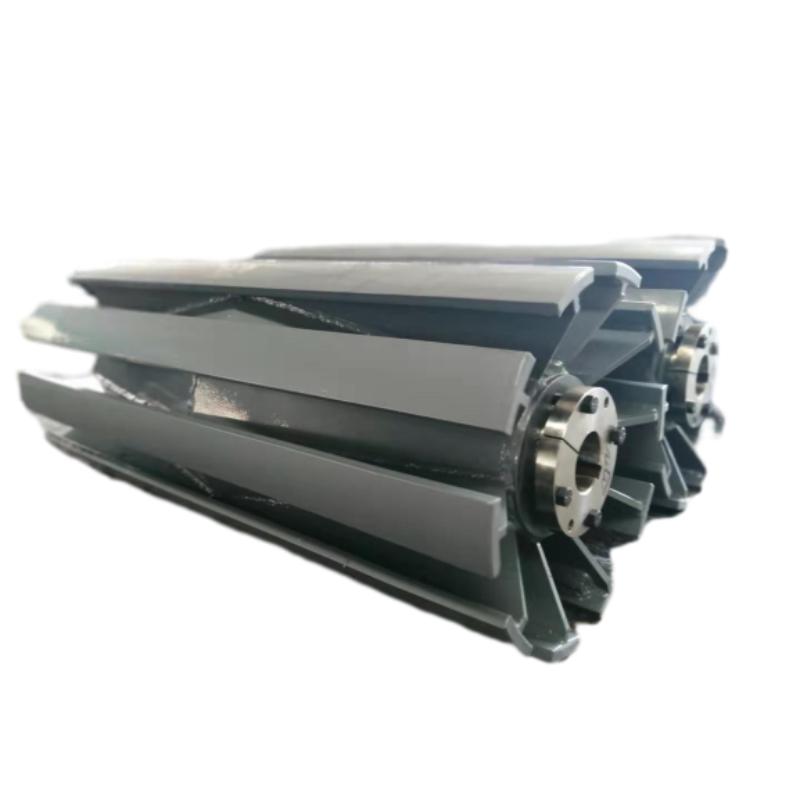
You know how frustrating it is when a conveyor belt drifts off-center, causing wear, damage, or even shutdowns? Self aligning rollers feel like a clever solution—designed to automatically compensate for belt misalignment, reducing downtime and maintenance headaches. Although not new, their popularity has surged as industries push for more reliable and low-maintenance conveyor systems.
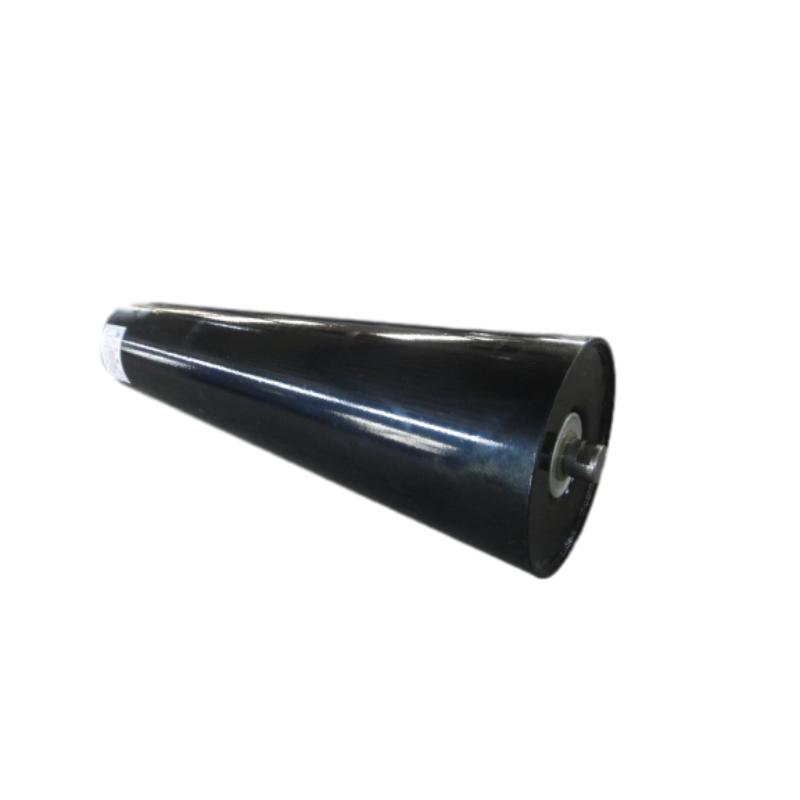
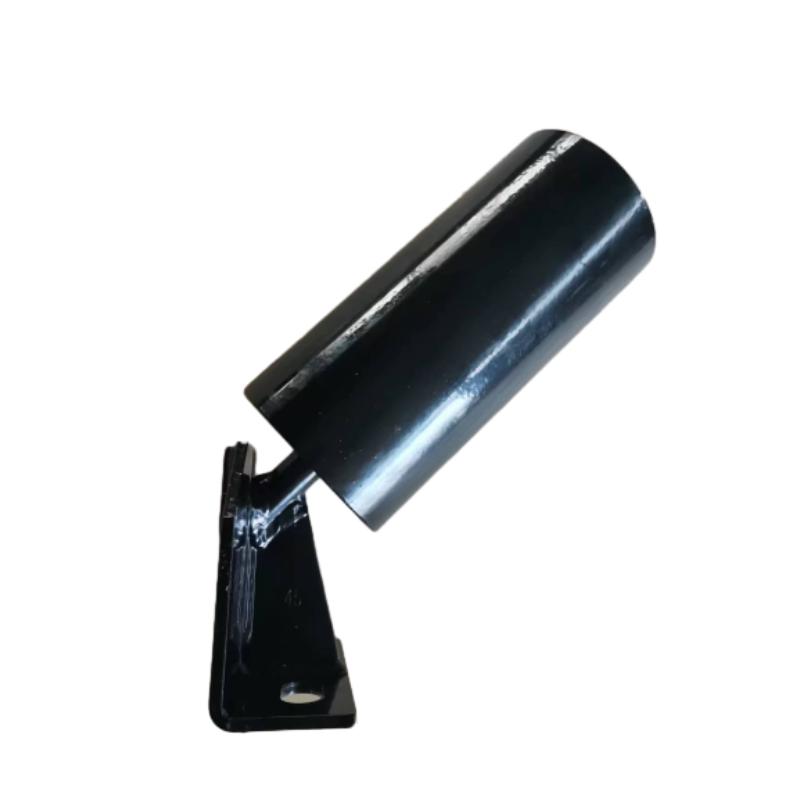
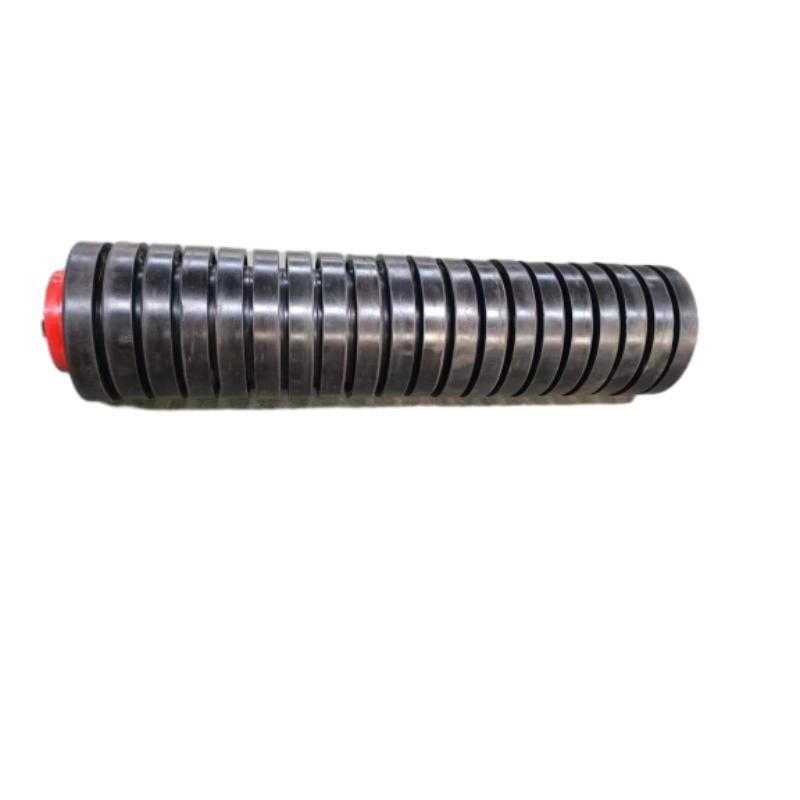
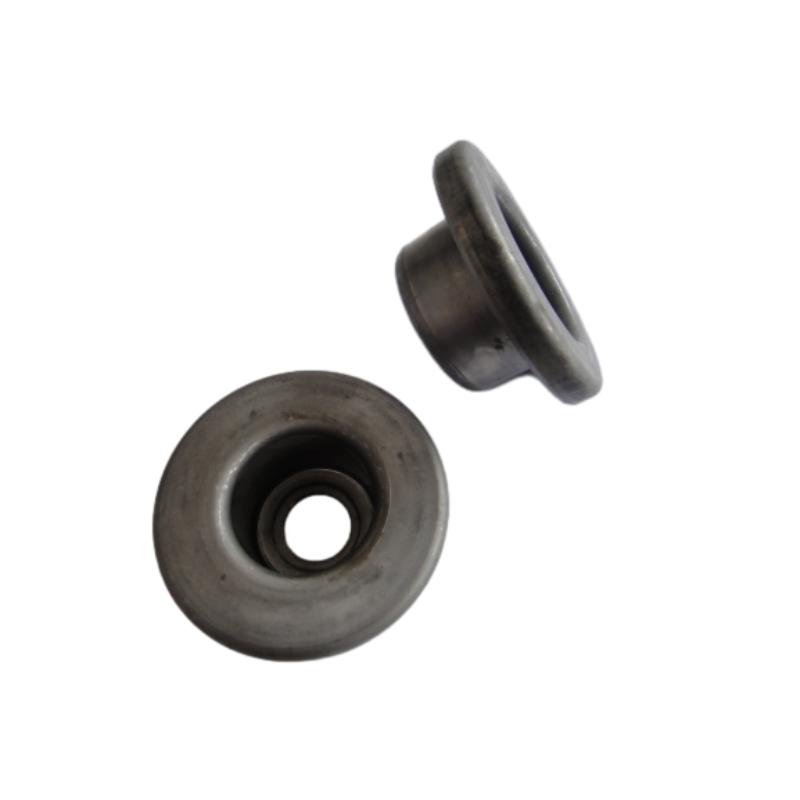
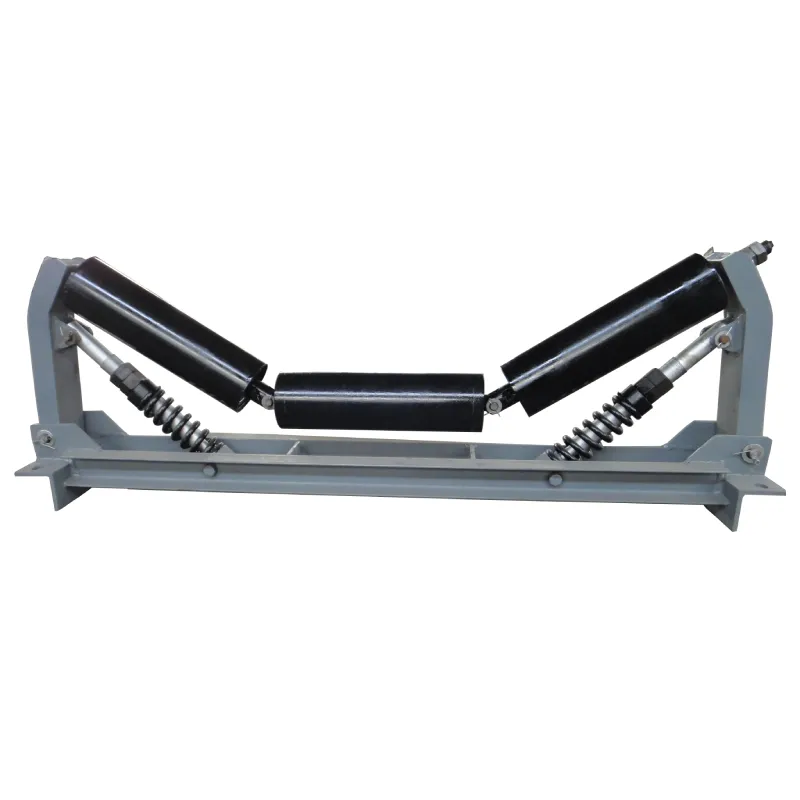
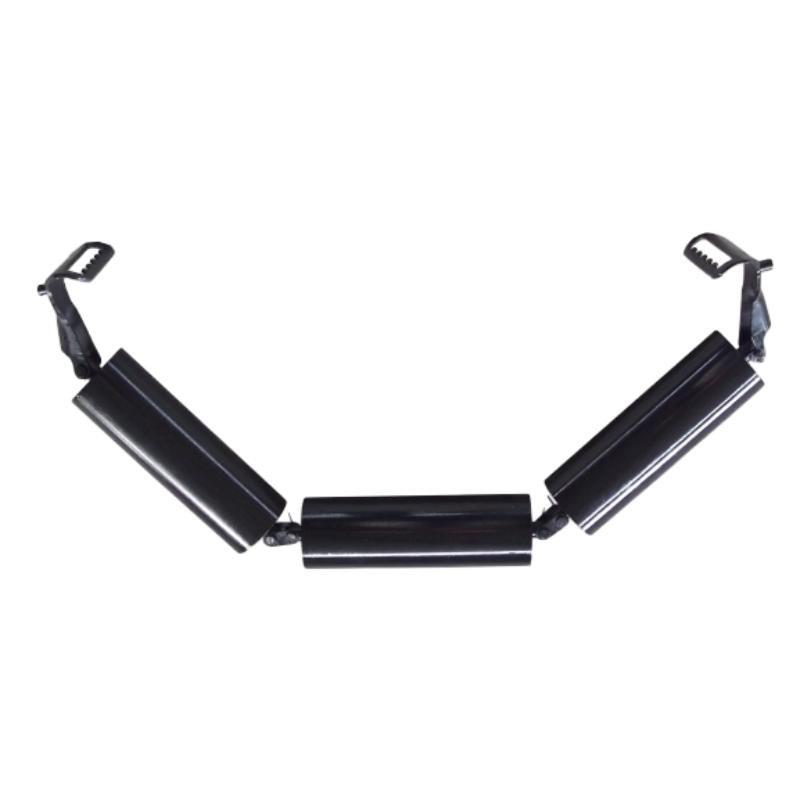
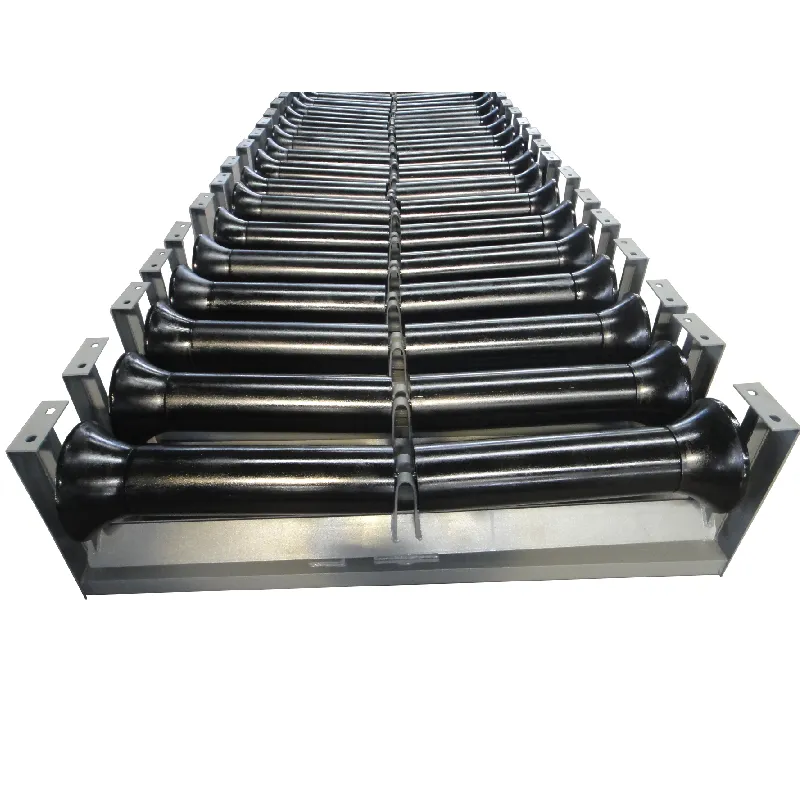
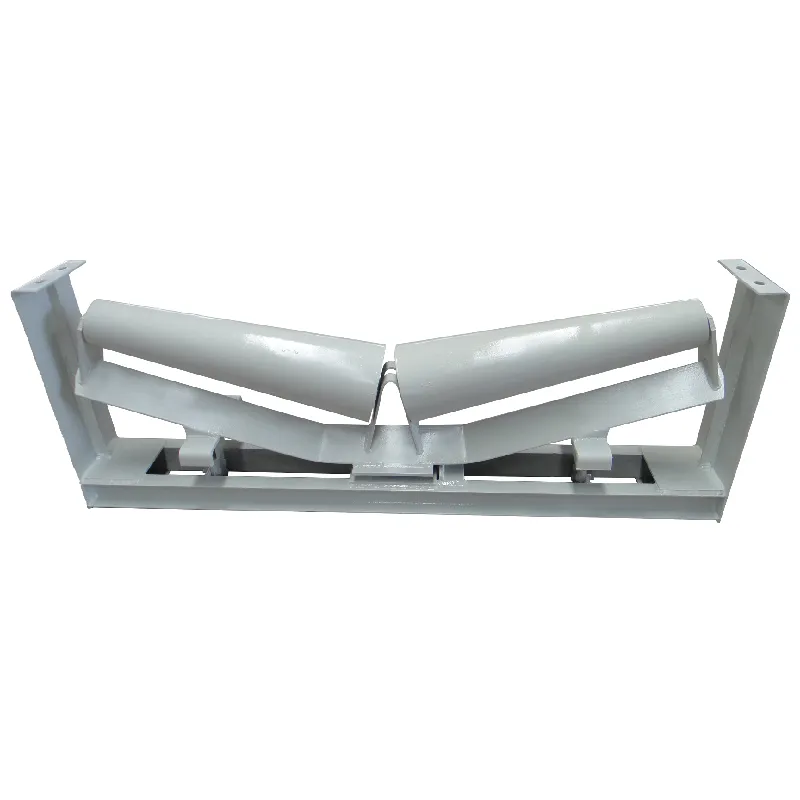
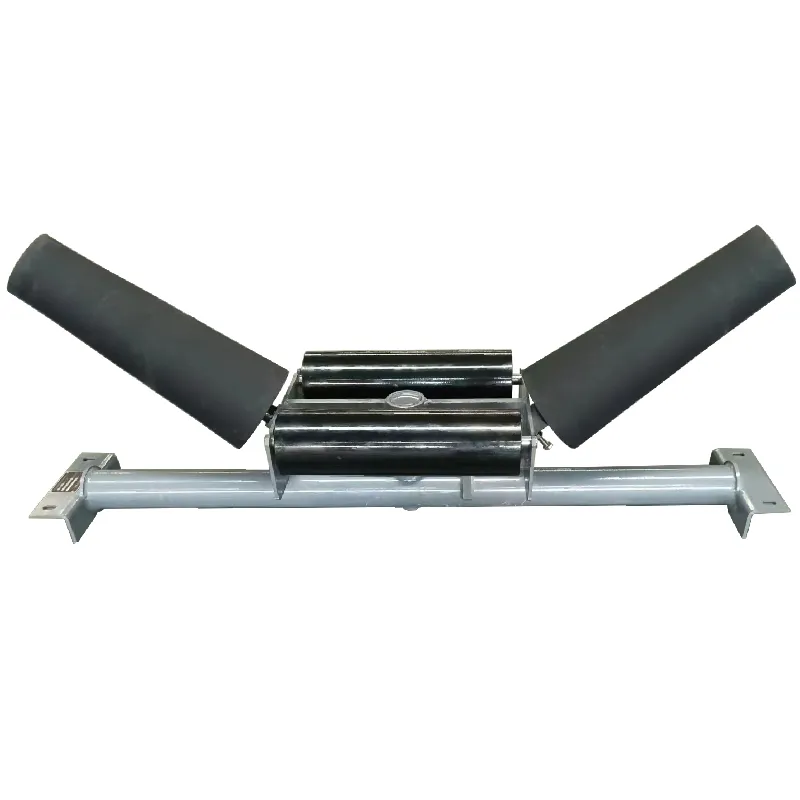
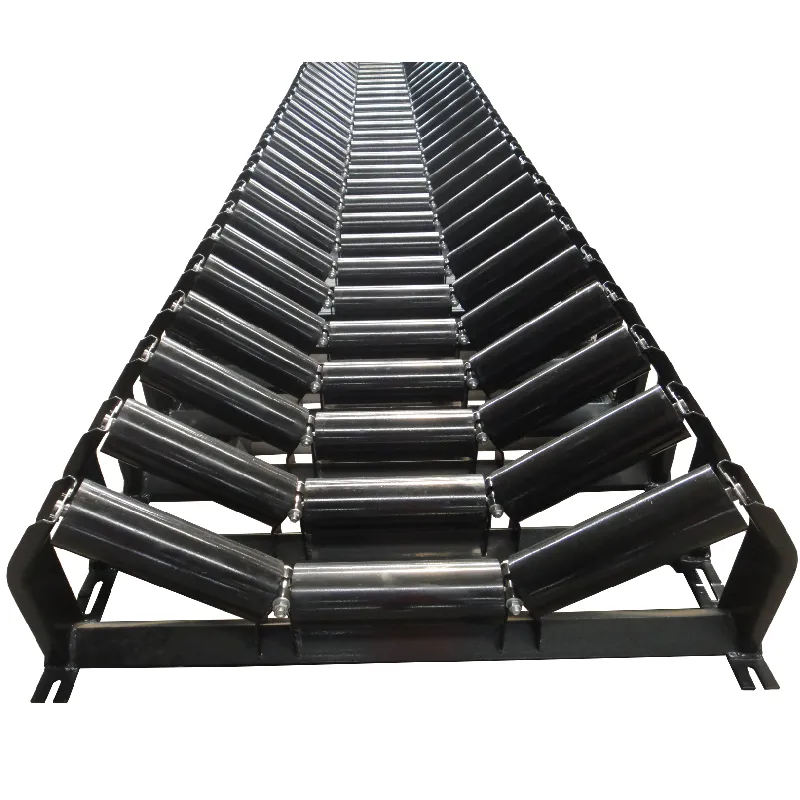
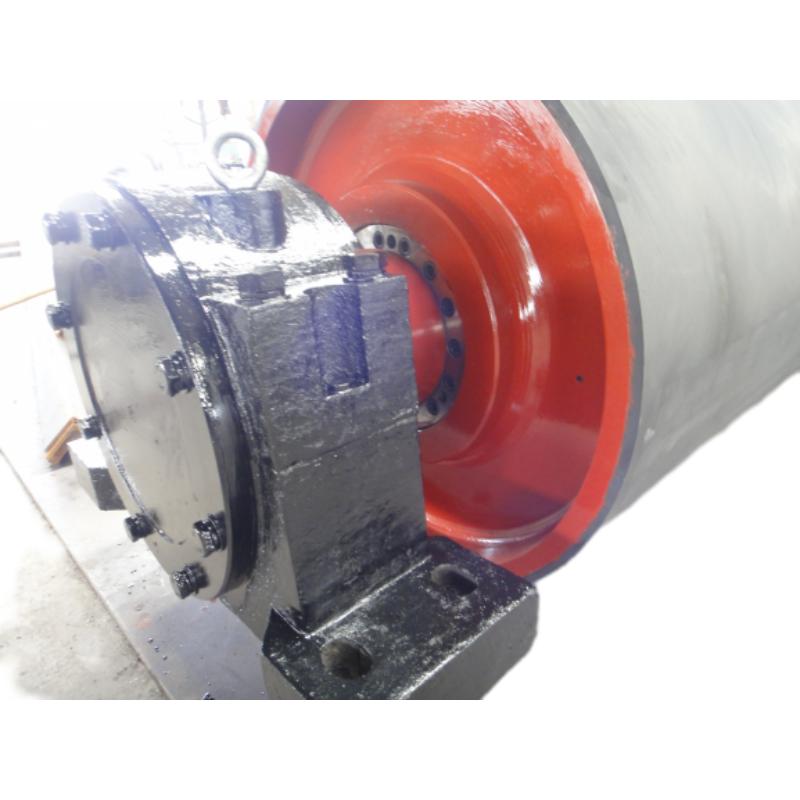
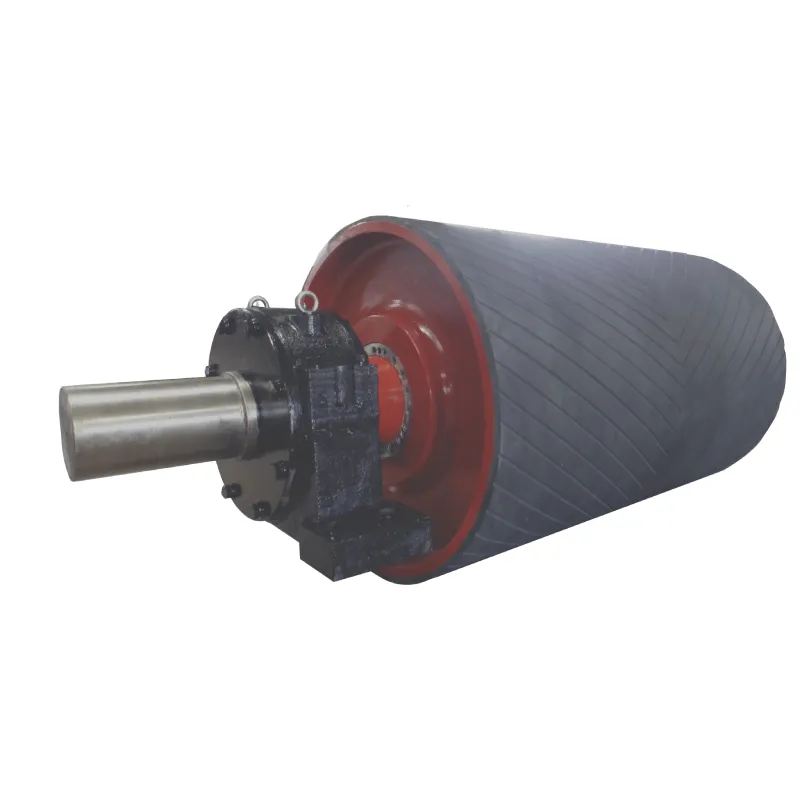
What strikes me about these rollers is their engineering elegance. Typically, they have a spherical or pivoting bearing housing allowing the roller to tilt just enough to correct the belt's position in real time. It’s almost like having an attentive, automatic guide watching the belt’s path and nudging it back onto track without human intervention.
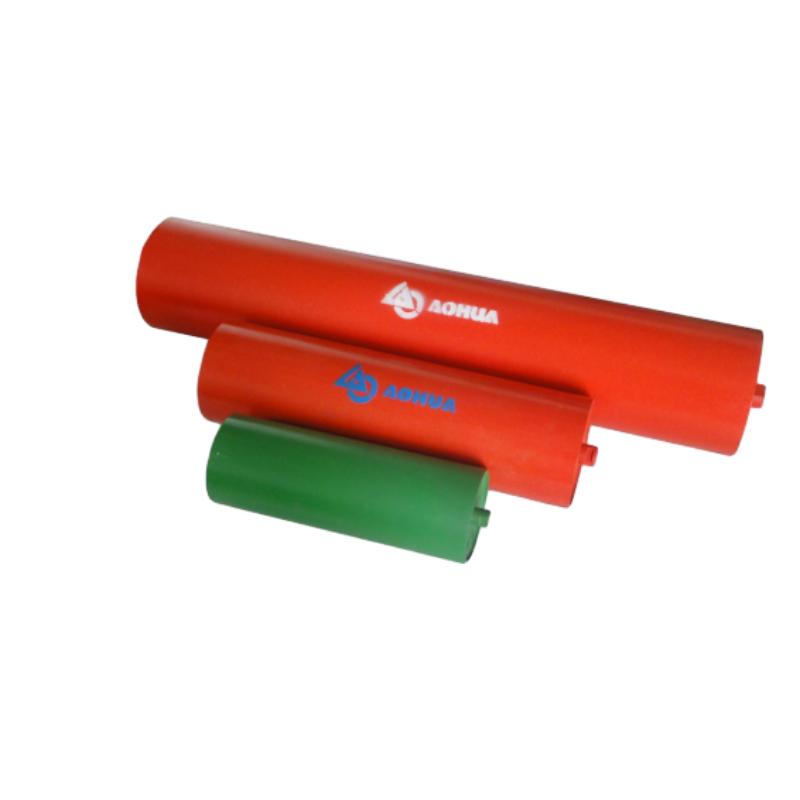
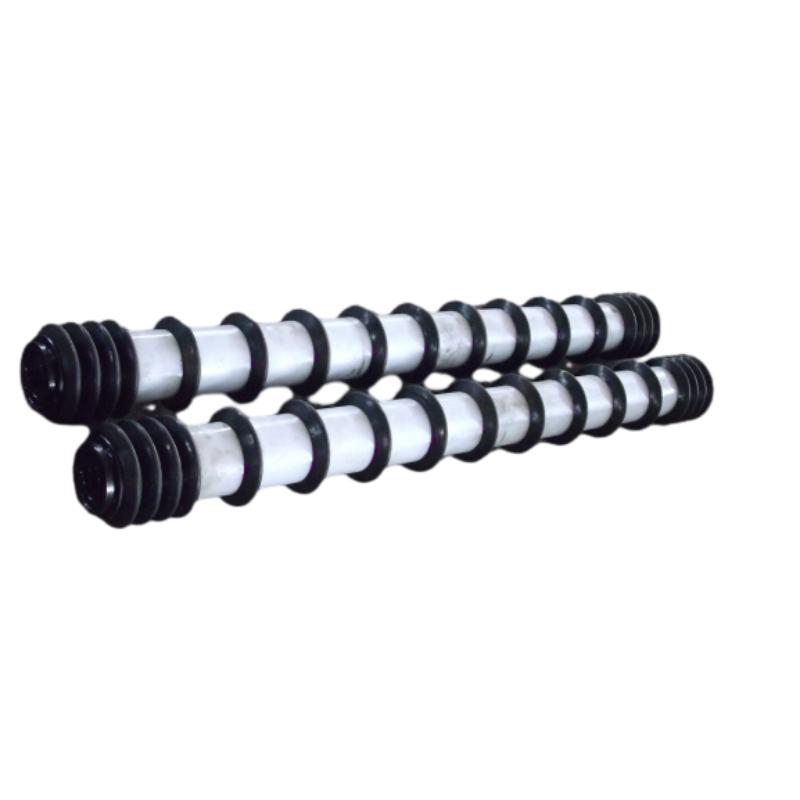
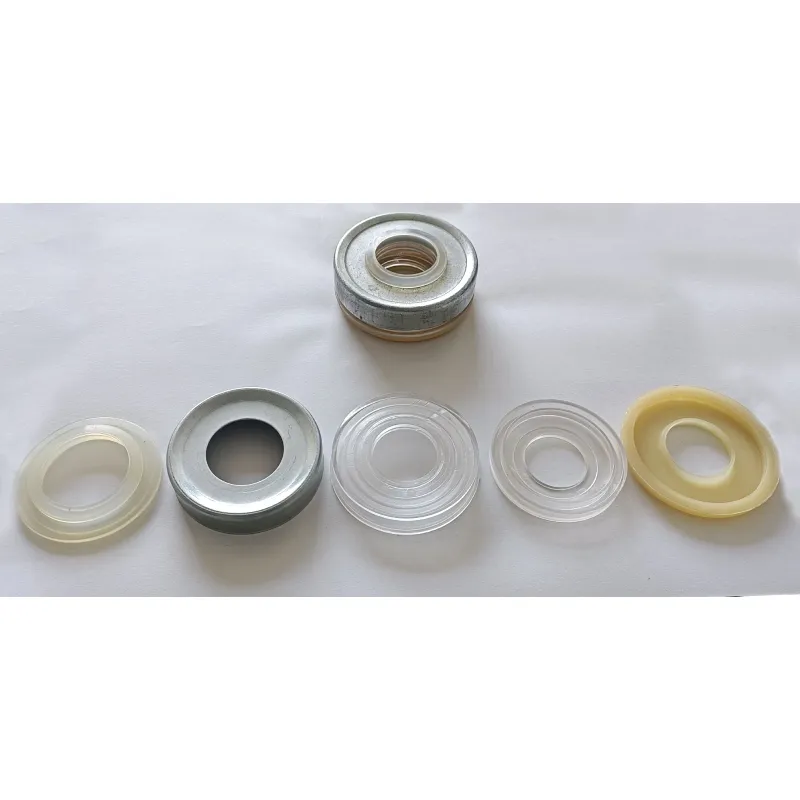
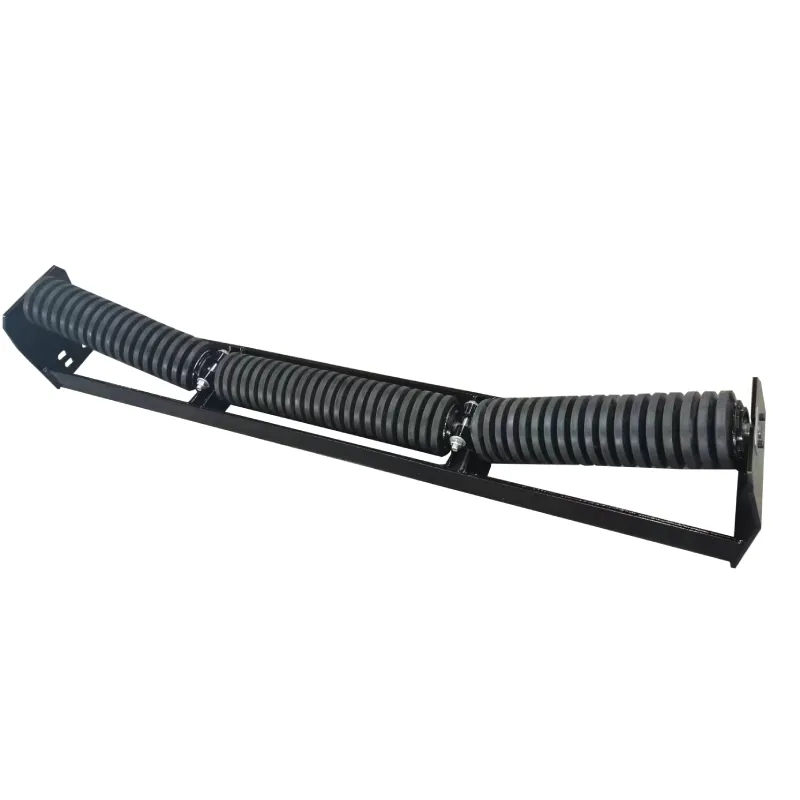
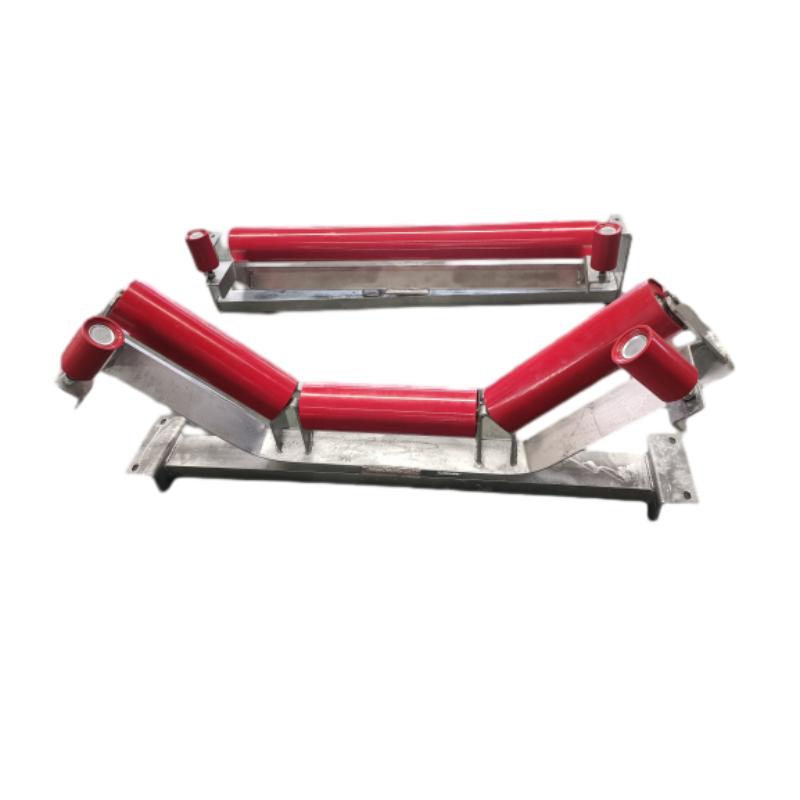
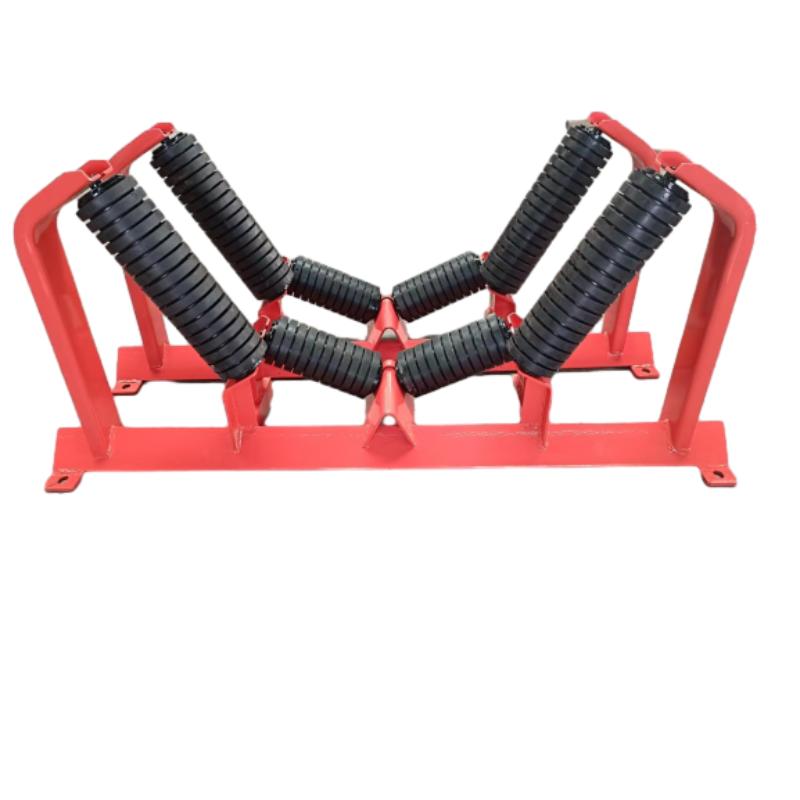
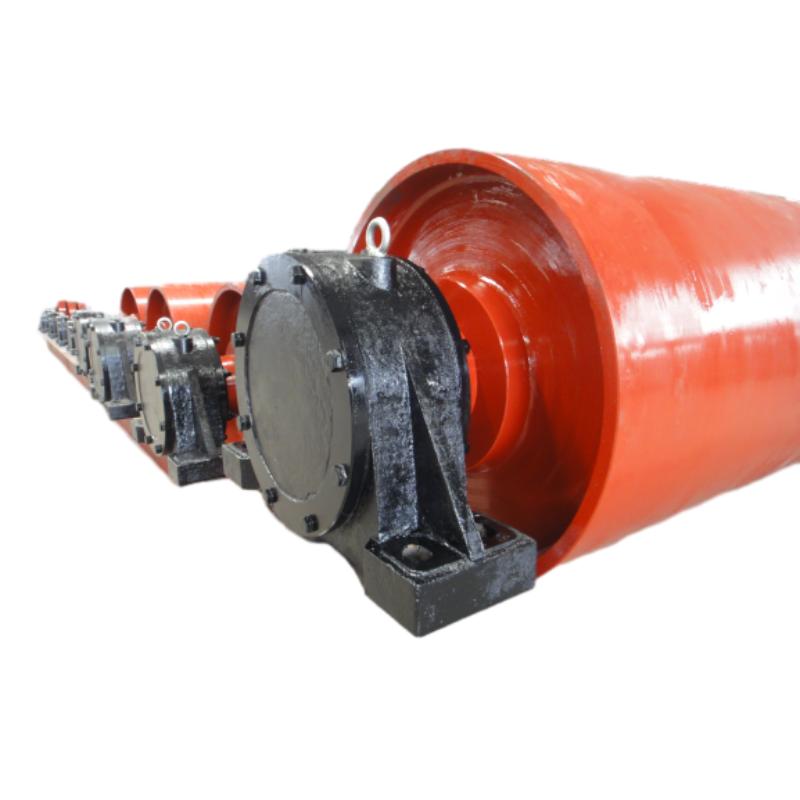
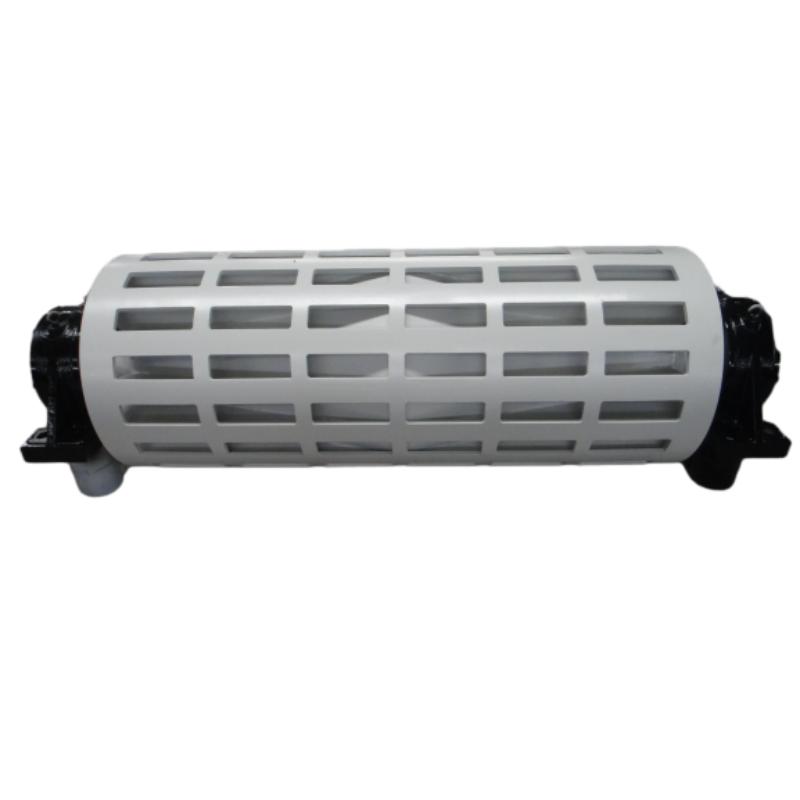
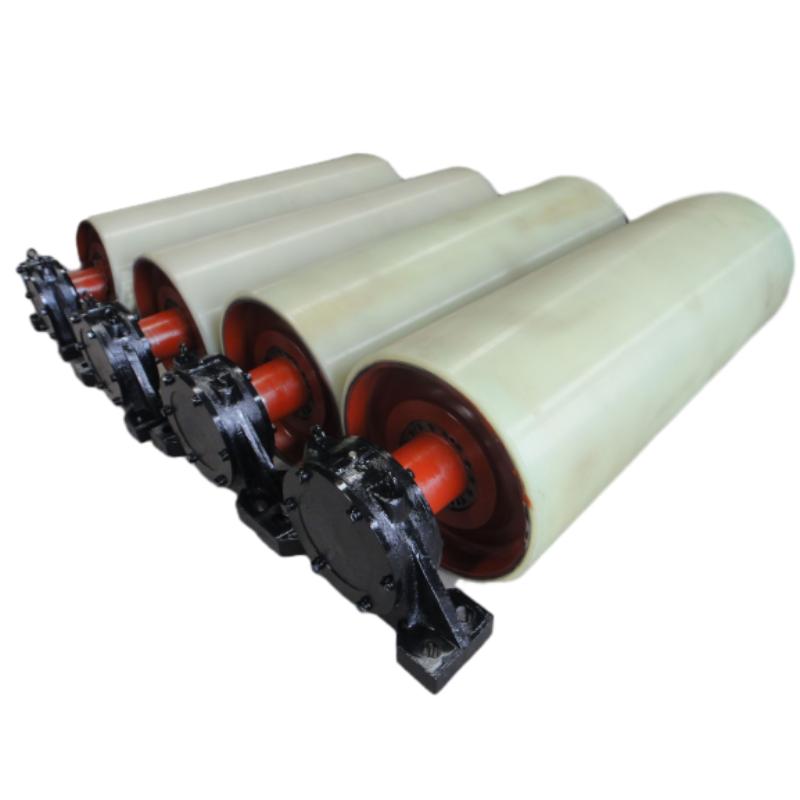
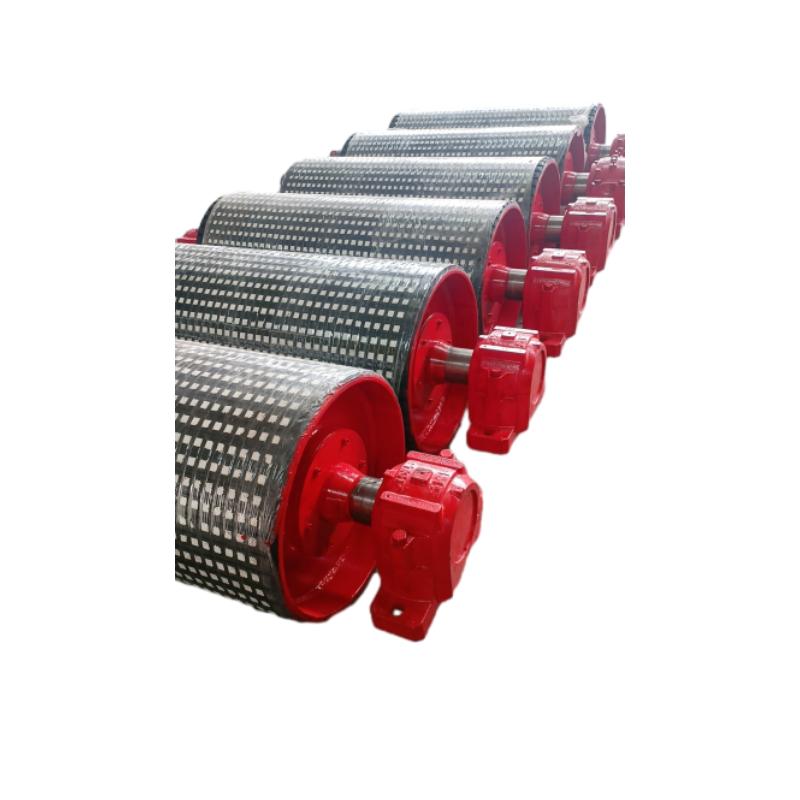
From a materials perspective, manufacturers often use high-grade steel shafts with abrasion-resistant surfaces, combined with durable rubber or polyurethane lagging to improve grip and reduce noise. Bearings inside are sealed and PTFE-coated sometimes, to endure dusty or harsh plant environments. When I first saw a demo at a client’s warehouse, the smoothness and quietness honestly stood out—a big deal in noisy factories.
Testing protocols tend to focus heavily on load endurance and angular deflection capabilities. It’s crucial these rollers aren’t just "self aligning" on paper but can continuously correct belt alignment under heavy, dynamic loads. Some vendors even provide certification based on ISO 9001 quality standards, which I suppose adds a nice layer of trustworthiness.
| Feature | Specification |
|---|---|
| Roller Diameter | 50 mm – 200 mm |
| Roller Length | 300 mm – 2000 mm |
| Material | Carbon Steel / Stainless Steel |
| Bearing Type | Sealed Ball Bearings / Roller Bearings |
| Alignment Angle | Up to ±8° tilt |
| Lagging Options | Rubber, Polyurethane, Ceramic Coated |
There’s also a fair bit of customization available depending on the application — high temperature versions for steel mills, low-noise rollers for food processing plants, even explosion-proof models for chemical industries. I recall an instance where a client in mining requested a special wear-resistant composite lagging paired with a heavy-duty bearing to withstand their abrasive ore handling. It ended up saving them weeks of downtime compared to their standard rollers.
Of course, the choice of vendor can make or break reliability. Here’s a brief comparison I’ve put together based on years of sourcing and firsthand feedback:
| Vendor | Material Quality | Customization Options | Lead Time | Typical Price Range |
|---|---|---|---|---|
| IdlerAohua | High-grade Steel & Advanced Lagging | Extensive (temp., size, lagging) | 4-6 weeks | $$$ |
| RollerCorp | Standard Steel | Limited | 3-5 weeks | $-$$ |
| ConveyorPlus | Stainless Steel Option | Moderate (mostly size) | 5-7 weeks | $$ |
If you ask me, the choice depends a lot on what you prioritize: budget, lead time, or customization. For instance, I’ve seen the subtle but clear difference when rolling out special lagged rollers from IdlerAohua—their products seem to edge ahead in longevity and noise reduction, though at a slightly higher price.
To wrap this up with a story—years ago, a client struggling with frequent conveyor shutdowns due to belt misalignment switched to self aligning rollers. Within two months, their maintenance calls dropped by more than 40%. That kind of reliability gain doesn’t just boost throughput; it shifts the entire way you plan your operations.
In the end, self aligning conveyor rollers might not have the flashiest reputation in the factory, but if you work around belt conveyors, you know their quiet value. Investing in good quality, tested rollers can feel like a small detail—until it saves you a mountain of trouble.
It's worth checking options carefully—your belt will thank you.
References:
1. Conveyor Equipment Manufacturers Association (CEMA) - Design & Selection Guidelines
2. Industry Case Study: Conveyor Maintenance and Reliability (2019)
3. Manufacturer Brochures from idleraohua.com (Accessed 2024)
-
Maximize Conveyor Life with a High Performance impact bedNewsApr.16,2026
-
Maximize Conveyor Efficiency Using a v plow belt scraperNewsApr.09,2026
-
Comprehensive Guide to Understanding Different Types of Belt CleanersNewsApr.07,2026
-
Enhancing Conveyor Efficiency with an Effective Scraper Belt CleanerNewsApr.04,2026
-
Optimizing Conveyor Systems with Advanced Cleaning Equipment SolutionsNewsMar.31,2026
-
Effective Conveyor Belt Scraper Adjustment for Optimal System PerformanceNewsMar.28,2026