

Rubber Conveyor Belt Rollers – Durable Solutions for Global Material Handling
Understanding Rubber Conveyor Belt Rollers: The Backbone of Efficient Material Handling
Rubber conveyor belt rollers might not be the most glamorous equipment in industrial settings, but they silently power the backbone of countless operations worldwide. Whether in mining, agriculture, manufacturing, or logistics, these rollers play a pivotal role in moving materials efficiently and safely.
Globally, efficient conveyor systems help increase productivity, lower costs, and improve operational safety. In fact, studies from the International Organization for Standardization (ISO) emphasize that well-maintained conveyor rolls can extend system life by up to 50%. Understanding rubber conveyor belt rollers is crucial because their choice directly impacts sustainability, cost-efficiency, and operational reliability.
Why Rubber Conveyor Belt Rollers Matter Globally
Globally, industries transport billions of tons of bulk material every year—coal, grain, grain, ores, manufactured goods. Conveyor systems provide the fastest, most energy-efficient way to achieve this. Rubber conveyor belt rollers help reduce noise pollution, absorb vibrations, and offer better grip — all essential in industrial hubs in Asia, Europe, and America alike. The United Nations Industrial Development Organization (UNIDO) highlights material handling as a core part of industrial transformation, contributing meaningfully to economic growth.
Defining Rubber Conveyor Belt Rollers
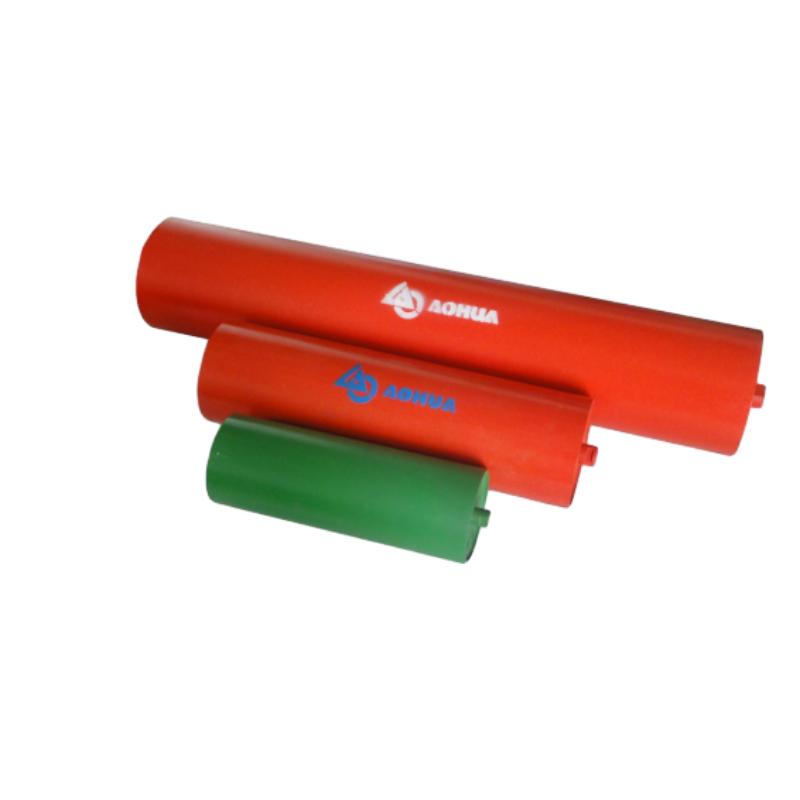
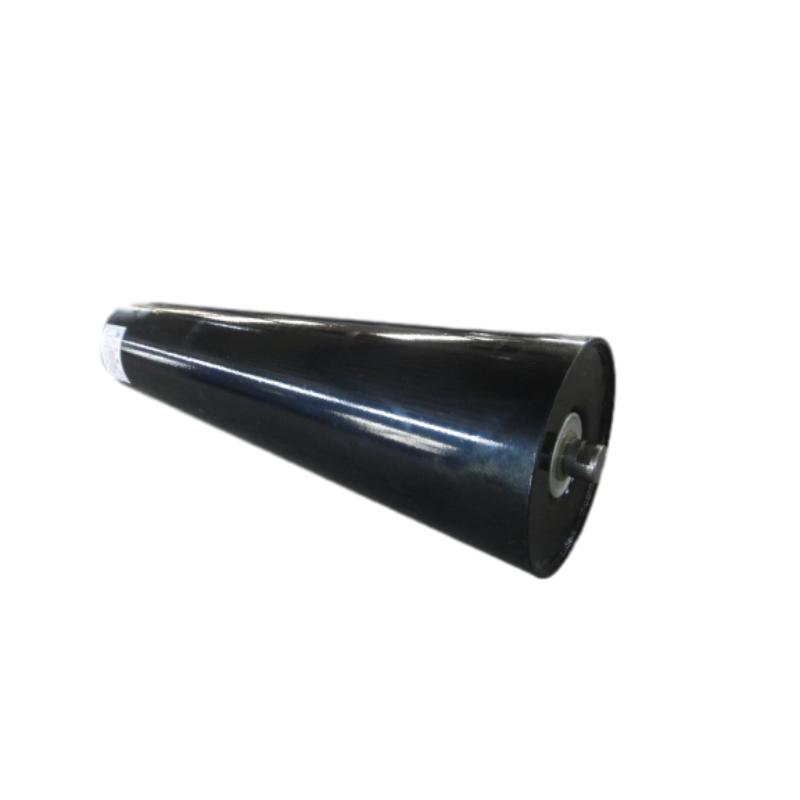
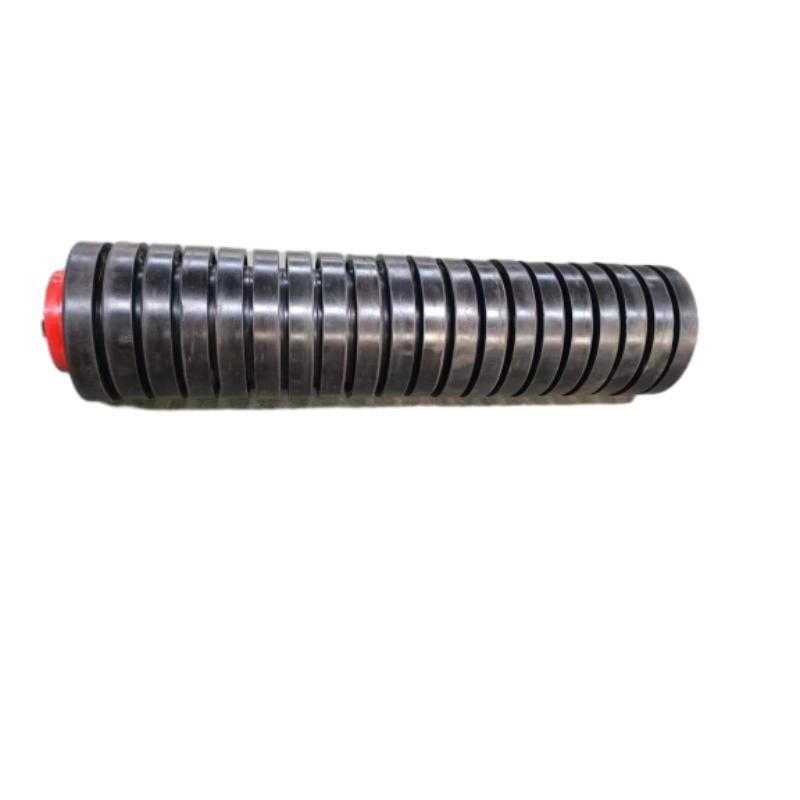
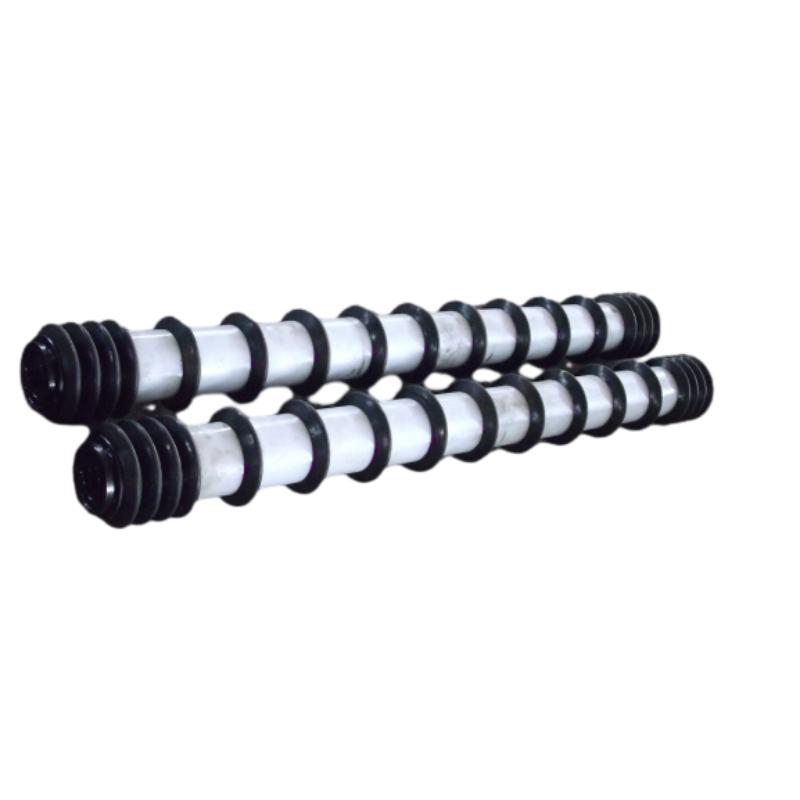
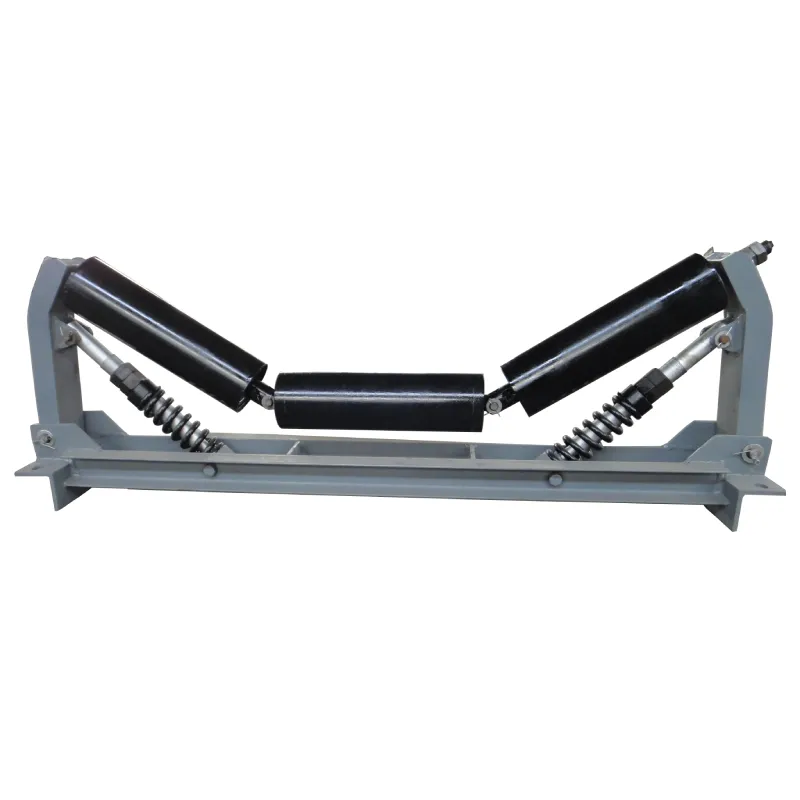
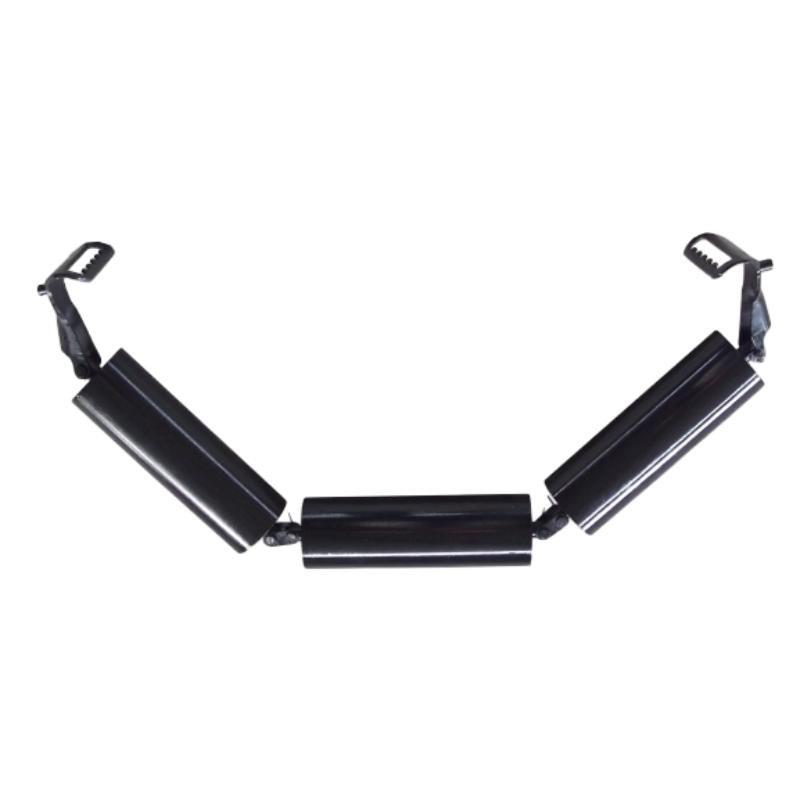
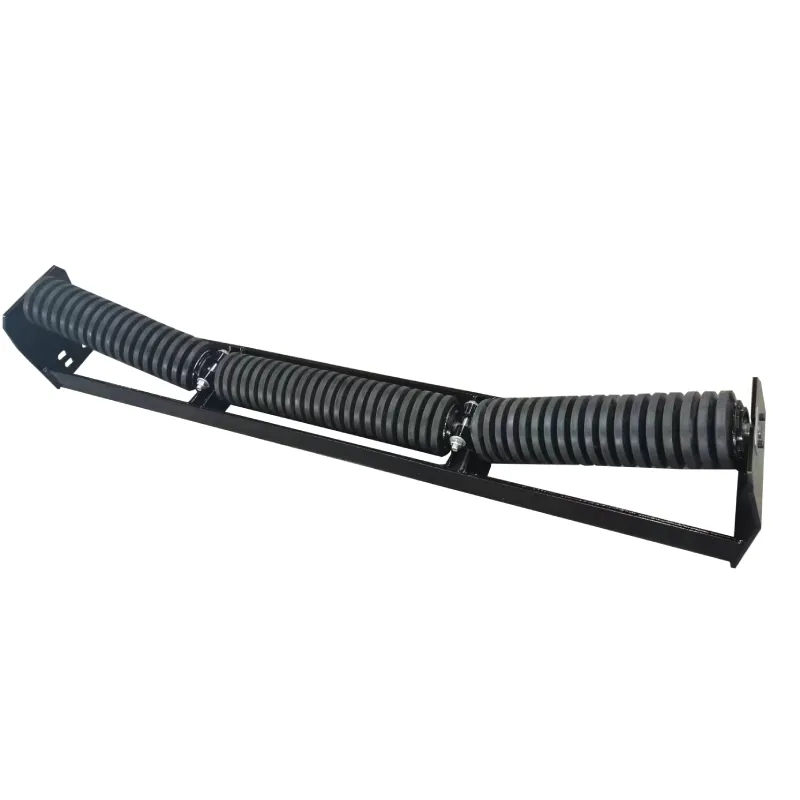
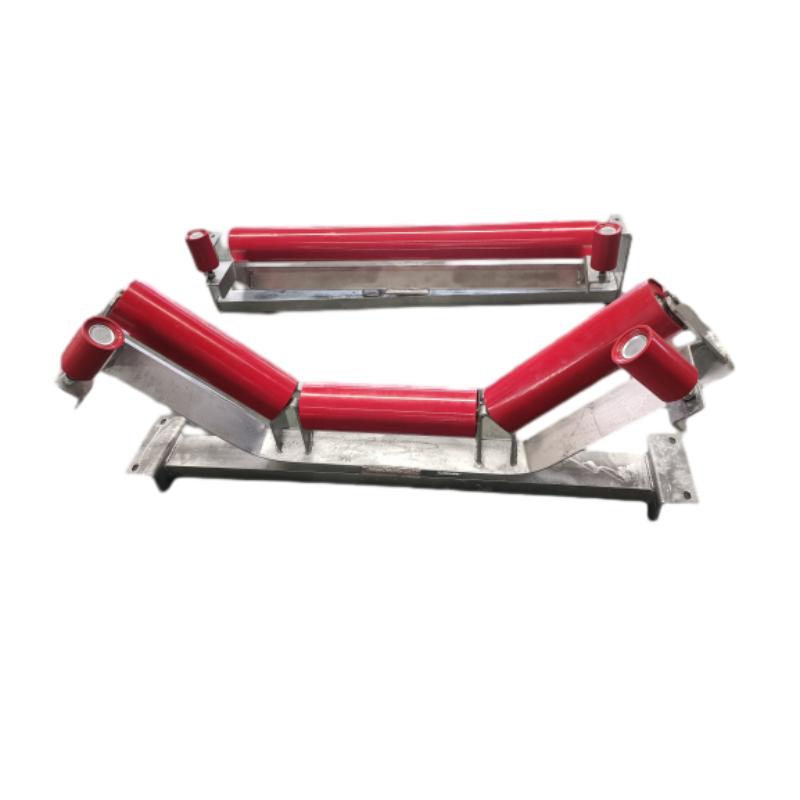
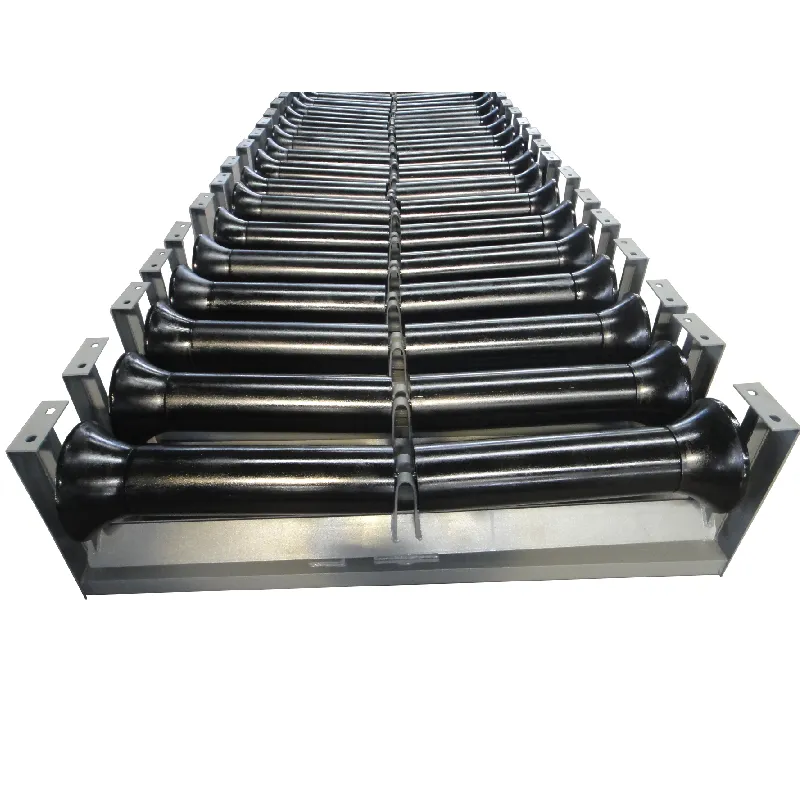
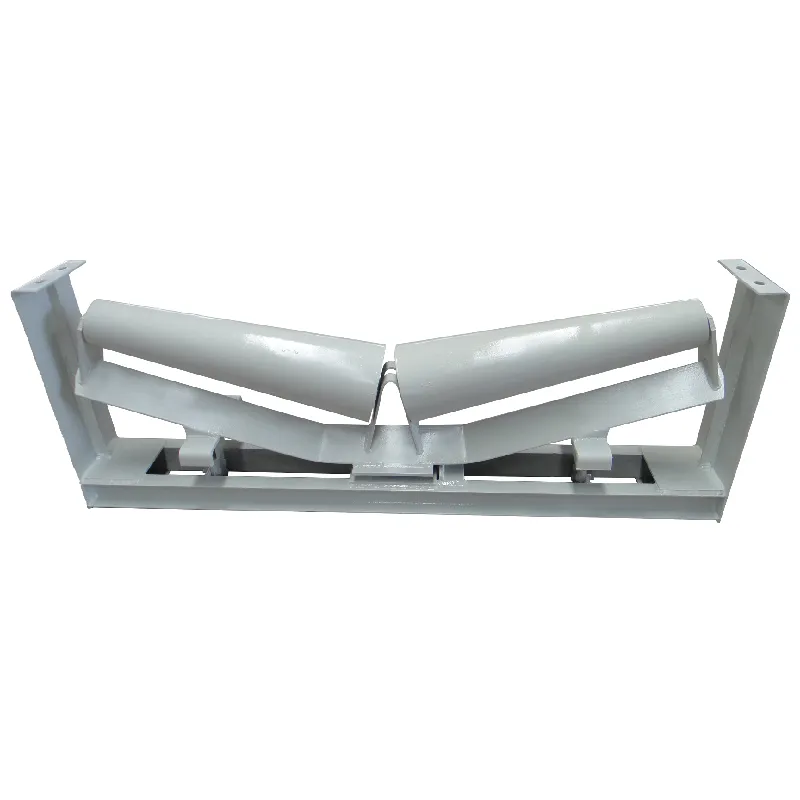
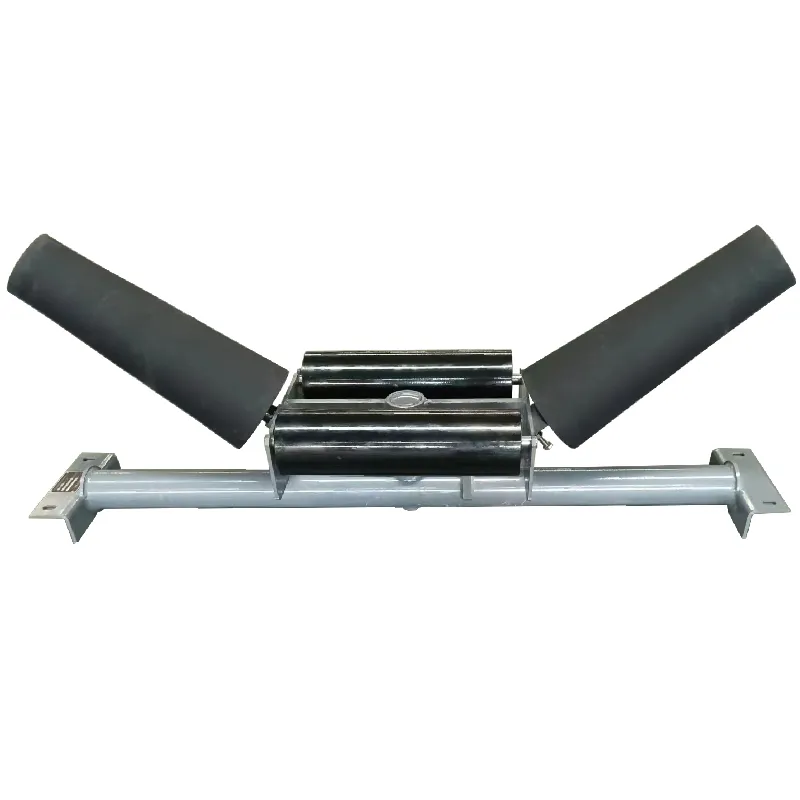
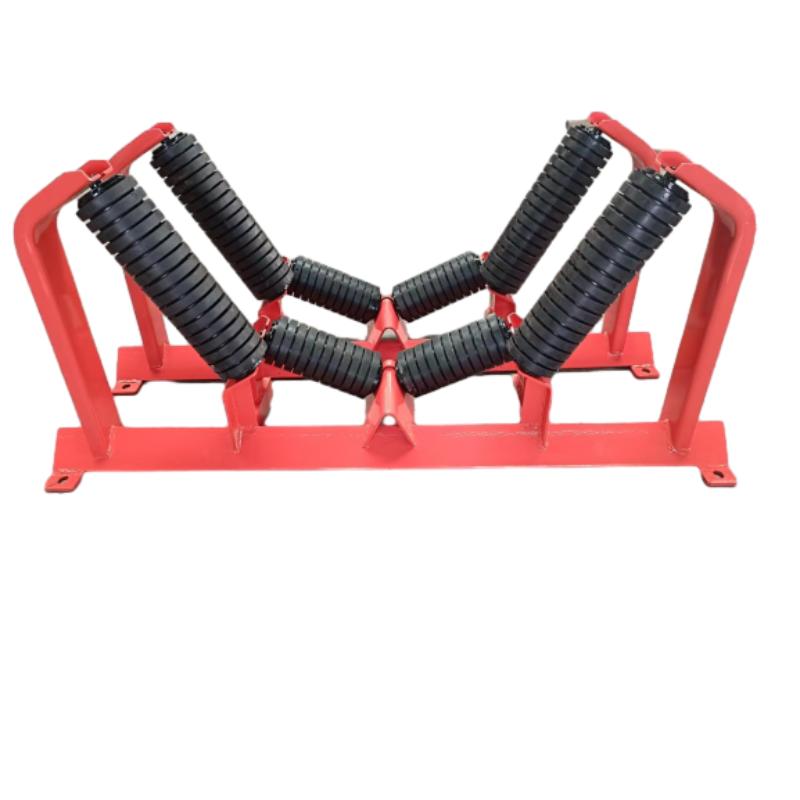
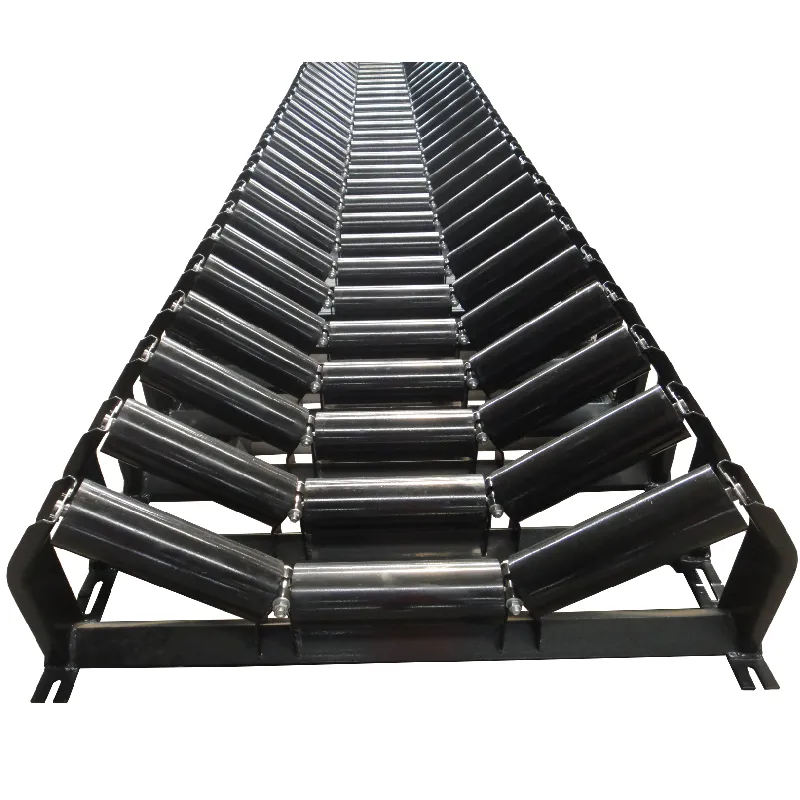
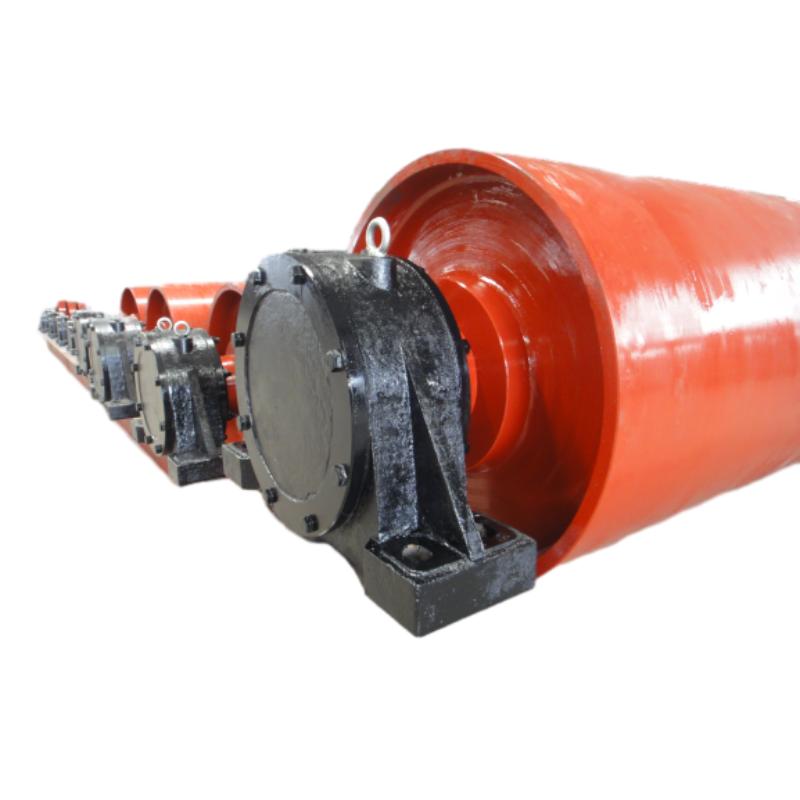
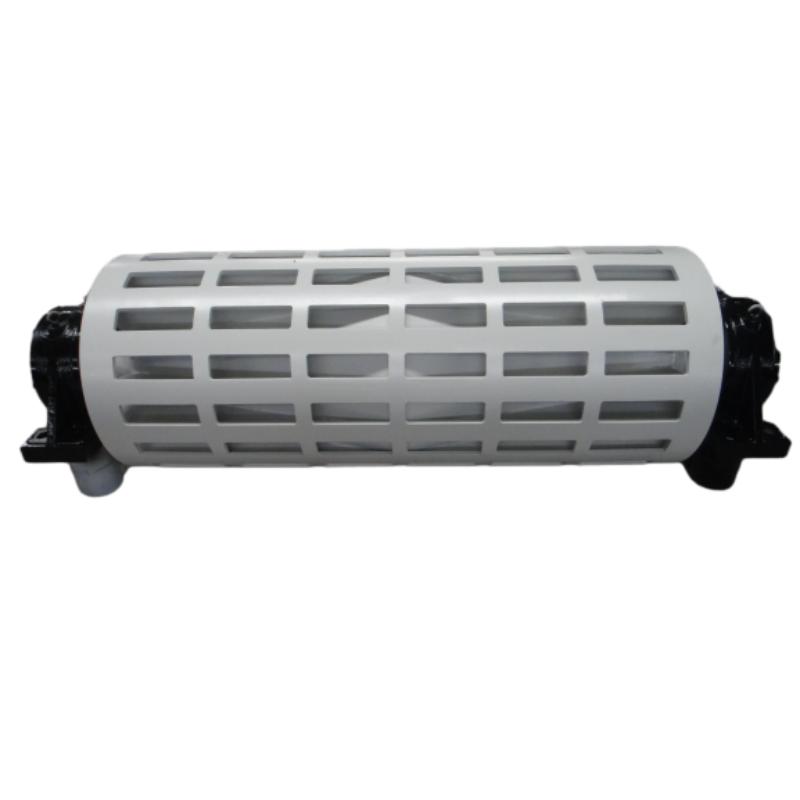
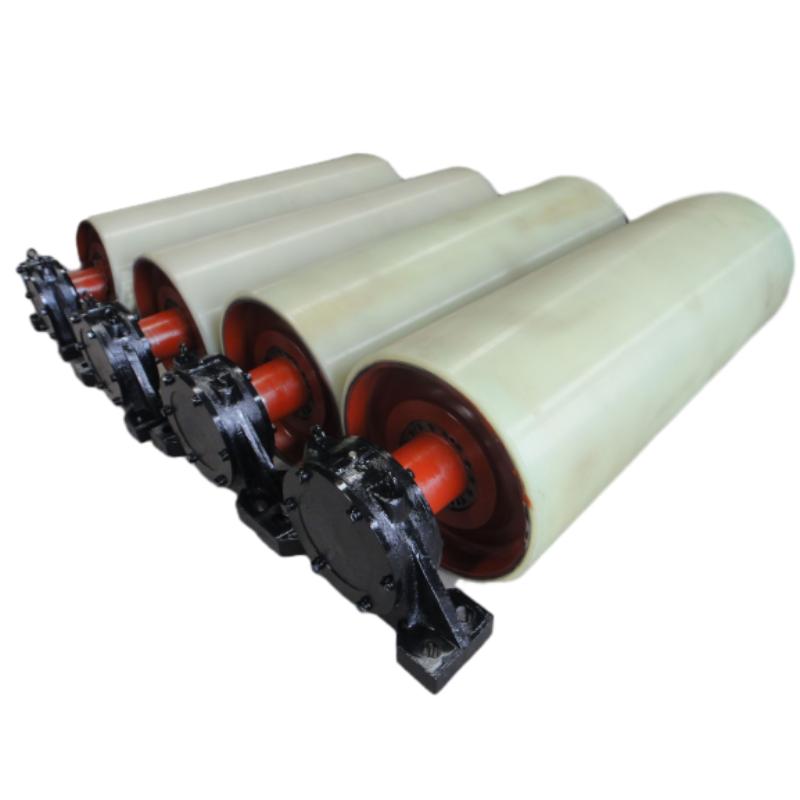
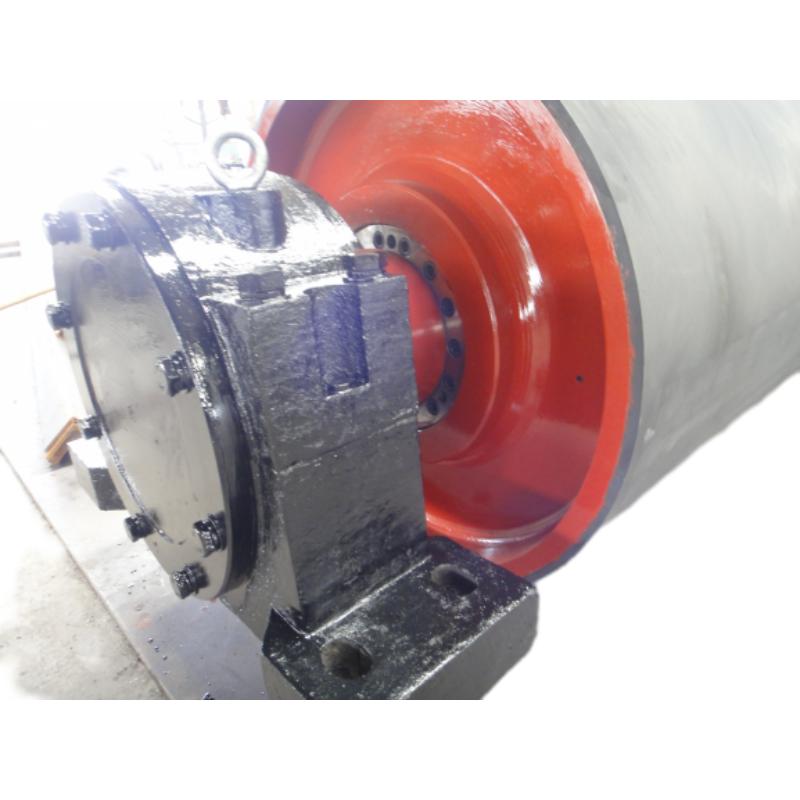
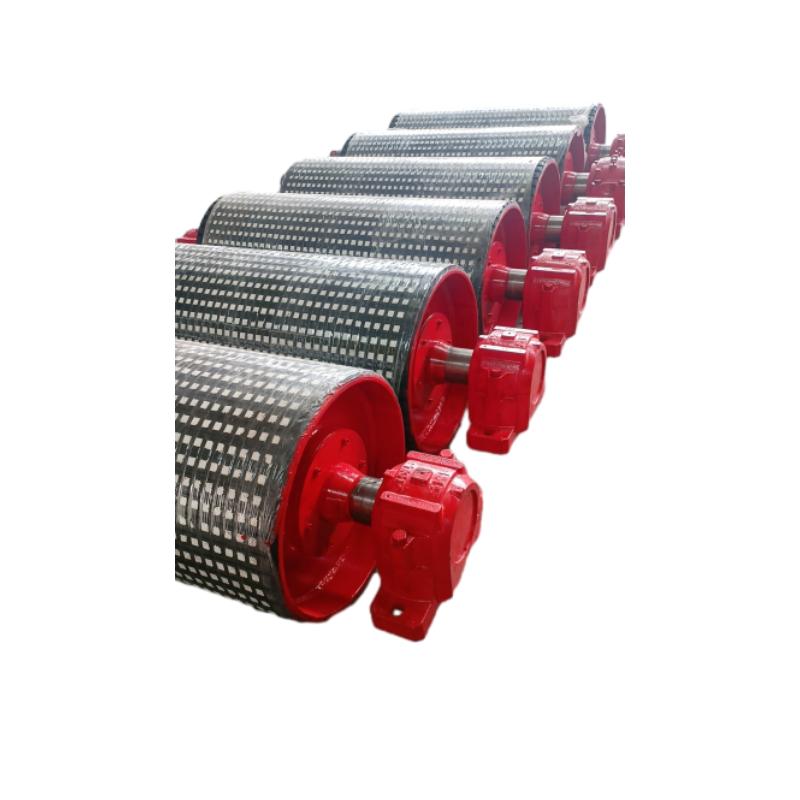
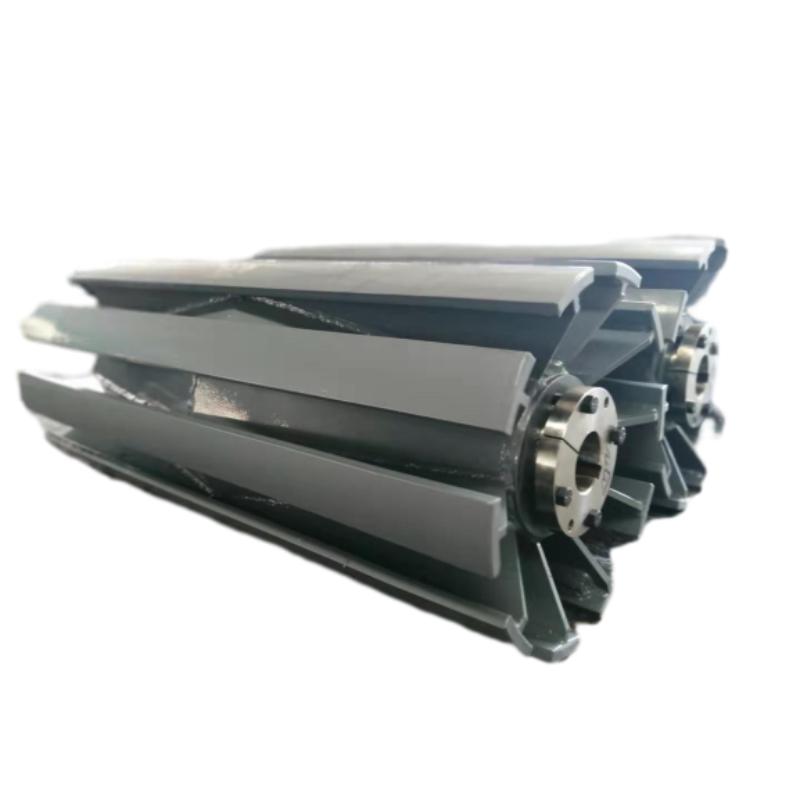
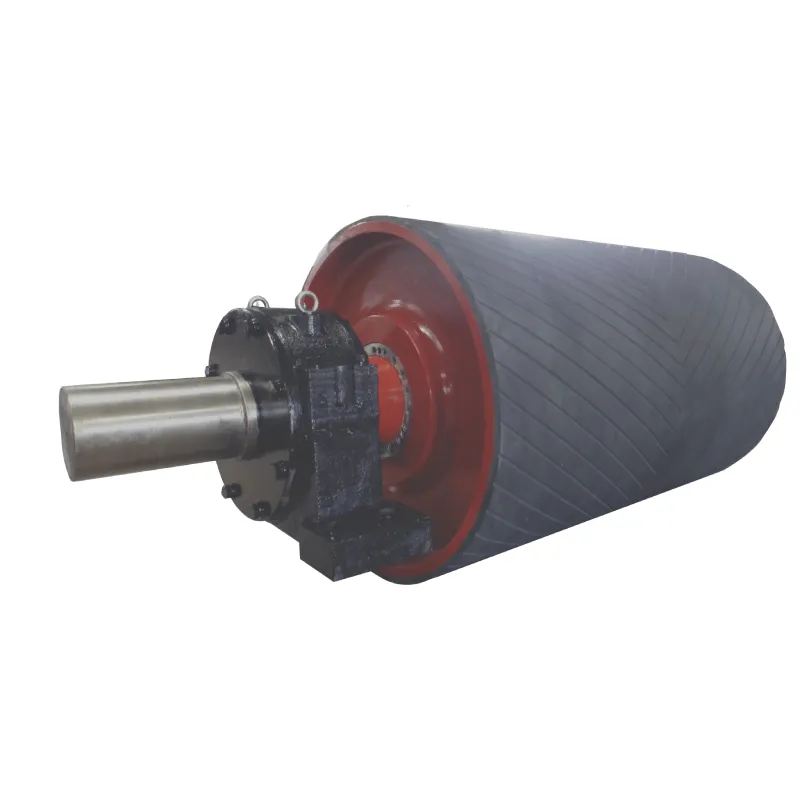
Simply put, a rubber conveyor belt roller is a cylindrical component, typically fitted with a rubber outer covering, which supports and guides conveyor belts as they transport goods. The rubber surface cushions the belt, protects against abrasion, and ensures smooth movement. These rollers are the joints that keep the belt moving steadily, preventing slippage and wear. Without them, industrial conveyors would be noisier, less reliable, and prone to failure.
In terms connected to humanitarian and industrial needs, these rollers make moving supplies quickly and safely possible — think emergency relief in remote regions or large-scale food processing in developing economies.
Core Components & Key Factors to Consider
1. Durability
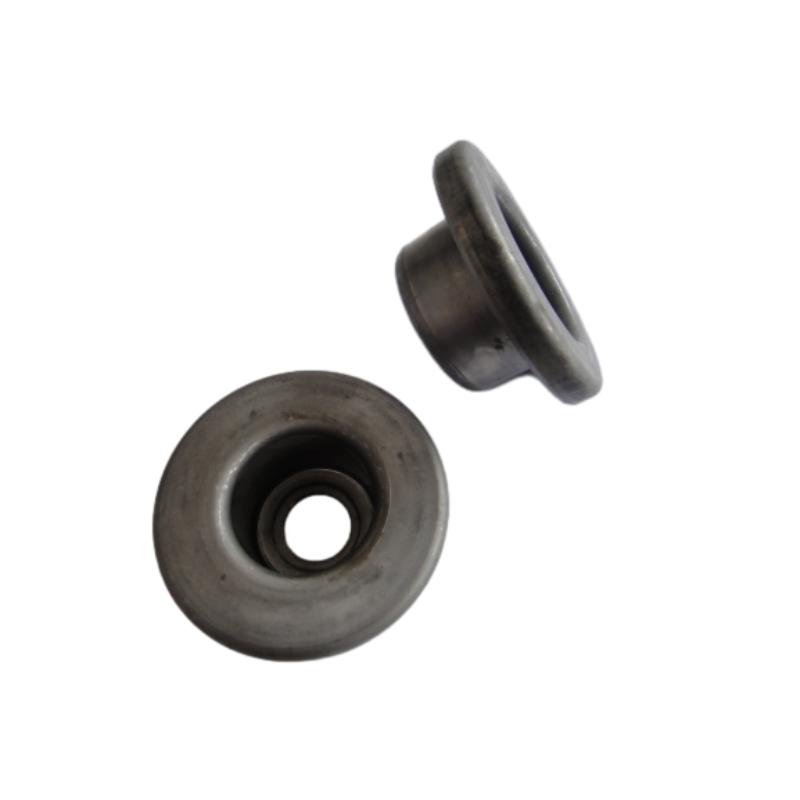
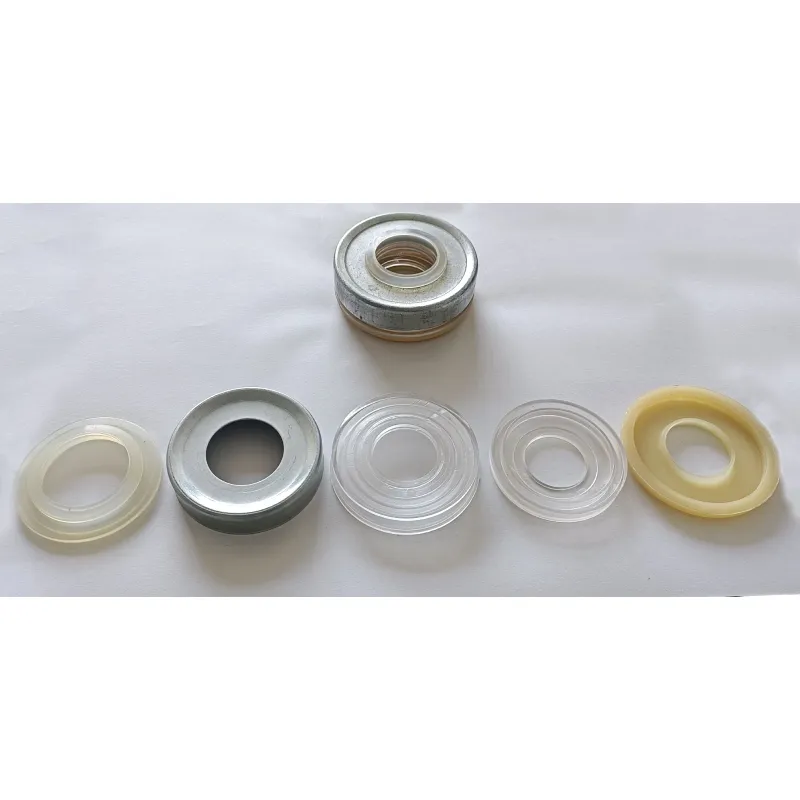
Rubber conveyor belt rollers endure harsh conditions—abrasive materials, constant motion, extreme temperatures. So, durability is paramount. The rubber compound used must resist wear and tear, and the internal bearings should be sealed against dust and moisture.
2. Load Capacity
The rollers need to support the weight of heavy loads consistently without bending or breaking. This varies based on shaft diameter, roller length, and construction material.
3. Noise Reduction
Rubber coverings tend to dampen noise better than metal rollers. In urban or noise-sensitive environments, this is a real advantage.
4. Maintenance Requirements
Rollers with sealed bearings and robust mounting systems reduce downtime and maintenance needs. This saves operational costs over time.
5. Cost Efficiency
While rubber rollers generally cost more upfront than metal-only versions, their longer lifespan and energy-saving capabilities generally create better overall value.
Rubber Conveyor Belt Rollers – Product Specs at a Glance
| Specification | Typical Value |
|---|---|
| Roller Diameter | 89 mm to 219 mm |
| Roller Length | 300 mm to 2500 mm |
| Material | Steel core with rubber covering |
| Bearing Type | Sealed ball bearings |
| Operating Temperature | -20°C to +80°C |
Global Applications & Use Cases
Rubber conveyor belt rollers are everywhere, from the coalfields of Australia to agricultural hubs in Brazil, and shipping yards from Rotterdam to Singapore. Their versatility and resilience make them favorites in diverse industries such as:
- Mining: Transporting rough, abrasive ores requires rollers with high durability and shock resistance.
- Agriculture: Gentle handling of grains and harvested produce to minimize damage.
- Manufacturing: Seamless movement of products in assembly lines.
- Disaster Relief: Conveyor systems expedite moving supplies during emergency operations, especially in remote areas.
In post-disaster relief zones, for example, rubber conveyor belt rollers enable quick setup of mobile conveyor lines, improving the speed and safety of distributing aid. Oddly enough, such a seemingly mundane product contributes significantly to humanitarian logistics.
Rubber conveyor belt rollers are also essential in cold climates, like the mines of Canada, where their rubber surface maintains grip even on icy belts.
Advantages & Long-Term Value
The benefits of these rollers go beyond mere motion. They provide:
- Cost Savings: Reduced downtime and extended durability mean fewer replacements.
- Noise Reduction: Essential for worker health and compliance with noise regulations.
- Energy Efficiency: Improved belt grip can reduce motor load.
- Safety & Reliability: Fewer belt slippages prevent accidents.
- Eco-friendliness: Longer-lasting rollers reduce waste and resource consumption.
There’s also a psychological comfort for workers knowing their equipment runs smoothly and quietly. Trust me, it changes the vibe of a workplace when something as simple as rollers feels reliable.
Future Trends & Innovations
The conveyor roller industry is quietly embracing some exciting trends:
- Sustainability: New rubber formulations using recycled materials and bio-based rubbers are emerging.
- Smart Rollers: Embedded sensors can monitor wear and performance in real time, allowing predictive maintenance.
- Automation: Integration with Industry 4.0 systems for seamless conveyor operations.
- Lighter Materials: Combining rubber with composites to improve energy efficiency without sacrificing durability.
For instance, a few manufacturers have started offering rollers with IoT capabilities — enabling operators to get alerts before failures happen. This not only saves money but also enhances safety.
Challenges & Solutions
Despite their advantages, rubber conveyor belt rollers aren’t perfect. Some common challenges include:
- Premature wear in extremely abrasive environments
- Damage from chemical exposure in certain industrial settings
- Higher initial cost compared to bare metal rollers
- Maintenance complexity if bearings are not properly sealed
To combat these issues, engineers recommend:
- Choosing rollers with specialized rubber compounds tailored to the material handled
- Regular lubrication and scheduled maintenance checks
- Using vendor comparison to select the best-fit products (see below)
Vendor Comparison: Leading Rubber Conveyor Belt Rollers
| Vendor | Durability Rating | Price Estimate | Special Features | Warranty |
|---|---|---|---|---|
| IdleRaohua Co. | 9/10 | $$$ | Customizable rubber compounds, sealed bearings | 3 years |
| RollTech Solutions | 8/10 | $$ | Standard rubber roller design, wide size range | 2 years |
| Eco-Conveyor Inc. | 7/10 | $ | Eco-friendly rubber, limited size options | 1 year |
FAQs About Rubber Conveyor Belt Rollers
- What factors determine the lifespan of rubber conveyor belt rollers?
- The lifespan primarily depends on the operating environment, load intensity, rubber compound quality, and maintenance regularity. In harsh mining operations, rollers typically last 1–3 years, while gentler uses can see 5+ years.
- Can rubber conveyor belt rollers operate in extreme temperatures?
- Yes, most rubber rollers are designed to operate from -20°C to +80°C. Specialized rubber compounds exist for more extreme conditions, such as arctic environments or hot industrial zones.
- How do rubber conveyor belt rollers reduce noise levels?
- The rubber surface absorbs vibrations and reduces metal-on-metal contact, decreasing noise pollution significantly compared to bare steel rollers. This enhances worker comfort and compliance with noise regulations.
- Are rubber conveyor belt rollers environmentally friendly?
- Many manufacturers are now incorporating recycled rubber and bio-based compounds to improve sustainability. Additionally, longer service life reduces waste, making them a greener choice overall.
- How can I select the right type of roller for my conveyor system?
- Consider load capacity, belt width, operating conditions (temperature, abrasion), and maintenance capabilities. Consulting with vendors like IdleRaohua who offer customization options can help ensure optimal performance.
Conclusion: Rolling Forward with Rubber Conveyor Belt Rollers
Rubber conveyor belt rollers may seem like humble components, but they carry the load not just of materials but of entire industries. Their durability, noise reduction, and adaptability offer tangible benefits that translate into safer, more efficient workplaces worldwide. The future looks promising, with innovations pushing for smarter, greener, and more reliable designs.
If you want to explore high-quality rubber conveyor belt rollers tailored to your needs, visit this trusted supplier’s website today. The right rollers can really change your operational game — and that’s worth the investment.
Mini takeaway: Choosing quality rubber conveyor belt rollers is a small decision with big impact — it boosts productivity, reduces downtime, and supports sustainability in material handling.
References:
-
Maximize Conveyor Life with a High Performance impact bedNewsApr.16,2026
-
Maximize Conveyor Efficiency Using a v plow belt scraperNewsApr.09,2026
-
Comprehensive Guide to Understanding Different Types of Belt CleanersNewsApr.07,2026
-
Enhancing Conveyor Efficiency with an Effective Scraper Belt CleanerNewsApr.04,2026
-
Optimizing Conveyor Systems with Advanced Cleaning Equipment SolutionsNewsMar.31,2026
-
Effective Conveyor Belt Scraper Adjustment for Optimal System PerformanceNewsMar.28,2026