

Durable Polyurethane V Roller Solutions for Modern Conveyor Systems | IdlerA Rohua
The Unsung Hero: What Is a Polyurethane V Roller & Why Should You Care?
If you’re working in fields like conveyor systems, material handling, or heavy machinery maintenance, the term polyurethane v roller probably rings a bell. But even outside those niches, the impact of this solution stretches far and wide—globally, industries depend on efficient, durable rollers to keep operations humming smoothly. Why’s that important? Well, in a world chasing sustainability and cost-effective production, polyurethane v rollers offer an elegant balance of performance and longevity. Plus, they solve some pesky problems that metal rollers or traditional rubber ones can’t handle well.
So buckle up, because understanding these components is not just about industrial jargon—it’s about keeping global supply chains moving, reducing downtime, saving energy, and even cutting noise pollution. And who doesn’t want quieter factories?
Polyurethane V Rollers: A Global Look at Their Impact
Globally, industries across Asia, Europe, and North America rely heavily on conveyor systems. According to statistics from the International Organization for Standardization (ISO), maintenance and replacement parts for industrial rollers account for a sizeable fraction of operational budgets in manufacturing plants worldwide.1 Polyurethane v rollers address a major challenge: balancing durability under heavy loads with minimal maintenance downtime.
Think about a mine in Australia or a food processing plant in Germany—the rollers there face different challenges but need the same reliability. This is where polyurethane shines: its elasticity, load-bearing capacity, and chemical resistance make these rollers a staple in diverse places. Oddly enough, despite their small size, these rollers help prevent expensive delays and product damages that ripple across the global supply chain.
What Exactly Is a Polyurethane V Roller?
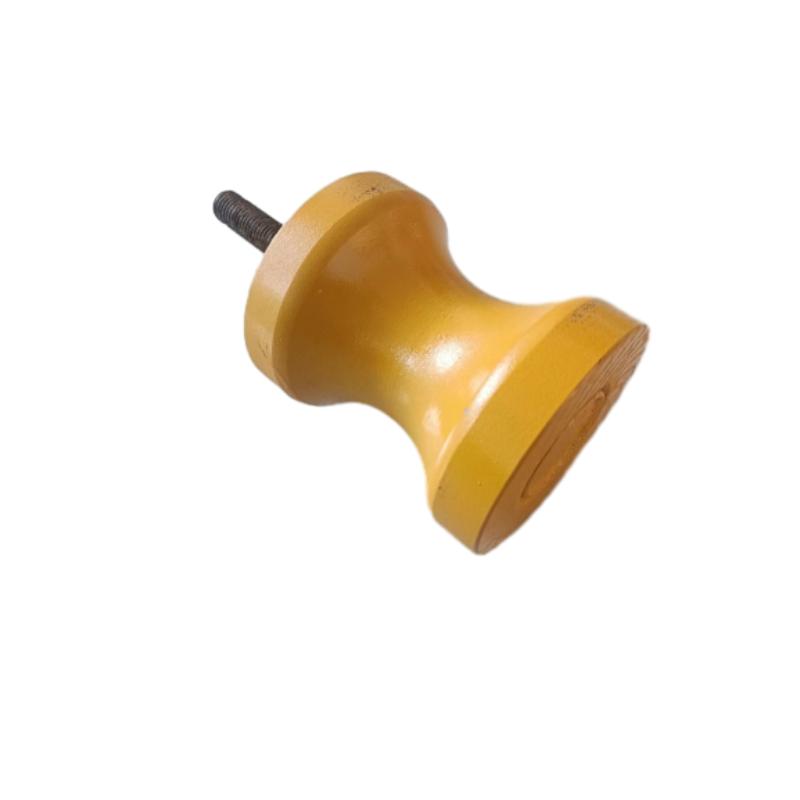
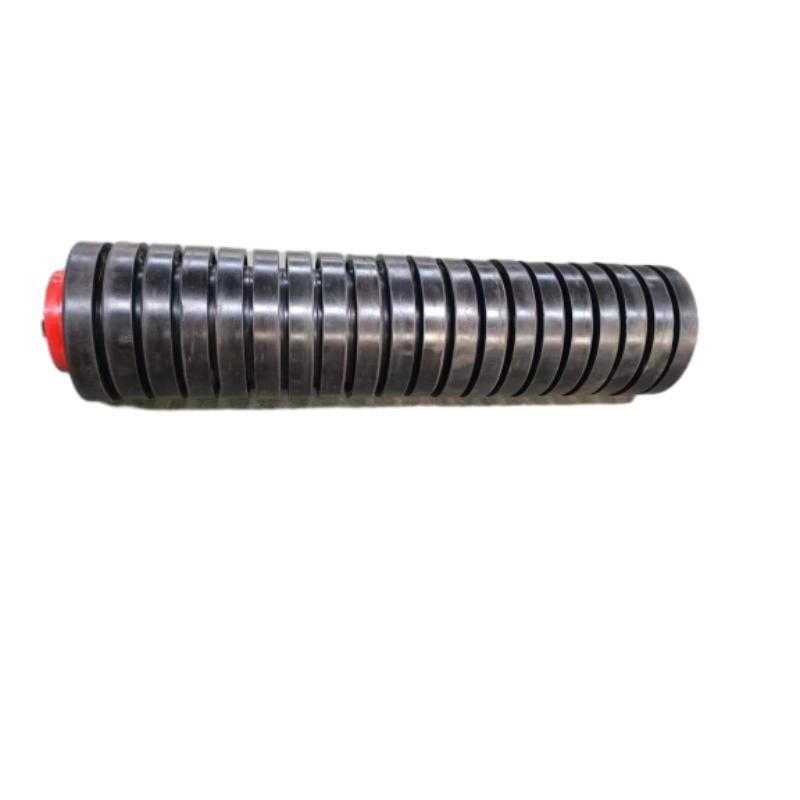
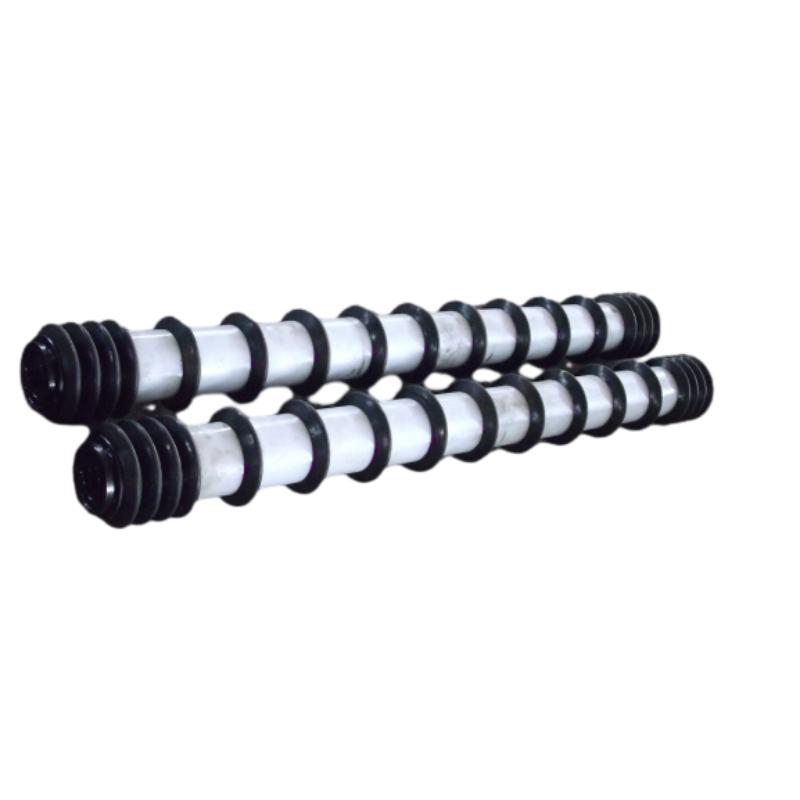
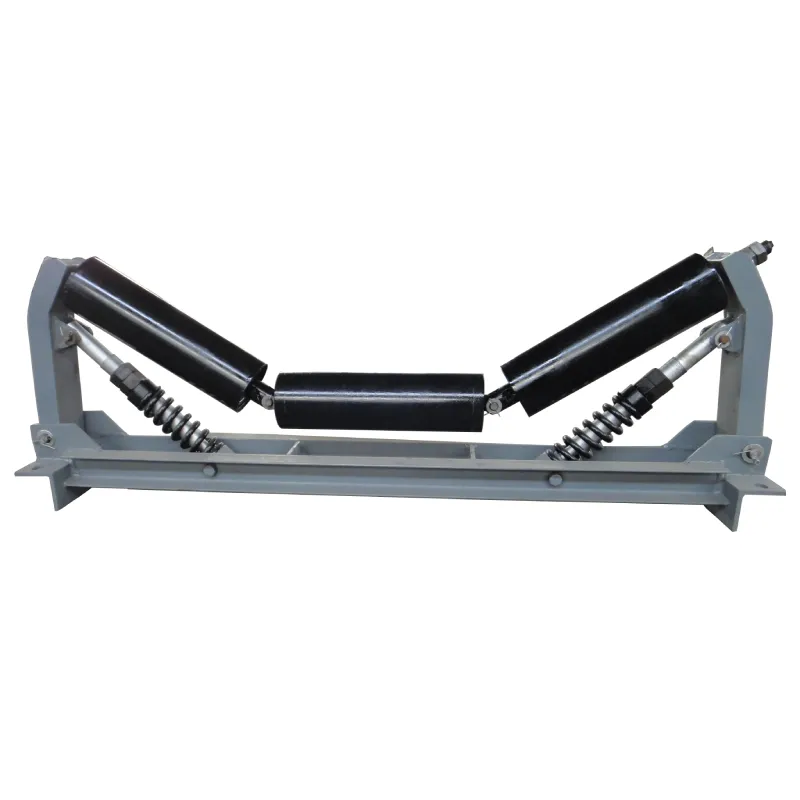
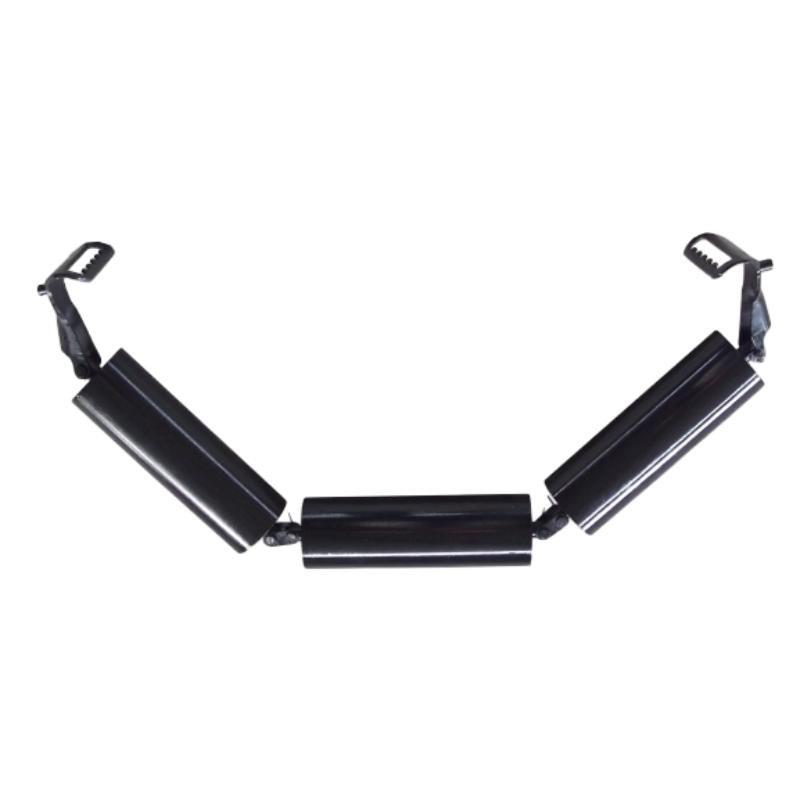
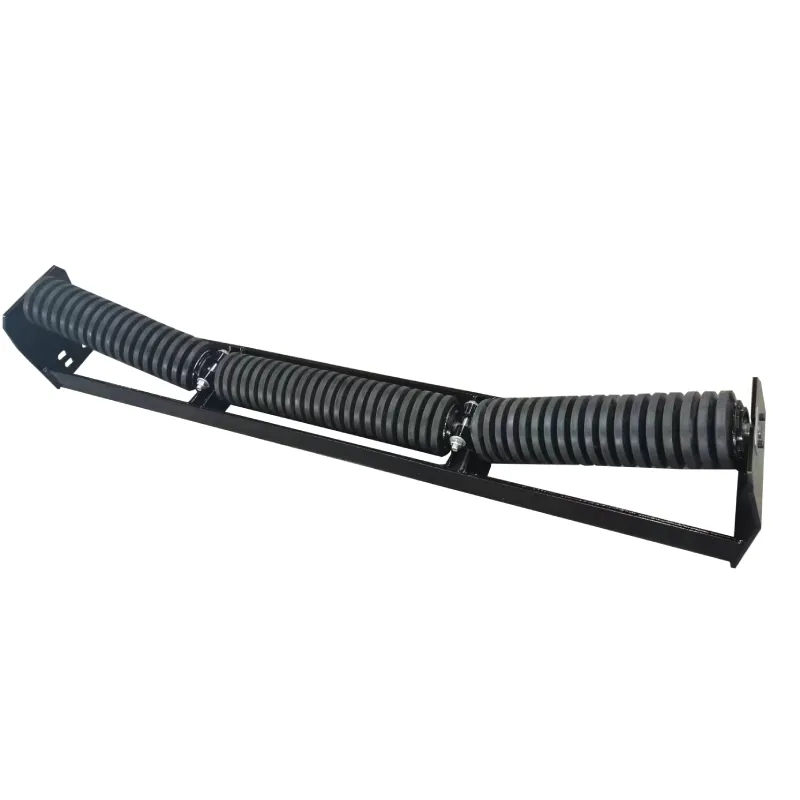
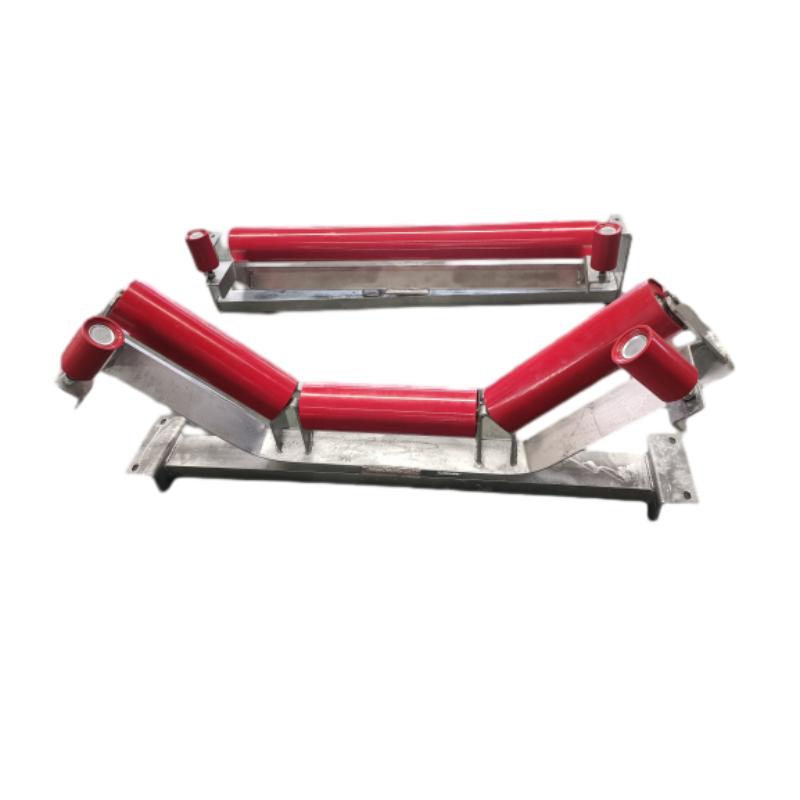
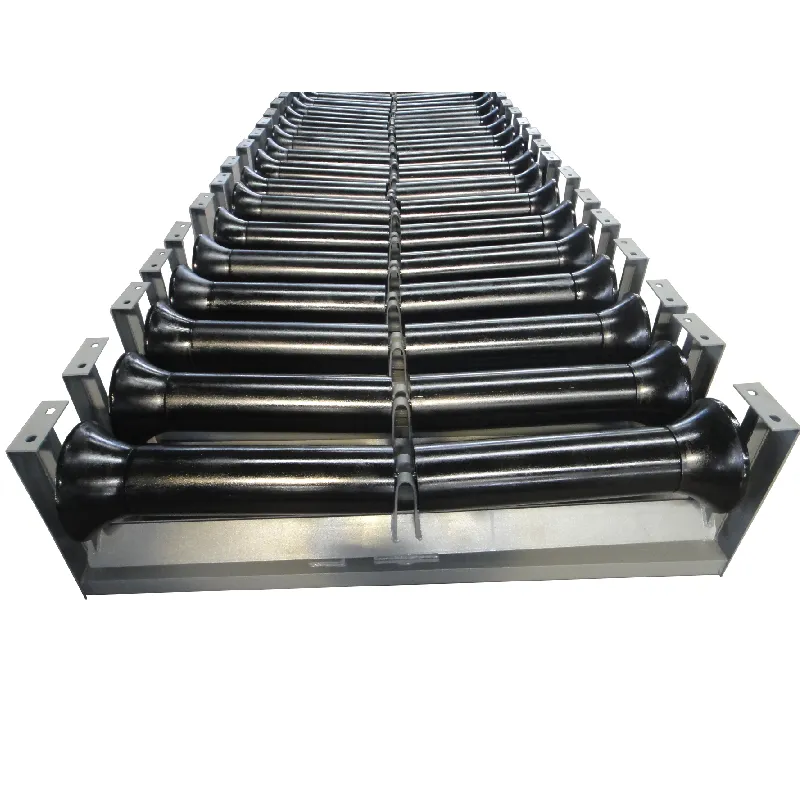
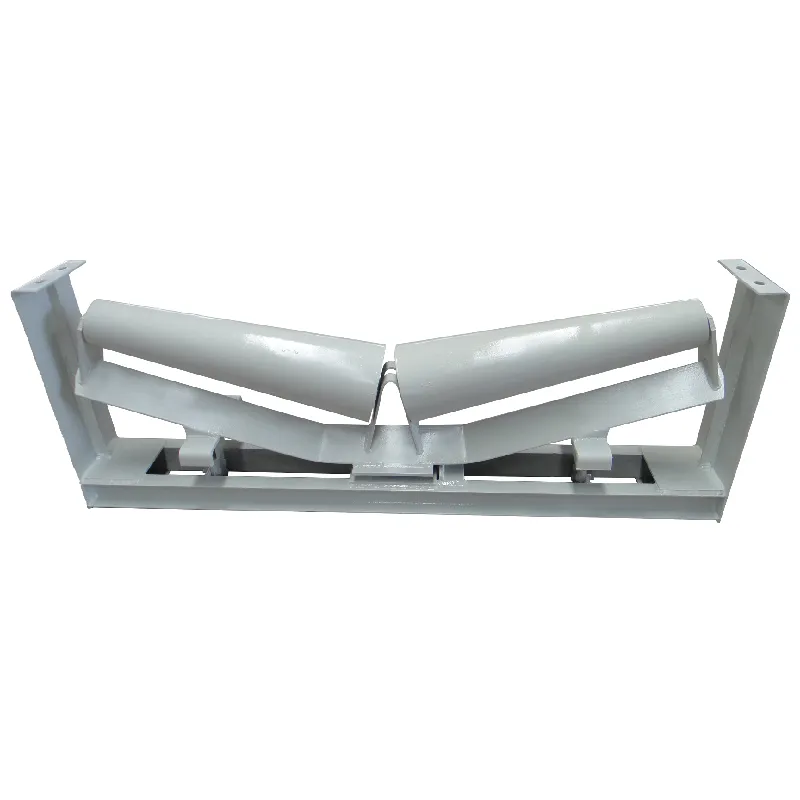
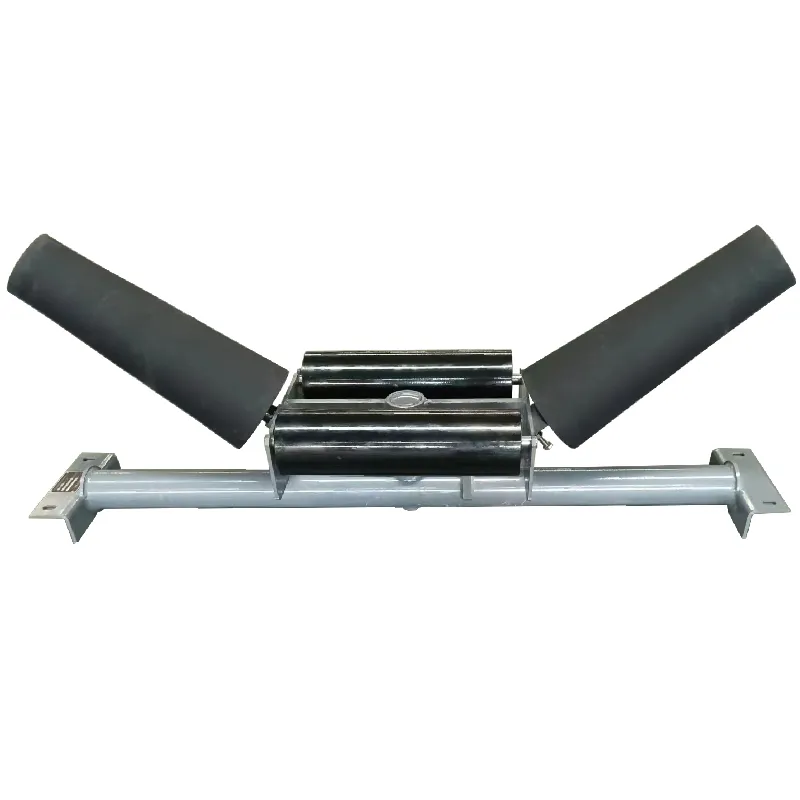
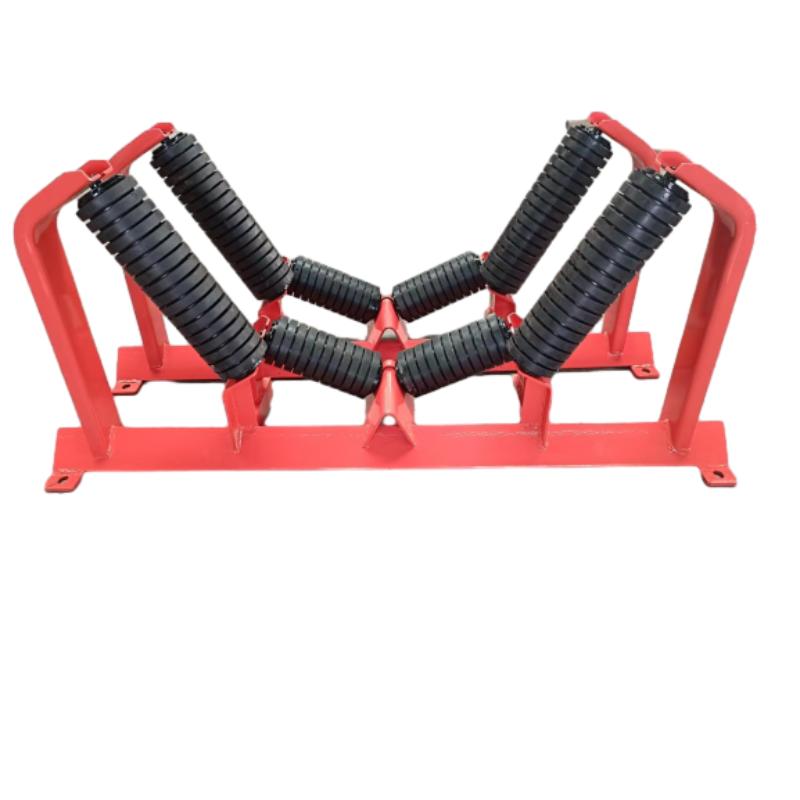
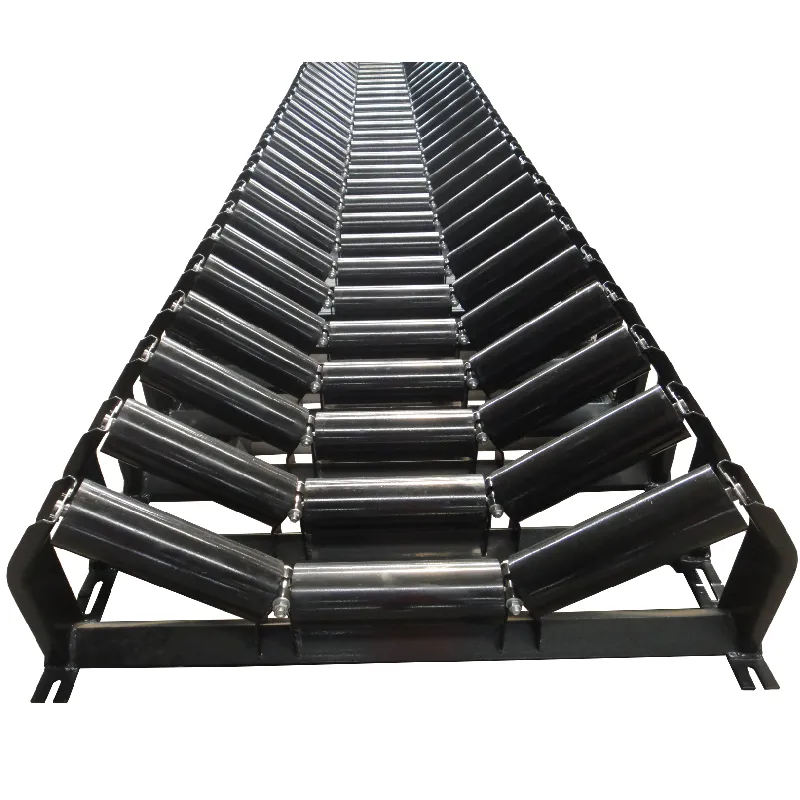
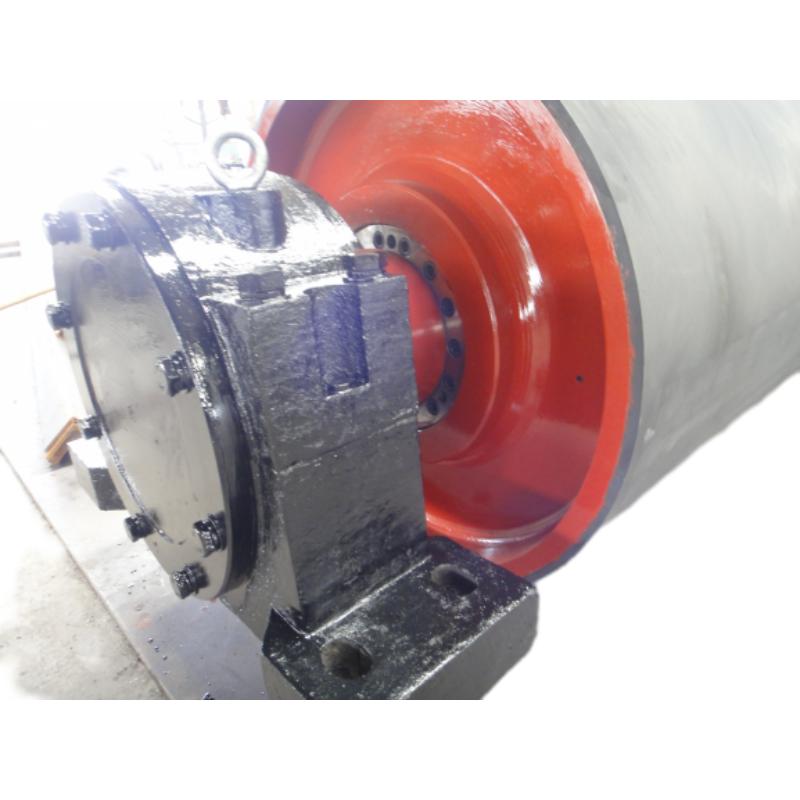
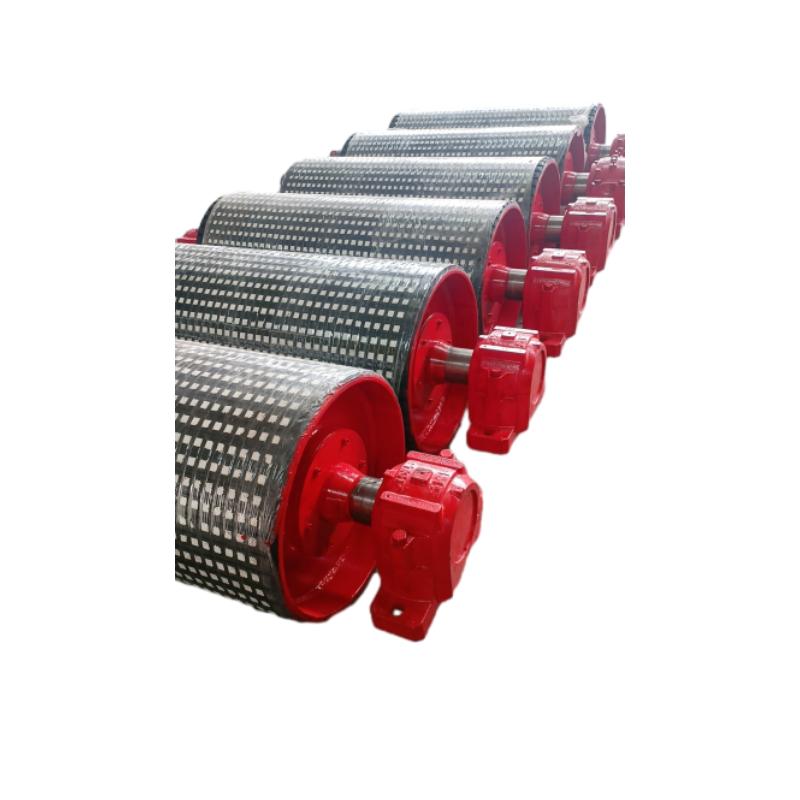
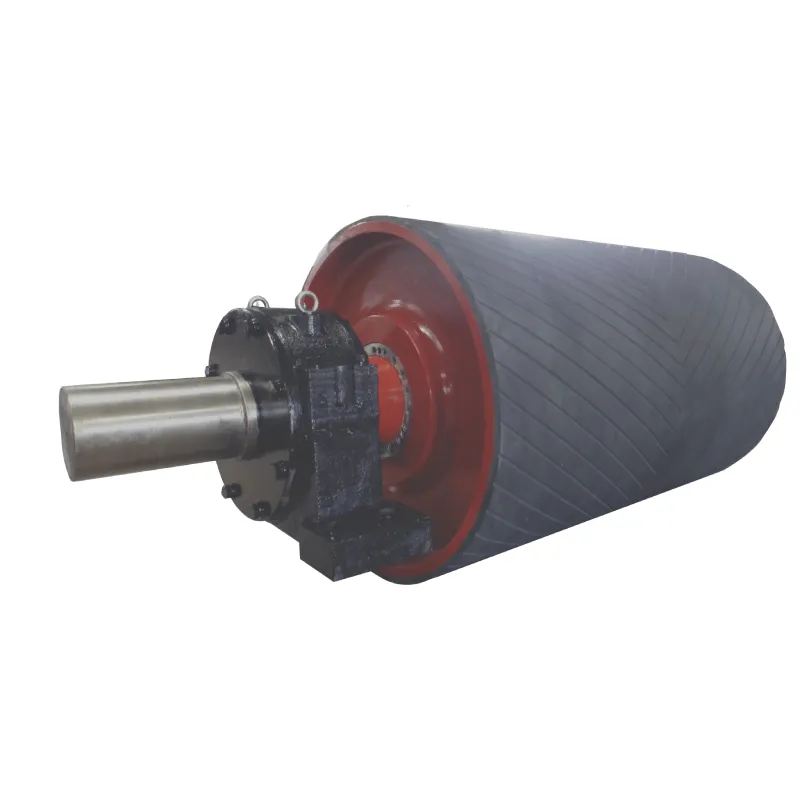
Simply put, a polyurethane v roller is a type of conveyor roller coated or made with polyurethane material, typically shaped in a 'V' groove profile. This groove allows the roller to provide better grip and alignment for belts or cables that run over them. Unlike metal rollers prone to rust and noise, these rollers marry toughness with smooth operation.
The “v” shape isn’t just a design quirk; it’s integral to guiding belts firmly while reducing slippage in high-speed or heavy-duty situations. In modern industries, especially where conveyor efficiency directly affects productivity, polyurethane v rollers have become somewhat of the silent workhorse.
Core Aspects of Polyurethane V Rollers
1. Durability & Wear Resistance
Polyurethane’s chemical makeup gives these rollers excellent abrasion resistance. They tend to last several times longer than rubber alternatives under the same conditions. For engineers, this means fewer replacements and less unplanned downtime.
2. Load-Bearing Capacity
Thanks to its rigidity paired with micro-elasticity, polyurethane handles both heavy static loads and sudden impacts gracefully. This quality is important in mining, packaging, or recycling industries, where vibrations and shocks are routine.
3. Noise Reduction
Factories are notoriously noisy places, but polyurethane v rollers cut down on clatter. The material dampens sound, contributing to a safer and more pleasant working environment.
4. Chemical & Temperature Resistance
Polyurethane rollers shrug off oils, solvents, and mild acids better than rubber or standard plastics. This makes them viable in food processing, pharmaceutical, or chemical plants with stringent safety requirements.
5. Customizability
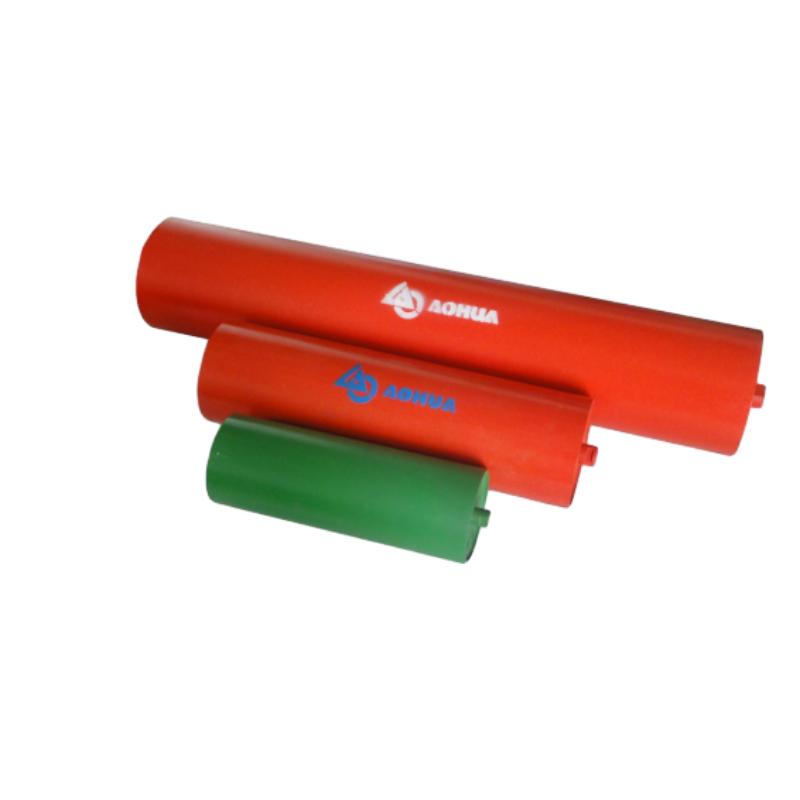
The material can be molded or coated in varying hardness grades, colors, and sizes, allowing for tailored solutions. With footprints ranging from small-sized units for precision work to rugged rollers for heavy-duty involving bulk materials, there’s usually an option that fits.
Mini Takeaway:
Polyurethane V rollers are not your run-of-the-mill components—they combine engineering precision with practical durability to keep industries running quieter, longer, and more efficiently.
How Polyurethane V Rollers Serve the Real World
In real terms, these rollers pop up everywhere:
- Mining & Quarrying: Conveyors hauling stone or ore depend on rollers that tolerate abrasive dust and resist heavy loading.
- Food & Beverage Processing: Hygiene is king here. The rollers must resist chemicals and cleanings without degrading.
- Packaging & Logistics: Fast-paced facilities use v rollers for belt alignment in sorting systems.
- Recycling Plants: The rollers endure shock loads and aggressive materials but keep operations smooth.
- Industrial Automation: Robotics and automated guided vehicles sometimes integrate polyurethane rollers for controlled movement.
Regionally, Southeast Asia’s booming manufacturing growth has pushed demand for reliable conveyor components that minimize cost and maximize uptime. European factories focus on greener production, favoring materials like polyurethane over metal to reduce weight and energy consumption.
The Advantages That Matter Today and Tomorrow
The appeal of polyurethane v rollers extends beyond yesterday’s tech, offering:
- Lower life-cycle costs: Even if upfront prices might look premium, longer lifespan and reduced maintenance win out in the long run.
- Environmental benefits: Durable rollers mean fewer discarded parts and less waste. Some formulations also incorporate recycled or bio-based additives.
- Safety improvements: Noise reduction and chemical resistance create safer workplaces.
- Operational consistency: They perform reliably in various climates, from cold storage to tropical plants.
- Trust in innovation: Many companies have reported 20–30% efficiency gains by switching to polyurethane-based rollers.
Mini Takeaway
Having a polyurethane v roller in place is not just about hardware—it’s about trust: that your production won’t grind to a halt due to avoidable part failures.
Looking Ahead: Innovations on the Horizon
The future looks bright for polyurethane v rollers, with major trends including:
- Green Chemistry: Developing bio-based polyurethanes that reduce fossil fuel reliance is gaining traction.
- Smart Rollers: Embedded sensors monitor wear and load, predicting maintenance before issues arise.
- Advanced Coatings: Nanotechnology enhanced surfaces promise even better abrasion and corrosion resistance.
- Automation Compatibility: Rollers designed to integrate seamlessly with robotic and IoT factory systems.
These innovations aren’t just pipe dreams. Major vendors and research institutes are already collaborating to bring smarter, greener rollers to market, promising to disrupt conventional designs further.
Challenges? Sure, But Here’s How You Tackle Them
No technology is perfect. Polyurethane v rollers do face hurdles such as:
- Cost Sensitivity: Their initial cost can deter some industries used to cheaper options.
- Temperature Limits: Extremely high heat can degrade polyurethane faster than metals.
- Specialized Sizing: Sometimes custom orders slow down procurement.
Innovative solutions include blending polyurethane with heat-resistant additives, modular roller systems to speed installation, and vendor partnerships that emphasize customized inventory. Many engineers I know swear by working with vendors who provide rapid prototyping and on-site testing support—this hands-on approach helps overcome most practical barriers.
Product Specs at a Glance
| Specification | Standard Range | Notes |
|---|---|---|
| Diameter | 50 - 250 mm | Custom sizes available |
| Groove Angle | 30° - 60° | Adjustable based on belt type |
| Polyurethane Hardness (Shore A) | 85 - 95 | Offers balance between flexibility and strength |
| Temperature Range | -30°C to +80°C | Higher temperature variants available |
| Load Capacity | Up to 5000 N | Dependent on diameter and core |
Polyurethane V Roller Vendors Compared
| Vendor | Product Range | Customization | Lead Time | Price Range |
|---|---|---|---|---|
| IdlerA Rohua | Standard & custom polyurethane v roller lines | Full custom designs available | 4-6 weeks | Mid-range; volume discounts |
| RollTech Industries | Mostly standard sizes | Limited customization | 2-3 weeks | Lower price, smaller MOQ |
| V-Roll Solutions | High-end, tech-integrated rollers | Custom development & embedded sensors | 6-8 weeks | Premium pricing |
Frequently Asked Questions About Polyurethane V Rollers
Q1: How do polyurethane v rollers compare to rubber rollers in harsh environments?
A: Polyurethane rollers generally outperform rubber in abrasion and chemical resistance. They withstand heavy loads better and maintain shape over time, reducing downtime and maintenance costs. That said, rubber may still be chosen for extremely low-temperature conditions where its flexibility gives it an edge.
Q2: Can polyurethane v rollers be customized for different belt types?
A: Absolutely. The groove angle, diameter, and hardness of polyurethane v rollers can be tailored to fit various belt profiles for optimal grip and alignment. That flexibility helps industries adapt quickly to changing operational demands.
Q3: What’s the typical lifespan of these rollers in industrial use?
A: Lifespan depends on the environment and load, but typically, polyurethane v rollers last 3-5 times longer than rubber counterparts under similar conditions. Regular inspections and proper installation can extend their utility even further.
Q4: Are polyurethane v rollers eco-friendly?
A: While traditional polyurethane is petroleum-based, advances in bio-based polyurethanes and recycling initiatives are making these rollers greener. Their durability also means fewer replacements and less waste overall.
Wrapping It Up — Why Polyurethane V Rollers Matter
In a nutshell, polyurethane v rollers blend innovation with practicality. They solve complex industrial challenges—wear, noise, chemical exposure—without breaking the bank or demanding frequent replacements.
Whether you’re sorting packages in Europe, processing food in Asia, or moving minerals in Australia, these rollers quietly keep your operations efficient and sustainable. For those looking to upgrade their material handling infrastructure, exploring polyurethane options is frankly wise.
If you want to see real options, manufacturers like IdlerA Rohua offer a great mix of off-the-shelf and custom solutions. Dive deeper over there if you’re serious about upgrading your conveyor systems.
Mini Takeaway
Polyurethane v rollers aren’t just components—they’re partners in industrial progress.
References
-
Maximize Conveyor Life with a High Performance impact bedNewsApr.16,2026
-
Maximize Conveyor Efficiency Using a v plow belt scraperNewsApr.09,2026
-
Comprehensive Guide to Understanding Different Types of Belt CleanersNewsApr.07,2026
-
Enhancing Conveyor Efficiency with an Effective Scraper Belt CleanerNewsApr.04,2026
-
Optimizing Conveyor Systems with Advanced Cleaning Equipment SolutionsNewsMar.31,2026
-
Effective Conveyor Belt Scraper Adjustment for Optimal System PerformanceNewsMar.28,2026