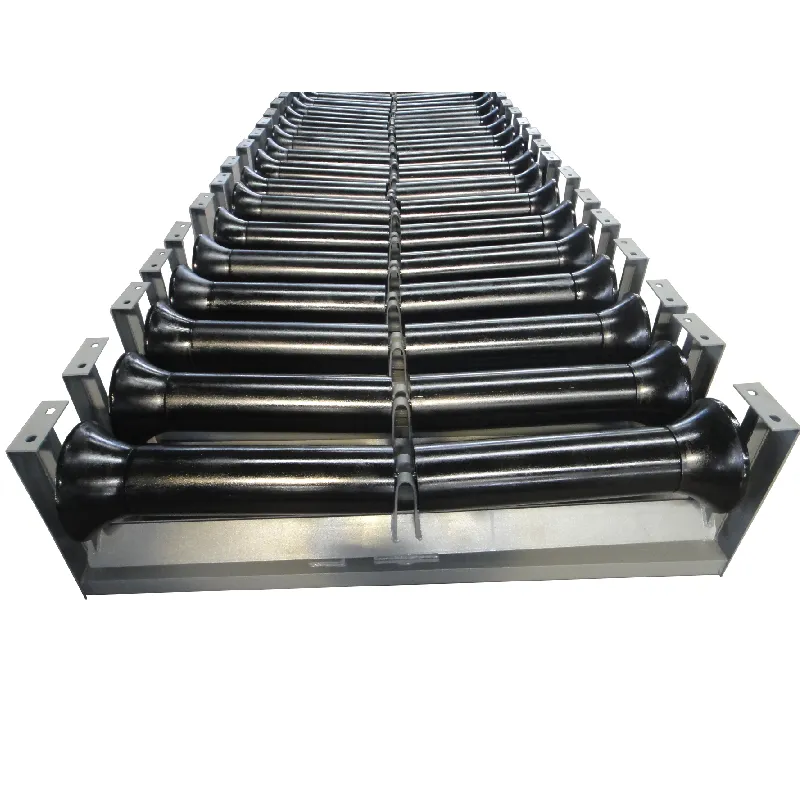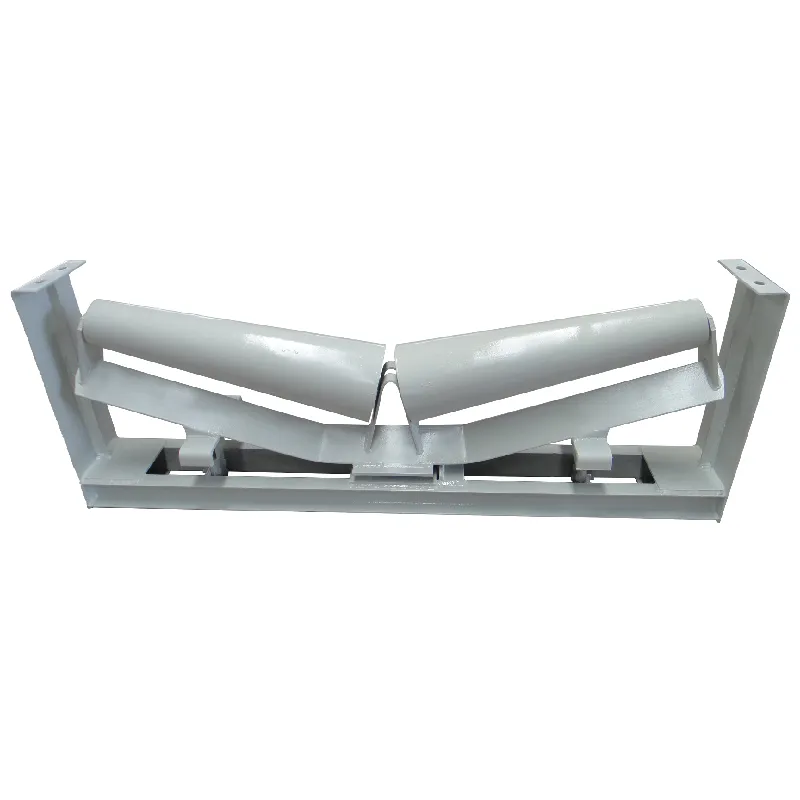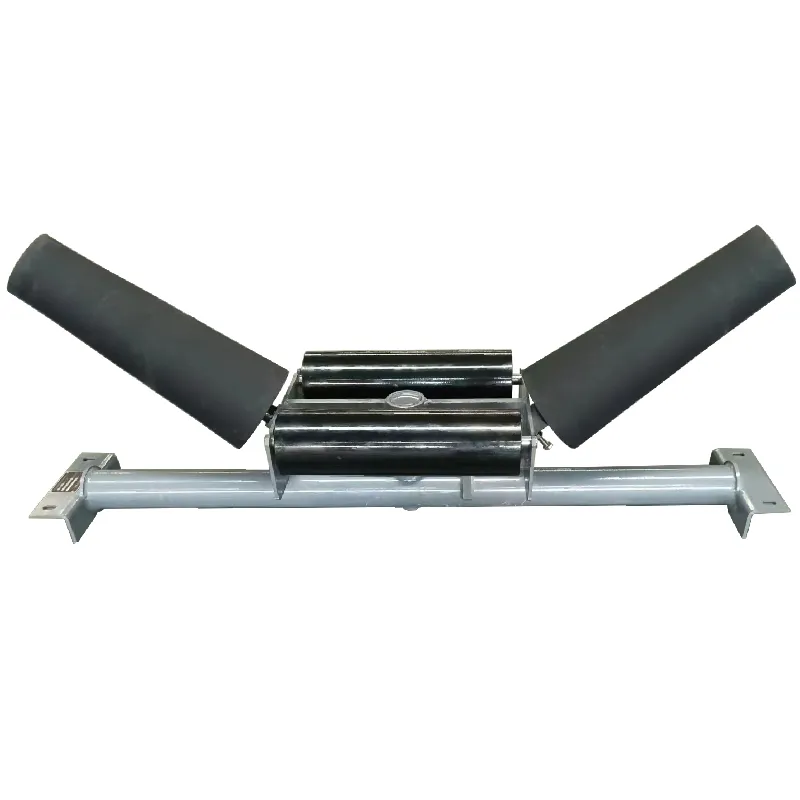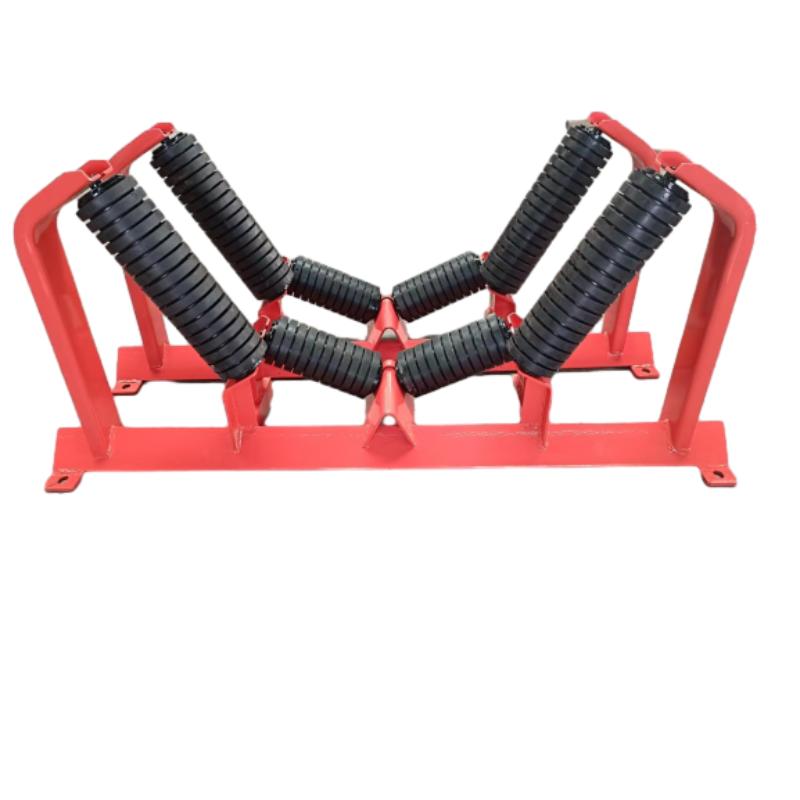


Durable and Customizable Urethane Conveyor Rollers for Industrial Efficiency | Idleraohua
What Are Urethane Conveyor Rollers and Why They Matter Worldwide
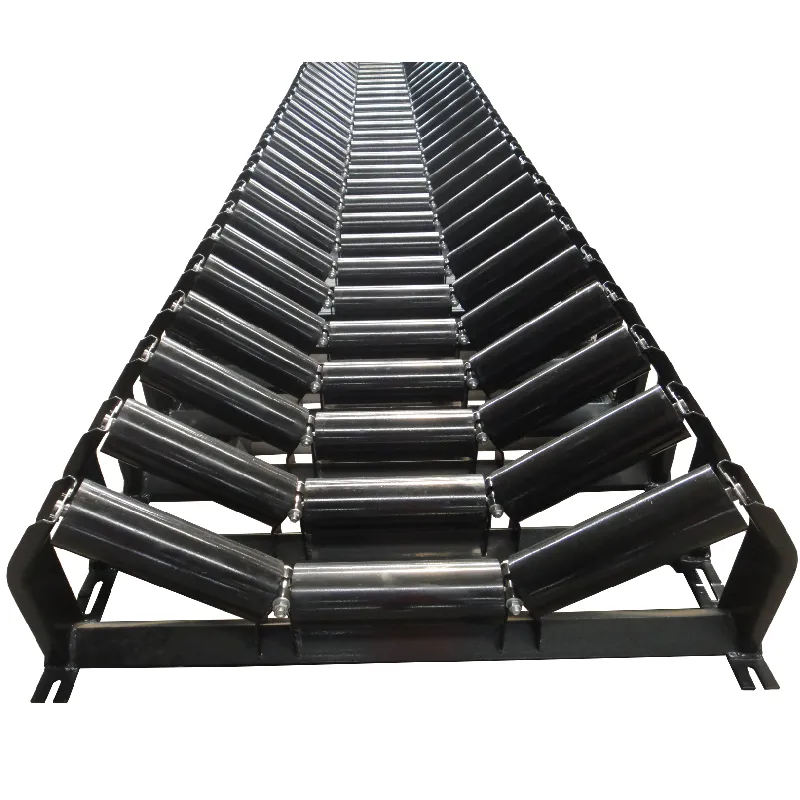
Urethane conveyor rollers might not be a name most people toss around casually, but they’re quietly powering a huge slice of global commerce and industrial efficiency. At their core, these rollers act as the backbone of conveyor systems — you know, those endlessly humming belts moving everything from factory parts to parcels in warehouses.
Why should you care? Well, understanding urethane conveyor rollers means you’re tapping into a critical component that boosts productivity, safety, and durability across multiple sectors worldwide. From mining in South America to logistics hubs in Asia, their impact is real and substantial.
Mini takeaway: Urethane conveyor rollers are small but mighty enablers of industrial flow and global supply chains.
Setting the Scene: Urethane Conveyor Rollers in a Global Context
Across the board — from manufacturing to humanitarian logistics — the demand for reliable conveyor systems is soaring. According to industry reports, the global conveyor system market surpassed $4 billion in recent years, expected to grow steadily due to increased automation and warehouse expansion (Wikipedia).
On top of that, with global production lines becoming leaner and more complex, downtime from mechanical failures like worn-out rollers can be incredibly costly. The United Nations Industrial Development Organization (UNIDO) even highlights the need for efficient material handling to boost sustainable industrial growth in developing countries.
But here’s the rub: harsh environments, heavy loads, and corrosive conditions tend to wear down components fast. Enter urethane conveyor rollers, which were built precisely to deal with this challenge by offering superior resistance and lower maintenance needs than traditional rubber or metal rollers.
Mini takeaway: Their global relevance comes from addressing the persistent problem of conveyor system reliability and longevity, especially in difficult working conditions.
Urethane Conveyor Rollers: What Are They Exactly?
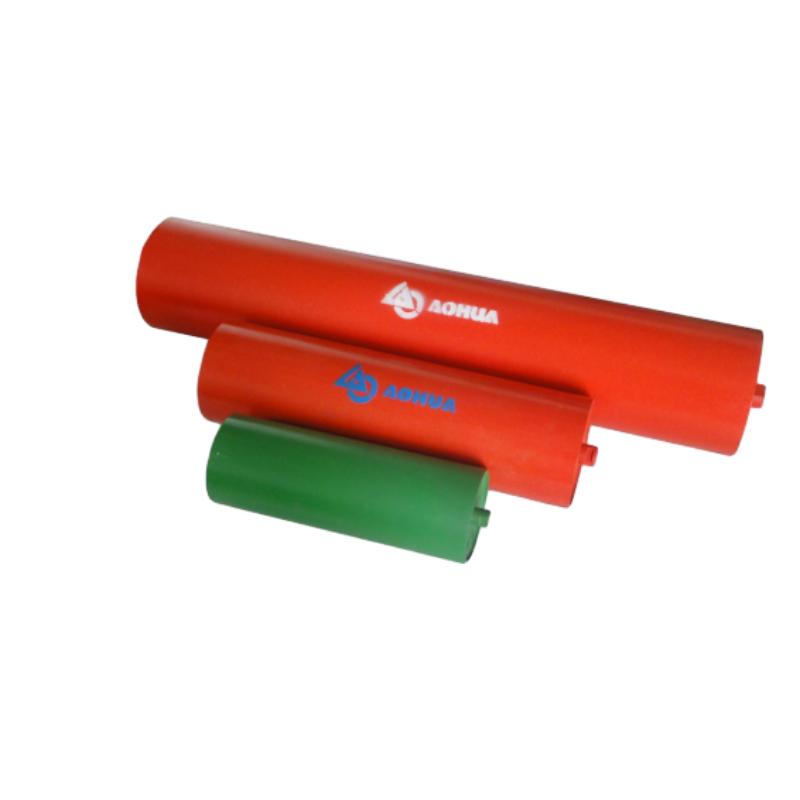
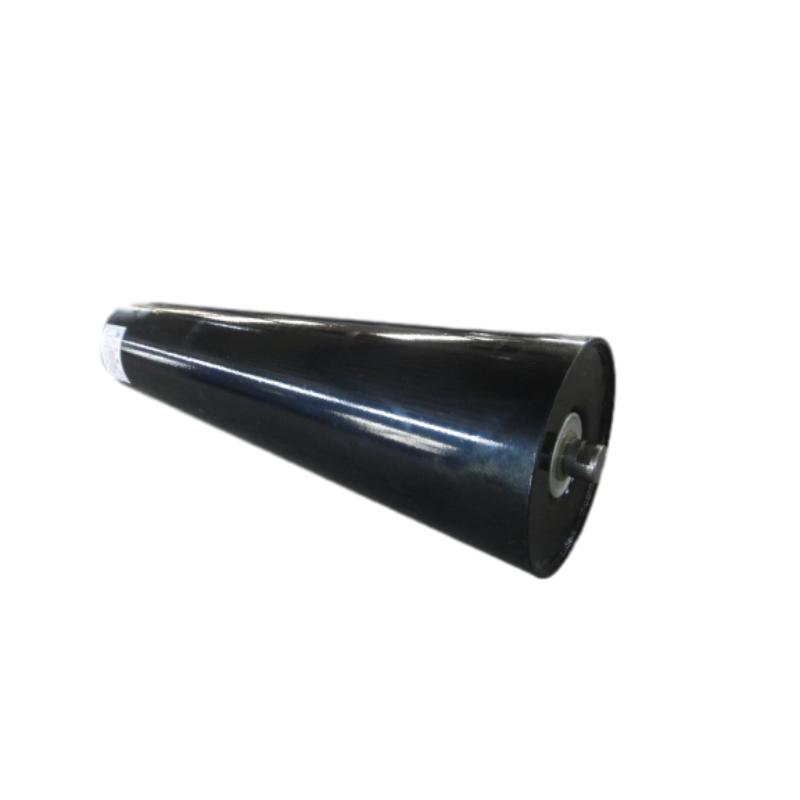
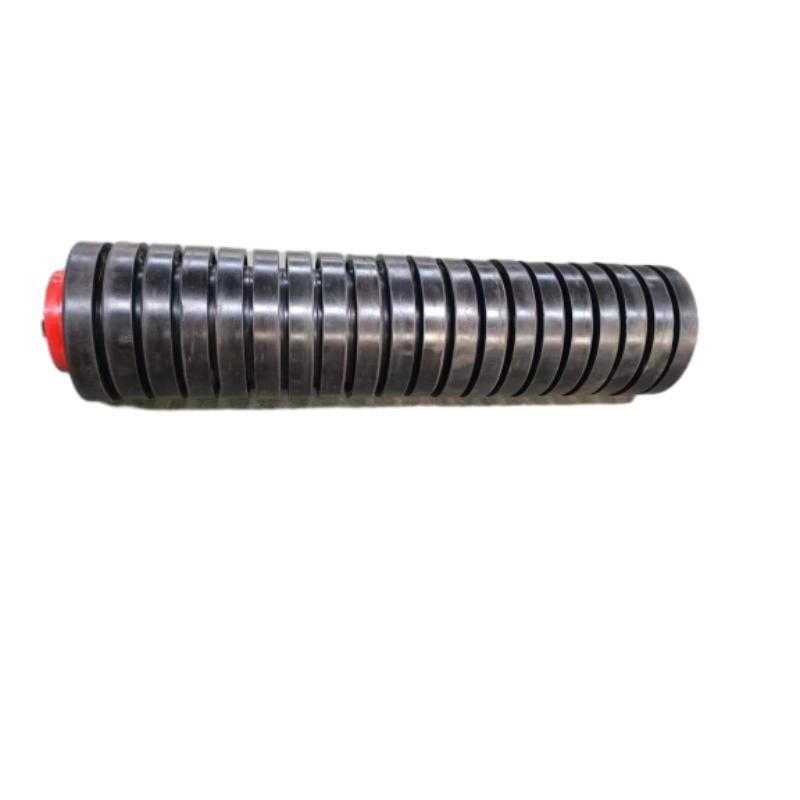
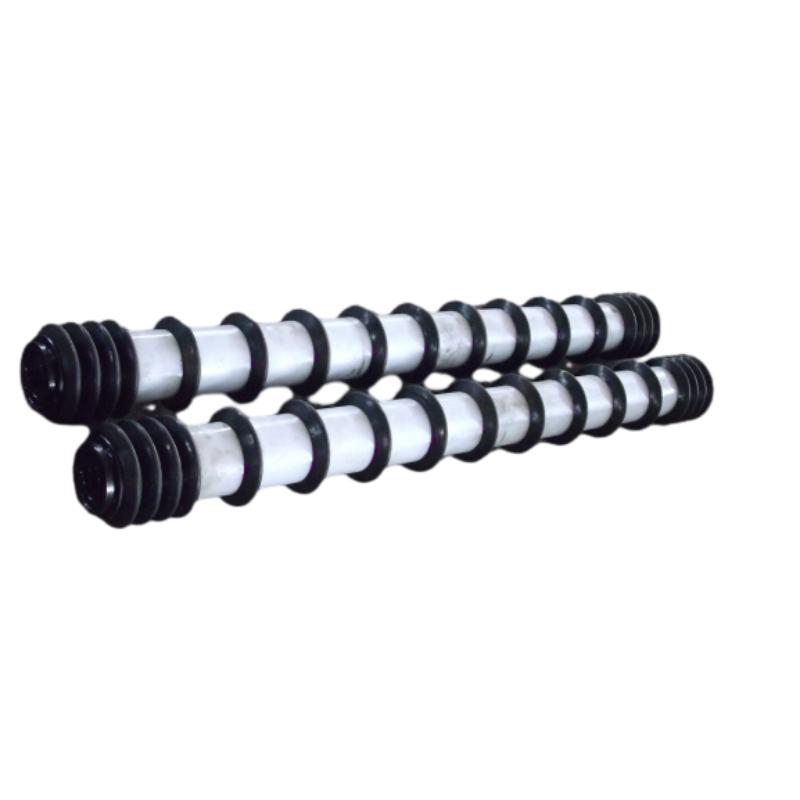
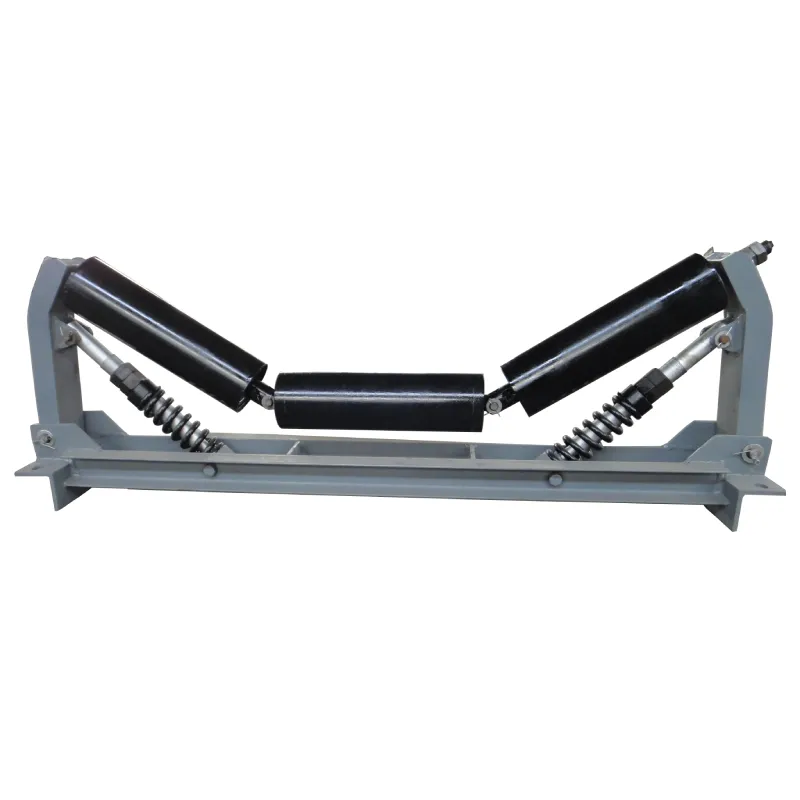
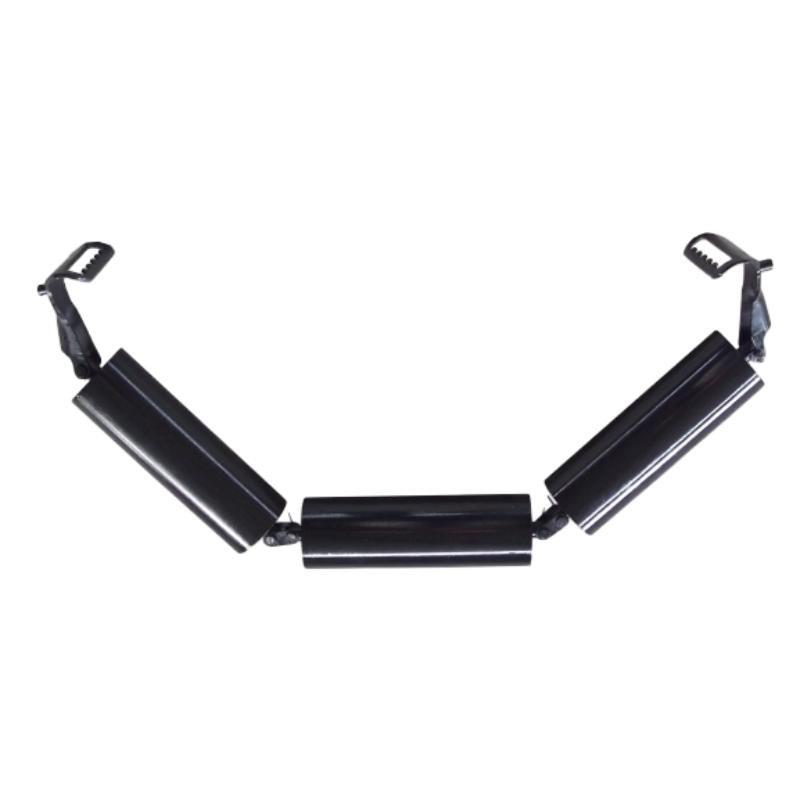
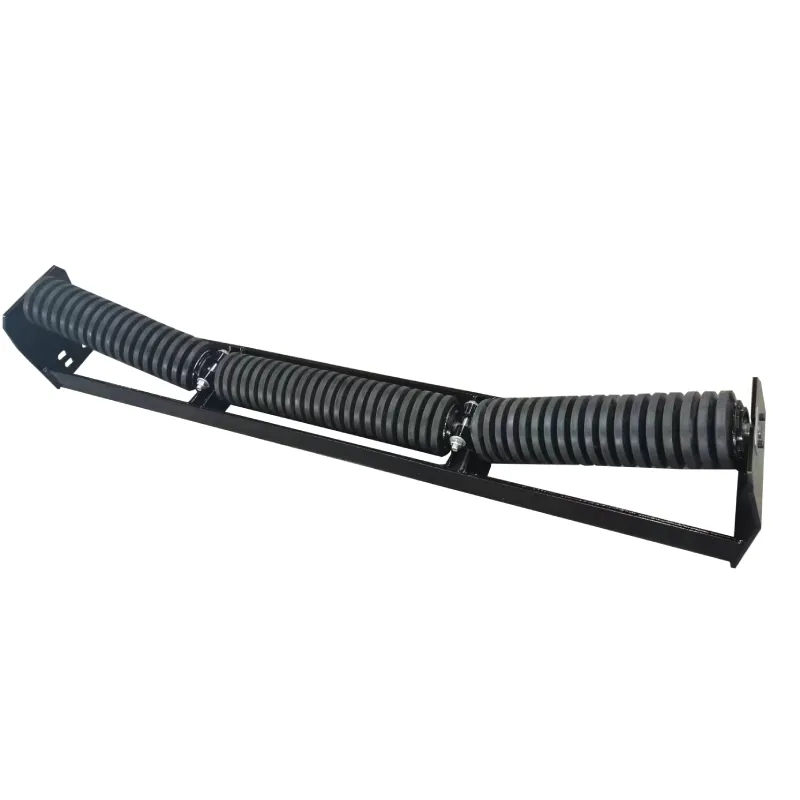
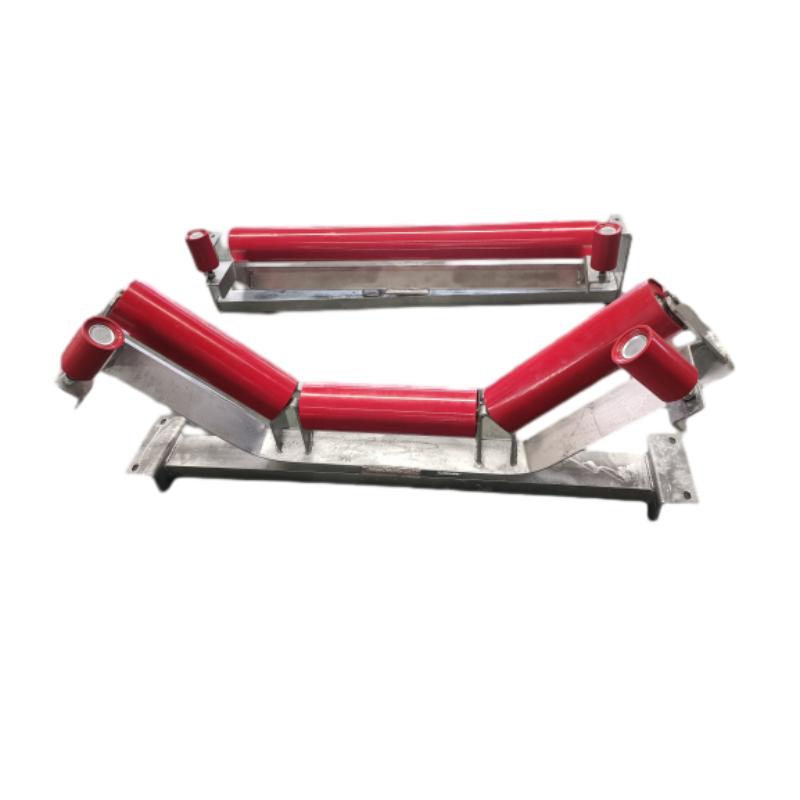
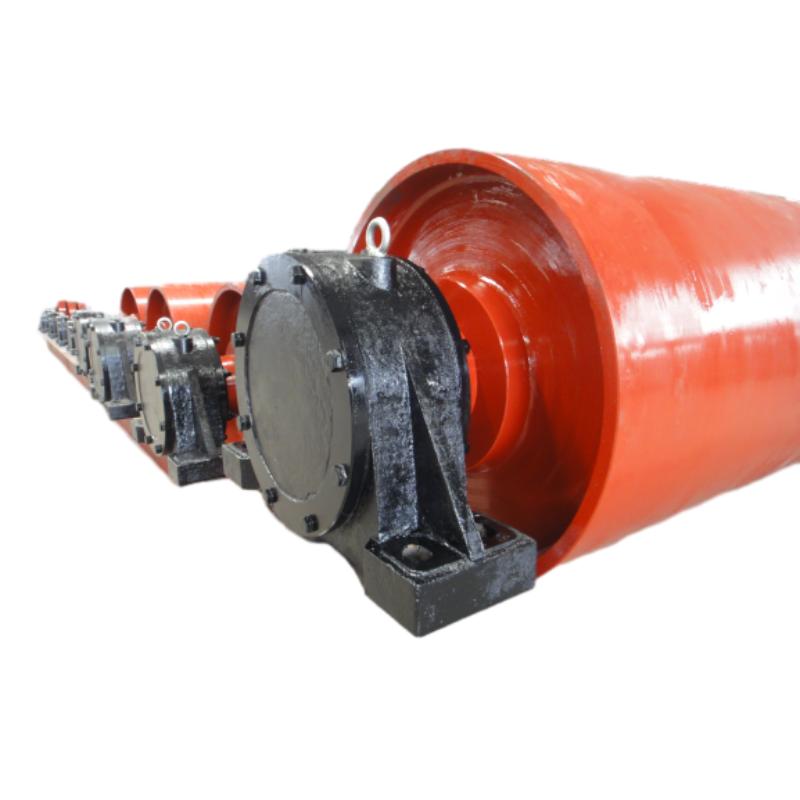
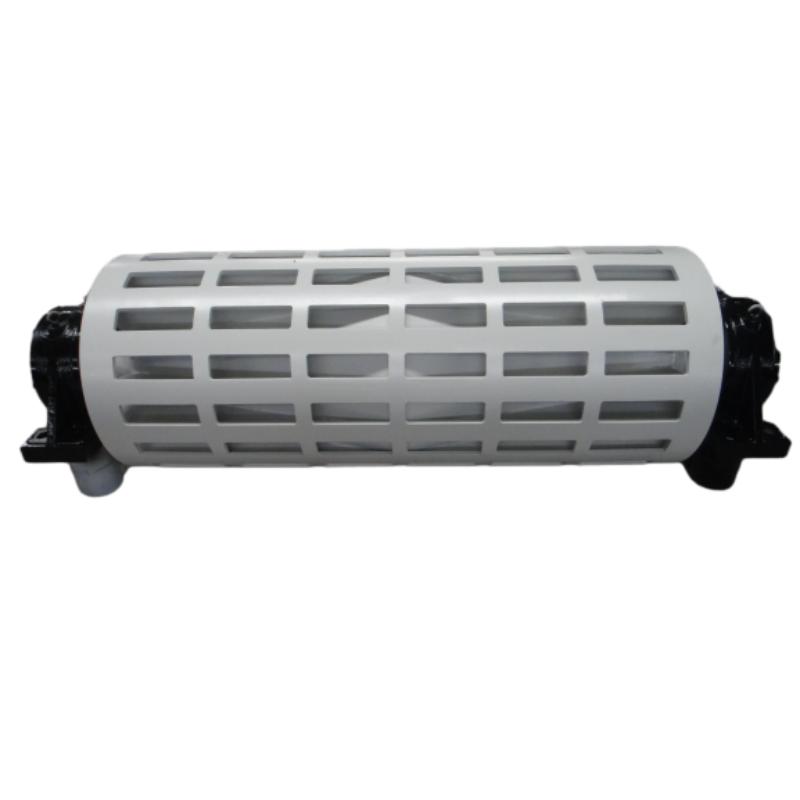
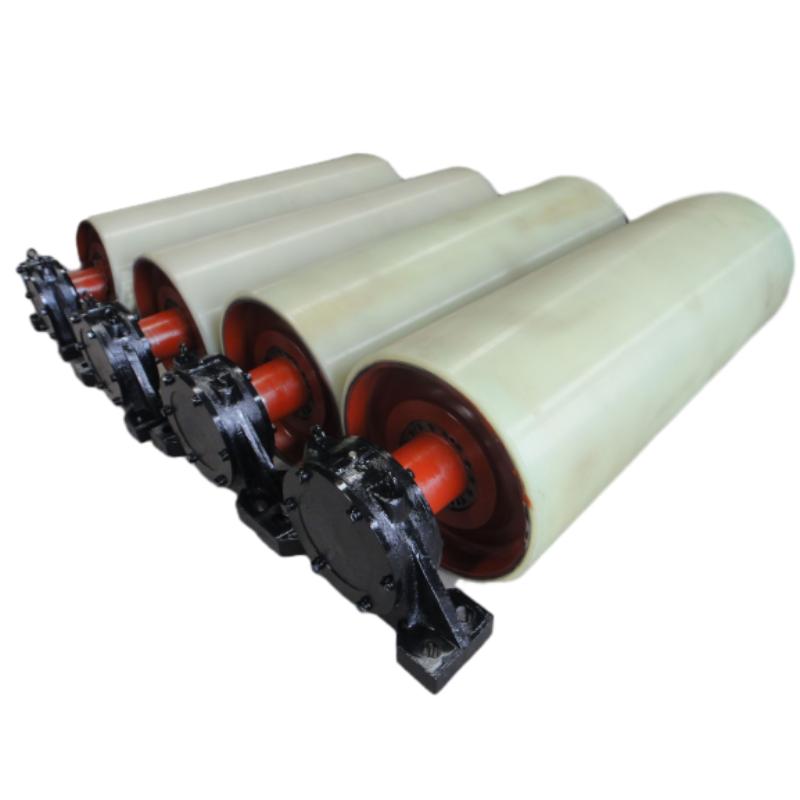
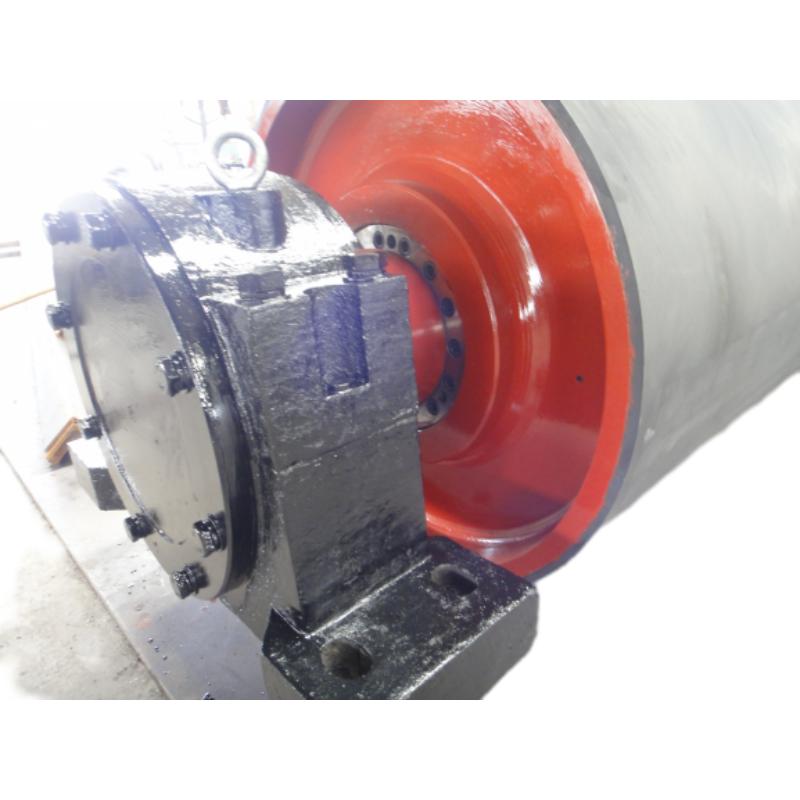
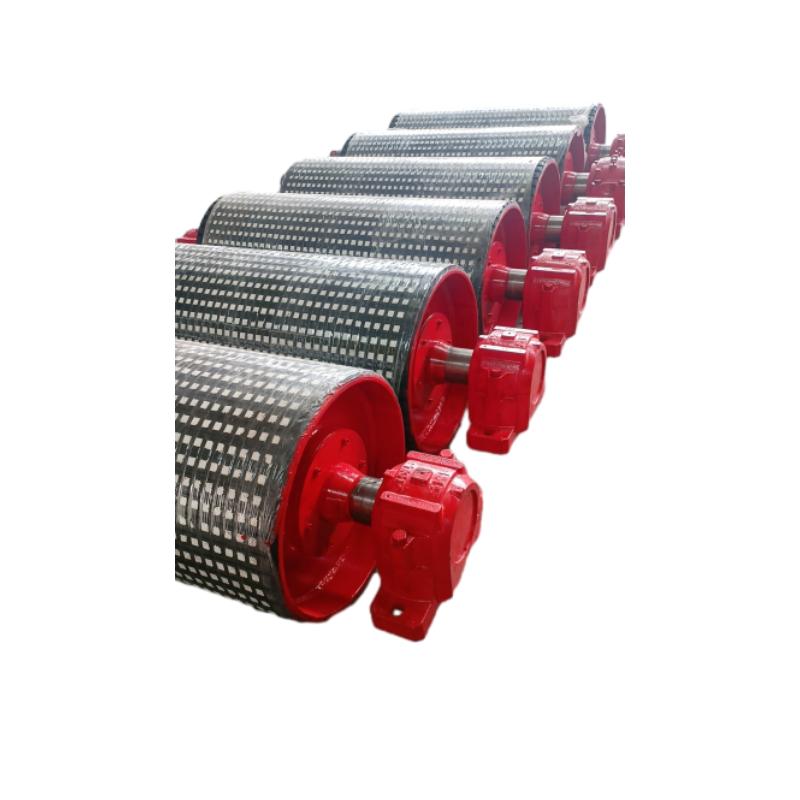
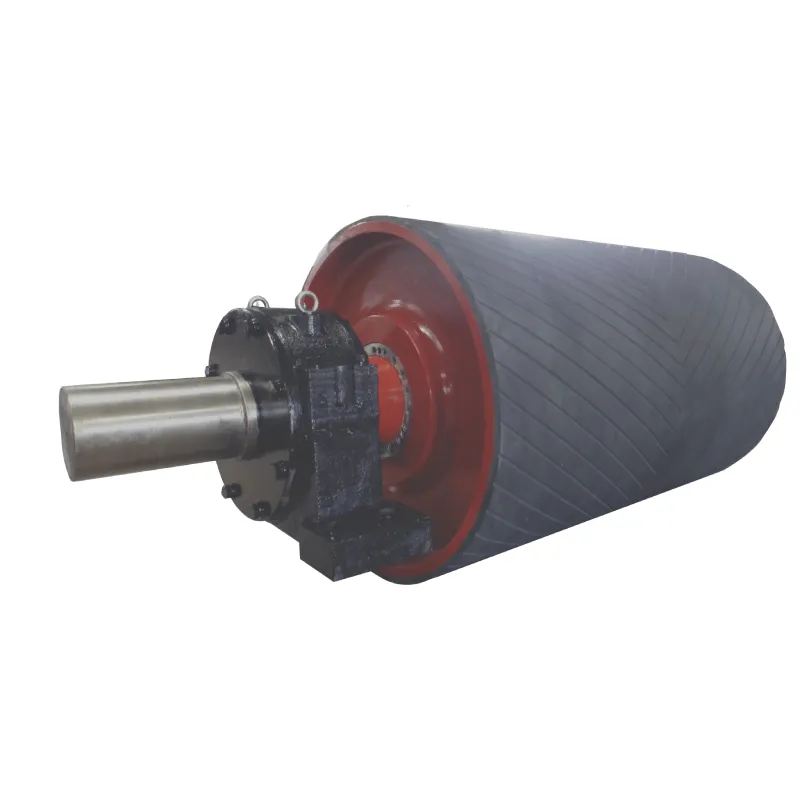
Simply put, urethane conveyor rollers are cylindrical components fitted into conveyors where the load rolls over the roller. The difference hinges on the roller covering or body, which is made of polyurethane — a versatile synthetic polymer. This material boasts excellent elasticity, abrasion resistance, and chemical stability.
Industries use these rollers to reduce friction, allow smoother transport of goods, and extend the life of conveyor systems. They’re essential in food processing, mining, packaging, and even disaster relief logistics, where equipment needs to be both durable and easy to sanitize or replace.
Mini takeaway: At heart, these rollers transform the simple act of moving goods into an efficient, reliable process thanks to urethane’s smart properties.
Core Features of Urethane Conveyor Rollers
1. Durability and Abrasion Resistance
Urethane rollers offer superior resistance to abrasion compared to rubber. This means longer lifespans even under gritty, dusty, or wet conditions — perfect for mining or bulk material handling.
2. Load Capacity and Shock Absorption
Thanks to their elasticity, these rollers absorb shocks better, protecting both goods and machinery. This is a big deal in facilities handling fragile parcels or uneven loads.
3. Chemical and Corrosion Resistance
Urethane doesn’t degrade easily from oils, acids, or cleaning solvents, making it suitable for harsh environments, including food-grade areas where sanitation is strict.
4. Noise Reduction
Compared to metal rollers, urethane versions run quieter — which improves workers’ comfort and reduces noise pollution in large warehouses.
5. Cost Efficiency
While not always the cheapest upfront, their longevity reduces downtime and replacement costs, leading to lower total cost of ownership — something many operations appreciate deeply.
6. Customizable Sizes and Hardness
Urethane rollers can be tailored in diameter, length, and hardness (durometer), allowing them to be optimized for specific conveyor applications.
Mini takeaway: These features combine to make urethane rollers the preferred solution for heavy, fast, or sensitive conveyor work.
Global Applications: Where Are Urethane Conveyor Rollers Making a Difference?
Industries from automotive assembly lines in Germany to rice packaging plants in Southeast Asia rely heavily on these rollers. Oddly enough, I recently read about a mining operation in Chile where replacing rubber rollers with urethane variants cut maintenance costs by 40% and improved belt uptime remarkably.
In humanitarian sectors, organizations use conveyor systems equipped with urethane rollers to distribute supplies quickly during natural disaster relief. Their resistance to dirt and wear means faster deployment and more reliable operation in tough conditions. Even automated parcel sorting centers in North America value them for handling diverse package sizes without breakdowns.
Mini takeaway: From industrial giants to emergency response teams, urethane conveyor rollers serve diverse, critical roles worldwide.
Advantages & Long-Term Value
- Sustainability: Longer roller life means less waste and resource consumption.
- Safety: Reduced noise and shock absorption protect workers and products.
- Reliability: Prevents costly downtime and lost productivity.
- Cost Savings: Overall maintenance budgets go down with these durable rollers.
It feels like a smart investment that balances the emotional comfort of reliability with hard business savings. Your operations trust these rollers to not let them down — sometimes the true test of a good product.
Product Specifications: Typical Urethane Conveyor Rollers
| Specification | Typical Range | Notes |
|---|---|---|
| Diameter | 50mm – 200mm | Varies by conveyor type |
| Roller Length | 100mm – 1000mm | Custom options available |
| Urethane Hardness (Durometer) | 60A – 95A | Adjustable per application |
| Load Capacity | Up to 400 kg per roller | Dependent on size & shaft |
| Operating Temperature | -30°C to 80°C | Suitable for most industries |
Comparing Leading Vendors of Urethane Conveyor Rollers
| Vendor | Material Quality | Customization Options | Lead Time | Price Level |
|---|---|---|---|---|
| Idleraohua | High-grade polyurethane blends | Full custom specs & sizes | 2-3 weeks | Mid to High |
| RollTech Inc. | Standard industrial grade | Limited customization | 1-2 weeks | Low to Mid |
| PolyRoll Systems | Specialty chemical resistant polyurethane | Medium customization | 3-4 weeks | High |
Future Trends in Urethane Conveyor Rollers
Looking ahead, the conveyor industry is leaning heavily into sustainability and smart manufacturing. Materials scientists are engineering new urethane formulations that are even more eco-friendly and recyclable, addressing waste disposal concerns. Automation is another big trend — integrating sensors inside rollers for predictive maintenance is no longer sci-fi but real tech being piloted in some factories.
Frankly, it feels like urethane conveyor rollers are evolving into smart components, not just passive parts. And that could massively reduce unexpected breakdowns and keep factories humming smoothly.
Common Challenges and How to Tackle Them
Of course, no product is perfect. One challenge with urethane rollers is coping with extremely high temperatures beyond their operating limits, which can shorten lifespan. Specialized blends or cooling systems can help here. Also, installations sometimes struggle with exact sizing and durometer selection — which is why expert vendor consultation matters.
Moreover, if the conveyor system deals with oily or sticky substances, rollers might need additional coatings or specific cleaning regimes. Keeping close to vendor advice and understanding your environment is key.
FAQ: Answering Your Top Questions About Urethane Conveyor Rollers
1. How long do urethane conveyor rollers typically last under heavy use?
Under typical heavy industrial conditions, quality urethane rollers last between 3 to 5 years. Factors like load, speed, environment, and maintenance habits influence longevity, so regular inspections help maximize uptime.
2. Can urethane rollers handle food processing environments where hygiene is critical?
Absolutely. Urethane is easy to clean and resistant to many sanitizing agents. Many rollers are made from food-grade polyurethane, meeting hygiene standards required in food and beverage production.
3. What determines the hardness (durometer) needed in a roller for my conveyor?
It depends on the type of material being conveyed, load weight, and impact forces. Softer durometers offer better grip and shock absorption; harder rollers resist wear better. Consulting vendors or engineers helps pick the right grade.
4. Are urethane conveyor rollers more expensive than rubber alternatives?
Typically, yes, they can carry a higher upfront cost. But with longer lifespan and reduced downtime, the total cost of ownership usually favors urethane rollers in the long run.
5. How can I customize urethane conveyor rollers for my specific needs?
Many vendors, including urethane conveyor rollers specialists, offer customization in size, hardness, coating, and even integrated sensors to match your conveyor’s unique requirements.
Conclusion: Why Urethane Conveyor Rollers Are Worth the Investment
At the end of the day, urethane conveyor rollers are silent workhorses that keep global industries moving smoothly and reliably. Their longevity, efficiency, and adaptability make them an essential part of modern conveyors — truly worth the attention if you’re managing or optimizing material handling.
If you’re looking for quality products with expert customization, visit our website and explore how urethane conveyor rollers can transform your workflows.
References
- Wikipedia: Conveyor system
- United Nations Industrial Development Organization (UNIDO)
- International Organization for Standardization (ISO)
FAQ Summary
- Typical lifespan: 3-5 years under heavy use
- Suitable for food-grade environments
- Hardness depends on conveyed material & load
- Higher upfront cost but better durability vs rubber
- Customization widely available from reputable vendors
So, next time you see parcels zooming down a conveyor, remember the urethane rollers quietly doing their job day in and day out...
-
Maximize Conveyor Life with a High Performance impact bedNewsApr.16,2026
-
Maximize Conveyor Efficiency Using a v plow belt scraperNewsApr.09,2026
-
Comprehensive Guide to Understanding Different Types of Belt CleanersNewsApr.07,2026
-
Enhancing Conveyor Efficiency with an Effective Scraper Belt CleanerNewsApr.04,2026
-
Optimizing Conveyor Systems with Advanced Cleaning Equipment SolutionsNewsMar.31,2026
-
Effective Conveyor Belt Scraper Adjustment for Optimal System PerformanceNewsMar.28,2026