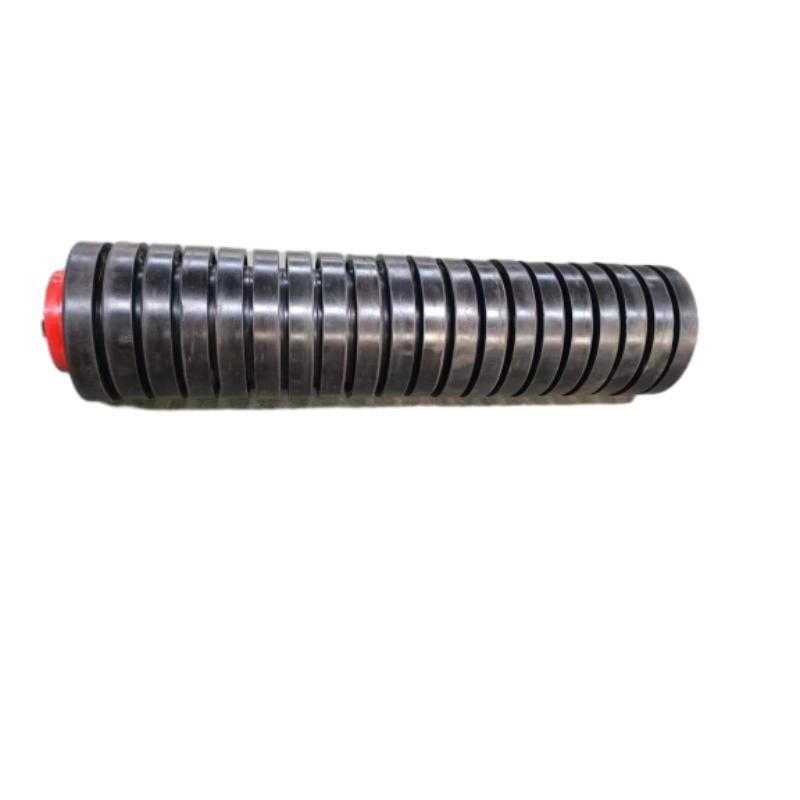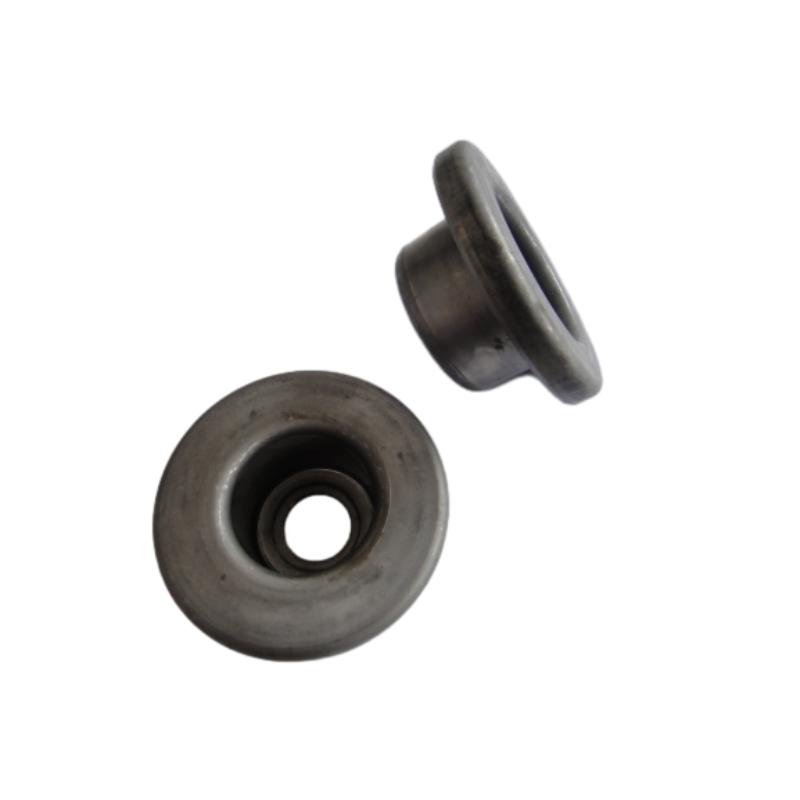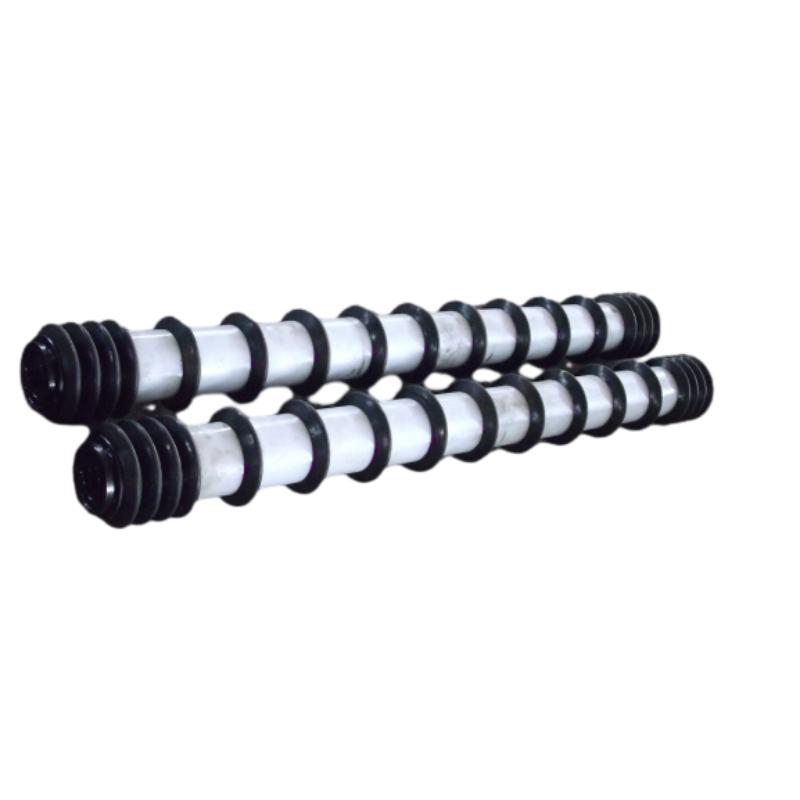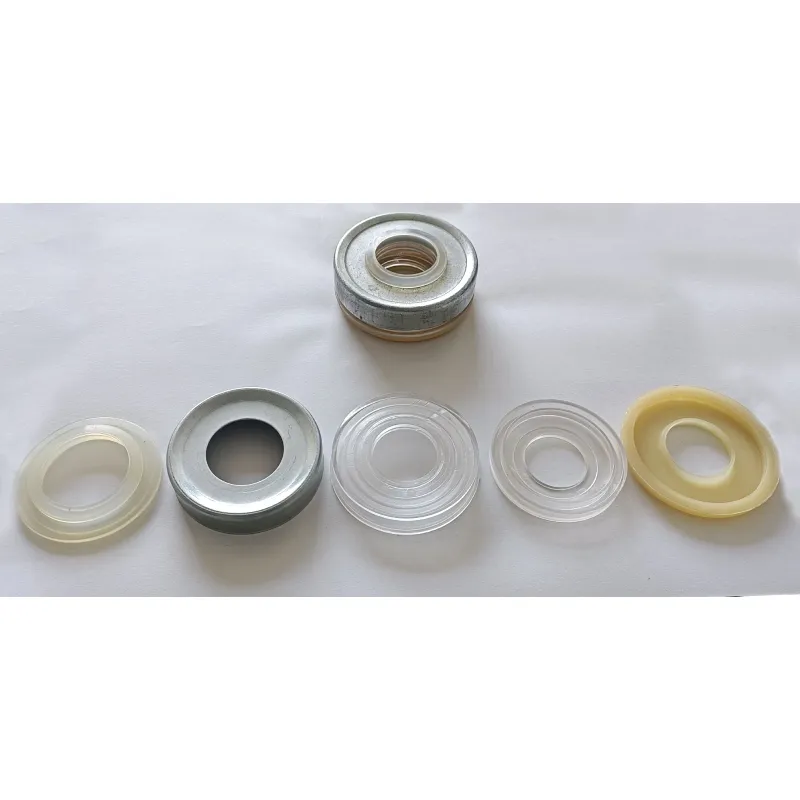


Conveyor Mounting Brackets: Essential Supports for Efficient Material Handling
Understanding Conveyor Mounting Brackets: The Backbone of Efficient Material Handling
Conveyor mounting brackets might not be the flashiest element in industrial settings, but they’re incredibly important. These mechanical supports are essential for securely attaching conveyor systems to structural frameworks—making sure everything stays aligned, stable, and safe during operation. Globally, industries from manufacturing to logistics rely on conveyors to streamline workflows, reduce manual labor, and speed up delivery. So, understanding conveyor mounting brackets helps highlight why durable and well-designed components are king when it comes to efficient material handling.
Global Context: Why Conveyor Mounting Brackets Matter More Than Ever
As global supply chains grow more complex and automated systems expand, conveyor mounting brackets have a crucial role to play. The World Bank estimates that by 2030, global manufacturing output will rise significantly — which means more conveyors, more equipment, and by extension, more brackets holding everything in place. However, many facilities face downtime due to poorly maintained mounting solutions, leading to costly repairs and productivity losses. The problem? Not all brackets are created equal, and subpar design or materials can cause failures that ripple across entire operations.
What Exactly Are Conveyor Mounting Brackets?
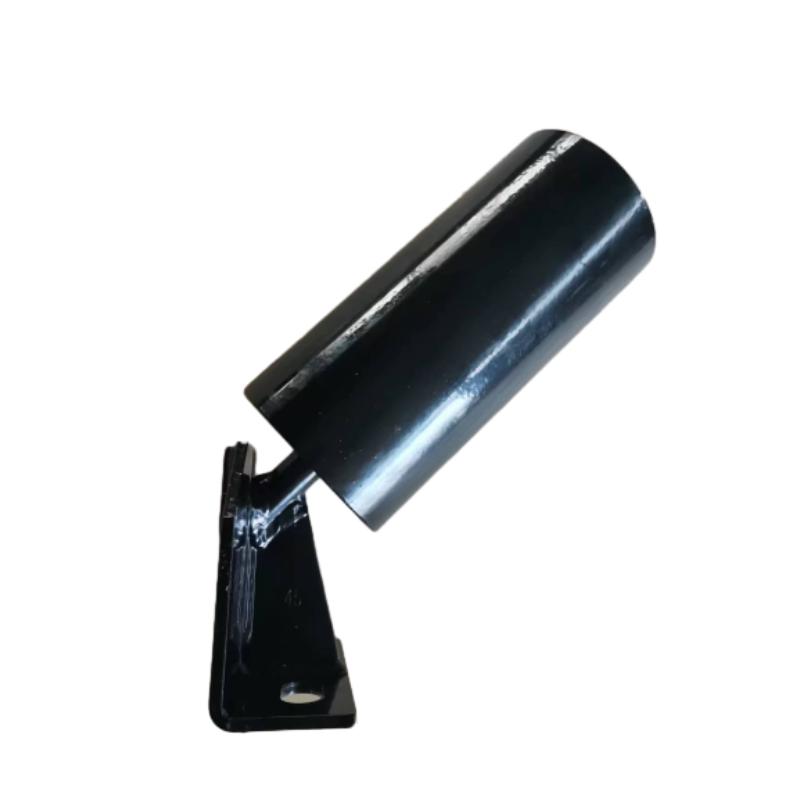
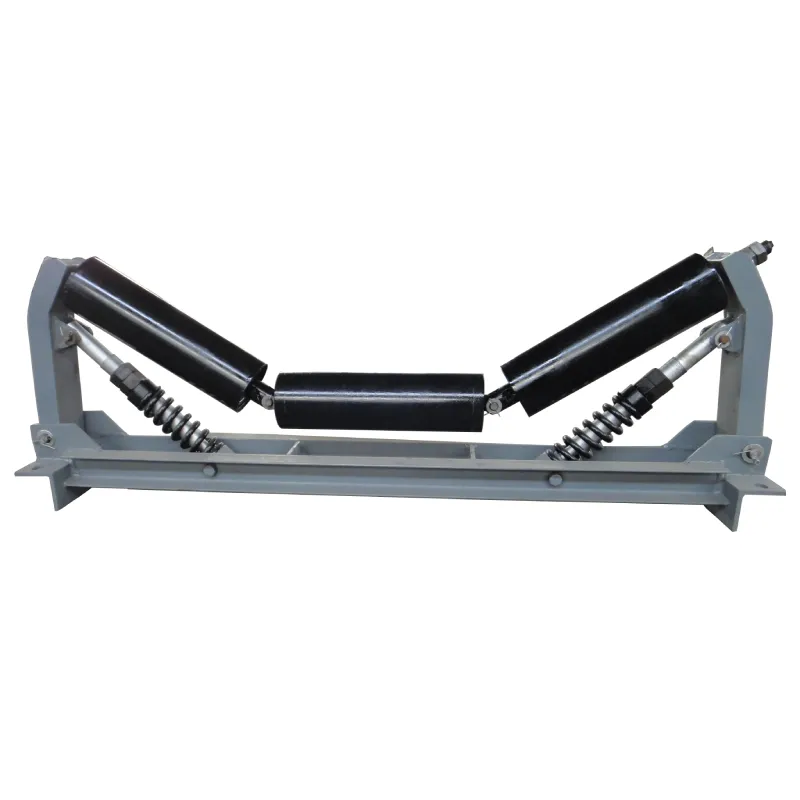
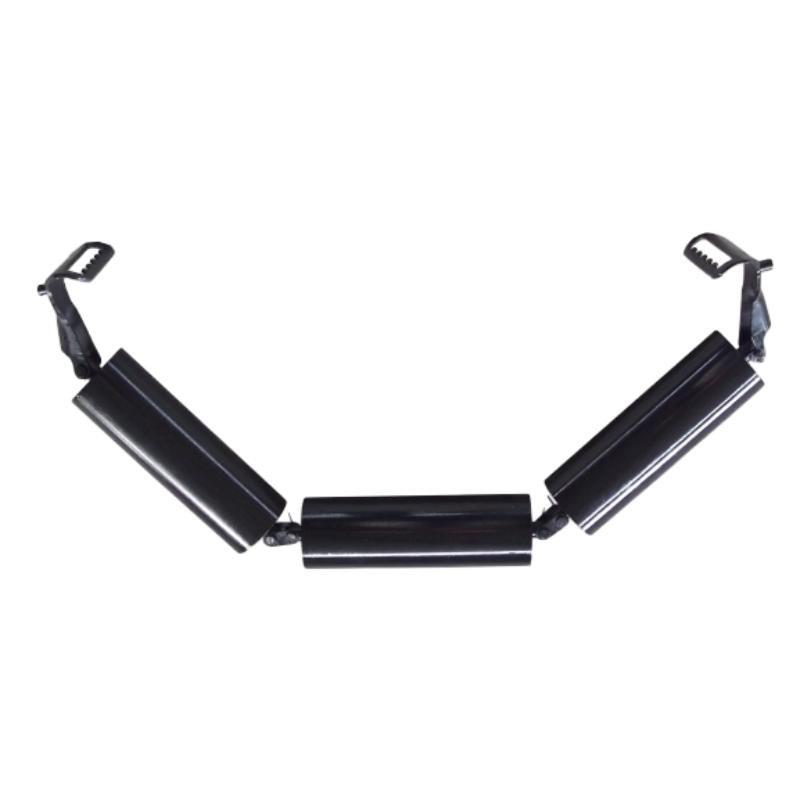
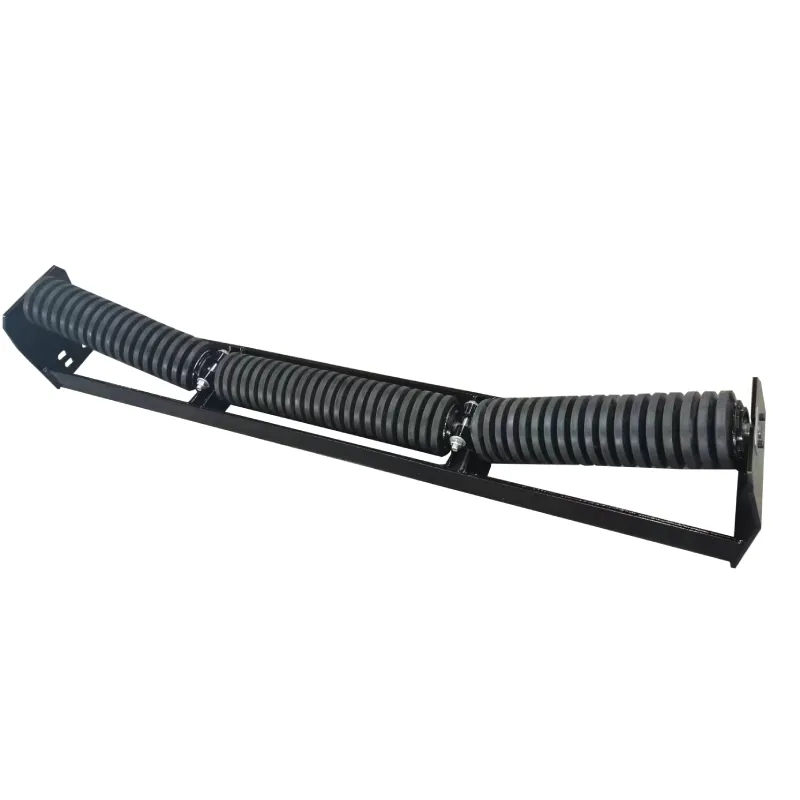
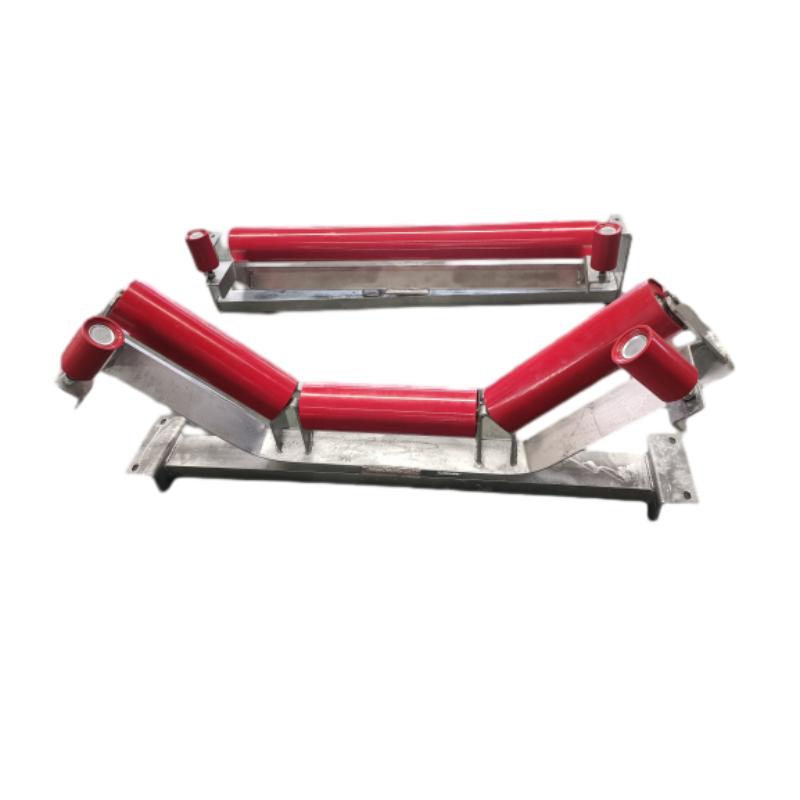
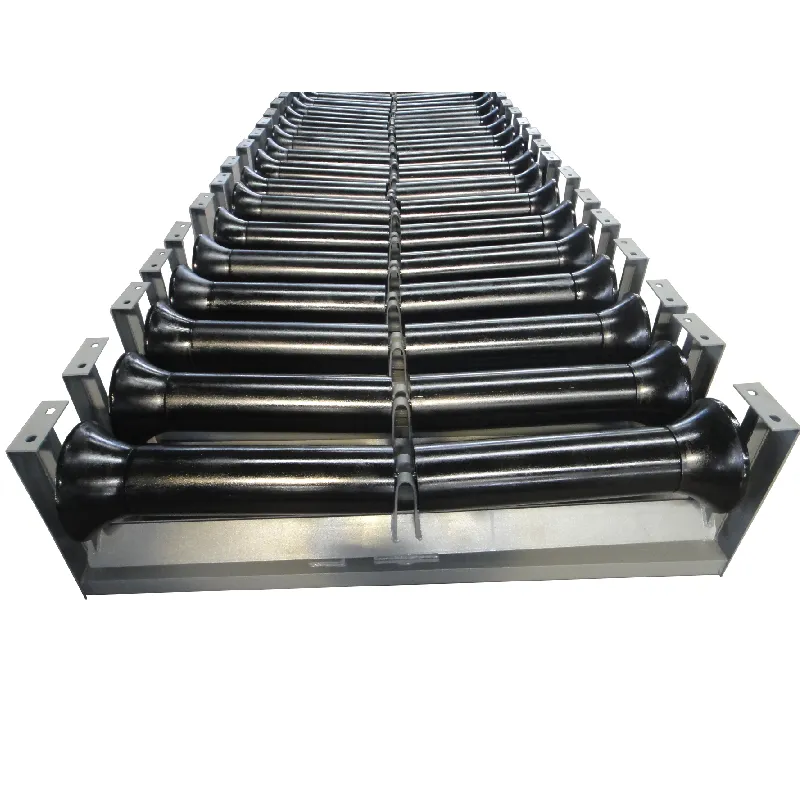
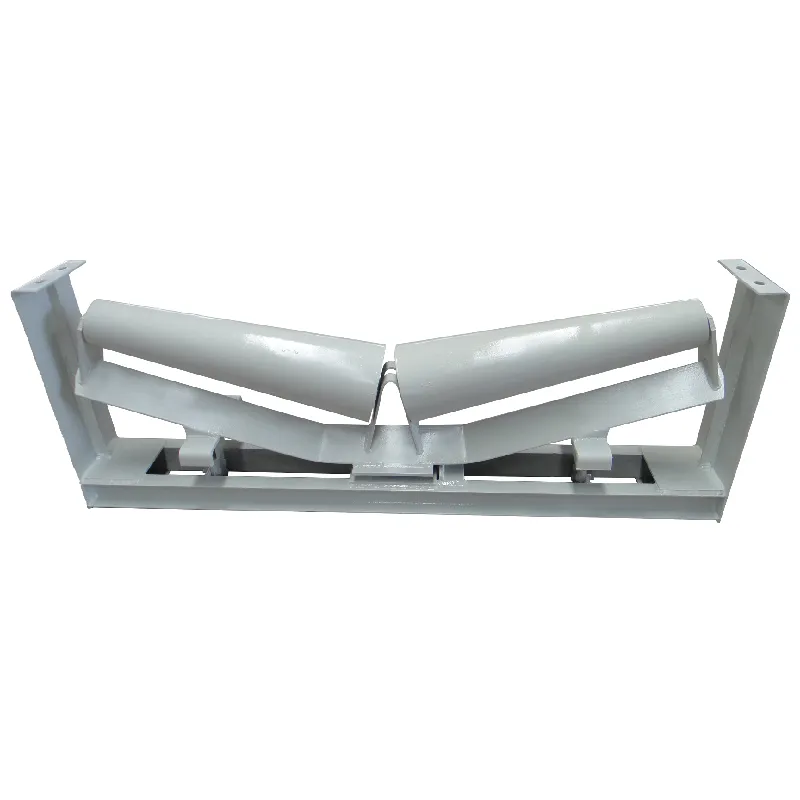
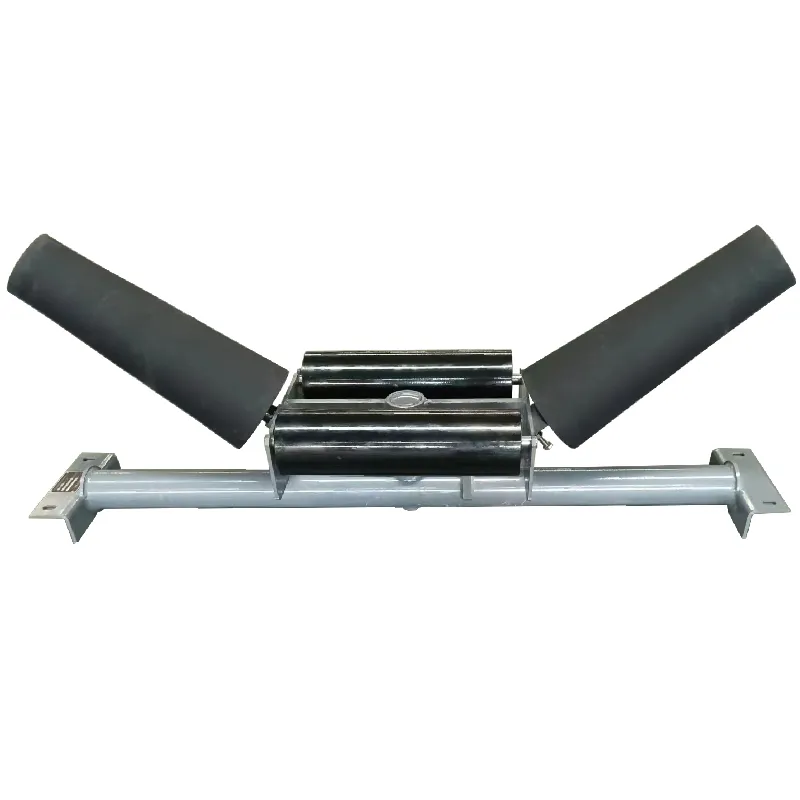
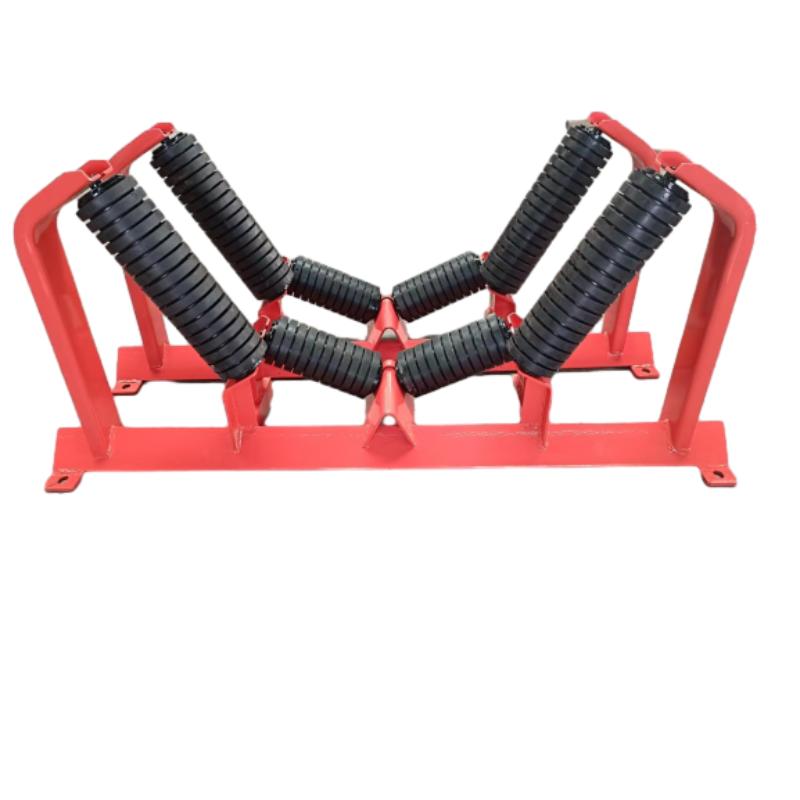
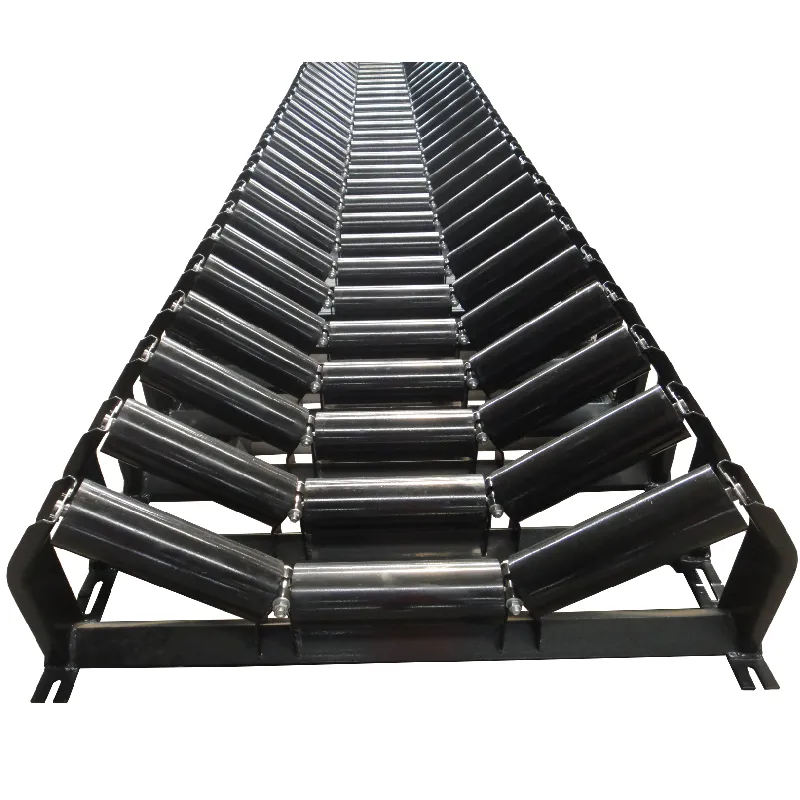
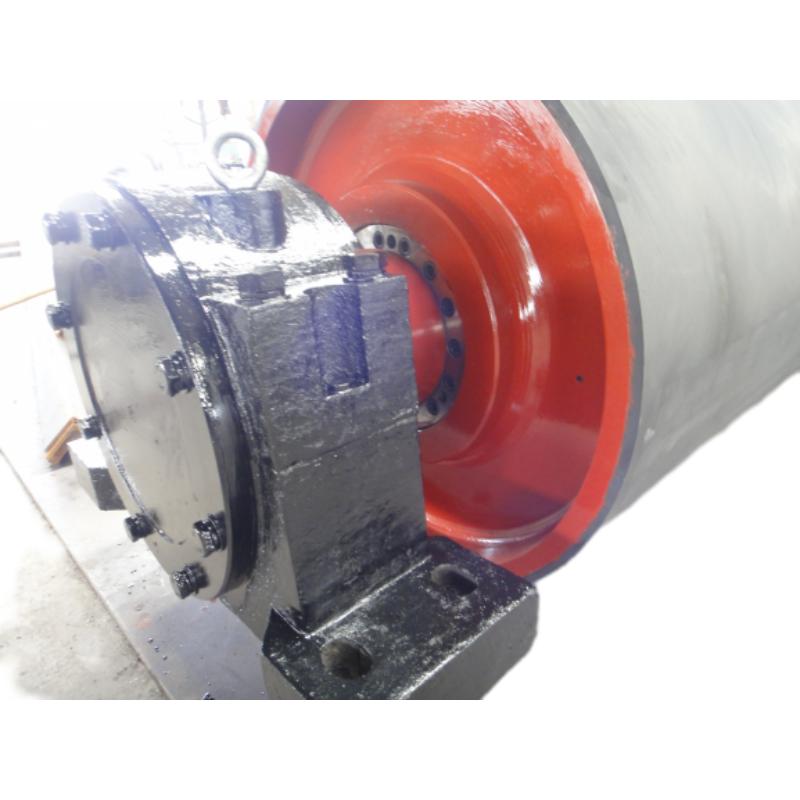
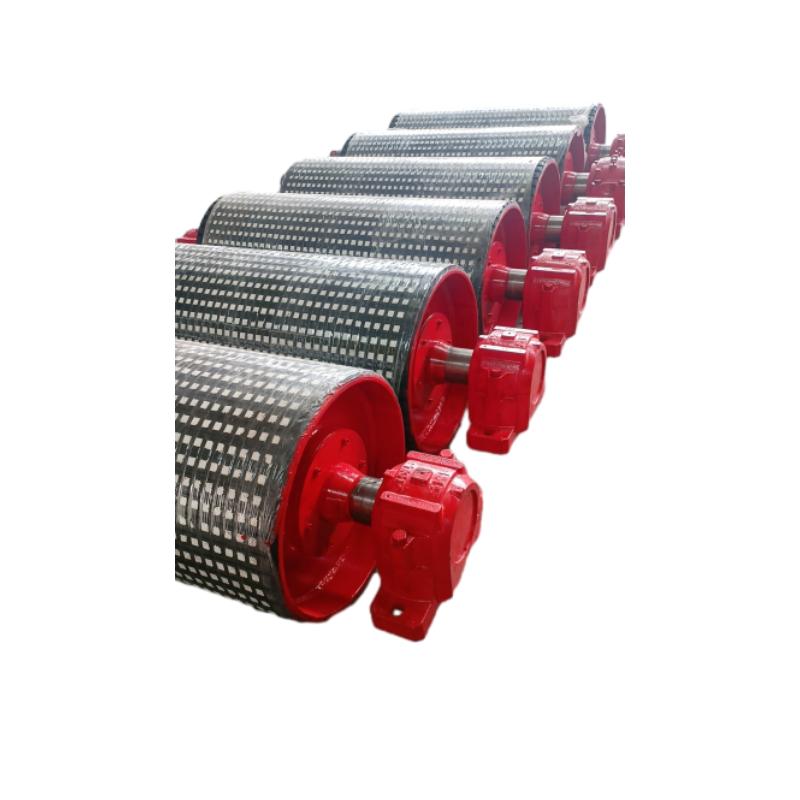
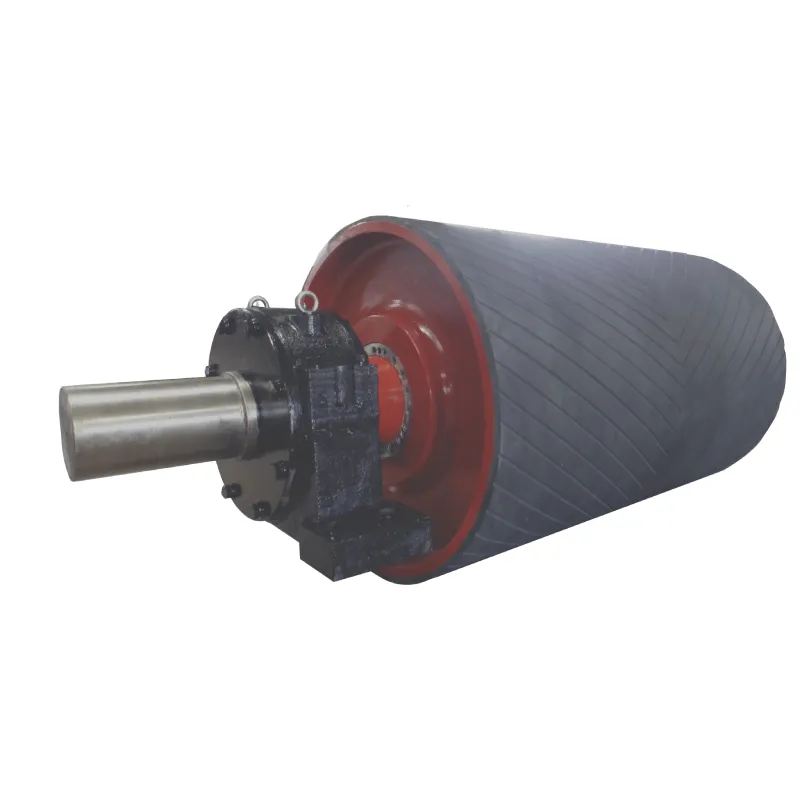
Simply put, conveyor mounting brackets are engineered support elements used to fix conveyor belts or rollers onto structures such as walls, floors, or steel frameworks. They keep conveyors rigid and aligned, preventing sagging or misalignment that degrades performance. In industries like food processing, mining, and warehousing, these brackets connect the machinery to infrastructure, ensuring smooth handling of materials from factory raw inputs to finished product shipments.
Key Factors of Conveyor Mounting Brackets
Durability
Brackets have to withstand loads, vibration, and environmental factors like humidity or corrosive elements. Most are steel-based—sometimes galvanized or powder-coated to fight rust—because longevity is key to reducing maintenance. It feels like every engineer I’ve talked to emphasizes this more than anything else.
Scalability & Compatibility
Industrial conveyors come in many sizes and configurations. Good mounting brackets accommodate different conveyor models and allow for quick adjustments as layouts change—particularly important in fast-paced warehouses.
Cost Efficiency
While cheaper brackets might save upfront money, they often lead to higher repair bills and downtime. Investing in quality brackets pays off over time through fewer failures and higher throughput.
Ease of Installation
Mounting brackets designed for easy, fast installation reduce labor costs and time spent offline. Some come with pre-drilled holes or adjustable joints, which speeds assembly.
Safety & Compliance
Companies must meet regulatory standards (like ISO 9001 quality management) ensuring workplace safety. Reliable brackets prevent conveyor accidents caused by structural failures, protecting workers and assets.
Mini Takeaway:
Durability, adaptability, cost-effectiveness, quick installation, and safety certification are the pillars of good conveyor mounting bracket design—they shape everything from day-to-day use to long-term cost savings.
Global Applications & Use Cases
Across continents and industries, conveyor mounting brackets show up in all kinds of settings. In Southeast Asia, textile factories depend on sturdy brackets to handle heavy fabric rolls moving at high speeds. In North America, distribution centers use modular mounting brackets for quick layout changes during peak seasons. Oddly enough, even humanitarian logistics operations in post-disaster zones rely on rugged conveyor setup to efficiently move supplies and debris, emphasizing the broader impact of such seemingly simple components.
| Specification | Details |
|---|---|
| Material | Carbon Steel, Stainless Steel (304 or 316) |
| Weight Capacity | Up to 5000 lbs (varies by model) |
| Coating | Galvanized, Powder Coated, Epoxy |
| Adjustability | Fixed or adjustable arms, multiple mounting hole options |
| Typical Dimensions | Lengths: 4" to 12"; Widths: 2" to 6" |
| Temperature Tolerance | -20°C to +150°C (industrial grade) |
Advantages & Long-Term Value
- Cost Savings: Reduced maintenance and downtime make for smoother operations.
- Sustainability: Longer-lasting brackets mean fewer replacements and less waste.
- Safety: Reliable support reduces the risk of conveyor failure and accidents.
- Social Impact: Efficient conveyors help industries provide goods faster—boosting economies and worker dignity.
In real terms, these benefits add up. When I toured a recent bottling plant, the operations manager stressed how investing upfront in high-quality mounting brackets prevented stops that could cost thousands per hour. That’s tangible peace of mind.
Vendor Comparison: Conveyor Mounting Bracket Providers
| Vendor | Material Options | Adjustability | Pricing Range | Lead Time |
|---|---|---|---|---|
| Alpha Mounts | Carbon Steel, Stainless | Fixed & Adjustable | $$$ | 2-4 Weeks |
| Beta Industrial | Powder Coated Steel | Mostly Fixed | $$ | 1-3 Weeks |
| Gamma Solutions | Stainless Steel (316) | Highly Adjustable | $$$$ | 3-5 Weeks |
Future Trends in Conveyor Mounting Brackets
Looking ahead, the industry is seeing interesting innovations. Lighter yet stronger composite materials are starting to replace traditional steel brackets in some niche areas. The rise of Industry 4.0 means brackets integrated with sensors could soon alert managers about stress or alignment issues before breakdowns occur. On the sustainability front, brackets with recycled materials or coatings that minimize environmental impact are gaining ground. Automation and smart factories will require mounting solutions that are modular and digitally compatible—meaning design flexibility will be paramount.
Challenges & Solutions
One challenge is balancing cost and quality, especially in markets with tight budgets. Some businesses opt for cheaper brackets and pay the price in breakdowns. Another issue is the lack of standardization worldwide, which complicates sourcing and installation. Practical solutions include partnering with reputable suppliers, investing in adjustable, scalable bracket systems, and keeping up with certifications like ISO 9001 or OSHA safety standards. Regular inspection and proactive maintenance are still the best ways to avoid unexpected failures.
FAQs About Conveyor Mounting Brackets
- Q: How do I know which mounting bracket fits my conveyor model?
A: Always check your conveyor manufacturer’s specs. Most suppliers provide compatibility charts. Adjustable brackets offer more flexibility if you expect future changes. - Q: Can conveyor mounting brackets withstand harsh outdoor conditions?
A: Yes, but ensure you choose materials like stainless steel or galvanization that resist corrosion. Coatings and regular maintenance also help. - Q: What is the typical lifespan of a conveyor mounting bracket?
A: With proper usage and maintenance, high-quality brackets can last 10+ years — but this varies widely depending on environment and load. - Q: Are there eco-friendly conveyor mounting bracket options?
A: Increasingly, manufacturers offer brackets made with recycled metals or eco-conscious coatings, helping reduce carbon footprint. - Q: How quickly can I get mounting brackets for urgent conveyor repairs?
A: Lead times vary by vendor but some suppliers offer stock and quick shipping within a week for common models.
Conclusion + Call to Action
In sum, conveyor mounting brackets may seem like minor details, but they’re vital cogs in the machinery powering global industries. Their quality impacts safety, efficiency, scalability, and sustainability—elements that spell long-term business success. Whether retrofitting existing conveyors or designing new lines, investing in dependable mounting brackets is a smart move. Curious to see a variety of options, or need advice for your next project? Visit our website: conveyor mounting brackets to explore solutions that fit your needs.
Reflecting on all this, I’m reminded that sometimes it’s the foundational pieces—often overlooked—that truly keep the world moving.
References
-
Maximize Conveyor Life with a High Performance impact bedNewsApr.16,2026
-
Maximize Conveyor Efficiency Using a v plow belt scraperNewsApr.09,2026
-
Comprehensive Guide to Understanding Different Types of Belt CleanersNewsApr.07,2026
-
Enhancing Conveyor Efficiency with an Effective Scraper Belt CleanerNewsApr.04,2026
-
Optimizing Conveyor Systems with Advanced Cleaning Equipment SolutionsNewsMar.31,2026
-
Effective Conveyor Belt Scraper Adjustment for Optimal System PerformanceNewsMar.28,2026