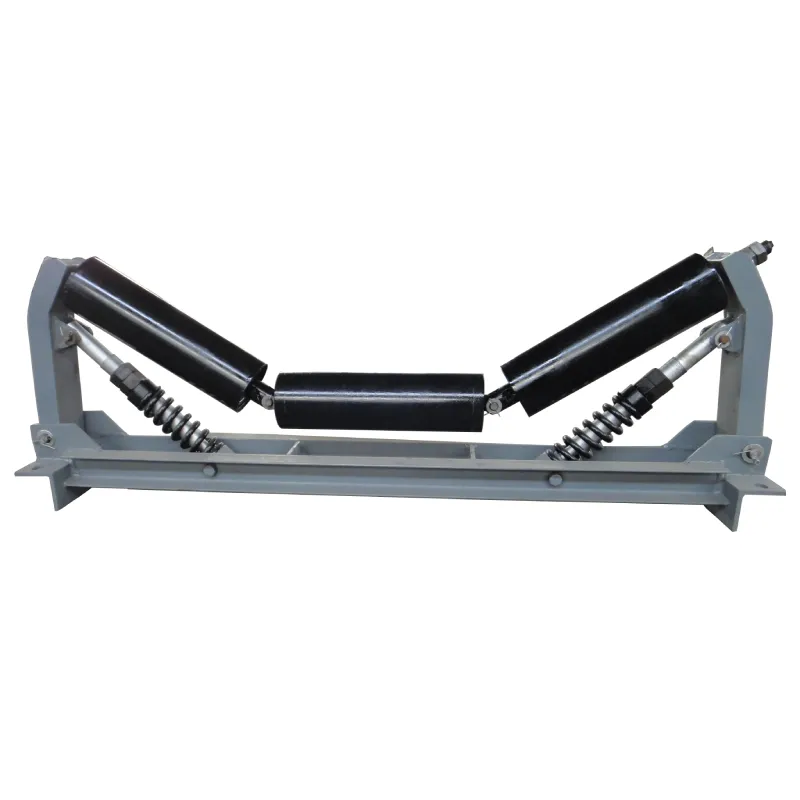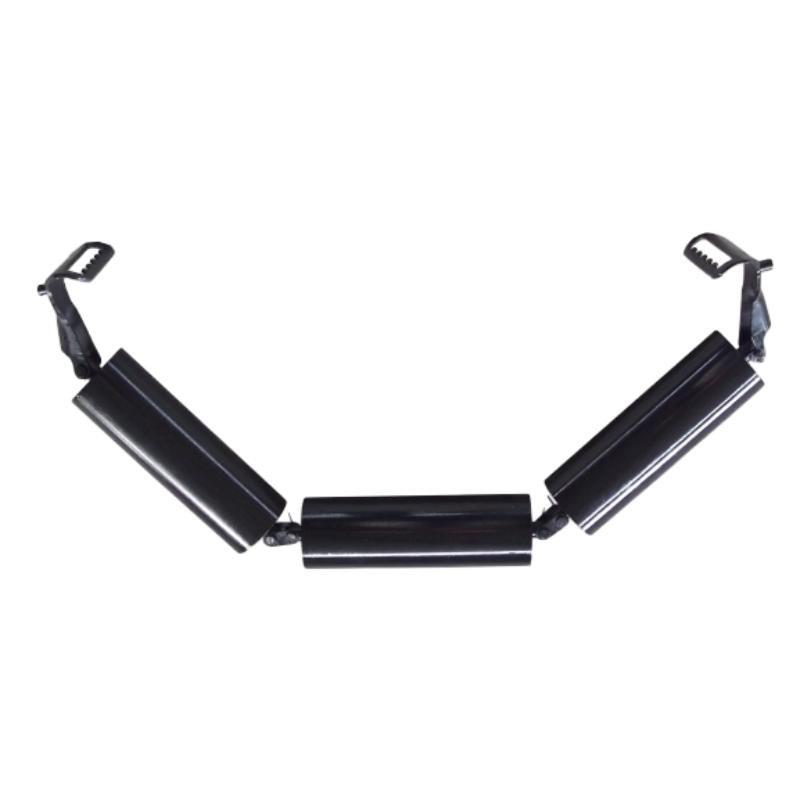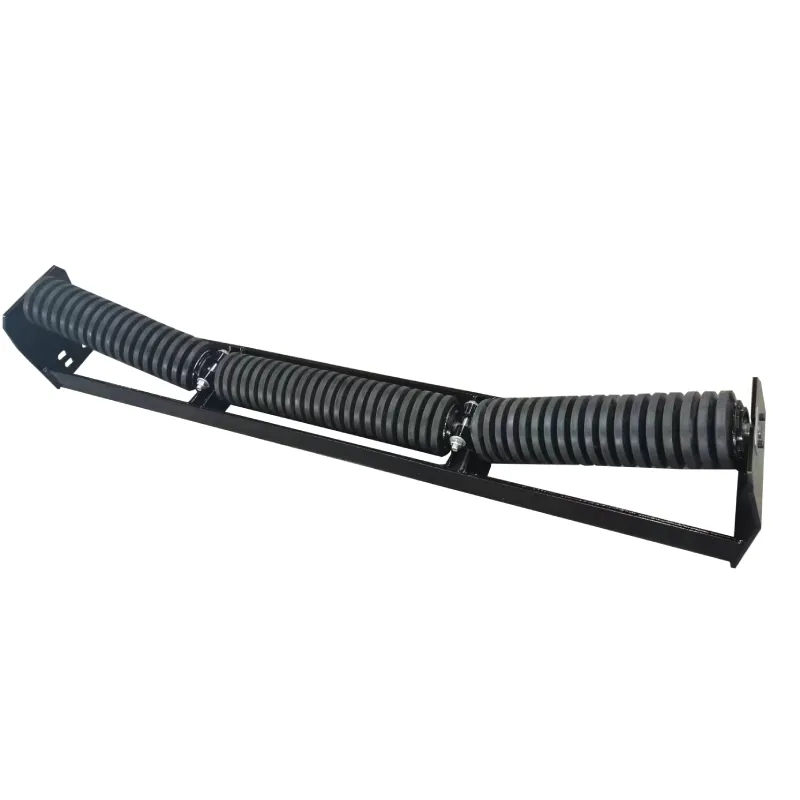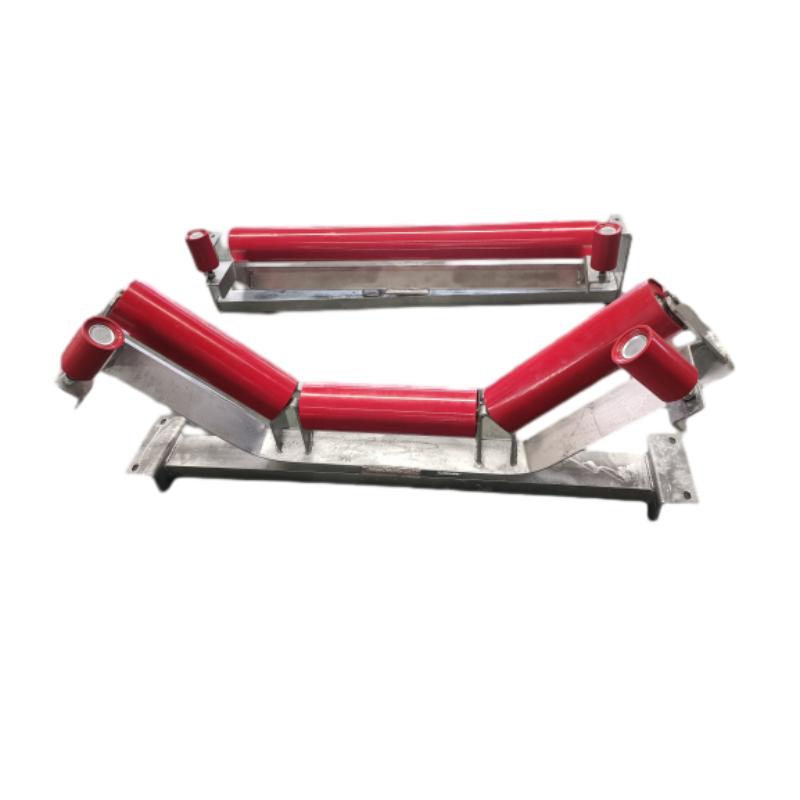


Comprehensive Guide to Wing Pulley Conveyor: Global Applications & Future Trends
What Is a Wing Pulley Conveyor and Why It Matters Globally
Imagine a conveyor belt that never lets material slip off, no matter how fast or how steep the incline. That’s pretty much the magic behind the wing pulley conveyor — a key player in bulk material handling industries worldwide. These specially designed pulleys, with their distinct wing-shaped rims, improve belt tracking and longevity, solving a persistent problem in conveyor systems: belt misalignment. Understanding wing pulley conveyors isn't just for engineers; this knowledge ripples through industries from mining to humanitarian aid, impacting efficiency, safety, and cost savings on a global scale.
The stakes are high. According to the International Organization for Standardization (ISO), conveyor belt failures cause millions in downtime annually, especially in mining and agricultural sectors, making innovations like wing pulley conveyors essential. Plus, with rising demand for sustainable, cost-effective bulk handling solutions, mastering these conveyors offers a competitive edge that's hard to ignore.
Mini Takeaway:
- Wing pulley conveyors prevent belt misalignment, boosting system uptime.
- They play a key role in global sectors that handle bulk materials.
- Adopting them supports sustainability and cost efficiency.
Introduction: The Global Importance of Wing Pulley Conveyor Systems
The wing pulley conveyor isn't just a niche industrial gadget; it’s a solution that reverberates across continents and industries. Bulk material movement — whether coal in Australia, grain in the US Midwest, or mined ores in Africa — faces one universal challenge: how to keep conveyor belts aligned and running smoothly. The World Bank reports that mining and agriculture contribute significantly to GDPs worldwide, yet suffer from losses due to mechanical failures and inefficient material handling. Here, the wing pulley conveyor shines as a deceptively simple but game-changing piece of engineering.
In humanitarian contexts, supplying relief materials in disaster-affected regions demands reliable, easy-to-maintain conveyor systems. The wing pulley design reduces belt slip and misalignment — which can spell the difference between on-time delivery of aid and costly delays. Oddly enough, such a small component has a surprisingly broad impact.
Mini Takeaway:
- Industries worldwide rely on conveyor belts, but belt alignment remains a persistent challenge.
- Wing pulley conveyors support both industrial efficiency and humanitarian logistics.
- Reliable bulk handling links directly to economic stability and crisis response.
Definition & Meaning: What Exactly Is a Wing Pulley Conveyor?
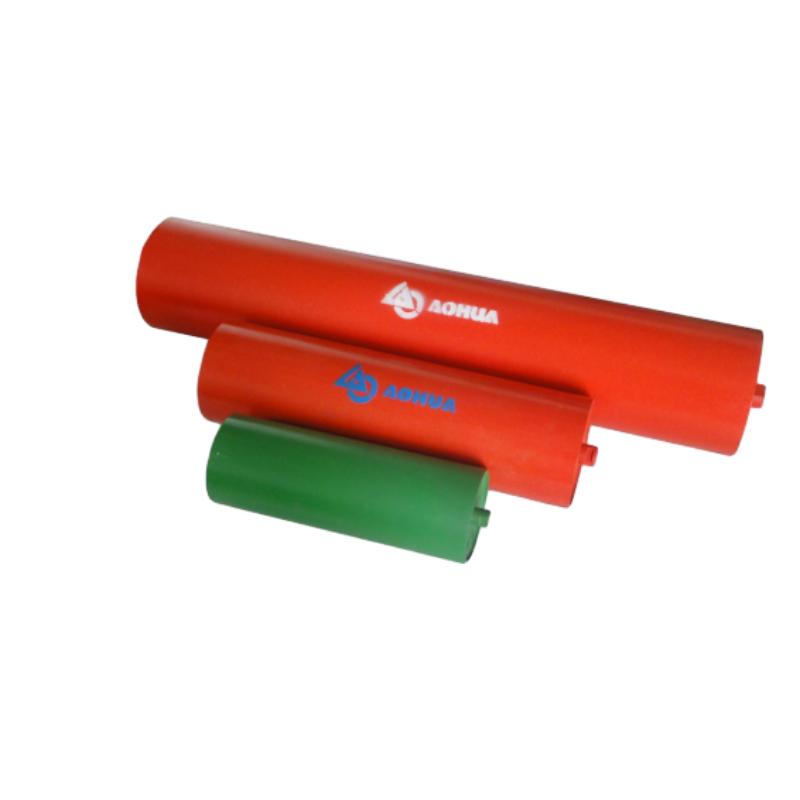
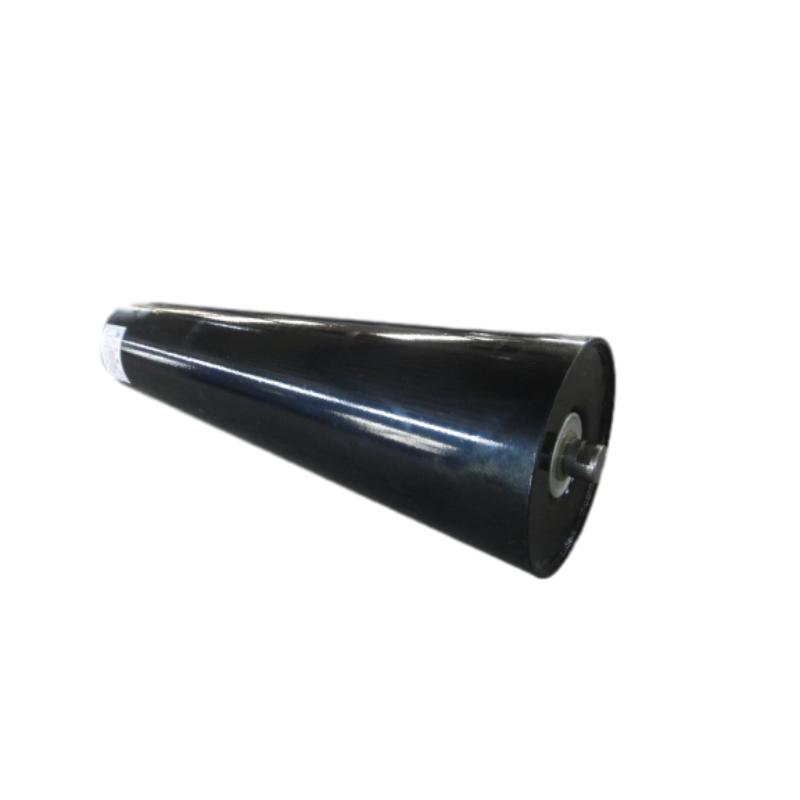
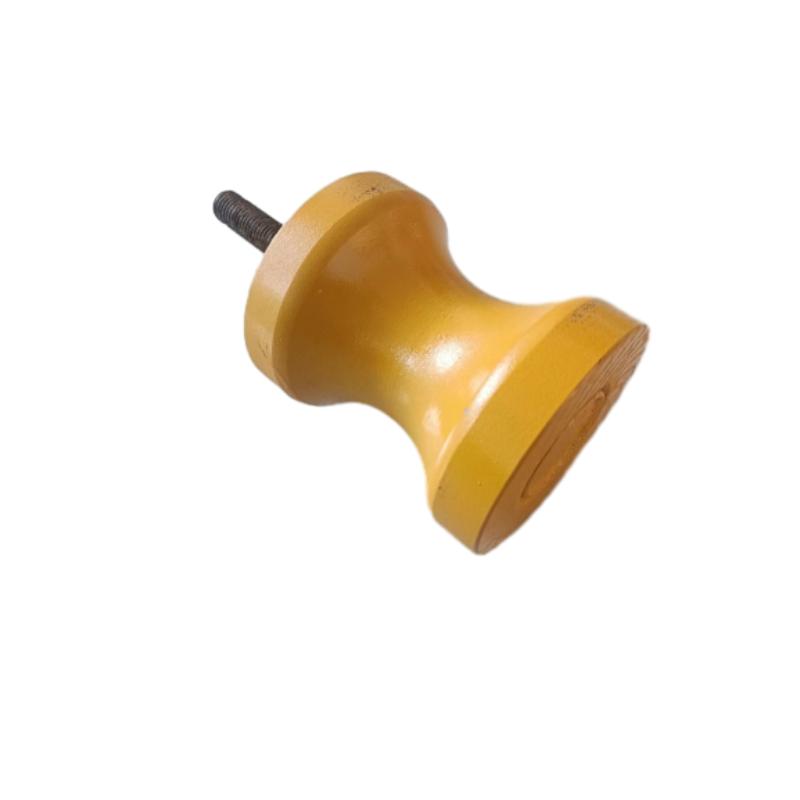
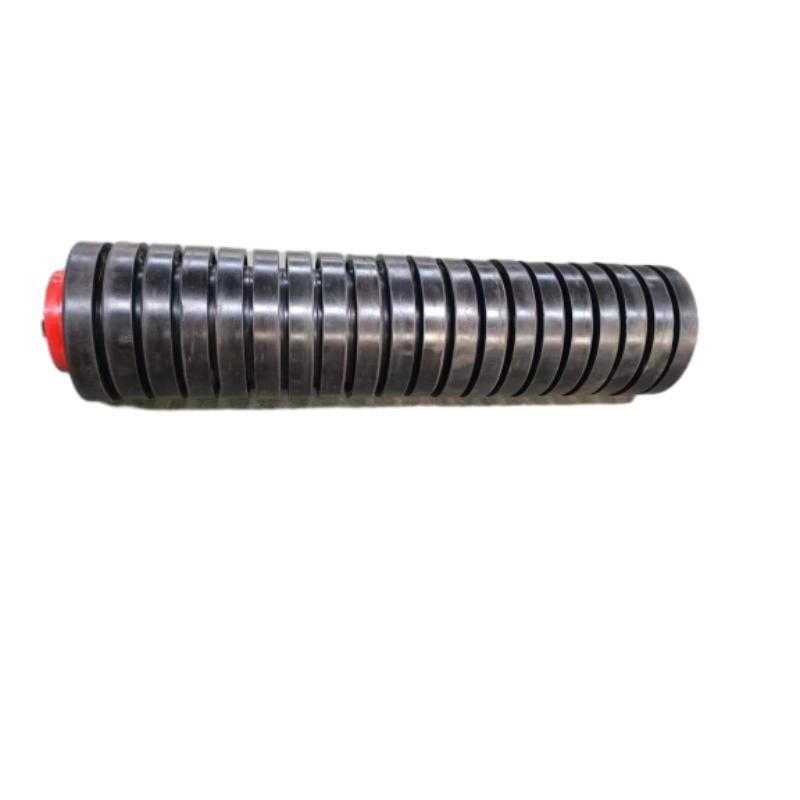
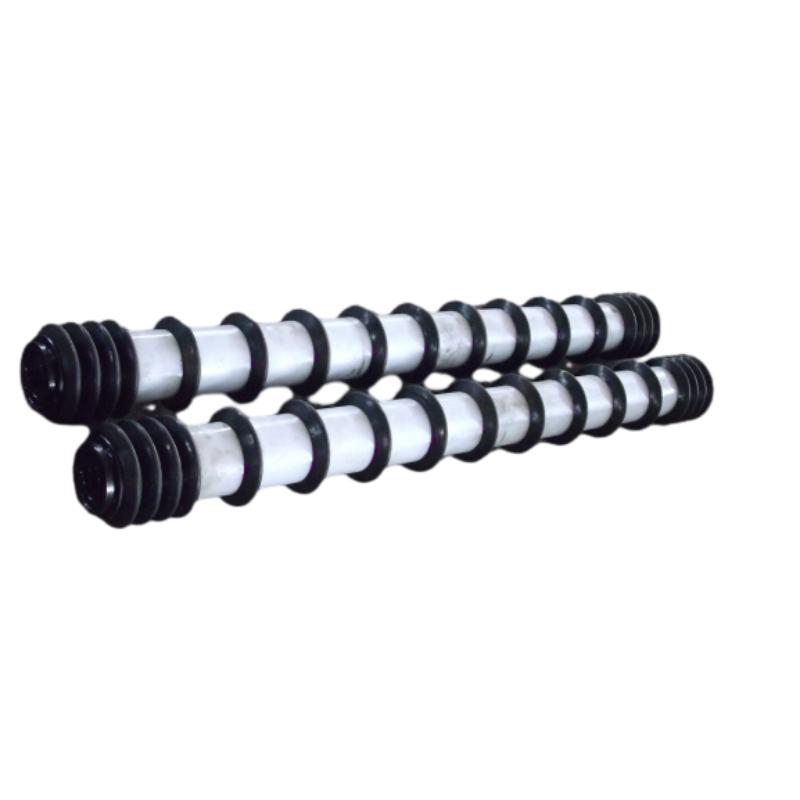
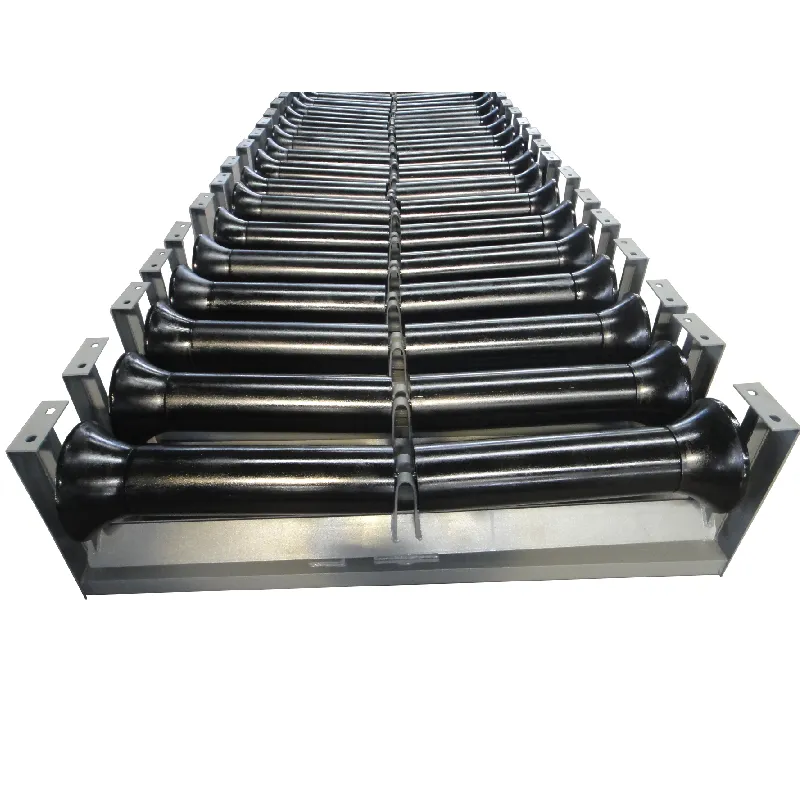
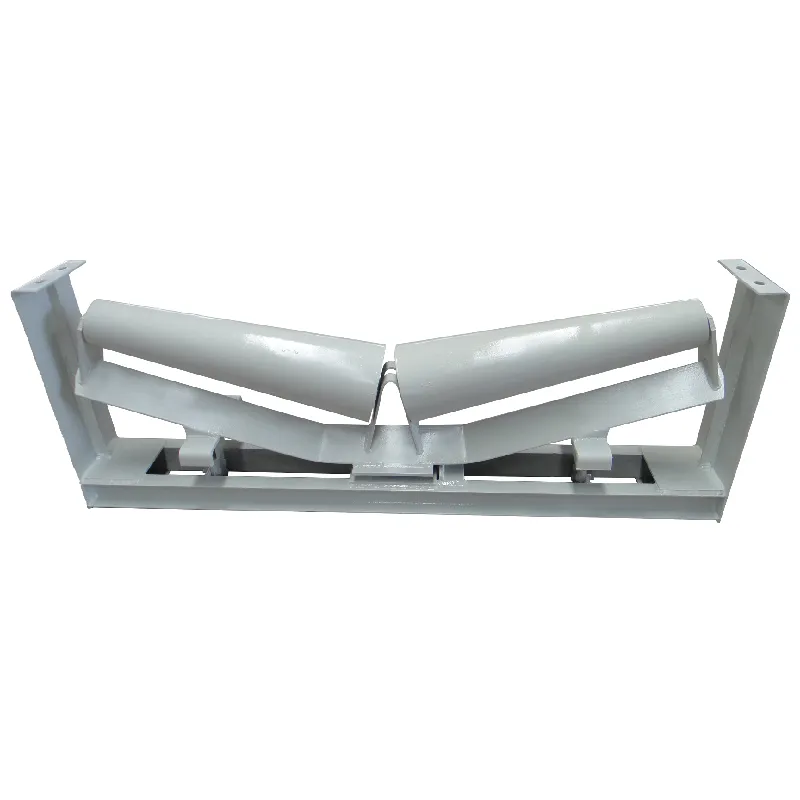
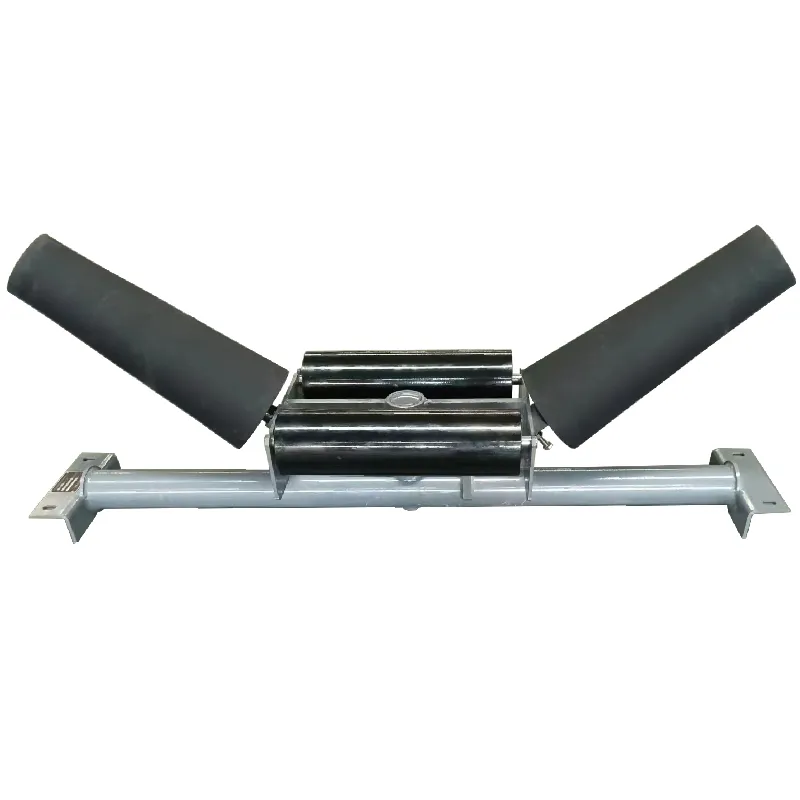
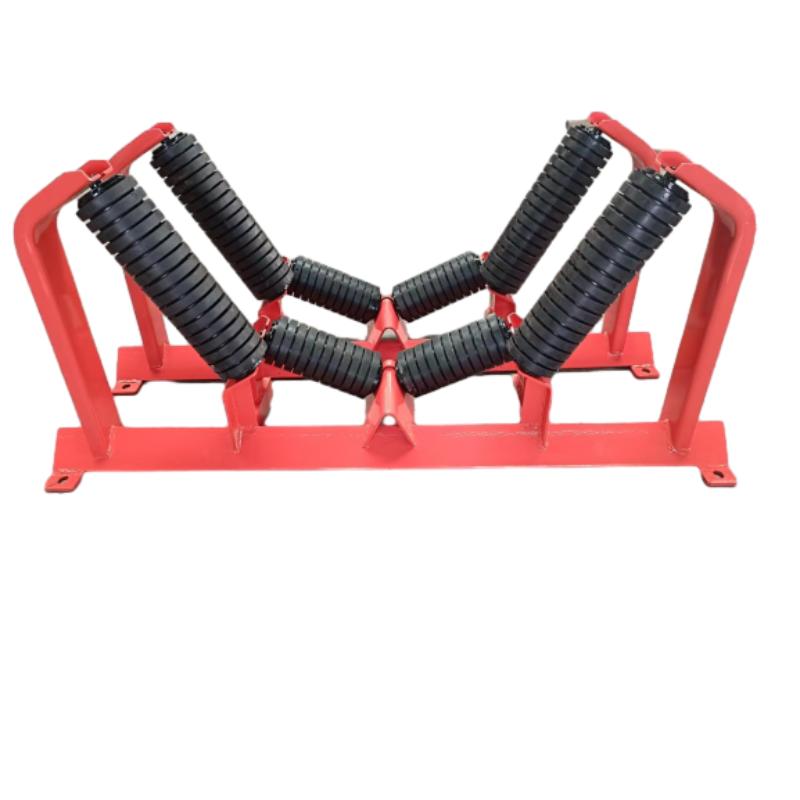
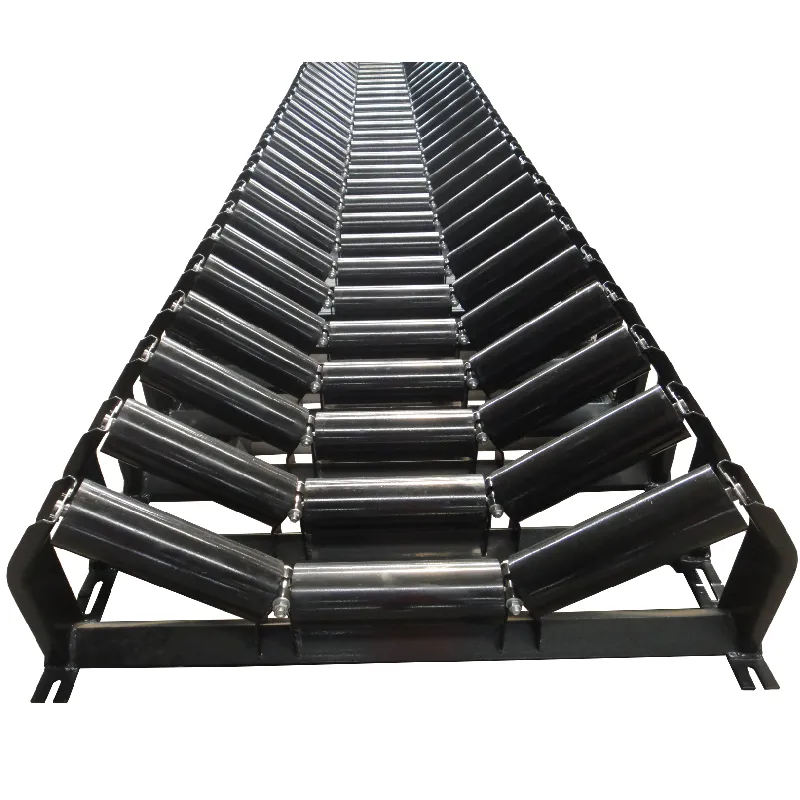
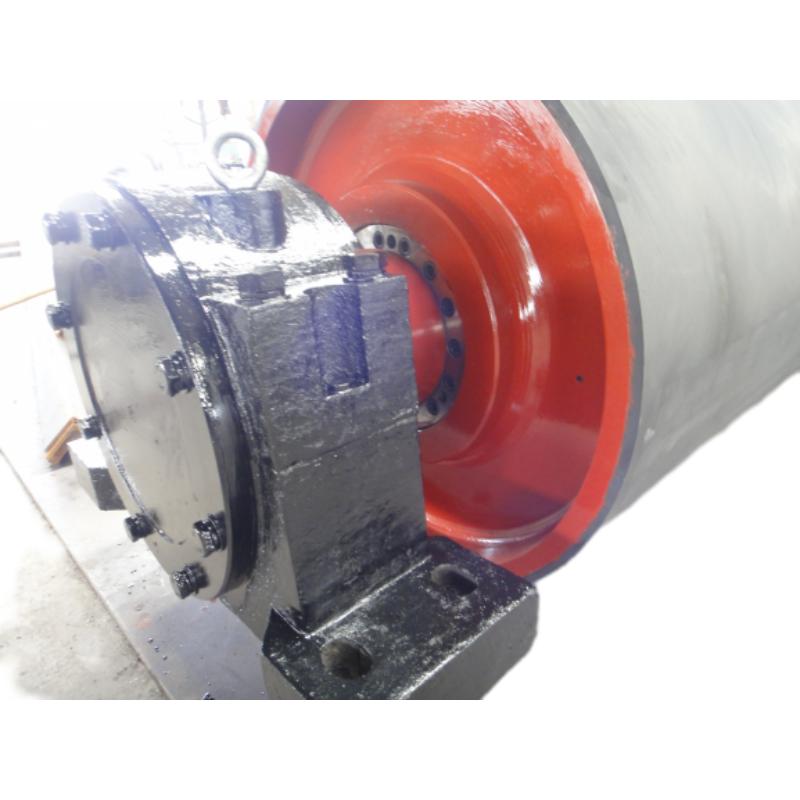
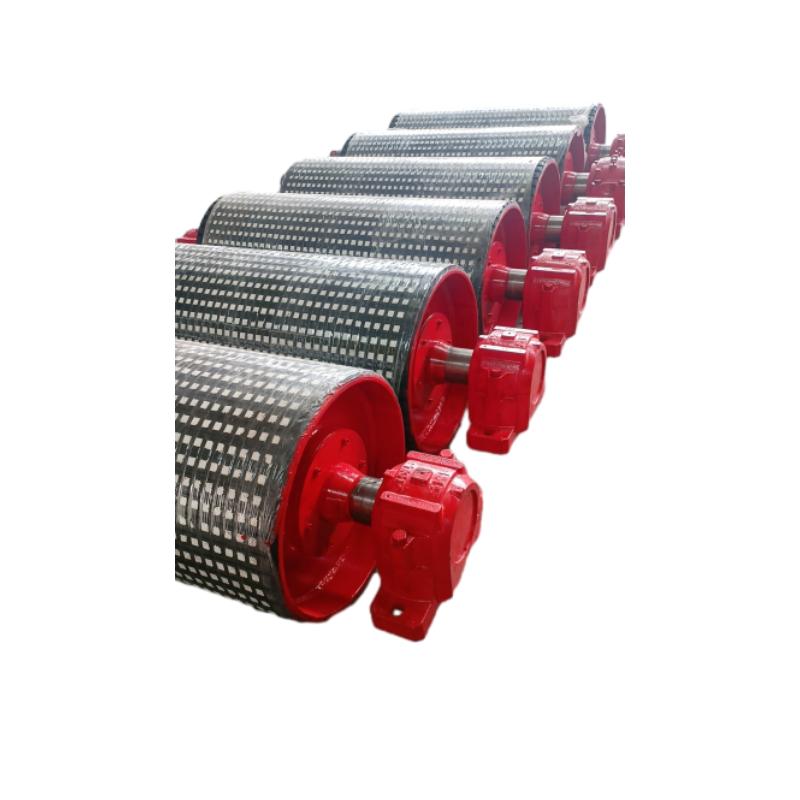
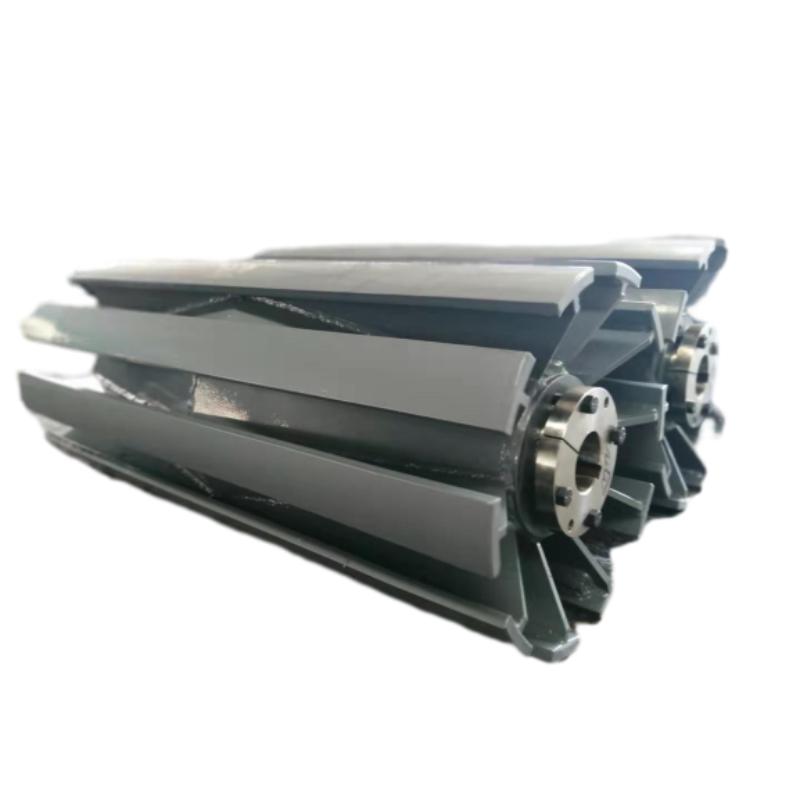
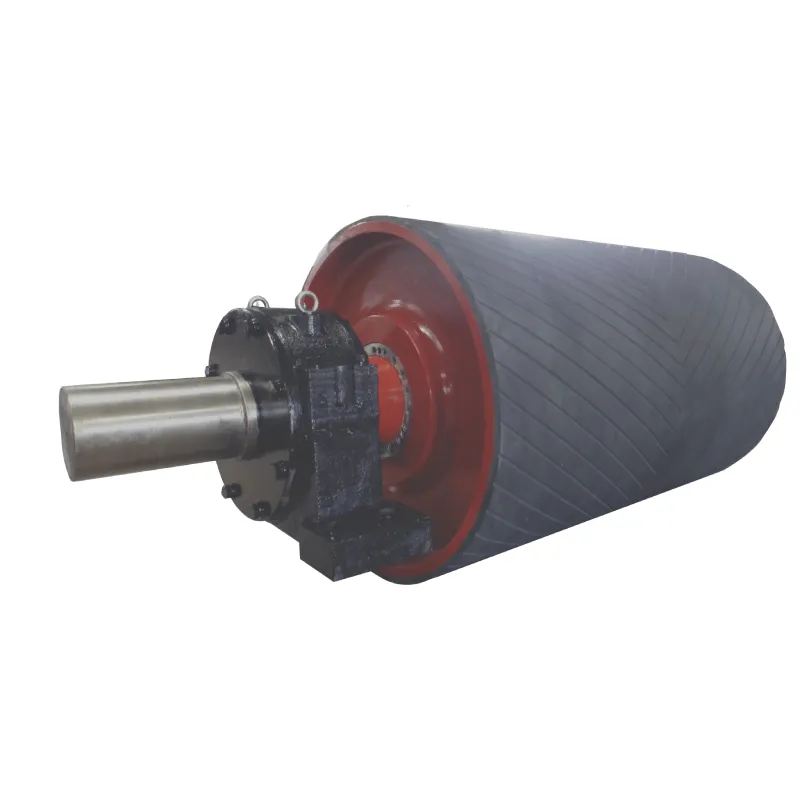
At its core, a wing pulley conveyor is a standard conveyor system enhanced with a pulley designed with “wings” or rims projecting radially. These wings keep the belt centered, especially under tough conditions like heavy loads, high speeds, or inclined paths. You might picture them as the conveyor equivalent of guardrails, ensuring the belt never wanders off course.
These pulleys are typically found in materials-handling applications — mining, agriculture, and manufacturing — but they are gaining interest where durable, low-maintenance bulk movement is vital. The design promotes safety (no slipping belts) and longevity (wear and tear reduced). It’s a fine example of how a small tweak in engineering can elevate an entire system’s performance.
Mini Takeaway:
- Wing pulley conveyors use pulleys with wing-shaped rims to improve belt tracking.
- This design reduces misalignment and extends equipment life.
- The concept bridges basic mechanical design with modern industrial needs.
Key Factors and Core Components of Wing Pulley Conveyors
1. Durability
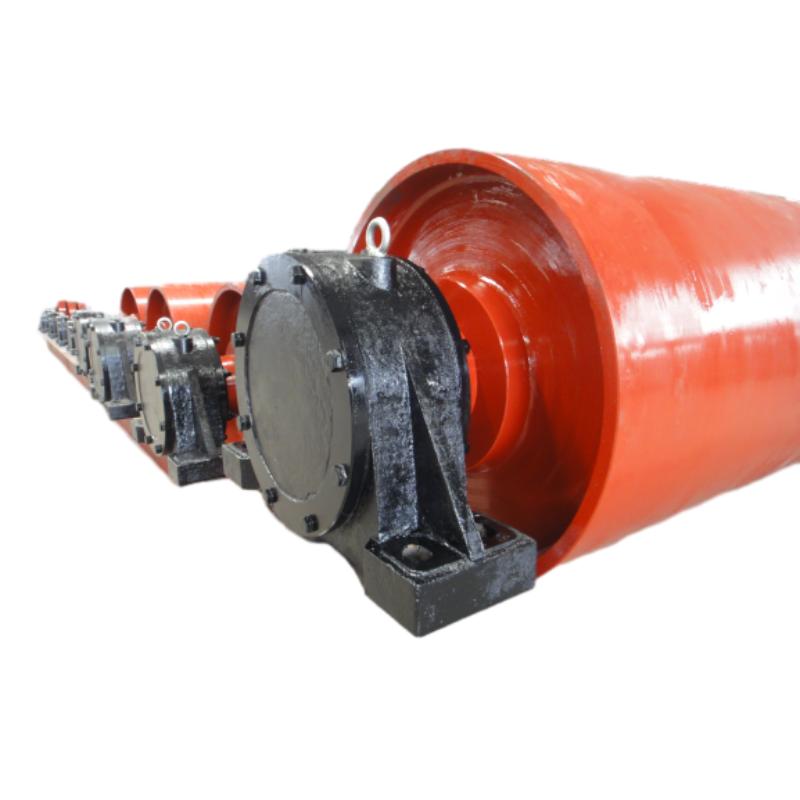
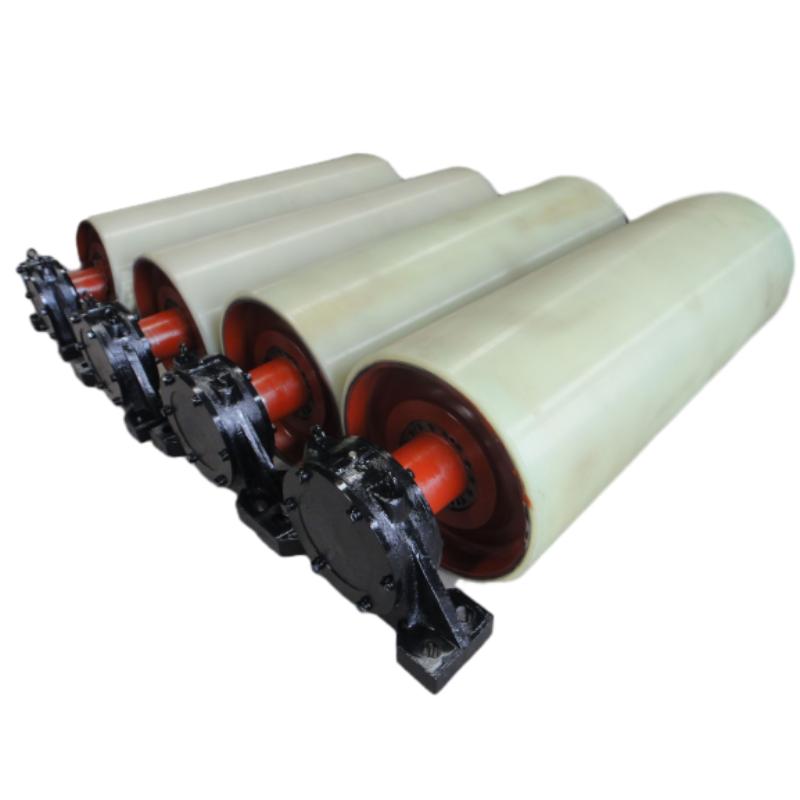
Wing pulleys need to withstand heavy wear and often harsh environments — dust, moisture, temperature swings. Materials like carbon steel with corrosion-resistant coatings are common, sometimes combined with polyurethane wings for added flexibility. This durability affects downtime and maintenance cycles, a key metric for industries running 24/7 operations.
2. Scalability
These conveyors can be scaled from small, localized installations to massive mining operations. It’s about modular design and the ability to customize pulley size and wing shape to specific belt widths and load requirements, making them versatile.
3. Cost Efficiency
While wing pulleys may have a marginally higher upfront cost than traditional smooth pulleys, their reduction in belt damage and maintenance expenses leads to overall savings. Many engineers I’ve talked to estimate up to 20–30% savings in total operating costs over conveyor lifespan, which frankly makes them a smart investment.
4. Maintenance Simplicity
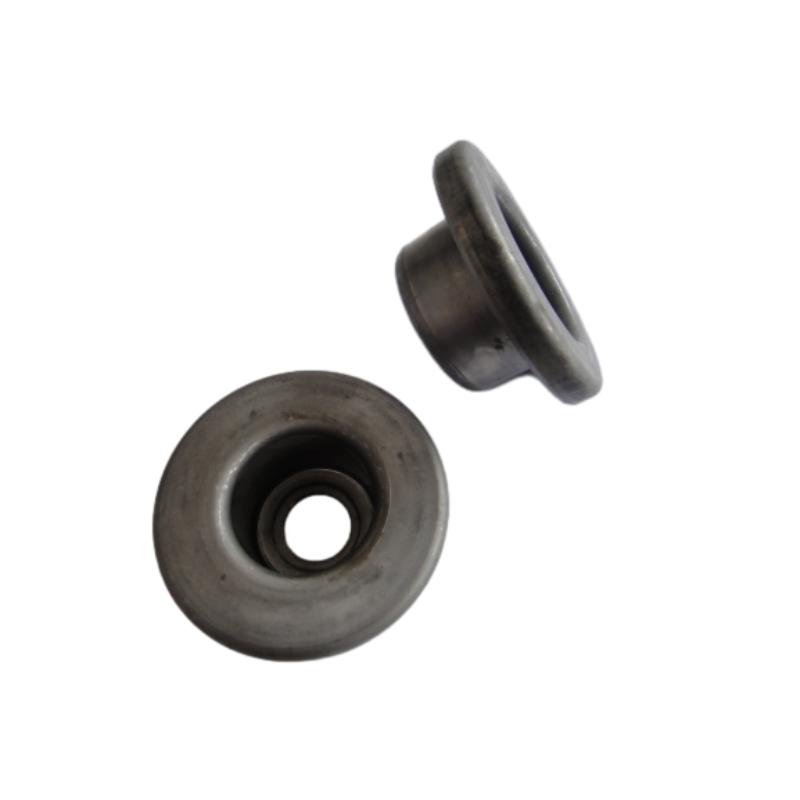
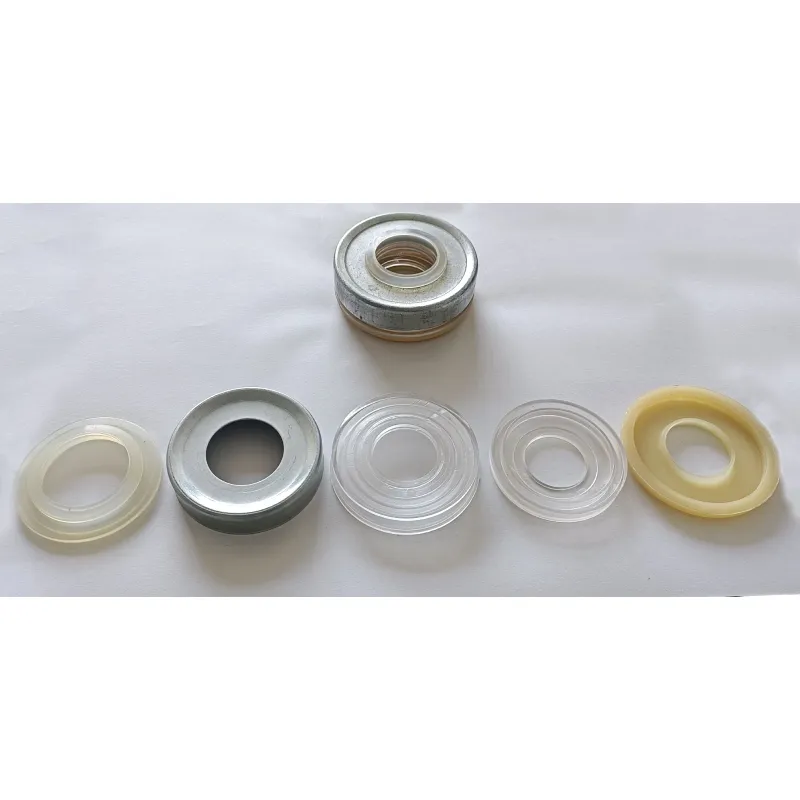
Wing pulley systems often feature easy-to-replace wing components and modular bearings. This reduces machine downtime and labor costs.
5. Safety
Proper belt alignment reduces hazardous conditions for workers and machinery alike. It can prevent sudden belt slips that might cause jams or injuries.
Mini Takeaway:
- Durability ensures long life despite tough environments.
- Scalability fits diverse industry needs.
- Cost-efficiency balances upfront and ongoing expenses.
- Maintenance and safety improvements minimize risks and downtime.
Global Applications & Use Cases for Wing Pulley Conveyors
Wing pulley conveyors are found in many corners of the globe:
- Mining in Australia: Long-distance bulk haulage systems rely on wing pulleys to keep massive loads on track.
- Agriculture in the USA: Grain handling terminals prevent spillage and downtime with these pulleys.
- Disaster relief logistics in Southeast Asia: Wing pulley conveyors are deployed to transport supplies efficiently and safely through rugged terrain.
- Remote industrial zones in Africa: Portable conveyor systems equipped with wing pulleys ensure quick setup and reliable operation where maintenance resources are scarce.
These examples underscore how wing pulley conveyors serve both technology-intensive industries and critical humanitarian missions.
Mini Takeaway:
- Industries worldwide, from mining to relief logistics, use wing pulley conveyors.
- Reliable performance in diverse environments enhances operational outcomes.
Advantages & Long-Term Value of Wing Pulley Conveyors
The obvious advantage is reduced belt misalignment — a chronic conveyor problem. But the ripple effects go deeper:
- Cost Savings: Less belt wear means lower replacement and maintenance costs.
- Sustainability: Longer equipment lifespans reduce waste and resource consumption.
- Safety: Fewer belt-related accidents increase worker security and confidence.
- Innovation and Trust: Companies investing in wing pulley technology send a message — they value operational excellence and reliability.
You can almost hear the pride in management’s voice when they say their conveyors run “miles on end without a single belt problem.” Those are not just operational bragging rights; they translate into trust among clients, workers, and suppliers.
Mini Takeaway:
- Wing pulley conveyors lower operational costs and environmental impact.
- They enhance safety and build stakeholder trust.
- Their use reflects a commitment to innovation and reliability.
Product Specification Table: Typical Wing Pulley Conveyor Parameters
| Parameter | Typical Value | Notes |
|---|---|---|
| Pulley Diameter | 300 - 1500 mm | Depends on belt width and load |
| Wing Height | 30 - 60 mm | Optimized for belt alignment |
| Material | Carbon Steel / Polyurethane | Corrosion-resistant coatings standard |
| Operating Temp. | -20°C to +80°C | Suitable for most environments |
| Max Load | 5000 kg | Varies by size and manufacturer |
Vendor Comparison: Popular Wing Pulley Conveyor Suppliers
| Vendor | Customization | Lead Time | Warranty | Price Range |
|---|---|---|---|---|
| Global Conveyors Inc. | High (wing profiles, coatings) | 4-6 weeks | 2 years | $$$ |
| EcoTech Materials | Medium (standard wings, some plastics) | 3-5 weeks | 1.5 years | $$ |
| Mineral Handling Solutions | Low (standard offerings) | 2-4 weeks | 1 year | $ |
Future Trends and Innovations in Wing Pulley Conveyor Technology
Looking ahead, wing pulley conveyors are poised to embrace several exciting trends:
- Green Materials: Biodegradable or recycled polyurethane wings reduce environmental footprint.
- Smart Sensors: Embedded sensors will detect belt misalignment or wear in real time, allowing predictive maintenance.
- Automation Integration: Coupling with systems like wing pulley conveyor automation for seamless bulk handling.
- Energy Efficiency: Lighter materials and improved wing designs can lower energy consumption.
All of this ties well with global industry pushes for sustainability and digital transformation, ensuring wing pulley conveyors remain relevant and innovative.
Mini Takeaway:
- Emerging materials and smart tech will enhance functionality and sustainability.
- Integration with automation supports operational efficiency.
- Wing pulley conveyors will continue evolving with industry trends.
Challenges and Solutions for Wing Pulley Conveyors
No technology comes without hurdles. For wing pulley conveyors, challenges include:
- Initial Cost: The upfront price can deter smaller operators, though ROI typically compensates.
- Customization Complexity: Designing the correct wing profile for unique belts can be trial and error.
- Wear on Wings: In abrasive environments, wings can degrade and need replacement.
Industry experts recommend regular inspections, consulting with manufacturers for tailored designs, and using advanced wear-resistant materials. Ongoing R&D efforts aim to address these through modular wing replacements and more adaptable designs.
FAQ: Frequently Asked Questions About Wing Pulley Conveyor
Q1: How does a wing pulley conveyor reduce belt misalignment compared to traditional pulleys?
A1: Wing pulleys have raised rims or wings that physically guide the belt edges, keeping it centered. Unlike smooth pulleys, these wings prevent the belt from drifting sideways, reducing wear and the likelihood of belt slips or damage.
Q2: What industries benefit most from wing pulley conveyors?
A2: Mining, agriculture, manufacturing, and even humanitarian logistics sectors benefit greatly. Any industry moving bulk materials where belt reliability and minimizing downtime are critical can gain from wing pulley designs.
Q3: Are wing pulley conveyors suitable for inclined conveyor belts?
A3: Absolutely. Their design is particularly effective on inclined or declining conveyors where belt misalignment risk increases due to gravity and load shifts.
Q4: How do I maintain the wings on a wing pulley conveyor?
A4: Regular inspection is key. Wings are often designed to be replaceable components. Cleaning debris buildup and checking for wear or cracks help prolong service life.
Q5: Can wing pulley conveyors be integrated with automation systems?
A5: Yes, modern wing pulley conveyors often include or can be retrofitted with sensors and controls to integrate with automated bulk material handling systems, enhancing operational oversight.
Conclusion + Call to Action
Wing pulley conveyors may seem like a small detail in the vast world of material handling, but their impact is impressive — boosting efficiency, safety, and sustainability worldwide. As industries continue to face rising demands and tighter control needs, their role only gets more critical. For anyone looking to modernize their conveyor systems with reliable, cost-effective technology, exploring wing pulley conveyors is a wise move.
Ready to learn more or upgrade your systems? Visit our website at https://www.idleraohua.com for detailed product info, expert consultation, and tailored solutions.
Oddly enough, sometimes small wings make all the difference.
References
-
Maximize Conveyor Life with a High Performance impact bedNewsApr.16,2026
-
Maximize Conveyor Efficiency Using a v plow belt scraperNewsApr.09,2026
-
Comprehensive Guide to Understanding Different Types of Belt CleanersNewsApr.07,2026
-
Enhancing Conveyor Efficiency with an Effective Scraper Belt CleanerNewsApr.04,2026
-
Optimizing Conveyor Systems with Advanced Cleaning Equipment SolutionsNewsMar.31,2026
-
Effective Conveyor Belt Scraper Adjustment for Optimal System PerformanceNewsMar.28,2026